Every successful interview starts with knowing what to expect. In this blog, we’ll take you through the top Emergency Response Planning for Hydroelectric Plants interview questions, breaking them down with expert tips to help you deliver impactful answers. Step into your next interview fully prepared and ready to succeed.
Questions Asked in Emergency Response Planning for Hydroelectric Plants Interview
Q 1. Describe the different types of emergencies that can occur at a hydroelectric plant.
Hydroelectric plants, while crucial for clean energy generation, face a range of potential emergencies. These can be broadly categorized into:
- Dam-related emergencies: This includes dam failures (partial or complete), seepage, erosion, uncontrolled water releases due to gate malfunction or structural damage, and embankment instability. A dam failure is the most catastrophic scenario, potentially leading to widespread flooding and significant loss of life.
- Turbine and generator issues: Mechanical failures in turbines or generators can cause power outages, vibrations, or even fires. These events can impact electricity supply and necessitate rapid shutdown procedures.
- Flood events: Heavy rainfall exceeding the dam’s capacity can lead to uncontrolled flooding upstream or downstream. This necessitates careful water management and potential controlled releases to mitigate the risk.
- Seismic events: Earthquakes can damage the dam structure, its associated infrastructure, or even trigger landslides impacting the reservoir or downstream areas. This requires robust seismic design considerations and emergency procedures tailored to such events.
- Power outages: Loss of power can severely impact the plant’s ability to control water releases and can lead to other cascading failures. Redundant power systems are vital in such scenarios.
- Terrorist attacks or sabotage: While less frequent, these are unfortunately possibilities that must be considered, requiring robust security measures and contingency plans.
- Environmental incidents: Oil spills, chemical leaks, or fish kills near the plant could also trigger an emergency response, requiring specific protocols for environmental mitigation.
Understanding the likelihood and potential impact of each type is crucial for effective emergency planning.
Q 2. Explain the role of a dam safety inspector in emergency preparedness.
A dam safety inspector plays a critical role in emergency preparedness by acting as a vital link between regulatory compliance, engineering expertise, and emergency response planning. Their responsibilities include:
- Regular inspections: Conducting thorough inspections of the dam structure, appurtenant structures, and surrounding areas to identify potential weaknesses or hazards.
- Risk assessment participation: Collaborating in the risk assessment process, identifying potential failure modes, and estimating their likelihood and consequences.
- Emergency plan review: Reviewing and approving the emergency response plan, ensuring it addresses identified risks and complies with relevant regulations.
- Training and education: Participating in the training of plant personnel in emergency procedures and dam safety best practices.
- Incident investigation: Investigating any incidents or near misses to identify root causes and implement corrective actions to prevent future occurrences.
- Regulatory compliance: Ensuring the plant adheres to all relevant dam safety regulations and reporting requirements.
In essence, the dam safety inspector acts as an independent expert, ensuring the plant operates safely and is prepared for emergencies. Their role is particularly critical in ensuring that the emergency response plan remains current and effective.
Q 3. What are the key components of an effective emergency response plan for a hydroelectric plant?
An effective emergency response plan for a hydroelectric plant is multi-faceted and must incorporate the following key components:
- Risk assessment: A comprehensive identification of potential hazards and their associated risks, considering both likelihood and consequences.
- Emergency procedures: Detailed step-by-step instructions for responding to specific emergencies, including roles and responsibilities for each team member.
- Communication protocols: Clearly defined communication channels and procedures, both internal and external, to ensure timely and accurate information dissemination.
- Emergency contact list: A readily accessible list of key personnel, emergency services, and regulatory agencies.
- Evacuation plan: Procedures for safely evacuating personnel from the plant and surrounding areas if necessary.
- Emergency equipment and supplies: Adequate provision of essential equipment such as rescue tools, first aid supplies, communication devices, and backup power.
- Training and drills: Regular training exercises and drills to ensure personnel are familiar with emergency procedures and can respond effectively.
- Post-incident analysis: A structured process for reviewing events after an emergency to identify lessons learned and improve future responses.
- Public awareness and information dissemination: Procedures for informing the public about emergencies and providing relevant safety instructions.
The plan must be regularly reviewed and updated to reflect changes in the plant’s operations, environmental conditions, or regulatory requirements. Think of it as a living document.
Q 4. How would you conduct a risk assessment for a hydroelectric facility?
Conducting a risk assessment for a hydroelectric facility involves a systematic process of identifying potential hazards, analyzing their likelihood and consequences, and determining appropriate risk mitigation strategies. This typically involves:
- Hazard identification: Identifying all potential hazards, such as dam failures, equipment malfunctions, natural disasters, and human error, using techniques like brainstorming, checklists, and HAZOP (Hazard and Operability) studies.
- Risk analysis: Assessing the likelihood and severity of each hazard. This often involves using quantitative methods such as fault tree analysis or event tree analysis. The result would be a risk matrix, visually representing the likelihood and impact of each event.
- Risk evaluation: Determining the overall risk level by comparing the assessed risks against predetermined acceptance criteria. This might involve calculating risk scores based on likelihood and consequence matrices.
- Risk mitigation: Developing and implementing strategies to reduce the likelihood or consequences of identified hazards. This might include engineering controls (e.g., dam upgrades), administrative controls (e.g., improved procedures), and personal protective equipment.
- Risk monitoring and review: Regularly reviewing and updating the risk assessment to reflect changes in the plant’s operations or external factors.
For example, a high likelihood of flooding due to a specific weather pattern might lead to implementing early warning systems and revising water release strategies. A low-probability but high-consequence event like a dam failure might necessitate significant investment in dam strengthening and robust emergency response planning.
Q 5. Describe your experience with developing and implementing emergency response procedures.
Throughout my career, I’ve been involved in the development and implementation of emergency response procedures for numerous hydroelectric facilities, ranging from small run-of-river plants to large-scale dams. This has involved:
- Leading risk assessments: I’ve chaired numerous risk assessment workshops, guiding teams of engineers, operators, and safety personnel through the hazard identification and risk analysis process.
- Developing emergency response plans: I’ve drafted and refined comprehensive emergency response plans, ensuring they meet regulatory requirements and address specific plant-related risks. These plans included detailed procedures for various scenarios and clear roles and responsibilities.
- Conducting training and drills: I’ve developed and delivered training programs for plant personnel, covering emergency procedures, equipment usage, and communication protocols. I’ve also overseen numerous full-scale emergency drills, observing personnel performance and providing feedback for improvement.
- Implementing emergency communication systems: I’ve designed and implemented robust communication systems using a combination of radio, telephone, and digital communication technologies, to ensure swift and reliable communication during emergencies.
- Post-incident analysis and review: After several near misses and minor incidents, I’ve led post-incident investigations, documenting findings, identifying root causes, and implementing corrective actions to prevent future occurrences.
My experience ensures that I can apply best practices, adapt to specific contexts, and effectively mitigate risks associated with hydroelectric facilities.
Q 6. What are the communication protocols during a hydroelectric plant emergency?
Effective communication during a hydroelectric plant emergency is paramount. Protocols typically include:
- Internal communication: A hierarchical structure with clear lines of authority and responsibility. This might involve a designated emergency response team with pre-assigned roles and responsibilities, using dedicated communication channels (e.g., radio, emergency alert systems).
- External communication: Pre-established contact lists for emergency services (fire, police, medical), regulatory agencies, downstream communities, and media. This might involve activating pre-arranged communication plans to warn communities, and to relay accurate and timely information to the public.
- Communication technologies: A combination of radio systems, dedicated telephone lines, mobile phones, and potentially satellite communication for backup in case of widespread outages.
- Designated spokesperson: One or more designated spokespeople to communicate with the media and public, ensuring consistency and accuracy of information.
- Regular updates: Frequent updates on the situation and emergency response actions to all stakeholders.
- Crisis communication plan: This plan will detail the procedures for managing communication in a crisis, including how to deal with misinformation and conflicting information.
Regular drills are essential to test and refine these protocols, ensuring smooth and efficient communication during real emergencies. Clear, concise, and accurate information is crucial for effective response and public safety.
Q 7. Explain the importance of regular drills and exercises in maintaining emergency preparedness.
Regular drills and exercises are not just a formality; they are an absolute necessity for maintaining emergency preparedness at a hydroelectric plant. Their importance lies in:
- Testing emergency procedures: Drills provide a controlled environment to test the effectiveness of emergency response plans, identifying weaknesses and areas for improvement. This practical application highlights the areas requiring further attention and fine-tuning.
- Training personnel: Drills provide valuable hands-on training for plant personnel, familiarizing them with their roles and responsibilities during an emergency. This ensures everyone is comfortable and confident in their tasks.
- Improving coordination: Drills facilitate the coordination of different teams and agencies, ensuring seamless collaboration during a real emergency. It helps iron out any communication or operational issues.
- Building confidence: By successfully executing drills, personnel gain confidence in their ability to respond effectively, reducing anxiety and improving performance during a real emergency.
- Identifying equipment deficiencies: Drills can identify any deficiencies in emergency equipment or supplies, ensuring timely procurement and maintenance. This proactive approach ensures equipment is ready when needed.
- Maintaining readiness: Regular drills ensure that the plant remains in a state of continuous readiness, minimizing response time and maximizing effectiveness during actual emergencies.
Imagine a fire drill in an office building. It’s not a simulation of an actual fire, but it helps individuals to safely exit and learn the emergency procedures. Hydroelectric plant drills serve a very similar purpose, and neglecting them can have significant consequences.
Q 8. How would you manage evacuation procedures during a dam failure scenario?
Managing evacuations during a dam failure requires a multi-layered approach, prioritizing speed and safety. It begins with a well-defined, geographically-specific evacuation plan that’s regularly updated and practiced. This plan incorporates pre-determined evacuation zones based on flood inundation modeling, clearly marked evacuation routes, and designated assembly points.
The process starts with immediate activation of the emergency response team and notification of relevant authorities. Simultaneous alerts would be issued to the public through multiple channels: sirens, emergency broadcast systems, text messages, and social media. We’d leverage pre-established communication protocols to coordinate with local law enforcement and emergency medical services to ensure efficient and safe evacuation routes are secured and managed.
Dedicated personnel would be assigned to monitor the evacuation process, addressing potential roadblocks and ensuring the safe transport of vulnerable populations (elderly, disabled) to the designated shelters. Post-evacuation, we’d maintain communication with evacuees and provide updates on the situation and the estimated time of return. Regular drills and simulations would refine this process, ensuring a smooth and effective response in a real-world crisis. Think of it like a well-rehearsed orchestra; each member knows their part, and the conductor ensures everyone works together harmoniously.
Q 9. What are the legal and regulatory requirements related to emergency response at hydroelectric plants?
Legal and regulatory requirements for hydroelectric plant emergency response vary by jurisdiction but generally follow a similar framework emphasizing public safety and environmental protection. These often include adherence to national dam safety regulations, which dictate design, construction, operation, and maintenance standards. Furthermore, there are often specific requirements for developing and regularly testing emergency action plans. These plans must detail procedures for various scenarios, including dam failure, equipment malfunction, and natural disasters.
Environmental agencies typically mandate spill prevention, containment, and cleanup procedures in case of incidents. Worker safety is paramount, and regulations outline strict protocols for personnel protection and training. Regular inspections and audits by regulatory bodies ensure compliance with these regulations. Failure to comply can lead to significant fines, operational restrictions, and even legal action. We have to think proactively and view compliance not merely as a legal obligation, but as a commitment to responsibility and ethical operation.
Q 10. How would you handle a situation involving a dam breach?
Handling a dam breach is a critical event demanding swift and decisive action. The immediate priority is the safety of downstream populations. This requires the immediate activation of the emergency response plan, including the already-established evacuation procedures. Simultaneously, we’d focus on damage control, assessing the extent of the breach and potential downstream impacts. This involves real-time monitoring of water levels, flow rates, and structural stability.
We’d coordinate with all relevant agencies – emergency services, hydrological monitoring groups, and public works – to mitigate the impact. This might involve deploying temporary flood barriers, activating warning systems, and managing traffic flow to minimize disruption and risk. We’d also need to communicate constantly with the public, providing timely and accurate updates to alleviate anxiety. Post-incident, a thorough investigation would be conducted to determine the root cause of the breach, identify any systemic weaknesses, and implement improvements to prevent similar occurrences in the future. This would include a detailed damage assessment to inform reconstruction efforts.
Q 11. Describe your familiarity with different types of dam structures and their associated risks.
My familiarity with different dam structures and their associated risks is extensive. I understand the varying characteristics of different dam types, including gravity dams, arch dams, embankment dams (earthfill and rockfill), and buttress dams. Each type presents unique challenges and vulnerabilities. For instance, gravity dams rely on their sheer weight to resist water pressure; failure could be catastrophic. Arch dams transfer water pressure to the abutments; geological weaknesses could compromise their structural integrity. Embankment dams, while often less prone to catastrophic failure, are susceptible to seepage and erosion.
The associated risks vary widely depending on dam age, construction materials, maintenance history, and the surrounding geological context. Seismic activity poses a significant threat to all dam types, potentially triggering landslides or structural damage. Extreme hydrological events like intense rainfall or rapid snowmelt can overstress dam structures and lead to failure. Regular inspections, rigorous monitoring of water levels and structural performance, and proactive maintenance are essential to mitigate these risks. Risk assessments tailored to each dam type are necessary to inform preventative measures and emergency response planning.
Q 12. What are the key performance indicators (KPIs) for measuring the effectiveness of an emergency response plan?
Key Performance Indicators (KPIs) for measuring the effectiveness of an emergency response plan are crucial for continuous improvement. These KPIs should focus on several key areas. First, Timeliness: How quickly was the response initiated and the initial warning disseminated? Second, Effectiveness of Evacuation: Were people evacuated safely and efficiently? Third, Damage Minimization: What was the extent of damage to infrastructure and the environment, and how successfully was it mitigated?
Fourth, Communication Effectiveness: How effectively was information communicated between responders and the public? Fifth, Post-Incident Recovery: How quickly and effectively was the situation stabilized and normal operations resumed? Sixth, Resource Utilization: Were resources (personnel, equipment) effectively utilized during the response? Finally, Exercise Performance: How well did the emergency response plan perform during drills and simulations? These KPIs, measured consistently over time, can provide a clear picture of the plan’s strengths and weaknesses, highlighting areas that require attention and improvement.
Q 13. How do you incorporate lessons learned from past incidents into your emergency response planning?
Incorporating lessons learned from past incidents is paramount to improving emergency response planning. After every incident, whether a near miss or a full-blown crisis, a thorough post-incident review is essential. This involves meticulously analyzing the events, identifying shortcomings in the response, and pinpointing areas for improvement. This review should involve input from all stakeholders, including emergency responders, engineers, and local communities.
Specific improvements might involve updating evacuation routes, refining communication protocols, improving resource allocation strategies, or enhancing training programs. These lessons learned are documented and incorporated into updated emergency action plans and subsequent training exercises. The goal isn’t simply to react to past mistakes but to actively transform them into proactive strategies for future preparedness. This continuous learning cycle significantly enhances the resilience of the emergency response system.
Q 14. Describe your experience with coordinating with external agencies during an emergency.
Coordinating with external agencies during an emergency is critical and requires well-established protocols and strong relationships built before any crisis. This includes regular meetings and joint training exercises with local emergency services, law enforcement, fire departments, and public health authorities. Establishing clear communication channels and shared operating procedures is essential for efficient coordination during an emergency.
During a dam failure scenario, for example, coordination with emergency services would be crucial for evacuations and providing medical assistance. Collaboration with hydrological monitoring agencies would help to predict and manage downstream flooding. Public works departments would be essential for damage repair and infrastructure restoration. Successful coordination hinges on pre-established communication plans, shared situational awareness, and a clear chain of command. Trust and mutual respect built through previous collaborations become invaluable assets during a high-pressure crisis.
Q 15. How would you manage resources during a large-scale hydroelectric plant emergency?
Managing resources during a large-scale hydroelectric plant emergency requires a structured, prioritized approach. Think of it like a well-orchestrated orchestra – each instrument (resource) plays a vital role, and the conductor (incident commander) ensures harmony and efficiency.
- Prioritization: The initial focus is on life safety. Evacuations, rescue operations, and first aid take precedence. Then, we address damage control – preventing further escalation of the incident (e.g., containing a spill, shutting down affected systems).
- Communication: Clear, concise communication is crucial. We utilize a multi-channel approach: dedicated emergency radio frequencies, satellite phones for remote areas, and a comprehensive public information system to keep stakeholders informed. A common operating picture (COP) is essential.
- Resource Allocation: This involves deploying personnel (emergency responders, engineers, maintenance crews), equipment (heavy machinery, specialized tools), and materials (sandbags, spill containment booms) effectively. This is guided by the emergency response plan and real-time situation assessment.
- External Coordination: We engage with external agencies – fire departments, police, medical services, environmental protection agencies, and potentially even the military – to access resources beyond the plant’s capacity.
- Logistics: Secure and maintain supply lines for fuel, food, water, and medical supplies. This might involve establishing temporary staging areas and coordinating transport.
For example, during a dam breach scenario, prioritization would involve immediate downstream evacuation, followed by deploying resources to mitigate the flood’s impact and initiate repairs. Efficient communication and coordination with outside agencies would be essential to manage the large-scale impact.
Career Expert Tips:
- Ace those interviews! Prepare effectively by reviewing the Top 50 Most Common Interview Questions on ResumeGemini.
- Navigate your job search with confidence! Explore a wide range of Career Tips on ResumeGemini. Learn about common challenges and recommendations to overcome them.
- Craft the perfect resume! Master the Art of Resume Writing with ResumeGemini’s guide. Showcase your unique qualifications and achievements effectively.
- Don’t miss out on holiday savings! Build your dream resume with ResumeGemini’s ATS optimized templates.
Q 16. What are the key elements of a post-incident analysis report for a hydroelectric plant incident?
A post-incident analysis report for a hydroelectric plant incident is critical for learning and improvement. It’s like a post-game analysis for a sports team – identifying what worked well and what needs improvement. Key elements include:
- Factual Account: A detailed chronological description of the incident, including the time of occurrence, initial observations, and sequence of events.
- Cause Analysis: A thorough investigation of the root cause(s) of the incident, identifying contributing factors – human error, equipment failure, environmental conditions, or procedural deficiencies.
- Damage Assessment: A comprehensive evaluation of the damage incurred, including injuries, environmental impact, and property damage.
- Response Effectiveness Analysis: An assessment of the effectiveness of the emergency response, including communication, resource deployment, and coordination with external agencies. Were response times adequate? Were resources sufficient?
- Lessons Learned: Identification of areas for improvement in emergency response planning, training, procedures, maintenance, and equipment. This section offers actionable recommendations to prevent similar incidents.
- Corrective Actions: Specific steps to address the identified weaknesses and improve future responses. This might involve upgrading equipment, revising procedures, or implementing additional training.
For example, if a faulty sensor triggered a false alarm, the report would detail the sensor’s failure, the subsequent response, and propose corrective actions, such as improved sensor maintenance or redundant sensor systems.
Q 17. How familiar are you with different types of emergency response equipment and technology?
My familiarity with emergency response equipment and technology is extensive. I have hands-on experience with a wide range of equipment, from basic tools like safety harnesses and spill containment booms to sophisticated technologies like remote sensing systems and drone technology.
- Personal Protective Equipment (PPE): I’m proficient in the use and maintenance of various PPE, including respirators, protective clothing, and safety helmets.
- Spill Containment Equipment: Experience with booms, absorbent pads, and other materials for containing oil or water spills.
- Rescue Equipment: Trained in the use of ropes, harnesses, and other rescue gear for high-angle rescue scenarios.
- Communication Systems: Proficient in using emergency radios, satellite phones, and other communication technologies.
- Remote Sensing and Monitoring: Experience in using sensors, cameras, and drones for monitoring dam stability, water levels, and potential hazards.
- Emergency Power Systems: Deep understanding of backup generators, batteries, and other systems ensuring critical operations continue during power outages.
For instance, I’ve used drones equipped with thermal imaging cameras to assess the extent of damage after a flood, enabling quicker and safer resource deployment.
Q 18. Explain your understanding of emergency power systems for hydroelectric plants.
Emergency power systems are absolutely critical for hydroelectric plants. They ensure the continued operation of critical safety systems and prevent catastrophic failures during power outages. These systems are the plant’s lifeline in an emergency.
Typical components include:
- Backup Generators: Diesel or gas generators provide power to essential systems like dam gates, pumps, and communication equipment.
- Uninterruptible Power Supplies (UPS): Provide short-term power to critical systems, bridging the gap between the main power failure and the startup of backup generators.
- Battery Banks: Offer a backup power source for essential safety equipment like emergency lighting and alarm systems.
- Power Transfer Systems: Automatically switch power from the main grid to the backup generators when a failure occurs.
Regular testing and maintenance of these systems are crucial to ensuring their reliability. Imagine a scenario where a power outage coincides with a dam breach – a functioning emergency power system is the difference between a manageable crisis and a potentially devastating disaster.
Q 19. Describe your experience with developing emergency response training programs.
I have extensive experience in developing and delivering emergency response training programs for hydroelectric plants. My approach focuses on a blend of theoretical knowledge and practical, hands-on exercises. Think of it as teaching someone to swim – you explain the techniques, but you need to let them practice in the water.
- Needs Assessment: I start by identifying specific training needs based on the plant’s unique risks and the roles of different personnel.
- Curriculum Development: I develop tailored training programs covering emergency procedures, communication protocols, equipment use, and incident command systems.
- Hands-on Training: I incorporate realistic simulations and drills, using scenarios that mimic potential emergencies. This allows participants to practice their skills in a controlled environment.
- Regular Refresher Training: I ensure regular refresher training to keep staff up-to-date with changes in procedures and technologies.
- Documentation and Evaluation: I develop comprehensive training materials and evaluate participant performance through assessments and feedback.
For example, I developed a simulation involving a dam spillway failure, requiring trainees to coordinate emergency actions, manage resources, and communicate effectively with external agencies. This allowed for realistic assessment of their readiness.
Q 20. How would you assess the effectiveness of employee training in emergency response procedures?
Assessing the effectiveness of employee training involves a multi-faceted approach. It’s not just about whether they can recite the procedures, but whether they can apply them effectively under pressure.
- Performance-Based Assessments: Regular drills and simulations are crucial. Observe how employees respond to various scenarios, assess their decision-making, teamwork, and communication skills under stress.
- Feedback Mechanisms: Implement regular feedback sessions where employees can express concerns, share experiences, and provide suggestions for improvement in the training program.
- Documentation Review: Review training records to ensure everyone has completed the necessary modules and that training is current and updated.
- Incident Analysis: Analyze actual incidents (if any) to identify areas where training might have been lacking or where procedures need adjustment. This is invaluable feedback.
- Surveys and Questionnaires: Gather employee feedback on the clarity, effectiveness, and relevance of the training program.
For example, after a training exercise involving a simulated equipment failure, we would review the team’s response, looking at their efficiency in communication and problem-solving. This would provide valuable data to refine our approach and improve future training.
Q 21. What are some common challenges in emergency response planning for hydroelectric plants?
Emergency response planning for hydroelectric plants faces unique challenges. These plants often operate in remote locations with complex infrastructure and potential for severe environmental consequences.
- Geographic Isolation: Remote locations can hinder access for emergency responders and equipment. This necessitates pre-positioning of resources or reliance on specialized transport like helicopters.
- Complex Infrastructure: The intricate network of dams, turbines, and power lines necessitates a detailed understanding of the system’s vulnerabilities and potential failure points. Training must account for this complexity.
- Environmental Concerns: Hydroelectric plants have significant environmental impacts. Spill containment and mitigation of environmental damage are crucial elements of emergency planning.
- Limited Resources: Maintaining adequate resources, especially in remote locations, can be a logistical and financial challenge.
- Regulatory Compliance: Adherence to various safety regulations and permitting requirements is paramount and adds complexity to planning.
- Stakeholder Management: Effectively communicating with local communities, regulatory agencies, and other stakeholders is crucial during emergencies.
For example, planning for an emergency in a mountainous region may involve coordinating with local authorities and having contingency plans for difficult terrain, weather conditions, and potential road closures. This makes pre-planning and resource allocation even more crucial.
Q 22. Describe your experience with managing stakeholder communication during an emergency.
Effective stakeholder communication during a hydroelectric plant emergency is paramount. It’s about conveying critical information accurately and promptly to a diverse audience, including employees, local communities, regulatory agencies, and the media. My approach involves a multi-faceted strategy. First, a pre-established communication plan, regularly practiced through drills, defines roles, responsibilities, and communication channels. This includes dedicated communication teams, pre-approved messaging, and multiple communication pathways (e.g., phone, email, text alerts, public address systems, social media). Secondly, I prioritize transparency and honesty, providing timely updates, even if information is incomplete. We use plain language and avoid technical jargon wherever possible. Thirdly, I actively solicit feedback and address concerns. A dedicated hotline and regularly updated website ensure two-way communication. For example, during a dam breach scenario, we would immediately inform downstream communities through multiple channels, explaining the situation, potential impacts, and evacuation procedures. Regular updates would follow until the situation stabilizes. This transparent approach builds trust and minimizes panic.
Q 23. How would you handle conflicting priorities during an emergency response?
Conflicting priorities are inevitable during emergencies. My strategy hinges on a clear prioritization framework based on risk assessment and the principle of saving lives and protecting critical infrastructure. I use a structured decision-making process, involving a clearly defined incident command system, to weigh the relative urgency and impact of different actions. This involves regular risk assessments and prioritization meetings, where competing priorities are evaluated based on established criteria like loss of life, environmental damage, and economic impact. For instance, a dam breach might require diverting resources from a less critical, albeit important, repair operation. We use decision matrices and tools like SWOT analysis to objectively weigh options. Effective communication and collaboration among team members are crucial in transparently navigating conflicting demands and reaching consensus on the most critical course of action.
Q 24. What is your experience with developing and maintaining emergency response documentation?
Developing and maintaining comprehensive emergency response documentation is crucial for preparedness and regulatory compliance. My experience encompasses creating and updating several key documents, including emergency response plans (ERPs), standard operating procedures (SOPs), training manuals, and communication protocols. These documents are developed in collaboration with all stakeholders and are regularly reviewed and revised. They are stored securely, both physically and digitally, with backups. I am proficient in using various documentation software (like Microsoft Word, Sharepoint, and specialized ERP software) and ensure our documents meet all relevant regulatory requirements. For example, our ERP includes detailed maps of the plant, evacuation routes, emergency contact information, resource allocation procedures, and recovery strategies. We conduct regular audits to ensure the plans remain up-to-date and effective.
Q 25. Describe your familiarity with the use of GIS technology in emergency response planning.
GIS technology is an invaluable tool in emergency response planning for hydroelectric plants. I’m highly familiar with using GIS software to map critical infrastructure, identify vulnerable areas, model flood inundation zones, and plan evacuation routes. We use GIS to integrate data from various sources (e.g., topography, hydrology, infrastructure data) to create a comprehensive spatial understanding of the plant and its surroundings. For instance, during a flood event, real-time GIS data can be used to track water levels, assess the extent of flooding, and optimize resource allocation. This allows us to pinpoint areas requiring immediate attention and deploy emergency personnel and equipment effectively. Moreover, GIS-based modeling helps us anticipate potential scenarios and plan for mitigation measures.
Q 26. How would you ensure the security of the plant during an emergency?
Ensuring plant security during an emergency involves a multi-layered approach that integrates physical security measures with personnel training and emergency protocols. This begins with a well-defined security perimeter, controlled access points, surveillance systems (CCTV), and alarm systems. We use security protocols that are designed for both routine operations and emergency situations. Personnel are trained in security procedures, including recognizing and responding to potential threats. In an emergency, security personnel work closely with other emergency response teams to control access to the plant, protect sensitive equipment, and ensure the safety of personnel. We regularly conduct security drills and assessments to identify vulnerabilities and improve our procedures. For example, during an external threat, security teams would implement lockdown procedures, coordinating with law enforcement agencies, and ensuring the plant’s critical infrastructure remains protected.
Q 27. Explain your understanding of flood forecasting and warning systems.
Understanding flood forecasting and warning systems is vital for hydroelectric plant safety. We rely on a combination of hydrological models, real-time data from upstream monitoring stations (measuring rainfall, river levels, and snowmelt), and weather forecasts. These data streams feed into sophisticated forecasting models which predict potential flood events with varying degrees of accuracy. These predictions are then translated into timely warnings through various communication channels (e.g., automated alerts, direct contact with downstream authorities). The accuracy of forecasting depends on the quality and availability of data, the sophistication of the models, and the lead-time. We use different warning levels (e.g., advisory, watch, warning) to communicate the severity and urgency of potential flood events, allowing for proactive mitigation and timely responses.
Q 28. What are your strategies for mitigating the environmental impact of a hydroelectric plant emergency?
Mitigating the environmental impact of a hydroelectric plant emergency is a crucial aspect of our response planning. Our strategies focus on containment, remediation, and minimizing any long-term ecological damage. This involves pre-planned strategies for containing spills of oil or other hazardous materials, swift actions to repair damaged infrastructure, and post-emergency monitoring of water quality and aquatic life. We have established protocols for notifying relevant environmental agencies immediately in the event of an incident, and we collaborate with environmental experts to assess the damage and develop remediation plans. For example, in the event of a dam breach and resulting release of sediment into a river system, we would deploy teams to monitor water quality, assess damage to aquatic habitats, and develop a remediation plan with relevant authorities, potentially including sediment removal or habitat restoration.
Key Topics to Learn for Emergency Response Planning for Hydroelectric Plants Interview
- Hazard Identification and Risk Assessment: Understanding potential hazards (dam failure, equipment malfunction, natural disasters) and implementing risk mitigation strategies. Practical application: Analyzing site-specific vulnerabilities and developing tailored emergency plans.
- Emergency Procedures and Protocols: Developing and implementing clear, concise, and effective emergency response procedures, including communication protocols, evacuation plans, and equipment deployment. Practical application: Participating in drills and exercises to test and refine procedures.
- Dam Safety and Structural Integrity: Knowledge of dam design, construction, and maintenance, as well as the role of regular inspections and monitoring in preventing failures. Practical application: Interpreting inspection reports and understanding the implications of structural weaknesses.
- Emergency Communication Systems: Understanding the critical role of effective communication during emergencies, including utilizing various communication channels and maintaining clear communication lines with personnel, emergency services, and the public. Practical application: Designing and testing communication systems for reliability and redundancy.
- Post-Incident Response and Recovery: Developing plans for post-incident activities, including damage assessment, repair, and restoration of normal operations. Practical application: Participating in post-incident reviews to improve future emergency response efforts.
- Regulatory Compliance and Legal Frameworks: Familiarity with relevant safety regulations, permits, and reporting requirements. Practical application: Ensuring compliance with all applicable regulations and reporting requirements.
- Teamwork and Leadership in Emergency Situations: Understanding the importance of effective teamwork, clear leadership, and the ability to manage stress under pressure. Practical application: Leading or participating in emergency response drills and exercises.
Next Steps
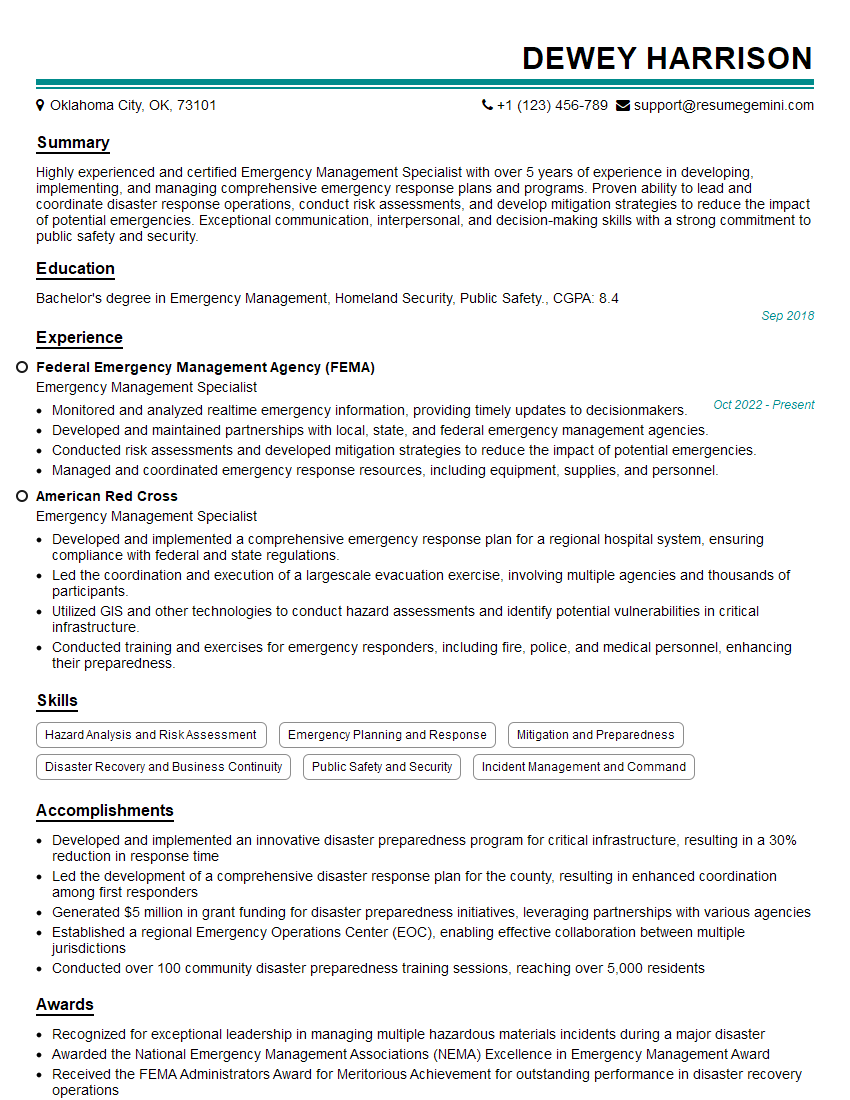
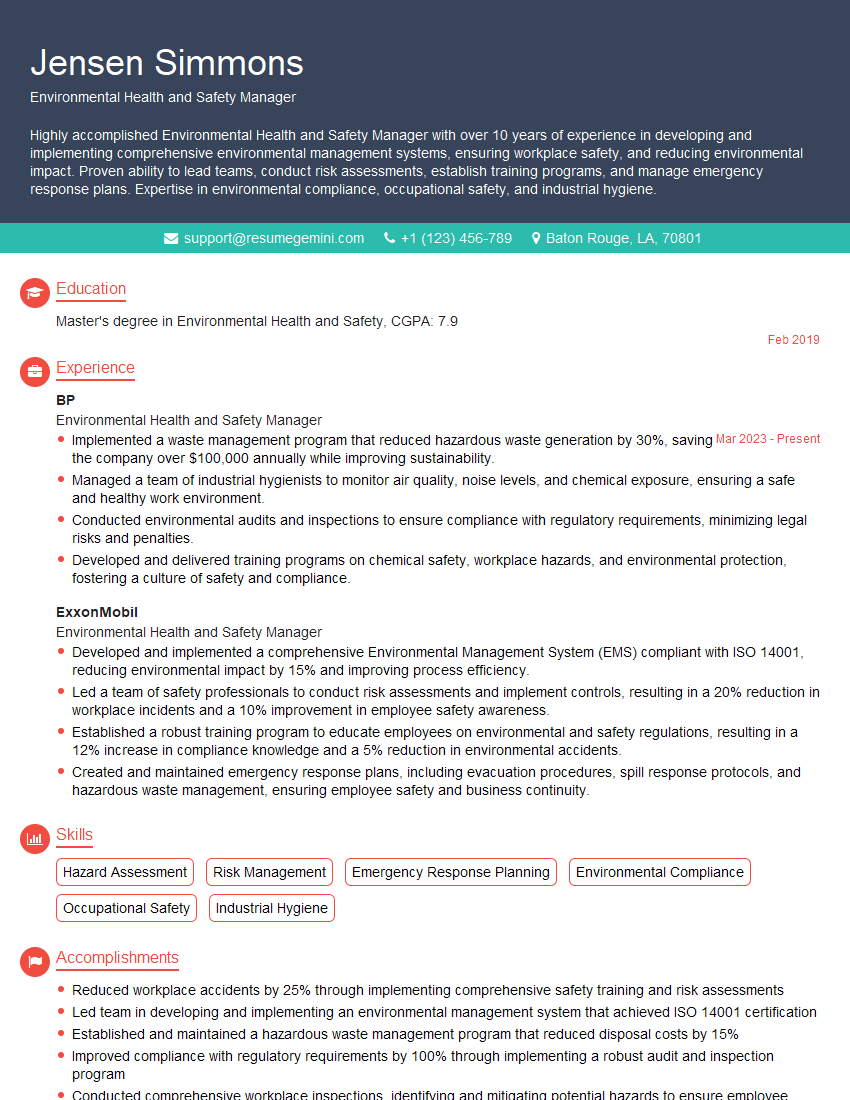
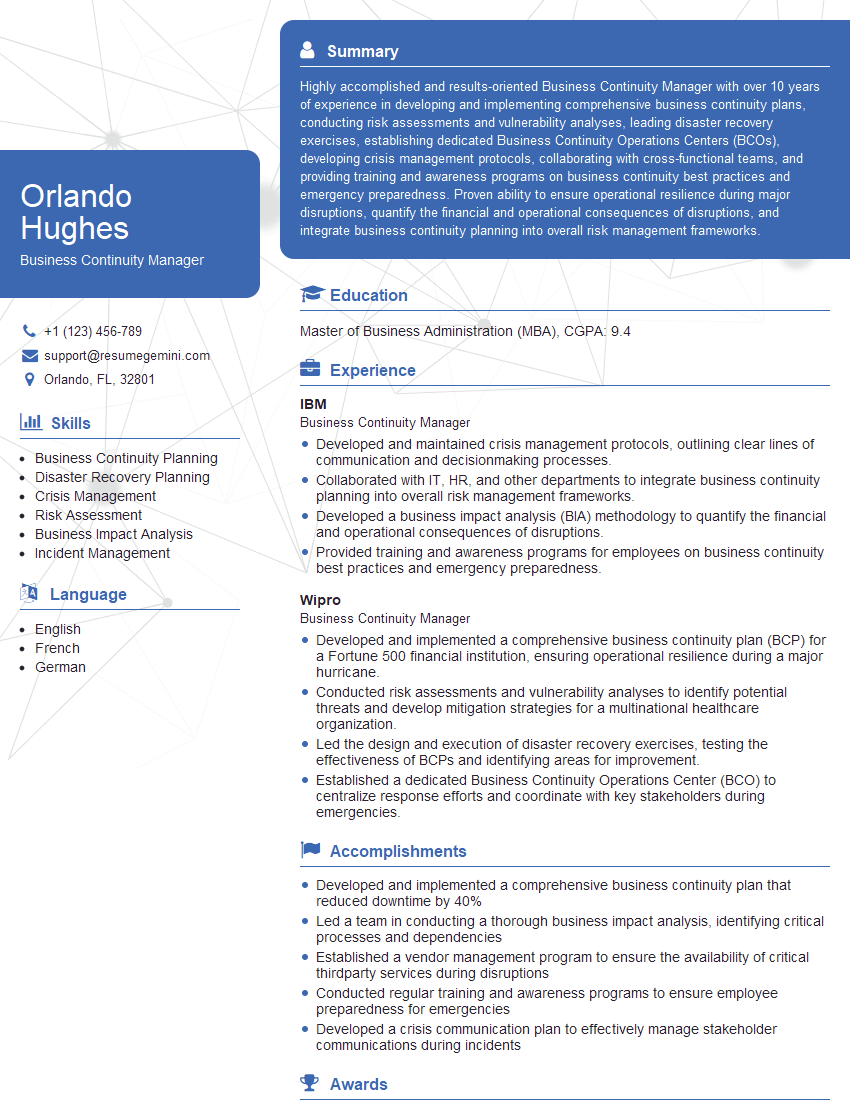
Mastering Emergency Response Planning for Hydroelectric Plants is crucial for career advancement in this specialized field. It demonstrates a commitment to safety, problem-solving, and regulatory compliance – highly valued attributes in the industry. To maximize your job prospects, create an ATS-friendly resume that showcases your skills and experience effectively. ResumeGemini is a trusted resource to help you build a professional and impactful resume. Examples of resumes tailored to Emergency Response Planning for Hydroelectric Plants are available to guide you through this process. Invest the time to create a strong resume; it’s your first impression on potential employers.
Explore more articles
Users Rating of Our Blogs
Share Your Experience
We value your feedback! Please rate our content and share your thoughts (optional).
What Readers Say About Our Blog
Very informative content, great job.
good