Preparation is the key to success in any interview. In this post, we’ll explore crucial Workplace Etiquette interview questions and equip you with strategies to craft impactful answers. Whether you’re a beginner or a pro, these tips will elevate your preparation.
Questions Asked in Workplace Etiquette Interview
Q 1. How would you handle a coworker consistently arriving late to meetings?
Addressing consistent tardiness to meetings requires a delicate balance of direct communication and empathy. Initially, I’d observe if there’s a pattern or underlying reason. Is it a recurring issue with just one individual, or a more widespread problem? A casual, private conversation is the first step. I’d say something like, ‘I’ve noticed you’ve been arriving a bit late to recent meetings. Is everything alright? Is there anything I can help with?’ This approach avoids accusatory language and opens the door for them to share any challenges they might be facing.
If the tardiness persists after a casual conversation, a more formal approach is needed. I would schedule a private meeting to discuss the issue directly, focusing on its impact on the team’s productivity and workflow. I’d reiterate the importance of punctuality and explore solutions together. Perhaps there are scheduling conflicts, logistical problems, or even personal matters impacting their time management. Working collaboratively to find a solution, like adjusting meeting times or providing support, is crucial. If the problem continues despite these efforts, then escalating the issue to HR might be necessary.
Q 2. Describe your approach to resolving conflicts between team members.
My approach to resolving conflicts between team members centers around facilitating a constructive dialogue, not dictating a solution. I begin by ensuring all parties feel heard and respected. I encourage open communication in a neutral environment, where each individual can express their perspective without interruption. Active listening is key; I summarize each person’s concerns to ensure clarity and understanding.
Then, I guide them towards identifying the root cause of the conflict, focusing on the issue at hand, not on assigning blame. We collaboratively brainstorm potential solutions, evaluating their feasibility and potential impact. It’s about finding a win-win scenario, where everyone feels their concerns were addressed. If the conflict escalates beyond my ability to resolve it, or involves serious accusations, I will escalate to HR for further assistance.
For example, if two team members disagree on a project approach, I’d facilitate a meeting where they discuss their respective methods, explore the pros and cons of each, and work together to find a compromise that combines the best aspects of both approaches.
Q 3. What strategies do you use to foster a positive and respectful work environment?
Fostering a positive and respectful work environment involves a multi-pronged approach. First, I believe in leading by example. Showing respect, empathy, and professionalism in all interactions sets a tone for the whole team. Second, open and honest communication is paramount. Regular team meetings, informal check-ins, and clear feedback mechanisms allow for concerns to be addressed promptly and constructively.
I also encourage collaboration and team-building activities to foster camaraderie and break down silos. Celebrating team successes, both big and small, creates a positive atmosphere. Finally, establishing clear expectations regarding behaviour and conduct, aligned with the company’s values, is crucial. This includes addressing any instances of disrespect or unprofessionalism immediately and fairly. Think of it like cultivating a garden; you need to nurture it constantly to ensure it flourishes. This includes providing regular positive reinforcement and recognizing contributions.
Q 4. How would you address inappropriate language or behavior in the workplace?
Inappropriate language or behavior in the workplace is unacceptable and must be addressed promptly and firmly. My initial response depends on the severity of the offense. For minor infractions, like casual use of inappropriate language, a private conversation is usually sufficient. I’d explain why the language is offensive and unprofessional, and how it impacts the work environment. The goal is to educate and correct, not to punish.
However, for more serious instances, such as harassment or discrimination, immediate action is required. I would document the incident thoroughly and report it directly to HR, following company protocol. In such cases, inaction is not an option; protecting the well-being and safety of all employees is paramount. I would also make sure to support the individual who experienced the inappropriate behaviour. Remember, setting clear boundaries and consistent enforcement sends a powerful message that such behaviour will not be tolerated.
Q 5. Explain your understanding of professional email etiquette.
Professional email etiquette is about clarity, conciseness, and respect. Subject lines should be clear and informative, summarizing the email’s purpose. The body of the email should be well-organized, using paragraphs and bullet points where appropriate. Avoid using slang, emoticons, or excessive exclamation points. Proofreading is essential to avoid grammatical errors and typos.
Always address the recipient appropriately (e.g., ‘Dear Mr./Ms./Mx. [Last Name]’) and close with a professional closing (e.g., ‘Sincerely,’ ‘Regards,’). Consider the tone; maintain a respectful and professional demeanor, even when dealing with challenging situations. Be mindful of the recipient’s time; keep your emails concise and to the point. Finally, use the ‘reply all’ function sparingly; only include recipients who need to be part of the conversation.
For example, instead of writing ‘Hey! Check this out!’ a professional email might begin with ‘Subject: Project Update – [Project Name]’. The body would contain concise information and relevant attachments.
Q 6. How do you handle difficult conversations with colleagues or superiors?
Handling difficult conversations requires preparation, empathy, and clear communication. I start by choosing a private and neutral setting, ensuring minimal distractions. Before the conversation, I outline my key points and anticipate potential responses. This allows me to address concerns proactively and maintain control of the discussion. During the conversation, I use active listening, summarizing the other person’s points to ensure mutual understanding.
I focus on expressing my concerns constructively, avoiding accusatory language or emotional outbursts. I aim to find common ground and collaborative solutions. If the conversation becomes heated, I take a brief pause to regain composure and redirect the discussion towards a more productive path. Finally, I summarize the key takeaways and agreed-upon actions, confirming understanding and ensuring a clear path forward. For example, when needing to address underperformance, I would focus on specific instances and present them as an opportunity for improvement, providing concrete actionable steps and support.
Q 7. How would you navigate a situation where a colleague is violating company policy?
If a colleague is violating company policy, my approach depends on the severity of the violation and my relationship with the colleague. For minor infractions, a friendly, private conversation might suffice, reminding them of the policy and its implications. However, for more serious breaches, I would document the incident thoroughly and report it to the appropriate supervisor or HR department according to company procedures. My goal isn’t to get someone in trouble but to ensure compliance with company policy and maintain a safe and productive work environment.
Maintaining confidentiality is crucial, sharing information only with those who need to know. It’s a balancing act between upholding company policy and maintaining positive working relationships. In most cases, a clear understanding of company policies and procedures, coupled with a direct, respectful approach, can effectively address such situations.
Q 8. Describe your approach to building and maintaining professional relationships.
Building and maintaining professional relationships is crucial for career success and a positive work environment. My approach is multifaceted and focuses on genuine connection, consistent communication, and mutual respect.
- Respectful Interactions: I prioritize treating everyone with courtesy and consideration, regardless of their position. This includes active listening, using inclusive language, and being mindful of others’ time and perspectives.
- Proactive Communication: I believe in open and honest communication. I ensure clear and timely responses to emails and messages and proactively update colleagues on relevant project developments. This fosters transparency and trust.
- Networking and Collaboration: I actively participate in team events and seek opportunities for collaboration. This not only strengthens relationships but also allows for knowledge sharing and mutual support. For example, in a previous role, I initiated informal ‘knowledge sharing’ sessions which helped build camaraderie and fostered better teamwork.
- Mentorship and Support: I actively seek mentorship from experienced colleagues and offer support to junior team members. This creates a supportive environment and strengthens professional bonds. I’ve found that helping others not only benefits them but also enhances my own understanding and skills.
- Professional Boundaries: While building strong relationships, maintaining professional boundaries is vital. This ensures respect and prevents misunderstandings. I am mindful of workplace appropriateness and avoid overly personal discussions during work hours.
Q 9. How would you handle a situation where confidential information is accidentally disclosed?
Accidental disclosure of confidential information is a serious breach of trust and can have significant consequences. My immediate response would involve a structured approach:
- Assess the Damage: First, I would identify the scope of the disclosure – what information was shared, to whom, and how.
- Inform Supervisor: I would immediately report the incident to my supervisor or appropriate authority. This allows the organization to take necessary steps to mitigate further damage.
- Remediate the Situation: Depending on the sensitivity of the information, steps may include contacting the recipient to request the information’s deletion or informing relevant parties about the breach.
- Review Procedures: Following the incident, I would review internal procedures and identify any weaknesses in information security protocols. This is crucial for preventing future occurrences.
- Learn and Improve: I would reflect on my actions to understand how the breach happened and take steps to improve my handling of confidential information in the future. This could include enhanced training or implementing personal strategies for better information security.
Q 10. How do you manage your time effectively in a busy work environment?
Effective time management in a busy work environment requires a combination of planning, prioritization, and discipline. My approach involves:
- Prioritization Techniques: I use methods like the Eisenhower Matrix (urgent/important) to prioritize tasks. This ensures that crucial tasks are addressed first.
- Time Blocking: I allocate specific time slots for different tasks, minimizing distractions during those periods. For instance, I might dedicate the morning to focused work requiring deep concentration and afternoons for meetings and collaborations.
- Task Delegation: Where possible, I delegate tasks to other team members, optimizing workload distribution. This enhances team efficiency and frees up my time for higher-priority items.
- Regular Review and Adjustment: I regularly review my schedule and tasks to ensure I’m on track. This allows for adjustments as unexpected events arise or priorities shift.
- Minimize Distractions: I actively manage distractions by minimizing interruptions, using noise-cancelling headphones when needed, and utilizing productivity tools that help manage notifications.
Q 11. What is your approach to networking and building professional connections?
Networking is about building mutually beneficial relationships. My approach is based on genuine engagement and value creation:
- Active Participation: I attend industry events, conferences, and workshops to connect with professionals in my field. This provides opportunities to learn and share knowledge.
- Meaningful Conversations: Instead of simply exchanging business cards, I focus on engaging in meaningful conversations. I ask insightful questions and actively listen to learn about others’ experiences and perspectives.
- Online Networking: I use professional platforms like LinkedIn to connect with colleagues and industry experts. I engage in relevant discussions and share valuable content.
- Follow-up and Relationship Building: Following networking events, I follow up with individuals I’ve connected with. Maintaining contact through emails or brief messages strengthens these relationships.
- Giving Back: I actively participate in mentoring or community initiatives related to my profession. Giving back contributes to the industry and strengthens professional connections.
Q 12. Explain the importance of active listening in professional settings.
Active listening is crucial in professional settings because it fosters understanding, builds trust, and improves communication effectiveness. It’s more than just hearing; it’s about truly understanding the speaker’s message.
- Paying Attention: This involves focusing on the speaker, making eye contact, and avoiding distractions.
- Showing Empathy: Trying to understand the speaker’s perspective, even if you don’t agree with it.
- Asking Clarifying Questions: To ensure you understand the message accurately, you ask questions to clarify any ambiguities.
- Providing Feedback: Summarizing what you’ve heard to confirm understanding and show engagement. For example, saying, ‘So, if I understand correctly, you’re saying…’ demonstrates active listening.
- Remembering and Applying: Actively retaining the information shared and applying it to relevant situations. This shows respect for the speaker’s time and expertise.
In a team meeting, for instance, active listening enables me to grasp everyone’s ideas fully before contributing my own, preventing misunderstandings and fostering collaboration.
Q 13. How do you handle interruptions and distractions while working?
Handling interruptions and distractions is essential for maintaining focus and productivity. My strategies include:
- Communicating Boundaries: I let colleagues know when I need uninterrupted time to focus on a task. This might involve setting specific ‘focus time’ blocks in my calendar.
- Time Management Techniques: Using time-blocking and prioritizing tasks helps me allocate specific time for focused work, minimizing the impact of interruptions.
- Utilizing Technology: I utilize tools that help manage notifications and minimize distractions. This includes turning off non-essential notifications and using website blockers when necessary.
- Creating a Conducive Workspace: I maintain an organized workspace to minimize visual clutter and distractions. A clean, well-organized space promotes better concentration.
- Taking Short Breaks: I strategically incorporate short breaks into my workday to avoid burnout and maintain focus. A quick walk or a few minutes of meditation can significantly improve concentration.
Q 14. Describe your experience with different communication styles in the workplace.
Workplace communication styles vary greatly, and understanding these differences is vital for effective collaboration. My experience encompasses various styles:
- Direct Communication: This style is clear, concise, and to the point. It’s effective for conveying information quickly and efficiently. However, it can sometimes be perceived as abrupt or insensitive if not delivered carefully.
- Indirect Communication: This style relies heavily on context and nonverbal cues. While often polite and considerate, it can be less efficient and lead to misunderstandings if not interpreted correctly.
- Assertive Communication: This style expresses needs and opinions clearly and respectfully, while also considering others’ perspectives. It’s a highly effective approach in most professional settings.
- Passive Communication: This style avoids expressing one’s needs or opinions directly, often leading to frustration and resentment. This is generally less effective in a professional context.
- Passive-Aggressive Communication: This style expresses negativity indirectly through subtle actions or comments, creating tension and undermining teamwork. This is highly unproductive and should be avoided.
I adapt my communication style based on the situation and the audience. For example, I might use a more direct approach for conveying urgent information to a team, while a more empathetic and indirect style might be better suited for delivering negative feedback to a colleague.
Q 15. How would you address a situation where a colleague is being disrespectful to a client?
Witnessing disrespectful behavior towards a client is a serious breach of professional conduct. My approach would be a multi-step process prioritizing both immediate action and long-term prevention.
Immediate Intervention: If the situation is escalating or the disrespect is overtly offensive, I would intervene directly, politely but firmly reminding my colleague of the importance of respectful client interaction. I might say something like, “Excuse me, [colleague’s name], I think we might need to approach this conversation differently to ensure we maintain a professional and respectful atmosphere.” This approach aims to de-escalate and redirect the interaction.
Private Conversation: Following the incident, I would pull my colleague aside for a private conversation. This allows me to address the behavior without causing further embarrassment or public conflict. I would use “I” statements to express my concerns focusing on the impact of their behavior, for example, “I noticed your tone with the client was somewhat sharp, and I’m concerned it could damage our relationship.”
Documentation: If the behavior continues, I would document the incidents with specific details (date, time, nature of the disrespect). This documentation could be crucial if further action is needed.
Escalation: If the private conversation doesn’t resolve the issue, I would escalate it to a supervisor or HR department, presenting my documentation and expressing my concerns about the colleague’s conduct and its potential negative impact on the company’s reputation.
The key is to address the situation promptly and professionally, balancing the need for immediate correction with the importance of maintaining respectful professional relationships.
Career Expert Tips:
- Ace those interviews! Prepare effectively by reviewing the Top 50 Most Common Interview Questions on ResumeGemini.
- Navigate your job search with confidence! Explore a wide range of Career Tips on ResumeGemini. Learn about common challenges and recommendations to overcome them.
- Craft the perfect resume! Master the Art of Resume Writing with ResumeGemini’s guide. Showcase your unique qualifications and achievements effectively.
- Don’t miss out on holiday savings! Build your dream resume with ResumeGemini’s ATS optimized templates.
Q 16. How do you prioritize tasks and manage your workload effectively?
Effective task prioritization and workload management are crucial for success. My approach combines strategic planning with flexible execution.
Prioritization Matrix: I often use a prioritization matrix (like the Eisenhower Matrix – Urgent/Important) to categorize tasks. This helps me focus on high-impact, time-sensitive tasks first.
Time Blocking: I schedule specific blocks of time for focused work on particular tasks, minimizing interruptions and maximizing productivity.
To-Do Lists & Task Management Software: I utilize to-do lists and task management software (like Asana, Trello, or even a simple spreadsheet) to keep track of all my tasks, deadlines, and progress. This offers a clear visual overview of my workload.
Regular Review & Adjustment: I regularly review my schedule and task list, adjusting priorities as needed based on changing circumstances or new information. Flexibility is key; unexpected urgent tasks might require shifting priorities.
Delegation & Collaboration: Where possible, I delegate tasks to others if it’s efficient and within their capabilities. Collaboration ensures tasks are handled effectively and fosters team spirit.
By combining these techniques, I can maintain control over my workload, meet deadlines, and consistently deliver high-quality work.
Q 17. How do you contribute to a positive and collaborative team environment?
Contributing to a positive and collaborative team environment is essential for overall success. My contribution involves several key elements.
Active Listening and Communication: I actively listen to my colleagues, ensuring I understand their perspectives and concerns. Open and honest communication is key to resolving conflicts and fostering mutual respect.
Collaboration and Teamwork: I actively participate in team projects, sharing my expertise and supporting my colleagues. I believe in a collaborative approach, where everyone’s input is valued and used to achieve common goals.
Respectful Interactions: I treat all colleagues with respect, regardless of their position or background. I value diversity and create a safe space for everyone to voice their opinions.
Positive Attitude and Support: I maintain a positive attitude and offer support to my colleagues when needed. A positive work environment is contagious and boosts overall team morale.
Constructive Feedback: I provide and receive constructive feedback in a professional and respectful manner. This process leads to continuous improvement for both the individual and the team.
I believe in building relationships based on trust and mutual respect. A positive team environment is not just about avoiding negativity; it’s about actively creating an atmosphere where everyone feels valued, supported, and motivated to succeed.
Q 18. Describe your understanding of business protocol and professional appearance.
Business protocol and professional appearance are critical components of making a strong first impression and maintaining credibility.
Business Protocol: This encompasses understanding and adhering to the unwritten and written rules of conduct in a professional setting. It involves punctuality, respecting hierarchical structures, maintaining confidentiality, following established communication channels, and exhibiting appropriate behavior in meetings and social settings. For example, understanding appropriate levels of formality in communication (email vs. in-person) and recognizing cultural differences in communication styles are essential.
Professional Appearance: Professional appearance reflects respect for yourself, your colleagues, and clients. It doesn’t necessarily mean adhering to a strict dress code, but it does mean presenting yourself in a way that is neat, clean, and appropriate for the context. This consideration varies by industry and company culture. However, generally, choosing attire that is clean, well-maintained, and free of distracting elements shows professionalism and respect.
In short, understanding and adhering to business protocol and maintaining a professional appearance projects competence, builds trust, and contributes to a productive work environment. It’s about demonstrating you’re prepared and take your work seriously.
Q 19. How do you ensure meetings are productive and respectful?
Ensuring productive and respectful meetings requires careful planning and execution.
Clear Agenda & Objectives: Distributing a clear agenda beforehand allows participants to prepare and ensures everyone is aware of the meeting’s purpose and objectives.
Time Management: Starting and ending on time shows respect for everyone’s time. Sticking to the agenda helps maintain focus.
Active Participation & Inclusivity: Encouraging active participation from all attendees, ensuring everyone has a chance to contribute, creating an inclusive and respectful environment where differing opinions are valued.
Conflict Resolution: Addressing any conflicts or disagreements constructively and respectfully. Focusing on finding solutions rather than placing blame.
Action Items & Follow-up: Summarizing key decisions and assigning clear action items with deadlines ensures accountability and follow-through.
These strategies contribute to meetings that are both efficient and respectful, leaving participants feeling valued and informed. Think of it like orchestrating a symphony – each part is vital for creating a harmonious and productive outcome.
Q 20. What are some common etiquette mistakes in digital communication?
Digital communication, while efficient, requires awareness of potential etiquette pitfalls.
Poor grammar and spelling: Errors in grammar and spelling can convey a lack of professionalism and attention to detail. Proofreading before sending is essential.
Overuse of informal language or slang: Using informal language or slang can be inappropriate in professional settings, especially when communicating with clients or superiors. Maintaining a professional tone is crucial.
Lack of clarity and conciseness: Rambling emails or messages can be frustrating and inefficient. Aim for clarity and conciseness in your communications.
Ignoring email etiquette: Ignoring basic email etiquette, such as using proper greetings and closings, can be perceived as rude. Always use a professional greeting and closing.
Lack of responsiveness: Failing to respond to emails or messages promptly can negatively impact your professional relationships. Make an effort to respond in a timely manner.
Forwarding emails inappropriately: Forwarding emails without permission or context is a breach of confidentiality and can damage relationships.
Excessive use of emojis or emoticons: While emojis may be appropriate in informal settings, they should be avoided in most professional communications.
Avoiding these common mistakes ensures your digital communication reflects professionalism and respect.
Q 21. How do you handle feedback constructively, both giving and receiving?
Handling feedback constructively is crucial for personal and professional growth.
Giving Feedback: When giving feedback, focus on specific behaviors and their impact rather than making personal attacks. Use the SBI (Situation-Behavior-Impact) model: Describe the situation, the specific behavior you observed, and the impact of that behavior. Offer suggestions for improvement, keeping the tone constructive and supportive.
Receiving Feedback: When receiving feedback, listen actively without interrupting. Ask clarifying questions to ensure you understand the feedback correctly. Thank the person for their input, even if you don’t agree with everything. Reflect on the feedback and identify areas for improvement. Don’t be defensive; view it as an opportunity for growth.
Remember, feedback is a gift; it provides opportunities to improve and grow professionally. Whether giving or receiving, approaching it with openness, respect, and a focus on learning is key to its effectiveness.
Q 22. Explain your understanding of diversity and inclusion in the workplace.
Diversity and inclusion (D&I) in the workplace go beyond simply having a diverse workforce; it’s about fostering an environment where every individual feels valued, respected, and empowered to contribute their unique talents. It’s about creating a sense of belonging where differences are celebrated, not just tolerated.
True D&I involves:
- Equitable Representation: Ensuring fair representation of various demographic groups (gender, race, ethnicity, age, religion, sexual orientation, disability, etc.) at all levels of the organization.
- Inclusive Practices: Implementing policies and practices that actively promote fairness, equity, and opportunity for everyone. This includes things like flexible work arrangements, accessible workplaces, and inclusive leadership training.
- Open Communication: Creating a safe space where individuals feel comfortable expressing their opinions and perspectives without fear of judgment or retribution.
- Cultural Awareness Training: Providing education and training to enhance employees’ understanding of different cultures, backgrounds, and perspectives.
- Bias Awareness and Mitigation: Actively addressing unconscious bias and implementing strategies to mitigate its impact on hiring, promotion, and performance evaluations.
For example, a company might implement blind resume screening to reduce bias in hiring or create employee resource groups (ERGs) to foster a sense of community and support for specific demographics.
Q 23. Describe a time you had to adapt your communication style to suit different audiences.
Adapting communication style is crucial for effective workplace interactions. I’ve had many instances where I needed to tailor my approach depending on the audience. For example, when presenting a complex technical concept to a team of engineers, I used precise technical language and data visualizations.
However, when explaining the same concept to senior management, I focused on the high-level impact and business implications, using less technical jargon and more concise language. Similarly, when communicating with junior colleagues, I adopted a more mentoring style, explaining concepts clearly and patiently, offering support and guidance.
The key is to understand your audience’s background, knowledge level, and communication preferences. Active listening and observing their responses help adjust my style in real-time to ensure clarity and engagement.
Q 24. How do you balance professionalism with building rapport and trust with colleagues?
Balancing professionalism with rapport and trust is a delicate yet crucial aspect of workplace success. Professionalism sets the foundation –punctuality, respect for boundaries, clear communication, and adherence to company policies.
Building rapport and trust, on the other hand, involves demonstrating genuine interest in colleagues, actively listening to their perspectives, being empathetic, and showing reliability and integrity. This can be achieved through informal conversations, collaborative efforts, and demonstrating a willingness to help others.
For instance, while maintaining formal communication in emails and presentations, I might initiate casual conversations during lunch breaks or team meetings to build camaraderie. Showing genuine concern for a colleague’s well-being or offering assistance on a project fosters trust and strengthens working relationships without compromising professionalism.
Q 25. How do you handle disagreements or differing opinions in a professional manner?
Disagreements are inevitable in any workplace. My approach centers around respectful and constructive dialogue. I start by actively listening to understand the other person’s perspective, ensuring I don’t interrupt or dismiss their viewpoints. I then clearly and calmly express my own opinion, focusing on the issue at hand rather than resorting to personal attacks.
If the disagreement is escalating, I suggest taking a break to gather our thoughts and return to the conversation with a calmer approach. I also believe in finding common ground, focusing on shared goals and identifying areas of agreement. If a resolution can’t be reached, I might involve a neutral third party, such as a manager or HR representative, to mediate.
The goal is always to find a mutually acceptable solution that addresses the underlying issue while preserving professional relationships.
Q 26. What resources do you utilize to stay updated on current workplace etiquette trends?
Staying updated on workplace etiquette trends requires a multi-faceted approach. I regularly read industry publications and professional journals focusing on human resources, management, and business etiquette. I also participate in professional development workshops and conferences to learn about best practices and emerging trends.
Online resources, such as reputable HR websites and blogs, provide insights into current issues and evolving standards. Networking with colleagues and professionals in my field also offers valuable perspectives and insights into real-world scenarios. I also pay attention to legal updates related to workplace conduct and anti-discrimination laws to ensure my knowledge remains compliant and current.
Q 27. Describe your approach to mentoring or guiding junior colleagues on professional conduct.
Mentoring junior colleagues focuses on guiding them toward professional success while upholding ethical conduct. My approach is based on fostering a supportive and constructive environment where they feel comfortable asking questions and seeking guidance.
I provide constructive feedback, focusing on both strengths and areas for improvement. I model appropriate workplace behavior, demonstrating professionalism, integrity, and respect in my interactions. I also encourage them to seek opportunities for professional development, offering advice and support in their career growth.
I use a combination of formal mentoring sessions and informal guidance to address specific challenges and provide relevant resources. The goal is to empower them to become confident and responsible professionals who can navigate workplace complexities with integrity and respect.
Q 28. How do you contribute to a culture of respect and ethical conduct in the workplace?
Contributing to a culture of respect and ethical conduct involves leading by example and actively promoting positive behaviors. I consistently demonstrate respect in my interactions with colleagues, regardless of their position or background. I actively listen to their perspectives, value their contributions, and treat them with courtesy and dignity.
I adhere to the highest ethical standards in my work, ensuring transparency, honesty, and integrity in all my actions. I also report any observed violations of ethical or professional conduct, ensuring accountability and promoting a culture of fairness. I participate in initiatives aimed at fostering ethical behavior, such as training programs and awareness campaigns.
Furthermore, I actively challenge inappropriate behaviors and advocate for a respectful and inclusive work environment, promoting a culture where everyone feels safe and valued.
Key Topics to Learn for Workplace Etiquette Interview
- Professional Communication: Mastering email etiquette, effective phone conversations, and engaging in productive meetings. Practical application: Crafting professional emails, actively listening during conversations, contributing constructively in meetings.
- Teamwork and Collaboration: Understanding collaborative dynamics, conflict resolution, and contributing positively to a team environment. Practical application: Offering constructive feedback, mediating disagreements, actively participating in group projects.
- Respectful Interactions: Demonstrating inclusivity, cultural sensitivity, and appropriate behavior in the workplace. Practical application: Using inclusive language, respecting diverse perspectives, understanding and adhering to company culture.
- Professional Appearance and Demeanor: Understanding appropriate attire, maintaining a professional image, and demonstrating punctuality and reliability. Practical application: Dressing professionally for meetings and interviews, arriving on time, demonstrating a positive attitude.
- Digital Etiquette: Navigating social media professionally, maintaining online privacy, and using technology appropriately in the workplace. Practical application: Understanding professional boundaries on social media, using company technology responsibly, managing email and communication effectively.
- Networking and Building Relationships: Developing professional connections, building rapport, and maintaining positive relationships with colleagues and superiors. Practical application: Participating in networking events, engaging in thoughtful conversations, following up after meetings.
Next Steps
Mastering workplace etiquette is crucial for career advancement. It demonstrates professionalism, builds trust, and enhances your overall impact in the workplace. A strong professional image, complemented by impeccable communication and interpersonal skills, significantly increases your chances of landing your dream job. To further enhance your job prospects, it’s vital to create an ATS-friendly resume that highlights your relevant skills and experience effectively. ResumeGemini is a trusted resource that can help you build a professional and impactful resume. Examples of resumes tailored to demonstrate proficiency in Workplace Etiquette are available for your review to help you build your own compelling application.
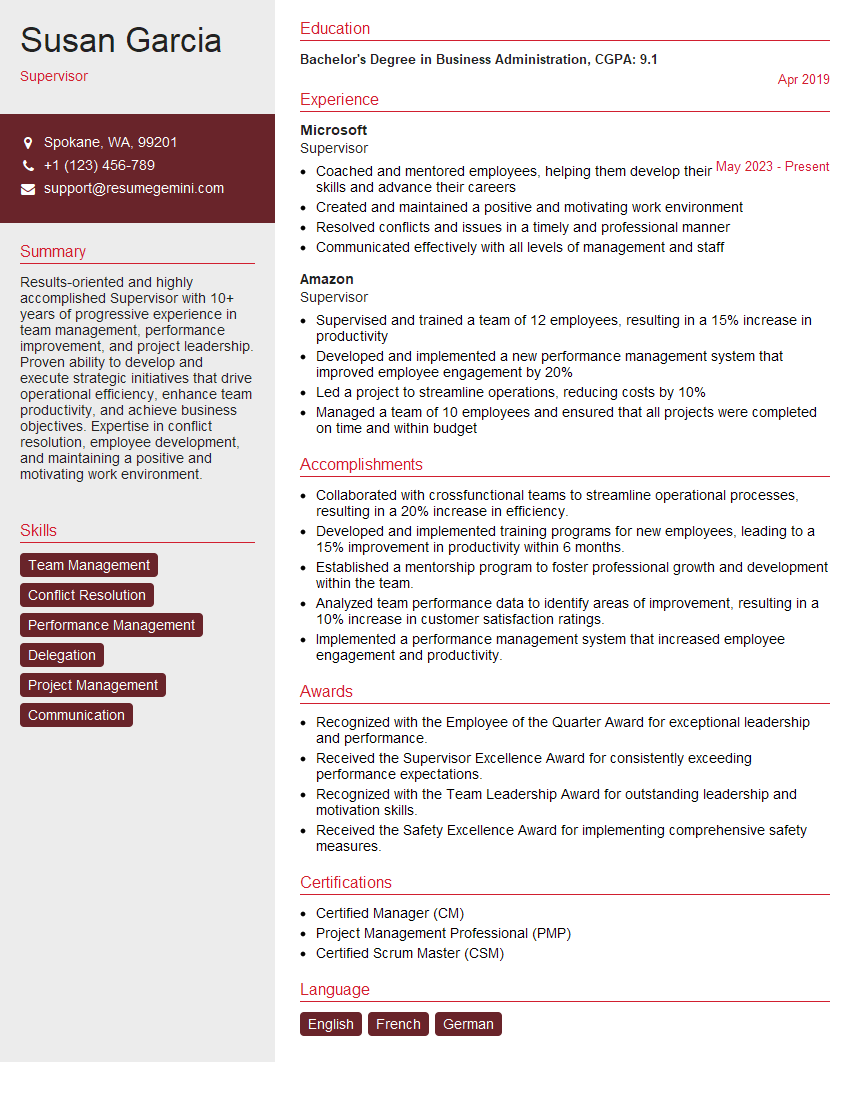
Supervisor Resume Sample
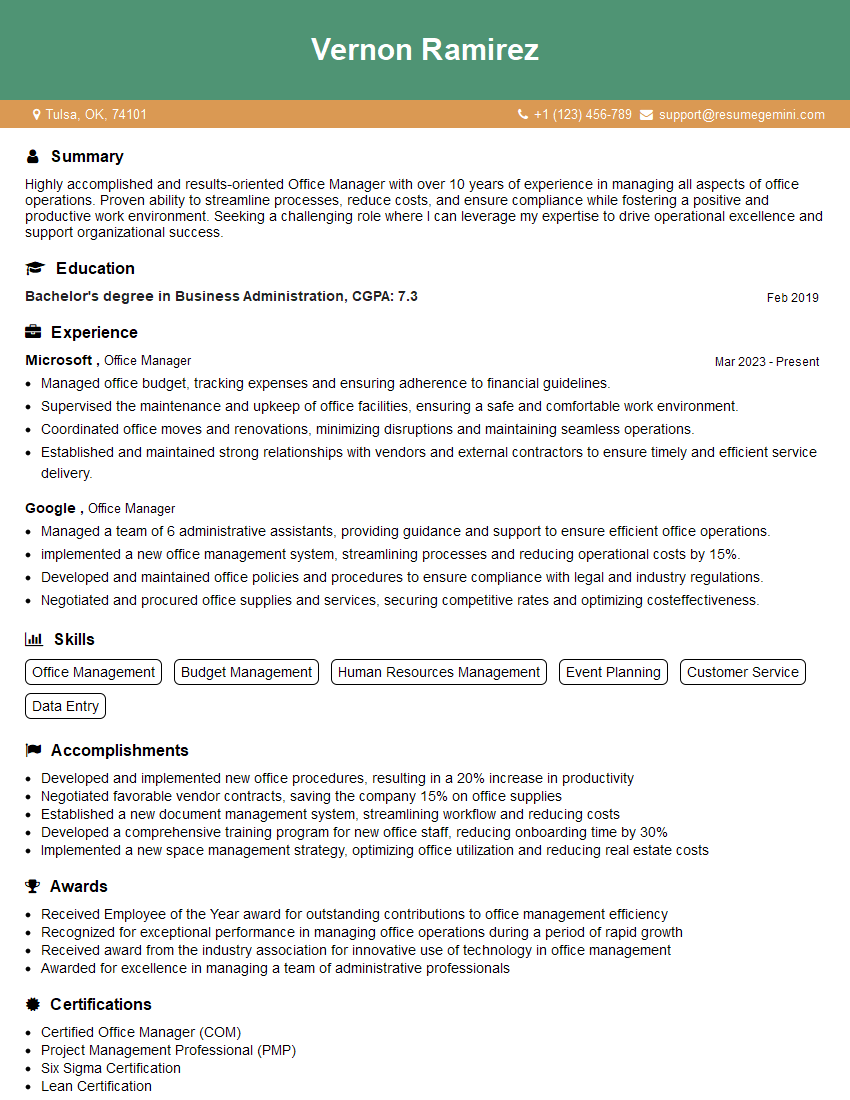
Office Manager Resume Sample
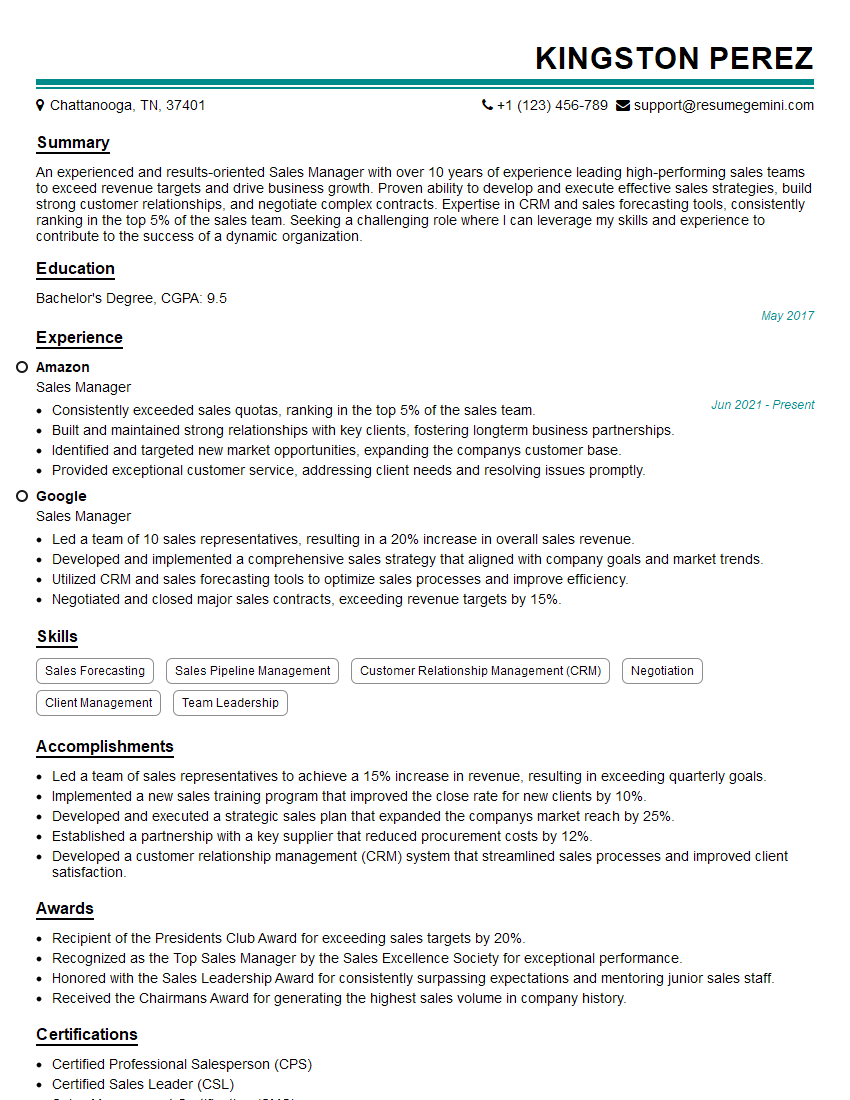
Sales Manager Resume Sample
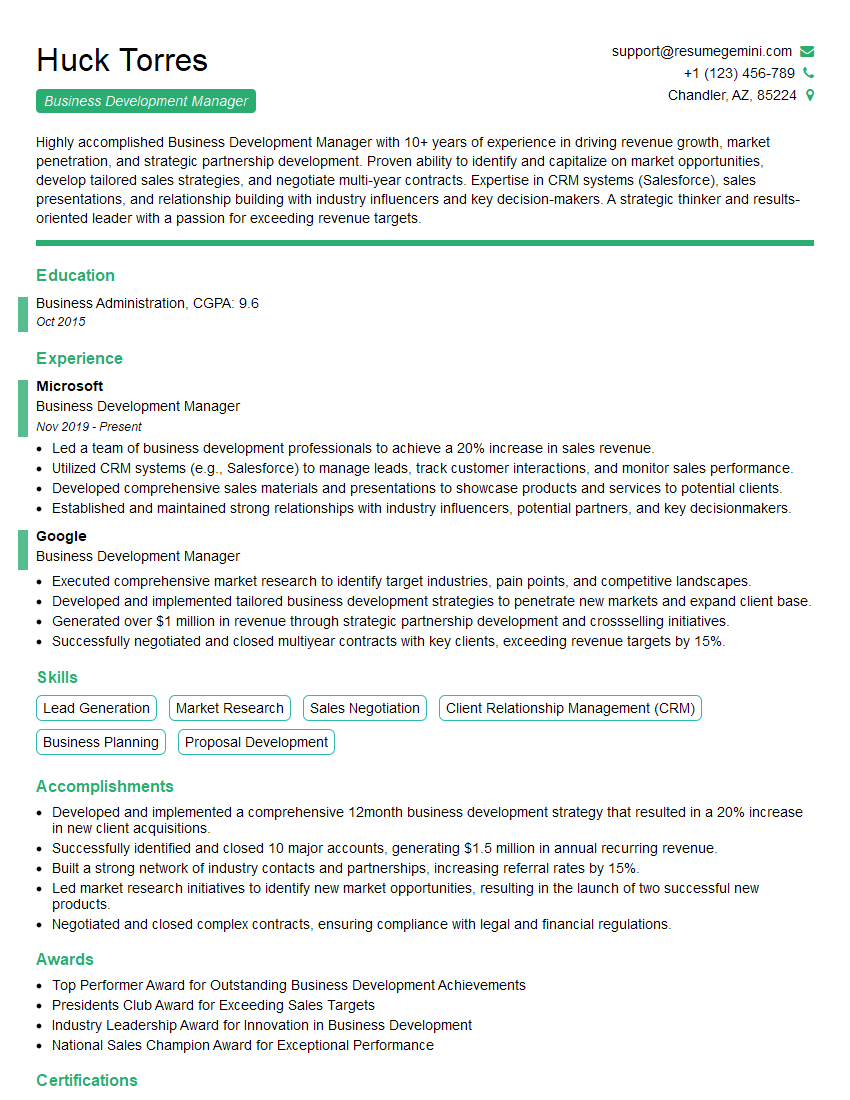
Business Development Manager Resume Sample

Communications Manager Resume Sample

Customer Service Manager Resume Sample
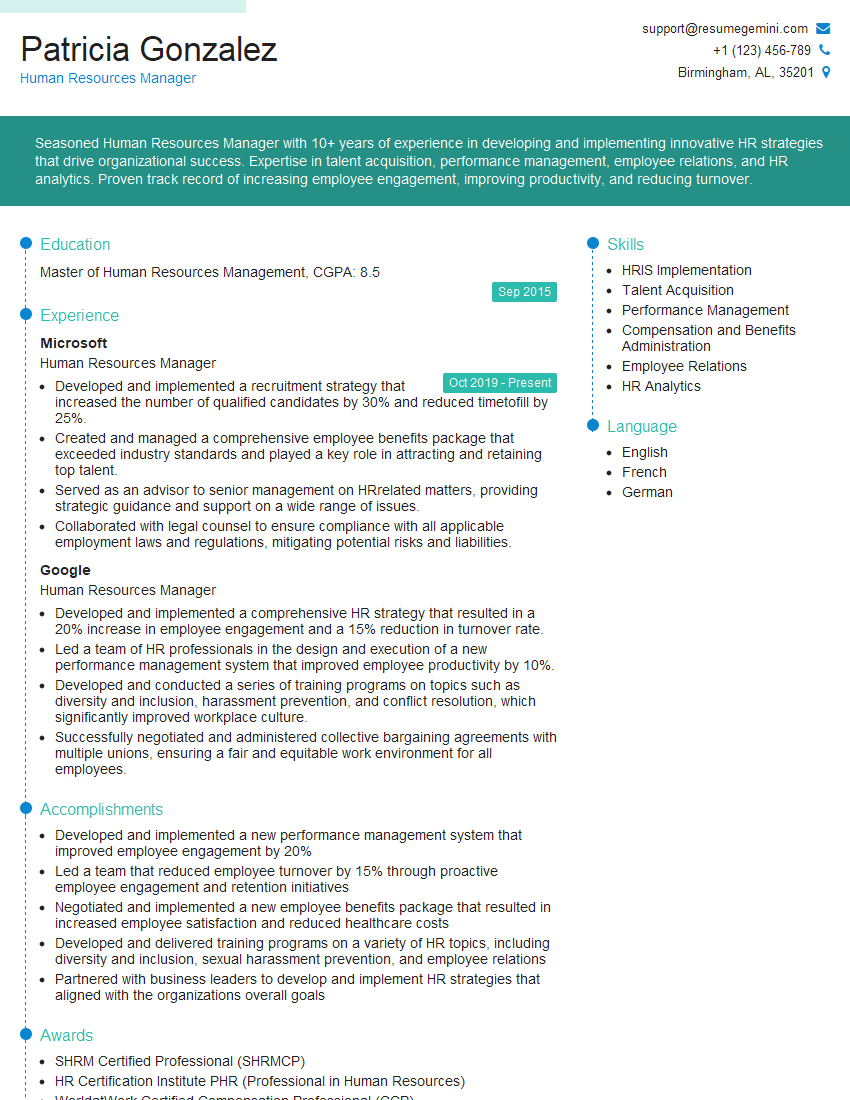
Human Resources Manager Resume Sample
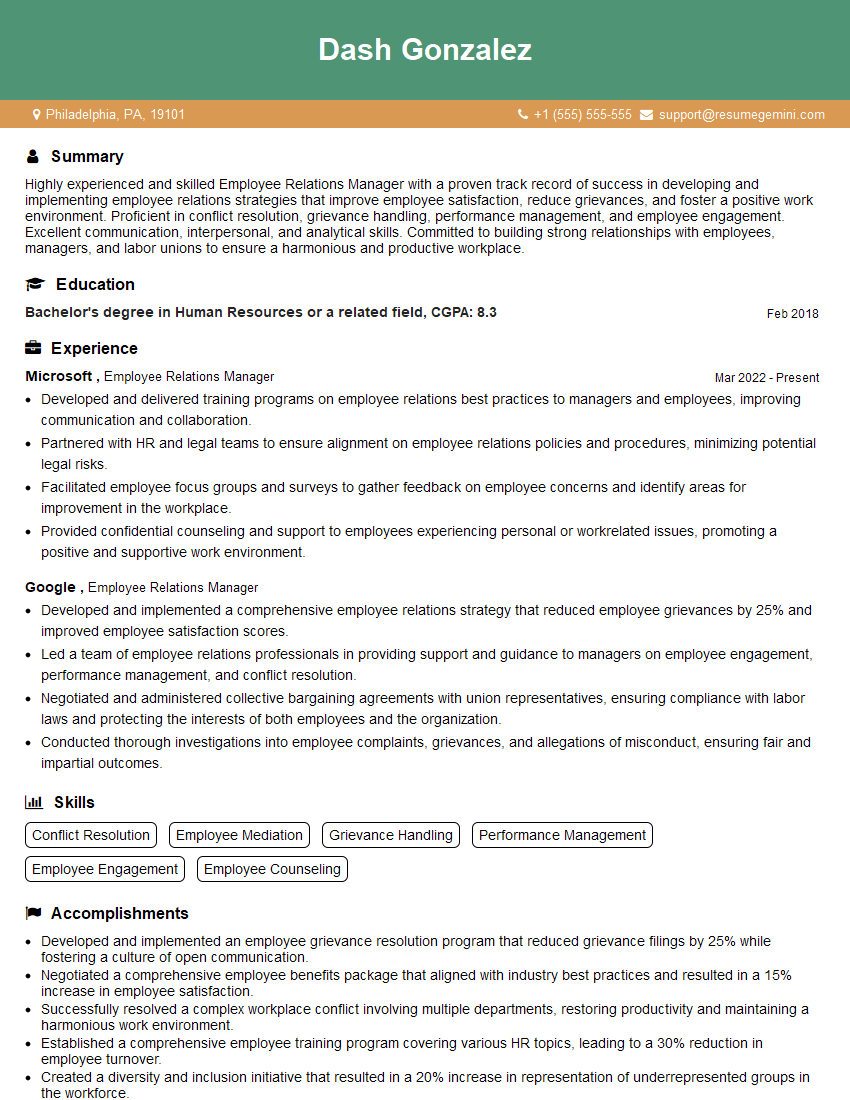
Employee Relations Manager Resume Sample

Project Manager Resume Sample
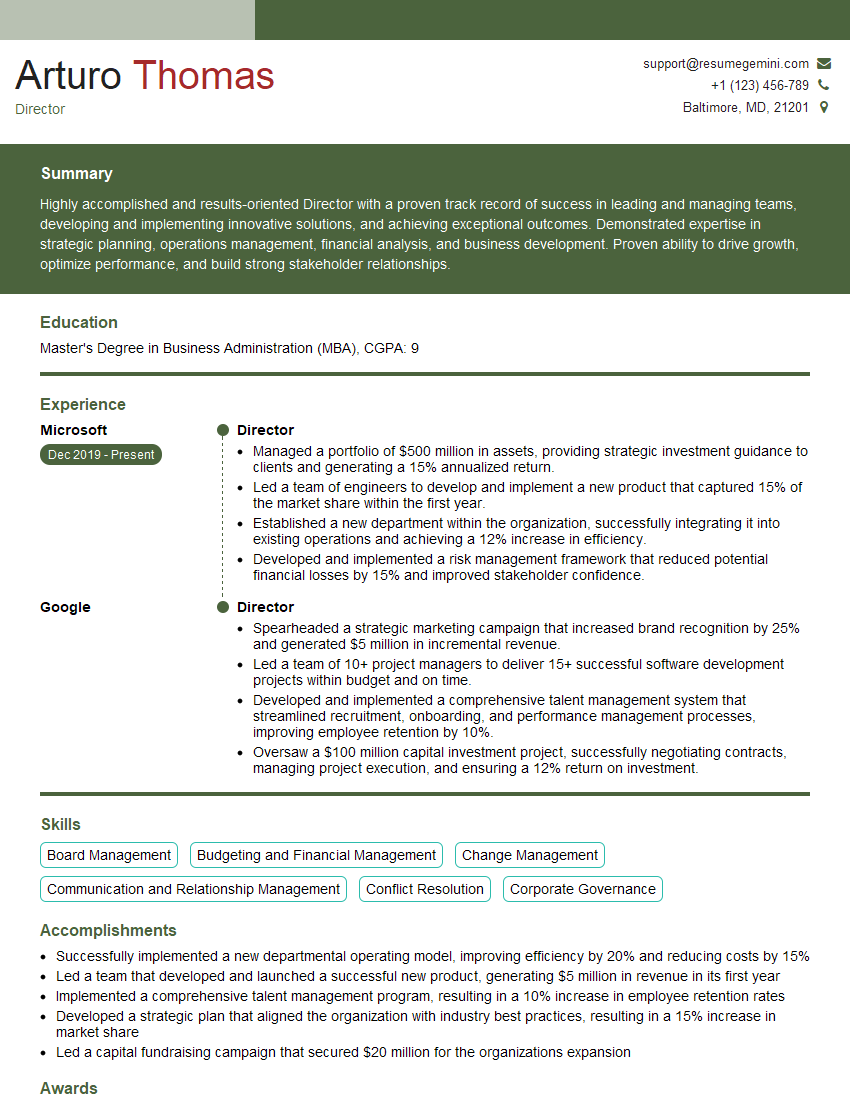
Director Resume Sample

Compliance Officer Resume Sample
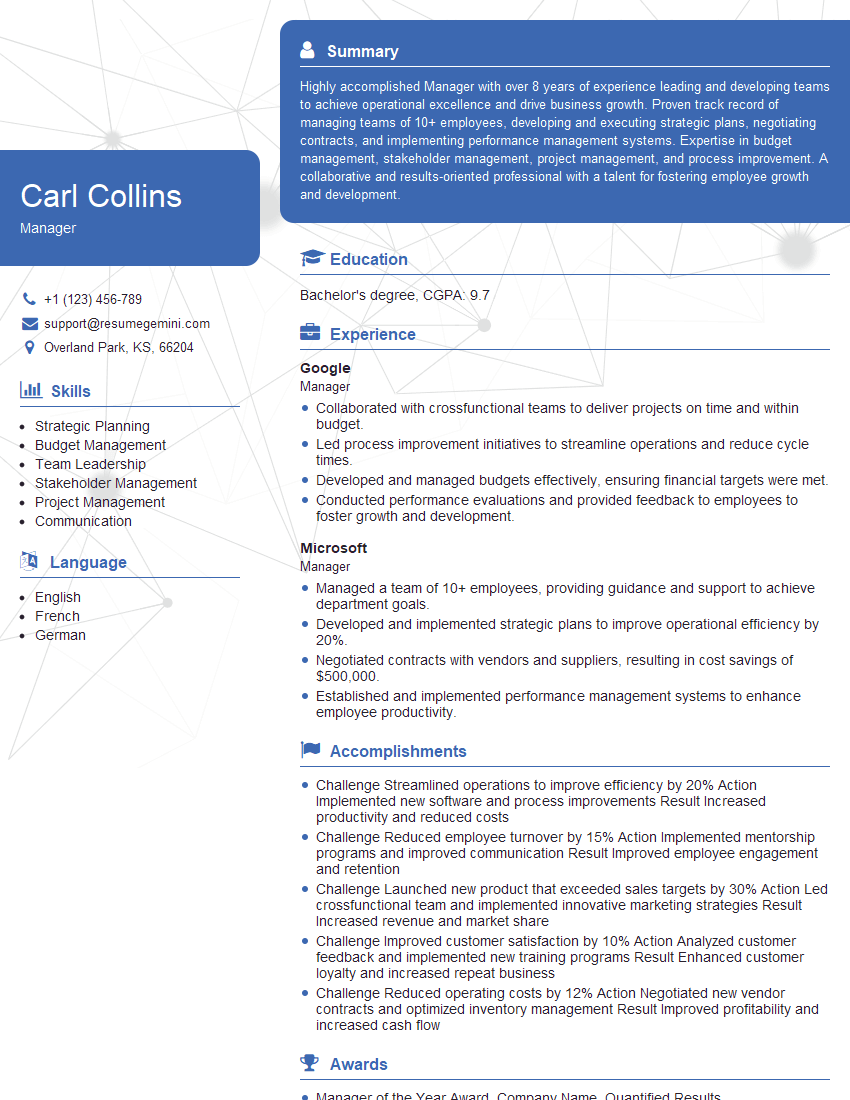
Manager Resume Sample
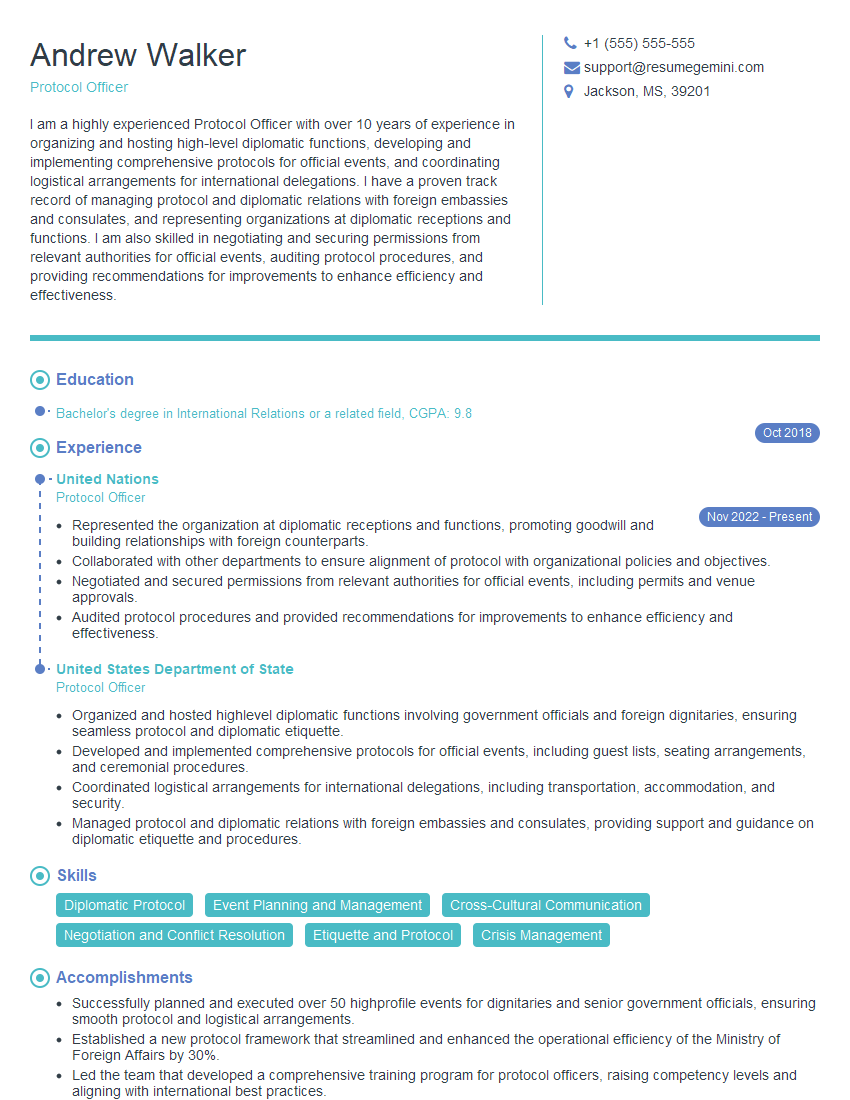
Protocol Officer Resume Sample
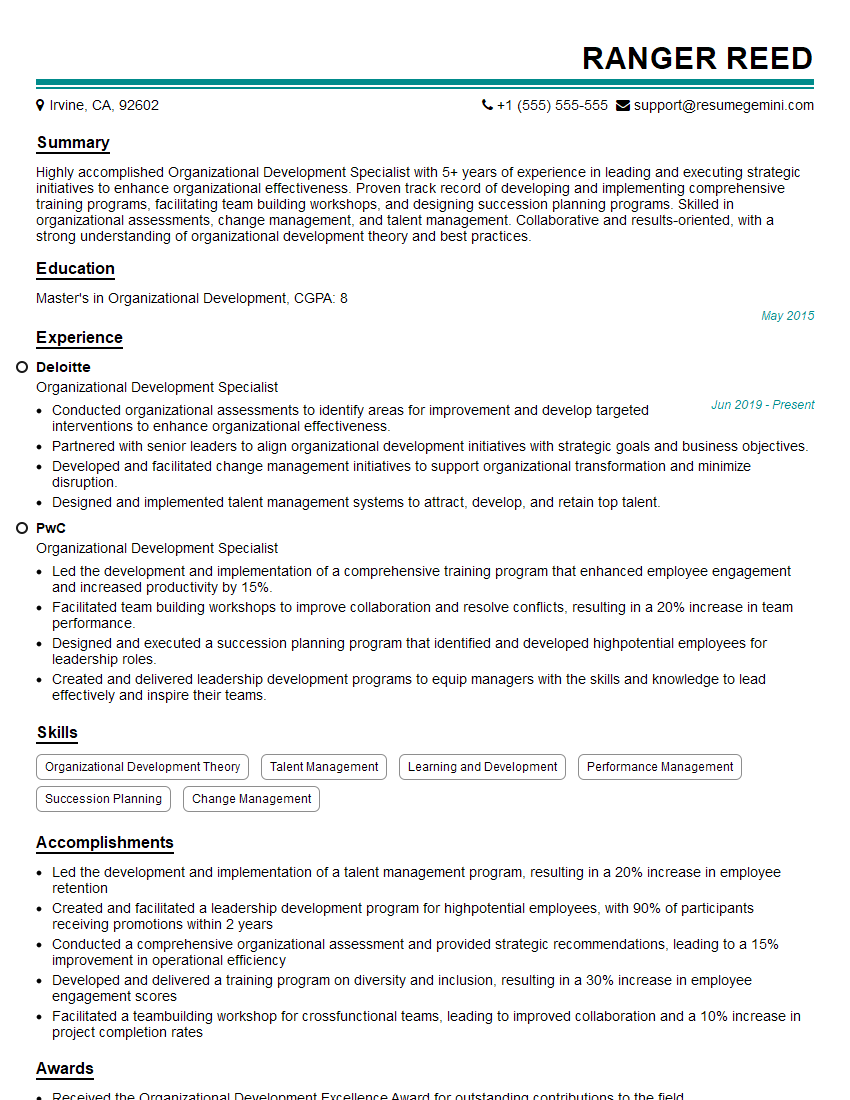
Organizational Development Specialist Resume Sample
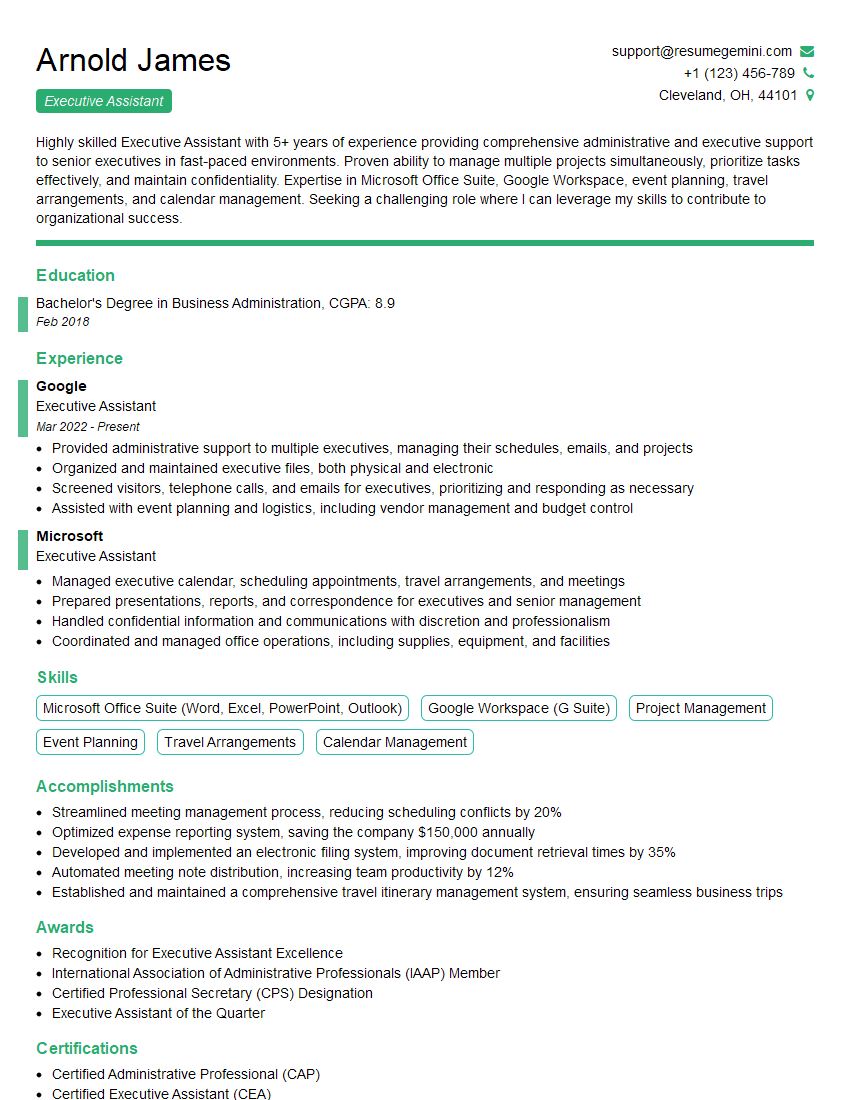
Executive Assistant Resume Sample
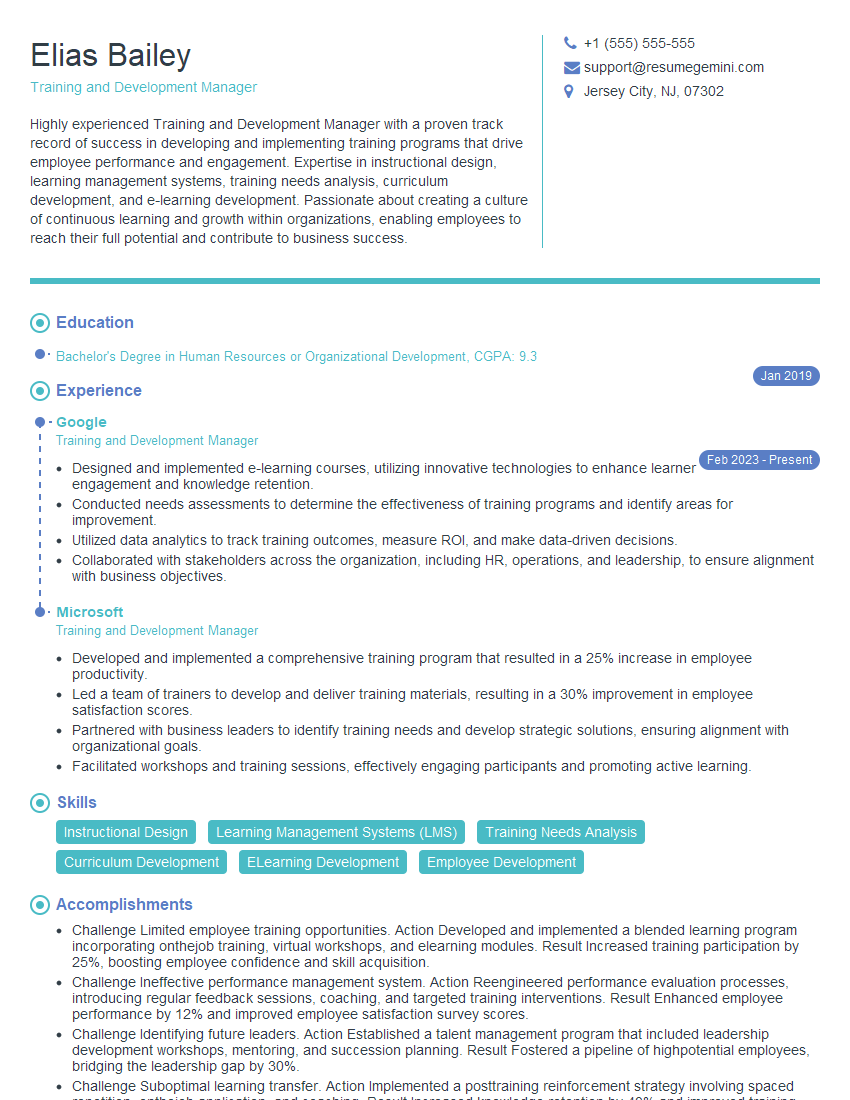
Training and Development Manager Resume Sample
- Supervisor
- Office Manager
- Sales Manager
- Business Development Manager
- Communications Manager
- Customer Service Manager
- Human Resources Manager
- Employee Relations Manager
- Project Manager
- Director
- Compliance Officer
- Manager
- Protocol Officer
- Organizational Development Specialist
- Executive Assistant
- Training and Development Manager
Explore more articles
Users Rating of Our Blogs
Share Your Experience
We value your feedback! Please rate our content and share your thoughts (optional).
What Readers Say About Our Blog
Very informative content, great job.
good