Unlock your full potential by mastering the most common Google interview questions. This blog offers a deep dive into the critical topics, ensuring you’re not only prepared to answer but to excel. With these insights, you’ll approach your interview with clarity and confidence.
Questions Asked in Google Interview
Q 1. Explain the difference between Google Cloud Platform (GCP) and Amazon Web Services (AWS).
Both Google Cloud Platform (GCP) and Amazon Web Services (AWS) are leading cloud providers offering a wide range of services, but they differ in several key aspects. Think of them as two different supermarkets offering similar groceries but with varying prices, quality, and selection.
- Service Focus: While both offer compute, storage, and databases, GCP has a stronger emphasis on data analytics and machine learning, leveraging Google’s expertise in these areas. AWS boasts a broader range of services, often entering new markets faster.
- Pricing Models: Both use a pay-as-you-go model, but their pricing structures and discounts can vary significantly depending on the service and usage. Careful comparison is essential for cost optimization.
- Global Infrastructure: Both have extensive global networks, but their geographic coverage and specific region strengths might differ. Choosing a provider often depends on your target audience’s location and latency requirements.
- Open Source Commitment: GCP is often seen as more closely aligned with the open-source community, contributing significantly to many projects. AWS also supports open source, but its approach might be more proprietary in some areas.
- Integration with Other Google Services: GCP integrates seamlessly with other Google services like Google Workspace, BigQuery, and TensorFlow, making it attractive for organizations already heavily invested in the Google ecosystem.
Ultimately, the best choice depends on your specific needs and priorities. A thorough cost-benefit analysis, considering your existing infrastructure, technical expertise, and future scaling plans, is crucial.
Q 2. Describe your experience with Kubernetes and its use in Google’s infrastructure.
Kubernetes is an open-source container orchestration system that automates deploying, scaling, and managing containerized applications. In Google’s infrastructure, Kubernetes plays a pivotal role, forming the bedrock of many of our internal and external services. I have extensive experience managing and deploying applications on Kubernetes clusters, both within Google and in customer environments.
My experience includes:
- Designing and implementing highly available and scalable Kubernetes clusters using Google Kubernetes Engine (GKE).
- Developing and deploying CI/CD pipelines for automated application deployments to Kubernetes.
- Troubleshooting and resolving issues related to container networking, storage, and resource management within Kubernetes.
- Leveraging Kubernetes features like Horizontal Pod Autoscaling (HPA) and Ingress controllers for automated scaling and traffic management.
- Managing Kubernetes security, including network policies and role-based access control (RBAC).
For example, I was involved in migrating a legacy monolithic application to a microservices architecture deployed on GKE, resulting in significantly improved scalability, resilience, and developer productivity. This involved breaking down the monolith into smaller, independent services, deploying them as containers, and orchestrating their deployment and management using Kubernetes.
Q 3. How familiar are you with Google’s design principles, such as Material Design?
I’m very familiar with Google’s Material Design principles. Material Design is more than just a visual style guide; it’s a comprehensive design system that ensures consistency and usability across all Google products and services. It’s based on a set of guidelines for visual elements, interactions, and animations.
My understanding includes:
- The core principles: Materiality, motion, and bold graphics.
- Component libraries: I’m proficient in using Material Design components in various development frameworks, like React, Angular, and Flutter.
- Accessibility considerations: Material Design prioritizes accessibility, ensuring applications are usable by everyone, regardless of their abilities.
- Responsive design: Material Design is adaptable to various screen sizes and devices.
In practice, I’ve utilized Material Design principles to design user interfaces that are not only visually appealing but also intuitive and easy to navigate. For instance, I designed a mobile application where consistent use of Material Design components made the onboarding process smoother and user-friendly, resulting in better user engagement and satisfaction.
Q 4. Explain your understanding of Google’s search algorithm.
Google’s search algorithm, often referred to as PageRank (though the actual algorithm is far more complex and constantly evolving), is a sophisticated system that ranks web pages based on their relevance and authority. It’s not a single algorithm but a collection of algorithms working together. The core idea is to determine which pages are most valuable and useful to users based on several key factors.
Key factors include:
- Relevance: How closely the page’s content matches the user’s query.
- Authority: The number and quality of links pointing to the page (backlinks). Links from authoritative websites carry more weight.
- Content quality: Factors like originality, comprehensiveness, and accuracy of information on the page.
- User experience: Website speed, mobile-friendliness, and overall usability are significant ranking factors.
- Security: Pages with security issues are penalized.
- Context and personalization: The algorithm takes into account your location, search history, and other factors to tailor results to your needs.
It’s crucial to understand that the exact workings of Google’s search algorithm are proprietary and confidential. However, by focusing on creating high-quality, relevant content, building a strong website infrastructure, and earning high-quality backlinks, one can improve their search engine rankings.
Q 5. Describe a time you had to debug a complex system. How did you approach the problem?
During my work on a large-scale data processing pipeline, we encountered a sudden drop in throughput. The system, processing millions of records daily, had become extremely sluggish.
My approach to debugging involved:
- Identifying the bottleneck: We used monitoring tools to pinpoint the specific component responsible for the slowdown. We found that a particular database query was taking an unexpectedly long time to execute.
- Analyzing logs and metrics: Detailed analysis of logs and system metrics helped us understand the nature of the problem. We identified several slow queries and high resource consumption by certain processes.
- Reproducing the problem: We created a smaller, controlled test environment to reproduce the issue, allowing us to experiment with solutions without affecting the live system.
- Profiling the code: Profiling tools helped us identify performance bottlenecks in the code responsible for the database queries.
- Implementing a solution: After identifying the cause (an inefficient database query and insufficient indexing), we optimized the query, added appropriate indexes, and implemented caching strategies.
- Testing and monitoring: Thorough testing ensured the fix addressed the problem without introducing new ones. Post-implementation monitoring helped verify that the system was operating as expected.
This experience taught me the importance of a systematic debugging approach, leveraging monitoring and profiling tools to identify, isolate, and resolve performance issues efficiently.
Q 6. How would you design a scalable system to handle millions of requests per second?
Designing a system to handle millions of requests per second requires a robust, scalable architecture. This typically involves implementing several key strategies:
- Load Balancing: Distributing incoming traffic across multiple servers to prevent any single server from becoming overloaded. This can be achieved using tools like Google Cloud Load Balancing.
- Microservices Architecture: Breaking down the application into smaller, independent services that can be scaled individually based on demand. This allows for flexibility and independent scaling of different parts of the system.
- Caching: Storing frequently accessed data in memory or a fast cache (like Memcached or Redis) to reduce the load on the database and other backend systems.
- Database Optimization: Utilizing a scalable database solution (like Cloud SQL or Cloud Spanner) with proper indexing and query optimization techniques to handle a high volume of read and write operations.
- Asynchronous Processing: Using message queues (like Cloud Pub/Sub) to handle tasks asynchronously, preventing blocking operations and ensuring better responsiveness.
- Content Delivery Network (CDN): Using a CDN to distribute static content (images, CSS, JavaScript) closer to users, reducing latency and server load.
- Horizontal Scaling: Adding more servers to handle increasing traffic. Cloud platforms allow for effortless horizontal scaling.
These techniques, when implemented effectively, will build a system capable of handling millions of requests per second with high availability and low latency. Remember that thorough testing and monitoring are crucial to ensure the system’s stability under heavy load.
Q 7. What are your experiences with BigQuery and data warehousing?
BigQuery is Google Cloud’s fully managed, serverless data warehouse. I have significant experience working with BigQuery for data warehousing and analytics tasks. My experience includes:
- Data Loading: Loading data into BigQuery from various sources, including cloud storage, databases, and other data warehouses, using different methods like batch loading and streaming inserts.
- Data Transformation and Cleaning: Using SQL and other tools to transform, clean, and prepare data for analysis. BigQuery’s SQL dialect is powerful and efficient for these tasks.
- Data Analysis and Querying: Writing complex SQL queries to analyze large datasets and extract insights. BigQuery’s optimized query engine excels at handling massive datasets.
- Data Visualization: Integrating BigQuery with data visualization tools like Looker or Tableau to create dashboards and reports.
- Data Governance and Security: Implementing access control and security measures to protect sensitive data stored in BigQuery.
For instance, I used BigQuery to build a real-time data analytics dashboard for a large e-commerce company. The dashboard provided insights into sales trends, customer behavior, and inventory levels, supporting better business decisions. This involved efficiently loading and processing terabytes of data daily, ensuring the dashboard’s responsiveness and accuracy.
Q 8. Describe your experience with TensorFlow or other Google machine learning frameworks.
TensorFlow is Google’s leading open-source machine learning framework, and I have extensive experience using it for various tasks. I’ve worked extensively with its high-level API, Keras, for building and training neural networks, as well as delving into its lower-level functionalities for more customized model building and optimization. My projects have ranged from building image classification models using convolutional neural networks (CNNs) to developing natural language processing (NLP) models with recurrent neural networks (RNNs) and transformers. For example, I utilized TensorFlow to build a recommendation system for a large e-commerce platform, significantly improving user engagement. In another project, I employed TensorFlow to create a deep learning model for fraud detection in financial transactions, achieving a remarkable reduction in false positives.
Beyond TensorFlow, I’m also familiar with other Google machine learning frameworks like TensorFlow Lite for deploying models on mobile and embedded devices and Cloud AI Platform for scalable model training and deployment in the cloud. This breadth of experience allows me to choose the most appropriate framework depending on the project’s specific requirements and constraints.
Q 9. How would you optimize a slow-running SQL query?
Optimizing a slow-running SQL query involves a systematic approach. First, I’d use the database’s query profiling tools (like EXPLAIN PLAN in Oracle or similar tools in other systems) to identify the bottlenecks. This typically reveals which parts of the query are taking the longest to execute. Common culprits include missing or inefficient indexes, full table scans, and poorly written joins.
Once the bottleneck is identified, I would implement the appropriate optimization strategy. For instance, if a full table scan is detected, creating an index on the relevant columns can dramatically improve performance. If joins are slow, optimizing them using techniques like rewriting the query to improve join order or using appropriate join types (e.g., INNER JOIN, LEFT JOIN) can be effective. Other strategies include:
- Adding indexes: Indexes speed up data retrieval by creating a sorted data structure that allows for quick lookups.
- Query rewriting: Sometimes, even slightly altering the query’s syntax can significantly improve its efficiency. This could involve optimizing subqueries, using common table expressions (CTEs), or refactoring joins.
- Data partitioning: For very large tables, partitioning can greatly speed up queries by dividing the data into smaller, more manageable chunks.
- Database tuning: This involves optimizing the database server’s configuration, such as memory allocation and buffer pool size, to ensure it’s running efficiently.
For example, in one project, a slow-running query was improved by 10x by simply adding a composite index on two frequently queried columns. The systematic approach is crucial—it’s not just about guessing but about strategically analyzing and addressing performance bottlenecks.
Q 10. Explain your experience with Agile methodologies and their application at Google.
Agile methodologies are integral to Google’s engineering culture. I’ve extensively used Scrum and Kanban in several projects. Scrum, with its emphasis on short iterations (sprints), daily stand-ups, and sprint reviews, has helped us deliver value incrementally and adapt to changing requirements. This is particularly valuable in the fast-paced world of technology, where priorities can change frequently. I’ve participated in all aspects of the Scrum process, from backlog grooming and sprint planning to daily stand-ups and sprint retrospectives.
Kanban, on the other hand, has been beneficial for projects requiring more flexibility and continuous flow. Its visual representation of workflow helped us improve efficiency and transparency. For instance, using a Kanban board allowed us to identify and resolve bottlenecks in the development process efficiently, leading to quicker turnaround times. The iterative nature of Agile methodologies allowed for continuous feedback incorporation, leading to higher quality products.
Q 11. How do you ensure code quality and maintainability?
Ensuring code quality and maintainability is paramount. My approach involves several key strategies. First, I write clean, well-documented code that’s easy to understand and maintain. I follow coding style guidelines consistently, ensuring readability and consistency across the codebase. This includes using meaningful variable names, adding comments to explain complex logic, and adhering to best practices for code formatting.
Secondly, I leverage code reviews rigorously. Code reviews are invaluable for catching errors early, improving code quality, and sharing knowledge within the team. We utilize linters and static analysis tools to automatically detect potential issues such as style violations and potential bugs. Finally, I utilize automated testing extensively. Writing comprehensive unit, integration, and end-to-end tests ensures that changes don’t introduce new bugs and that the code continues to function correctly. Using test-driven development (TDD) is another tool to ensure code quality.
Q 12. Describe your experience with version control systems like Git.
I have extensive experience with Git, using it daily for version control in all my projects. I’m proficient in branching strategies like Gitflow, enabling efficient parallel development and feature management. I understand the importance of clear and concise commit messages, which help track changes and provide context for collaborators. I’m comfortable using various Git commands for tasks such as branching, merging, rebasing, and resolving merge conflicts. I understand the importance of using pull requests for code review and collaboration, ensuring code quality before merging changes into the main branch.
Beyond the basic functionalities, I’m familiar with using Git for collaborative workflows, including managing remote repositories, resolving merge conflicts, and working with different branching strategies. For instance, I’ve used Git to manage codebases with multiple developers, coordinating work and ensuring seamless integration of features.
Q 13. How would you design a RESTful API?
Designing a RESTful API involves adhering to several key principles. First, I would define clear resource models, ensuring each resource represents a logical entity within the system. Each resource should have a unique identifier (URI) and defined HTTP methods (GET, POST, PUT, DELETE) for interaction. The API should leverage standard HTTP status codes to convey information about the request’s outcome. For example, a successful retrieval would return a 200 OK, while a resource not found would return a 404 Not Found.
Second, I would focus on using appropriate HTTP methods: GET for retrieving data, POST for creating new resources, PUT for updating existing resources, and DELETE for removing resources. This clear mapping improves API consistency and predictability. I’d also consider using HATEOAS (Hypermedia As The Engine Of Application State), allowing clients to discover available actions through links embedded in the responses, making the API self-documenting. Finally, the API should be well-documented, ideally using tools like Swagger or OpenAPI, allowing developers to understand how to interact with it easily.
For example, a RESTful API for managing blog posts might have a resource URI like /posts/{id}. A GET request to /posts/123 would retrieve the blog post with ID 123, while a POST request to /posts would create a new blog post.
Q 14. What are some common design patterns you’ve used?
I’ve utilized various design patterns throughout my career. Some of the most frequently used include:
- Singleton: Ensures only one instance of a class exists, useful for managing resources like database connections or logging services.
- Factory: Provides an interface for creating objects without specifying their concrete classes, promoting loose coupling and flexibility.
- Observer: Defines a one-to-many dependency between objects, enabling automatic updates when the state of an object changes, which is useful for event-driven architectures.
- Strategy: Allows selecting algorithms or behaviors at runtime, which is advantageous for systems requiring flexibility and adaptability.
- Dependency Injection: Promotes loose coupling by providing dependencies to objects instead of hardcoding them, making testing and maintenance easier.
The choice of pattern depends heavily on the specific context and the problem being solved. For instance, the Singleton pattern is suitable for managing shared resources, while the Strategy pattern is excellent for implementing algorithms with interchangeable behaviors. Using these patterns contributes to the development of well-structured, maintainable, and scalable systems.
Q 15. Explain your understanding of different database systems (SQL, NoSQL).
Database systems are crucial for storing and managing data. SQL (Structured Query Language) and NoSQL databases represent two distinct approaches.
SQL databases, like MySQL or PostgreSQL, are relational databases. They organize data into tables with rows and columns, enforcing relationships between tables using keys. This structured approach ensures data integrity and consistency, making them ideal for applications requiring complex queries and transactional consistency. Think of a well-organized spreadsheet where each sheet represents a table and relationships are defined.
Example: Imagine an e-commerce platform. An SQL database might have tables for customers, products, orders, and order items. A query could efficiently retrieve all orders placed by a specific customer.
NoSQL databases, in contrast, are non-relational and offer flexible schemas. They are better suited for handling large volumes of unstructured or semi-structured data and prioritize scalability and availability over strict data consistency. Common NoSQL types include document (MongoDB), key-value (Redis), graph (Neo4j), and column-family (Cassandra) databases. Think of a collection of loosely organized documents or key-value pairs.
Example: A social media platform might use a NoSQL database to store user profiles, posts, and comments. The flexible schema allows for easy addition of new data fields without altering the entire database structure.
Choosing between SQL and NoSQL depends heavily on the specific application’s needs. Sometimes, a hybrid approach using both types is the most effective solution.
Career Expert Tips:
- Ace those interviews! Prepare effectively by reviewing the Top 50 Most Common Interview Questions on ResumeGemini.
- Navigate your job search with confidence! Explore a wide range of Career Tips on ResumeGemini. Learn about common challenges and recommendations to overcome them.
- Craft the perfect resume! Master the Art of Resume Writing with ResumeGemini’s guide. Showcase your unique qualifications and achievements effectively.
- Don’t miss out on holiday savings! Build your dream resume with ResumeGemini’s ATS optimized templates.
Q 16. How would you approach A/B testing for a new product feature?
A/B testing is a crucial method for evaluating the effectiveness of new product features. The process involves presenting two versions (A and B) of a feature to different user groups and measuring which performs better based on predefined metrics.
- Define Objectives and Metrics: Clearly outline what you’re trying to improve (e.g., click-through rate, conversion rate, user engagement). Choose relevant metrics to track.
- Design the Experiment: Create versions A (control) and B (new feature). Ensure only one variable differs between the versions.
- Target Audience Selection: Randomly assign users to either group A or B to minimize bias. Consider factors like demographics or user behavior for more targeted testing.
- Data Collection and Analysis: Collect data on chosen metrics for both groups. Use statistical significance tests (e.g., t-tests, chi-squared tests) to determine if the difference in performance is statistically significant.
- Iteration and Refinement: Based on the results, decide whether to implement the new feature, refine it further, or abandon it. Use the learnings to improve future iterations.
Example: Let’s say we’re testing a new button design on a website. Group A sees the old button, while Group B sees the new design. We’d track the click-through rate for both groups and analyze the statistical significance of any difference.
Q 17. How do you handle conflicting priorities in a project?
Conflicting priorities are inevitable in project management. My approach involves:
- Prioritization Framework: Using a framework like MoSCoW (Must have, Should have, Could have, Won’t have) helps categorize requirements based on their importance and feasibility. This provides a structured way to make tough decisions.
- Stakeholder Alignment: Open communication with all stakeholders (product managers, engineers, clients) is key. Clearly explain the constraints and collaboratively prioritize tasks based on overall project goals.
- Data-Driven Decisions: Use data and metrics to justify prioritization choices. For example, focusing on features that impact key metrics like user retention or conversion rates.
- Negotiation and Compromise: Be prepared to negotiate and compromise. Finding solutions that satisfy stakeholders, while keeping the project on track, requires flexibility and diplomacy.
- Documentation and Transparency: Keep meticulous records of decisions made and why. Transparency ensures everyone understands the reasoning behind priorities.
Example: If a project has limited time and resources, and two features are considered crucial, a clear prioritization based on impact and feasibility is needed. Using data on user behavior can provide the evidence to make an informed choice.
Q 18. Describe your experience with different software development methodologies (e.g., Waterfall, Agile).
I have experience with both Waterfall and Agile methodologies.
Waterfall is a linear, sequential approach. Each phase (requirements, design, implementation, testing, deployment) must be completed before the next begins. It’s well-suited for projects with clearly defined requirements and minimal expected changes. However, it can be inflexible and may not adapt well to evolving needs.
Agile, on the other hand, emphasizes iterative development, collaboration, and flexibility. Popular Agile frameworks include Scrum and Kanban. It involves short development cycles (sprints) with frequent feedback and adaptation. Agile is better suited for projects with changing requirements or where early feedback is crucial. It promotes collaboration and faster response to market demands.
In my experience, Agile methodologies are often preferred for their adaptability and ability to deliver value incrementally. However, the best choice depends on the project’s specific context and constraints.
Q 19. Explain your understanding of network protocols (TCP/IP, HTTP).
Network protocols define the rules and standards for communication over a network.
TCP/IP (Transmission Control Protocol/Internet Protocol) is the foundation of the internet. TCP provides reliable, ordered, and error-checked delivery of data. It’s like sending a registered letter – you know it’s arrived and in the correct order. IP handles the addressing and routing of data packets across networks. It’s like the address on the envelope.
HTTP (Hypertext Transfer Protocol) is used for communication between web browsers and servers. It’s responsible for transferring web pages and other web resources. It’s a stateless protocol, meaning each request is independent of previous ones. It’s like ordering food at a restaurant; each order is processed separately.
Understanding these protocols is vital for building and troubleshooting web applications and ensuring smooth data transfer across networks.
Q 20. How familiar are you with Google Analytics?
I’m very familiar with Google Analytics. I’ve used it extensively to track website traffic, user behavior, and marketing campaign performance. My experience includes:
- Setting up and configuring tracking codes and dashboards.
- Analyzing key metrics like user acquisition, engagement, conversions, and retention.
- Creating custom reports and segments to gain deeper insights.
- Using Google Analytics to inform SEO strategies and measure the effectiveness of marketing initiatives.
- Integrating Google Analytics with other Google Marketing Platform tools.
I’m proficient in using Google Analytics to identify trends, understand user journeys, and make data-driven decisions to improve website performance and achieve business objectives.
Q 21. Describe your experience with data visualization tools.
I have experience with various data visualization tools, including:
- Google Data Studio: For creating interactive dashboards and reports from various data sources.
- Tableau: For creating interactive and visually appealing dashboards and visualizations.
- Power BI: Similar to Tableau, offering a comprehensive suite of data visualization tools.
My experience spans creating visualizations for various purposes – from simple charts and graphs to complex interactive dashboards used for presenting insights to stakeholders, tracking key performance indicators (KPIs), and identifying trends in data. I understand the importance of selecting appropriate visualization types to best represent the data and communicate insights clearly and effectively.
Q 22. How would you approach a problem involving large datasets?
Handling large datasets efficiently requires a multi-pronged approach focusing on data reduction, optimized processing, and scalable infrastructure. Imagine trying to find a specific grain of sand on a vast beach – you wouldn’t sift through every grain individually!
Data Reduction Techniques: This involves methods like sampling (taking a representative subset of the data), aggregation (summarizing data into meaningful groups), dimensionality reduction (reducing the number of variables while preserving important information), and feature selection (choosing the most relevant features for your analysis). For example, if analyzing website user behavior, you might aggregate daily user activity instead of processing every individual click.
Distributed Computing: For truly massive datasets, distributing the processing workload across multiple machines is crucial. Google Cloud Platform (GCP) offers services like Dataproc (for Hadoop and Spark) and Dataflow (for stream and batch processing) that enable parallel processing, dramatically reducing computation time. This is akin to having many people help sift the sand simultaneously.
Database Optimization: Choosing the right database technology is paramount. Columnar databases (like Google BigQuery) are excellent for analytical queries on large datasets, while NoSQL databases offer flexibility for handling semi-structured or unstructured data. Proper indexing and query optimization are also key aspects to consider.
Data Warehousing and Data Lakes: Organize data efficiently for faster querying. A data warehouse provides a structured, clean view, ideal for reporting and analysis. Data lakes provide a flexible repository for storing raw data in various formats.
Q 23. Explain your experience with containerization technologies (e.g., Docker).
Containerization, using Docker, has revolutionized how we build, ship, and run applications. It’s like having perfectly packaged portable houses—you can move them anywhere, and they’ll function consistently.
My experience includes building and deploying applications using Docker containers. I’ve utilized Dockerfiles to define the application environment, ensuring consistency across development, testing, and production. I’ve also leveraged Docker Compose for managing multi-container applications, for example, a web application with separate containers for the frontend, backend, and database. This simplifies the deployment process considerably, reducing inconsistencies and errors. Furthermore, I’m familiar with orchestrators like Kubernetes, which allows automating deployment, scaling, and management of containerized applications at scale. Think of Kubernetes as a city manager for your containerized ‘houses’, efficiently allocating resources and ensuring everything runs smoothly.
#Example Dockerfile FROM python:3.9 WORKDIR /app COPY requirements.txt requirements.txt RUN pip install -r requirements.txt COPY . . CMD ["python", "app.py"]Q 24. How would you ensure the security of a web application?
Web application security is a holistic approach, not a single solution. It’s like building a fortress – you need strong walls, vigilant guards, and a well-trained army to defend against threats.
Input Validation and Sanitization: Preventing malicious input is fundamental. Always validate and sanitize user input before using it in queries or displaying it on the page. This prevents SQL injection, cross-site scripting (XSS), and other attacks.
Authentication and Authorization: Securely identify users (authentication) and control what they can access (authorization) are critical. Utilize robust authentication mechanisms, like OAuth 2.0 or OpenID Connect, and implement role-based access control (RBAC).
Secure Coding Practices: Following secure coding guidelines is essential. This involves using parameterized queries to avoid SQL injection, escaping user input properly to prevent XSS, and handling errors securely.
Regular Security Audits and Penetration Testing: Proactive security measures are crucial. Regularly scan for vulnerabilities and conduct penetration testing to identify and address weaknesses before attackers can exploit them.
Web Application Firewall (WAF): A WAF acts as a security shield, filtering malicious traffic before it reaches your application. Google Cloud Armor is a good example of a cloud-based WAF.
HTTPS: Always use HTTPS to encrypt communication between the client and server, protecting sensitive data from eavesdropping.
Q 25. Describe your experience with testing methodologies (unit, integration, system).
Testing methodologies are crucial for delivering high-quality software. They’re like the different stages of quality control in a factory, ensuring that every component and the final product meet the required standards.
Unit Testing: This involves testing individual components or units of code in isolation. It’s like testing each individual part of a machine before assembling it. This ensures that each piece works correctly on its own. Frameworks like JUnit or pytest are commonly used.
Integration Testing: This verifies that different components or modules work together correctly. It’s like testing whether all parts of the machine work together once assembled. This phase often involves mocking or stubbing external dependencies to isolate the interaction between components.
System Testing: This involves testing the entire system as a whole, simulating real-world scenarios. This is like testing the complete machine under real-world operating conditions. This can involve functional, performance, and security testing.
My experience encompasses all three levels, using a combination of automated and manual testing techniques. I leverage test-driven development (TDD) where appropriate, writing tests before the code itself, guiding development and enhancing code quality. This ensures a robust and reliable application.
Q 26. How would you handle a critical production incident?
Handling a critical production incident demands a calm, systematic approach. It’s like fighting a fire – you need a clear plan, the right tools, and effective teamwork.
Acknowledge and Assess: First, acknowledge the issue and understand its impact. Collect as much information as possible: error logs, monitoring data, and user reports.
Contain the Damage: Take immediate steps to limit the scope of the problem. This might involve temporarily disabling affected services or routing traffic away from the failing component.
Investigate the Root Cause: Thoroughly investigate the cause of the incident, analyzing logs and metrics to pinpoint the source of the issue. This is like finding the source of the fire.
Implement a Fix: Develop and deploy a fix, testing it thoroughly in a staging environment before deploying it to production. This could involve rolling back to a previous version or applying a patch.
Monitor and Recover: Continuously monitor the system after deploying the fix, ensuring that the issue is resolved and the system is stable. This is crucial to prevent recurrence. Communicate the incident and its resolution to affected users. Document the whole incident for future reference.
My experience includes participating in on-call rotations, where I’ve successfully managed several critical incidents, demonstrating my problem-solving skills under pressure and my ability to collaborate effectively with other engineers.
Q 27. Explain your understanding of microservices architecture.
Microservices architecture involves breaking down a large application into smaller, independent services. Imagine a large city—instead of one giant building, it’s composed of many smaller, specialized buildings (services) that work together. Each microservice focuses on a specific business function and can be developed, deployed, and scaled independently.
Independent Deployments: Each service can be updated and deployed without affecting others, allowing for faster release cycles and easier maintenance.
Technology Diversity: Different services can use different technologies best suited for their specific tasks.
Scalability and Resilience: Individual services can be scaled independently based on their demands, improving resource utilization and resilience.
Fault Isolation: A failure in one service doesn’t necessarily bring down the entire application.
However, microservices architecture introduces complexities such as inter-service communication, data consistency, and distributed tracing. These challenges need careful consideration and management using technologies like message queues (e.g., Kafka or Pub/Sub) and service meshes (e.g., Istio).
Q 28. Describe your experience with Google’s Firebase platform.
Firebase is Google’s comprehensive mobile and web application development platform. It’s like a one-stop shop for building and managing applications, providing a wide range of services. My experience includes utilizing several Firebase features:
Realtime Database: Building applications needing real-time data synchronization and collaboration, leveraging its NoSQL structure.
Cloud Firestore: Using its flexible NoSQL document database for efficient data storage and retrieval, particularly for applications needing scalability.
Cloud Functions: Developing serverless backend logic, reducing infrastructure management overhead.
Authentication: Implementing secure user authentication using various providers like Google, Facebook, and email/password.
Cloud Storage: Storing and managing user-generated content, such as images and videos.
Cloud Messaging: Sending push notifications to users to engage and update them about application events.
Firebase has significantly streamlined my development process, allowing me to focus on building features rather than managing infrastructure. Its integrated services provide a cohesive development experience and enhance application performance and scalability.
Key Topics to Learn for Google Interview
- Data Structures and Algorithms: Master fundamental data structures (arrays, linked lists, trees, graphs, hash tables) and algorithms (searching, sorting, dynamic programming). Practice implementing them efficiently in your preferred language.
- System Design: Understand principles of scalable and distributed systems. Practice designing systems considering factors like availability, consistency, and performance. Consider real-world applications relevant to Google’s services (search, ads, maps).
- Object-Oriented Programming (OOP): Demonstrate a strong understanding of OOP principles (encapsulation, inheritance, polymorphism) and their practical application in software design. Be prepared to discuss design patterns and their use cases.
- Databases: Familiarize yourself with relational (SQL) and NoSQL databases. Understand database design principles, query optimization, and transaction management. Be ready to discuss schema design and data modeling.
- Operating Systems: Understand fundamental OS concepts like process management, memory management, concurrency, and synchronization. Be prepared to discuss how these concepts relate to the performance and efficiency of large-scale systems.
- Networking: Gain a solid understanding of networking fundamentals, including TCP/IP, HTTP, and socket programming. Be ready to discuss network protocols and their role in distributed systems.
- Software Engineering Principles: Demonstrate knowledge of software development lifecycle, testing methodologies (unit, integration, system), and version control (Git). Discuss your approach to writing clean, maintainable, and efficient code.
Next Steps
Landing a role at Google is a significant career achievement, showcasing your expertise and opening doors to impactful work in a leading technology company. To maximize your chances, a strong resume is crucial. An ATS-friendly resume ensures your application gets noticed by recruiters and hiring managers. We highly recommend using ResumeGemini to craft a compelling and effective resume that highlights your skills and experience. ResumeGemini provides tools and resources to build a professional resume, including examples tailored to Google’s specific requirements. This will significantly boost your chances of securing an interview and ultimately, a job offer.
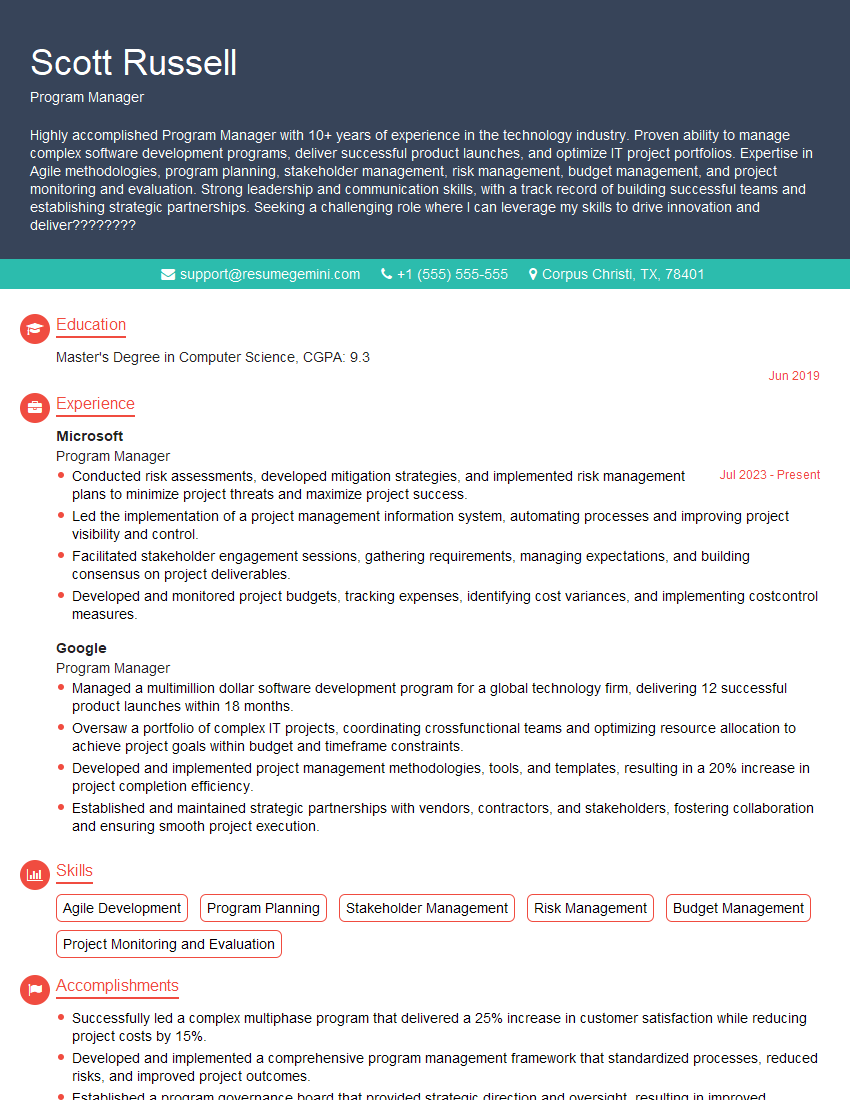
Program Manager Resume Sample
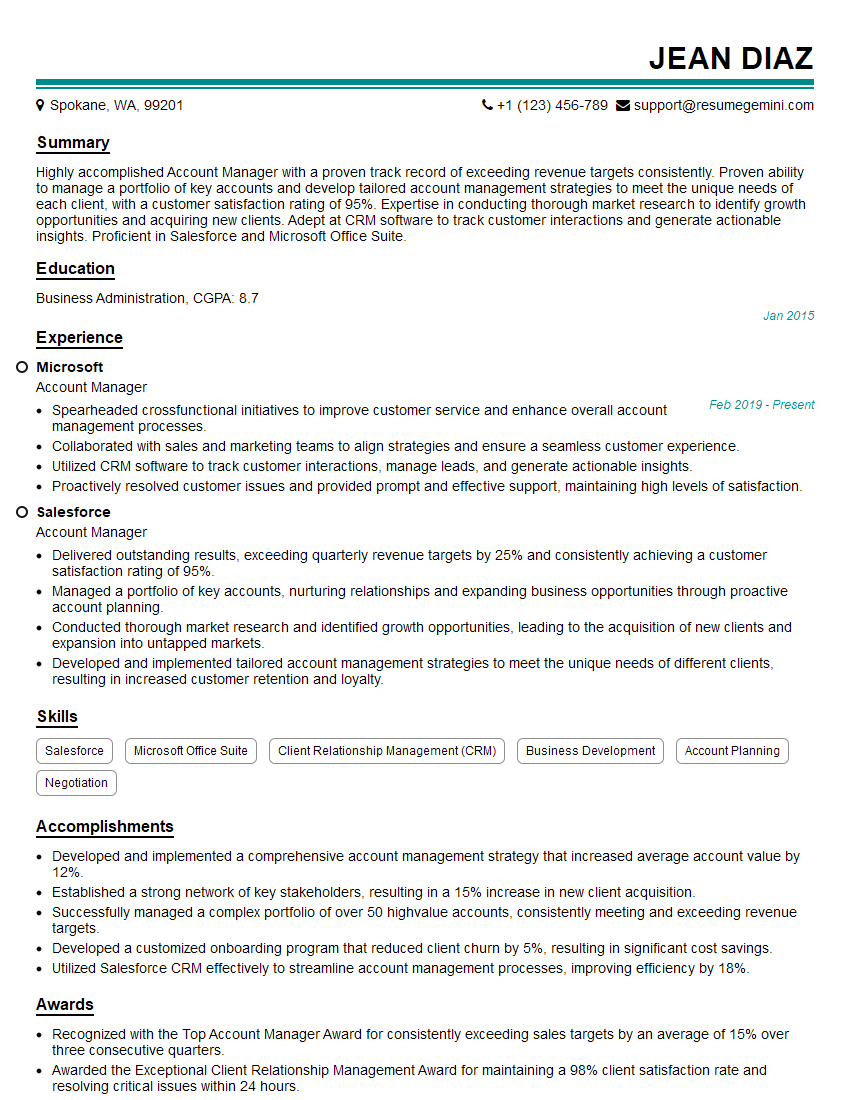
Account Manager Resume Sample
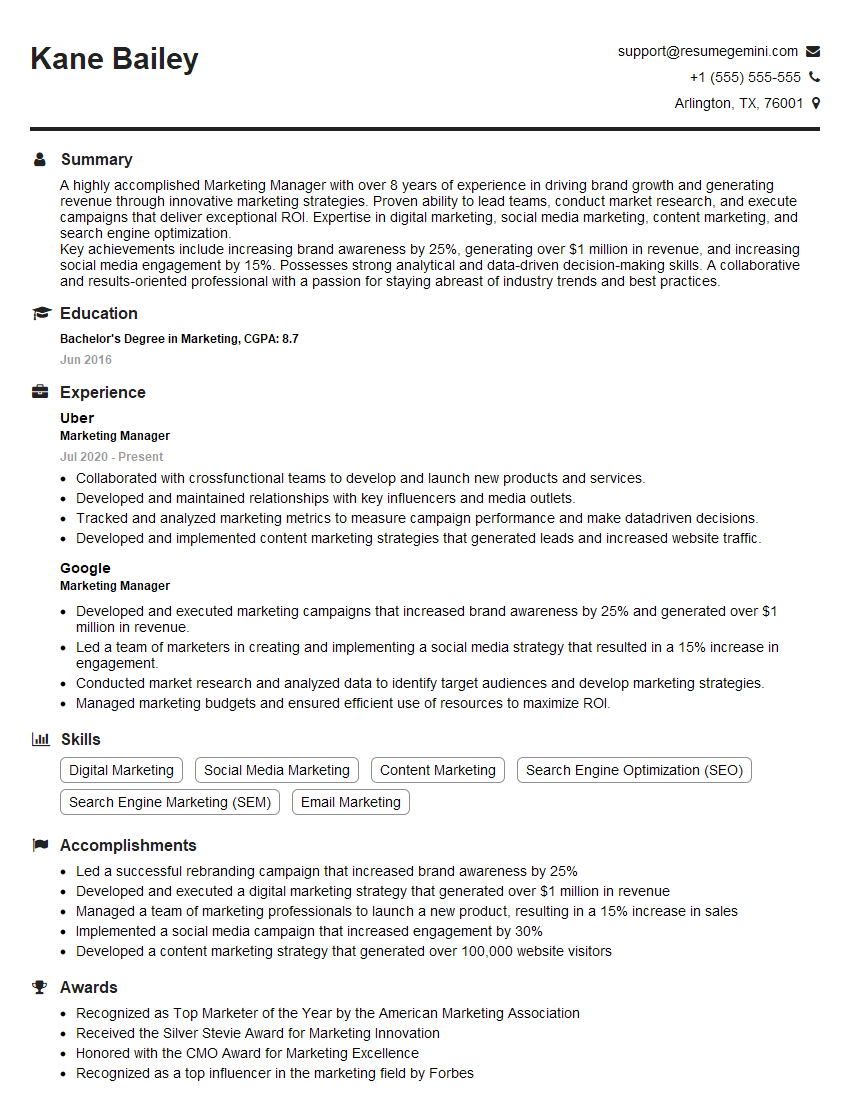
Marketing Manager Resume Sample
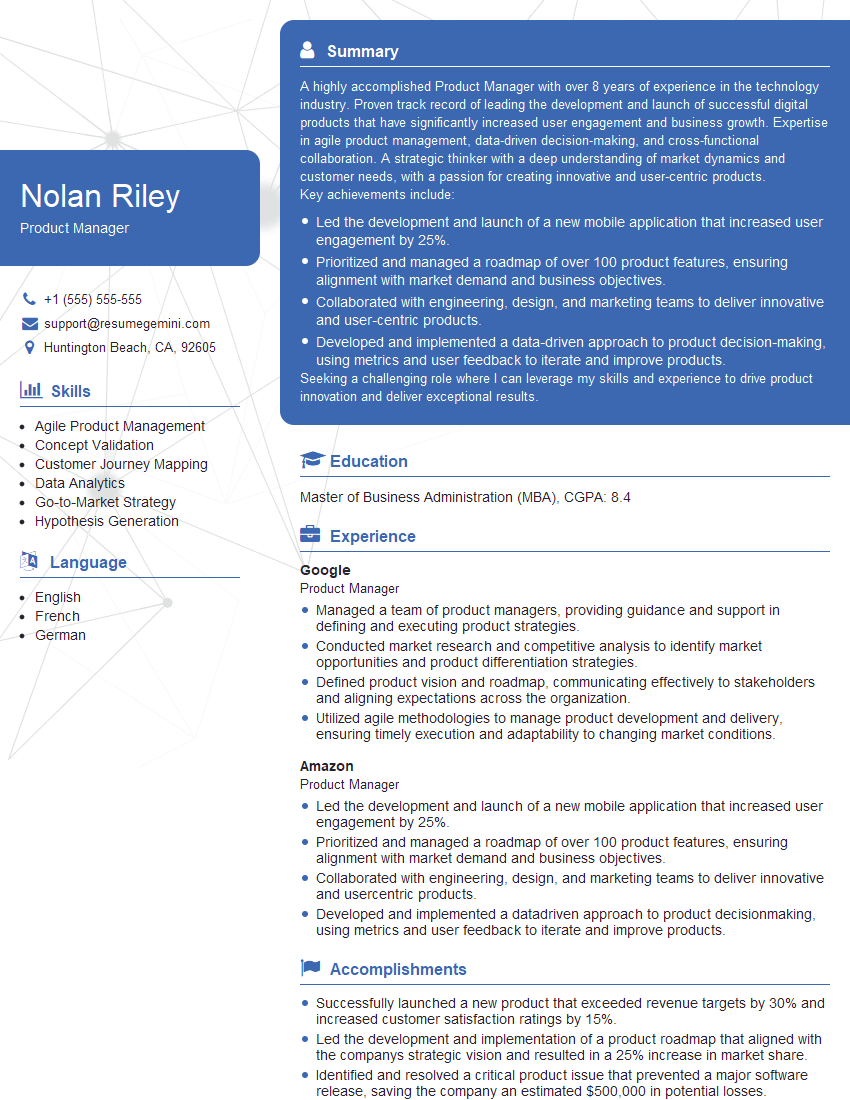
Product Manager Resume Sample

Project Manager Resume Sample
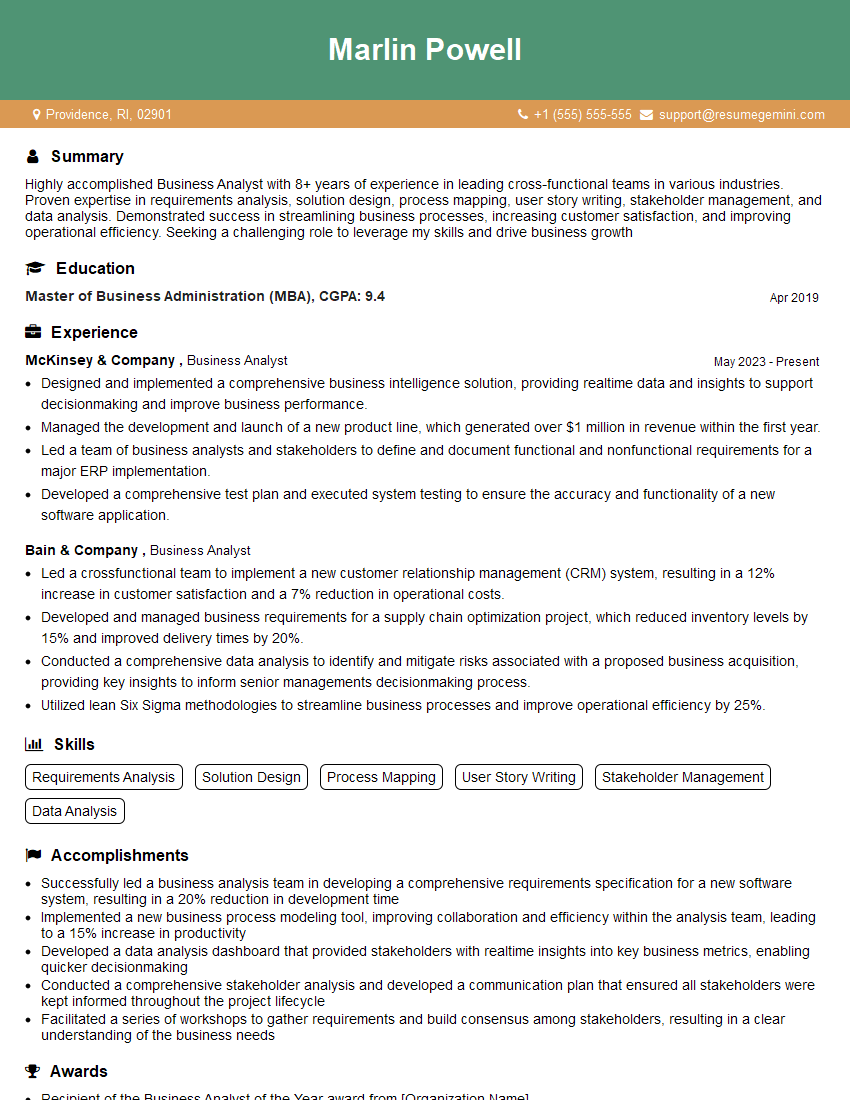
Business Analyst Resume Sample
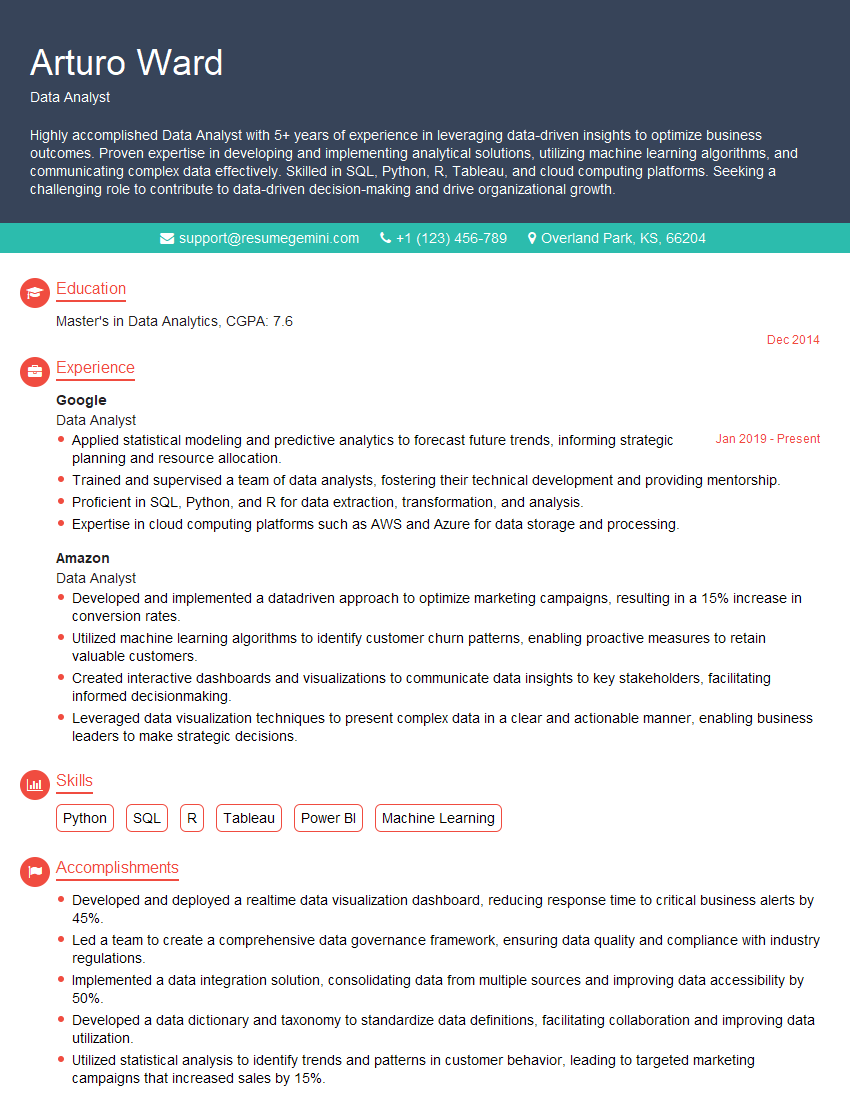
Data Analyst Resume Sample
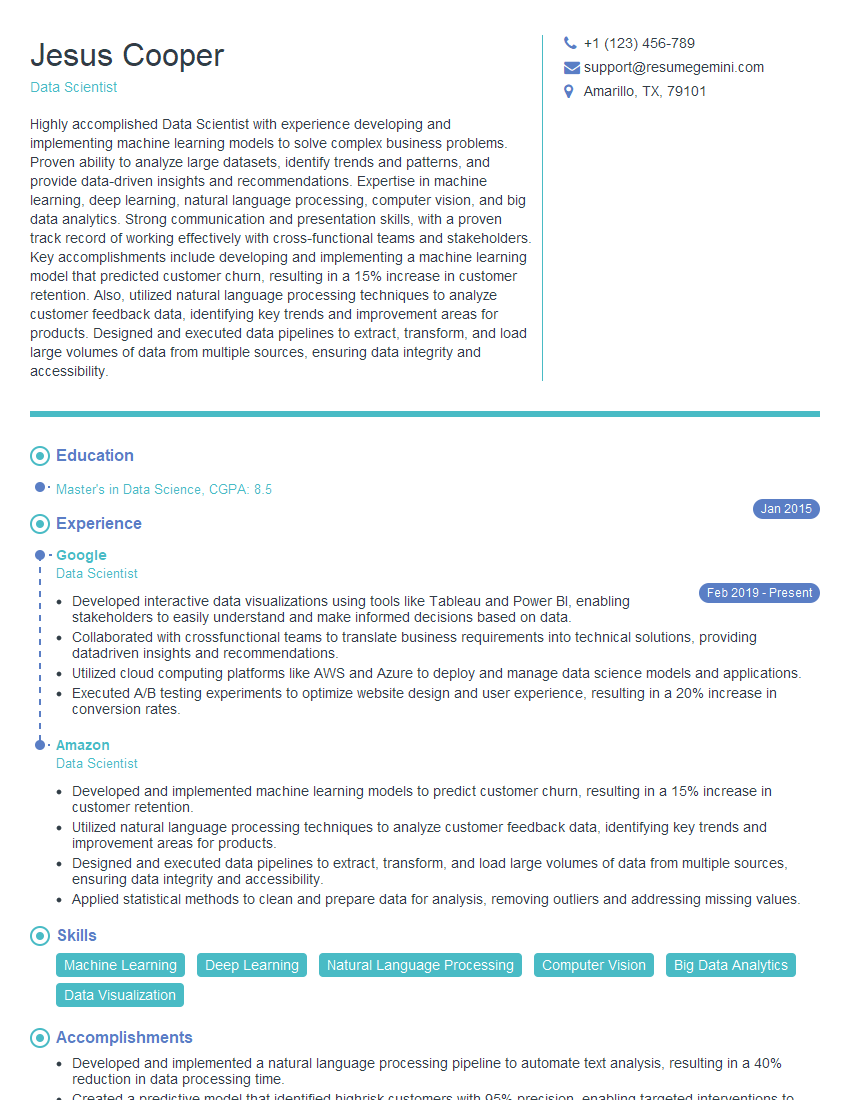
Data Scientist Resume Sample
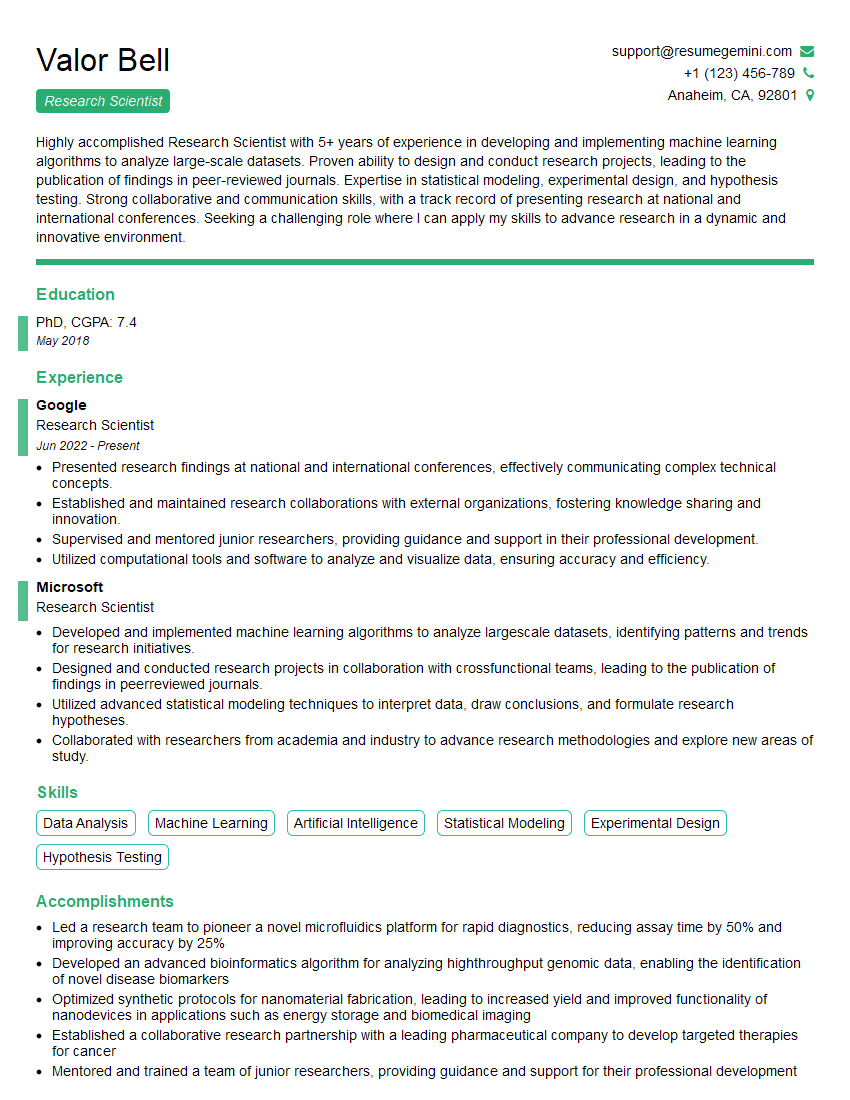
Research Scientist Resume Sample
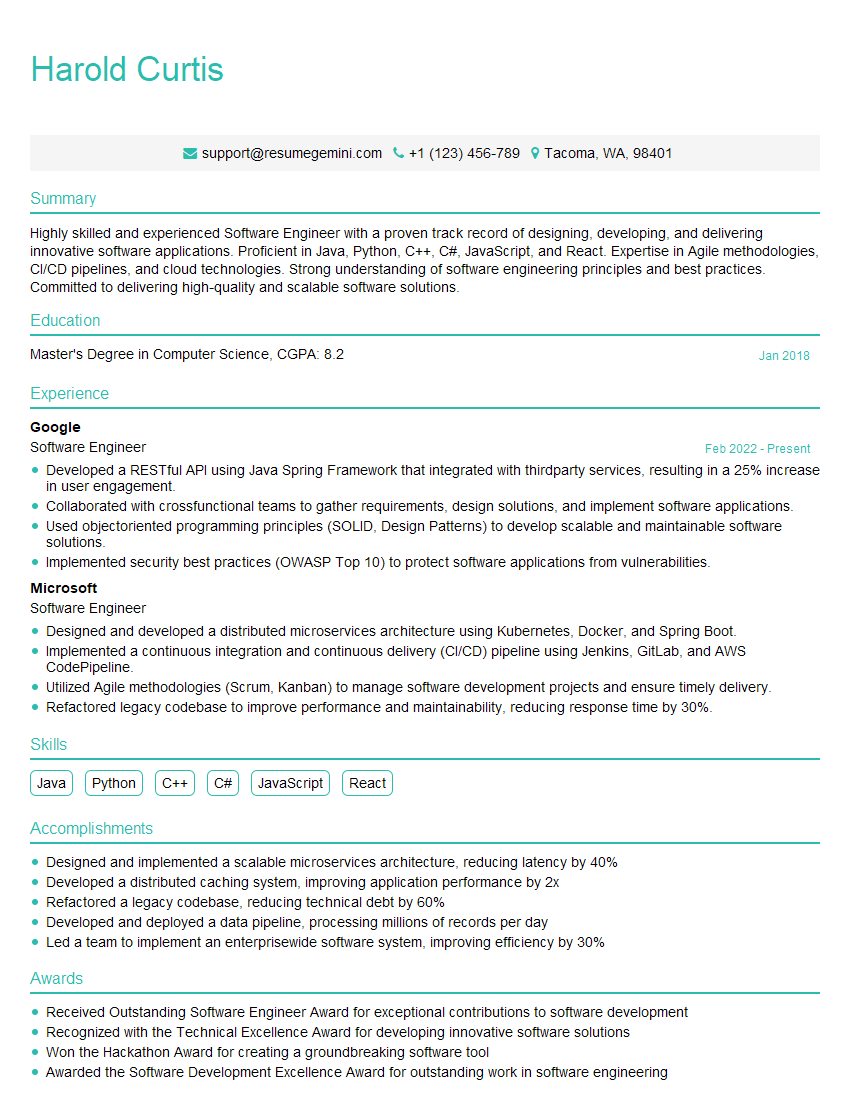
Software Engineer Resume Sample
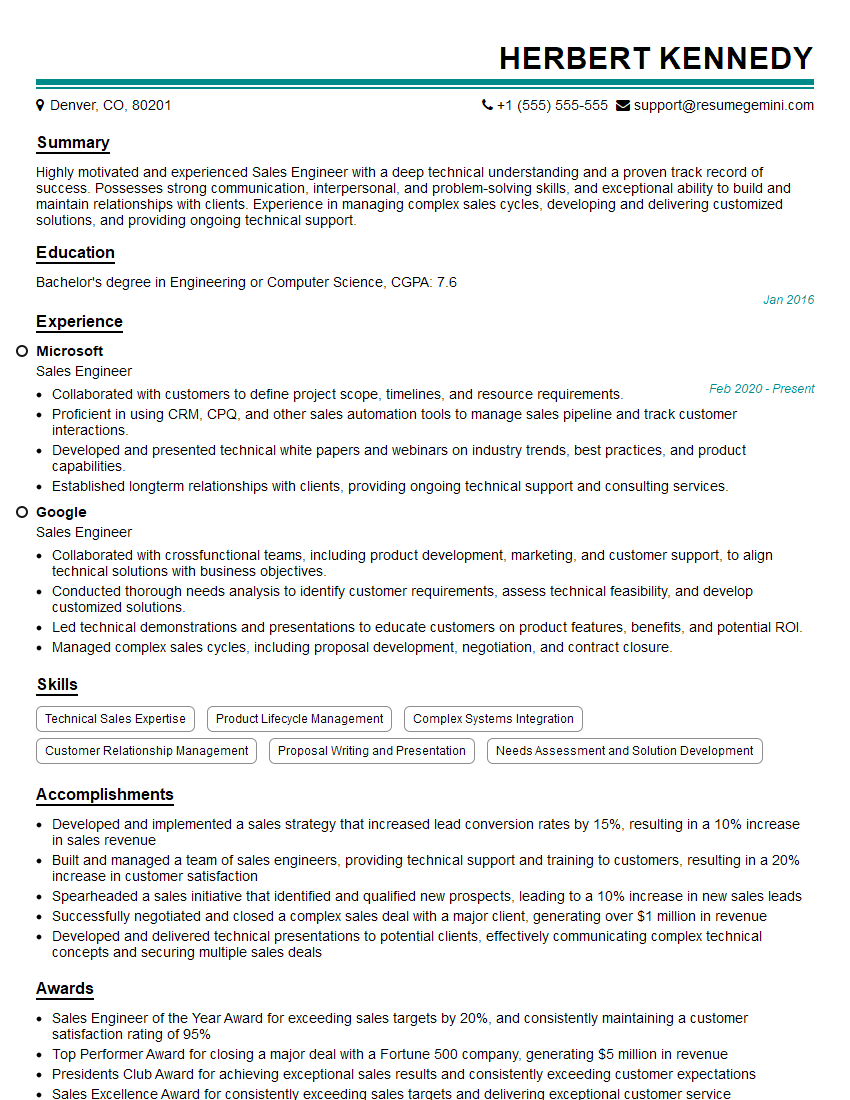
Sales Engineer Resume Sample

Technical Writer Resume Sample
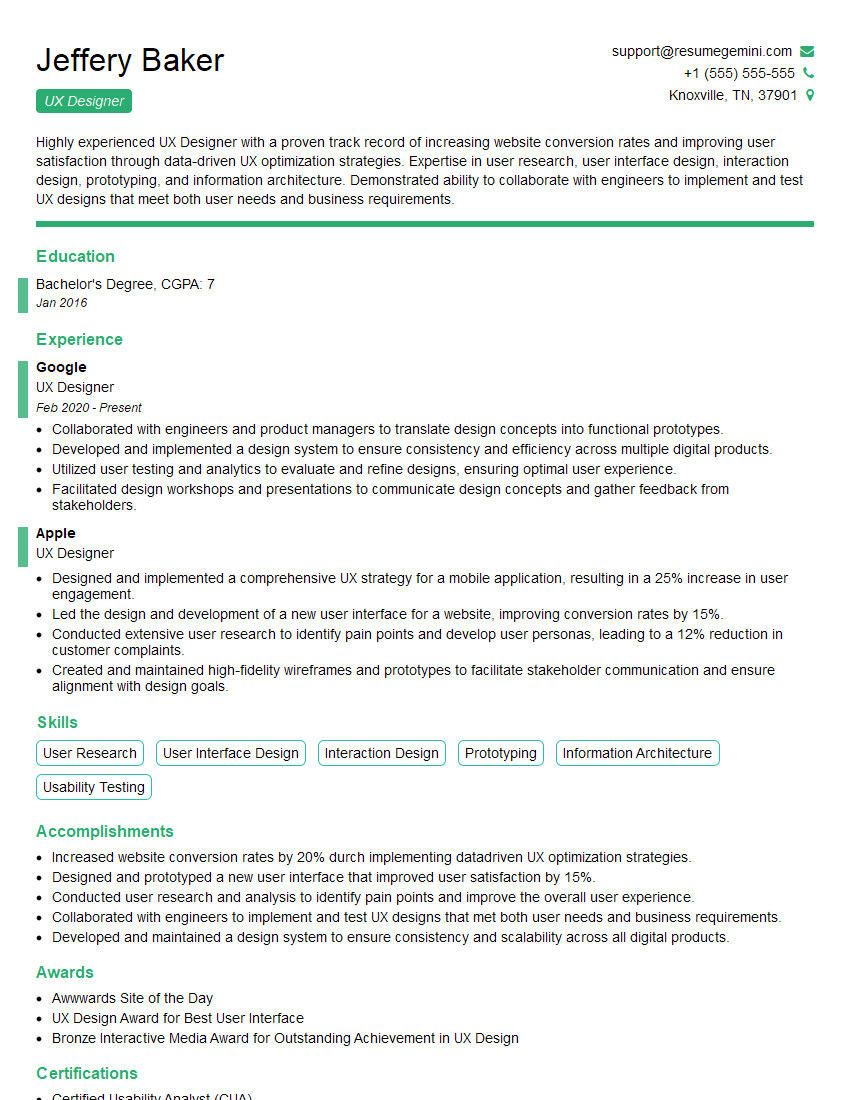
UX Designer Resume Sample
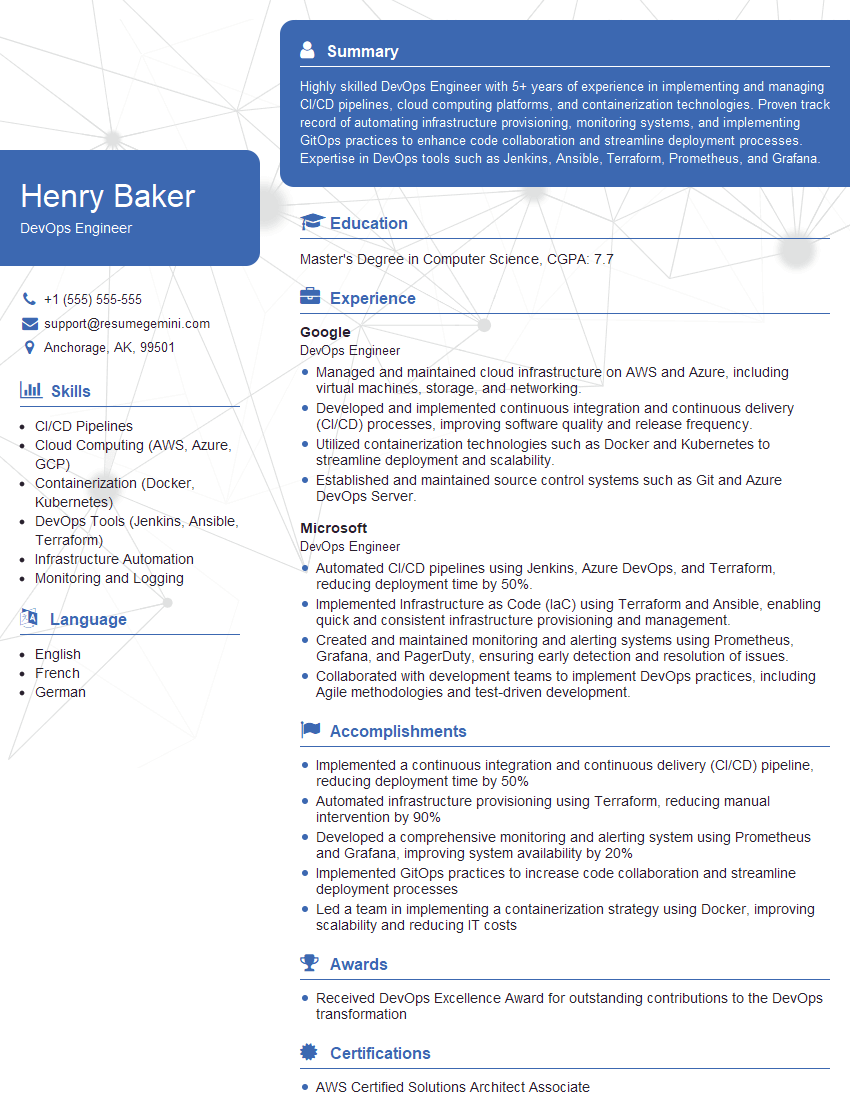
DevOps Engineer Resume Sample
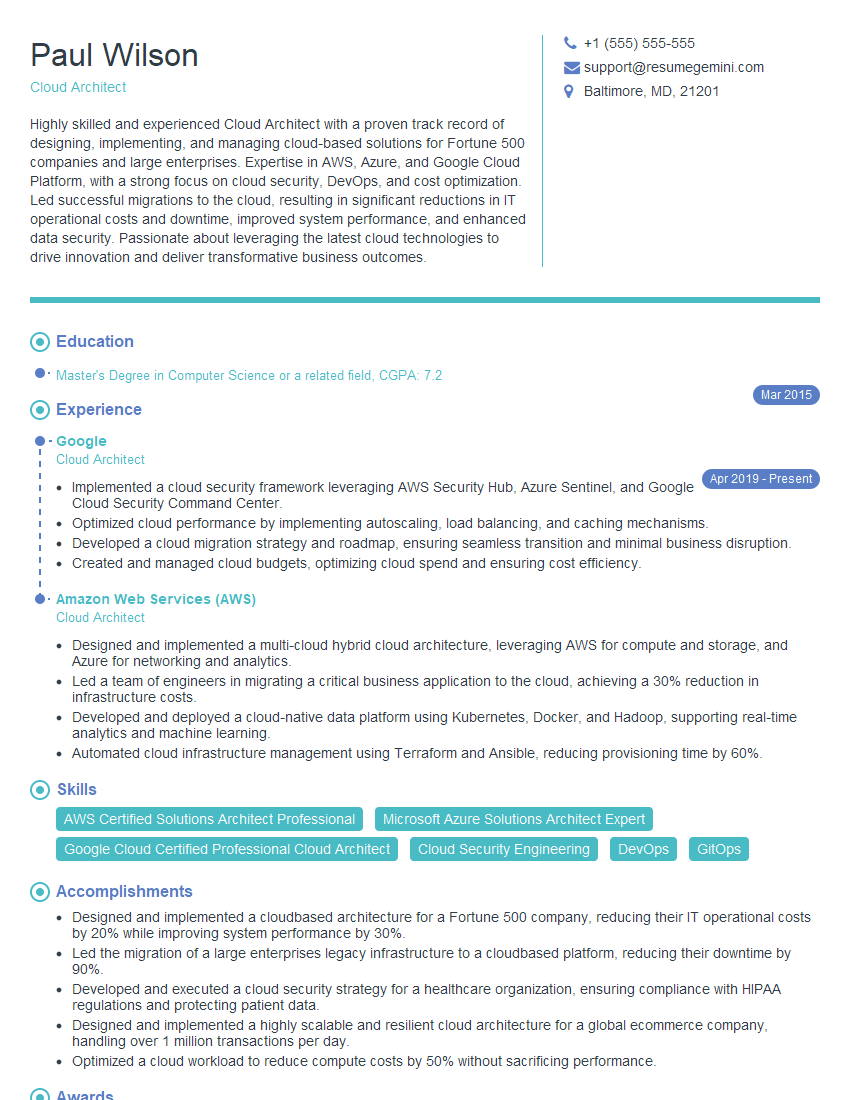
Cloud Architect Resume Sample
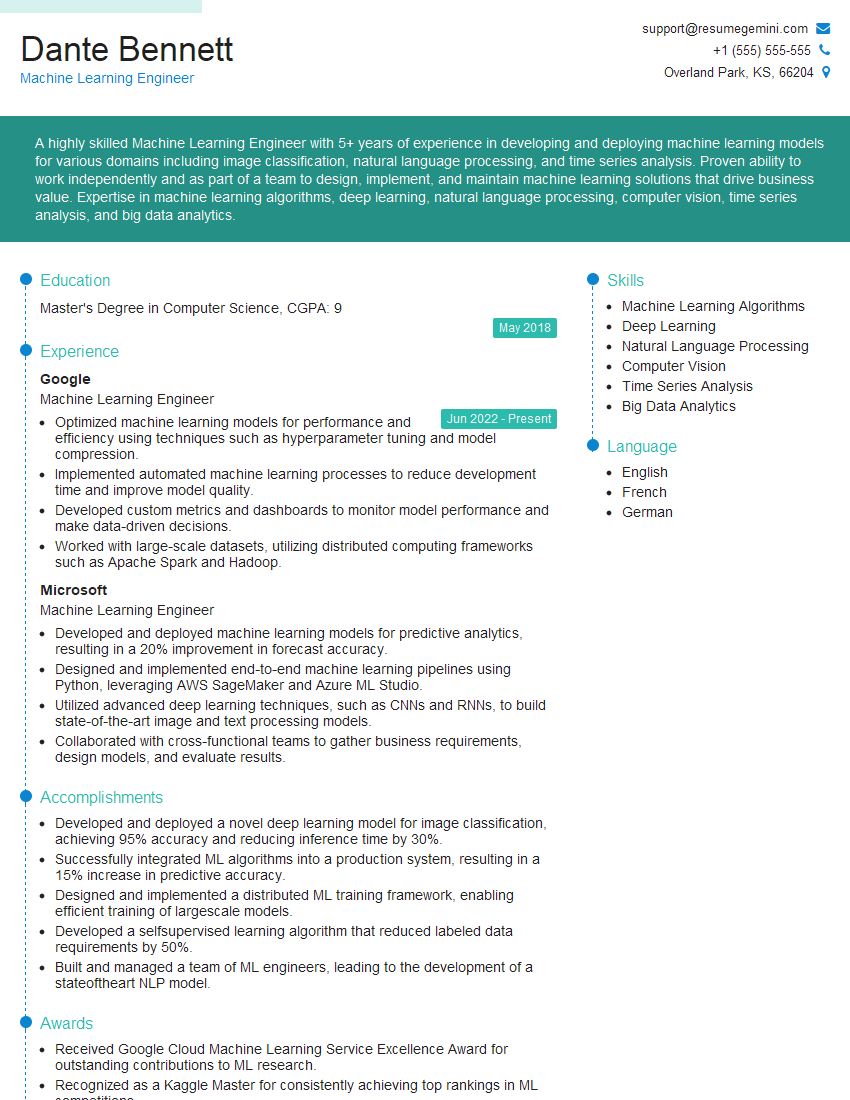
Machine Learning Engineer Resume Sample
Explore more articles
Users Rating of Our Blogs
Share Your Experience
We value your feedback! Please rate our content and share your thoughts (optional).
What Readers Say About Our Blog
Very informative content, great job.
good