Interviews are more than just a Q&A session—they’re a chance to prove your worth. This blog dives into essential Shuttle Management interview questions and expert tips to help you align your answers with what hiring managers are looking for. Start preparing to shine!
Questions Asked in Shuttle Management Interview
Q 1. Describe your experience managing shuttle schedules and routes.
Managing shuttle schedules and routes requires a meticulous approach, blending logistical planning with real-time adaptability. My experience encompasses developing efficient routes optimized for passenger volume and travel time, considering factors like traffic patterns, geographical constraints, and passenger demand at different times of day. I utilize route optimization software to analyze various scenarios and select the most efficient route, minimizing travel time and fuel consumption. For example, in a previous role, I redesigned our university shuttle system, reducing average travel times by 15% by implementing a circular route instead of a linear one and adjusting pickup/drop-off points based on passenger flow data. This involved analyzing passenger data collected through a mobile app and integrating that data into the route planning software.
- Route Planning: This involves using mapping software and considering traffic patterns, road closures, and geographical features.
- Scheduling Optimization: I employ scheduling algorithms to ensure sufficient shuttle capacity at peak hours and minimize wait times.
- Real-time Adjustments: I am adept at dynamically adjusting schedules based on unforeseen circumstances, such as traffic incidents or mechanical failures.
Q 2. How do you handle unexpected delays or disruptions in shuttle service?
Unexpected delays are inevitable in shuttle operations. My approach focuses on proactive communication and efficient problem-solving. When a delay occurs, my first step is to assess the cause – traffic congestion, mechanical failure, or unforeseen events. Next, I immediately communicate the delay to passengers using various channels: SMS alerts, in-app notifications, and announcements at waiting areas. If the delay is significant, I actively work to mitigate its impact by deploying alternative shuttles or rerouting existing ones, if feasible. For instance, during a major snowstorm, I rerouted several shuttles to avoid heavily snowed roads and proactively communicated the new routes to passengers, preventing further delays and ensuring passenger safety.
- Communication is Key: Transparency with passengers reduces frustration and enhances trust.
- Problem Assessment: Quickly identifying the root cause is crucial for an effective response.
- Resource Management: Efficiently allocating available resources (drivers, vehicles) to minimize disruption.
Q 3. What strategies do you use to ensure on-time performance of shuttle operations?
Ensuring on-time performance requires a multi-pronged strategy. It starts with meticulous route planning and scheduling, optimizing for average travel times and factoring in potential delays. Regular driver training is crucial, emphasizing safe driving practices and adherence to schedules. Real-time tracking and monitoring systems provide visibility into shuttle locations and allow for proactive intervention if a shuttle falls behind schedule. Furthermore, preventative maintenance keeps our fleet in top condition, minimizing mechanical breakdowns. In one instance, we improved on-time performance by 10% by implementing a driver incentive program that rewarded on-time arrivals, coupled with stricter adherence to scheduled maintenance.
- Preventative Maintenance: Regular vehicle inspections and timely repairs minimize breakdowns.
- Real-time Tracking: Monitoring shuttle locations allows for immediate responses to delays.
- Driver Training: Consistent training ensures adherence to routes, safety protocols, and schedules.
- Performance Incentives: Rewarding on-time performance motivates drivers.
Q 4. Explain your approach to managing shuttle driver performance and safety.
Managing driver performance and safety is paramount. This involves rigorous background checks, comprehensive training on safe driving practices, defensive driving techniques, and customer service. Regular performance reviews assess driving records, punctuality, and passenger feedback. Moreover, we employ GPS tracking and driver behavior monitoring systems to identify potential safety hazards and provide corrective training. For example, I implemented a points-based system for driver performance, addressing minor infractions promptly before they escalate into major incidents. This involved clear communication of expectations, regular feedback, and consistent monitoring of performance metrics.
- Background Checks: Ensuring driver suitability and safety.
- Driver Training: Providing comprehensive training on safety, customer service, and defensive driving.
- Performance Monitoring: Regularly tracking driver performance through various metrics.
- Disciplinary Action: Addressing performance issues swiftly and fairly.
Q 5. How do you track key performance indicators (KPIs) for shuttle services?
Tracking KPIs is essential for evaluating the effectiveness of shuttle services. Key metrics include on-time performance (OTP), passenger satisfaction (measured through surveys and feedback), vehicle utilization rate, fuel efficiency, and operational costs. We use data analytics tools to visualize these KPIs and identify areas for improvement. For example, by analyzing OTP data, we identified a recurring delay at a specific stop and implemented a slight route adjustment to solve this issue. We also use passenger feedback to inform improvements to customer service and route optimization.
- On-Time Performance (OTP): Percentage of trips arriving on schedule.
- Passenger Satisfaction: Measured through surveys and feedback mechanisms.
- Vehicle Utilization Rate: Percentage of vehicle capacity utilized.
- Fuel Efficiency: Fuel consumption per mile or passenger.
- Operational Costs: Overall cost per passenger or trip.
Q 6. What software or systems have you used to manage shuttle operations?
Throughout my career, I have utilized various software and systems for managing shuttle operations. These include route optimization software (such as OptiRoute or similar solutions) for efficient route planning and scheduling, GPS tracking and fleet management systems (like Samsara or similar platforms) for real-time monitoring of shuttle locations and driver performance, and passenger management systems for booking, ticketing, and communication. I also have experience using customer relationship management (CRM) systems to manage passenger feedback and address complaints. Furthermore, I am proficient in using data analytics platforms to interpret and visualize performance data to identify areas for optimization.
- Route Optimization Software: For efficient route planning and scheduling.
- GPS Tracking and Fleet Management Systems: For real-time monitoring of shuttle locations and driver performance.
- Passenger Management Systems: For booking, ticketing, and communication.
- Data Analytics Platforms: For performance analysis and identification of areas for improvement.
Q 7. Describe your experience with shuttle fleet maintenance and scheduling.
Shuttle fleet maintenance and scheduling are critical for ensuring reliable service. My experience involves developing and implementing preventative maintenance schedules based on manufacturer recommendations and usage patterns. This includes regular inspections, oil changes, tire rotations, and other necessary repairs. We also utilize a computerized maintenance management system (CMMS) to track maintenance records, schedule service appointments, and manage parts inventory. This proactive approach minimizes downtime, ensures vehicle safety, and optimizes operational costs. For example, we implemented a predictive maintenance program using sensor data to anticipate potential mechanical issues before they occur, allowing for proactive repairs and preventing unexpected breakdowns, saving significant downtime and repair costs.
- Preventative Maintenance Scheduling: Establishing a schedule based on usage and manufacturer guidelines.
- CMMS Implementation: Using software to track maintenance, schedule repairs, and manage inventory.
- Predictive Maintenance: Utilizing sensor data to anticipate potential issues and perform proactive repairs.
- Spare Parts Management: Maintaining adequate inventory to minimize downtime.
Q 8. How do you ensure compliance with relevant safety regulations in shuttle operations?
Ensuring safety compliance in shuttle operations is paramount. It’s a multifaceted process involving proactive measures and stringent adherence to regulations. This begins with a thorough understanding of all applicable federal, state, and local laws, which can vary widely depending on location. For example, we must adhere to regulations regarding driver licensing, vehicle maintenance schedules (including regular inspections), and operational safety protocols.
- Driver Training and Certification: All drivers undergo rigorous training encompassing defensive driving techniques, emergency procedures, and first aid. Regular refresher courses and certifications, like those offered by the National Safety Council, are mandated to maintain proficiency.
- Vehicle Maintenance: A meticulous maintenance schedule is essential. This includes regular inspections of brakes, tires, lights, and other critical components. Detailed logs are kept, and any issues are promptly addressed by certified mechanics. Failure to adhere to these protocols could result in penalties.
- Safety Audits and Inspections: Regular internal safety audits are conducted to identify potential hazards and areas for improvement. External audits by regulatory bodies may also be required, depending on location and the size of the operation. These audits assess adherence to safety standards and highlight any deficiencies.
- Passenger Safety Procedures: Clear passenger safety guidelines are in place, including procedures for boarding and disembarking, seatbelt usage, and emergency exits. This information is communicated clearly through signage, announcements, and readily available printed materials.
Failing to comply with these regulations can lead to serious consequences, including hefty fines, operational suspensions, and even legal action. Safety is not just a regulation; it’s a core value that underpins everything we do.
Q 9. Explain your experience managing shuttle budgets and resources.
Budget and resource management is critical in shuttle operations. My approach is strategic and data-driven, focusing on optimizing resource allocation while ensuring operational efficiency. This begins with detailed budgeting, projecting operating expenses and revenue based on historical data, anticipated ridership, and fuel costs.
- Cost Analysis: We carefully examine all aspects of operating costs, including fuel, maintenance, driver salaries, insurance, and administrative expenses. This allows us to identify areas for potential savings without compromising safety or service quality.
- Resource Allocation: We leverage fleet management software to monitor vehicle utilization, driver schedules, and maintenance requirements. This helps optimize route assignments, minimize downtime, and improve overall efficiency. For example, using predictive analytics we can forecast peak demand and allocate resources accordingly to avoid over- or under-staffing.
- Performance Monitoring: Key performance indicators (KPIs) such as on-time performance, fuel efficiency, and passenger satisfaction are tracked and regularly analyzed to pinpoint areas for improvement. This could lead to changes in scheduling, route adjustments, or new driver training protocols.
- Negotiation and Procurement: Strategic negotiation with fuel suppliers, maintenance contractors, and insurance providers is essential for securing cost-effective deals. We explore options for fuel-efficient vehicles, exploring alternative fuels such as biodiesel or CNG.
In my previous role, we successfully reduced operating costs by 15% over two years through a combination of these strategies, without sacrificing service quality or compromising safety. This involved renegotiating contracts, implementing a more efficient maintenance program, and refining our route optimization process using GPS tracking data.
Q 10. How do you handle passenger complaints or emergencies?
Handling passenger complaints and emergencies requires a calm, efficient, and empathetic approach. A swift and effective response is crucial to mitigate potential problems and ensure passenger safety and satisfaction.
- Complaint Handling Protocol: We have a clear protocol for addressing passenger complaints. All complaints are logged, investigated, and responded to promptly. This ensures passengers feel heard and valued, fostering positive relationships. We strive to resolve the issue quickly and fairly, often through immediate action or follow-up communication.
- Emergency Response Plan: A comprehensive emergency response plan is essential, detailing procedures for various scenarios, such as accidents, medical emergencies, or security threats. This involves clearly defined roles, communication channels, and emergency contact information. Regular drills are conducted to ensure all personnel are familiar with the plan.
- Communication is Key: Open and clear communication is vital during emergencies. This involves promptly informing relevant personnel, emergency services, and passengers of the situation. Keeping passengers informed, whilst ensuring safety, is paramount.
- Post-Incident Review: Following any incident, a thorough review is conducted to identify contributing factors and areas for improvement. This ensures that similar incidents can be prevented in the future.
For instance, in one instance, a passenger experienced a medical emergency mid-route. Our driver, trained in first aid, provided immediate assistance while contacting emergency services. The passenger received prompt medical attention, and the incident was thoroughly documented and reviewed to improve future response times and procedures. This proactive approach built trust with passengers and allowed for continuous improvement.
Q 11. How would you improve efficiency in a shuttle system facing capacity issues?
Addressing capacity issues in a shuttle system requires a multi-pronged approach focusing on increasing capacity and optimizing operations. Simply adding more vehicles isn’t always the most cost-effective solution.
- Route Optimization: Analyzing ridership data to identify periods of peak demand and adjusting schedules to increase frequency during those times. This might involve running smaller shuttles more frequently rather than larger ones less frequently, maximizing efficiency.
- Dynamic Routing: Employing real-time GPS tracking and passenger demand data to adjust routes dynamically, improving efficiency and reducing wait times. For example, if one route experiences high demand, we can redirect vehicles from less busy routes.
- Technology Integration: Implementing a shuttle booking system to allow passengers to reserve seats in advance. This provides valuable insights into expected demand, allowing for better resource allocation and minimizing overcrowding.
- Fleet Optimization: Assess the current fleet size and vehicle capacity. This may involve replacing smaller vehicles with larger ones on high-demand routes or introducing additional vehicles during peak hours.
- Alternative Transportation Options: Explore the possibility of partnerships with other transportation services to alleviate congestion or provide supplementary services during periods of high demand. For example, working with a ride-sharing company during peak times.
In a previous role, we faced significant capacity issues during a large conference. By implementing a combination of these strategies, including dynamic routing and a real-time booking system, we successfully managed the increased demand and avoided long wait times and overcrowding, significantly improving passenger satisfaction.
Q 12. Describe a time you had to troubleshoot a major problem in shuttle operations.
One of the most challenging situations I encountered involved a major software malfunction in our fleet management system. This system was crucial for real-time vehicle tracking, scheduling, and communication with drivers. The malfunction caused widespread disruption, leading to delays and confusion.
My response involved a systematic troubleshooting approach:
- Identify the problem: The initial step was to pinpoint the exact nature and extent of the malfunction. We quickly ascertained that the system was unable to receive GPS signals from a significant portion of our fleet.
- Assemble a team: I immediately gathered a team comprising IT specialists, operations managers, and key drivers. This ensured we had expertise in all relevant areas.
- Implement contingency plans: While troubleshooting the software, we implemented alternative communication methods using two-way radios to maintain contact with drivers and dispatch vehicles manually. This minimized further disruption.
- Troubleshooting and repair: The IT team worked tirelessly to identify and resolve the root cause of the problem, which turned out to be a server failure due to a hardware malfunction.
- Post-incident analysis: After restoring the system, we conducted a thorough post-incident analysis to understand what went wrong and how to prevent similar incidents. This included updating our backup procedures and implementing redundancy measures.
This experience highlighted the critical importance of robust backup systems, thorough staff training, and effective communication during emergencies. We learned valuable lessons about disaster recovery and system resilience.
Q 13. What are your strategies for optimizing shuttle routes and schedules?
Optimizing shuttle routes and schedules is a complex task requiring a data-driven approach. It involves balancing factors such as passenger demand, travel time, operational costs, and service frequency.
- Data Analysis: We begin by analyzing historical ridership data, identifying peak and off-peak hours, and popular destinations. This data provides insights into passenger flow and helps pinpoint areas for potential improvements.
- Route Planning Software: Specialized route optimization software utilizes algorithms to generate efficient routes, considering factors like traffic patterns, road conditions, and travel time. This often involves using GPS data and integrating with mapping services.
- Geographic Information Systems (GIS): GIS technology provides a visual representation of the network, allowing for better visualization of routes, stops, and potential bottlenecks. This enables us to quickly identify and address inefficiencies.
- Simulation and Modeling: Before implementing changes, we often use simulation models to predict the impact of different scheduling and routing scenarios on operational efficiency and passenger wait times.
- Continuous Monitoring and Adjustment: We continuously monitor the effectiveness of routes and schedules, using real-time data to make necessary adjustments. This is an iterative process involving ongoing analysis and optimization. For instance, we might make minor adjustments to schedules based on real-time traffic updates.
Through these methods, we can create efficient and reliable shuttle services that meet passenger needs while minimizing operational costs. In one instance, optimizing routes using GIS technology reduced our overall travel time by 12%, leading to significant cost savings and improved on-time performance.
Q 14. How do you ensure effective communication within your shuttle team?
Effective communication is crucial in a shuttle operation. It ensures smooth coordination between drivers, dispatchers, maintenance staff, and management. This involves establishing clear communication channels and fostering a collaborative environment.
- Clear Roles and Responsibilities: Each team member should have a clear understanding of their responsibilities and how they contribute to the overall operation. This minimizes confusion and enhances efficiency.
- Regular Team Meetings: We hold regular meetings to discuss operational updates, address concerns, and share best practices. These meetings allow for open dialogue and collaboration.
- Technology Integration: Leveraging technology such as two-way radios, fleet management software, and mobile applications greatly enhances communication. This allows for real-time updates and immediate responses to unforeseen events.
- Open Communication Policy: We foster a culture of open communication, encouraging feedback from all team members. This ensures that any issues or concerns are addressed promptly and prevents potential problems from escalating. We make use of suggestion boxes and anonymous surveys to get feedback.
- Training and Development: Regular training and development initiatives are crucial for effective communication. This includes training on communication protocols, conflict resolution, and customer service skills.
By promoting clear, consistent, and timely communication, we create a cohesive and effective team that can respond efficiently to challenges and provide excellent service to our passengers.
Q 15. How do you maintain accurate records for shuttle operations?
Maintaining accurate shuttle operation records is crucial for efficiency, compliance, and informed decision-making. My approach involves a multi-layered system combining digital and physical records.
- Digital Record Keeping: I utilize a robust Transportation Management System (TMS) to track all aspects of operations. This includes real-time GPS tracking of vehicles, automated driver logs, scheduled maintenance records, passenger manifests, and detailed trip reports. The system generates comprehensive reports on key performance indicators (KPIs) such as fuel consumption, on-time performance, and passenger counts. This ensures data integrity and readily accessible information.
- Physical Record Keeping: While primarily digital, we maintain physical copies of key documents – such as driver licenses, vehicle registration, and insurance certificates – for audit trail and backup purposes. These are securely stored and regularly archived.
- Data Verification and Reconciliation: Regular data reconciliation is performed to ensure consistency between digital and physical records. This process includes comparing TMS data with driver reports, fuel receipts, and maintenance invoices.
- Data Security and Privacy: Access to sensitive data is restricted to authorized personnel. Data encryption and robust security protocols are in place to protect passenger information and operational data. We adhere strictly to all relevant data privacy regulations.
For example, in a past role, our implementation of a TMS reduced manual data entry by 70%, leading to improved accuracy and significant time savings.
Career Expert Tips:
- Ace those interviews! Prepare effectively by reviewing the Top 50 Most Common Interview Questions on ResumeGemini.
- Navigate your job search with confidence! Explore a wide range of Career Tips on ResumeGemini. Learn about common challenges and recommendations to overcome them.
- Craft the perfect resume! Master the Art of Resume Writing with ResumeGemini’s guide. Showcase your unique qualifications and achievements effectively.
- Don’t miss out on holiday savings! Build your dream resume with ResumeGemini’s ATS optimized templates.
Q 16. What is your experience with shuttle passenger ticketing or reservation systems?
My experience with passenger ticketing and reservation systems encompasses both simple and sophisticated approaches. I’ve worked with systems ranging from basic manual sign-up sheets to integrated online booking platforms with mobile app integration.
- Manual Systems: In smaller operations, I’ve managed reservations using spreadsheets and manually assigning seats. This method is suitable for smaller scales but lacks scalability and real-time information.
- Online Booking Platforms: For larger operations, I’ve implemented and managed online booking systems that allow passengers to reserve seats, view schedules, and make payments. These systems often integrate with payment gateways and provide real-time availability updates. Examples include platforms that allow for API integration with other travel systems, creating a smoother travel experience.
- Mobile App Integration: To enhance convenience, I’ve incorporated mobile apps that provide real-time tracking of shuttles, allow for on-demand booking, and provide electronic tickets.
- Reporting and Analytics: These systems also generate detailed reports on booking trends, passenger demographics, and revenue, providing valuable insights for operational optimization.
In one instance, the transition to an online booking system increased bookings by 35% and reduced administrative overhead by 20%.
Q 17. How do you manage fuel costs and optimize fuel efficiency in shuttle operations?
Managing fuel costs and optimizing fuel efficiency are critical for profitability and environmental responsibility. My approach combines strategic planning, technological tools, and driver training.
- Route Optimization: I utilize route planning software to identify the most fuel-efficient routes, taking into account traffic patterns, road conditions, and distance. This can significantly reduce fuel consumption.
- Vehicle Maintenance: Regular vehicle maintenance is crucial. Ensuring tires are properly inflated, engines are tuned, and vehicles are regularly serviced minimizes fuel wastage. Preventive maintenance is significantly cheaper than emergency repairs.
- Driver Training: Drivers are trained on fuel-efficient driving techniques, including smooth acceleration and braking, maintaining appropriate speeds, and avoiding idling. This significantly impacts fuel usage.
- Fuel Purchasing Strategies: Negotiating bulk fuel purchases with suppliers or leveraging fuel cards can lead to cost savings. Monitoring fuel prices and purchasing when rates are low is also beneficial.
- Technology Integration: Using telematics systems that monitor fuel consumption in real-time can identify areas for improvement and track driver performance.
In a previous role, implementing these strategies reduced fuel costs by 15% annually.
Q 18. Describe your experience in managing shuttle driver training and certification.
Effective shuttle driver training is paramount for safety, compliance, and customer satisfaction. My experience encompasses a comprehensive training program that includes both theoretical and practical components.
- Initial Training: New drivers undergo thorough training on defensive driving techniques, company policies, emergency procedures, and customer service protocols. This includes classroom sessions and behind-the-wheel training.
- Continuing Education: Regular refresher training and ongoing professional development keep drivers updated on safety regulations, new technologies, and best practices.
- Certification and Licensing: I ensure all drivers possess the necessary licenses and certifications, complying with all relevant legal requirements.
- Performance Evaluation: Regular performance evaluations, including driving records and customer feedback, identify areas for improvement and ensure consistent high standards.
- Safety Training: Comprehensive training on defensive driving, emergency procedures, passenger safety, and hazard awareness is a vital part of the program.
For instance, I’ve implemented a driver feedback system that allows for real-time reporting of incidents and near misses, enabling proactive risk management and enhanced safety.
Q 19. What is your experience with different types of shuttle vehicles and their maintenance requirements?
My experience covers a range of shuttle vehicles, from minibuses and vans to larger coaches. Understanding the unique maintenance requirements of each type is crucial for operational efficiency and safety.
- Vehicle Type Selection: Choosing the right vehicle depends on passenger capacity, route characteristics, and operational requirements. Factors such as fuel efficiency, passenger comfort, and maintenance costs are considered.
- Preventive Maintenance: A rigorous preventive maintenance schedule is implemented for each vehicle type, addressing specific components and systems. This includes regular oil changes, tire rotations, brake inspections, and engine tune-ups, all tailored to the vehicle’s specifications.
- Specialized Maintenance: Certain vehicles may require specialized maintenance. For instance, larger coaches may need more frequent inspections of their braking systems and suspension components.
- Record Keeping: Detailed maintenance records are kept for each vehicle, tracking all services, repairs, and parts replacements. This information is critical for warranty claims and long-term cost analysis.
- Repair and Replacement: A system is in place to promptly address mechanical issues, arranging for repairs or replacement parts as needed. A network of reliable mechanics and parts suppliers is crucial.
For example, I’ve developed a color-coded maintenance system for different vehicle types, allowing mechanics to quickly identify which components require attention.
Q 20. How do you ensure the security of passengers and shuttle assets?
Ensuring passenger and asset security is a top priority. My strategy involves a multi-pronged approach combining technology, procedures, and personnel training.
- Vehicle Security: Vehicles are equipped with GPS tracking systems, allowing for real-time monitoring of their location and movement. Security measures such as alarms and tamper-proof seals further enhance security.
- Passenger Safety: Safety protocols are in place for passenger boarding and disembarking, including procedures for handling emergencies and security threats. Drivers are trained in passenger safety procedures.
- Driver Background Checks: Thorough background checks and drug screenings are conducted for all drivers to ensure passenger safety and security. Regular driver training reinforces safe driving practices.
- CCTV and Surveillance: Internal and external CCTV cameras on shuttles provide visual surveillance for added security and deter potential incidents.
- Emergency Response Plan: A comprehensive emergency response plan is developed and regularly reviewed, outlining procedures for various scenarios, including accidents, medical emergencies, and security threats.
I’ve implemented a system where real-time alerts are sent to dispatch in case of any security issues or deviations from scheduled routes.
Q 21. Describe your experience with integrating shuttle services with other transportation modes.
Integrating shuttle services with other transportation modes is essential for seamless travel experiences. My experience involves coordinating with various transportation providers to ensure smooth transfers and efficient connections.
- Airport Transfers: I’ve coordinated shuttle services with airport operations, ensuring timely arrivals and departures for connecting flights. This involves real-time communication and coordination with airport authorities.
- Rail and Bus Connections: Integrating shuttle services with rail and bus networks requires close coordination with these providers to establish convenient transfer points and schedules. This can enhance accessibility for passengers.
- Ride-Sharing Integration: Exploring partnerships with ride-sharing services can offer extended service reach and provide alternative options for passengers.
- Ticketing and Booking Systems: Integrating shuttle booking systems with other transportation providers’ platforms can streamline the booking process and offer bundled travel options for passengers.
- Real-Time Information Sharing: Sharing real-time information on shuttle schedules and locations through integrated platforms keeps passengers updated on their journey.
For example, I’ve successfully implemented a system that allows passengers to book a combined train and shuttle ticket, streamlining their travel experience and reducing confusion.
Q 22. How do you use data analytics to inform decisions in shuttle management?
Data analytics is crucial for optimizing shuttle management. We use various data sources, including GPS tracking, passenger count data from ticketing systems, and customer feedback surveys, to identify trends and improve efficiency.
For example, analyzing ridership patterns over time reveals peak hours and popular routes. This data informs scheduling decisions, allowing us to deploy more shuttles during peak periods and potentially adjust routes based on actual passenger demand, reducing wait times and improving overall service.
Furthermore, we can analyze fuel consumption data to identify areas for improvement in driver behavior or vehicle maintenance, leading to cost savings. We might use predictive modeling to forecast future demand based on historical data and external factors like events or weather, allowing for proactive resource allocation.
Q 23. What is your familiarity with GPS tracking and monitoring of shuttle vehicles?
I’m highly proficient in using GPS tracking and monitoring systems for shuttle vehicles. This involves leveraging real-time location data to monitor vehicle performance, driver behavior, and ensure on-time arrivals. We utilize software that provides a comprehensive view of the entire fleet, allowing for proactive management and immediate responses to any issues.
Specific applications include route optimization, which allows us to adjust routes based on traffic conditions or unexpected events. We can also track fuel efficiency, identify areas for improvement in driver behavior and vehicle maintenance, and ensure that shuttles maintain appropriate speeds and comply with all traffic laws. The data collected provides a robust audit trail that is valuable for improving safety and operational efficiency.
Q 24. Describe your experience with contract negotiation for shuttle services.
My experience in contract negotiation for shuttle services involves a deep understanding of industry best practices and a thorough understanding of the client’s needs. I begin by clearly defining the scope of services, including the number of vehicles, operational hours, service routes, and performance metrics.
For example, in negotiating a contract with a large university, we would carefully consider factors like student enrollment projections, peak semester periods, and special event schedules to ensure the contract adequately covers anticipated demand. Negotiations also cover insurance requirements, maintenance responsibilities, and potential penalties for service disruptions. I approach negotiations collaboratively, focusing on building strong, mutually beneficial relationships with clients while protecting the interests of my organization.
Q 25. How do you handle customer inquiries and feedback related to shuttle services?
Handling customer inquiries and feedback is paramount to providing excellent shuttle service. We utilize multiple channels, including a dedicated phone line, email, and an online feedback form, to collect customer input.
I ensure that all inquiries are promptly addressed and that feedback is carefully reviewed. Positive feedback is acknowledged and used to motivate the team, while negative feedback is analyzed to identify areas for improvement. For instance, consistent complaints about long wait times might necessitate adjusting schedules or adding more vehicles. We use a ticketing system to track and resolve customer issues, ensuring transparency and accountability.
Q 26. How do you adapt shuttle operations to changing passenger demands?
Adapting to changing passenger demands requires a flexible and data-driven approach. We closely monitor ridership patterns using real-time data from our GPS tracking and ticketing systems. This allows us to identify fluctuations in demand, such as unexpected surges during special events or a drop in ridership due to seasonal changes.
For example, if we observe a significant increase in ridership on a particular route during a concert, we can dynamically adjust the schedule by adding extra shuttles or increasing frequency. Conversely, during periods of low demand, we might temporarily reduce service frequency to optimize resource allocation while maintaining adequate coverage. This dynamic approach ensures we are efficient without compromising passenger experience.
Q 27. What are your strategies for ensuring the cleanliness and maintenance of shuttle vehicles?
Maintaining clean and well-maintained shuttle vehicles is critical for passenger comfort and safety. We have established rigorous cleaning protocols and a comprehensive vehicle maintenance schedule.
This includes daily cleaning of the interior and exterior of each vehicle, regular inspections by mechanics, and prompt repairs or replacements of any faulty parts. We use a preventative maintenance system to schedule routine servicing based on mileage and usage, reducing the likelihood of breakdowns. Furthermore, our drivers are trained to report any maintenance issues immediately, ensuring prompt action and preventing potential problems.
Q 28. Describe your experience with emergency response procedures within a shuttle system.
Emergency response procedures are a top priority in our shuttle system. All drivers receive comprehensive training on emergency protocols, including procedures for accidents, medical emergencies, and security threats. We have established clear communication channels between drivers, dispatch, and emergency services.
Our system includes a GPS-based emergency alert system, allowing dispatch to instantly locate vehicles and assist in emergency situations. Drivers are equipped with first-aid kits and trained in basic first aid and CPR. Regular drills and training exercises ensure that all personnel are prepared to respond effectively to a variety of emergency scenarios, minimizing risks and ensuring the safety of passengers and staff. We also maintain detailed records of all emergency incidents to continuously improve our response capabilities.
Key Topics to Learn for Shuttle Management Interview
- Scheduling & Routing Optimization: Understanding algorithms and software used to create efficient shuttle routes, minimizing travel time and maximizing passenger capacity. Consider exploring different scheduling methodologies and their practical applications in various scenarios (e.g., peak hours, event management).
- Passenger Management & Communication: Developing strategies for effective passenger communication (e.g., real-time tracking, notifications, customer service protocols). Explore methods for handling passenger inquiries, complaints, and special needs.
- Fleet Management & Maintenance: Gaining familiarity with vehicle maintenance schedules, repair procedures, and preventative measures to ensure optimal fleet performance and safety. Understand the importance of driver safety and regulatory compliance.
- Safety & Risk Management: Identifying and mitigating potential risks associated with shuttle operations, including accident prevention, emergency procedures, and security protocols. This involves understanding relevant safety regulations and best practices.
- Budgeting & Cost Control: Analyzing operational costs, developing budget proposals, and implementing cost-saving measures while maintaining high service quality. This includes understanding fuel efficiency, maintenance expenses, and personnel costs.
- Technology & Data Analysis: Exploring the role of technology in shuttle management, including GPS tracking, dispatch software, and data analytics to improve efficiency and decision-making. Consider how data analysis can inform route optimization and resource allocation.
- Customer Service & Satisfaction: Understanding the principles of excellent customer service and developing strategies to enhance passenger satisfaction. This involves addressing complaints effectively and building positive relationships with passengers.
Next Steps
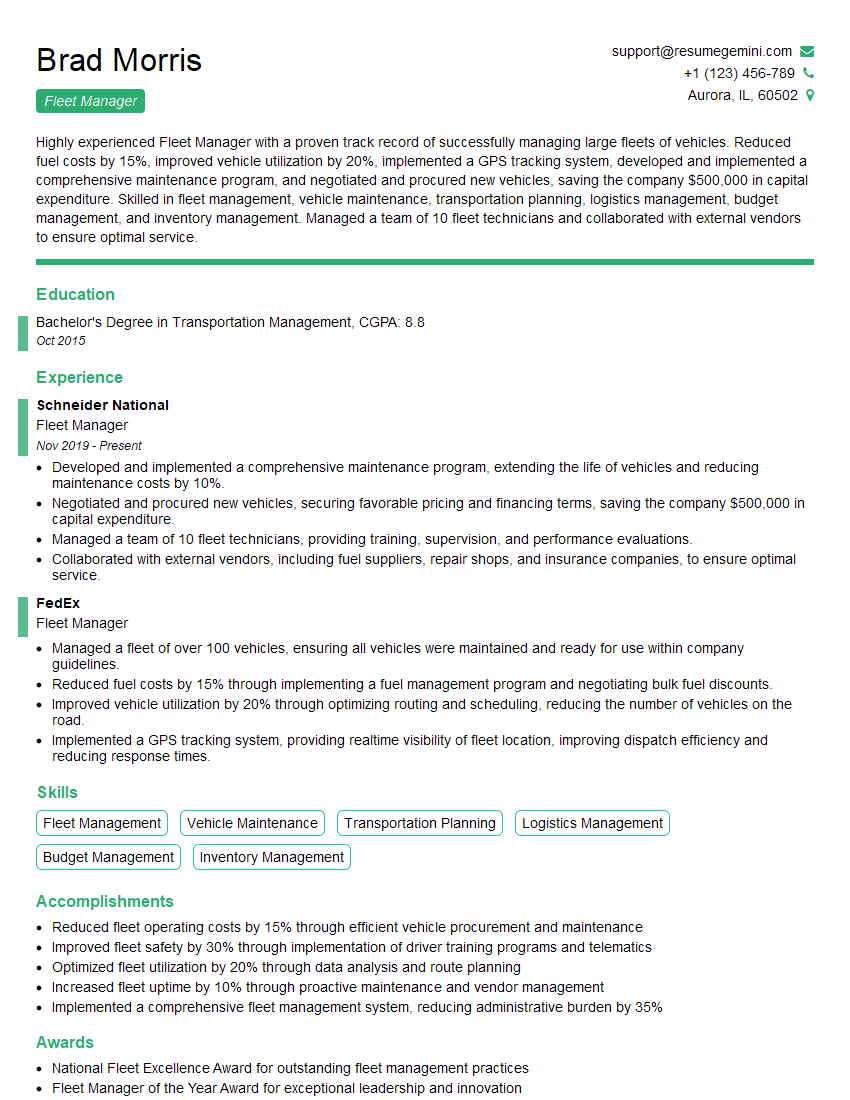
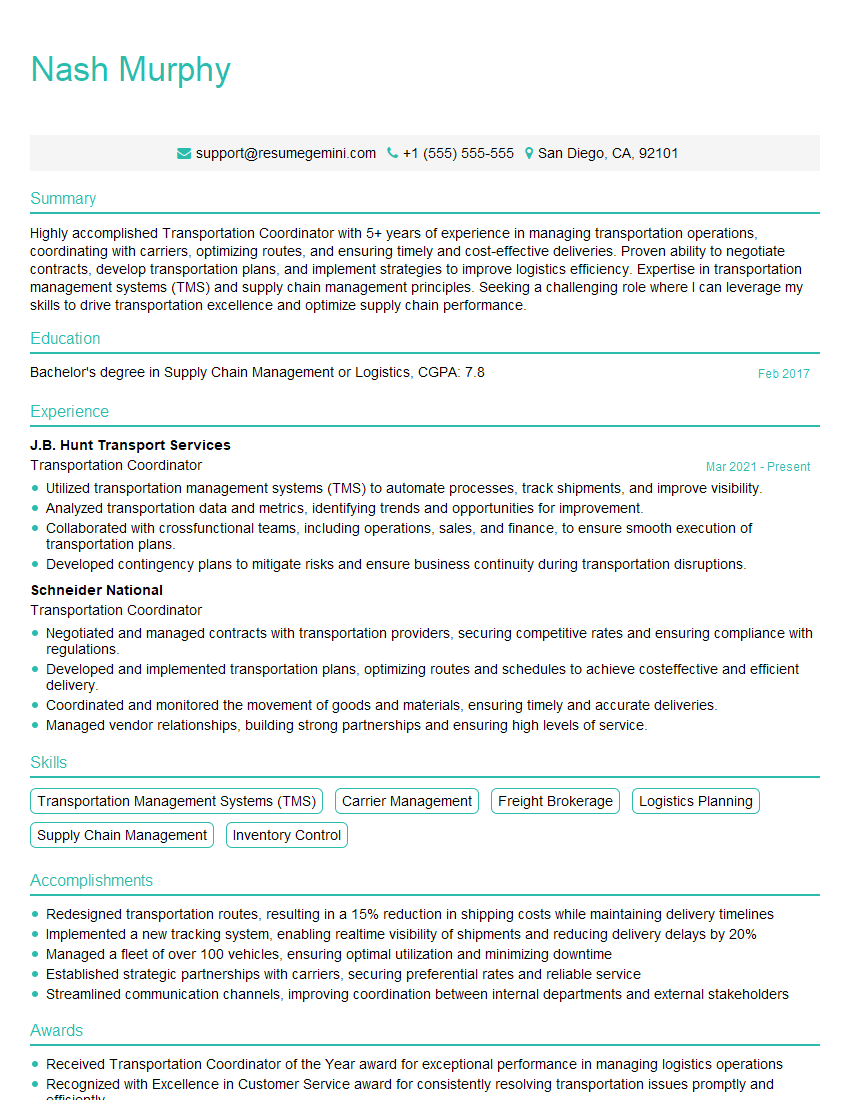
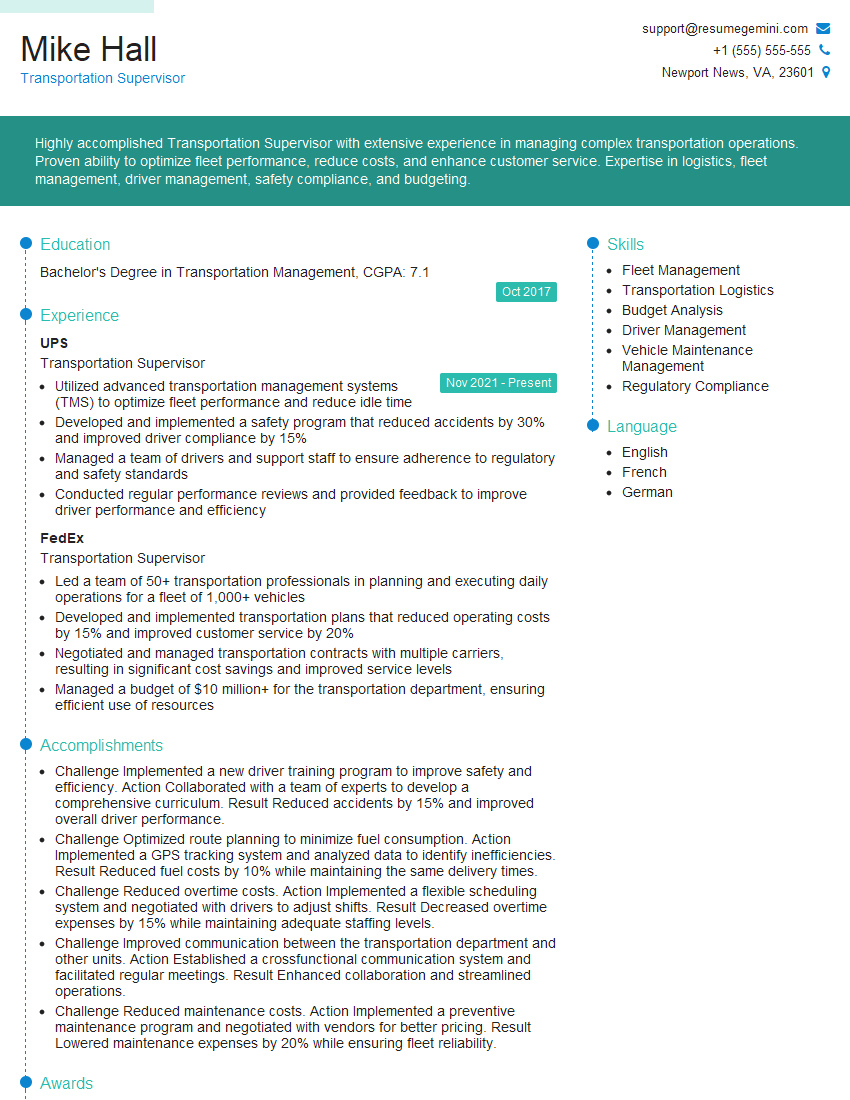
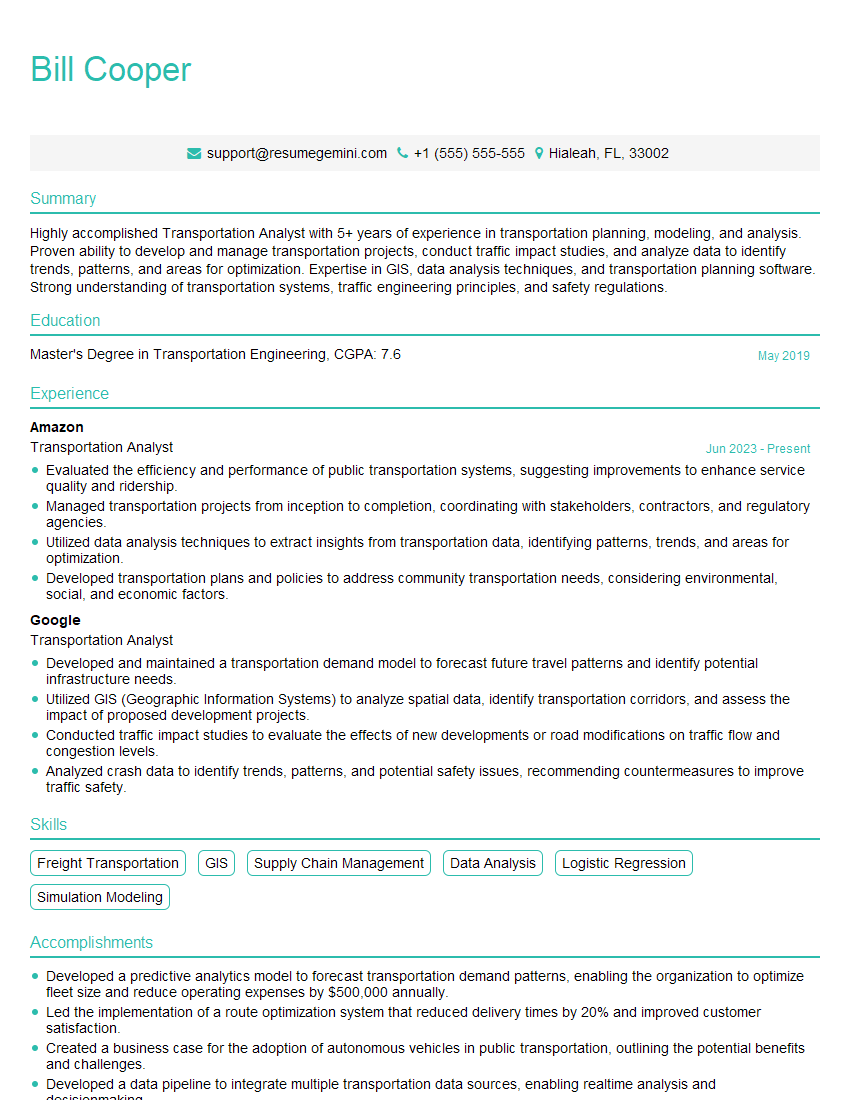
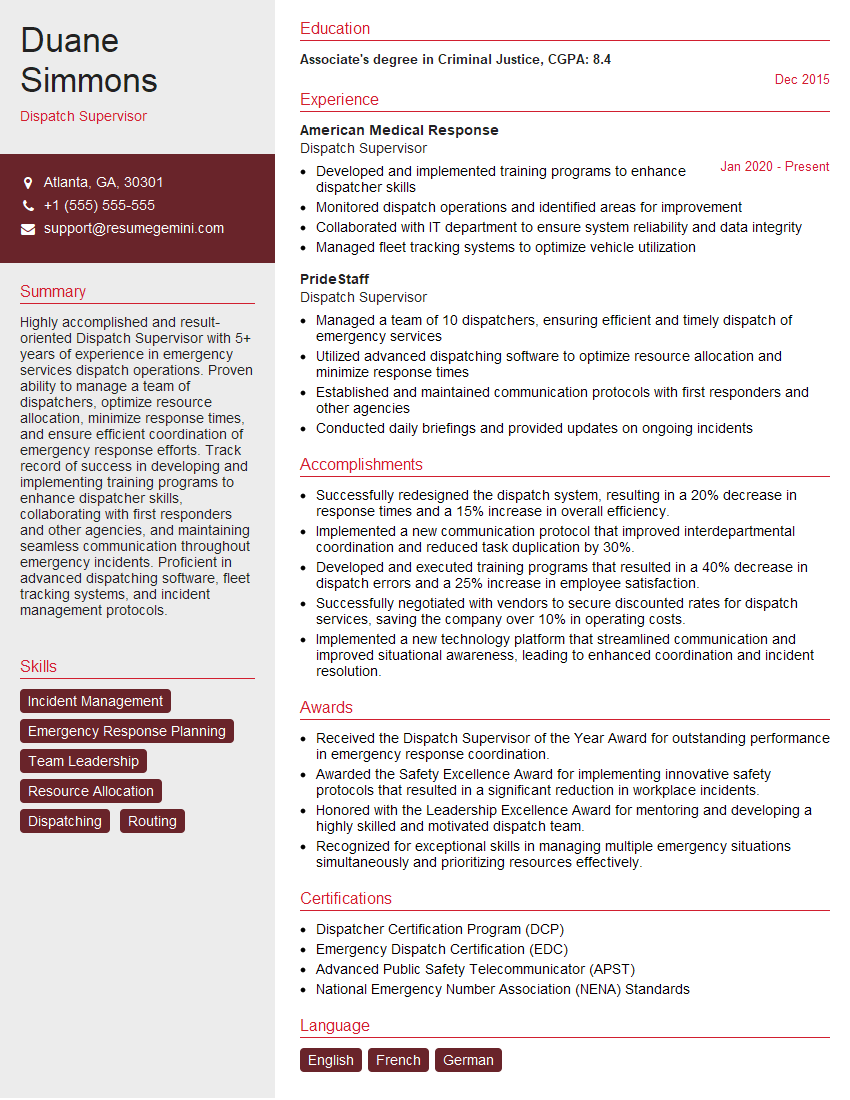
Mastering Shuttle Management opens doors to exciting career opportunities in transportation and logistics, offering a blend of operational expertise and technological innovation. To significantly enhance your job prospects, crafting a strong, ATS-friendly resume is crucial. This ensures your qualifications are effectively highlighted to potential employers. We strongly recommend using ResumeGemini, a trusted resource for building professional resumes. ResumeGemini provides valuable tools and resources to help you create a compelling document showcasing your skills and experience. Examples of resumes tailored specifically to Shuttle Management are available within ResumeGemini to guide your creation process.
Explore more articles
Users Rating of Our Blogs
Share Your Experience
We value your feedback! Please rate our content and share your thoughts (optional).
What Readers Say About Our Blog
Very informative content, great job.
good