The thought of an interview can be nerve-wracking, but the right preparation can make all the difference. Explore this comprehensive guide to Draping and Moulage interview questions and gain the confidence you need to showcase your abilities and secure the role.
Questions Asked in Draping and Moulage Interview
Q 1. Explain the difference between draping and moulage.
While both draping and moulage are three-dimensional methods of patternmaking, they differ slightly in their approach. Draping involves directly manipulating fabric on a dress form to create a garment shape. It’s a more intuitive, free-form method, often used for creating unique or avant-garde designs. Moulage, on the other hand, is a more precise and structured technique where the fabric is systematically draped and manipulated to create a more tailored and precise garment. It relies heavily on understanding garment construction principles and often involves precise measurements and adjustments throughout the process. Think of draping as sculpting with fabric, whereas moulage is more akin to architectural design with fabric.
In essence, draping allows for more spontaneity and exploration of shape, while moulage emphasizes precision and control over the final garment’s fit and form. The choice between the two depends largely on the designer’s style, the complexity of the design, and the desired level of precision.
Q 2. What types of fabrics are best suited for draping, and why?
The best fabrics for draping are those that hold their shape well, yet are also pliable enough to be manipulated easily. These fabrics usually have some structure and body to them.
- Woven fabrics like silk crepe, wool crepe, gabardine, and even lightweight linen are excellent choices because they drape well and hold their shape nicely. They allow the designer to see the lines and folds created during the process.
- Drapey knits with enough structure are also suitable, but they often require a slightly different draping technique since they tend to stretch and recover differently than woven fabrics.
Avoid fabrics that are too slippery (like some silks) or too stiff (like heavy canvas) as they can be difficult to work with and may not accurately reflect the final garment’s drape.
The choice of fabric depends greatly on the intended final garment; if you’re creating an evening gown, a luxurious silk crepe de chine might be ideal, but for a more casual dress, a sturdy cotton poplin or linen might be preferred.
Q 3. Describe your process for creating a basic bodice block using draping.
Creating a basic bodice block using draping involves several key steps. Assume you have a well-fitted dress form representing your target size.
- Prepare the fabric: Cut a large rectangle of muslin or other suitable fabric – approximately double the width and length you anticipate needing for the final bodice. Consider adding additional fabric for ease.
- Drape the front: Begin by draping the fabric over the dress form, ensuring the center front is smooth and aligned. Pin the fabric at the shoulder seams, creating a basic neckline shape. Gradually shape the side seams, maintaining appropriate ease (see Question 5). Note any fit issues or areas requiring adjustments.
- Drape the back: Repeat the process for the back, creating a symmetrical shape that complements the front. Pay close attention to the back neckline and shoulder shaping. The back neckline often needs to sit slightly lower than the front.
- Refine the shape: Carefully adjust the fabric, pinning as you go to create a smooth, well-fitting bodice shape. The goal is to create a smooth, well-fitting bodice with appropriate shaping at the waist and bust.
- Mark key points: Use pins to mark important points such as shoulder seams, neckline, armholes, and waistline. Label these clearly so you don’t forget which point is which.
- Transfer to paper: Carefully remove the fabric from the form and lay it flat on a large piece of paper. Trace the draped shape, including all marked points and seam allowances. This becomes your initial pattern piece.
This initial pattern will require further adjustments and refinement, but this provides a foundational bodice block.
Q 4. How do you adapt a drape to different body types?
Adapting a drape to different body types requires careful observation and adjustments. The initial draping on a standard dress form may not perfectly fit all body types. You’ll need to address key differences:
- Bust size: For larger busts, additional fabric may need to be added to the bodice front to accommodate the volume. For smaller busts, the opposite might be true, requiring minor reductions.
- Waist size: Adjust the waist shaping to create a flattering fit. More shaping might be needed for curvier figures, whereas a straighter silhouette can suit slimmer body types.
- Posture: Consider the individual’s posture, adjusting the shoulder and back draping to accommodate any slouching or forward-leaning tendencies.
- Height: Adjustments will need to be made to the length of the bodice.
Often, you’ll need to create several adjustments based on observations and measurements on the dress form, comparing the draped form to the individual’s measurements. This often involves taking the drape off, adjusting and redraping, taking measurements, adjusting again, etc. until a satisfactory fit is achieved.
Q 5. Explain the importance of ease in draping.
Ease in draping is crucial – it refers to the extra fabric added to the garment to allow for comfort, movement, and a relaxed fit. Without sufficient ease, the garment will feel restrictive. Too much ease can create a sloppy or ill-fitting look.
Different areas require different amounts of ease. For instance, the bust and waist often require more ease than the shoulders or sleeves. The type of garment will also influence the required amount of ease; a tightly fitting dress will require less ease than a loose-fitting blouse.
Determining the right amount of ease comes with experience and often involves testing and adjustment. It’s a critical aspect of achieving a perfectly fitting garment – not too tight, not too loose. It’s a balance between fit and comfort.
Q 6. What are some common draping tools and materials you use?
A variety of tools and materials are vital for successful draping:
- Dress form: A well-proportioned dress form that closely matches the intended body type.
- Muslin or other draping fabric: Lightweight and easy to manipulate.
- Pins: Many, many straight pins are necessary for securing the fabric to the form.
- Measuring tape: Essential for taking and verifying measurements.
- Tracing wheel: To mark design lines on the fabric easily, allowing for more precise transfers.
- Tailor’s chalk or marker: To mark important points and seam lines on fabric or pattern paper.
- Seam ripper: For easily removing pins or correcting mistakes.
- Pattern paper: To create a paper pattern based on the drape.
- Scissors: For trimming excess fabric or adjusting the drape.
The quality of these materials can impact the ease and accuracy of the draping process. Investing in good-quality tools will enhance efficiency and results.
Q 7. How do you transfer a draped garment to a pattern?
Transferring a draped garment to a pattern is a meticulous process.
- Carefully remove the fabric: Remove the draped fabric from the dress form, taking care not to distort the shape.
- Lay it flat: Lay the fabric flat and smooth on a large surface.
- Mark key points and seams: Use a tracing wheel or tailor’s chalk to carefully mark all significant points (shoulders, neckline, armholes, waist, etc.), and all seam lines.
- Add seam allowances: Add seam allowances around each marked seam line, ensuring that seam allowances remain even.
- Trace onto pattern paper: Carefully trace the outline of the fabric, including all markings and seam allowances, onto pattern paper.
- Check the pattern: Review the resulting pattern for any asymmetries or inconsistencies. Make adjustments if needed.
- Cut the pattern: Cut out the pattern pieces, ensuring clean cuts along the lines.
This process requires precision and patience to ensure an accurate pattern based on the original drape. Any inaccuracies in transferring will affect the final garment.
Q 8. Describe your experience with different draping techniques (e.g., bias, straight grain).
Draping on the bias and on the straight grain yields vastly different results, impacting both the drape and the final garment’s fit and form. Straight grain draping, using fabric with its lengthwise grain parallel to the body’s vertical axis, provides a more structured, stable silhouette. This is ideal for tailored garments where crisp lines and precise shaping are crucial. Think of a classic blazer or a structured skirt – the straight grain allows for clean lines and minimizes distortion. Bias draping, on the other hand, utilizes fabric cut at a 45-degree angle to the lengthwise grain. This creates a more fluid, flowing silhouette with beautiful drape and movement. It’s perfect for evening gowns, soft blouses, or any garment where a softer, more sculpted shape is desired. I have extensive experience with both, regularly switching between techniques depending on the design’s intended aesthetic and the fabric’s properties. For example, a lightweight silk charmeuse would be draped on the bias to highlight its flow, while a heavy wool crepe would be draped on the straight grain for structure.
- Straight Grain: Provides stability and precise shaping, best for tailored garments.
- Bias Grain: Creates fluidity and movement, ideal for softer, flowing garments.
Q 9. How do you troubleshoot fit issues during the draping process?
Troubleshooting fit issues during draping is a crucial skill. It often involves a process of careful observation and iterative adjustments. The first step is identifying the specific problem area. Is the garment pulling in one place? Too tight across the bust? Bagging at the waist? Once the problem area is identified, I systematically adjust the drape. This might involve easing, adding fullness, or removing excess fabric. I frequently use pins to hold the fabric in place while making these adjustments. For example, if the neckline is too tight, I might ease the neckline curve by gently pulling the fabric outwards and pinning it to the mannequin. If there’s excessive fullness in the back, I would carefully remove fabric to create a smoother drape. I also pay close attention to the drape’s overall balance, ensuring that one adjustment doesn’t create another problem in a different area. This iterative process – identify, adjust, assess – continues until a satisfactory fit is achieved. Experience is key; recognizing patterns of fit issues and understanding how fabric behaves under different conditions allows for more efficient adjustments.
Q 10. Explain the advantages and disadvantages of using moulage versus flat pattern making.
Moulage, or draping, and flat pattern making are both methods of garment creation, but they offer distinct advantages and disadvantages. Moulage, as a 3D process, allows for a more intuitive approach to design, particularly when working with complex shapes or unique body types. It allows for immediate feedback, as you can see the design develop directly on the form. This is extremely helpful for creating designs that perfectly complement the body’s contours. However, moulage can be more time-consuming and requires a higher degree of skill. The process of transferring the drape to paper can be challenging, and inaccuracies can easily occur.
Flat pattern making, on the other hand, is a 2D process that’s based on precise measurements and calculations. This method is generally more efficient once a base pattern is established, making it a preferred option for mass production. It’s also easier to make alterations and adjustments to a flat pattern. However, it’s less intuitive when creating unconventional or highly sculpted shapes. You need a strong understanding of design principles and pattern cutting techniques to achieve a good fit. The lack of immediate visual feedback can result in many iterations before the desired fit is achieved. I frequently choose moulage for one-of-a-kind designs or when exploring unusual silhouettes, but flat pattern making is better for creating multiple pieces of the same design.
Q 11. Describe your experience using different types of pattern paper.
My experience with various pattern papers is extensive. The choice of paper depends greatly on the project’s requirements. For draping, I prefer using lightweight, flexible pattern tissue paper. This paper is easily manipulated, allowing for precise adjustments and pin placement without stiffness interfering with the drape. It’s also translucent enough to trace details once the drape is finalized. However, for more structural garments or when creating patterns for production, I utilize heavier-weight pattern paper like cardstock or even more durable materials. The heavier paper provides stability, prevents tearing, and withstands repeated handling. The choice also depends on whether I’m creating a toile (a test garment) – for which a cheaper paper is acceptable – or a final pattern for production, where durability is crucial. For intricate detailing, I often use a combination of papers, tracing finer details onto a lighter paper first before transferring to the final heavy-weight paper.
Q 12. How do you create a sleeve block using draping?
Creating a sleeve block using draping is a process that requires precision. I start with a basic bodice sloper that fits the model or mannequin accurately. Then, using muslin or a lightweight fabric, I drape the sleeve directly onto the arm of the mannequin. I begin by draping the top of the sleeve, ensuring a smooth fit at the shoulder. Then, I gradually work my way down the arm, adjusting the fabric to account for the arm’s natural shape and movement. The sleeve cap (the area at the shoulder) needs special attention, as its shape significantly impacts the sleeve’s drape and fit. This step is very much about getting the sleeve cap right, with appropriate ease for movement while avoiding puckering. Once I’m happy with the drape, I pin it securely and then transfer the shape onto paper, carefully measuring and noting all key points. This process yields a unique sleeve block that is tailored to the specific dimensions of the form.
Q 13. How do you ensure accuracy when transferring drapes to paper?
Accuracy when transferring drapes to paper is paramount. I use a methodical approach, meticulously measuring and marking all key points of the drape using a flexible measuring tape. I start by marking major reference points, such as the neckline, armholes, and hemline, and then work my way through the more subtle curves and shaping. I use tailor’s tacks or notches to indicate curves or points of interest. I then use a variety of tools including french curves, rulers, and a pencil to carefully map these points onto the paper, creating a smooth and precise pattern piece. Using a tracing wheel or other marking tools assists in accurately translating the drape’s curves. Finally, I double-check my measurements and markings to ensure accuracy. By employing these techniques, I minimize errors and ensure the final pattern accurately represents the drape.
Q 14. What are some challenges you’ve faced while draping and how did you overcome them?
One of the biggest challenges I’ve faced is working with particularly difficult fabrics. Some fabrics, like very slippery silks or stiff brocades, can be incredibly challenging to drape. They can shift and slide easily, making precise adjustments difficult. To overcome this, I use methods like basting the fabric together in sections to provide more stability. I also work in smaller sections, carefully shaping each area before moving on to the next. Another challenge is achieving a balance between drape and structure. Sometimes it can be difficult to achieve the desired silhouette and drape without compromising the integrity or fit of the garment. This requires a good understanding of fabric behavior and often requires experimentation with different draping techniques and adjustments. In these situations, I rely on my experience and intuition to find the perfect balance. Through constant practice and problem-solving, I have continually improved my ability to handle these challenges effectively.
Q 15. Explain the relationship between draping and garment construction.
Draping and garment construction are intrinsically linked; draping is the foundation of garment construction. Draping is the three-dimensional process of manipulating fabric directly on a dress form to create a garment’s shape and design. This process yields a unique prototype, which then informs the creation of the final pattern for production. Essentially, draping is the design phase, while garment construction is the realization of that design through pattern cutting, sewing, and finishing.
Think of it like sculpting: draping is like sculpting the clay (fabric) to achieve the desired form, and garment construction is like casting that sculpture into a final, wearable piece. The drape provides the initial artistic vision, and construction refines it into a manufacturable garment.
Career Expert Tips:
- Ace those interviews! Prepare effectively by reviewing the Top 50 Most Common Interview Questions on ResumeGemini.
- Navigate your job search with confidence! Explore a wide range of Career Tips on ResumeGemini. Learn about common challenges and recommendations to overcome them.
- Craft the perfect resume! Master the Art of Resume Writing with ResumeGemini’s guide. Showcase your unique qualifications and achievements effectively.
- Don’t miss out on holiday savings! Build your dream resume with ResumeGemini’s ATS optimized templates.
Q 16. How do you incorporate design details (e.g., darts, pleats) into a draped garment?
Incorporating design details like darts and pleats into a draped garment is a crucial aspect of the process. Darts are created by manipulating the fabric to remove excess fullness and create shaping. This is typically achieved by carefully pinning and shaping the fabric directly on the dress form, then transferring these markings to the muslin to create the final pattern. Pleats are similarly achieved, first by pre-determining the pleat’s width and depth on the dress form, and then by pinning and shaping the fabric to create crisp, clean folds before transferring the markings.
For example, to create a princess seam (a common dart variation), I’d begin by pinning the fabric in place at the bust point, waist, and hip to establish the basic outline. Then, I’d gradually ease out the excess fabric between these points by carefully shaping the fabric into a natural curve, creating the subtle shaping of the dart. Pleats, on the other hand, involve more structured pinning and manipulation to create the exact width and depth of each pleat, ensuring consistent, even folds.
Q 17. What software programs are you proficient in for pattern making (e.g., Optitex, Gerber)?
I’m proficient in several industry-standard pattern-making software programs, including OptiTex and Gerber Accumark. My experience with OptiTex extends to its 3D draping capabilities, which allow for virtual draping and pattern creation, enabling quick iterations and adjustments. Gerber Accumark is invaluable for its precise grading and marker-making tools, which are essential for efficient production. I’m also adept at using these software programs to create patterns from my draped prototypes, ensuring a seamless transition between the 3D form and the 2D pattern.
My experience with both software packages extends beyond the basics. I am confident in using advanced features such as the creation of complex design details, automated grading for multiple sizes, and the generation of production-ready markers for optimum fabric utilization. I regularly utilize these tools to streamline the pattern-making process and enhance efficiency in my workflow.
Q 18. How do you maintain accuracy and precision throughout the draping process?
Maintaining accuracy and precision throughout the draping process is paramount. I utilize several techniques to ensure the highest quality results. First, I use high-quality, stable dress forms that accurately represent the target body measurements. Secondly, I meticulously measure and mark the fabric, using tools like French curves and rulers to ensure precise shaping and cutting. Thirdly, I work systematically, carefully pinning and shaping the fabric in stages to avoid any errors. Finally, I carefully record all measurements and markings on the muslin to accurately translate the 3D form into a 2D pattern.
Beyond these steps, I regularly check my work for symmetry and proper fit, and I make adjustments as needed. This iterative approach allows me to refine the drape and correct any inconsistencies before moving to the next stage. Each step has clear checks built-in to minimize the chance of inaccuracy.
Q 19. How do you assess the fit of a draped garment?
Assessing the fit of a draped garment involves a multi-faceted approach. Initially, I visually inspect the drape on the dress form, paying close attention to the silhouette, balance, and overall proportions. I check for any areas of excess fullness or tightness. Then, I carefully measure key points like the bust, waist, and hip, comparing them to the desired measurements. After removing the drape from the form, I consider the ease and drape of the fabric.
For a more thorough assessment, particularly when working with a client, I always conduct a fitting. This allows me to observe the garment’s fit on a live model and make adjustments as needed. I pay attention to the garment’s ease of movement, comfort, and overall aesthetics. I will also ask the client for their feedback and incorporate their input to ensure their satisfaction with the fit.
Q 20. Describe your experience working with different types of body forms (e.g., dress forms, customer fittings).
I have extensive experience working with various types of body forms, ranging from standard dress forms of different sizes and proportions to customized forms and actual client fittings. Standard dress forms provide a great base for initial draping and pattern development, allowing me to establish the basic garment shape. Customized forms provide the added advantage of more precise fitting for individual clients, particularly those with unique body shapes or sizes.
Working directly with clients adds a layer of complexity, but ultimately provides crucial insight into the real-world fit and feel of the garment. Client fittings demand flexibility and the ability to adapt the design based on individual preferences and body types. This direct interaction allows for immediate feedback, allowing for immediate adjustments and corrections.
Q 21. How familiar are you with different types of seams and their construction?
My knowledge of different seam types and their construction is comprehensive. I’m proficient in constructing various seams, including French seams (which provide a clean, professional finish), flat-felled seams (strong and durable), and bound seams (aesthetically pleasing and used for delicate fabrics). My understanding extends to the selection of the appropriate seam based on the fabric type, garment style, and desired finish.
For instance, a French seam is ideal for sheer fabrics as it encloses the raw edges, while a flat-felled seam is best suited for workwear or outdoor garments where durability is key. The choice of seam significantly impacts the overall quality and longevity of the garment, and I take this factor into account during the design and construction phases.
Q 22. What is your experience with grading patterns?
Grading patterns is the process of scaling a base pattern to different sizes. It’s crucial for mass production, ensuring a consistent fit across a range of sizes. My experience encompasses both manual and digital grading methods. Manually, I’m proficient in using grading rules and understanding the body’s proportions to adjust pattern pieces accurately. This involves carefully calculating the increase or decrease in measurements for each size, considering factors like ease and style. For example, grading a sleeve pattern requires not only increasing the length but also the width, and understanding the relationship between these changes to maintain the original design’s aesthetic. Digitally, I’m adept at using industry-standard CAD software to automate the process, ensuring precision and speed, especially for complex garments. This allows for quick adjustments and iterations. I can also identify and correct any grading errors efficiently using these tools. My experience covers a wide range of garments, from simple t-shirts to complex tailored jackets.
Q 23. How do you adapt a draped design for production?
Adapting a draped design for production requires a systematic approach. First, the draped muslin is meticulously documented (more on this in a later answer). This involves detailed measurements and sketches. Then, I create a flat pattern from the draped form, ensuring all the design details are captured. This often involves some pattern adjustments to improve the design’s construction and ease of sewing. Once the flat pattern is finalized, it needs to be graded for different sizes, as mentioned previously. Next, I create detailed technical specifications, including material requirements, construction techniques, and seam allowances. I also consider manufacturing constraints, such as minimizing fabric waste and using appropriate stitching techniques for mass production. For instance, a design feature requiring complex hand-stitching might need to be simplified or substituted for mass production. Finally, I create a prototype using the adapted pattern and technical specs to test the design’s viability and make any necessary adjustments before full production. This approach ensures the final product accurately reflects the design intent while being practical to manufacture.
Q 24. What is your process for documenting your draping work?
Documenting draping work is critical for reproducibility and communication. My process begins with detailed photographic documentation of the draping process itself, capturing key stages from initial pinning to the final form. I accompany these photos with precise written notes, including fabric type, measurements at various points on the draped muslin, and any adjustments made along the way. These notes also include specific details about design features, such as pleats, darts, and shaping techniques. Beyond photography, I create accurate flat pattern sketches, annotating all seam lines, notches, and important measurements. The sketches are labeled clearly, helping others understand the structure of the garment. In some cases, I also create 3D models using specialized CAD software to provide a more comprehensive visualization of the drape. This thorough documentation ensures consistency, facilitates communication with pattern makers and seamstresses, and allows for the accurate replication of the design in the future, even if I’m not directly involved.
Q 25. Describe your experience working with technical sketches.
Technical sketches are an essential part of my workflow. I’m proficient in creating both flat and perspective sketches to accurately represent the garment’s design, construction, and dimensions. My sketches aren’t just basic illustrations; they include detailed annotations of measurements, seam allowances, construction notes (like types of closures or lining details), and fabric details. For example, I’d illustrate the precise placement of darts or the angle of a particular seamline. I understand the importance of clear, unambiguous communication through sketching, ensuring that anyone can interpret my designs and technical information accurately. I use these sketches in conjunction with other documentation (photos, pattern pieces) to ensure a complete and comprehensible record of the design process. This ensures smooth collaboration with pattern makers, sample machinists, and other team members. A well-executed technical sketch can prevent costly mistakes further down the line.
Q 26. How do you handle alterations during the draping process?
Alterations during the draping process are common and are an integral part of the creative process. My approach is methodical and iterative. I always begin by assessing the reason for the alteration: Is it a fit issue, a design adjustment, or something else? I carefully document the original state of the drape before making any changes. This meticulous documentation allows me to easily reverse an alteration if necessary or track the evolution of the design. I make small, incremental adjustments, constantly evaluating the effect on the overall drape and fit. This iterative process ensures that each alteration improves the design, rather than leading to unintended consequences. I might use a variety of tools such as pins, chalk, shears, and seam rippers to make the necessary adjustments. This process is akin to sculpting, where gradual refinements are key to creating a harmonious and well-proportioned final form. I often use a live model to test the fit and make real-time adjustments. Using a fitting mannequin also helps.
Q 27. How do you communicate your design ideas and technical details to other team members?
Communicating design ideas and technical details effectively is paramount. I use a multi-faceted approach. I start with clear and concise verbal explanations, supplemented by visual aids such as sketches, photographs, and 3D models (where applicable). I ensure that my communication is tailored to the audience. When speaking to pattern makers, I emphasize precise measurements and construction techniques. When discussing the design with clients or the marketing team, I focus on the aesthetic aspects and overall concept. I’m comfortable using industry-standard software to share digital versions of patterns, sketches, and technical specifications, ensuring efficient and accurate information transfer. I often hold collaborative sessions with team members to discuss challenges, receive feedback, and ensure everyone is on the same page. This open and transparent communication style helps foster teamwork and achieve optimal results.
Q 28. What are your strengths and weaknesses related to draping and moulage?
My strengths lie in my ability to visualize and translate design concepts into three-dimensional forms using draping and moulage techniques. I am adept at problem-solving, quickly adapting to unexpected challenges that arise during the draping process. I have a keen eye for detail and a thorough understanding of garment construction. My proficiency in using various software for pattern making and digital design also allows for efficient workflows. A weakness I’m continuously working on is delegation. I sometimes find it challenging to relinquish control over specific tasks, understanding that others possess valuable expertise and can contribute successfully. However, I am actively improving my leadership and team-building skills to better leverage the talents of my colleagues while maintaining design integrity.
Key Topics to Learn for Draping and Moulage Interview
- Understanding Fabric Drape: Explore the relationship between fabric properties (weight, drape, stretch) and their impact on garment design. Consider how different fabric types influence the draping process and final garment outcome.
- Basic Draping Techniques: Master fundamental draping methods like creating basic bodice blocks, sleeves, and skirts directly on a dress form. Practice manipulating fabric to achieve desired shapes and silhouettes.
- Moulage Techniques: Understand the principles of moulage, focusing on creating patterns directly on the body or dress form. Practice adapting moulage techniques for various garment styles and body types.
- Pattern Alterations and Adjustments: Develop skills in adjusting draped patterns to fit different body sizes and shapes. Understand how to make modifications based on individual client needs and preferences.
- Understanding of Design Principles: Apply design principles like balance, proportion, and emphasis to your draping and moulage work. Consider how these principles influence the aesthetic appeal of the final garment.
- Problem-solving in Draping and Moulage: Practice troubleshooting common challenges encountered during the draping process, such as fabric slippage, uneven draping, and pattern fitting issues. Develop creative solutions for overcoming these obstacles.
- Advanced Techniques (Optional): Explore more advanced techniques like tailored draping, using different draping tools and methods, and creating complex garment designs through draping.
Next Steps
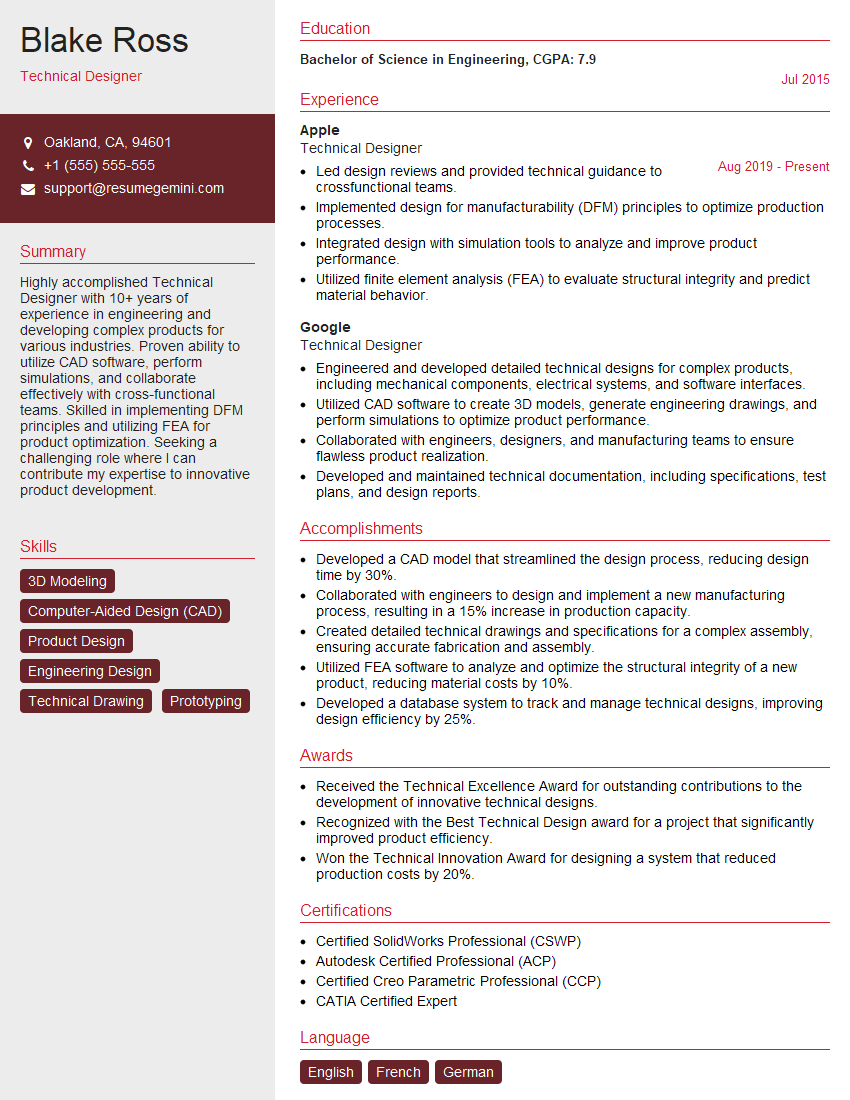
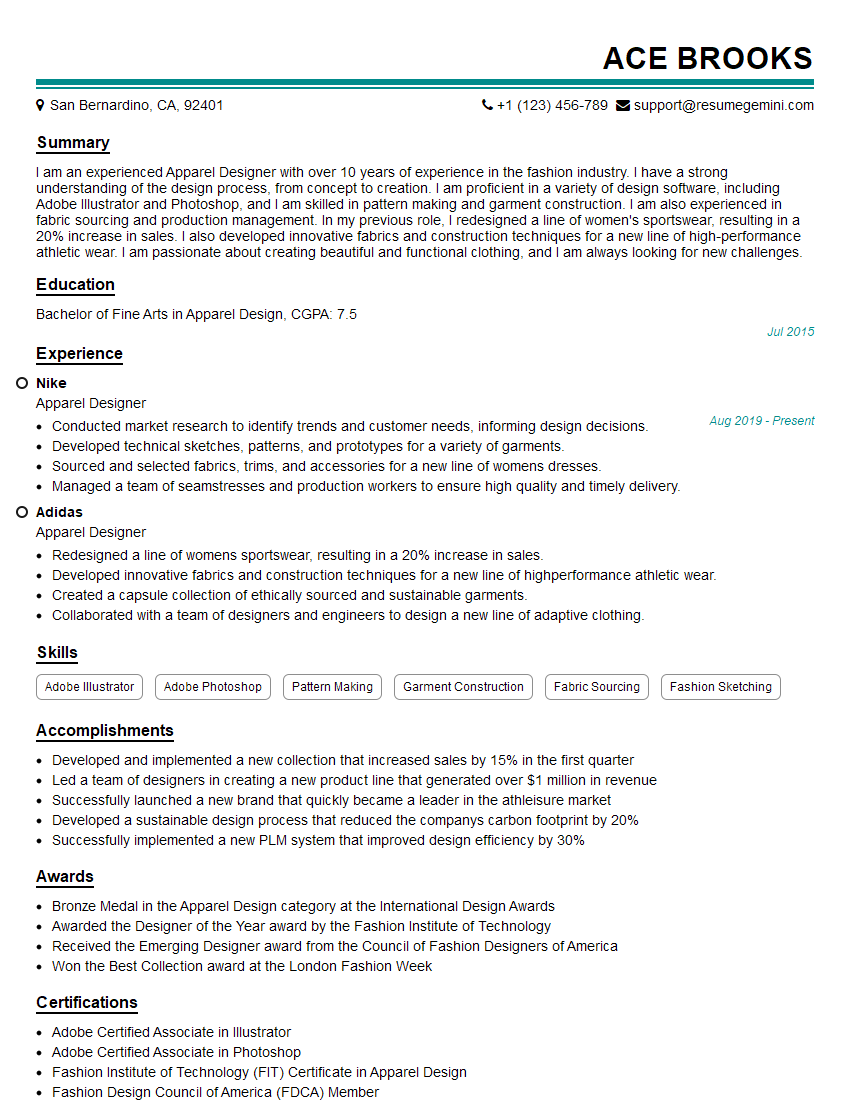
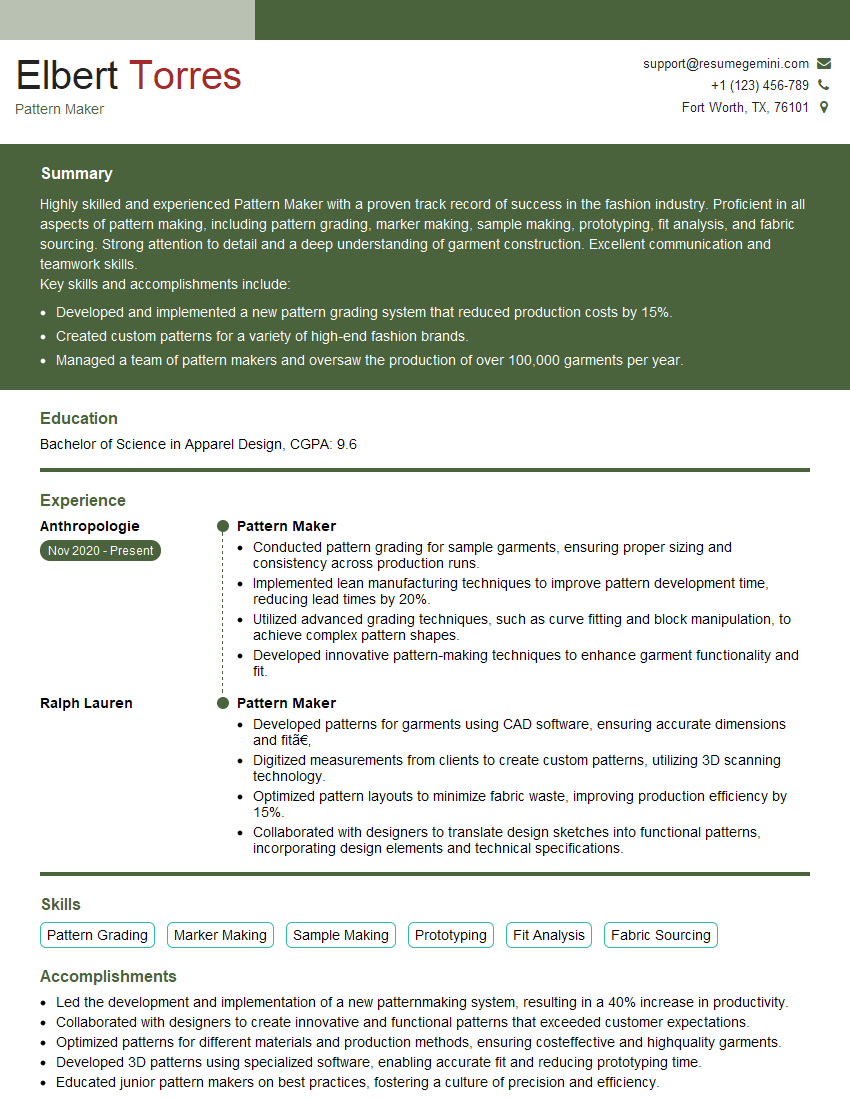
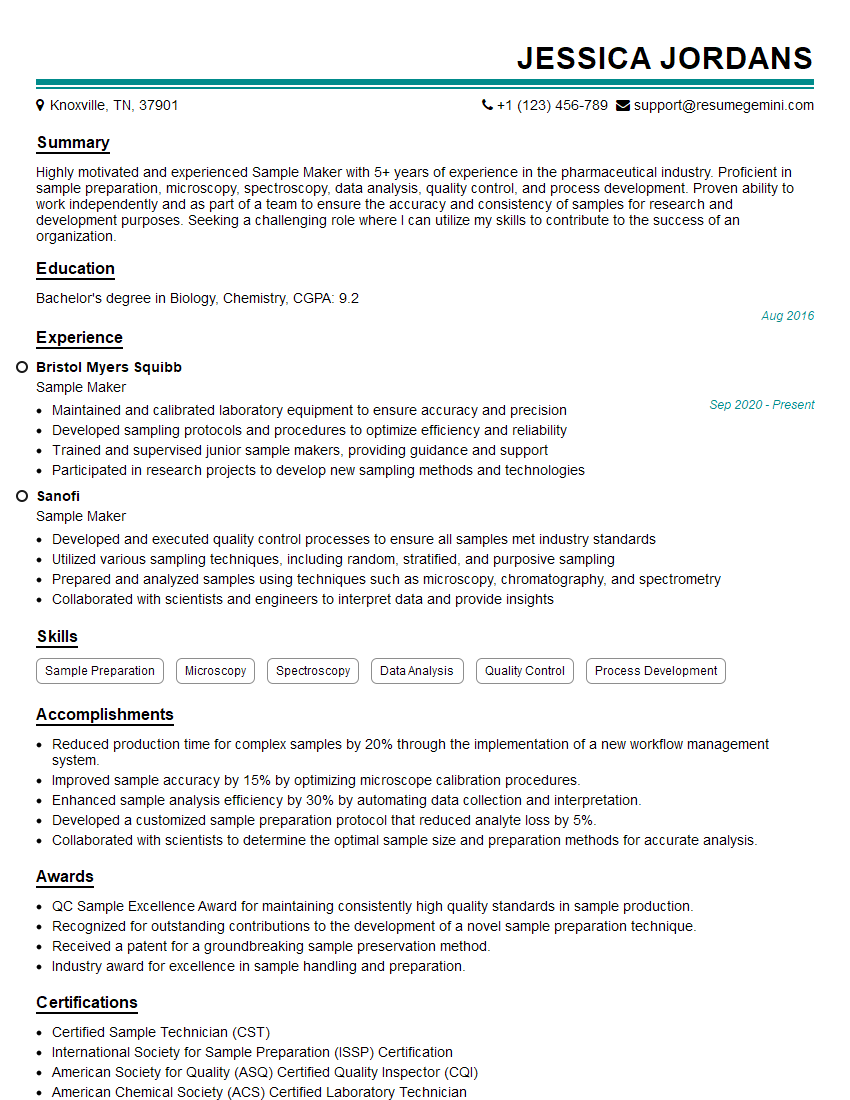
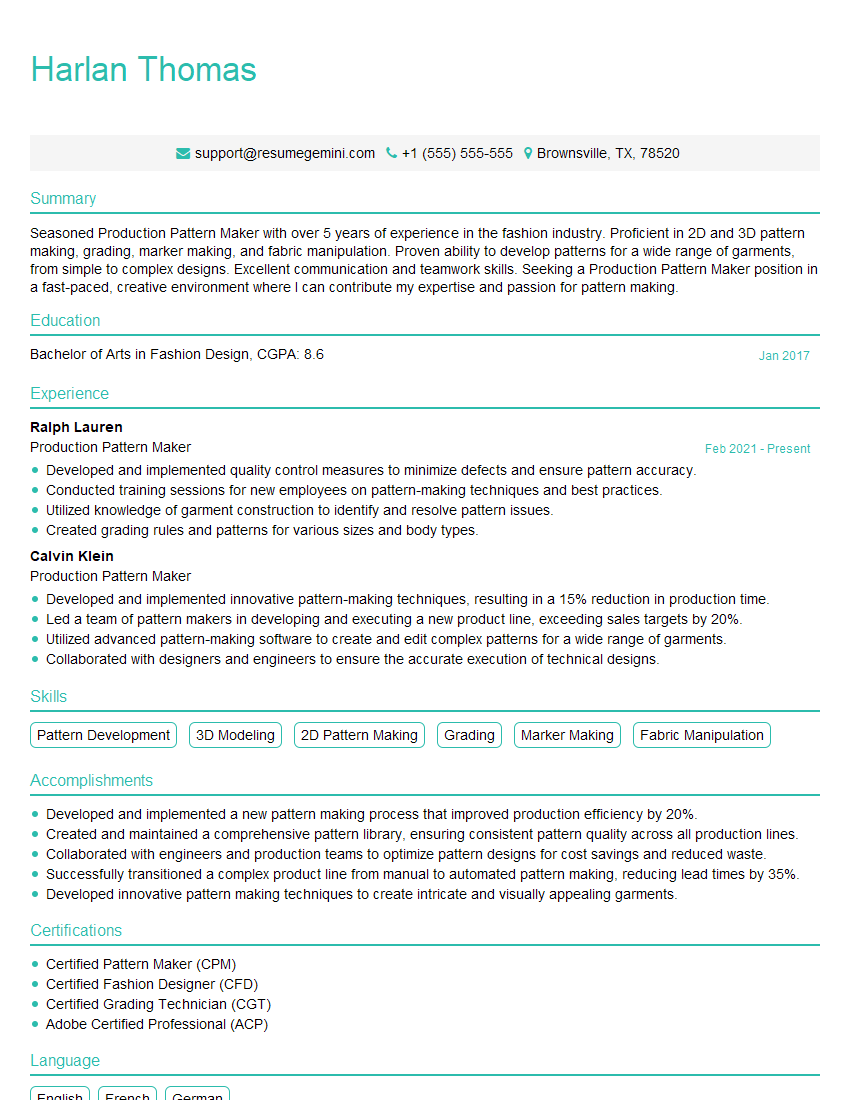
Mastering draping and moulage opens doors to exciting career opportunities in fashion design, pattern making, and bespoke tailoring. A strong understanding of these skills sets you apart as a highly skilled and sought-after professional. To maximize your job prospects, invest time in creating a polished and ATS-friendly resume that showcases your expertise effectively. ResumeGemini is a trusted resource for building professional resumes, and we offer examples specifically tailored to Draping and Moulage to help you present your skills in the best possible light. Take advantage of these resources to elevate your job search and land your dream role.
Explore more articles
Users Rating of Our Blogs
Share Your Experience
We value your feedback! Please rate our content and share your thoughts (optional).
What Readers Say About Our Blog
Very informative content, great job.
good