Cracking a skill-specific interview, like one for Palpation, requires understanding the nuances of the role. In this blog, we present the questions you’re most likely to encounter, along with insights into how to answer them effectively. Let’s ensure you’re ready to make a strong impression.
Questions Asked in Palpation Interview
Q 1. Describe the difference between light, deep, and bimanual palpation.
Palpation, the art of using touch to assess the body, employs varying depths of pressure to evaluate different structures. Light palpation uses minimal pressure, about 1 cm deep, ideal for assessing skin texture, temperature, and superficial lesions. Imagine lightly skimming your hand across a person’s skin – that’s light palpation. Deep palpation, conversely, involves pushing deeper, up to 4 cm, to feel deeper structures like organs or masses. Think of gently but firmly pressing your hand into the abdomen to feel the liver or a deeper muscle. Bimanual palpation uses both hands, one supporting the area from below and the other performing the palpation above. This technique is particularly useful in examining abdominal organs or assessing the depth and extent of masses. For instance, one hand might be placed beneath the patient’s back while the other palpates the abdomen, allowing for a more comprehensive assessment of the organs.
Q 2. Explain the importance of hand positioning and pressure during palpation.
Hand positioning and pressure are critical for effective and safe palpation. The wrong technique can cause discomfort or even injury. Always begin with light palpation, assessing the patient’s comfort level before proceeding to deeper palpation. Use the pads of your fingers, not the fingertips, for the most sensitive palpation. This allows a broader surface area to perceive subtle changes in texture and consistency. The fingers should be relaxed yet firm, avoiding excessive pressure that could cause pain or distortion of the underlying structures. Using different hand positions can enhance palpation; for instance, using a flat hand can help assess larger areas like the abdomen, whereas using the fingertips can facilitate examining small, specific areas like lymph nodes. Consider an example of palpating the liver; a flat hand initially assesses its size and shape, followed by more focused fingertip palpation to assess its consistency.
Q 3. How do you assess skin temperature and moisture using palpation?
Assessing skin temperature and moisture using palpation relies on the sensitivity of your hands. To assess temperature, use the dorsum (back) of your hand, comparing the temperature of symmetrical body parts. For instance, compare the temperature of both forearms or both hands. A noticeable difference could indicate inflammation or circulatory issues. For moisture, lightly press your fingers against the skin to assess the level of dampness or dryness. Excessive moisture could indicate sweating due to infection, fever, or anxiety, whereas dry skin could point to dehydration or other underlying conditions. Imagine assessing a patient with a suspected infection; you’d expect the skin over the infected area to be warmer and potentially more moist than the surrounding skin.
Q 4. Describe the palpation techniques used to assess muscle tone and tension.
Palpating muscle tone and tension involves assessing the resistance to passive movement. To assess muscle tone, passively move a relaxed limb through its range of motion and feel the resistance. Normal muscle tone provides a slight resistance to passive movement. Increased resistance suggests hypertonia (increased muscle tone), possibly due to spasticity or rigidity, while decreased resistance implies hypotonia (decreased muscle tone), which could be a sign of muscle weakness or atrophy. To assess muscle tension, gently palpate the muscle belly, noting any areas of tightness or tenderness. For example, palpating a tense trapezius muscle might reveal tightness and tenderness in the upper back, often associated with stress or poor posture. Using different palpation techniques, like passive range of motion assessment coupled with palpation of the muscle belly, helps assess both muscle tone and tension comprehensively.
Q 5. How do you differentiate between a superficial and deep mass using palpation?
Differentiating superficial from deep masses relies on palpation depth and mobility. Superficial masses are easily palpable close to the skin surface and are often freely mobile. They usually feel closer to the skin and can be moved easily under the skin. Deep masses, however, are often less easily palpable, located deeper within the tissues. They are usually less mobile, and you may feel a sense of deeper fixation when attempting to move them. For example, imagine palpating a small lipoma (benign fatty tumor) under the skin; this would be a superficial mass. In contrast, a deep-seated mass, like a tumor within the abdomen, would require deeper palpation and would feel less mobile.
Q 6. Explain how to palpate lymph nodes and what findings are considered significant.
Palpating lymph nodes involves using gentle, circular motions with your fingertips. Begin by locating the common lymph node regions like the cervical, axillary, and inguinal areas. Gently press against the region with your fingertips using a gentle circular motion. Note the size, consistency, tenderness, and mobility of the nodes. Normal lymph nodes are usually small, non-tender, mobile, and often not palpable. Significant findings include enlarged, tender, fixed, and hard nodes. Enlarged and tender nodes suggest infection or inflammation, while fixed and hard nodes could indicate malignancy. For example, finding multiple enlarged, tender lymph nodes in the neck could suggest a throat infection.
Q 7. Describe the palpation techniques for assessing abdominal organs.
Palpating abdominal organs requires systematic and gentle techniques. Begin by observing the patient’s breathing patterns and abdominal contour. Use light palpation to assess muscle tone and tenderness. Proceed to deep palpation, systematically palpating each quadrant of the abdomen. When assessing the liver, palpate gently below the right costal margin. Assess the size, texture and consistency. The spleen is located in the left upper quadrant and is only palpable if enlarged. The kidneys are usually not palpable in a healthy individual but can be assessed using bimanual palpation. Remember to observe the patient’s comfort level during palpation and adjust your technique accordingly. For example, assessing the liver would involve feeling for the firm consistency and smooth surface. Any irregularity or tenderness needs further investigation.
Q 8. How do you assess for tenderness, rigidity, and guarding during abdominal palpation?
Assessing for tenderness, rigidity, and guarding during abdominal palpation involves a systematic approach, starting with light palpation to identify areas of sensitivity before progressing to deeper palpation.
Tenderness: This is elicited by gently pressing on the abdomen. The patient will usually express discomfort or pain in the tender area. The location and intensity of tenderness provide valuable clues. For example, tenderness in the right lower quadrant might suggest appendicitis.
Rigidity: This refers to a board-like hardness of the abdominal wall muscles. It’s often involuntary and indicates significant peritoneal inflammation. You assess this by feeling for resistance to palpation, even with light pressure. Imagine trying to push your finger into a stiff board – that’s the feeling of rigidity.
Guarding: This is a voluntary contraction of the abdominal muscles in response to pain. It’s a protective mechanism. The patient might tense their muscles when you approach a painful area. The difference between guarding and rigidity lies in voluntary versus involuntary muscle contraction. While rigidity is involuntary, guarding is a conscious effort to protect a painful area. Distinguishing between them is crucial for accurate diagnosis.
Clinical Example: A patient presenting with suspected appendicitis might exhibit tenderness in the right lower quadrant, possibly accompanied by guarding and even rigidity indicating peritoneal irritation.
Q 9. Explain the proper technique for palpating the carotid arteries.
Palpating the carotid arteries requires a gentle and methodical approach to avoid triggering a vagal response, which could lead to a drop in heart rate or even syncope (fainting). Always palpate one carotid artery at a time.
Technique: Place your index and middle fingers gently on the medial aspect of the sternocleidomastoid muscle in the lower third of the neck. Avoid pressing too hard, as this can compress the artery and lead to an inaccurate assessment. Feel for the pulse – a strong, regular beat indicates healthy arterial function. Compare the pulses bilaterally (left and right sides) for symmetry in rate and strength.
Important Considerations: Never palpate both carotid arteries simultaneously as this could compromise blood flow to the brain. Always palpate gently to avoid triggering a vagal response, which can cause a significant drop in blood pressure. Note the pulse’s rate, rhythm, and amplitude (strength).
Q 10. Describe the palpation techniques for assessing the peripheral pulses.
Palpating peripheral pulses involves feeling for the rhythmic expansion and contraction of arteries as blood is pumped through them. The technique varies slightly depending on the specific pulse point, but the general principle is the same: gentle, firm pressure with your fingertips.
- Radial Pulse (Wrist): Palpate on the radial artery at the lateral aspect of the wrist.
- Brachial Pulse (Arm): Palpate in the antecubital fossa (the crease of the elbow).
- Femoral Pulse (Groin): Palpate in the groin, slightly inferior and medial to the anterior superior iliac spine.
- Popliteal Pulse (Knee): Palpate behind the knee with the patient’s knee slightly flexed.
- Posterior Tibial Pulse (Ankle): Palpate behind the medial malleolus (ankle bone).
- Dorsalis Pedis Pulse (Foot): Palpate on the dorsum of the foot between the first and second metatarsals.
Assessment: Note the rate, rhythm, and amplitude (strength) of the pulse. A weak or absent pulse might indicate reduced blood flow to the extremity. Comparing pulses bilaterally helps detect any asymmetries.
Example: A diminished dorsalis pedis pulse could be indicative of peripheral artery disease (PAD).
Q 11. How do you palpate for crepitus and what does it indicate?
Crepitus is a crackling or grating sensation felt under the skin or in a joint. It often indicates the presence of air or gas in tissues, or roughened articular surfaces within a joint.
Palpation Technique: To palpate for crepitus, use your fingertips to gently move the skin and subcutaneous tissues over the suspected area. A palpable crackling sound or sensation suggests the presence of crepitus.
Clinical Significance: Crepitus can indicate several conditions:
- Subcutaneous Emphysema: Air trapped in the subcutaneous tissues (often after trauma or surgery).
- Joint Degeneration (Osteoarthritis): Roughened articular cartilage in joints can cause a grating crepitus.
- Fracture: In some cases, a fracture can create crepitus due to the movement of bone fragments.
Example: A patient with a pneumothorax might exhibit subcutaneous emphysema, with crepitus palpable in the chest wall.
Q 12. Explain the difference between active and passive range of motion palpation.
Active and passive range of motion (ROM) palpation are distinct methods used to assess joint mobility.
Active ROM: This involves asking the patient to move the joint through its full ROM. The examiner observes the range of motion, noting any limitations or pain. It reflects the patient’s voluntary control and muscle strength.
Passive ROM: This involves the examiner moving the joint through its ROM while the patient remains relaxed. The examiner assesses the joint’s mobility and detects any limitations or pain that may not be apparent during active ROM assessment. This helps to differentiate between muscular limitations and joint limitations.
Difference: Active ROM reflects the patient’s active participation and muscular ability, while passive ROM assesses the joint itself and reveals the true anatomical limits of movement, free from muscular limitations. A discrepancy between active and passive ROM often suggests a muscle injury or neurological impairment.
Example: If a patient has a rotator cuff tear, they might demonstrate limited active abduction of the shoulder (due to muscle weakness or pain), but passive abduction might be relatively normal, indicating that the joint itself is not severely restricted.
Q 13. Describe the palpation techniques for assessing joint mobility and stability.
Assessing joint mobility and stability requires a combination of observation and palpation. The examiner should evaluate the joint’s range of motion and the integrity of supporting structures.
Palpation Technique:
- Range of Motion: Assess both active and passive ROM as described previously.
- Joint Line Palpation: Gently palpate the joint line for tenderness, swelling, crepitus, or instability. This involves carefully feeling along the articulation to detect any irregularities.
- Ligamentous Stability: Assess ligamentous stability by applying gentle stress to the joint in different directions, checking for laxity or pain. This needs to be done carefully to avoid causing injury.
- Muscle Strength: Assess muscle strength around the joint to rule out muscle weakness as a contributing factor to instability or limited mobility.
Example: To assess knee stability, you’d palpate the medial and lateral joint lines for tenderness, assess ROM (flexion and extension), and test the integrity of the medial and lateral collateral ligaments by applying valgus and varus stress, respectively.
Q 14. How do you palpate for bony abnormalities and deformities?
Palpating for bony abnormalities and deformities requires a systematic approach, comparing each side of the body for symmetry. A thorough visual examination should precede palpation.
Technique:
- Visual Inspection: First, visually inspect the area for obvious deformities, swelling, or asymmetry.
- Palpation: Gently palpate the bony prominences, comparing both sides. Note any areas of tenderness, swelling, or irregularity in the bone’s contour. Pay attention to the alignment of bones relative to each other.
- Measurement: In some cases, measuring limb lengths or angles can help quantify a deformity.
Clinical Significance: Detected abnormalities can indicate fractures, dislocations, tumors, infections, or developmental anomalies.
Example: A patient with a suspected Colles fracture (a fracture of the distal radius) might exhibit a dorsal displacement (backward displacement) of the wrist. Palpation would reveal deformity and tenderness at the fracture site.
Q 15. Explain the process of documenting your palpation findings.
Documenting palpation findings requires a systematic approach to ensure accuracy and clarity. I use a standardized format, typically within the patient’s medical record, that includes the date, time, and specific body region examined. For each area, I meticulously describe the findings using precise terminology. This includes noting the texture (e.g., smooth, rough, boggy), temperature (warm, cool), moisture (dry, moist), and the presence of any masses, tenderness, or abnormalities. I record the size, shape, consistency, and location of any palpable masses, using anatomical landmarks for precise localization (e.g., ‘2cm firm nodule palpated in the right breast, 2cm superior to the nipple’). Additionally, I document the patient’s response to palpation, noting any pain or discomfort experienced. The level of tenderness is also documented, ranging from mild to severe. For example, I might write: ‘Palpation of the abdomen elicited moderate tenderness in the right lower quadrant.’ Finally, I ensure the documentation is objective, avoiding subjective interpretations. Instead of writing ‘The patient has a large mass,’ I’d write something like ‘A 5cm firm, non-tender mass is palpable in the left lower abdomen.’ This ensures consistency and facilitates clear communication between healthcare professionals.
Career Expert Tips:
- Ace those interviews! Prepare effectively by reviewing the Top 50 Most Common Interview Questions on ResumeGemini.
- Navigate your job search with confidence! Explore a wide range of Career Tips on ResumeGemini. Learn about common challenges and recommendations to overcome them.
- Craft the perfect resume! Master the Art of Resume Writing with ResumeGemini’s guide. Showcase your unique qualifications and achievements effectively.
- Don’t miss out on holiday savings! Build your dream resume with ResumeGemini’s ATS optimized templates.
Q 16. What are the limitations of palpation?
Palpation, while a valuable diagnostic tool, has limitations. Firstly, it’s subjective. Different practitioners may interpret the same finding differently. Secondly, palpation’s depth is limited; deep-seated structures are often inaccessible. For instance, it’s difficult to accurately assess the size and extent of a deep-seated lung lesion. Thirdly, palpation alone cannot definitively diagnose many conditions. It provides valuable clues which must be correlated with other diagnostic tests. For example, while palpation might reveal a hard, irregular mass suggesting malignancy, further investigation through imaging (ultrasound, MRI) and biopsy would be necessary to confirm the diagnosis. Obesity and edema can also significantly impair palpation by making it difficult to appreciate underlying structures. Furthermore, patient factors such as pain tolerance can influence the palpation process, potentially leading to incomplete findings. Finally, some conditions, like subtle inflammatory changes, might not be readily apparent on palpation.
Q 17. How do you adapt your palpation techniques for patients with different body types and conditions?
Adapting palpation techniques is crucial for effective examination. For obese patients, I use a bimanual technique, placing one hand on top of the other to increase depth of palpation. I also adjust the pressure applied, being gentle to avoid causing discomfort. For patients with edema, I use lighter pressure to avoid causing pain or discomfort and focus on detecting subtle changes in tissue consistency. Patients with severe pain or tenderness require a modified approach. I’ll start by examining less tender areas first, building trust and allowing the patient to adjust. I use distraction techniques and encourage communication to monitor their comfort level. For elderly patients, I consider their potential decreased range of motion and adjust my approach to minimize discomfort or strain. For patients with fragile skin, I’ll apply very light pressure and use my fingers instead of the palm. In essence, I customize my technique based on individual patient needs and always prioritize their comfort and safety.
Q 18. Describe a situation where your palpation skills helped you make a critical diagnosis.
During a routine physical exam, I palpated a patient’s abdomen and found a firm, tender mass in the right lower quadrant. The patient reported intermittent pain in that area. Initially, I considered appendicitis, but the location and characteristics of the mass were atypical. Further palpation revealed the mass to be slightly mobile and not as acutely tender as one would expect with a classic appendicitis. Based on this subtle difference in palpation findings, along with the patient’s symptoms, I suspected a different diagnosis – a right ovarian cyst. Subsequent ultrasound confirmed the presence of a large ovarian cyst, ruling out appendicitis. This highlights how the sensitivity of palpation, coupled with clinical judgment, can aid in directing further investigation, potentially altering management and avoiding unnecessary procedures.
Q 19. How do you ensure patient comfort and safety during palpation?
Ensuring patient comfort and safety is paramount. I always explain the procedure beforehand, obtaining informed consent. I use a calm and reassuring tone, explaining the purpose of each step. I maintain appropriate draping to ensure privacy and dignity. I use gentle, slow movements and continuously monitor the patient’s non-verbal cues, such as facial expressions or body language. I frequently ask if they are comfortable and adjust the pressure or technique based on their feedback. I also maintain appropriate hand hygiene before and after the examination. For patients who express discomfort or anxiety, I offer breaks and reassurances, adapting the examination to fit their needs and tolerance level. If a situation arises where the patient is distressed, I will immediately stop and address their concerns before continuing. Patient safety is prioritized throughout the process.
Q 20. What are the ethical considerations related to palpation?
Ethical considerations in palpation are crucial. Maintaining patient privacy and dignity is key. Appropriate draping and maintaining professional boundaries are essential. Informed consent must always be obtained before initiating any palpation. Professional boundaries must be rigidly maintained to prevent inappropriate touching. The examination should be limited to what is clinically necessary and documented appropriately. Respect for patient autonomy is critical; if a patient refuses palpation of a specific area, their wishes must be respected without judgment. Additionally, ensuring that all findings are accurately documented avoids bias and minimizes errors. Maintaining confidentiality and protecting sensitive information about the patient is crucial in upholding ethical principles in healthcare.
Q 21. How do you handle situations where a patient expresses discomfort during palpation?
If a patient expresses discomfort, I immediately stop the palpation. I ask them to describe the discomfort, its location, and intensity. This helps me understand the nature of the problem. I might then adjust my technique—using lighter pressure, slower movements, or a different approach altogether. If the discomfort persists despite these adjustments, I may choose to postpone that part of the examination or explore alternative diagnostic methods. It’s vital to validate the patient’s feelings and ensure they feel heard. Reassuring them that their discomfort is acknowledged and that their wellbeing is the priority is essential. Open communication and empathy are key to building trust and ensuring a positive patient experience. If severe pain or distress occurs, referral to a more specialized practitioner might be necessary.
Q 22. Explain the role of palpation in the assessment of various medical conditions (e.g., appendicitis, hernia).
Palpation, the act of using your hands to feel the body, plays a crucial role in diagnosing various medical conditions. It provides valuable information about the size, shape, texture, temperature, and consistency of tissues and organs, offering clues otherwise invisible to the naked eye. For example, in suspected appendicitis, gentle palpation of the right lower quadrant reveals tenderness (McBurney’s point) and guarding, indicating inflammation. Similarly, in a suspected inguinal hernia, palpation can detect a bulge or swelling that may reduce when pressure is applied, and a distinct impulse might be felt during coughing.
In abdominal palpation, we assess for organomegaly (enlarged organs), masses, tenderness, and guarding. For example, a firm, enlarged liver during palpation might suggest cirrhosis or hepatitis. Palpating the abdomen allows us to assess for rigidity, a sign of peritonitis, a serious infection.
Q 23. Discuss the importance of palpation in conjunction with other diagnostic tools.
Palpation is rarely used in isolation; it’s a cornerstone of a comprehensive physical examination. It works synergistically with other diagnostic tools. For instance, if palpation reveals an abdominal mass, subsequent imaging studies like ultrasound or CT scans can pinpoint its location, size, and nature. If a patient presents with chest pain and palpation reveals a tender area, an electrocardiogram (ECG) and cardiac enzymes tests would be utilized to assess for cardiac ischemia. The information gained through palpation guides further investigations, refining the diagnostic process. Think of it as providing the initial map that directs the use of more sophisticated tools.
Q 24. What are the common errors to avoid during palpation?
Several errors can significantly impact the accuracy of palpation. One common mistake is applying excessive pressure, which can cause pain, discomfort, and masking of subtle findings. Another error is performing palpation without adequate patient preparation. Explaining the procedure and obtaining consent are essential steps to build trust and reduce patient anxiety. Furthermore, neglecting to warm your hands before palpation can lead to muscle guarding, affecting your ability to detect subtle abnormalities. Lastly, failing to observe proper hygiene can lead to cross-contamination.
Bias also plays a role. Preconceived notions based on the patient’s history might influence the interpretation of palpable findings. To mitigate this, maintaining an open mind and focusing on objective observations are crucial.
Q 25. How can you improve your palpation skills?
Improving palpation skills requires dedicated practice and continuous learning. Begin with basic palpation techniques on healthy individuals to develop a sense of normal anatomy. Gradually progress to more complex scenarios. Regularly practicing on different body regions and types of patients helps build experience. Attending workshops and seeking feedback from experienced clinicians are invaluable. Observing experienced practitioners and comparing your findings with theirs is also very beneficial. The use of anatomical models can also be helpful for learning and self-assessment.
Self-reflection after each examination is critical; analyze your findings and compare them to the overall clinical picture. Consider what worked well, and what areas need improvement. Consistent practice and self-assessment are key to becoming proficient.
Q 26. Describe the difference between palpating a normal vs. abnormal structure.
Palpating a normal structure usually feels smooth, consistent, and without significant tenderness or masses. For example, a normal liver edge is smooth and easily palpable, while the spleen is usually not palpable unless enlarged. Conversely, palpating an abnormal structure often reveals changes in texture, temperature, or consistency. An inflamed appendix would feel tender and firm, causing significant pain on palpation. A cancerous mass might feel hard, irregular, and fixed. A fluctuant mass might indicate an abscess.
The differences may be subtle, demanding a keen sense of touch and a thorough understanding of normal anatomy. It’s also important to note the context; a slightly enlarged liver might be normal in a healthy athlete.
Q 27. How do you interpret the findings from palpation in relation to the patient’s overall clinical picture?
Interpreting palpation findings requires integrating them into the broader clinical picture. Consider the patient’s age, medical history, presenting symptoms, and other diagnostic findings (lab results, imaging studies). A palpable mass alone doesn’t provide a diagnosis. It’s the combination of palpation findings, patient history and other investigations that leads to a diagnosis. For example, palpating a tender, enlarged lymph node might be insignificant in a patient with a minor infection, but it could be a crucial finding in a patient with a suspected malignancy.
Q 28. What are some advanced palpation techniques that you are familiar with?
Beyond basic palpation, several advanced techniques enhance diagnostic accuracy. Bimanual palpation uses both hands simultaneously, improving assessment of deep structures like the kidneys or pelvic organs. Deep palpation systematically explores deeper tissues, while ballottement involves gently bouncing a structure to assess its mobility and consistency. Techniques like hooking and grasping allow a more precise assessment of organ borders and masses. These advanced techniques demand experience and training.
Key Topics to Learn for Palpation Interview
- Anatomy and Physiology of Palpation: Understand the underlying anatomical structures and physiological processes relevant to palpation techniques. This includes tissue types, their normal textures, and variations.
- Palpation Techniques: Master various palpation techniques, including light, deep, and bimanual palpation. Practice describing the different textures, consistencies, and shapes encountered during palpation.
- Clinical Application of Palpation: Explore the role of palpation in different clinical settings. Consider examples where palpation is crucial for diagnosis and treatment, such as identifying masses, assessing organ size, or evaluating muscle tone.
- Interpreting Palpation Findings: Learn to differentiate between normal and abnormal findings during palpation. Develop the ability to accurately record and communicate your observations in a clear and concise manner.
- Safety and Hygiene in Palpation: Understand the importance of maintaining proper hygiene and safety protocols during palpation procedures, to protect both the patient and practitioner.
- Limitations of Palpation: Recognize the limitations of palpation as a diagnostic tool and understand when to supplement it with other assessment methods. Discuss situations where palpation might be contraindicated.
- Problem-Solving in Palpation: Develop your ability to troubleshoot challenges encountered during palpation, such as difficulty in palpating a specific structure or interpreting ambiguous findings. This includes understanding factors that might influence palpation results (e.g., patient positioning, body habitus).
Next Steps
Mastering palpation is crucial for a successful career in healthcare, allowing you to develop essential diagnostic and therapeutic skills. A strong foundation in palpation techniques will significantly enhance your clinical competence and increase your job prospects. To maximize your chances of landing your dream role, it’s essential to present yourself effectively. Creating an ATS-friendly resume is key to getting your application noticed. Use ResumeGemini to build a professional, impactful resume that highlights your palpation skills and experience. Examples of resumes tailored to palpation are provided to help guide you.
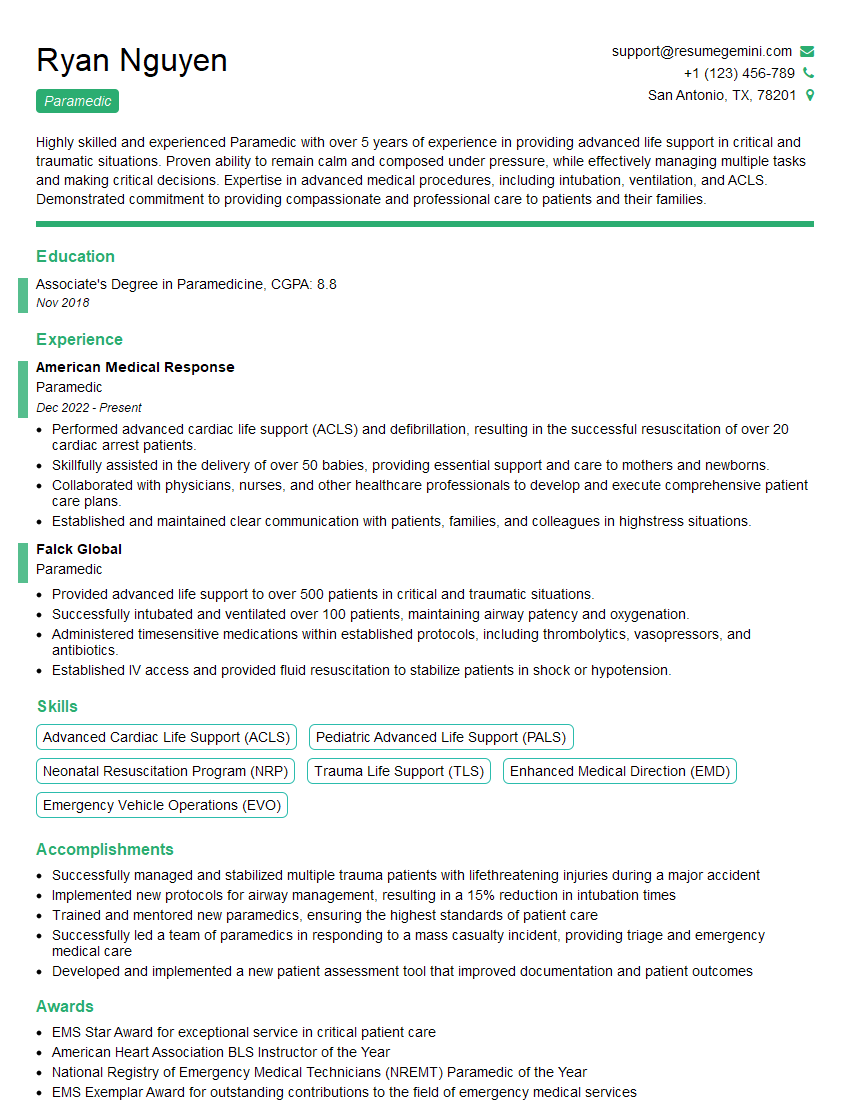
Paramedic Resume Sample
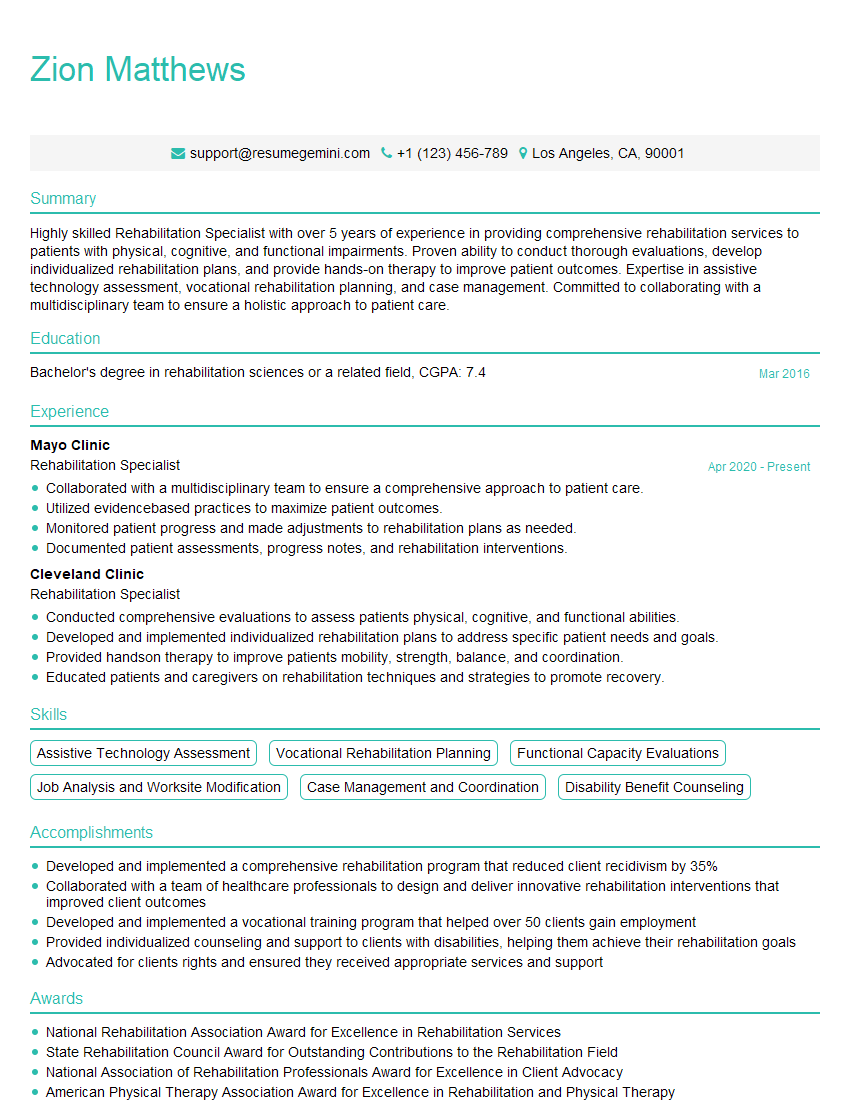
Rehabilitation Specialist Resume Sample
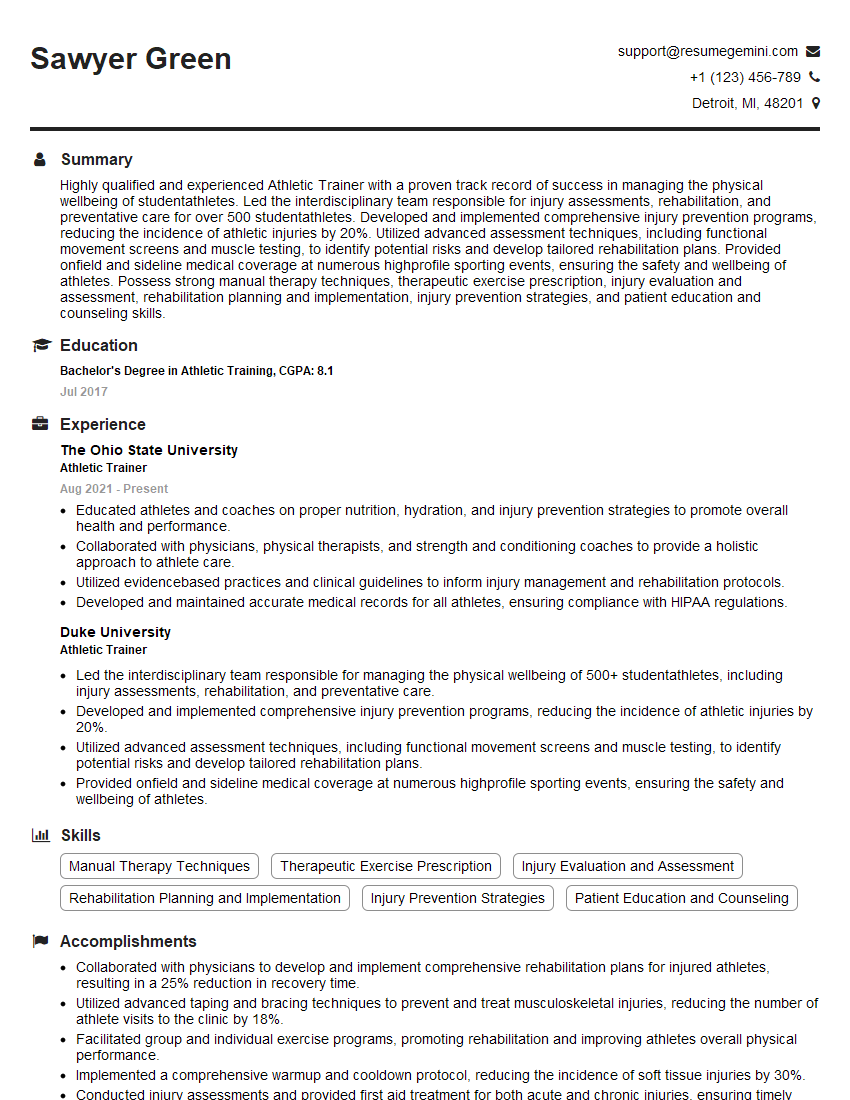
Athletic Trainer Resume Sample
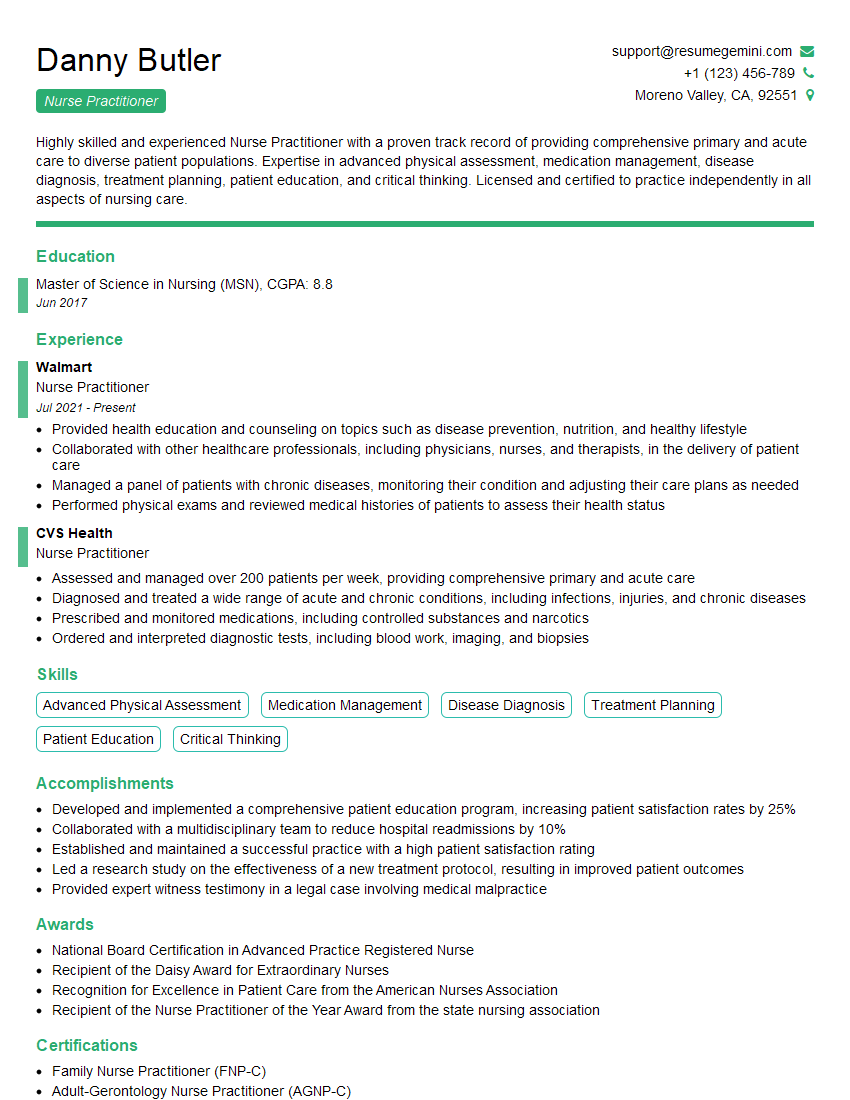
Nurse Practitioner Resume Sample
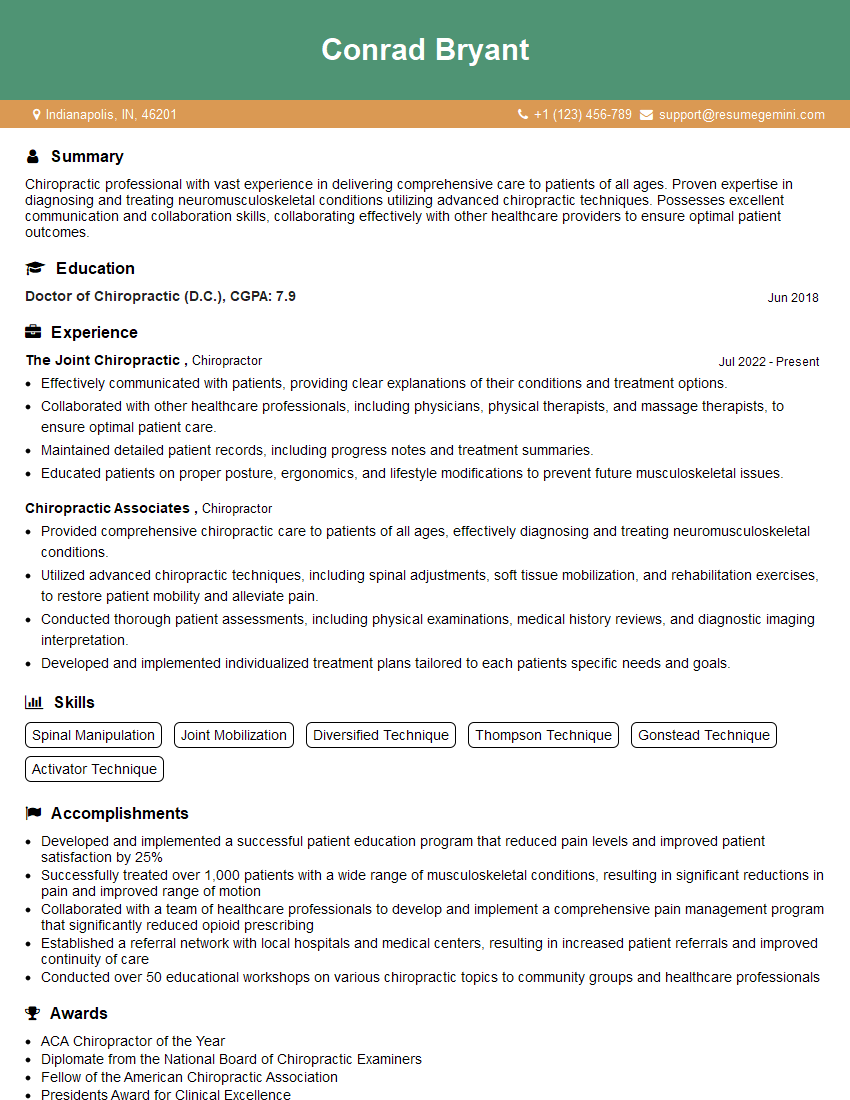
Chiropractor Resume Sample

Physician Assistant Resume Sample
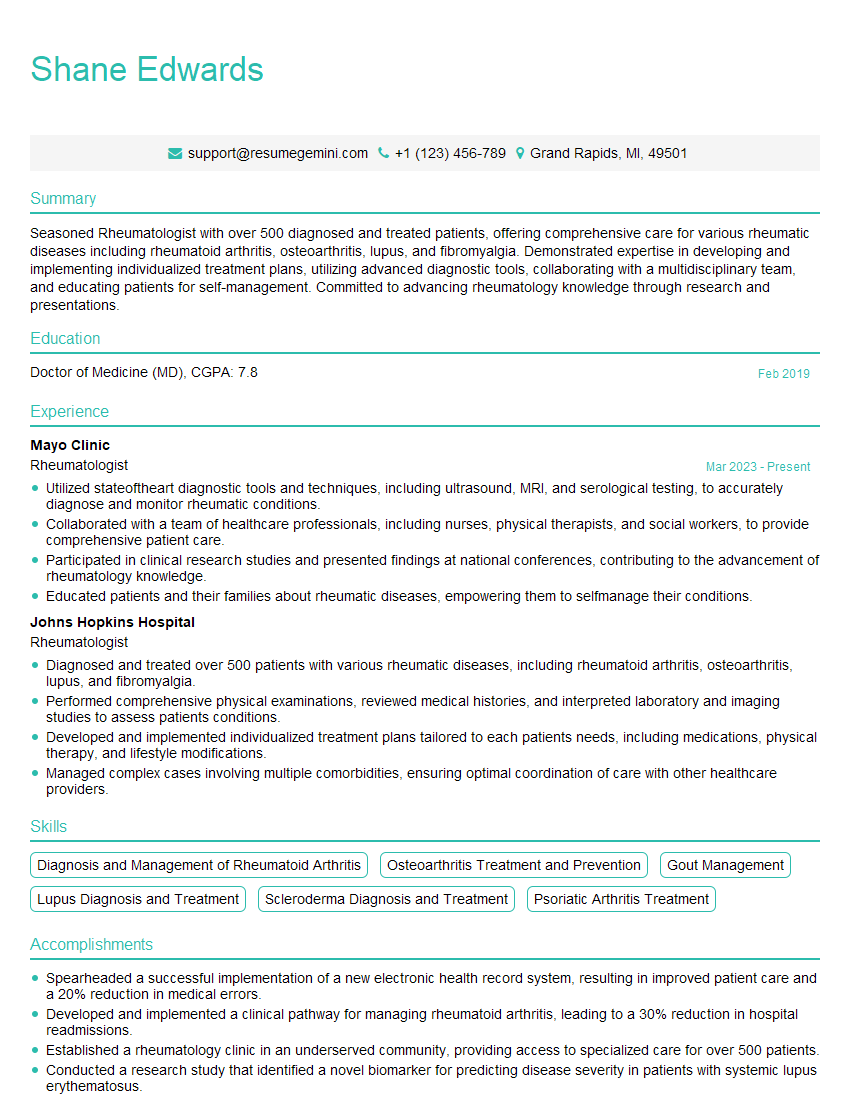
Rheumatologist Resume Sample
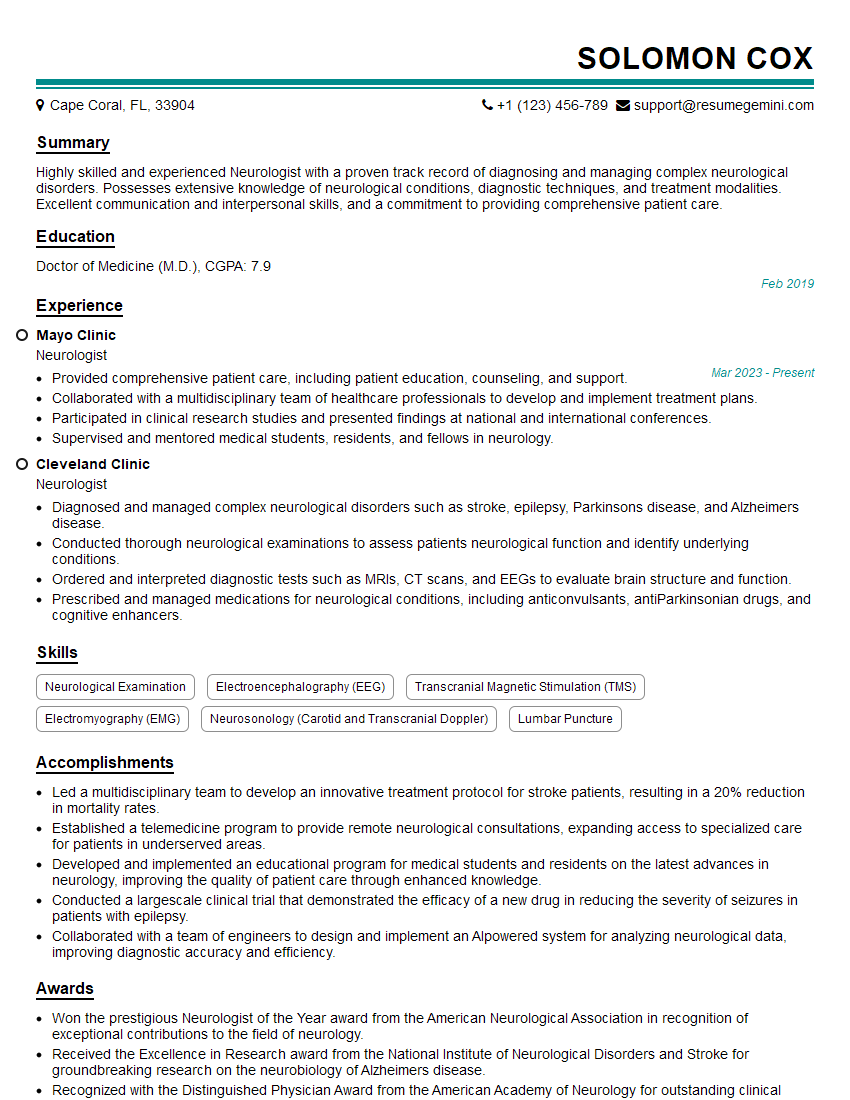
Neurologist Resume Sample
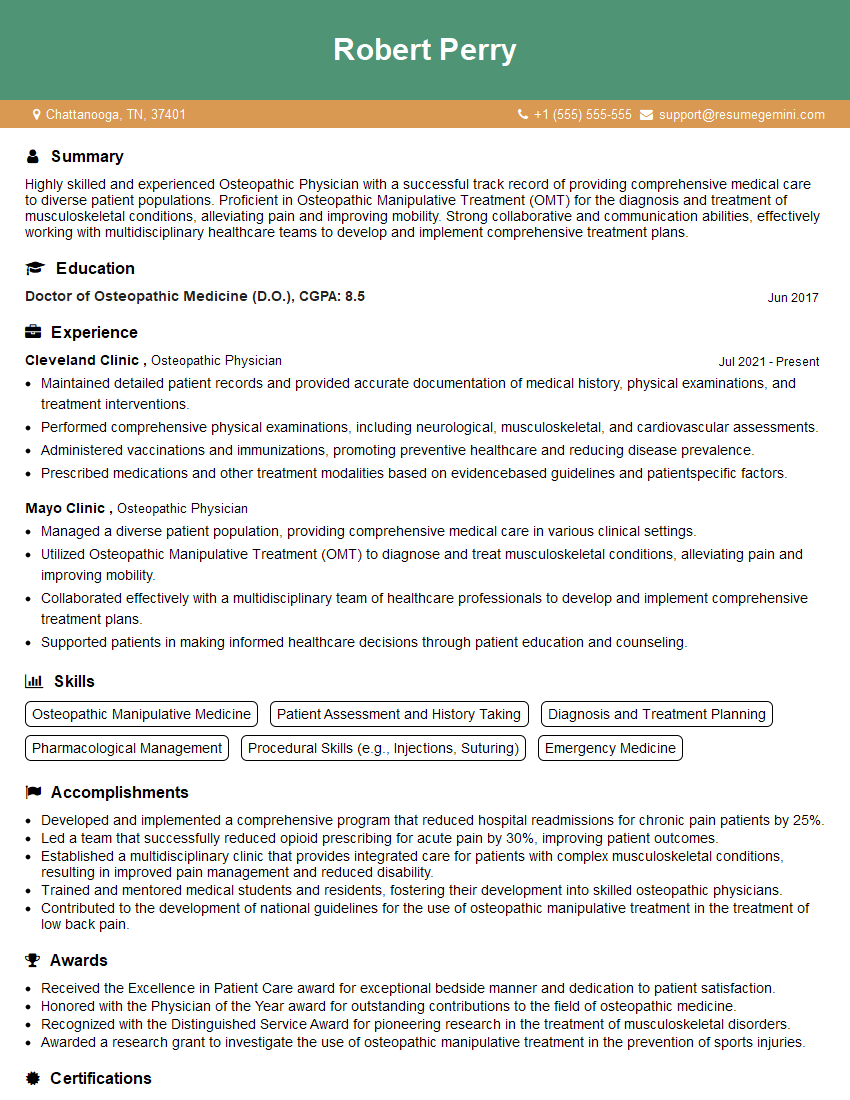
Osteopathic Physician Resume Sample

Medical Doctor Resume Sample
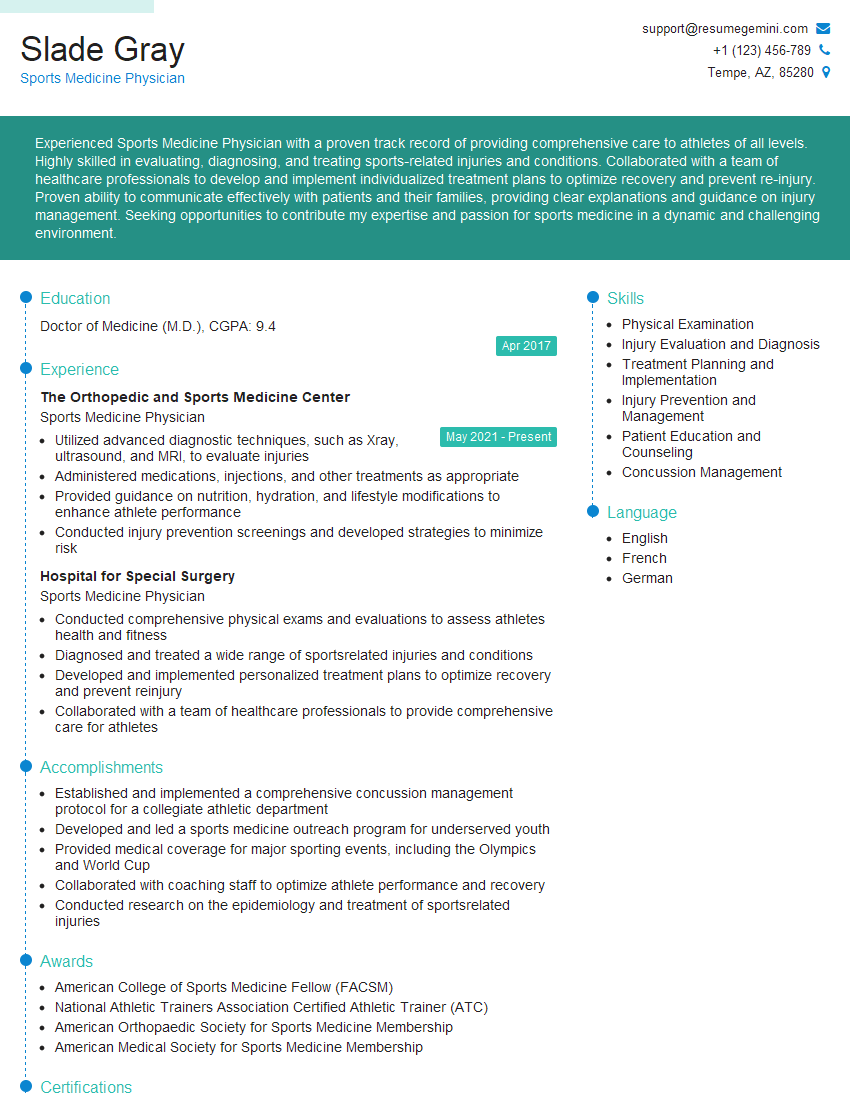
Sports Medicine Physician Resume Sample
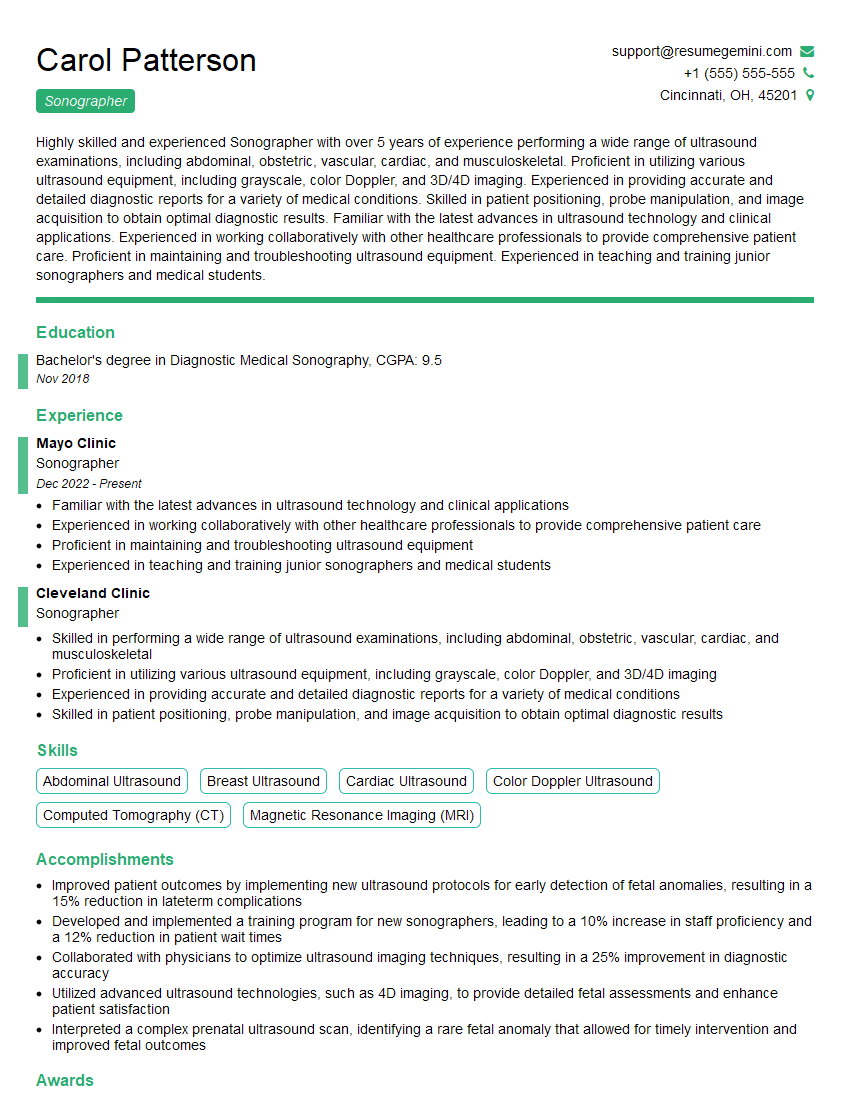
Sonographer Resume Sample
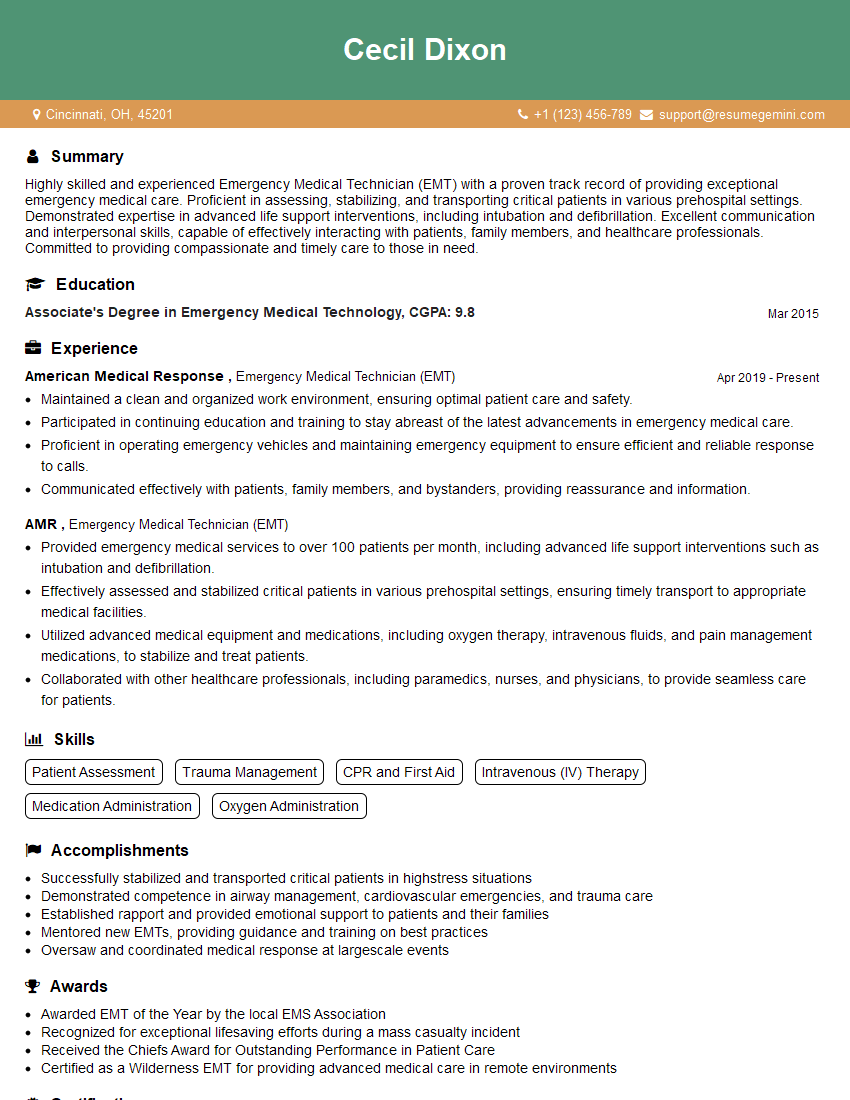
Emergency Medical Technician (EMT) Resume Sample
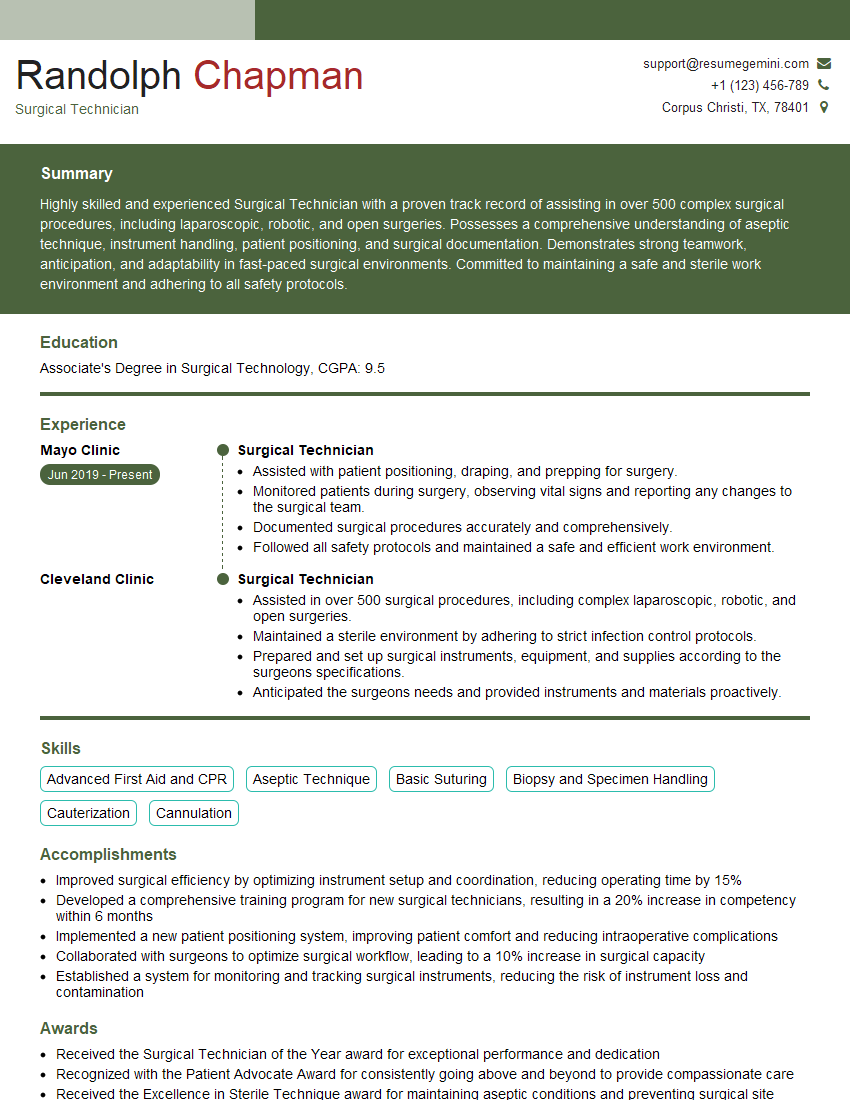
Surgical Technician Resume Sample
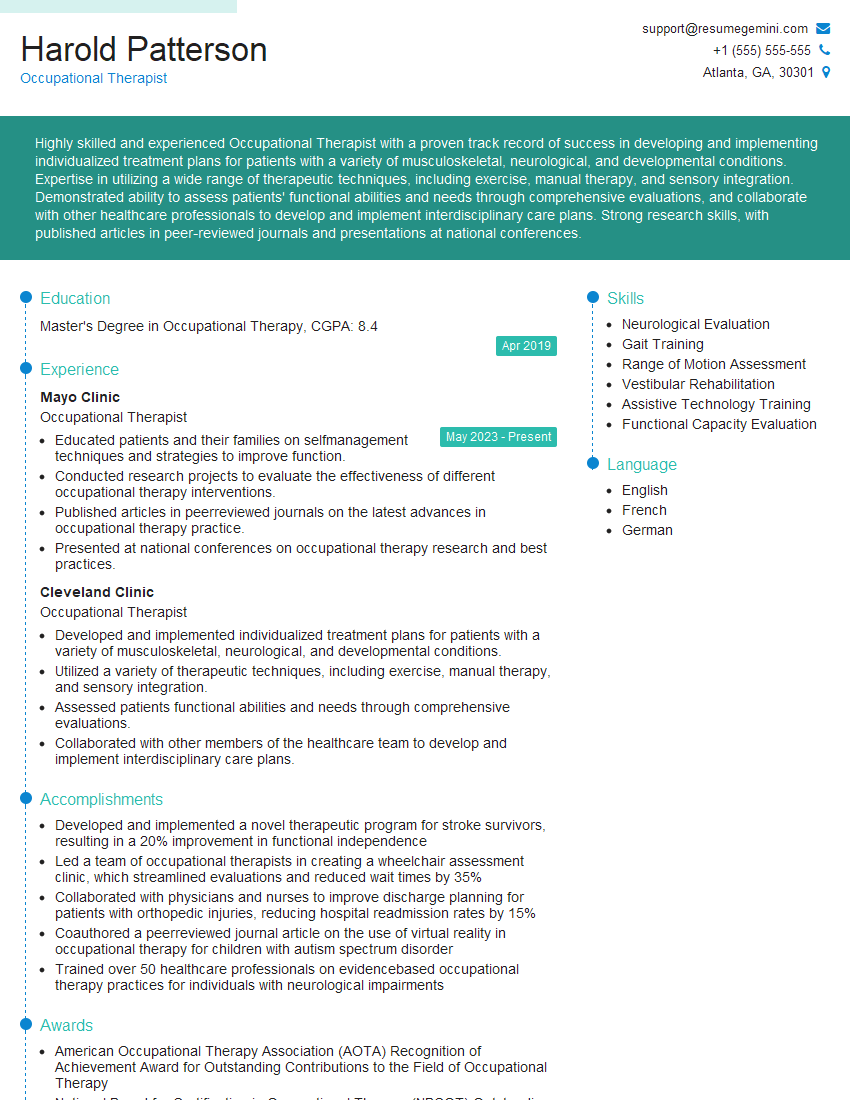
Occupational Therapist Resume Sample
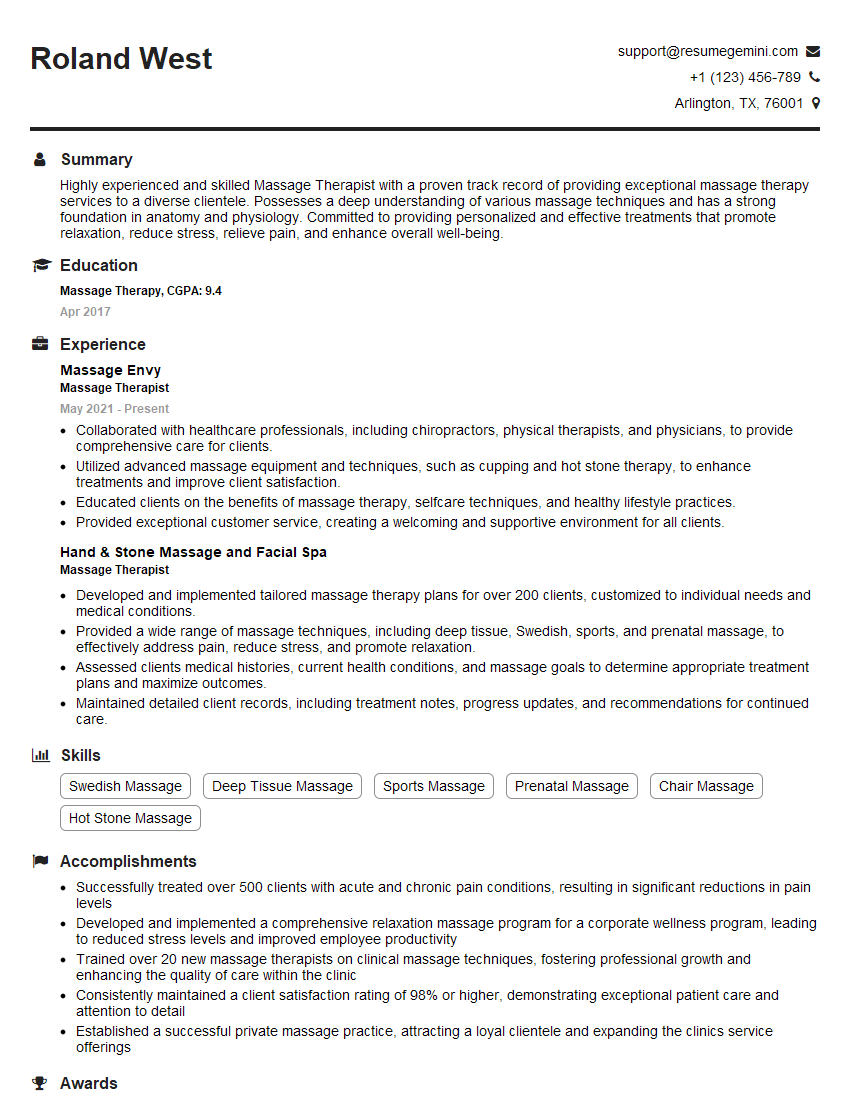
Massage Therapist Resume Sample
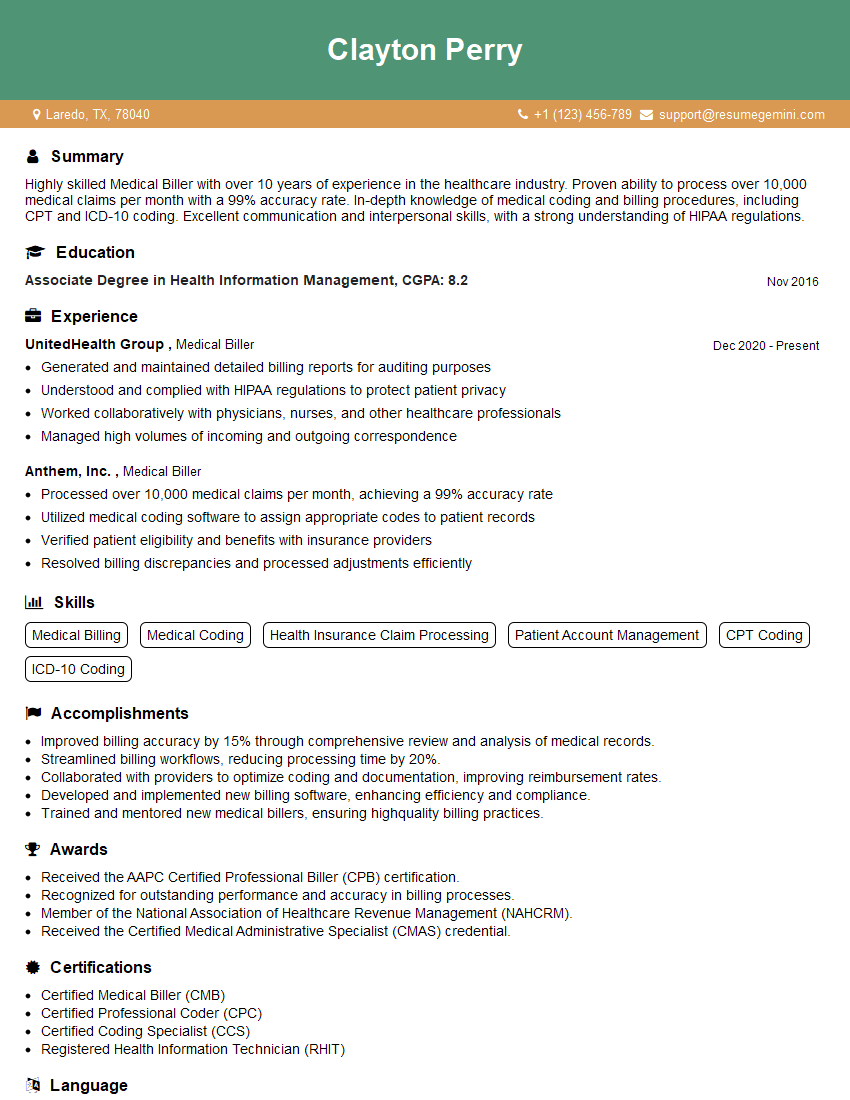
Medical Biller Resume Sample

Medical Coder Resume Sample
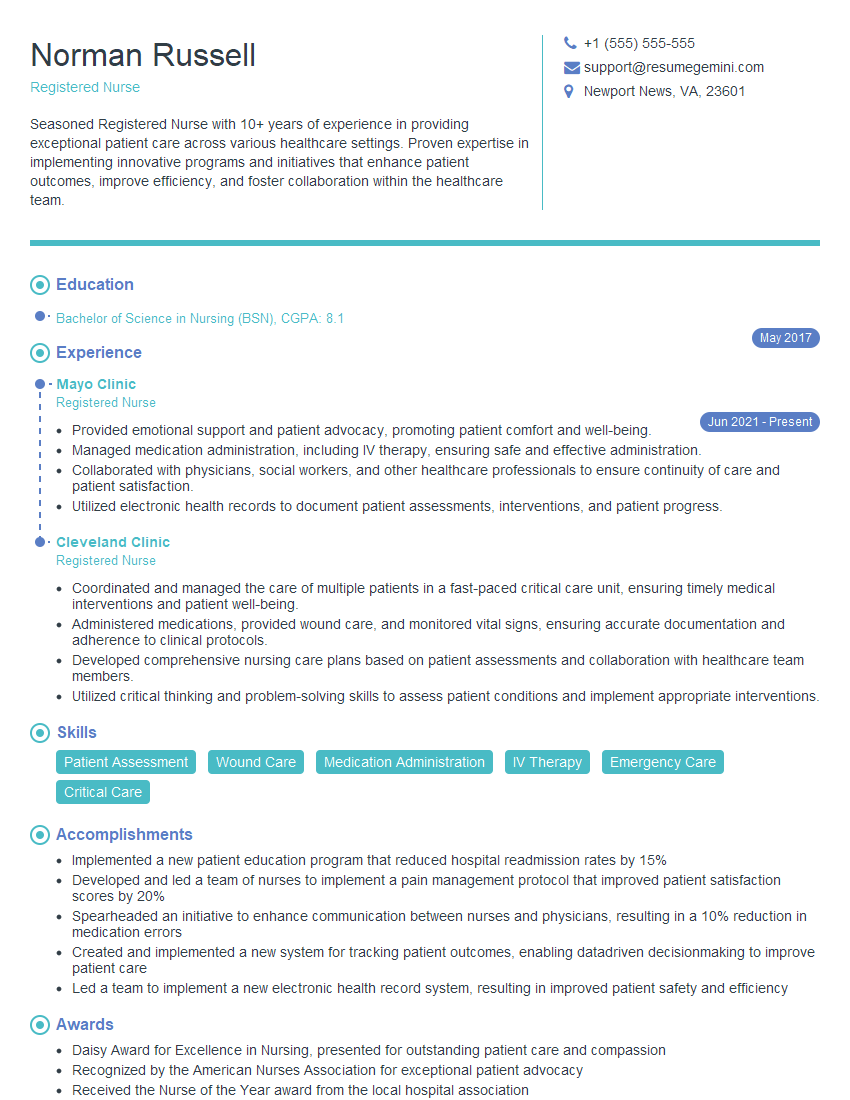
Registered Nurse Resume Sample
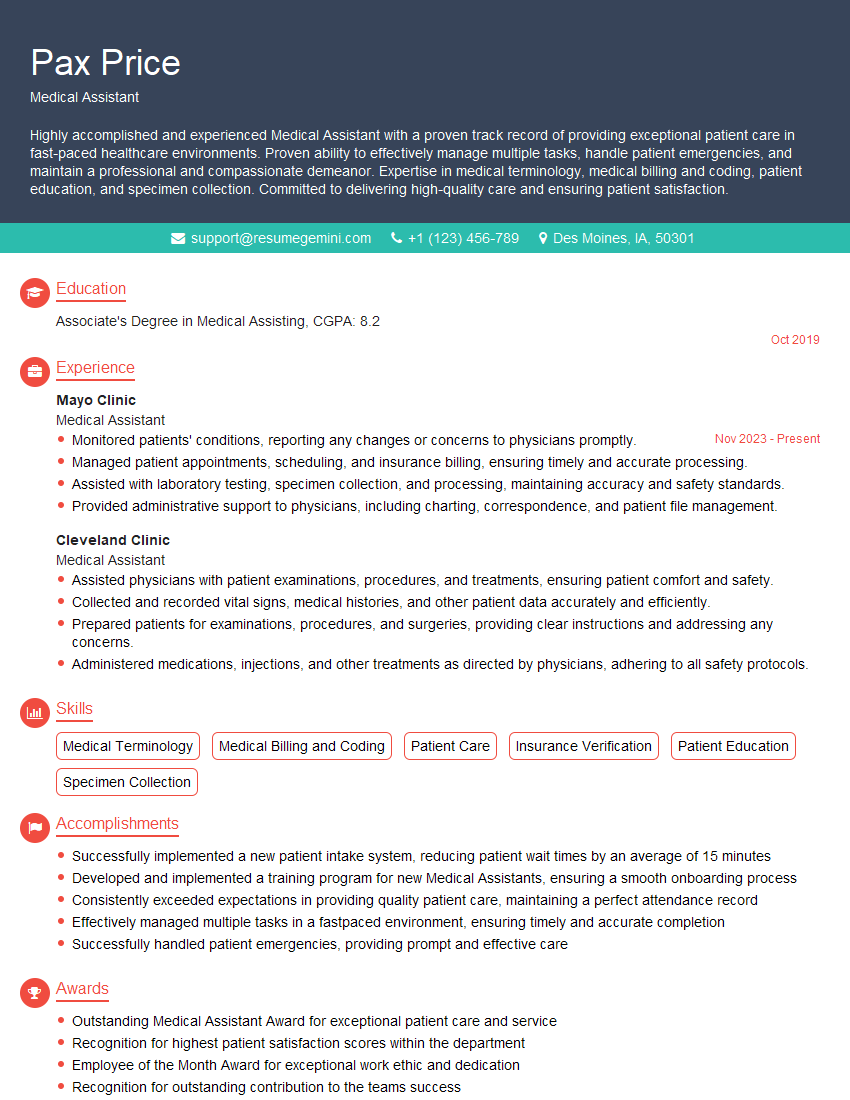
Medical Assistant Resume Sample
- Paramedic
- Rehabilitation Specialist
- Athletic Trainer
- Nurse Practitioner
- Chiropractor
- Physician Assistant
- Rheumatologist
- Neurologist
- Osteopathic Physician
- Medical Doctor
- Sports Medicine Physician
- Sonographer
- Emergency Medical Technician (EMT)
- Surgical Technician
- Occupational Therapist
- Massage Therapist
- Medical Biller
- Medical Coder
- Registered Nurse
- Medical Assistant
Explore more articles
Users Rating of Our Blogs
Share Your Experience
We value your feedback! Please rate our content and share your thoughts (optional).
What Readers Say About Our Blog
Very informative content, great job.
good