Every successful interview starts with knowing what to expect. In this blog, we’ll take you through the top Machine Setup and Adjustments interview questions, breaking them down with expert tips to help you deliver impactful answers. Step into your next interview fully prepared and ready to succeed.
Questions Asked in Machine Setup and Adjustments Interview
Q 1. Describe your experience with different types of machine setups (e.g., CNC, manual).
My experience encompasses a wide range of machine setups, from highly automated CNC (Computer Numerical Control) machines to traditional manual machines. With CNC machines, I’m proficient in G-code programming, setup sheets interpretation, tool offsetting, and workpiece clamping. I’ve worked extensively with milling machines, lathes, and 3-axis and 5-axis CNC machining centers. My expertise extends to various control systems like Fanuc and Siemens. For manual machines, I’m skilled in precise adjustments using dial indicators, micrometers, and calipers to achieve tight tolerances. I understand the importance of proper machine alignment, ensuring the parallelism and perpendicularity of axes for accurate machining. I’ve worked with surface grinders, drill presses, and lathes, honing my skills in achieving precise dimensional control and surface finish through careful hand-cranking and manual adjustments. This diverse experience allows me to approach any machine setup with a strong understanding of the underlying principles and the ability to adapt my skills to various machine types.
Q 2. Explain the process of setting up a new machine from scratch.
Setting up a new machine from scratch is a systematic process that demands meticulous attention to detail. First, I’d consult the machine’s operating manual to understand its capabilities, limitations, and safety procedures. Next, I’d unpack and inspect the machine for any shipping damage, ensuring all components are present. Then, I’d focus on the foundation: proper leveling, ensuring a stable base for vibration-free operation. This often involves using a precision level and shims to adjust the machine’s feet. Following the manual’s instructions, I’d install the necessary tooling, such as chucks, collets, or workholding fixtures, and connect power, air, and coolant supplies, always adhering to safety protocols. Then, a test run using a simple program or operation would verify all mechanical functions and ensure the proper control response before proceeding to more complex tasks. Finally, a calibration procedure—often involving precise measurements using tools like dial indicators and micrometers—would ensure the machine’s accuracy and repeatability before any actual production work begins. Think of it like building a house; you need a strong foundation (leveling), the right tools (installation), and a final inspection (calibration) to ensure everything is working perfectly.
Q 3. How do you ensure the accuracy of machine adjustments?
Ensuring accuracy involves a multi-pronged approach. First, I rely on precise measuring tools like micrometers, calipers, dial indicators, and CMM (Coordinate Measuring Machines) to check alignment, parallelism, and dimensions. I perform repeated measurements to account for any potential measurement error. Second, I use test pieces or workpieces with known dimensions to verify the accuracy of the machine’s operations. Any deviation from the expected dimensions allows for identification of adjustments needed, whether they be minor adjustments to tool offsets or more substantial adjustments to machine alignment. Third, I utilize the machine’s built-in diagnostic features and calibration routines, which are specific to the machine type. This helps systematically eliminate any source of inaccuracy. For example, on a CNC machine, I’d perform a tool length measurement and a probe calibration to make sure that the control is accurately interpreting the tool positions. Continuous monitoring and periodic checks maintain accuracy over the machine’s operational lifetime. Accurate adjustments translate to precision and high-quality parts, which is critical in manufacturing.
Q 4. What are common causes of machine malfunctions and how do you troubleshoot them?
Common malfunctions range from minor issues like tool wear and loose connections to major problems like mechanical failures. Troubleshooting starts with a systematic approach. First, I assess the nature of the problem. Is the machine producing inaccurate parts? Is it producing parts outside the specification? Is there a mechanical noise? Are there any error messages? Next, I check the obvious, such as loose screws, worn tools, proper coolant flow, and air pressure. Then, I’ll use a combination of diagnostic tools and the machine’s manuals to isolate the problem. For example, a CNC machine might display error codes indicating a problem with a specific axis or sensor. I’ve had situations where a seemingly minor issue with a coolant pump resulted in overheating and a subsequent machining error. In other instances, a worn spindle bearing was identified through listening for unusual sounds, requiring replacement. My approach emphasizes the importance of prevention through regular maintenance and early identification of problems to minimize downtime and increase productivity.
Q 5. Describe your experience with different types of measuring tools (e.g., micrometers, calipers).
My experience with measuring tools is extensive. Micrometers allow for precise linear measurements down to thousandths of an inch or microns, crucial for checking workpiece dimensions and tool sizes. Calipers provide quick measurements and are versatile for both internal and external dimensions. Dial indicators are used to check machine alignment and runout, providing highly sensitive displacement measurements. I’m also proficient in using depth micrometers, height gauges, and even CMMs for complex measurements on intricate parts. Choosing the right tool for the task is essential: micrometers for extremely precise measurements, calipers for rapid checks, and dial indicators for precise alignment verification. The proper use and care of these tools guarantee accurate measurements and effective troubleshooting.
Q 6. How do you interpret engineering drawings and specifications for machine setup?
Interpreting engineering drawings and specifications is fundamental to my work. I’m adept at reading various views (orthographic, isometric), understanding tolerances (e.g., ±0.005”), and identifying surface finishes. I pay close attention to dimensions, material specifications, and any special instructions or notes. For instance, a drawing might specify a particular type of tooling, a surface finish, or a specific clamping method. I use these specifications to select the correct tools, establish the appropriate machining parameters (speeds, feeds, depth of cut), and determine the correct sequence of operations. The accuracy of my setup directly reflects my ability to understand and correctly interpret these drawings. In essence, the drawings provide the blueprint, and my skills translate it into a precise machine setup.
Q 7. What safety precautions do you take when setting up and operating machinery?
Safety is paramount. Before any setup, I thoroughly inspect the machine for any potential hazards. I ensure all safety guards are in place and operational. I wear appropriate personal protective equipment (PPE), including safety glasses, hearing protection, and safety shoes. I always follow the lockout/tagout procedures before performing any maintenance or adjustments. Furthermore, I’m mindful of potential hazards during operation: avoiding loose clothing, keeping clear of moving parts, and always maintaining a clean and organized workspace. Regular maintenance, like lubricating moving parts and cleaning chips, are part of maintaining a safe work environment. I treat every safety precaution not as a rule but as a vital part of ensuring my wellbeing and those around me.
Q 8. How do you maintain machine accuracy over time?
Maintaining machine accuracy over time is crucial for consistent product quality and efficient operation. It’s a multifaceted process involving regular calibration, preventative maintenance, and careful monitoring of performance indicators. Think of it like keeping a finely tuned instrument – regular checks and adjustments are essential.
- Regular Calibration: This involves using standardized measuring tools to verify the machine’s output against known values. For example, in a CNC milling machine, we’d regularly calibrate the linear scales and spindle to ensure precise positioning and cutting depths. The frequency of calibration depends on the machine’s criticality and the environment’s impact.
- Preventative Maintenance: This involves regularly scheduled inspections, cleaning, and lubrication to prevent wear and tear. Regular lubrication of moving parts minimizes friction and extends the life of components, preserving accuracy. For example, a poorly lubricated lathe could result in inaccurate cuts over time.
- Statistical Process Control (SPC): Monitoring key performance indicators (KPIs) using statistical methods helps identify subtle deviations from expected values early on. Control charts, for instance, can highlight trends indicating a drift in accuracy before it becomes a significant problem. This allows for proactive adjustments and prevents costly scrap.
- Environmental Control: Factors such as temperature, humidity, and vibrations can significantly affect machine accuracy. Controlling the environment as much as possible is essential, especially for sensitive equipment like precision measurement tools. For example, maintaining a stable temperature within the manufacturing area is key.
By implementing these strategies, we can significantly extend a machine’s lifespan and ensure consistent, high-quality output.
Q 9. Explain your experience with preventative maintenance procedures for machines.
Preventative maintenance is the cornerstone of reliable machine operation. My experience includes developing and implementing comprehensive maintenance schedules based on manufacturer recommendations, machine usage, and historical data. I treat it as proactive investment, preventing costly repairs and downtime.
- Scheduled Inspections: I follow a regular schedule to visually inspect machines for wear and tear, loose connections, and signs of malfunction. This is akin to giving your car a regular check-up – catching small issues early prevents major problems.
- Lubrication: Proper lubrication is essential to reduce friction and extend the life of moving parts. Different machines require different lubricants and lubrication schedules; I meticulously follow manufacturer specifications.
- Cleaning: Regular cleaning removes debris and contaminants that can interfere with machine performance and accuracy. This is especially important for precision equipment where even small particles can cause significant issues.
- Data Analysis: I use historical maintenance data to identify recurring issues and optimize preventative maintenance schedules for maximum effectiveness. Trends in maintenance records can reveal areas for process improvement and proactive adjustments.
I’ve successfully implemented preventative maintenance programs resulting in decreased downtime, reduced repair costs, and improved overall machine lifespan. In one particular case, by proactively replacing worn belts in a packaging machine, I avoided a costly production standstill during peak season.
Q 10. Describe your experience with different types of machine controls (e.g., PLC, HMI).
I have extensive experience with various machine control systems, including PLCs (Programmable Logic Controllers) and HMIs (Human-Machine Interfaces). They are the brains and the eyes of the machine, respectively.
- PLCs: I am proficient in programming PLCs using various languages like ladder logic (
LD,OUT,XIC, etc.) to control machine operations, sequencing, and safety interlocks. For example, I’ve programmed PLCs to control automated robotic arms in a manufacturing assembly line. I can troubleshoot PLC programs effectively, pinpointing and fixing problems efficiently. - HMIs: I am skilled in designing and configuring HMIs to provide intuitive interfaces for machine operators. This includes designing custom screens, creating alarm management systems, and implementing user-friendly navigation. Effective HMI design significantly improves operator efficiency and reduces errors.
- Troubleshooting: I can effectively diagnose issues in both PLC and HMI systems, using diagnostic tools and my understanding of control system logic to pinpoint and resolve problems quickly. I can also interpret diagnostic codes and fault messages to inform maintenance decisions.
My experience encompasses various PLC brands (Siemens, Allen-Bradley, etc.) and HMI platforms, making me adaptable to different industrial settings.
Q 11. How do you handle unexpected machine downtime?
Unexpected downtime is a major concern in any manufacturing environment. My approach is methodical and prioritizes a swift resolution while ensuring safety. It’s akin to a fire-fighting approach, but with meticulous planning.
- Immediate Response: The first step is to ensure the safety of personnel and equipment. This involves isolating the machine to prevent further damage or injury.
- Problem Identification: A systematic troubleshooting process is crucial to identify the root cause. I use diagnostic tools (both built-in and external) and my understanding of the machine’s functionality to narrow down the possibilities.
- Repair or Replacement: Once the issue is identified, the appropriate action – repair or component replacement – is undertaken. Prioritizing speed and efficiency is critical to minimizing downtime. For example, if a sensor is malfunctioning, it needs to be replaced quickly, utilizing pre-stocked parts if possible.
- Documentation and Preventative Measures: Once the issue is resolved, I thoroughly document the incident, including the root cause, the resolution, and any preventative measures to avoid recurrence. This builds upon our previous maintenance data and improves our overall system.
My experience includes successfully resolving various unexpected downtime incidents, ranging from minor sensor failures to major mechanical breakdowns. I prioritize quick problem solving and implement lessons learned to improve future machine reliability.
Q 12. How do you document machine setup procedures and adjustments?
Proper documentation of machine setup procedures and adjustments is essential for consistency, training, and troubleshooting. I utilize a combination of written procedures, diagrams, and digital documentation. Consider it like a recipe for perfect operation.
- Written Procedures: I create detailed, step-by-step instructions for setting up and adjusting the machine, including specifications for parameters, tools, and safety precautions. These procedures are clear, concise, and easy to follow by anyone with the necessary training.
- Diagrams and Visual Aids: Where appropriate, I include diagrams, schematics, and photos to clarify complex steps or illustrate physical locations on the machine. A picture is worth a thousand words, and this is especially true for machine setup.
- Digital Documentation: I utilize digital platforms like CMMS (Computerized Maintenance Management System) software to store and manage machine setup documents, making them easily accessible to all relevant personnel. A centralized database prevents version control issues and ensures everyone is using the most up-to-date documentation.
- Version Control: I ensure that all documents are appropriately versioned to track changes and updates over time, making it easy to trace changes and improve efficiency of setup over time.
This approach ensures that the machine is consistently set up correctly, minimizing errors and maximizing productivity.
Q 13. What are your experience with machine calibration and verification?
Machine calibration and verification are critical for ensuring accuracy and reliability. My experience covers various calibration techniques and the use of specialized equipment. This process ensures the machine meets the required specifications and operates within acceptable tolerances.
- Calibration Procedures: I follow established calibration procedures, using traceable standards and calibrated instruments to adjust machine parameters to specified values. Calibration is not simply a matter of adjustment; it involves careful measurement, comparison with known standards, and meticulous record-keeping.
- Verification Techniques: After calibration, I perform verification tests to confirm that the machine meets the specified accuracy and performance requirements. This may involve running test parts or using specialized test equipment.
- Calibration Records: I meticulously maintain detailed calibration records, including dates, results, and any corrective actions taken. These records are crucial for traceability and compliance with quality standards.
- Equipment Selection: Selecting appropriate calibration equipment is paramount. The equipment itself must be accurately calibrated and traceable to national or international standards. Using improperly calibrated or inaccurate equipment could lead to incorrect calibration of the machine itself.
My experience includes calibrating a wide range of equipment, from simple measuring devices to complex CNC machines. This ensures the accuracy and precision necessary for consistent high-quality output.
Q 14. How do you identify and resolve machine alignment issues?
Machine alignment issues can lead to inaccurate operation, reduced efficiency, and premature wear. My experience includes using various techniques to identify and resolve these issues.
- Visual Inspection: I begin with a thorough visual inspection of the machine, looking for any obvious misalignments or signs of wear. This often involves using precision measuring tools like dial indicators and straight edges.
- Alignment Tools: I employ specialized alignment tools, such as laser alignment systems, to accurately measure and correct misalignments. These tools provide precise measurements and greatly improve the efficiency of the alignment process.
- Shimming and Adjustment: Once misalignments are identified, I use shims, adjusting screws, and other methods to correct them. This process often requires careful attention to detail to ensure proper alignment.
- Documentation: I meticulously document the alignment process, including measurements, adjustments, and final results. This is vital for ensuring that the machine remains aligned and for troubleshooting in the future.
I’ve successfully resolved alignment problems on various types of machinery, from simple conveyors to complex manufacturing systems. Effective alignment contributes significantly to reducing wear and tear, optimizing performance and extending machine life.
Q 15. What is your experience with different types of tooling and how to select appropriate tooling for different machining processes?
Selecting the right tooling is crucial for efficient and accurate machining. My experience spans a wide range of tooling, including high-speed steel (HSS), carbide, and ceramic inserts for various operations like milling, turning, drilling, and reaming. The choice depends heavily on the material being machined, the desired surface finish, the required accuracy, and the machining parameters.
- Material: Harder materials like titanium alloys necessitate carbide or ceramic inserts for their durability, while softer materials like aluminum might work well with HSS tools.
- Operation: Face milling requires different inserts than end milling, and turning operations use different tools depending on the required cut depth and feed rate.
- Surface Finish: For mirror-like finishes, specialized inserts with sharp cutting edges and fine grain structure are needed.
For example, when machining stainless steel, I would select carbide inserts with a positive rake angle for improved chip flow and reduced cutting forces. For delicate work on a thin-walled aluminum part, I’d opt for HSS tools with smaller diameters to prevent excessive vibration and part damage. The selection process involves consulting tool catalogs, material property charts, and relying on past experience to find the optimal balance of performance and cost-effectiveness.
Career Expert Tips:
- Ace those interviews! Prepare effectively by reviewing the Top 50 Most Common Interview Questions on ResumeGemini.
- Navigate your job search with confidence! Explore a wide range of Career Tips on ResumeGemini. Learn about common challenges and recommendations to overcome them.
- Craft the perfect resume! Master the Art of Resume Writing with ResumeGemini’s guide. Showcase your unique qualifications and achievements effectively.
- Don’t miss out on holiday savings! Build your dream resume with ResumeGemini’s ATS optimized templates.
Q 16. Explain your understanding of different types of machine vibration and how to mitigate it?
Machine vibration can significantly impact part quality and machine lifespan. There are several types, including resonant frequency vibrations (where the machine’s natural frequency is excited), forced vibrations (caused by unbalanced rotating parts or uneven cutting forces), and chatter (self-excited vibrations due to unstable cutting conditions).
Mitigation strategies involve a multi-pronged approach:
- Balancing Rotating Parts: Regular balancing of spindles and other rotating components is essential to reduce forced vibrations. This often involves specialized balancing machines.
- Stiffening the Machine Structure: Adding bracing or modifying the machine’s structure can increase its stiffness and reduce resonant vibrations. Sometimes, adding damping materials can help absorb vibrations.
- Optimizing Cutting Parameters: Reducing cutting speed, feed rate, or depth of cut can minimize chatter and other vibrations related to unstable cutting conditions. Experimentation is key to finding the sweet spot.
- Proper Tooling: Using properly sharpened tools with appropriate inserts and clamping methods minimizes cutting forces and minimizes vibration.
- Foundation and Mounting: Ensuring the machine is properly mounted on a stable foundation, free of excessive resonance, is critical. This may involve vibration isolation mounts.
For instance, if I experience chatter during milling, I’d start by reducing the feed rate and depth of cut. If the problem persists, I’d investigate tool wear and consider changing the insert. In some cases, a more rigid tooling setup or adjustments to the machine’s structure may be necessary.
Q 17. How do you handle machine errors and alarms?
Machine errors and alarms require a systematic approach. My process starts with safety: ensuring the machine is properly shut down and secured before any investigation. Then, I carefully review the alarm message and its corresponding code to identify the root cause.
The approach is diagnostic:
- Consult the Machine’s Manual: The manual provides detailed descriptions of error codes and troubleshooting steps.
- Check for Obvious Issues: Look for things like tool breakage, coolant leaks, jammed parts, or power supply problems.
- Inspect Sensors and Actuators: Verify that sensors are functioning correctly and that actuators are responding appropriately.
- Review Recent Operations: Consider recent changes in setup, tooling, or cutting parameters that might have contributed to the problem.
- Log and Document: Meticulously record all actions, observations, and solutions to aid in future troubleshooting.
For example, if a ‘tool breakage’ alarm occurs, I’d first inspect the tool holder and replace the broken tool. Then, I’d investigate the cause of the breakage – possibly excessive cutting forces or improper tool selection. If an ‘over-temperature’ alarm arises, I’d check coolant flow, inspect the cutting tools, and potentially adjust the cutting parameters to reduce heat generation.
Q 18. What is your experience with different types of machine lubrication and maintenance?
Proper lubrication and maintenance are essential for machine longevity and performance. My experience includes working with various lubrication types, including greases, oils, and specialized coolants, each tailored to specific machine components and operating conditions.
My maintenance routine includes:
- Regular Lubrication: Following the manufacturer’s recommendations for lubrication schedules and types of lubricants. This often involves using grease guns for bearings and oiling ways.
- Coolant Management: Maintaining proper coolant levels, filtering, and regular changes to prevent bacterial growth and corrosion. Regular checks for leaks are also crucial.
- Cleaning and Inspection: Regularly cleaning the machine to remove chips, debris, and coolant buildup. This helps prevent premature wear and improves overall machine health.
- Preventive Maintenance: Performing scheduled maintenance tasks such as replacing worn belts, checking electrical connections, and inspecting hydraulic systems.
For instance, I’d use a high-pressure grease gun for lubricating the ways on a large milling machine to ensure smooth movement. In a CNC lathe, I would monitor the coolant levels and quality regularly, ensuring the concentration is correct and the system is free of blockages. This proactive approach prevents major problems and reduces downtime.
Q 19. Describe your experience with statistical process control (SPC) in relation to machine setup and maintenance?
Statistical Process Control (SPC) is vital for maintaining consistent part quality. In machine setup and maintenance, SPC helps monitor key process parameters and detect variations before they lead to out-of-spec parts. I use control charts (like X-bar and R charts) to track measurements like part dimensions, surface roughness, and tool wear.
My application of SPC involves:
- Identifying Critical Parameters: Determining the key parameters that most significantly impact part quality. This often involves studying process capability and analyzing historical data.
- Establishing Control Limits: Setting upper and lower control limits based on historical data and statistical analysis to define acceptable process variation.
- Monitoring and Data Collection: Regularly collecting data on key parameters and plotting them on control charts.
- Investigating Out-of-Control Points: When data points fall outside the control limits, it signals a problem requiring investigation and corrective action. This may involve adjusting machine settings, replacing tools, or addressing machine issues.
For example, when milling a batch of parts, I’d monitor the part thickness using an X-bar and R chart. If a point falls outside the control limits, this might indicate a problem with the cutting tool, machine alignment, or variations in the workpiece material. This system allows for prompt intervention to prevent mass production of non-conforming products.
Q 20. How do you ensure the quality of parts produced by a machine?
Ensuring part quality is a multifaceted process that begins with proper machine setup and extends to rigorous inspection. My approach involves several key steps:
- Precise Machine Setup: Accurate alignment of the machine, proper tooling setup, and precise selection of cutting parameters are critical.
- Regular Calibration and Maintenance: Ensuring the machine’s accuracy and precision through routine calibration and maintenance procedures is essential to prevent drift.
- In-Process Monitoring: Using various sensors and monitoring systems to track key parameters during machining helps to identify and rectify any issues early on.
- Statistical Process Control (SPC): As mentioned before, SPC helps to monitor and control process variation.
- Post-Process Inspection: Using various measurement tools like CMMs (Coordinate Measuring Machines), calipers, and micrometers to verify dimensions and surface finish against specifications. This also involves visual inspection for defects.
For example, after milling a batch of parts, I’d use a CMM to precisely measure key dimensions, and compare them to the CAD model. This helps to identify any discrepancies. If I detect inconsistencies, I’d review the process parameters and make necessary adjustments to prevent future defects.
Q 21. Explain your experience with different types of material handling equipment used in conjunction with machines?
Material handling equipment plays a crucial role in the efficiency and safety of machining operations. My experience encompasses a range of equipment, including:
- Conveyors: Used for transporting workpieces to and from machines, often integrated into automated systems.
- Robotic Arms: Used for loading and unloading parts, providing flexibility and automation in high-volume production.
- Forklifts and Pallet Jacks: Essential for moving heavier materials and pallets around the shop floor.
- Overhead Cranes: Used for moving large or heavy machine components.
- Automated Guided Vehicles (AGVs): Self-driving vehicles that transport materials between different areas of the shop floor.
The selection of material handling equipment depends heavily on factors like the size and weight of the workpieces, the production volume, the layout of the shop floor, and budget considerations. For example, in a high-volume production environment, I might recommend an automated system with robotic arms and conveyors to minimize manual handling and increase efficiency. In a smaller shop, a simple forklift and pallet rack system might be sufficient. Safe and efficient material handling is vital for ensuring smooth production workflow and minimizing the risk of workplace accidents.
Q 22. How do you prioritize tasks when dealing with multiple machine setup requests?
Prioritizing machine setup requests requires a systematic approach. I typically use a combination of factors to determine urgency and importance. First, I assess the impact of a delay – a production line stoppage due to a malfunctioning machine takes precedence over a less critical setup. Second, I consider the complexity of the request; a simple tool change is faster than a complete machine overhaul. Finally, I factor in deadlines and pre-scheduled maintenance. I often use a Kanban board or a similar visual management system to track tasks and their priorities, ensuring transparency and efficient workflow.
For example, if I have a request for a quick tool change on a high-speed production line and another request for a complex calibration on a less critical machine, I’d prioritize the high-speed line first to minimize downtime and potential losses.
Q 23. How do you communicate effectively with other technicians, engineers, and operators?
Effective communication is crucial in a collaborative environment. I believe in clear, concise, and respectful communication, regardless of the recipient. With technicians, I focus on precise technical details, using common terminology and diagrams where appropriate. With engineers, I emphasize problem-solving, sharing my observations and offering potential solutions based on my expertise. With operators, I focus on safety and the practical impact of the setup changes, explaining procedures clearly and answering questions patiently.
I actively listen to others, ask clarifying questions, and document all communication, ensuring there is a shared understanding of tasks and outcomes. I use a variety of communication channels, choosing the most appropriate one for the situation – face-to-face discussions for complex issues, emails for updates, and instant messaging for quick questions.
Q 24. Describe a time you had to solve a complex machine setup problem.
During a large-scale production run, our automated packaging machine started producing improperly sealed boxes. Initially, the problem was attributed to a worn-out sealing unit. However, after replacing the unit, the issue persisted. The problem was compounded by the pressure of maintaining production schedules. I systematically investigated potential causes: I checked the machine’s PLC (Programmable Logic Controller) programming, examined the conveyor belt’s alignment, and even analyzed the packaging material’s specifications. After meticulously checking every component and parameter, I discovered a subtle misalignment in the sensor responsible for detecting the box’s position. A minor adjustment resolved the issue, restoring the machine’s functionality and avoiding significant production delays.
This experience highlighted the importance of thorough diagnostics and not jumping to conclusions. It also emphasized the need for a methodical troubleshooting process and patience in uncovering the root cause.
Q 25. What are your strengths and weaknesses regarding machine setup and adjustments?
My strengths lie in my problem-solving abilities, meticulous attention to detail, and my proactive approach to maintenance. I am highly adept at troubleshooting complex mechanical and electrical issues and possess a strong understanding of various machine types and their operational requirements. I am also proficient in using various diagnostic tools and interpreting technical documentation.
A potential weakness could be my tendency to get immersed in intricate details, potentially overlooking broader aspects of a project. I am working to improve time management skills by proactively prioritizing tasks and delegating where appropriate. I also actively seek feedback to ensure I maintain a balanced approach to problem-solving.
Q 26. How do you stay up-to-date with the latest technologies and trends in machine setup and adjustments?
Staying current in machine setup and adjustments requires continuous learning. I regularly attend industry conferences and workshops to learn about new technologies and best practices. I subscribe to relevant trade journals and online publications, and I actively participate in online forums and communities. I also leverage online learning platforms for specialized training in specific machine types or software.
Furthermore, I actively seek out opportunities for hands-on experience with new equipment and technologies within my workplace. This allows me to apply theoretical knowledge to real-world scenarios and further enhance my skills.
Q 27. What are your salary expectations?
My salary expectations are in line with the industry standard for a professional with my experience and skillset in this region. I’m open to discussing a specific range based on the complete compensation package and the responsibilities of the role.
Q 28. Do you have any questions for me?
Yes, I have a few questions. First, could you describe the specific types of machines and technologies used in this role? Second, what are the team dynamics and the opportunities for professional development within this company? Finally, what are the company’s safety protocols and training procedures for operating and maintaining machinery?
Key Topics to Learn for Machine Setup and Adjustments Interview
- Understanding Machine Specifications: Thoroughly reviewing machine manuals, blueprints, and specifications to grasp operational parameters and safety protocols.
- Calibration and Alignment Procedures: Mastering techniques for precise calibration of various machine components, ensuring optimal alignment for accuracy and efficiency. Practical application includes troubleshooting misalignment issues and implementing corrective actions.
- Tooling and Fixture Selection: Knowing how to select, install, and maintain appropriate tooling and fixtures for different production runs. This includes understanding the impact of tooling choices on product quality and machine performance.
- Preventive Maintenance and Troubleshooting: Understanding routine maintenance tasks to prevent breakdowns and efficiently troubleshooting common machine malfunctions. This involves identifying root causes of problems and implementing effective solutions.
- Safety Regulations and Procedures: Demonstrating a comprehensive understanding of all relevant safety protocols and regulations for operating and maintaining machinery. This includes lockout/tagout procedures and hazard identification.
- Quality Control and Measurement Techniques: Applying appropriate quality control measures throughout the setup and adjustment process, utilizing precise measurement tools to ensure product conformity to specifications.
- Process Optimization and Efficiency: Exploring strategies to improve machine setup times, reduce downtime, and enhance overall production efficiency. This may involve lean manufacturing principles or other process improvement methodologies.
- Data Analysis and Interpretation: Understanding how to collect, analyze, and interpret data related to machine performance, identifying trends and areas for improvement.
Next Steps
Mastering Machine Setup and Adjustments is crucial for career advancement in manufacturing and related fields. It opens doors to specialized roles with higher earning potential and increased responsibility. To make the most of your job search, create a strong, ATS-friendly resume that highlights your skills and experience effectively. ResumeGemini is a trusted resource that can help you build a professional resume that catches the eye of recruiters. We offer examples of resumes tailored to Machine Setup and Adjustments to guide you in showcasing your qualifications. Take the next step towards your dream career today!
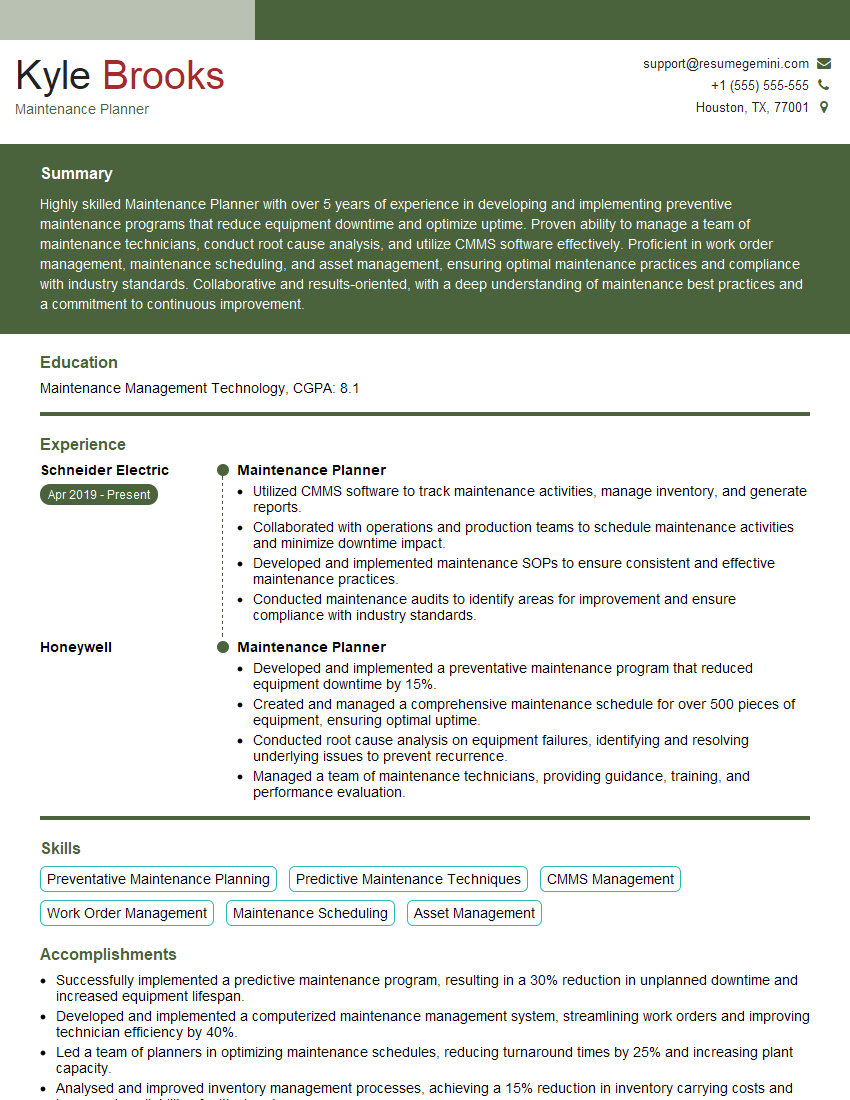
Maintenance Planner Resume Sample
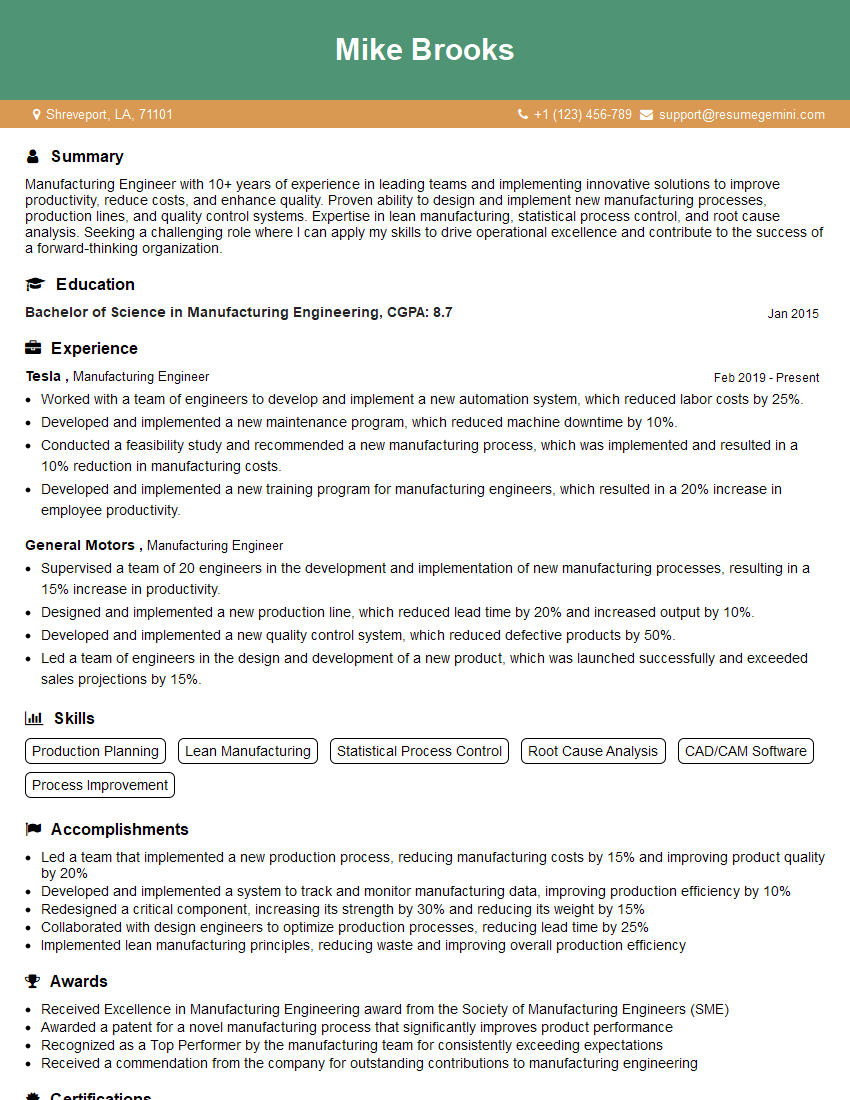
Manufacturing Engineer Resume Sample
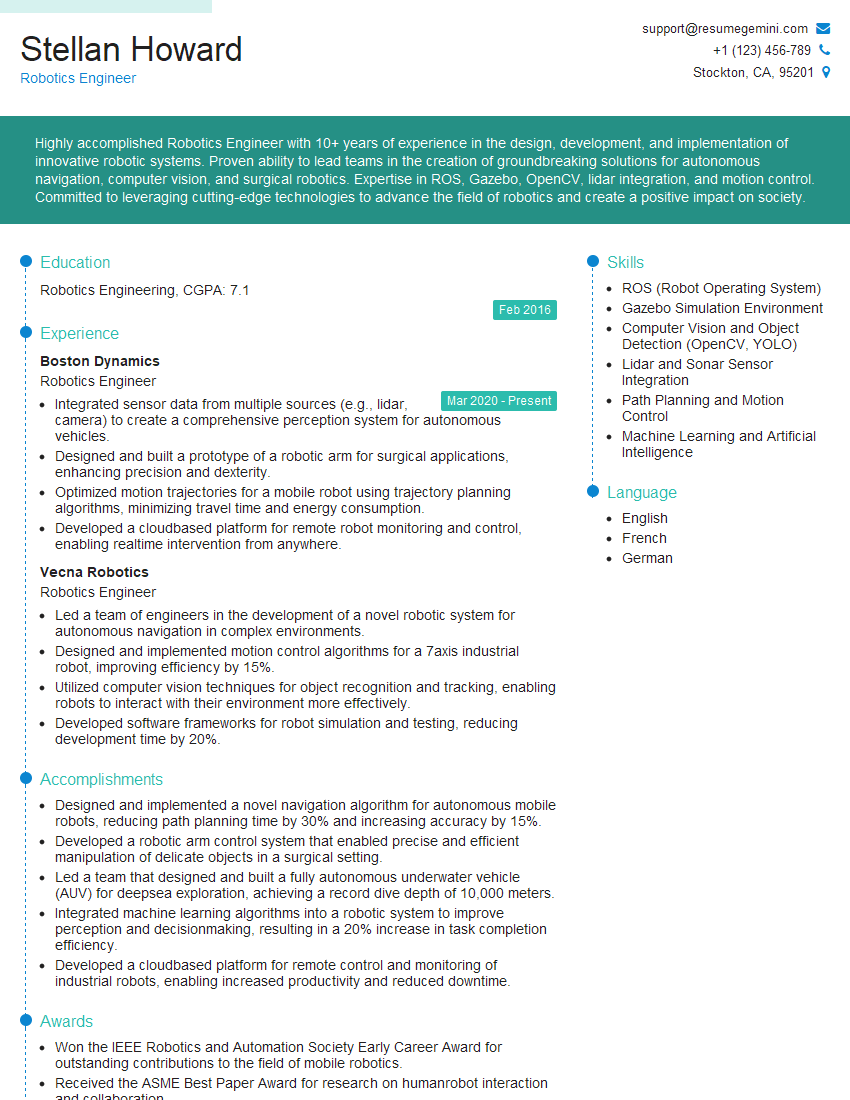
Robotics Engineer Resume Sample
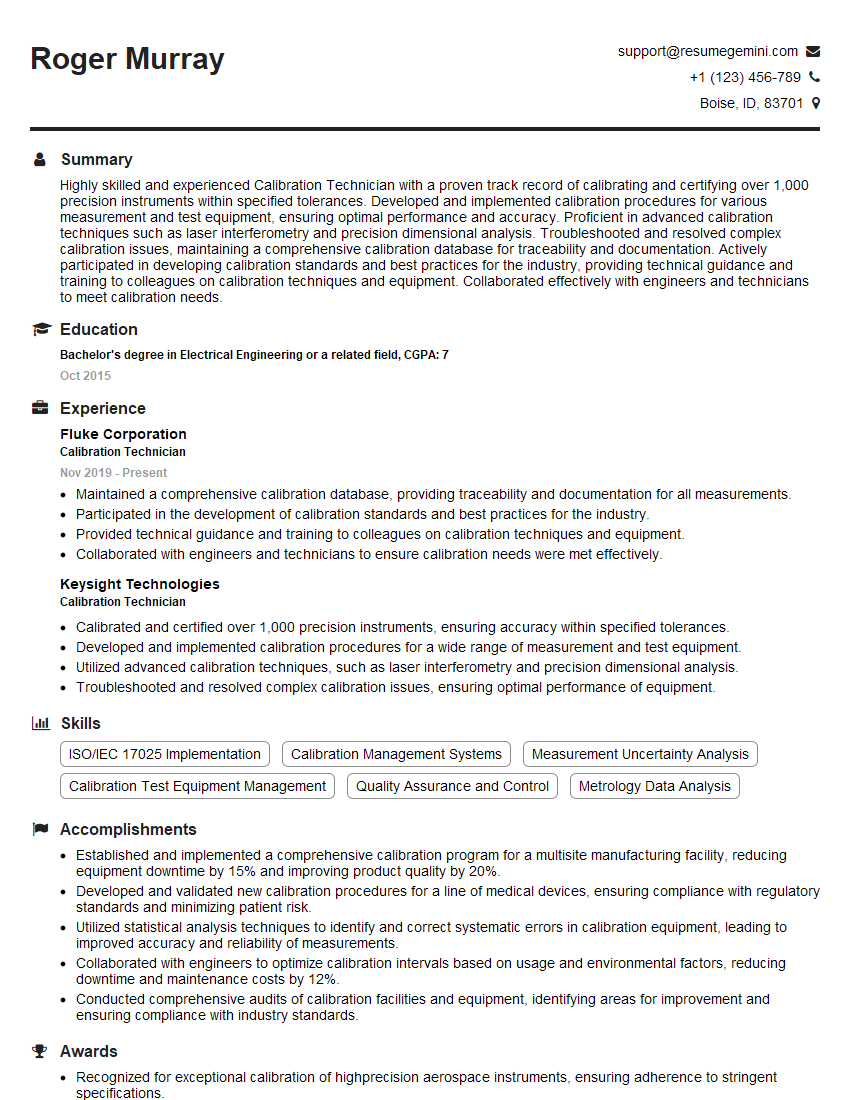
Calibration Technician Resume Sample
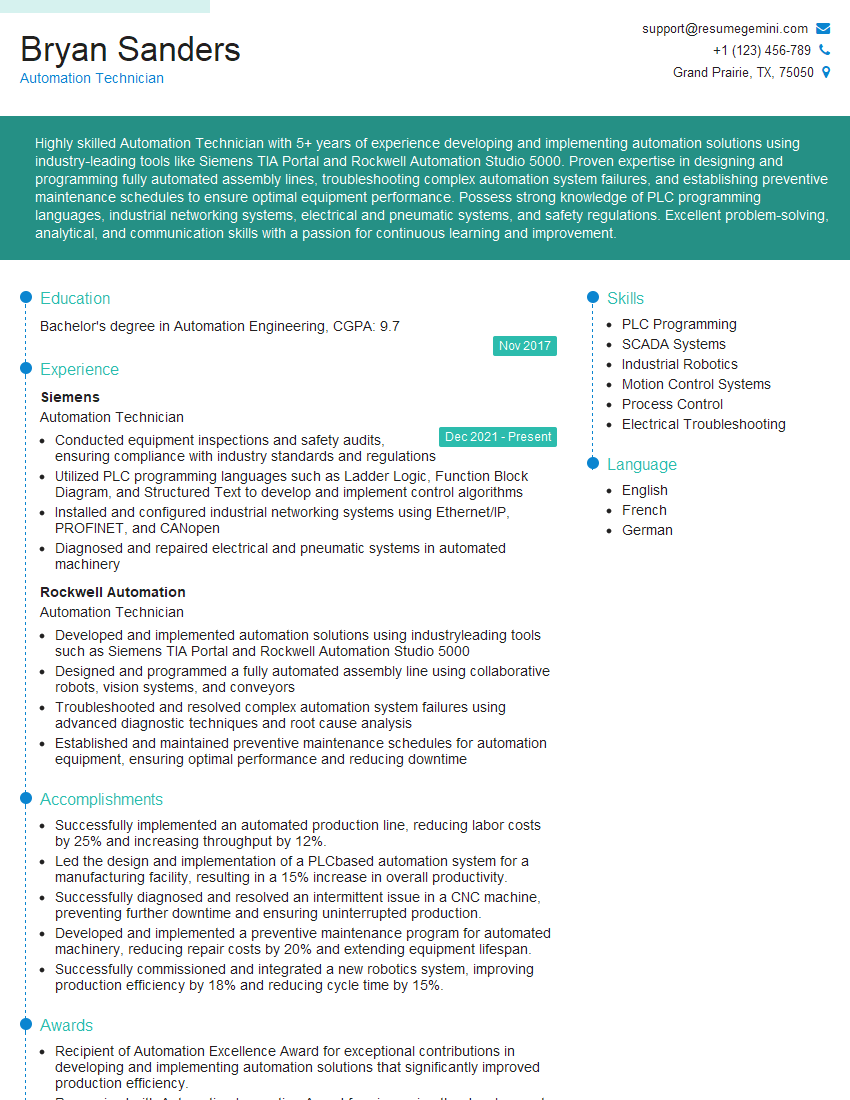
Automation Technician Resume Sample
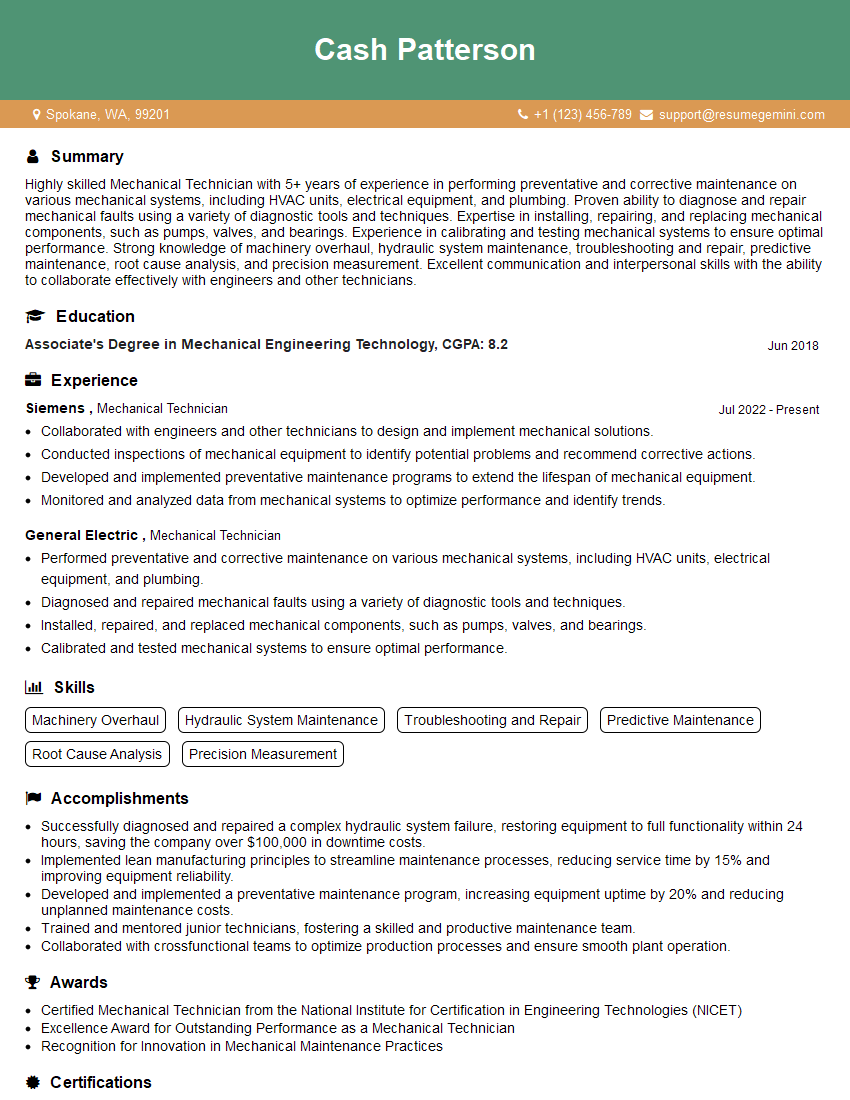
Mechanical Technician Resume Sample
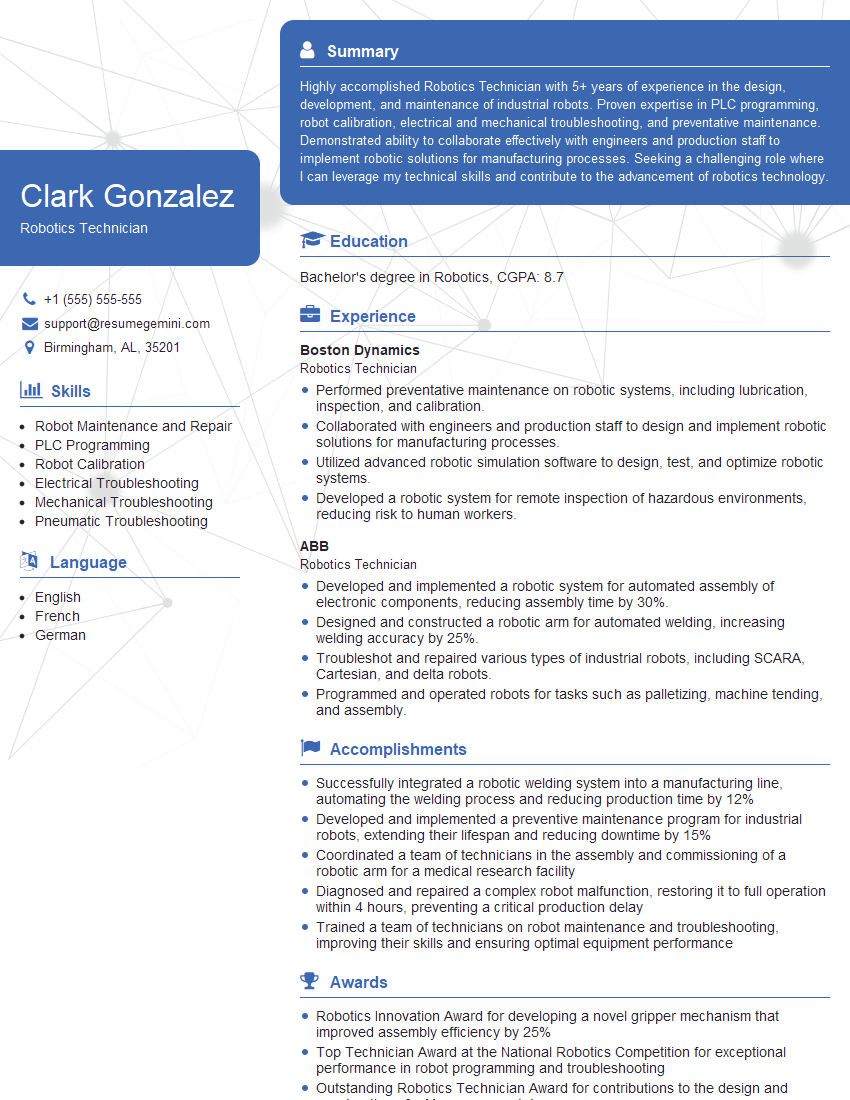
Robotics Technician Resume Sample
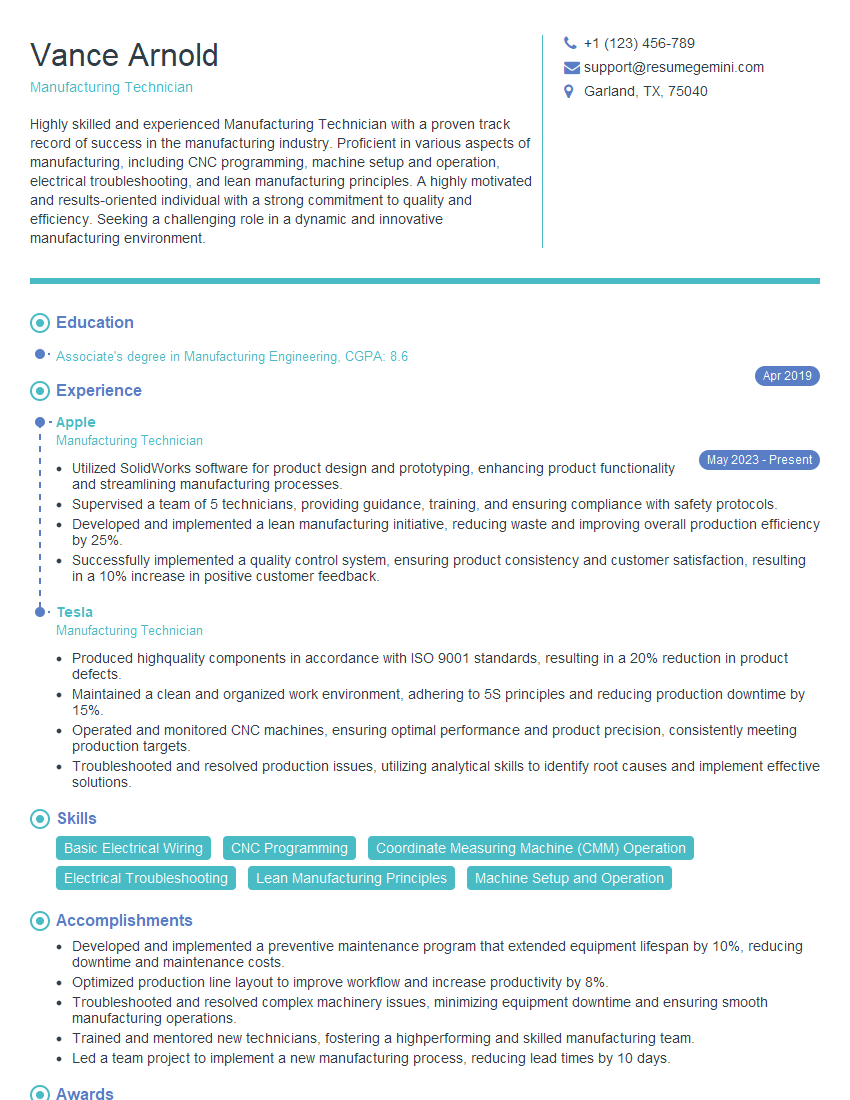
Manufacturing Technician Resume Sample
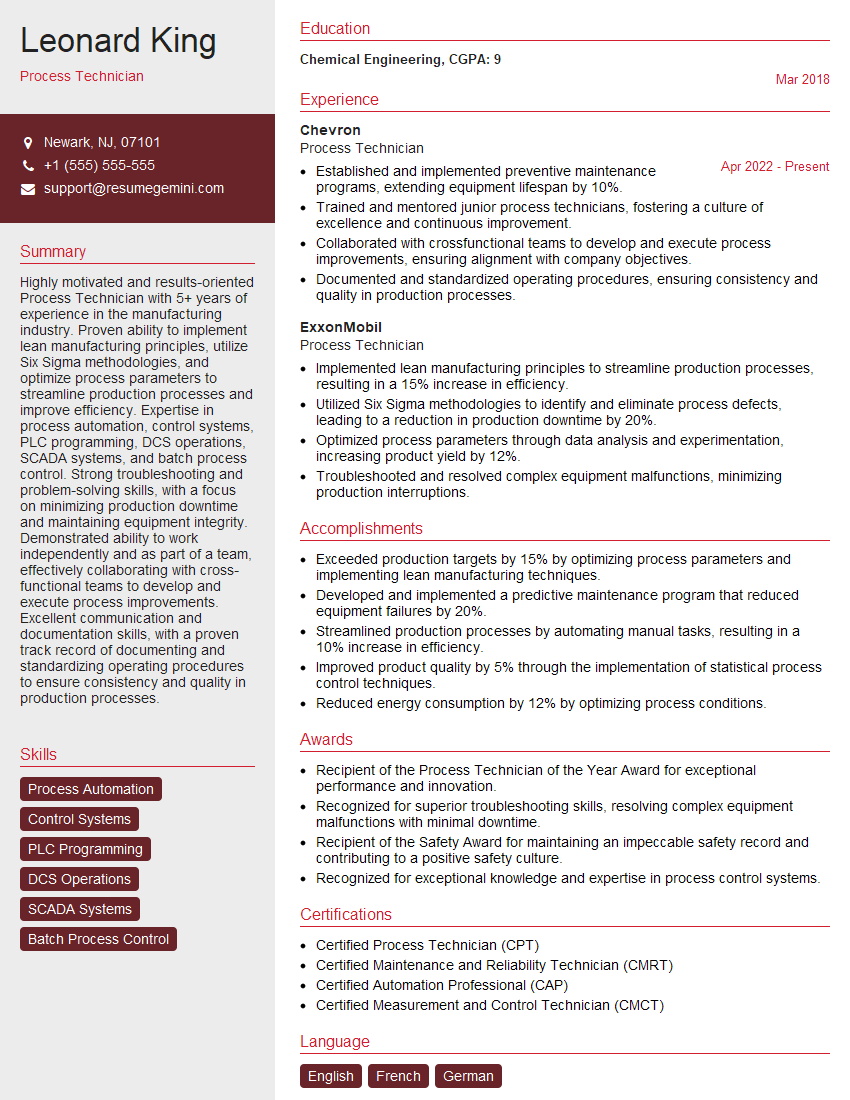
Process Technician Resume Sample
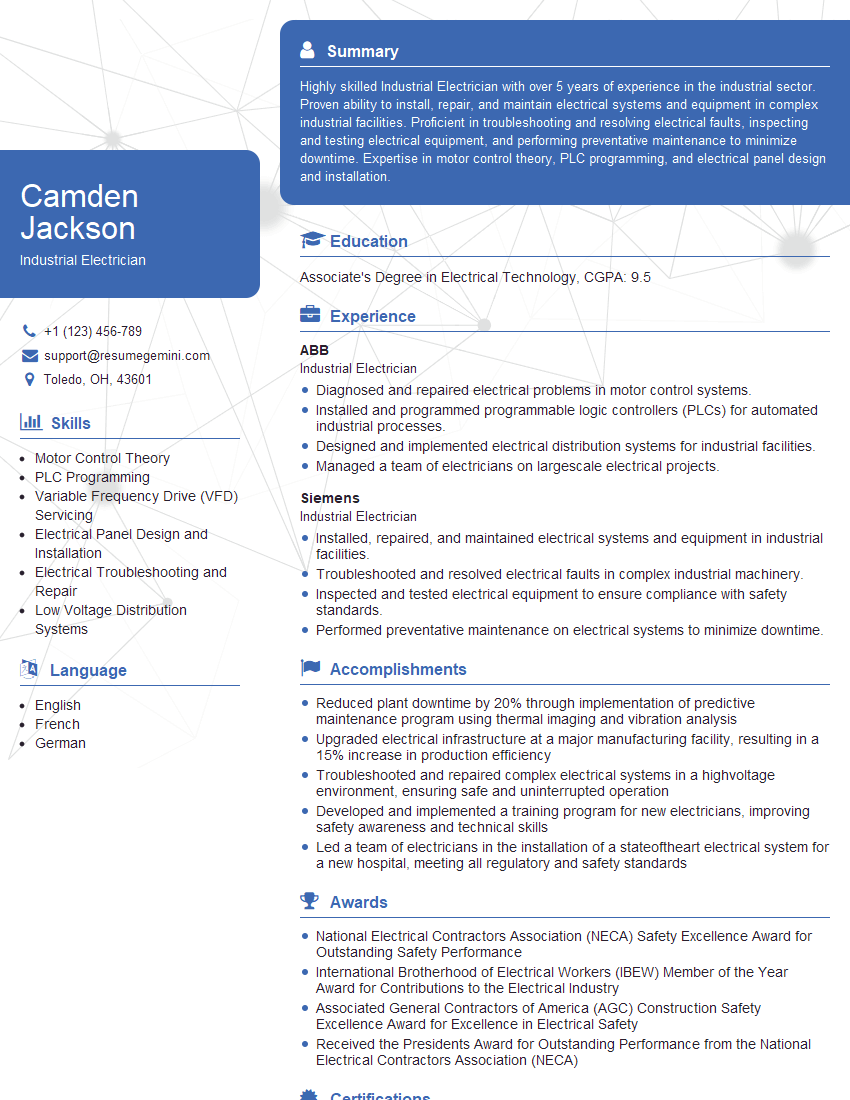
Industrial Electrician Resume Sample
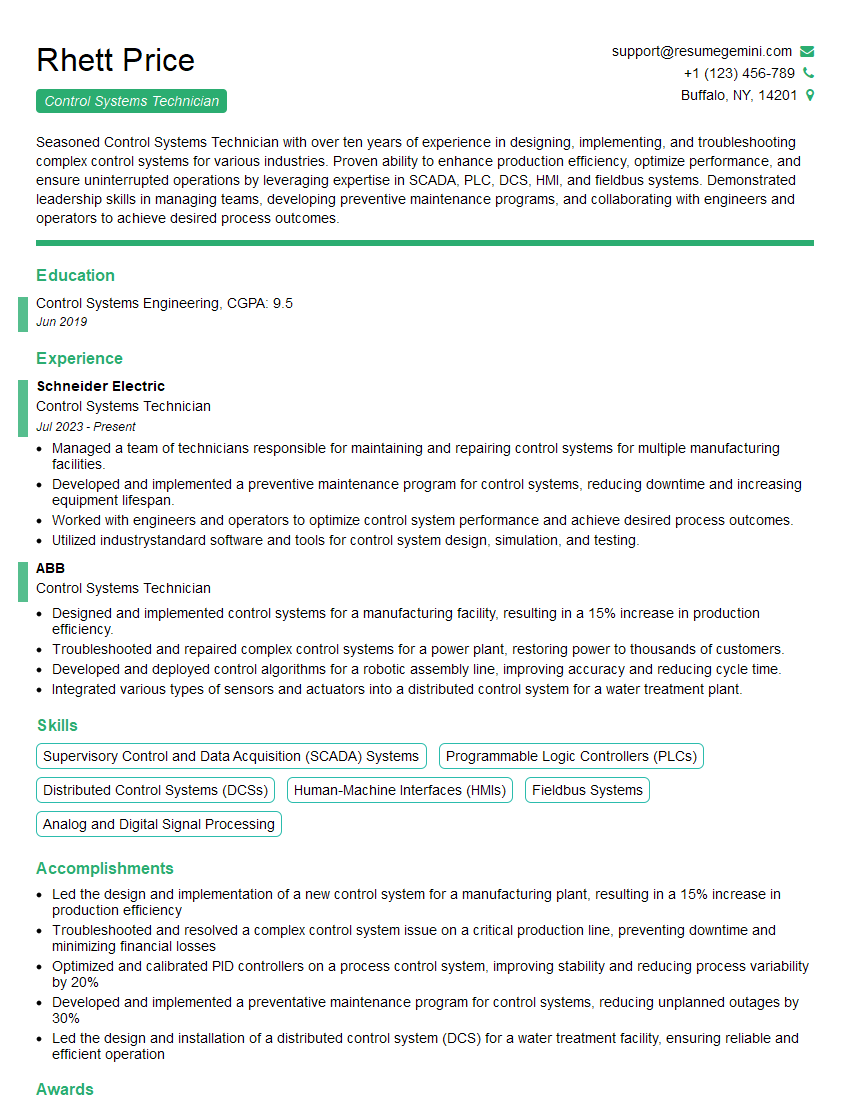
Control Systems Technician Resume Sample
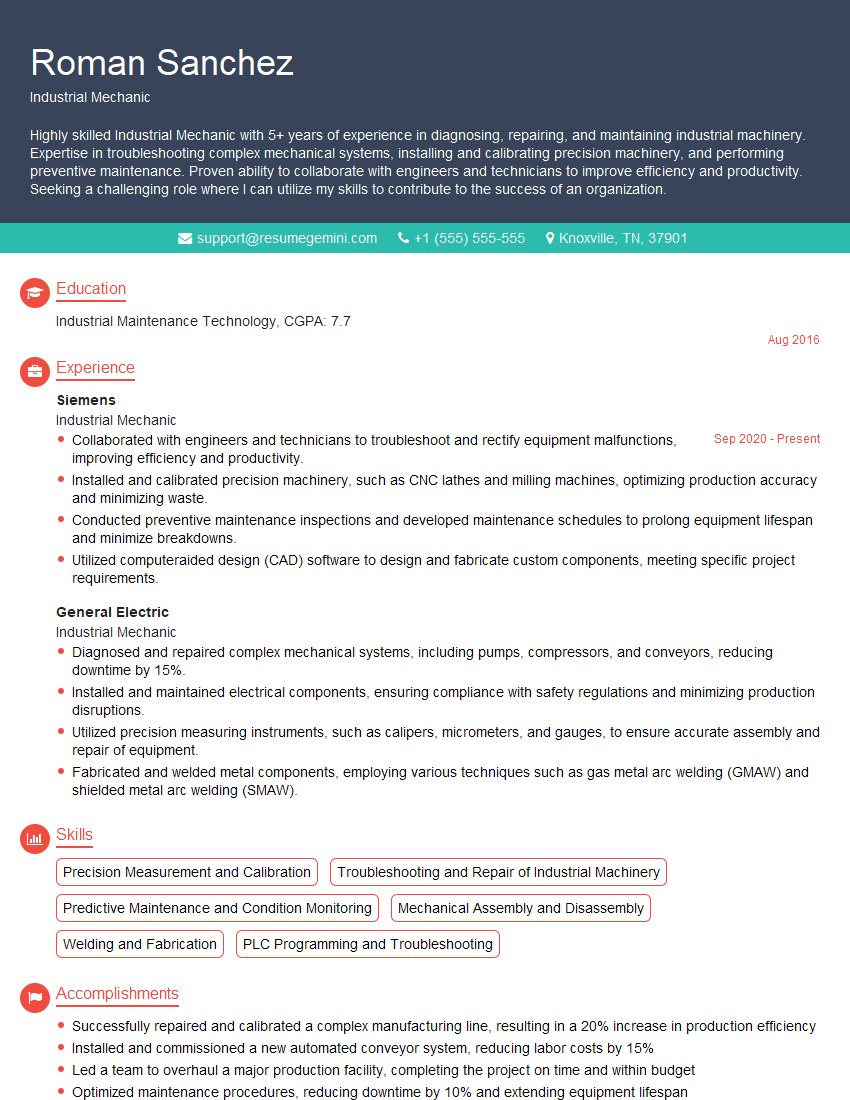
Industrial Mechanic Resume Sample
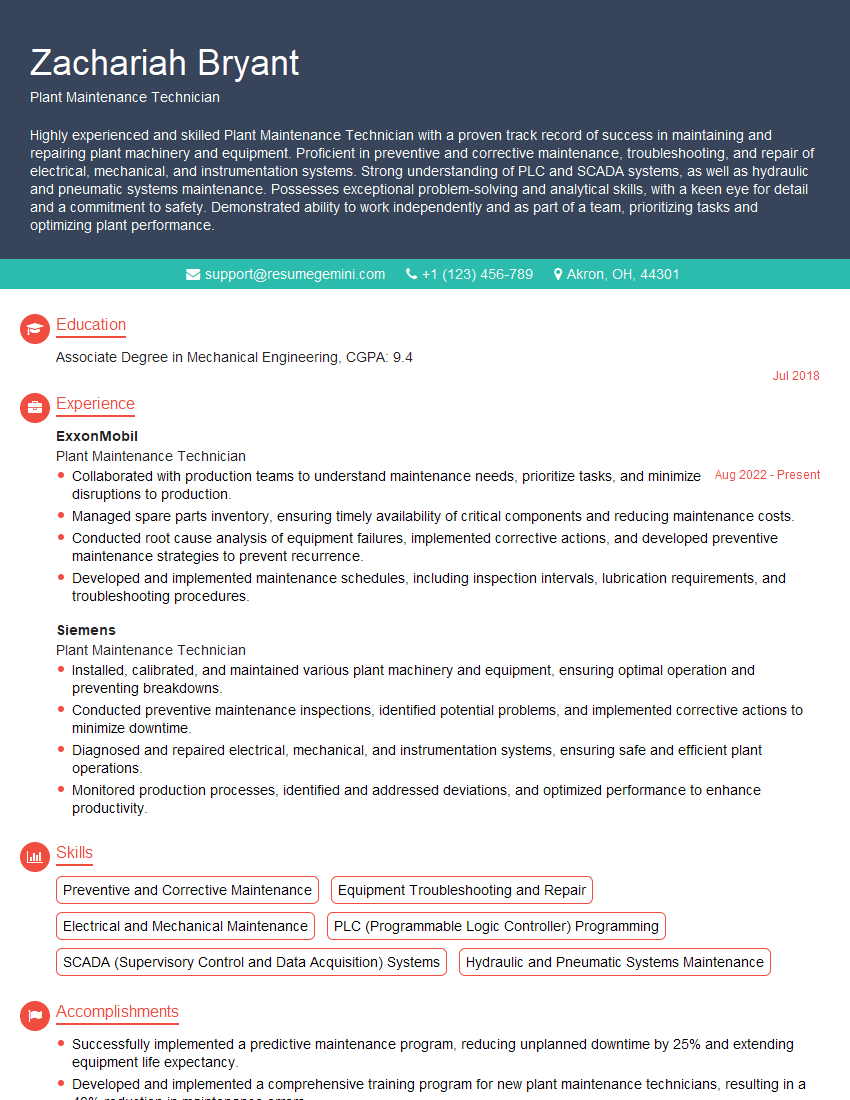
Plant Maintenance Technician Resume Sample
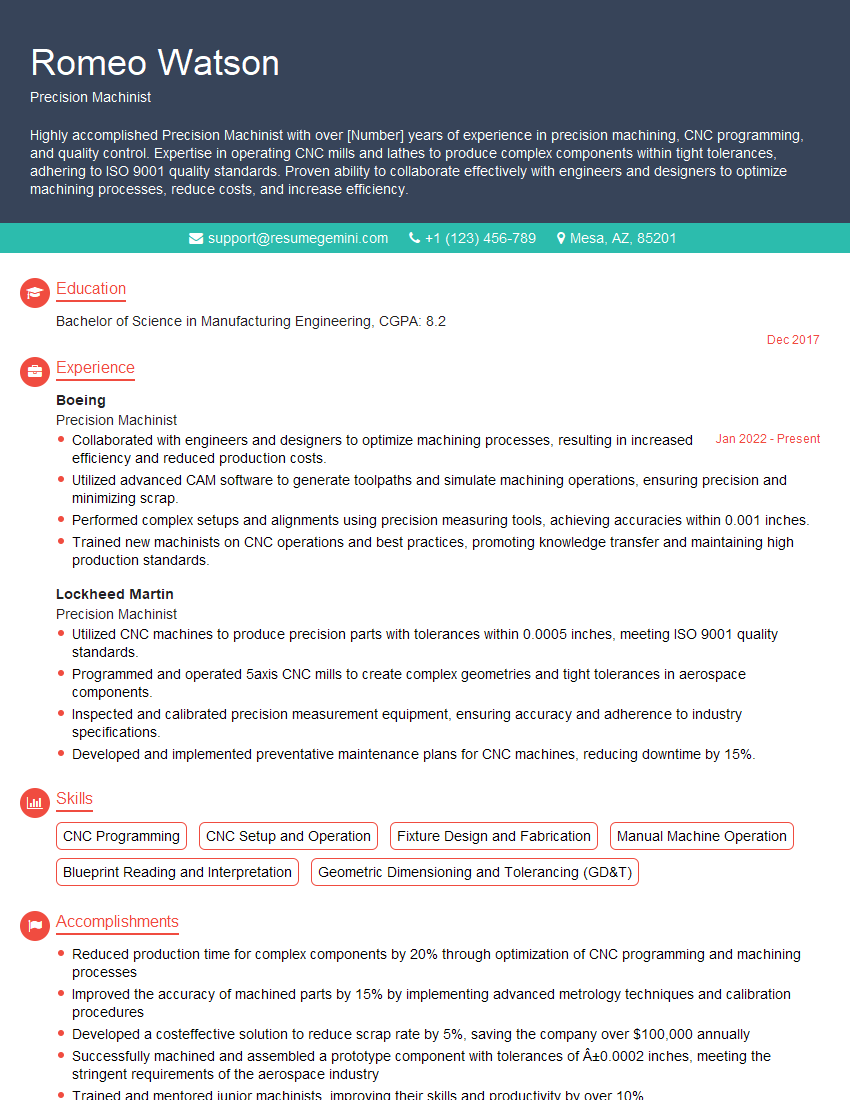
Precision Machinist Resume Sample
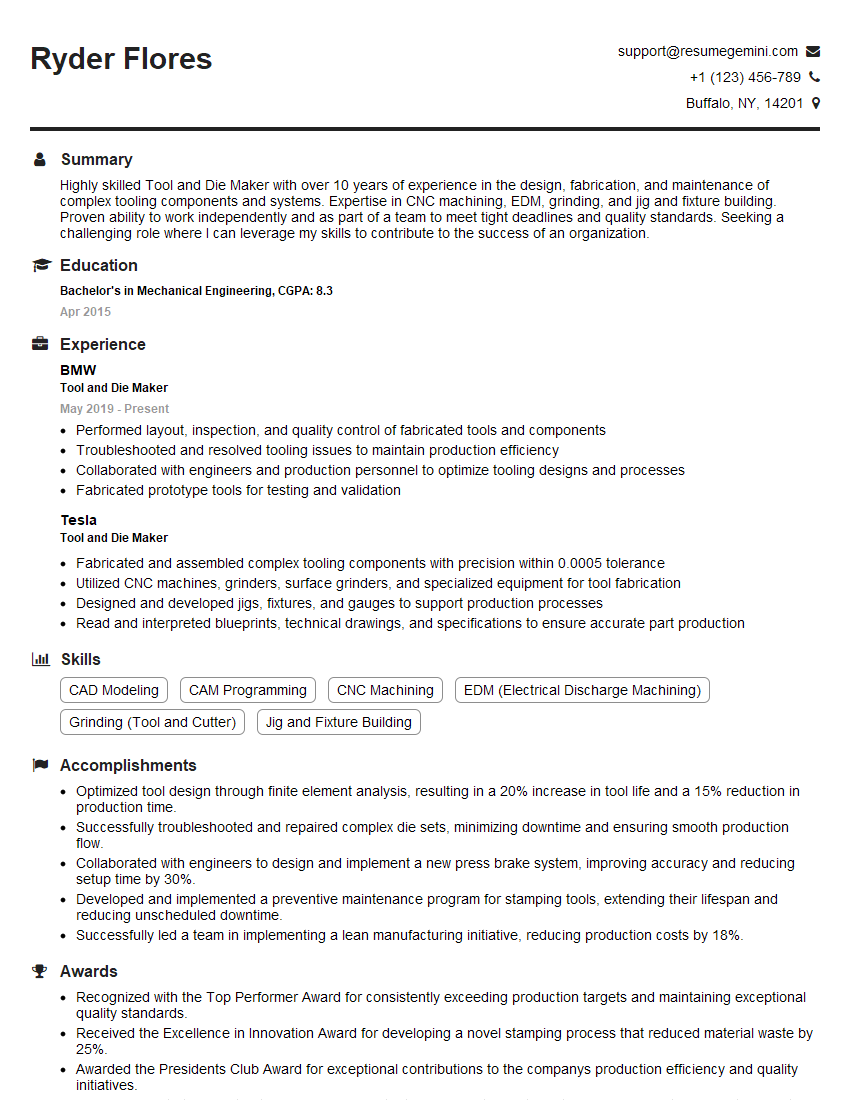
Tool and Die Maker Resume Sample
- Maintenance Planner
- Manufacturing Engineer
- Robotics Engineer
- Calibration Technician
- Automation Technician
- Mechanical Technician
- Robotics Technician
- Manufacturing Technician
- Process Technician
- Industrial Electrician
- Control Systems Technician
- Industrial Mechanic
- Plant Maintenance Technician
- Precision Machinist
- Tool and Die Maker
Explore more articles
Users Rating of Our Blogs
Share Your Experience
We value your feedback! Please rate our content and share your thoughts (optional).
What Readers Say About Our Blog
Attention music lovers!
Wow, All the best Sax Summer music !!!
Spotify: https://open.spotify.com/artist/6ShcdIT7rPVVaFEpgZQbUk
Apple Music: https://music.apple.com/fr/artist/jimmy-sax-black/1530501936
YouTube: https://music.youtube.com/browse/VLOLAK5uy_noClmC7abM6YpZsnySxRqt3LoalPf88No
Other Platforms and Free Downloads : https://fanlink.tv/jimmysaxblack
on google : https://www.google.com/search?q=22+AND+22+AND+22
on ChatGPT : https://chat.openai.com?q=who20jlJimmy20Black20Sax20Producer
Get back into the groove with Jimmy sax Black
Best regards,
Jimmy sax Black
www.jimmysaxblack.com
Hi I am a troller at The aquatic interview center and I suddenly went so fast in Roblox and it was gone when I reset.
Hi,
Business owners spend hours every week worrying about their website—or avoiding it because it feels overwhelming.
We’d like to take that off your plate:
$69/month. Everything handled.
Our team will:
Design a custom website—or completely overhaul your current one
Take care of hosting as an option
Handle edits and improvements—up to 60 minutes of work included every month
No setup fees, no annual commitments. Just a site that makes a strong first impression.
Find out if it’s right for you:
https://websolutionsgenius.com/awardwinningwebsites
Hello,
we currently offer a complimentary backlink and URL indexing test for search engine optimization professionals.
You can get complimentary indexing credits to test how link discovery works in practice.
No credit card is required and there is no recurring fee.
You can find details here:
https://wikipedia-backlinks.com/indexing/
Regards
NICE RESPONSE TO Q & A
hi
The aim of this message is regarding an unclaimed deposit of a deceased nationale that bears the same name as you. You are not relate to him as there are millions of people answering the names across around the world. But i will use my position to influence the release of the deposit to you for our mutual benefit.
Respond for full details and how to claim the deposit. This is 100% risk free. Send hello to my email id: lukachachibaialuka@gmail.com
Luka Chachibaialuka
Hey interviewgemini.com, just wanted to follow up on my last email.
We just launched Call the Monster, an parenting app that lets you summon friendly ‘monsters’ kids actually listen to.
We’re also running a giveaway for everyone who downloads the app. Since it’s brand new, there aren’t many users yet, which means you’ve got a much better chance of winning some great prizes.
You can check it out here: https://bit.ly/callamonsterapp
Or follow us on Instagram: https://www.instagram.com/callamonsterapp
Thanks,
Ryan
CEO – Call the Monster App
Hey interviewgemini.com, I saw your website and love your approach.
I just want this to look like spam email, but want to share something important to you. We just launched Call the Monster, a parenting app that lets you summon friendly ‘monsters’ kids actually listen to.
Parents are loving it for calming chaos before bedtime. Thought you might want to try it: https://bit.ly/callamonsterapp or just follow our fun monster lore on Instagram: https://www.instagram.com/callamonsterapp
Thanks,
Ryan
CEO – Call A Monster APP
To the interviewgemini.com Owner.
Dear interviewgemini.com Webmaster!
Hi interviewgemini.com Webmaster!
Dear interviewgemini.com Webmaster!
excellent
Hello,
We found issues with your domain’s email setup that may be sending your messages to spam or blocking them completely. InboxShield Mini shows you how to fix it in minutes — no tech skills required.
Scan your domain now for details: https://inboxshield-mini.com/
— Adam @ InboxShield Mini
support@inboxshield-mini.com
Reply STOP to unsubscribe
Hi, are you owner of interviewgemini.com? What if I told you I could help you find extra time in your schedule, reconnect with leads you didn’t even realize you missed, and bring in more “I want to work with you” conversations, without increasing your ad spend or hiring a full-time employee?
All with a flexible, budget-friendly service that could easily pay for itself. Sounds good?
Would it be nice to jump on a quick 10-minute call so I can show you exactly how we make this work?
Best,
Hapei
Marketing Director
Hey, I know you’re the owner of interviewgemini.com. I’ll be quick.
Fundraising for your business is tough and time-consuming. We make it easier by guaranteeing two private investor meetings each month, for six months. No demos, no pitch events – just direct introductions to active investors matched to your startup.
If youR17;re raising, this could help you build real momentum. Want me to send more info?
Hi, I represent an SEO company that specialises in getting you AI citations and higher rankings on Google. I’d like to offer you a 100% free SEO audit for your website. Would you be interested?
Hi, I represent an SEO company that specialises in getting you AI citations and higher rankings on Google. I’d like to offer you a 100% free SEO audit for your website. Would you be interested?