The thought of an interview can be nerve-wracking, but the right preparation can make all the difference. Explore this comprehensive guide to Potato Harvesting Safety Procedures interview questions and gain the confidence you need to showcase your abilities and secure the role.
Questions Asked in Potato Harvesting Safety Procedures Interview
Q 1. Describe the hierarchy of controls for managing risks associated with potato harvesting.
Managing risks in potato harvesting follows a hierarchy of controls, prioritizing the most effective methods first. Think of it like a pyramid, with the most impactful strategies at the base.
- Elimination: This is the ideal solution – removing the hazard entirely. For example, if a specific piece of equipment consistently causes injuries, replacing it with a safer alternative eliminates the risk.
- Substitution: Replacing a hazardous substance or process with a safer one. For instance, using a less aggressive cleaning agent to reduce chemical exposure.
- Engineering Controls: These are physical changes to the workplace to reduce hazards. Examples include guarding moving parts on machinery, installing emergency stop buttons within easy reach, or using improved lighting to enhance visibility.
- Administrative Controls: These involve changes to work practices, training, and procedures. This includes implementing strict lockout/tagout procedures before maintenance, providing thorough safety training to all workers, and establishing clear communication protocols.
- Personal Protective Equipment (PPE): This is the last line of defense, used to protect workers when other controls aren’t sufficient. Examples include safety glasses, gloves, hearing protection, and high-visibility clothing. Remember, PPE should only be used as a supplementary measure, not a primary control.
Effective risk management requires a layered approach, combining these controls for maximum safety. For instance, a harvester might have engineering controls (guards on moving parts), administrative controls (regular inspections), and PPE (safety glasses and hearing protection) working together.
Q 2. What are the common hazards associated with operating potato harvesting machinery?
Potato harvesting machinery presents numerous hazards. It’s crucial to understand these risks to mitigate them effectively.
- Entanglement: Moving parts like rotating shafts, chains, and belts can cause serious injuries if clothing or limbs become entangled.
- Crushing: Heavy machinery can crush workers if they are caught between moving parts or if the machine malfunctions.
- Cutting: Sharp blades and other cutting mechanisms can cause severe lacerations.
- Impact Injuries: Objects thrown from the harvester, like rocks or clods of soil, can cause injuries.
- Noise-Induced Hearing Loss: Harvesters are notoriously loud, leading to potential hearing damage without proper protection.
- Vibration Injuries: Prolonged exposure to vibrations from machinery can lead to hand-arm vibration syndrome (HAVS).
- Slip, Trip, and Fall Hazards: Uneven terrain, mud, and spilled potatoes can create hazardous conditions.
- Exposure to hazardous substances: Contact with fertilizers, pesticides, or cleaning agents can lead to skin irritation or other health problems.
Regular maintenance, proper training, and strict adherence to safety procedures are vital in minimizing these hazards.
Q 3. Explain the procedures for pre-harvest inspection of potato harvesting equipment.
Pre-harvest inspection is crucial for preventing accidents. Think of it as a preventative health check for your equipment. A thorough inspection should cover:
- Visual Inspection: Check for any visible damage to the machine, including dents, cracks, or loose parts. Pay close attention to moving parts, guarding, and safety devices.
- Functional Testing: Test all safety features, such as emergency stops, interlocks, and warning lights. Ensure all moving parts function smoothly and correctly.
- Fluid Levels: Check the levels of oil, hydraulic fluid, and coolant, ensuring they are within the manufacturer’s specifications. Low levels can cause equipment failure.
- Wear and Tear: Examine belts, chains, and other components for signs of wear and tear. Replace any worn-out parts immediately.
- Sharp Objects: Check for any sharp objects, like loose bolts or broken parts, that could injure workers.
- Documentation: Keep detailed records of inspections, noting any repairs or replacements made. This helps track maintenance and identify potential recurring issues.
A pre-harvest checklist should be used to ensure consistency and thoroughness. Don’t rush this step; a quick inspection can cost dearly.
Q 4. How do you ensure the safe transportation of harvested potatoes?
Safe transportation of harvested potatoes requires careful planning and execution. Safety should be paramount throughout the entire process.
- Appropriate Vehicles: Use vehicles specifically designed for transporting potatoes, ensuring they are in good working order with properly functioning brakes and lights.
- Secure Loading: Potatoes should be loaded evenly and securely to prevent shifting during transport. Avoid overloading the vehicle.
- Proper Restraints: Use appropriate restraints, such as tarps or nets, to secure the load and prevent it from spilling or shifting.
- Vehicle Maintenance: Ensure that the transport vehicle is regularly maintained and inspected to prevent mechanical failures.
- Driver Training: Drivers should be trained in safe driving practices, including proper load handling, defensive driving techniques, and knowledge of local traffic regulations.
- Speed Limits: Adhere to posted speed limits and drive cautiously, particularly on uneven terrain.
- Communication: Clear communication between the driver and other parties involved in the transport process is essential.
A poorly secured load can lead to accidents, delays, and potential product damage. It’s worth taking the extra time to ensure everything is secure.
Q 5. What are the emergency procedures in case of a machinery malfunction during potato harvesting?
Emergency procedures are crucial for mitigating harm during machinery malfunctions. Having a clear plan in place is essential.
- Emergency Stop: Immediately engage the emergency stop button on the machinery.
- Evacuation: Clear the area around the malfunctioning equipment. Warn others nearby about the hazard.
- Isolate the Power: If possible, isolate the power source to the machine to prevent further accidents.
- First Aid: Administer first aid to anyone injured, and call for emergency medical services if necessary.
- Reporting: Document the incident thoroughly, including the date, time, location, cause of the malfunction, and any injuries sustained. This is crucial for analysis and preventing future occurrences.
- Repair/Maintenance: Do not attempt to repair the machine until it has been properly shut down and deemed safe to approach. Contact qualified technicians for repairs.
Regular training drills focusing on these steps can save lives in emergency situations. It’s far better to be overprepared than underprepared.
Q 6. Outline the personal protective equipment (PPE) required for potato harvesting.
Personal Protective Equipment (PPE) is crucial in mitigating the risks associated with potato harvesting. It’s the last line of defense, but crucial nonetheless.
- Safety Glasses or Goggles: To protect the eyes from flying debris and dust.
- Hearing Protection: Earplugs or earmuffs to protect against noise-induced hearing loss.
- Gloves: To protect hands from cuts, abrasions, and chemical exposure. Choose gloves appropriate for the task.
- High-Visibility Clothing: To ensure visibility in low-light conditions or when working near machinery.
- Steel-Toe Boots: To protect feet from heavy objects and crushing injuries.
- Dust Mask or Respirator: To protect against dust and other airborne particles, especially when working with pesticides.
- Cut-Resistant Clothing: In situations where there is a risk of cuts from sharp objects.
PPE should be used correctly and maintained regularly. Damaged or improperly fitting PPE offers little protection.
Q 7. How do you conduct a thorough risk assessment for a potato harvesting operation?
A thorough risk assessment is the cornerstone of a safe potato harvesting operation. It’s a systematic process of identifying hazards and putting controls in place.
- Identify Hazards: This involves a walk-through of the entire harvesting process, identifying all potential hazards, including machinery, environment, and materials. Involve experienced workers in this step.
- Assess the Risks: Evaluate the likelihood and severity of each hazard. Consider factors like the number of workers exposed, the potential for injury, and the consequences of an accident.
- Determine Control Measures: Develop a hierarchy of controls (as described in question 1) to mitigate each risk. Prioritize the most effective solutions.
- Implement Controls: Put the control measures into place. This might involve purchasing new equipment, modifying existing equipment, implementing new procedures, or providing additional training.
- Review and Monitor: Regularly review and update the risk assessment to reflect changes in the harvesting process, equipment, or regulations. Monitor the effectiveness of the control measures.
- Documentation: Maintain thorough records of the risk assessment process, including identified hazards, risk levels, control measures, and monitoring results.
A well-executed risk assessment is a dynamic document, not a static one. Regularly updating it is crucial to maintain a safe working environment.
Q 8. What are the relevant regulations and standards concerning potato harvesting safety?
Potato harvesting safety is governed by a complex interplay of national and regional regulations, industry best practices, and farm-specific safety plans. These regulations often fall under broader occupational safety and health (OSH) legislation, focusing on aspects like machinery safety, personal protective equipment (PPE), and hazard communication. Specific standards might address noise levels from machinery, the safe operation of harvesting equipment, and the prevention of musculoskeletal disorders. For example, the Occupational Safety and Health Administration (OSHA) in the US, or similar agencies in other countries, provide overarching guidelines that farms must adapt to their specific context. These standards are crucial because they ensure a minimum level of protection for workers, reducing the risks of injury or death. It’s essential for farms to consult the relevant authorities and regularly review and update their safety plans to remain compliant and ensure worker wellbeing.
Q 9. Explain the importance of regular maintenance and inspections of harvesting equipment.
Regular maintenance and inspections are paramount to preventing accidents and ensuring efficient operation during potato harvesting. Think of it like servicing your car – regular checks prevent major breakdowns. Neglecting maintenance increases the likelihood of mechanical failures, which can lead to injuries or even fatalities. A comprehensive inspection program should include pre-harvest checks of all equipment, including visual inspections for wear and tear, and functional tests of all components. This means examining things like the digging mechanism, the conveyor belts, the sorting systems, and the loading mechanisms for any signs of damage or malfunction. Regular lubrication, tightening of bolts, and replacement of worn parts are also critical. Detailed records should be maintained for each inspection, documenting any issues found and the corrective actions taken. This systematic approach minimizes downtime, enhances productivity, and, most importantly, ensures the safety of the workers operating this machinery.
Q 10. Describe the procedures for handling and disposing of hazardous waste generated during potato harvesting.
Hazardous waste generated during potato harvesting includes things like used engine oil, fuel spills, and pesticide containers. Safe handling and disposal of these materials are crucial to protect human health and the environment. Procedures should adhere to local and national regulations regarding hazardous waste. This typically involves segregating different waste types into appropriately labeled containers, preventing cross-contamination, and using personal protective equipment (PPE) during handling. Used oil should be collected in designated containers and disposed of through a licensed waste disposal facility, never poured onto the ground. Pesticide containers must be triple-rinsed and disposed of in accordance with the pesticide label instructions. Spill kits should be readily available and workers trained in their proper use. Regular monitoring and review of the waste management procedures are crucial to ensure effectiveness and compliance. For example, a farm might use a color-coded system for waste containers to simplify identification and handling.
Q 11. How do you train and educate workers on potato harvesting safety procedures?
Worker training is not simply a box to check; it’s a cornerstone of a safe harvesting operation. Training should be comprehensive, covering all aspects of potato harvesting safety. This includes safe equipment operation, hazard identification, PPE use, emergency procedures, and waste management. It’s beneficial to combine classroom instruction with hands-on training in the field, allowing workers to practice safe procedures in a supervised environment. Regular refresher training ensures that workers maintain their knowledge and competency, especially for seasonal workers. The training should be tailored to the specific tasks and equipment used on the farm, and should be documented thoroughly. Interactive sessions, videos, and practical demonstrations make the training more engaging and effective. For instance, simulating equipment malfunctions and having workers practice emergency shutdowns is an effective way to reinforce safe operating procedures.
Q 12. What are the signs and symptoms of heatstroke and how should it be treated in a field setting?
Heatstroke is a severe medical emergency that can be fatal if not treated promptly. Symptoms include high body temperature (over 103°F), throbbing headache, dizziness, confusion, nausea, and loss of consciousness. In a field setting, immediate action is critical. Move the affected individual to a cool, shaded area and remove excess clothing. Apply cool water or ice packs to the neck, armpits, and groin areas. Give them water or sports drinks to rehydrate if they are conscious and able to swallow. Call emergency services immediately. Early recognition and swift action are crucial in preventing serious complications. Providing readily accessible shade, encouraging frequent water breaks, and educating workers about the signs and symptoms of heatstroke can help prevent such emergencies.
Q 13. What are the appropriate procedures for reporting accidents and near misses during potato harvesting?
A robust accident reporting system is essential for continuous improvement in safety. Procedures should clearly outline how to report accidents and near misses, emphasizing that no incident is too minor to be reported. A designated person or committee should be responsible for investigating each incident, determining the root cause, and implementing corrective actions to prevent similar occurrences. Reports should include detailed information about the incident, including date, time, location, individuals involved, and witnesses. Photographs or video recordings can also be valuable. Regular analysis of accident reports can reveal trends and patterns, highlighting areas where safety procedures need improvement. For instance, a high number of slips and falls might indicate a need for improved flooring or better lighting. The focus should be on learning from mistakes and preventing future accidents, not on assigning blame.
Q 14. Explain how to prevent slips, trips, and falls in a potato harvesting environment.
Slips, trips, and falls are common causes of injury in potato harvesting. Preventive measures are crucial. Maintaining clean and well-lit work areas is a primary step, ensuring that pathways are free of debris, potholes, and uneven surfaces. Providing adequate footing, such as using non-slip mats or gravel on muddy areas, can significantly reduce the risk. PPE, including appropriate footwear with good grip, should be worn at all times. Workers should be trained to maintain good posture and avoid rushing, while also being aware of their surroundings. Regular inspections of work areas should identify and rectify potential hazards before accidents occur. For instance, providing clear signage highlighting potential hazards like uneven terrain or slippery surfaces, can significantly improve worker awareness and contribute to accident prevention.
Q 15. How do you ensure the safe operation of conveyors and other handling systems during potato harvest?
Safe operation of harvesting conveyors and handling systems hinges on meticulous preventative maintenance, thorough operator training, and adherence to strict safety protocols. Think of it like this: a well-oiled machine is less prone to malfunctions.
- Regular Inspections: Daily pre-operational checks are crucial. We examine belts for wear and tear, ensuring proper tension and lubrication. We check for any loose bolts, damaged rollers, or obstructions that could cause jams or injuries. For example, a loose guard could expose a worker’s hand to moving parts.
- Operator Training: Operators receive comprehensive training on safe operating procedures, emergency shut-off mechanisms, and lockout/tagout procedures. We emphasize the importance of never reaching into moving machinery and maintaining a safe distance. We simulate potential hazards during training to build their situational awareness.
- Lockout/Tagout Procedures: Before any maintenance or repair work, the equipment must be completely shut down and locked out using a lockout/tagout system to prevent accidental start-up. This prevents serious injuries from moving parts.
- Emergency Stops: Easily accessible emergency stop buttons must be strategically placed throughout the system, ensuring immediate cessation of operation in case of an emergency. Regular testing of these systems is vital.
- Proper Guarding: All moving parts must be adequately guarded to prevent accidental contact. Regular inspections ensure these guards remain intact and functional. A missing guard is a direct pathway to an accident.
Career Expert Tips:
- Ace those interviews! Prepare effectively by reviewing the Top 50 Most Common Interview Questions on ResumeGemini.
- Navigate your job search with confidence! Explore a wide range of Career Tips on ResumeGemini. Learn about common challenges and recommendations to overcome them.
- Craft the perfect resume! Master the Art of Resume Writing with ResumeGemini’s guide. Showcase your unique qualifications and achievements effectively.
- Don’t miss out on holiday savings! Build your dream resume with ResumeGemini’s ATS optimized templates.
Q 16. How do you manage the risk of exposure to pesticides and other chemicals during harvesting?
Managing pesticide exposure during harvest requires a multi-layered approach prioritizing worker safety. We treat this as seriously as we treat operating heavy machinery.
- Pre-Harvest Planning: We meticulously plan the application of pesticides, ensuring sufficient time elapses between application and harvesting to allow for adequate dissipation. We utilize integrated pest management (IPM) strategies to minimize pesticide use wherever possible.
- Personal Protective Equipment (PPE): Workers must always wear appropriate PPE, including respirators, gloves, coveralls, and eye protection, as dictated by the specific pesticide used and application method. We provide training on proper PPE selection and use, ensuring workers understand the importance of each piece of equipment.
- Decontamination Procedures: We establish designated decontamination areas with ample handwashing facilities, showers, and disposal bins for contaminated clothing and materials. After exposure to chemicals, workers are required to follow these procedures thoroughly.
- Training and Awareness: Comprehensive training programs educate workers on pesticide safety, including hazard identification, safe handling procedures, and emergency response protocols. We regularly refresh this training, emphasizing practical application.
- Record Keeping: Meticulous record-keeping of pesticide applications, including dates, types of pesticides, and application rates, is crucial for traceability and compliance with regulations. This record is also vital for tracing potential health issues back to their source.
Q 17. What is your approach to ensuring the safe storage of harvested potatoes?
Safe potato storage is essential to maintain quality and prevent spoilage. Think of it like preserving a precious resource. Improper storage can lead to significant losses and even safety hazards.
- Proper Ventilation: Adequate ventilation is crucial to prevent the build-up of moisture and carbon dioxide, which can lead to rot and the release of dangerous gases. We carefully manage air flow to keep the potatoes cool and dry.
- Temperature Control: Maintaining the optimal storage temperature is vital for preserving potato quality and preventing sprouting. We utilize temperature monitoring systems to ensure conditions are consistently met.
- Cleanliness and Sanitation: Clean and pest-free storage facilities are paramount. Regular cleaning and disinfection routines are implemented to prevent contamination and disease spread. A clean storage area ensures no unwanted pests or pathogens can affect the potatoes.
- Proper Stacking and Piling: Correct stacking techniques ensure efficient air circulation and prevent damage to the potatoes. We avoid overloading storage areas to ensure adequate airflow.
- Structural Integrity: Storage facilities must be structurally sound and properly secured to prevent collapse or damage due to weather or other factors. Regular inspections ensure stability and prevent hazards to the workers and the potatoes.
Q 18. Describe the process for handling injured workers during potato harvesting.
Handling injured workers during potato harvest demands a prompt and efficient response. We prioritize their well-being and safety above all else. Every second counts in these situations.
- First Aid and Emergency Response: We have trained first-aid personnel on-site and a well-defined emergency response plan that ensures immediate access to medical aid. We maintain readily accessible first-aid kits throughout the harvesting area.
- Communication: Immediate communication to emergency services (911 or local equivalent) is critical. Clear communication to management and supervisors ensures a coordinated rescue and treatment plan.
- Workplace Safety Investigation: After the immediate response, a thorough investigation is conducted to determine the root cause of the incident, preventing similar occurrences in the future. We thoroughly document all aspects of the incident.
- Workers’ Compensation: We ensure compliance with all workers’ compensation regulations, providing necessary documentation and support to injured workers. We assist workers with their claims and ensure they receive appropriate medical care.
- Return to Work Program: A structured return-to-work program assists injured workers in their recovery and gradual reintegration into the workforce, ensuring their safety and well-being are paramount throughout the entire process.
Q 19. How do you conduct a post-harvest safety review?
A post-harvest safety review is a crucial step to identify areas for improvement and prevent future incidents. We approach this systematically to gain valuable insights.
- Data Collection: We gather data from various sources, including incident reports, near-miss reports, safety inspections, and worker feedback. We also review productivity reports, to see if there were any correlations between increased pressures and accidents.
- Team Review: A multidisciplinary team, including supervisors, safety officers, and workers, analyzes the collected data to identify trends, patterns, and root causes of any incidents or near misses. This helps us to develop solutions that are both effective and practical.
- Corrective Actions: Based on the review, specific corrective actions are developed and implemented to address identified safety concerns. This involves preventative measures, training revisions, equipment upgrades, or policy changes.
- Follow-up: We conduct follow-up inspections and reviews to evaluate the effectiveness of the implemented corrective actions and make any necessary adjustments. Continuous monitoring ensures effectiveness.
- Documentation: A detailed report is generated documenting the findings of the review, corrective actions, and follow-up results. This ensures accountability and continuous improvement. This is a valuable resource for future harvest operations.
Q 20. Explain the importance of effective communication in maintaining a safe work environment during potato harvesting.
Effective communication is the backbone of a safe work environment. Open and honest communication fosters trust and accountability, creating a safer working environment where workers feel empowered to speak up. Imagine a team where everyone understands the same rules and expectations.
- Pre-Harvest Meetings: Regular safety meetings before the start of the harvest season are critical to communicate safety protocols, procedures, and any changes to the work environment. We clearly define roles and responsibilities.
- Toolbox Talks: Short, regular toolbox talks address specific safety concerns, reinforce best practices, and provide opportunities for workers to voice concerns or ask questions. This promotes active communication and prevents misunderstandings.
- Open Communication Channels: Multiple communication channels, including formal reporting systems and informal feedback mechanisms, allow workers to easily report hazards or near misses without fear of reprisal. Workers can anonymously report unsafe practices.
- Multilingual Communication: In diverse workforces, clear communication in multiple languages is essential to ensure all workers understand safety instructions and procedures. We ensure all safety materials are available in the appropriate languages.
- Emergency Communication Plans: Clear emergency communication plans, including designated contact persons, emergency procedures, and communication channels, are essential to ensure a rapid and effective response in case of an incident. Everyone understands their role in an emergency.
Q 21. What are the key elements of a successful safety program for potato harvesting?
A successful potato harvesting safety program integrates several key elements, forming a robust system that prioritizes worker well-being. A proactive approach ensures minimal safety risks.
- Leadership Commitment: Strong leadership commitment to safety is paramount. Leaders must actively champion safety initiatives and hold themselves and others accountable. It begins at the top, and workers need to feel supported by management.
- Risk Assessment: Thorough risk assessments identify potential hazards associated with potato harvesting and establish control measures to mitigate those risks. We assess every aspect of the operation.
- Training and Education: Comprehensive safety training programs educate workers on safe operating procedures, hazard recognition, and emergency response. Regular refresher training ensures awareness remains current.
- Personal Protective Equipment (PPE): Providing and enforcing the use of appropriate PPE is critical to protecting workers from various hazards. We ensure the PPE is properly fitted and maintained.
- Emergency Response Plan: A well-defined emergency response plan outlines procedures for handling various incidents, ensuring a rapid and effective response. Regular drills ensure preparedness for unexpected situations.
- Monitoring and Evaluation: Continuous monitoring of safety performance, including incident reporting and investigation, is vital to identifying areas for improvement. Regularly reviewing the program’s effectiveness is essential.
Q 22. How do you integrate safety into daily operational planning for potato harvesting?
Integrating safety into daily operational planning for potato harvesting is paramount. It’s not just a checklist; it’s a mindset woven into every stage, from pre-harvest field preparation to post-harvest storage. We begin by conducting thorough pre-operation risk assessments, identifying potential hazards such as uneven terrain, hidden obstacles, and machinery malfunctions. This assessment informs our daily plan, dictating things like machinery maintenance schedules, worker assignments based on skill and experience, and the implementation of specific control measures.
For example, if we anticipate heavy rain, we’ll postpone harvesting until conditions improve to prevent slips, falls, and equipment damage. We’ll also adjust our plan to include extra time for cleaning and maintaining machinery, to counter the increased risk of mud and debris clogging equipment. We always ensure clear communication channels are in place so that any safety concerns are immediately addressed. This proactive approach minimizes risks and ensures a safe working environment for everyone.
Q 23. Describe your experience with lockout/tagout procedures on potato harvesting machinery.
Lockout/Tagout (LOTO) procedures are critical for preventing accidental starts during maintenance or repairs on potato harvesting machinery. My experience involves a rigorous, multi-step process. First, we isolate the power source, be it electrical, hydraulic, or pneumatic. This is followed by the application of a lock and tag clearly identifying the person performing the maintenance and the reason for the lockout. Before any work commences, a visual inspection is carried out to confirm that all energy sources are indeed isolated. Thorough documentation of the entire process, including dates, times, and personnel involved, is mandatory.
I’ve seen firsthand how failure to follow LOTO procedures can lead to serious injury. In one instance, a failure to properly lock out a harvester resulted in unexpected startup, causing severe injury to a mechanic. Since then, we’ve implemented even stricter protocols, including regular LOTO training and drills to reinforce best practices and eliminate complacency.
Q 24. What are the challenges in maintaining safety standards during periods of inclement weather?
Maintaining safety standards during inclement weather presents significant challenges. Reduced visibility, slippery surfaces, and potential for electrical hazards increase risks dramatically. We mitigate these challenges by implementing a robust weather monitoring system and suspending operations when conditions become too dangerous. This isn’t always easy, as harvest windows are often short and weather conditions can change rapidly.
Specific measures include providing high-visibility clothing, using anti-slip footwear, and ensuring proper lighting for nighttime operations in poor visibility. We also limit the speed of machinery and instruct workers to avoid unnecessary risks, emphasizing situational awareness. Furthermore, we always have a well-defined emergency response plan in place for incidents arising from inclement weather.
Q 25. How do you address worker fatigue and its impact on safety during a long harvest season?
Worker fatigue is a major safety concern during the long harvest season. Prolonged hours, repetitive tasks, and physical demands contribute to exhaustion, impairing judgment and reaction time. To address this, we implement several strategies. First, we schedule regular breaks throughout the day, ensuring adequate rest periods. We also rotate tasks to prevent monotonous work, and we actively encourage workers to report any signs of fatigue.
We provide sufficient hydration and nutrition, and we promote a positive work environment that encourages open communication. Implementing a flexible scheduling system, where possible, allows for some variation in daily work hours to account for individual needs. Furthermore, we provide access to resources on fatigue management and promote good sleep hygiene.
Q 26. Describe your experience with conducting safety inspections of potato fields and storage facilities.
Safety inspections of potato fields and storage facilities are crucial for preventing accidents and maintaining the quality of the harvest. My inspections involve a systematic walkthrough of the fields, checking for hazards such as holes, debris, unstable terrain, and the presence of wildlife. We also examine the condition of machinery, ensuring proper guarding and functionality. In storage facilities, I inspect for structural stability, ventilation, pest control, and proper stacking procedures to prevent collapses.
The findings of these inspections are meticulously documented with photographs and detailed reports, used to inform corrective actions and prevent future incidents. We use checklists to ensure consistency and thoroughness in our inspections. This preventative approach protects both personnel and the harvested crop.
Q 27. How do you enforce safety policies and procedures among workers?
Enforcing safety policies and procedures involves a multi-pronged approach. First, effective communication is key. We conduct regular safety training sessions that include both classroom instruction and hands-on demonstrations. We emphasize the importance of following procedures and the consequences of non-compliance. We utilize a variety of methods including videos, interactive sessions and real-world case studies to keep workers engaged.
Second, regular monitoring and inspections ensure that safety rules are being followed. We conduct surprise inspections and actively encourage reporting of near misses and unsafe practices without fear of retribution. Disciplinary measures are implemented for serious violations, but the emphasis is always on education and prevention rather than punishment. This approach fosters a culture of safety where all workers feel responsible and empowered.
Q 28. Explain your understanding of the responsibilities of a safety officer during potato harvesting.
The safety officer during potato harvesting plays a vital role. Their responsibilities encompass overseeing the implementation and enforcement of all safety policies and procedures. This includes conducting pre-harvest risk assessments, developing and delivering safety training programs, and performing regular inspections of fields and equipment.
The safety officer also investigates accidents, near misses, and unsafe practices, identifying root causes and recommending corrective actions. They act as a liaison between management, workers, and regulatory agencies. They champion a proactive safety culture, continuously evaluating and improving safety processes to reduce risks and maintain a safe working environment throughout the entire harvest period.
Key Topics to Learn for Potato Harvesting Safety Procedures Interview
- Machine Operation Safety: Understanding the safe operation of harvesting machinery, including tractors, harvesters, and conveyors. This includes pre-operation checks, recognizing and addressing malfunctions, and adhering to manufacturer guidelines.
- Personal Protective Equipment (PPE): Correct usage and maintenance of PPE such as safety glasses, hearing protection, gloves, steel-toed boots, and high-visibility clothing. Practical application involves knowing when each piece of PPE is necessary and how to properly don and doff it.
- Hazard Identification and Risk Assessment: Identifying potential hazards within the harvesting environment (e.g., moving machinery, uneven terrain, weather conditions). Practical application involves conducting a risk assessment and implementing control measures to mitigate identified risks.
- Emergency Procedures: Knowing the emergency procedures in case of accidents or injuries, including first aid protocols, reporting procedures, and emergency contact information. This includes understanding the location of safety equipment like fire extinguishers and first-aid kits.
- Safe Handling of Potatoes: Understanding safe lifting techniques to prevent injuries, proper storage procedures to prevent spoilage and damage, and awareness of potential hazards associated with handling large quantities of potatoes.
- Environmental Considerations: Understanding the environmental impact of potato harvesting and the importance of sustainable practices. This includes soil conservation, water management, and waste disposal.
- Regulatory Compliance: Familiarity with relevant health and safety regulations and industry best practices related to potato harvesting. This includes understanding reporting requirements for accidents and injuries.
Next Steps
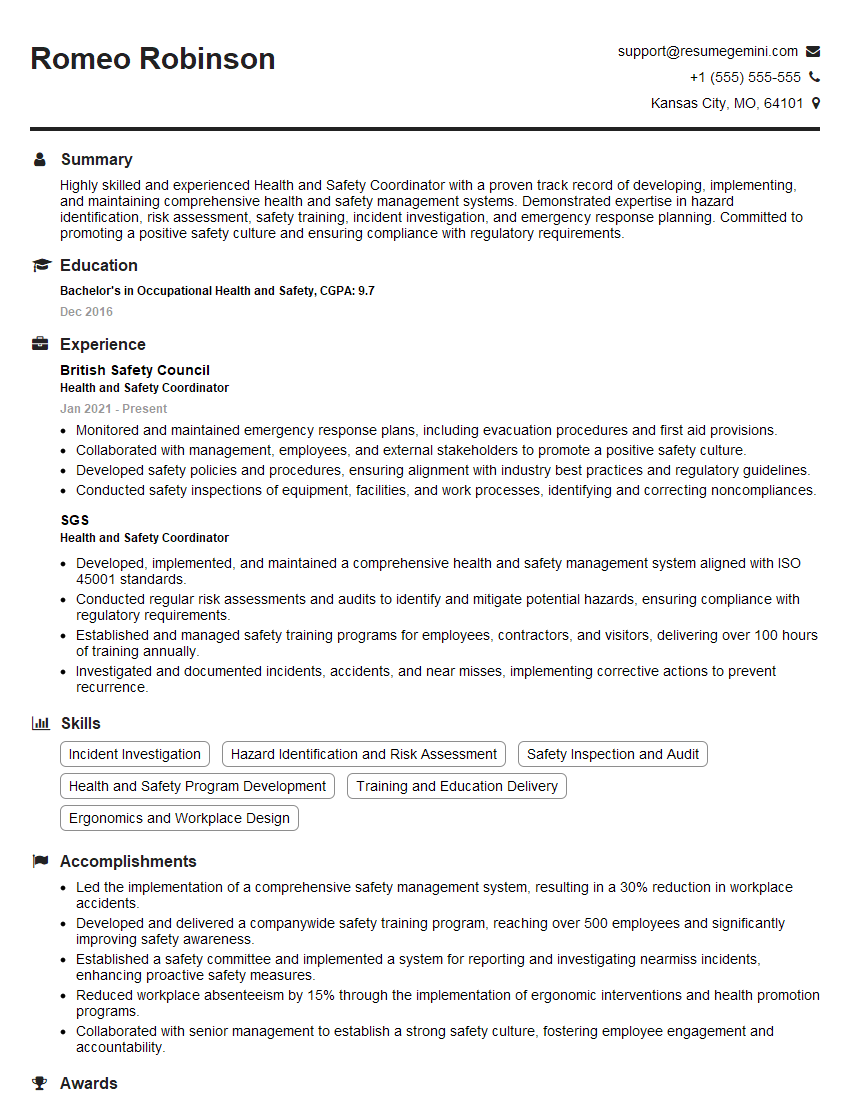
Mastering Potato Harvesting Safety Procedures is crucial for a successful and safe career in agriculture. Demonstrating a strong understanding of these procedures will significantly improve your job prospects and highlight your commitment to workplace safety. To further enhance your application, create an ATS-friendly resume that effectively showcases your skills and experience. We highly recommend using ResumeGemini to build a professional and impactful resume. ResumeGemini offers tools and resources to craft a compelling resume, including examples tailored to roles requiring expertise in Potato Harvesting Safety Procedures. Take the next step towards your dream career today!


Explore more articles
Users Rating of Our Blogs
Share Your Experience
We value your feedback! Please rate our content and share your thoughts (optional).
What Readers Say About Our Blog
Very informative content, great job.
good