Interviews are more than just a Q&A session—they’re a chance to prove your worth. This blog dives into essential Analysis of Inspection Results interview questions and expert tips to help you align your answers with what hiring managers are looking for. Start preparing to shine!
Questions Asked in Analysis of Inspection Results Interview
Q 1. Explain your experience with different types of inspection reports (e.g., visual, dimensional, non-destructive testing).
My experience encompasses a wide range of inspection reports, each offering unique insights into product quality. Visual inspections are the foundation, providing a quick assessment of surface flaws, damage, or deviations from specifications. I’m proficient in interpreting these reports, noting the type, location, and severity of defects. For example, a visual inspection report on a car body might detail scratches, dents, or misaligned panels. Dimensional inspection reports, often generated using CMM (Coordinate Measuring Machine) or laser scanning, give precise measurements of components to verify compliance with tolerances. Discrepancies, even minor ones, are crucial indicators. Imagine checking the diameter of a piston – a slight deviation can cause engine malfunction. Finally, non-destructive testing (NDT) methods like ultrasonic testing, radiography, or magnetic particle inspection, reveal internal flaws invisible to the naked eye. I’m well-versed in interpreting the resulting images and data, identifying issues like cracks, voids, or corrosion, often critical for safety-critical components like aircraft parts.
Q 2. Describe your process for identifying trends and patterns in inspection data.
Identifying trends and patterns in inspection data requires a systematic approach. I begin by organizing the data, often using statistical software like Minitab or JMP. I then use various methods: Control charts (like Shewhart charts or CUSUM charts) visually highlight deviations from expected values, revealing shifts in process performance. Histograms show the distribution of defects, helping to identify common causes. Scatter plots can help reveal relationships between different variables. For example, analyzing a scatter plot of part dimension vs. machine setting may uncover that fluctuations in machine settings directly influence part dimensions. Statistical process control (SPC) helps determine if variations are due to common cause (natural variation) or special cause (assignable variation). A critical aspect is considering the context. Are similar defects recurring from the same machine? Are specific operators more likely to produce defects? This requires a deep understanding of the manufacturing process.
Q 3. How do you handle outliers or inconsistencies in inspection results?
Outliers and inconsistencies demand careful investigation. They’re often clues to underlying problems. My approach involves a multi-step process: Verification: First, I verify the data’s accuracy. Was there a measurement error? Was the inspection procedure followed correctly? Investigation: If the outlier is confirmed, I investigate the potential causes. Did a specific machine malfunction? Was there a change in material properties? Was there a process deviation? Analysis: Statistical analysis can help determine if the outlier is statistically significant. Techniques like Grubbs’ test help to determine if it should be excluded from the analysis. Reporting: The findings are documented, along with recommendations for corrective actions. For instance, if a recurring outlier stems from a specific machine, it might necessitate calibration or maintenance. Ignoring outliers risks overlooking significant process issues.
Q 4. What statistical methods are you familiar with using for analysis of inspection data?
My statistical toolkit is extensive and includes methods suitable for various data types and inspection scenarios. I’m proficient in descriptive statistics (mean, median, standard deviation, etc.) for summarizing data. I utilize inferential statistics like hypothesis testing (t-tests, ANOVA) to compare groups or check if a sample differs significantly from a known population. Regression analysis helps model relationships between variables. For instance, predicting defect rates based on machine settings. Control charts (X-bar and R charts, p-charts, c-charts) are crucial for monitoring process stability. Capability analysis helps assess whether a process meets specification limits. Finally, I use distribution fitting techniques to model data and make predictions. Selecting the appropriate method depends on the data type and the research question.
Q 5. How do you determine the root cause of recurring inspection failures?
Pinpointing the root cause of recurring inspection failures requires a structured approach. I utilize root cause analysis techniques such as the ‘5 Whys’ method, Fishbone diagrams (Ishikawa diagrams), and fault tree analysis. The ‘5 Whys’ involves repeatedly asking ‘why’ to drill down to the fundamental cause. For example, ‘Why is the part failing?’ ‘Because the dimension is out of spec.’ ‘Why is the dimension out of spec?’ ‘Because the machine is misaligned.’ And so on until the root cause is identified. Fishbone diagrams visually organize potential causes, grouping them by categories (e.g., materials, methods, manpower, machinery). Fault tree analysis uses a hierarchical approach to model potential causes leading to a failure. Thorough investigation, including data analysis, process review, and operator interviews, is crucial to ensuring accuracy.
Q 6. Describe your experience with using statistical process control (SPC) charts.
I have extensive experience using SPC charts. These are powerful tools for monitoring process stability and identifying potential problems early. I frequently use X-bar and R charts to track the average and range of a continuous measurement over time. P-charts monitor the proportion of defective items, while c-charts track the number of defects per unit. Interpreting these charts involves recognizing patterns like shifts, trends, and unusual variation. For example, a point consistently outside the control limits indicates a process issue. I use SPC charts not only to react to problems but also to proactively identify potential problems before they impact product quality. Understanding the underlying distributions of the data is important for the correct interpretation of the charts.
Q 7. How do you prioritize corrective actions based on inspection results?
Prioritizing corrective actions requires a risk-based approach. I consider several factors: Severity: How critical is the defect? Does it affect safety, functionality, or aesthetics? Frequency: How often does this defect occur? Impact: What’s the cost of the defect (e.g., rework, scrap, warranty claims)? Urgency: How quickly does the issue need to be addressed? I often use a prioritization matrix that combines severity, frequency, and impact to rank corrective actions. For example, a high-severity, high-frequency defect with a high impact would receive top priority. This ensures that the most critical issues are addressed first, maximizing the efficiency of corrective actions and minimizing negative consequences.
Q 8. Explain your experience with data visualization techniques for inspection data.
Data visualization is crucial for making sense of inspection data, transforming raw numbers into actionable insights. I’m proficient in using various techniques to effectively communicate findings. For instance, I frequently utilize histograms to show the distribution of defect types and their frequencies. This allows for quick identification of prevalent issues. Scatter plots are invaluable when examining correlations between different inspection parameters; for example, a scatter plot could reveal a relationship between the temperature during manufacturing and the number of surface imperfections. Control charts, a cornerstone of statistical process control (SPC), are indispensable for monitoring process stability over time and identifying potential out-of-control situations. I also use Pareto charts to highlight the vital few defects contributing to the majority of problems, prioritizing corrective actions. Finally, interactive dashboards allow stakeholders to explore the data dynamically, filtering by various parameters for a detailed investigation.
For example, in a recent project involving the inspection of automotive parts, a histogram clearly showed a spike in a specific type of surface defect, leading to an immediate investigation and resolution of the root cause in the production line. This prevented further defects and potential recalls.
Q 9. How do you communicate inspection results to different stakeholders (e.g., management, production team)?
Communicating inspection results effectively depends on tailoring the message to the audience. For management, I focus on high-level summaries, key performance indicators (KPIs), and the overall impact on quality and efficiency. This often involves concise reports with charts and graphs highlighting key trends and areas needing attention. For example, a dashboard showing overall defect rates and their trends would suffice for management. For the production team, I provide more detailed information, including specific defect locations, potential root causes, and actionable steps for improvement. This might involve detailed reports with images and specific instructions to operators on the production floor. I also conduct regular meetings to discuss findings, fostering open communication and collaboration. The key is to use clear, non-technical language wherever possible and ensure that the communication channel matches the audience’s needs and preferences.
Q 10. How do you ensure the accuracy and reliability of inspection data?
Ensuring the accuracy and reliability of inspection data is paramount. This starts with robust inspection procedures, clearly defining the criteria for acceptance and rejection. We employ standardized checklists and utilize calibrated measuring instruments regularly verified against traceable standards. Inspector training is crucial; I ensure all inspectors are properly trained, understand the procedures, and are regularly assessed for consistency. Statistical methods, such as gauge R&R studies (repeatability and reproducibility), assess the variability of the measurement system itself, helping identify and mitigate potential errors. Regular audits and internal checks of inspection records further ensure data integrity. Data entry is often automated to minimize human error. Finally, outlier analysis identifies unusual data points, prompting investigation to ascertain whether they represent true defects or measurement errors.
Q 11. What software or tools are you proficient in for analyzing inspection data?
I’m proficient in several software and tools for analyzing inspection data. My expertise includes statistical software packages like Minitab and JMP for advanced statistical analysis, including capability studies and control chart creation. I also utilize spreadsheet software like Excel and Google Sheets for data management and creating basic charts. For data visualization, I frequently use Tableau and Power BI to create interactive dashboards and reports. Experience with database management systems (DBMS) like SQL Server and Oracle allows me to efficiently manage and query large datasets. Specific to inspection data, specialized software packages tailored to quality management systems (QMS), such as those offered by companies like SAP and Oracle, are also within my skillset.
Q 12. Describe your experience with developing and implementing inspection procedures.
Developing and implementing inspection procedures is a systematic process. It begins with a thorough understanding of the product specifications, potential failure modes, and the critical characteristics that need to be inspected. I then design a step-by-step procedure, including clear instructions, acceptance criteria, and methods for data recording. This often involves creating visual aids, like flowcharts and checklists, to simplify the process and minimize ambiguity. The procedures undergo rigorous testing and validation to ensure their effectiveness and consistency. Once finalized, they are documented and disseminated to all relevant personnel, accompanied by training programs. Throughout this process, I maintain a focus on efficiency and minimizing disruption to the production process. I also incorporate feedback mechanisms for continuous improvement and revision of the procedures based on practical experience and changing product requirements.
Q 13. How do you handle conflicting inspection results from different inspectors?
Conflicting inspection results require careful investigation to determine the root cause. I begin by reviewing the individual inspection reports, examining the methodologies and data recorded by each inspector. This could involve comparing the used instruments and their calibration status. If discrepancies persist, I might re-inspect the item myself using the same criteria and tools. Differences might stem from inspector variability (requiring retraining or adjustment of procedures), instrument error (requiring calibration or replacement), or ambiguity in the inspection criteria. A thorough analysis, potentially involving statistical methods to determine the level of variability, is crucial. If a consensus cannot be reached, a senior inspector or a team of experts might be involved for a final decision. Ultimately, the goal is to establish the most accurate assessment of the item’s quality and identify any systemic issues impacting inspection consistency.
Q 14. What are some common pitfalls to avoid when analyzing inspection results?
Several pitfalls can hinder accurate analysis of inspection results. One common mistake is failing to account for measurement system variability. Ignoring this can lead to incorrect conclusions about process capability and defect rates. Another pitfall is focusing solely on the results without investigating the root cause of defects. This prevents implementing effective corrective actions. Bias in data collection, whether conscious or unconscious, is also a major concern. Finally, an insufficient sample size can lead to unreliable statistical inferences. Ignoring the principles of statistical sampling can invalidate the analysis. To mitigate these risks, I employ rigorous statistical methods, conduct regular audits of inspection processes, and encourage continuous improvement through data-driven decision-making.
Q 15. How do you measure the effectiveness of corrective actions implemented based on inspection findings?
Measuring the effectiveness of corrective actions after an inspection requires a structured approach. We can’t simply assume that because a fix was implemented, the problem is solved. Instead, we need to verify the effectiveness through a combination of methods.
- Re-inspection: The most straightforward method involves re-inspecting the same items or processes that initially failed. This provides direct evidence of whether the corrective action successfully addressed the root cause. For example, if a welding process was found to have inconsistencies, after implementing a new training program, we would re-inspect welds to check for improvements in consistency.
- Trend Analysis: Tracking key metrics before, during, and after implementing the corrective action provides valuable insight into its long-term effectiveness. If the defect rate, for instance, consistently decreases after the implementation, it indicates a positive impact.
- Data Analysis: Statistical analysis of inspection data before and after the correction can quantify the improvement. Control charts, for instance, help us visually see if the process variation has reduced, confirming the effectiveness of the action. This data-driven approach is crucial for objectively evaluating the success.
- Audits: Regular audits can help verify that the corrective action is consistently applied and remains effective. This might involve checking for proper documentation, verification of training effectiveness, and confirmation that the fix is integrated into standard operating procedures.
Ultimately, effective measurement requires a clear definition of success metrics beforehand. This ensures we can objectively assess whether the corrective action achieved the desired outcome.
Career Expert Tips:
- Ace those interviews! Prepare effectively by reviewing the Top 50 Most Common Interview Questions on ResumeGemini.
- Navigate your job search with confidence! Explore a wide range of Career Tips on ResumeGemini. Learn about common challenges and recommendations to overcome them.
- Craft the perfect resume! Master the Art of Resume Writing with ResumeGemini’s guide. Showcase your unique qualifications and achievements effectively.
- Don’t miss out on holiday savings! Build your dream resume with ResumeGemini’s ATS optimized templates.
Q 16. Describe a time you identified a significant quality issue through analysis of inspection data.
During an analysis of inspection data for a batch of circuit boards, I noticed a surprisingly high failure rate associated with a specific component placement. Initially, the failure was attributed to random defects. However, digging deeper into the data, I segmented the failures by production shift and found that the problem was significantly worse during the night shift. Further investigation revealed that the night shift technician responsible for this component was not properly trained on the new automated placement machine, leading to misalignment and ultimately, faulty boards. This wasn’t immediately apparent from a simple defect rate report. The key was breaking down the data into finer segments (by shift, technician, etc.) to identify the root cause. This highlighted the importance of meticulous data analysis and employee training.
Q 17. How do you balance the need for thorough inspection with the need for efficient production?
Balancing thorough inspection with efficient production is a constant challenge. The goal is to identify critical defects without slowing down the production line significantly. This involves a strategic approach:
- Risk-Based Inspection: Prioritize the inspection of critical characteristics that have the greatest potential for causing failure or impacting safety. Less critical items may receive less stringent inspection, reducing the overall inspection time.
- Statistical Sampling: Applying statistical sampling techniques allows us to infer the quality of a large batch based on a smaller, representative sample. This significantly reduces inspection time while maintaining a reasonable level of confidence in the results.
- Automation: Implementing automated inspection systems, like vision systems or automated gauging, significantly improves speed and consistency while reducing human error. This allows for more thorough inspections in less time.
- Process Capability Analysis: This statistical method helps determine how well a process is performing and whether it’s capable of meeting specifications. If the process is consistently within specifications, the need for intensive inspection can be significantly reduced.
Finding the right balance is an iterative process, constantly optimizing inspection methods to find the best compromise between thoroughness and speed.
Q 18. Explain your understanding of different sampling techniques used in inspection.
Several sampling techniques are used in inspection, each with its own strengths and weaknesses:
- Simple Random Sampling: Each item in the population has an equal chance of being selected. This is straightforward but might not always be the most efficient.
- Stratified Sampling: The population is divided into subgroups (strata), and a random sample is taken from each stratum. This ensures representation from all subgroups and is particularly useful if there is known variation within the population.
- Systematic Sampling: Items are selected at regular intervals. This is easy to implement but can be problematic if there is a pattern in the population that coincides with the sampling interval.
- Cluster Sampling: The population is divided into clusters, and a random sample of clusters is selected. All items within the selected clusters are then inspected. This is cost-effective when inspecting geographically dispersed items.
The choice of sampling technique depends on factors like the size and variability of the population, the resources available, and the level of precision required.
Q 19. How do you ensure the traceability of inspection data?
Ensuring traceability of inspection data is critical for accountability and facilitating root cause analysis. This is accomplished through a combination of methods:
- Unique Identifiers: Each inspected item should have a unique identifier (serial number, batch number, etc.) that is recorded with the inspection results. This allows us to trace the history of each item.
- Detailed Records: Inspection reports should be meticulously documented, including the date, time, inspector’s name, inspection method, and all measured values. Any deviations or non-conformances need to be clearly noted.
- Electronic Data Management: Using a robust database or software system to manage inspection data enhances traceability and allows for easier analysis and retrieval of information. A good system incorporates version control and audit trails.
- Calibration Records: Traceability extends to the equipment used for inspection. Maintaining up-to-date calibration records for all measuring instruments ensures that the results are accurate and reliable.
Implementing a comprehensive traceability system ensures that any issues can be tracked back to their source, leading to efficient corrective actions and improved quality.
Q 20. Describe your experience with different types of measurement systems analysis (MSA).
My experience with Measurement Systems Analysis (MSA) encompasses several techniques:
- Gauge R&R (Repeatability and Reproducibility): This is a fundamental MSA technique used to assess the variability within a measurement system. It quantifies the variation due to the gauge itself (repeatability) and the variation due to different operators using the gauge (reproducibility).
- Bias Study: This evaluates the accuracy of a measurement system by comparing its readings to a known standard. This helps determine if the measurement system consistently over- or underestimates the true value.
- Linearity Study: This assesses the consistency of the measurement system across its operating range. It checks whether the measurement system provides accurate readings across the entire range of possible values.
- Stability Study: This evaluates the consistency of the measurement system over time. This ensures the system remains accurate and reliable over extended periods.
I’m proficient in using statistical software packages to perform these analyses and interpret the results. The choice of MSA technique depends on the specific measurement system and the questions we are trying to answer. For example, for a new measurement device, I’d likely use a Gauge R&R study and a bias study to assess its accuracy and precision.
Q 21. How do you interpret gauge R&R studies?
Gauge R&R studies provide a quantitative assessment of the measurement system’s variability. The results are usually presented in terms of:
- Repeatability (EV): The variation observed when the same operator makes repeated measurements on the same part. A low EV indicates high repeatability.
- Reproducibility (AV): The variation observed when different operators make measurements on the same part. A low AV indicates high reproducibility.
- %Contribution:** This shows the percentage of total variation attributable to repeatability and reproducibility. A high percentage contribution from repeatability and reproducibility indicates that the measurement system is unreliable and needs improvement.
- Study Variation (Total Variation): The combined variation from repeatability and reproducibility, representing the overall variability of the measurement system. The lower this value, the better the measurement system.
We interpret the results based on the %Contribution. Generally, a %Contribution from Gauge R&R of less than 10% is considered acceptable, meaning the measurement system’s variation is low compared to the total variation in the parts themselves. If the %Contribution is high, it suggests that the measurement system needs improvement, perhaps through better training for operators, recalibration of equipment, or replacement of a faulty measuring device. A graphical representation, such as a histogram or control chart, is often used to further illustrate the data, making it easier to identify trends and patterns.
Q 22. Explain your understanding of process capability analysis.
Process capability analysis is a statistical method used to determine if a process is capable of consistently producing outputs that meet pre-defined specifications. Think of it like this: you have a machine that makes widgets, and you want to know if that machine consistently makes widgets within the acceptable size range. Process capability analysis helps you answer that question.
We use metrics like Cp and Cpk to assess capability. Cp measures the potential capability of the process, considering only the process spread and the specification tolerance. Cpk, on the other hand, considers both the process spread and the centering of the process relative to the target. A Cpk value of 1 or greater generally indicates that the process is capable of meeting specifications. For example, a Cpk of 1.33 suggests the process is capable and has some buffer to handle unexpected variations.
In practice, we gather data from the process, often using control charts to ensure stability before performing the capability analysis. The analysis then helps us decide if improvements are needed, such as adjustments to the machine settings or operator training to reduce variability.
Q 23. How do you use inspection results to improve process efficiency?
Inspection results are goldmines for improving process efficiency. They directly highlight areas where defects occur, revealing bottlenecks and inefficiencies in the process. By analyzing the types and frequency of defects, we can pinpoint their root causes.
For instance, if a significant number of defects consistently appear at a specific stage of production, it suggests a problem with the equipment, materials, or the training at that stage. Addressing these root causes, which might involve equipment maintenance, material sourcing improvements, or staff retraining, directly enhances efficiency by reducing rework, scrap, and overall cycle time.
The analysis goes beyond just identifying problems. By using data visualization techniques like Pareto charts, we can prioritize improvement efforts, focusing on the areas that contribute most significantly to defects and inefficiencies. This targeted approach ensures the most effective use of resources for maximum impact.
Q 24. How do you contribute to continuous improvement efforts using inspection data?
Inspection data is crucial for continuous improvement. Within a framework like DMAIC (Define, Measure, Analyze, Improve, Control), inspection data provides the ‘Measure’ and ‘Analyze’ phases with the necessary evidence.
For example, if we’re experiencing high defect rates in a particular product, we can use inspection data to analyze trends. Are defects clustered at certain times of day? Are they linked to specific batches of raw materials? This analysis pinpoints potential root causes. Then, we can implement changes (the ‘Improve’ phase) and subsequently monitor the effects of those changes (the ‘Control’ phase) through ongoing inspection data collection.
This iterative approach, driven by inspection data, allows us to continuously refine processes, reducing variability, enhancing quality, and boosting efficiency. I’ve personally seen this in action, leading to a 20% reduction in defect rates in a manufacturing process through targeted improvements guided by thorough inspection data analysis.
Q 25. Describe your experience with using control charts to monitor process variation.
Control charts are essential tools for monitoring process variation over time. They graphically display data, allowing for easy identification of trends, patterns, and outliers. Common types include X-bar and R charts (for continuous data) and p-charts or c-charts (for attribute data).
I have extensive experience in using these charts to detect shifts in the process mean or increases in variability. For example, an unexpected increase in the range of values on an R chart indicates increased process variation, prompting investigation into potential root causes. Similarly, points consistently above or below the control limits on an X-bar chart signal a shift in the average, which needs immediate attention.
By regularly monitoring these charts, we can proactively identify potential problems before they lead to significant defects or product failures. This prevents costly rework and ensures consistent product quality. In a past project, using control charts helped us anticipate and prevent a machine malfunction, saving the company thousands of dollars in downtime and potential lost orders.
Q 26. Explain your experience with different types of acceptance sampling plans.
I’m familiar with various acceptance sampling plans, which are crucial when 100% inspection isn’t feasible or cost-effective. These plans allow us to make inferences about the quality of a batch based on a sample.
Common plans include:
- Single sampling plans: A single sample is drawn, and the batch is accepted or rejected based on the number of defects found.
- Double sampling plans: Two samples are drawn. The decision to accept or reject might be made after the first sample, or a second sample might be needed based on the results of the first.
- Multiple sampling plans: An extension of double sampling, allowing for more samples to be drawn before a decision is made.
- Sequential sampling plans: Samples are drawn one at a time, and the decision to accept or reject is made after each sample. This plan is particularly efficient for identifying poor-quality batches quickly.
The choice of plan depends on the acceptable quality level (AQL) and the lot tolerance percent defective (LTPD) – the maximum percentage of defective items that is still acceptable. Understanding the risks associated with accepting a bad batch (consumer’s risk) and rejecting a good batch (producer’s risk) is crucial when selecting an appropriate sampling plan.
Q 27. How familiar are you with ISO 9001 or other quality management systems?
I’m very familiar with ISO 9001:2015 and other quality management systems. My understanding extends beyond simply knowing the clauses; I’ve actively participated in implementing and maintaining these systems in several organizations.
I understand the importance of documented procedures, internal audits, corrective and preventive actions (CAPA), and management review. I know how these elements contribute to a robust quality management system that ensures consistency and continual improvement. In my previous role, I was instrumental in achieving ISO 9001 certification, leading the internal audit program and training staff on the requirements. This involved not just fulfilling the requirements but also integrating the principles of the standard into the company culture to foster a proactive approach to quality management.
Key Topics to Learn for Analysis of Inspection Results Interview
- Data Collection & Validation: Understanding various inspection methods, data types (quantitative & qualitative), and techniques for ensuring data accuracy and reliability. Practical application: Evaluating the effectiveness of different sampling methods and addressing potential biases.
- Statistical Analysis Techniques: Proficiency in descriptive statistics (mean, median, standard deviation), inferential statistics (hypothesis testing, confidence intervals), and regression analysis. Practical application: Interpreting statistical outputs to identify trends, anomalies, and areas needing improvement.
- Root Cause Analysis: Mastering techniques like 5 Whys, Fishbone diagrams, and Pareto charts to identify the underlying causes of defects or non-conformances. Practical application: Developing effective corrective actions based on a thorough root cause analysis.
- Defect Classification & Categorization: Establishing clear criteria for classifying and categorizing defects to facilitate trend analysis and prioritize corrective actions. Practical application: Designing a system for consistent and accurate defect reporting and tracking.
- Reporting & Communication: Effectively communicating findings through clear, concise reports and presentations using visualizations (charts, graphs). Practical application: Presenting analysis results to stakeholders and recommending improvements.
- Software & Tools: Familiarity with relevant software and tools used for data analysis and reporting (e.g., statistical software packages, spreadsheet software). Practical application: Demonstrating proficiency in using these tools to analyze inspection data efficiently.
- Process Improvement Methodologies: Understanding and applying continuous improvement methodologies like Six Sigma or Lean to optimize processes based on inspection results. Practical application: Developing and implementing process changes to reduce defects and improve efficiency.
Next Steps
Mastering the analysis of inspection results is crucial for career advancement in quality control, manufacturing, and various other industries. It demonstrates your ability to identify problems, solve them effectively, and contribute to process optimization. To significantly boost your job prospects, creating a strong, ATS-friendly resume is essential. ResumeGemini is a trusted resource that can help you build a professional and impactful resume tailored to highlight your skills in analyzing inspection results. Examples of resumes tailored to this field are available within ResumeGemini.

Quality Control Manager Resume Sample

Quality Control Supervisor Resume Sample

Regulatory Affairs Specialist Resume Sample
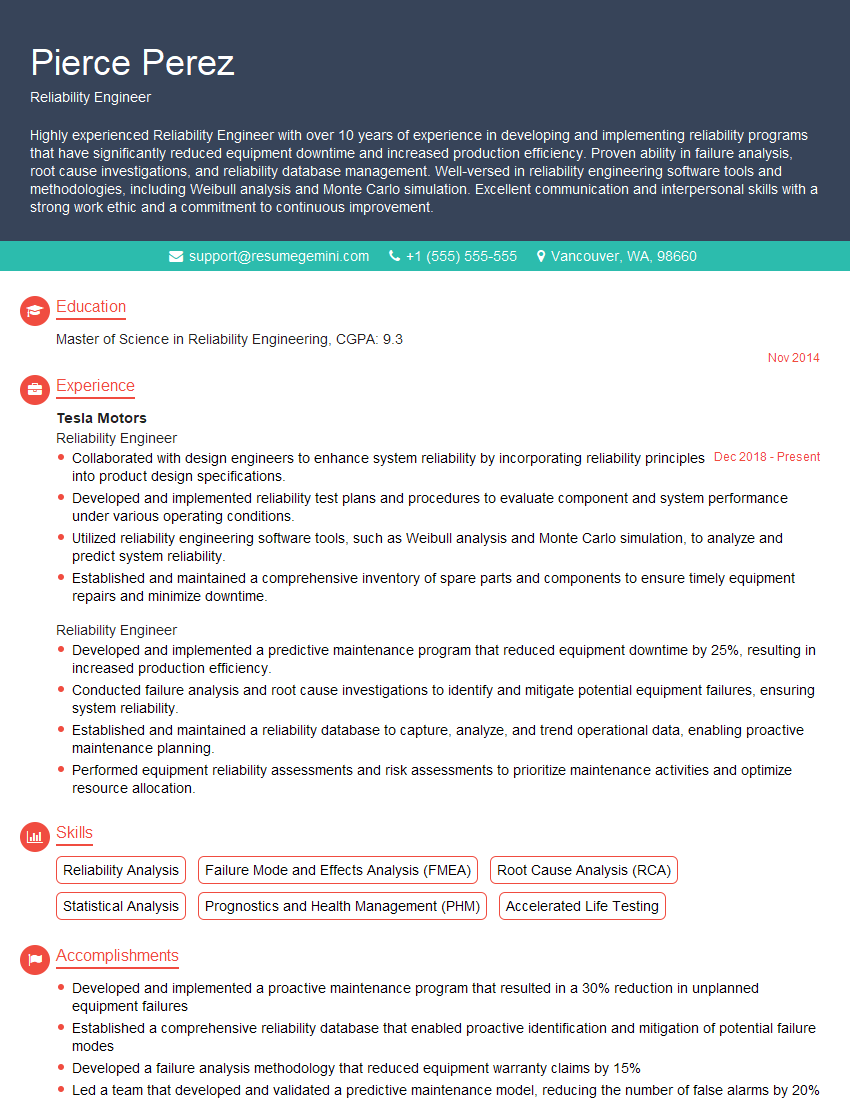
Reliability Engineer Resume Sample
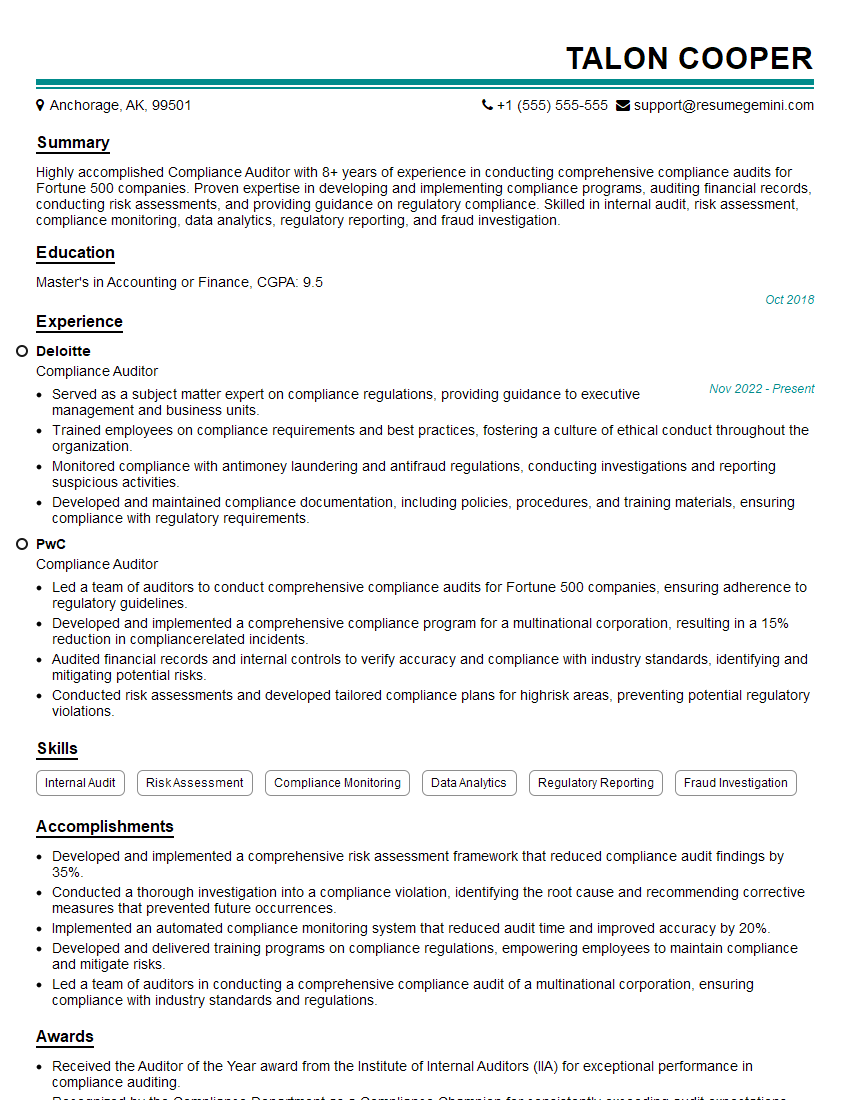
Compliance Auditor Resume Sample

Quality Systems Manager Resume Sample

Quality Assurance Engineer Resume Sample

Validation Engineer Resume Sample
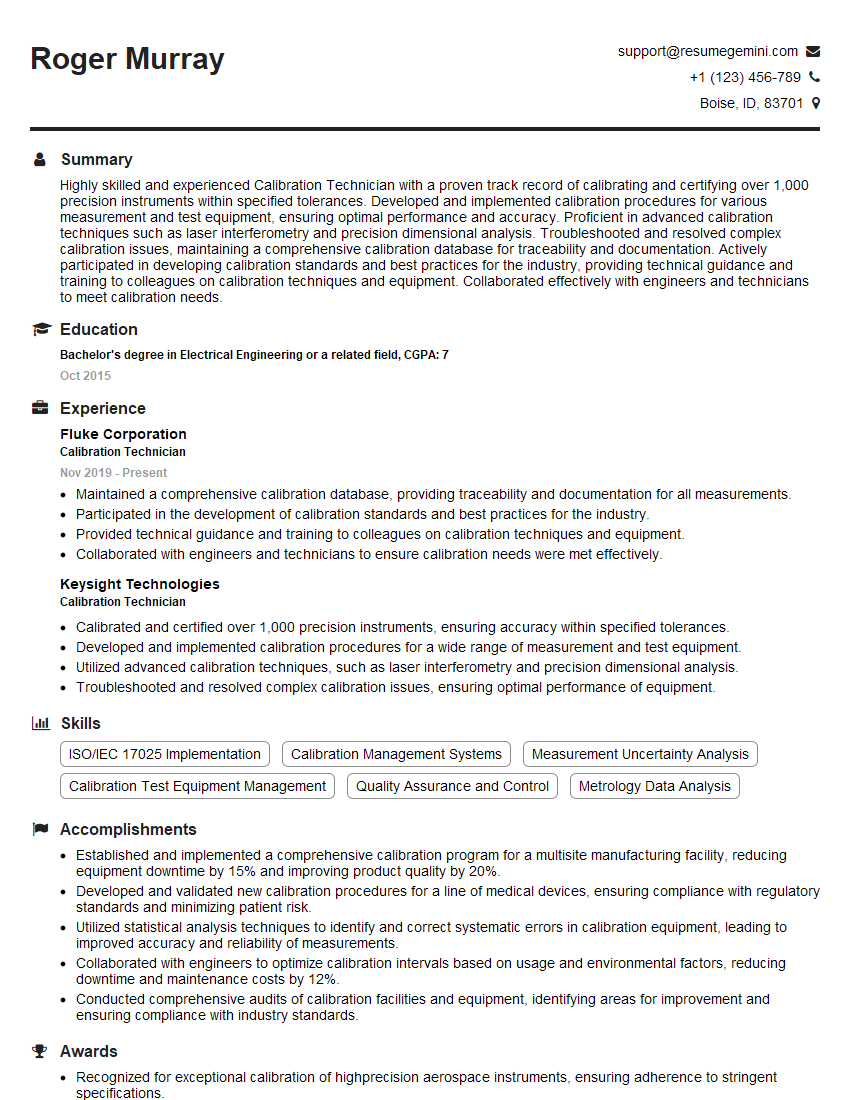
Calibration Technician Resume Sample
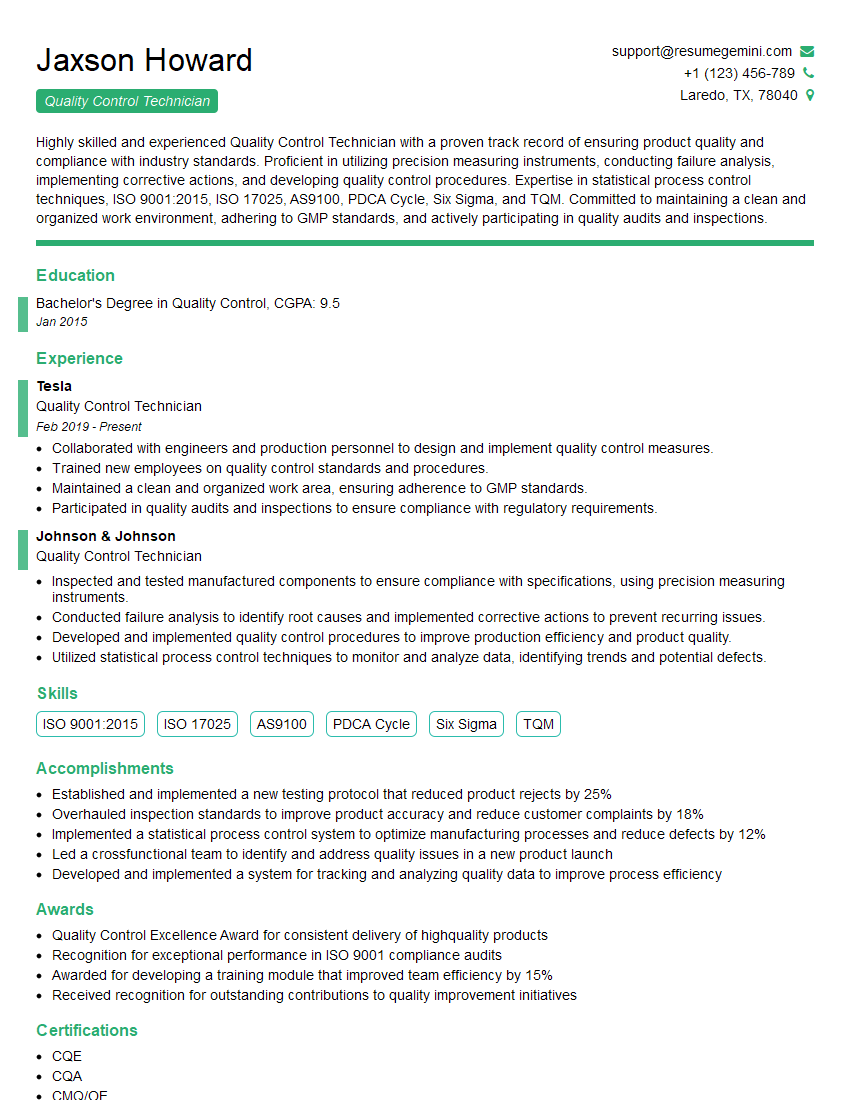
Quality Control Technician Resume Sample

Metrology Technician Resume Sample

Quality Auditor Resume Sample

Quality Control Inspector Resume Sample
- Quality Control Manager
- Quality Control Supervisor
- Regulatory Affairs Specialist
- Reliability Engineer
- Compliance Auditor
- Quality Systems Manager
- Quality Assurance Engineer
- Validation Engineer
- Calibration Technician
- Quality Control Technician
- Metrology Technician
- Quality Auditor
- Quality Control Inspector
Explore more articles
Users Rating of Our Blogs
Share Your Experience
We value your feedback! Please rate our content and share your thoughts (optional).
What Readers Say About Our Blog
Very informative content, great job.
good