Unlock your full potential by mastering the most common Knowledge and use of quality standards interview questions. This blog offers a deep dive into the critical topics, ensuring you’re not only prepared to answer but to excel. With these insights, you’ll approach your interview with clarity and confidence.
Questions Asked in Knowledge and use of quality standards Interview
Q 1. Describe your experience with ISO 9001.
ISO 9001 is an internationally recognized standard that outlines requirements for a quality management system (QMS). My experience encompasses the full lifecycle of ISO 9001 implementation, from initial gap analysis and documentation creation to internal audits, management review meetings, and ultimately, certification. I’ve been involved in projects across various industries, including manufacturing and software development. In a recent project with a manufacturing client, I led the effort to implement ISO 9001, which involved training staff, developing procedural documentation, and conducting internal audits to ensure compliance. This resulted in improved process efficiency, reduced waste, and ultimately, increased customer satisfaction. I understand the importance of continuous improvement and have guided organizations to effectively utilize the Plan-Do-Check-Act (PDCA) cycle to continually refine their QMS.
Q 2. Explain the difference between quality assurance and quality control.
While both quality assurance (QA) and quality control (QC) contribute to overall product quality, they have distinct roles. Think of QA as preventing defects from happening, while QC focuses on identifying and correcting defects after they occur. QA is a proactive approach, emphasizing processes and systems, whereas QC is reactive, involving inspections and testing of finished products. For example, in software development, QA would involve setting up code reviews, testing frameworks, and defining quality standards *before* development begins. QC would then involve testing the completed software to verify that it meets those standards. A robust quality system requires both approaches working in harmony.
Q 3. How do you conduct a root cause analysis?
Root cause analysis (RCA) is a systematic process for identifying the underlying causes of problems, not just the symptoms. I typically use the 5 Whys technique, asking ‘why’ repeatedly until the root cause is uncovered. Other methods I employ include fishbone diagrams (Ishikawa diagrams), fault tree analysis, and Pareto charts. For instance, if a product consistently fails a certain test, I wouldn’t simply replace the faulty parts. Instead, I’d use the 5 Whys to investigate: Why did it fail? (Poor material). Why was the poor material used? (Supplier issue). Why wasn’t the supplier addressed? (Lack of supplier performance monitoring). Why was this monitoring not in place? (Lack of defined procedures). This final ‘why’ points to the root cause, enabling corrective actions focused on process improvements, such as implementing rigorous supplier evaluation and performance monitoring procedures.
Q 4. What are the key elements of a quality management system (QMS)?
A quality management system (QMS) comprises several key elements working together to ensure consistent product quality. These include:
- Leadership Commitment: Top management support and active involvement are crucial.
- Customer Focus: Understanding and meeting customer needs and expectations.
- Process Approach: Managing activities as interconnected processes.
- Continual Improvement: Regularly seeking improvements in processes and performance (PDCA cycle).
- Evidence-Based Decision Making: Using data and analysis to make informed decisions.
- Relationship Management: Building strong relationships with suppliers and other stakeholders.
- Resource Management: Ensuring adequate resources (personnel, equipment, information) are available.
- Product Realization: Defining, developing, producing, delivering, and servicing products.
- Measurement, Analysis, and Improvement: Tracking key metrics, analyzing results, and implementing corrective actions.
These elements interact, creating a robust system for delivering consistent quality.
Q 5. Describe your experience with statistical process control (SPC).
Statistical Process Control (SPC) is a powerful tool for monitoring and controlling processes using statistical methods. My experience involves applying SPC techniques like control charts (e.g., X-bar and R charts, p-charts) to identify trends, variations, and potential problems in manufacturing and other processes. I use these charts to monitor key process variables and quickly identify deviations from expected performance. For example, in a manufacturing setting, I might monitor the weight of a product using an X-bar and R chart. If the data points consistently fall outside the control limits, it signals a problem requiring immediate attention and root cause analysis. SPC empowers data-driven decision-making and enables proactive process adjustments to prevent defects.
Q 6. How would you handle a situation where a product fails to meet quality standards?
When a product fails to meet quality standards, my response is systematic and prioritizes customer satisfaction and process improvement. First, I’d immediately isolate the affected product to prevent further distribution. Then, I’d conduct a thorough investigation using root cause analysis techniques to pinpoint the underlying cause of the failure. This would involve gathering data, interviewing relevant personnel, and reviewing process documentation. Based on the RCA findings, I’d implement corrective and preventive actions to address the root cause and prevent recurrence. This might include modifying a process, replacing faulty equipment, or retraining personnel. Finally, I’d communicate transparently with the customer, offering appropriate compensation or remedial actions, and demonstrate a commitment to resolving the issue and regaining their trust. This entire process is documented and reviewed as part of our continuous improvement efforts.
Q 7. What are some common quality metrics you use?
The specific quality metrics I use depend on the context, but some common ones include:
- Defect Rate: Percentage of non-conforming products.
- Customer Satisfaction Score (CSAT): Measures customer happiness with products and services.
- Process Capability (Cp, Cpk): Indicates the ability of a process to meet specifications.
- Yield: The percentage of good units produced.
- Mean Time Between Failures (MTBF): Measures the reliability of equipment or systems.
- Cycle Time: The time required to complete a process.
- On-Time Delivery Rate: Percentage of orders delivered on time.
By regularly monitoring these metrics, I can identify trends, areas for improvement, and the overall effectiveness of our quality management system.
Q 8. Explain your experience with different quality auditing techniques.
Quality auditing employs various techniques to assess conformance to standards. My experience encompasses several key approaches:
Checklists: Structured lists ensuring consistent evaluation across different areas. For example, a checklist for a software development audit might cover code review processes, testing methodologies, and documentation completeness.
Sampling: Examining a subset of data to infer the quality of the whole. This is crucial when auditing large datasets or production runs. For instance, instead of checking every product on a production line, a statistical sample can provide a reliable estimate of defect rate.
Data Analysis: Using statistical methods to analyze collected data and identify trends or patterns. This could involve analyzing defect reports to pinpoint root causes or using control charts to monitor process stability.
Interviews: Gathering insights from personnel involved in the processes under audit. This helps understand the ‘why’ behind observations, revealing hidden issues and process inefficiencies.
Document Review: Scrutinizing relevant documents like procedures, specifications, and training materials to check for compliance and completeness. This is crucial for ensuring processes are documented correctly and up-to-date.
Observation: Directly observing processes in action to identify deviations from procedures or best practices. This is particularly valuable in manufacturing or operational settings.
I’ve successfully employed these techniques in diverse settings, including software development, manufacturing, and healthcare, tailoring the approach to the specific context and objectives of each audit.
Q 9. Describe your experience with implementing a continuous improvement program.
Implementing a continuous improvement program requires a structured approach. My experience focuses on the PDCA (Plan-Do-Check-Act) cycle, a cornerstone of continuous improvement.
Plan: Identify areas needing improvement, set measurable goals, and develop action plans. For example, a reduction in customer complaints by 15% within six months.
Do: Implement the chosen solutions and collect data to track progress. This could involve deploying new software, retraining staff, or modifying a production process.
Check: Analyze the data and assess whether the implemented changes achieved the desired results. Tools like control charts or Pareto diagrams are frequently used here.
Act: Based on the results, either standardize the improvements, adjust the plan, or abandon the initiative. This stage is crucial for learning and refining the continuous improvement process.
In one project, we successfully reduced manufacturing defects by 20% within a year by implementing a combination of Lean principles (reducing waste) and statistical process control. This involved careful data analysis, employee training, and iterative improvements to the production process.
Q 10. How do you ensure compliance with regulatory requirements?
Ensuring compliance involves understanding and adhering to relevant regulations. My strategy is multi-faceted:
Regulatory Knowledge: Thorough understanding of applicable regulations (e.g., ISO 9001, FDA regulations, HIPAA, etc.). This requires continuous learning and staying abreast of updates.
Documentation: Maintaining comprehensive documentation of all processes, procedures, and records relevant to compliance. This includes detailed records of training, audits, and corrective actions.
Internal Audits: Conducting regular internal audits to identify potential compliance gaps before external audits. This proactive approach helps mitigate risks and avoid penalties.
Training: Ensuring all staff receive appropriate training on relevant regulations and procedures. This promotes a culture of compliance within the organization.
Corrective Actions: Implementing and documenting effective corrective actions to address any identified non-compliances.
For example, in a healthcare setting, I led the implementation of a new electronic health record (EHR) system, ensuring complete compliance with HIPAA regulations throughout the process. This involved meticulous documentation, employee training, and rigorous security measures.
Q 11. What is your experience with Lean Six Sigma methodologies?
Lean Six Sigma methodologies are powerful tools for process improvement. My experience includes applying both Lean (focused on eliminating waste) and Six Sigma (focused on reducing variation) principles.
DMAIC (Define, Measure, Analyze, Improve, Control): The core methodology of Six Sigma, which I’ve used extensively to systematically identify and solve process issues. For example, I used DMAIC to optimize a customer service call center, reducing average call handling time and improving customer satisfaction.
Lean Tools: Familiar with various Lean tools like Value Stream Mapping (VSM), 5S, Kanban, and Kaizen events. These tools are invaluable for identifying and eliminating waste in processes.
Statistical Analysis: Proficient in using statistical methods to analyze process data, identify root causes, and measure the effectiveness of improvement initiatives. This includes tools like control charts, regression analysis, and hypothesis testing.
In a manufacturing context, we implemented Lean principles to streamline production, reducing lead times and improving overall efficiency. This involved mapping the value stream, identifying bottlenecks, and implementing Kaizen events to continuously improve the process.
Q 12. Explain your experience with corrective and preventative actions (CAPA).
Corrective and Preventative Actions (CAPA) are essential for addressing quality issues and preventing recurrence. My experience involves a structured approach:
Investigation: Thoroughly investigating the root cause of any non-conformance or quality issue. This often involves using tools like Fishbone diagrams or 5 Whys to identify underlying causes.
Corrective Action: Implementing immediate actions to resolve the immediate problem. This could involve repairing a defective product, correcting a procedural error, or retraining staff.
Preventative Action: Developing and implementing actions to prevent the issue from recurring. This could include revising procedures, improving training, or implementing new quality controls.
Verification: Verifying the effectiveness of both corrective and preventative actions. This often involves monitoring key metrics to ensure the issue has been resolved and is unlikely to reappear.
Documentation: Maintaining complete documentation of the entire CAPA process, from initial problem identification to verification of effectiveness.
In a pharmaceutical setting, I managed a CAPA process related to a batch of medication failing a quality test. This involved a thorough investigation, identification of the root cause (a faulty piece of equipment), implementation of corrective actions (repairing the equipment), and preventative actions (implementing a more robust maintenance schedule).
Q 13. How do you prioritize quality improvements within a budget constraint?
Prioritizing quality improvements under budget constraints requires a strategic approach. I typically employ the following steps:
Risk Assessment: Identifying potential risks associated with various quality issues and prioritizing those with the highest potential impact on the organization (e.g., safety risks, regulatory non-compliance, significant financial losses).
Cost-Benefit Analysis: Assessing the potential cost savings or benefits of each potential improvement project against its implementation cost. This helps identify projects with the highest return on investment.
Prioritization Matrix: Utilizing a matrix that considers both the impact and feasibility of each project. Projects with high impact and high feasibility are prioritized.
Phased Implementation: Implementing improvements in phases, starting with the highest priority projects and gradually incorporating others as resources become available.
Collaboration: Working closely with different stakeholders, including finance, operations, and quality teams to secure funding and resources for priority projects.
For example, in a project with limited budget, we prioritized a project addressing a critical safety issue over a project aimed at improving customer satisfaction, despite the latter’s potential long-term benefits.
Q 14. What is your experience with internal audits?
Internal audits are a critical component of a robust quality management system. My experience includes planning, executing, and reporting on internal audits across various industries.
Planning: Developing an audit plan that outlines the scope, objectives, timelines, and resources required for the audit. This involves identifying audit criteria, selecting audit teams, and scheduling audits.
Execution: Conducting audits according to the pre-defined plan. This includes reviewing documents, observing processes, interviewing personnel, and collecting audit evidence.
Reporting: Preparing a comprehensive audit report that documents findings, identifies non-conformances, and recommends corrective actions. This report should clearly communicate the audit’s overall assessment of the organization’s compliance with relevant standards.
Follow-up: Following up on corrective actions implemented to address identified non-conformances and verifying their effectiveness. This ensures that any identified problems are actually resolved.
I’ve successfully led internal audit teams in several organizations, contributing to the identification and resolution of critical quality issues and helping organizations achieve and maintain compliance with ISO 9001 and other relevant standards.
Q 15. Describe your experience with supplier quality management.
Supplier Quality Management (SQM) is a crucial aspect of ensuring the quality of goods and services provided by external suppliers. It involves establishing and maintaining a system to evaluate, monitor, and improve the quality performance of suppliers throughout the entire supply chain. My experience encompasses all stages, from initial supplier selection and qualification to ongoing performance monitoring and corrective actions.
For instance, in my previous role, we implemented a rigorous supplier selection process, including detailed audits based on ISO 9001 standards. This ensured that potential suppliers met our quality requirements before they were even considered. Once selected, we established Key Performance Indicators (KPIs) like defect rates, on-time delivery, and response time to address issues. We monitored these KPIs regularly and addressed any deviations promptly using corrective and preventive action (CAPA) plans. This approach significantly reduced our supply chain risks and improved the overall quality of our products.
Further, I’ve been involved in developing and implementing supplier improvement plans. If a supplier consistently falls short of the established KPIs, we collaborate with them to identify root causes and implement solutions, often leveraging tools like Pareto charts and root cause analysis (RCA). This collaborative approach fosters strong supplier relationships and a shared commitment to quality improvement.
Career Expert Tips:
- Ace those interviews! Prepare effectively by reviewing the Top 50 Most Common Interview Questions on ResumeGemini.
- Navigate your job search with confidence! Explore a wide range of Career Tips on ResumeGemini. Learn about common challenges and recommendations to overcome them.
- Craft the perfect resume! Master the Art of Resume Writing with ResumeGemini’s guide. Showcase your unique qualifications and achievements effectively.
- Don’t miss out on holiday savings! Build your dream resume with ResumeGemini’s ATS optimized templates.
Q 16. How do you measure the effectiveness of quality initiatives?
Measuring the effectiveness of quality initiatives requires a multi-faceted approach, moving beyond simple metrics and focusing on demonstrable impact. We use a combination of quantitative and qualitative methods.
- Quantitative Measures: These include metrics like defect rates, customer satisfaction scores (CSAT), return rates, process cycle times, and cost of poor quality (COPQ). Trends in these metrics over time demonstrate the impact of our initiatives. For example, a decrease in defect rates directly demonstrates the success of a training program on a particular production line.
- Qualitative Measures: These provide valuable context and deeper insight. We conduct regular surveys to gather employee feedback on process improvements, interview customers to understand their perspectives on product quality, and perform audits to assess compliance with standards and regulations. For instance, conducting employee focus groups to assess the usability of a new quality management system can reveal valuable insights beyond simple metrics.
It’s crucial to establish baseline data before implementing initiatives to accurately measure improvement. Regular reporting and analysis of this data enable us to identify areas needing further attention and adjust strategies accordingly. We also regularly review our KPI’s and adjust them as needed to better reflect the evolving needs of the business and our customers.
Q 17. How do you communicate quality issues to stakeholders?
Communicating quality issues effectively to stakeholders requires a clear, concise, and timely approach, tailored to the audience. We use a variety of methods depending on the severity and nature of the issue.
- Formal Reports: For significant issues, formal reports with detailed analysis, root cause investigation findings, and corrective actions are prepared and distributed to relevant stakeholders, including senior management, customers, and regulatory bodies. These reports are typically formatted professionally and follow a pre-defined template.
- Informal Updates: For less critical issues, we use email updates, project meetings, and informal conversations to keep stakeholders informed. This approach maintains transparency and encourages collaboration.
- Dashboards and Visualizations: We leverage dashboards and visual tools to present key quality metrics in a readily understandable format, facilitating quick identification of trends and areas of concern. These are ideal for communicating overall performance to a wider range of stakeholders.
- Customer Communication: When issues directly affect customers, we prioritize direct, empathetic communication, acknowledging the problem, outlining the corrective steps, and providing updates throughout the process. This helps maintain customer trust and loyalty.
Clear and consistent communication throughout the process minimizes misunderstandings, fosters collaboration, and ultimately contributes to efficient resolution of quality issues.
Q 18. Describe a time you had to resolve a quality conflict.
In a previous project involving the manufacturing of a medical device, a significant discrepancy arose between our quality specifications and the supplier’s delivered product. The supplier claimed their product met the specifications, while our internal testing indicated otherwise. This led to a significant quality conflict.
To resolve this, I employed a structured approach:
- Fact-finding: We convened a meeting involving representatives from our quality team, the supplier’s quality team, and engineering personnel. We reviewed the specifications, the test data from both sides, and the manufacturing processes involved.
- Root cause analysis: Using a 5 Whys analysis, we systematically investigated the root cause of the discrepancy. This revealed an ambiguity in the original specification, leading to differing interpretations by both parties.
- Collaborative solution: We jointly revised the specifications to eliminate ambiguity. The supplier agreed to implement a corrective action plan to address the existing inventory and implement preventive measures to prevent recurrence.
- Verification and validation: After implementing the corrective actions, we conducted thorough testing to verify compliance with the revised specifications. This ensured the resolution was effective.
This collaborative approach to conflict resolution not only resolved the immediate issue but also strengthened our relationship with the supplier and improved the clarity of our specifications, preventing similar conflicts in the future. It also highlighted the importance of clear and unambiguous communication in preventing quality-related issues.
Q 19. What are some common quality control tools and techniques?
Many tools and techniques support quality control. The selection depends on the specific context and the type of data being analyzed.
- Statistical Process Control (SPC): This uses statistical methods to monitor and control processes, identifying variations and preventing defects. Control charts are a key tool in SPC.
- Pareto Charts: These prioritize issues by identifying the ‘vital few’ causes contributing to the majority of problems, helping focus improvement efforts.
- Check Sheets: Simple data collection tools used to systematically record data, often used in initial stages of investigation.
- Flowcharts: Visual representations of processes used to identify bottlenecks and areas for improvement.
- Fishbone Diagrams (Ishikawa Diagrams): Used in root cause analysis to identify potential causes of a problem, grouped by categories.
- Control Plans: Documents outlining the controls needed to ensure a process consistently meets requirements.
- Failure Mode and Effects Analysis (FMEA): A proactive technique to identify potential failures in a process and mitigate their impact.
The effectiveness of these tools hinges on their appropriate application and the interpretation of the data they generate. For instance, while a Pareto chart effectively shows the major causes of a defect, it needs to be coupled with other methods like a fishbone diagram to thoroughly analyze the root cause and implement the correct solutions. Selecting the right tools and applying them effectively is crucial for successful quality management.
Q 20. How do you stay up-to-date with changes in quality standards?
Staying current with evolving quality standards requires a proactive and multi-faceted strategy.
- Professional Organizations: Membership in organizations like the American Society for Quality (ASQ) provides access to publications, conferences, and training opportunities focused on the latest quality standards and best practices.
- Industry Publications and Journals: Regularly reviewing industry publications and journals keeps me informed about emerging trends and changes in regulatory requirements. This includes both general quality management publications and those specific to the industries I serve.
- Online Resources and Webinars: Numerous online resources, webinars, and training courses offer updates on quality management standards. These resources frequently provide insights into practical applications and case studies.
- Networking: Attending conferences and networking with other quality professionals provides valuable insights and opportunities to share best practices and learn about new developments.
- Standard Review: Actively reviewing updated standards documents, particularly ISO 9001 and other relevant sector-specific standards is essential.
This combination of methods allows me to remain informed about new developments and incorporate the best practices into my work.
Q 21. Explain your understanding of risk-based thinking in quality management.
Risk-based thinking is a proactive approach to quality management that emphasizes identifying, analyzing, and mitigating potential risks to achieve quality objectives. It shifts the focus from merely reacting to problems to preventing them in the first place.
In practical terms, it involves:
- Risk Identification: Systematically identifying potential risks that could affect the quality of products or services. This may involve brainstorming sessions, review of past incidents, or analysis of process flows.
- Risk Analysis: Evaluating the likelihood and potential impact of each identified risk. This often uses qualitative or quantitative methods to assess the severity of potential consequences.
- Risk Response Planning: Developing strategies to mitigate identified risks. These strategies may include preventive actions, contingency plans, or risk transfer mechanisms.
- Risk Monitoring and Review: Regularly monitoring the effectiveness of risk mitigation strategies and updating the risk assessment as needed. This is a continuous process, not a one-time event.
For example, in a pharmaceutical manufacturing environment, risk-based thinking might lead to implementing stricter controls on critical process parameters to reduce the risk of contamination or product defects, thus ensuring patient safety and regulatory compliance. It’s a fundamental principle of modern quality management, promoting proactive prevention over reactive problem-solving.
Q 22. What is your experience with data analysis for quality improvement?
Data analysis is crucial for identifying trends, patterns, and root causes of quality issues. My experience encompasses using various statistical methods and tools to analyze data from different sources, such as production records, customer feedback, and internal audits. For instance, in a previous role, we used control charts to monitor the defect rate of a manufacturing process. When we noticed an upward trend, we dug deeper using Pareto analysis to identify the top contributing factors – in that case, it was a faulty component from a specific supplier. We then addressed the root cause, leading to a significant reduction in defects. I’m proficient in tools like R, Python (with libraries like Pandas and Scikit-learn), and statistical software packages like Minitab to perform various analyses, ranging from descriptive statistics to regression modeling and hypothesis testing to support quality improvement initiatives.
Another example involves using process mining techniques to analyze process logs to understand bottlenecks and inefficiencies in a workflow. This allowed us to identify areas where automation or process redesign could significantly improve quality and efficiency.
Q 23. How do you manage and motivate a quality team?
Managing and motivating a quality team requires a blend of leadership styles, fostering a collaborative environment, and providing clear direction. I believe in empowering team members by delegating tasks based on their strengths and providing opportunities for professional growth. Regular feedback, both positive reinforcement and constructive criticism, is essential. Open communication is key – I encourage team members to share their ideas and concerns, creating a safe space for discussion and problem-solving. I also use various motivational techniques like setting clear goals, providing recognition for achievements (both individual and team), and celebrating successes. Furthermore, fostering a culture of continuous learning and improvement helps to maintain engagement and keeps the team up-to-date with the latest quality management practices.
For example, in a previous project, I implemented a peer-to-peer mentoring program, pairing experienced team members with newer ones. This boosted morale, improved skill development, and strengthened team cohesion.
Q 24. Describe your experience with quality documentation.
Quality documentation is the backbone of any effective quality management system. My experience spans creating and maintaining various types of quality documents, including standard operating procedures (SOPs), work instructions, quality manuals, audit reports, and corrective and preventive action (CAPA) records. I adhere to strict formatting and version control procedures to ensure accuracy and traceability. I’m familiar with various documentation systems, both paper-based and digital, and have experience implementing document management software to streamline workflows and enhance accessibility. Clear, concise, and unambiguous documentation is vital, and I always strive to create documents that are easy to understand and follow by all stakeholders. For example, I once led a project to completely revamp a company’s quality manual, making it more user-friendly and aligned with the latest ISO 9001 standards.
Q 25. Explain your approach to problem-solving in a quality context.
My approach to problem-solving in a quality context is systematic and data-driven. I typically follow a structured approach like DMAIC (Define, Measure, Analyze, Improve, Control) or PDCA (Plan, Do, Check, Act) cycles. First, I clearly define the problem and its impact, gathering data to quantify the extent of the issue. Next, I analyze the data using appropriate statistical tools to identify root causes. Then, I develop and implement solutions, rigorously testing their effectiveness. Finally, I monitor the results to ensure sustained improvement and prevent recurrence. Throughout the process, I emphasize collaboration and communication to involve all relevant stakeholders. For instance, when faced with a high customer complaint rate about a particular product, we followed DMAIC, meticulously tracking the complaints, analyzing the data to pinpoint the root cause (a design flaw), implemented a redesigned component, and then monitored customer feedback to confirm the solution’s success.
Q 26. What is your understanding of different quality costs?
Quality costs encompass all expenses associated with achieving and maintaining quality. They are broadly classified into four categories: prevention costs, appraisal costs, internal failure costs, and external failure costs. Prevention costs are those incurred to prevent defects from occurring in the first place, such as training, quality planning, and process improvement initiatives. Appraisal costs are the costs of evaluating quality, including inspections, testing, and audits. Internal failure costs are associated with defects found before the product or service reaches the customer, such as rework, scrap, and downtime. External failure costs are the costs associated with defects discovered after delivery to the customer, such as warranty claims, product recalls, and loss of reputation. Understanding these costs allows organizations to make informed decisions about investing in quality management initiatives.
For example, the cost of training employees on a new quality control procedure would be a prevention cost. The cost of a product recall due to a manufacturing defect would be an external failure cost.
Q 27. How do you ensure the accuracy and reliability of quality data?
Ensuring the accuracy and reliability of quality data is paramount. This involves establishing rigorous data collection methods, using validated measurement systems, and implementing robust data management processes. Data integrity is crucial; this includes implementing appropriate controls to prevent data entry errors and ensuring data security. Regular audits of the data collection and analysis processes help to identify and correct any inconsistencies or inaccuracies. Using statistical process control (SPC) charts helps to monitor data trends and detect anomalies early. Data traceability, ensuring that the origin and handling of data are documented, is also essential. Proper calibration of measuring instruments is another key aspect of ensuring data reliability.
For example, we implemented a system of double data entry for critical parameters to reduce data entry errors and a regular calibration schedule for our measuring equipment to maintain its accuracy.
Q 28. Describe your experience with quality training and development.
My experience in quality training and development includes designing and delivering training programs on various quality management topics, such as ISO 9001, statistical process control, root cause analysis, and problem-solving techniques. I tailor training materials to meet the specific needs and skill levels of the audience, using a variety of instructional methods, including classroom lectures, hands-on workshops, and online modules. I evaluate the effectiveness of training through assessments and feedback mechanisms. I also develop and implement mentorship programs and coaching sessions to enhance individual skill development. In the past, I developed a customized training program focused on six sigma methodologies, resulting in a measurable improvement in employees’ problem-solving capabilities and a reduction in defect rates.
Key Topics to Learn for Knowledge and Use of Quality Standards Interview
- Understanding Quality Management Systems (QMS): Explore different frameworks like ISO 9001, Six Sigma, and Lean methodologies. Understand their core principles and practical implementation.
- Quality Control vs. Quality Assurance: Differentiate between these crucial concepts and explain how they work together to achieve high-quality outcomes. Consider real-world examples from your experience.
- Defining and Measuring Quality Metrics: Learn how to identify key performance indicators (KPIs) relevant to quality. Practice explaining how you’d track and analyze data to improve processes.
- Root Cause Analysis Techniques: Familiarize yourself with methods like the 5 Whys, Fishbone diagrams, and Pareto analysis. Be prepared to discuss how you’d use these to identify and solve quality issues.
- Continuous Improvement Methodologies: Understand the principles of Kaizen and other continuous improvement approaches. Be ready to discuss how you’d implement these in a practical setting.
- Quality Audits and Reporting: Know the process of conducting internal or external quality audits and creating comprehensive reports based on findings. Consider the importance of data-driven decision making.
- Compliance and Regulatory Requirements: Discuss your understanding of relevant industry regulations and standards impacting quality. Be prepared to demonstrate your awareness of compliance protocols.
Next Steps
Mastering knowledge and use of quality standards is crucial for career advancement in many fields. Demonstrating a strong understanding of these principles sets you apart and showcases your commitment to excellence. To maximize your job prospects, it’s essential to present your skills effectively. Create an ATS-friendly resume that highlights your relevant experience and accomplishments. ResumeGemini is a trusted resource that can help you build a professional and impactful resume. Examples of resumes tailored to showcasing expertise in Knowledge and use of quality standards are available to help you get started.
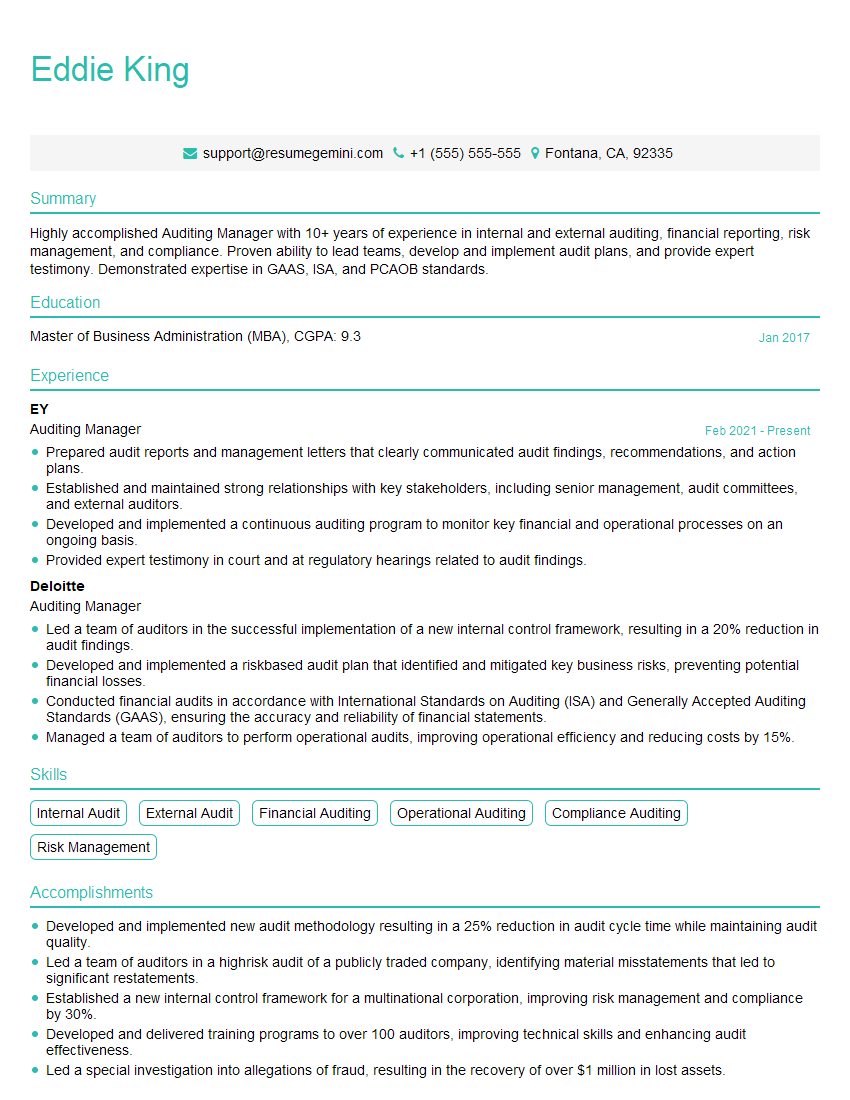
Auditing Manager Resume Sample
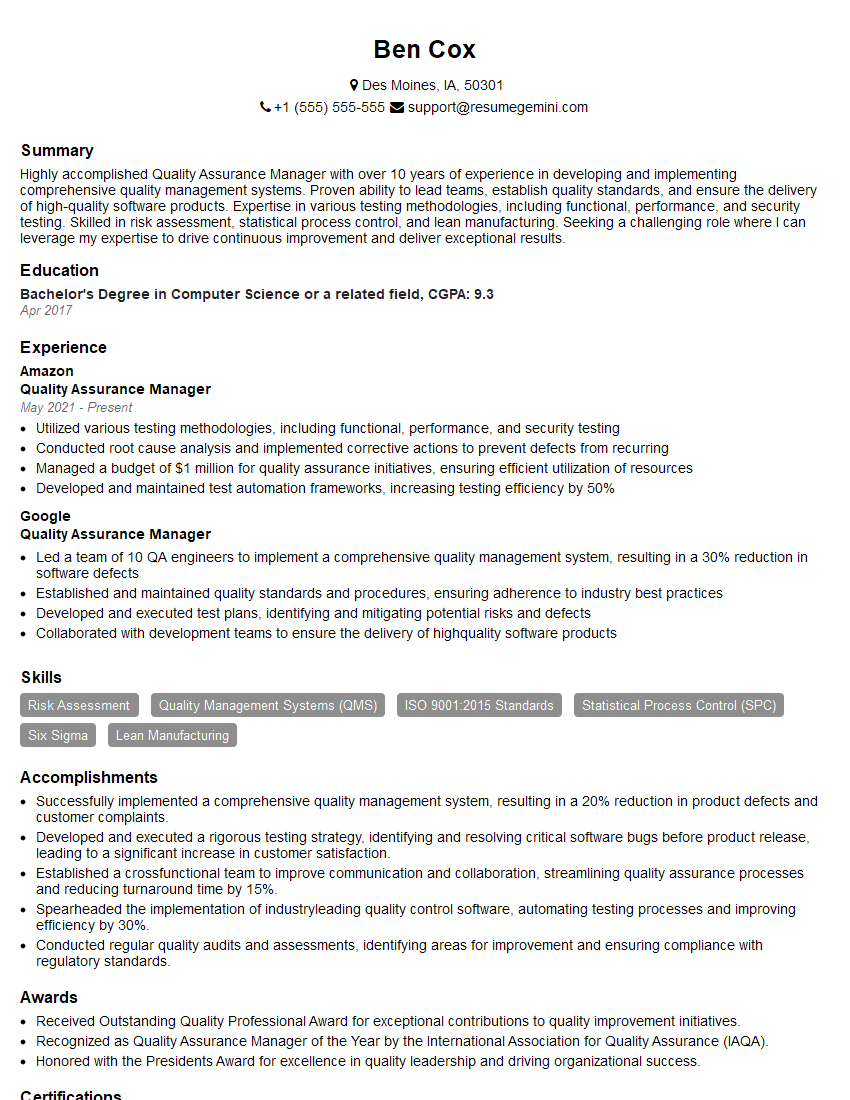
Quality Assurance Manager Resume Sample
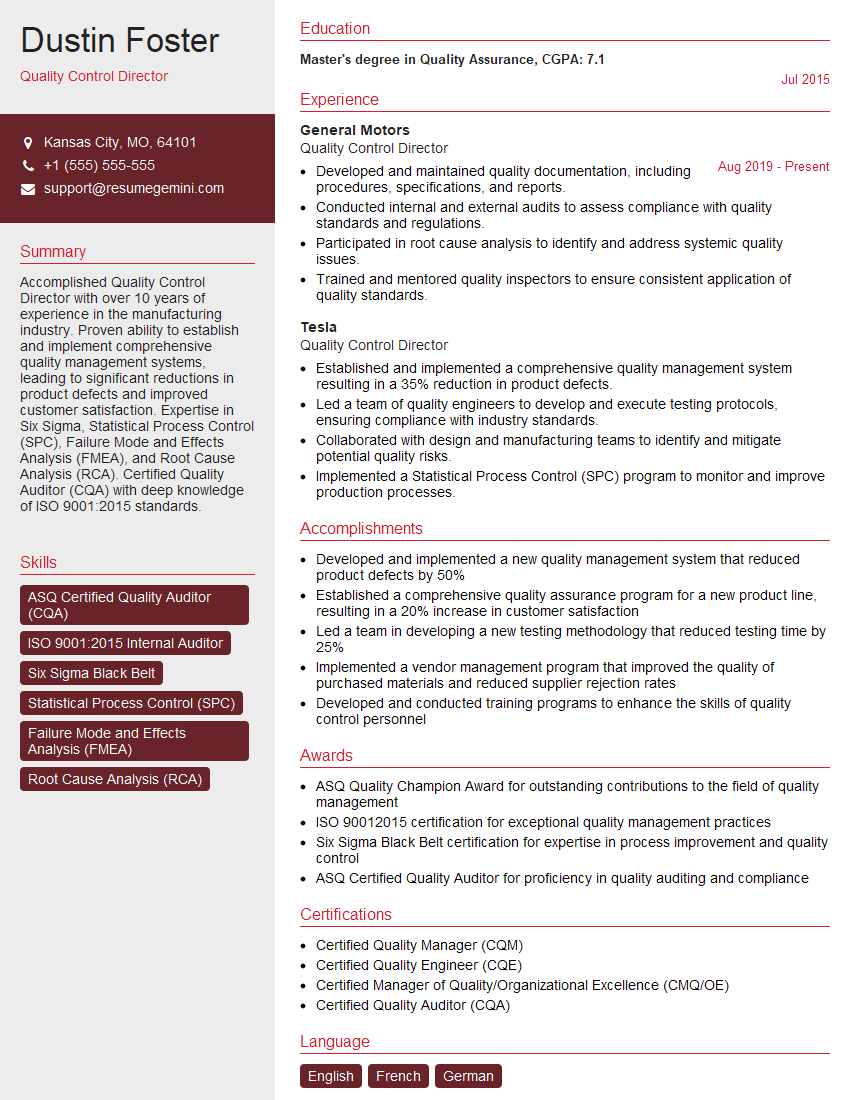
Quality Control Director Resume Sample
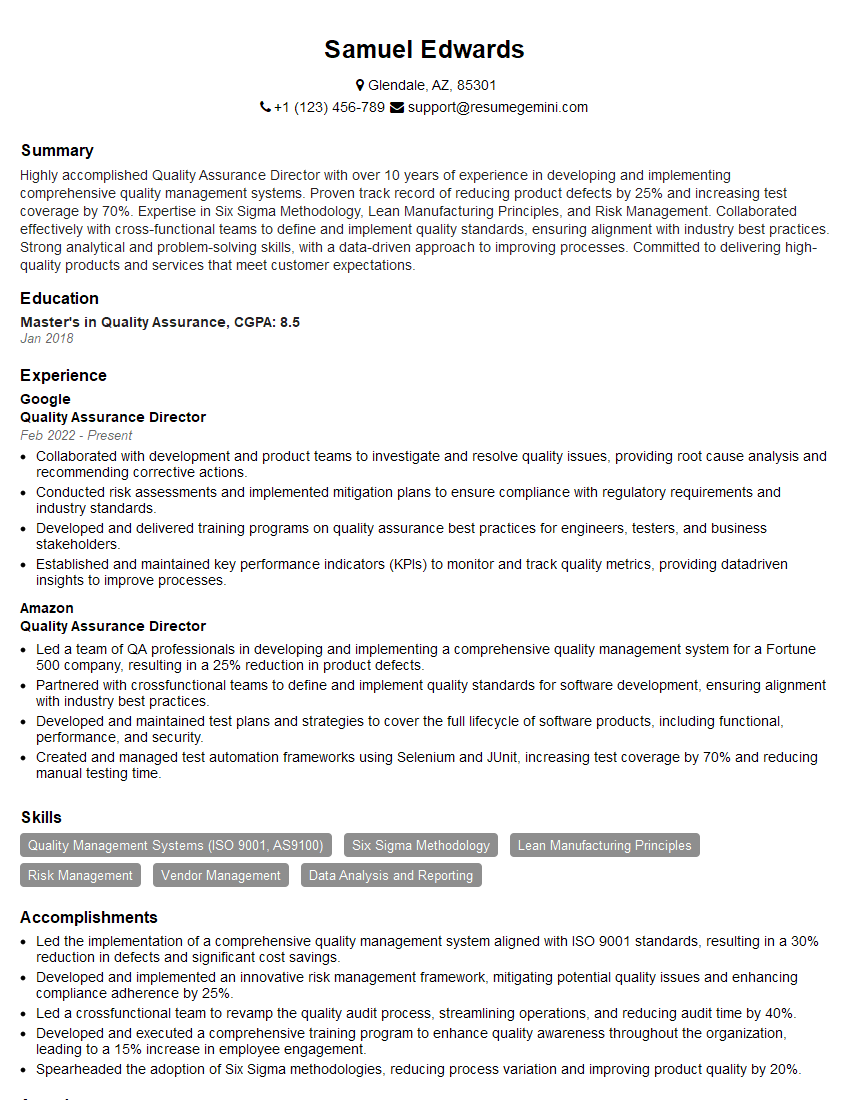
Quality Assurance Director Resume Sample
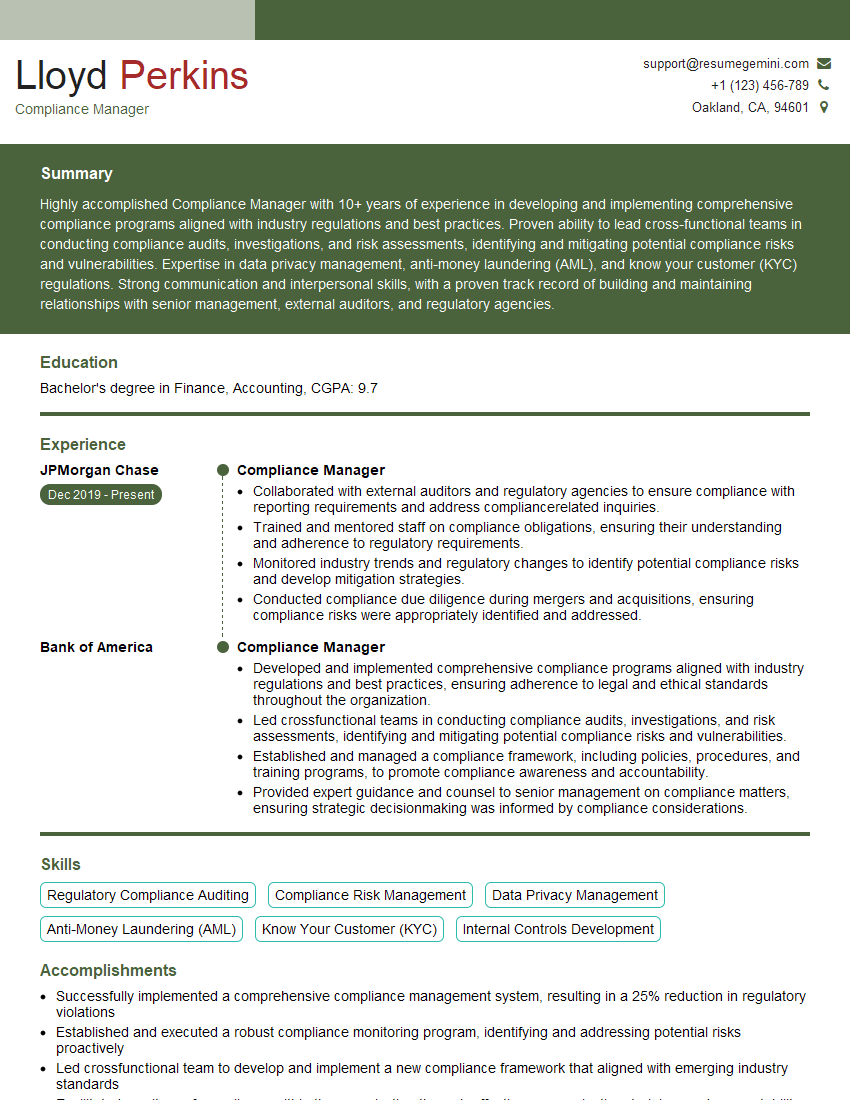
Compliance Manager Resume Sample
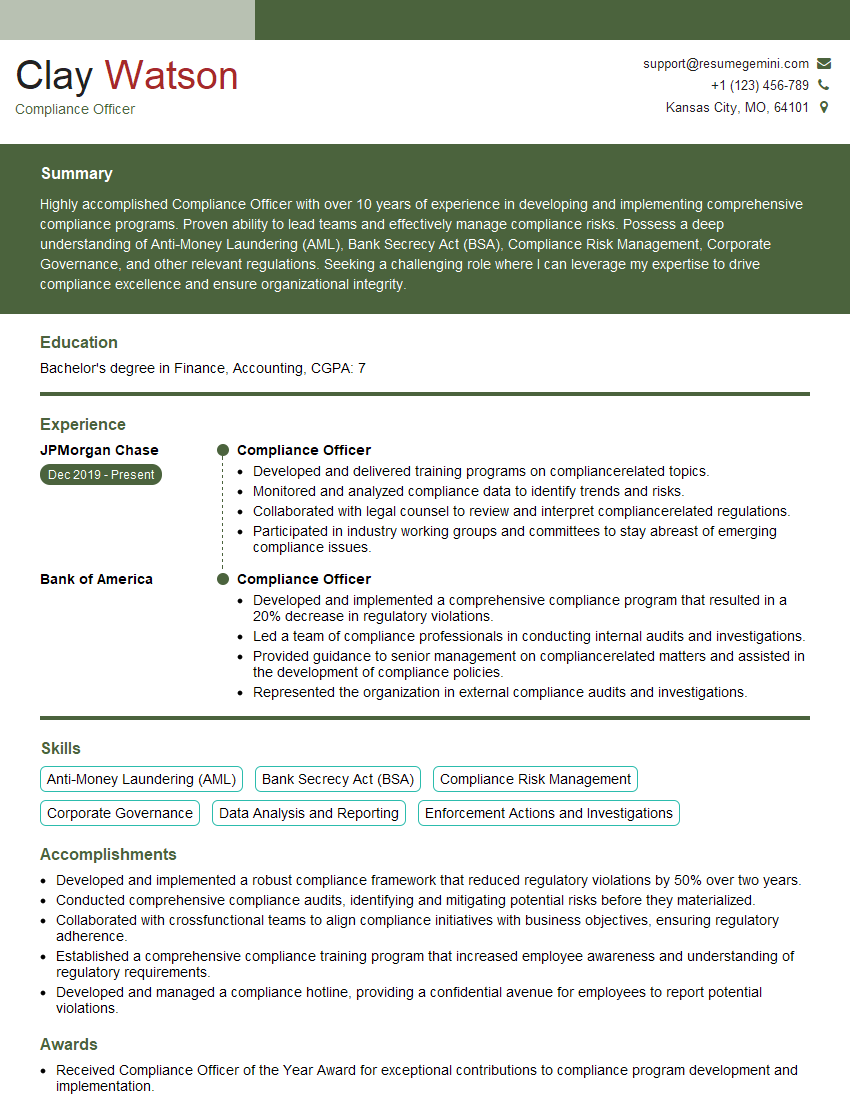
Compliance Officer Resume Sample
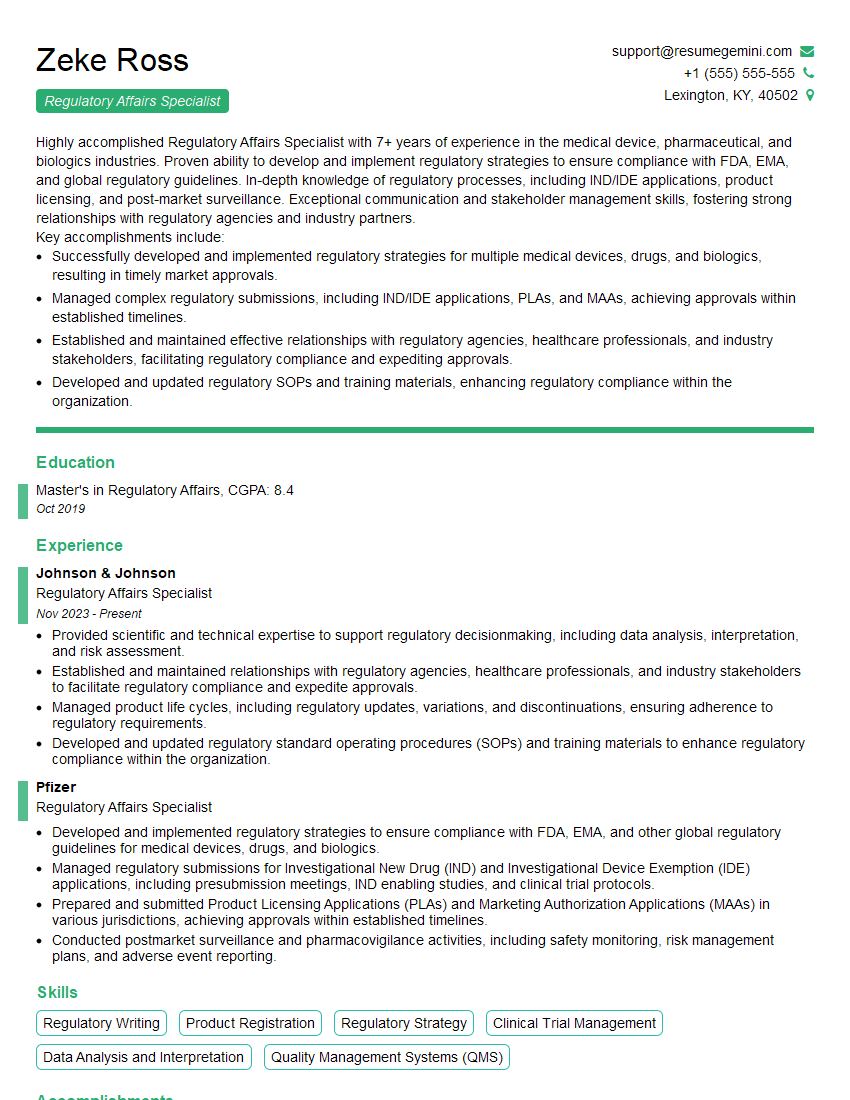
Regulatory Affairs Specialist Resume Sample

Risk Management Specialist Resume Sample
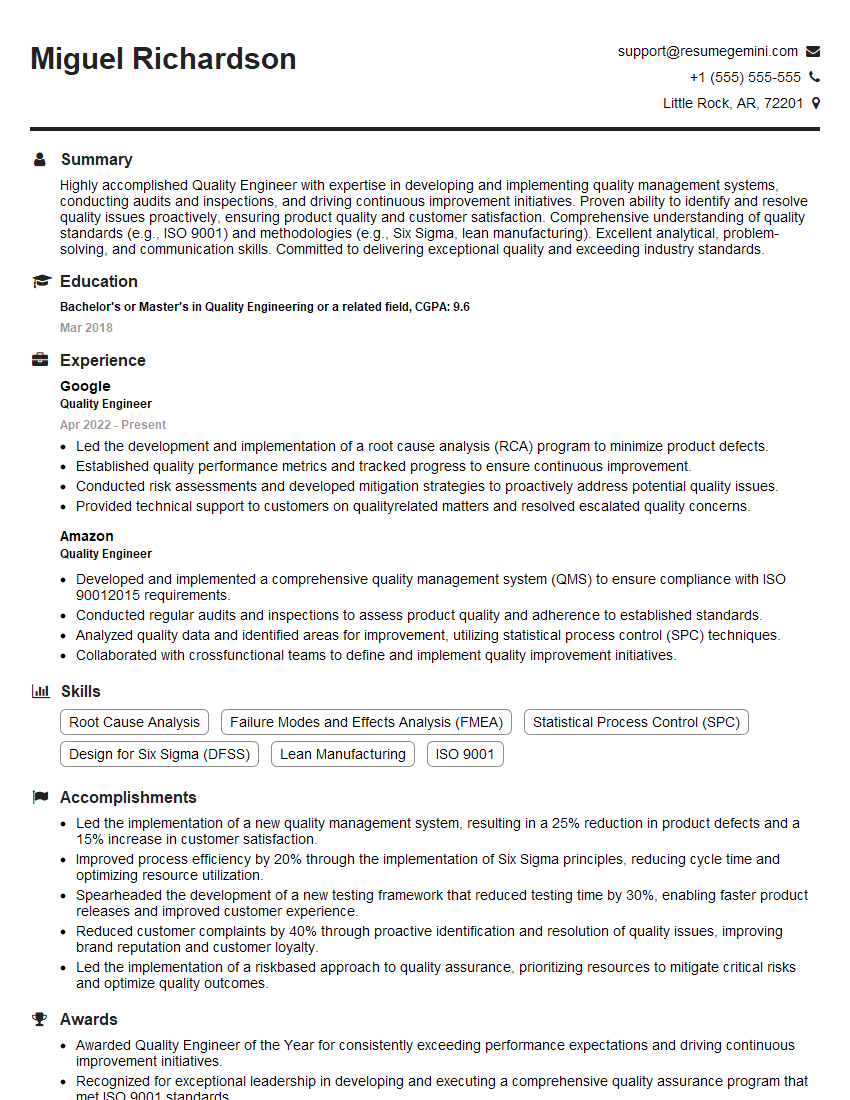
Quality Engineer Resume Sample
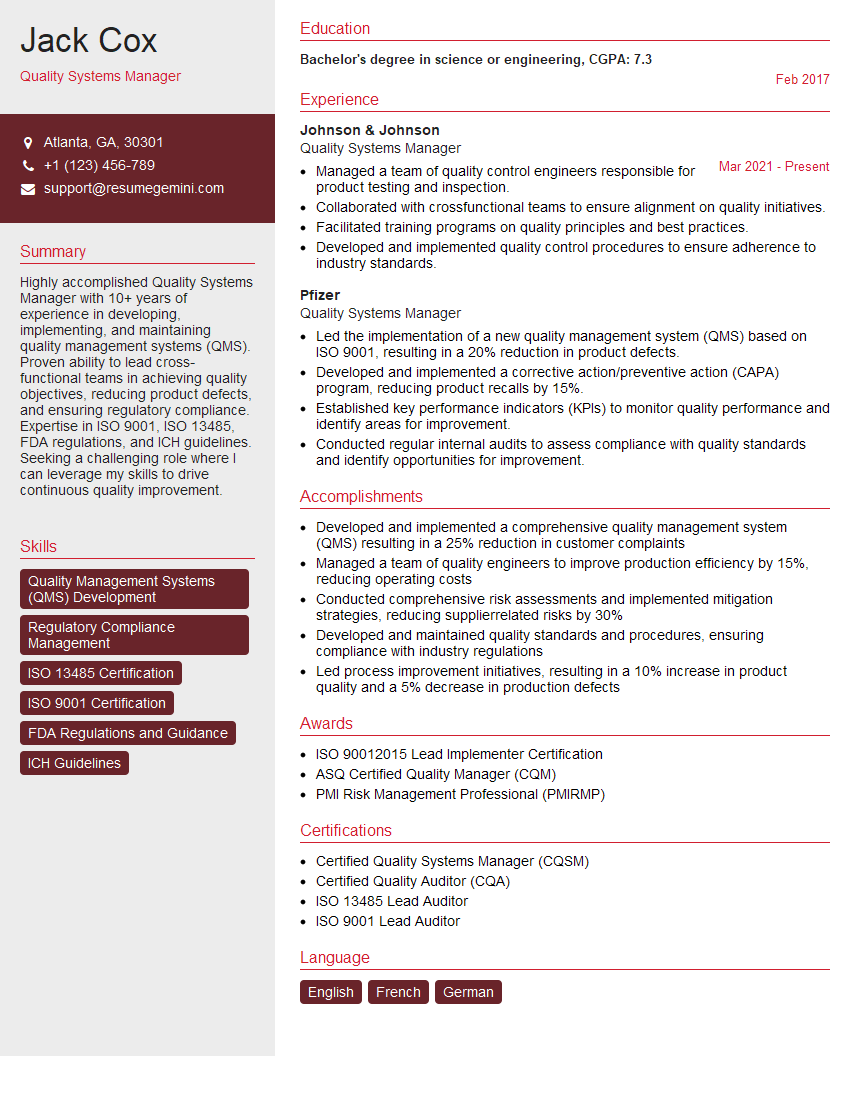
Quality Systems Manager Resume Sample

Quality Assurance Technician Resume Sample
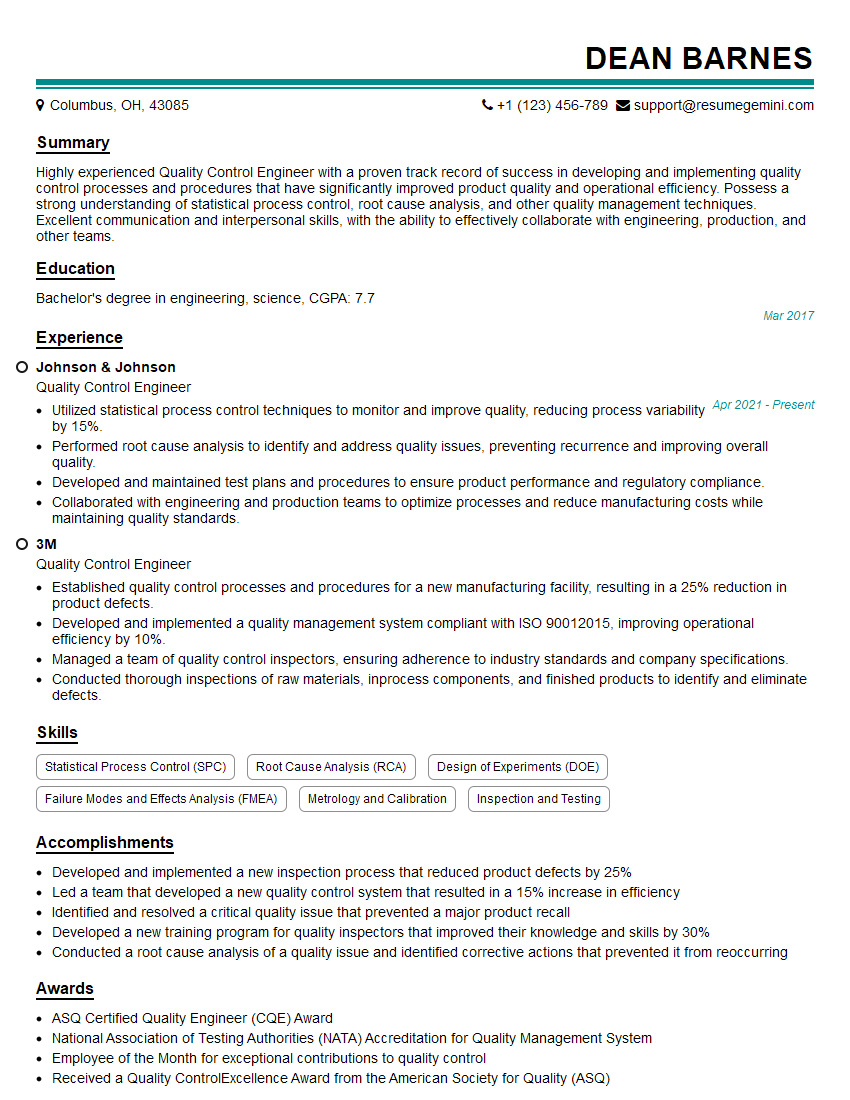
Quality Control Engineer Resume Sample
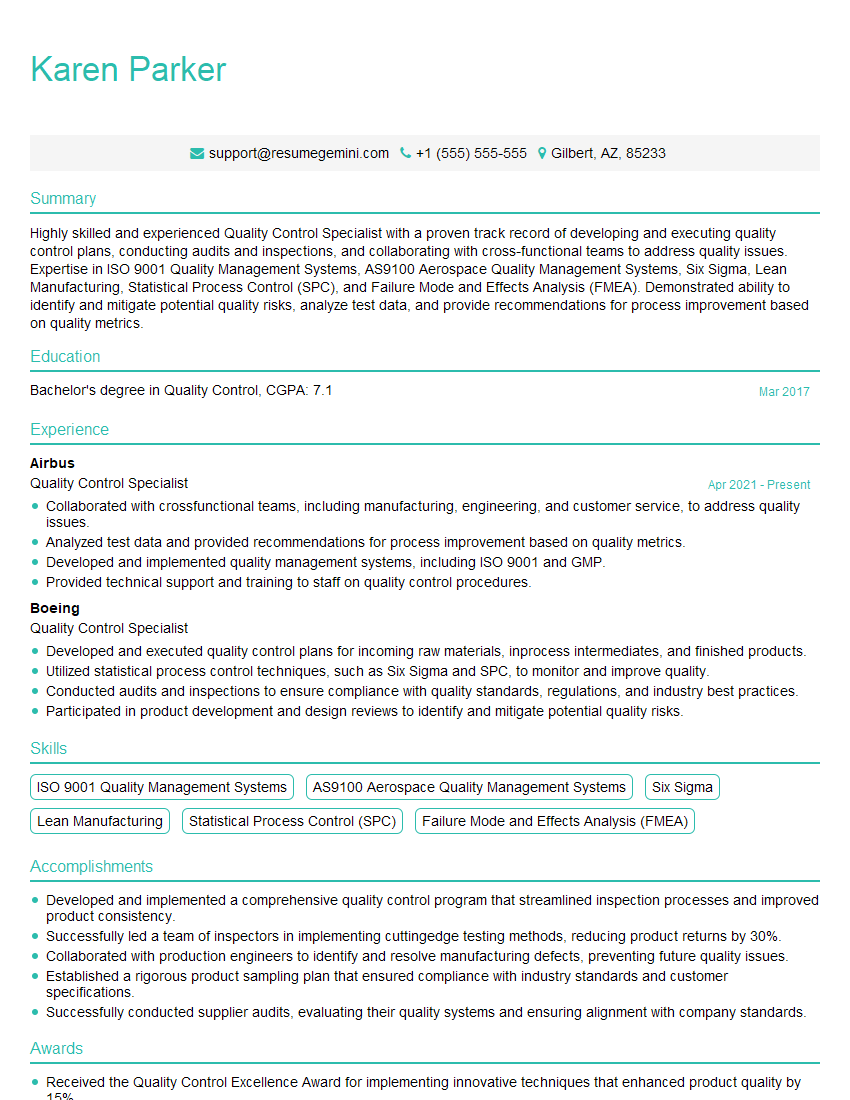
Quality Control Specialist Resume Sample
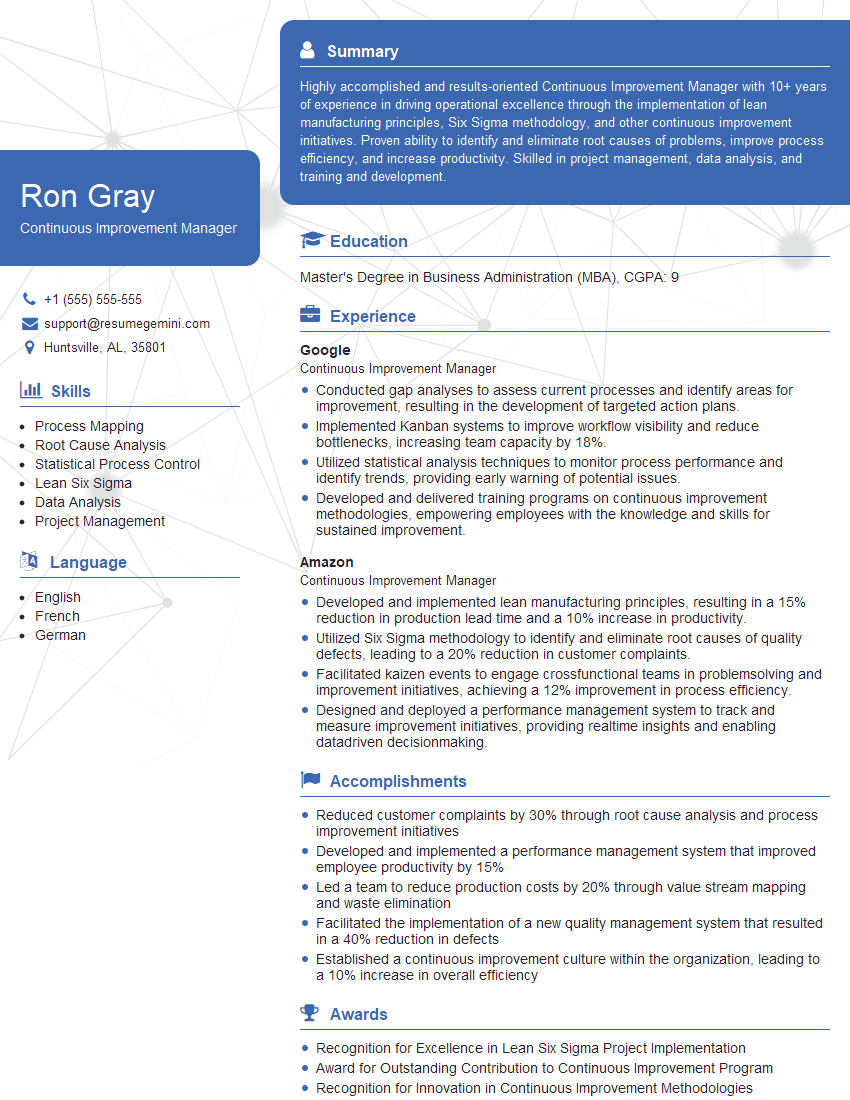
Continuous Improvement Manager Resume Sample
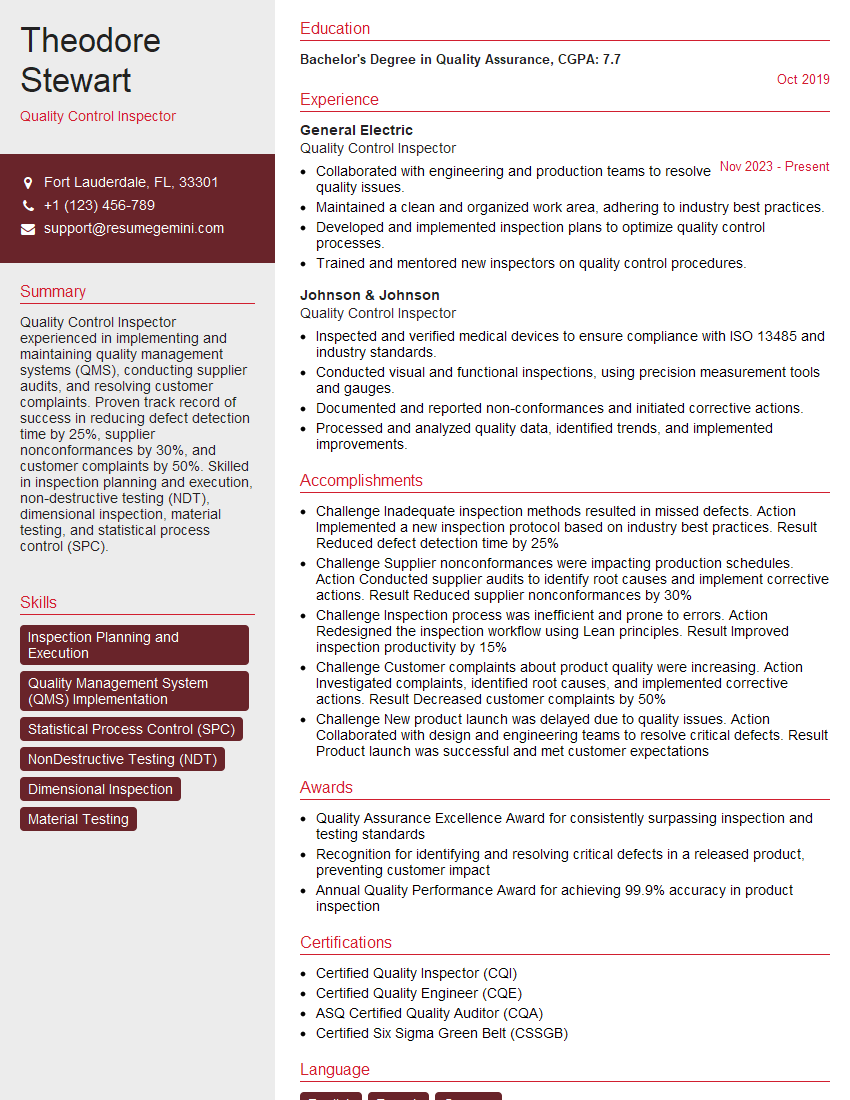
Quality Control Inspector Resume Sample
- Auditing Manager
- Quality Assurance Manager
- Quality Control Director
- Quality Assurance Director
- Compliance Manager
- Compliance Officer
- Regulatory Affairs Specialist
- Risk Management Specialist
- Quality Engineer
- Quality Systems Manager
- Quality Assurance Technician
- Quality Control Engineer
- Quality Control Specialist
- Continuous Improvement Manager
- Quality Control Inspector
Explore more articles
Users Rating of Our Blogs
Share Your Experience
We value your feedback! Please rate our content and share your thoughts (optional).
What Readers Say About Our Blog
Very informative content, great job.
good