Interviews are opportunities to demonstrate your expertise, and this guide is here to help you shine. Explore the essential Phase II Environmental Site Assessments interview questions that employers frequently ask, paired with strategies for crafting responses that set you apart from the competition.
Questions Asked in Phase II Environmental Site Assessments Interview
Q 1. Describe the process of conducting a Phase II Environmental Site Assessment.
A Phase II Environmental Site Assessment (ESA) is an investigative process undertaken to confirm or deny the presence and extent of environmental contamination at a site. It’s triggered by findings in a Phase I ESA that indicate potential environmental concerns. The process is typically quite involved and follows these steps:
- Planning and Scoping: This initial stage involves reviewing the Phase I ESA report, defining the assessment’s objectives and scope, and identifying potential contaminants based on the site’s history and use. For example, if a site was previously a gas station, we’d focus on petroleum hydrocarbons.
- Field Investigation: This is where the actual investigation happens. It involves collecting soil, groundwater, and potentially air or surface water samples. The sampling locations are strategically chosen based on the Phase I findings and professional judgment. Think of it like a detective carefully searching for clues.
- Sample Analysis: Collected samples are sent to a certified laboratory for analysis. The lab tests for specific contaminants identified in the planning stage. We might test for volatile organic compounds (VOCs), semi-volatile organic compounds (SVOCs), pesticides, heavy metals, etc., depending on the site’s history.
- Data Interpretation and Reporting: Once the lab results are received, the data is interpreted to determine the extent and nature of any contamination. This involves comparing the analytical results to regulatory standards and developing a conceptual site model to understand how the contaminants are distributed in the environment. The findings are then summarized in a comprehensive report, which includes recommendations for remediation, if necessary.
Throughout the entire process, strict adherence to Health and Safety regulations is paramount. Proper personal protective equipment (PPE) and safety protocols are followed to protect both the assessment team and the environment.
Q 2. What are the key differences between a Phase I and a Phase II ESA?
A Phase I ESA is a non-intrusive investigation that focuses on reviewing historical records and conducting a site reconnaissance to identify potential environmental concerns. It’s largely a desk study and doesn’t involve soil or groundwater sampling. In contrast, a Phase II ESA is an intrusive investigation that involves collecting and analyzing samples to confirm the presence and extent of contamination. Think of it this way: a Phase I is like a preliminary detective’s report based on available information, while a Phase II is like conducting a full-scale forensic investigation to uncover the evidence.
- Phase I: Historical records review, site reconnaissance, interviews, regulatory searches.
- Phase II: Soil and groundwater sampling, laboratory analysis, data interpretation, remedial recommendations.
Essentially, a Phase I determines if further investigation is needed, while a Phase II provides the definitive answers about the environmental condition of the site.
Q 3. Explain the significance of sampling strategies in Phase II ESAs.
Sampling strategies are critical in Phase II ESAs because they directly impact the accuracy and reliability of the results. A poorly designed sampling plan can lead to missed contamination, inaccurate conclusions, and unnecessary expenses. Effective strategies consider several factors:
- Site History and Use: Past activities influence potential contaminant locations. For example, a former dry cleaner would necessitate sampling areas where solvents were likely stored or spilled.
- Geology and Hydrogeology: Understanding the soil type, groundwater flow, and other subsurface characteristics helps determine optimal sampling locations and depths.
- Regulatory Requirements: Compliance with relevant environmental regulations is mandatory and influences sampling methods, frequency, and analytical parameters.
- Statistical Considerations: Proper statistical design ensures the collected data is representative of the entire site and allows for robust conclusions.
For instance, a grid sampling approach might be used for a relatively uniform site, while a targeted sampling strategy focusing on areas of suspected contamination is more suitable for sites with a known history of spills or releases. The choice of sampling strategy is a crucial decision affecting the overall assessment’s accuracy and reliability.
Q 4. What are the common contaminants encountered in Phase II ESAs?
The specific contaminants encountered in Phase II ESAs vary widely depending on the site’s history and use. However, some common ones include:
- Petroleum Hydrocarbons (PHCs): From gasoline stations, underground storage tanks (USTs), and other industrial activities.
- Volatile Organic Compounds (VOCs): Often found in solvents, degreasers, and industrial chemicals. Examples include trichloroethylene (TCE) and tetrachloroethylene (PCE).
- li>Semi-Volatile Organic Compounds (SVOCs): Similar to VOCs but less volatile. Examples include polycyclic aromatic hydrocarbons (PAHs) from coal tar and creosote.
- Heavy Metals: Such as lead, arsenic, mercury, and chromium, commonly found at former industrial sites.
- Pesticides and Herbicides: From agricultural activities or past uses of these chemicals.
- Polychlorinated Biphenyls (PCBs): Previously used in electrical equipment and other applications.
It’s important to remember that the presence of one or more of these contaminants doesn’t automatically mean the site is unsafe. The concentration of the contaminants in relation to regulatory standards is the critical factor determining potential risks.
Q 5. How do you interpret analytical data from a Phase II ESA?
Interpreting analytical data from a Phase II ESA involves comparing the laboratory results to relevant regulatory standards and developing a conceptual site model (CSM). The CSM is a visual representation of how contaminants are distributed in the environment, accounting for factors like groundwater flow and soil properties. This step requires a strong understanding of environmental chemistry, hydrogeology, and regulatory frameworks.
For example, if the lab results show a concentration of benzene exceeding the EPA’s maximum contaminant level (MCL) in groundwater, it indicates contamination and further investigation and remediation may be needed. Similarly, elevated levels of lead in soil exceeding residential standards would necessitate remediation efforts. The interpretation also considers potential pathways of exposure and risk to human health and the environment.
Software tools and statistical analysis are often used to aid in data interpretation and the creation of the CSM. A clear and concise summary of the findings, including implications and recommendations, is crucial for the final report.
Q 6. What are the limitations of Phase II ESAs?
Phase II ESAs, while comprehensive, do have limitations:
- Limited Scope: A Phase II ESA only investigates the areas sampled. Un-sampled areas may contain undetected contamination.
- Snapshot in Time: The data collected represents a single point in time and may not reflect changes over time due to natural attenuation or ongoing releases.
- Subjectivity in Interpretation: Professional judgment is needed to interpret the data and develop the CSM, introducing a degree of subjectivity.
- Cost and Time Constraints: Phase II ESAs can be expensive and time-consuming, potentially limiting the extent of investigation.
- Data Uncertainty: Analytical results always have a degree of uncertainty associated with them. It’s crucial to consider this when interpreting the findings.
Therefore, it’s vital to acknowledge these limitations when making decisions based on the results. Further investigation or monitoring may be necessary depending on the situation.
Q 7. How do you determine the appropriate sampling depth for soil and groundwater?
Determining appropriate sampling depth for soil and groundwater involves considering several factors:
- Site History: The depth of potential contamination is often linked to the nature of past activities. For example, shallow soil sampling might be sufficient for surface spills, whereas deeper sampling may be required for leaking underground storage tanks.
- Geology and Hydrogeology: The depth to groundwater, the presence of confining layers (e.g., clay), and groundwater flow direction are crucial in determining sampling depth. We aim to sample below the water table for groundwater assessment and within potentially impacted soil layers.
- Regulatory Guidance: Environmental regulations provide guidance on minimum sampling depths for specific contaminants and scenarios. These guidelines often differ based on the intended use of the site.
- Preliminary Investigation Data: Information obtained during the Phase I ESA and preliminary site investigations helps focus sampling efforts and guide depth selection.
For soil, multiple depths might be sampled to delineate the vertical extent of contamination. For groundwater, monitoring wells are typically installed to sample at appropriate depths in the saturated zone. A qualified geologist or hydrogeologist plays a crucial role in determining the optimal sampling depths.
Q 8. Explain the role of chain of custody in environmental sampling.
Chain of custody (COC) in environmental sampling is a crucial process that ensures the integrity and traceability of samples from collection to laboratory analysis. Think of it like a detailed receipt, meticulously tracking every handoff and step a sample takes. This prevents sample tampering, misidentification, or any other form of compromise that could jeopardize the accuracy of the assessment.
A COC document typically includes:
- Sample identification numbers
- Date and time of collection
- Location of collection
- Names and signatures of individuals involved at each stage (collector, transporter, laboratory personnel)
- Details of any sample splitting or sub-sampling
- Any unusual occurrences or chain-of-custody breaches
For example, if a soil sample is collected, a COC form will document who collected it, when and where, and who transported it to the lab. Every person handling the sample signs and dates the form, establishing an unbroken chain of custody. Without a meticulous COC, the results of the lab analysis would be questionable and inadmissible in court or regulatory proceedings.
Q 9. How do you address data gaps or inconsistencies in a Phase II ESA?
Addressing data gaps or inconsistencies in a Phase II ESA requires a systematic and rigorous approach. It’s not about ignoring problems; it’s about understanding their implications and taking appropriate action. Data gaps can result from limitations in previous investigations or the inherent complexities of site conditions. Inconsistencies might arise from analytical errors, variations in sampling methodologies, or the natural heterogeneity of subsurface conditions.
To handle these issues:
- Identify the source: Thoroughly review the existing data to pinpoint the exact nature and extent of the gaps and inconsistencies. Are the data missing entirely, or are there just ambiguities or contradictory findings?
- Assess the significance: Determine the potential impact of the data gap or inconsistency on the overall assessment. Does it significantly affect the interpretation of the findings or conclusions?
- Develop a strategy: Based on the significance, choose the best course of action. This could involve further sampling and analysis in areas where data are missing, reviewing historical records for additional information, employing expert judgment to interpret ambiguous data, or applying professional judgment to address the uncertainty.
- Document everything: Clearly document the steps taken to address the data gaps or inconsistencies, explaining the assumptions, limitations, and uncertainties in the final report.
For instance, if historical records show a potential contamination source but no soil sampling data exists in that specific area, we would recommend additional soil borings to investigate for contamination. Our report would clearly state this additional sampling and explain how the results informed our conclusions. We might also utilize professional judgment based on similar sites and regional geology to assess potential impacts if additional sampling isn’t feasible.
Q 10. Describe your experience with different sampling methods (e.g., soil boring, well installation).
My experience encompasses a wide range of sampling methods used in Phase II ESAs. Selecting the appropriate method depends heavily on the project’s specific goals and the site’s characteristics. I have extensive experience with:
- Soil Boring: This involves using a hollow-stem auger or other specialized drilling equipment to extract soil samples at various depths. The method allows for the collection of undisturbed samples, crucial for determining the vertical extent of contamination and for geotechnical considerations. Different types of borings (e.g., HSA, solid-stem auger) are employed based on soil conditions and project needs.
- Well Installation: Monitoring wells are installed to collect groundwater samples for analysis. This procedure requires careful consideration of well screen placement, well development techniques, and the selection of appropriate well materials to ensure the accurate representation of groundwater quality. Different well construction methods (e.g., direct-push, conventional drilling) cater to varying site conditions. I have extensive experience selecting appropriate materials to minimize cross-contamination.
- Surface Soil Sampling: This involves collecting samples from the surface layer of soil using hand tools or augers. It’s often used for preliminary assessments or where shallow contamination is suspected. Strict protocols are adhered to to minimize cross contamination.
I am adept at selecting the right method based on factors such as project objectives, soil type, depth of investigation, and regulatory requirements. The choice must be justified in the report. For example, in a site with fractured bedrock, we might utilize specialized drilling techniques such as sonic drilling to better access groundwater below the fractured zone.
Q 11. How do you ensure data quality and accuracy in a Phase II ESA?
Ensuring data quality and accuracy in a Phase II ESA is paramount. It involves meticulous attention to detail throughout the entire process, from planning and sampling to analysis and reporting. My approach incorporates several key strategies:
- Detailed sampling plan: A well-defined plan that specifies sampling locations, depths, methods, and quality control procedures is the foundation of a successful ESA. The plan must adhere to relevant regulatory guidelines and best practices.
- Field quality control (FQC): Implementing rigorous FQC measures during sampling, including blank samples, duplicate samples, and field split samples, helps identify potential errors or contamination during the sampling process.
- Laboratory quality control (LQC): Selecting a reputable laboratory that utilizes established LQC procedures ensures reliable and accurate analytical results. We regularly review lab certificates of analysis for quality assurance.
- Data validation and verification: A thorough review of all collected data, including the laboratory reports, ensures consistency and detects any anomalies. This step is essential for accurate interpretation of the results.
- Use of qualified personnel: All field personnel and laboratory analysts must be qualified and experienced in environmental sampling and analysis, and I ensure all individuals are properly trained and certified.
For example, I’d always include field blanks to detect any cross-contamination during sampling. Analyzing duplicate samples alongside other samples allows us to assess the precision of the analytical results. Any discrepancies are investigated and documented. This process helps guarantee the highest level of confidence in the data and its interpretation.
Q 12. Explain the process of developing a conceptual site model (CSM).
A conceptual site model (CSM) is a visual representation of a site’s environmental conditions, integrating all available information to understand the sources, pathways, and receptors of potential contamination. It’s a dynamic tool that evolves as more data become available, helping to guide the site investigation and risk assessment.
The process typically involves:
- Gather all relevant information: This includes historical records, site plans, aerial photographs, previous environmental reports, regulatory data, and field observations.
- Identify potential sources of contamination: Determine the types and locations of potential sources based on the gathered information. This might include past industrial activities, underground storage tanks, or waste disposal practices.
- Define potential pathways of contaminant migration: Identify how contaminants might travel from the source to the receptor. This could involve soil, groundwater, surface water, or air. Consider factors like soil type, groundwater flow, and climate.
- Identify potential receptors: Determine which environmental or human health elements could be affected by the contamination, such as groundwater, surface water, soil, or human populations.
- Develop a visual representation: This can take many forms, including flow charts, diagrams, and maps. The goal is to create a clear and concise picture of the site’s environmental conditions.
Imagine a former gas station. The CSM would show the underground storage tanks (sources), how the leaked gasoline (contaminant) moves through the soil and groundwater (pathways), and the nearby drinking water well (receptor). This visual representation aids in focusing sampling and analysis, reducing unnecessary costs while thoroughly addressing environmental concerns.
Q 13. How do you assess the risk posed by identified contaminants?
Assessing the risk posed by identified contaminants is a critical aspect of a Phase II ESA. It involves evaluating the potential for adverse effects on human health and the environment. This typically involves:
- Exposure assessment: Determining the potential for contact with the contaminants via various pathways (e.g., ingestion, inhalation, dermal contact). This takes into account the concentration of contaminants in the environmental media (soil, groundwater, air), and the frequency and duration of exposure.
- Toxicity assessment: Evaluating the harmful effects of the contaminants, using toxicity data derived from scientific literature and regulatory guidelines. Consideration of both acute and chronic toxicity is important.
- Risk characterization: Combining the exposure and toxicity assessments to estimate the overall risk. Quantitative risk assessment (QRA) often employs risk assessment models to numerically estimate risk, while qualitative risk assessment (QRA) describes the risk using qualitative terminology.
Risk assessment methods are chosen based on the specific contaminants, receptors, and regulatory requirements. Once risk is assessed, we determine if it exceeds acceptable levels based on guidelines set by regulatory agencies (e.g., EPA). This assessment helps us recommend appropriate remedial action, if necessary.
For instance, if high levels of benzene are detected in groundwater near a residential well, we’d conduct a risk assessment to evaluate the potential health consequences associated with exposure to this contaminant via well water. This assessment would help determine if remediation or protective measures are needed.
Q 14. What are the reporting requirements for a Phase II ESA?
Reporting requirements for a Phase II ESA vary depending on the jurisdiction and the specific circumstances of the site. However, several key elements are typically included in a comprehensive report:
- Executive Summary: A concise overview of the project scope, methodology, key findings, and conclusions.
- Site History and Background: Details on the site’s history, previous uses, and known or suspected contamination sources.
- Site Description: Physical characteristics of the site, including topography, geology, hydrology, and climate.
- Sampling and Analysis Methodology: A comprehensive description of the sampling methods, locations, and analytical procedures used.
- Results and Data Interpretation: A detailed presentation and interpretation of the analytical results, including tables, graphs, and maps. This includes the location, concentration, and extent of any identified contaminants.
- Conceptual Site Model (CSM): A visual representation of the site’s environmental conditions, depicting the sources, pathways, and receptors of contamination.
- Risk Assessment: An evaluation of the potential risks to human health and the environment posed by the identified contaminants.
- Conclusions and Recommendations: A summary of the findings, conclusions drawn from the investigation, and recommendations for any necessary remedial actions.
- Appendices: Supporting documentation, including the Chain of Custody, laboratory reports, and other relevant data.
The report must be clear, concise, and well-organized, using appropriate technical language and ensuring that all findings are properly documented and justified. Adherence to local and federal guidelines is critical for ensuring the report’s regulatory compliance.
Q 15. How do you communicate complex technical information to non-technical audiences?
Communicating complex technical information to non-technical audiences requires a clear, concise, and relatable approach. I avoid jargon and technical terms whenever possible, instead opting for plain language and analogies. For example, when explaining soil vapor extraction, I might compare it to a vacuum cleaner removing contaminants from the ground. I use visuals like diagrams, charts, and maps to illustrate data and concepts. I tailor my communication style to the audience, understanding that a real estate developer needs a different level of detail than an environmental engineer. Finally, I always welcome questions and encourage feedback to ensure understanding.
I’ve found that breaking down complex information into smaller, digestible chunks is crucial. I start with the big picture, the overall goal of the Phase II ESA, before diving into specific findings. Using storytelling techniques can also make the information more memorable and engaging. I might share a brief case study highlighting a successful remediation strategy, making the technical aspects more relevant and less intimidating.
Career Expert Tips:
- Ace those interviews! Prepare effectively by reviewing the Top 50 Most Common Interview Questions on ResumeGemini.
- Navigate your job search with confidence! Explore a wide range of Career Tips on ResumeGemini. Learn about common challenges and recommendations to overcome them.
- Craft the perfect resume! Master the Art of Resume Writing with ResumeGemini’s guide. Showcase your unique qualifications and achievements effectively.
- Don’t miss out on holiday savings! Build your dream resume with ResumeGemini’s ATS optimized templates.
Q 16. What are the legal and regulatory considerations for Phase II ESAs?
Legal and regulatory considerations for Phase II ESAs are extensive and vary by location. They’re primarily driven by federal laws like the Comprehensive Environmental Response, Compensation, and Liability Act (CERCLA) and the Resource Conservation and Recovery Act (RCRA), as well as state and local regulations. These regulations dictate which contaminants need to be sampled, the acceptable sampling methods, data reporting requirements, and remediation standards. For example, the EPA’s standards for hazardous waste sites will differ significantly from a state’s guidelines for petroleum contamination. Understanding these regulations is critical in developing a compliant and effective Phase II ESA. Failure to comply can result in significant penalties, including fines and legal action.
A key consideration is the All Appropriate Inquiry (AAI) rule, which impacts liability for environmental contamination on property transactions. A properly conducted Phase II ESA, adhering to all applicable regulations, helps to establish AAI compliance and protects parties involved in the property transfer. It’s vital to be aware of any specific requirements related to the type of property, its history, and the potential presence of regulated substances in that specific jurisdiction.
Q 17. Describe your experience working with regulatory agencies (e.g., EPA, state agencies).
I have extensive experience interacting with regulatory agencies, including the EPA and various state environmental agencies. This involves submitting reports, attending meetings, responding to inquiries, and negotiating remediation plans. I have a strong understanding of their expectations for data quality, reporting formats, and project timelines. In one project involving a former industrial site, I worked closely with the state Department of Environmental Conservation (DEC) throughout the entire Phase II ESA process. We had regular communication to ensure our investigation met their requirements and to address any concerns they had proactively. This collaborative approach minimized potential delays and ensured the project’s smooth completion.
Effective communication is paramount in these interactions. I always maintain clear and transparent communication, providing regular updates and proactively addressing any potential issues. Building strong professional relationships with regulators is crucial for navigating the regulatory process efficiently and effectively. Understanding their priorities and working collaboratively to achieve a common goal – environmental protection – builds trust and facilitates a smoother process.
Q 18. How do you manage project timelines and budgets for Phase II ESAs?
Managing project timelines and budgets for Phase II ESAs requires careful planning and proactive monitoring. The initial step is to develop a detailed work plan outlining all project tasks, including sampling, laboratory analysis, data interpretation, and report writing. This plan helps establish a realistic timeline and budget. I utilize project management software to track progress, manage tasks, and monitor expenditures. Regular communication with clients is vital to keep them informed of progress and any potential issues that might affect the timeline or budget.
Contingency planning is crucial. Unexpected findings or laboratory delays can significantly impact a project. I incorporate buffers into the timeline and budget to accommodate unforeseen circumstances. For example, if soil sampling reveals higher-than-expected contamination levels, additional sampling might be needed, necessitating adjustments to both the timeline and budget. Open communication with the client about any necessary changes allows for informed decision-making and prevents unexpected cost overruns.
Q 19. What software or tools do you use for data analysis and report writing in Phase II ESAs?
For data analysis and report writing in Phase II ESAs, I utilize a variety of software and tools. This includes Geographic Information Systems (GIS) software like ArcGIS to map and visualize data, statistical software such as R or SPSS for data analysis, and specialized environmental software packages designed for managing and interpreting environmental data. For report writing, I use word processing software with advanced formatting capabilities and databases to manage large amounts of data efficiently.
Example: I might use ArcGIS to create maps showing the spatial distribution of contaminants, then use R to perform statistical analyses to identify trends and patterns. This data is then integrated into a professional report using Microsoft Word or similar software, ensuring a clear and visually appealing presentation of the findings. I am also proficient in using data management software to maintain the integrity and organization of all project data.
Q 20. Describe a challenging Phase II ESA project and how you overcame the challenges.
One challenging Phase II ESA involved a former dry cleaning facility where the initial soil sampling revealed significantly higher levels of tetrachloroethylene (PCE) than anticipated. The initial budget and timeline did not accommodate the extensive additional sampling and laboratory analysis needed to fully delineate the extent of the contamination. The challenge was to efficiently and cost-effectively complete the investigation while maintaining regulatory compliance and client satisfaction.
To overcome this, we implemented a phased approach. We prioritized the areas with the highest concentrations of PCE, conducting targeted investigations to refine our understanding of the plume. We also negotiated with the laboratory for expedited analysis and explored cost-saving measures without compromising data quality. We maintained constant communication with the client, keeping them updated on our progress and any adjustments to the budget or timeline. Through strategic planning and collaborative problem-solving, we successfully completed the Phase II ESA within a revised, yet acceptable, timeframe and budget. The project highlighted the importance of flexibility and proactive communication in managing unexpected challenges.
Q 21. How do you handle unexpected findings during a Phase II ESA?
Handling unexpected findings during a Phase II ESA requires a systematic and cautious approach. The first step is to verify the findings through additional sampling and analysis. This often involves collecting duplicate samples and using different analytical methods to ensure accuracy. Once verified, the unexpected findings need to be assessed for their potential environmental and human health impacts. This requires careful interpretation of the data in context with the site history and regulatory standards.
Depending on the nature and severity of the unexpected findings, immediate actions may be necessary. For example, if volatile organic compounds (VOCs) are detected at levels exceeding regulatory thresholds, temporary site controls might be implemented to prevent further migration of contaminants. A revised work plan addressing the new information must be developed, often requiring modifications to the scope and budget. All findings, including unexpected results, are clearly communicated to the client and regulatory agencies, along with recommendations for further investigation or remediation.
Q 22. What are the different remediation technologies available for contaminated sites?
Remediation technologies for contaminated sites are numerous and chosen based on the specific contaminant, its concentration, the site’s geology, and regulatory requirements. They broadly fall into several categories:
- Excavation and Disposal: This involves digging up contaminated soil or sediment and transporting it to a licensed hazardous waste facility. It’s effective for localized, high-concentration contamination but can be expensive and disruptive.
- In-situ Treatment: These methods treat the contamination in place, minimizing disruption. Examples include:
- Bioremediation: Using microorganisms to break down contaminants. This is cost-effective and environmentally friendly but can be slow.
- Pump and Treat: Extracting groundwater, treating it, and reinjecting it. Effective for soluble contaminants but can be lengthy and energy-intensive.
- Soil Vapor Extraction (SVE): Removing volatile organic compounds (VOCs) from the soil by vacuuming them out. Suitable for VOCs in vadose zone (unsaturated soil).
- Chemical Oxidation/Reduction: Introducing chemicals to chemically alter contaminants, rendering them less harmful.
- Solidification/Stabilization: Binding contaminants within a solid matrix to prevent their migration. This is often used as a long-term solution for less mobile contaminants.
- Thermal Desorption: Heating the soil to volatilize contaminants, which are then captured and treated. Effective for volatile contaminants but requires specialized equipment.
Choosing the right technology is a complex process involving detailed site characterization and risk assessment, often requiring collaboration between engineers, hydrogeologists, and environmental scientists.
Q 23. How do you determine the appropriate remediation strategy for a given site?
Determining the appropriate remediation strategy involves a multi-step process. Think of it like diagnosing an illness – you need a thorough examination before prescribing treatment.
- Site Characterization: This crucial first step involves collecting data on the extent and nature of the contamination (type, concentration, location). This often includes soil and groundwater sampling, geophysical surveys, and historical records review.
- Risk Assessment: This assesses the potential human health and ecological risks posed by the contamination. It considers exposure pathways (e.g., ingestion, inhalation, dermal contact) and the toxicity of the contaminants. Risk assessments often utilize models to predict future contaminant migration.
- Remediation Goal Setting: Based on the risk assessment, remediation goals are established. These might be numerical cleanup levels (e.g., parts per million of a specific contaminant) or a reduction in risk to a specific level.
- Technology Selection: Different technologies are evaluated based on their effectiveness, cost, feasibility, and environmental impact. This often involves comparing various options using life-cycle cost analysis and a detailed feasibility study.
- Remediation Implementation and Monitoring: The chosen technology is implemented, and the progress is monitored using appropriate methods. This ensures that the remediation is effective and meets the established goals.
- Long-Term Monitoring: Post-remediation monitoring verifies the effectiveness of the cleanup and detects any potential reemergence of contamination.
For instance, if we find high levels of VOCs in shallow groundwater near a well, pump-and-treat might be the best option, whereas bioremediation might be suitable for less mobile contaminants deep in the soil. The decision is always site-specific and data-driven.
Q 24. Explain the concept of risk-based corrective action.
Risk-based corrective action (RBCA) is a regulatory approach to managing contamination at sites where cleanup is not always necessary. It focuses on reducing risk to acceptable levels rather than achieving specific cleanup levels. The idea is simple: If the risk is low, extensive cleanup may be unnecessary.
Instead of aiming for a pre-defined cleanup level, RBCA emphasizes:
- Comprehensive Site Characterization: Defining the nature and extent of contamination.
- Exposure Pathway Analysis: Identifying how people or the environment might come into contact with contaminants.
- Risk Assessment: Quantifying the likelihood and severity of adverse health or ecological effects.
- Risk Management: Developing strategies to reduce risk to acceptable levels. These strategies might include institutional controls (e.g., deed restrictions limiting site use), engineering controls (e.g., capping contaminated soil), or active remediation.
RBCA is more cost-effective than traditional cleanup methods in situations where the risk is low. For example, if a small amount of contamination is deeply buried and unlikely to affect human health or the environment, RBCA might recommend leaving it undisturbed and implementing institutional controls to prevent future exposure.
Q 25. What are the ethical considerations in conducting a Phase II ESA?
Ethical considerations in a Phase II ESA are paramount. We are dealing with public health and environmental protection, demanding utmost integrity and objectivity.
- Data Integrity: Accurate and unbiased data collection and reporting are crucial. This includes transparently documenting all methods, results, and any limitations or uncertainties.
- Client Confidentiality: Maintaining client confidentiality while adhering to regulatory reporting requirements is a delicate balance. The information obtained during the assessment must be handled responsibly.
- Conflict of Interest: Avoiding any conflicts of interest, such as financial incentives influencing the assessment’s findings, is essential. Transparency in financial relationships is important.
- Professional Judgment: Using sound professional judgment in interpreting the data and forming conclusions. This might involve seeking peer review if there are uncertainties or complexities in the data interpretation.
- Regulatory Compliance: Ensuring the assessment complies with all applicable local, state, and federal regulations. This includes accurate and complete reporting to the authorities.
A classic example of unethical conduct would be ignoring potentially significant findings to satisfy a client’s desire for a favorable outcome. Maintaining independence and upholding professional standards is crucial to ensuring responsible environmental stewardship.
Q 26. How do you ensure the health and safety of your team during fieldwork?
Ensuring team health and safety during fieldwork is a top priority. It requires proactive planning and a commitment to safety protocols.
- Site-Specific Health and Safety Plan (HASP): A detailed HASP is developed for each site, outlining potential hazards (e.g., hazardous materials, confined spaces, heavy equipment) and the necessary precautions.
- Personal Protective Equipment (PPE): Providing and ensuring proper use of PPE, including respirators, gloves, safety glasses, and protective clothing, is critical.
- Training and Competency: Ensuring that all team members are adequately trained and competent in safe work practices, including emergency response procedures.
- Emergency Response Plan: Having a clear and well-rehearsed emergency response plan in place addresses potential accidents or medical emergencies.
- Site Monitoring: Continuously monitoring air quality, noise levels, and other potential hazards throughout the fieldwork.
- Communication: Maintaining open communication between team members, supervisors, and clients, ensuring that any safety concerns are addressed promptly.
For example, before working near a suspected gasoline spill, the team will wear appropriate respirators to prevent VOC inhalation. This preemptive measure protects the team and ensures the accuracy of data collected.
Q 27. Describe your experience with various data validation techniques.
Data validation is essential for ensuring the quality and reliability of the Phase II ESA results. It involves verifying the accuracy, completeness, and consistency of the collected data. My experience encompasses various techniques including:
- Chain of Custody: Rigorous tracking of samples from collection to analysis, ensuring the integrity of the samples.
- Duplicate Samples: Collecting duplicate samples for analysis to verify the accuracy and precision of the laboratory results.
- Blank Samples: Including field blanks and laboratory blanks to detect contamination during sampling and analysis processes.
- Spike/Recovery Samples: Adding known concentrations of contaminants to samples to check the accuracy of the analytical methods.
- Data Review and Quality Control Checks: Thorough review of laboratory reports and field data to identify outliers, inconsistencies, or errors.
- Statistical Analysis: Employing statistical methods to evaluate the data and identify trends or patterns, ensuring valid conclusions are drawn.
For example, during a soil sampling event, if a field duplicate shows a significant deviation from the primary sample, it necessitates investigation, potentially requiring resampling. This careful data validation minimizes errors and enhances the reliability of the final report.
Q 28. What are some emerging trends in Phase II Environmental Site Assessments?
Several emerging trends are shaping Phase II ESAs:
- Increased Use of Advanced Analytical Techniques: Techniques such as high-resolution mass spectrometry and advanced isotopic analysis are providing more detailed information about contaminants and their sources. This leads to more informed remediation strategies.
- Integration of Big Data and AI: Big data analytics and artificial intelligence are being used to integrate and interpret vast amounts of environmental data, improving the efficiency and accuracy of assessments.
- Focus on Green Remediation: Emphasis on sustainable and environmentally friendly remediation technologies is growing. Bioremediation and other in-situ treatments are increasingly favored over more disruptive methods.
- Improved Risk Assessment Models: More sophisticated risk assessment models are incorporating factors like climate change and land-use changes to provide a more comprehensive view of long-term risks.
- Data Transparency and Open Data Initiatives: There’s a growing trend towards sharing environmental data publicly, promoting greater transparency and collaboration in environmental assessments and remediation efforts.
These advances enhance the accuracy, efficiency, and sustainability of Phase II ESAs, resulting in better environmental outcomes and more informed decision-making.
Key Topics to Learn for Phase II Environmental Site Assessments Interview
- Site History and Records Review: Understanding the importance of historical data in identifying potential contamination sources and guiding the investigation scope. Practical application: Analyzing historical aerial photos, Sanborn maps, and industrial activity records to pinpoint potential contamination sources.
- Sampling Strategies and Methods: Developing appropriate sampling plans based on site characteristics and potential contaminants. Practical application: Choosing between soil, groundwater, and vapor sampling techniques and understanding the implications of different sampling methodologies on data interpretation.
- Data Analysis and Interpretation: Evaluating laboratory results and interpreting data in the context of regulatory standards and environmental guidelines. Practical application: Understanding data quality objectives (DQOs), evaluating laboratory analytical results for accuracy and precision, and interpreting data to determine the extent of contamination.
- Regulatory Compliance: Familiarity with relevant environmental regulations (e.g., CERCLA, RCRA) and their implications for Phase II assessments. Practical application: Understanding reporting requirements, data quality objectives, and remediation options based on specific regulatory standards.
- Risk Assessment and Remediation Strategies: Assessing the potential risks associated with identified contamination and recommending appropriate remediation strategies. Practical application: Understanding risk assessment methodologies, evaluating various remediation technologies (e.g., excavation, bioremediation), and determining the feasibility and cost-effectiveness of different options.
- Report Writing and Presentation: Communicating findings clearly and concisely in a professional report. Practical application: Structuring a Phase II ESA report according to industry standards, presenting data effectively using graphs and tables, and summarizing conclusions and recommendations.
Next Steps
Mastering Phase II Environmental Site Assessments is crucial for career advancement in environmental consulting and related fields. It demonstrates a strong understanding of environmental regulations, data analysis, and problem-solving skills – highly valued attributes in this industry. To maximize your job prospects, create an ATS-friendly resume that highlights your relevant skills and experience. ResumeGemini is a trusted resource to help you build a professional and impactful resume. We provide examples of resumes tailored to Phase II Environmental Site Assessments to help you showcase your expertise effectively. Take advantage of these resources to present yourself as a strong candidate.
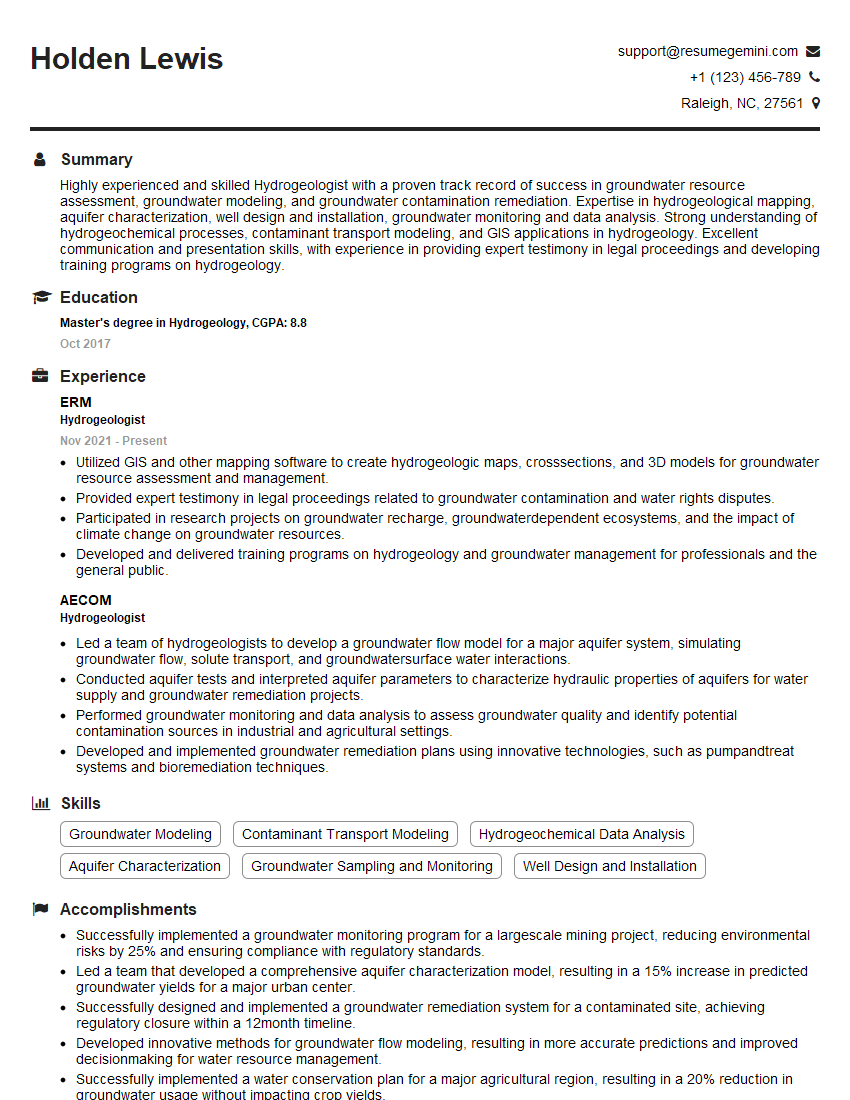
Hydrogeologist Resume Sample
Regulatory Compliance Specialist Resume Sample
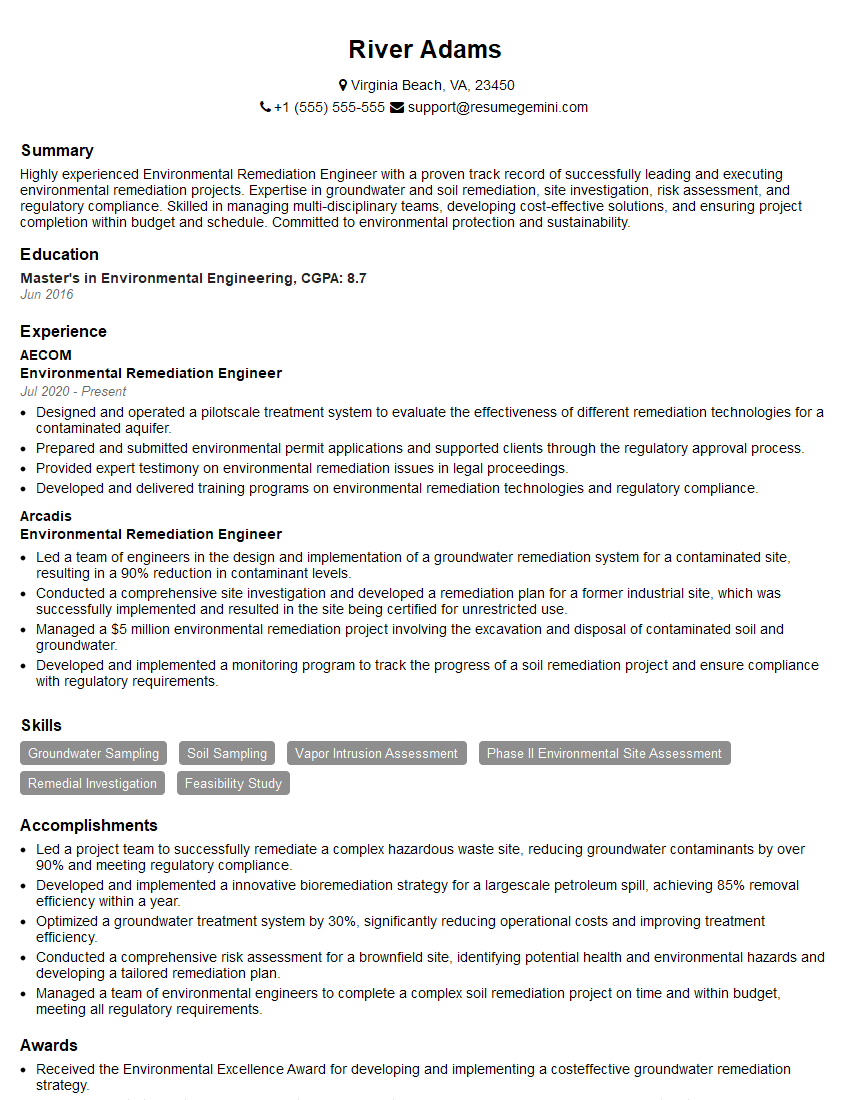
Environmental Remediation Engineer Resume Sample
Environmental Scientist Resume Sample
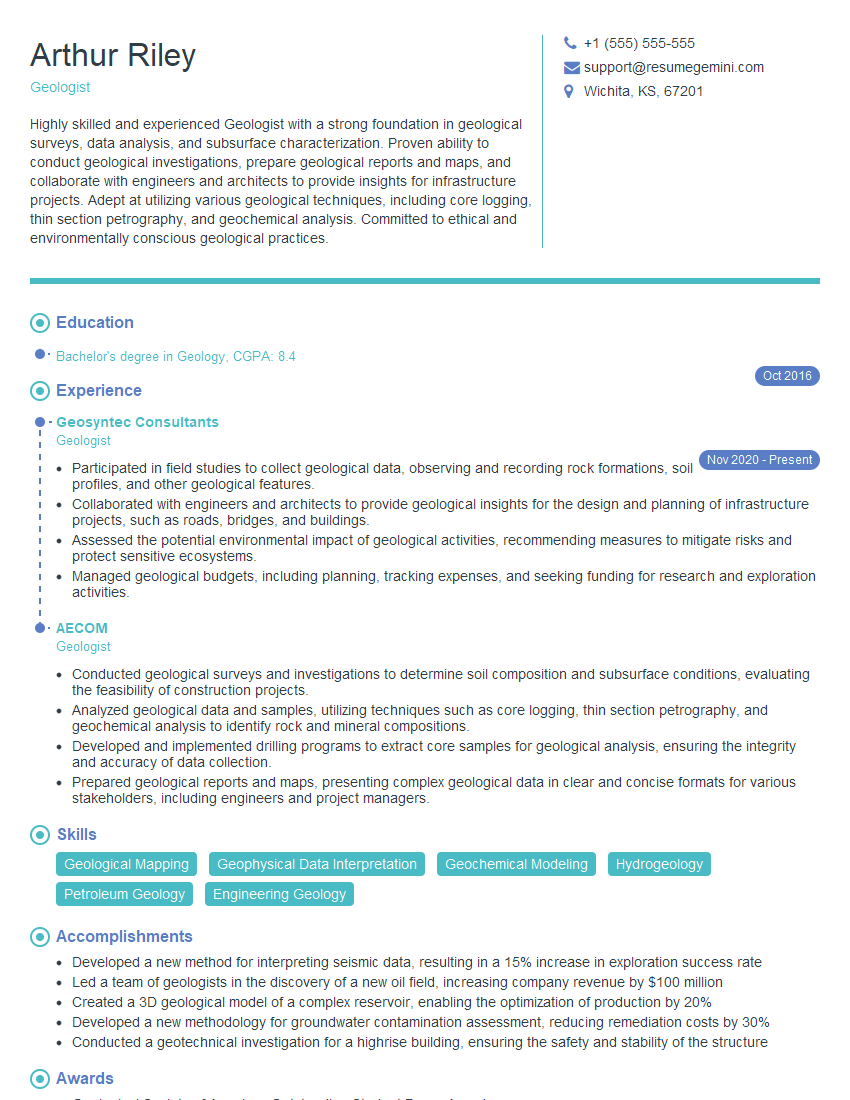
Geologist Resume Sample
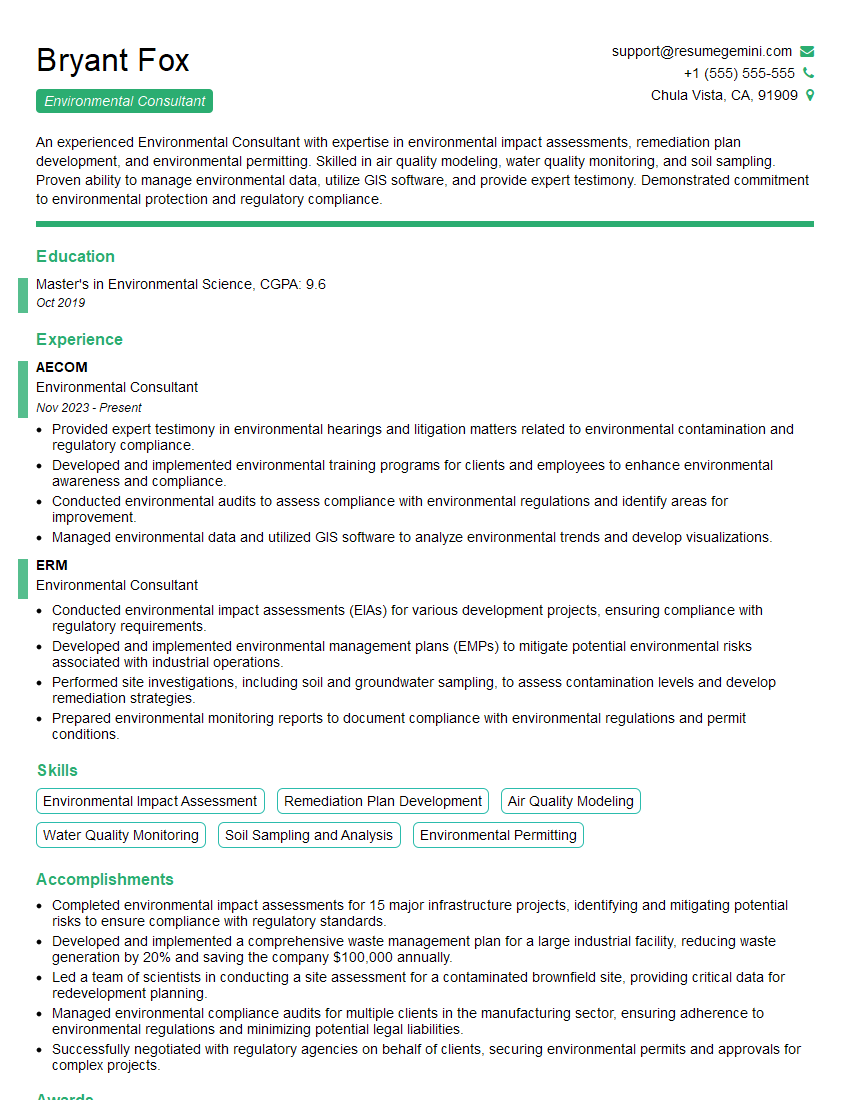
Environmental Consultant Resume Sample
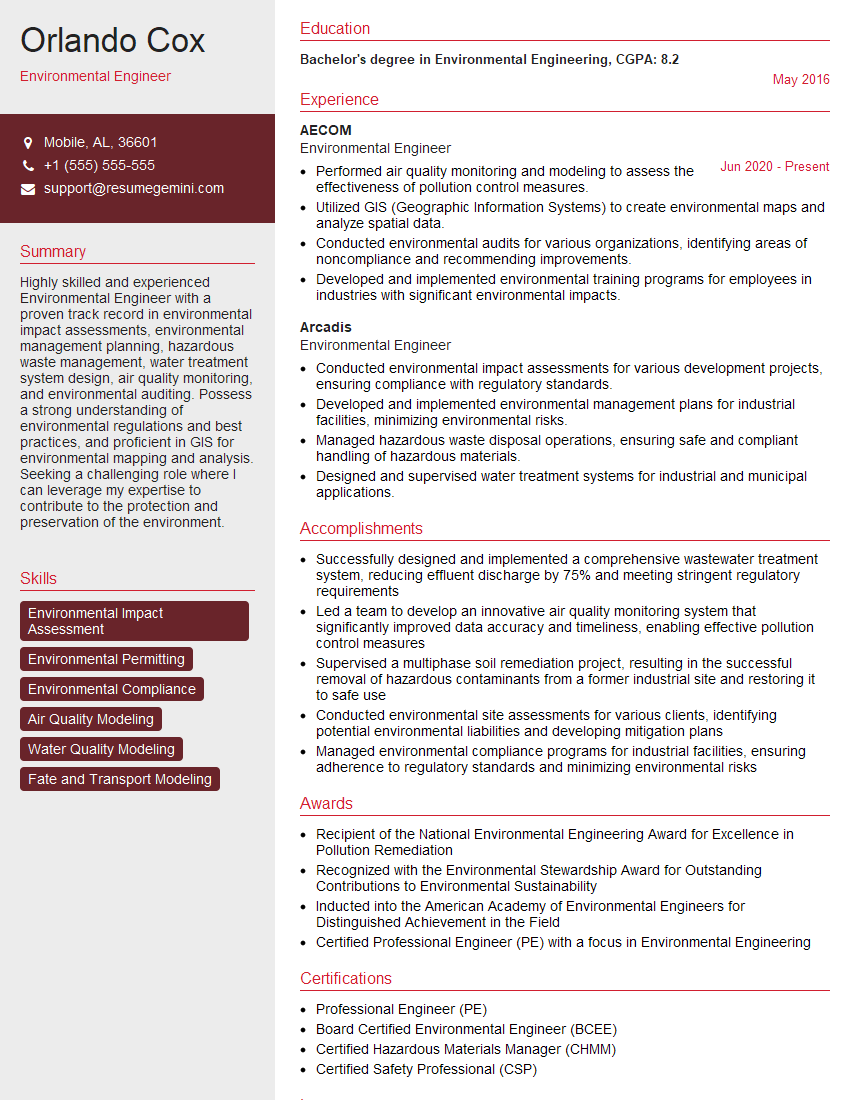
Environmental Engineer Resume Sample

Environmental Project Manager Resume Sample
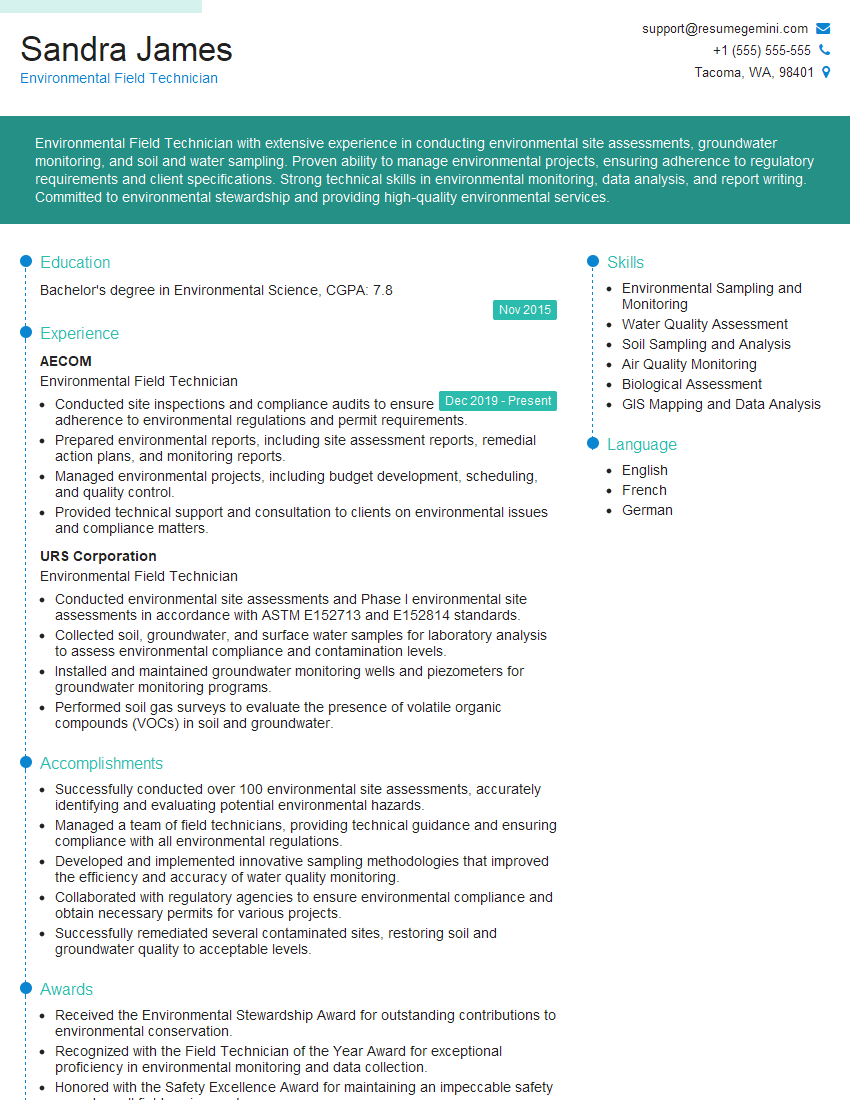
Environmental Field Technician Resume Sample
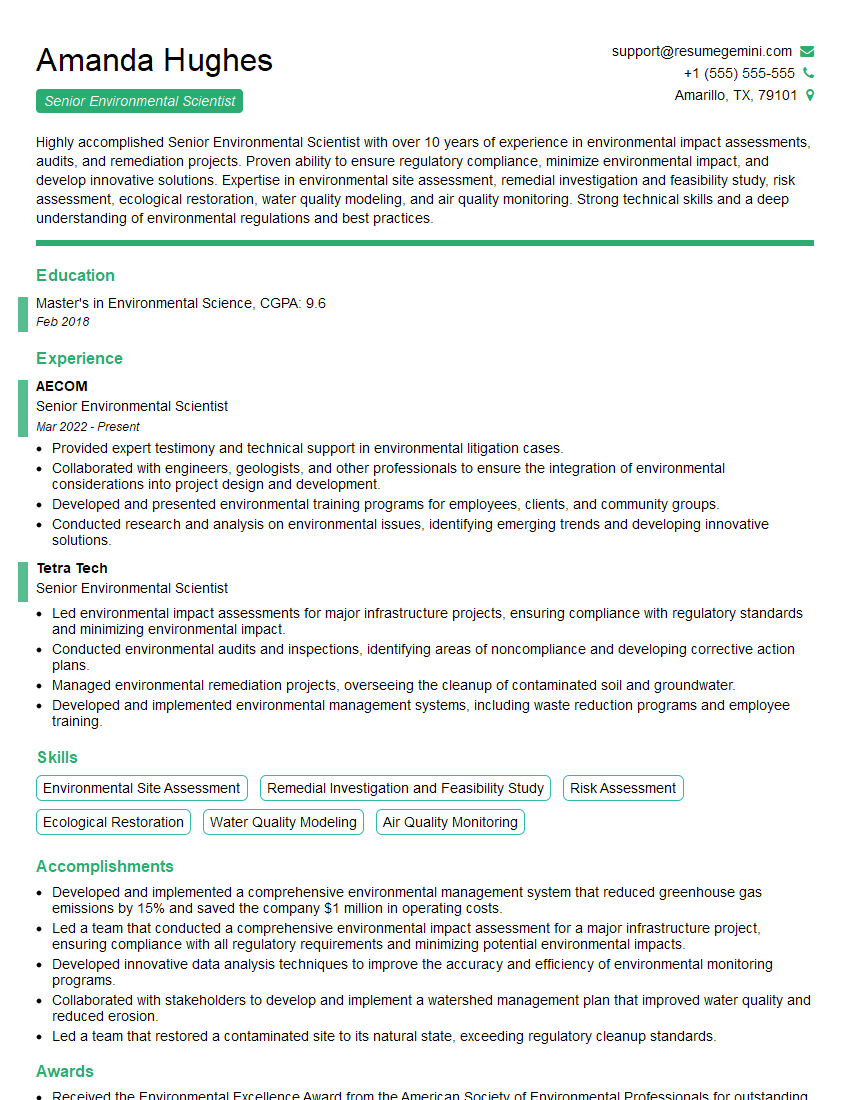
Senior Environmental Scientist Resume Sample
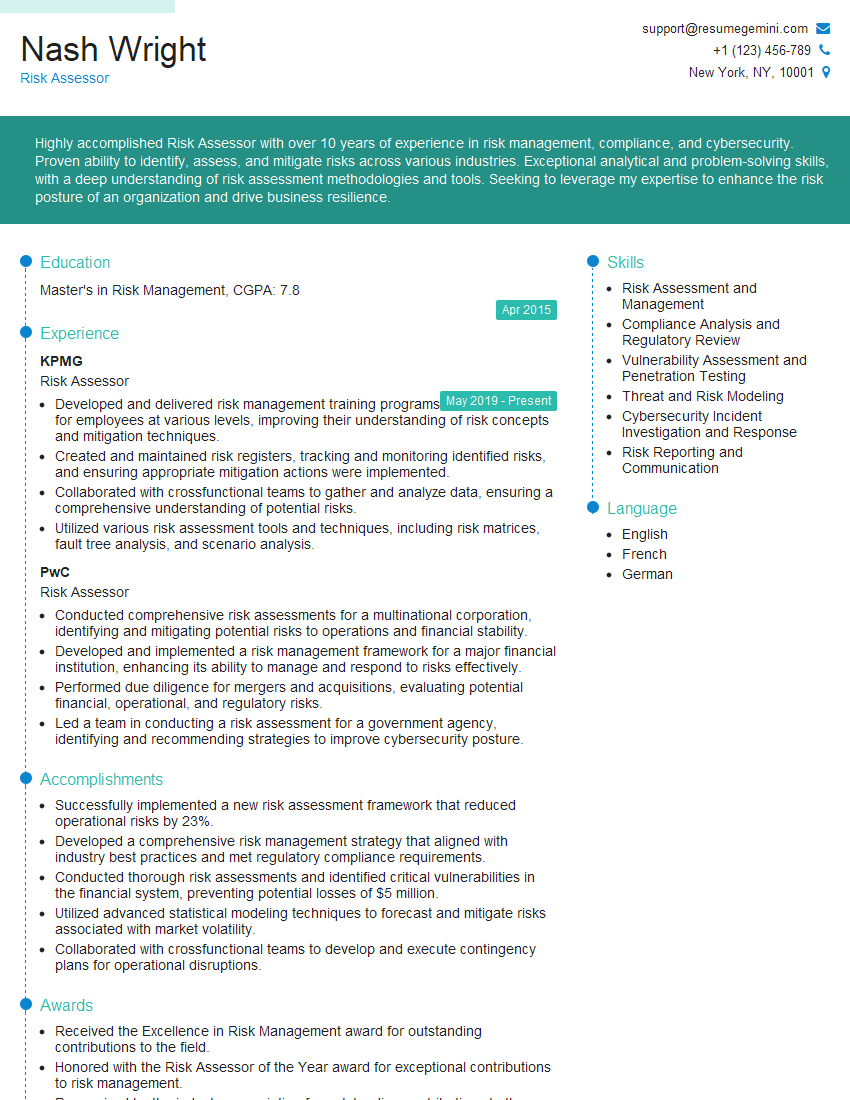
Risk Assessor Resume Sample
Explore more articles
Users Rating of Our Blogs
Share Your Experience
We value your feedback! Please rate our content and share your thoughts (optional).
What Readers Say About Our Blog
Very informative content, great job.
good