Unlock your full potential by mastering the most common Troubleshoot and resolve issues with spindle machines interview questions. This blog offers a deep dive into the critical topics, ensuring you’re not only prepared to answer but to excel. With these insights, you’ll approach your interview with clarity and confidence.
Questions Asked in Troubleshoot and resolve issues with spindle machines Interview
Q 1. Describe your experience troubleshooting spindle motor failures.
Troubleshooting spindle motor failures requires a systematic approach. I start by assessing the symptoms: is the motor not spinning at all, is it making unusual noises, is it overheating, or is it losing power intermittently? This helps narrow down the potential causes. For example, a complete lack of rotation could indicate a power supply issue, a blown fuse, or a faulty motor winding. Unusual noises often point to bearing problems, while overheating suggests issues with ventilation, lubrication, or excessive load. I then use diagnostic tools like multimeters to check voltage and current, thermal imaging cameras to identify hotspots, and vibration analysis equipment to detect imbalances. One time, I diagnosed a seemingly faulty motor on a CNC lathe only to find that a loose connection in the control cabinet was the culprit! I always check the simple things first before diving into complex repairs. This systematic approach, coupled with my experience in reading motor performance data, helps me pinpoint the issue quickly and efficiently, minimizing downtime.
Q 2. How do you diagnose bearing issues in a spindle?
Diagnosing bearing issues in a spindle involves a combination of listening, feeling, and measuring. First, I’d listen for any unusual noises – grinding, rumbling, or high-pitched squealing – while the spindle is running. These noises indicate wear, damage, or improper lubrication. Then, I’d carefully feel for increased axial or radial play in the spindle. Excessive play suggests significant bearing wear. Finally, I’d use precision measuring instruments to accurately quantify the play. Vibration analysis, using sensors and specialized software, can also help pinpoint bearing problems by identifying specific frequencies associated with bearing defects. For example, a characteristic ‘chatter’ during operation might signal impending bearing failure. I have experience using different types of bearing diagnostic tools and techniques, including vibration analysis, which allow me to assess bearing condition and predict remaining useful life.
Q 3. Explain the process for balancing a spindle.
Spindle balancing is crucial to minimize vibration and ensure smooth, accurate operation. It usually involves a two-step process: static balancing and dynamic balancing. Static balancing involves placing the spindle on two parallel knife edges and observing which side is heavier. Adding counterweights to the lighter side helps achieve static balance. Dynamic balancing is more complex and is usually done using a specialized balancing machine. This machine rotates the spindle at its operating speed and measures the imbalance. The machine then identifies the location and amount of weight needed to be added or removed to achieve dynamic balance. The balancing process is iterative. After each adjustment, the spindle is re-checked until the specified balance tolerances are met. Think of it like balancing a bicycle wheel; you need to adjust the weights until the wheel spins smoothly. Improper balancing can lead to premature wear and increased vibration, so precise balancing is essential for long spindle lifespan and high-precision machining.
Q 4. What are the common causes of spindle vibration?
Spindle vibration can stem from various sources. Unbalanced spindles, as discussed earlier, are a major contributor. Worn bearings introduce imbalances, creating vibration, as does improper mounting and misalignment of the spindle within its housing. External factors like excessive cutting forces during machining, cutting tool wear, or even loose machine components can also cause vibration. Resonance, where the spindle’s natural frequency coincides with operating speed, can significantly amplify vibration. Lastly, problems within the motor itself, like imbalances in the rotor or stator, can generate vibration. In my experience, properly diagnosing the root cause requires a careful examination of all potential factors. It’s not uncommon to find multiple contributing factors causing a complex vibration issue.
Q 5. How do you identify and address spindle runout?
Spindle runout refers to the deviation of the spindle’s axis from a perfect straight line as it rotates. I identify runout using a dial indicator, carefully contacting the spindle’s end with the indicator’s probe while rotating the spindle. The dial indicator measures the radial deviation, indicating the runout value. Excessive runout leads to poor surface finish and dimensional inaccuracy in machining. Addressing runout might involve adjusting the spindle bearings, correcting spindle alignment, or replacing worn components. If the runout is minimal and within acceptable tolerances for the application, no action may be necessary. However, exceeding the manufacturer’s specified tolerance requires investigation and correction. In one case, I found a slight bend in the spindle itself causing significant runout, which necessitated replacement.
Q 6. What safety precautions do you take when working on a spindle?
Safety is paramount when working on spindles. I always follow the manufacturer’s safety guidelines and lockout/tagout procedures to prevent accidental startup. This involves isolating the power supply completely and locking out the control circuits. I never work on a spindle that is energized or rotating. I use appropriate personal protective equipment (PPE), including safety glasses, gloves, and hearing protection. When handling heavy spindles or components, I use lifting equipment to avoid injury. I’m particularly cautious when working with high-speed rotating components and sharp cutting tools. My attention to safety protocols ensures my well-being and prevents potential damage to the equipment.
Q 7. Describe your experience with spindle lubrication and maintenance.
Spindle lubrication and maintenance are critical for preventing premature wear and failure. The type and frequency of lubrication depend on the spindle design and operating conditions. I follow the manufacturer’s recommendations precisely. This typically involves using specialized high-performance lubricants designed for high speeds and temperatures. Regular lubrication involves accessing lubrication points and injecting the recommended lubricant, ensuring proper distribution. I also regularly inspect the lubrication system for leaks, blockages, or contamination. Beyond lubrication, I inspect bearings for wear and replace them according to the manufacturer’s recommendations or when wear is detected. Preventive maintenance, such as cleaning and inspecting the spindle housing for debris, is also essential. Regular cleaning prevents contaminants from entering the bearing surfaces and causing premature wear. This proactive approach ensures optimal performance and longevity of the spindle.
Q 8. How do you interpret spindle error codes?
Spindle error codes are crucial for diagnosing problems. They’re essentially the machine’s way of communicating what’s wrong. Think of them as a car’s check engine light – it tells you something is amiss, but you need the code to understand the specific issue. Interpreting them requires a combination of understanding the machine’s manual, experience, and sometimes, specialized diagnostic software. Each manufacturer has its own coding system, so familiarity with the specific machine is paramount.
For example, a code might indicate a speed sensor malfunction (e.g., code ‘123’ might mean ‘Spindle Speed Sensor Fault’). Another might point to a power supply problem, an over-temperature condition, or a bearing issue. The manual will provide a detailed list of codes and their meanings. If the manual isn’t clear, contacting the machine’s manufacturer’s support is essential.
When troubleshooting, always note the circumstances surrounding the error. Was the machine under heavy load? Was there a power fluctuation? This contextual information is critical for accurate diagnosis and effective resolution.
Q 9. What are the common types of spindle bearings, and their strengths and weaknesses?
Spindle machines utilize several bearing types, each with its own strengths and weaknesses. The most common are:
- Ball Bearings: These are relatively inexpensive, readily available, and offer good speed capabilities. However, they’re susceptible to wear and tear under heavy loads and high speeds, potentially leading to premature failure and vibrations.
- Roller Bearings: These handle higher loads and radial forces than ball bearings, making them suitable for applications requiring substantial torque. They are, however, generally less efficient at high speeds.
- Ceramic Bearings: These are superior in terms of speed, precision, and longevity, especially in high-temperature environments. They’re more expensive, though, and require meticulous handling during installation.
- Hydrostatic Bearings: These bearings utilize a pressurized fluid film to separate the spindle shaft from the housing, enabling extremely high precision, minimal friction, and very high load capacity. They are complex and costly, requiring sophisticated lubrication systems.
The choice of bearing depends heavily on the application and the desired performance characteristics. For example, a high-speed, precision CNC machine might utilize ceramic bearings, while a heavy-duty milling machine may opt for roller bearings.
Q 10. How do you troubleshoot a spindle that is overheating?
Spindle overheating is a serious issue that can lead to catastrophic failure. Troubleshooting involves a systematic approach:
- Check the coolant system: Insufficient coolant flow or a clogged coolant system are common culprits. Inspect the coolant pump, filters, and nozzles. Ensure the coolant is the correct type and is properly mixed.
- Inspect the bearings: Worn or damaged bearings create friction, generating excessive heat. Listen for unusual noises – grinding or squealing – which indicate bearing issues. Check the bearing’s temperature using a non-contact thermometer.
- Verify spindle speed and load: Running the spindle at excessive speed or under heavy load can cause overheating. Check for overloaded cutting tools or improper machining parameters.
- Examine the spindle motor: Motor issues, such as faulty windings or a failing capacitor, can generate heat. Listen for unusual motor noises. Check the motor’s temperature with a non-contact thermometer.
- Inspect the wiring and connections: Loose connections or damaged wiring can cause increased resistance, leading to heat buildup. Check for any signs of burning or damage.
Remember to always follow lockout/tagout procedures before working on any machinery. If the problem persists after checking these points, professional assistance is required.
Q 11. Explain the procedure for changing a spindle’s tooling.
Changing a spindle’s tooling is a critical process that requires careful attention to safety and precision. The exact procedure varies depending on the machine, but the general steps are:
- Power down and lock out/tag out: Safety is paramount. Ensure the machine is completely powered off and locked out to prevent accidental startup.
- Release the spindle clamping mechanism: This typically involves a pneumatic or hydraulic system. Consult the machine’s manual for the specific procedure.
- Carefully remove the existing tool: Avoid dropping the tool, which can cause damage or injury. Use appropriate handling tools if needed.
- Clean the spindle interface: Remove any debris or chips that could interfere with the new tool’s installation.
- Insert the new tool: Ensure it’s properly seated and aligned. Pay attention to the tool’s orientation and seating depth.
- Secure the spindle clamping mechanism: Tighten the clamping system according to the manufacturer’s specifications. Over-tightening can damage the spindle or tool.
- Power on and test: After verifying everything is secure, power on the machine and carefully test the new tool at low speed to ensure proper operation.
Always use the correct tool-holding system and follow the manufacturer’s recommendations for torque values and operating procedures. Incorrect installation can lead to tool breakage, machine damage, and even injury.
Q 12. How do you diagnose and repair a damaged spindle shaft?
Diagnosing and repairing a damaged spindle shaft is a complex task best left to experienced technicians with specialized equipment. The process generally involves:
- Inspection: A thorough visual inspection, often aided by magnification and specialized lighting, is the first step. This helps identify the nature and extent of the damage – cracks, bending, scoring, or wear.
- Measurement: Precise measurements are critical to assess the severity of the damage and to determine whether repair or replacement is necessary. This often involves using dial indicators, CMMs (Coordinate Measuring Machines), or other specialized measuring instruments.
- Repair (if possible): Depending on the nature and extent of the damage, repair might involve grinding, polishing, or welding. However, repair is not always feasible, and replacement is often the more practical and safer option.
- Balancing: Once repaired or replaced, the shaft needs to be dynamically balanced to ensure smooth operation and to prevent vibrations. This requires specialized balancing equipment.
- Reassembly and Testing: After repair or replacement and balancing, the spindle needs to be carefully reassembled and thoroughly tested to ensure its proper function before returning the machine to service.
A damaged spindle shaft can compromise the entire machine’s accuracy and safety. Attempting a repair without the proper expertise and equipment can lead to catastrophic failure, resulting in costly downtime and potential injuries.
Q 13. Describe your experience with different types of spindle drives (e.g., vector, servo).
I have extensive experience with various spindle drives, including vector and servo drives. Both control the spindle’s speed and torque, but they achieve this in different ways.
- Vector Drives: These drives use sophisticated algorithms to control the spindle motor’s magnetic field, providing precise torque control across a wide speed range. They’re particularly useful in applications requiring high torque at low speeds, such as milling heavy materials. I’ve worked with several vector drives from various manufacturers, troubleshooting issues like parameter settings, sensor malfunctions, and communication errors.
- Servo Drives: Servo drives provide precise control of both speed and position. They’re often used in applications requiring accurate positioning and repeatability, like CNC machining. My experience includes diagnosing issues like encoder errors, feedback loop problems, and mechanical issues affecting the servo motor’s performance.
The selection of drive type depends greatly on the specific needs of the application. Vector drives might be preferred for applications that need high torque, while servo drives are better suited for precise positioning and repeatability. Understanding the strengths and weaknesses of each drive type is crucial for effective troubleshooting and optimal machine performance.
Q 14. How do you perform a spindle alignment check?
Spindle alignment is critical for precision machining. A misaligned spindle can lead to inaccurate machining, tool wear, and even machine damage. The alignment check usually involves several steps:
- Visual Inspection: Start with a visual inspection to check for any obvious misalignment or damage.
- Runout Measurement: Use a dial indicator to measure the runout of the spindle at both ends. This helps identify radial runout (deviation from a true circle) and axial runout (deviation along the spindle’s axis).
- Alignment with the Machine Table: This is often done using alignment tools or laser alignment systems. The goal is to ensure that the spindle is perfectly perpendicular to the machine table.
- Check for Vibration: Excessive vibration during operation can indicate misalignment. Vibration monitoring equipment can be used to identify and quantify vibration levels.
- Temperature Monitoring: Unusual temperature gradients can indicate misalignment-induced friction.
The acceptable levels of misalignment vary depending on the machine’s specifications and the application’s precision requirements. If significant misalignment is detected, adjustments may be necessary. These adjustments are typically made using shims or other precision adjustment mechanisms. Precise and careful adjustment is essential to avoid causing further damage to the spindle or other machine components.
Q 15. What are the common causes of spindle noise?
Spindle noise is a common problem indicating potential issues. Think of it like a car engine – unusual sounds usually point to something amiss. The causes can range from relatively minor to serious, affecting both performance and lifespan. Common sources include:
- Bearing wear: This is perhaps the most frequent culprit. Worn bearings produce characteristic grinding, rumbling, or growling noises. The severity increases as the wear progresses. Imagine the sound of a rusty wheelbarrow – that’s a good analogy for severe bearing wear.
- Lubrication issues: Insufficient or contaminated lubrication leads to increased friction and noise. Think of the squeaking sound of an unlubricated door hinge – that’s a similar principle. The noise might be high-pitched squealing or a low-pitched groan.
- Belt problems: Loose, worn, or misaligned belts can cause squealing, slapping, or thumping noises. It’s like a skipping record, but with much higher stakes.
- Electrical issues: Problems in the motor windings or drive system can lead to humming, buzzing, or clicking sounds. These electrical problems may manifest as unusual vibrations as well.
- Tool imbalance: An unbalanced tool or workpiece creates vibrations that transmit to the spindle, resulting in a high-pitched whine or chatter. It’s similar to the vibration you feel when driving a car with unbalanced tires.
- Structural issues: Loose fasteners or misalignment in the spindle housing can lead to unusual noises and vibrations. This is like a loose screw causing a rattle in your car’s dashboard.
Diagnosing the precise source often requires a combination of listening, vibration analysis, and visual inspection.
Career Expert Tips:
- Ace those interviews! Prepare effectively by reviewing the Top 50 Most Common Interview Questions on ResumeGemini.
- Navigate your job search with confidence! Explore a wide range of Career Tips on ResumeGemini. Learn about common challenges and recommendations to overcome them.
- Craft the perfect resume! Master the Art of Resume Writing with ResumeGemini’s guide. Showcase your unique qualifications and achievements effectively.
- Don’t miss out on holiday savings! Build your dream resume with ResumeGemini’s ATS optimized templates.
Q 16. How do you determine the root cause of a spindle malfunction?
Pinpointing a spindle malfunction starts with a systematic approach. I usually follow these steps:
- Gather information: What type of noise is it? When does it occur (only under load, at certain speeds)? What are the operating parameters? Has there been any recent maintenance or changes?
- Visual inspection: Check for obvious signs of damage, such as loose fasteners, leaks, or debris. Look at belts for wear, cracks, or misalignment.
- Listen carefully: Note the location, frequency, and character of the noise (high-pitched squeal, low-pitched growl, thumping, etc.). Different sounds indicate different problems.
- Vibration analysis: Using a vibration analyzer, I can precisely measure the frequency and amplitude of vibrations, which provides important clues about the source of the problem. This helps differentiate between bearing wear, imbalance, or structural issues.
- Run tests: If possible, I’ll run the spindle at various speeds and loads while monitoring noise, vibration, and temperature. This helps isolate the problem to a specific operating condition.
- Bearing inspection: If bearing wear is suspected, I might take samples of the bearing grease for analysis or use advanced techniques like vibration analysis to quantify the condition.
- Thermal imaging: Infrared cameras help spot overheating components, which could indicate friction or electrical problems.
Sometimes, it’s a process of elimination. By systematically addressing each potential source, I can usually identify the root cause and develop a suitable repair strategy. I’ve had cases where a seemingly minor loose bolt ended up being the root cause of significantly more significant issues, highlighting the importance of thorough examination.
Q 17. What tools and equipment do you use for spindle maintenance and repair?
Spindle maintenance and repair require a range of specialized tools and equipment:
- Vibration analyzer: For precise measurement of vibrations, vital for diagnosing bearing wear and imbalance.
- Infrared (IR) camera: To detect overheating components.
- Precision measuring instruments: Micrometers, dial indicators, and feeler gauges for checking clearances and alignment.
- Bearing pullers and installers: To remove and install bearings efficiently and without damage.
- Torque wrenches: To ensure proper tightening of fasteners.
- Specialized wrenches and sockets: Often required for access to specific spindle components.
- Grease guns and lubricants: For applying the correct type and quantity of grease.
- Cleaning supplies: For removing debris and contaminants.
- Digital multimeter: To check electrical components such as motors and control systems.
- Oscilloscope: To analyze motor waveforms for electrical problems.
The specific tools needed depend on the type and complexity of the spindle and the nature of the problem. I always ensure that my tools are calibrated and in good working order.
Q 18. Describe your experience with preventative maintenance on spindles.
Preventative maintenance is crucial for extending spindle lifespan and preventing unexpected downtime. My approach involves a combination of scheduled maintenance tasks and condition monitoring:
- Regular lubrication: Following the manufacturer’s recommendations, I perform regular lubrication checks and replace grease as needed. I’ve seen many instances where neglecting lubrication is the primary cause of premature bearing failure.
- Visual inspections: Regular visual inspections to check for wear, damage, and leaks. Early detection can prevent minor issues from becoming major problems.
- Vibration monitoring: Regular vibration analysis helps identify early signs of bearing wear or imbalance. This approach is akin to taking your car in for routine servicing; it’s preventive rather than reactive.
- Cleaning: Regular cleaning of the spindle and surrounding areas to remove debris and contaminants. Keeping the area clean can prevent many issues, similar to maintaining a clean workspace.
- Belt checks: Regular checks for belt tension, wear, and alignment. I always replace belts before they become a problem to avoid catastrophic failures.
- Thermal monitoring: Tracking spindle temperatures helps identify overheating issues before they cause damage.
I maintain detailed records of all preventive maintenance activities, including dates, tasks performed, and observations made. These records provide a valuable history of the spindle’s condition and help optimize maintenance schedules.
Q 19. How do you document your troubleshooting and repair process?
Thorough documentation is critical. I use a combination of methods:
- Work orders: Each repair or maintenance task starts with a detailed work order that includes the problem description, steps taken, parts used, and time spent.
- Digital photos and videos: I document the problem visually, particularly before and after repairs, to provide clear evidence of the issue and its resolution.
- Database records: All maintenance and repair information is recorded in a centralized database that tracks the spindle’s history, including maintenance schedules, repair records, and any relevant data collected during troubleshooting (vibration data, thermal images etc.).
- Repair reports: A comprehensive repair report summarizes the troubleshooting process, findings, repairs, and recommendations.
This detailed documentation not only aids in future troubleshooting but also helps to identify trends and potential areas for improvement in maintenance strategies. It’s invaluable for continuous improvement.
Q 20. How do you prioritize spindle repair requests in a high-pressure manufacturing environment?
In a high-pressure manufacturing environment, prioritizing spindle repair requests requires a structured approach:
- Severity of the problem: Spindles causing complete production downtime take top priority. A minor noise might be lower priority if it doesn’t affect productivity.
- Impact on production: Repairs that affect critical production lines or high-value products are prioritized higher.
- Urgency: The potential for further damage or safety hazards necessitates immediate action.
- Downtime costs: The cost of downtime for each spindle is considered. More costly downtime means higher priority.
- Repair complexity: Simpler repairs often receive higher priority to minimize downtime.
I use a system that combines a visual Kanban board with a computerized maintenance management system (CMMS) to manage repair requests and track progress. This allows me to manage tasks effectively while ensuring that the most critical repairs are addressed quickly.
Q 21. What are the key performance indicators (KPIs) you monitor for spindle performance?
Key performance indicators (KPIs) I monitor for spindle performance include:
- Uptime: Percentage of time the spindle is operational. High uptime signifies reliable performance.
- Mean Time Between Failures (MTBF): Average time between spindle failures. A high MTBF indicates robust performance and effective preventive maintenance.
- Mean Time To Repair (MTTR): Average time taken to repair a failed spindle. A low MTTR indicates efficient repair processes.
- Vibration levels: Regularly monitoring vibration levels helps detect early signs of wear or imbalance.
- Temperature: Elevated temperatures indicate potential problems that need attention.
- Power consumption: Unexpected increases in power consumption can suggest motor or drive issues.
- Spindle speed accuracy: Precise spindle speed is critical for quality, and deviations need to be addressed.
Regularly tracking these KPIs allows me to identify trends, optimize maintenance strategies, and continually improve spindle performance and reliability.
Q 22. Describe a time you had to troubleshoot a complex spindle issue. What was your approach?
One particularly challenging case involved a high-speed spindle on a five-axis milling machine that exhibited erratic speed fluctuations and occasional sudden stops. My approach was systematic, mirroring a troubleshooting methodology I’ve found consistently effective.
- Initial Assessment: I started by carefully observing the machine’s behavior, noting the exact conditions under which the problem occurred (specific RPM, load, etc.). I also checked the machine’s error logs for any clues. The logs showed intermittent over-current errors.
- Data Collection: I used diagnostic tools to monitor spindle current, voltage, and temperature. I also examined the spindle drive parameters and checked for any unusual waveforms.
- Component Isolation: Based on the over-current errors and the diagnostic data, I suspected a problem with the spindle motor or its associated power electronics. I systematically checked each component, starting with the easiest to access and test: the power cables, connectors, and the drive itself. I found a loose connection in one of the power cables to the spindle motor which, under high loads, was causing intermittent loss of power and the erratic behavior.
- Repair and Verification: I secured the loose connection and tested the spindle at various speeds and loads under controlled conditions. The problem was resolved.
- Preventative Measures: Once the immediate problem was fixed, I implemented a preventative maintenance schedule, recommending regular inspection of all spindle connections.
This methodical approach, focusing on data-driven diagnosis and component isolation, is crucial for efficient troubleshooting of complex spindle issues. It’s far better than guesswork and often saves significant time and resources.
Q 23. What are the different types of spindle thermal management systems?
Spindle thermal management is crucial for maintaining optimal performance and extending the lifespan of the spindle. There are several common systems:
- Air Cooling: This is the simplest and most common method, using fans to circulate air around the spindle to dissipate heat. It’s effective for lower-power spindles, but may become insufficient for higher-speed, high-power applications.
- Liquid Cooling: A more effective approach for high-power spindles. This involves circulating a coolant (typically water or oil) through a jacket surrounding the spindle to absorb and remove heat. This system provides more efficient heat dissipation than air cooling.
- Oil Mist Cooling: Similar to liquid cooling but utilizes a finely atomized oil mist that cools the spindle as it evaporates. This method offers excellent cooling efficiency and lubrication for the spindle bearings.
The choice of system depends on the spindle’s power and speed requirements, environmental factors, and maintenance considerations. Each has its own advantages and disadvantages concerning efficiency, cost, and complexity.
Q 24. How do you ensure the accuracy and precision of a spindle after repair?
Ensuring accuracy and precision after spindle repair is paramount. My approach involves a multi-stage verification process:
- Runout Test: This measures the radial and axial runout of the spindle using a dial indicator. Acceptable limits are specified by the machine manufacturer and should be adhered to.
- Vibration Analysis: Specialized equipment can measure the spindle’s vibration levels during operation. Excessive vibration can indicate imbalance or bearing problems. Corrective measures, such as spindle balancing, might be necessary.
- Calibration: The spindle’s speed and positioning sensors need to be accurately calibrated to ensure precise control. This often involves using specialized calibration tools and procedures.
- Test Cuts: After completing the previous steps, performing test cuts with precision tools under controlled conditions is essential. This verifies the spindle’s ability to achieve the required accuracy and surface finish. Analysis of the test pieces confirms success.
This rigorous testing process ensures the spindle’s performance meets the specified tolerances and provides confidence in the quality of the repair.
Q 25. Explain the importance of regular spindle inspections.
Regular spindle inspections are vital for preventing catastrophic failures and ensuring consistent machining performance. Think of it like regular checkups for your car – it prevents major problems down the line. Here’s why they are so important:
- Early Detection of Problems: Regular inspections can reveal minor issues like bearing wear, lubricant leaks, or loose connections before they escalate into major problems requiring costly repairs or machine downtime. Early detection is critical.
- Predictive Maintenance: By monitoring parameters like vibration, temperature, and noise levels, you can predict potential failures and schedule maintenance proactively. This helps avoid unexpected shutdowns.
- Extended Spindle Life: Proper maintenance practices, guided by regular inspections, significantly extend the lifespan of the spindle, saving money on expensive replacements.
- Improved Accuracy and Precision: Consistent maintenance helps maintain the spindle’s accuracy and precision, leading to higher quality machining.
The frequency of inspections should be determined based on the spindle’s usage, load, and environment. A well-defined maintenance schedule, tailored to the specific machine, is key.
Q 26. What are the different types of spindle speed control methods?
Spindle speed control is crucial for achieving optimal machining parameters. Common methods include:
- Variable Frequency Drive (VFD): This is the most common method, using a VFD to adjust the frequency of the power supply to the spindle motor, thereby controlling its speed. VFDs offer precise speed control, smooth acceleration and deceleration, and efficient energy usage.
- DC Motor Control: Direct current motors can also be used, with their speed controlled by adjusting the voltage or current supplied to the motor. This method is simpler but less efficient than VFDs for high-speed applications.
- Stepper Motor Control: Stepper motors offer precise, step-by-step speed control, suitable for applications requiring very accurate positioning. However, they typically operate at lower speeds than VFD-controlled AC motors.
The appropriate method depends on factors like the required speed range, precision, cost, and the type of spindle motor being used.
Q 27. How do you handle emergency situations involving spindle malfunctions?
Emergency situations involving spindle malfunctions require immediate and decisive action. Safety is the top priority:
- Power Down: Immediately shut down the machine’s power supply to prevent further damage and potential injury. This is the most crucial step.
- Assess the Situation: Once the machine is safe, assess the nature of the malfunction. Look for obvious signs of damage, unusual noises, or smells. Check the machine’s error logs for diagnostic information.
- Safety Precautions: Before proceeding with any troubleshooting, ensure the area is safe and that appropriate personal protective equipment (PPE) is being used.
- Contact Support: Depending on the severity of the problem and your expertise, contact the machine manufacturer’s support or a qualified technician. Don’t attempt repairs beyond your capabilities.
- Documentation: Document all observations and actions taken to assist in future diagnosis and repair.
A calm, systematic approach, prioritizing safety, is crucial in handling spindle emergencies effectively. Prevention through regular inspections and maintenance is vital in reducing the occurrence of emergencies.
Q 28. Describe your experience with spindle encoder troubleshooting.
Spindle encoder troubleshooting involves identifying the root cause of issues that prevent accurate position feedback. Here are some common scenarios and approaches:
- Encoder Cable Issues: Damaged or loose cables are a frequent cause of encoder problems. Carefully inspect cables for cuts, breaks, or loose connections. Replacing the cable is often a simple fix.
- Encoder Mounting Issues: A loose or improperly mounted encoder can cause signal errors. Check the encoder’s mounting and ensure it’s securely attached.
- Encoder Disc Contamination: Dirt, debris, or oil on the encoder disc can interfere with signal reception. Clean the disc carefully with appropriate cleaning agents.
- Encoder Damage: Physical damage to the encoder itself can result in signal loss or inaccurate readings. This may necessitate encoder replacement.
- Drive Interface Issues: Problems with the encoder interface circuitry in the drive system might cause signal interpretation issues. Diagnostic tools and careful testing of the signals from the encoder to the drive are necessary here.
Troubleshooting encoder issues requires a combination of visual inspection, signal analysis using appropriate diagnostic equipment, and a systematic approach to eliminate potential causes. Often, a simple cleaning or re-connection solves the problem. However, more complex situations might require specialized expertise.
Key Topics to Learn for Troubleshoot and Resolve Issues with Spindle Machines Interview
- Spindle Motor Diagnostics: Understanding AC and DC motor principles, troubleshooting techniques for common motor failures (bearing wear, stator winding issues, speed control problems), and the use of diagnostic tools like multimeters and motor analyzers.
- Spindle Bearing Inspection and Replacement: Practical knowledge of bearing types used in spindle machines, identifying signs of bearing wear and damage (noise, vibration, temperature), safe bearing removal and installation techniques, and understanding the importance of proper lubrication.
- Mechanical Components and Alignment: Identifying and troubleshooting issues related to belts, pulleys, couplings, and other mechanical components. Understanding the principles of spindle alignment and its impact on machine performance and accuracy. Practical experience with alignment procedures is crucial.
- Hydraulic and Pneumatic Systems (if applicable): If the spindle machine utilizes hydraulic or pneumatic systems, understanding their operation, troubleshooting common problems (leaks, pressure issues, component failures), and safe maintenance procedures is essential.
- CNC Control Systems (if applicable): Familiarity with CNC control systems, understanding the relationship between the control system and the spindle motor, diagnosing control system errors, and utilizing diagnostic software.
- Safety Procedures and Lockout/Tagout: Demonstrate a thorough understanding of safety protocols, including lockout/tagout procedures, proper use of personal protective equipment (PPE), and safe handling of machine tools.
- Preventive Maintenance and Troubleshooting Strategies: Understanding the importance of preventive maintenance, developing effective troubleshooting strategies (systematic approach, use of diagnostic charts/flowcharts), and documenting maintenance procedures.
- Vibration Analysis and Diagnostics: Understanding the sources of vibration in spindle machines, using vibration analysis techniques to identify and diagnose problems (unbalanced rotors, bearing defects, misalignment), and interpreting vibration data.
Next Steps
Mastering troubleshooting and resolving issues with spindle machines is highly valuable, demonstrating your practical skills and problem-solving abilities, significantly enhancing your career prospects in manufacturing and related fields. A strong resume is crucial to highlight these skills effectively. Creating an ATS-friendly resume increases the chances of your application being seen by recruiters. ResumeGemini is a trusted resource to help you build a professional and impactful resume that showcases your expertise. Examples of resumes tailored to highlight experience in troubleshooting and resolving issues with spindle machines are available, providing you with valuable templates and guidance.

Operations Manager Resume Sample

Maintenance Planner Resume Sample

Manufacturing Manager Resume Sample

Production Supervisor Resume Sample

Engineering Manager Resume Sample

Reliability Engineer Resume Sample

Automation Engineer Resume Sample
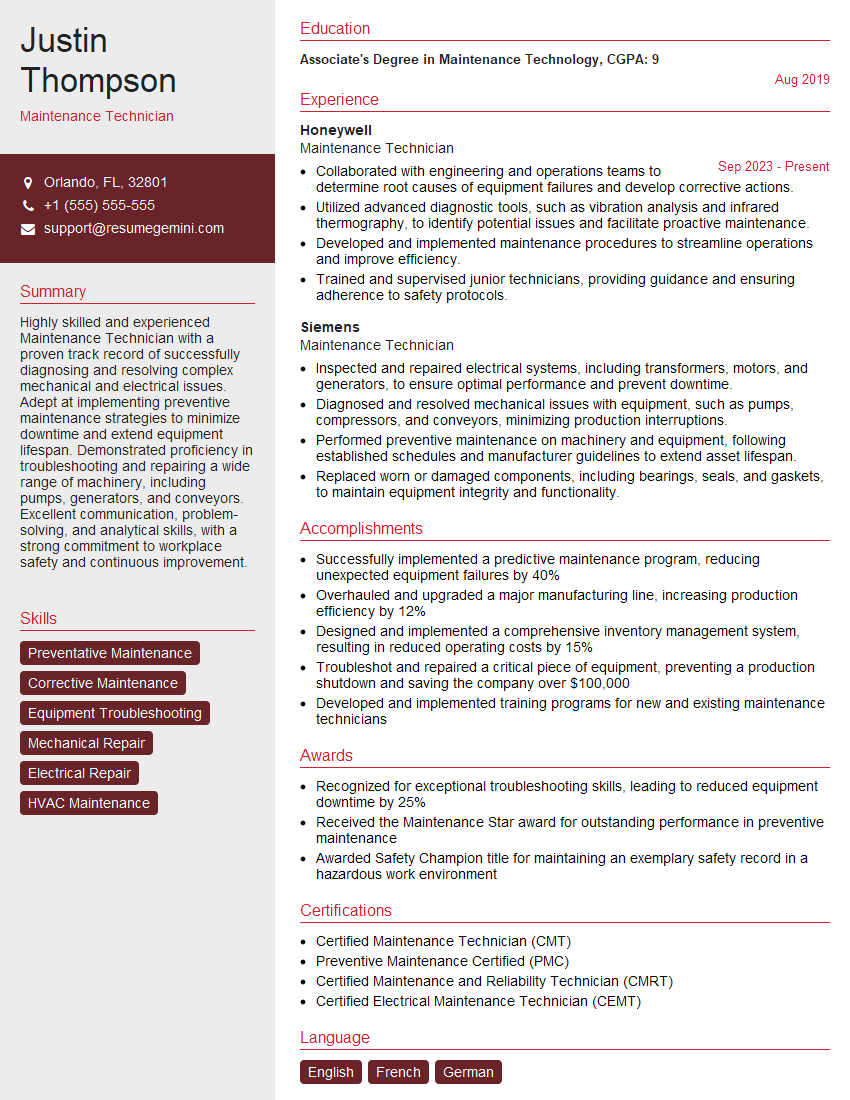
Maintenance Technician Resume Sample

Field Service Engineer Resume Sample

Manufacturing Engineer Resume Sample

Robotics Technician Resume Sample

Mechatronics Technician Resume Sample
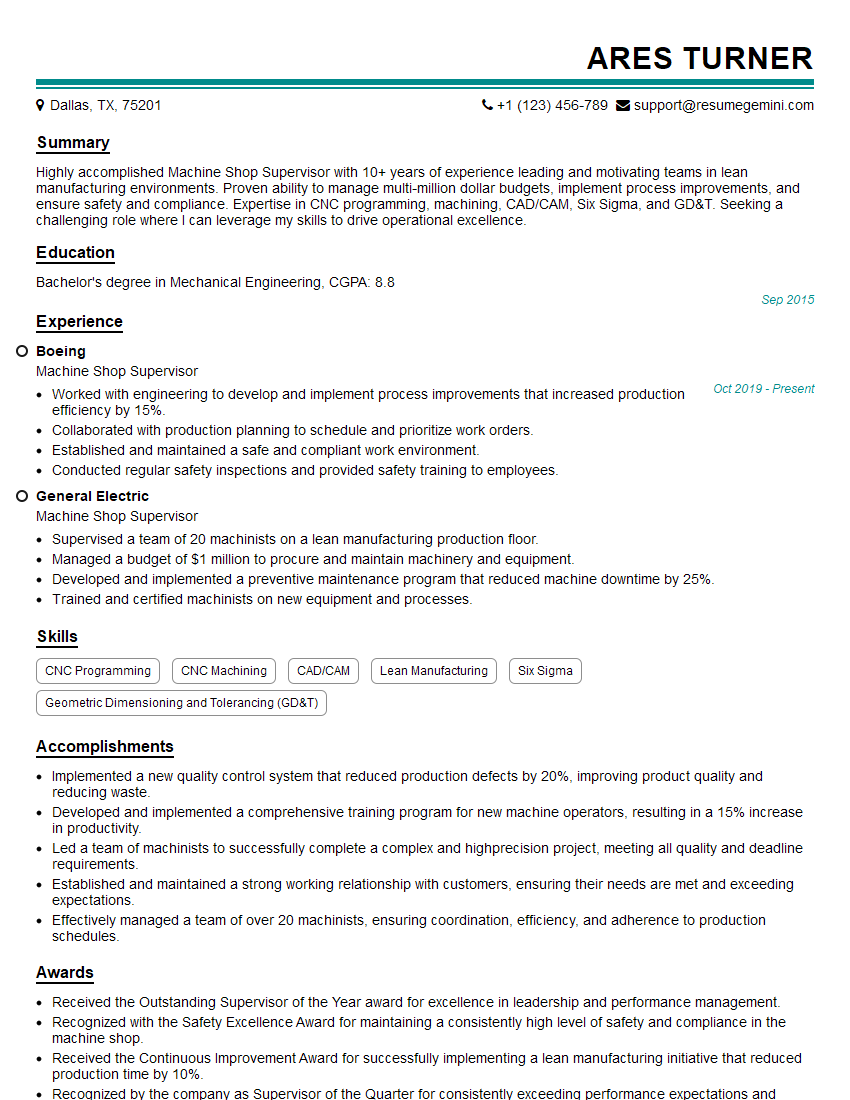
Machine Shop Supervisor Resume Sample

Precision Machinist Resume Sample
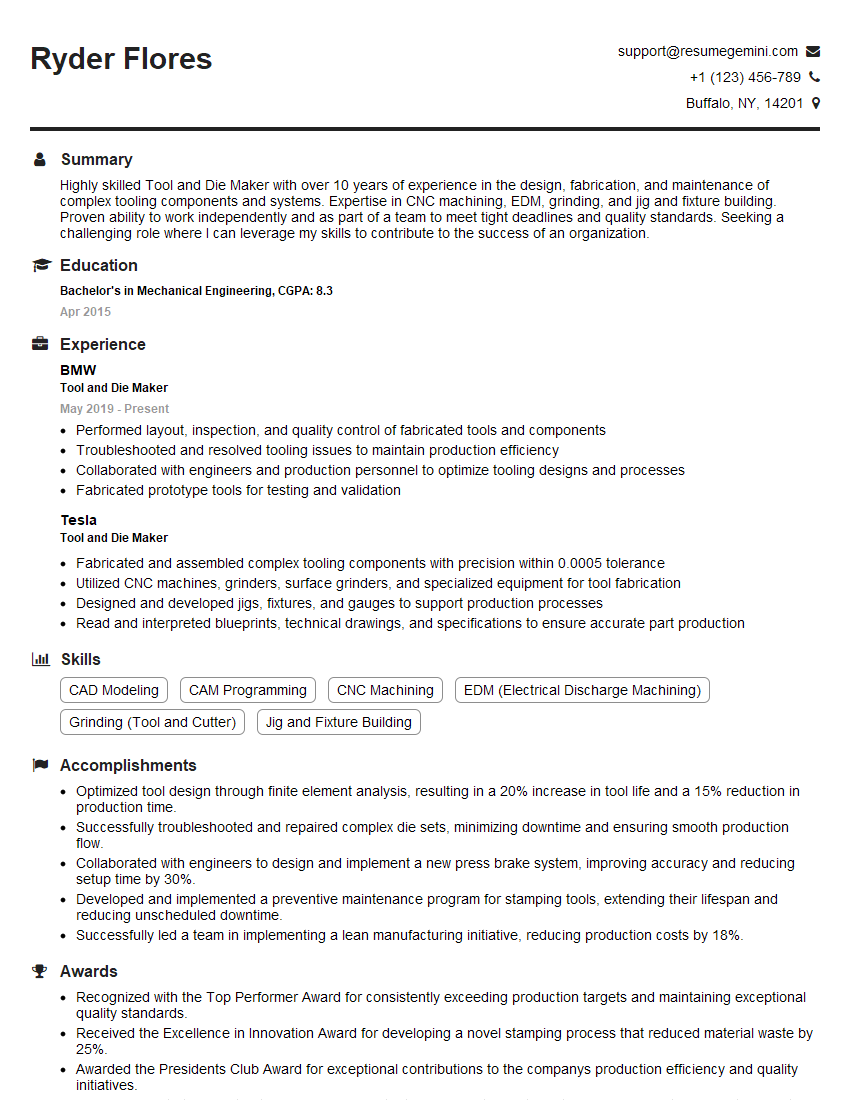
Tool and Die Maker Resume Sample

Quality Control Inspector Resume Sample
- Operations Manager
- Maintenance Planner
- Manufacturing Manager
- Production Supervisor
- Engineering Manager
- Reliability Engineer
- Automation Engineer
- Maintenance Technician
- Field Service Engineer
- Manufacturing Engineer
- Robotics Technician
- Mechatronics Technician
- Machine Shop Supervisor
- Precision Machinist
- Tool and Die Maker
- Quality Control Inspector
Explore more articles
Users Rating of Our Blogs
Share Your Experience
We value your feedback! Please rate our content and share your thoughts (optional).
What Readers Say About Our Blog
Very informative content, great job.
good