Are you ready to stand out in your next interview? Understanding and preparing for Attention to detail and strong handeye coordination interview questions is a game-changer. In this blog, we’ve compiled key questions and expert advice to help you showcase your skills with confidence and precision. Let’s get started on your journey to acing the interview.
Questions Asked in Attention to detail and strong handeye coordination Interview
Q 1. Describe a time you noticed a crucial detail others missed.
During a critical phase of a pharmaceutical research project, we were analyzing microscopic images of cell cultures. My colleagues focused on the overall cell growth, but I noticed a subtle anomaly – a consistent pattern of unusual cell clustering in a specific quadrant of multiple samples. This wasn’t immediately apparent, as it was a slight variation in the density of cells, barely visible to the naked eye. Others had overlooked it due to focusing primarily on the overall growth metrics. Flagging this detail allowed us to investigate further and ultimately led to identifying a previously unknown factor affecting cell behavior and potentially influencing the efficacy of a new drug compound. This highlights the importance of paying attention to seemingly insignificant details.
Q 2. How do you maintain accuracy under pressure?
Maintaining accuracy under pressure requires a structured approach. I employ a methodical, checklist-driven system, breaking down complex tasks into smaller, manageable steps. This prevents feeling overwhelmed. Prioritization is key. I identify the most crucial aspects first, focusing on those even amidst distractions. Regular breaks, even short ones, aid in maintaining focus. Finally, I implement self-checking mechanisms at each stage, comparing my work against pre-defined standards or specifications. For instance, if working on data entry, I’ll perform cross-referencing with source documents and utilize validation tools. This methodical approach ensures accuracy and minimizes errors, even during high-pressure situations.
Q 3. Explain your approach to proofreading a complex document.
My approach to proofreading complex documents involves a multi-stage process. Firstly, I skim the document for overall flow and coherence. Then, I perform a detailed line-by-line review, focusing on grammar, spelling, punctuation, and style consistency. I look for inconsistencies in formatting, numbering, and citations. I use a digital tool that highlights potential issues. A fresh read after a short break helps identify errors missed during the initial proofreading. I utilize style guides to ensure consistency and accuracy. I always verify data and statistics against the source material. Finally, I get a second pair of eyes to review it before final submission. This layered approach ensures comprehensive error detection and improved accuracy.
Q 4. Describe your experience with precision instruments.
I’ve extensive experience with precision instruments, including micro-pipettes for handling minute quantities of liquid in lab settings, calipers for precise measurements in engineering projects, and high-resolution optical microscopes during research work. The key to using these instruments successfully is a combination of understanding their operational principles, following precise calibration procedures, and practicing gentle yet firm hand movements to avoid damage or inaccurate readings. For example, when using a micropipette, it’s crucial to maintain a consistent vertical angle during dispensing to prevent uneven liquid distribution. Proficiency with these instruments stems from careful training and consistent practice.
Q 5. How would you handle a task requiring high levels of hand-eye coordination?
When faced with a task requiring high levels of hand-eye coordination, I approach it systematically. First, I thoroughly understand the task’s requirements and constraints. Then, I practice the movements, starting slowly and gradually increasing speed and precision, repeating the process until the movement becomes fluid. I utilize visual aids or guides to help maintain accuracy, and I focus on maintaining a relaxed posture to avoid tremors or fatigue. For example, when assembling intricate micro-mechanical devices, I would use magnifying glasses and specialized tools, following step-by-step instructions to ensure all components are correctly aligned and fitted. I would break down the complex assembly into smaller, manageable steps to reduce errors and improve overall accuracy.
Q 6. Rate your hand-eye coordination on a scale of 1-10. Justify your rating.
I would rate my hand-eye coordination an 8 out of 10. My proficiency is demonstrated through years of experience working with precision instruments and performing tasks demanding fine motor skills, like those mentioned previously. While I’m very adept, there’s always room for improvement. I’m confident in my abilities under normal conditions, but under extreme duress or fatigue, my precision might slightly decline, hence the rating isn’t a perfect 10. However, my methodical approach and ability to adapt mitigate potential challenges in such scenarios.
Q 7. Have you ever used specialized tools demanding precise movements? Describe your experience.
Yes, during my time in a nanotechnology lab, I frequently used scanning probe microscopes (SPMs) requiring extremely precise movements to image and manipulate materials at the nanoscale. SPMs necessitate exceptionally fine motor skills and a steady hand. Incorrect movements can easily damage the delicate tip or produce inaccurate results. To use these tools effectively, I developed a consistent technique combining a relaxed grip, steady hand positioning, and slow, deliberate movements. Regular calibration and maintenance of the instrument were also critical. Mastering the operation of the SPM demanded significant patience and practice, and I’m proud of the expertise I developed in using this precision instrument.
Q 8. How do you ensure accuracy in repetitive tasks?
Maintaining accuracy in repetitive tasks requires a structured approach. It’s not simply about speed, but about consistent, deliberate execution. I employ several strategies to ensure precision. First, I establish a standardized checklist or workflow before beginning, breaking the task down into smaller, manageable steps. This helps me avoid overlooking critical details. Second, I incorporate regular self-checks – perhaps after completing a set number of repetitions – to compare my work against the established standard. Think of it like quality control in a manufacturing process. Finally, I actively look for any signs of fatigue or distraction. If I notice my concentration waning, I take short breaks to prevent errors. This prevents rushing and helps maintain consistency throughout the task.
For example, when meticulously assembling circuit boards, I follow a precise sequence, verifying each component’s placement and solder joint quality after each step. A quick visual check and even a magnifying glass can prevent costly mistakes.
Q 9. Describe a situation where your attention to detail prevented a problem.
During a critical project involving the calibration of highly sensitive scientific instruments, a minor detail nearly went unnoticed. The manufacturer’s manual specified a specific sequence for activating the instruments, which seemed insignificant at first glance. However, my attention to detail made me double-check the steps against the manual. I noticed a subtle difference between the recommended sequence and what the team was about to do, a discrepancy that could have led to the malfunction or even damage of the instruments. By identifying and correcting this minor oversight, I saved the company significant time and expenses associated with repairs or replacements. This underscored the importance of meticulously adhering to detailed instructions, even if they seem minor.
Q 10. How do you prioritize tasks when dealing with multiple details?
Prioritizing tasks with multiple details necessitates a clear framework. I typically employ a combination of techniques. Firstly, I use a task management system that allows me to categorize and assign priorities based on urgency and importance (using methods like the Eisenhower Matrix). For example, I might label tasks as ‘Urgent and Important,’ ‘Important but Not Urgent,’ ‘Urgent but Not Important,’ and ‘Neither Urgent nor Important.’ This helps me focus my efforts effectively. Secondly, I break down complex tasks into smaller, more manageable sub-tasks. This makes the overall project less daunting and allows me to track progress more easily. Finally, I regularly review my task list and adjust priorities as needed, based on new information or evolving circumstances. Think of it like a conductor leading an orchestra; each instrument (task) needs to play its part at the right time.
Q 11. What strategies do you use to maintain focus on intricate work?
Maintaining focus on intricate work requires a mindful approach. I create a dedicated, distraction-free workspace – minimizing interruptions from colleagues, emails, and notifications. I utilize techniques like the Pomodoro Technique, working in focused bursts followed by short breaks. This helps to prevent mental fatigue. Moreover, I employ active listening and note-taking when receiving instructions, ensuring complete clarity before starting. If the task involves highly technical details, I often create visual aids or diagrams to aid in understanding and recall. Regular checks against specifications ensure consistency. This prevents losing track and helps stay attentive throughout the process.
Q 12. How do you deal with errors or mistakes in your work?
Errors are inevitable, but how we react to them defines our professionalism. My first response is always to identify the root cause of the mistake. This is crucial; it prevents similar mistakes in the future. Then, I meticulously correct the error, ensuring it doesn’t propagate further. If it’s a significant error, I escalate it to my supervisor immediately, explaining the situation and proposed solution. It’s about transparency and accountability. This demonstrates responsibility and a commitment to quality. Finally, I document the error and corrective actions taken, creating a learning opportunity for myself and the team. This way, we collectively avoid repeating similar errors.
Q 13. How do you stay organized when dealing with numerous details?
Staying organized with numerous details is paramount. I use a digital organizational system that combines to-do lists, calendars, and cloud-based storage. This lets me track deadlines, manage documents, and collaborate efficiently. For example, I might use project management software to categorize files, assign tasks, and monitor progress. The key is using a system that integrates various aspects of the project for easy access and efficient retrieval. A well-organized digital workspace becomes a central hub for all project-related information, eliminating confusion and improving overall efficiency.
Q 14. Describe a time you had to make quick, precise movements.
During my previous role in micro-surgery, I had to perform intricate procedures requiring exceptionally quick and precise hand-eye coordination. One particular instance involved repairing a delicate blood vessel, using micro-instruments under a microscope. The movements required were extremely small and precise, demanding steady hands and sharp focus. Successful completion involved not just rapid response but absolute accuracy. The surgery itself involved working with instruments that magnified the visual field substantially, requiring smaller and more controlled movements than in routine surgery. This experience strengthened my ability to perform such tasks, highlighting the importance of practice and unwavering concentration.
Q 15. How do you adapt your approach when working with varying levels of detail?
Adapting to varying levels of detail requires a flexible yet rigorous approach. It’s not about compromising accuracy but about intelligently prioritizing effort. I assess the task at hand and identify the critical details that demand the highest level of scrutiny. For instance, working on a miniature model demands a level of precision far exceeding that required for a large-scale project. I utilize checklists and detailed specifications to ensure nothing is overlooked, scaling the level of detail to match the project’s requirements. In a large project, I might focus on system-level details initially and then drill down into more granular elements as needed. For smaller tasks, complete detail is applied from the start. This methodology prevents wasted time on unnecessary minutiae while guaranteeing the critical aspects remain flawlessly executed.
Career Expert Tips:
- Ace those interviews! Prepare effectively by reviewing the Top 50 Most Common Interview Questions on ResumeGemini.
- Navigate your job search with confidence! Explore a wide range of Career Tips on ResumeGemini. Learn about common challenges and recommendations to overcome them.
- Craft the perfect resume! Master the Art of Resume Writing with ResumeGemini’s guide. Showcase your unique qualifications and achievements effectively.
- Don’t miss out on holiday savings! Build your dream resume with ResumeGemini’s ATS optimized templates.
Q 16. Have you ever had to correct an error made due to lack of attention to detail? Describe the process.
During the assembly of a complex electromechanical device, I inadvertently reversed the polarity of a crucial component. The immediate result was a system failure. The error detection process was multi-layered: first, I used diagnostic software to pinpoint the exact area of failure. This identified the incorrect polarity. Then, I meticulously reviewed the wiring diagram and assembly instructions, cross-referencing with the physical device until I located my mistake. The correction involved re-soldering the component correctly, and then conducting rigorous testing to ensure everything functioned as intended. This experience reinforced the critical importance of meticulous attention to detail and the cost of overlooking even seemingly insignificant steps. It also highlighted the value of structured diagnostic procedures in error identification and correction.
Q 17. How familiar are you with quality control procedures?
I am highly familiar with quality control procedures, from basic visual inspections to sophisticated statistical process control (SPC) methods. My experience encompasses various techniques, including:
- Visual Inspection: Identifying defects through careful observation.
- Dimensional Checks: Using precision instruments like calipers and micrometers to verify measurements.
- Functional Testing: Ensuring components and systems function as specified.
- Statistical Process Control (SPC): Monitoring processes to identify trends and prevent deviations from quality standards.
Q 18. Describe your experience using CAD software or similar precision tools.
I have extensive experience using CAD software, specifically SolidWorks and AutoCAD. My proficiency includes 2D and 3D modeling, drafting, and detailed assembly drawings. I’m comfortable using precision tools within the software such as constraints, dimensions, and tolerances to create accurate and detailed models. My expertise extends to generating manufacturing-ready drawings incorporating all necessary annotations and specifications. Beyond software, I’m adept at using precision measurement tools such as calipers, micrometers, and dial indicators to verify physical dimensions and ensure alignment during assembly or fabrication. This combination of software and hands-on experience allows me to approach design and fabrication with a high degree of precision and accuracy.
Q 19. How do you measure your own success regarding attention to detail and hand-eye coordination?
I measure my success through a combination of quantitative and qualitative metrics. Quantitatively, I track the number of errors detected and corrected in my work. A low error rate reflects consistent attention to detail. Qualitative measures include feedback from colleagues and supervisors regarding the quality and accuracy of my work. I also look for indicators like the smoothness of assembly processes. A seamless assembly often indicates accurate and precisely made components. Finally, self-assessment through regular review of completed projects allows me to identify areas of improvement and maintain a high standard of hand-eye coordination and attention to detail. Continuous self-improvement is a critical aspect of my approach.
Q 20. Explain how you ensure the consistency and accuracy of your work.
Consistency and accuracy are maintained through a structured approach. This begins with clearly defined work instructions and specifications. I meticulously follow these guidelines, implementing checklists and using standard operating procedures (SOPs) to ensure every step is followed precisely. Throughout the process, I conduct regular self-checks and incorporate quality control measures at various stages. This helps detect any errors early on, preventing them from propagating through the workflow. Regular calibration of tools and equipment is also crucial to ensure measurement accuracy. Finally, clear and concise documentation of all processes and findings ensures complete traceability and accountability.
Q 21. Can you describe a situation where meticulous attention to detail was critical?
In a previous role, I was responsible for assembling a prototype microfluidic device. These devices are incredibly sensitive; even minor imperfections can drastically affect their performance. Meticulous attention to detail was paramount. I used a stereomicroscope to inspect each component for any flaws or misalignments, and I employed micro-manipulation tools to assemble the device with extreme precision. The final testing phase validated the device’s flawless operation, directly attributable to the high level of detail in the assembly process. This experience underscored the critical link between attention to detail, precision, and successful outcomes, especially in complex and sensitive applications.
Q 22. How do you handle situations requiring both speed and accuracy?
Balancing speed and accuracy is a crucial skill, especially in high-pressure environments. My approach involves a strategic combination of planning, efficient execution, and quality control. Before starting, I meticulously analyze the task to identify potential bottlenecks or areas requiring extra attention. This preemptive planning minimizes errors and allows for efficient workflow. During execution, I focus on maintaining a consistent pace, avoiding rushing, which often leads to mistakes. Finally, I incorporate quick quality checks at various stages, rather than waiting until the end, ensuring early detection and correction of any inaccuracies. For example, in a data entry task, I might verify the accuracy of every 10 entries, instead of only at the end. This prevents accumulation of errors and greatly improves overall speed and efficiency.
Q 23. Describe your process for double-checking your work for errors.
My double-checking process is methodical and depends on the nature of the task. For tasks involving numerical data, I often use a combination of techniques like recalculation, cross-referencing with other sources, and using software tools that provide verification functions. For text-based tasks, I perform a thorough read-through, paying attention to spelling, grammar, punctuation, and logical flow. I also use a checklist for certain tasks, making sure all requirements are met. A visual proofreading technique is also beneficial: I often change the font or print the document to catch errors my eyes may have skipped during digital review. Imagine meticulously crafting a surgical instrument; a second check of its precision guarantees patient safety; it’s the same principle applied to any task.
Q 24. What measures do you take to prevent fatigue that might affect your hand-eye coordination?
Maintaining peak hand-eye coordination requires conscious effort to avoid fatigue. I prioritize regular breaks throughout the workday, ensuring I get up and move around to improve circulation. Proper posture is essential; I use ergonomically designed chairs and workspaces to minimize strain. I also incorporate short stretches and eye exercises to combat muscle stiffness and eye strain. Adequate hydration and healthy snacks are crucial to maintain energy levels. For example, after an hour of intense micro-soldering, I’ll take a 5-minute break, stretch my hands and wrists, and then return to the task feeling refreshed and more precise.
Q 25. How do you maintain concentration and accuracy over extended periods?
Maintaining focus over extended periods is key to accuracy. I employ several strategies. First, I break down large tasks into smaller, manageable chunks to prevent feeling overwhelmed. I also regularly change tasks to avoid monotony, a common cause of decreased concentration. Mindfulness and breathing exercises help me remain centered and focused. Minimizing distractions, including turning off notifications and creating a quiet workspace, is crucial. Staying hydrated and properly nourished also prevents dips in concentration. Think of it like running a marathon; pacing yourself, taking breaks, and staying well-hydrated are vital for sustained performance.
Q 26. Explain how you would approach a task requiring both fine motor skills and precise measurements.
Approaching tasks requiring both fine motor skills and precise measurements demands a structured approach. I begin by thoroughly understanding the task and gathering all the necessary tools and materials. I then carefully plan each step, visualizing the process before executing it. Using appropriate tools, like magnifying glasses for extremely fine work, is crucial. I measure twice and cut once, employing verification methods at each step to guarantee accuracy. For instance, while assembling a miniature clock, I would use specialized tools, precise measurement techniques, and repeated checks to ensure proper alignment and functionality. The process requires methodical, slow, and deliberate execution.
Q 27. Have you used any software or tools that enhance hand-eye coordination or precision?
Yes, I’ve utilized various software and tools to enhance my precision and hand-eye coordination. For example, CAD (Computer-Aided Design) software allows for precise digital design and modelling, facilitating the creation of complex parts before physical construction. Digital calipers and micrometers enable incredibly precise measurements, minimizing errors during the manufacturing process. In some instances, I’ve used specialized software for image analysis that allows me to zoom in and analyze minute details far beyond the capabilities of the naked eye. These tools significantly improve accuracy and efficiency.
Q 28. How do you handle interruptions that could break your concentration during detail-oriented tasks?
Interruptions during detail-oriented tasks can be detrimental. I actively manage interruptions by setting clear boundaries and communicating my need for focused time. I might use a “do not disturb” sign or let colleagues know about my work schedule to minimize distractions. If interruptions occur, I consciously return to my work by briefly reviewing my notes or the previous step to regain my focus. I also prioritize and organize tasks, addressing urgent interruptions promptly but ensuring I return to my primary tasks without losing my train of thought. It’s like meticulously painting a detailed miniature—a sudden disruption could ruin hours of careful work, so prevention and focused recovery are paramount.
Key Topics to Learn for Attention to Detail and Strong Hand-Eye Coordination Interviews
- Understanding Attention to Detail: Explore the nuances of meticulousness, accuracy, and error prevention. Consider how these translate to different work environments.
- Practical Applications of Attention to Detail: Examine real-world examples – from proofreading and data entry to precision assembly and surgical techniques. Consider how you’ve demonstrated these skills in past roles.
- Assessing Hand-Eye Coordination: Define the components of hand-eye coordination – visual perception, motor skills, and precision. Reflect on tasks requiring high levels of this coordination.
- Developing Hand-Eye Coordination: Discuss strategies for improvement, such as practice, training, and the use of assistive technologies where appropriate. Think about how you’ve honed these skills.
- Problem-Solving with Precision: Analyze situations where attention to detail and hand-eye coordination were crucial for resolving complex problems. Highlight your approach to troubleshooting and minimizing errors.
- Communicating Precision: Detail how you effectively communicate intricate instructions, procedures, or findings to others, emphasizing clarity and accuracy.
- Self-Assessment and Continuous Improvement: Discuss your methods for identifying areas needing improvement in both attention to detail and hand-eye coordination. Show initiative and a commitment to lifelong learning.
Next Steps
Mastering attention to detail and strong hand-eye coordination opens doors to numerous high-skill, high-demand careers. These skills are highly valued across industries, from manufacturing and healthcare to engineering and design. To maximize your job prospects, crafting an ATS-friendly resume is crucial. ResumeGemini can help you build a professional resume that highlights your abilities effectively. We provide examples of resumes tailored to showcase attention to detail and strong hand-eye coordination to help guide you. Use our resource to create a compelling document that showcases your skills and experience.
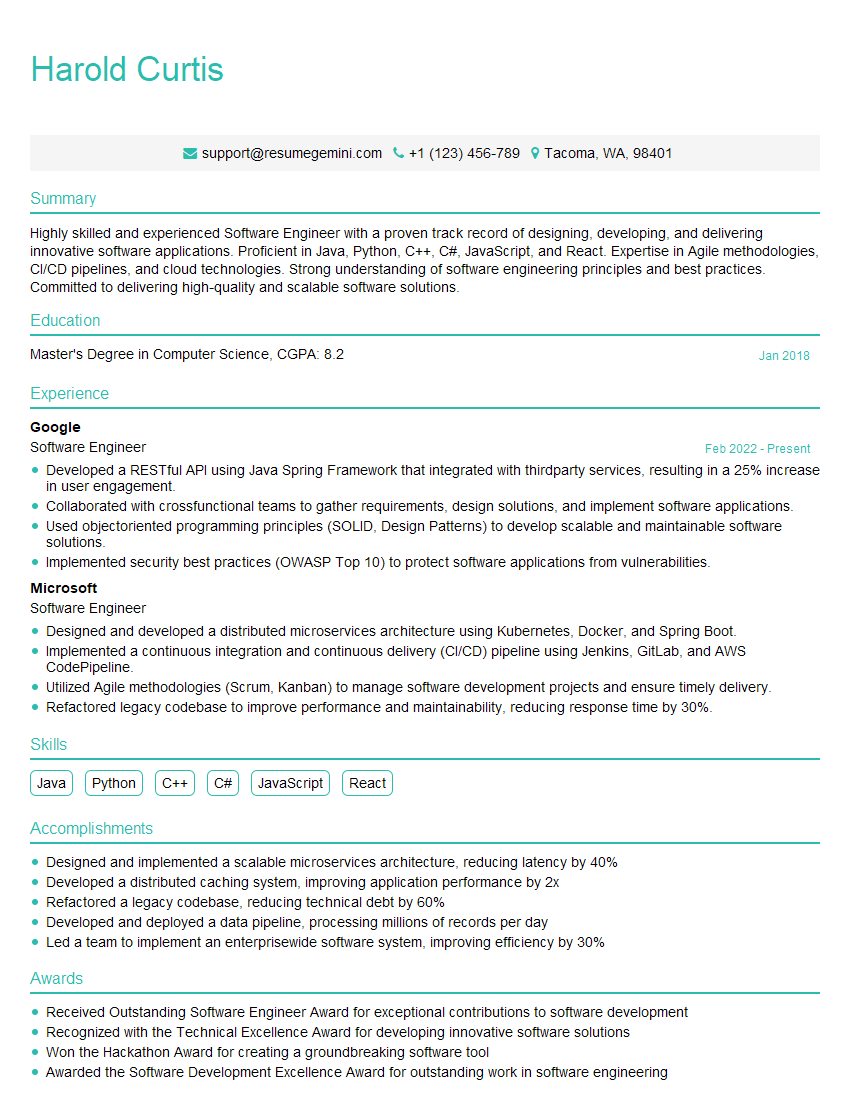
Software Engineer Resume Sample
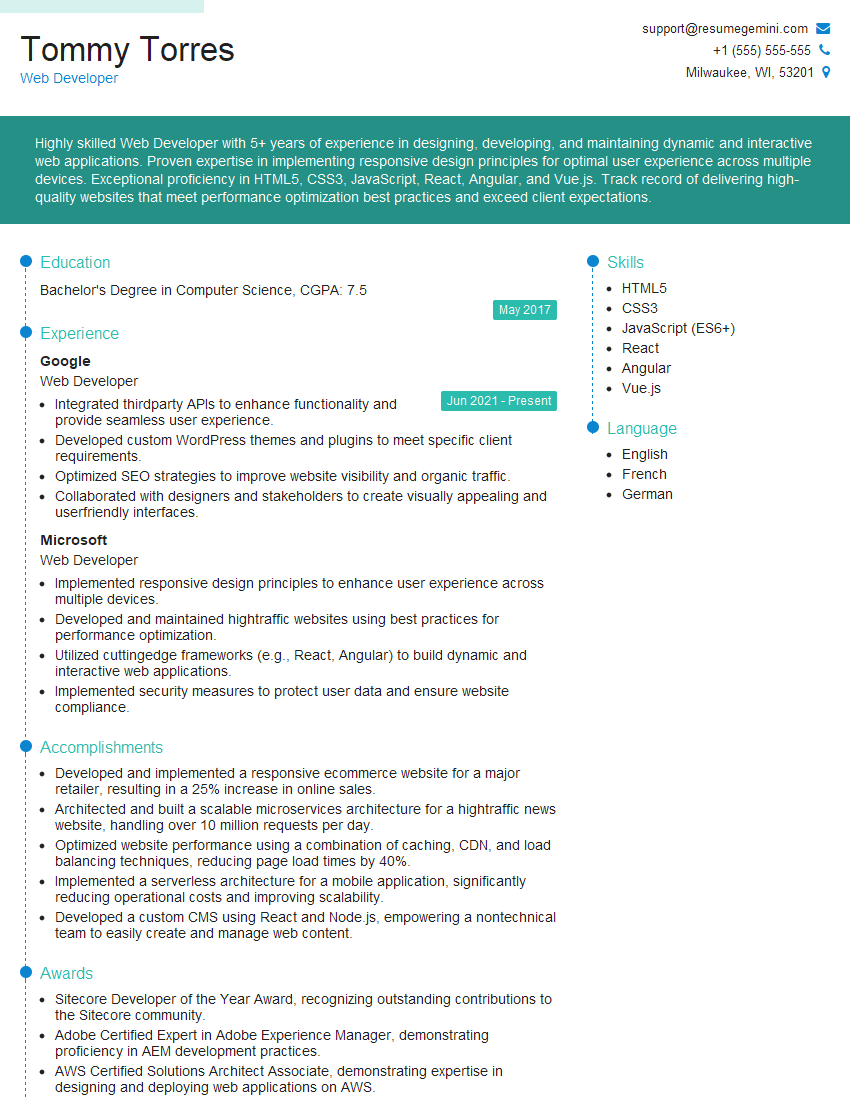
Web Developer Resume Sample
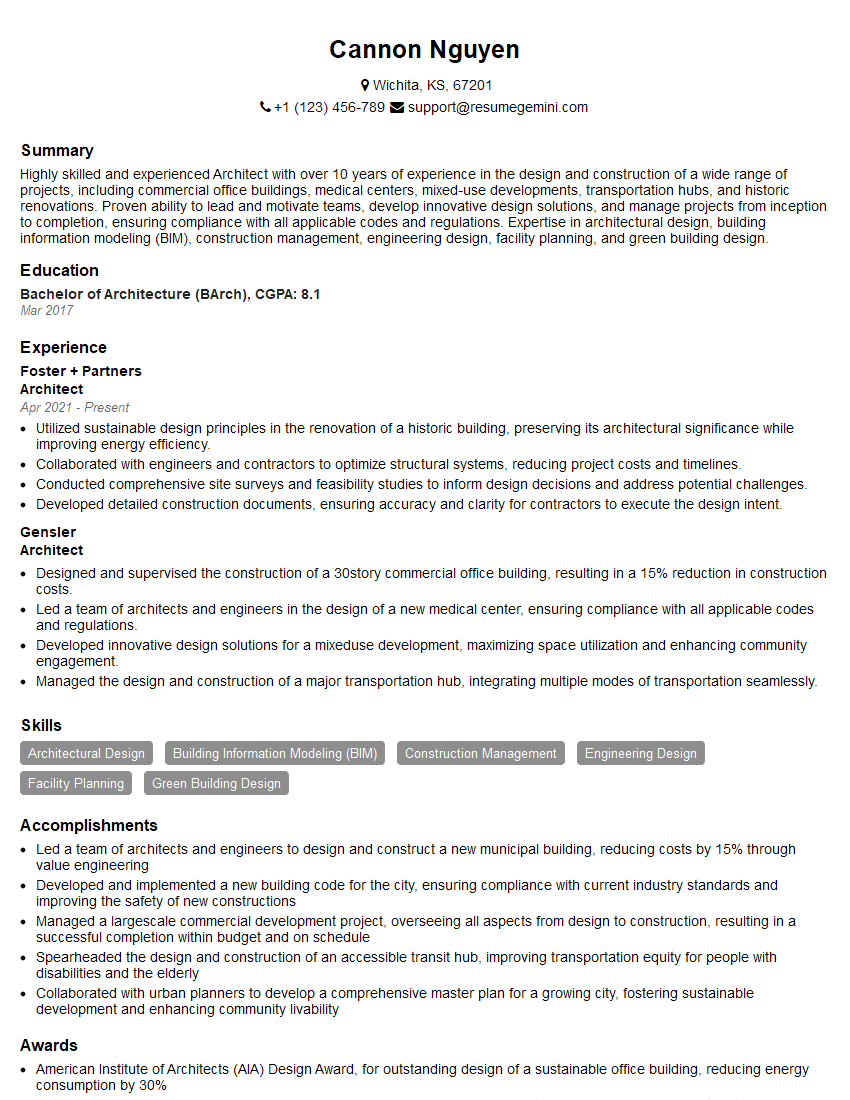
Architect Resume Sample
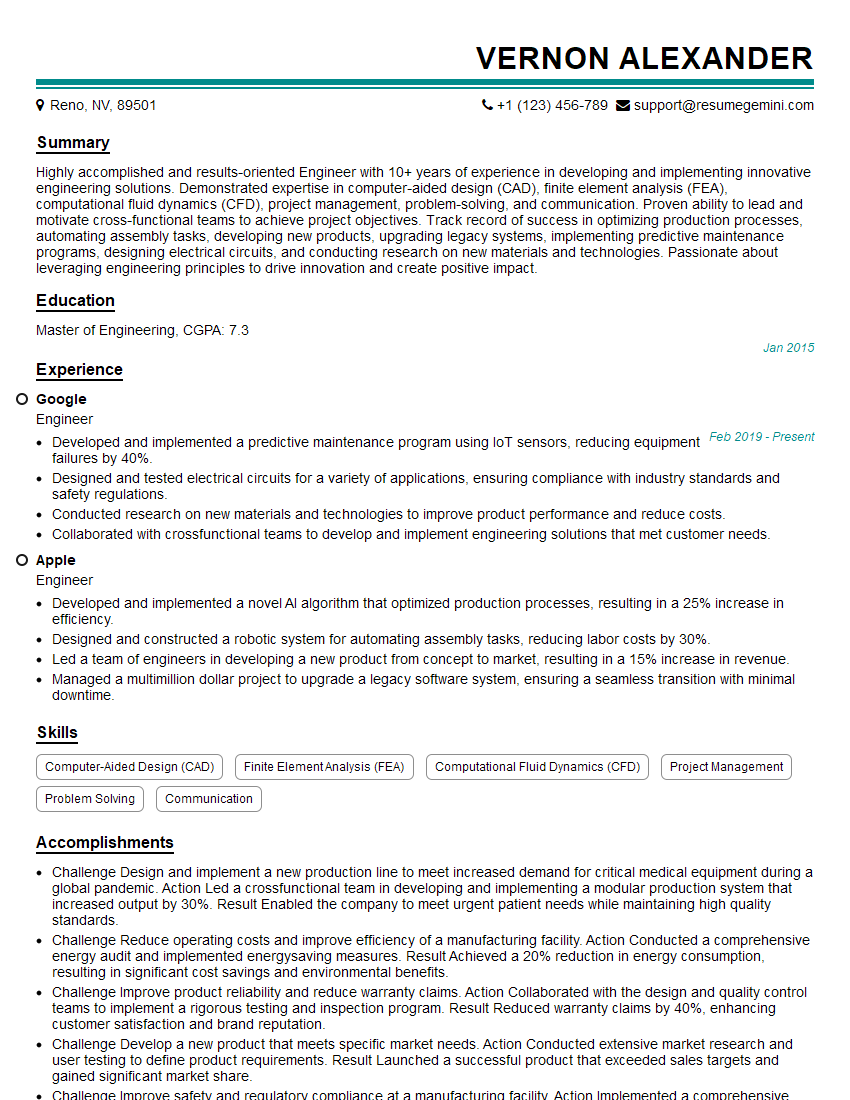
Engineer Resume Sample
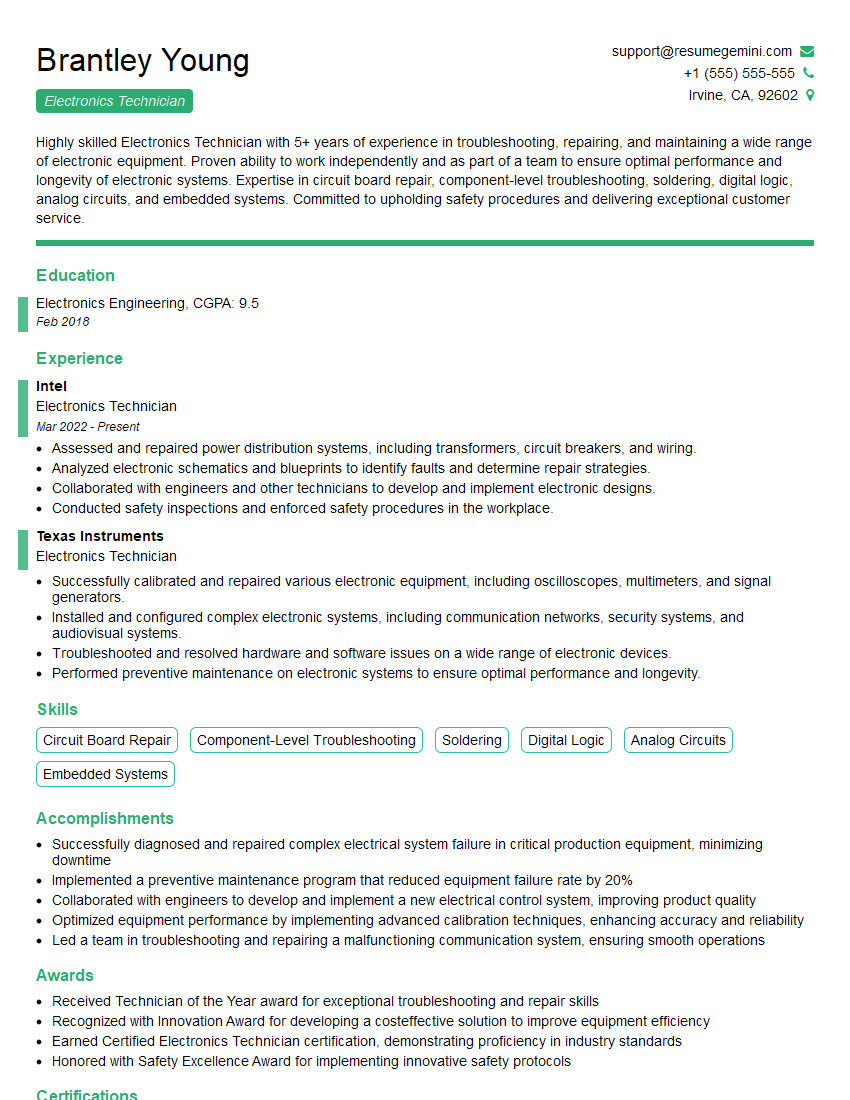
Electronics Technician Resume Sample
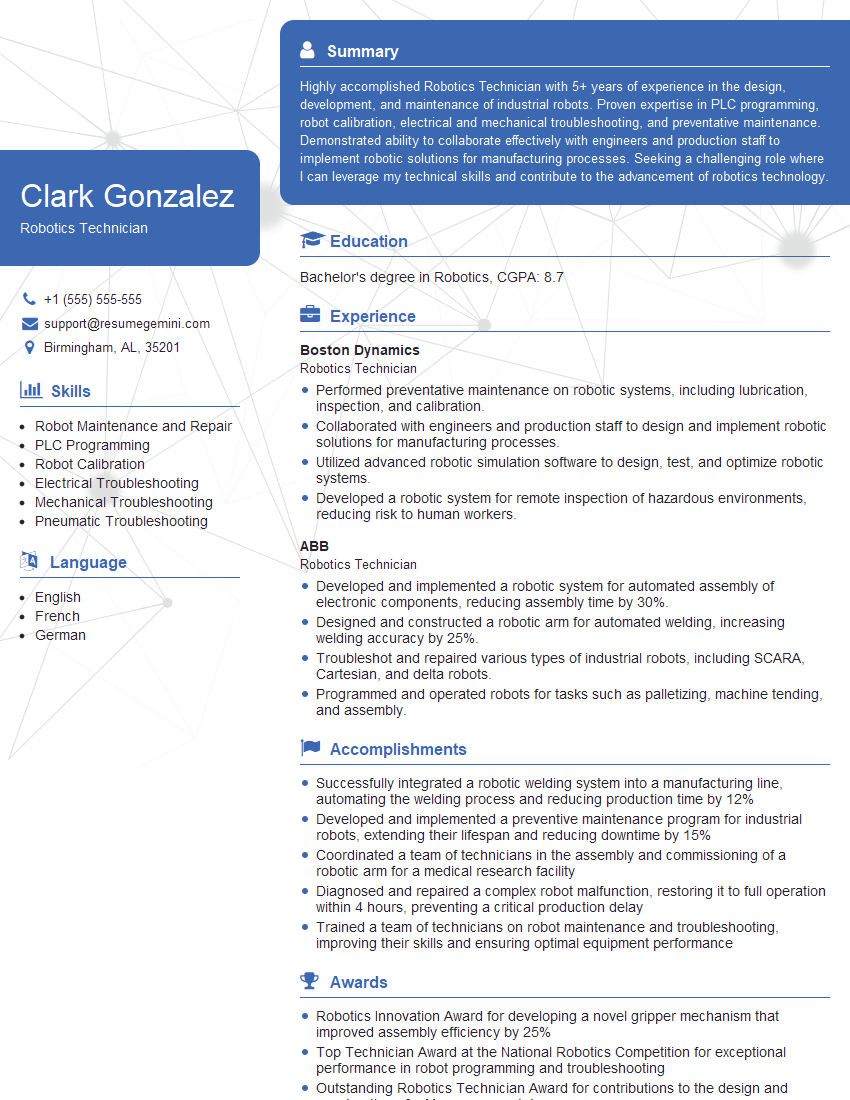
Robotics Technician Resume Sample
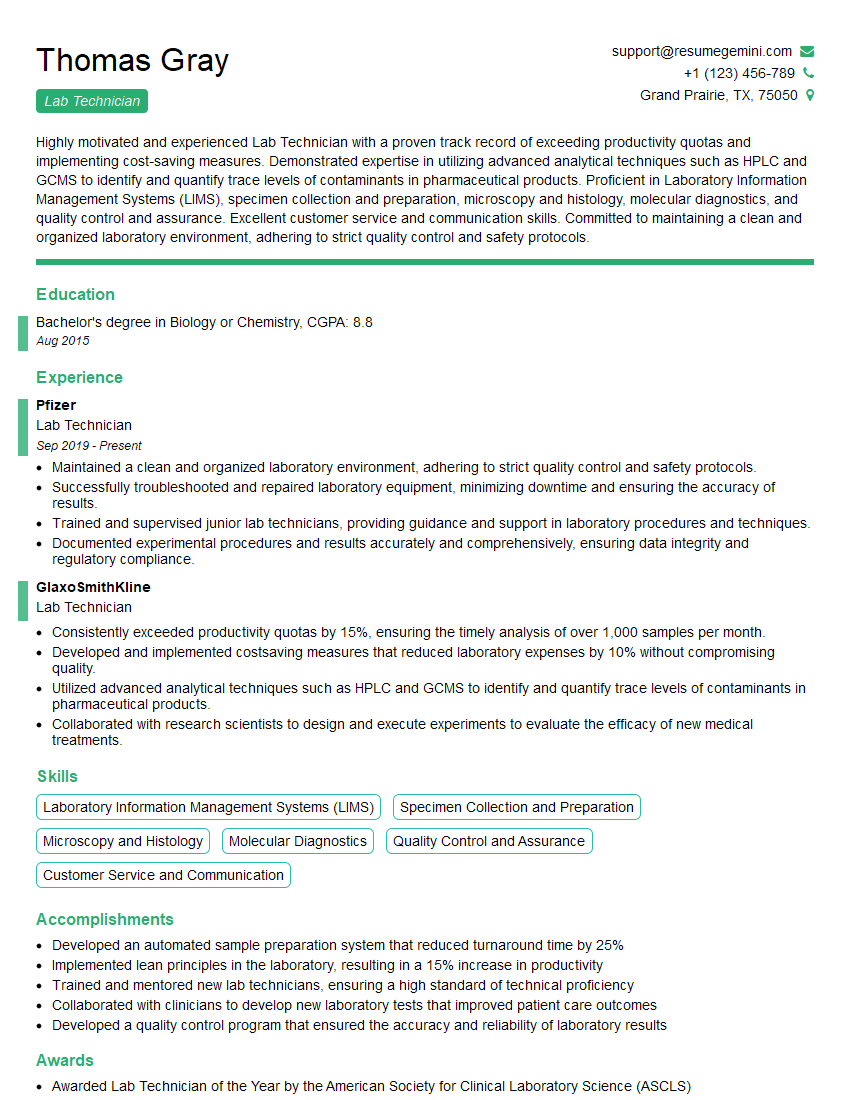
Lab Technician Resume Sample
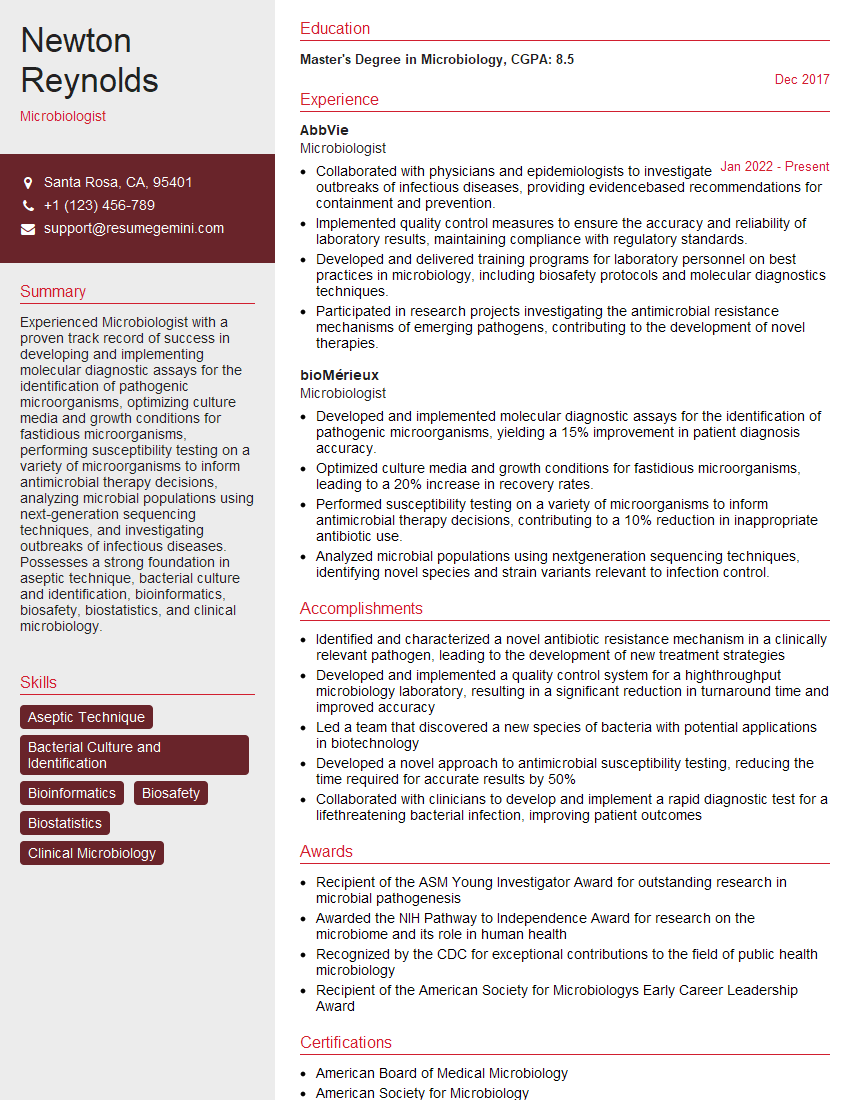
Microbiologist Resume Sample
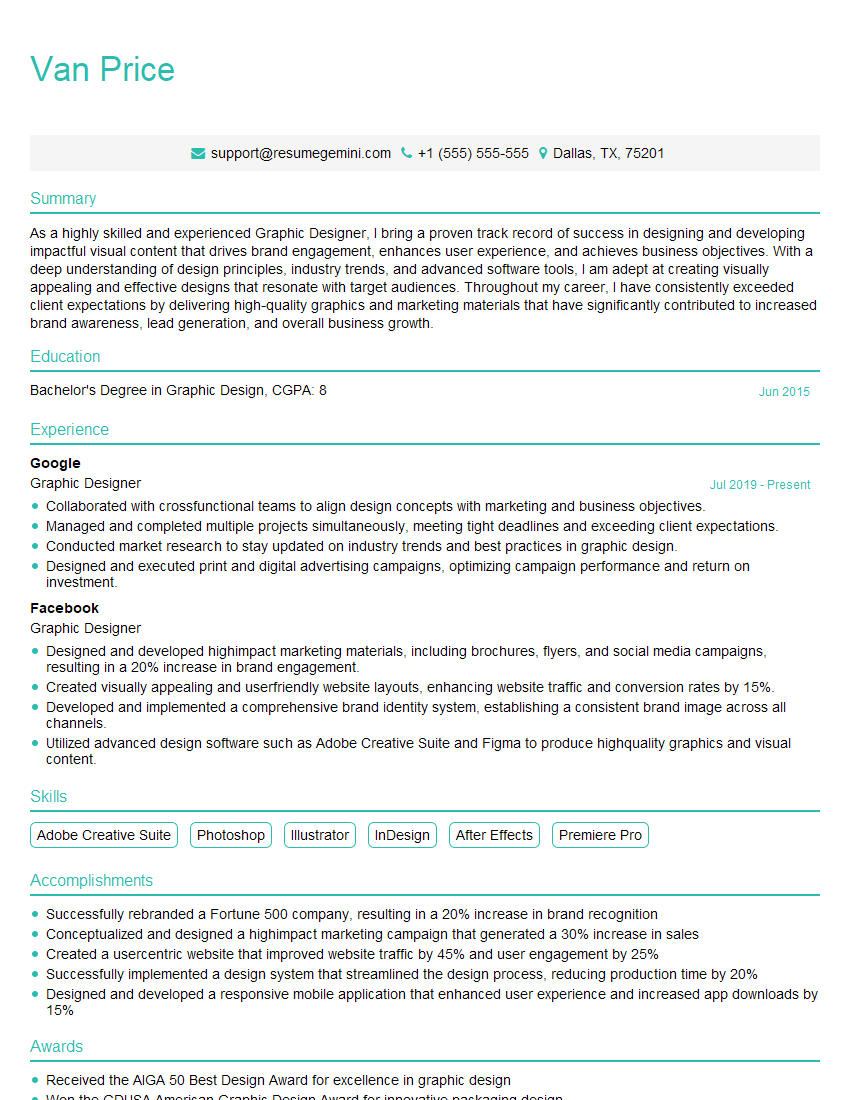
Graphic Designer Resume Sample
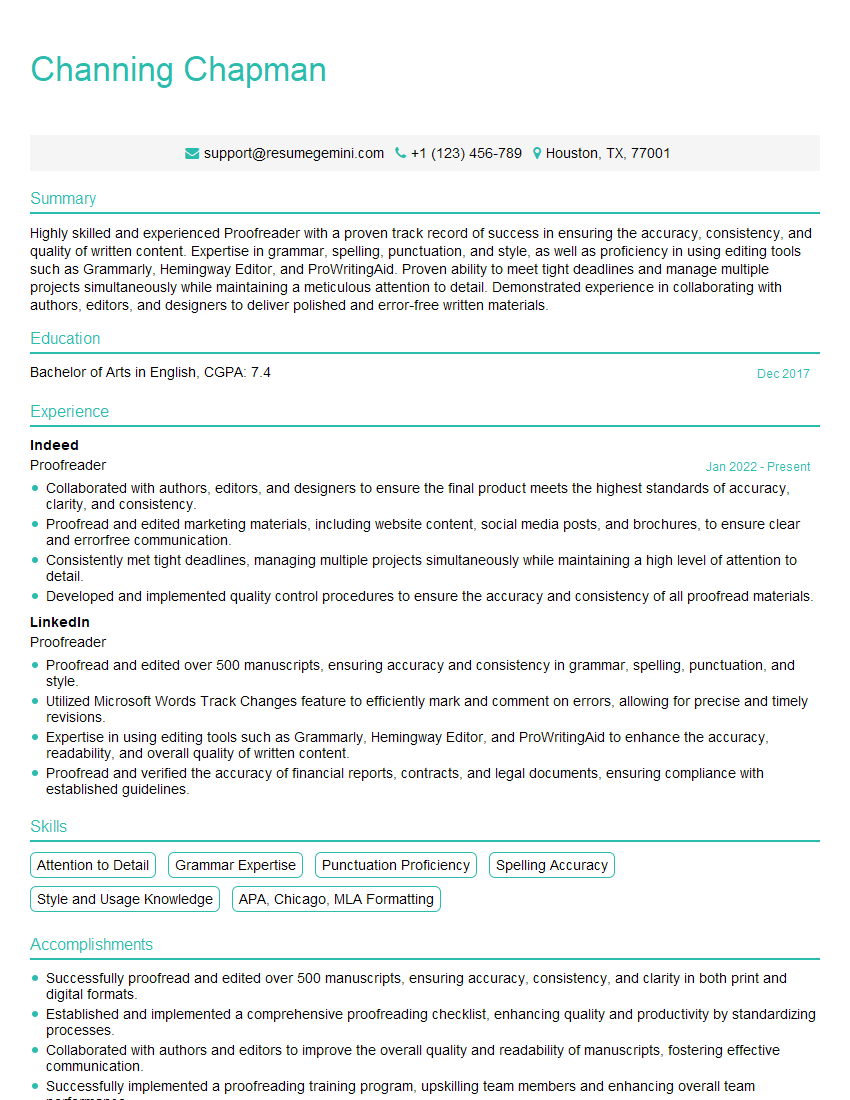
Proofreader Resume Sample
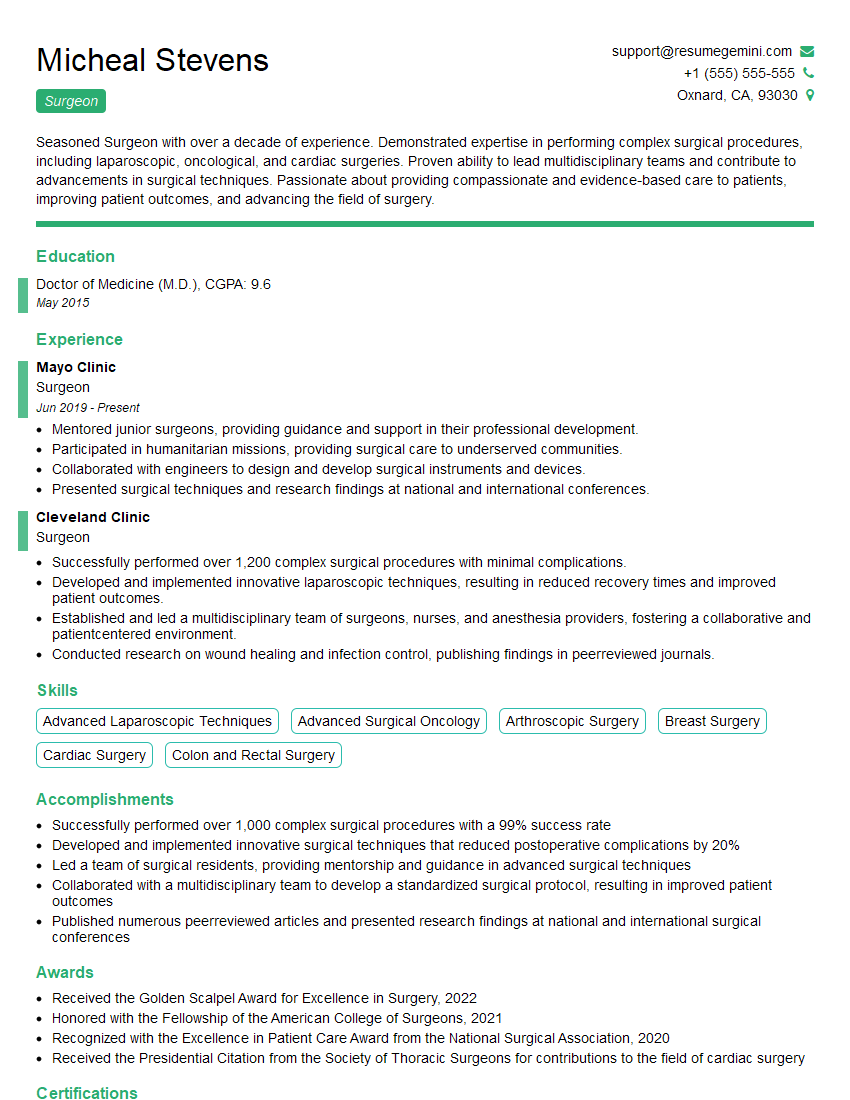
Surgeon Resume Sample
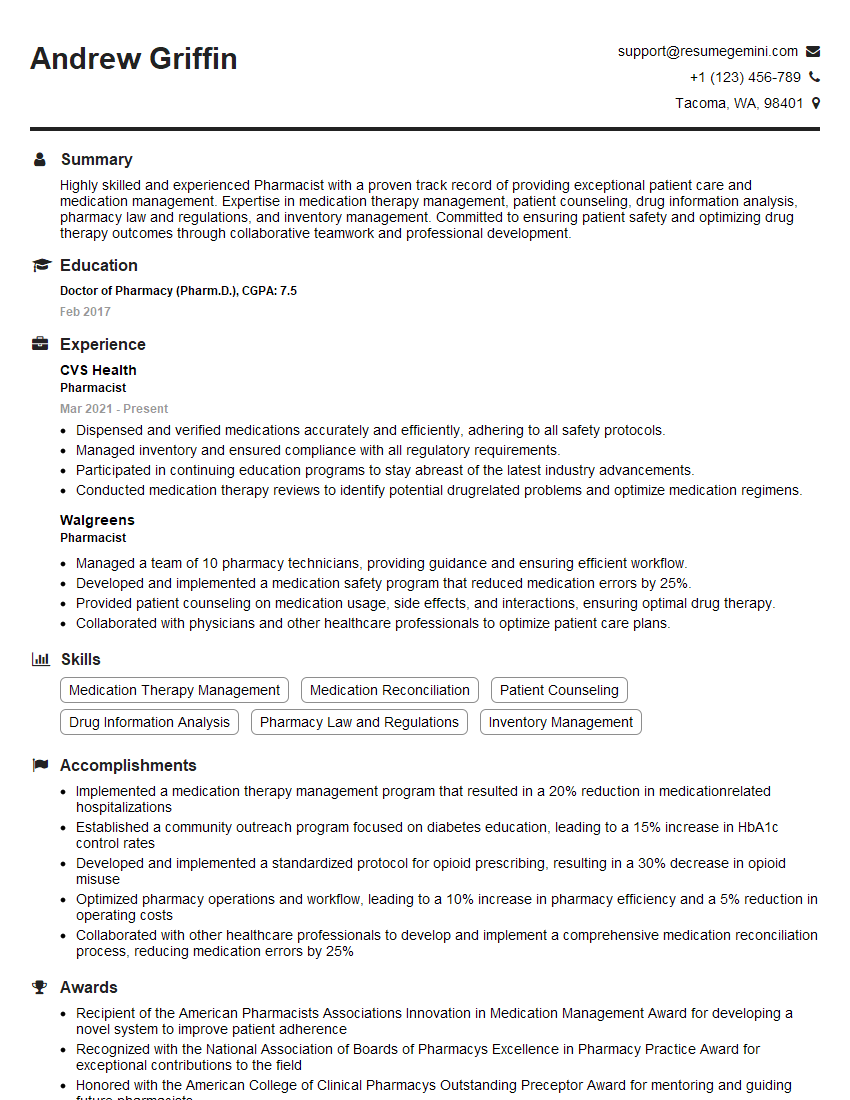
Pharmacist Resume Sample
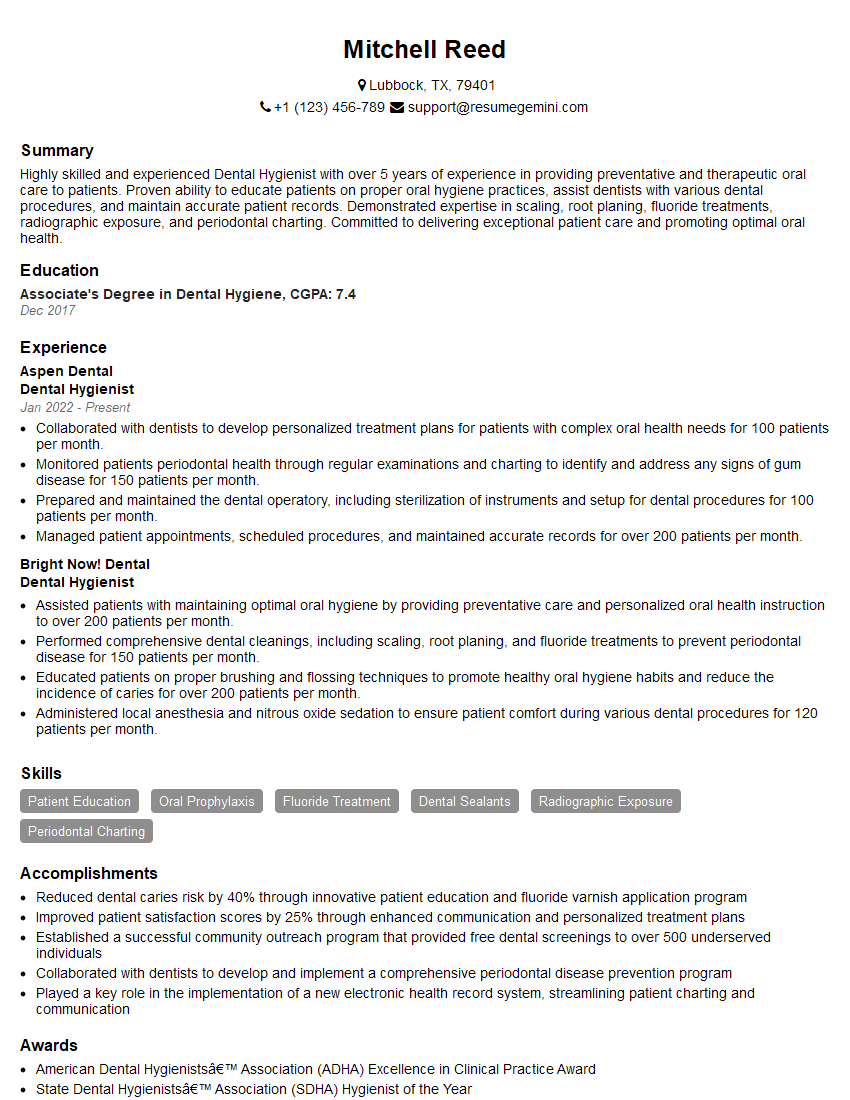
Dental Hygienist Resume Sample
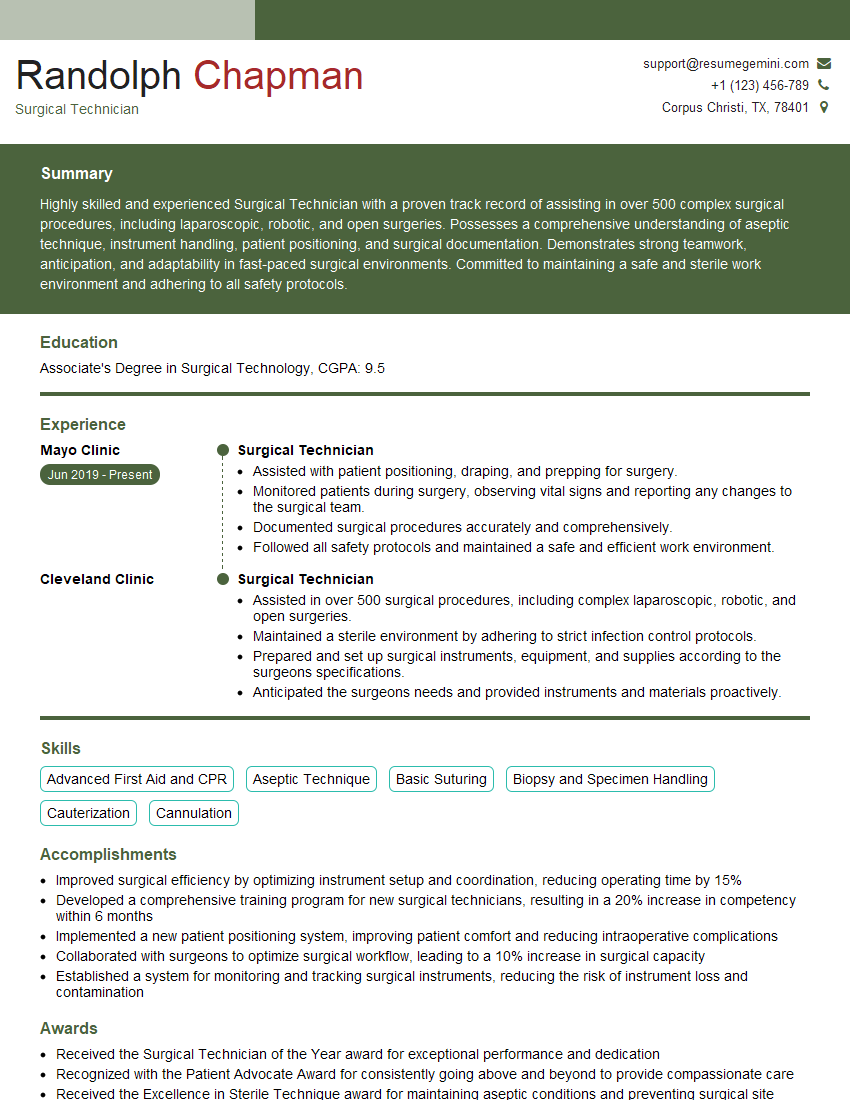
Surgical Technician Resume Sample
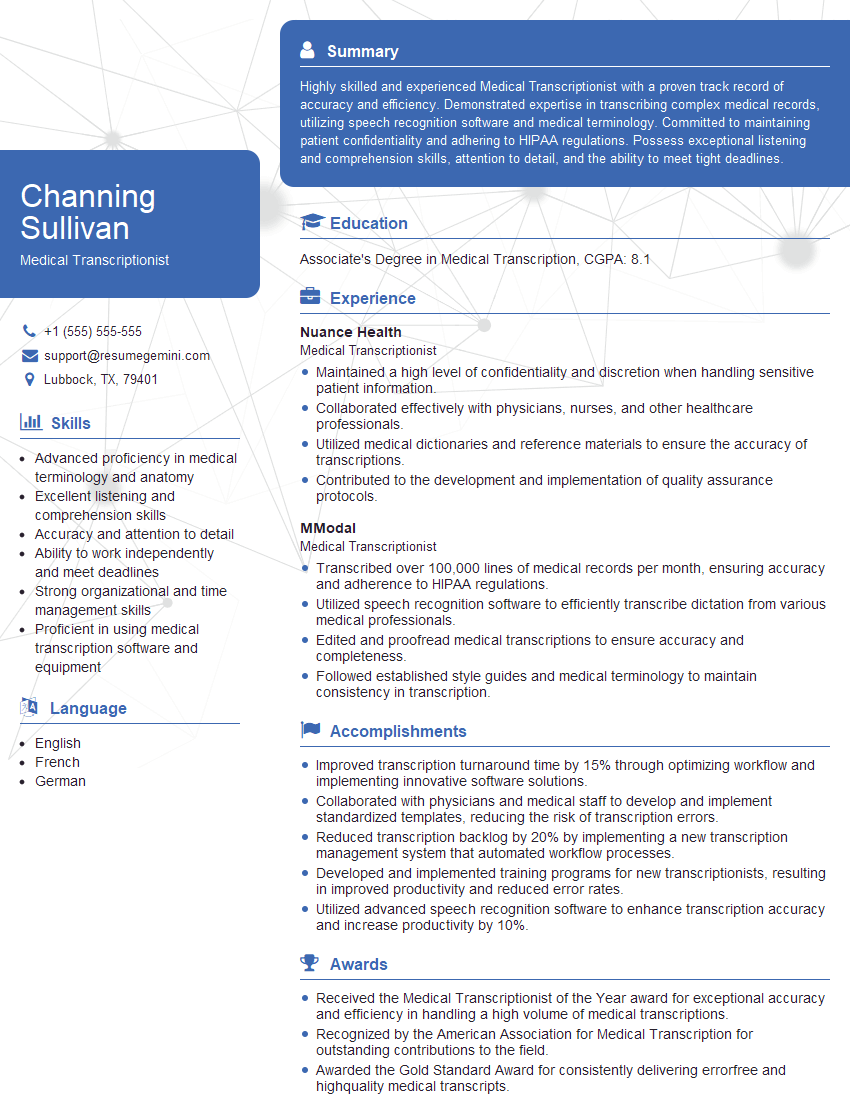
Medical Transcriptionist Resume Sample
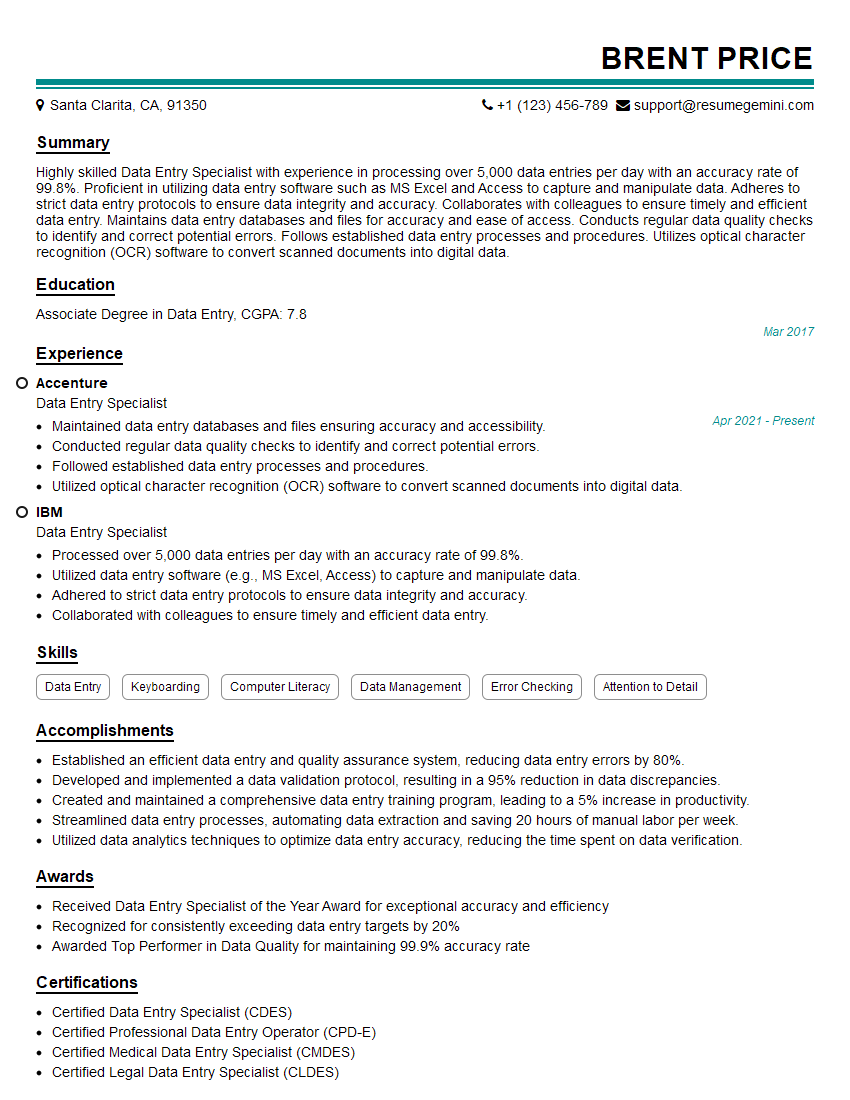
Data Entry Specialist Resume Sample
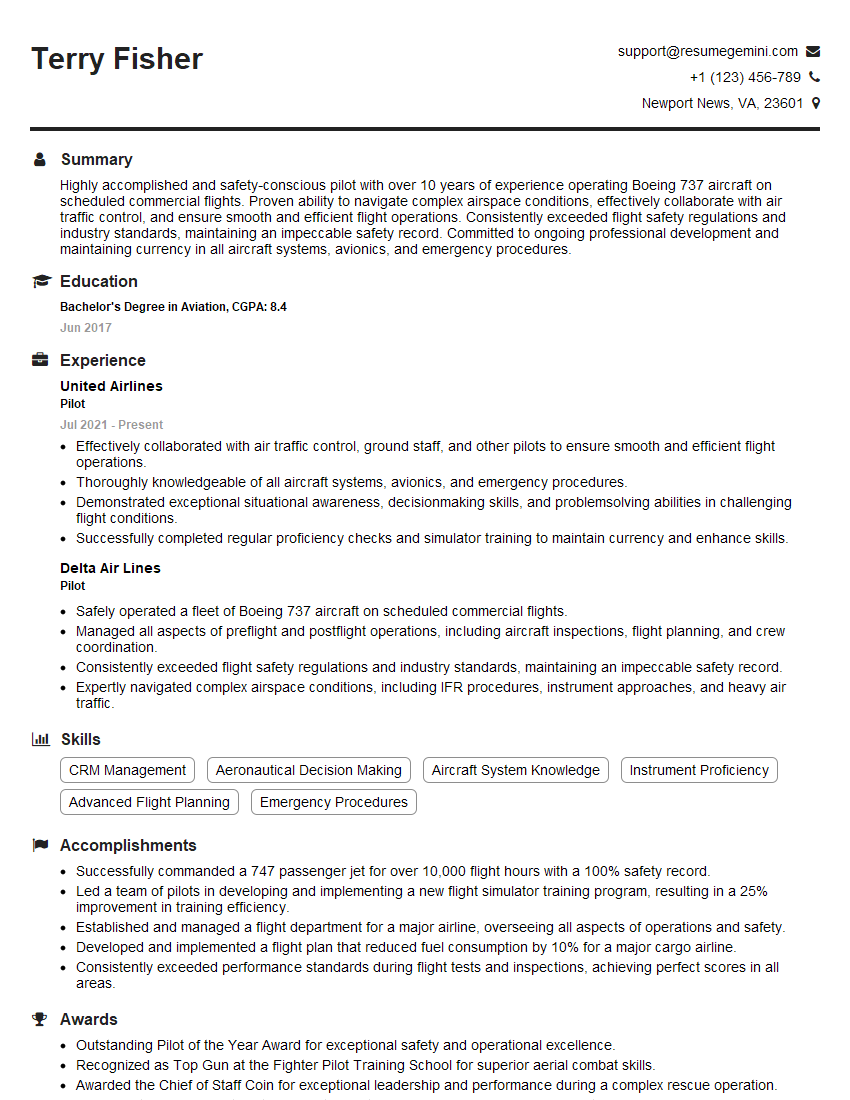
Pilot Resume Sample
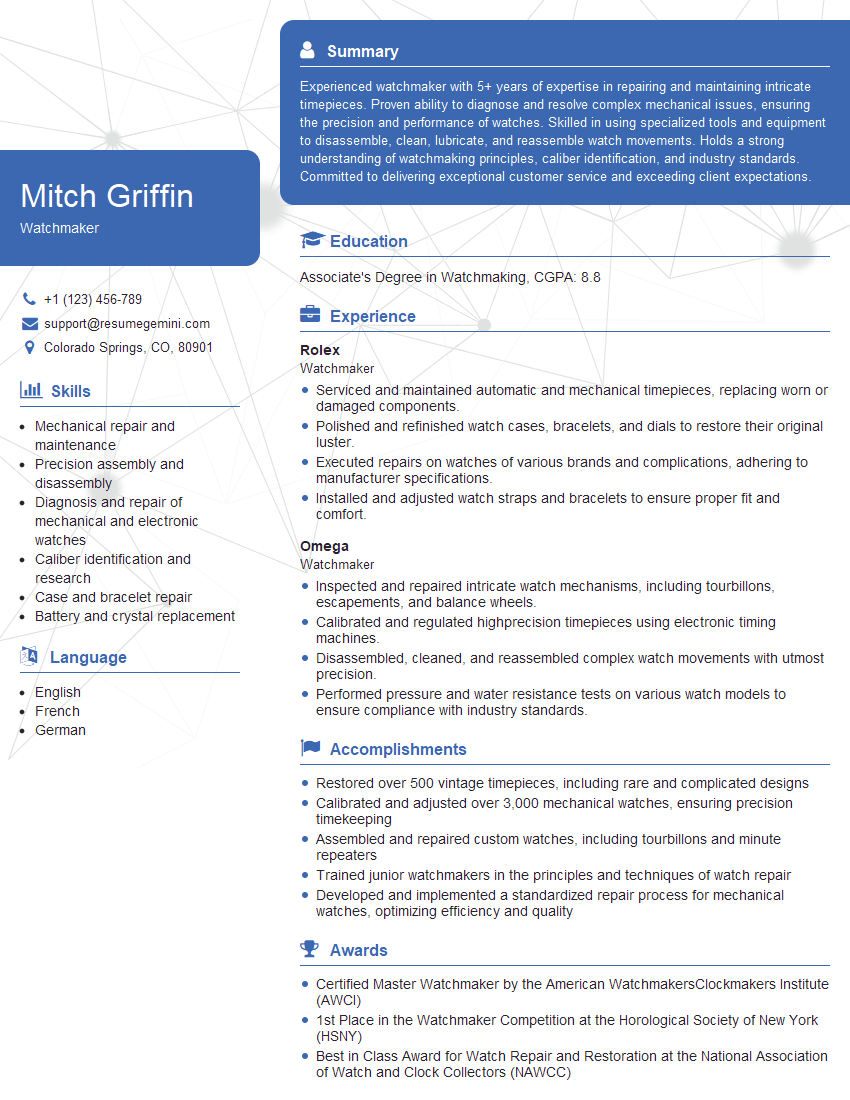
Watchmaker Resume Sample
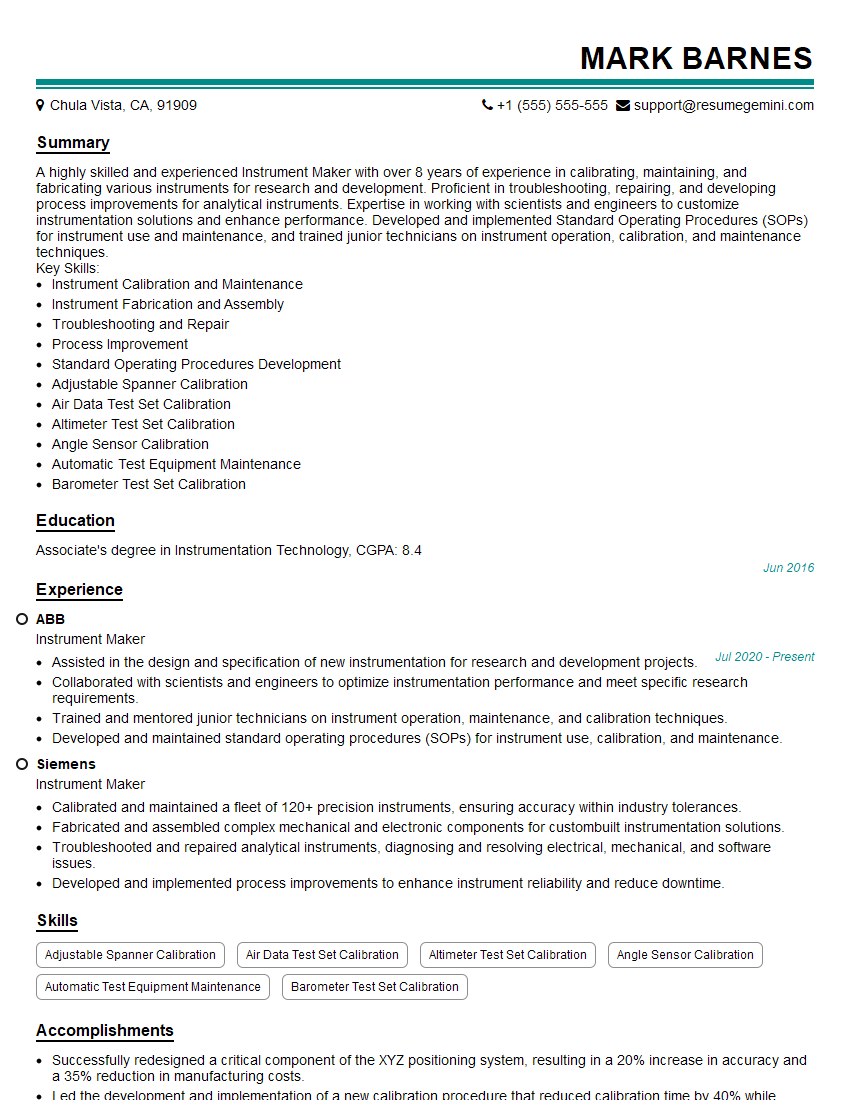
Instrument Maker Resume Sample
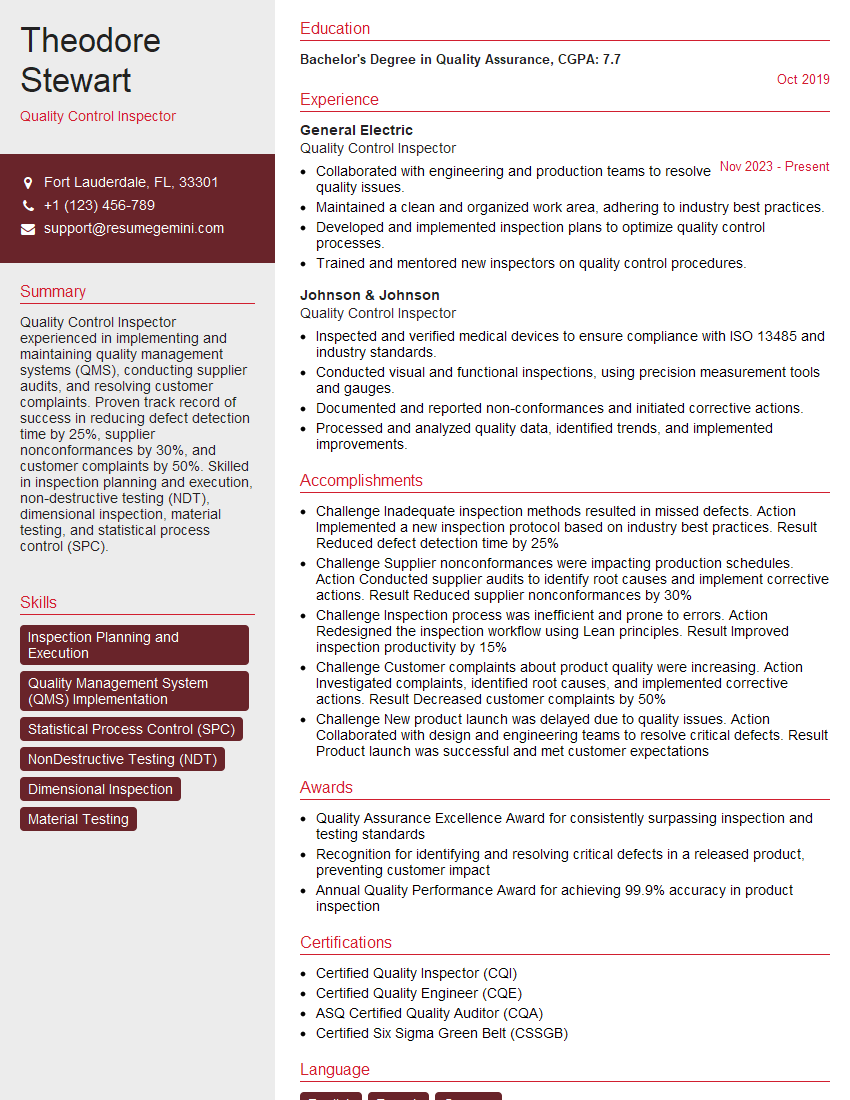
Quality Control Inspector Resume Sample
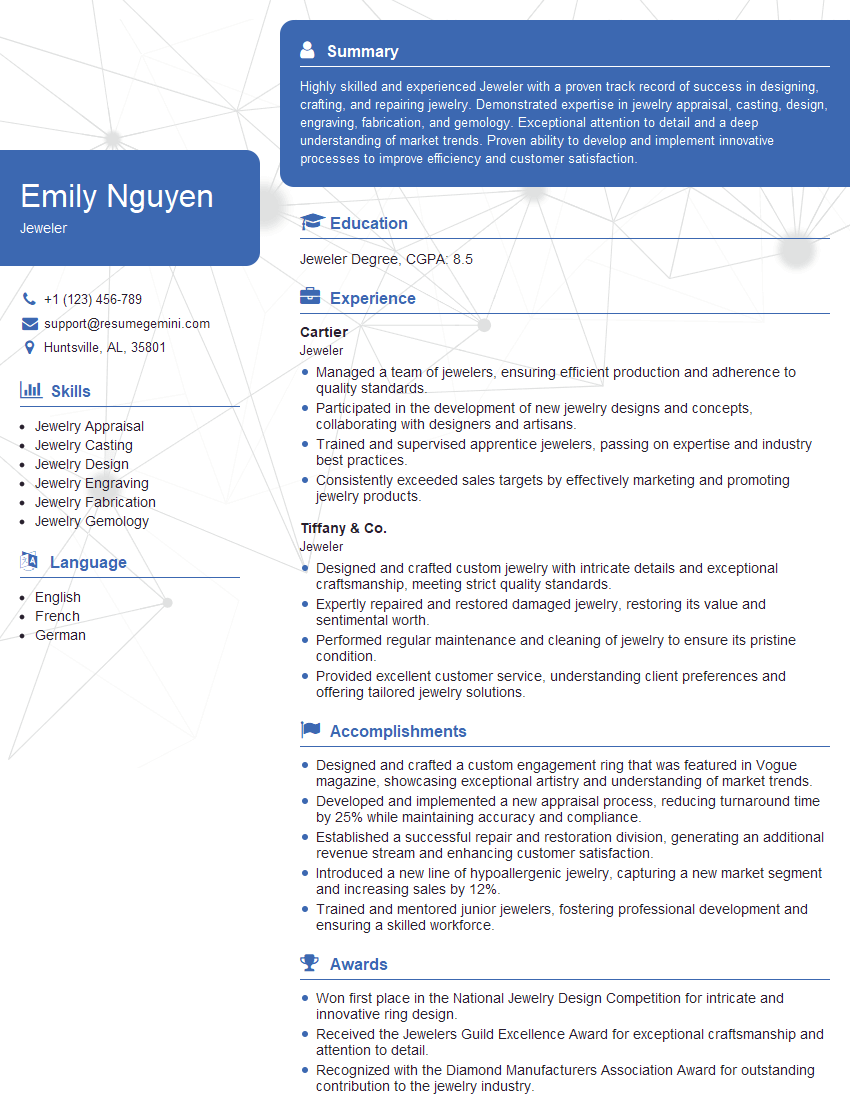
Jeweler Resume Sample
- Software Engineer
- Web Developer
- Architect
- Engineer
- Electronics Technician
- Robotics Technician
- Lab Technician
- Microbiologist
- Graphic Designer
- Proofreader
- Surgeon
- Pharmacist
- Dental Hygienist
- Surgical Technician
- Medical Transcriptionist
- Data Entry Specialist
- Pilot
- Watchmaker
- Instrument Maker
- Quality Control Inspector
- Jeweler
Explore more articles
Users Rating of Our Blogs
Share Your Experience
We value your feedback! Please rate our content and share your thoughts (optional).
What Readers Say About Our Blog
Very informative content, great job.
good