Are you ready to stand out in your next interview? Understanding and preparing for Communicate effectively with supervisors and colleagues interview questions is a game-changer. In this blog, we’ve compiled key questions and expert advice to help you showcase your skills with confidence and precision. Let’s get started on your journey to acing the interview.
Questions Asked in Communicate effectively with supervisors and colleagues Interview
Q 1. Describe your approach to delivering constructive criticism to a colleague.
Delivering constructive criticism requires tact and empathy. My approach focuses on being specific, focusing on behavior rather than personality, and offering solutions. I start by highlighting the positive aspects of the colleague’s work before addressing the areas needing improvement. I use the ‘Situation-Behavior-Impact’ (SBI) model: I describe the specific situation, the observed behavior, and the impact that behavior had. For instance, instead of saying ‘You’re disorganized,’ I’d say, ‘During the last project, the deadline was missed because the project files weren’t properly organized. This resulted in a delay for the whole team.’ I then offer concrete suggestions for improvement, and conclude by reiterating my belief in their abilities and offering support.
Example: Let’s say a colleague consistently misses deadlines on small tasks. I wouldn’t confront them directly, but might say, ‘I’ve noticed a few minor tasks have been slightly behind schedule lately. Is everything alright? Is there anything I can do to assist you in managing your workload more effectively? Perhaps we could discuss time management techniques together?’
Q 2. How do you handle disagreements with your supervisor?
Disagreements with supervisors are inevitable, but handling them professionally is crucial. I approach such situations with respect and a willingness to understand their perspective. I start by actively listening to their concerns and clarifying my understanding. I then clearly and calmly explain my viewpoint, providing evidence or data to support my arguments. The goal isn’t to win the argument, but to find a mutually acceptable solution. If a compromise can’t be reached immediately, I suggest revisiting the issue after gathering more information or considering alternative approaches. It’s vital to maintain a professional tone and avoid emotional outbursts. Documenting the conversation and agreed-upon actions is also beneficial.
Example: If my supervisor disagreed with my proposed project timeline, I would present the data supporting my estimation. If they still disagreed, I’d offer alternative timelines with adjusted deliverables, explaining the trade-offs involved.
Q 3. Explain a time you had to negotiate a compromise with a team member.
In a previous project, a team member and I had conflicting views on the best approach to data visualization. He preferred a complex, highly detailed approach, while I advocated for a simpler, more user-friendly design. We were at an impasse. To negotiate a compromise, I initiated a discussion, emphasizing our shared goal: to create an effective visualization. We brainstormed different options, considering the pros and cons of each. We eventually agreed on a hybrid approach, incorporating some elements of his detailed design in a simplified framework. This allowed us to satisfy both our preferences while maintaining project objectives. Active listening, mutual respect, and a focus on the common goal were key to this successful negotiation.
Q 4. How do you ensure clear and concise communication in a complex project?
Clear and concise communication in complex projects requires a structured approach. I utilize several strategies: First, I ensure that all stakeholders have a shared understanding of the project goals and objectives. Then, I break down complex tasks into smaller, manageable components with well-defined deliverables. Regular project updates, using visual aids like Gantt charts or Kanban boards, keep everyone informed on progress and potential roadblocks. I also maintain open communication channels – email for formal communication, instant messaging for quick queries, and regular team meetings for brainstorming and problem-solving. Finally, I prioritize concise language in all communications, avoiding technical jargon whenever possible.
Q 5. How do you adapt your communication style to different personalities?
Adapting communication style is essential for effective teamwork. I assess each individual’s communication preferences – some prefer direct, concise communication, while others appreciate more detailed explanations. I observe their body language and listening habits to gauge their engagement. For instance, with someone who seems hesitant, I’ll use a more collaborative and supportive approach, inviting their input and feedback. With decisive individuals, I’ll present information directly and efficiently. Empathy and active listening are fundamental to adapting my communication style effectively.
Q 6. Describe a situation where you had to give difficult news to your team. How did you do it?
I once had to deliver the difficult news of project budget cuts to my team. I prepared carefully, ensuring I understood all the implications before communicating them. I scheduled a team meeting to deliver the news in person, creating a safe space for questions and concerns. I started by acknowledging the challenging situation, explaining the reasons for the cuts in a clear and honest manner, and expressing my understanding of their potential frustrations. I then outlined the steps we’d take to mitigate the impact, including prioritization of tasks and exploring cost-saving measures. I encouraged open communication and offered my support in navigating this difficult period. I followed up with a written summary outlining the next steps.
Q 7. How do you proactively manage potential communication breakdowns in your work?
Proactive management of potential communication breakdowns involves several strategies. Firstly, I establish clear communication protocols at the start of any project, defining roles, responsibilities, and communication channels. Regular check-ins with team members prevent misunderstandings from escalating. I use a variety of communication methods to reach diverse team members, combining formal emails with informal chats. I also encourage active listening and feedback at all stages of a project. Finally, I prioritize clear documentation and archiving of all communications. This proactive approach minimizes the risks of miscommunication and ensures a smoother workflow.
Q 8. How would you handle a situation where a colleague misinterprets your message?
Misunderstandings are inevitable in communication. My approach focuses on clarifying the issue and rebuilding understanding, not assigning blame. First, I’d acknowledge my colleague’s interpretation and avoid immediate defensiveness. I’d ask clarifying questions like, “Help me understand your perspective; what part of my message was unclear?” This shows respect and encourages open dialogue. Then, I’d restate my message in a different way, perhaps using simpler language, a visual aid, or a different communication channel (e.g., a quick phone call instead of an email). Finally, I’d seek confirmation: “Does this explanation make more sense now?” Following up ensures the misunderstanding is truly resolved. For example, if I sent a complex email about a project timeline and a colleague misunderstood a deadline, I would call them, re-explain the deadline using simpler terms, possibly even showing a visual calendar, and confirm their understanding.
Q 9. How do you build rapport with supervisors and colleagues from diverse backgrounds?
Building rapport across diverse backgrounds requires active listening, empathy, and cultural sensitivity. I start by acknowledging and appreciating the different perspectives and experiences each person brings to the table. I avoid making assumptions and actively seek to understand their communication styles – some cultures are more direct, others more indirect. I pay attention to both verbal and non-verbal cues. For instance, I might adjust my communication style to be more formal or informal depending on the individual and the situation. Building personal connections through casual conversations about shared interests (beyond work) can also be effective. In one project, I worked with a team member from a culture that highly valued hierarchy. I made sure to communicate respectfully with their manager and to involve them in key decisions, showcasing my understanding of their cultural norms.
Q 10. Describe your preferred method of communicating project updates.
My preferred method for communicating project updates combines transparency and efficiency. I utilize a combination of regular team meetings (both in-person and virtual), concise email updates, and a shared project management platform (like Asana or Trello). Team meetings allow for interactive discussion, clarification of questions, and team cohesion. Emails provide a written record of key updates and decisions. The project management platform offers a centralized space for task assignment, progress tracking, and document sharing. For instance, I’d use the platform to assign tasks, set deadlines, and track progress. I’d send weekly email summaries highlighting significant milestones and potential roadblocks. And finally, I’d conduct brief bi-weekly team meetings to address any concerns and ensure everyone stays aligned.
Q 11. How do you use technology to enhance your communication effectiveness?
Technology plays a crucial role in enhancing communication effectiveness. I use tools like Slack for quick questions and informal discussions, video conferencing for meetings (Zoom, Google Meet), project management software (Asana, Trello) for task organization, and email for formal communication. For instance, using screen sharing during video conferences allows for efficient collaboration on documents or presentations. Project management tools ensure everyone has access to the most up-to-date information. Furthermore, I ensure I use clear, concise language and appropriate communication channels for the message. For example, I would use a quick Slack message for simple questions, rather than sending a long email.
Q 12. How do you handle conflicting priorities communicated by multiple supervisors?
Conflicting priorities require careful prioritization and proactive communication. My first step is to document each supervisor’s request, including the deadline and the importance of each task. Then, I schedule meetings (separately) with each supervisor to clarify their expectations, explain my current workload, and propose a prioritized action plan. This shows respect for their time and allows for a collaborative solution. I might need to negotiate timelines or re-allocate resources to meet the most critical deadlines. It’s also important to maintain transparency; I’d keep both supervisors informed about my progress and any challenges I encounter. For example, if Supervisor A wants report X by Friday and Supervisor B wants report Y by Thursday, I’d discuss the feasibility of both deadlines with each of them, potentially negotiating a later deadline for one report while prioritizing the other. I would also communicate this prioritization openly to both, demonstrating accountability and ensuring everyone is on the same page.
Q 13. Describe a time you had to persuade a colleague to adopt a different approach.
In a previous project, a colleague was insistent on using a less efficient data analysis method. I approached the situation by first understanding their reasoning – they were comfortable with the existing method and hesitant to learn a new one. I then presented the benefits of the new method, not just in terms of efficiency but also in terms of accuracy and the ability to handle future data growth. I offered to help them learn the new method by providing training materials and working through examples together. I showed them how the new method could actually save them time in the long run by automating some of the tasks they were doing manually. This collaborative and supportive approach led them to willingly adopt the new method, which ultimately benefited the entire team.
Q 14. Explain how you ensure everyone on your team understands project goals.
Ensuring everyone understands project goals is paramount for success. I start by clearly defining the project goals and objectives in a concise and accessible way, possibly using a visual representation like a mind map or a flowchart. I then communicate these goals through multiple channels—team meetings, emails, and project documentation. I encourage questions and discussions to ensure that everyone has a shared understanding. Regular check-ins and progress updates help to reinforce the goals and track progress. For instance, I would create a shared document outlining the project goals, key deliverables, and timeline. This document would then be discussed during team meetings to ensure everyone understands their role and how their contributions align with the overall project goals.
Q 15. How do you solicit feedback from colleagues and supervisors and use it to improve?
Soliciting feedback is crucial for continuous improvement. I proactively seek feedback from colleagues and supervisors through various methods, adapting my approach based on the individual and the context. For example, I might schedule a formal feedback session with my supervisor, using a structured approach like a self-assessment followed by their input. With colleagues, I might prefer less formal methods like asking for their opinions on a specific project deliverable or seeking suggestions during a team meeting.
After receiving feedback, I meticulously analyze it, focusing on identifying recurring themes or specific areas for improvement. I categorize feedback into actionable steps, prioritizing those with the greatest impact. For instance, if consistent feedback points to a weakness in presenting data, I’ll dedicate time to improving my presentation skills, perhaps by taking a course or practicing with colleagues. I then document the feedback, the action plan, and the timeline for implementation. Regularly reviewing my progress ensures I’m accountable and making the necessary adjustments.
Crucially, I don’t just passively receive feedback; I actively engage in a two-way conversation. I ask clarifying questions to ensure I understand the feedback correctly and demonstrate my commitment to growth. This approach fosters trust and open communication, making the process more collaborative and effective.
Career Expert Tips:
- Ace those interviews! Prepare effectively by reviewing the Top 50 Most Common Interview Questions on ResumeGemini.
- Navigate your job search with confidence! Explore a wide range of Career Tips on ResumeGemini. Learn about common challenges and recommendations to overcome them.
- Craft the perfect resume! Master the Art of Resume Writing with ResumeGemini’s guide. Showcase your unique qualifications and achievements effectively.
- Don’t miss out on holiday savings! Build your dream resume with ResumeGemini’s ATS optimized templates.
Q 16. How do you handle interruptions and manage your time effectively during communication?
Handling interruptions and managing time effectively during communication is essential for productivity and maintaining focus. My strategy combines proactive planning with reactive adjustments. Before meetings or important discussions, I create an agenda and stick to it, setting clear time boundaries for each topic. This prevents discussions from veering off-track and ensures we cover all essential points within the allotted time.
When interruptions occur, I politely but firmly address them. If it’s a quick question, I might address it briefly, ensuring it doesn’t derail the current discussion. For more substantial issues, I might politely suggest scheduling a separate time to address them. I use visual cues such as closing my laptop or putting my phone away to signal I need uninterrupted time.
For managing my time overall, I utilize time-blocking techniques, scheduling specific times for responding to emails, participating in meetings, and completing individual tasks. This structure prevents multitasking, improving the quality and efficiency of my communication. Prioritization is key. I constantly reassess my tasks, focusing on the most urgent and impactful ones first.
Q 17. Describe a time you had to communicate complex technical information to a non-technical audience.
Once, I had to explain a complex algorithm for optimizing database queries to a group of sales representatives with limited technical backgrounds. My approach was to avoid jargon and focus on analogies and relatable examples.
Instead of delving into intricate code or mathematical formulas, I used the analogy of a library. I explained that the algorithm worked like an efficient librarian, finding the most relevant books (data) quickly. I also used visual aids like charts and diagrams to simplify the concept. I broke down the complex algorithm into smaller, easily digestible chunks, focusing on the benefits to the sales team, like faster access to customer information. This approach ensured they understood the core concept and its impact on their work, even without a deep technical understanding.
Q 18. How do you prioritize tasks based on communication needs and deadlines?
Prioritizing tasks based on communication needs and deadlines requires a structured approach. I use a combination of methods, including urgency/importance matrices (Eisenhower Matrix) and Kanban boards. The Eisenhower Matrix helps me categorize tasks into four quadrants: urgent/important, important/not urgent, urgent/not important, and neither urgent nor important. This allows me to focus on critical tasks immediately while scheduling less urgent but important tasks appropriately.
Kanban boards provide a visual representation of my workflow, allowing me to track progress on multiple tasks simultaneously and adjust priorities as needed. I consider deadlines, stakeholder expectations, and the potential impact of delayed communication when setting priorities. For instance, a critical client communication with a tight deadline would take precedence over less urgent tasks.
Q 19. How do you document and track important conversations and decisions?
Documenting and tracking important conversations and decisions is crucial for maintaining accountability and transparency. I use a combination of methods, including detailed meeting minutes, email threads, and project management software. For meetings, I prepare a concise agenda beforehand and take detailed minutes, capturing key decisions, action items, and assigned owners. These minutes are distributed to all attendees for review and confirmation.
For important email exchanges, I ensure that critical information is clearly stated and that appropriate parties are included in the communication. I utilize the ‘reply all’ function judiciously, ensuring only necessary individuals are kept informed. Project management software allows me to centralize important documents, track progress on projects, and manage tasks related to communication.
Q 20. Explain how you handle confidential information in professional communications.
Handling confidential information requires strict adherence to company policies and ethical guidelines. I never share confidential information outside of authorized channels or with unauthorized individuals. I use secure communication methods, such as encrypted emails or secure messaging platforms, when dealing with sensitive data.
I ensure that I only access information I need for my work and that I immediately report any suspected breaches of confidentiality. I am also very mindful of my physical surroundings when discussing confidential information. I never leave sensitive documents unattended and ensure I have secure storage for digital and physical files. My commitment to confidentiality stems from a deep understanding of its importance for protecting both the organization and its clients.
Q 21. How do you utilize active listening to ensure understanding during communication?
Active listening is the cornerstone of effective communication. It involves fully concentrating on what the speaker is saying, understanding their message, responding thoughtfully, and remembering what has been said. I demonstrate active listening through verbal and non-verbal cues. Verbally, I use phrases like ‘I understand,’ ‘Tell me more,’ and ‘That’s an interesting point’ to show engagement and encourage the speaker to elaborate. Non-verbally, I maintain eye contact, nod my head to show agreement, and avoid interrupting.
Furthermore, I paraphrase or summarize what the speaker has said to confirm my understanding and ensure accuracy. This process clarifies any misunderstandings and ensures both parties are on the same page. By actively listening, I not only gather information but also build trust and rapport, creating a more collaborative and effective communication environment.
Q 22. How do you give and receive feedback effectively in a team setting?
Effective feedback is a cornerstone of teamwork. Giving feedback should be specific, actionable, and balanced, focusing on both strengths and areas for improvement. Receiving feedback requires active listening, asking clarifying questions, and demonstrating a willingness to learn.
- Giving Feedback: Instead of saying “Your presentation was bad,” try: “Your presentation was engaging, but the data visualization could be improved for clarity. Consider using fewer charts and focusing on key metrics.”
- Receiving Feedback: Don’t become defensive. Instead, paraphrase what you heard to confirm understanding: “So, if I understand correctly, you suggest I focus on improving the data visualization by simplifying the charts?” Then, thank the person for their time and insights.
Think of it like this: Giving feedback is like offering a well-prepared recipe, while receiving feedback is like carefully studying the recipe to improve your cooking.
Q 23. Describe a time you had to resolve a miscommunication that negatively impacted a project.
During a website redesign project, a miscommunication between the design and development teams about the intended functionality of a key feature led to a significant delay. The design team interpreted the specifications one way, while the development team had a different understanding. This resulted in wasted time and resources as the developers built a feature that didn’t align with the design.
To resolve this, I facilitated a meeting with both teams. We reviewed the original specifications document together, clarified the ambiguities, and created a revised, collaboratively-approved version. This involved actively listening to each team’s perspective, using visual aids to showcase the discrepancies, and ultimately ensuring everyone was on the same page. We established a more rigorous communication protocol for future projects involving regular check-ins and visual mockups to prevent similar misunderstandings.
Q 24. How do you maintain professional communication in stressful or high-pressure situations?
Maintaining professional communication under pressure requires a proactive approach. I focus on staying calm, being mindful of my tone, and practicing active listening.
- Deep breaths: Taking a moment to pause and collect my thoughts before responding helps prevent impulsive reactions.
- Clear and concise communication: I avoid jargon and ambiguous language, ensuring my message is easily understood.
- Empathy: Recognizing that everyone is likely experiencing stress helps build understanding and collaboration.
Think of it like navigating a stormy sea – the more you focus on your course and communicate clearly, the safer the journey.
Q 25. How do you use nonverbal communication to enhance your message?
Nonverbal cues significantly impact communication. Maintaining appropriate eye contact shows engagement, a confident posture communicates assurance, and using open and inviting body language encourages interaction. For example, mirroring someone’s body language subtly can foster rapport, while actively listening with attentive nods can show understanding.
It’s essential to be aware of your own nonverbal communication and adjust it based on the context and the audience. A firm handshake can signal professionalism in one setting, while a relaxed posture might be preferable in another.
Q 26. Describe a successful example of collaborative communication resulting in a positive outcome.
In a previous role, we faced the challenge of launching a new product within a tight deadline. Through collaborative communication, we successfully overcame this hurdle. We used a combination of daily stand-up meetings, shared online project management tools, and regular brainstorming sessions to keep everyone informed and engaged. This ensured transparency, fostered open dialogue, and allowed us to identify and address potential roadblocks proactively. The open communication led to a successful product launch, exceeding initial sales projections.
Q 27. How do you leverage different communication channels to reach your audience effectively?
Selecting the right communication channel is crucial for effective outreach. Email is ideal for formal communication and disseminating information to a wide audience. Instant messaging tools like Slack or Microsoft Teams facilitate quick, informal discussions and collaborative work. Video conferencing allows for face-to-face interactions, enhancing engagement, especially for complex discussions or sensitive information.
The choice depends on the message’s urgency, complexity, and the audience. A quick update can be communicated via instant messaging, while complex instructions might be best conveyed through a combination of email and a video call.
Q 28. How do you measure the effectiveness of your communication efforts?
Measuring communication effectiveness involves assessing whether the intended message was received, understood, and acted upon.
- Feedback mechanisms: Surveys, questionnaires, and feedback forms can provide valuable insights into audience understanding and satisfaction.
- Data analysis: Tracking key metrics, such as website traffic, email open rates, and meeting attendance, can demonstrate the reach and impact of communications.
- Qualitative observations: Paying attention to audience responses, reactions, and behaviours during presentations or meetings offers valuable real-time feedback.
By using a multi-faceted approach, you can comprehensively measure the effectiveness of your communication and identify areas for improvement.
Key Topics to Learn for Communicate Effectively with Supervisors and Colleagues Interview
- Active Listening and Empathetic Communication: Understanding different communication styles, practicing active listening techniques, and responding with empathy to build strong relationships.
- Clear and Concise Communication: Structuring your communication for clarity, avoiding jargon, and tailoring your message to your audience (supervisor vs. colleague). Practical application: Preparing concise email updates, delivering clear presentations, and participating effectively in meetings.
- Nonverbal Communication: Recognizing and utilizing body language, tone of voice, and facial expressions to enhance your message and build rapport. Example: Maintaining appropriate eye contact, using open body language to show engagement.
- Constructive Feedback and Conflict Resolution: Delivering and receiving feedback professionally, addressing disagreements constructively, and finding solutions collaboratively. Practical application: Providing helpful feedback to a colleague, resolving a scheduling conflict respectfully.
- Professional Email Etiquette: Mastering professional email writing, including clear subject lines, proper salutations, and proofreading for errors. Example: Crafting a concise and professional email to your supervisor requesting clarification.
- Teamwork and Collaboration: Demonstrating your ability to contribute effectively in a team setting, sharing ideas, and supporting colleagues. Example: Describing a time you successfully collaborated on a project and contributed to its success.
- Adapting Communication Styles: Recognizing and adapting your communication style based on the context and the individual you are communicating with (e.g., formal vs. informal communication).
Next Steps
Mastering effective communication is crucial for career advancement. It builds stronger relationships, fosters collaboration, and improves overall workplace efficiency. A well-crafted resume showcasing your communication skills is key to landing your dream job. An ATS-friendly resume increases your chances of getting noticed by recruiters. To create a compelling and effective resume highlighting your communication prowess, we encourage you to use ResumeGemini. ResumeGemini provides the tools and resources to build a professional resume that stands out. Examples of resumes tailored to demonstrate proficiency in “Communicate effectively with supervisors and colleagues” are available to help you get started.

Operations Manager Resume Sample
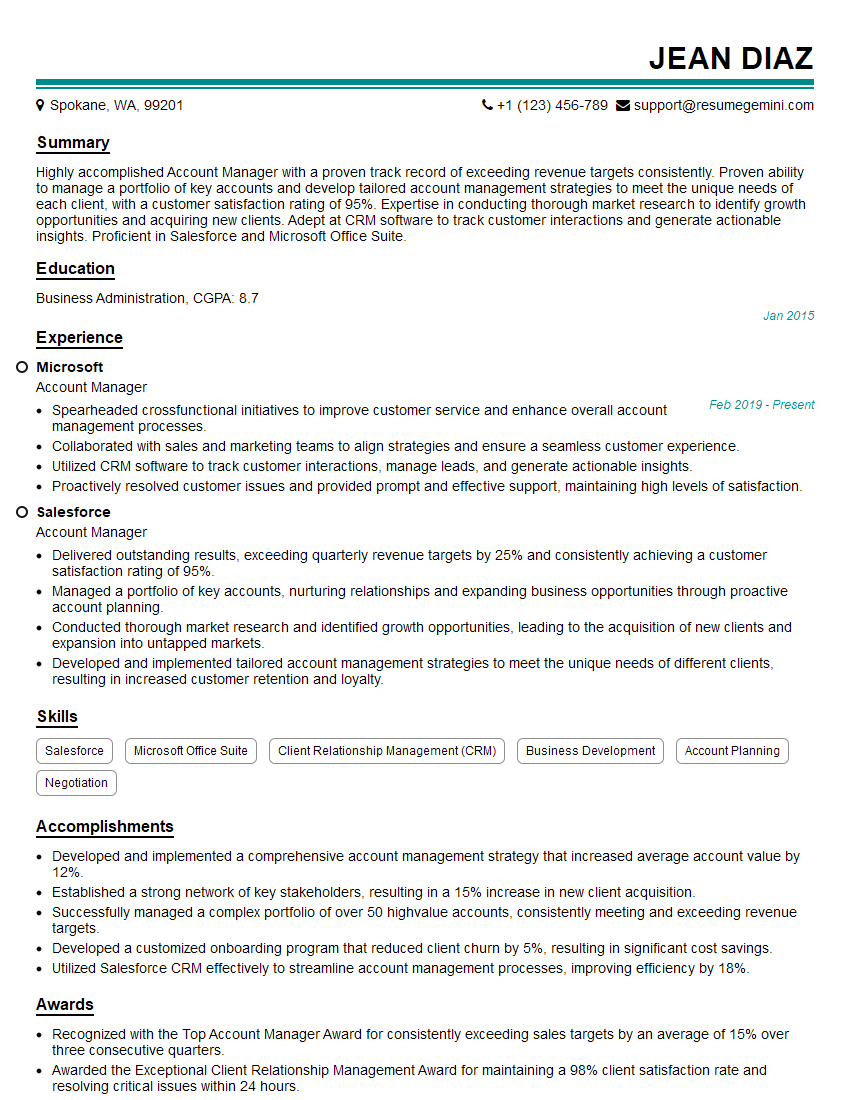
Account Manager Resume Sample
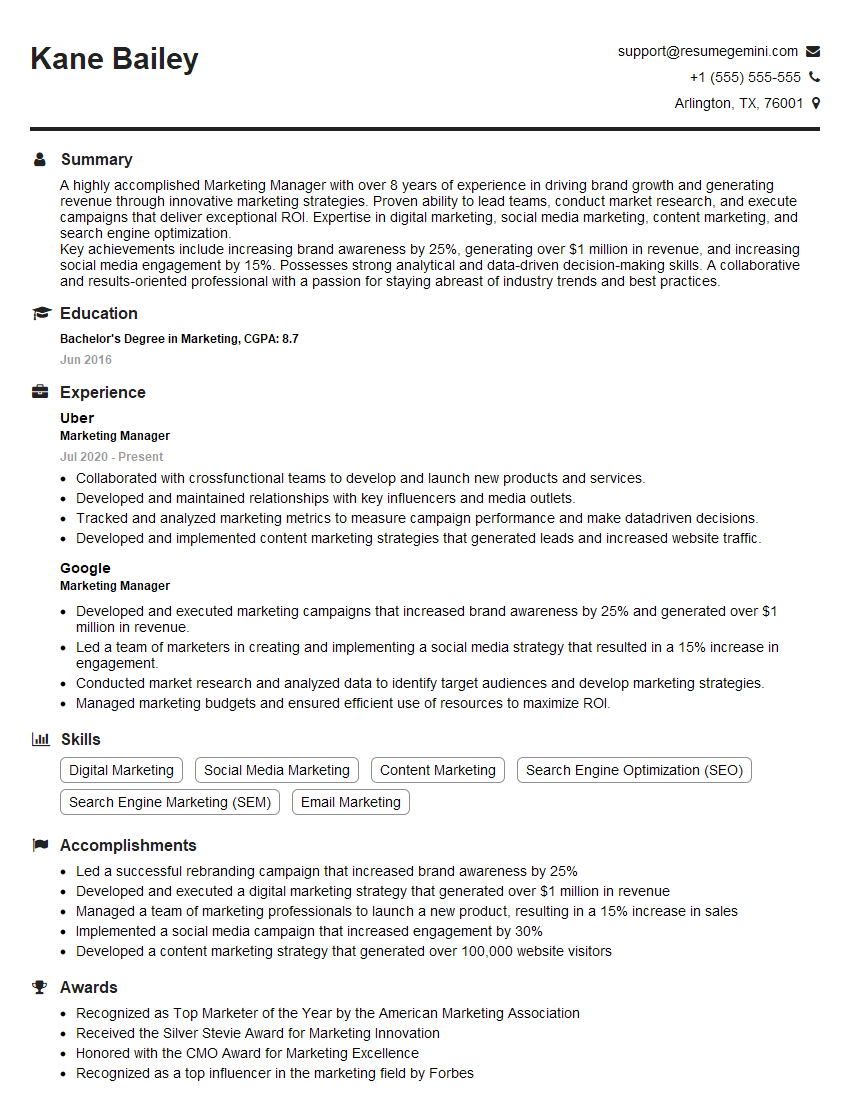
Marketing Manager Resume Sample
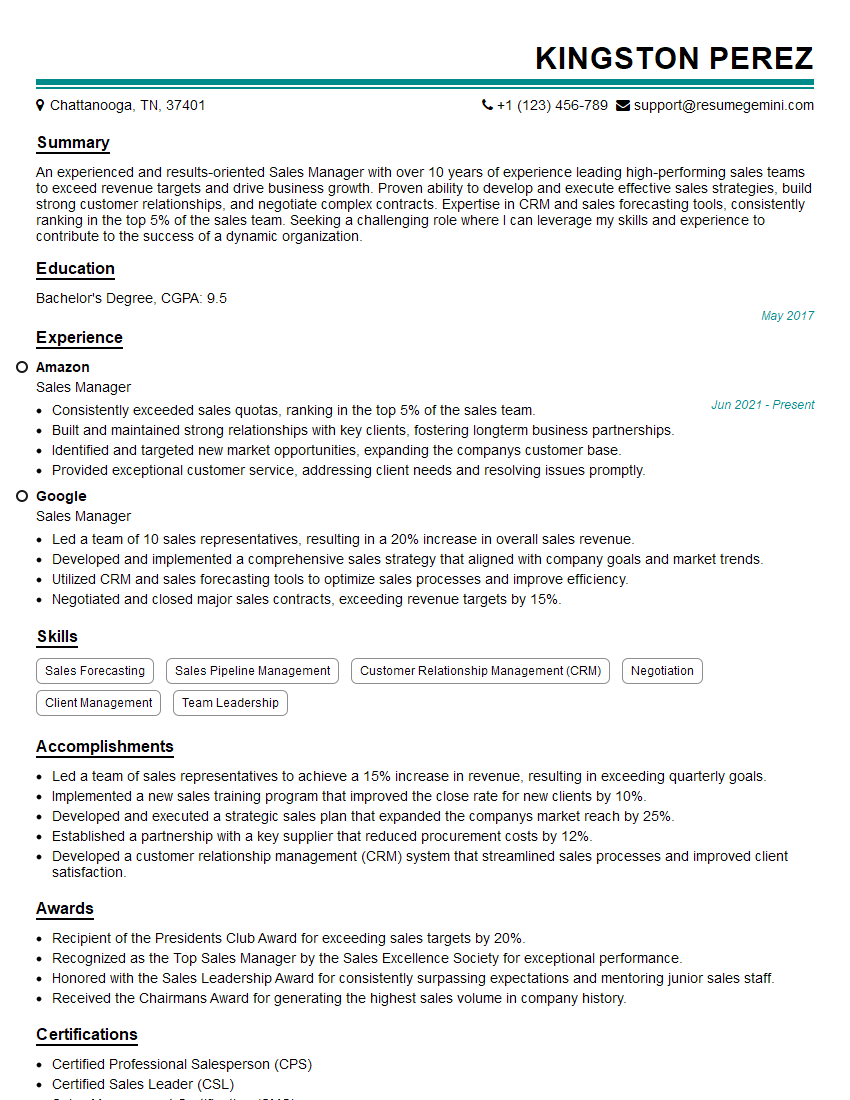
Sales Manager Resume Sample
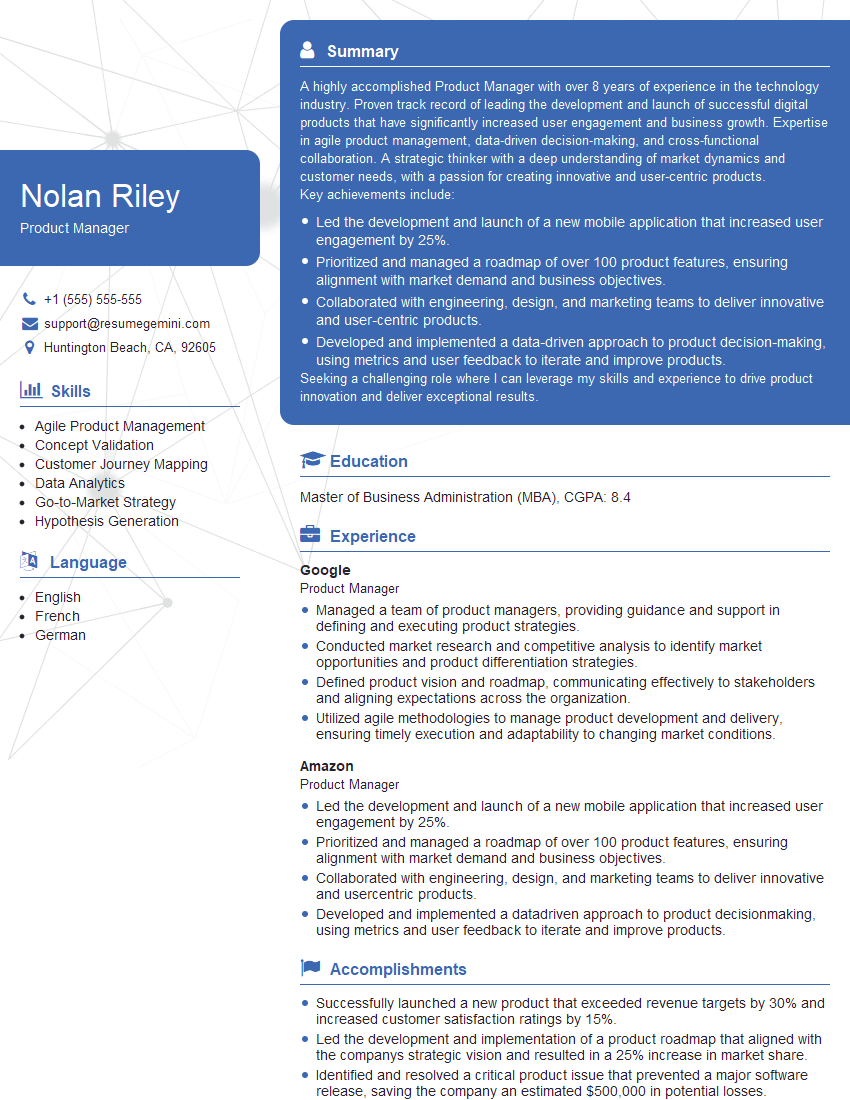
Product Manager Resume Sample

Communications Manager Resume Sample
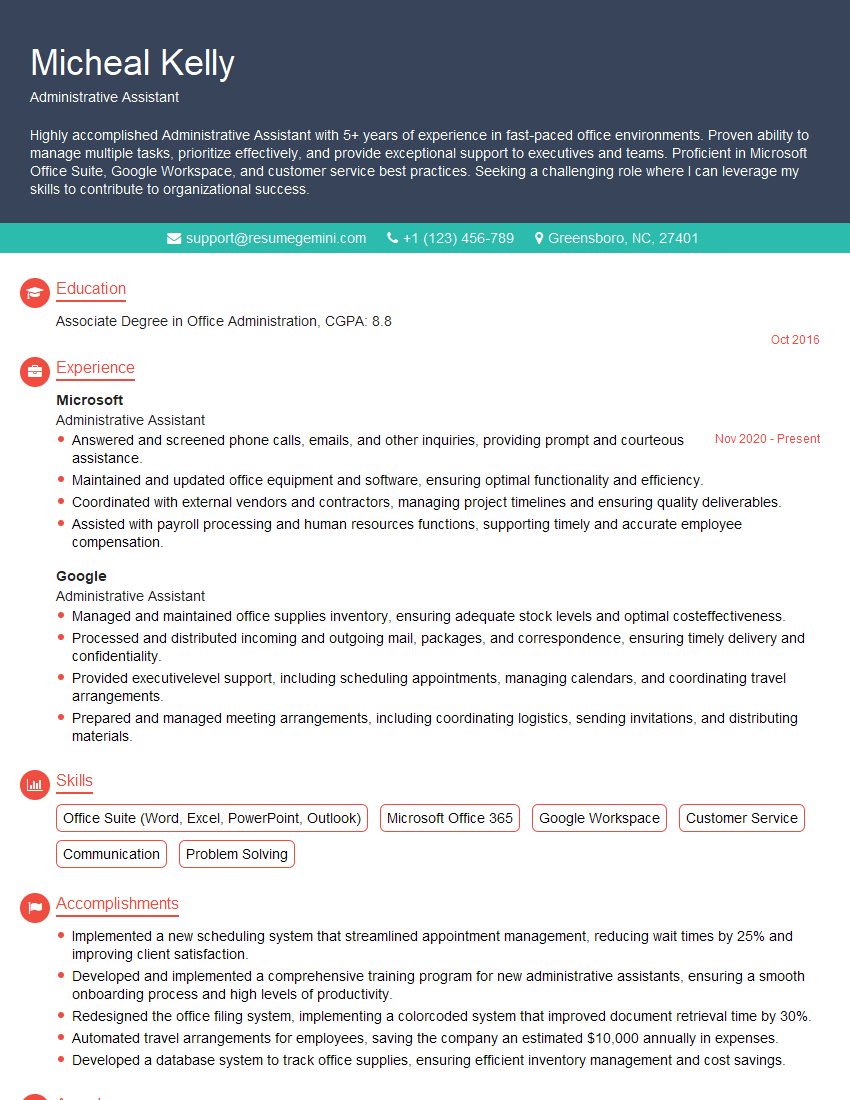
Administrative Assistant Resume Sample
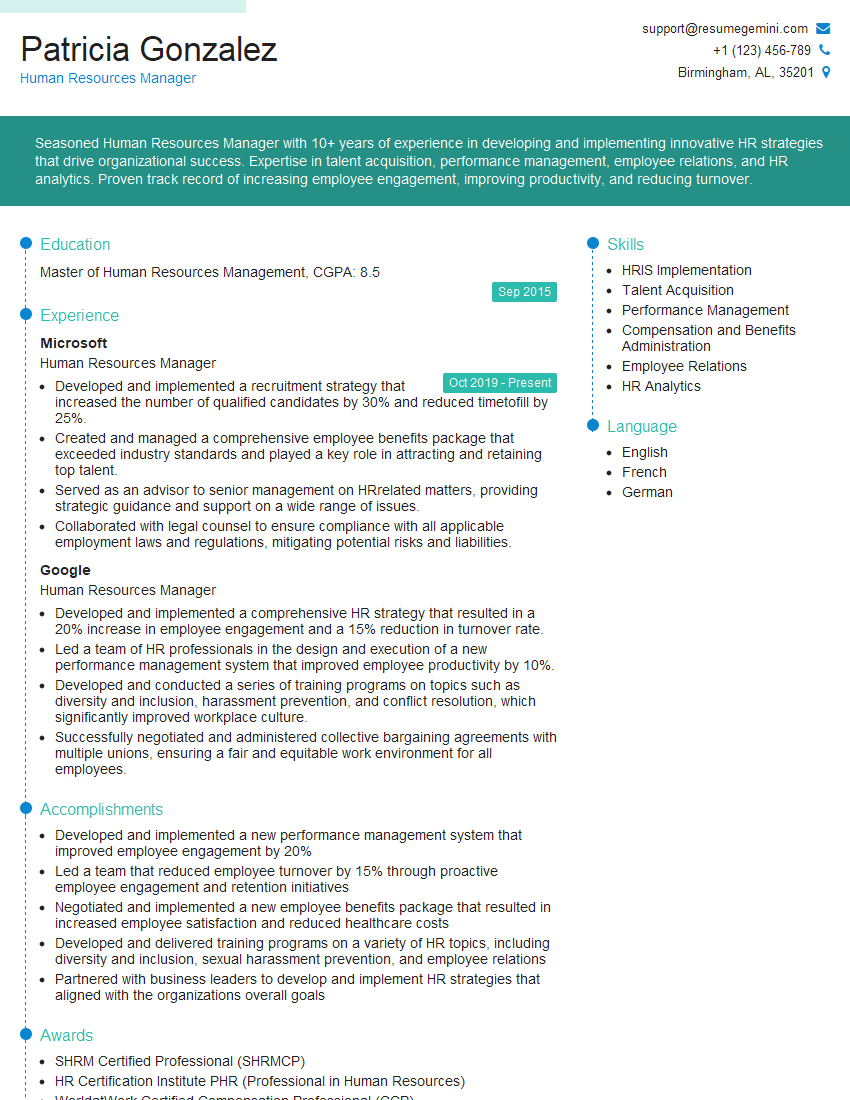
Human Resources Manager Resume Sample
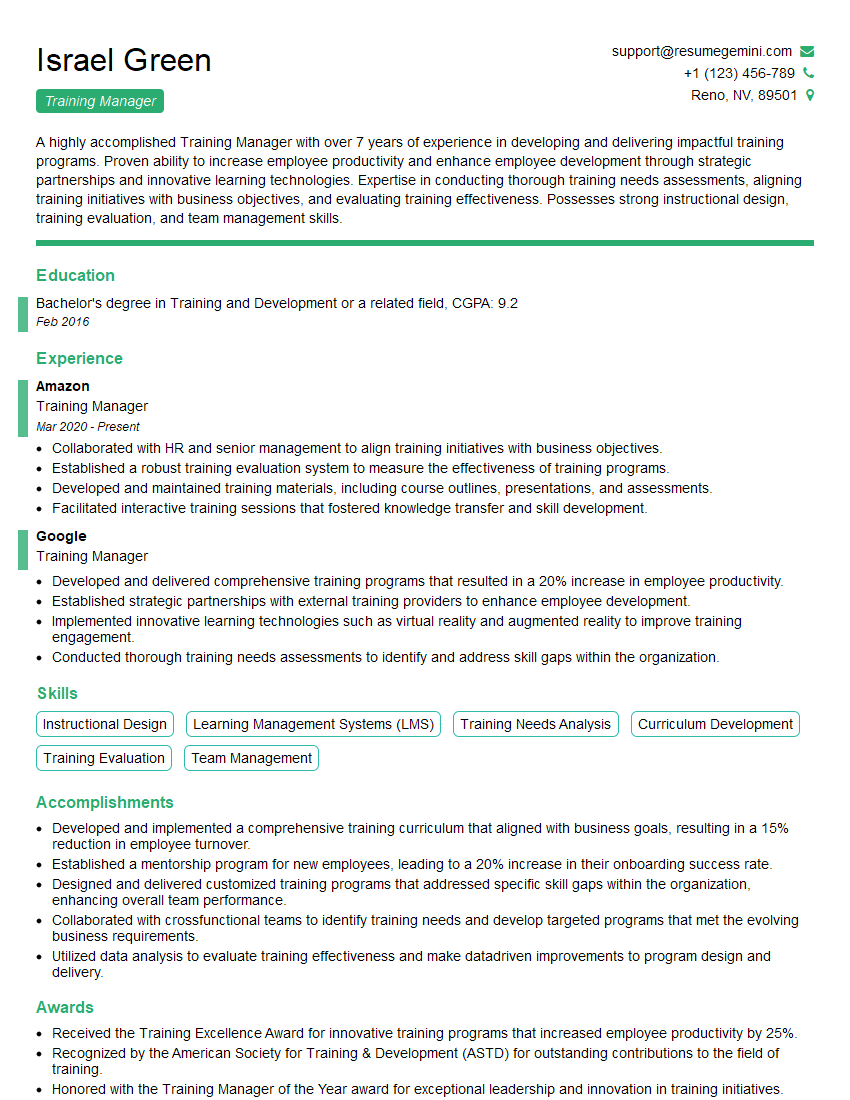
Training Manager Resume Sample
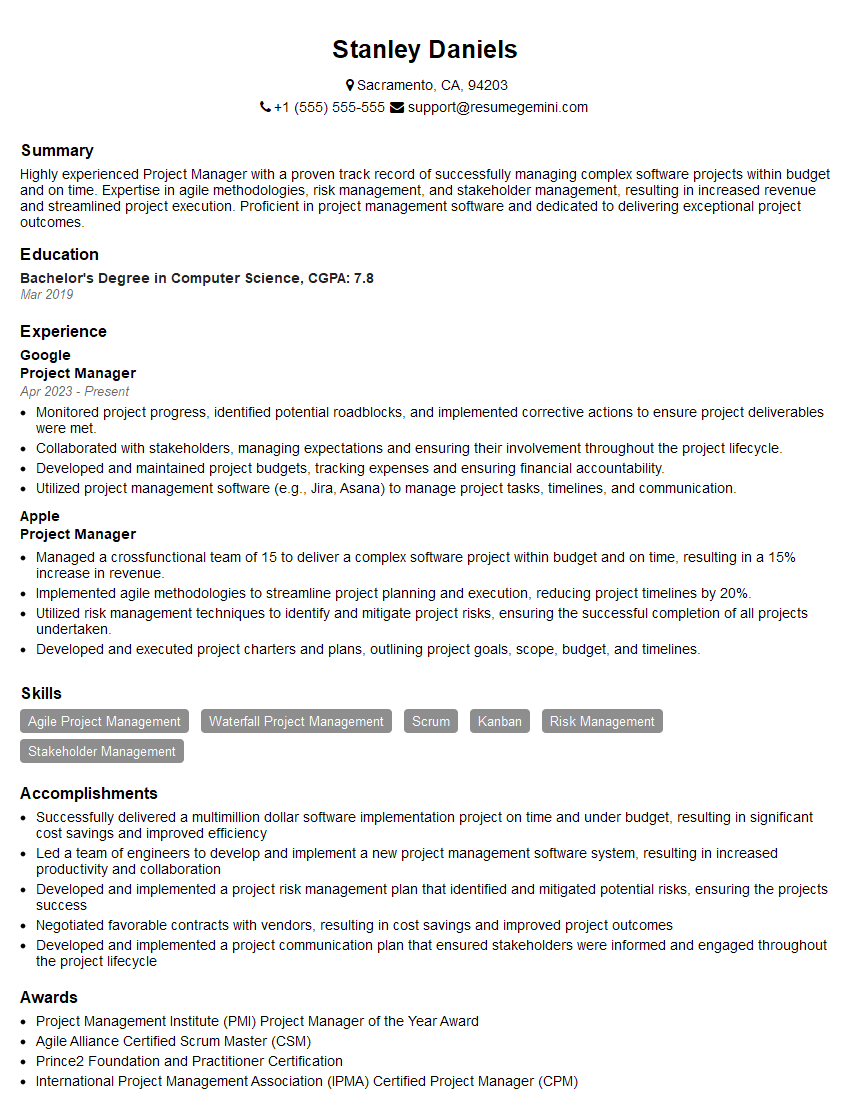
Project Manager Resume Sample

Compliance Officer Resume Sample
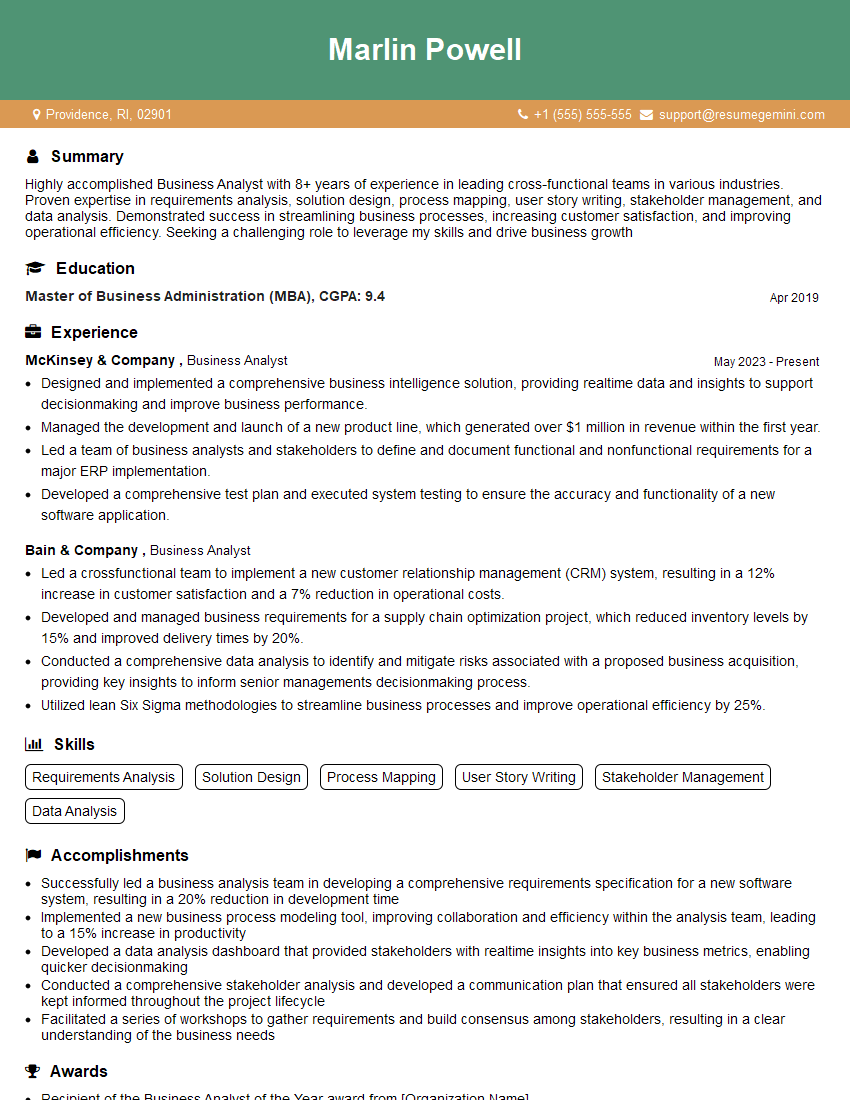
Business Analyst Resume Sample
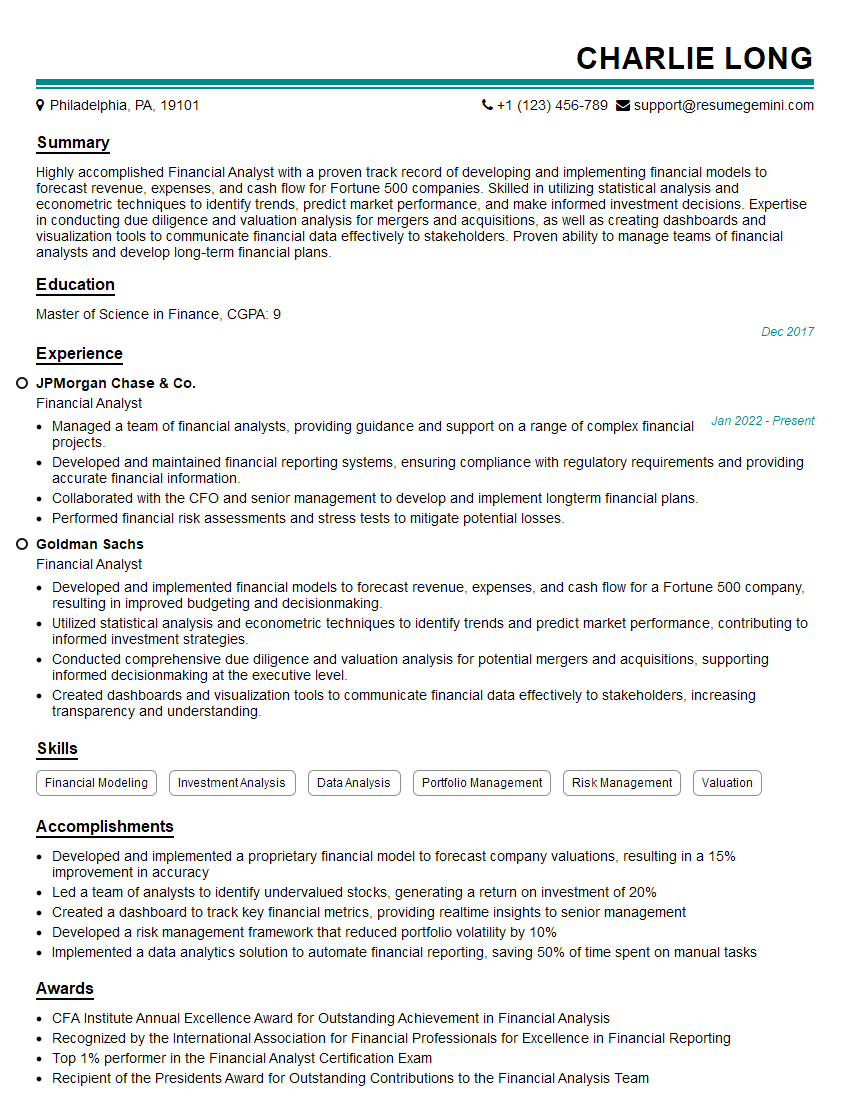
Financial Analyst Resume Sample
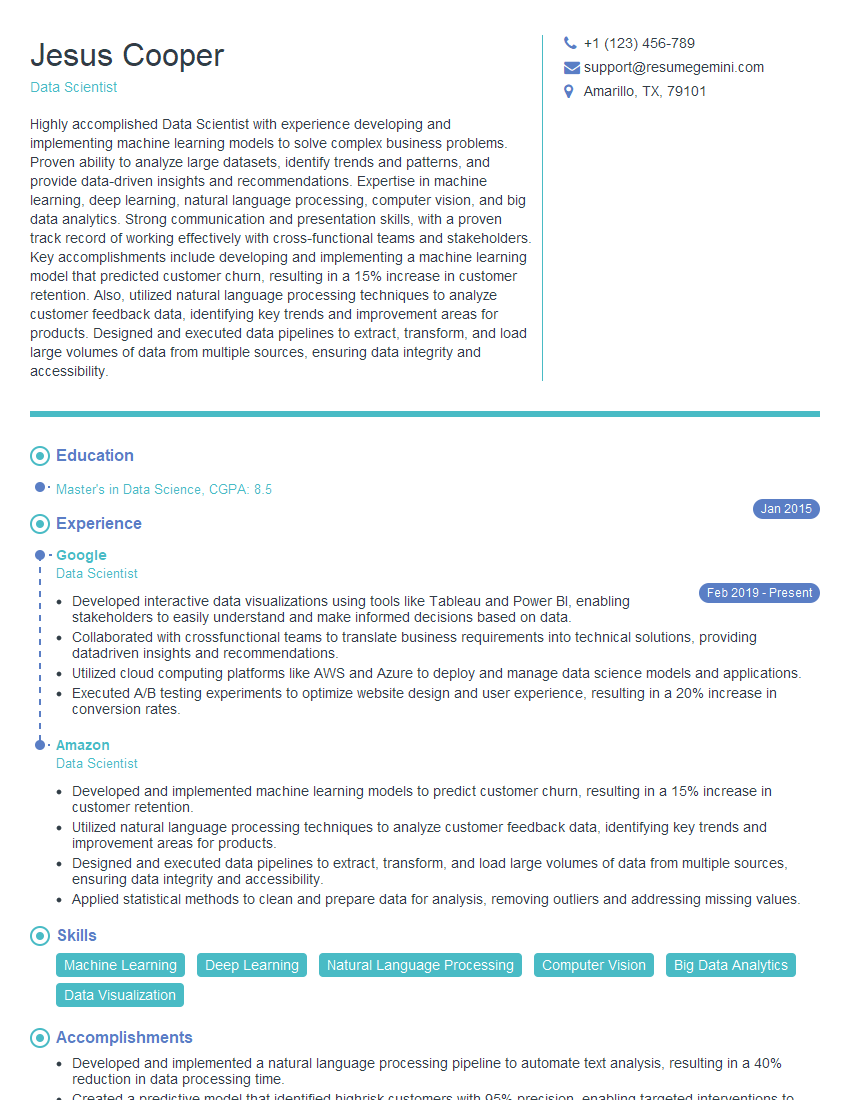
Data Scientist Resume Sample
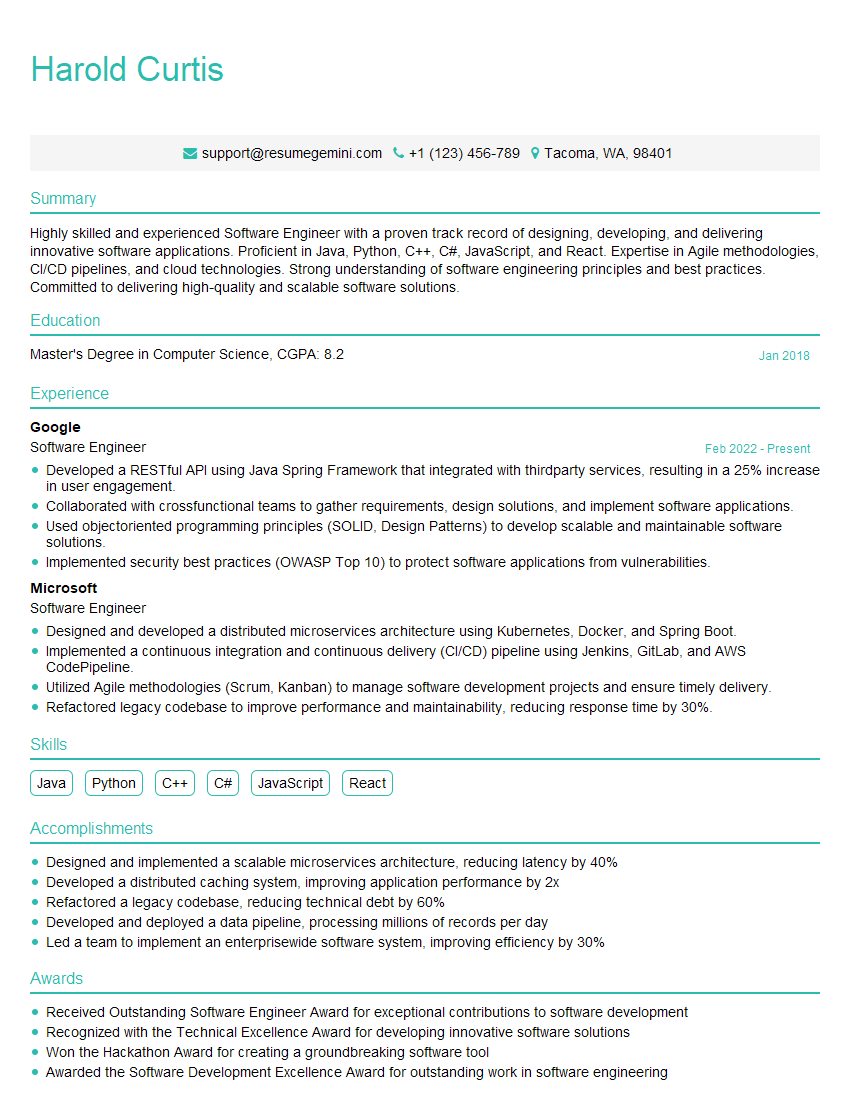
Software Engineer Resume Sample
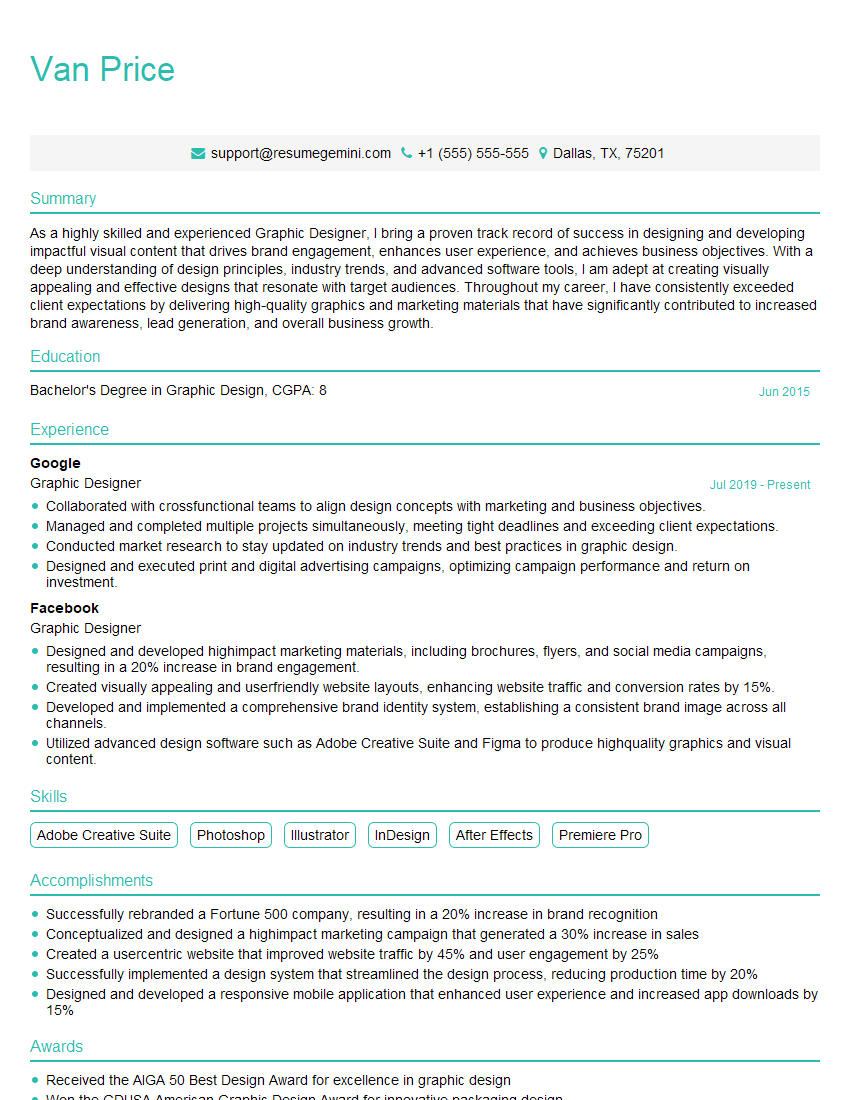
Graphic Designer Resume Sample

Technical Writer Resume Sample
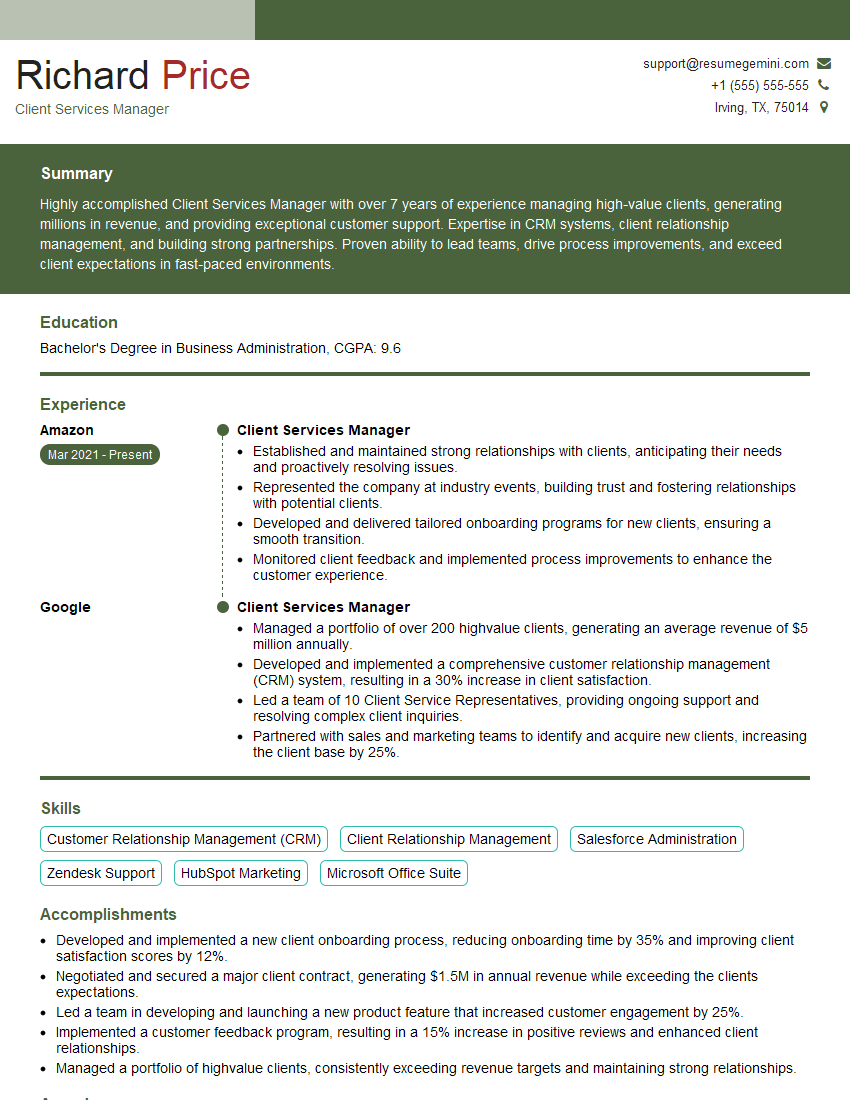
Client Services Manager Resume Sample
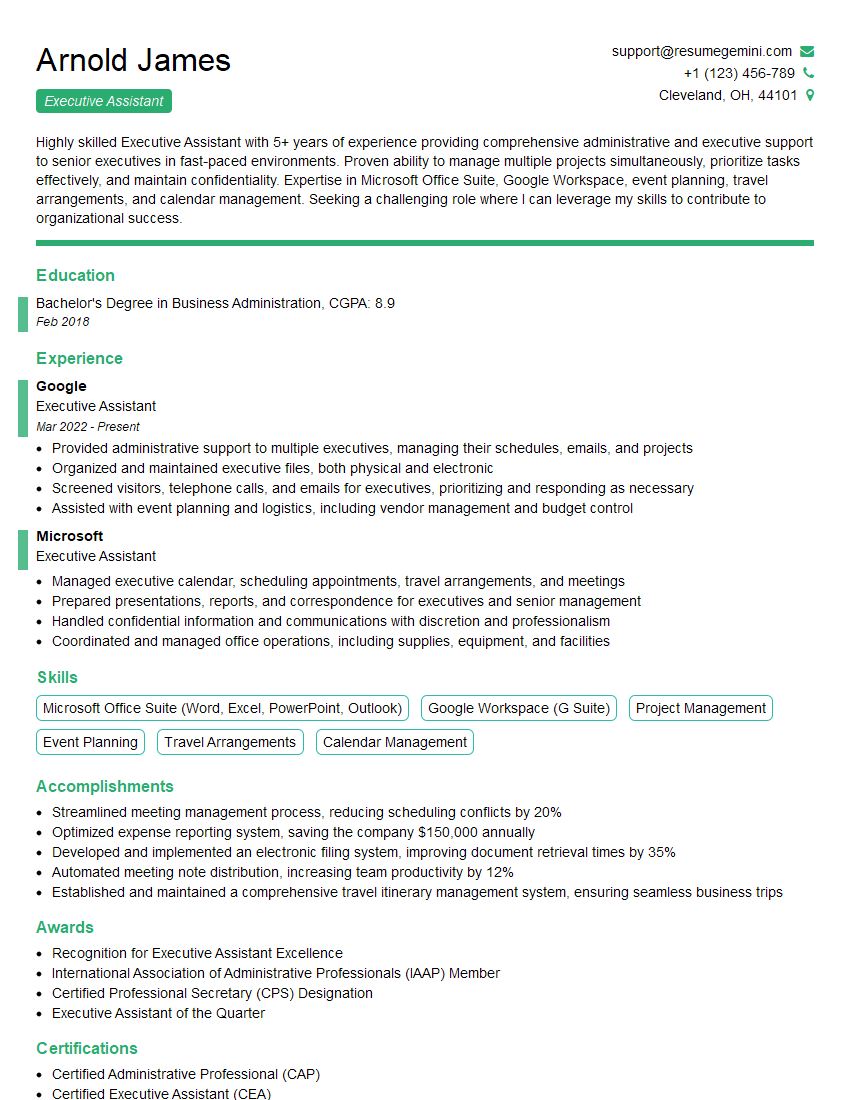
Executive Assistant Resume Sample
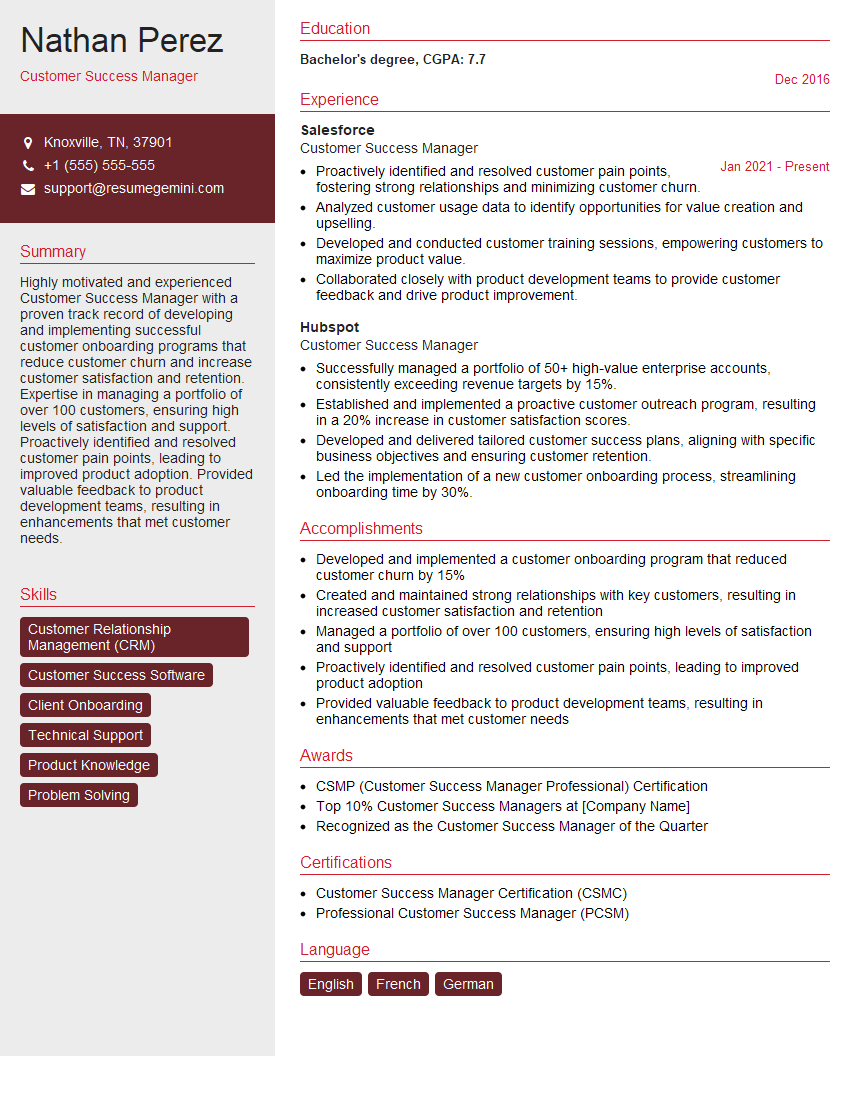
Customer Success Manager Resume Sample
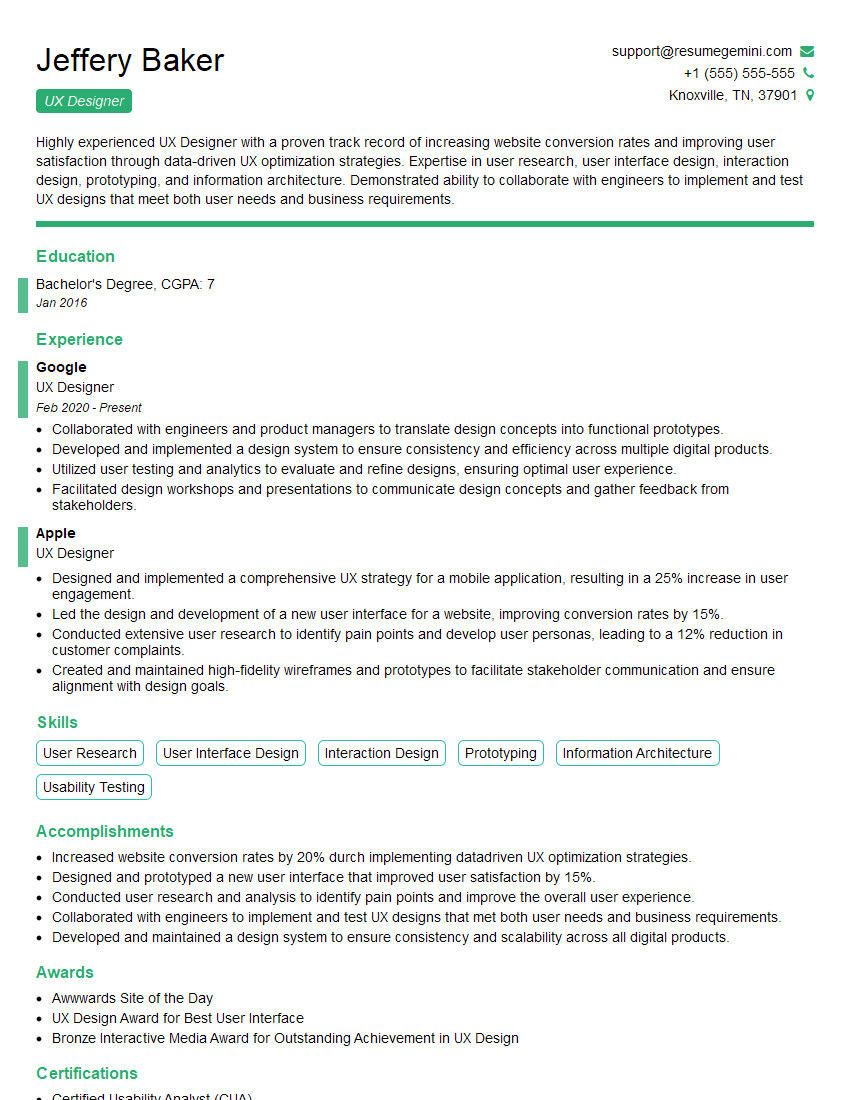
UX Designer Resume Sample
- Operations Manager
- Account Manager
- Marketing Manager
- Sales Manager
- Product Manager
- Communications Manager
- Administrative Assistant
- Human Resources Manager
- Training Manager
- Project Manager
- Compliance Officer
- Business Analyst
- Financial Analyst
- Data Scientist
- Software Engineer
- Graphic Designer
- Technical Writer
- Client Services Manager
- Executive Assistant
- Customer Success Manager
- UX Designer
Explore more articles
Users Rating of Our Blogs
Share Your Experience
We value your feedback! Please rate our content and share your thoughts (optional).
What Readers Say About Our Blog
Very informative content, great job.
good