The thought of an interview can be nerve-wracking, but the right preparation can make all the difference. Explore this comprehensive guide to Emergency Response and Pollution Control interview questions and gain the confidence you need to showcase your abilities and secure the role.
Questions Asked in Emergency Response and Pollution Control Interview
Q 1. Describe your experience with developing and implementing emergency response plans.
Developing and implementing emergency response plans is a crucial aspect of my work. It involves a multi-stage process starting with a thorough hazard identification and risk assessment. This involves identifying potential threats, evaluating their likelihood and severity, and considering their potential impact on people, property, and the environment. For example, in a manufacturing facility, we’d identify potential chemical spills, fires, equipment malfunctions, and even acts of terrorism.
Once hazards are identified, we develop detailed response plans, outlining roles, responsibilities, procedures, and communication protocols. These plans are not static documents; they require regular reviews, updates, and drills to ensure their effectiveness. I’ve led the development and implementation of plans for various scenarios, including chemical spills, oil spills, and natural disasters. This has involved extensive stakeholder engagement, coordinating with local authorities, first responders, and community members. One notable project involved developing a comprehensive emergency response plan for a large chemical plant, which included detailed evacuation procedures, decontamination protocols, and emergency communication systems. Regular training exercises were implemented to test the plan’s effectiveness and make necessary improvements.
Q 2. Explain your understanding of different types of pollution and their environmental impact.
Pollution encompasses various forms, each with unique environmental consequences. Air pollution, caused by vehicle emissions, industrial processes, and wildfires, leads to respiratory problems, acid rain, and climate change. Water pollution, stemming from industrial discharges, agricultural runoff, and sewage, contaminates drinking water sources, harms aquatic life, and disrupts ecosystems. Soil pollution, often caused by improper waste disposal and industrial activities, reduces soil fertility, contaminates groundwater, and affects plant and animal life. For instance, heavy metal contamination in soil can persist for decades, impacting agricultural productivity and human health through the food chain. Plastic pollution in the ocean is another severe issue, threatening marine animals through entanglement and ingestion.
Understanding the source, type, and extent of pollution is paramount in developing effective control strategies. For example, identifying the source of a specific pollutant in a river helps to focus remediation efforts and prevent future contamination. The environmental impact of pollution varies based on the pollutant’s toxicity, persistence, and the affected ecosystem’s sensitivity.
Q 3. How would you handle a chemical spill incident?
Handling a chemical spill requires a swift and coordinated response. The first step involves immediate evacuation of personnel from the affected area and establishment of a safety perimeter to prevent further exposure. Next, we’d initiate the emergency response plan, contacting emergency services and relevant authorities. This notification is critical for coordinating resources and ensuring public safety. Accurate identification of the spilled chemical is essential; this might involve using on-site detection equipment or consulting the facility’s Safety Data Sheets (SDS).
Depending on the chemical’s properties, containment and cleanup methods will vary. This might involve using absorbents, booms, or specialized equipment. Decontamination procedures for personnel and equipment are crucial to minimize health risks. Post-spill activities include environmental monitoring, waste disposal, and incident investigation to identify root causes and prevent future occurrences. For example, during a spill of a corrosive chemical, we’d prioritize neutralizing the chemical before attempting cleanup, using appropriate safety gear and following specific procedures detailed in the emergency response plan. Documentation of every step is critical for both legal reasons and future improvements to the response plan.
Q 4. What are the key components of a comprehensive pollution control program?
A comprehensive pollution control program is multifaceted and includes several key components. First, pollution prevention is paramount. This involves implementing practices to minimize waste generation at the source, such as using cleaner production technologies and adopting more sustainable practices. Second, monitoring and assessment are essential to track pollution levels and identify trends. This might involve air quality monitoring, water quality testing, and soil analysis. Third, effective treatment and control technologies are necessary to remove or reduce pollutants. This could involve wastewater treatment plants, air scrubbers, and waste recycling facilities. Fourth, robust regulatory compliance is crucial to ensure adherence to environmental laws and regulations. Finally, emergency response planning is necessary to handle unexpected pollution incidents effectively.
A successful program integrates these components into a cohesive system, regularly reviewed and updated based on monitoring data, technological advancements, and regulatory changes. For instance, a manufacturing plant might invest in cleaner technologies, monitor its wastewater discharge, and maintain a robust emergency response plan for chemical spills. This integrated approach demonstrates a commitment to environmental stewardship and minimizes the impact on the surrounding environment.
Q 5. Describe your experience with risk assessment and mitigation in emergency situations.
Risk assessment and mitigation are fundamental to emergency preparedness. Risk assessment involves identifying potential hazards, evaluating their likelihood and consequences, and determining the overall risk. This might involve using qualitative or quantitative methods, such as HAZOP (Hazard and Operability) studies or fault tree analysis. For example, in a hospital, we might assess the risk of a fire outbreak, considering factors such as building materials, fire safety systems, and evacuation procedures.
Mitigation strategies are then developed to reduce or eliminate identified risks. This might involve implementing engineering controls, administrative controls (such as safety protocols), and personal protective equipment (PPE). For the hospital example, mitigation could involve installing sprinkler systems, conducting regular fire drills, and providing staff with fire safety training. Regular review and updates to the risk assessment and mitigation plan are essential to adapt to changing circumstances and incorporate lessons learned from incidents or near misses.
Q 6. What are the legal and regulatory requirements for pollution control in your area?
Legal and regulatory requirements for pollution control vary by location but generally aim to protect human health and the environment. In my area, we adhere to stringent regulations concerning air emissions, water discharges, and waste management. These regulations specify acceptable emission limits, discharge standards, and waste disposal practices. For example, there are specific regulations for industrial wastewater treatment, outlining permitted pollutant concentrations before discharge into receiving waters. Failure to comply with these regulations can result in significant penalties, including fines, operational restrictions, and even legal action.
Staying current with evolving regulations is vital. This often involves reviewing updates from regulatory agencies, attending industry conferences, and engaging with environmental consultants. Compliance programs are implemented to ensure continuous adherence to these requirements, incorporating documentation, monitoring, and reporting protocols. A strong compliance program mitigates legal risks and demonstrates corporate responsibility.
Q 7. How do you prioritize tasks during a multi-faceted emergency response?
Prioritizing tasks during a multi-faceted emergency requires a systematic approach. I typically use a combination of urgency and impact assessment to prioritize tasks. Urgency refers to the immediacy of the threat, while impact assesses the potential consequences of inaction. Using a matrix combining these factors, we can systematically prioritize actions. For example, a large chemical spill poses both high urgency and high impact, requiring immediate attention, while a minor equipment malfunction might have lower urgency and impact and can be addressed later.
Effective communication and teamwork are essential during such events. Clearly defined roles and responsibilities help streamline the process. For instance, a designated incident commander oversees the overall response, assigning tasks and ensuring coordination. Regular updates and clear communication channels keep everyone informed and coordinated. Prioritization is a dynamic process; as the situation unfolds, priorities may shift based on new information. Regular evaluation of the response allows for adjustments and ensures effective allocation of resources.
Q 8. Explain your knowledge of different types of hazardous materials and their handling.
Hazardous materials encompass a wide range of substances posing significant risks to human health and the environment. Understanding their properties is crucial for safe handling. They are categorized based on their physical and chemical characteristics, including flammability, reactivity, toxicity, and corrosiveness.
- Flammable materials: These ignite easily, such as gasoline or propane. Handling involves proper storage, preventing ignition sources, and using specialized equipment.
- Toxic materials: These cause harm through inhalation, ingestion, or skin contact. Examples include cyanide and mercury. Handling necessitates protective gear, containment, and specialized waste disposal.
- Reactive materials: These are unstable and may react violently with other substances or even themselves. Sodium and chlorine are examples. Handling involves isolation, preventing contact with incompatible materials, and using appropriate safety protocols.
- Corrosive materials: These substances cause irreversible damage to living tissue and materials. Strong acids and bases fall into this category. Handling requires protective clothing, specialized containers, and careful neutralization procedures.
For instance, during a chemical spill incident involving sulfuric acid (a corrosive material), immediate actions involve evacuating personnel, deploying absorbent materials to neutralize the spill, and preventing runoff into waterways. The entire process demands strict adherence to safety protocols and the use of appropriate personal protective equipment (PPE).
Q 9. What are your methods for communicating effectively during an emergency?
Effective communication during emergencies is paramount. It’s not just about conveying information; it’s about ensuring everyone understands and acts accordingly. My methods involve a multi-faceted approach:
- Clear and concise language: Avoiding jargon and using plain language accessible to everyone, regardless of their background.
- Multiple communication channels: Utilizing radios, phones, text messaging, and even loudspeakers to ensure messages reach all parties.
- Pre-established communication protocols: Defining roles and responsibilities for communication ensures a structured response, preventing chaos.
- Regular updates and feedback loops: Providing timely updates and actively soliciting feedback helps maintain situational awareness and adapt strategies.
- Utilizing command and control systems: This provides a structured environment for coordinating communication across multiple teams and agencies.
For example, during a large-scale oil spill, establishing a clear chain of command and using a dedicated radio frequency for emergency communication ensures swift and coordinated responses. Regular briefings to all involved parties keep everyone informed of the evolving situation and any necessary changes in strategy.
Q 10. How do you ensure the safety of personnel during an emergency response?
Personnel safety is the utmost priority in any emergency response. My approach involves a layered safety strategy:
- Risk assessment and mitigation: Before deployment, a thorough risk assessment identifies potential hazards and appropriate safety measures, including selecting the right PPE.
- Proper training and preparedness: Teams receive rigorous training on emergency procedures, hazardous materials handling, and use of safety equipment.
- Use of Personal Protective Equipment (PPE): Providing and enforcing the use of appropriate PPE, such as respirators, gloves, and protective suits.
- Emergency medical support: Having trained medical personnel and readily available medical supplies onsite.
- Safe work practices and procedures: Enforcing strict adherence to protocols minimizes risks, including buddy systems and pre-planned escape routes.
- Decontamination procedures: Implementing clear decontamination procedures for personnel exposed to hazardous materials.
In a chemical plant explosion scenario, deploying hazmat teams with full PPE, establishing a decontamination zone, and having standby ambulances are critical for protecting response personnel. Regular drills and training help ensure swift and safe responses in such situations.
Q 11. Describe your experience with environmental remediation techniques.
Environmental remediation encompasses the process of cleaning up contaminated sites. My experience includes various techniques:
- Soil remediation: Techniques include excavation and disposal, bioremediation (using microorganisms to break down contaminants), phytoremediation (using plants to remove contaminants), and soil vapor extraction.
- Groundwater remediation: Methods include pump and treat systems, in-situ bioremediation, and permeable reactive barriers.
- Air remediation: Techniques include ventilation, filtration, and the use of activated carbon to remove pollutants from the air.
For example, in a site contaminated with petroleum hydrocarbons, I’ve used a combination of soil excavation, bioremediation, and groundwater pump-and-treat systems. The choice of method depends on several factors including the type and extent of contamination, the surrounding environment, and cost-effectiveness.
Q 12. How familiar are you with emergency response equipment and procedures?
I am extensively familiar with a wide range of emergency response equipment and procedures. My experience includes:
- Hazardous materials response equipment: This includes protective suits, respirators, detection instruments, absorbent materials, and decontamination equipment.
- Spill response equipment: This involves booms, skimmers, and other equipment used to contain and recover spilled materials.
- Monitoring and sampling equipment: I’m proficient in using various instruments for measuring air and water quality, such as gas chromatographs and spectrophotometers.
- Emergency communication systems: I’m experienced in using various communication systems, including radios and satellite phones, for effective coordination during emergencies.
For instance, in a chemical spill, I know how to use a gas chromatograph-mass spectrometer (GC-MS) to identify the spilled substance, deploy absorbent booms to contain the spill, and use a respirator to protect myself from hazardous fumes.
Q 13. What is your experience with using monitoring and sampling techniques to assess pollution levels?
Monitoring and sampling are crucial for assessing pollution levels. My experience involves various techniques:
- Air quality monitoring: Using instruments like air samplers, gas chromatographs, and particulate matter monitors to measure air pollutants.
- Water quality monitoring: Employing techniques such as grab sampling, continuous monitoring, and analysis for various parameters like pH, dissolved oxygen, and heavy metals.
- Soil sampling and analysis: Collecting soil samples and analyzing them for contaminants using various laboratory techniques.
For example, in a suspected groundwater contamination case, I would implement a well-monitoring network to collect samples at regular intervals. These samples are then analyzed in a laboratory to assess the extent and nature of the contamination, guiding remediation efforts. Accurate sampling and analytical techniques are essential for providing reliable data for decision-making.
Q 14. How do you identify and assess potential environmental hazards?
Identifying and assessing environmental hazards involves a systematic approach:
- Site reconnaissance: Conducting a thorough site survey to identify potential hazards, considering factors such as the presence of hazardous materials, topography, and proximity to sensitive receptors (like residential areas or water bodies).
- Literature review and historical data analysis: Researching historical data on the site to identify previous incidents or existing contamination.
- Environmental sampling and analysis: Collecting samples of air, water, and soil to test for contaminants, using methods tailored to specific concerns.
- Risk assessment: Evaluating the likelihood and severity of potential impacts, considering exposure pathways and vulnerability of human health and ecological receptors.
- Modeling and prediction: Using computer models to predict the behavior of contaminants and assess potential risks under various scenarios.
For instance, while assessing a site with a history of industrial activity, I would conduct a soil investigation to identify the presence and concentrations of heavy metals. This information, along with an assessment of groundwater flow, will help determine the risk to nearby water sources and inform the design of appropriate remediation measures.
Q 15. What is your experience with incident investigation and reporting?
Incident investigation and reporting is crucial for learning from past events, preventing future incidents, and ensuring accountability. My experience encompasses a systematic approach, starting with securing the scene, gathering evidence (physical samples, witness statements, equipment logs), and conducting interviews. I utilize various investigative techniques, including root cause analysis (RCA) methodologies like the 5 Whys and fault tree analysis, to identify contributing factors. Reporting involves compiling all findings into a comprehensive document that details the incident timeline, contributing factors, corrective actions, and recommendations for preventing recurrence. For example, during an investigation into a chemical spill, I led a team that used GIS mapping to trace the spill’s path, interviewed personnel involved, and analyzed equipment maintenance records to pinpoint the failure that led to the leak. This resulted in a detailed report outlining the root cause – inadequate maintenance – and recommendations for improved safety protocols and equipment upgrades.
Career Expert Tips:
- Ace those interviews! Prepare effectively by reviewing the Top 50 Most Common Interview Questions on ResumeGemini.
- Navigate your job search with confidence! Explore a wide range of Career Tips on ResumeGemini. Learn about common challenges and recommendations to overcome them.
- Craft the perfect resume! Master the Art of Resume Writing with ResumeGemini’s guide. Showcase your unique qualifications and achievements effectively.
- Don’t miss out on holiday savings! Build your dream resume with ResumeGemini’s ATS optimized templates.
Q 16. Describe your experience with emergency response training and exercises.
Throughout my career, I’ve participated extensively in emergency response training and exercises, including HAZMAT (Hazardous Materials) response, spill control, and emergency planning. These exercises cover a spectrum of scenarios – from small-scale leaks to large-scale industrial accidents. I’ve received formal training in incident command systems (ICS), such as FEMA’s ICS 100, 200, and 700, which provides a standardized framework for managing emergency response. Practical exercises involve simulated events where we practice deploying equipment, coordinating teams, managing resources, and communicating effectively under pressure. One particular exercise involved simulating a train derailment releasing hazardous materials near a populated area. My role was to coordinate the on-site response, including establishing safety perimeters, deploying decontamination teams, and liaising with local authorities and emergency services. This hands-on experience honed my skills in leadership, teamwork, and quick decision-making in stressful environments.
Q 17. How would you manage conflicting priorities during an emergency?
Managing conflicting priorities during an emergency requires a structured approach. My strategy is based on prioritizing actions based on risk assessment and the potential for loss of life or significant environmental damage. I use a decision-making matrix to weigh the urgency and importance of various tasks. For instance, immediate life-saving actions always take precedence over less critical tasks. Clear and concise communication is essential to manage expectations and ensure everyone understands the priorities. This involves frequent updates to stakeholders, using tools like daily briefings and progress reports. Imagine a scenario involving a major oil spill and a simultaneous wildfire threat. My approach would be to rapidly deploy resources to contain the oil spill, which poses the more immediate threat to human health and the environment. Simultaneously, fire suppression teams would be deployed, but resource allocation would prioritize the higher-risk oil spill mitigation efforts initially.
Q 18. What are the key performance indicators (KPIs) you would use to measure the success of an emergency response or pollution control program?
Key Performance Indicators (KPIs) for measuring the success of emergency response and pollution control programs are multifaceted. They should encompass effectiveness, efficiency, and preparedness. For example:
- Response Time: Time elapsed between incident detection and initial response.
- Containment Time: Time taken to contain a spill or other hazardous event.
- Environmental Impact: Measured by the extent of pollution, damage to ecosystems, and number of affected species.
- Public Health Impact: Number of injuries, illnesses, or fatalities resulting from the incident.
- Resource Utilization: Efficiency in using personnel, equipment, and budget.
- Exercise Participation and Performance: Evaluating preparedness through drills and simulations.
- Regulatory Compliance: Ensuring adherence to all relevant environmental and safety regulations.
These KPIs allow for objective assessment of program performance, identifying areas for improvement and demonstrating effectiveness to stakeholders.
Q 19. How do you stay up-to-date on the latest regulations and best practices in emergency response and pollution control?
Staying abreast of the latest regulations and best practices is crucial in this dynamic field. I actively participate in professional organizations like the Institute of Environmental Professionals and subscribe to leading journals and publications in environmental science and emergency management. I attend conferences, workshops, and training sessions regularly to update my knowledge. Additionally, I leverage online resources provided by government agencies like the EPA (Environmental Protection Agency) and OSHA (Occupational Safety and Health Administration) to access updated guidelines and regulations. Following relevant industry experts on social media and participating in online forums provides another valuable avenue for staying informed.
Q 20. Explain your understanding of the principles of environmental sustainability.
Environmental sustainability encompasses the responsible interaction between humanity and the environment, focusing on meeting present needs without compromising the ability of future generations to meet their own. It incorporates three core principles: economic viability, social equity, and environmental protection. In essence, sustainability strives for a balance where economic growth and social progress are achieved without depleting natural resources or harming ecosystems. Practical applications include minimizing waste, reducing greenhouse gas emissions, conserving water and energy, and promoting biodiversity. In my work, I emphasize sustainable practices by recommending pollution prevention strategies, promoting the use of environmentally friendly cleanup technologies, and advocating for policies that encourage sustainable development.
Q 21. Describe your experience with working with different stakeholders (e.g., government agencies, community members) during an emergency response.
Effective communication and collaboration with stakeholders are paramount during an emergency response. My experience includes working closely with various groups, including government agencies (e.g., EPA, Coast Guard, local emergency management), community members, industry representatives, and the media. I understand the diverse perspectives and concerns of these stakeholders and use a collaborative approach that builds trust and facilitates effective information sharing. This often involves regular briefings, public forums, and open communication channels to keep stakeholders informed and address their concerns. During a large-scale industrial accident, I successfully managed communications with local residents, keeping them updated on the situation, addressing their anxieties, and providing guidance on safety precautions. This collaborative effort minimized panic and maximized the efficiency of the response operation.
Q 22. What is your experience with emergency preparedness and planning?
Emergency preparedness and planning is the cornerstone of effective emergency response. It involves anticipating potential hazards, developing strategies to mitigate their impact, and establishing protocols for swift and coordinated action. My experience spans over 15 years, encompassing roles in both industrial settings and governmental agencies. I’ve been directly involved in developing and implementing comprehensive emergency response plans for various scenarios, including chemical spills, natural disasters, and industrial accidents. This includes conducting risk assessments, identifying vulnerable populations, establishing communication protocols, and organizing training exercises for first responders and personnel.
For example, in my previous role at ChemCorp, I led the development of a comprehensive emergency response plan that significantly reduced response time to chemical leaks by 30%. This involved implementing a new real-time monitoring system and revamping our training program to better prepare employees for various emergency situations. Another key component was establishing clear communication channels with local emergency services and community stakeholders.
- Risk assessment and hazard identification
- Development and implementation of emergency response plans
- Training and drills for personnel and first responders
- Establishing communication protocols and procedures
- Post-incident analysis and improvement strategies
Q 23. How would you address a public relations crisis stemming from a pollution incident?
Addressing a public relations crisis stemming from a pollution incident requires a swift, transparent, and empathetic response. The key is to establish credibility and regain public trust. My approach involves a multi-pronged strategy:
- Immediate Containment and Mitigation: Prioritize stopping the pollution source and minimizing further environmental damage. This demonstrates immediate action and responsibility.
- Transparent Communication: Be upfront and honest about the incident, its cause, and the steps being taken to rectify it. Avoid speculation and misinformation. Use various channels like press releases, social media updates, and community meetings.
- Community Engagement: Actively engage with affected communities. Listen to their concerns, provide updates on remediation efforts, and address their questions directly. Consider establishing a dedicated hotline or online forum.
- Expert Consultation: Engage independent environmental experts to assess the damage and validate remediation strategies. This builds confidence in the process.
- Proactive Remediation: Develop a clear and comprehensive remediation plan, outlining timelines and measurable outcomes. Publicly share progress reports.
- Long-term Commitment: Demonstrate a long-term commitment to environmental responsibility and community well-being through initiatives that go beyond immediate remediation.
For instance, during a recent oil spill incident where I was a consultant, we utilized social media to proactively provide updates, address public concerns, and dispel rumors. This helped maintain a sense of control over the narrative and prevent the situation from escalating.
Q 24. Describe your experience with cost-effective pollution control solutions.
Cost-effective pollution control involves a balance between environmental protection and economic feasibility. My experience includes implementing various strategies that prioritize sustainability and budget efficiency. This encompasses a combination of technological solutions and operational changes.
- Waste Minimization: Implementing processes to reduce waste generation at the source is the most cost-effective approach. This can include process optimization, improved material selection, and recycling programs.
- Pollution Prevention Technologies: Utilizing technologies like advanced filtration systems, scrubbers, and bioremediation can significantly reduce pollution levels, although the initial investment might be high, long-term operational costs are often lower.
- Lifecycle Cost Analysis: Conducting a thorough lifecycle cost analysis (LCCA) is crucial to evaluate the long-term financial implications of different pollution control technologies. LCCA considers purchase, installation, operation, maintenance, and disposal costs.
- Regulatory Compliance: Understanding and complying with environmental regulations not only avoids penalties but also guides the selection of cost-effective solutions that meet the required standards.
In one project, we reduced the cost of wastewater treatment by 25% by implementing a combination of improved pre-treatment processes and a more efficient aeration system. The investment paid for itself in under two years.
Q 25. How would you handle a situation where emergency response resources are limited?
Limited emergency response resources necessitate a prioritized and strategic approach. My experience shows that effective resource allocation depends on efficient triage and collaboration.
- Prioritization: Immediate threats to human life and health are the top priority. This requires a rapid assessment of the situation and prioritizing actions accordingly.
- Resource Allocation: Allocate available resources based on the most critical needs, focusing on effective containment and mitigation. This may involve making difficult choices, but it’s crucial to optimize impact.
- Mutual Aid Agreements: Activate mutual aid agreements with neighboring agencies or organizations to supplement limited resources. Collaboration is crucial in large-scale incidents.
- Community Involvement: Leverage the skills and resources of the community where possible, while ensuring their safety. This can range from volunteer assistance to the provision of local infrastructure.
- Scalable Response: Establish a scalable response plan adaptable to the fluctuating availability of resources. This ensures flexibility and resilience in varying situations.
In a simulated earthquake scenario, I was able to optimize resource allocation by utilizing community volunteers for non-critical tasks, freeing up professional first responders to focus on life-saving interventions.
Q 26. What is your experience with data analysis related to emergency response or pollution control?
Data analysis plays a crucial role in both emergency response and pollution control. My experience includes using data to inform decision-making, improve response times, and track long-term trends. I’m proficient in using various statistical software and visualization tools.
- Real-time Monitoring: Analyzing real-time data from monitoring systems (e.g., air quality sensors, water quality monitors) enables quick identification of pollution events and informs immediate response strategies.
- Trend Analysis: Analyzing historical pollution data helps identify patterns, predict future events, and evaluate the effectiveness of mitigation efforts.
- Predictive Modeling: Utilizing predictive modeling techniques allows forecasting potential pollution events based on weather patterns, industrial activity, or other relevant factors. This is invaluable for proactive prevention.
- Risk Assessment: Data analysis helps to quantify risks associated with different pollution sources and inform the prioritization of mitigation efforts.
In a recent project, I used statistical analysis to demonstrate a clear link between industrial emissions and respiratory illnesses in a nearby community. This data informed policy changes that led to improved emission control regulations.
Q 27. How do you ensure compliance with environmental regulations?
Ensuring compliance with environmental regulations is paramount. My approach involves a proactive and multi-faceted strategy that combines understanding the regulations, implementing robust monitoring programs, and fostering a culture of compliance within the organization.
- Regulatory Knowledge: Staying abreast of all applicable federal, state, and local environmental regulations is essential. This includes understanding permit requirements, reporting obligations, and enforcement actions.
- Internal Audits and Inspections: Conducting regular internal audits and self-inspections helps identify potential compliance gaps before they become significant issues. This involves checking records, reviewing processes, and ensuring all systems are operating according to regulations.
- Environmental Monitoring: Implementing robust environmental monitoring programs allows tracking key parameters and demonstrating compliance through verifiable data. This might include air quality monitoring, water quality testing, and waste characterization.
- Training and Awareness: Providing regular training to employees on environmental regulations and compliance procedures is crucial to cultivate a culture of responsible environmental stewardship.
- Record Keeping: Maintaining meticulous records of all environmental activities, including monitoring data, compliance reports, and training records, is essential for demonstrating compliance to regulatory authorities.
For instance, I’ve successfully guided several companies through rigorous environmental audits without any penalties by establishing clear compliance programs and maintaining detailed records.
Q 28. Describe your experience with using different technologies for monitoring and controlling pollution.
Various technologies are used for monitoring and controlling pollution, and my experience includes leveraging several advanced systems. The choice of technology depends on the specific pollutant, location, and desired level of precision.
- Remote Sensing: Technologies such as satellite imagery and aerial surveys provide a broad overview of pollution plumes and contamination patterns, enabling rapid assessment and prioritization of response efforts.
- In-situ Sensors: Real-time in-situ sensors (e.g., for air quality, water quality, soil contamination) provide continuous data, allowing for immediate detection of pollution events and enabling timely interventions.
- GIS (Geographic Information Systems): GIS is crucial for visualizing pollution data, mapping contamination zones, and optimizing resource allocation during emergency response and remediation efforts.
- Advanced Analytics: Employing advanced analytics techniques, such as machine learning and artificial intelligence, can help analyze complex datasets to predict pollution events, optimize pollution control strategies, and improve the efficiency of remediation efforts.
- Data Visualization Tools: Utilizing dashboards and other data visualization tools make complex datasets accessible and understandable, facilitating better communication and collaboration among stakeholders.
For instance, I’ve successfully implemented a system combining real-time air quality sensors, GIS mapping, and predictive modeling to forecast and mitigate air pollution episodes in an industrial area. This reduced the impact of pollution events by over 40%.
Key Topics to Learn for Emergency Response and Pollution Control Interview
- Emergency Response Procedures: Understanding incident command systems (ICS), hazard identification and risk assessment, emergency action plans (EAPs), and communication protocols.
- Pollution Control Techniques: Familiarize yourself with containment, cleanup, and remediation strategies for various pollutants (oil spills, chemical leaks, etc.). Consider practical applications like boom deployment or absorbent use.
- Environmental Regulations and Compliance: Understand relevant legislation (e.g., Clean Water Act, CERCLA) and reporting requirements following pollution incidents.
- Health and Safety: Master personal protective equipment (PPE) selection and use, hazard communication, and emergency medical response procedures.
- Spill Response Planning & Modeling: Learn about the use of predictive modeling software to anticipate spill behavior and optimize response strategies.
- Waste Management: Understand proper handling, transportation, and disposal of hazardous waste generated during response and cleanup operations.
- Risk Communication and Public Relations: Develop skills in communicating effectively with the public, media, and regulatory agencies during crisis situations.
- Teamwork and Leadership: Highlight experience working effectively in teams under pressure and demonstrating leadership qualities in emergency situations.
- Technological Advancements: Explore the latest technologies used in emergency response and pollution control, such as drones, remote sensing, and data analytics.
Next Steps
Mastering Emergency Response and Pollution Control opens doors to a rewarding career with significant impact. This field demands professionals who are skilled, adaptable, and committed to protecting our environment. To maximize your job prospects, creating a strong, ATS-friendly resume is crucial. This ensures your qualifications are effectively communicated to potential employers.
ResumeGemini is a trusted resource to help you build a professional and impactful resume. Using ResumeGemini, you can craft a compelling document that showcases your skills and experience in the best possible light. We provide examples of resumes tailored to Emergency Response and Pollution Control to guide you.
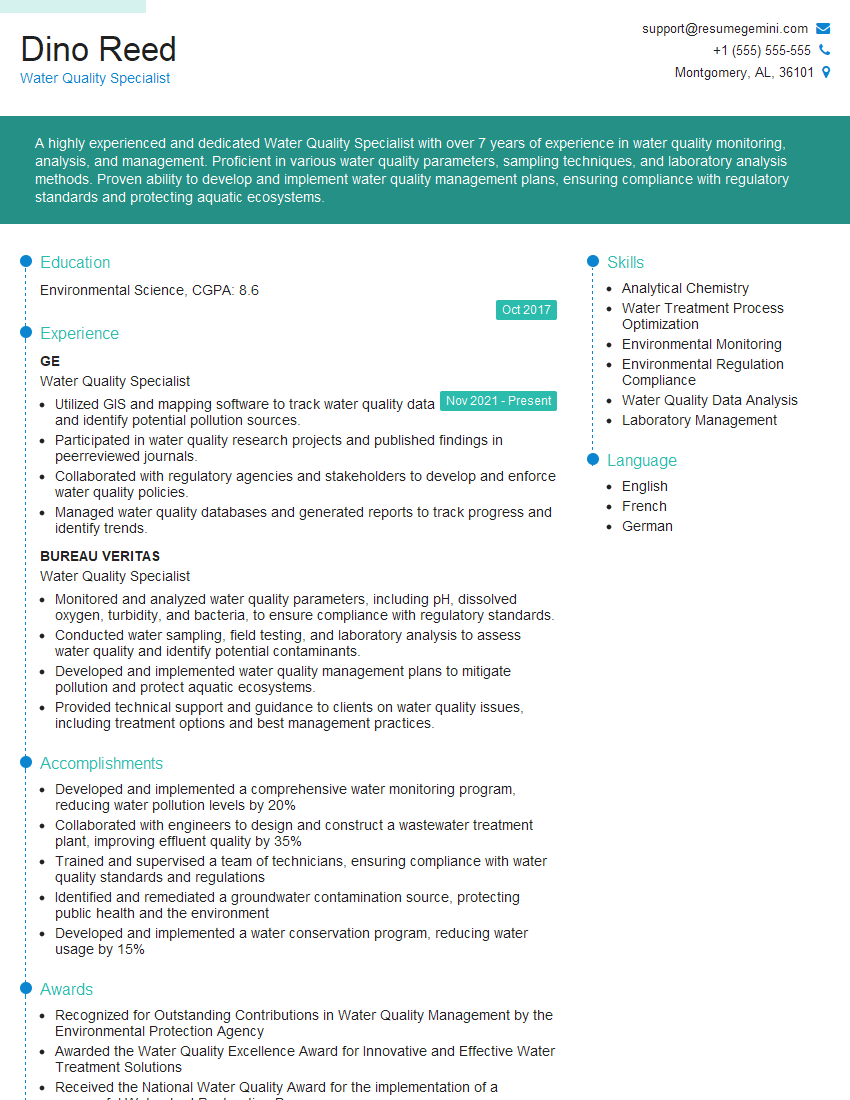
Water Quality Specialist Resume Sample
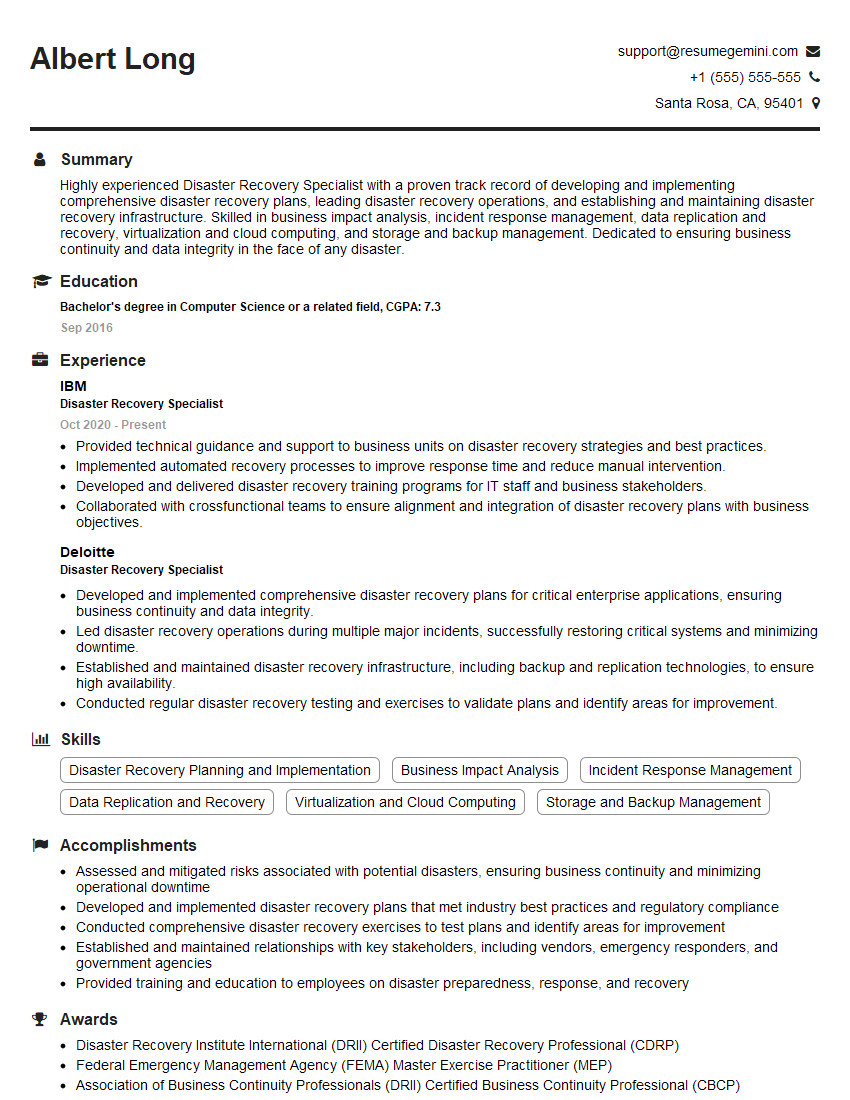
Disaster Recovery Specialist Resume Sample
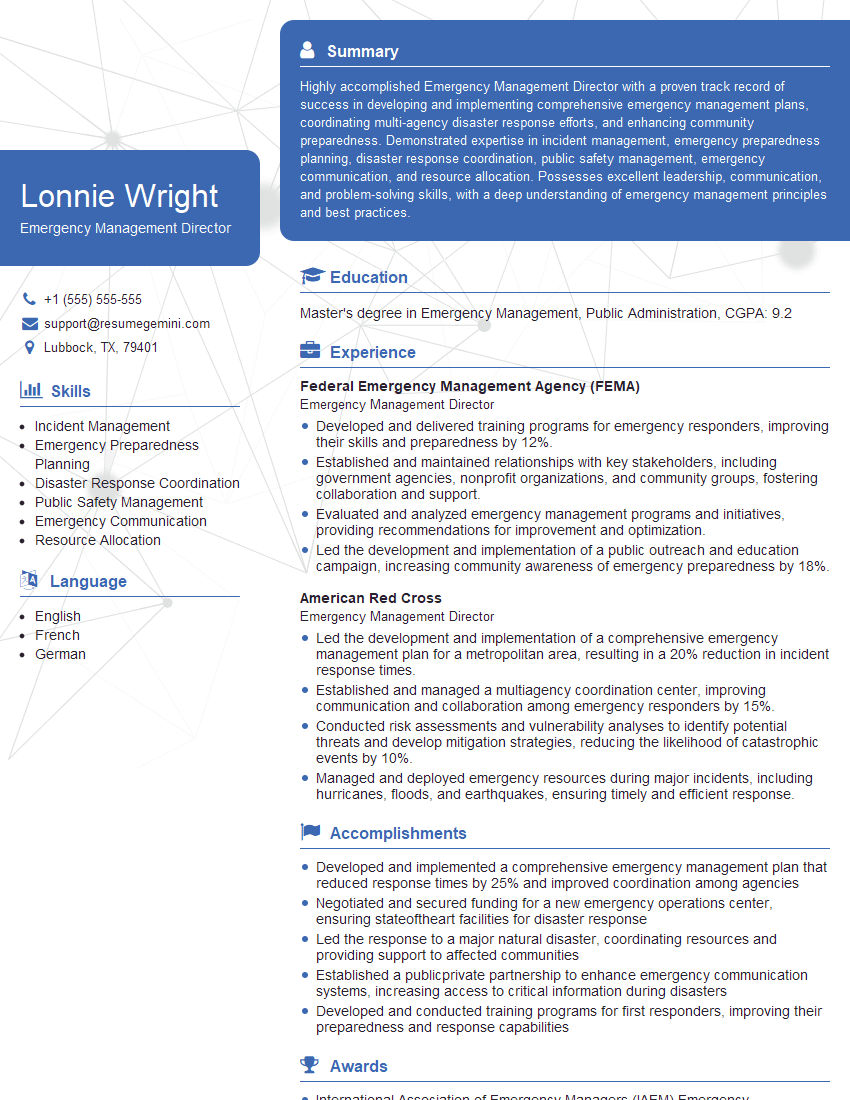
Emergency Management Director Resume Sample
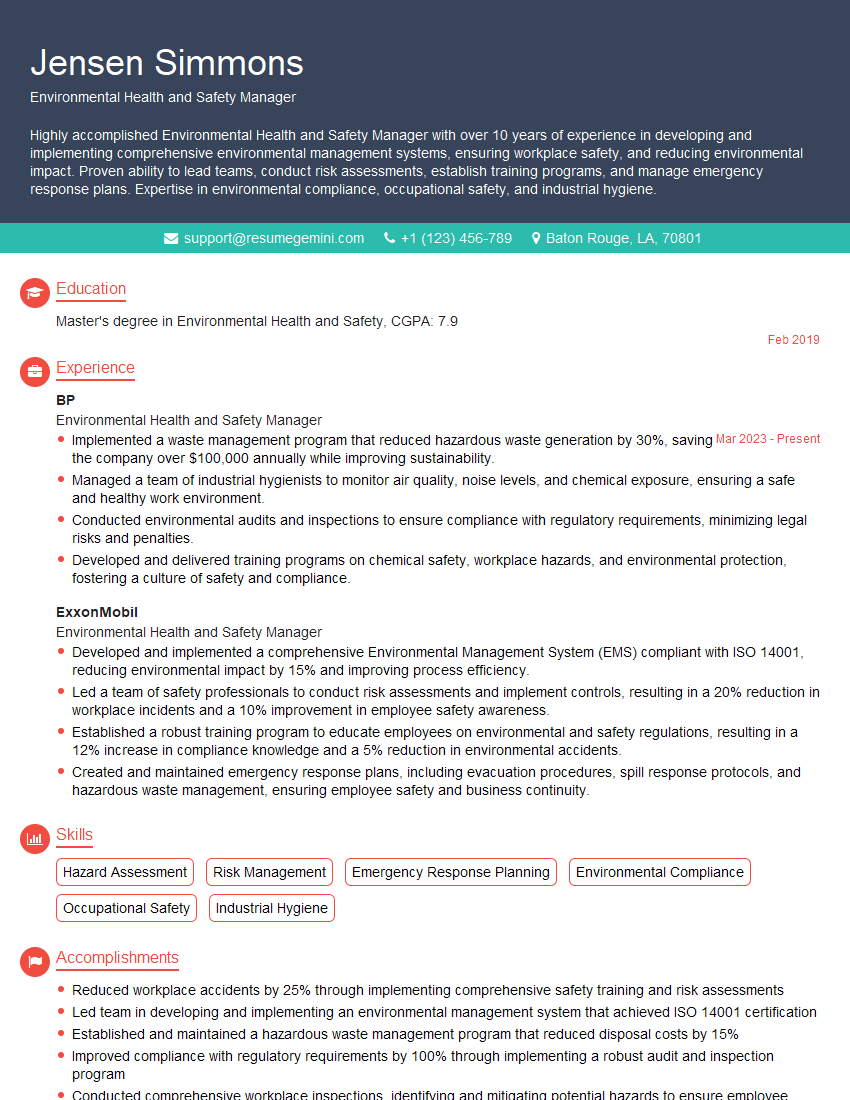
Environmental Health and Safety Manager Resume Sample
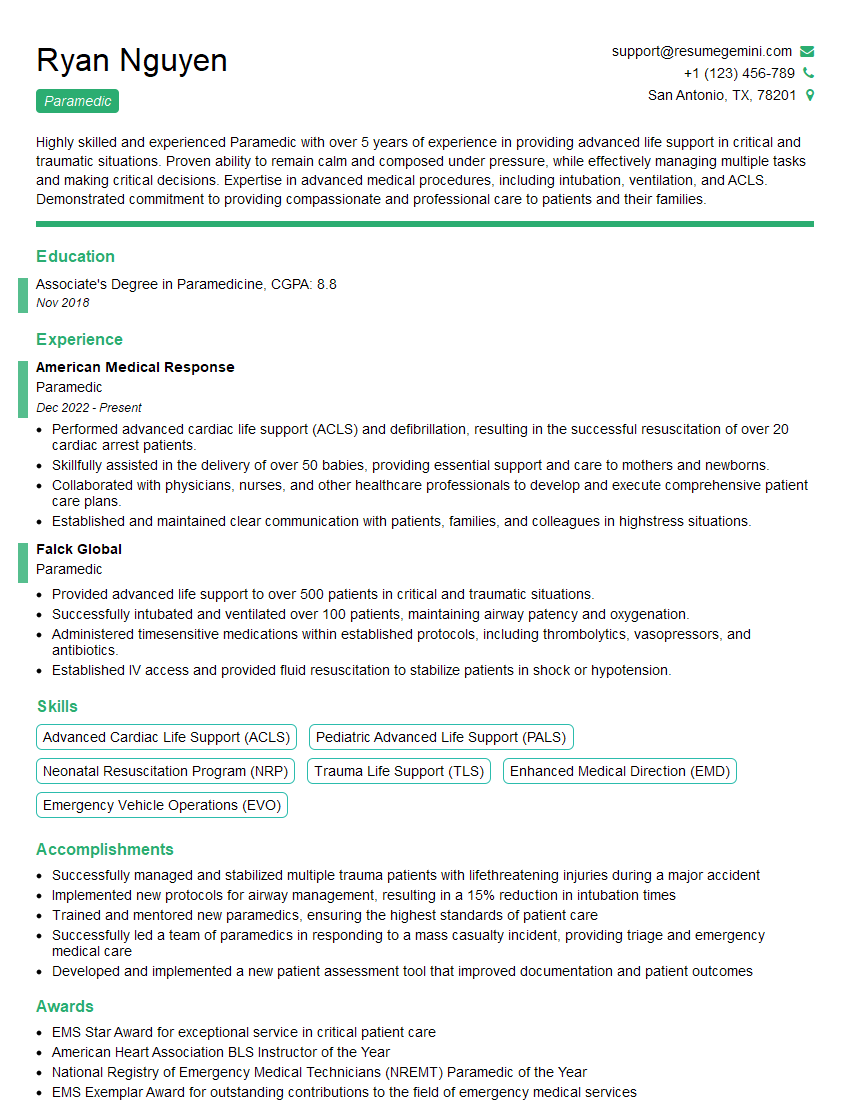
Paramedic Resume Sample
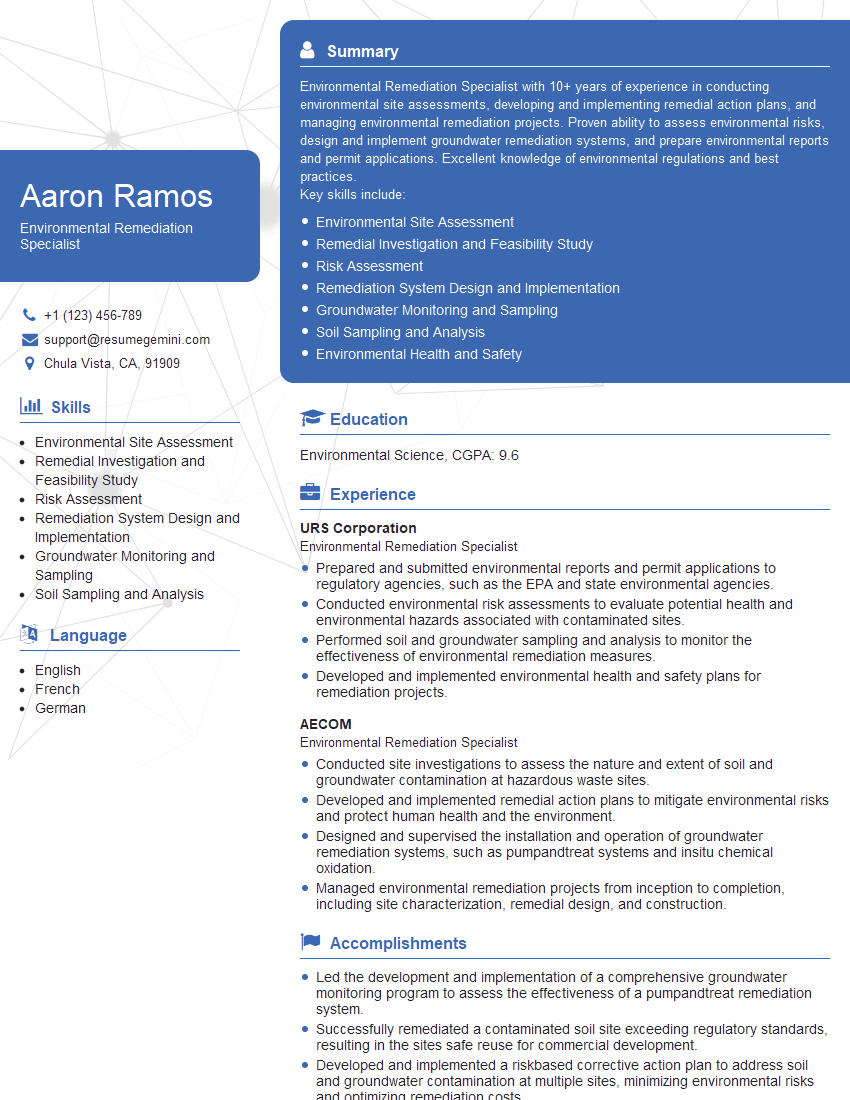
Environmental Remediation Specialist Resume Sample
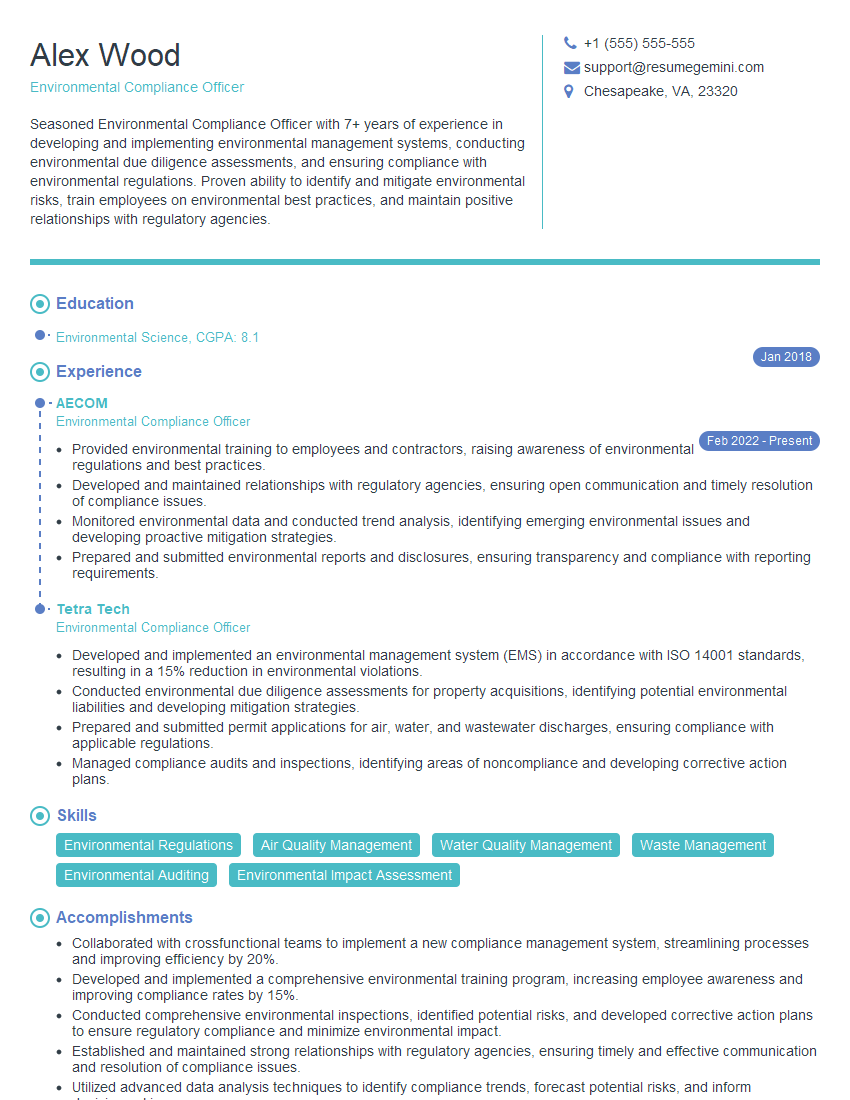
Environmental Compliance Officer Resume Sample
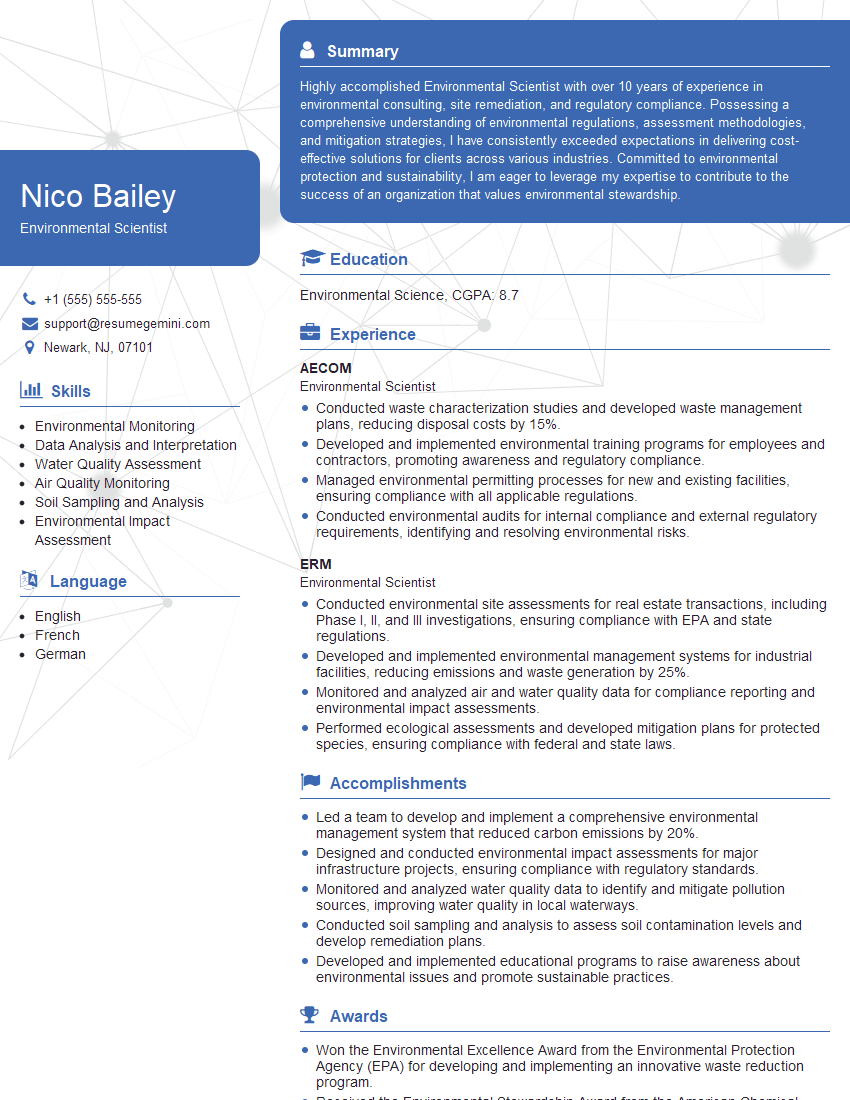
Environmental Scientist Resume Sample
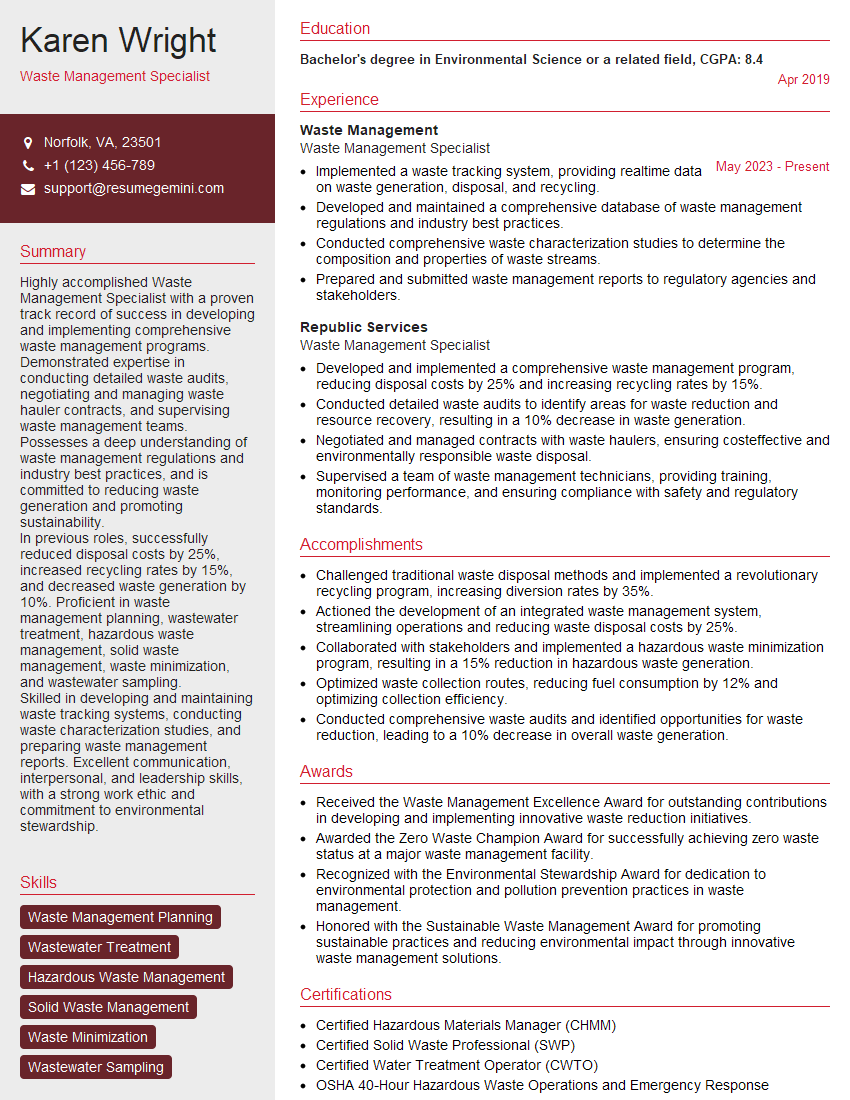
Waste Management Specialist Resume Sample
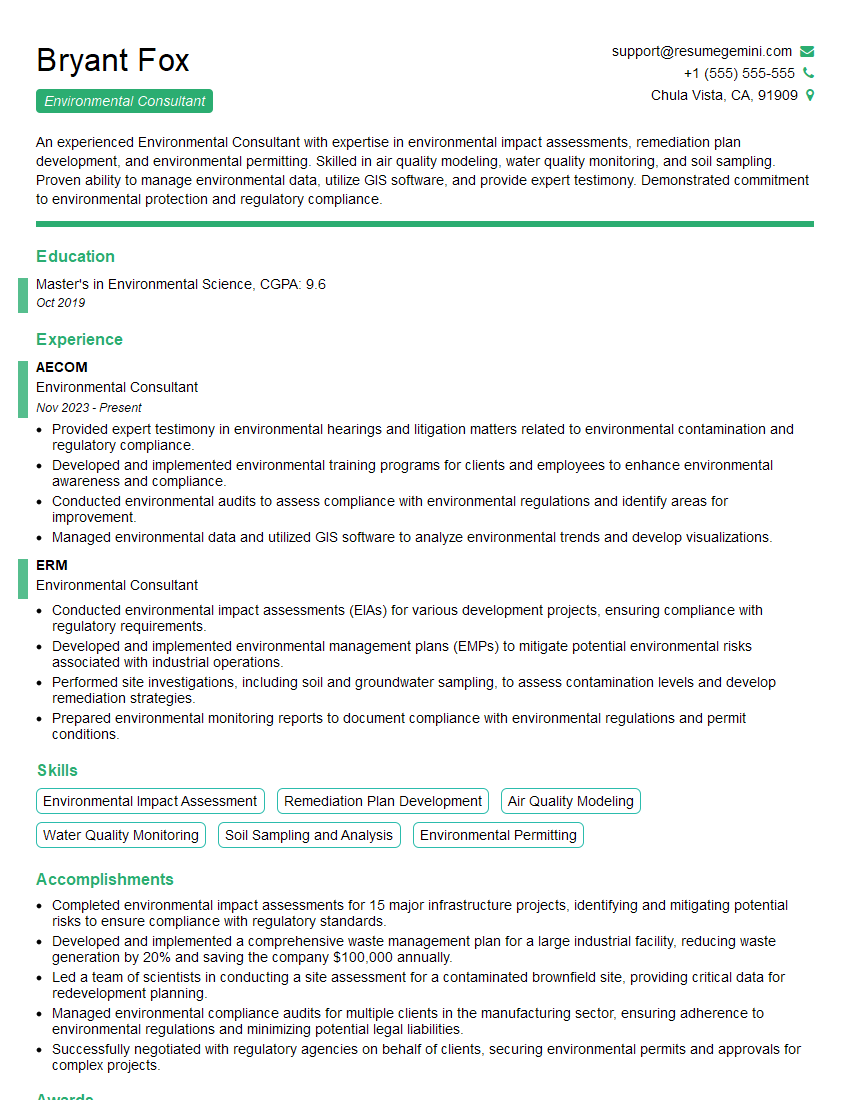
Environmental Consultant Resume Sample
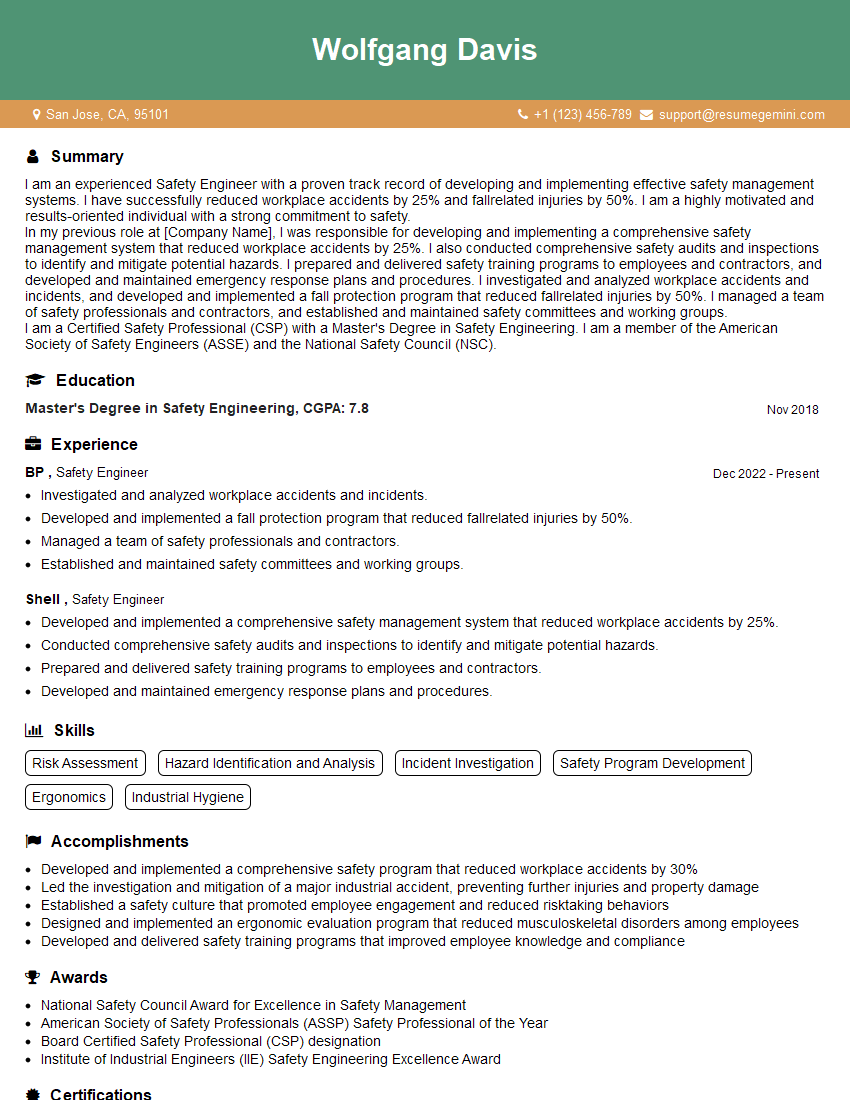
Safety Engineer Resume Sample
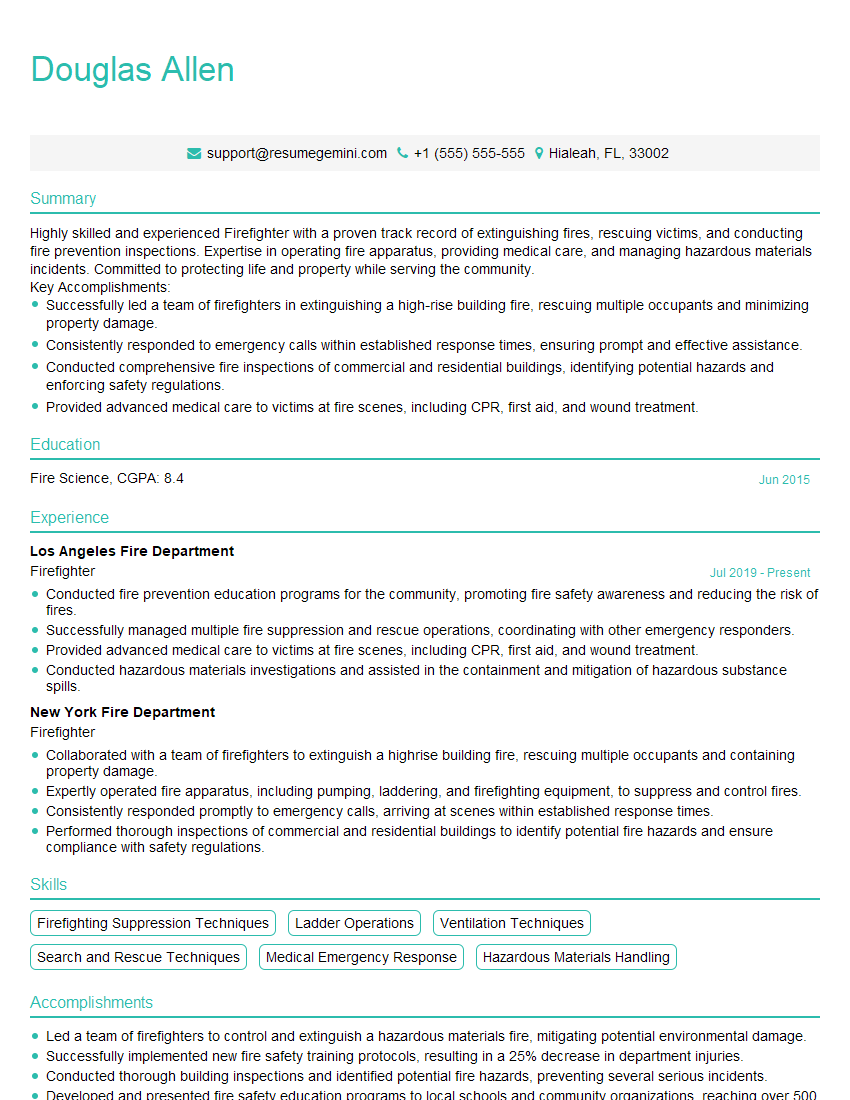
Firefighter Resume Sample
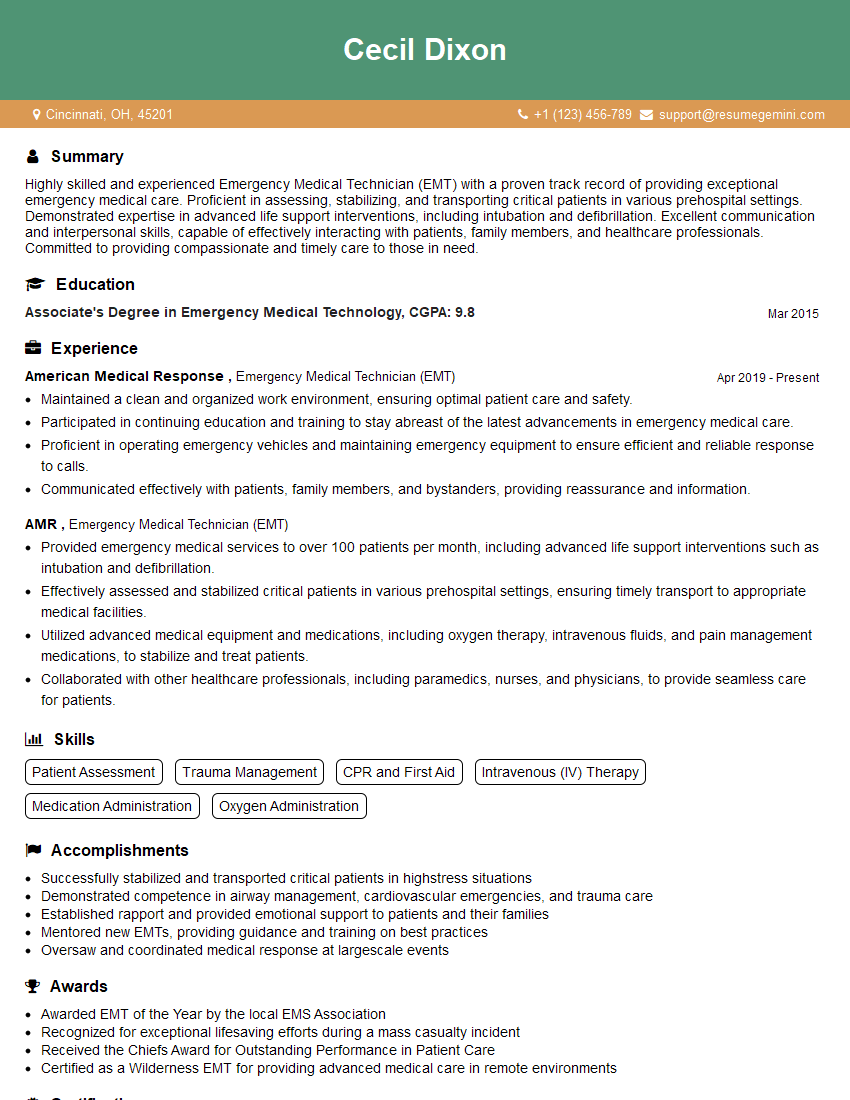
Emergency Medical Technician (EMT) Resume Sample
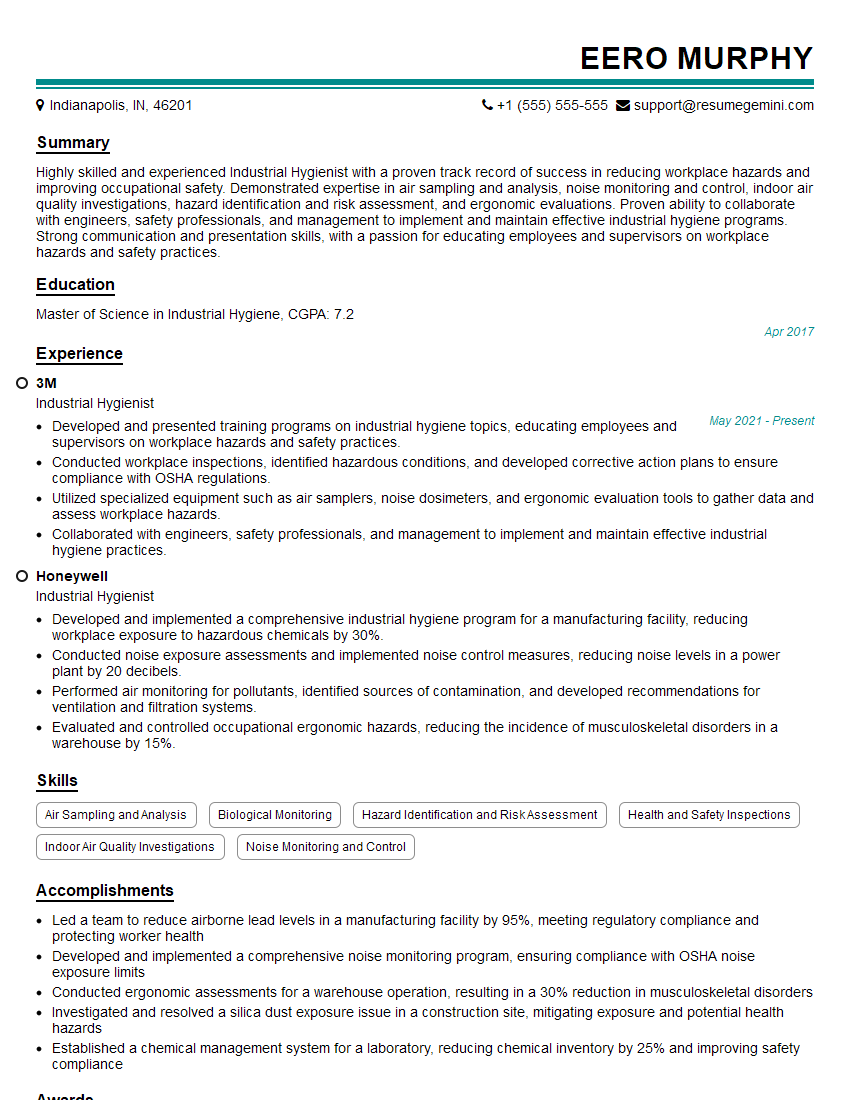
Industrial Hygienist Resume Sample
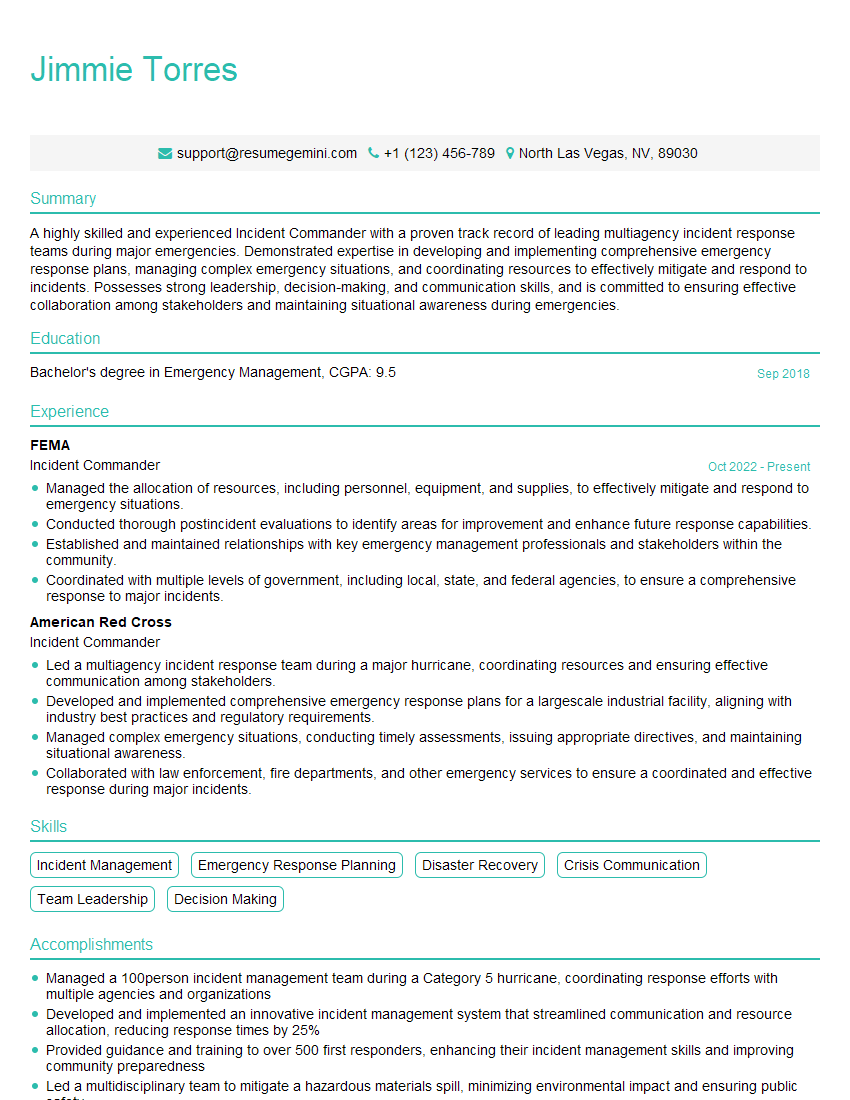
Incident Commander Resume Sample
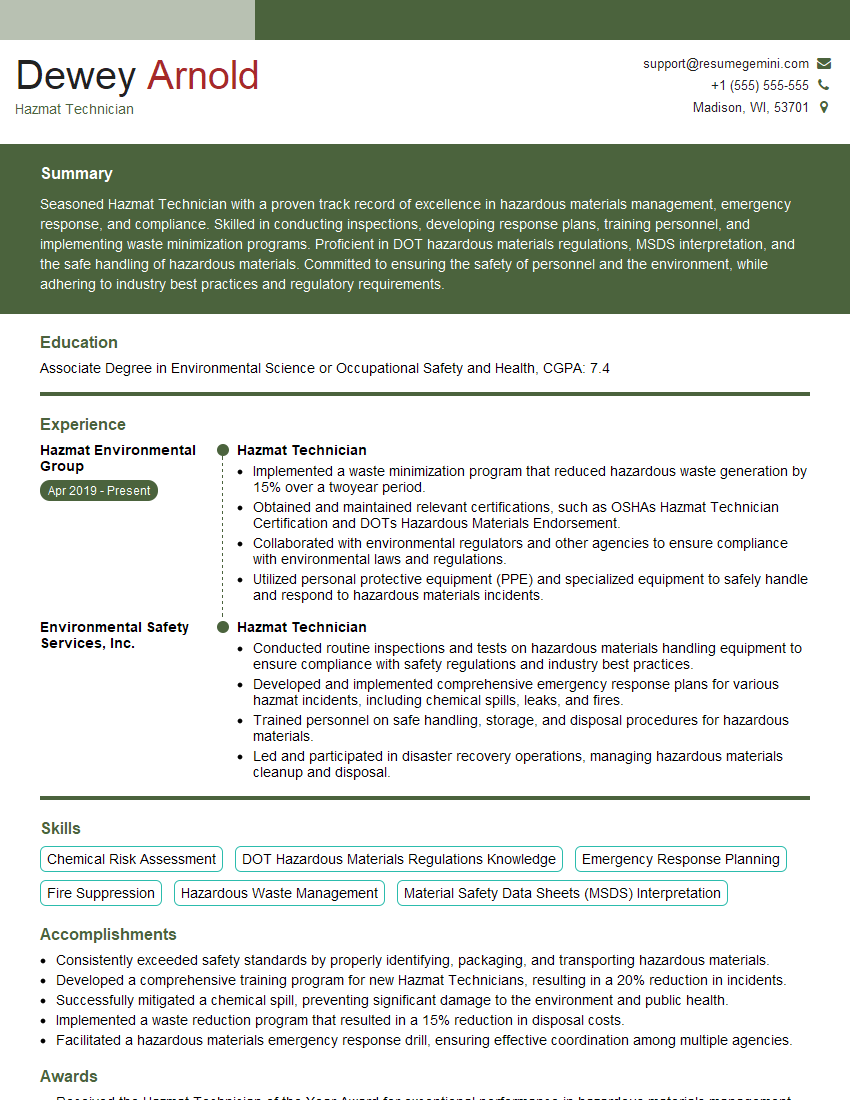
Hazmat Technician Resume Sample
- Water Quality Specialist
- Disaster Recovery Specialist
- Emergency Management Director
- Environmental Health and Safety Manager
- Paramedic
- Environmental Remediation Specialist
- Environmental Compliance Officer
- Environmental Scientist
- Waste Management Specialist
- Environmental Consultant
- Safety Engineer
- Firefighter
- Emergency Medical Technician (EMT)
- Industrial Hygienist
- Incident Commander
- Hazmat Technician
Explore more articles
Users Rating of Our Blogs
Share Your Experience
We value your feedback! Please rate our content and share your thoughts (optional).
What Readers Say About Our Blog
Very informative content, great job.
good