Preparation is the key to success in any interview. In this post, we’ll explore crucial Harvesting Safety Procedures interview questions and equip you with strategies to craft impactful answers. Whether you’re a beginner or a pro, these tips will elevate your preparation.
Questions Asked in Harvesting Safety Procedures Interview
Q 1. Describe your experience implementing and enforcing harvesting safety regulations.
Implementing and enforcing harvesting safety regulations requires a multifaceted approach. My experience involves developing and delivering comprehensive safety training programs, conducting regular safety audits, and actively participating in incident investigations. For example, in one large-scale grape harvesting operation, I implemented a buddy system, requiring workers to operate in pairs for increased vigilance and immediate assistance in case of an incident. This resulted in a 25% reduction in minor injuries within the first year. Furthermore, I’ve developed and implemented a system of standardized operating procedures (SOPs) that include pre-harvest machinery checks, daily safety briefings, and clear communication protocols. Enforcing these regulations involves consistent monitoring, addressing non-compliance promptly and fairly, and fostering a strong safety culture where reporting near misses and hazards is encouraged without fear of reprisal. This creates a feedback loop that helps to proactively identify and mitigate potential risks.
Q 2. Explain the hierarchy of controls for managing workplace hazards in harvesting.
The hierarchy of controls for managing workplace hazards in harvesting follows a well-established principle of prioritizing the most effective controls. It’s often visualized as a pyramid. At the top is Elimination, removing the hazard entirely. For instance, replacing manual harvesting methods with automated systems minimizes worker exposure to musculoskeletal injuries. Next is Substitution, replacing a hazardous substance or process with a safer alternative – using less toxic pesticides or replacing sharp tools with safer equivalents. Then comes Engineering Controls, modifying the workplace to reduce hazards – installing safety guards on machinery, providing improved lighting, or designing ergonomically friendly tools. Administrative Controls follow, focusing on work practices and procedures, such as implementing rotation schedules to limit exposure to repetitive tasks, establishing clear safety rules and training programs. Finally, at the base, we have Personal Protective Equipment (PPE), like gloves, safety glasses, and hearing protection, which is the last line of defense. It’s crucial to remember that PPE should supplement, not replace, other controls higher up in the hierarchy.
Q 3. How do you conduct a thorough risk assessment for harvesting operations?
A thorough risk assessment for harvesting operations is a systematic process. First, we identify hazards: machinery, pesticides, extreme weather, ergonomic strains, wildlife encounters, etc. Then we analyze the risks associated with each hazard, considering the likelihood of an incident and its potential severity. This often involves using risk matrices that quantify the risk level. Next, we evaluate the existing controls, determining their effectiveness in mitigating the identified risks. Then we control the risks by implementing the hierarchy of controls mentioned earlier – elimination, substitution, engineering, administrative controls, and lastly, PPE. This process isn’t static; it’s iterative. We constantly monitor and review the effectiveness of the controls, updating the risk assessment as needed. Documenting the entire process is crucial for accountability and continuous improvement. For instance, a risk assessment might show that a specific type of harvesting machine has a high risk of hand injuries. This might lead to implementing engineering controls (installing a guard), administrative controls (providing thorough training on safe operation), and PPE (requiring the use of cut-resistant gloves).
Q 4. What are the common harvesting hazards and how do you mitigate them?
Common harvesting hazards are numerous and vary depending on the crop and techniques. Some include: machinery hazards (entanglement, crushing, cuts from blades), environmental hazards (heat stress, sun exposure, exposure to pesticides, insect bites), ergonomic hazards (repetitive strain injuries, musculoskeletal disorders from prolonged bending and lifting), biological hazards (infectious diseases), and chemical hazards (pesticide exposure). Mitigation strategies involve utilizing safer machinery with guards and interlocks, providing shade and hydration for workers during heat waves, implementing strict pesticide application protocols with appropriate safety equipment and training, enforcing proper lifting techniques and providing ergonomic tools, providing appropriate medical surveillance and implementing vaccination programs, and ensuring the proper storage, handling, and disposal of chemicals according to established regulations.
Q 5. Describe your experience with Personal Protective Equipment (PPE) selection and training in harvesting.
My experience with PPE selection and training in harvesting encompasses a thorough understanding of the specific hazards present in each operation. I ensure that the selected PPE is appropriate for the identified risks, fits properly, is comfortable enough to encourage consistent use, and meets all relevant safety standards. For instance, in a situation involving heavy machinery operation, appropriate PPE could include safety glasses, hearing protection, steel-toed boots, high-visibility clothing, and cut-resistant gloves. Training is crucial; it’s not enough to simply provide PPE. Workers must receive comprehensive training on how to properly use, maintain, and care for the equipment, emphasizing its limitations and recognizing when it’s no longer effective. We use hands-on demonstrations, interactive training sessions, and regular refresher courses to ensure workers understand the importance of PPE and can confidently apply it in different scenarios.
Q 6. How do you ensure compliance with OSHA or relevant safety standards in harvesting?
Ensuring compliance with OSHA or relevant safety standards in harvesting involves several key steps. First, I conduct regular inspections to verify that all safety measures are in place and functioning correctly. This includes checking machinery for safety guards, verifying the proper use of PPE, and inspecting the work environment for hazards. Secondly, I maintain meticulous records of safety training, inspections, incidents, and corrective actions. This documentation provides evidence of compliance. Thirdly, I conduct thorough investigations into all accidents and near misses, identifying root causes and implementing corrective actions to prevent similar incidents. Finally, we maintain open communication with OSHA or the relevant regulatory body, actively participating in inspections and proactively addressing any concerns. A strong safety culture, coupled with comprehensive training and documentation, is key to sustaining compliance.
Q 7. Explain your understanding of emergency response procedures during a harvesting accident.
Emergency response procedures during a harvesting accident must be swift and effective. Our procedures begin with immediate first aid provided by trained personnel. Simultaneously, emergency services (911 or equivalent) are contacted, providing accurate location details and a description of the incident. A designated emergency response team is activated, focusing on securing the area to prevent further accidents. Depending on the nature of the accident, this might involve shutting down machinery or evacuating other workers. The injured person is then transported to medical care, following appropriate protocols for handling potential injuries, such as spinal immobilization if necessary. A detailed post-incident investigation is conducted, involving interviews, analysis of the scene, and review of safety procedures, to identify contributing factors and implement improvements to prevent future occurrences. Thorough documentation of the entire process is essential for compliance and continuous improvement.
Q 8. How do you conduct safety training for harvesting workers?
Harvesting safety training isn’t a one-size-fits-all approach. It needs to be tailored to the specific crop, harvesting equipment used, and the experience level of the workers. My training program begins with a comprehensive overview of potential hazards, specific to the harvest at hand – things like machinery entanglement, pesticide exposure, heat stress, and musculoskeletal injuries. We use a multi-faceted approach:
- Classroom Instruction: We use interactive presentations, videos, and group discussions to cover safety regulations, emergency procedures, and safe work practices. For example, we’ll show videos demonstrating proper tractor operation and safe chemical handling.
- Hands-on Training: This is crucial! Workers receive practical training on operating machinery safely, using personal protective equipment (PPE) correctly, and performing pre-harvest equipment inspections. We simulate emergency situations, like a tractor rollover, to practice response protocols.
- On-the-job Training: Experienced supervisors mentor new workers, providing real-time guidance and feedback. This ensures that safety procedures are consistently followed in the actual harvesting environment.
- Regular Refresher Courses: Safety training isn’t a one-time event. Regular refresher courses keep workers updated on best practices and address any changes in equipment or regulations.
Throughout the training, we emphasize active participation, encourage questions, and provide opportunities for feedback. We also document all training, ensuring every worker has a record of completion.
Q 9. What are the key elements of a successful harvesting safety program?
A successful harvesting safety program hinges on several key elements:
- Strong Leadership Commitment: Safety must be a top priority, visibly championed by management from the farm owner down to the supervisors. This sets the tone for a culture of safety.
- Comprehensive Hazard Identification and Risk Assessment: This involves systematically identifying all potential hazards in the harvesting process and assessing their risks. This might include identifying blind spots on machinery, assessing pesticide toxicity, or evaluating the risk of heat stroke in hot climates.
- Effective Communication: Safety information must be clearly communicated to all workers, regardless of language or literacy level. This involves using multiple communication channels, such as posters, toolbox talks, and individual check-ins.
- Employee Involvement and Participation: Workers should be actively involved in identifying hazards and developing solutions. Their on-the-ground experience is invaluable.
- Regular Inspections and Maintenance: Equipment should be regularly inspected and maintained to prevent malfunctions. This includes pre-operational checks and regular servicing of machinery.
- Incident Reporting and Investigation: A robust system for reporting and investigating accidents is essential to identify root causes and prevent future incidents. We use a standardized reporting form, and a thorough investigation follows each incident to pinpoint causes and develop preventative measures.
- Training and Education: As discussed previously, comprehensive and ongoing training is paramount.
- Emergency Preparedness: Having a well-defined emergency response plan, with designated emergency contacts and clear procedures, is critical.
These elements work together to create a proactive and preventative safety culture.
Q 10. Describe your experience investigating and reporting harvesting accidents.
Investigating harvesting accidents involves a systematic and thorough approach. I follow a structured process:
- Secure the Scene: The first priority is to ensure the safety of everyone involved and prevent further accidents.
- Gather Information: This includes interviewing witnesses, reviewing equipment maintenance records, and documenting the scene with photographs and sketches.
- Analyze the Evidence: This involves analyzing the gathered information to determine the root cause(s) of the accident. We use techniques like fault tree analysis to identify contributing factors.
- Prepare a Report: A comprehensive report is prepared, detailing the circumstances of the accident, the root causes, and recommendations for preventing similar incidents. This report is shared with relevant stakeholders, including management, safety committees, and regulatory bodies.
- Implement Corrective Actions: Based on the findings of the investigation, appropriate corrective actions are implemented to mitigate identified hazards.
For example, I once investigated an accident involving a worker’s hand being caught in a combine harvester. The investigation revealed a lack of proper machine guarding and insufficient training on safe operating procedures. The corrective actions included installing additional guarding on the machine and providing retraining to all workers on its safe operation.
Q 11. How do you communicate safety information effectively to diverse harvesting crews?
Communicating safety information effectively to diverse crews requires a multi-pronged approach that accounts for language barriers, literacy levels, and cultural differences. My strategies include:
- Multilingual Materials: Safety manuals, training materials, and signage are translated into the languages spoken by the workers. Visual aids, like pictograms, supplement written instructions.
- Visual Communication: Visual aids, such as diagrams, videos, and demonstrations, are used to enhance understanding, especially for those with limited literacy skills.
- Interactive Training: Hands-on training and participatory methods promote engagement and retention, regardless of language skills.
- Peer-to-Peer Communication: Encouraging experienced workers to mentor new employees, especially if they share a common language or cultural background, can build trust and ensure clear communication.
- Cultural Sensitivity: Training and communication materials are tailored to reflect the cultural norms and values of the workforce.
- Regular Check-ins: Supervisors are expected to conduct regular check-ins with workers to address any safety concerns and confirm understanding of procedures. This could involve daily toolbox talks.
The key is to ensure that everyone understands the safety information and feels comfortable asking questions.
Q 12. Explain your understanding of ergonomics and its role in preventing harvesting injuries.
Ergonomics is the science of designing workplaces and jobs to fit the people who do them. In harvesting, it’s crucial for preventing musculoskeletal injuries. Poor ergonomics leads to strains, sprains, and other repetitive stress injuries. Understanding ergonomics means addressing factors like:
- Posture: Workers should maintain proper posture while operating machinery and performing manual tasks, avoiding awkward positions that strain the back, neck, and shoulders. This includes providing adjustable seats and tools.
- Repetitive Movements: Tasks involving repetitive movements, like picking fruit or operating controls, should be designed to minimize strain. This can involve implementing work rotation strategies and using tools that reduce repetitive actions.
- Tool Design: Tools should be appropriately sized and weighted for the task, reducing strain on hands and wrists. This can include anti-vibration tools and ergonomic grips.
- Workstation Design: Workstations should be designed to accommodate the worker’s physical dimensions, promoting a comfortable and efficient work posture. This is particularly critical for machinery operators.
- Work Breaks: Regular rest breaks allow workers to stretch, reduce fatigue and avoid sustained awkward postures.
By applying ergonomic principles, we can create a work environment that minimizes the risk of musculoskeletal injuries and improves worker comfort and productivity.
Q 13. How do you manage hazardous materials used in harvesting?
Managing hazardous materials in harvesting, like pesticides and fertilizers, requires strict adherence to safety regulations and best practices. This includes:
- Proper Storage: Hazardous materials should be stored in designated areas, away from food and water sources, in clearly labeled containers.
- Safe Handling: Workers should receive comprehensive training on safe handling procedures, including wearing appropriate PPE (gloves, masks, eye protection) and following application guidelines meticulously.
- Spill Response Plan: A detailed plan should be in place to handle spills and leaks, including appropriate cleanup procedures and emergency contact information.
- Disposal: Proper disposal procedures must be followed, in compliance with all applicable environmental regulations. This might include using designated waste containers and contacting specialized waste disposal services.
- Regular Inspections: Regular inspections of storage areas and equipment ensure that materials are stored and handled correctly.
- Record Keeping: Meticulous records are kept of all hazardous materials used, including dates of application, quantities used, and any incidents.
Ignoring these procedures can lead to serious health consequences and environmental damage.
Q 14. What are your strategies for preventing slips, trips, and falls in harvesting environments?
Slips, trips, and falls are common causes of injury in harvesting environments. Prevention strategies include:
- Good Housekeeping: Maintaining a clean and organized work area is paramount. This involves removing debris, spills, and obstacles from walkways and work areas.
- Proper Lighting: Adequate lighting reduces the risk of tripping over unseen obstacles, especially in low-light conditions.
- Safe Pathways: Clear, well-maintained pathways should be provided for workers, free from clutter and hazards.
- Anti-Slip Surfaces: Where appropriate, anti-slip surfaces should be used in areas prone to spills or moisture. This could be rubber mats or non-slip coatings on walkways.
- Appropriate Footwear: Workers should wear appropriate footwear with good traction, suitable for the terrain.
- Personal Protective Equipment (PPE): Depending on the task, workers might need other forms of PPE, such as gloves and safety glasses, to reduce the risk of falls.
- Training: Workers should be trained on the importance of maintaining a clean work area, practicing safe walking techniques, and reporting any hazards.
A proactive approach to slip, trip, and fall prevention can significantly reduce injuries.
Q 15. How do you ensure the safe operation and maintenance of harvesting machinery?
Safe operation and maintenance of harvesting machinery hinges on a multi-pronged approach encompassing preventative measures, regular inspections, and operator training. Think of it like maintaining a finely-tuned engine – regular checks and proper care prevent costly breakdowns and accidents.
- Preventative Maintenance: This involves adhering to manufacturer’s recommended schedules for lubrication, filter changes, and component inspections. For example, checking the combine’s header for any damage before starting work each day is crucial. Ignoring this can lead to breakdowns in the field, potentially causing delays and injuries.
- Regular Inspections: Daily pre-operational checks are non-negotiable. Inspecting belts, hydraulic lines, and safety guards for wear and tear prevents unexpected failures. Think of it as a quick physical examination before the machine starts its ‘workday’.
- Operator Training: Operators must be thoroughly trained on the specific machinery they operate, including safe operating procedures, emergency shutdown protocols, and routine maintenance tasks. This is critical for preventing accidents stemming from improper use. We conduct regular refresher courses and simulations to keep operator skills sharp.
- Record Keeping: Maintaining meticulous records of all maintenance activities, repairs, and inspections is essential for tracking performance and identifying potential issues before they become major problems. This enables proactive maintenance and prevents costly downtime.
Career Expert Tips:
- Ace those interviews! Prepare effectively by reviewing the Top 50 Most Common Interview Questions on ResumeGemini.
- Navigate your job search with confidence! Explore a wide range of Career Tips on ResumeGemini. Learn about common challenges and recommendations to overcome them.
- Craft the perfect resume! Master the Art of Resume Writing with ResumeGemini’s guide. Showcase your unique qualifications and achievements effectively.
- Don’t miss out on holiday savings! Build your dream resume with ResumeGemini’s ATS optimized templates.
Q 16. Describe your experience with heat stress prevention and management in harvesting.
Heat stress is a serious concern in harvesting, particularly during hot and humid periods. Our approach to prevention and management is multifaceted, focusing on minimizing exposure, providing adequate hydration, and recognizing the symptoms of heat-related illnesses.
- Hydration: We provide ample access to cool water throughout the workday, encouraging frequent breaks for hydration. We also educate workers on the importance of staying hydrated even before they feel thirsty.
- Scheduled Breaks: We implement regular rest breaks in shaded areas, allowing workers to cool down and rehydrate. The frequency of these breaks is adjusted based on the temperature and humidity.
- Protective Clothing: We encourage the use of light-colored, loose-fitting clothing to reduce heat absorption. We also provide workers with hats and sunscreen to further protect them from the sun.
- Early Recognition: We educate workers on the symptoms of heat exhaustion and heat stroke, emphasizing the importance of reporting any symptoms immediately. We have emergency plans in place to deal with heat-related illnesses, including access to first aid and immediate medical transport.
- Monitoring: We closely monitor weather conditions and adjust work schedules accordingly, avoiding peak heat periods where possible.
Q 17. What are your methods for monitoring and evaluating the effectiveness of harvesting safety programs?
Monitoring and evaluating the effectiveness of our safety programs relies on a combination of quantitative and qualitative data. Think of it as checking the ‘vital signs’ of your safety program.
- Incident Reporting and Analysis: We track the number and types of incidents, identifying trends and areas needing improvement. Root cause analysis helps us pinpoint the underlying causes of incidents.
- Safety Audits: Regular audits are conducted to assess compliance with safety procedures and identify potential hazards. This includes both planned and unannounced audits.
- Worker Feedback: We actively solicit feedback from workers through surveys, meetings, and informal discussions. This helps us identify areas where improvements are needed and address concerns.
- Training Records: We review training records to ensure all workers are adequately trained and that training is up-to-date.
- Key Performance Indicators (KPIs): We track key performance indicators, such as lost-time injury rates (LTIR) and near-miss reports, to measure progress towards our safety goals. These metrics provide a clear picture of our effectiveness.
Q 18. How do you address non-compliance with safety regulations in the harvesting process?
Addressing non-compliance is crucial for maintaining a safe work environment. Our approach involves a combination of education, corrective actions, and disciplinary measures, all while focusing on prevention.
- Education and Training: If non-compliance stems from a lack of understanding, we provide additional training and clarify expectations. We focus on improving knowledge and skills.
- Corrective Actions: If non-compliance is due to negligence, we implement corrective actions, such as retraining, improved supervision, and changes to work procedures. This helps prevent similar occurrences.
- Disciplinary Measures: In cases of repeated or serious non-compliance, we implement disciplinary measures, up to and including termination of employment. Consistency in enforcement is essential.
- Root Cause Analysis: We conduct thorough investigations to determine the root causes of non-compliance and implement system-level changes to prevent future occurrences. This ensures lasting solutions.
Q 19. Describe your experience with incident investigation techniques related to harvesting.
Incident investigation is crucial for learning from mistakes and preventing future incidents. Our approach follows a structured methodology, ensuring thoroughness and objectivity.
- Immediate Response: Securing the scene and providing first aid are immediate priorities. Documentation begins immediately.
- Data Collection: We gather all relevant information, including witness statements, photos, and equipment records. No detail is too small.
- Root Cause Analysis: We use techniques like the ‘5 Whys’ to drill down to the underlying causes of the incident. This helps us move beyond symptoms to find the real problem.
- Corrective Actions: Based on the investigation, we develop and implement corrective actions to prevent recurrence. This could involve equipment modifications, procedure changes, or additional training.
- Reporting: We document the entire investigation process, including findings, corrective actions, and follow-up measures. This creates a record for future reference and improves overall safety practices.
Q 20. How do you integrate safety into the harvesting planning and scheduling process?
Integrating safety into harvesting planning and scheduling is paramount. It’s not an afterthought; it’s fundamental to the process.
- Risk Assessment: We conduct thorough risk assessments before starting any harvesting operation, identifying potential hazards and developing control measures. This helps anticipate potential problems.
- Task Sequencing: We plan the harvesting tasks in a manner that minimizes risks. For example, scheduling the most hazardous tasks during daylight hours when visibility is optimal.
- Resource Allocation: We allocate sufficient resources to implement safety measures, including equipment, personnel, and training. This ensures we have the means to uphold safety standards.
- Communication: Clear communication channels are established to ensure everyone is aware of the safety plan and potential hazards. This prevents misunderstandings and potential accidents.
- Emergency Procedures: Emergency procedures and contact information are included in the planning, ensuring a swift response to any incident.
Q 21. What is your approach to promoting a strong safety culture within a harvesting team?
Promoting a strong safety culture is an ongoing process requiring consistent effort and leadership commitment. It’s not just about rules; it’s about a shared belief in the value of safety.
- Leadership Commitment: Visible and unwavering leadership support for safety is essential. This sets the tone for the entire team.
- Open Communication: We encourage open communication about safety concerns, ensuring workers feel comfortable reporting hazards and near misses without fear of reprisal.
- Employee Involvement: We actively involve employees in the development and implementation of safety programs. This fosters ownership and commitment.
- Recognition and Rewards: We recognize and reward safe work practices and contributions to safety improvement. This reinforces positive behavior.
- Regular Training and Communication: We provide regular training on safety procedures and best practices. Communication keeps safety at the forefront.
Q 22. Explain your understanding of the legal and regulatory requirements related to harvesting safety.
Harvesting safety is governed by a complex web of legal and regulatory requirements, varying by location and the specific crop being harvested. These regulations typically stem from national occupational safety and health agencies (like OSHA in the US) and may also include state or provincial legislation. Key areas covered often include:
- Personal Protective Equipment (PPE): Regulations mandate the provision and use of appropriate PPE, such as helmets, eye protection, hearing protection, and high-visibility clothing. Specific requirements often depend on the machinery used and the environment.
- Machinery Safety: Strict guidelines exist for the operation, maintenance, and guarding of harvesting machinery. This includes regular inspections, operator training, and safety interlocks to prevent accidents.
- Emergency Response: Regulations often specify requirements for emergency response plans, including communication systems, first-aid provisions, and procedures for handling injuries or equipment malfunctions.
- Environmental Safety: Regulations may address environmental concerns, such as the safe handling and disposal of pesticides or the prevention of soil erosion.
- Worker Training and Education: Laws frequently require employers to provide comprehensive safety training to all harvesting personnel. This training should cover specific hazards, safe operating procedures, and emergency response protocols.
For instance, failure to comply with these regulations can result in hefty fines, legal action, and damage to a company’s reputation. Understanding and adhering to these regulations is paramount for safe and productive harvesting operations.
Q 23. Describe your experience with developing and implementing safety audits for harvesting operations.
My experience in developing and implementing safety audits for harvesting operations involves a multi-stage approach. It begins with a thorough risk assessment, identifying potential hazards specific to the operation, like the type of machinery used, terrain, weather conditions, and the specific crop. This is followed by a detailed checklist based on relevant regulations and industry best practices.
During the audit itself, I observe harvesting activities, inspect equipment for proper maintenance and safety features, and interview workers to understand their perceptions of safety. I look for compliance with established safety protocols and identify areas needing improvement. I use a combination of quantitative data (e.g., number of near misses reported) and qualitative data (e.g., worker feedback) to create a comprehensive report.
After the audit, I collaborate with management to develop a corrective action plan, focusing on implementing feasible solutions and setting realistic timelines. Follow-up audits are conducted to verify the effectiveness of the implemented improvements and to track ongoing safety performance. For example, I recently audited a large-scale wheat harvesting operation and identified a lack of consistent use of seatbelts in combine harvesters. This led to a training program focusing on the importance of seatbelts and their role in preventing serious injuries in rollovers. The subsequent audit showed a significant improvement in seatbelt usage.
Q 24. How do you handle conflicts or disagreements regarding safety procedures in harvesting?
Conflicts regarding safety procedures are inevitable. My approach emphasizes open communication and collaborative problem-solving. I start by actively listening to all parties involved, ensuring everyone feels heard and respected. I then focus on understanding the root cause of the disagreement – is it a misunderstanding of the procedure, a concern about practicality, or something else?
If the conflict involves differing interpretations of safety regulations, I refer to relevant legislation and industry standards to clarify expectations. When concerns about practicality arise, I work with everyone to find a compromise that balances safety with operational efficiency. This might involve adapting a procedure to suit specific circumstances or providing additional training and resources.
Finally, it’s crucial to document all decisions and agreements to maintain transparency and accountability. If a resolution cannot be reached, I would escalate the issue to senior management for mediation, ensuring the safety of the workers remains the top priority. A recent example involved a disagreement about the use of a new harvesting technique. By facilitating a discussion between the workers and management, we identified potential risks associated with the new technique and implemented safety modifications, resulting in a positive outcome.
Q 25. Describe your experience with creating and implementing safety signage and warning systems.
Effective safety signage and warning systems are essential for preventing accidents in harvesting operations. My experience includes designing and implementing signage that is clear, concise, and easily understood by all workers, regardless of language or literacy level. This involves using standardized symbols and pictograms whenever possible, along with simple text in multiple languages if needed.
Beyond static signage, I incorporate dynamic warning systems such as audible alarms on machinery, flashing lights to indicate hazardous areas, and visual signals to communicate among workers. For example, I’ve designed a system using colored flags to signal the proximity of harvesting equipment in areas with limited visibility. The placement of signs is crucial; they must be visible, readily accessible and placed where workers are most likely to encounter hazards. Regular inspections ensure that signs remain legible and well-maintained, replacing any damaged or faded signs promptly. I also ensure that any changes to the operation or introduction of new equipment are reflected in the signage system.
Q 26. What are your strategies for preventing musculoskeletal injuries in harvesting operations?
Musculoskeletal injuries are a significant concern in harvesting, often stemming from repetitive movements, awkward postures, and heavy lifting. My strategies for prevention focus on ergonomic design, job rotation, and worker training.
Ergonomic design involves modifying workstations and equipment to reduce strain on the body. This can include adjustable seats in machinery, ergonomic tools, and improved layouts to minimize awkward reaching and twisting. Job rotation involves assigning workers to different tasks throughout the day to reduce repetitive strain on specific muscle groups. Finally, comprehensive training educates workers on proper lifting techniques, body mechanics, and the importance of regular breaks to prevent fatigue and reduce risk.
For example, in one project, we implemented a system for rotating workers between driving harvesting equipment and manual tasks, which significantly reduced reports of back pain and carpal tunnel syndrome. Regular ergonomic assessments and proactive adjustments based on worker feedback are vital for maintaining a safe and healthy work environment.
Q 27. How do you ensure the proper use and maintenance of fall protection equipment in harvesting?
Ensuring the proper use and maintenance of fall protection equipment is crucial, particularly in harvesting operations involving elevated work platforms or working on slopes. My approach involves a multi-pronged strategy:
- Selecting appropriate equipment: Choosing the right harnesses, lanyards, and anchorage points based on the specific work environment and hazards.
- Regular inspection and maintenance: Establishing a schedule for routine inspections of all fall protection equipment to identify any wear and tear or damage before it compromises safety.
- Training and competency assessment: Providing workers with thorough training on the proper selection, donning, use, and inspection of fall protection equipment, followed by practical assessments to ensure their competency.
- Enforcement of safe practices: Strict enforcement of established safety protocols, including the mandatory use of fall protection equipment in designated areas.
- Record keeping: Maintaining detailed records of inspections, training, and any incidents involving fall protection equipment to track performance and identify areas for improvement.
For instance, I implemented a program where workers were required to visually inspect their harnesses before each use and report any deficiencies immediately. This simple step, coupled with regular inspections by supervisors, significantly reduced the risk of equipment failure and related injuries.
Q 28. Explain your understanding of the role of technology and innovation in improving harvesting safety.
Technology and innovation are transforming harvesting safety. We’re seeing advancements in several key areas:
- Automated guidance systems: GPS-guided machinery reduces operator fatigue and improves precision, minimizing the risk of accidents caused by driver error.
- Improved machine design: Incorporating safety features like automatic braking systems, rollover protection structures (ROPS), and improved visibility systems enhances operator safety.
- Remote sensing and monitoring: Using sensors and cameras to monitor equipment performance, worker location, and environmental conditions allows for proactive identification and mitigation of hazards.
- Wearable technology: Devices like smartwatches and body-worn sensors can monitor worker vital signs, activity levels, and environmental exposure, alerting supervisors to potential risks in real-time.
- Virtual and augmented reality training: Immersive training simulations allow workers to practice safe operating procedures and emergency response in a controlled environment before working with actual machinery.
By embracing these technological advancements, we can create a safer, more efficient, and more sustainable harvesting industry. For example, the use of real-time location tracking systems allows for immediate response in case of worker injury or equipment malfunction in remote areas.
Key Topics to Learn for Harvesting Safety Procedures Interview
- Personal Protective Equipment (PPE): Understanding the types of PPE required for different harvesting tasks (e.g., eye protection, hearing protection, gloves, footwear), their proper use, maintenance, and limitations. Consider scenarios requiring specific PPE choices.
- Hazard Identification and Risk Assessment: Learn how to systematically identify potential hazards in harvesting environments (e.g., machinery, chemicals, weather conditions) and assess the associated risks. Practice applying risk mitigation strategies.
- Safe Machinery Operation: Familiarize yourself with safe operating procedures for various harvesting machinery, including pre-operational checks, emergency shut-off procedures, and safe working practices around moving parts. Be prepared to discuss practical examples.
- Ergonomics and Physical Demands: Understand the physical demands of harvesting and how to minimize the risk of musculoskeletal injuries through proper lifting techniques, posture, and work breaks. Explore strategies for fatigue management.
- Chemical Handling and Application: Learn about safe handling, storage, and application of pesticides and other agricultural chemicals, including understanding safety data sheets (SDS) and appropriate personal protective measures.
- Emergency Procedures: Be prepared to discuss emergency response protocols, including first aid procedures, communication procedures in case of accidents, and evacuation strategies.
- Environmental Awareness: Discuss sustainable harvesting practices and environmental considerations, such as soil erosion prevention, water conservation, and minimizing environmental impact.
- Teamwork and Communication: Highlight the importance of effective communication and teamwork in ensuring a safe harvesting operation. Discuss examples of how clear communication prevents accidents.
Next Steps
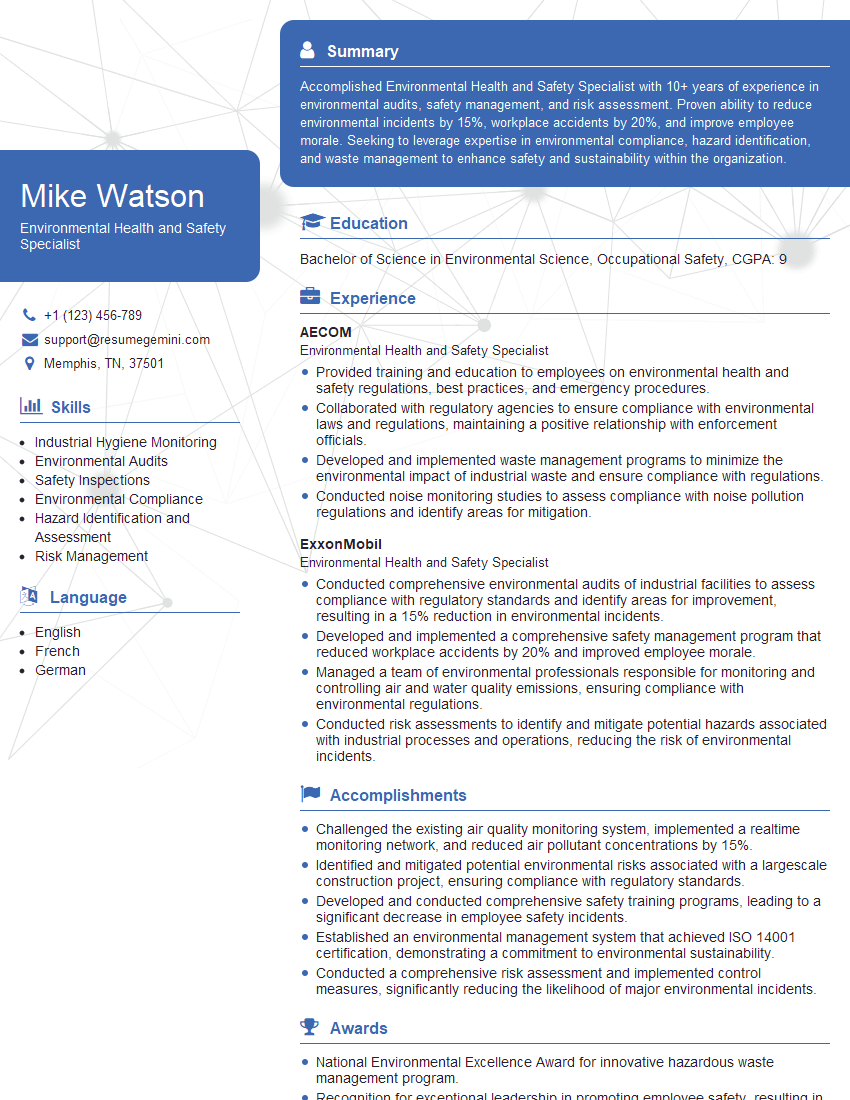
Mastering Harvesting Safety Procedures demonstrates your commitment to a safe and productive work environment, significantly enhancing your appeal to potential employers. This knowledge is highly valued and crucial for career advancement within the agricultural sector. To maximize your job prospects, it’s essential to create an ATS-friendly resume that effectively showcases your skills and experience. We highly recommend using ResumeGemini to build a professional and impactful resume. ResumeGemini provides you with the tools and resources to craft a compelling narrative, and we offer examples of resumes tailored specifically to Harvesting Safety Procedures to help guide you.
Explore more articles
Users Rating of Our Blogs
Share Your Experience
We value your feedback! Please rate our content and share your thoughts (optional).
What Readers Say About Our Blog
Very informative content, great job.
good