Preparation is the key to success in any interview. In this post, we’ll explore crucial Occupational Exposure Monitoring interview questions and equip you with strategies to craft impactful answers. Whether you’re a beginner or a pro, these tips will elevate your preparation.
Questions Asked in Occupational Exposure Monitoring Interview
Q 1. Explain the difference between personal and area sampling in occupational exposure monitoring.
The key difference between personal and area sampling lies in what they measure. Personal sampling measures the exposure of a specific individual over a period, reflecting the concentration of contaminants they actually inhale. Imagine a worker painting a car; a personal sample would be taken near their breathing zone to assess their exact exposure. Area sampling, on the other hand, measures the concentration of contaminants in a general location. This provides an overall picture of the workplace environment but doesn’t necessarily reflect individual exposure. Think of a factory floor; an area sample might show elevated levels of dust, but individual workers might have higher or lower exposures depending on their proximity to the source.
Personal sampling is crucial for assessing worker risk and compliance with regulations, as it directly measures what each individual is breathing. Area sampling is useful for identifying potential hazard areas, guiding engineering controls, and providing a broader view of the work environment. Often, both are used together for a complete picture of occupational exposure.
Q 2. Describe the process of selecting appropriate sampling methods for different airborne contaminants.
Selecting the right sampling method depends heavily on the contaminant’s physical and chemical properties. For example:
- Gases and vapors: These are often collected using sorbent tubes (e.g., activated charcoal) or passive samplers (diffusive samplers). The choice depends on the concentration range, the desired sampling duration, and the analyte’s affinity for the sorbent material. For highly reactive compounds, special sorbent tubes might be necessary to avoid loss or reaction with the sampling material.
- Particulate matter (dusts, fumes, mists): For this, filter-based methods are typically employed. Different filter types exist, such as cellulose ester filters, polyvinyl chloride (PVC) filters, and quartz filters, each suited to particular particle sizes and chemical properties. Size-selective samplers (e.g., cyclones, impactors) can be used to separate particles based on their aerodynamic diameter, crucial in assessing respiratory hazards.
- Metals: Metals might be collected via air sampling followed by analysis methods like atomic absorption spectroscopy (AAS) or inductively coupled plasma mass spectrometry (ICP-MS). The choice of sampling method would be dictated by the metal’s chemical form and the expected concentration.
The sampling flow rate, duration, and the use of appropriate calibration equipment are also crucial factors in ensuring the validity and reliability of the data. Incorrect selection can lead to underestimation or overestimation of worker exposure.
Q 3. What are the key considerations when choosing a sampling media for a specific analyte?
Choosing the right sampling media is vital for accurate results. Key considerations include:
- Analyte compatibility: The media must not react with or adsorb the analyte in an undesirable way. For instance, using a reactive sorbent for a compound that interacts strongly with it could result in low recovery.
- Target concentration range: The media should have a sufficient capacity to capture the expected analyte concentration. Using a media with low capacity when sampling for high concentrations will lead to breakthrough, and vice-versa.
- Sample stability: The media should maintain the integrity of the collected sample until analysis. Some compounds are prone to degradation or loss; the media must be chosen to prevent this.
- Analytical method compatibility: The choice of media must be compatible with the intended analytical techniques. For example, if using chromatography for analysis, the media’s composition shouldn’t interfere with the separation process.
For instance, if measuring benzene, a sorbent tube with activated charcoal is appropriate due to its high affinity for benzene. However, for a reactive compound like formaldehyde, a special sorbent such as silica gel coated with DNPH is needed to avoid loss and reaction.
Q 4. How do you ensure the accuracy and precision of occupational exposure monitoring results?
Ensuring accuracy and precision requires a multi-pronged approach:
- Calibration and validation: Sampling pumps should be calibrated regularly to ensure consistent flow rates. Analytical methods should be validated to demonstrate their accuracy and precision. This includes analyzing certified reference materials to assess method accuracy and calculating the repeatability and reproducibility of the measurements.
- Quality control (QC) measures: Include field blanks (to detect contamination), laboratory controls (positive and negative controls), and duplicate samples (to assess precision) to minimize errors and identify any anomalies.
- Proper handling and storage: Samples should be handled carefully to prevent contamination or loss. Appropriate storage conditions (e.g., temperature, light) are crucial for sample stability.
- Analyst proficiency: Experienced analysts trained on the relevant analytical techniques are essential for accurate and precise results.
- Using appropriate quality assurance/quality control (QA/QC) procedures: Following standard operating procedures and adhering to documented protocols ensures consistency and minimizes the risk of errors.
Regular audits and proficiency testing help maintain quality and identify areas for improvement. Without a robust QA/QC program, the results lack credibility and may not be fit for use in risk assessment or compliance decisions.
Q 5. Explain the concept of the Occupational Exposure Limit (OEL) and its application.
The Occupational Exposure Limit (OEL) is a legally mandated or recommended airborne concentration of a substance that shouldn’t be exceeded in a workplace. It’s a critical threshold designed to protect workers’ health and safety. These limits are based on extensive toxicological data and risk assessments, aiming to prevent adverse health effects from long-term or short-term exposure. OELs are expressed as a concentration (e.g., parts per million (ppm) for gases and vapors, milligrams per cubic meter (mg/m³) for particulate matter) and often have different values depending on the exposure duration (e.g., 8-hour time-weighted average (TWA), short-term exposure limit (STEL)).
Applications include assessing worker exposure to hazardous substances, evaluating the effectiveness of control measures, establishing compliance protocols, and ensuring the safety of the workplace. If monitoring shows that worker exposure exceeds the OEL, action is required to bring exposure levels down. This could involve engineering controls (e.g., ventilation), administrative controls (e.g., work practices), or the use of personal protective equipment (PPE).
Q 6. What are the different types of OELs (e.g., PEL, TLV, REL)?
Several organizations set OELs. Different acronyms represent different standards:
- Permissible Exposure Limit (PEL): Set by the Occupational Safety and Health Administration (OSHA) in the USA. These are legally enforceable limits.
- Threshold Limit Value (TLV): Developed by the American Conference of Governmental Industrial Hygienists (ACGIH). These are recommendations, not legally enforceable but widely used as guidelines.
- Recommended Exposure Limit (REL): Used by the National Institute for Occupational Safety and Health (NIOSH) in the USA. Similar to TLVs, they’re recommendations, not legally binding.
It’s crucial to understand the differences between these OELs, as they might have varying values for the same substance. The choice of which OEL to use often depends on legal requirements and the industry best practices.
Q 7. How do you interpret and report occupational exposure monitoring data?
Interpreting and reporting occupational exposure monitoring data involves several steps:
- Data analysis: Calculate the time-weighted average (TWA) concentration, comparing this with the relevant OEL. Consider other relevant metrics, such as STELs and peak exposures. Assess the variability and uncertainty associated with the measurements.
- Comparison to OELs: Determine whether the measured exposures exceed any relevant OELs. Consider the uncertainty associated with both the measurement and the OEL itself.
- Assessment of risk: Evaluate the potential health risks associated with the measured exposure levels. This takes into account not only the concentration but also the toxicity of the substance and the duration of exposure.
- Report generation: Prepare a clear and concise report summarizing the findings, including details of the sampling methods, analytical methods, results, comparisons to OELs, and risk assessments. The report should also include a recommendation for further action if exposures exceed OELs.
The report should be well documented and easy to understand for both technical and non-technical audiences. Proper data handling and interpretation are crucial for effective risk management and compliance.
Q 8. What are the legal and regulatory requirements for occupational exposure monitoring in your region?
Occupational exposure monitoring regulations vary significantly by region, but generally aim to protect worker health and safety. In my region, [replace with your region, e.g., the United States], we primarily adhere to the standards set by the [replace with relevant regulatory body, e.g., Occupational Safety and Health Administration (OSHA)]. These regulations outline permissible exposure limits (PELs) for numerous substances, specifying the maximum concentration of a hazardous substance a worker can be exposed to over a specified period (e.g., 8-hour time-weighted average). Failure to comply can result in significant penalties, including fines and legal action. Specific regulations often depend on the industry and the hazards involved. For example, construction sites will have different regulations than a chemical manufacturing plant. The regulations also dictate the frequency of monitoring, the types of sampling required, and record-keeping procedures. This includes detailed documentation of sampling methods, analytical results, and any corrective actions taken to reduce exposure levels.
For instance, OSHA’s PEL for benzene is 1 ppm as an 8-hour TWA. If monitoring reveals that workers are exceeding this limit, the employer is obligated to implement and document corrective measures, which could include engineering controls (ventilation), administrative controls (limiting exposure time), and personal protective equipment (PPE).
Q 9. Describe your experience with different types of sampling equipment (e.g., pumps, filters, tubes).
My experience encompasses a wide range of sampling equipment, each suited to specific applications. I’m proficient with personal sampling pumps, which are used to draw air through collection media such as filters or sorbent tubes. Different pumps are selected depending on the flow rate and sampling duration required for a particular substance. For example, low-flow pumps are often used for sampling volatile organic compounds (VOCs) over extended periods, whereas high-flow pumps might be necessary for collecting particulate matter. Filters are frequently used to collect particulate matter, and the choice of filter type depends on the size and characteristics of the particles. For example, a membrane filter might be used for fine dust, while a fiberglass filter is appropriate for larger particles. Sorbent tubes containing various materials (e.g., activated charcoal, silica gel) are commonly used for collecting gases and vapors, and the choice of sorbent depends on the analyte’s properties.
I’ve also worked with area sampling equipment, which provides a snapshot of air quality in a specific area rather than a worker’s personal exposure. This equipment can be particularly useful for assessing the overall workplace environment.
Q 10. How do you calibrate and maintain sampling equipment?
Calibration and maintenance of sampling equipment are crucial for accurate results. Personal sampling pumps are calibrated using a primary standard, such as a bubble flow meter or a critical orifice flow meter, to ensure that the pump delivers the correct flow rate at the specified pressure. This calibration is usually performed before and after each sampling event, and the calibration data are meticulously recorded. Regular maintenance includes checking for leaks, inspecting the pump’s battery and motor, and replacing worn parts.
Filters require careful handling to avoid contamination. Before sampling, filters are weighed using an analytical balance to determine their initial weight. After sampling, they are conditioned in a controlled environment (e.g., desiccator) to remove moisture before final weighing to determine the weight of collected particles. Sorbent tubes need to be stored properly to prevent desorption of the analyte before analysis. Regular checks for damage or contamination are crucial for maintaining the integrity of the sampling equipment.
Q 11. Explain the process of sample analysis in a laboratory setting.
Sample analysis typically involves several steps starting with sample preparation, which is critical for accurate results. For example, filters are digested if necessary to dissolve any collected material. After extraction of the target analytes from the filters or sorbent tubes, samples undergo analysis, which depends on the specific method chosen. Methods can range from simple colorimetric techniques for some substances to more sophisticated instruments for complex mixtures.
The process may involve different techniques such as extraction (e.g., sonication, Soxhlet extraction) and clean up (e.g., solid-phase extraction, liquid-liquid extraction) depending on the sample and target analytes. Then the extracts are analyzed using appropriate instrumentation. For example, gas chromatography-mass spectrometry (GC-MS) might be used for volatile organic compounds, high-performance liquid chromatography (HPLC) for non-volatile compounds, and atomic absorption spectroscopy (AAS) for metals.
After analysis, the data are processed to calculate the concentration of the analyte in the original sample and then adjusted to reflect the exposure concentration experienced by the worker. This involves considering the sampling volume, flow rate, and the duration of the sampling.
Q 12. What quality control measures do you implement to ensure the reliability of analytical results?
Quality control is paramount to ensure reliable results. We use several measures throughout the sampling and analytical process. These include using certified reference materials (CRMs) which are standards with known concentrations, and running blanks (samples without the analyte) to check for contamination. We also use duplicate samples to evaluate the precision of the methods employed. Regular calibration checks on all equipment and proper documentation of all steps, including chain-of-custody documentation, are also implemented. Internal quality control charts are utilized to monitor the performance of the laboratory methods and identify any potential deviations or biases.
Participation in proficiency testing programs, which involve comparing our results with other labs analyzing the same samples, helps to assess the accuracy and overall quality of our work. Regular audits of our procedures and equipment maintain high standards, and any identified issues lead to prompt corrective action.
Q 13. Describe your experience with different analytical techniques (e.g., GC-MS, HPLC, AAS).
I have extensive experience with various analytical techniques. GC-MS is a powerful technique to identify and quantify volatile and semi-volatile organic compounds; it is highly sensitive and offers excellent separation capabilities. HPLC is often preferred for analyzing non-volatile compounds such as pesticides or some pharmaceuticals. AAS is invaluable for determining the concentration of various metals, such as lead or mercury, which are frequently encountered in occupational settings.
The choice of technique depends on the physical and chemical properties of the target analyte. For example, GC-MS is well-suited for volatile organic compounds because of its ability to separate and identify them based on their boiling point and mass-to-charge ratio. HPLC is ideal for non-volatile compounds because it uses a liquid mobile phase, allowing separation based on the analyte’s interaction with the stationary phase. AAS uses the absorption of light by metal atoms to determine their concentration in a sample. Each technique has its strengths and limitations, and the selection process takes into account factors like sensitivity, specificity, and the complexity of the sample matrix.
Q 14. How do you assess the effectiveness of implemented control measures to reduce occupational exposure?
Assessing the effectiveness of control measures involves comparing exposure levels before and after the implementation of controls. This often involves repeat monitoring to determine if the implemented strategies have reduced worker exposure to below the permissible limits. For example, if noise levels were too high, implementation of noise barriers or hearing protection should result in a reduction in noise levels in a post-intervention monitoring.
Statistical methods are often used to analyze the data and determine if the changes are statistically significant. If exposure remains high, further investigation into the effectiveness of existing controls or the necessity for more rigorous control measures becomes necessary. Documentation of all changes, monitoring data, and assessments is crucial for compliance and continuous improvement of the occupational safety and health program.
Q 15. Describe your experience with risk assessment methodologies related to occupational exposure.
My experience with risk assessment methodologies in occupational exposure centers around a tiered approach, starting with a preliminary hazard identification. This involves reviewing safety data sheets (SDS), process flow diagrams, and conducting site visits to identify potential chemical, biological, or physical hazards. Then, I utilize a quantitative risk assessment method, often involving the Hierarchy of Controls. For example, if we identify high exposure to silica dust during sanding operations, we’d first consider eliminating the need for sanding altogether (elimination). If that’s not feasible, we’d move to substitution (using a less hazardous material), then engineering controls (local exhaust ventilation), administrative controls (work practices and training), and finally, personal protective equipment (PPE) like respirators (as the last line of defense). I’ve extensively used software like software packages for quantitative risk assessments which incorporate exposure assessment data and probability of occurrence to calculate risk levels, informing the prioritization of control measures. I also incorporate qualitative assessments, using tools like HAZOP (Hazard and Operability Study) to consider less quantifiable risks.
Career Expert Tips:
- Ace those interviews! Prepare effectively by reviewing the Top 50 Most Common Interview Questions on ResumeGemini.
- Navigate your job search with confidence! Explore a wide range of Career Tips on ResumeGemini. Learn about common challenges and recommendations to overcome them.
- Craft the perfect resume! Master the Art of Resume Writing with ResumeGemini’s guide. Showcase your unique qualifications and achievements effectively.
- Don’t miss out on holiday savings! Build your dream resume with ResumeGemini’s ATS optimized templates.
Q 16. What are the common hazards associated with occupational exposure to chemicals?
Common hazards associated with occupational exposure to chemicals are diverse and depend heavily on the specific substance. However, some prevalent risks include:
- Acute toxicity: Immediate harmful effects from a single exposure, such as skin burns from strong acids or respiratory irritation from chlorine gas.
- Chronic toxicity: Long-term health problems resulting from repeated or prolonged exposure, like lung cancer from asbestos or liver damage from certain solvents.
- Carcinogenic effects: Cancer causing agents, for example, benzene.
- Mutagenic effects: Changes to DNA that can lead to genetic mutations and birth defects.
- Reproductive toxicity: Harmful effects on reproductive systems, leading to infertility or birth defects.
- Sensitization: Development of allergic reactions to substances after repeated exposure.
- Neurotoxicity: Damage to the nervous system, leading to various neurological disorders. For example, exposure to lead can affect brain development in children.
Understanding the specific hazards of each chemical is critical, and this is done by reviewing the SDS for detailed information on health effects, exposure limits, and emergency procedures.
Q 17. Explain the concept of exposure pathways and how they relate to risk assessment.
Exposure pathways describe how a hazardous substance moves from a source to a worker. Understanding these pathways is crucial for accurate risk assessment. There are typically four key pathways:
- Inhalation: Breathing in airborne contaminants like dust, fumes, or gases.
- Dermal contact: Skin absorption of liquids, solids, or gases.
- Ingestion: Swallowing contaminated substances (e.g., through hand-to-mouth contact).
- Ocular contact: Contact with eyes.
For example, a welder might be exposed to manganese fumes (inhalation), and possibly to sparks which may cause skin burns (dermal). During a risk assessment, identifying the dominant exposure pathways allows for the prioritization of control measures. If inhalation is the main pathway, then engineering controls such as local exhaust ventilation will be prioritized. If dermal contact is significant, then appropriate PPE like gloves and protective clothing will be essential. By analyzing the exposure pathways, we can model the exposure and develop effective control measures to mitigate the risks.
Q 18. How do you handle situations where exposure levels exceed the OELs?
When exposure levels exceed Occupational Exposure Limits (OELs), immediate action is required. The first step involves verifying the results through repeat sampling and checking the accuracy of the monitoring equipment and methodology. If the exceedance is confirmed, a thorough investigation is launched to identify the source of the problem. This might involve reviewing work practices, equipment maintenance, ventilation systems, and PPE effectiveness. Then, control measures are immediately implemented, prioritised according to the Hierarchy of Controls (starting with elimination or substitution, proceeding to engineering, administrative controls, and finally PPE). Workers need to be informed about the exceedance and the actions being taken. If necessary, work restrictions or alternative work assignments may be required to protect employee health. The exceedance may also trigger a full review of the existing OHS management systems to identify systemic weaknesses that led to the incident. Detailed records of all actions taken are meticulously maintained to support continuous improvement in occupational health and safety.
Q 19. Describe your experience with developing and implementing occupational exposure monitoring programs.
I have extensive experience in developing and implementing occupational exposure monitoring programs. This includes defining objectives, identifying target substances, selecting appropriate sampling methods (e.g., air sampling, wipe sampling, biological monitoring), developing a sampling strategy (frequency, location, number of samples), ensuring compliance with relevant regulations and standards, performing the sampling and analysis, evaluating the results, and documenting the entire process. For example, in a construction project, we’d develop a monitoring program for respirable crystalline silica, establishing sampling locations based on task types and worker exposure, then using personal air samplers to collect samples and lab analysis to determine exposure levels. This process would be repeated at regular intervals or trigger sampling if any changes to the work processes happen. The program’s success relies on careful planning, thorough data analysis, and clear communication across all levels of the organisation. I’ve developed and implemented these programs for different industries, including manufacturing, construction, healthcare, and mining.
Q 20. How do you communicate occupational exposure monitoring results to workers and management?
Communicating occupational exposure monitoring results is vital for worker safety and management accountability. Results are communicated in a clear, concise, and accessible manner, tailored to the audience. For workers, this involves avoiding technical jargon, using visual aids like graphs and charts, and focusing on the implications of the results for their health. I use plain language to explain potential health risks and the measures being taken to mitigate these risks. For example, if exposure levels are elevated, I explain what this means in simple terms and what preventive measures will be implemented. For management, the communication focuses on the overall performance of the monitoring program, trends in exposure levels, and recommendations for improving workplace safety and control. Reports include quantitative data, but also highlight any areas requiring attention or changes to safety practices. Regular meetings and training sessions ensure that both workers and management understand the data, its implications, and their responsibilities in maintaining a safe workplace.
Q 21. What are the ethical considerations related to occupational exposure monitoring?
Ethical considerations in occupational exposure monitoring are paramount. These include:
- Confidentiality: Protecting worker privacy by ensuring results are handled with care, and only shared with authorized personnel. All individual data is kept confidential unless required to be disclosed to health care providers.
- Transparency and honesty: Communicating results openly and honestly, even when they show elevated exposure levels, ensuring all personnel are fully aware of the implications.
- Competence: Ensuring that monitoring is conducted by qualified and experienced professionals who are capable of interpreting the results accurately.
- Objectivity: Avoiding bias in the design, implementation, and interpretation of monitoring programs.
- Informed consent: Obtaining consent from workers before conducting any exposure monitoring, explaining the purpose and procedures clearly.
- Data integrity and accuracy: Maintaining the integrity and accuracy of the collected data, adhering to rigorous quality control measures and ensuring appropriate calibration and maintenance of equipment. This prevents any misleading or inaccurate interpretations of the data.
Ethical practice is essential for building trust between workers, management, and the monitoring professionals. It is vital for creating a positive and collaborative working environment.
Q 22. How do you stay current with changes in regulations and best practices in occupational exposure monitoring?
Staying current in the dynamic field of occupational exposure monitoring requires a multi-pronged approach. It’s not enough to simply rely on past training; continuous learning is key. I actively engage with several strategies to ensure my knowledge remains up-to-date.
- Professional Organizations: I’m a member of [Name of relevant professional organization, e.g., AIHA], which provides access to journals, webinars, and conferences featuring the latest research and regulatory changes. These events often include case studies that illustrate practical applications of new techniques and regulations.
- Regulatory Websites: I regularly monitor websites like OSHA (Occupational Safety and Health Administration) and NIOSH (National Institute for Occupational Safety and Health) for updates to regulations, guidance documents, and newly identified hazards. Understanding these changes is crucial for ensuring compliance and protecting worker health.
- Industry Publications: I subscribe to industry-specific journals and newsletters that publish articles on advancements in monitoring technologies, analytical methods, and risk assessment strategies. This helps me stay abreast of emerging trends and best practices.
- Continuing Education: I participate in continuing education courses and workshops to maintain my professional certifications and expand my expertise in specific areas like new analytical techniques or emerging contaminants. For example, recently I completed a course on advanced biomonitoring techniques.
By combining these methods, I ensure I’m consistently informed about the evolving landscape of occupational exposure monitoring and can apply the most current and effective approaches in my work.
Q 23. Describe your experience with data management and reporting related to occupational exposure monitoring.
Data management and reporting are critical aspects of occupational exposure monitoring. Accuracy and efficiency are paramount to ensure reliable conclusions and informed decision-making. My experience encompasses the entire process, from data acquisition to final report generation.
- Data Collection: I’m proficient in using various data loggers and electronic devices to record sampling parameters. I understand the importance of meticulous record-keeping, ensuring accurate labeling, chain of custody, and data integrity.
- Data Entry and Validation: I use specialized software (more detail below) to input and validate the collected data. This includes checking for outliers, inconsistencies, and ensuring the data adheres to quality control standards. I also utilize spreadsheet software for initial data organization and manipulation.
- Data Analysis: I’m experienced in performing statistical analyses to interpret exposure data and assess compliance with regulatory limits. This includes calculating mean, median, percentiles, and other relevant statistical measures. I understand the importance of selecting the appropriate statistical methods for different data types and study designs.
- Report Generation: I generate clear and concise reports that summarize the findings of the exposure assessment. These reports include tables, graphs, and narrative descriptions that are tailored to the audience, such as management, safety personnel, and regulatory agencies. I am also experienced in preparing presentations to explain complex data in an accessible manner.
My experience ensures that the entire data lifecycle is managed effectively and accurately, resulting in meaningful and actionable insights.
Q 24. Explain how you would develop a sampling strategy for a specific workplace scenario.
Developing a sampling strategy requires a systematic approach tailored to the specific workplace scenario. It’s like creating a detailed map to navigate a complex terrain. I typically follow these steps:
- Hazard Identification and Characterization: First, identify the potential hazards present in the workplace and characterize them in terms of their chemical properties, physical state, and potential health effects. For example, if we’re assessing welding fumes, we need to identify the specific metals involved and their associated health risks.
- Worker Exposure Assessment: Determine who might be exposed and the nature of their tasks. This involves job task analysis and observations to understand how workers interact with the hazard. Some workers might be exposed for longer durations or at higher concentrations than others.
- Sampling Method Selection: Choose appropriate sampling methods based on the hazard’s physical state (gas, vapor, particulate, etc.) and potential exposure routes (inhalation, dermal). This might involve air sampling using personal sampling pumps, surface wipes, or biological monitoring.
- Sample Size Determination: Calculate the required number of samples to achieve sufficient statistical power. This depends on the variability of the exposure, the desired level of accuracy, and the regulatory requirements. A power analysis is often conducted.
- Sampling Location and Frequency: Determine where and when to collect samples to capture the representative exposure levels for each worker. This may involve taking samples at different times of day, during various work tasks, or in different locations within the workplace.
- Quality Control and Assurance: Implement quality control measures throughout the process, including calibration of equipment, blank samples, and field duplicates, to ensure data reliability and accuracy.
By following this structured process, we can create a robust sampling strategy that provides accurate and reliable data to assess worker exposure and inform risk management decisions.
Q 25. How do you address challenges related to sampling in difficult or confined spaces?
Sampling in confined spaces or difficult-to-access areas presents unique challenges due to safety concerns and logistical constraints. However, with careful planning and the use of appropriate equipment and techniques, these challenges can be overcome.
- Safety First: Always prioritize worker safety. This includes performing a thorough risk assessment before entering confined spaces and using appropriate personal protective equipment (PPE), such as respirators, harnesses, and fall protection. Permit-required confined space entry procedures must be followed.
- Specialized Equipment: Use specialized sampling equipment designed for use in confined spaces. This might include miniaturized sampling pumps, long sampling lines, and remote sampling devices. For example, robotic samplers can be used in highly hazardous environments.
- Appropriate Sampling Techniques: Adapt sampling techniques to the unique conditions of the space. This might involve using diffusion samplers, which don’t require pumping, or employing integrated sampling methods to minimize the number of entries needed. Proper ventilation considerations and air flow analysis are critical.
- Detailed Documentation: Meticulously document all sampling procedures, including safety protocols, equipment used, and environmental conditions. This documentation is critical for ensuring the validity and reliability of the results.
For example, when sampling for asbestos in a confined space, I would use a specialized vacuum pump with a HEPA filter to prevent cross-contamination and ensure accurate results while following all relevant safety regulations.
Q 26. What software or tools are you familiar with for data analysis and reporting in occupational exposure monitoring?
I’m proficient in using several software tools and programs for data analysis and reporting in occupational exposure monitoring. My expertise includes:
- Spreadsheet Software (Excel, Google Sheets): These are essential for initial data organization, calculation of descriptive statistics, and creating basic graphs and charts. I also use these for quality control checks and data validation.
- Statistical Software (R, SPSS, SAS): These powerful tools are used for more complex statistical analyses, including regression modeling, hypothesis testing, and time-series analysis. They are particularly valuable when dealing with large datasets or complex exposure scenarios.
- Occupational Hygiene Software (e.g., IH Analyst, ISES): Specialized software packages are designed specifically for occupational hygiene data management and analysis. These often include features for calculating exposure limits, generating reports, and managing quality control procedures.
- Laboratory Information Management Systems (LIMS): When dealing with laboratory analysis of samples, LIMS software is invaluable for tracking samples, managing data, and ensuring quality control.
My selection of software depends on the specific project requirements and the complexity of the data. I’m comfortable working with different platforms and am always open to learning new tools to improve efficiency and accuracy.
Q 27. Describe your experience with conducting exposure assessments for different types of work tasks.
My experience encompasses conducting exposure assessments for a wide range of work tasks across various industries. I adapt my approach depending on the specific hazards and work processes involved.
- Construction: I’ve assessed exposure to silica dust during demolition, noise exposure from heavy machinery, and exposure to various solvents during painting and coating operations. These assessments often involve personal sampling and area monitoring.
- Manufacturing: My experience includes assessing exposure to chemical vapors and particulates in manufacturing settings, such as metalworking, electronics manufacturing, and chemical processing. This often involves understanding process control parameters and their impact on exposure levels.
- Healthcare: I’ve conducted exposure assessments in healthcare settings involving exposure to chemotherapy drugs, infectious agents, and other potential hazards for healthcare workers. This necessitates a deep understanding of infection control protocols.
- Agriculture: I’ve worked on projects evaluating pesticide exposure in agricultural settings, paying attention to factors like application methods, weather conditions, and personal protective equipment usage.
In each case, a thorough understanding of the work processes, the hazards involved, and the relevant regulations is essential for designing effective sampling strategies and interpreting results. My experience ensures that I can tailor my approach to each unique scenario to obtain reliable and actionable results.
Q 28. How do you ensure the confidentiality and security of occupational exposure monitoring data?
Confidentiality and security of occupational exposure monitoring data are paramount. Breaches can have serious legal and ethical ramifications. I employ a multi-layered approach to ensure data protection:
- Data Anonymization: Whenever possible, I anonymize data by removing identifying information, such as employee names and social security numbers, while retaining essential information for analysis.
- Access Control: I restrict access to data on a need-to-know basis. Only authorized personnel involved in the assessment, analysis, or regulatory reporting have access to the data. I use password-protected files and secure servers to store sensitive information.
- Data Encryption: Sensitive data is encrypted both during transmission and at rest to prevent unauthorized access. I leverage the encryption capabilities built into software and utilize secure cloud storage whenever appropriate.
- Compliance with Regulations: I meticulously adhere to all relevant regulations and guidelines regarding data privacy and confidentiality, such as HIPAA (Health Insurance Portability and Accountability Act) if applicable, and OSHA regulations.
- Secure Data Disposal: I follow secure procedures for data disposal, ensuring that sensitive information is permanently deleted or destroyed when it is no longer needed.
By adhering to these best practices, I ensure that the confidentiality and security of occupational exposure monitoring data are always maintained, protecting the privacy of workers and upholding ethical professional standards.
Key Topics to Learn for Occupational Exposure Monitoring Interview
- Sampling Strategies: Understand various sampling methods (active, passive, personal, area), their applications, and limitations. Consider factors influencing sample representativeness and accuracy.
- Analytical Techniques: Familiarize yourself with common analytical methods used for different contaminants (e.g., chromatography, spectroscopy). Be prepared to discuss the principles, advantages, and disadvantages of each.
- Regulatory Compliance: Demonstrate a strong understanding of relevant OSHA, NIOSH, and other national/international regulations and standards related to occupational exposure limits (OELs) and monitoring procedures.
- Data Analysis and Interpretation: Practice interpreting exposure data, calculating exposure levels, and identifying potential health risks. Be ready to discuss statistical methods used in exposure assessment.
- Health Risk Assessment: Understand how exposure monitoring data is used to assess the health risks associated with occupational exposures and to inform control strategies.
- Control Measures and Engineering Controls: Discuss various methods for controlling occupational exposures, including engineering controls (ventilation, enclosure), administrative controls (work practices), and personal protective equipment (PPE).
- Quality Assurance/Quality Control (QA/QC): Understand the importance of QA/QC procedures in ensuring the reliability and validity of monitoring results. Be prepared to discuss calibration, blank samples, and other quality control measures.
- Record Keeping and Reporting: Familiarize yourself with best practices for documenting monitoring procedures, results, and findings, along with appropriate reporting methods.
- Practical Applications: Be ready to discuss real-world scenarios and how you would approach monitoring challenges in different occupational settings (e.g., construction, manufacturing, healthcare).
- Problem-Solving: Prepare to discuss how you would troubleshoot issues encountered during the sampling, analysis, or interpretation phases of occupational exposure monitoring.
Next Steps
Mastering Occupational Exposure Monitoring opens doors to exciting career opportunities in a field crucial for worker safety and health. A strong understanding of these concepts will significantly enhance your interview performance and future career prospects. To maximize your job search success, create an ATS-friendly resume that highlights your skills and experience effectively. We highly recommend using ResumeGemini to build a professional and impactful resume that stands out. ResumeGemini provides examples of resumes tailored to Occupational Exposure Monitoring to guide you in creating your own compelling application materials.

Compliance Officer Resume Sample
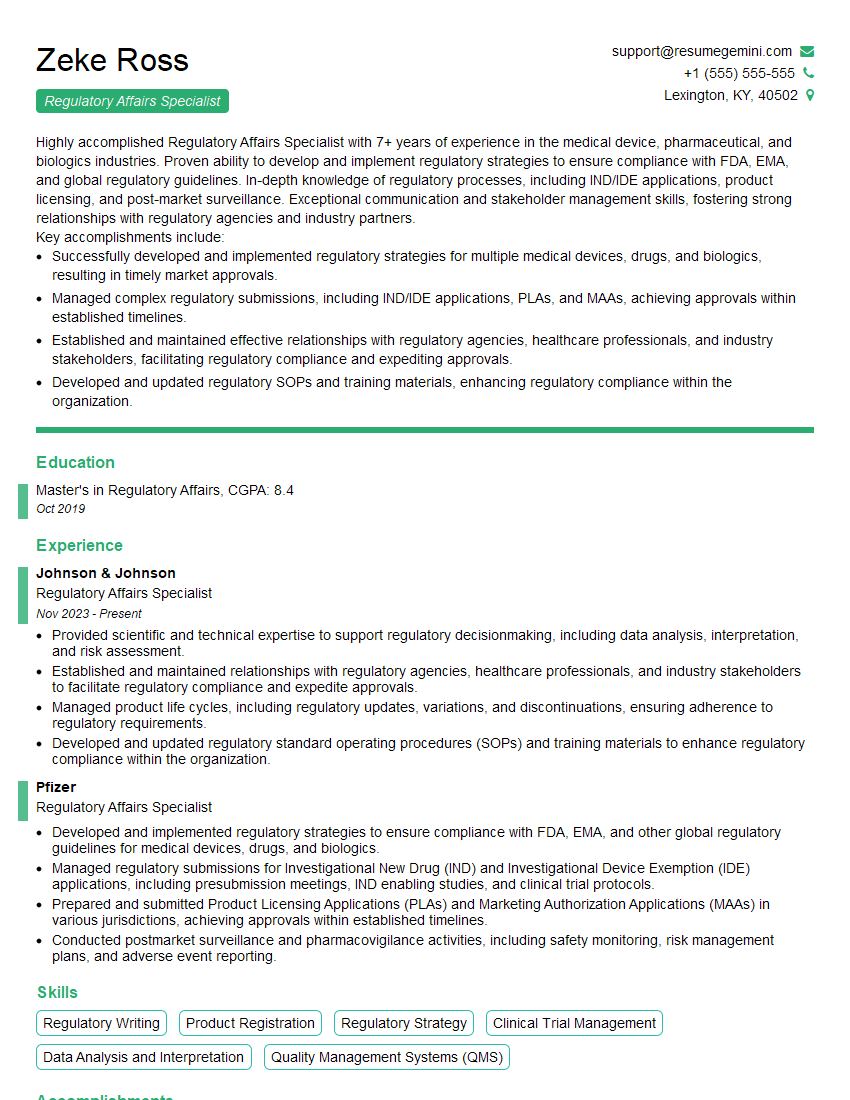
Regulatory Affairs Specialist Resume Sample
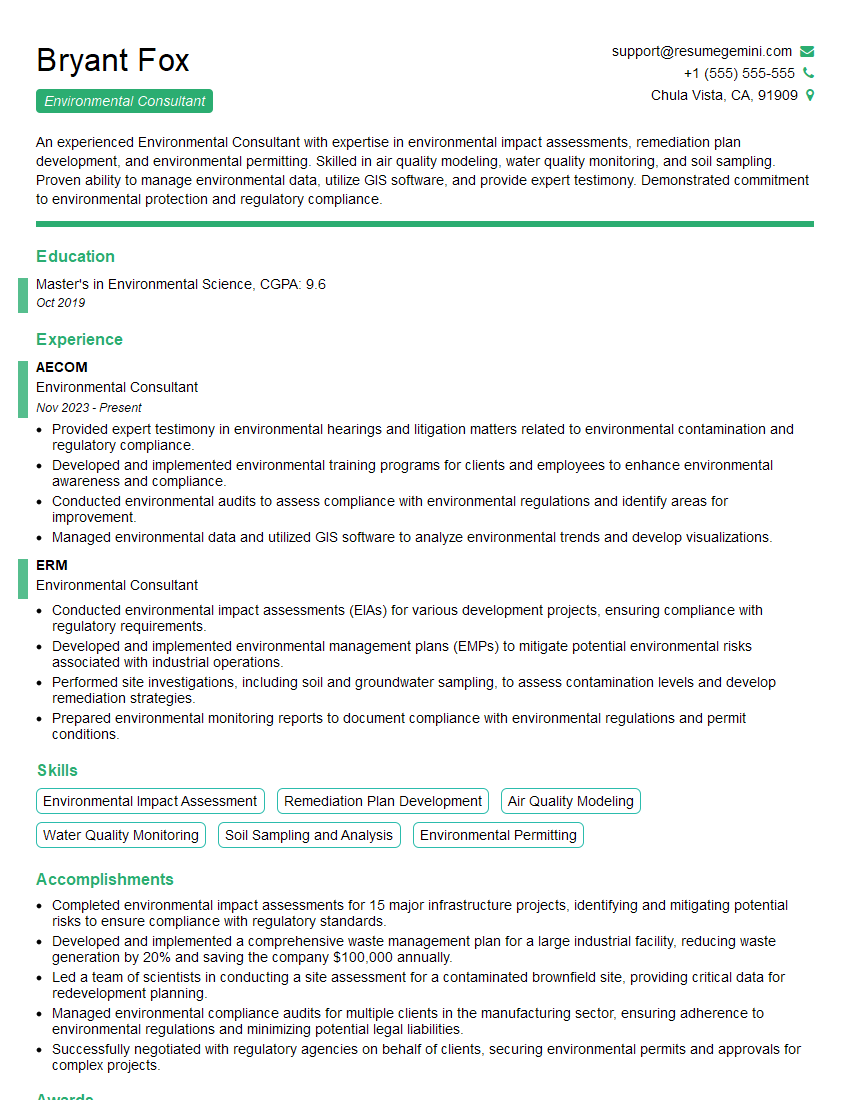
Environmental Consultant Resume Sample
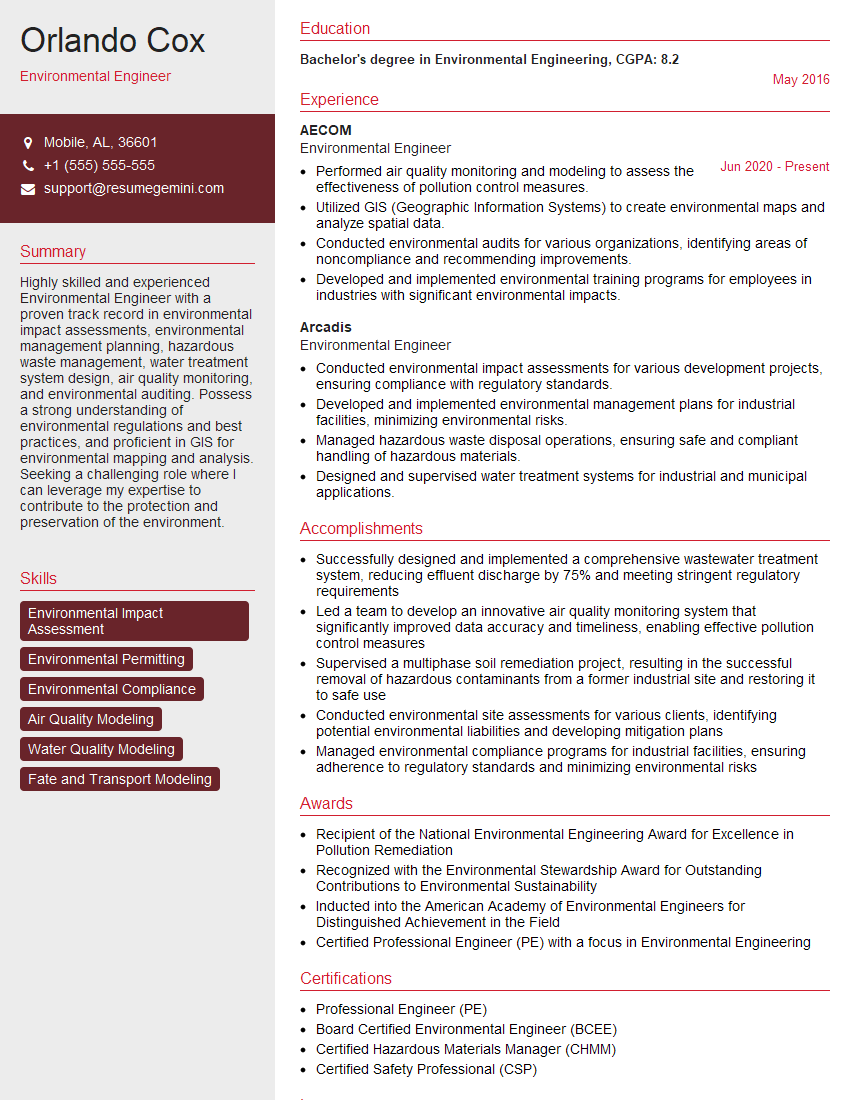
Environmental Engineer Resume Sample
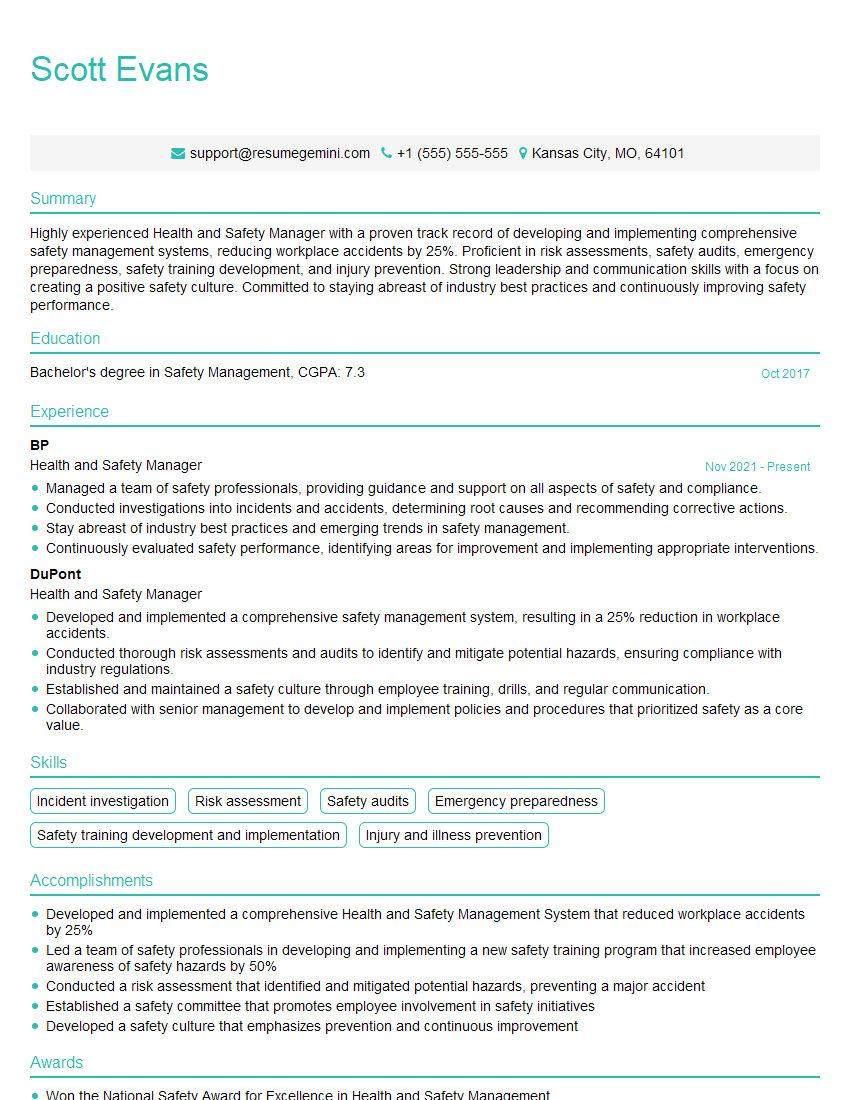
Health and Safety Manager Resume Sample
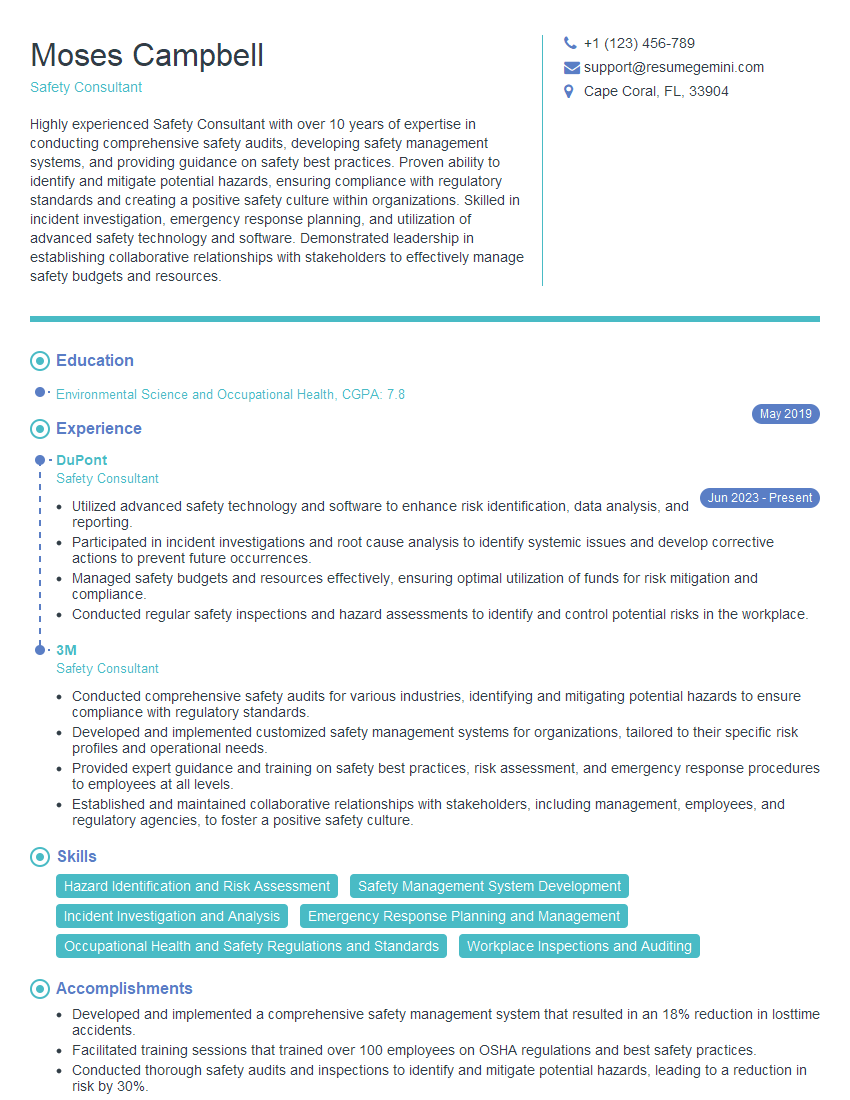
Safety Consultant Resume Sample

Safety Engineer Resume Sample
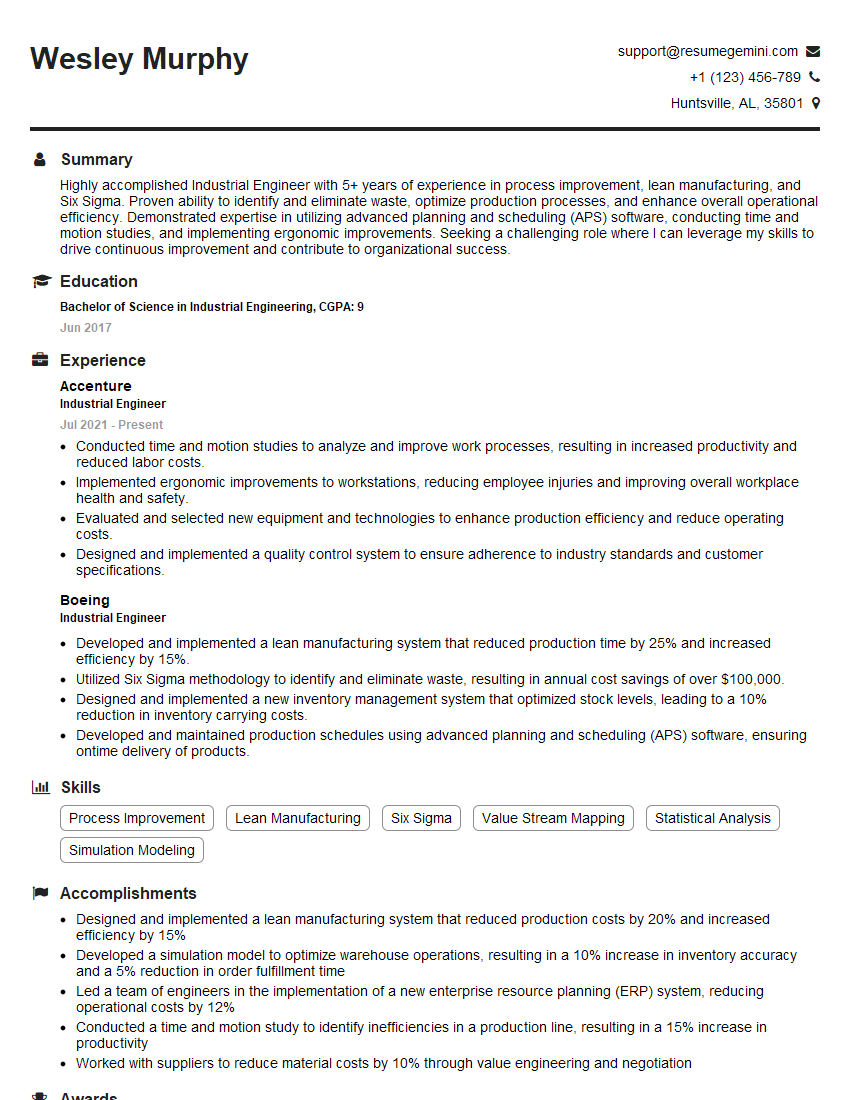
Industrial Engineer Resume Sample

Laboratory Technician Resume Sample
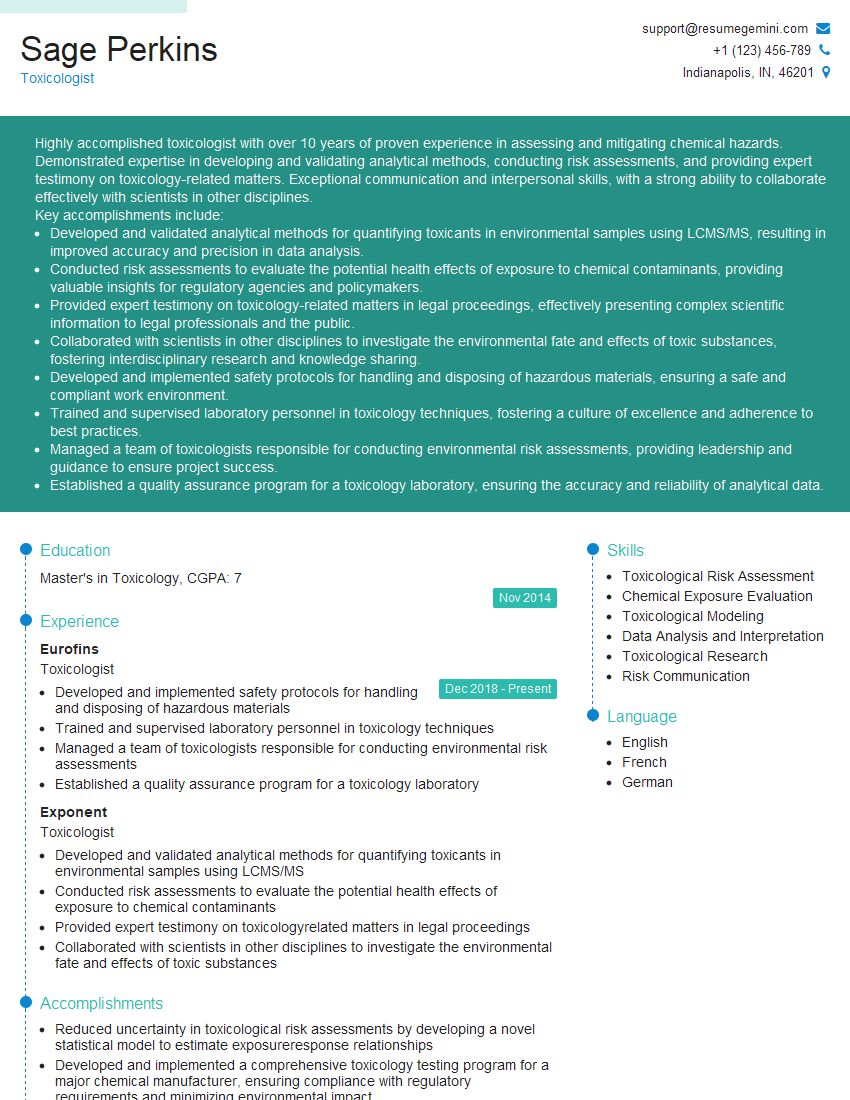
Toxicologist Resume Sample
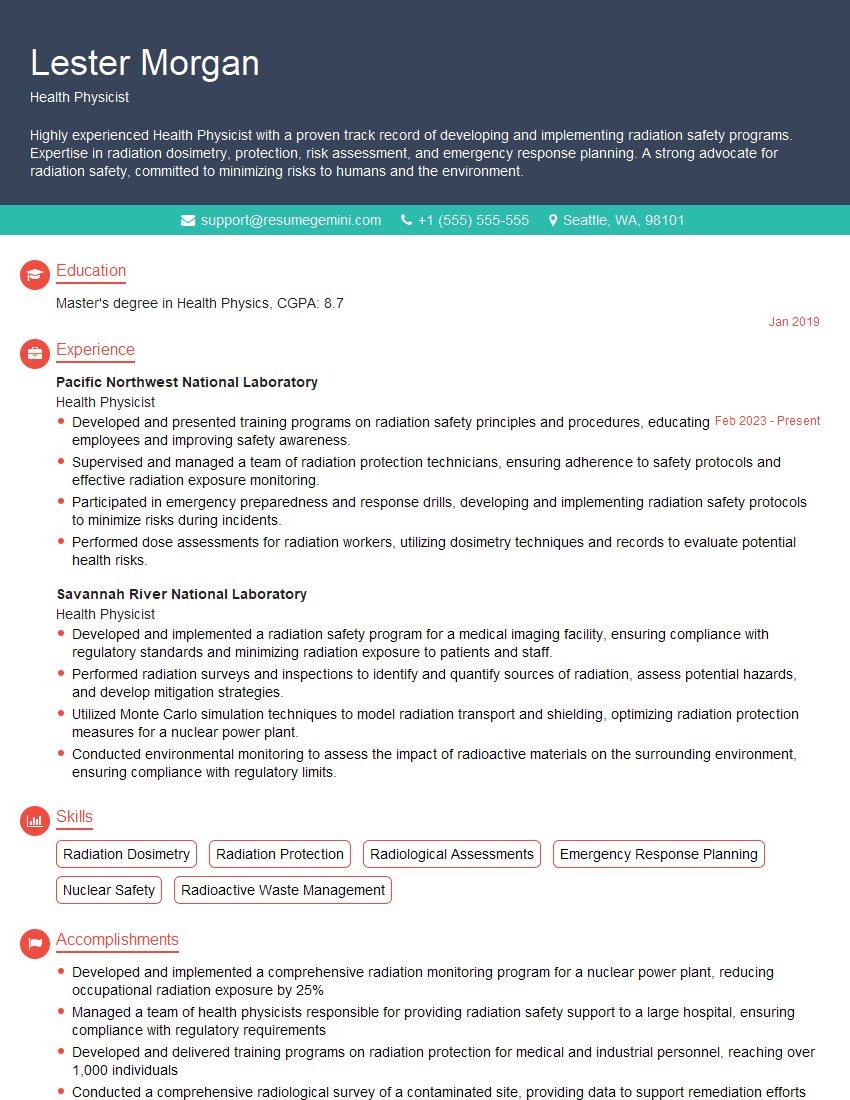
Health Physicist Resume Sample

Analytical Chemist Resume Sample
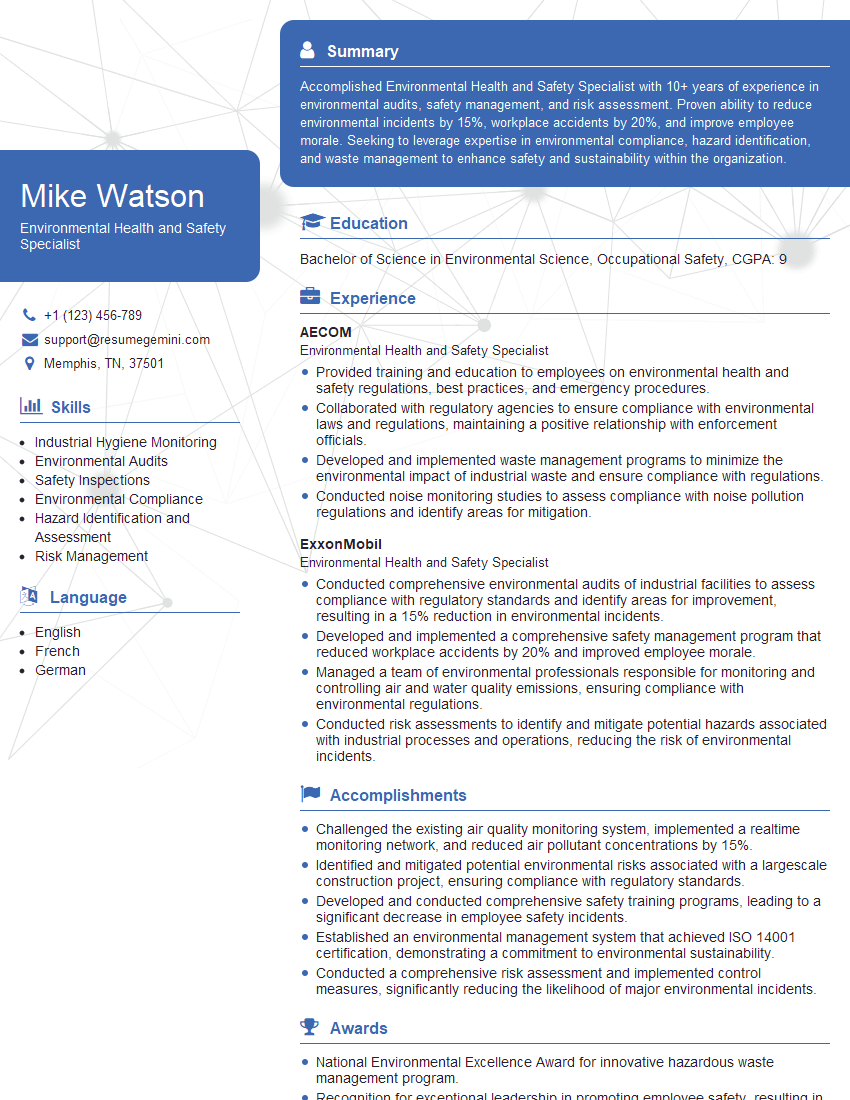
Environmental Health and Safety Specialist Resume Sample
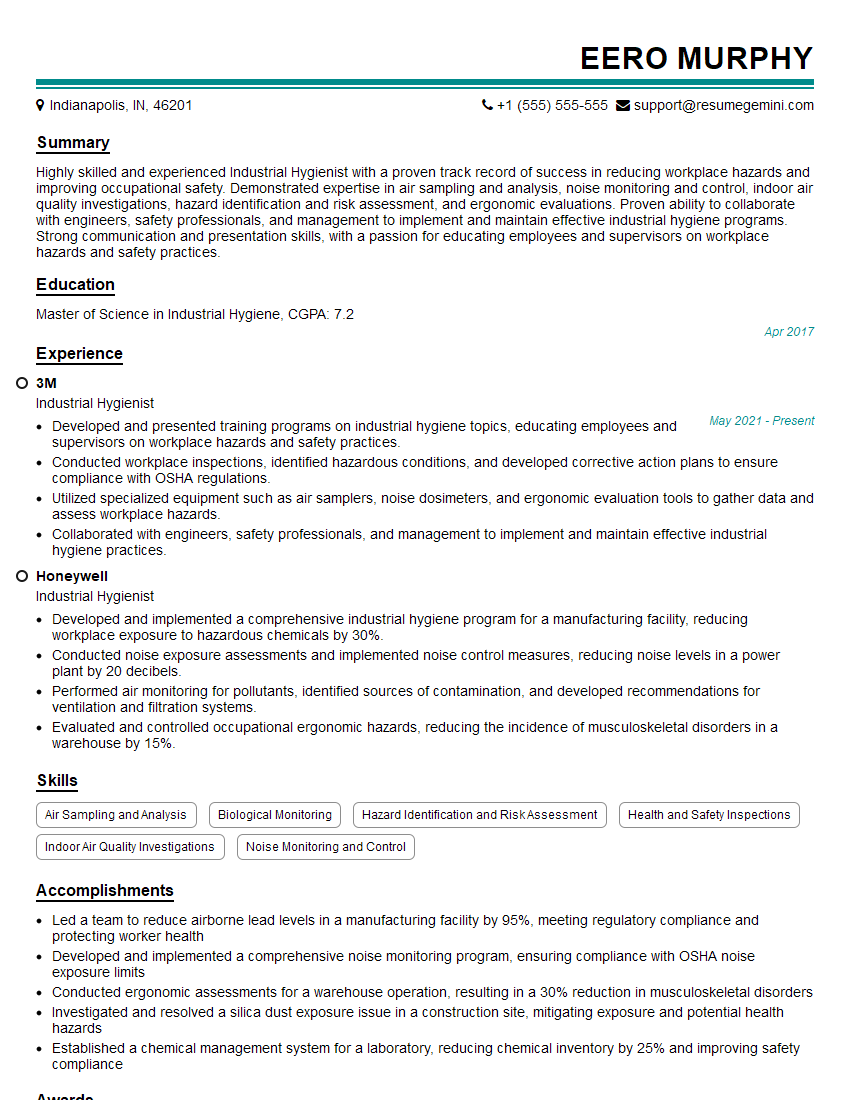
Industrial Hygienist Resume Sample
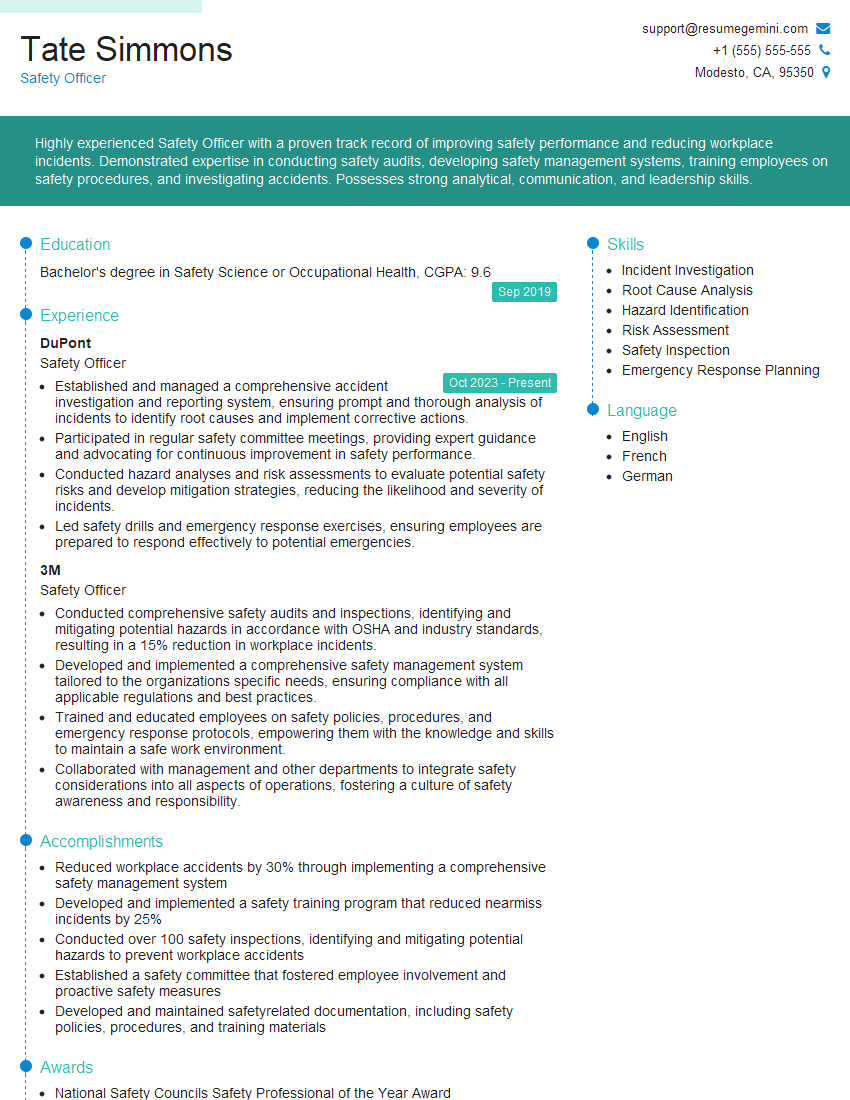
Safety Officer Resume Sample
- Compliance Officer
- Regulatory Affairs Specialist
- Environmental Consultant
- Environmental Engineer
- Health and Safety Manager
- Safety Consultant
- Safety Engineer
- Industrial Engineer
- Laboratory Technician
- Toxicologist
- Health Physicist
- Analytical Chemist
- Environmental Health and Safety Specialist
- Industrial Hygienist
- Safety Officer
Explore more articles
Users Rating of Our Blogs
Share Your Experience
We value your feedback! Please rate our content and share your thoughts (optional).
What Readers Say About Our Blog
Very informative content, great job.
good