Unlock your full potential by mastering the most common Venue Knowledge interview questions. This blog offers a deep dive into the critical topics, ensuring you’re not only prepared to answer but to excel. With these insights, you’ll approach your interview with clarity and confidence.
Questions Asked in Venue Knowledge Interview
Q 1. Describe your experience with venue capacity calculations.
Venue capacity calculations are crucial for ensuring event safety and guest comfort. It’s not just about the total square footage; it involves considering factors like the type of event, fire codes, occupancy limits, and the available space per person. My process begins with a thorough site survey to determine the usable area, accounting for fixed objects like pillars, stages, and restrooms. Then, I consult local fire codes and regulations to determine the maximum occupancy allowed based on the venue’s square footage and egress points. For example, a banquet-style event might allow for 10 square feet per person, while a concert with standing room could allow for fewer, say 6-8 square feet. I then factor in the specific event requirements. A seated dinner requires more space per person than a cocktail reception. Finally, I create a detailed capacity report that clearly outlines the maximum allowable attendees based on different configurations, considering both safety and optimal attendee experience.
For instance, I once worked on a wedding where the initial estimate was based solely on floor space. However, after a thorough site survey, we discovered that the existing dance floor layout left insufficient space for emergency exits. By recalculating the capacity after optimizing the layout, we ensured both compliance and guest safety.
Q 2. How do you handle unexpected technical issues during an event?
Handling unexpected technical issues requires a proactive and methodical approach. My first step is to assess the situation: What’s malfunctioning? What’s the impact on the event? Is it a minor inconvenience or a major disruption? Then, I activate my emergency protocol. This involves immediately contacting the technical vendor, providing them with a clear and concise description of the problem, and following their troubleshooting steps. While awaiting their assistance, I focus on mitigating the impact on guests. This could involve redirecting attendees, offering alternative entertainment, or providing updates to keep them informed. For major issues, I also have a list of backup vendors and resources to call upon if the primary vendor isn’t available or unable to resolve the issue quickly. Documentation is key – I meticulously record every step of the problem-solving process, including timestamps and solutions attempted. This is crucial for post-event analysis and future prevention.
For example, during a large conference, the main projector failed halfway through a keynote speech. Immediately, I switched to the backup projector, which was pre-tested and ready, minimizing disruption to only a few minutes. Meanwhile, my team apologized to the attendees, offering them complimentary refreshments while the issue was resolved.
Q 3. Explain your process for creating a floor plan for a large event.
Creating a floor plan for a large event is a multi-stage process. It starts with a thorough understanding of the event’s requirements – the number of attendees, the type of event (seated dinner, cocktail reception, conference, etc.), the desired layout (theater-style, classroom-style, etc.), and the placement of key elements such as a stage, dance floor, buffet tables, and bar. I utilize specialized event planning software (examples mentioned in the next answer) to create a scaled diagram of the venue, accurately representing its dimensions, fixed features, and structural elements. I then virtually place furniture, equipment, and other elements based on the event’s needs and maximizing space utilization. This process typically involves several iterations, with adjustments made to optimize flow, accessibility, and aesthetic appeal. Finally, the plan is reviewed with the client, and any necessary modifications are implemented before finalization.
A successful floor plan anticipates attendee movement and avoids bottlenecks. For example, I’d make sure there are clear pathways from entrances to seating areas, restrooms, and bars. I also consider things like ADA compliance, ensuring sufficient space and accessibility for guests with disabilities.
Q 4. What software or tools are you familiar with for venue management?
I’m proficient in several software and tools for venue management. These include Computer-Aided Design (CAD) software such as AutoCAD for detailed floor plan creation and 3D modeling, which allows for a more realistic visualization of the event space. Event management software, such as Social Tables and Allseated, help streamline event planning by allowing for virtual floor plan creation, guest list management, and seating chart creation. Other tools I use frequently are project management software like Asana and Trello to track tasks, deadlines, and vendor communication. Finally, CRM (Customer Relationship Management) systems help in managing client interactions and booking details. Proficiency in these tools ensures efficient resource allocation, seamless collaboration, and accurate event execution.
Q 5. How do you manage multiple bookings simultaneously?
Managing multiple bookings simultaneously demands excellent organizational skills and a robust scheduling system. I use a combination of digital calendars, event management software, and detailed spreadsheets to maintain a clear overview of all bookings. Each booking gets a dedicated file containing all relevant details – client information, event date and time, required resources, vendor contracts, and any special requests. This centralized system allows for quick access to information and prevents scheduling conflicts. Color-coding and visual aids within the calendar system highlight potential clashes and prioritize time-sensitive tasks. Regular review meetings with my team help maintain transparency and ensure that all members are aware of upcoming events and potential resource conflicts. Proactive communication with clients regarding potential scheduling adjustments or overlaps allows for smooth event management and avoids last-minute changes.
For example, if two events require the same audio-visual equipment on the same day, I’ll proactively communicate with both clients, exploring potential solutions like adjusting timings or utilizing alternative equipment to avoid a clash.
Q 6. Describe your experience with vendor management for venue events.
Vendor management is a crucial aspect of successful venue events. My process begins with creating a detailed list of required vendors – caterers, florists, photographers, DJs, etc. – and then researching and vetting potential vendors based on reputation, pricing, and availability. I use online review platforms, client recommendations, and personal experience to inform my choices. Once chosen, I create clear and concise contracts that outline deliverables, payment schedules, and expectations. Regular communication is maintained throughout the event planning process, ensuring clarity on timelines, confirming details, and proactively addressing any emerging issues. On-site coordination on the day of the event is critical, ensuring vendors arrive on time, have access to necessary resources, and are aware of their designated areas. A post-event feedback system assesses vendor performance, which is used to refine future vendor selection and collaboration.
For instance, I once had to replace a caterer at the last minute due to an unforeseen circumstance. My established relationships with other caterers allowed me to quickly find a suitable replacement, minimizing the impact on the event.
Q 7. How do you ensure the safety and security of guests at a venue?
Ensuring guest safety and security is my top priority. This involves a multi-faceted approach. First, I collaborate with local law enforcement and security professionals to develop a comprehensive safety plan. This plan covers various aspects, including emergency exits, crowd control strategies, security personnel deployment, and emergency response procedures. Thorough inspections of the venue, including fire safety equipment and emergency exits, are conducted regularly. Clear signage, well-lit pathways, and trained staff members contribute to a secure environment. Furthermore, I implement measures to prevent accidents – such as adequate lighting, non-slip flooring, and appropriate crowd barriers – and ensure that the venue is accessible to people with disabilities. Pre-event briefings for staff highlight safety protocols and emergency procedures. Post-event feedback helps to identify areas for improvement and refine safety measures for future events.
For example, I always ensure that emergency exit routes are clearly marked and unobstructed, and that security personnel are adequately positioned to manage crowd flow and address any potential safety concerns.
Q 8. Explain your approach to budgeting and cost control for venue events.
Budgeting and cost control for venue events requires a meticulous, phased approach. It begins with a thorough understanding of the client’s budget and expectations. I typically start by creating a detailed budget breakdown, categorizing expenses into key areas such as venue rental, catering, AV equipment, staffing, marketing, and incidentals. This breakdown acts as a living document, regularly reviewed and updated throughout the planning process.
I utilize a combination of fixed and variable budgeting. Fixed costs, like venue rental, are locked in early. Variable costs, like catering, are estimated based on projected attendee numbers and menu choices, allowing for flexibility. Throughout the process, I actively monitor spending against the budget, flagging potential overruns early. This allows for proactive adjustments, like negotiating better rates with vendors or exploring cost-effective alternatives without compromising quality.
For instance, when budgeting for a recent corporate gala, we identified a potential cost overrun in the AV department. By exploring alternative providers and negotiating package deals, we saved 15% without sacrificing audio-visual quality. Regular reporting to the client keeps them informed and ensures transparency. This proactive approach prevents financial surprises and maintains a positive client relationship.
Q 9. How do you handle client complaints or concerns?
Handling client complaints or concerns is crucial for maintaining positive relationships and reputation. My approach emphasizes empathy, prompt action, and clear communication. I begin by actively listening to the client, ensuring I understand their concerns fully. I validate their feelings, acknowledging their perspective even if I don’t necessarily agree with their assessment.
Next, I move into problem-solving mode. This involves gathering all the relevant information, identifying the root cause of the complaint, and exploring potential solutions. I involve other relevant team members as needed, fostering collaborative problem-solving. I always aim for a fair and reasonable resolution, keeping in mind the client’s expectations and the venue’s capabilities.
For example, when a client complained about the insufficient lighting during a recent wedding reception, we immediately investigated. We discovered a technical malfunction with the lighting system. We offered an immediate apology, provided a partial refund for the inconvenience, and ensured that future events would have a backup lighting system in place. This proactive response transformed a negative experience into a positive one, enhancing client loyalty.
Q 10. Describe your experience with contract negotiation for venue rentals.
Contract negotiation for venue rentals is a key aspect of my role. It requires a strong understanding of contract law, excellent negotiation skills, and the ability to advocate for both the client and the venue. I begin by thoroughly reviewing the venue’s standard contract, identifying any clauses that may be unfavorable to either party. I then use my knowledge of industry best practices and market rates to negotiate terms that are fair and mutually beneficial.
This includes negotiating aspects like rental fees, cancellation policies, permitted hours of operation, and liability clauses. I often leverage my relationship with various venues to obtain favorable rates or additional concessions. I carefully document all agreed-upon terms and ensure that both parties understand and agree to the final contract. I always aim for a win-win scenario, where both the client and venue are satisfied with the terms.
For example, during negotiations for a large conference, I successfully negotiated a reduced rental fee in exchange for a guaranteed minimum spend on catering and bar services. This strategy resulted in increased revenue for the venue and cost savings for the client. My detailed understanding of contractual terms protects both parties and minimizes the possibility of disputes.
Q 11. How familiar are you with different types of event layouts (e.g., theater, classroom)?
I am highly familiar with various event layouts. Understanding the appropriate layout is crucial for optimizing event flow and attendee experience. Common layouts include:
- Theater style: Rows of chairs facing a stage, ideal for presentations, lectures, or performances.
- Classroom style: Tables and chairs arranged in rows, suitable for workshops, training sessions, or seminars.
- Banquet style: Round or rectangular tables with chairs, perfect for formal dinners, galas, or receptions.
- Cocktail style: No seating, allowing for mingling and networking.
- U-shape style: Tables arranged in a U-shape, encouraging interaction and discussion.
- Hollow square style: Tables arranged in a square with an open center, ideal for presentations with breakout groups.
My experience extends to adapting layouts to meet specific client needs, including utilizing unusual spaces and creating bespoke configurations. I’m adept at using venue space planning software to visualize and optimize layouts before the event.
Q 12. What are the key considerations for selecting a suitable venue for a specific event?
Selecting the right venue is paramount to event success. Key considerations include:
- Event type and size: The venue must accommodate the anticipated number of attendees and the type of activities planned.
- Budget: Venue rental costs vary widely, influencing budget allocation for other aspects of the event.
- Location and accessibility: Choosing a location easily accessible to attendees and offering sufficient parking or public transport options is vital.
- Amenities and services: The venue’s offerings, such as catering, audio-visual equipment, and Wi-Fi, should align with event requirements.
- Ambiance and aesthetics: The venue’s atmosphere should complement the event’s tone and branding.
- Availability: Checking date availability and booking well in advance is crucial, especially for popular venues.
- Legal and safety compliance: Verifying the venue’s adherence to safety regulations and obtaining necessary permits is essential.
Careful consideration of these factors ensures the selected venue meets both functional and aesthetic needs, contributing to a successful event.
Q 13. How do you assess the suitability of a venue for different event types?
Assessing venue suitability involves a thorough evaluation of the venue’s characteristics against the event’s specific needs. This includes:
- Capacity: Can the venue comfortably accommodate the expected number of attendees, considering seating arrangements and available floor space?
- Layout flexibility: Does the venue offer adaptable spaces to accommodate different event formats (e.g., theater, classroom, banquet)?
- Technical capabilities: Does the venue provide sufficient power outlets, lighting, sound systems, and internet connectivity?
- Accessibility: Does the venue meet accessibility standards for attendees with disabilities?
- Parking and transportation: Is there ample parking or convenient public transportation access?
- Catering capabilities: Does the venue offer in-house catering services or allow external caterers?
- Licensing and permits: Does the venue hold the necessary licenses and permits for the type of event being planned?
By systematically evaluating these aspects, I can determine whether a venue is a suitable and safe fit for the event type, ensuring smooth execution and a positive experience for all involved.
Q 14. Describe your experience with event risk management.
Event risk management is a critical aspect of venue planning. My approach involves a proactive, multi-stage process focusing on identification, assessment, mitigation, and monitoring of potential risks. I begin by identifying potential hazards, considering various factors, including weather conditions, technical failures, security concerns, and health and safety issues.
Next, I assess the likelihood and potential impact of each identified risk. This allows prioritization of those requiring immediate attention. Mitigation strategies are then developed to reduce the likelihood or impact of these risks. These strategies might include having backup generators for power outages, implementing security protocols, or creating emergency evacuation plans. Finally, monitoring and review are crucial. This involves regular checks to ensure implemented measures are effective and making adjustments as needed. Documentation is vital throughout the process, creating a comprehensive risk management plan.
For example, during a large outdoor concert, we developed a detailed contingency plan addressing potential weather disruptions. This included having a backup indoor venue ready, providing attendees with rain ponchos, and establishing clear communication channels for updates. This proactive approach ensured the event proceeded smoothly despite unexpected inclement weather.
Q 15. How do you ensure compliance with all relevant health and safety regulations?
Ensuring health and safety compliance is paramount in venue management. It’s not just about ticking boxes; it’s about creating a culture of safety for everyone. My approach is multifaceted and proactive, starting with a thorough understanding of all relevant legislation, including fire safety regulations, food hygiene standards, and disability access laws. This knowledge forms the basis of our comprehensive safety management system.
- Regular Inspections: We conduct routine inspections of all venue areas, checking for potential hazards such as fire exits, emergency lighting, and equipment malfunctions. These inspections are documented, and any issues are addressed immediately with a documented resolution.
- Staff Training: All staff receive regular, mandatory training in health and safety procedures, covering topics like fire safety, first aid, and emergency response. This training is tailored to their specific roles and responsibilities, ensuring everyone is equipped to handle any situation effectively. We use scenario-based training to ensure practical understanding.
- Risk Assessments: We perform detailed risk assessments for all events, identifying potential hazards and implementing control measures to mitigate risks. This is particularly crucial for events with large crowds or specialized equipment. For example, a concert might require a specific plan for crowd control and managing potential stage collapses.
- Emergency Procedures: We have clear, concise emergency procedures in place, covering various scenarios like fire, medical emergencies, and security breaches. These procedures are regularly reviewed and updated, and all staff are thoroughly familiar with them. We conduct regular emergency drills to ensure preparedness.
- Collaboration with Authorities: We maintain strong relationships with local authorities and regulatory bodies, ensuring our practices remain compliant with the latest regulations. We actively seek their feedback and guidance to continuously improve our safety measures.
Ultimately, a strong safety culture isn’t just a regulatory requirement; it’s essential for building trust with clients, staff, and attendees, fostering a positive and secure environment for everyone.
Career Expert Tips:
- Ace those interviews! Prepare effectively by reviewing the Top 50 Most Common Interview Questions on ResumeGemini.
- Navigate your job search with confidence! Explore a wide range of Career Tips on ResumeGemini. Learn about common challenges and recommendations to overcome them.
- Craft the perfect resume! Master the Art of Resume Writing with ResumeGemini’s guide. Showcase your unique qualifications and achievements effectively.
- Don’t miss out on holiday savings! Build your dream resume with ResumeGemini’s ATS optimized templates.
Q 16. Explain your process for post-event evaluation and reporting.
Post-event evaluation is crucial for continuous improvement and future success. Our process is systematic and data-driven, aiming to identify both successes and areas for improvement. It begins immediately after the event concludes.
- Data Collection: We gather data from various sources including attendance figures, client feedback surveys, staff performance reviews, and financial reports. We also review security footage and any incident reports.
- Analysis & Feedback: We analyze the collected data to identify key performance indicators (KPIs) such as customer satisfaction, operational efficiency, and financial profitability. We hold debriefing meetings with the event team and client to gather firsthand feedback and discuss what worked well and what could be improved.
- Reporting: A comprehensive report is compiled, summarizing the event’s performance against predefined KPIs. This report includes key findings, recommendations for improvement, and actionable steps to implement those changes. This report is shared with relevant stakeholders, including the client and senior management.
- Actionable Steps: Based on the findings, we implement specific changes and improvements for future events. This could involve anything from optimizing staffing levels to refining our marketing strategies or improving our technology infrastructure.
For example, a post-event analysis might reveal that longer queue times affected customer satisfaction. This could lead to adjustments in security procedures or the introduction of a better queuing system for the next event.
Q 17. How do you utilize technology to improve venue efficiency?
Technology plays a vital role in enhancing venue efficiency. We leverage various technological solutions to streamline operations, improve communication, and optimize resource allocation.
- Venue Management System (VMS): Our VMS integrates various aspects of venue management, from booking and scheduling to event planning and financial tracking. This centralized system reduces administrative overhead and improves coordination among different departments. For example, it might automatically send booking confirmations, manage staff schedules, or track equipment usage.
- Digital Signage: We use digital signage for wayfinding, displaying event information, and promoting sponsors. This enhances the attendee experience and reduces the need for printed materials.
- Point of Sale (POS) Systems: Our POS systems provide real-time sales data, enabling us to track revenue, manage inventory, and optimize pricing strategies. This data is crucial for financial planning and decision-making.
- Audio-Visual Technology: We utilize cutting-edge audio-visual technology to enhance event production and provide a high-quality experience for attendees. This includes high-definition screens, sophisticated lighting systems, and professional sound equipment.
- Data Analytics: We use data analytics tools to gain insights into customer behavior, preferences, and trends. This information is invaluable for improving event planning and marketing strategies.
The integration of these technologies not only improves efficiency but also enhances the overall attendee experience and strengthens our competitive edge in the market.
Q 18. How do you prioritize tasks in a fast-paced event environment?
Prioritizing tasks in a fast-paced event environment requires a structured and adaptable approach. I employ a combination of techniques to ensure that the most critical tasks are addressed efficiently and effectively.
- Prioritization Matrix: I utilize a prioritization matrix (such as Eisenhower Matrix – Urgent/Important) to categorize tasks based on their urgency and importance. This helps me focus on high-impact tasks first, while delegating or deferring less critical ones.
- Task Management Software: We use project management software to track tasks, deadlines, and responsibilities. This provides a clear overview of ongoing activities and allows for efficient collaboration among team members. This software can also send reminders and alerts, minimizing the risk of missed deadlines.
- Team Communication: Open and transparent communication within the team is crucial. Regular briefings and updates ensure everyone is informed about priorities and potential challenges. This minimizes confusion and facilitates collaborative problem-solving.
- Flexibility and Adaptability: The ability to adjust priorities based on unexpected events or changes in circumstances is essential. We need to be prepared to shift resources and adapt our strategies quickly and effectively, ensuring that we remain focused on delivering a successful event.
For example, if a major technical issue arises during an event setup, the team will immediately adjust their priorities to address it, even if it means postponing less critical tasks.
Q 19. What is your experience with managing event logistics?
My experience in event logistics spans over [Number] years, encompassing a wide range of event types and sizes. I’ve managed logistics for everything from intimate corporate gatherings to large-scale music festivals. My expertise extends across all aspects of event logistics.
- Venue Setup and Breakdown: I have extensive experience in managing the efficient setup and breakdown of venues, ensuring that all equipment and resources are in place and removed promptly and safely. This includes coordinating with various vendors and ensuring adherence to safety regulations.
- Vendor Management: I’m adept at managing relationships with a wide range of vendors, including caterers, security personnel, audio-visual technicians, and transportation providers. This involves negotiating contracts, overseeing their performance, and ensuring they meet their obligations.
- Resource Allocation: I have a proven ability to effectively allocate resources, including personnel, equipment, and materials, to maximize efficiency and minimize costs. This includes anticipating potential needs and proactively addressing any logistical challenges.
- Transportation and Parking: I possess considerable expertise in managing transportation and parking arrangements, ensuring easy access for attendees and efficient flow of traffic. This involves coordinating with transportation providers and managing parking logistics.
- Risk Mitigation: A crucial aspect of my experience includes identifying and mitigating potential logistical risks. This involves developing contingency plans for various scenarios, including unforeseen delays or equipment failures.
I’m confident in my ability to handle complex logistical challenges and deliver flawlessly executed events, consistently exceeding client expectations.
Q 20. Describe your experience with marketing and promoting a venue.
Marketing and promoting a venue requires a multi-faceted approach that combines traditional and digital strategies. My experience in this area focuses on building brand awareness, attracting new clients, and maximizing venue occupancy.
- Brand Development: I’ve played a key role in developing and implementing branding strategies for venues, highlighting unique selling propositions and creating a strong brand identity. This includes defining target markets and crafting key messaging that resonates with potential clients.
- Digital Marketing: I have experience utilizing various digital marketing channels, including social media marketing, search engine optimization (SEO), and pay-per-click (PPC) advertising to reach potential clients online. This involves creating engaging content, managing online reputation, and tracking campaign performance.
- Public Relations: I’ve developed and implemented public relations strategies to build relationships with media outlets and increase visibility for the venue. This involves securing media coverage, organizing press events, and managing the venue’s public image.
- Event Partnerships: I’ve established collaborative relationships with event organizers and promoters to secure bookings and maximize venue utilization. This includes developing mutually beneficial partnerships and creating marketing campaigns that target specific event audiences.
- Sales and Client Management: My experience encompasses managing the sales process from lead generation to closing deals, including negotiating contracts and providing exceptional client service. This is crucial in maintaining long-term relationships with clients and securing repeat business.
Through a combination of targeted marketing campaigns and strong client relationships, we’ve consistently increased venue bookings and improved profitability.
Q 21. How do you handle last-minute changes or requests from clients?
Handling last-minute changes and client requests is a regular part of venue management. My approach is to remain calm, organized, and proactive, ensuring that we accommodate client needs while maintaining operational efficiency and safety standards.
- Clear Communication: Immediate and open communication with the client is crucial. We clarify the nature of the request, understand their priorities, and assess the feasibility of accommodating the change.
- Impact Assessment: We carefully assess the potential impact of the requested change on the event’s schedule, budget, and other aspects. This involves discussing the implications with relevant team members.
- Problem-Solving: We develop creative solutions to accommodate the client’s request while minimizing disruptions and additional costs. This might involve adjusting schedules, re-allocating resources, or seeking alternative solutions.
- Documentation: All changes and agreements are documented thoroughly, ensuring clarity and avoiding misunderstandings. This documentation serves as a record of all modifications to the original event plan.
- Contingency Planning: We have established contingency plans to handle unexpected issues and last-minute disruptions. This allows us to respond effectively and minimize the impact on the event’s overall success.
For example, a client might request a last-minute change to the catering menu. We would immediately contact the caterer to assess the feasibility of the change, discuss pricing, and adjust the event schedule accordingly, all while keeping the client informed throughout the process.
Q 22. How do you maintain positive relationships with venue clients?
Maintaining positive client relationships is paramount in venue management. It’s built on clear communication, proactive problem-solving, and exceeding expectations. I approach this by:
- Proactive Communication: Regular check-ins throughout the planning process, ensuring clients are informed about every step, from contract signing to post-event follow-up. This includes promptly addressing any concerns or questions.
- Personalized Service: Understanding each client’s unique needs and vision for their event. This means actively listening to their requirements, offering tailored solutions, and adapting to their specific preferences.
- Building Trust: Demonstrating professionalism, expertise, and reliability throughout the entire process. Following through on commitments and being accountable for any challenges that may arise fosters trust and strengthens the relationship.
- Post-Event Follow-up: Sending a thank-you note and seeking feedback after the event shows appreciation and allows for continuous improvement. This also opens the door for future collaborations.
For example, I once worked with a client planning a high-profile wedding. Through consistent communication and addressing their concerns proactively, we managed to overcome a last-minute vendor issue, ensuring the wedding ran smoothly and exceeded their expectations. This resulted in a strong referral and a long-lasting relationship.
Q 23. Describe your experience with managing event staff.
Managing event staff effectively requires strong organizational skills, clear communication, and the ability to motivate a team. My experience includes:
- Recruitment and Training: Selecting qualified staff based on the event’s needs and providing comprehensive training on venue protocols, safety procedures, and customer service.
- Scheduling and Assignments: Creating efficient work schedules, assigning tasks based on individual skills, and ensuring adequate staffing levels throughout the event.
- Supervision and Motivation: Providing clear directions, monitoring performance, and offering support to ensure smooth operations. I foster a positive and collaborative work environment by recognizing achievements and addressing concerns promptly.
- Conflict Resolution: Addressing any conflicts or issues that may arise amongst staff members promptly and fairly, ensuring a positive working atmosphere.
In one instance, I had to manage a team of 50 staff members during a large-scale conference. By effectively delegating tasks, providing clear communication, and offering support, we successfully managed the event without any significant issues. The positive feedback received from both attendees and staff highlighted the effectiveness of my management approach.
Q 24. What are some common challenges faced in venue management, and how do you address them?
Venue management presents several challenges, including:
- Logistics and Coordination: Managing multiple events simultaneously, coordinating with various vendors, and ensuring seamless transitions between events can be demanding.
- Client Expectations: Balancing client expectations with venue capabilities requires skillful negotiation and creative problem-solving.
- Staff Management: Recruiting, training, and retaining qualified staff is essential for successful operations.
- Budget Management: Maintaining profitability while managing operational costs and ensuring customer satisfaction requires strategic financial planning.
- Safety and Security: Ensuring the safety and security of guests, staff, and the venue itself is of utmost importance.
I address these challenges through detailed planning, proactive communication, effective team management, and a strong focus on risk mitigation. For instance, to manage logistical complexities, I utilize project management software to track tasks, deadlines, and resources. To address client expectations, I maintain open communication, offering alternative solutions when necessary. A robust safety protocol and trained security personnel are vital for mitigating risks.
Q 25. Explain your understanding of different venue types (e.g., hotels, convention centers, stadiums).
My understanding of different venue types encompasses their unique characteristics and operational requirements:
- Hotels: Offer diverse event spaces, catering services, accommodation, and often have established event planning teams. They cater to a wide range of events, from small meetings to large conferences.
- Convention Centers: Large-scale facilities designed specifically for conventions, trade shows, and exhibitions. They offer extensive space, advanced technology infrastructure, and typically have dedicated event management teams.
- Stadiums: Large venues primarily used for sporting events and concerts. They demand specialized logistics and security measures due to their size and the nature of the events they host.
- Restaurants and Banquet Halls: Provide smaller, more intimate settings ideal for weddings, private parties, and corporate dinners. The focus is on culinary experience and ambiance.
- Outdoor Venues: Parks, gardens, and other outdoor spaces offer unique settings, but require more planning to address weather-related contingencies.
Understanding these differences allows me to tailor my approach to meet the specific needs of each venue and event.
Q 26. How do you balance client expectations with venue capabilities?
Balancing client expectations and venue capabilities requires a delicate balance of negotiation, creativity, and realistic planning. This involves:
- Open Communication: Clearly communicating venue limitations and possibilities upfront, setting realistic expectations.
- Creative Problem-Solving: Exploring alternative solutions that meet client needs within the venue’s capabilities. This may involve suggesting different room configurations, adjusting timelines, or offering alternative services.
- Prioritization: Helping clients prioritize their needs based on budget and venue constraints. This involves collaborative discussions to identify what is most important for the event’s success.
- Contractual Agreements: Clearly outlining venue capabilities and limitations in the contract to avoid misunderstandings.
For example, if a client requests a specific setup that exceeds the venue’s capacity, I would explore options like adjusting the guest list, proposing a different room configuration, or suggesting alternative solutions that maintain the event’s integrity while respecting venue limitations.
Q 27. Describe your experience with different types of audio-visual equipment.
My experience with audio-visual (AV) equipment includes a wide range of technologies, including:
- Projectors and Screens: Various sizes and resolutions, including high-definition and 4K projectors. Understanding projection mapping and screen types is crucial.
- Sound Systems: From basic PA systems to sophisticated sound reinforcement systems with microphones, mixers, and speakers for different applications. I’m proficient in working with both analog and digital systems.
- Lighting Systems: Conventional lighting, LED lighting, intelligent lighting fixtures (moving heads, wash lights, etc.). Experience in lighting design and control systems is important.
- Video Conferencing Equipment: Experience with different video conferencing platforms and hardware is important for hybrid events.
- Streaming and Recording Equipment: Knowledge of streaming and recording equipment and software for live streaming and event capture is essential in today’s environment.
I understand the importance of testing and troubleshooting equipment prior to the event to ensure smooth operation. I also collaborate closely with AV technicians to ensure optimal setup and functionality for every event.
Q 28. How do you ensure smooth transitions between different event setups?
Ensuring smooth transitions between event setups requires meticulous planning and efficient execution. This includes:
- Detailed Scheduling: Creating a precise schedule that details the setup and teardown for each event, minimizing downtime.
- Clear Communication: Maintaining open communication with all relevant parties, including staff, vendors, and clients, to coordinate activities.
- Efficient Team Management: Assigning clear responsibilities to different team members to ensure tasks are completed efficiently and on time.
- Prioritization: Prioritizing tasks to ensure essential aspects of the setup are completed first.
- Inventory Management: Tracking equipment and supplies to ensure all necessary items are available and accounted for.
For instance, when managing the transition between a morning conference and an evening gala, I would schedule setup crews strategically to ensure a seamless changeover, prioritizing items like table settings and lighting adjustments for the evening event while the conference is still in session. This is achieved through precise timing and coordinated efforts.
Key Topics to Learn for Venue Knowledge Interview
- Venue Capacity and Layout: Understanding different venue sizes, layouts (theater, classroom, banquet, etc.), and their suitability for various events. Practical application includes optimizing space for maximum attendee comfort and event flow.
- Technical Specifications & Equipment: Familiarize yourself with common audio-visual equipment, lighting systems, stage setups, and internet connectivity options available in different venues. Problem-solving involves anticipating potential technical issues and offering solutions.
- Health & Safety Regulations: Thorough knowledge of fire safety procedures, emergency exits, accessibility requirements, and relevant permits/licenses. Practical application includes ensuring compliance and creating a safe environment for all attendees.
- Logistics & Operations: Understanding event setup, breakdown, catering arrangements, staffing requirements, and waste management protocols. Problem-solving involves coordinating various logistical aspects efficiently.
- Venue Contracts & Agreements: Knowledge of standard clauses, liability considerations, and payment terms. Practical application includes reviewing contracts and identifying potential risks.
- Event Technology Integration: Understanding how venue technology (e.g., ticketing systems, registration platforms) integrates with event planning and management. Practical application: Troubleshooting technical difficulties and optimizing event technology for seamless operation.
Next Steps
Mastering Venue Knowledge is crucial for career advancement in event planning, hospitality, and related fields. It demonstrates your ability to manage complex projects, anticipate challenges, and create exceptional experiences. To significantly improve your job prospects, focus on building an ATS-friendly resume that highlights your skills and experience. ResumeGemini is a trusted resource to help you craft a professional and impactful resume. We provide examples of resumes tailored to Venue Knowledge to guide you through the process.
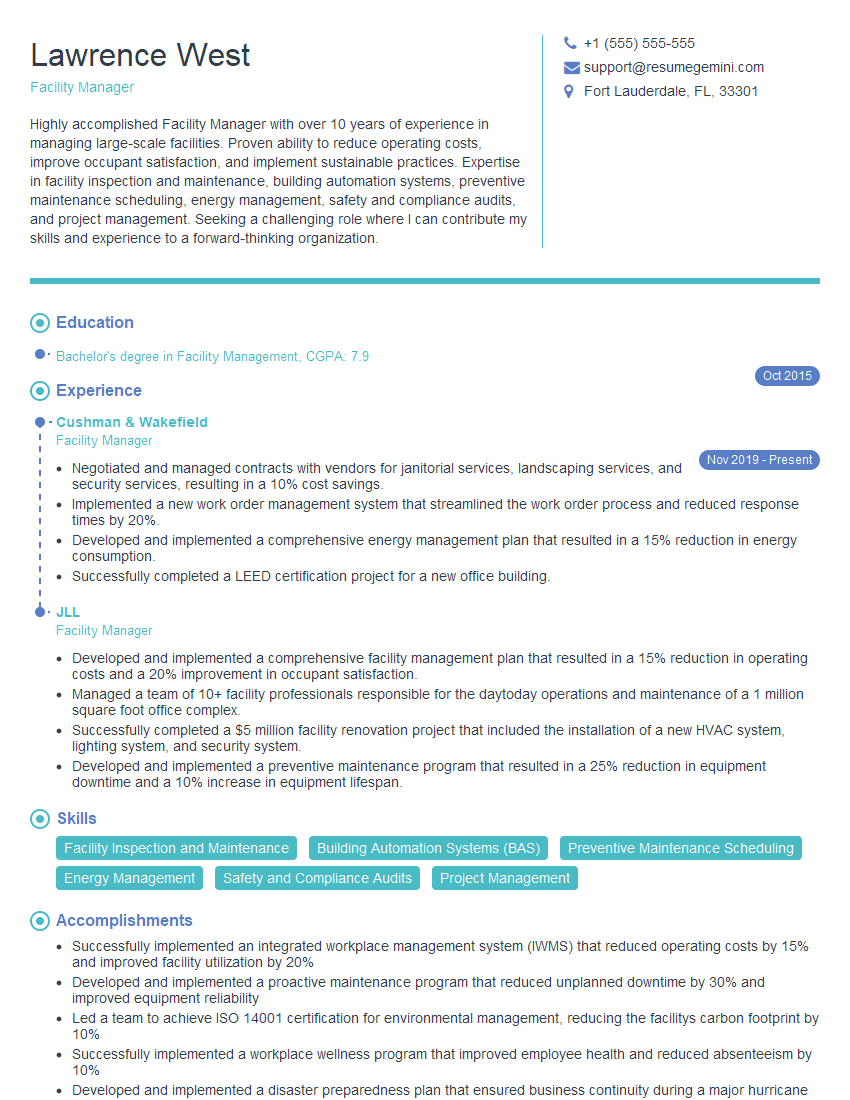
Facility Manager Resume Sample
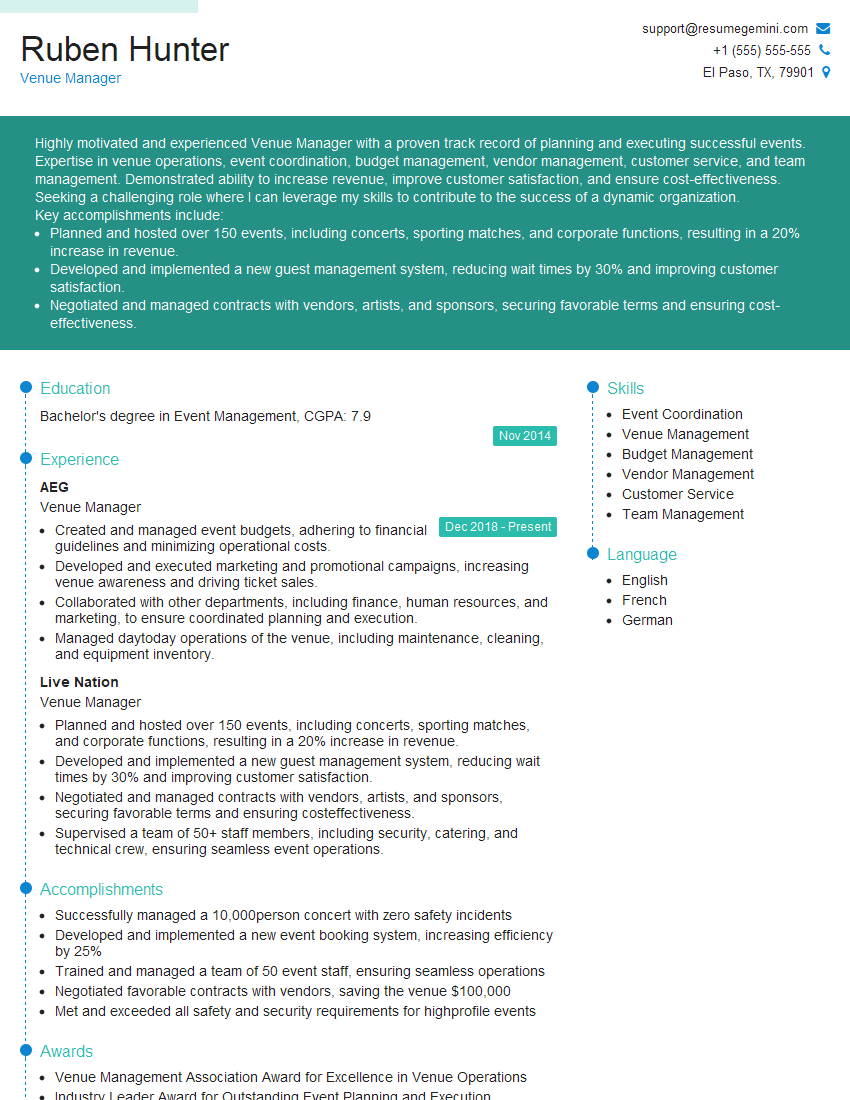
Venue Manager Resume Sample
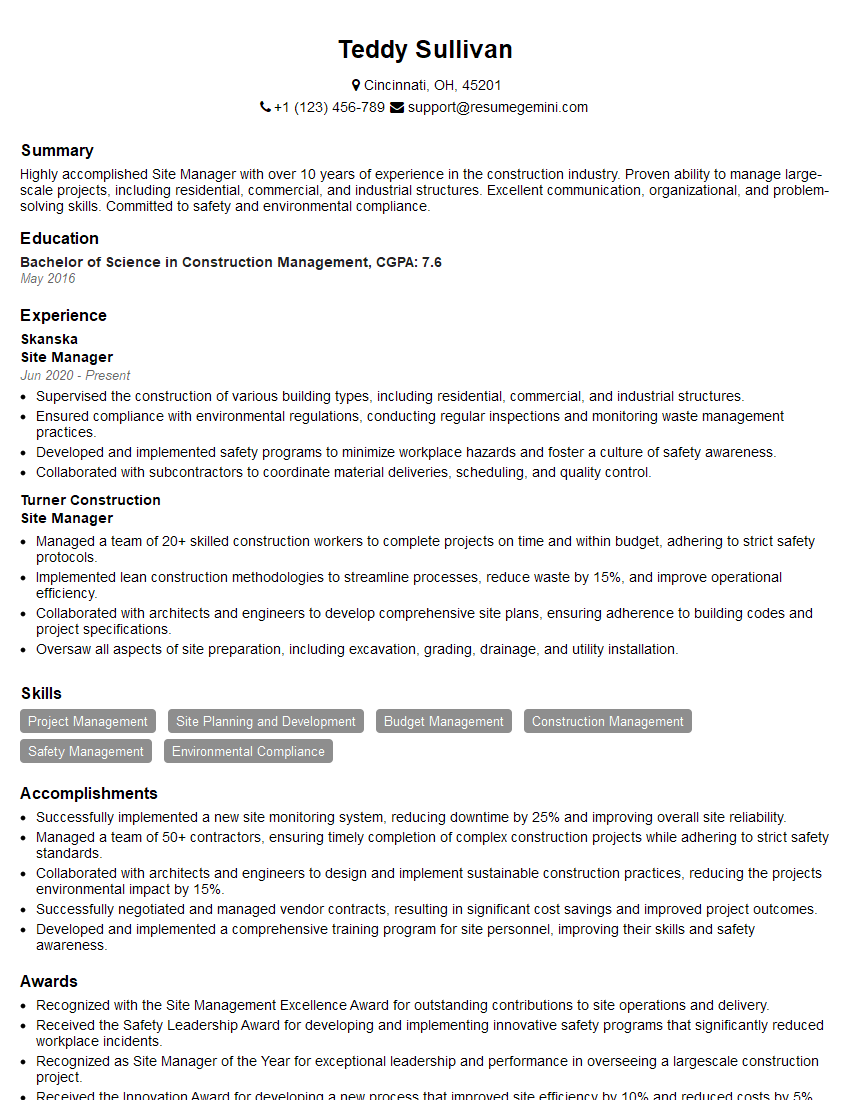
Site Manager Resume Sample
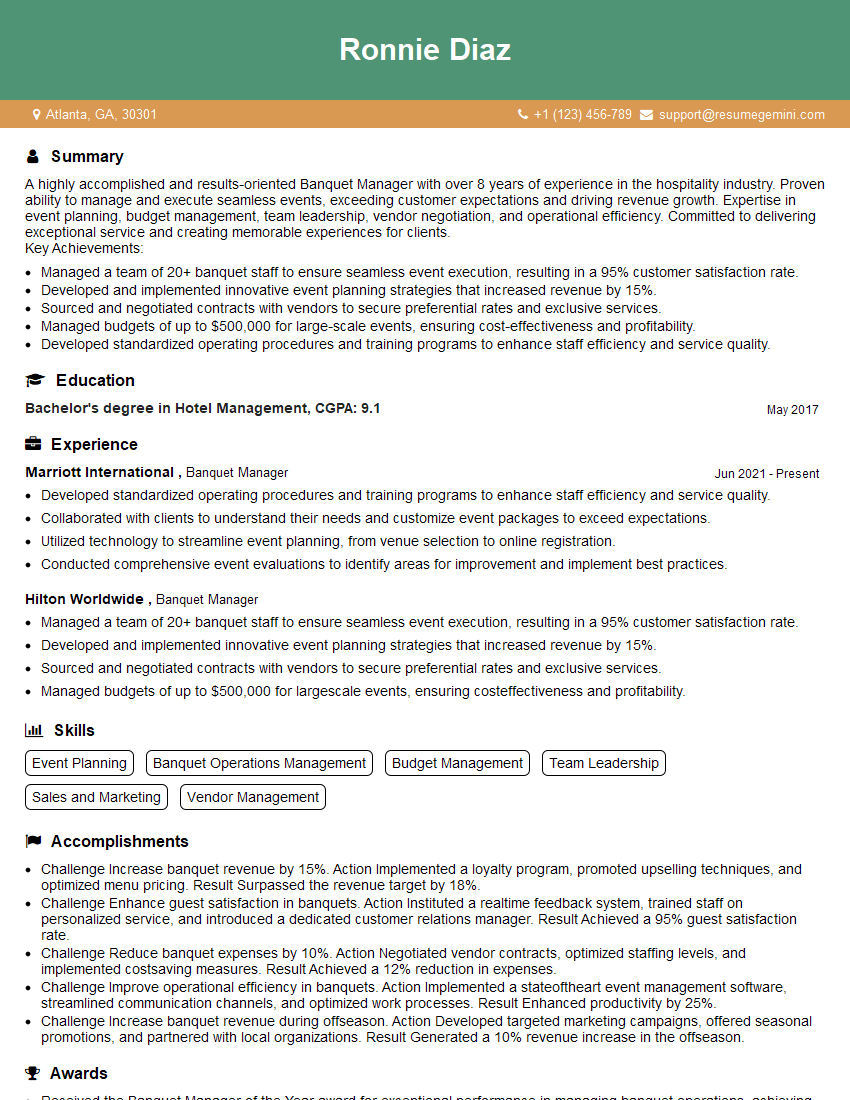
Banquet Manager Resume Sample
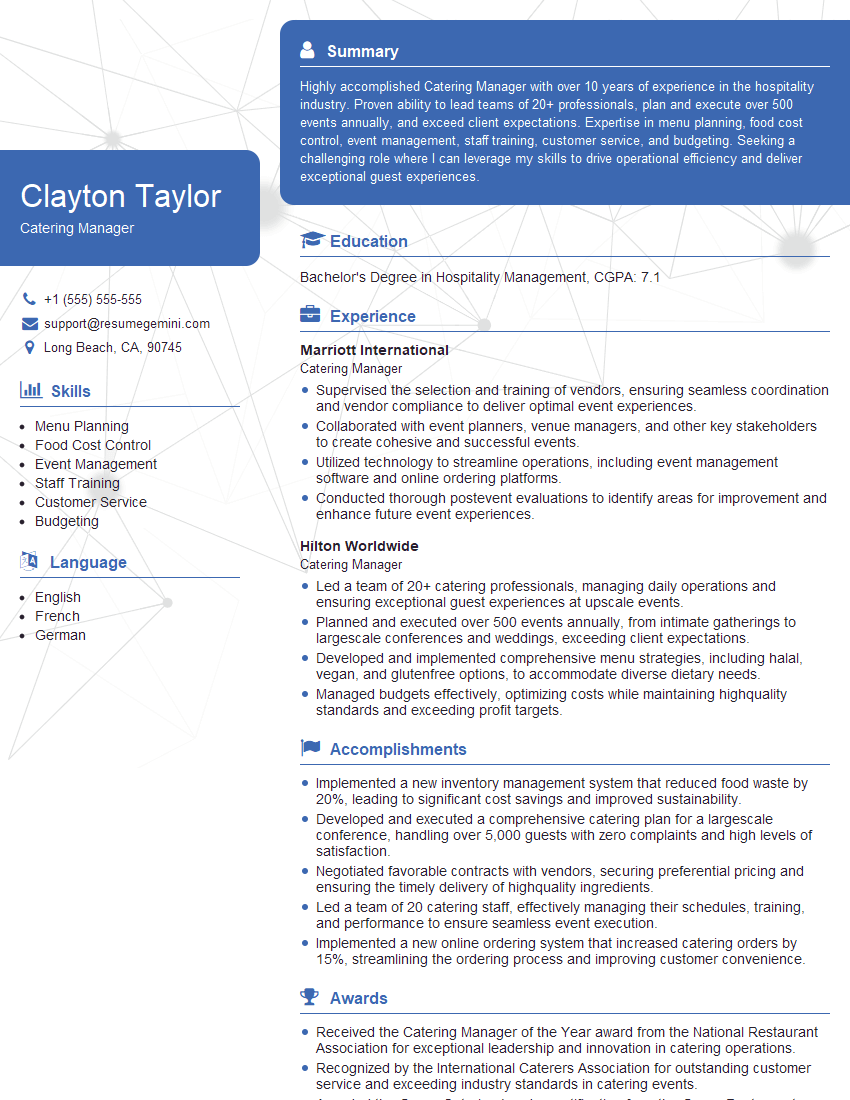
Catering Manager Resume Sample
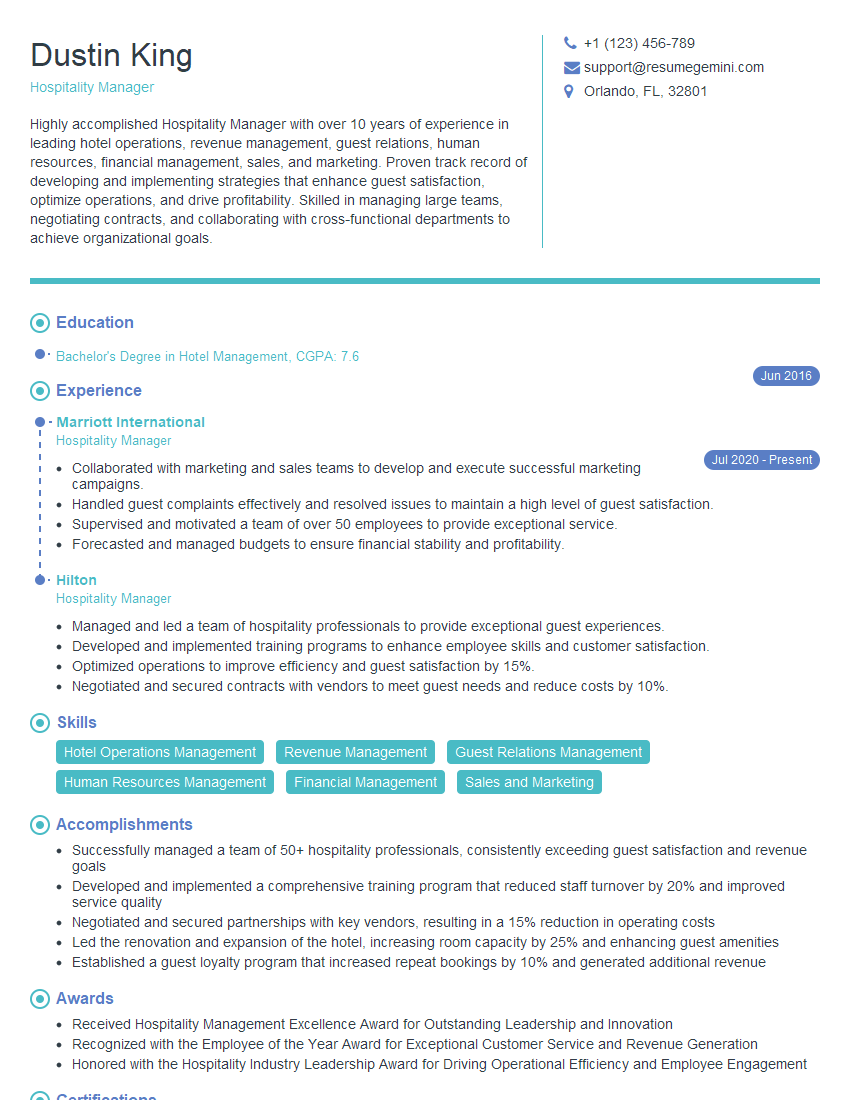
Hospitality Manager Resume Sample
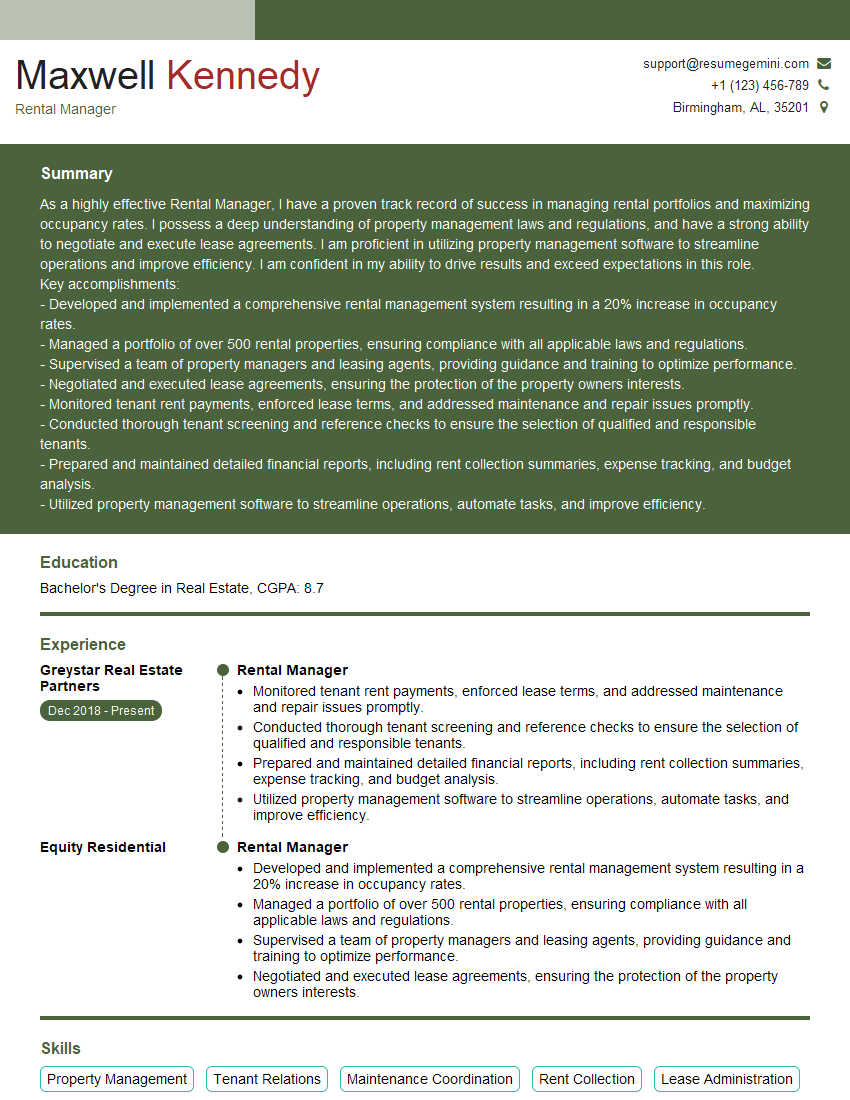
Rental Manager Resume Sample
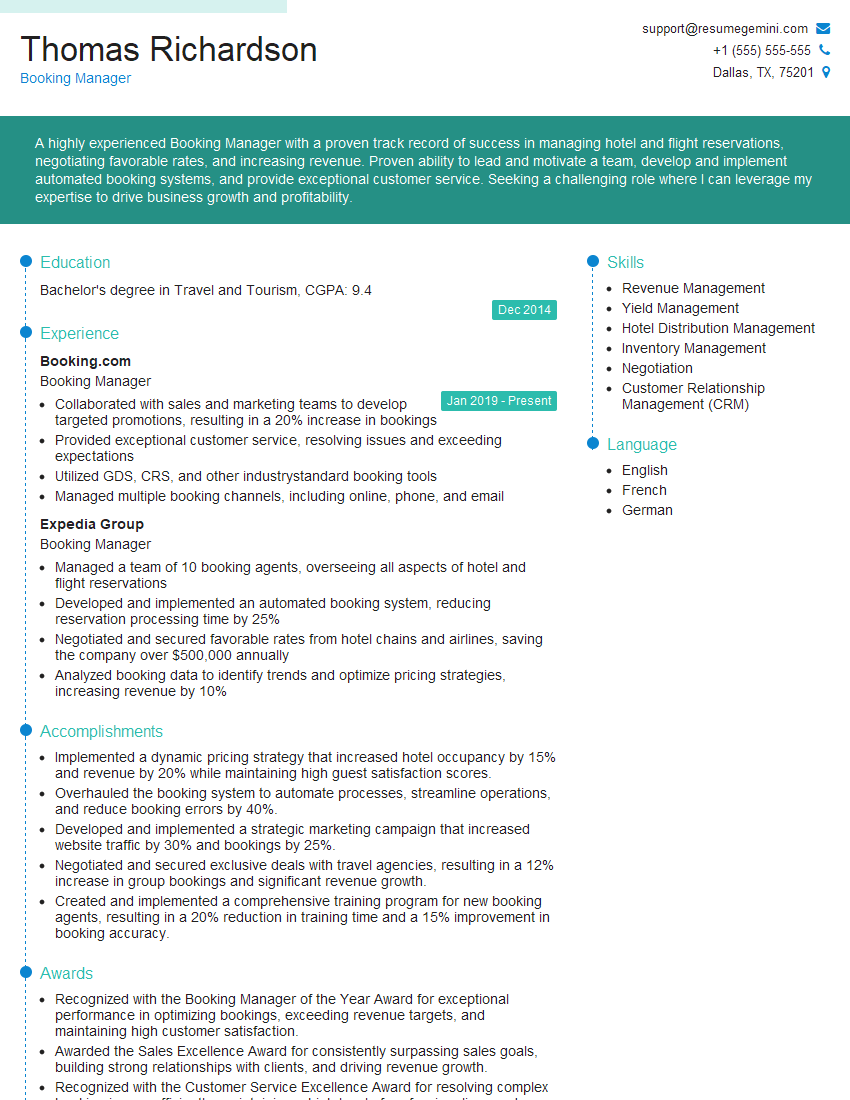
Booking Manager Resume Sample
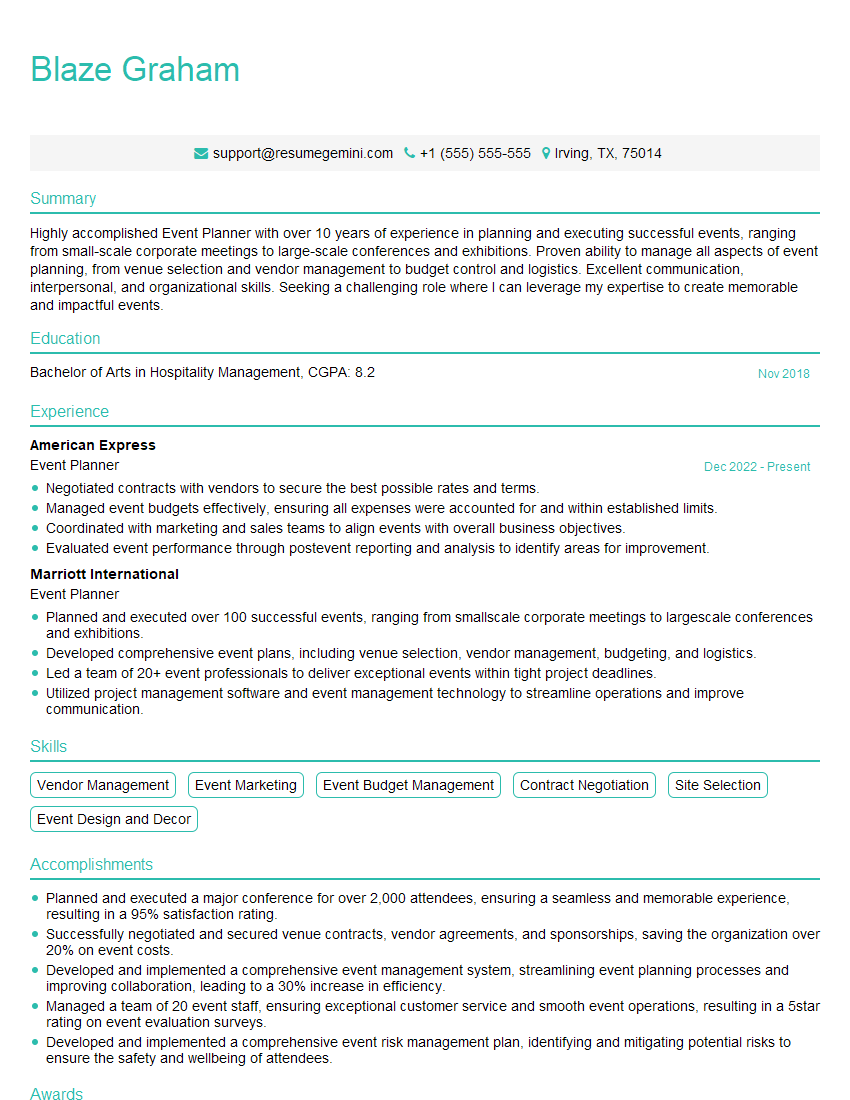
Event Planner Resume Sample
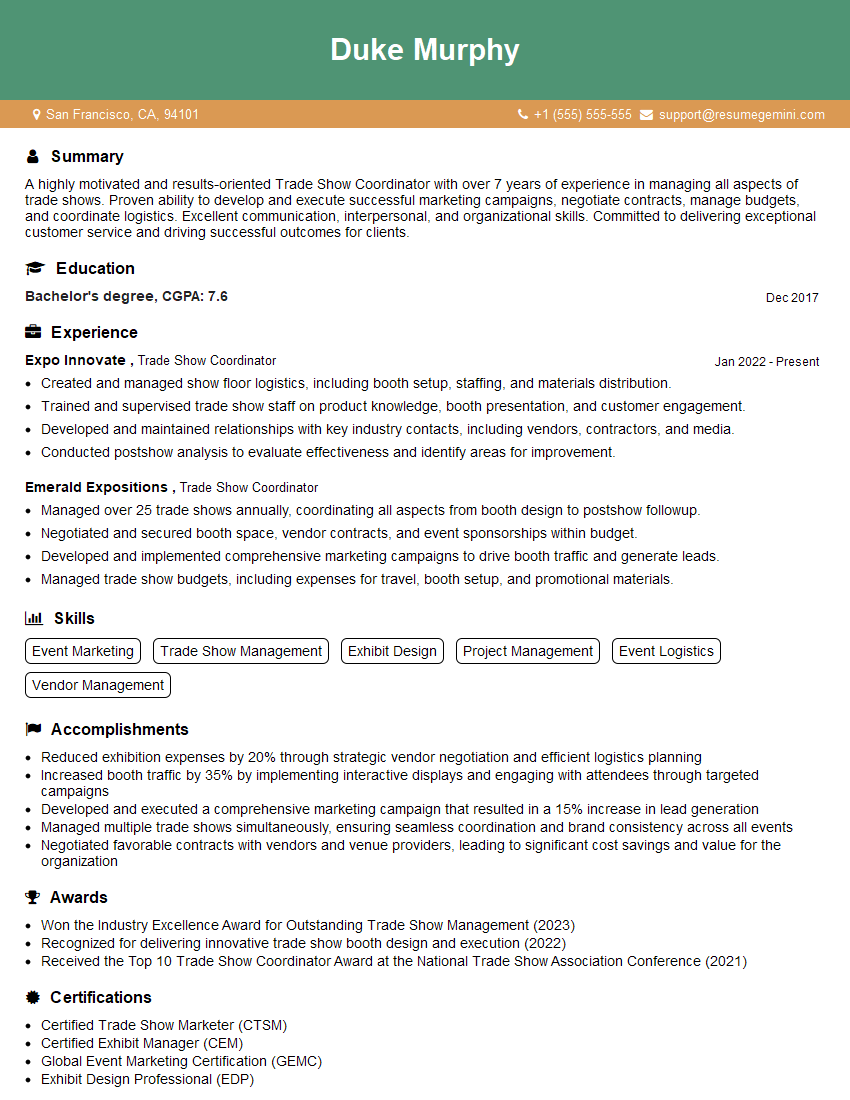
Trade Show Coordinator Resume Sample
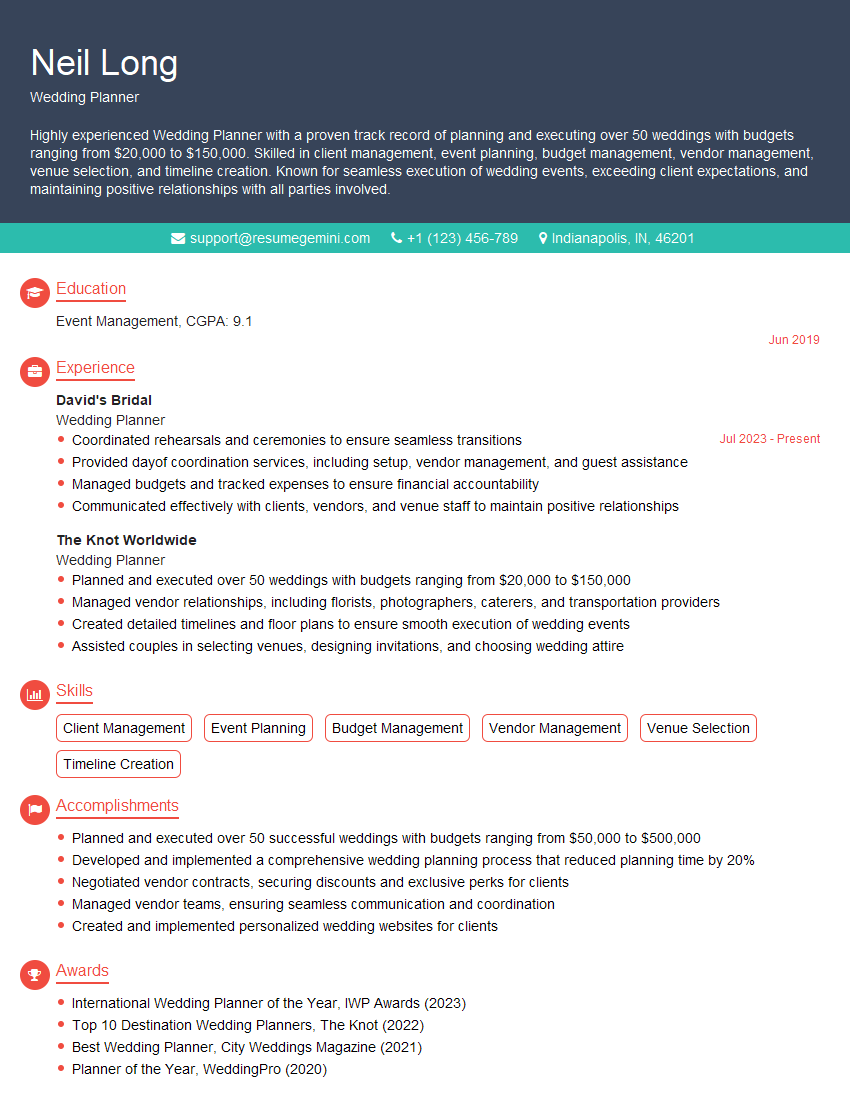
Wedding Planner Resume Sample
Explore more articles
Users Rating of Our Blogs
Share Your Experience
We value your feedback! Please rate our content and share your thoughts (optional).
What Readers Say About Our Blog
Very informative content, great job.
good