Cracking a skill-specific interview, like one for Soil Fertility Assessment and Management, requires understanding the nuances of the role. In this blog, we present the questions you’re most likely to encounter, along with insights into how to answer them effectively. Let’s ensure you’re ready to make a strong impression.
Questions Asked in Soil Fertility Assessment and Management Interview
Q 1. Explain the different methods used for soil sampling.
Soil sampling is crucial for assessing soil fertility and guiding fertilizer management decisions. The method used depends on the scale (field-scale vs. smaller plots), the crop, and the information needed. There are two main approaches: composite sampling and grid sampling.
- Composite Sampling: This involves collecting multiple smaller samples from a specific area (e.g., a field) and combining them into one representative sample. This is cost-effective and provides a general overview of the field’s fertility. Think of it like taking a sip from several glasses of juice and mixing them to get an overall flavor profile.
- Grid Sampling: This involves taking samples at regular intervals across a field, creating a grid pattern. This method provides a more detailed picture of fertility variations within the field, allowing for site-specific fertilizer recommendations. Imagine creating a detailed map of your field’s nutrient levels, identifying zones of high and low fertility.
Regardless of the sampling method, proper techniques are essential for accurate results. This includes using a clean sampling tool, collecting samples at a consistent depth, and avoiding contamination from surrounding areas. The number and location of samples are critical and should be based on the field’s size and variability.
Q 2. Describe the key nutrient elements essential for plant growth.
Plants need a variety of nutrients for healthy growth. The key elements are categorized into macronutrients (needed in larger quantities) and micronutrients (needed in smaller quantities).
- Macronutrients: Nitrogen (N), Phosphorus (P), Potassium (K), Calcium (Ca), Magnesium (Mg), and Sulfur (S). These are vital for various plant processes, like photosynthesis, root development, and overall vigor. For example, Nitrogen is essential for leaf growth and chlorophyll production, while Phosphorus is crucial for root growth and flower/fruit development.
- Micronutrients: Iron (Fe), Manganese (Mn), Zinc (Zn), Boron (B), Copper (Cu), Molybdenum (Mo), and Chlorine (Cl). Though needed in smaller amounts, micronutrients are just as important, playing roles in enzyme activity and other metabolic processes. A deficiency in any of these can lead to stunted growth or specific deficiency symptoms.
Understanding the role of each nutrient is vital for effective fertility management. A balanced supply of all essential nutrients is key to achieving optimal crop yields and quality.
Q 3. What are the common soil texture classifications and their implications for fertility?
Soil texture refers to the proportion of sand, silt, and clay particles in the soil. This classification significantly impacts soil fertility because it influences several properties such as water holding capacity, aeration, nutrient retention, and root penetration.
- Sandy soils: Have large particles, excellent drainage, but poor water retention and nutrient holding capacity. They are prone to nutrient leaching.
- Silty soils: Are intermediate in particle size, offering a balance between drainage and water retention. They generally have moderate nutrient-holding capacity.
- Clay soils: Have small particles, high water retention, but poor drainage and aeration. They can retain nutrients well but may limit root growth if overly compacted.
- Loam soils: Are a mixture of sand, silt, and clay, generally considered ideal for agriculture because they combine good drainage, water retention, and nutrient-holding capacity.
Understanding your soil’s texture allows you to tailor your management practices. For example, sandy soils might require more frequent irrigation and fertilizer applications, while clay soils may need improved drainage to prevent waterlogging.
Q 4. How do you interpret soil test results to determine fertilizer recommendations?
Interpreting soil test results requires knowledge of the specific nutrients, their critical levels, and the crop being grown. The results usually show the concentration of different nutrients (e.g., ppm or kg/ha).
Steps for interpreting soil test results and determining fertilizer recommendations:
- Compare nutrient levels to critical levels: Soil testing labs usually provide critical levels for different nutrients and crops. If a nutrient is below the critical level, fertilization is recommended.
- Consider nutrient removal by the crop: Crop nutrient removal rates vary depending on the species, yield potential, and nutrient content. This information is crucial for estimating fertilizer needs.
- Account for nutrient availability: Soil pH, organic matter content, and other soil properties influence nutrient availability. This means a high concentration in the soil might not be bioavailable to plants.
- Calculate fertilizer amounts: Based on the nutrient deficiency, crop needs, and nutrient availability, calculate the amount of fertilizer needed to meet the crop’s requirements. This often involves using fertilizer calculators or consulting with an agronomist.
- Consider environmental factors: Factors such as climate, rainfall, and soil type will further influence your choice of fertilizer and application rate.
It’s essential to remember that soil testing provides a snapshot in time. Regular testing is needed to monitor soil fertility and adjust fertilizer practices accordingly.
Q 5. Explain the concept of soil pH and its impact on nutrient availability.
Soil pH refers to the acidity or alkalinity of the soil, measured on a scale of 0-14, where 7 is neutral. Soil pH significantly impacts nutrient availability because it affects the solubility and uptake of different nutrients.
Impact of pH on nutrient availability:
- Acidic soils (pH < 6.5): Increased solubility of some micronutrients (e.g., iron, manganese, zinc), but decreased availability of phosphorus, molybdenum, and calcium. Aluminum toxicity can be a problem in highly acidic soils.
- Neutral soils (pH 6.5-7.5): Optimal range for the availability of most essential nutrients.
- Alkaline soils (pH > 7.5): Decreased solubility of several micronutrients (e.g., iron, manganese, zinc) and increased risk of phosphorus fixation.
Liming (application of calcium carbonate) is used to raise pH in acidic soils, while sulfur or acidifying fertilizers are used to lower pH in alkaline soils. Achieving the optimal pH range is essential for maximizing nutrient availability and plant growth.
Q 6. Discuss the role of organic matter in soil fertility.
Organic matter is the decomposed remains of plants and animals in the soil. It plays a crucial role in soil fertility in many ways:
- Improved soil structure: Organic matter binds soil particles, creating aggregates that enhance aeration, drainage, and root penetration.
- Increased water holding capacity: Organic matter acts like a sponge, improving the soil’s ability to retain water, which is essential for plant growth, especially during dry periods.
- Enhanced nutrient availability: Organic matter acts as a reservoir for essential nutrients, slowly releasing them as they are needed by plants. It also improves the soil’s ability to retain nutrients, reducing leaching losses.
- Improved microbial activity: Organic matter provides food for soil microorganisms, which are vital for nutrient cycling and decomposition processes. Healthy soil life is essential for nutrient transformation and availability.
- Reduced erosion: Organic matter enhances soil stability, making it less susceptible to erosion by wind and water.
Maintaining a healthy level of organic matter is essential for long-term soil fertility. Practices like cover cropping, adding compost, and minimizing tillage help improve organic matter content.
Q 7. What are the different types of fertilizers and their advantages and disadvantages?
Fertilizers are used to replenish essential nutrients in the soil. They are broadly categorized into:
- Inorganic fertilizers: These are manufactured from mineral sources and contain specific nutrients in readily available forms. Examples include:
- NPK fertilizers: Contain varying proportions of nitrogen (N), phosphorus (P), and potassium (K), the three most important macronutrients.
- Urea: A nitrogen-rich fertilizer.
- Diammonium phosphate (DAP): A phosphorus and nitrogen source.
- Organic fertilizers: These are derived from natural sources, like animal manure, compost, and biosolids. They provide nutrients in a slower, more sustained way. Advantages: improve soil structure, increase organic matter, enhance water retention, and reduce erosion. Disadvantages: lower nutrient concentration than inorganic fertilizers, nutrient release is slower and less predictable.
- Biofertilizers: These are living microorganisms, such as nitrogen-fixing bacteria or mycorrhizal fungi, that enhance nutrient availability. Advantages: environmentally friendly, sustainable, improve soil health. Disadvantages: requires specific environmental conditions, application can be complex.
Choosing the appropriate fertilizer type depends on various factors, including soil conditions, crop needs, environmental concerns, and cost-effectiveness.
Q 8. How do you calculate fertilizer application rates?
Calculating fertilizer application rates is crucial for optimizing crop yields while minimizing environmental impact. It’s not a one-size-fits-all calculation; it depends on several factors. Think of it like baking a cake – you need the right proportions of ingredients for the best result. In this case, the ‘ingredients’ are nutrients.
- Soil Test Results: This is the foundation. A soil test reveals the existing levels of essential nutrients (nitrogen, phosphorus, potassium, etc.) in your soil. The test will recommend how much of each nutrient is needed to reach the optimal level for your chosen crop.
- Crop Needs: Different crops have different nutrient requirements. For example, corn needs significantly more nitrogen than wheat. You’ll need to consult guidelines or research specific to your crop to determine its nutrient demands for the expected yield.
- Yield Goal: A higher yield goal means you’ll need to supply more nutrients. Farmers often aim for a specific yield per acre, and this directly impacts fertilizer needs.
- Fertilizer Analysis: Fertilizers come with a numerical label (e.g., 10-10-10) indicating the percentage of nitrogen (N), phosphorus (P2O5), and potassium (K2O). You use this information to calculate the amount of fertilizer needed to supply the required nutrients.
Example: Let’s say your soil test shows you need 50 lbs of N per acre, and you’re using a 10-10-10 fertilizer. Since the fertilizer is 10% N, you’ll need 50 lbs / 0.10 = 500 lbs of 10-10-10 fertilizer per acre. However, this is a simplified example. Real-world calculations often involve considering the nutrient’s availability in the soil and potential losses due to leaching or volatilization.
In professional settings, we often use specialized software or online calculators that take all these factors into account, providing more precise recommendations.
Q 9. Describe various methods for managing soil erosion.
Soil erosion, the loss of topsoil, is a significant threat to agricultural productivity. Managing it requires a multi-faceted approach. Think of it as protecting a valuable resource – your soil is your farm’s foundation.
- Contour Farming: Plowing and planting across the slope, rather than up and down, creates natural barriers that slow water runoff. It’s like building small dams in your field.
- Terracing: Creating level platforms on slopes dramatically reduces erosion by intercepting runoff. It’s a more intensive approach, often used on steeper land.
- Strip Cropping: Alternating rows of crops with different soil-covering characteristics (e.g., a row of corn followed by a row of clover) helps to slow water flow and prevent erosion.
- Cover Cropping: Planting crops specifically to protect the soil during fallow periods. These plants hold the soil in place and improve its structure, like a natural protective blanket.
- No-Till Farming: Minimizing soil disturbance during planting reduces erosion by leaving crop residues on the surface, acting as a mulch. It mimics nature’s way of protecting the topsoil.
- Windbreaks: Planting trees or shrubs perpendicular to prevailing winds can dramatically reduce wind erosion, creating sheltered areas.
- Conservation Tillage: This encompasses various techniques that minimize soil disturbance while still allowing for planting, such as using specialized equipment that leaves crop residue on the surface.
The best method depends on the specific geographical location, soil type, and climate. Often a combination of these techniques is employed for optimal results. For instance, a farmer in a hilly region might use terracing in combination with contour farming and cover cropping for the best erosion control.
Q 10. Explain the principles of precision agriculture in relation to soil fertility.
Precision agriculture uses technology to tailor farming practices to the specific needs of individual areas within a field. Instead of a one-size-fits-all approach, it allows for variable rate fertilizer application, leading to greater efficiency and reduced environmental impact. Imagine tailoring your fertilizer application to each plant’s needs, rather than the whole field.
- GPS and GIS: These technologies are used to create detailed maps of the field, identifying areas with varying soil properties, nutrient levels, and even yield potential.
- Variable Rate Technology (VRT): Based on the maps, VRT allows for precise application of fertilizers, pesticides, and water, varying the amount based on the specific location’s needs. This is like giving each plant the exact nutrients it needs.
- Soil Sensors: Sensors can directly measure soil conditions in real-time, providing instant feedback for optimized fertilizer application. This helps adjust the fertilizer application on the go, as needed.
- Remote Sensing: Aerial imagery (e.g., drones, satellites) can monitor crop health, providing early warning signs of nutrient deficiencies or other problems, and informing fertilizer application strategies.
By applying fertilizer only where and when it is needed, precision agriculture minimizes waste, reduces environmental pollution, improves fertilizer use efficiency and ultimately leads to cost savings and better yields.
Q 11. How do you assess the nutrient status of plants?
Assessing plant nutrient status is crucial for timely intervention to prevent yield losses. It’s like conducting a health check-up for your crops.
- Visual Symptoms: Observing plant growth and appearance can indicate nutrient deficiencies. Chlorosis (yellowing of leaves), necrosis (tissue death), and stunted growth are common visual indicators.
- Tissue Analysis: This involves taking plant samples and sending them to a laboratory for analysis. This provides precise measurements of nutrient concentrations within the plant tissue, offering a more quantitative assessment.
- Soil Testing: While not directly assessing the plant’s status, soil tests help us understand nutrient availability in the soil, which can indirectly indicate potential nutrient deficiencies in plants.
- Sap Analysis: This advanced technique involves analyzing the plant sap, which directly reflects the nutrient levels available to the plant. It’s less common than tissue analysis but can provide highly specific information.
Often, a combination of methods is employed for a more comprehensive assessment. For example, visual observations can guide sampling for tissue analysis, which then informs fertilizer recommendations.
Q 12. What are the common soilborne diseases and their management strategies?
Soilborne diseases are a major threat to crop production. Understanding them and their management is critical for sustainable agriculture. Think of it as protecting your crops from invisible enemies lurking beneath the surface.
- Root Rot (e.g., Phytophthora): These fungal diseases attack plant roots, causing wilting, stunted growth, and eventually death. Management includes resistant varieties, crop rotation, and soil fumigation (in some cases).
- Fusarium Wilt: This fungal disease infects the vascular system of plants, leading to wilting and discoloration. Management strategies include resistant varieties, crop rotation, and soil solarization.
- Verticillium Wilt: Similar to Fusarium wilt, this fungal disease affects the vascular system. Management is similar, focusing on resistant varieties and crop rotation.
- Bacterial Wilt: Caused by bacteria, these diseases spread through the plant’s vascular system, causing wilting and discoloration. Management often involves resistant cultivars and sanitation practices.
Effective management strategies often involve a combination of techniques. Crop rotation, using disease-resistant varieties, and implementing good sanitation practices are often crucial first steps. Chemical control (e.g., soil fumigants) is sometimes necessary, but it should be used judiciously due to environmental concerns. Integrated pest management approaches that combine various methods are often the most effective and sustainable.
Q 13. Discuss the impact of climate change on soil fertility.
Climate change poses significant challenges to soil fertility. It’s like altering the playing field for soil health. The increased frequency and intensity of extreme weather events (droughts, floods) and rising temperatures disrupt soil processes and affect nutrient cycling.
- Increased Erosion: More frequent and intense rainfall events can lead to increased soil erosion, losing valuable topsoil and nutrients.
- Changes in Nutrient Cycling: Rising temperatures can alter the rate of decomposition of organic matter, potentially affecting nutrient availability.
- Altered Water Availability: Changes in rainfall patterns and increased evaporation rates can lead to soil water deficits, affecting nutrient uptake by plants.
- Increased Pest and Disease Pressure: Warmer temperatures can favor the proliferation of soilborne pests and diseases, further impacting soil fertility and crop health.
- Carbon Sequestration: Climate change is affecting soil’s ability to sequester carbon, which is crucial for soil health and fertility.
Adapting to these challenges requires innovative strategies, including drought-resistant crops, improved water management techniques, and practices that enhance soil carbon sequestration. Sustainable agricultural practices are paramount in mitigating the negative impacts of climate change on soil fertility.
Q 14. How do you monitor the effectiveness of fertilizer application?
Monitoring the effectiveness of fertilizer application is crucial for maximizing returns and minimizing environmental impact. It’s like checking if your fertilizer ‘investment’ is paying off.
- Yield Monitoring: Comparing yields across different areas of the field or across years can help determine if fertilizer application has increased productivity.
- Tissue Analysis: Analyzing plant tissue after fertilizer application can show if nutrient uptake has increased, reflecting the effectiveness of the application.
- Soil Testing: Repeated soil tests can assess changes in nutrient levels after fertilizer application, revealing the effectiveness of the application and potential for future adjustments.
- Remote Sensing: Using aerial imagery can provide a visual assessment of crop health and growth, indicating the impact of fertilizer application across the field.
- Nutrient Balance: Assessing the nutrient balance in the soil and plant tissue helps determine if nutrient application has led to improved overall plant nutrition.
Combining multiple methods provides a comprehensive picture. For example, a farmer might use yield monitoring in conjunction with tissue analysis to evaluate the overall effectiveness of their fertilization strategy. This data-driven approach allows for continuous improvement and optimization of fertilizer management practices.
Q 15. Explain the importance of soil health indicators.
Soil health indicators are crucial for assessing the overall condition and productivity of soil. They act like a comprehensive health check-up, providing insights into various aspects of soil quality. By monitoring these indicators, we can understand the soil’s ability to support plant growth, its resilience to environmental stresses, and its contribution to overall ecosystem health.
- Physical indicators: These assess the soil’s structure, texture, water holding capacity, and aeration. For example, a good soil structure, with aggregates of different sizes, allows for better water infiltration and root penetration. Poor structure, characterized by compaction, hinders both.
- Chemical indicators: These include pH, nutrient levels (nitrogen, phosphorus, potassium, etc.), organic matter content, salinity, and the presence of potentially toxic elements. For instance, low organic matter reduces water retention and nutrient availability. High salinity levels can poison plants.
- Biological indicators: These reflect the soil’s biological activity, including microbial biomass, enzyme activity, and earthworm populations. A thriving soil microbiome is essential for nutrient cycling and disease suppression. For example, a high earthworm population indicates healthy soil structure and decomposition processes.
Regular monitoring of these indicators helps in identifying potential problems early on and allows for timely intervention to prevent further degradation. Think of it like getting your blood work done – it helps you catch potential health problems before they become serious.
Career Expert Tips:
- Ace those interviews! Prepare effectively by reviewing the Top 50 Most Common Interview Questions on ResumeGemini.
- Navigate your job search with confidence! Explore a wide range of Career Tips on ResumeGemini. Learn about common challenges and recommendations to overcome them.
- Craft the perfect resume! Master the Art of Resume Writing with ResumeGemini’s guide. Showcase your unique qualifications and achievements effectively.
- Don’t miss out on holiday savings! Build your dream resume with ResumeGemini’s ATS optimized templates.
Q 16. What are the challenges associated with sustainable soil management?
Sustainable soil management faces many challenges, often intertwined and complex. The overarching goal is to maintain or improve soil health while producing food and fiber sustainably. Key challenges include:
- Climate Change: Increased frequency and intensity of extreme weather events (droughts, floods) significantly impact soil health. Soil erosion increases during heavy rains, while droughts lead to desertification and reduced fertility.
- Soil Degradation: Erosion, compaction, nutrient depletion, and salinization are ongoing problems, often exacerbated by unsustainable agricultural practices like intensive tillage and monoculture cropping.
- Economic Constraints: Implementing sustainable soil management practices often requires upfront investment in technologies and training, which can be a barrier for many farmers, especially smallholders.
- Policy and Governance: Effective policies and regulations are crucial to incentivize sustainable practices and enforce environmental standards. Lack of adequate support can hinder progress.
- Population Growth and Food Security: The ever-increasing global population demands higher food production, putting immense pressure on soil resources and increasing the risk of unsustainable practices.
Addressing these challenges requires a multi-faceted approach, involving research, technological innovation, policy changes, and farmer education and support. Sustainable practices are crucial to ensuring food security for future generations.
Q 17. Describe different methods for improving soil structure.
Improving soil structure is essential for optimal plant growth and overall soil health. It focuses on creating a stable, porous structure that allows for good water infiltration, aeration, and root penetration. Here are several methods:
- No-till Farming: Minimizing or eliminating tillage reduces soil compaction and protects soil aggregates, promoting better water infiltration and reducing erosion. This allows for better root development.
- Cover Cropping: Planting cover crops during fallow periods protects the soil from erosion, improves soil organic matter, and enhances nutrient cycling. Their roots help break up compacted soil and improve structure.
- Crop Rotation: Rotating different crops with varying root systems helps prevent soil compaction and improve nutrient cycling. Deep-rooted crops can improve soil drainage and aeration.
- Adding Organic Matter: Incorporating organic matter (compost, manure) improves soil structure by binding soil particles together, increasing water retention, and enhancing microbial activity. Think of organic matter like a glue that holds soil together.
- Agroforestry: Integrating trees into agricultural systems provides shade, reduces erosion, and improves soil structure through improved water infiltration and reduced compaction.
- Use of Soil Amendments: Materials like gypsum or lime can be used to improve soil structure depending on the specific soil issues.
The best approach depends on the specific soil type and environmental conditions. Often, a combination of methods is most effective.
Q 18. How do you manage salinity in soil?
Salinity management involves reducing the concentration of soluble salts in the soil to levels tolerable for plant growth. High salinity inhibits plant growth by reducing water uptake and causing nutrient imbalances.
- Improved Drainage: Installing efficient drainage systems helps leach excess salts from the root zone. This prevents salt accumulation and improves soil aeration.
- Leaching with Water: Applying large amounts of low-salt water can flush out accumulated salts, washing them deeper into the soil profile, beyond the reach of plant roots. This requires careful management to avoid waterlogging.
- Salt-tolerant Crops: Selecting and cultivating salt-tolerant crop varieties allows for agricultural production in saline soils, reducing reliance on extensive remediation efforts.
- Amendments: Organic matter additions can help improve soil structure and reduce salt stress. Some amendments like gypsum can help improve soil drainage and reduce sodium absorption by plants.
- Water Management: Efficient irrigation scheduling and techniques minimize water waste, preventing further salt accumulation.
The effectiveness of these methods depends on the severity of salinity and other soil factors. A combination of approaches is usually necessary for successful salinity management.
Q 19. Explain the concept of nutrient cycling in the soil.
Nutrient cycling describes the continuous movement and transformation of nutrients within the soil-plant-atmosphere system. It’s a fundamental process for sustaining plant growth and overall ecosystem health. Think of it as a natural recycling system.
- Mineralization: Organic matter decomposition by microorganisms releases plant-available nutrients like nitrogen, phosphorus, and potassium. This is like breaking down compost into usable nutrients for plants.
- Immobilization: Microorganisms also uptake nutrients from the soil, making them temporarily unavailable to plants. This is a natural storage of nutrients until decomposition releases them again.
- Uptake: Plants absorb nutrients through their roots, using them for growth and development.
- Leaching: Some nutrients can be lost from the soil through leaching, where they are dissolved in water and carried away beyond the root zone. This is why good water management is essential.
- Volatilization: Certain nutrients like nitrogen can be lost through volatilization, where they transform into gaseous forms and escape into the atmosphere.
Understanding nutrient cycling helps in developing sustainable soil management strategies. For example, increasing soil organic matter enhances nutrient cycling and reduces the need for synthetic fertilizers, fostering a healthier and more productive soil.
Q 20. What are the limitations of soil testing?
Soil testing, while incredibly useful, has its limitations. It provides a snapshot of soil conditions at a particular point in time and location, but doesn’t capture the full complexity of soil processes.
- Spatial Variability: Soil properties can vary significantly within a field, meaning a single test may not represent the entire area accurately. Multiple samples from different locations are needed for a more reliable assessment.
- Temporal Variability: Soil conditions change over time due to weather, management practices, and other factors. A test taken today might not accurately reflect conditions next year.
- Methodological Limitations: Different testing methods have different levels of accuracy and precision. The results can be affected by factors like sample preparation and analysis techniques.
- Interpretation Challenges: Interpreting soil test results requires expertise. The optimal nutrient levels for a particular crop depend on many factors beyond the soil test itself.
- Limited Information: Soil tests primarily assess chemical properties. They don’t directly measure important aspects like soil structure, biodiversity, or water-holding capacity.
It is important to consider these limitations and to integrate soil testing with other soil assessment methods and observations to gain a more comprehensive understanding of soil health.
Q 21. How do you address nutrient deficiencies in specific crops?
Addressing nutrient deficiencies in specific crops involves a multi-step process combining soil testing, plant analysis, and informed fertilizer application.
- Soil Testing: Identify nutrient deficiencies through a thorough soil test that analyzes the levels of essential nutrients.
- Plant Analysis: Analyze plant tissue samples to verify nutrient levels within the plant itself. This complements soil test data and can reveal hidden deficiencies.
- Nutrient Specific Management: Once deficiencies are identified, use targeted strategies. For example:
- Nitrogen Deficiency: Use nitrogen-rich fertilizers like urea or ammonium nitrate. Consider cover crops to naturally enhance nitrogen levels in the soil.
- Phosphorus Deficiency: Apply phosphorus-containing fertilizers. Improve soil organic matter, as phosphorus is often bound to organic matter.
- Potassium Deficiency: Apply potassium-rich fertilizers such as potassium chloride or potassium sulfate. Ensure sufficient soil drainage and proper pH management, as these affect potassium availability.
- Organic Amendments: Improve soil structure and nutrient availability by using organic fertilizers and amendments like compost, manure, or cover crops.
- Integrated Nutrient Management: Combine synthetic and organic fertilizers to optimize nutrient use and enhance soil health.
The specific approach depends on the crop, soil type, and the severity of the deficiency. It is crucial to balance nutrient application and avoid over-fertilization, which can have negative environmental consequences.
Q 22. Discuss the role of cover crops in soil fertility management.
Cover crops play a vital role in improving soil fertility. Think of them as nature’s soil superheroes! They’re plants grown primarily for the benefit of the soil rather than for harvest. By incorporating them into a farming system, we can significantly enhance soil health and reduce the need for synthetic fertilizers.
- Improved Soil Structure: Cover crops with extensive root systems help break up compacted soil, improving aeration and water infiltration. Imagine a sponge – compacted soil is like a clogged sponge, unable to absorb water effectively. Cover crops help unclog this sponge.
- Increased Organic Matter: When cover crops decompose, they add substantial amounts of organic matter to the soil. This organic matter is like a nutritious meal for soil microbes, which are essential for nutrient cycling. It also improves soil water holding capacity.
- Nutrient Cycling: Certain cover crops, like legumes (peas, beans, clover), can fix atmospheric nitrogen, reducing the need for nitrogen fertilizers. Nitrogen is a crucial nutrient for plant growth, and this natural process significantly benefits the environment and the farmer’s bottom line.
- Weed Suppression: A dense cover crop can suppress weed growth, reducing competition for nutrients and water with the main crop. This means less weeding and more efficient resource utilization.
- Erosion Control: Cover crops protect the soil surface from wind and water erosion, preventing loss of topsoil and valuable nutrients. Think of them as a protective blanket for the soil.
For example, I worked with a farmer who integrated rye cover crop into his corn-soybean rotation. The result was a remarkable improvement in soil structure, a reduction in fertilizer needs, and a consistent increase in crop yields over time.
Q 23. What are the environmental impacts of fertilizer use?
Excessive fertilizer use carries significant environmental consequences. It’s a double-edged sword – while vital for crop production, mismanagement can lead to severe ecological damage.
- Water Pollution: Fertilizer runoff contaminates surface and groundwater sources, leading to eutrophication (excessive algal growth) in lakes and rivers. This depletes oxygen in the water, harming aquatic life. Imagine a lake choked by algae, devoid of fish and other organisms.
- Air Pollution: The production and application of certain fertilizers release greenhouse gases, contributing to climate change. Nitrous oxide, a potent greenhouse gas, is a significant byproduct.
- Soil Degradation: Overuse of fertilizers can alter soil pH, affecting microbial activity and nutrient availability. It can also lead to soil salinization (increased salt content), making it unsuitable for plant growth.
- Biodiversity Loss: The altered nutrient balance in ecosystems due to fertilizer runoff can disrupt natural ecological processes, leading to reduced biodiversity. Think of the ripple effect – one imbalance can trigger a chain reaction.
Precision agriculture techniques, such as variable rate fertilization based on soil tests, can significantly mitigate these impacts by optimizing fertilizer application and minimizing waste.
Q 24. How can technology be utilized for improved soil fertility assessment?
Technology has revolutionized soil fertility assessment, enabling more precise and efficient management practices. We’ve moved from traditional methods to sophisticated technologies that provide detailed insights into soil health.
- GPS-guided Soil Sampling: GPS technology allows for precise location-based sampling, enabling variable rate fertilizer application and optimized management zones.
- Near-Infrared Spectroscopy (NIRS): NIRS rapidly analyzes soil samples for various nutrients and properties, providing immediate feedback for decision-making. It’s like having a super-fast soil testing lab in the field.
- Remote Sensing: Satellite and drone imagery can monitor crop health and identify areas with nutrient deficiencies, allowing for timely interventions. This is a powerful tool for large-scale monitoring.
- Soil Sensors: Real-time sensors embedded in the soil provide continuous monitoring of moisture, temperature, and nutrient levels, enabling adaptive management strategies.
For instance, I recently worked on a project where we used drone imagery to identify nutrient-deficient areas in a large farm. This allowed for targeted fertilizer application, resulting in significant cost savings and improved crop yields.
Q 25. Explain the principles of integrated nutrient management.
Integrated Nutrient Management (INM) is a holistic approach to nutrient supply that combines organic and inorganic sources to optimize crop production while minimizing environmental impacts. It’s about finding the right balance.
- Organic Sources: This includes farm yard manure, compost, biosolids, and green manure (cover crops), which provide nutrients and improve soil structure and organic matter content.
- Inorganic Sources: These are synthetic fertilizers that provide specific nutrients in a readily available form. They are used strategically to supplement the nutrients provided by organic sources.
- Nutrient Recycling: INM emphasizes recycling crop residues and other organic waste back into the soil, enhancing nutrient availability and reducing waste.
- Soil Testing: Regular soil testing is crucial for determining the nutrient status of the soil and guiding fertilizer application.
- Crop Diversification: Growing a variety of crops can help balance nutrient requirements and improve overall soil health.
Imagine a well-balanced diet for your soil – INM provides a mix of essential nutrients from diverse sources, ensuring its health and productivity.
Q 26. Discuss the economic aspects of soil fertility management.
Soil fertility management has significant economic implications, affecting both farm profitability and the broader economy.
- Increased Crop Yields: Improved soil fertility leads to higher crop yields, increasing farmers’ income. This is the most direct economic benefit.
- Reduced Fertilizer Costs: Optimized nutrient management, such as through INM, can reduce the need for expensive synthetic fertilizers.
- Improved Crop Quality: Healthy soil contributes to better crop quality, enhancing market value and attracting higher prices.
- Reduced Production Costs: Improved soil health can reduce the need for pesticides and other inputs, lowering overall production costs.
- Environmental Cost Savings: Reducing the environmental impacts of agriculture, such as water pollution, can lead to long-term cost savings by preventing the need for costly remediation measures.
A cost-benefit analysis is crucial to evaluate the economic viability of soil fertility management strategies. Many studies have shown that investing in soil health leads to long-term economic returns for farmers and positive externalities for society.
Q 27. Describe your experience with different soil testing laboratories.
Throughout my career, I’ve collaborated with numerous soil testing laboratories, each with its strengths and specializations. I’ve worked with both large, commercial labs offering a wide array of tests and smaller, specialized labs focused on specific soil properties or agricultural systems.
My experience spans labs using various methods – traditional wet chemical analysis, automated instrumentation (like NIRS), and advanced molecular techniques. Choosing the right lab depends on the specific needs of the project, the type of information required, and the budget available. I always prioritize labs accredited by relevant organizations, ensuring the quality and reliability of the results.
I consider factors such as turnaround time, the range of tests offered, data reporting methods, and the lab’s expertise in agricultural soil analysis when selecting a lab. Building strong relationships with these labs is crucial for effective communication and problem-solving.
Q 28. How do you communicate soil fertility information to farmers?
Communicating soil fertility information effectively to farmers is paramount for successful implementation of management strategies. It’s about translating technical data into practical, actionable advice.
- Simple Language: Avoid technical jargon and use clear, concise language that farmers can easily understand. Analogies and relatable examples are helpful.
- Visual Aids: Use graphs, maps, and other visual tools to present soil test results and recommendations in an accessible way. A picture is often worth a thousand words.
- On-Farm Demonstrations: Conducting field demonstrations to showcase the benefits of improved soil fertility management can be very persuasive.
- Tailored Recommendations: Recommendations should be specific to the farm’s unique context, considering factors like soil type, cropping system, and economic constraints.
- Follow-up and Support: Providing ongoing support and guidance to farmers is crucial for successful adoption of new management practices.
I often use a participatory approach, working closely with farmers to understand their specific challenges and goals. This collaborative approach ensures that the information provided is relevant and easily adopted. Building trust and rapport with farmers is essential for effective communication.
Key Topics to Learn for Soil Fertility Assessment and Management Interview
- Soil Testing Methods: Understand various soil sampling techniques, laboratory analysis procedures (e.g., nutrient extraction methods, pH determination), and interpretation of results. Consider the limitations of different methods.
- Nutrient Cycling and Management: Explore the processes of nutrient uptake by plants, nutrient transformations in soil (mineralization, immobilization), and strategies for optimizing nutrient cycling (e.g., cover cropping, organic matter management).
- Fertilizer Recommendations: Learn how to interpret soil test results to formulate site-specific fertilizer recommendations, considering factors like crop needs, soil properties, and environmental concerns. Understand different fertilizer types and their application methods.
- Soil Health Indicators: Explore indicators beyond nutrient levels, such as soil organic matter content, biological activity, and water holding capacity. Understand their importance in assessing overall soil health and fertility.
- Sustainable Soil Management Practices: Discuss environmentally sound approaches to soil fertility management, such as integrated nutrient management, precision agriculture, and reduced tillage techniques. Be prepared to discuss the trade-offs and benefits of different approaches.
- Problem Solving and Decision Making: Practice diagnosing nutrient deficiencies or excesses based on plant symptoms and soil test data. Develop your ability to propose solutions and justify your recommendations using scientific principles.
- Precision Agriculture Technologies: Familiarize yourself with technologies like GPS, GIS, and variable rate fertilization, and their role in optimizing nutrient use and minimizing environmental impact.
Next Steps
Mastering Soil Fertility Assessment and Management is crucial for a successful and rewarding career in agriculture, environmental science, or related fields. It demonstrates a strong understanding of sustainable practices and the ability to contribute to food security and environmental stewardship. To significantly boost your job prospects, creating a compelling and ATS-friendly resume is paramount. ResumeGemini is a trusted resource that can help you build a professional resume that highlights your skills and experience effectively. Examples of resumes tailored to Soil Fertility Assessment and Management are available through ResumeGemini to provide you with valuable guidance and inspiration. Invest the time to craft a strong resume – it’s your first impression on potential employers.
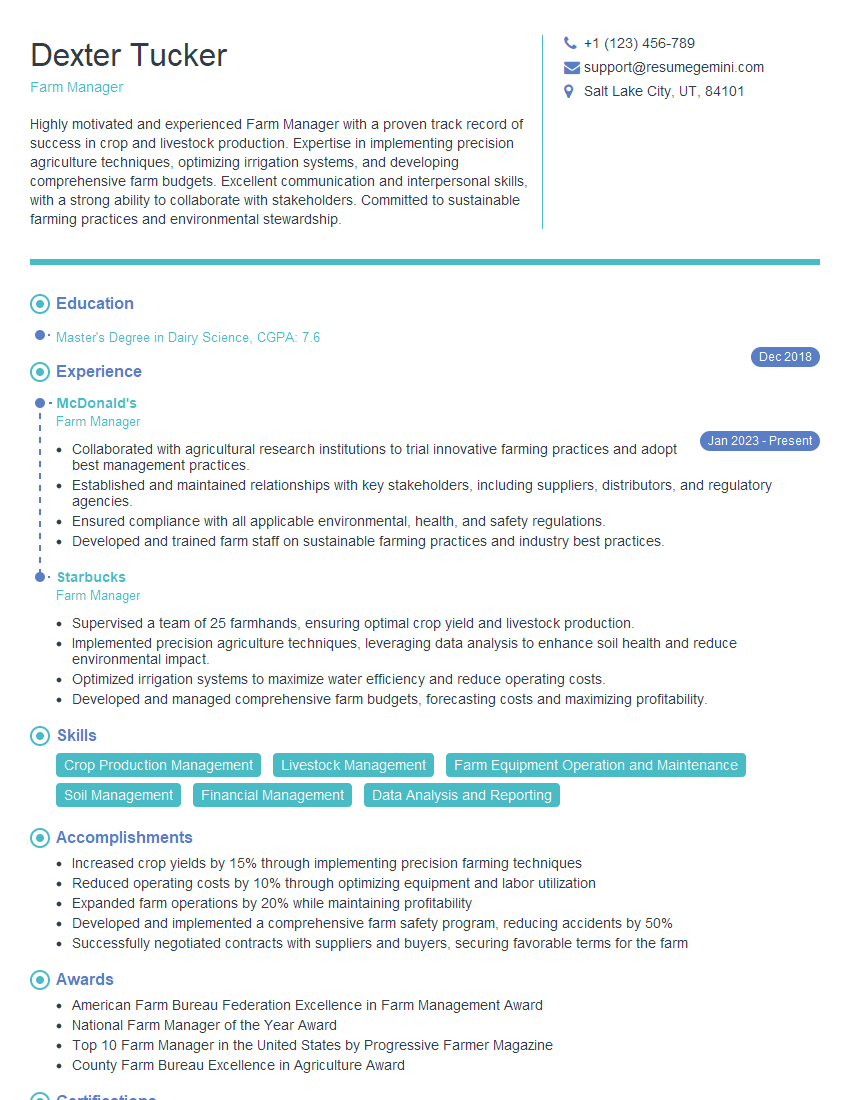
Farm Manager Resume Sample

Viticulturist Resume Sample

Agronomist Resume Sample

Soil Scientist Resume Sample

Soil Conservationist Resume Sample

Soil Chemist Resume Sample
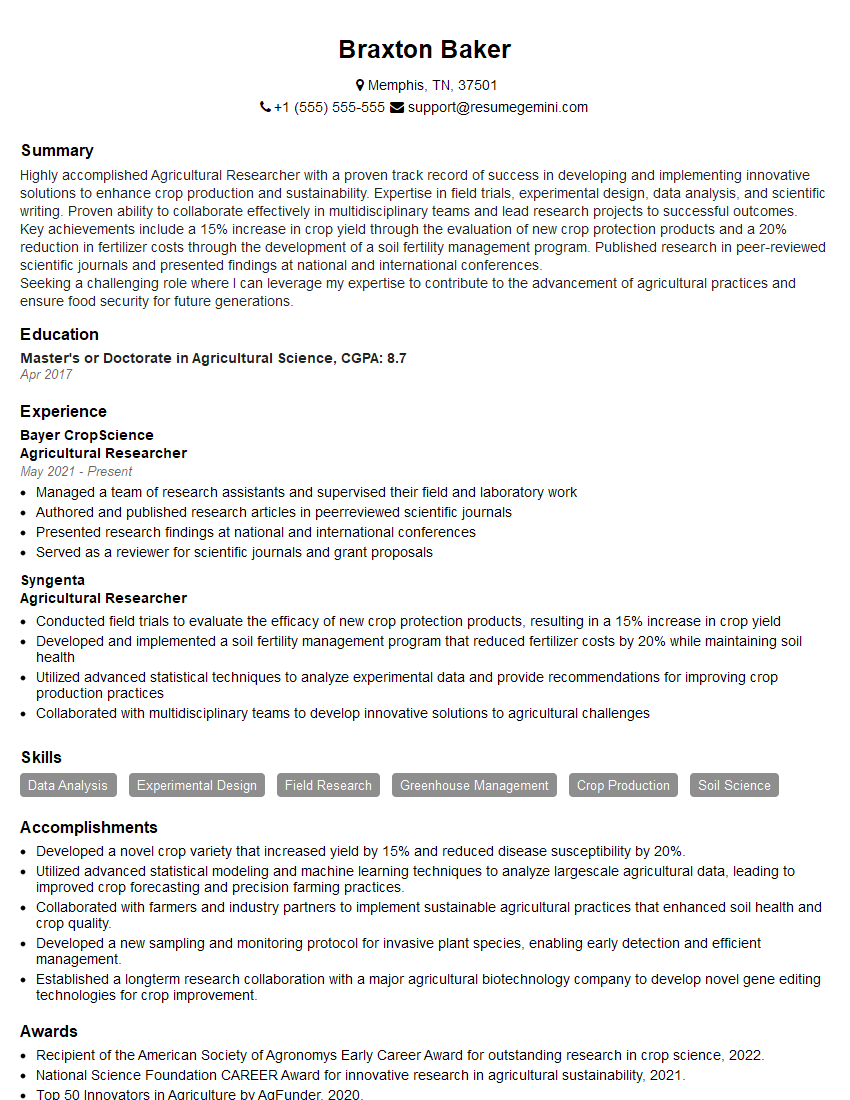
Agricultural Researcher Resume Sample
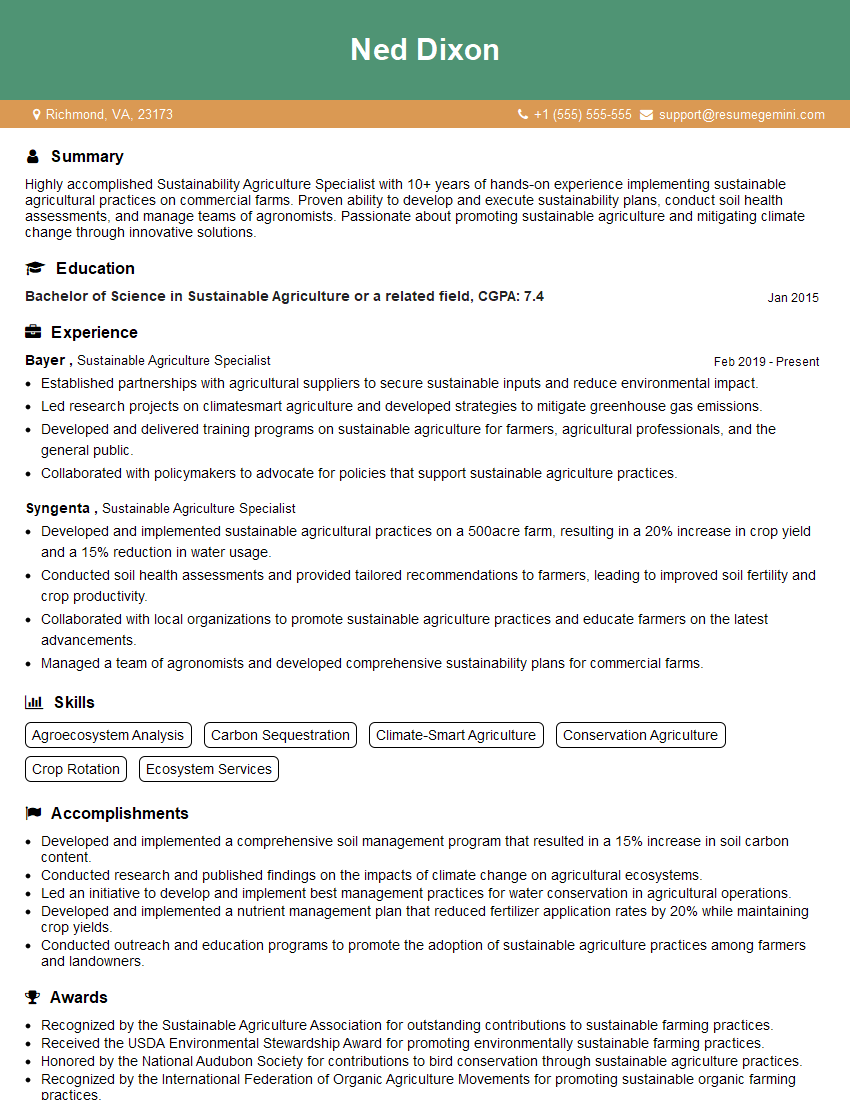
Sustainable Agriculture Specialist Resume Sample
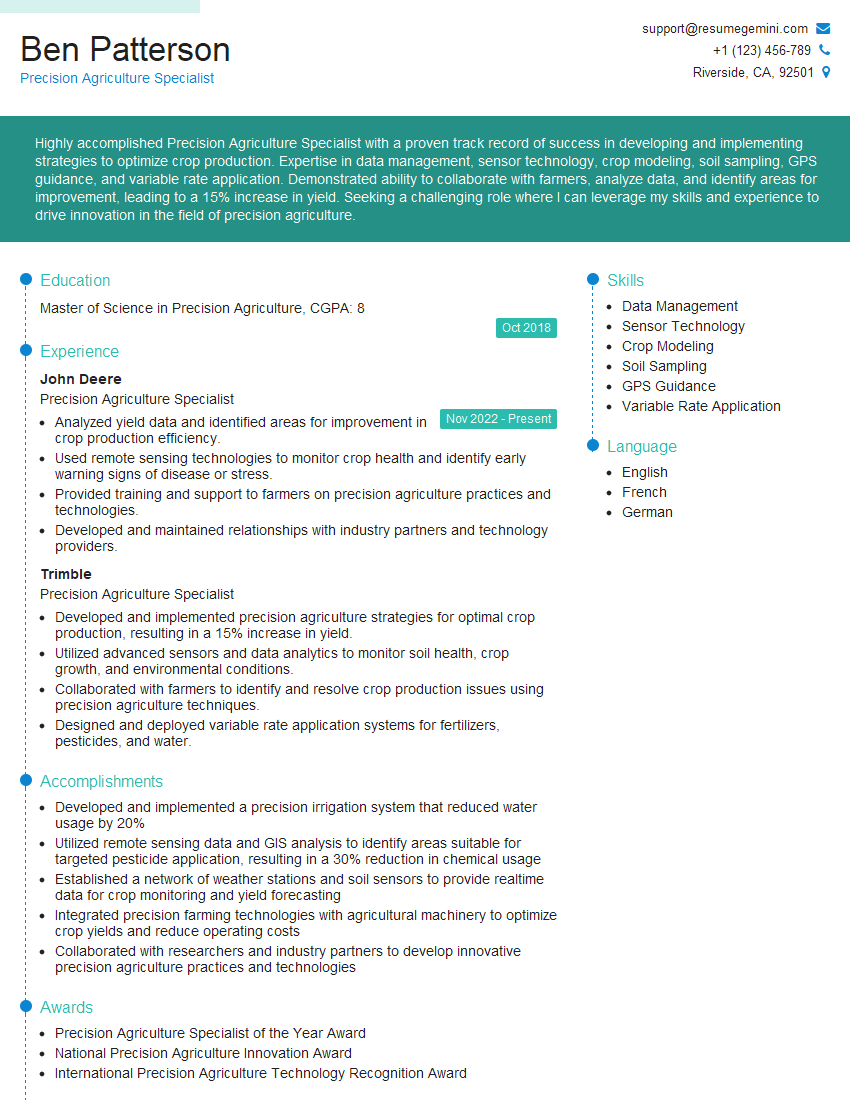
Precision Agriculture Specialist Resume Sample
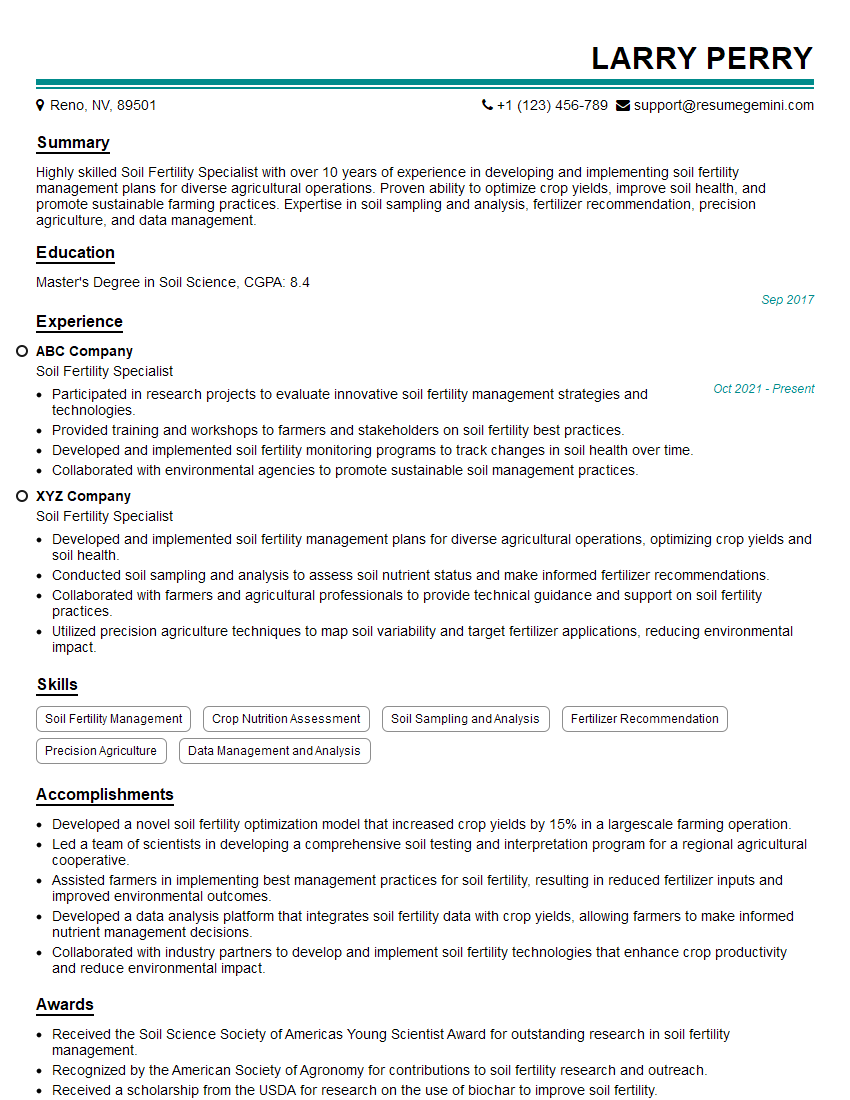
Soil Fertility Specialist Resume Sample
Explore more articles
Users Rating of Our Blogs
Share Your Experience
We value your feedback! Please rate our content and share your thoughts (optional).
What Readers Say About Our Blog
Very informative content, great job.
good