Unlock your full potential by mastering the most common ISO 9001 and AS9100 interview questions. This blog offers a deep dive into the critical topics, ensuring you’re not only prepared to answer but to excel. With these insights, you’ll approach your interview with clarity and confidence.
Questions Asked in ISO 9001 and AS9100 Interview
Q 1. Explain the key differences between ISO 9001 and AS9100.
ISO 9001 and AS9100 are both quality management system (QMS) standards, but AS9100 is specifically tailored for the aerospace industry, building upon the foundation of ISO 9001. Think of ISO 9001 as a general blueprint for building a robust QMS, applicable across various sectors. AS9100 takes that blueprint and adds specific requirements crucial for the high-risk, safety-critical nature of aerospace manufacturing and services.
- Scope: ISO 9001 applies to almost any organization, regardless of size or industry. AS9100 is specifically for organizations in the aerospace industry (including design, manufacturing, maintenance, etc.).
- Requirements: AS9001 incorporates all of ISO 9001’s requirements and adds more stringent clauses related to safety, reliability, traceability, and risk management—particularly focusing on preventing defects that could jeopardize safety.
- Auditing: AS9100 audits are more rigorous, often involving more detailed reviews of processes directly impacting safety and compliance with aviation regulations.
- Traceability: AS9100 emphasizes stronger traceability requirements, essential for tracking parts and materials throughout the entire supply chain in aerospace. This is vital for identifying and rectifying potential issues quickly.
- Risk Management: AS9100 places a stronger focus on proactive risk management, identifying and mitigating potential failures that could have significant safety implications. This involves identifying potential hazards at all stages of the process.
For example, while both standards would address a nonconformity, AS9100 would likely demand a more thorough investigation into the root cause, especially if it involved a part used in a flight-critical system. The corrective action plan would also need to demonstrate a greater level of safety assurance.
Q 2. Describe your experience conducting internal audits.
I have extensive experience conducting internal audits, both as a lead auditor and a team member. My experience spans various industries, but the majority of my work has been within the aerospace sector, using AS9100 as the framework. I’m proficient in planning audits, developing audit checklists, conducting opening and closing meetings, and executing the audit process itself, including gathering evidence, documenting findings, and reporting on the audit’s outcomes.
In a typical internal audit, I would start by thoroughly reviewing the organization’s documentation, including their quality manual, procedures, and work instructions. Then I’d select audit areas based on risk assessment and previous audit findings. During the audit, I would interview personnel, observe processes, and examine records to verify the effectiveness of the QMS. I believe in a collaborative approach, working with auditees rather than solely focusing on finding discrepancies. The goal is improvement, not just finding fault.
I’ve handled audits of small teams and large complex organizations, adapting my approach to fit the size and structure of the audited entity. I always strive to provide constructive feedback and support auditees in developing effective corrective actions.
Q 3. How would you handle a nonconformity identified during an audit?
When a nonconformity is identified during an audit, my immediate response is to document it clearly and objectively. This includes a detailed description of the nonconformity, its location, and supporting evidence. It’s crucial to avoid subjective interpretations; the description must be factual and verifiable.
Next, I’d discuss the nonconformity with the responsible personnel. This isn’t about assigning blame, but about understanding the situation, identifying the impact, and collaboratively determining the appropriate corrective action. I facilitate this discussion in a non-confrontational manner, aiming for mutual understanding and agreement on the next steps.
Finally, I’d ensure the nonconformity is documented in the audit report, including the agreed-upon corrective action plan. The follow-up is crucial. I’d track the implementation of the corrective action and verify its effectiveness, ensuring that the root cause has been addressed and the nonconformity won’t recur.
For example, if a process wasn’t properly documented, I’d work with the team to update the procedure, ensuring it accurately reflects the actual process and is easily understood by all personnel. I might suggest training sessions to reinforce the updated procedure and improve employee understanding.
Q 4. What is a corrective action and how is it implemented?
A corrective action is a process to eliminate the cause of a nonconformity or other undesirable situation and prevent its recurrence. It goes beyond simply fixing the immediate problem; it focuses on addressing the root cause. Implementing a corrective action involves several key steps:
- Identify the nonconformity: Clearly define the problem and its impact.
- Investigate the root cause: Utilize appropriate root cause analysis tools (like 5 Whys, Fishbone diagrams) to determine the underlying reasons for the nonconformity.
- Develop and implement corrective actions: Based on the root cause analysis, define specific actions to eliminate the cause. This might include updating procedures, providing training, improving equipment, or changing processes.
- Verify effectiveness: After implementation, verify that the corrective action has effectively addressed the root cause and prevented recurrence. This might involve monitoring key performance indicators (KPIs) or conducting follow-up audits.
- Document everything: Maintain a complete record of the nonconformity, root cause analysis, corrective actions taken, and verification of effectiveness.
For example, if repeated errors occur due to inadequate training, the corrective action might involve developing and delivering a comprehensive training program, followed by testing to verify employee competence. The effectiveness would then be monitored by tracking error rates.
Q 5. Explain your understanding of root cause analysis.
Root cause analysis (RCA) is a systematic process for identifying the fundamental cause(s) of a problem or nonconformity, rather than just addressing the symptoms. It’s crucial for effective corrective actions, as simply fixing the immediate issue may not prevent recurrence. There are several techniques for RCA, including:
- 5 Whys: Repeatedly asking “why” to drill down to the root cause. This is a simple but effective method for identifying underlying issues.
- Fishbone Diagram (Ishikawa Diagram): A visual tool to brainstorm potential causes categorized by category (materials, methods, manpower, machinery, environment, measurement).
- Fault Tree Analysis (FTA): A deductive reasoning technique used to determine the combinations of events that could lead to a particular failure.
- Failure Mode and Effects Analysis (FMEA): A proactive technique that identifies potential failure modes, their causes, and effects, allowing for preventative actions.
Choosing the right RCA technique depends on the complexity of the problem. For simple issues, the 5 Whys might suffice. For complex situations involving multiple factors, a Fishbone diagram or FTA might be more appropriate. Regardless of the technique, a thorough and objective investigation is essential to ensure the true root cause is identified and addressed, not just surface-level problems.
Q 6. What are the key elements of a quality management system (QMS)?
A quality management system (QMS) is a collection of interrelated or interacting elements that work together to establish policies, objectives, and processes to achieve quality objectives. Key elements include:
- Leadership and Commitment: Top management must demonstrate commitment to quality by establishing a quality policy, providing resources, and fostering a quality culture.
- Customer Focus: Understanding and meeting customer requirements and exceeding expectations is central to a successful QMS.
- Process Approach: Defining, managing, and improving processes to achieve consistent results and improve efficiency.
- People Involvement: Empowering and developing employees to contribute to quality improvement.
- Plan-Do-Check-Act (PDCA) Cycle: A continuous improvement model for planning actions, implementing them, checking results, and taking corrective actions.
- Risk-based Thinking: Identifying and managing risks that could affect the ability to meet quality objectives. This is crucial in the aerospace context (AS9100).
- Data Analysis: Collecting and analyzing data to understand performance and identify areas for improvement.
- Continuous Improvement: Striving for ongoing enhancement of the QMS and its processes.
These elements are interconnected, and their effectiveness depends on strong integration and commitment across the organization.
Q 7. How do you ensure the effectiveness of your QMS?
Ensuring the effectiveness of a QMS involves a multi-faceted approach. It’s not a one-time effort, but a continuous process of monitoring, review, and improvement.
- Internal Audits: Regularly scheduled internal audits assess compliance with the QMS and identify areas for improvement. This is a proactive measure to identify weaknesses before they escalate.
- Management Review: Periodic management reviews analyze the QMS’s performance, addressing any identified deficiencies. This involves top management actively participating in the assessment and improvement plan.
- Monitoring and Measurement: Regularly monitoring key performance indicators (KPIs) helps track progress, identify trends, and highlight areas needing attention. For instance, tracking defect rates, customer satisfaction, and lead times provides insights into the effectiveness of processes.
- Corrective Actions and Preventative Actions: Implementing effective corrective and preventative actions addresses nonconformities and prevents future occurrences. This ensures that lessons learned are applied to the QMS.
- Employee Feedback: Gathering feedback from employees involved in the QMS helps identify areas where the system could be improved from a practical perspective.
- External Audits (Certification): Regular external audits by a certification body provide an independent assessment of the QMS’s effectiveness and compliance with the relevant standards (ISO 9001 or AS9100).
By combining these approaches, an organization can build confidence in the effectiveness of its QMS, ensure continuous improvement, and deliver consistent high-quality products or services.
Q 8. Describe your experience with document control.
Document control is the cornerstone of any effective Quality Management System (QMS). It ensures that all documents are current, readily available, and used consistently across the organization. This includes everything from procedures and work instructions to drawings and specifications. My experience involves establishing and maintaining a document control system that is compliant with both ISO 9001 and AS9100 requirements. This system typically includes a defined process for creating, reviewing, approving, distributing, changing, and archiving documents.
For example, in a previous role, we implemented a digital document management system to streamline our process. This involved creating a robust document numbering system, assigning document owners, and establishing a clear review and approval workflow using electronic signatures. We also implemented version control to prevent the use of outdated documents. The system included features for automated notifications upon document updates and access controls to ensure only authorized personnel could make changes.
Effective document control isn’t just about compliance; it’s about reducing errors, improving efficiency, and ensuring consistent quality. Poor document control can lead to nonconforming products, rework, and costly delays. In another project, we discovered that a lack of updated training documentation had resulted in inconsistencies in product assembly, highlighting the importance of a proactive approach to document control.
Q 9. How do you manage change within a QMS?
Managing change within a QMS is crucial for maintaining its effectiveness and adapting to evolving business needs. This requires a structured approach that ensures all impacted areas are considered and changes are implemented seamlessly. My approach typically involves a formal change control process, mirroring the document control principles mentioned earlier. This includes identifying the need for a change, assessing its impact, obtaining appropriate approvals, implementing the change, and verifying its effectiveness.
For example, imagine a change to a critical manufacturing process. First, a change request would be submitted, clearly documenting the proposed changes and their rationale. Then, a thorough impact assessment would be conducted, considering the effects on other processes, documents, personnel, and equipment. This may involve risk assessment using techniques such as Failure Mode and Effects Analysis (FMEA) to identify potential problems. Once approved, the change is implemented, and verification activities, such as audits or process capability studies, are performed to ensure its success.
Maintaining a controlled and documented change management process ensures the QMS remains aligned with the organization’s objectives and complies with relevant standards. Ignoring this can lead to confusion, errors, and even system failures. A well-managed change process is proactive, efficient, and minimizes disruptions to operations.
Q 10. Explain your understanding of risk-based thinking.
Risk-based thinking is a fundamental principle of both ISO 9001 and AS9100. It involves proactively identifying, assessing, and mitigating risks that could impact the ability of the QMS to achieve its objectives. It’s not about eliminating all risks – that’s impossible – but about understanding and managing them effectively. This includes considering both opportunities and threats.
In practice, this often involves techniques such as Failure Mode and Effects Analysis (FMEA), which systematically identifies potential failures in a process and assesses their potential impact. Another common method is hazard analysis, which identifies potential hazards and their associated risks. These techniques are used to prioritize risk mitigation efforts and allocate resources accordingly. For instance, a risk with a high probability and high impact would warrant immediate attention and mitigation measures.
A practical example would be in a manufacturing environment, where the risk of a machine malfunction causing production downtime is assessed. Through FMEA, we might identify potential failure modes, such as component failure or operator error. Then, we would determine the severity, likelihood, and detectability of these failures. This would lead to the implementation of preventive measures, such as regular maintenance schedules, operator training programs, or redundant systems.
Q 11. What is your experience with process mapping and improvement?
Process mapping and improvement are vital for continuous improvement within a QMS. Process mapping visually represents the steps involved in a process, providing a clear understanding of its flow and identifying areas for improvement. I have extensive experience creating process maps using various techniques like flowcharts, swim lane diagrams, and value stream maps. This helps reveal bottlenecks, redundancies, and areas of potential failure.
Once a process map is created, we can use various improvement methodologies like Lean or Six Sigma to optimize the process. This often involves data analysis to identify root causes of problems and implement corrective actions. For example, in a previous project, we mapped a complex assembly process and identified a significant bottleneck in a particular workstation. By re-arranging the workstation layout and implementing a more efficient workflow, we were able to reduce cycle times and improve overall productivity.
Process improvement isn’t a one-time event; it’s an ongoing cycle. Regularly reviewing and updating process maps, along with data analysis, helps maintain the efficiency and effectiveness of our processes. This iterative approach is critical for achieving continuous improvement and maintaining a competitive edge.
Q 12. How do you measure the effectiveness of your quality management processes?
Measuring the effectiveness of quality management processes is crucial for demonstrating compliance and ensuring continuous improvement. This involves defining key performance indicators (KPIs) that align with the organization’s quality objectives. These KPIs should be measurable, achievable, relevant, and time-bound (SMART).
Common examples of KPIs include: defect rates, customer satisfaction scores, on-time delivery rates, and process cycle times. The choice of KPIs will depend on the specific processes being measured and the organization’s strategic goals. We regularly track these KPIs using data collected through various sources, such as production records, customer surveys, and internal audits.
Data analysis helps us identify trends, areas of strength, and areas needing improvement. This data-driven approach allows for informed decision-making, ensuring resources are allocated effectively to address areas where the greatest impact can be made. For instance, a consistent increase in defect rates in a particular process would trigger a thorough investigation into the root cause and implementation of corrective actions.
Q 13. Describe your experience with customer feedback and complaint handling.
Customer feedback and complaint handling are critical aspects of a robust QMS. I have significant experience in establishing and managing systems for collecting, analyzing, and responding to customer feedback. This includes proactively soliciting feedback through surveys, feedback forms, and direct communication. We also have systems in place to effectively handle customer complaints.
Our complaint handling process follows a structured approach, starting with acknowledging the complaint, investigating the root cause, implementing corrective actions, and communicating the resolution to the customer. We use a formal process for tracking and analyzing complaints to identify recurring issues and implement preventative actions. This information is crucial for continuous improvement and helps us understand customer expectations better.
Effective customer complaint handling is not only about resolving immediate issues but also about building stronger customer relationships. A timely and effective response demonstrates our commitment to quality and customer satisfaction. Using customer feedback to improve our products and services is essential for long-term success.
Q 14. How familiar are you with the requirements of AS9100D?
AS9100D is the latest revision of the aerospace quality management systems standard. I am very familiar with its requirements, having worked extensively within aerospace and defense organizations. The standard builds upon the foundation of ISO 9001 but adds specific requirements relevant to the aerospace industry, focusing on areas such as safety, reliability, and traceability. Key additions and areas of emphasis in AS9100D include a stronger focus on risk management, counterfeit parts prevention, and supply chain management.
I understand the importance of maintaining a robust counterfeit parts prevention program, ensuring the traceability of materials and components throughout the supply chain. I am also familiar with the requirements related to process controls, product realization, and continuous improvement, which are crucial aspects of maintaining an effective aerospace quality management system. I have experience implementing and maintaining AS9100D compliant QMS, including conducting internal audits and managing the certification process.
AS9100D’s rigorous requirements are essential for ensuring the safety and reliability of aerospace products. Compliance is not just about meeting the standards but about embedding a culture of quality and safety throughout the entire organization. Understanding and implementing these requirements is paramount for success in the aerospace industry.
Q 15. Explain your understanding of the 8D problem-solving methodology.
The 8D problem-solving methodology is a structured approach to resolving quality issues, focusing on identifying the root cause and implementing corrective actions to prevent recurrence. Think of it as a systematic detective investigation for quality problems. Each ‘D’ represents a distinct step.
- D1: Describe the problem: Clearly define the problem, including its impact and severity. For example, ‘Consistently failing pressure tests on assembly line 3, resulting in 10% scrap rate.’
- D2: Set up a team: Assemble a cross-functional team with the necessary expertise to investigate and resolve the problem. This ensures diverse perspectives.
- D3: Contain the problem: Implement immediate actions to prevent further occurrences of the problem. This could involve isolating defective parts or temporarily halting the affected process.
- D4: Develop corrective actions: Identify the root cause of the problem using tools like fishbone diagrams (Ishikawa diagrams) or 5 Whys. For our pressure test example, this might reveal a faulty pressure gauge.
- D5: Implement corrective actions: Put the identified solutions into action. Replace the faulty gauge with a calibrated one, for instance.
- D6: Verify effectiveness: After implementing solutions, verify their effectiveness in preventing further occurrences. Continue pressure testing and monitor the scrap rate.
- D7: Prevent recurrence: Implement permanent corrective actions to prevent the problem from happening again. This might include implementing a regular calibration schedule for the pressure gauge.
- D8: Congratulate the team: Recognize and reward the team’s efforts in resolving the problem. This fosters a culture of continuous improvement.
I’ve personally used 8D extensively in AS9100 environments to tackle issues ranging from component failures to process inefficiencies, always focusing on root cause elimination rather than just symptom treatment.
Career Expert Tips:
- Ace those interviews! Prepare effectively by reviewing the Top 50 Most Common Interview Questions on ResumeGemini.
- Navigate your job search with confidence! Explore a wide range of Career Tips on ResumeGemini. Learn about common challenges and recommendations to overcome them.
- Craft the perfect resume! Master the Art of Resume Writing with ResumeGemini’s guide. Showcase your unique qualifications and achievements effectively.
- Don’t miss out on holiday savings! Build your dream resume with ResumeGemini’s ATS optimized templates.
Q 16. What is your experience with statistical process control (SPC)?
Statistical Process Control (SPC) is a powerful tool for monitoring and controlling process variation. It allows us to proactively identify and address potential quality issues before they impact the final product. I’m proficient in using control charts, such as X-bar and R charts, and p-charts, to track key process parameters.
In my experience, SPC helps to establish baseline performance, identify assignable causes of variation (special cause variation), and distinguish them from common cause variation. For instance, in a machining operation, I used an X-bar and R chart to monitor the diameter of a critical component. By analyzing the chart, we identified a specific tool wear pattern leading to diameter inconsistencies, which allowed for timely tool replacement and improved process consistency. We also utilized capability analysis (Cp, Cpk) to assess the process’s ability to meet specifications.
Beyond the basic charts, I have experience with more advanced techniques like process capability studies and design of experiments (DOE) to optimize processes and reduce variability.
Q 17. How do you ensure traceability within a manufacturing process?
Traceability in manufacturing is crucial for ensuring that the product can be traced back through its entire lifecycle. This is particularly vital for industries with stringent regulatory requirements like aerospace (AS9100). We ensure traceability through a combination of methods:
- Unique Identification: Each part or component is assigned a unique identification number, allowing for tracking throughout the manufacturing process.
- Documentation Control: Comprehensive documentation is kept at each stage, including work instructions, inspection reports, and material certificates.
- Barcodes/QR Codes: These are used to simplify data capture and tracking, making the process more efficient and reducing human error.
- Electronic Data Management Systems: These systems offer a centralized database for managing traceability information, ensuring easy access and searchability.
- Material Certificates & Traceability Records: These documents are essential for materials that must meet stringent quality standards (e.g. specific heat treatments or certifications).
For example, in a previous role, we implemented a serialized tracking system using barcodes for critical components. This allowed us to quickly identify the source of any defective parts and trace them back to their specific lot, eliminating production delays and preventing further quality issues. This was particularly important during a customer audit.
Q 18. What is your experience with calibration and measurement equipment?
Calibration and measurement equipment are foundational to maintaining consistent product quality. Inaccurate measurements can lead to significant quality problems and non-conformances. My experience includes managing the calibration process, selecting appropriate calibration standards, and ensuring that equipment is traceable to national or international standards.
I’m familiar with using calibration management systems (CMS) to schedule, track, and manage the calibration lifecycle. This includes setting calibration intervals based on manufacturer recommendations and usage frequency. I also have experience reviewing calibration certificates to ensure validity and compliance with standards. For example, I developed and implemented a CMS for a company to ensure all measurement equipment was calibrated according to the ISO 17025 standard and integrated this system into our quality management system. In this case we were able to significantly improve the efficiency and accuracy of our calibration process, reducing downtime and maintaining our ISO 9001 certification.
Q 19. How do you handle supplier quality management?
Supplier quality management is crucial for ensuring the quality of incoming materials and components. It involves selecting reliable suppliers, assessing their capabilities, and monitoring their performance. This is often done via a robust supplier management system. My approach includes:
- Supplier Selection: Carefully evaluating potential suppliers based on their quality management systems, capabilities, and past performance.
- Supplier Audits: Conducting regular audits of supplier facilities to verify their compliance with our requirements and industry standards.
- Incoming Inspection: Implementing rigorous incoming inspection procedures to verify that materials and components meet specifications. This could include visual inspections, dimensional checks, or testing.
- Performance Monitoring: Continuously monitoring supplier performance through key performance indicators (KPIs) such as defect rates and delivery performance.
- Corrective Actions: Working with suppliers to address any quality issues promptly and implement corrective and preventive actions (CAPA).
I’ve successfully implemented a supplier rating system that objectively measures supplier performance and allows for prioritization of improvement efforts. This system has led to a significant reduction in defective materials and improved supplier relationships, ultimately enhancing our product quality.
Q 20. Describe your experience with continuous improvement initiatives.
Continuous improvement is a cornerstone of effective quality management systems. It’s not just about fixing problems, but about constantly seeking ways to enhance processes and improve efficiency. My experience involves implementing and managing various continuous improvement initiatives, such as:
- Lean Manufacturing: Identifying and eliminating waste in processes through techniques like Value Stream Mapping (VSM), 5S, and Kaizen events.
- Six Sigma: Employing Six Sigma methodologies (DMAIC or DMADV) to systematically improve processes and reduce variation.
- Kaizen Events: Organizing focused workshops with cross-functional teams to identify and implement process improvements.
- Data-Driven Decision Making: Using data and metrics to track progress, identify areas for improvement, and measure the effectiveness of implemented changes.
In one instance, we conducted a Kaizen event focused on streamlining our assembly process. Through team brainstorming and process mapping, we identified and eliminated several bottlenecks, resulting in a 15% reduction in lead time and an improvement in overall efficiency.
Q 21. How do you ensure compliance with regulatory requirements?
Ensuring compliance with regulatory requirements is paramount. This involves understanding the applicable regulations, implementing procedures to meet those requirements, and maintaining documentation to demonstrate compliance. My approach involves:
- Regulatory Monitoring: Staying abreast of changes in relevant regulations and standards (e.g., FAA, FDA, etc.).
- Internal Audits: Conducting regular internal audits to verify compliance with regulations and internal procedures.
- Management Review: Participating in management reviews to assess the effectiveness of the quality management system and identify any areas needing improvement regarding regulatory compliance.
- Documentation Control: Maintaining up-to-date and accurate records to demonstrate compliance with regulatory requirements.
- External Audits: Working collaboratively with external auditors during certification audits and regulatory inspections.
For example, I played a key role in ensuring our company’s compliance with AS9100 Rev. D requirements. This involved implementing a robust configuration management system and ensuring traceability of parts and processes throughout the entire supply chain. Our successful audit demonstrated our commitment to compliance and industry best practices.
Q 22. Explain your experience with internal and external audits.
My experience with internal and external audits spans over eight years, encompassing both ISO 9001 and AS9100 standards within the aerospace and manufacturing sectors. Internal audits involve systematically evaluating our processes against the standard’s requirements, identifying nonconformances, and recommending corrective actions. I’ve led numerous internal audits, training auditors, and developing audit plans tailored to specific departmental needs. This includes using checklists, conducting interviews, reviewing documentation, and verifying process effectiveness. For example, during an internal audit of our machining department, I identified a gap in our calibration procedures, leading to the implementation of a new, more robust system. External audits, conducted by independent certification bodies, are a crucial assessment of our QMS’s effectiveness. I’ve actively participated in several external audits, acting as the management representative, addressing auditor queries, and ensuring efficient and transparent provision of all necessary documentation. Successfully navigating these audits has consistently improved our system’s performance and strengthened its compliance.
Q 23. What is your experience with implementing a quality management system?
Implementing a quality management system is a strategic endeavor demanding meticulous planning and execution. My experience includes leading the implementation of ISO 9001 and AS9100 in two distinct organizations. This process begins with a thorough gap analysis, identifying the existing system’s strengths and weaknesses against the selected standard’s requirements. Subsequently, I develop a comprehensive implementation plan, outlining timelines, responsibilities, and resource allocation. Key steps include documenting processes, developing work instructions, and establishing a robust training program for all personnel. For instance, in implementing AS9100, we focused heavily on aspects like traceability, configuration management, and product safety, reflecting the aerospace industry’s unique demands. Continuous improvement is integral to this process; regular management reviews ensure our QMS remains effective and responsive to evolving needs. I use techniques such as PDCA (Plan-Do-Check-Act) to systematically address areas for enhancement.
Q 24. Describe your experience with data analysis related to quality.
Data analysis is crucial for continuous improvement within a quality management system. My experience involves leveraging various tools and techniques to extract meaningful insights from quality-related data. This ranges from simple descriptive statistics (mean, median, standard deviation) to more sophisticated methods like control charts (e.g., X-bar and R charts) and Pareto analysis. For instance, by analyzing defect data from our production line using a Pareto chart, we identified that 80% of our defects were attributable to a single process step, allowing us to focus our improvement efforts effectively. I also utilize statistical software packages to conduct more complex analyses, such as regression analysis to identify correlations between process parameters and product quality. These data-driven insights enable proactive problem-solving, reduced defects, and improved overall product quality.
Q 25. How do you prioritize tasks within a quality management context?
Prioritizing tasks within a quality management context requires a structured approach. I typically use a risk-based prioritization framework, considering the potential impact of each task on product quality, customer satisfaction, and regulatory compliance. Factors such as urgency, severity, and cost are also considered. I utilize tools like Eisenhower Matrix (Urgent/Important), where tasks are categorized to determine the most effective allocation of resources. For example, addressing a critical customer complaint requiring immediate action would take precedence over a long-term improvement project. Regular reviews and adjustments to the priority list are essential to ensure alignment with evolving needs and unexpected events.
Q 26. How do you communicate effectively about quality issues to various stakeholders?
Effective communication is paramount in addressing quality issues. My approach involves tailoring my communication style to the audience. When communicating with customers, I ensure transparency, empathy, and a clear explanation of the corrective actions being taken. Internal communication involves clear, concise reports, using data visualization to facilitate understanding. For example, I would present a summary report of a quality incident to management, highlighting key findings, root causes, and corrective actions using graphs and charts. I also leverage various communication channels such as email, meetings, and reports to ensure timely and efficient information dissemination. Regular feedback loops are maintained to ensure alignment and understanding across stakeholders.
Q 27. Describe a situation where you had to resolve a complex quality issue.
In a previous role, we faced a significant issue with a critical component experiencing unexpected failures. Initial investigations pointed to various potential root causes, leading to confusion and conflicting conclusions. To resolve this, I implemented a structured problem-solving methodology, employing tools like 5 Whys and Fishbone diagrams to systematically investigate the root causes. Through meticulous data analysis and cross-functional collaboration, we ultimately identified a flaw in the supplier’s manufacturing process. This involved extensive communication with the supplier, leading to process improvements and comprehensive testing of replacement components. We implemented robust verification and validation protocols to prevent recurrence and established a system for continuous monitoring of this component’s performance. This experience highlighted the importance of rigorous problem-solving techniques, effective team collaboration, and proactive supplier management.
Q 28. How do you stay current with changes and updates to ISO 9001 and AS9100 standards?
Staying current with ISO 9001 and AS9100 standards is a continuous process. I actively participate in industry conferences and webinars, subscribe to relevant professional journals, and utilize online resources provided by certification bodies such as ANSI-ASQ National Accreditation Board (ANAB). I also closely monitor the websites of ISO and SAE International for updates and revisions. Furthermore, I maintain professional certifications, undergoing regular training to ensure my knowledge remains up-to-date. This proactive approach ensures that our QMS remains compliant and leverages the latest best practices in quality management.
Key Topics to Learn for ISO 9001 and AS9100 Interviews
Ace your next interview by mastering these key areas. Understanding both the theory and practical application will significantly boost your confidence and showcase your expertise.
- Understanding the Scope: Define the boundaries of a quality management system (QMS) and how it applies to specific organizational contexts. Consider how the scope influences processes and documentation.
- Risk-Based Thinking: Learn how to identify, analyze, and mitigate risks impacting product quality and conformity. Practice applying risk assessment methodologies within a QMS framework.
- Process Approach: Master the importance of defining, managing, and improving processes within the QMS. Discuss practical examples of process mapping and improvement strategies.
- Internal Audits: Understand the purpose, planning, execution, and reporting of internal audits. Prepare to discuss audit methodologies and corrective actions.
- Management Review: Explain the role of management reviews in driving continuous improvement and ensuring QMS effectiveness. Prepare to discuss key performance indicators (KPIs) and their relevance.
- Corrective Actions: Describe the process for identifying, investigating, and resolving nonconformities. Discuss effective root cause analysis techniques.
- AS9100 Specifics (Beyond ISO 9001): Familiarize yourself with the aviation, space, and defense industry-specific requirements of AS9100. This includes aspects like counterfeit parts prevention and traceability.
- Documentation Control: Explain the importance of maintaining accurate and up-to-date documentation within the QMS. Discuss different document control methods and their applications.
- Problem-Solving Methodologies: Practice applying various problem-solving techniques, such as 5 Whys, fishbone diagrams, and Pareto analysis, to real-world quality issues.
Next Steps
Mastering ISO 9001 and AS9100 demonstrates a commitment to quality and opens doors to exciting career opportunities in various industries. Your expertise will be highly valued by employers seeking professionals who can ensure compliance and drive continuous improvement. To maximize your chances of landing your dream job, creating an ATS-friendly resume is crucial. This ensures your qualifications are properly identified by applicant tracking systems, increasing your visibility to potential employers.
ResumeGemini is a trusted resource to help you build a professional and impactful resume. We provide examples of resumes tailored to ISO 9001 and AS9100 roles, giving you a head start in crafting a compelling application. Invest in your future today!
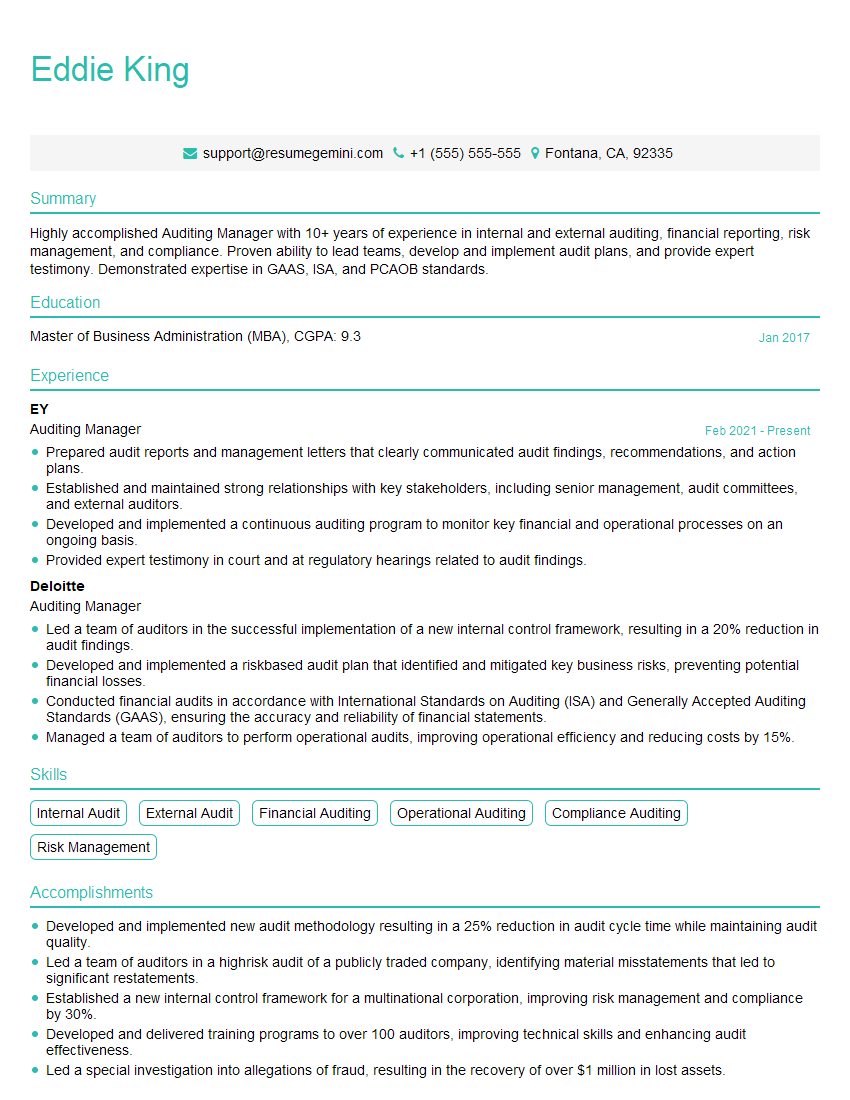
Auditing Manager Resume Sample
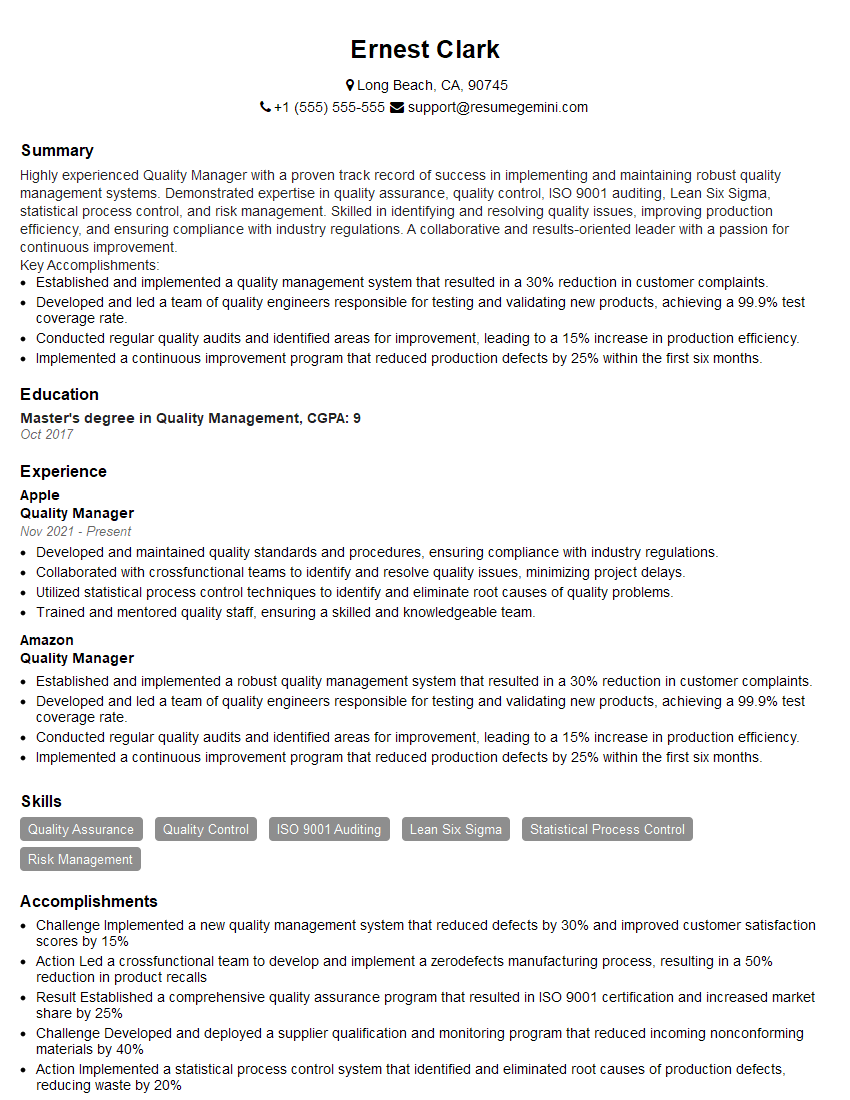
Quality Manager Resume Sample
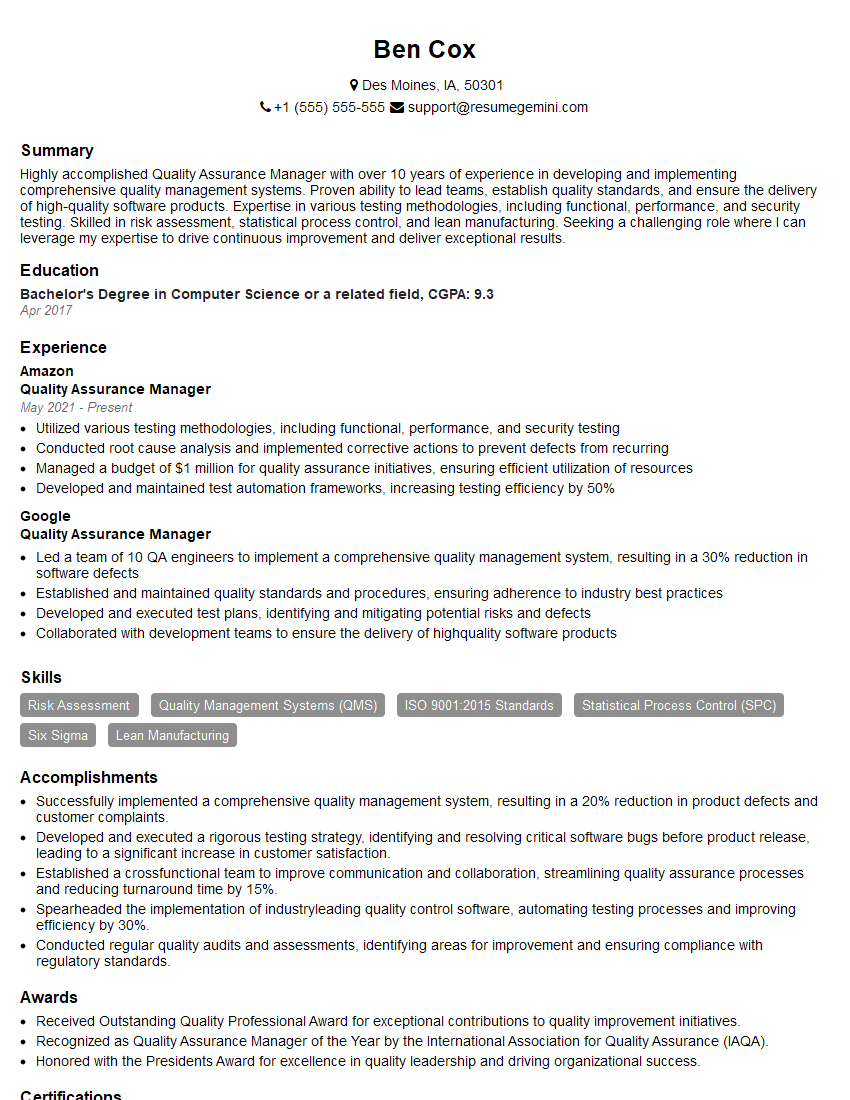
Quality Assurance Manager Resume Sample
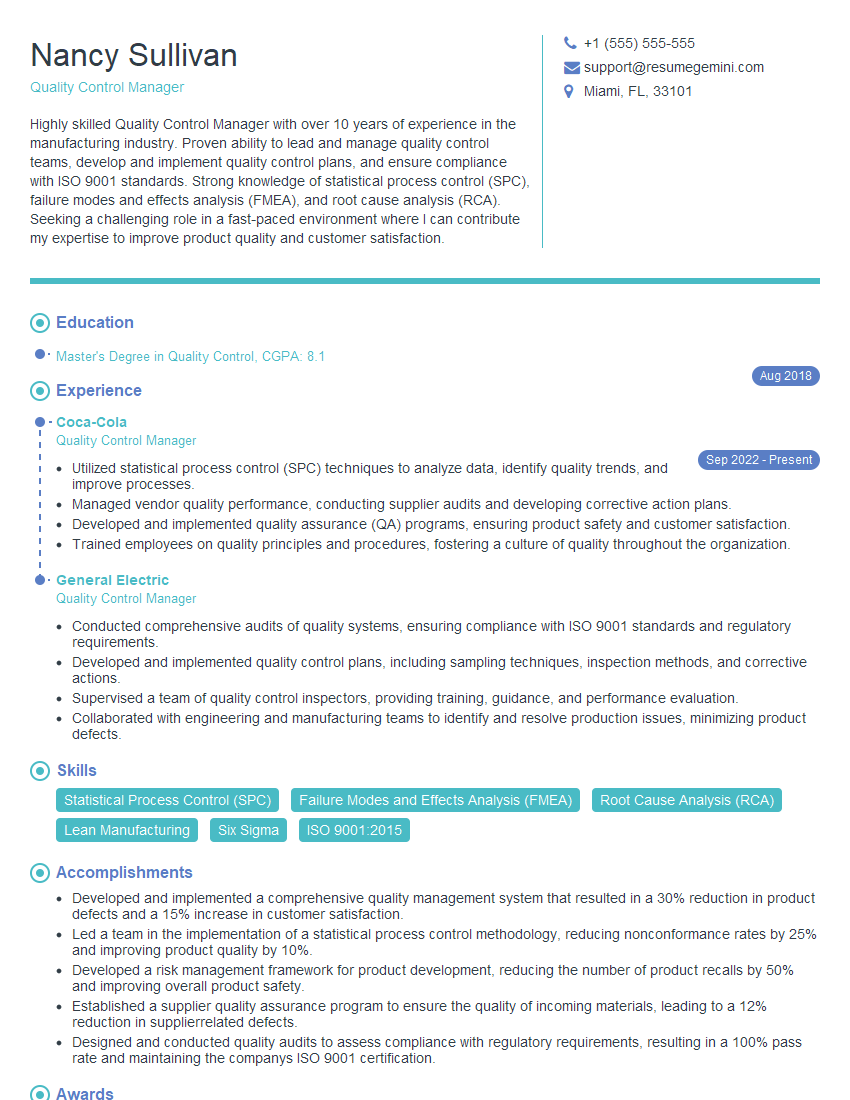
Quality Control Manager Resume Sample
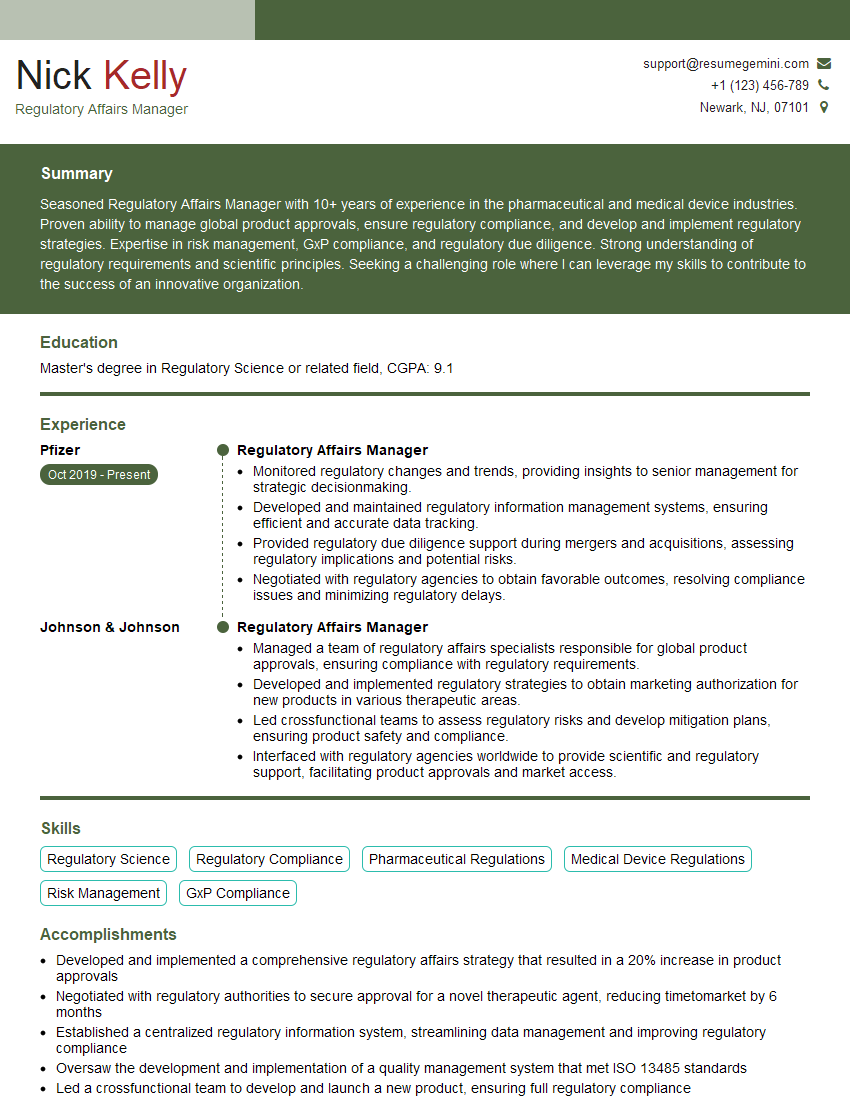
Regulatory Affairs Manager Resume Sample
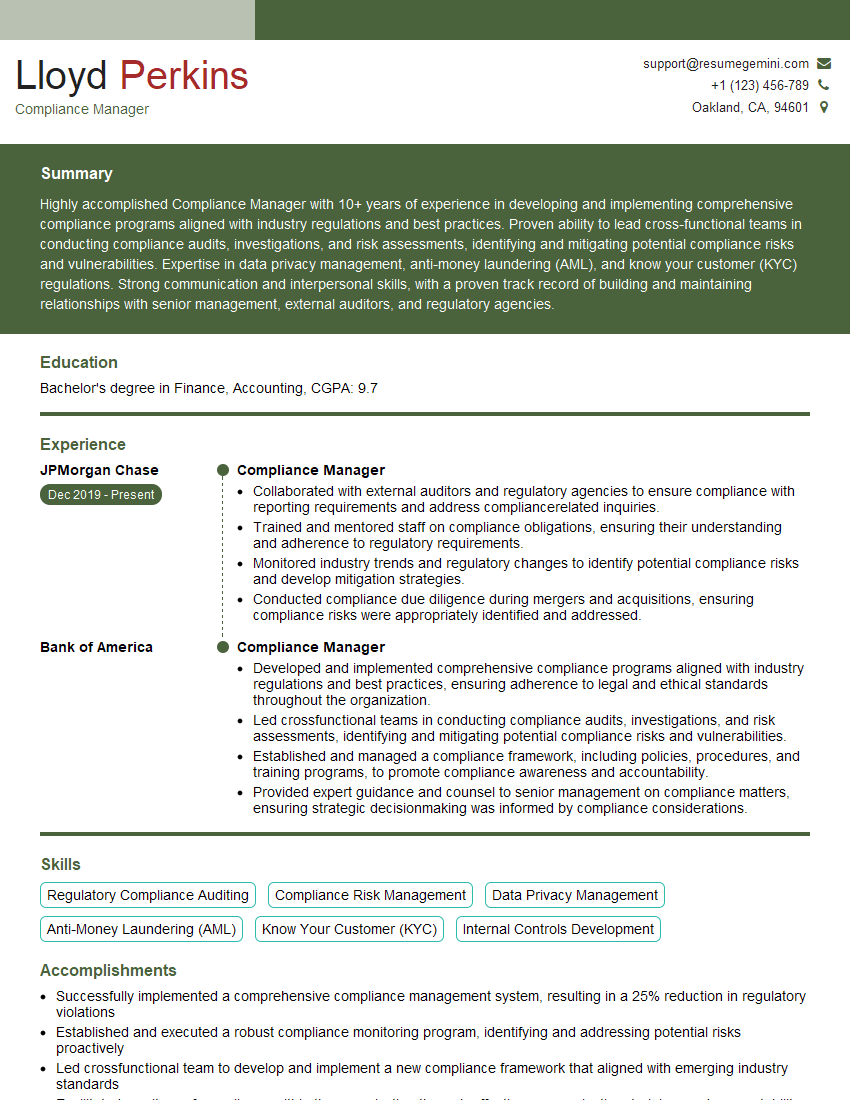
Compliance Manager Resume Sample
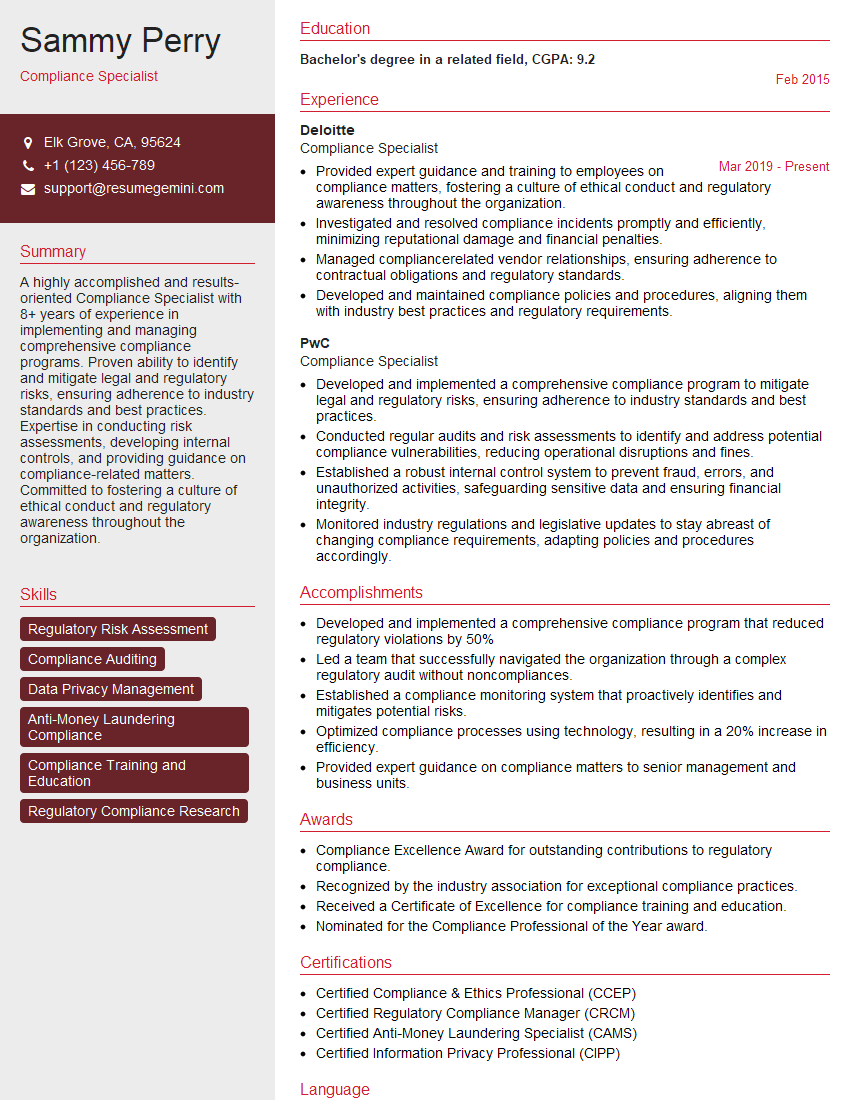
Compliance Specialist Resume Sample
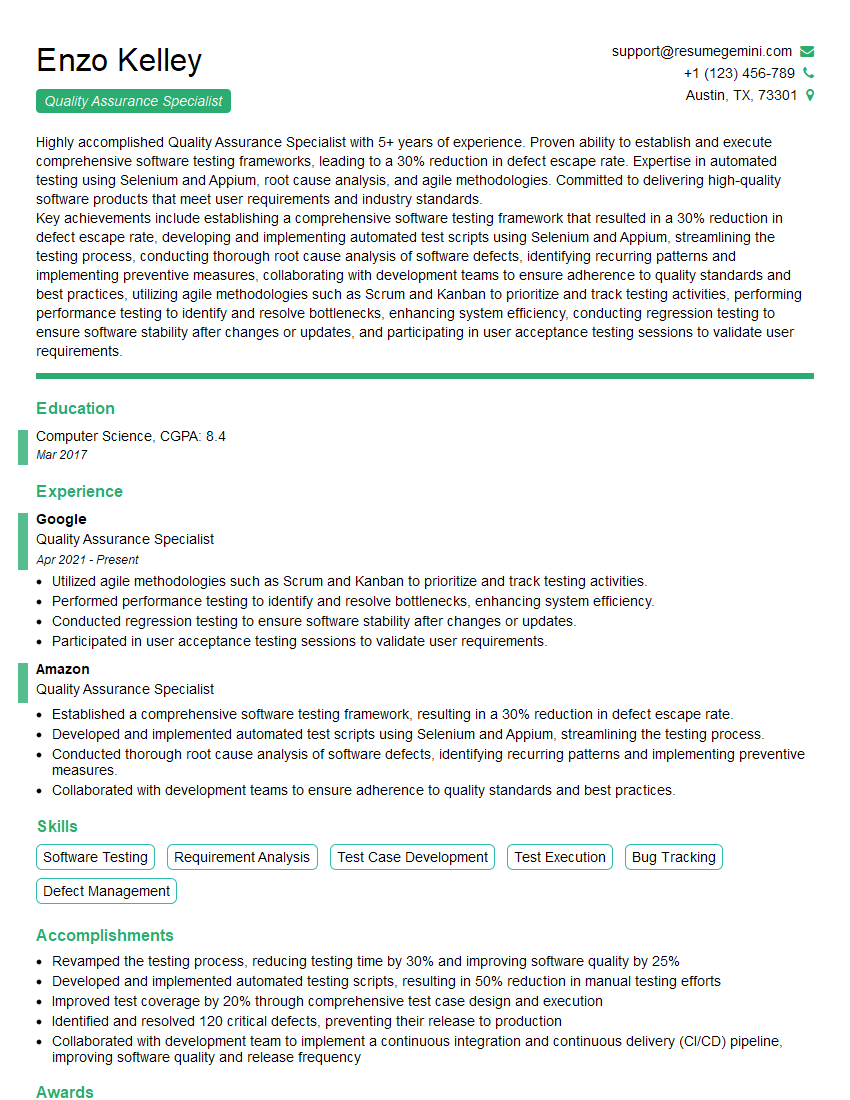
Quality Assurance Specialist Resume Sample
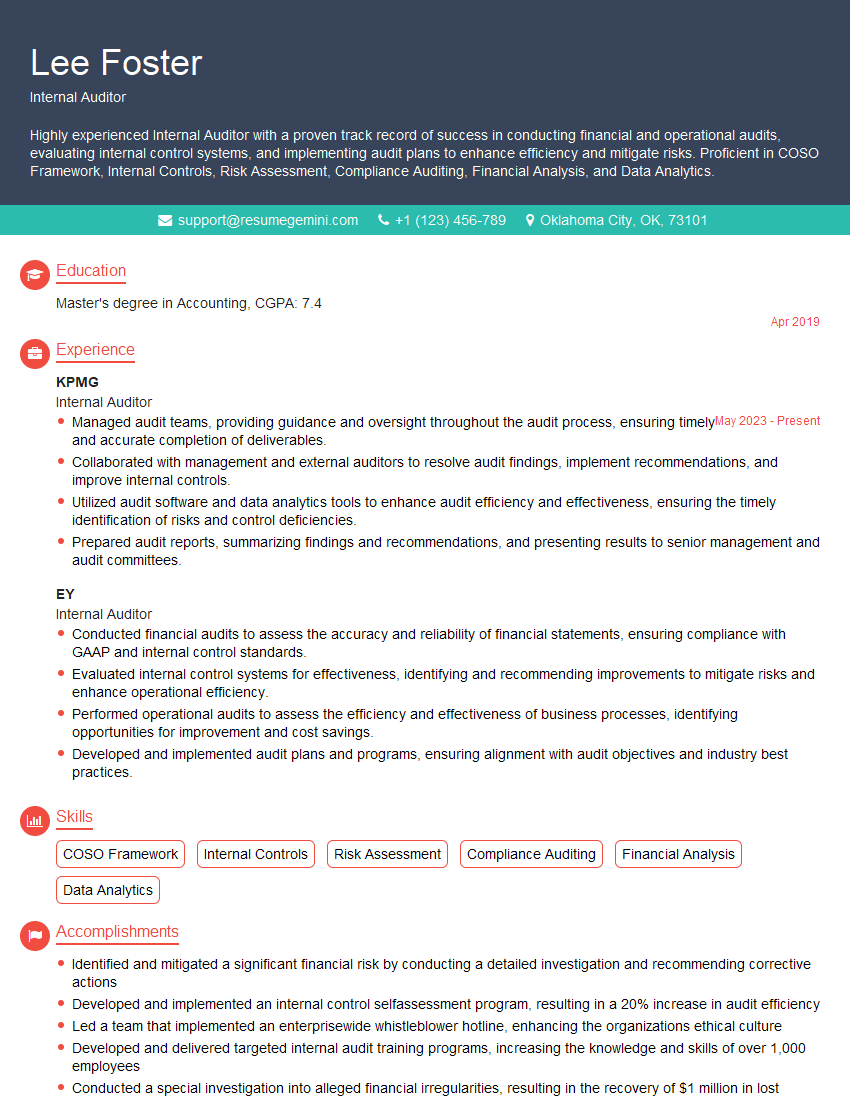
Internal Auditor Resume Sample
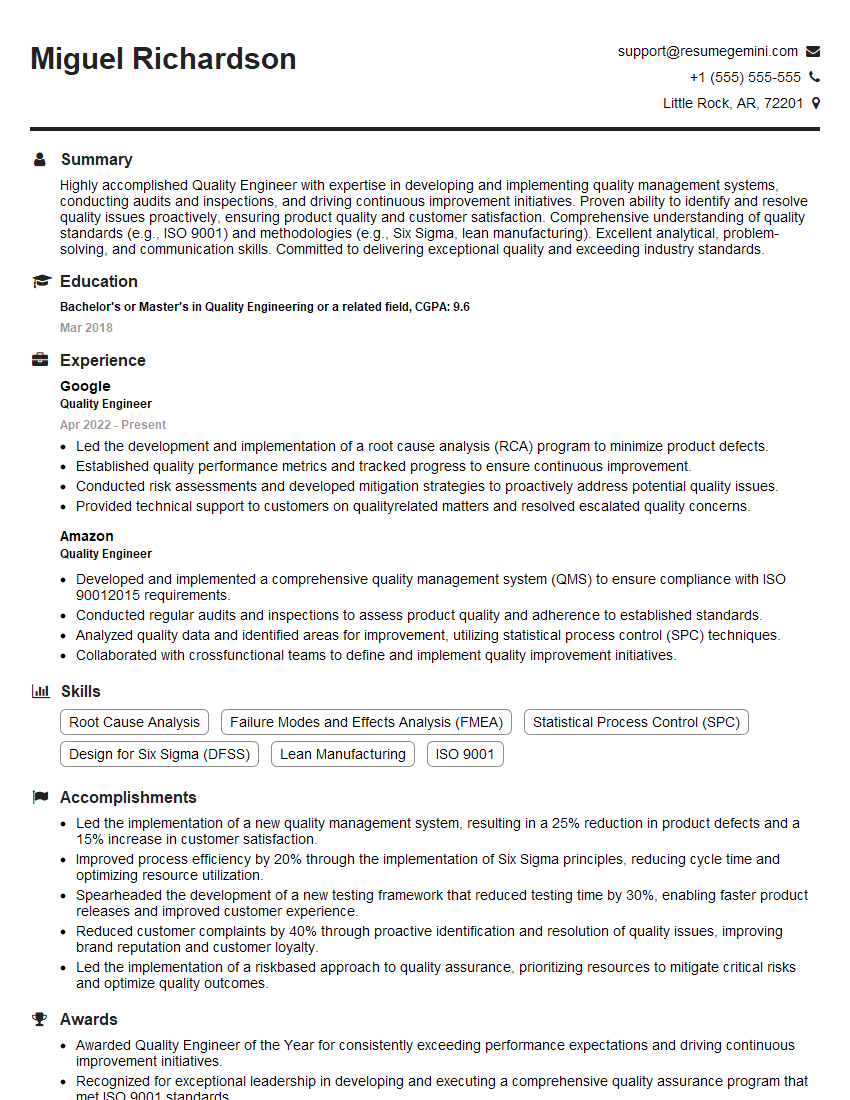
Quality Engineer Resume Sample
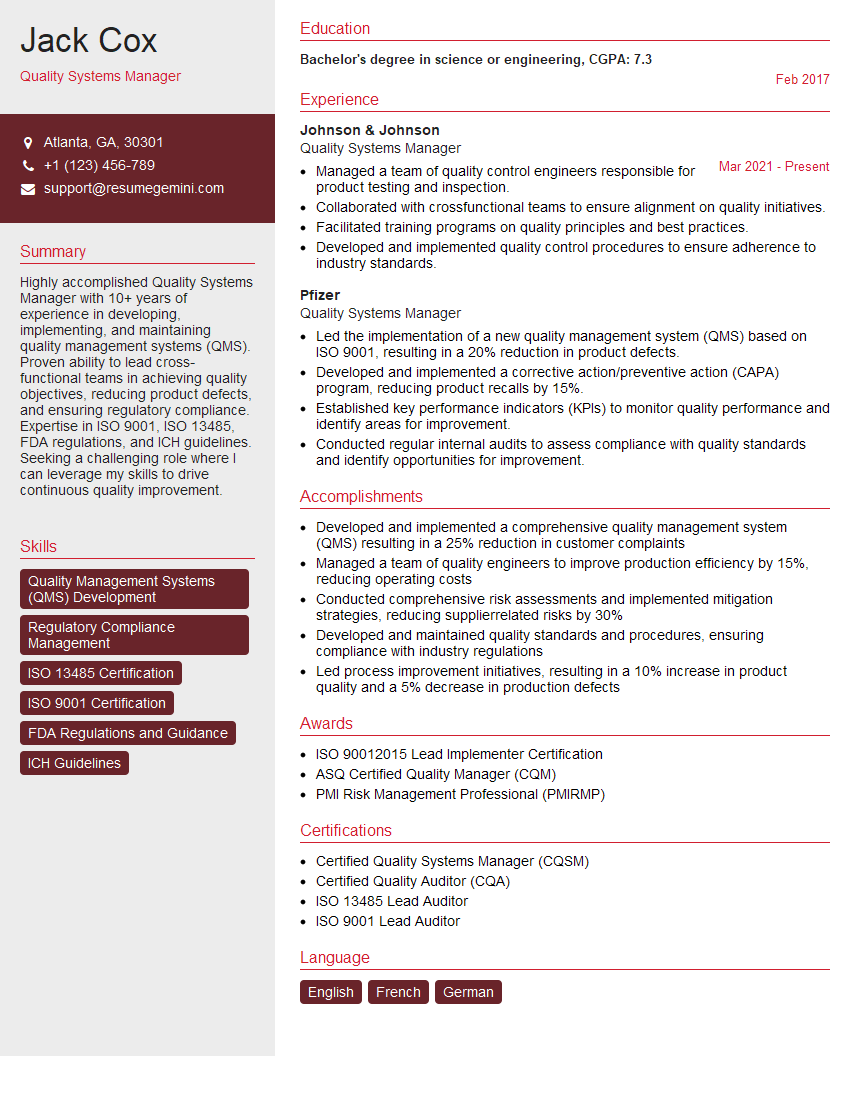
Quality Systems Manager Resume Sample
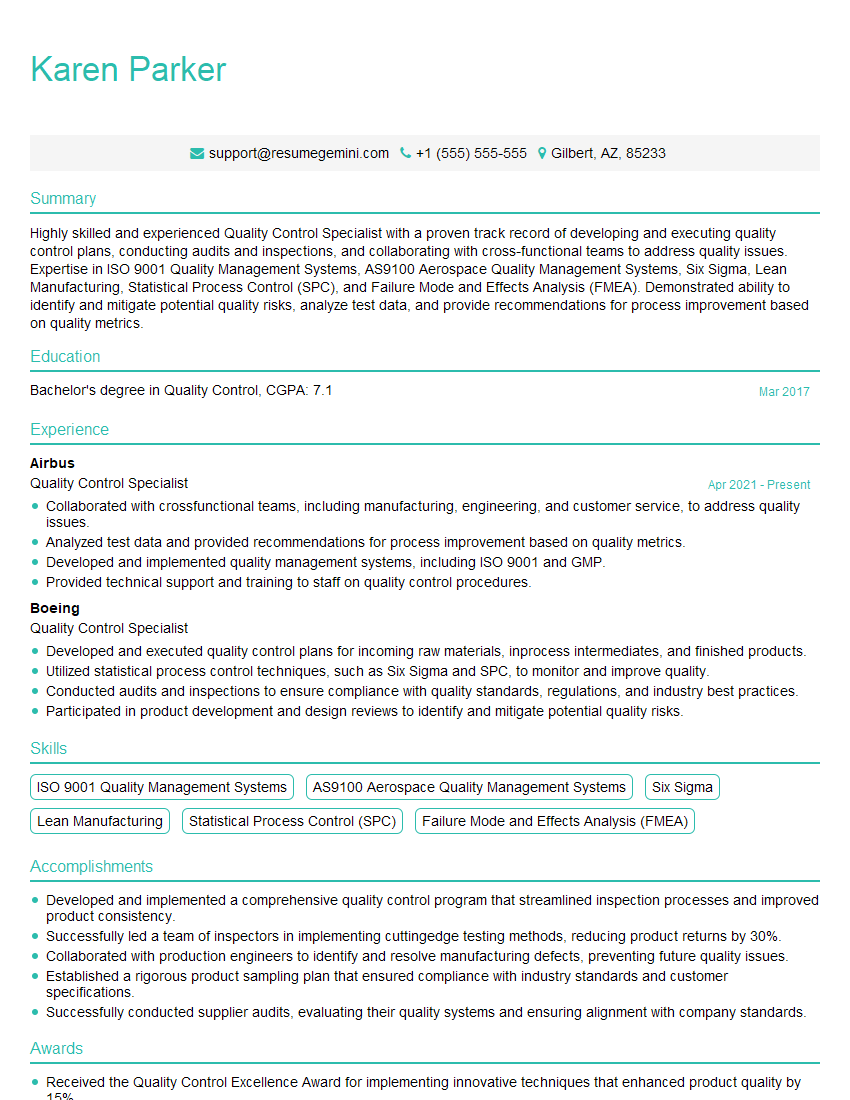
Quality Control Specialist Resume Sample
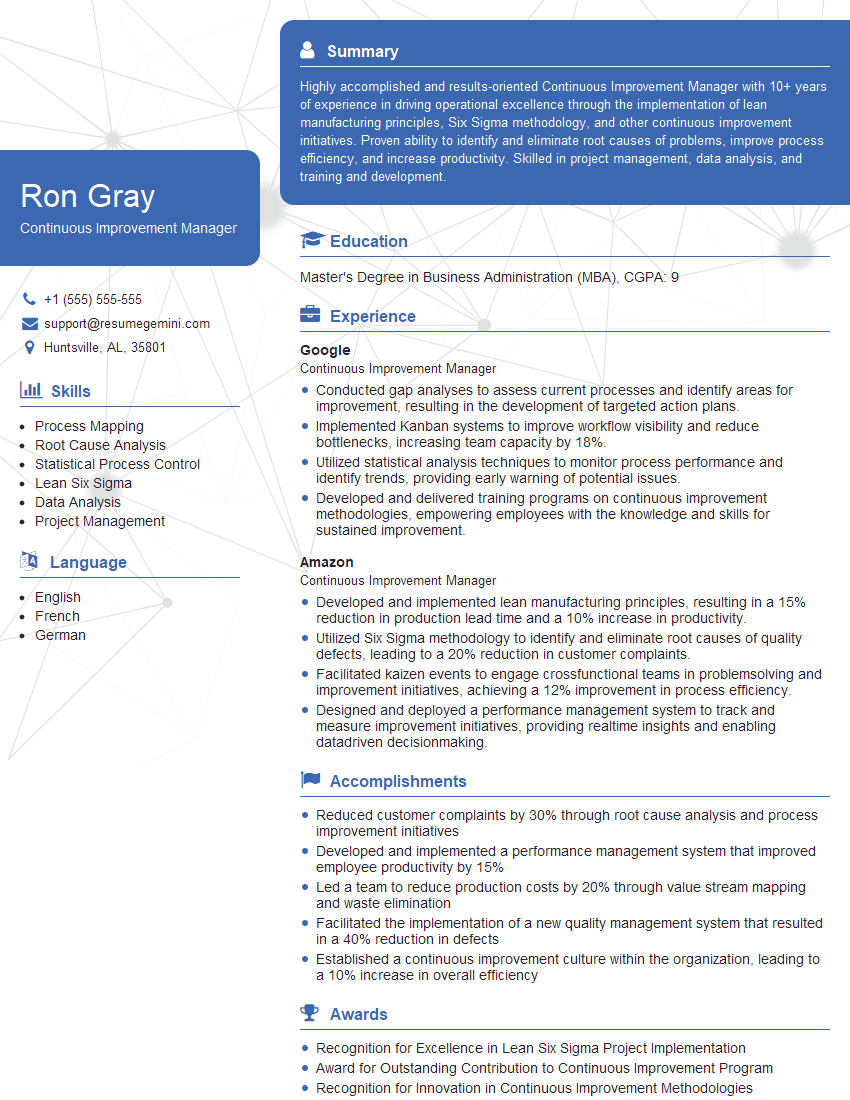
Continuous Improvement Manager Resume Sample
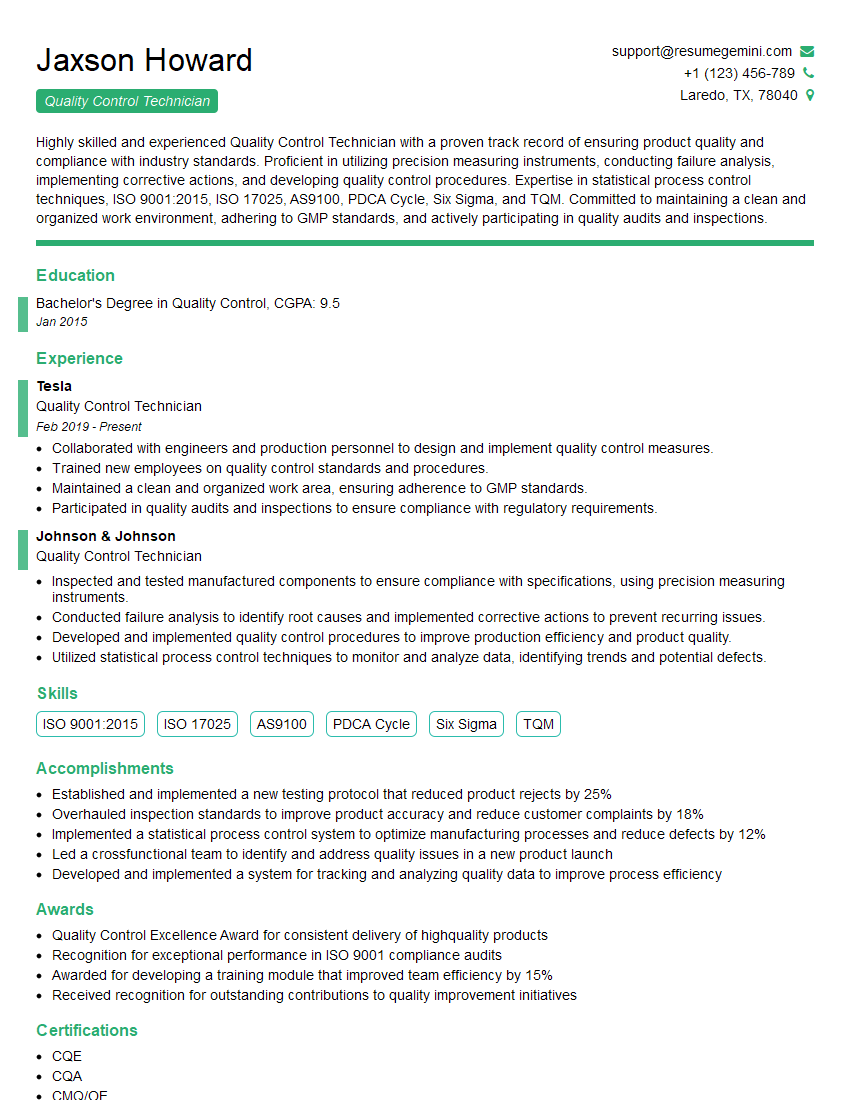
Quality Control Technician Resume Sample
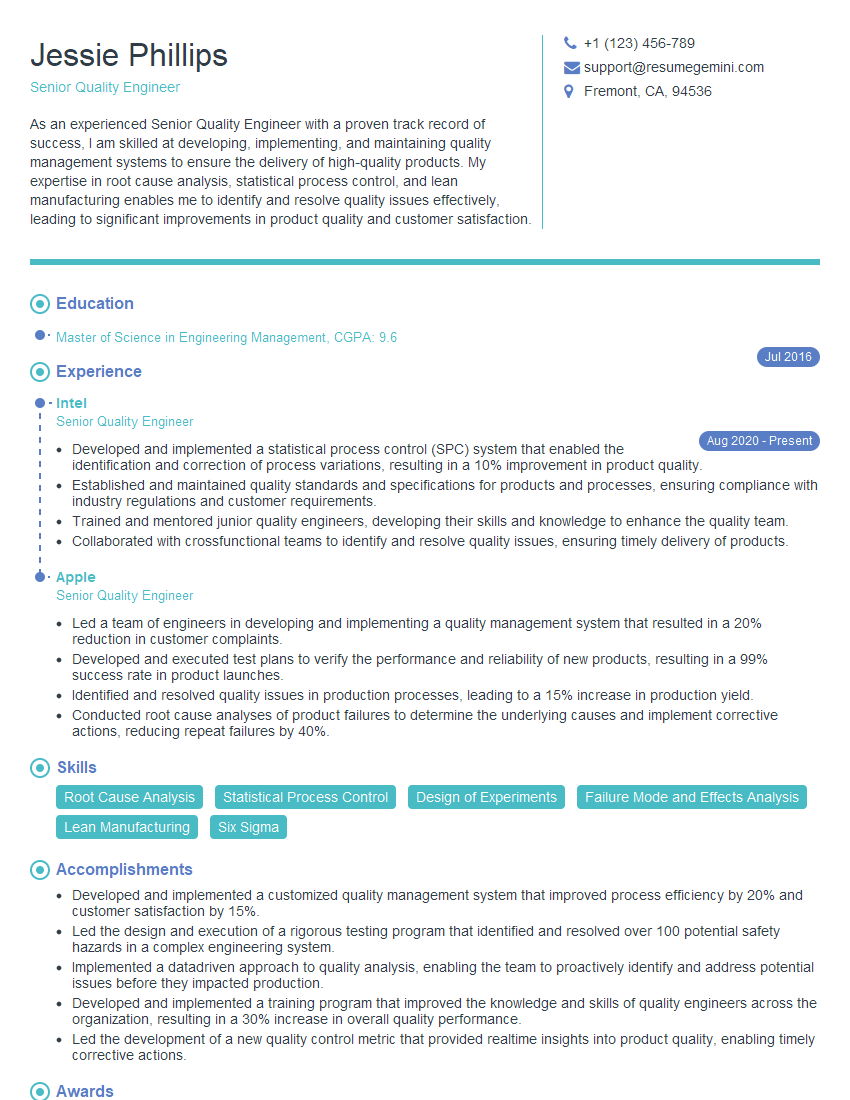
Senior Quality Engineer Resume Sample
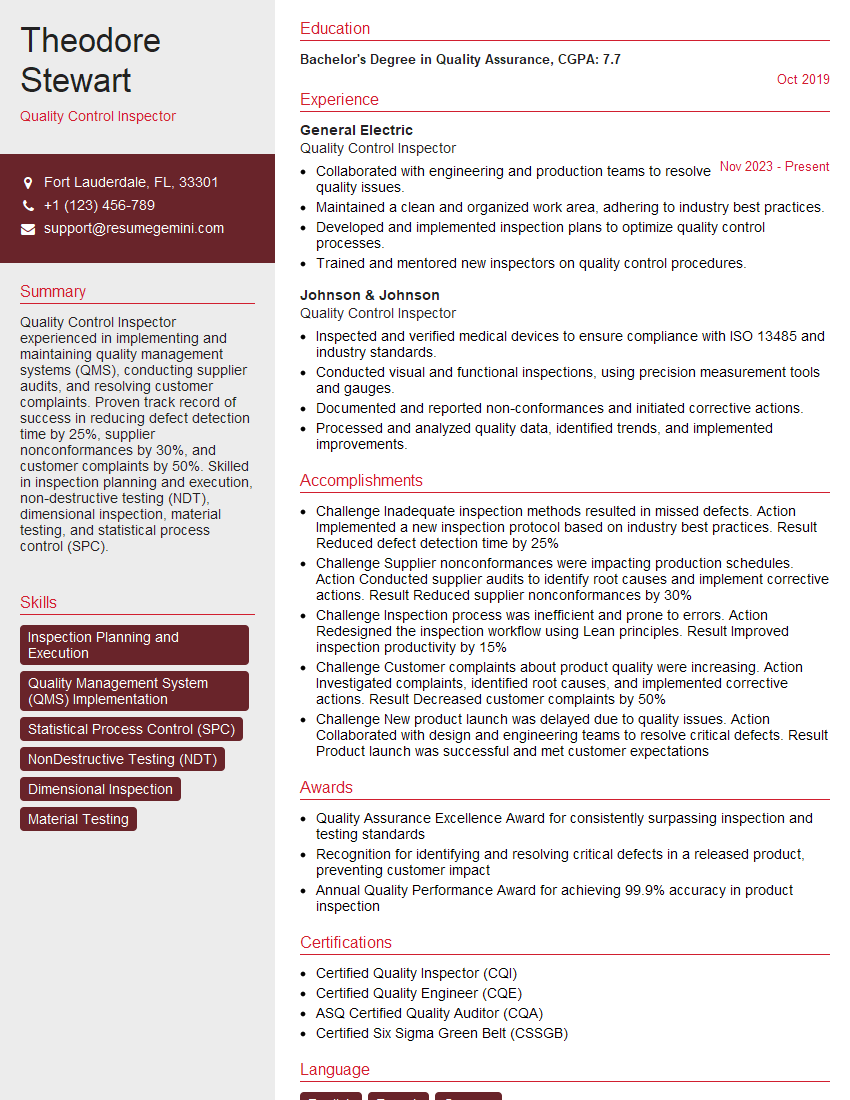
Quality Control Inspector Resume Sample
- Auditing Manager
- Quality Manager
- Quality Assurance Manager
- Quality Control Manager
- Regulatory Affairs Manager
- Compliance Manager
- Compliance Specialist
- Quality Assurance Specialist
- Internal Auditor
- Quality Engineer
- Quality Systems Manager
- Quality Control Specialist
- Continuous Improvement Manager
- Quality Control Technician
- Senior Quality Engineer
- Quality Control Inspector
Explore more articles
Users Rating of Our Blogs
Share Your Experience
We value your feedback! Please rate our content and share your thoughts (optional).
What Readers Say About Our Blog
Very informative content, great job.
good