Every successful interview starts with knowing what to expect. In this blog, we’ll take you through the top Physicality and Movement interview questions, breaking them down with expert tips to help you deliver impactful answers. Step into your next interview fully prepared and ready to succeed.
Questions Asked in Physicality and Movement Interview
Q 1. Explain the principles of Newton’s Laws of Motion and how they apply to human movement.
Newton’s Laws of Motion are fundamental to understanding all movement, including human movement. They describe the relationship between a body and the forces acting upon it.
- Newton’s First Law (Inertia): A body at rest stays at rest, and a body in motion stays in motion with the same speed and in the same direction unless acted upon by an unbalanced force. Think about starting a sprint: initially, you’re at rest; overcoming inertia requires force to begin moving.
- Newton’s Second Law (F=ma): The acceleration of an object is directly proportional to the net force acting on it and inversely proportional to its mass (F = ma). This means a greater force produces greater acceleration, and a larger mass requires more force for the same acceleration. Consider throwing a baseball: Applying more force increases the ball’s acceleration and therefore its velocity.
- Newton’s Third Law (Action-Reaction): For every action, there is an equal and opposite reaction. When you jump, you push down on the ground (action), and the ground pushes back up on you with equal force (reaction), propelling you upwards. This is crucial for locomotion.
In human movement, these laws govern everything from walking and running to more complex movements like gymnastics. Understanding them allows us to analyze movement efficiency, optimize performance, and prevent injuries.
Q 2. Describe the biomechanical differences between walking and running.
Walking and running, while both forms of locomotion, differ significantly in their biomechanics:
- Walking: Characterized by periods of single-leg support where one foot is always in contact with the ground. It involves a shorter stride length and slower speed. The center of gravity moves in a sinusoidal pattern, exhibiting a relatively smooth, less vertical oscillation.
- Running: Involves periods of flight where both feet are off the ground. It features a longer stride length, higher speed, and a more pronounced vertical oscillation of the center of gravity. There’s a greater impact force on the lower limbs due to the higher velocity and flight phase.
Furthermore, the muscle activation patterns differ. Running demands more powerful bursts of muscle activity to propel the body forward and absorb the impact forces, whereas walking involves more rhythmic and controlled muscle contractions.
Q 3. Define kinesiology and its role in understanding human movement.
Kinesiology is the scientific study of human movement. It integrates principles from anatomy, physiology, biomechanics, and neuroscience to understand how the body moves. It’s not just about describing movement; it’s about understanding the underlying mechanisms – how muscles, bones, joints, and the nervous system work together to produce movement.
Kinesiology plays a vital role in various fields including:
- Sports science: Analyzing athletic performance, improving training techniques, preventing injuries.
- Physical therapy: Developing rehabilitation programs to restore function after injury or illness.
- Ergonomics: Designing workplaces and equipment that minimize the risk of musculoskeletal disorders.
- Biomechanics research: Understanding the mechanics of movement to create prosthetics, assistive devices, and improve human-machine interaction.
Q 4. What are the key muscle groups involved in a squat and how do they contribute to movement?
A squat primarily involves the following key muscle groups:
- Quadriceps (thighs): These muscles at the front of the thighs (rectus femoris, vastus lateralis, vastus medialis, vastus intermedius) are crucial for extending the knees during the upward phase of the squat. They also help stabilize the knee joint.
- Gluteus Maximus (buttocks): The largest muscle in the body, it’s primarily responsible for hip extension, helping to stand up from the squat position and maintain balance.
- Hamstrings (back of thighs): These muscles (biceps femoris, semitendinosus, semimembranosus) assist in hip extension and knee flexion; they act as stabilizers during a squat, particularly as the depth increases.
- Calves (Gastrocnemius and Soleus): These muscles in the lower leg assist in plantarflexion (pointing the toes), providing stability and contributing to the overall power of the movement.
These muscle groups work synergistically – together – to control movement, maintain balance, and produce the power needed to perform a squat. The contribution of each muscle varies depending on the squat variation (e.g., depth, stance width).
Q 5. Explain the concept of agonist and antagonist muscles and provide examples.
Agonist and antagonist muscles work in opposing pairs to produce controlled movement.
- Agonist (prime mover): The muscle that produces the main movement. For example, the biceps brachii is the agonist during elbow flexion (bending the elbow).
- Antagonist: The muscle that opposes the action of the agonist. In elbow flexion, the triceps brachii is the antagonist, relaxing to allow the biceps to contract and bend the elbow. This coordinated action prevents uncontrolled movement and ensures smooth, efficient movement.
The relationship between agonist and antagonist muscles is crucial for maintaining stability and controlling the speed and range of motion. For instance, during walking, the quadriceps act as agonists during the stance phase (leg extension), while the hamstrings act as antagonists to control the rate of extension and prevent overextension.
Q 6. Describe different types of joint movements (e.g., flexion, extension, abduction).
Joint movements are described based on the plane of motion and the axis of rotation. Some common types include:
- Flexion: Decreasing the angle between two bones. Example: bending the elbow.
- Extension: Increasing the angle between two bones. Example: straightening the elbow.
- Abduction: Moving a limb away from the midline of the body. Example: Raising your arm to the side.
- Adduction: Moving a limb towards the midline of the body. Example: Lowering your arm to your side.
- Rotation: Turning a bone around its longitudinal axis. Example: turning your head from side to side.
- Circumduction: A combination of flexion, extension, abduction, and adduction; tracing a cone-shaped pattern. Example: moving your arm in a circle.
- Pronation: Rotating the forearm so the palm faces downwards.
- Supination: Rotating the forearm so the palm faces upwards.
Understanding these movements is essential for assessing joint function, identifying movement impairments, and designing effective exercise programs.
Q 7. How does the nervous system control and coordinate movement?
The nervous system is the master control center for movement. It receives sensory information from various receptors (like muscle spindles and Golgi tendon organs) about the body’s position and movement. This information is processed in the brain and spinal cord to create a motor plan – a sequence of muscle contractions needed to execute the desired movement.
This motor plan is then transmitted via motor neurons to the muscles. Motor units (a motor neuron and the muscle fibers it innervates) are activated, causing muscle fibers to contract. The brain constantly monitors and adjusts the motor commands based on sensory feedback, ensuring smooth, coordinated movement and maintaining posture and balance. Different levels of the nervous system are involved in movement control, from reflexes mediated at the spinal cord level to complex, voluntary movements controlled by higher brain centers (e.g., cerebellum, motor cortex).
Disruptions to the nervous system, such as damage to motor neurons or the brain, can lead to impaired movement control, such as paralysis or ataxia (loss of coordination).
Q 8. Explain the concept of proprioception and its importance in movement.
Proprioception, often called your ‘sixth sense,’ is your body’s awareness of its position and movement in space. It’s how you know where your limbs are without looking, allowing for smooth, coordinated movements. This awareness comes from sensory receptors in your muscles, tendons, joints, and inner ear. These receptors constantly send information to your brain about joint angles, muscle length, and tension, allowing for precise control.
Imagine trying to touch your nose with your eyes closed. That’s proprioception in action! Without it, even simple tasks become incredibly challenging. In movement, proprioception is crucial for balance, coordination, and preventing injuries. Poor proprioception can lead to clumsy movements, increased risk of falls, and difficulty with complex motor skills.
Q 9. Describe the role of balance and stability in movement.
Balance and stability are fundamental to all movement. Balance refers to your ability to maintain equilibrium, while stability is the resistance to disturbance of that equilibrium. They work together— good stability provides a solid base for balanced movement. Imagine a tightrope walker: excellent balance is required, but even better stability is needed to prevent falls.
In everyday movement, balance and stability are critical for walking, running, lifting, and even simply standing. They are influenced by factors like your center of gravity, base of support, and the strength and coordination of your muscles. Weaknesses in any of these areas can lead to instability and an increased risk of injury.
Q 10. What are common postural deviations and how can they be addressed?
Common postural deviations are misalignments of the body’s structure that can impact movement and health. Examples include:
- Kyphosis (Rounded Upper Back): Often seen as a hunchback, it can lead to neck pain, headaches, and breathing difficulties.
- Lordosis (Swayback): An excessive inward curve of the lower back, often associated with low back pain and hip problems.
- Scoliosis (Lateral Spinal Curvature): A sideways curvature of the spine, potentially causing back pain, breathing issues, and uneven shoulders or hips.
- Forward Head Posture: The head juts forward, placing strain on the neck and shoulders.
Addressing these deviations involves a multi-pronged approach. This often includes strengthening weak muscles, stretching tight muscles, improving posture awareness through education and postural exercises, and in some cases, physical therapy or chiropractic care.
Q 11. Explain the concept of muscle imbalances and their impact on movement.
Muscle imbalances occur when certain muscle groups are significantly stronger or weaker than their opposing groups. For example, a strong chest but weak back muscles can lead to rounded shoulders and increased risk of back pain. These imbalances disrupt the body’s natural alignment and movement patterns, leading to decreased efficiency, increased strain, and a higher injury risk.
The impact on movement can be significant. It can manifest as decreased range of motion, altered gait, compensatory movements (using other muscles to compensate for weakness), and ultimately, pain and injury. Addressing muscle imbalances requires a balanced exercise program that strengthens weak muscles and stretches tight ones, restoring proper muscle length and tension ratios.
Q 12. How do you assess a client’s movement patterns?
Assessing a client’s movement patterns involves a systematic evaluation of how they move through various functional tasks. This usually starts with a thorough interview to understand their history, symptoms, and goals. Then a physical assessment is performed, including:
- Observational Analysis: Watching the client perform everyday movements like walking, squatting, and reaching.
- Range of Motion Tests: Measuring the flexibility and mobility of joints.
- Strength Testing: Assessing the strength of specific muscle groups.
- Functional Movement Screens: Utilizing standardized tests to assess overall movement quality.
By combining these observations and tests, a comprehensive picture of their movement patterns, strengths, weaknesses, and potential areas for improvement can be identified. This informs the development of a personalized intervention plan.
Q 13. What are some common injuries associated with improper movement techniques?
Improper movement techniques significantly increase the risk of various injuries. Some common examples include:
- Lower Back Pain: Often caused by poor lifting techniques, weak core muscles, and muscle imbalances.
- Knee Injuries: Improper squatting, running form, or landing mechanics can lead to meniscus tears, ACL sprains, and other knee problems.
- Shoulder Injuries: Overhead movements performed incorrectly can strain rotator cuff muscles, leading to tendinitis or rotator cuff tears.
- Ankle Sprains: Weakness in the ankles and improper foot mechanics during activities like running or jumping can result in sprains.
These injuries highlight the importance of proper technique and training to prevent injury and maximize the body’s potential.
Q 14. Describe different rehabilitation techniques used to improve movement.
Rehabilitation techniques for improving movement vary depending on the specific injury or impairment. Common approaches include:
- Therapeutic Exercise: Tailored exercises to improve strength, flexibility, balance, and coordination.
- Manual Therapy: Hands-on techniques like massage, mobilization, and manipulation to address soft tissue restrictions and improve joint mobility.
- Neuromuscular Re-education: Training the nervous system to improve motor control and coordination.
- Functional Training: Focusing on exercises that mimic real-life activities to improve performance in daily tasks.
- Proprioceptive Training: Exercises designed to improve body awareness and balance.
The rehabilitation process is often iterative, involving regular assessment and adjustments to the program based on the client’s progress. A holistic approach, considering the client’s lifestyle, goals and physical capabilities is crucial for optimal outcomes.
Q 15. Explain the principles of exercise prescription for improving strength, endurance, and flexibility.
Exercise prescription for improving strength, endurance, and flexibility hinges on the principles of overload, progression, specificity, and individualization.
- Overload: To improve, the body must be challenged beyond its current capabilities. This means increasing the intensity, duration, or frequency of exercise over time. For example, gradually increasing the weight lifted in strength training, or running longer distances at a faster pace for endurance.
- Progression: Training should be progressively challenging. Avoid plateaus by systematically increasing the demands placed on the body. Think of it as climbing a staircase—each step needs to be slightly higher to continue upward progress.
- Specificity: Training must target the specific physiological systems you’re aiming to improve. If you want to improve cycling endurance, focus on cycling-specific exercises. Strength training for the legs is not going to improve upper body strength.
- Individualization: Each individual is unique. Exercise programs must consider factors like age, fitness level, health status, and personal goals. An elite athlete’s program will dramatically differ from a sedentary older adult’s.
For strength, focus on resistance training with varied exercises. For endurance, incorporate cardiovascular activities like running, swimming, or cycling. For flexibility, use stretching techniques like static, dynamic, and PNF (proprioceptive neuromuscular facilitation) stretching.
Career Expert Tips:
- Ace those interviews! Prepare effectively by reviewing the Top 50 Most Common Interview Questions on ResumeGemini.
- Navigate your job search with confidence! Explore a wide range of Career Tips on ResumeGemini. Learn about common challenges and recommendations to overcome them.
- Craft the perfect resume! Master the Art of Resume Writing with ResumeGemini’s guide. Showcase your unique qualifications and achievements effectively.
- Don’t miss out on holiday savings! Build your dream resume with ResumeGemini’s ATS optimized templates.
Q 16. How do you modify exercises for individuals with specific limitations?
Modifying exercises for individuals with limitations requires careful consideration of their specific conditions. This often involves understanding the limitations and adapting exercises to minimize risks while still providing benefit. For example:
- Joint pain: Reduce range of motion, use lighter weights, or substitute exercises that don’t stress the painful joint. Instead of squats, a person with knee pain might perform seated leg presses.
- Balance issues: Perform exercises near a support surface like a wall or chair, or use assistive devices like a cane. Single-leg stances can be modified to double-leg stances.
- Cardiovascular limitations: Begin with low-intensity activities and gradually increase intensity and duration as tolerated. Instead of running, they may start with brisk walking, and increase duration before increasing speed.
- Muscle weakness: Start with bodyweight exercises and gradually progress to resistance training using lighter weights or resistance bands. We can also implement functional exercises.
Always consult with a physician or physical therapist before modifying exercises for individuals with specific limitations.
Q 17. What are the ethical considerations in working with individuals requiring movement assistance?
Ethical considerations when assisting individuals with movement are paramount. We must prioritize:
- Informed consent: Clients must understand the risks and benefits of any intervention before participating.
- Confidentiality: Maintain client privacy regarding their health information and personal details.
- Competence: Only provide assistance or interventions within your scope of practice. Refer to qualified professionals when necessary.
- Non-maleficence (Do no harm): Avoid any actions that could cause harm to the client. This includes proper assessment and exercise modification.
- Beneficence (Act for the good): Strive to improve the client’s functional capacity and quality of life.
- Autonomy: Respect the client’s right to make their own decisions about their care. This includes respecting their preferences and limits.
These ethical principles ensure client safety, trust, and positive outcomes.
Q 18. Explain the importance of warm-up and cool-down routines.
Warm-up and cool-down routines are crucial for preparing the body for exercise and aiding recovery.
- Warm-up: Increases blood flow to muscles, raising muscle temperature and improving elasticity. It also increases heart rate and respiration, preparing the cardiovascular system for exertion. A typical warm-up includes light cardio and dynamic stretching (movement-based stretching).
- Cool-down: Reduces heart rate and blood pressure gradually, preventing sudden drops that can cause dizziness or fainting. It also helps remove metabolic waste products from muscles, reducing muscle soreness and stiffness. A cool-down usually involves light cardio and static stretching (holding a stretch).
Think of a warm-up as waking up your muscles, and a cool-down as helping them wind down properly. Ignoring them can increase injury risk and hinder recovery.
Q 19. Describe the difference between isometric, concentric, and eccentric muscle contractions.
These three types of muscle contractions describe how muscles generate force:
- Isometric: Muscle length remains constant while force is generated. Think of holding a plank or pushing against a wall. The muscle is activated, but there is no movement.
- Concentric: Muscle shortens while generating force. This is the lifting phase of a bicep curl. The muscle shortens as it overcomes resistance.
- Eccentric: Muscle lengthens while generating force. This is the lowering phase of a bicep curl. The muscle lengthens while controlling the movement.
Understanding these contractions is vital for designing effective strength training programs. Eccentric contractions, in particular, are important for building strength and power, but also often associated with muscle soreness.
Q 20. How do you design a safe and effective exercise program for a specific population (e.g., elderly, athletes)?
Designing a safe and effective exercise program for a specific population requires careful consideration of their unique needs and limitations.
- Elderly: Focus on functional exercises that improve balance, strength, and mobility. Prioritize low-impact activities to minimize stress on joints. Start slowly with shorter durations and gradually increase intensity and duration as tolerated. Examples include chair exercises and walking.
- Athletes: Programs must align with their specific sport’s demands and training cycles. Incorporate periodization (varying training intensity and volume over time) to maximize performance and prevent overtraining. Regular strength training and sport-specific drills are key components.
Regardless of the population, a comprehensive program should include a needs assessment, personalized goal setting, gradual progression, and regular monitoring of progress and adherence.
Q 21. What are the benefits of functional movement training?
Functional movement training focuses on improving movement patterns that are used in everyday life. It’s about training the body to perform activities efficiently and safely, improving quality of life.
- Improved daily activities: Functional training strengthens muscles used in everyday tasks like lifting, bending, and reaching, improving ease and reducing injury risk. Imagine easily lifting groceries or getting up from a chair without pain.
- Enhanced sports performance: By improving fundamental movement patterns, functional training enhances athletic abilities, improving speed, power, and agility.
- Reduced injury risk: Stronger, more stable joints and improved neuromuscular control lessen the chances of injury in daily activities and sports.
- Increased independence: For older adults or individuals recovering from injuries, functional training promotes independence and reduces reliance on assistance.
Functional movement training helps bridge the gap between the gym and real life, making fitness more relevant and beneficial.
Q 22. Explain the role of plyometrics in improving athletic performance.
Plyometrics, or jump training, is a crucial element in enhancing athletic performance by improving power, speed, and agility. It focuses on using explosive movements to develop the stretch-shortening cycle (SSC), a powerful mechanism where muscles are rapidly stretched before contracting. Think of a frog jumping – the rapid extension of its legs before the powerful jump is the SSC in action.
The SSC enhances performance because the pre-stretch phase helps store elastic energy in the muscles and tendons. When this energy is released during the concentric (shortening) phase of the movement, it leads to a more powerful and efficient contraction. This is significantly more efficient than a simple concentric-only movement.
In practice, plyometric exercises include depth jumps, box jumps, medicine ball throws, and various jump variations. These exercises, when properly programmed and progressed, will lead to significant improvements in vertical jump height, sprint speed, and change-of-direction ability. For example, a basketball player might incorporate box jumps to improve their rebounding and quickness, while a sprinter would use plyometrics to boost their acceleration.
- Improved Power Output: The SSC significantly increases force production.
- Enhanced Speed and Agility: Plyometrics trains the neuromuscular system for rapid movements.
- Reduced Injury Risk: Properly executed plyometrics strengthen muscles and tendons, leading to greater injury resilience.
Q 23. How do you assess and address movement limitations?
Assessing movement limitations involves a systematic approach, beginning with a thorough observation of the client’s movement patterns during functional tasks. This could involve simple activities like walking, squatting, reaching, and lunging. I look for asymmetries, compensations, and any limitations in range of motion.
Following observation, I use various assessment tools to quantify the limitations. These include:
- Goniometry: Measuring joint angles to determine range of motion (ROM) in specific joints.
- Dynamometry: Assessing muscle strength and endurance using handheld or isokinetic dynamometers.
- Functional Movement Screen (FMS): A standardized screen to identify movement limitations that can predict injury risk.
- Postural Analysis: Assessing static posture to identify muscle imbalances and potential movement compensations.
Once limitations are identified, addressing them requires a tailored approach. This might involve:
- Targeted stretching and mobility work: To improve joint ROM and address muscle tightness.
- Strengthening exercises: To address muscle weakness and imbalances.
- Neuromuscular re-education: To improve motor control and coordination.
- Manual therapy: In some cases, techniques like soft tissue mobilization may be necessary to address soft tissue restrictions.
For example, if a client shows limited hip extension during a squat, I would assess their hip ROM using goniometry, and then design a program focusing on hip flexor stretching and glute strengthening, alongside specific exercises to re-educate the movement pattern.
Q 24. What is your approach to client education and motivation?
Client education and motivation are paramount to achieving sustainable results. My approach involves a collaborative partnership, where I empower clients to actively participate in their rehabilitation or performance enhancement journey. I explain the rationale behind every exercise and treatment, ensuring they understand the ‘why’ behind each step.
I prioritize clear and concise communication, using analogies and real-world examples to illustrate complex concepts. For example, I might explain the importance of core stability by relating it to the foundation of a house – a strong foundation prevents the structure from collapsing.
Motivation is fostered through setting realistic and achievable goals, regularly monitoring progress, and celebrating milestones. I encourage self-monitoring through journaling or tracking apps, allowing clients to visualize their progress and stay engaged. I also adapt my approach to suit individual learning styles and preferences, ensuring the process is both effective and enjoyable.
Regular check-ins and open communication lines ensure any questions or concerns are promptly addressed, building trust and reinforcing commitment to the program.
Q 25. Describe your experience with different types of assessment tools (e.g., goniometry, dynamometry).
My experience with assessment tools is extensive, spanning various settings. Goniometry has been consistently used to measure joint angles, providing objective data on range of motion (ROM) deficits. I’m proficient in using various types of goniometers, ensuring accurate measurements and accounting for inter-rater reliability. For example, I routinely use goniometry to assess shoulder flexion and extension in athletes recovering from rotator cuff injuries.
Dynamometry, both handheld and isokinetic, plays a crucial role in assessing muscle strength and endurance. Handheld dynamometry is useful for quick screenings and comparisons between limbs. Isokinetic dynamometry provides more detailed information on the force production capabilities throughout the range of motion, allowing for a more comprehensive analysis. I’ve used this to assess knee extensor strength in patients post-ACL reconstruction.
Beyond these, I’m familiar with other tools, including force plates, which measure ground reaction forces, providing insights into power output and movement mechanics. I have also experience using balance platforms to assess postural stability and fall risk.
Q 26. Explain your understanding of the kinetic chain and how it relates to movement efficiency.
The kinetic chain describes the interconnectedness of the body’s segments, from the feet to the head. It emphasizes how movement in one segment affects movement in others. Efficient movement relies on the proper functioning of this chain, where each segment contributes optimally to the overall movement. Think of it like a chain – if one link is weak, the entire chain’s strength is compromised.
Understanding the kinetic chain is crucial for analyzing movement efficiency. For example, weakness in the ankles can lead to compensations in the knees, hips, and even the back during activities like running or jumping. This can lead to decreased performance and increased injury risk.
Assessing movement efficiency involves analyzing the interaction of different segments throughout the kinetic chain. A breakdown in one area will often trigger compensatory movements elsewhere, impacting overall efficiency. Addressing movement inefficiencies necessitates identifying the weakest link in the chain and implementing targeted interventions to improve its function.
Q 27. How do you integrate technology (e.g., wearable sensors, motion capture) into your practice?
Technology plays an increasingly important role in my practice. Wearable sensors, such as accelerometers and gyroscopes embedded in watches or smart clothing, provide objective data on movement patterns, allowing for a more accurate and detailed assessment of movement mechanics. This data can be used to track progress, identify areas for improvement, and tailor interventions specifically to individual needs.
Motion capture systems provide even more detailed kinematic data, recording three-dimensional movement patterns with high precision. This technology is particularly useful in analyzing complex movements, such as gait analysis or the biomechanics of sport-specific skills. It allows for very detailed feedback about movement patterns, and it can identify subtle flaws that might otherwise be missed.
The data from these technologies provides quantifiable metrics that support and enhance the subjective observations made during manual assessments, providing a more comprehensive and evidence-based approach to client care. The combination of manual palpation, observation and technological data gives us a holistic picture of movement limitations and assists in program design and progression.
Q 28. Describe your experience working with individuals across diverse backgrounds and abilities.
I have extensive experience working with individuals across a wide range of backgrounds and abilities. This includes athletes of various skill levels, individuals recovering from injuries, older adults aiming to improve mobility and balance, and individuals with chronic conditions. My approach always involves adapting my strategies to meet the unique needs and limitations of each individual.
This adaptability involves not just modifying exercise intensities and selecting appropriate exercises, but also tailoring communication styles and setting realistic goals based on individual capabilities and aspirations. For example, I would work differently with a professional athlete striving for peak performance compared to a senior client focused on maintaining independence in daily activities. My goal is always to empower each client to achieve their goals within their physical limitations.
The diverse client base has provided me with invaluable experience in understanding how various factors, such as age, fitness level, cultural background, and psychological factors, influence the approach to movement and rehabilitation. I am committed to creating a safe, inclusive, and supportive environment for every client.
Key Topics to Learn for Physicality and Movement Interview
- Body Mechanics and Biomechanics: Understanding principles of leverage, force, and movement efficiency. Consider practical applications in various physical activities and potential ergonomic hazards.
- Kinesiology and Human Movement: Explore joint actions, muscle function, and movement patterns. Think about analyzing and improving movement performance in different contexts (e.g., sports, rehabilitation).
- Neuromuscular Control: Delve into the nervous system’s role in coordinating movement, including sensory feedback and motor control. Practical applications could involve analyzing movement disorders or designing rehabilitation programs.
- Motor Learning and Skill Acquisition: Understand how individuals learn and improve motor skills. Consider the principles of practice, feedback, and transfer of learning to optimize performance.
- Assessment and Measurement of Movement: Familiarize yourself with various methods for evaluating movement quality, efficiency, and limitations. Consider both qualitative and quantitative approaches.
- Injury Prevention and Rehabilitation: Explore common movement-related injuries and strategies for prevention and rehabilitation. This includes understanding risk factors and designing interventions.
- Ergonomics and Workplace Safety: Analyze workplace setups and movement patterns to identify and mitigate potential ergonomic risks. Consider designing interventions to improve worker safety and productivity.
Next Steps
Mastering Physicality and Movement opens doors to exciting career opportunities in fields like sports science, physiotherapy, ergonomics, and human factors. A strong understanding of these principles is crucial for demonstrating your expertise and securing your dream role. To significantly increase your job prospects, focus on crafting a well-structured, ATS-friendly resume that highlights your relevant skills and experience. ResumeGemini is a trusted resource that can help you build a compelling resume tailored to your specific career goals. We provide examples of resumes tailored to Physicality and Movement to guide you. Invest time in creating a professional resume—it’s your first impression on potential employers.
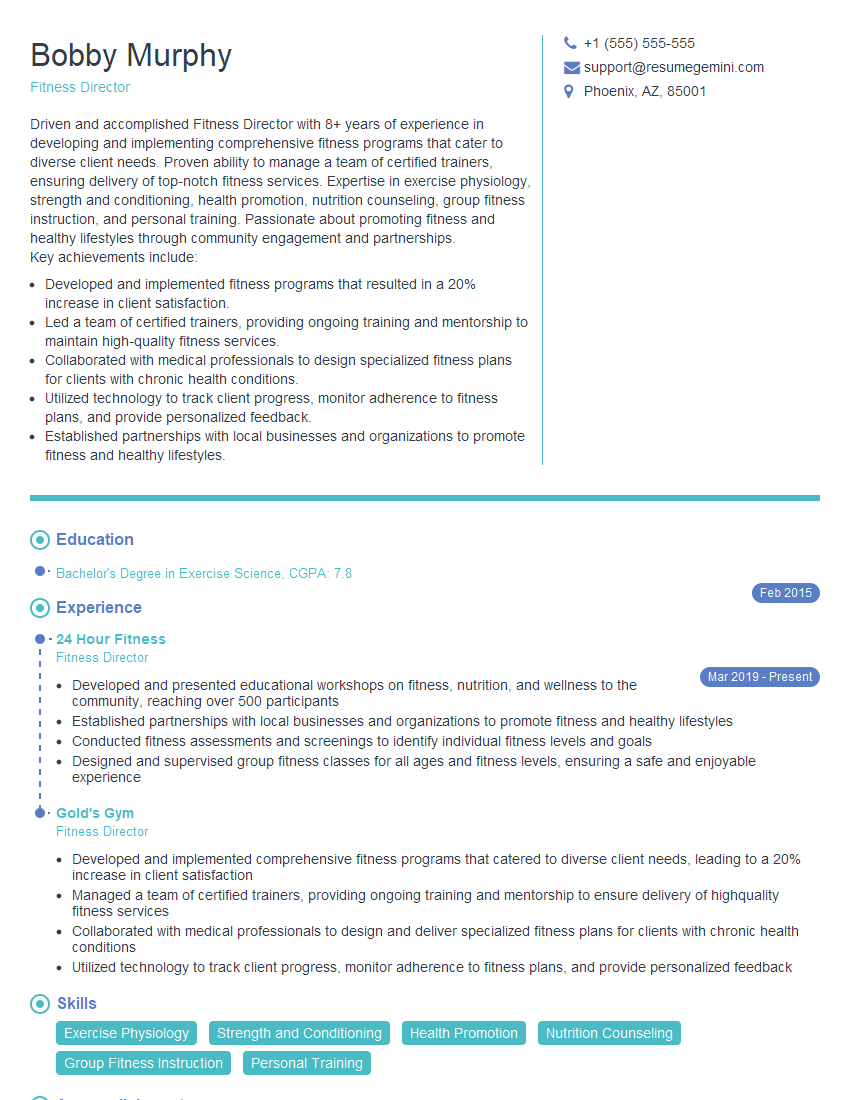
Fitness Director Resume Sample
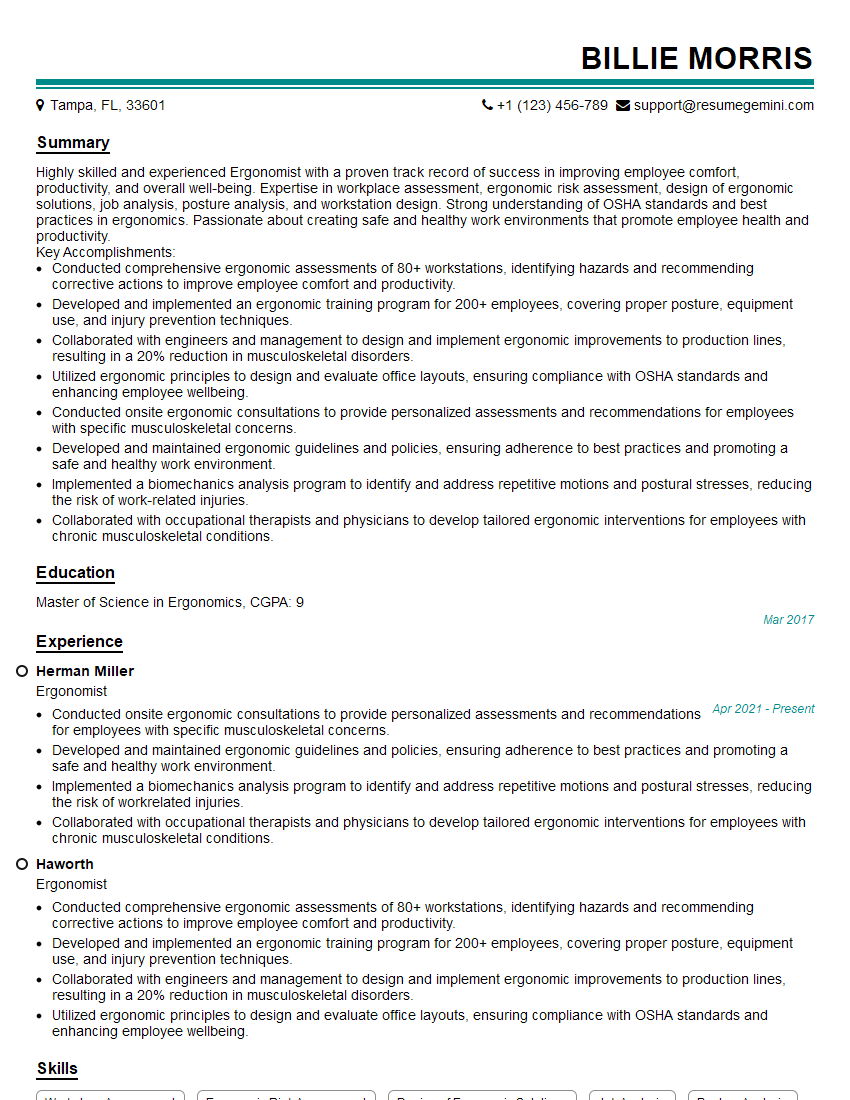
Ergonomist Resume Sample
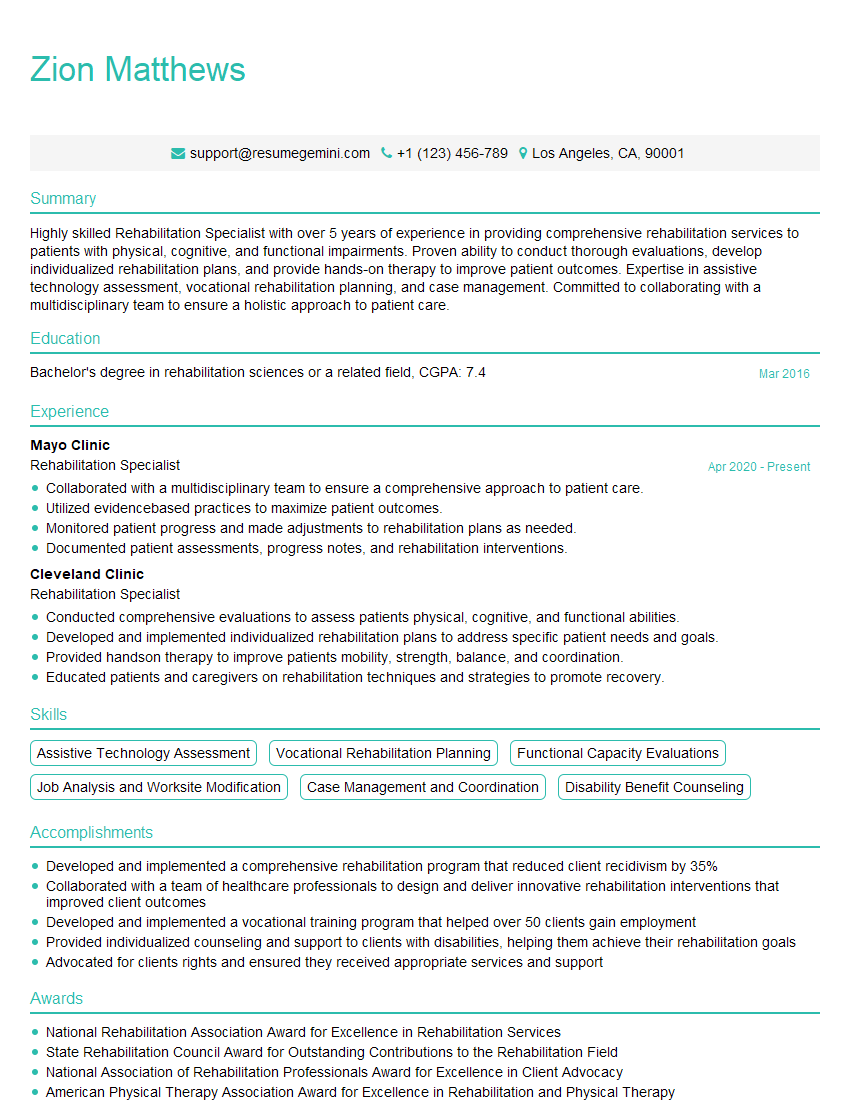
Rehabilitation Specialist Resume Sample
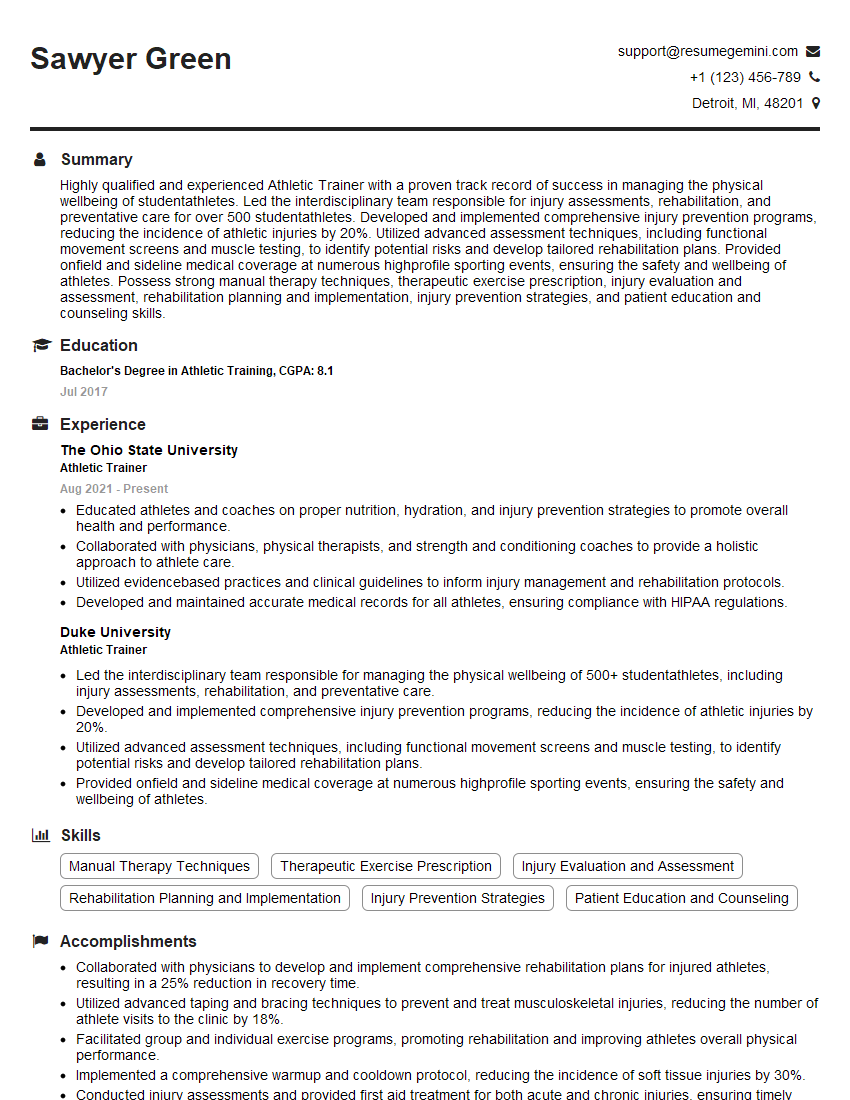
Athletic Trainer Resume Sample
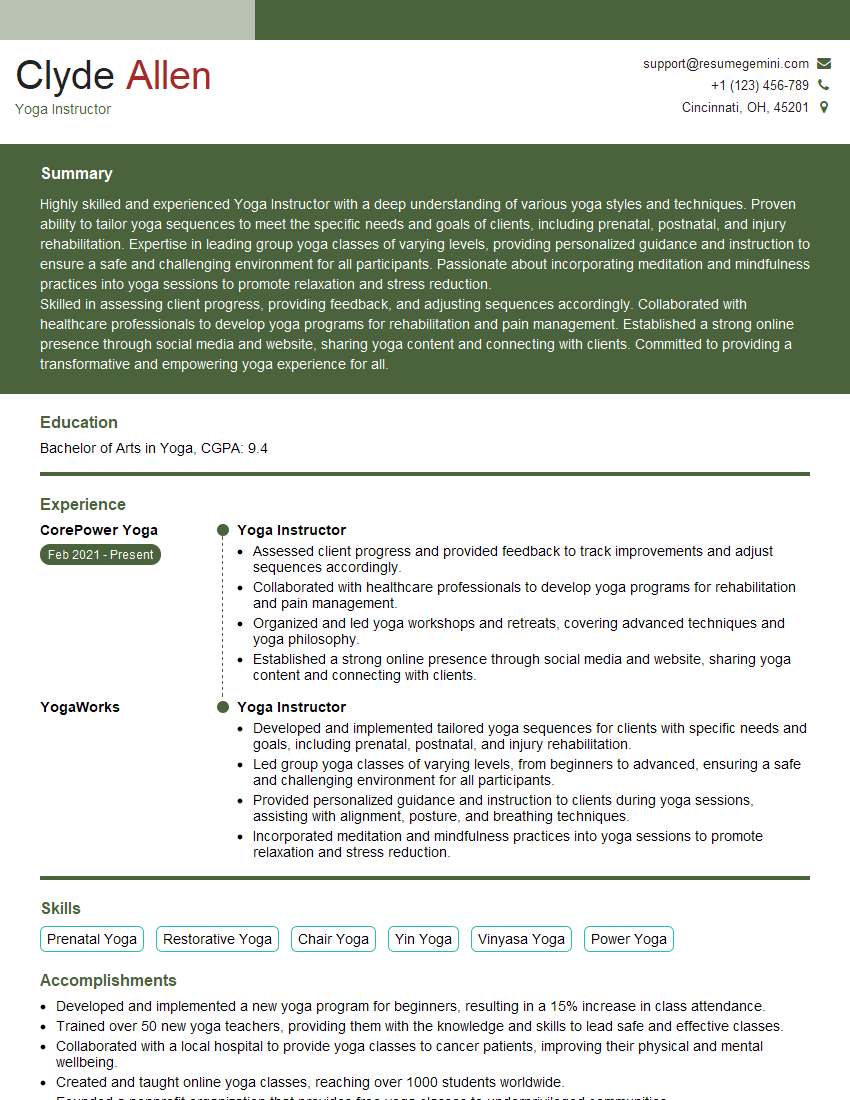
Yoga Instructor Resume Sample
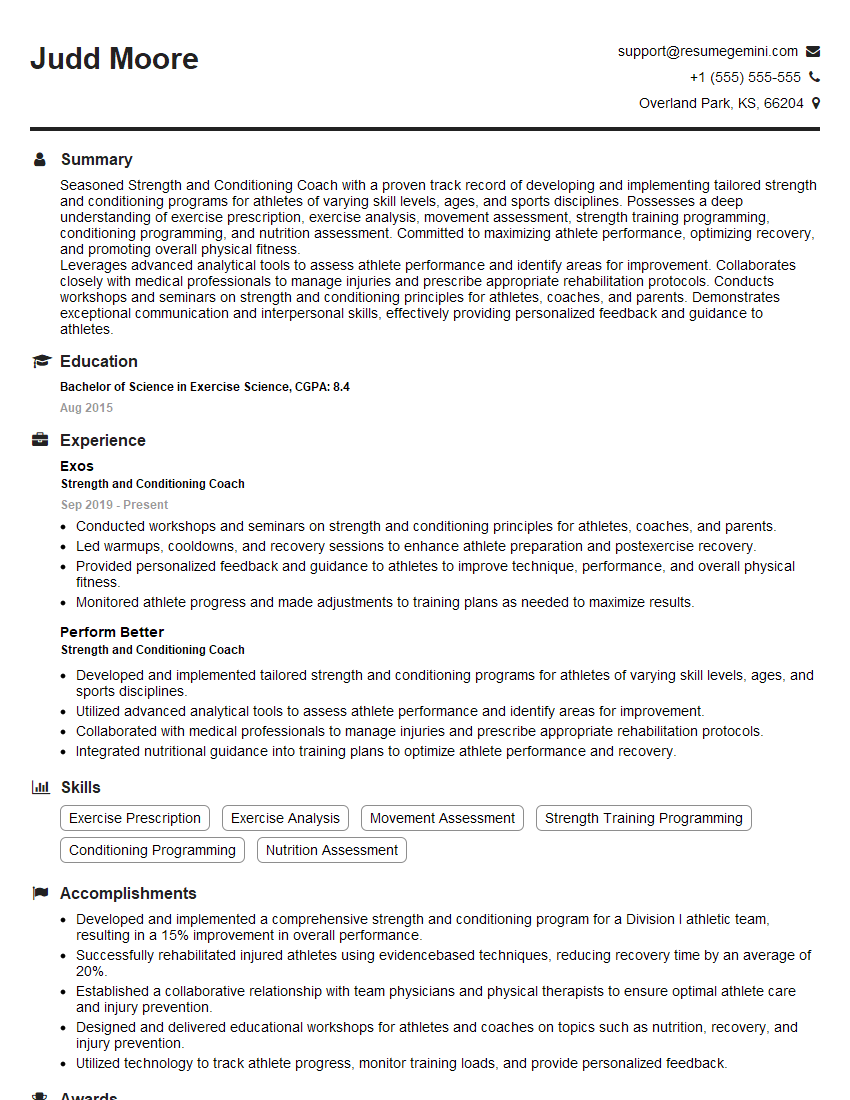
Strength and Conditioning Coach Resume Sample
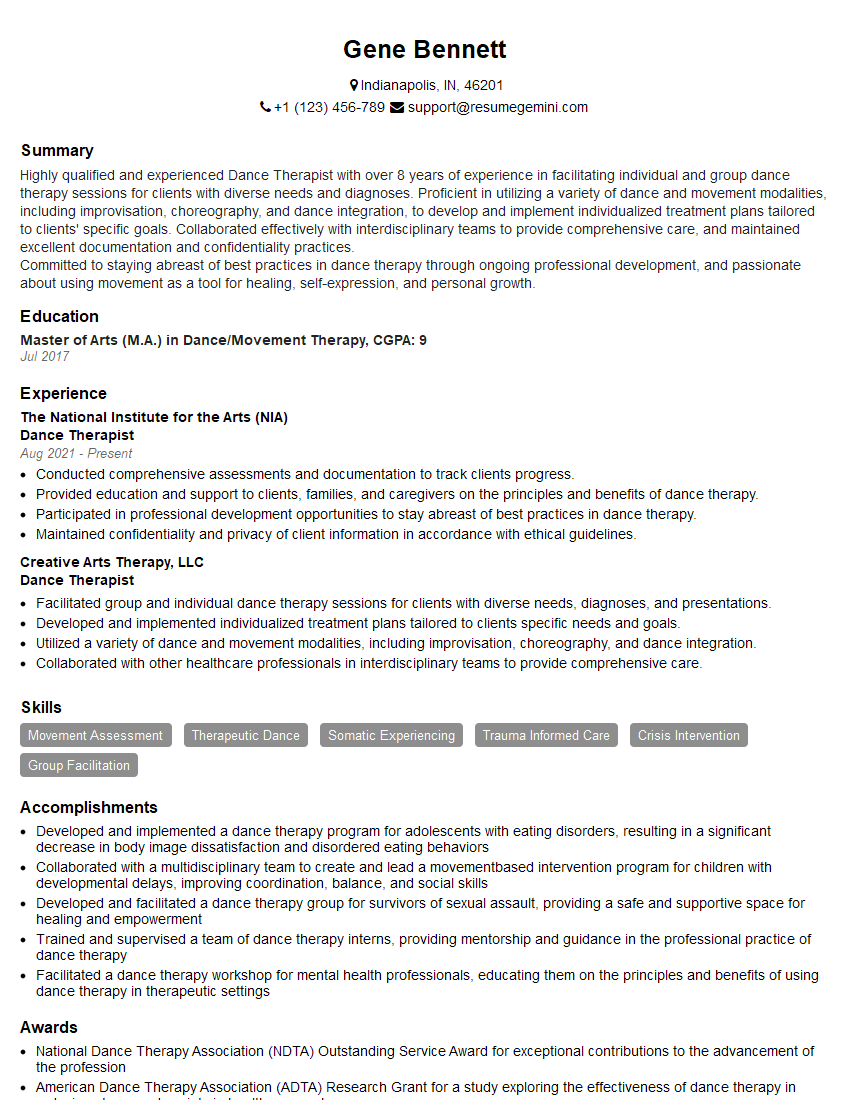
Dance Therapist Resume Sample
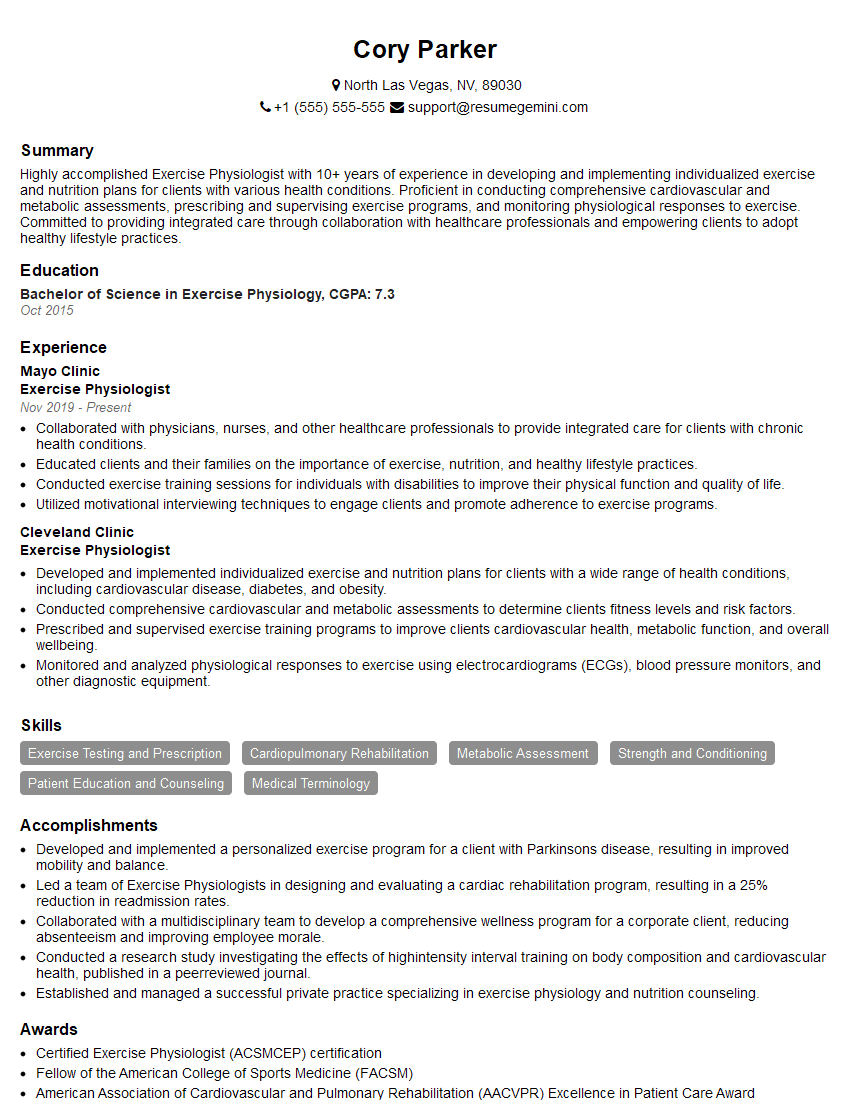
Exercise Physiologist Resume Sample
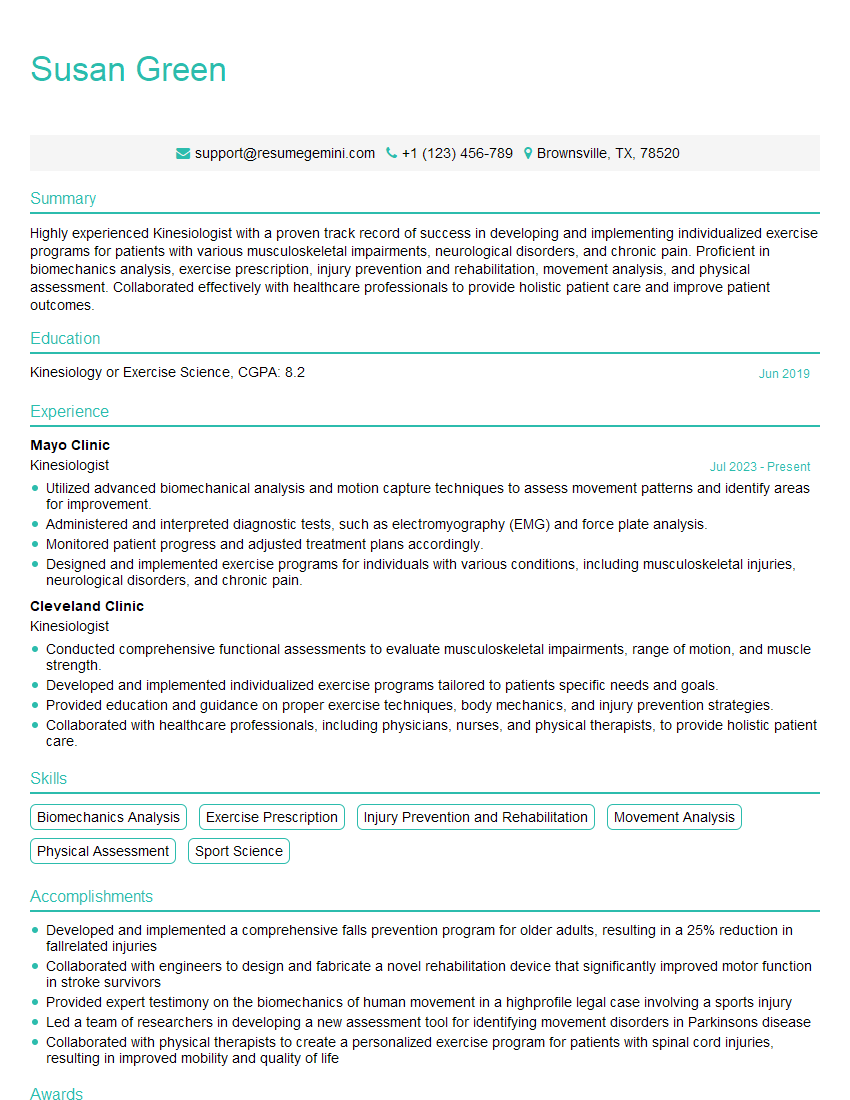
Kinesiologist Resume Sample
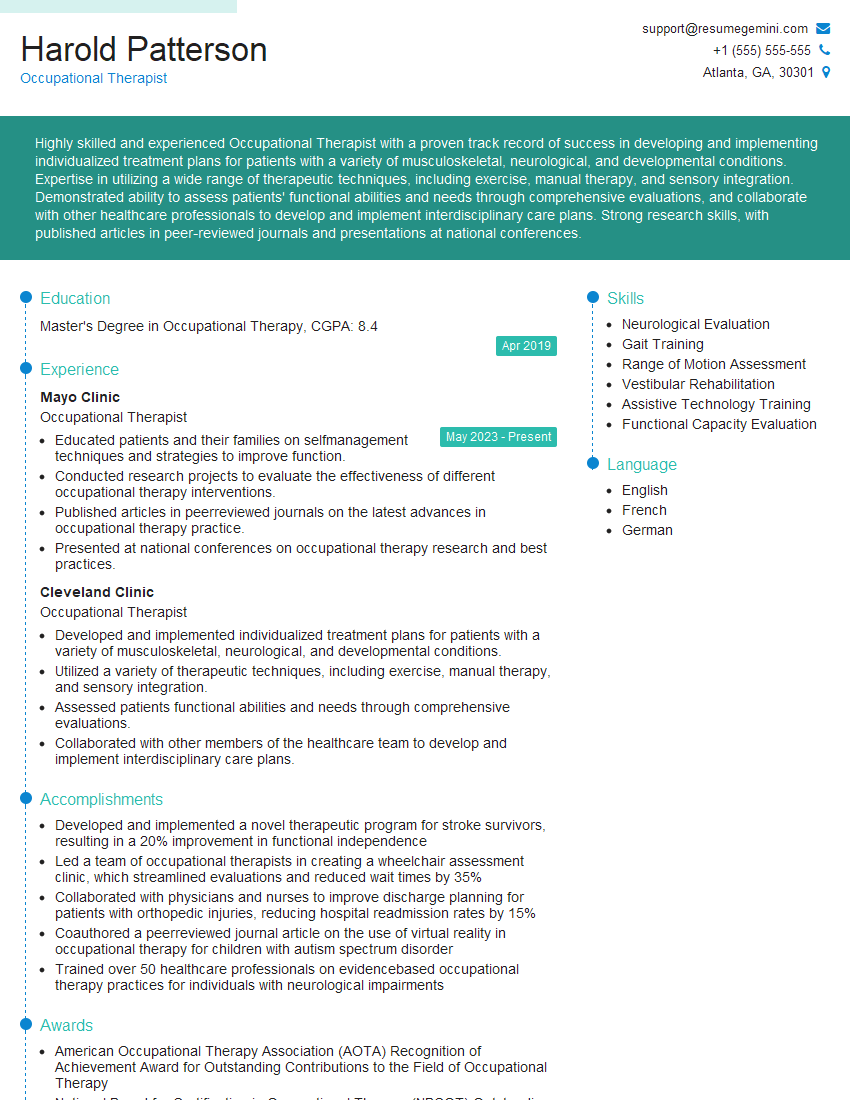
Occupational Therapist Resume Sample
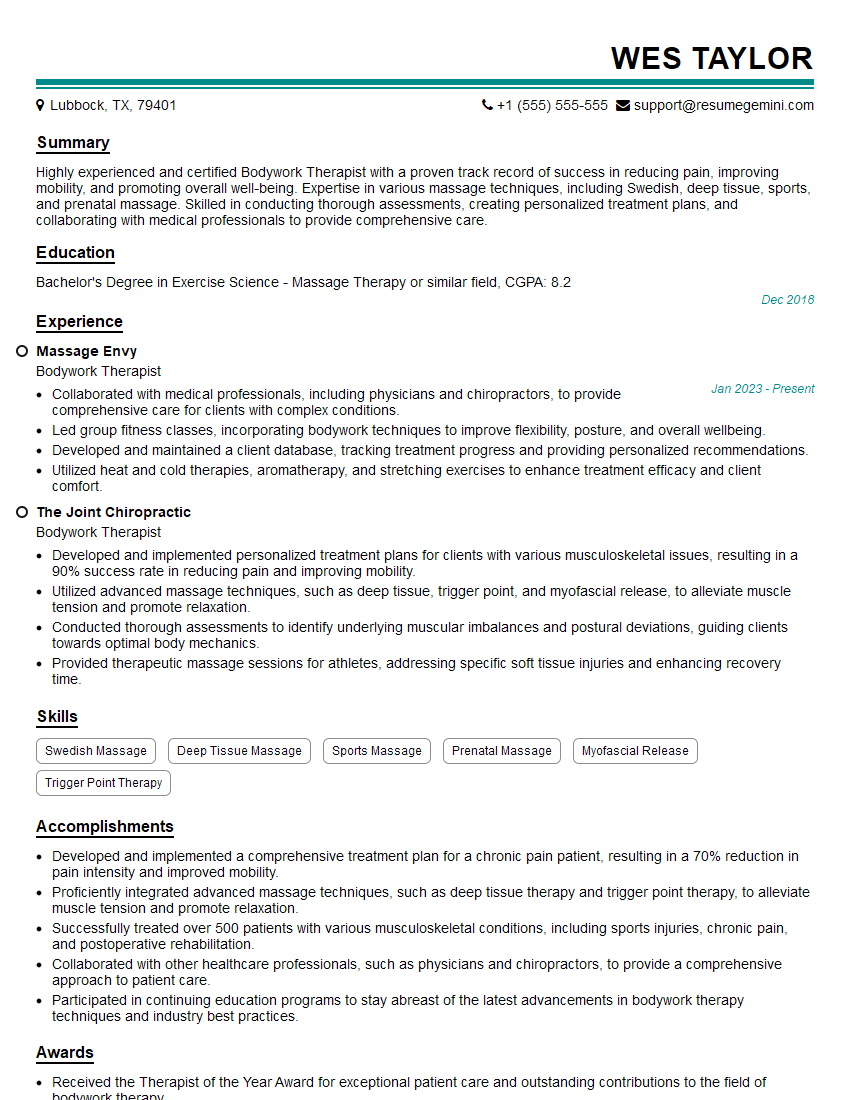
Bodywork Therapist Resume Sample
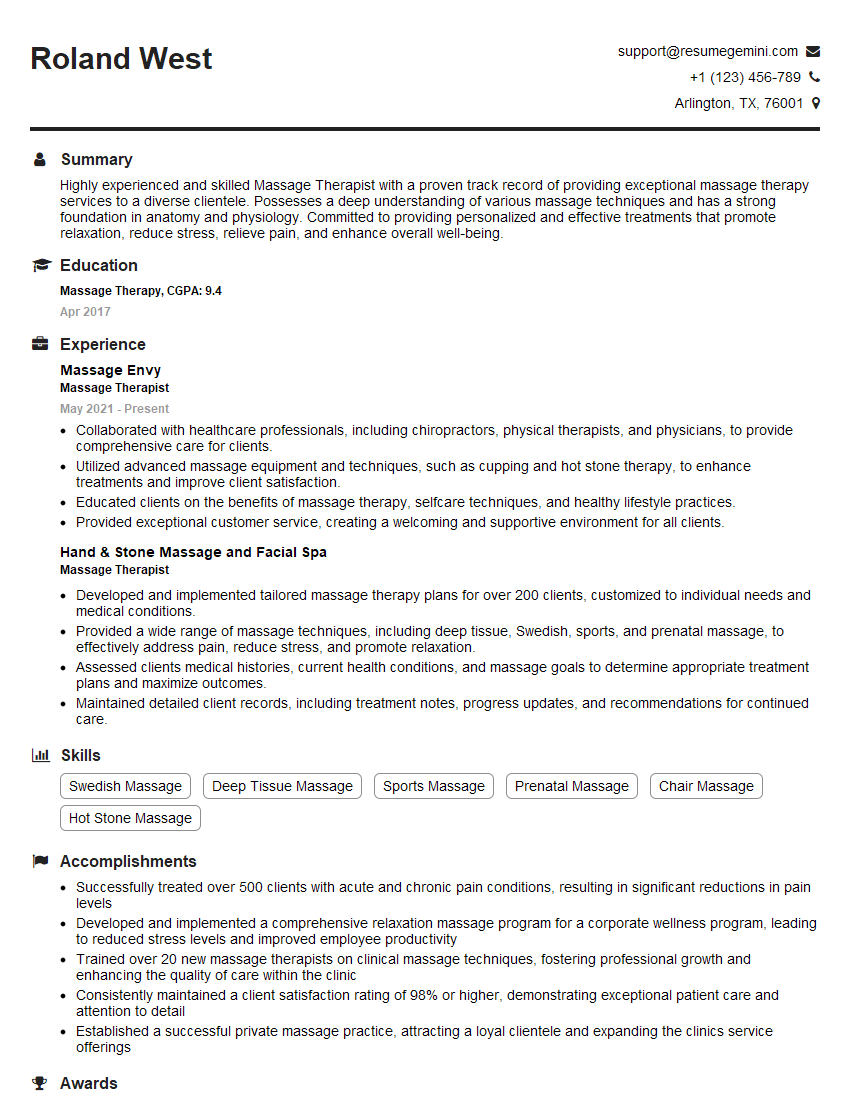
Massage Therapist Resume Sample
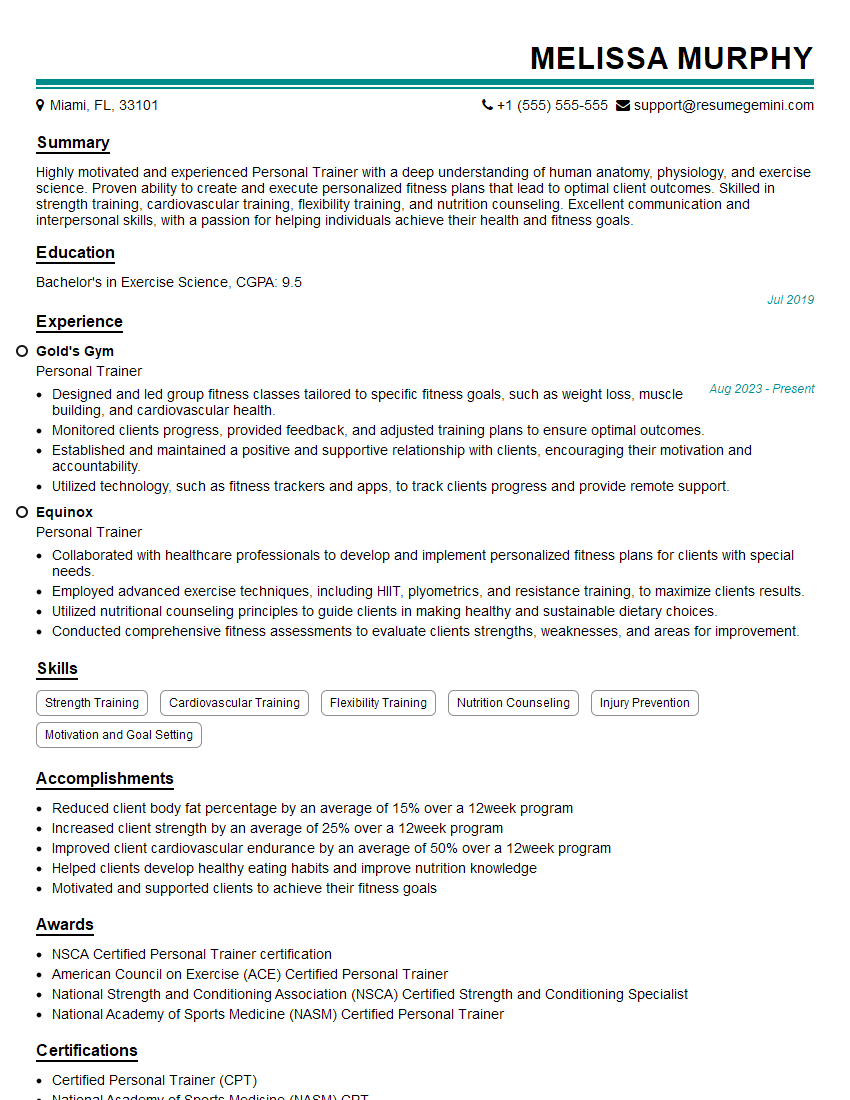
Personal Trainer Resume Sample
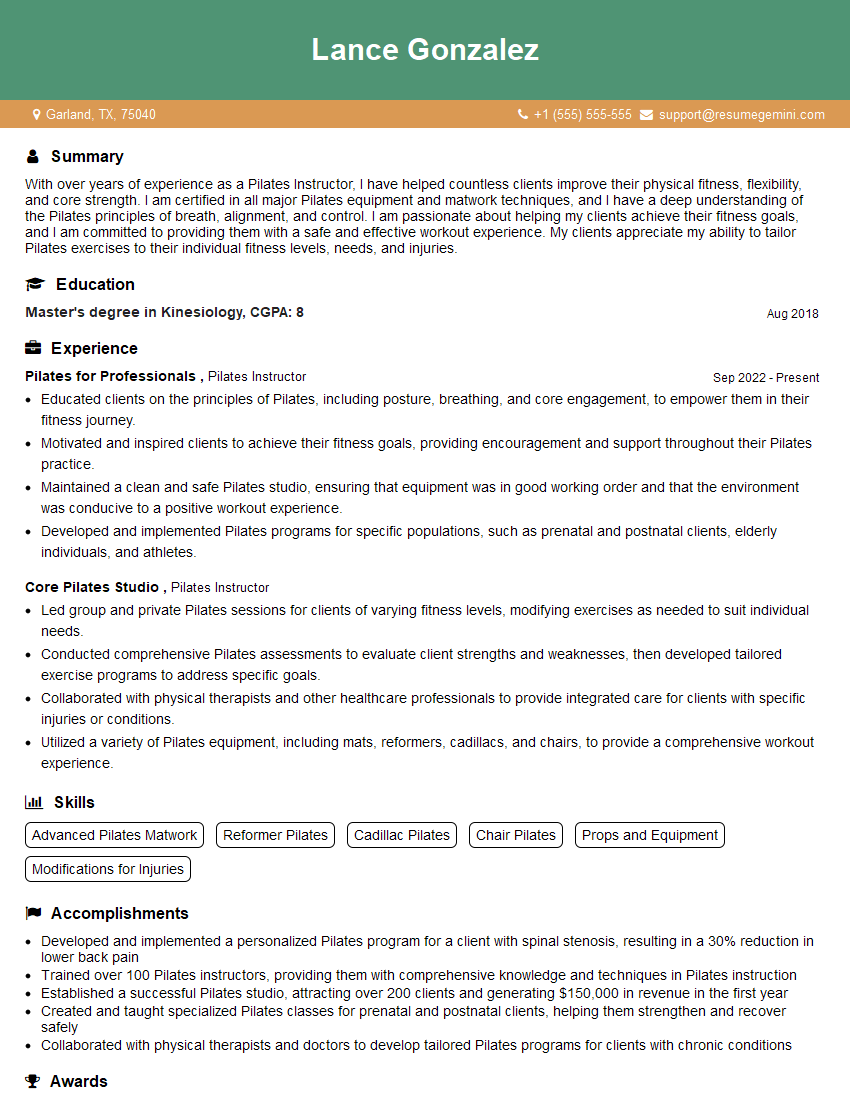
Pilates Instructor Resume Sample
Explore more articles
Users Rating of Our Blogs
Share Your Experience
We value your feedback! Please rate our content and share your thoughts (optional).
What Readers Say About Our Blog
Very informative content, great job.
good