Cracking a skill-specific interview, like one for Hazard Identification and Risk Analysis, requires understanding the nuances of the role. In this blog, we present the questions you’re most likely to encounter, along with insights into how to answer them effectively. Let’s ensure you’re ready to make a strong impression.
Questions Asked in Hazard Identification and Risk Analysis Interview
Q 1. Describe your experience with different hazard identification methodologies (e.g., HAZOP, FMEA, What-If analysis).
Hazard identification methodologies are crucial for proactively identifying potential dangers. My experience spans several widely used techniques. HAZOP (Hazard and Operability Study) is a systematic and rigorous approach, often used in process industries, where a team brainstorms deviations from design intent for each process step. We use guide words (e.g., ‘no,’ ‘more,’ ‘less,’ ‘part of’) to explore potential hazards. For instance, in a chemical reactor, a HAZOP might examine ‘No flow’ to assess the risk of overheating. Failure Mode and Effects Analysis (FMEA), on the other hand, focuses on identifying potential failures within a system and analyzing their effects. It’s very effective for complex systems like automobiles or medical devices. We would list each component, potential failure modes (e.g., pump failure), and their consequences. What-If analysis is a more informal, brainstorming-based approach, particularly useful in early design stages or where less structured information is available. It involves posing simple ‘What-if’ questions (e.g., ‘What if the power fails?’) to uncover potential hazards. I’ve successfully applied each of these methods across various sectors, adapting my approach based on project scope and available data. The selection of the most suitable method depends heavily on factors like project complexity, available resources, and the level of detail needed.
Q 2. Explain the difference between risk and hazard.
While often used interchangeably, ‘hazard’ and ‘risk’ are distinct concepts. A hazard is simply the potential source of harm—a condition or circumstance with the potential to cause injury, damage, or loss. Think of it as the ‘what’ – a sharp knife, a slippery floor, or a malfunctioning piece of equipment. Risk, conversely, is the combination of the likelihood (probability) of that hazard occurring and the severity of its consequences. It’s the ‘how likely’ and ‘how bad’ – a sharp knife is a higher risk in a kindergarten classroom than in a professional kitchen because the likelihood of serious injury is much higher in the former. Therefore, risk is a function of hazard, probability, and severity.
Q 3. How do you prioritize risks?
Risk prioritization is essential for focusing resources effectively. I typically use a combination of qualitative and quantitative methods. A risk matrix, utilizing severity and likelihood ratings (often represented as low, medium, high, or numerical scores), provides a visual representation of the relative risk of different hazards. This qualitative approach allows for quick assessment and prioritization. More complex projects might incorporate quantitative analysis, employing statistical methods and modeling to estimate probabilities and consequences numerically. This can involve analyzing historical data, conducting simulations, or utilizing expert judgment. For example, a project with multiple identified risks might be prioritized by assigning severity scores from 1 (negligible) to 5 (catastrophic) and likelihood from 1 (unlikely) to 5 (almost certain). Risk Score is then calculated (Severity x Likelihood) and the risks prioritized by highest score.
Q 4. What are the key elements of a risk assessment?
A comprehensive risk assessment comprises several key elements:
- Hazard Identification: A systematic process to identify all potential hazards relevant to the situation.
- Risk Analysis: Assessing the likelihood and consequences of each identified hazard to determine the level of risk.
- Risk Evaluation: Comparing identified risks against predetermined criteria (e.g., acceptable risk levels) to determine whether the risk is acceptable or requires mitigation.
- Risk Control: Implementing measures to eliminate, reduce, or control the identified risks. This might include engineering controls, administrative controls, or personal protective equipment.
- Monitoring and Review: Regularly reviewing and updating the risk assessment to reflect changes in the environment or control measures.
- Documentation: Thoroughly documenting the entire process, including methodologies, findings, and implemented controls.
Q 5. Describe your experience with quantitative and qualitative risk analysis.
My experience includes both qualitative and quantitative risk analysis. Qualitative analysis, as mentioned earlier, often uses risk matrices to prioritize risks based on subjective judgments of likelihood and severity. This is a practical and efficient approach for many situations. Quantitative analysis uses numerical data and statistical methods for a more precise assessment. I’ve used various techniques, such as fault tree analysis (FTA) and event tree analysis (ETA), to model complex systems and determine probabilities of specific events. For instance, in a project involving a large-scale construction project, quantitative analysis is used to predict the chance of delays or accidents based on historical data and weather conditions. The choice between the two approaches depends on the project’s complexity, available data, and the level of accuracy required. Often, a combined approach is most effective, using qualitative analysis for initial screening and quantitative analysis for high-priority risks.
Q 6. How do you communicate risk effectively to different audiences?
Effective risk communication is paramount. I tailor my communication style to the audience. For technical audiences, I use precise terminology and detailed data. For non-technical audiences, I use clear, concise language, avoiding jargon, and employing visual aids like charts and graphs. For instance, when presenting to senior management, I focus on the key risks and their potential impact on business objectives, while when communicating with the workforce, I emphasize practical safety measures and their roles in risk mitigation. Storytelling, relating risk assessments to past events, or using analogies greatly enhances understanding and engagement.
Q 7. Explain your understanding of risk matrices and their application.
A risk matrix is a visual tool that displays the likelihood and severity of identified risks. It typically plots likelihood on one axis and severity on the other, creating cells representing different risk levels. Each risk is plotted on the matrix, allowing for quick identification of high-priority risks. The application of risk matrices is widespread, ranging from safety assessments in construction to project risk management in software development. Risk matrices provide a clear and concise overview of the risk profile, facilitating communication and decision-making. They are particularly useful in prioritizing risks and allocating resources to mitigate the highest risks. For example, a construction project might use a risk matrix to assess the risk of falling objects, equipment failure, or adverse weather, determining which risks require the most attention and mitigation strategies.
Q 8. How do you handle situations where risk mitigation strategies are conflicting or expensive?
Conflicting or expensive risk mitigation strategies are a common challenge in hazard identification and risk analysis. The key is to prioritize based on a thorough cost-benefit analysis and risk tolerance. This involves a multi-step process:
- Prioritization: We use techniques like a weighted scoring system that factors in the likelihood and severity of the hazard, the cost of mitigation, and the potential impact of failure to mitigate. This allows for a quantitative comparison of different strategies.
- Optimization: We look for creative solutions that may reduce costs while maintaining an acceptable level of safety. This could involve exploring alternative technologies, optimizing existing controls, or implementing phased mitigation. For example, instead of completely replacing an expensive piece of equipment, we might implement enhanced monitoring and maintenance to reduce the risk.
- Negotiation and Stakeholder Management: When budget constraints are significant, effective communication with stakeholders is crucial. We present a transparent risk assessment, outlining the rationale for prioritized mitigation efforts and potential consequences of not addressing certain hazards. This often involves presenting multiple options and their associated costs and benefits, allowing informed decision-making.
- Residual Risk Acceptance: In some cases, after all efforts, a residual level of risk remains. This needs to be formally documented and accepted, ensuring that stakeholders are fully informed and consent to the level of risk.
For example, in a construction project, upgrading all scaffolding might be prohibitively expensive. Instead, we prioritize upgrading scaffolding used at higher heights, where fall risks are most severe, while implementing strict safety protocols for lower-height scaffolding. This allows for a balanced approach between safety and budget.
Q 9. Describe your experience with developing and implementing safety procedures.
I have extensive experience developing and implementing safety procedures across diverse industries. My approach is rooted in a structured methodology that includes:
- Hazard Identification: This involves a systematic approach using techniques like HAZOP (Hazard and Operability Study), FMEA (Failure Mode and Effects Analysis), and Job Safety Analysis (JSA) to identify potential hazards.
- Risk Assessment: Once hazards are identified, we assess the likelihood and severity of each hazard occurring, using both qualitative and quantitative methods, such as risk matrices.
- Control Selection: Based on the risk assessment, we select appropriate control measures. These can be hierarchical, ranging from elimination (the most effective) to administrative controls and PPE (Personal Protective Equipment) as a last resort.
- Procedure Development: Clear, concise, and easy-to-understand safety procedures are developed, incorporating the selected controls and incorporating visuals, checklists, and flowcharts where appropriate. These procedures are tailored to the specific task and audience.
- Training and Communication: Effective communication and training are crucial. Workers must understand the procedures, their rationale, and the importance of adhering to them. This often involves interactive training sessions, simulations, and regular refreshers.
- Monitoring and Review: Regular monitoring ensures procedures are being followed and their effectiveness is evaluated. Feedback mechanisms allow for adjustments and improvements to procedures over time.
In a previous role, I was involved in developing safety procedures for a chemical plant, leading to a significant reduction in near-miss incidents and workplace injuries.
Q 10. How do you ensure that risk assessments are regularly reviewed and updated?
Regular review and updates are vital to the effectiveness of risk assessments. This is often an iterative process triggered by several factors:
- Changes in the work environment: Modifications to equipment, processes, or personnel necessitate a reassessment of risks.
- Near misses or incidents: Any safety incident, even a near miss, provides valuable information for identifying weaknesses and improving risk controls.
- Regulatory changes: New legislation or industry best practices require updating risk assessments to ensure compliance.
- Technological advancements: New technologies may present both opportunities and new hazards requiring assessment.
- Scheduled reviews: Risk assessments should be formally reviewed at least annually or more frequently depending on the risk level.
The process involves revisiting the initial hazard identification, reassessing risks, and updating the control measures accordingly. Documentation of these reviews is essential for maintaining a robust safety management system. It’s useful to use a version control system to track changes and maintain auditable records.
Q 11. What is your experience with regulatory compliance related to hazard identification and risk analysis?
Regulatory compliance is paramount in hazard identification and risk analysis. My experience includes working with various regulations, including OSHA (Occupational Safety and Health Administration), ISO standards (like ISO 45001), and industry-specific regulations. I understand the requirements for conducting risk assessments, documenting findings, implementing control measures, and demonstrating compliance. This includes:
- Staying updated on relevant regulations: I actively monitor changes in legislation and regulatory guidance to ensure that our practices remain compliant.
- Conducting regular compliance audits: This ensures that our procedures and practices align with regulatory requirements.
- Maintaining comprehensive documentation: All risk assessments, control measures, and audit findings are meticulously documented to demonstrate compliance to regulatory bodies.
- Developing and implementing corrective actions: Any non-compliance issues are addressed promptly through effective corrective and preventive actions.
I’ve successfully navigated complex regulatory landscapes in multiple projects, helping organizations achieve and maintain compliance, avoiding potential penalties and ensuring workplace safety.
Q 12. Describe a situation where you identified a critical hazard and how you mitigated the risk.
During a project involving the installation of a large piece of machinery, I identified a critical hazard related to potential electrocution during the connection phase. The high-voltage cables were exposed, and the risk of accidental contact was significant.
To mitigate this risk, I implemented a multi-layered approach:
- Isolation: First, we ensured complete isolation of the power source before any work commenced. This was verified by multiple personnel.
- Lockout/Tagout (LOTO) procedures: Strict LOTO procedures were implemented, with clear labeling and documented verification steps.
- Personal Protective Equipment (PPE): Appropriate PPE, including insulated gloves, safety boots, and eye protection, was mandatory for all personnel involved.
- Permit-to-Work system: A formal Permit-to-Work system was implemented, requiring authorization before commencing any electrical work.
- Training and Supervision: All personnel were thoroughly trained on the LOTO procedures and the importance of following safety protocols. Experienced supervisors oversaw the work.
This multi-pronged approach significantly reduced the risk of electrocution, ensuring a safe and successful installation. The effectiveness of the mitigation strategy was also demonstrated through regular safety audits and reviews. No incidents related to electrocution occurred throughout the project.
Q 13. How familiar are you with Bow-tie analysis?
I am very familiar with Bow-tie analysis. It’s a powerful risk assessment and management technique that visually represents the relationship between hazards, causes, consequences, and control measures. It offers a holistic view beyond simple risk matrices.
A Bow-tie diagram uses a central event (the hazard) as its focal point, with branches extending to the left (causes/threats) and right (consequences). Control measures are represented as barriers placed along these branches to prevent or mitigate the hazard and its consequences. It provides a clear and intuitive understanding of how different factors contribute to risk and the effectiveness of various controls.
The advantages include improved communication of risks, identification of weaknesses in existing controls, and clear demonstration of the impact of different mitigation strategies. I’ve successfully employed Bow-tie analysis in several projects to effectively communicate complex risk scenarios and develop comprehensive mitigation strategies.
Q 14. What are the limitations of using a risk matrix?
While risk matrices are a useful tool for visualizing risk, they have limitations:
- Subjectivity: The assignment of likelihood and severity scores often involves subjective judgment, leading to potential inconsistencies.
- Oversimplification: They often reduce complex risks to simple numerical values, neglecting the interdependencies between hazards and the nuances of risk.
- Lack of Context: They often don’t capture the context surrounding the risk or the specific control measures in place.
- Limited scope: They typically don’t represent the causal relationships between events, or the cascading effect of hazards.
- Difficulty handling uncertainty: They struggle to handle situations with high levels of uncertainty about likelihood or consequences.
Therefore, while risk matrices can provide a quick overview of risks, they shouldn’t be used in isolation. They are best complemented by other techniques, such as Bow-tie analysis or Fault Tree Analysis, for a more comprehensive understanding of the risk landscape.
Q 15. Explain your understanding of ALARP (As Low As Reasonably Practicable).
ALARP, or As Low As Reasonably Practicable, is a principle used in risk management to determine the acceptable level of risk. It doesn’t mean eliminating all risk, which is often impossible and prohibitively expensive. Instead, it focuses on reducing risk to a level where further reduction is disproportionately costly, time-consuming, or impractical. Think of it as a balance between safety and practicality.
The determination of what’s ‘reasonably practicable’ is context-dependent and considers factors like the cost of implementing control measures, the level of risk reduction achieved, the availability of technology, and the overall feasibility of implementing the proposed solutions. For example, a small company might find it reasonably practicable to implement a simple safety procedure, while a large industrial plant might need more sophisticated and costly measures to achieve the same level of risk reduction.
Determining ALARP often involves a cost-benefit analysis. We compare the cost of reducing the risk further against the potential reduction in harm. If the cost outweighs the benefit, the risk is considered ALARP, even if it could be reduced further. This is a crucial aspect for decision-making, especially in industries where safety is paramount.
Career Expert Tips:
- Ace those interviews! Prepare effectively by reviewing the Top 50 Most Common Interview Questions on ResumeGemini.
- Navigate your job search with confidence! Explore a wide range of Career Tips on ResumeGemini. Learn about common challenges and recommendations to overcome them.
- Craft the perfect resume! Master the Art of Resume Writing with ResumeGemini’s guide. Showcase your unique qualifications and achievements effectively.
- Don’t miss out on holiday savings! Build your dream resume with ResumeGemini’s ATS optimized templates.
Q 16. How do you incorporate human factors into your risk assessments?
Human factors are critical in risk assessments because human error is a leading cause of accidents. I incorporate human factors by considering aspects like:
- Cognitive biases: People are prone to shortcuts in thinking that can lead to errors. We need to account for this in our assessments, perhaps by designing procedures that mitigate these biases.
- Ergonomics: Poorly designed workstations or equipment can lead to fatigue, strain, and mistakes. Ergonomic evaluations are crucial.
- Training and experience: The skill and experience of personnel significantly impact risk. Assessments must account for the competency levels of those involved.
- Communication: Poor communication can lead to misunderstandings and errors. We should analyze communication processes to identify weaknesses and implement improvements.
- Stress and fatigue: Stress, fatigue, and sleep deprivation affect judgment and performance. These factors need to be considered, particularly in time-critical situations.
For instance, in assessing the risk of a chemical spill, I wouldn’t just focus on the properties of the chemical but also on the training and competence of the workers handling it, the clarity of the emergency procedures, and the potential for human error during transfer and storage.
Q 17. What software or tools are you proficient in for risk assessment and management?
I’m proficient in several software tools for risk assessment and management, including:
- BowtieXP: Excellent for creating Bowtie diagrams, which provide a visual representation of hazards, causes, and consequences.
- Risk-e: This software helps in quantitative risk analysis, allowing me to assess the likelihood and impact of risks more precisely.
- Microsoft Excel/Google Sheets: While not dedicated risk management software, spreadsheets are useful for organizing data, conducting calculations, and creating reports. I often use them to track risks, create risk matrices, and manage mitigation plans.
- Software specific to industries: Depending on the specific industry, I leverage industry-specific risk management tools. This familiarity with diverse tools proves my adaptability.
My proficiency extends beyond simply using these tools; I also understand their limitations and know when to use each tool based on project complexity and data availability.
Q 18. Explain your experience with root cause analysis techniques.
I have extensive experience with various root cause analysis techniques, including:
- 5 Whys: A simple yet effective method of repeatedly asking ‘why’ to uncover the underlying causes of an incident. It’s particularly useful for quick investigations of straightforward events.
- Fishbone Diagram (Ishikawa Diagram): A visual tool that helps categorize potential causes of a problem, including people, methods, materials, machines, measurements, and environment. It encourages brainstorming and thorough exploration.
- Fault Tree Analysis (FTA): A deductive method that starts with an undesired event and works backward to identify the combinations of events that could lead to it. It’s ideal for complex systems and critical events.
- Failure Mode and Effects Analysis (FMEA): A proactive technique to identify potential failure modes in a system or process and assess their severity, likelihood, and detectability. It facilitates prioritizing mitigation efforts.
Choosing the right technique depends on the complexity of the situation and the available data. For instance, the 5 Whys might be sufficient for a minor incident, while a larger investigation might require FTA or FMEA.
I always ensure that the root cause analysis is thorough and unbiased, focusing on factual evidence rather than assumptions. My focus is always on prevention, not just blame.
Q 19. Describe your understanding of different risk tolerance levels.
Risk tolerance levels define the acceptable level of risk an organization or individual is willing to accept. They are usually expressed qualitatively (e.g., high, medium, low) or quantitatively (e.g., acceptable probability of failure). The level of risk tolerance depends on various factors:
- Organizational Culture: Safety-conscious organizations tend to have lower risk tolerances.
- Legal and Regulatory Requirements: Legislation and regulations dictate minimum safety standards.
- Financial Resources: The ability to invest in risk mitigation influences risk tolerance.
- Public Perception: Industries dealing with hazardous materials often have to consider public perception and maintain a low risk profile.
For example, a pharmaceutical company developing a new drug will likely have a much lower risk tolerance for safety than a company developing a new type of mobile phone application.
Understanding different risk tolerance levels is crucial for making informed decisions about the resources allocated to risk mitigation. A higher risk tolerance might mean less investment in preventative measures, while a lower tolerance implies a more significant investment in safety.
Q 20. How do you involve stakeholders in the risk assessment process?
Stakeholder involvement is paramount for successful risk assessments. I engage stakeholders through various methods:
- Workshops and meetings: Bringing stakeholders together to brainstorm, share knowledge, and reach consensus on risks and mitigation strategies.
- Surveys and questionnaires: Gathering feedback and perspectives from a larger number of stakeholders efficiently.
- Interviews: Conducting one-on-one interviews to gain in-depth insights from key individuals.
- Focus groups: Facilitating discussions among specific stakeholder groups to address particular concerns.
- Communication channels: Regular updates and communication to keep stakeholders informed of progress.
I believe active and transparent engagement builds trust and ensures the risk assessment accurately reflects the concerns and perspectives of all relevant parties. A truly comprehensive risk assessment incorporates everyone who might be affected.
Q 21. How do you document your risk assessments?
I document risk assessments comprehensively and consistently, ensuring they are clear, concise, and easily understood. My documentation includes:
- Project overview: A brief description of the project and its objectives.
- Hazard identification: A list of identified hazards, with descriptions and severity levels.
- Risk assessment matrix: A table that displays the likelihood and impact of each risk, along with a calculated risk score.
- Risk mitigation strategies: A description of the proposed measures to reduce the likelihood or impact of each risk, including responsibilities and timelines.
- Residual risk assessment: An assessment of the risk level after implementing the mitigation strategies.
- Monitoring and review plan: A plan for regularly reviewing and updating the risk assessment as the project progresses.
- Appendices: Supporting documentation, such as data sheets, calculations, and meeting minutes.
Documentation is stored securely and is accessible to authorized personnel. The format is consistent and adheres to relevant standards and guidelines, making the assessment easy to understand and use for all stakeholders.
Q 22. Describe your experience with conducting site safety inspections.
Conducting site safety inspections is a crucial element of proactive risk management. My approach involves a systematic process, starting with a thorough pre-inspection plan that outlines the scope, areas to be covered, and specific hazards to look for based on the site’s activities and industry regulations. During the inspection, I use a checklist combined with keen observation to identify potential hazards. This includes visual assessments of equipment, machinery, work areas, and the overall environment. I meticulously document all findings, including photographic evidence, location details, and potential severity. Post-inspection, I compile a detailed report that summarizes all identified hazards, prioritizes them based on likelihood and severity, and recommends corrective actions. I follow up to ensure these actions are implemented and their effectiveness verified.
For example, during a recent inspection at a construction site, I noticed improperly stored scaffolding materials, which posed a significant fall hazard. My report detailed this, including photos, and recommended immediate relocation to a designated storage area, along with training for workers on safe scaffolding practices. This proactive approach prevented a potential accident.
Q 23. How do you manage and track identified hazards and risks?
Managing and tracking identified hazards and risks requires a robust system. I typically utilize a combination of software and physical documentation. Software solutions often involve dedicated safety management systems (SMS) that allow for hazard recording, risk assessment, action tracking, and reporting. These systems allow for assigning responsibilities, setting deadlines, and monitoring progress on corrective actions. Alongside this, I maintain a physical file system for important documents, particularly those requiring hard copies, ensuring data redundancy and compliance with regulatory requirements. Regular audits of the system are crucial to ensure data accuracy and that the system remains efficient.
For instance, I might use a spreadsheet to track the status of each identified hazard, indicating its risk level, assigned responsible party, target completion date for corrective actions, and the actual completion date. This allows for a clear overview of the overall safety status and facilitates timely interventions where necessary.
Q 24. What are some common hazards in [Industry specific example, e.g., Construction, Manufacturing]?
In the manufacturing industry, common hazards are numerous and vary depending on the specific processes involved. However, some prevalent hazards include:
- Machine-related hazards: Entanglement, crushing, cutting, and striking hazards from moving machinery. This requires regular machine guarding inspections and proper lockout/tagout procedures.
- Chemical hazards: Exposure to hazardous chemicals through inhalation, ingestion, or skin contact. This necessitates proper handling, storage, personal protective equipment (PPE), and emergency response planning.
- Ergonomic hazards: Repetitive motions, awkward postures, and excessive force leading to musculoskeletal disorders (MSDs). This requires ergonomic assessments, workstation adjustments, and employee training on proper lifting techniques.
- Fire and explosion hazards: Flammable materials and processes that could lead to fires or explosions. This necessitates fire prevention measures, fire suppression systems, and emergency evacuation plans.
- Electrical hazards: Exposure to electrical currents leading to shocks or burns. Regular electrical system checks, proper grounding, and safe work practices are crucial.
Understanding these common hazards allows for the implementation of targeted preventative measures.
Q 25. How do you use data to inform your risk management decisions?
Data plays a vital role in informing risk management decisions. I leverage data from various sources, including safety inspections, incident reports, near-miss reports, and lost-time injury (LTI) statistics. This data is analyzed to identify trends, patterns, and high-risk areas. For instance, a high concentration of near misses in a particular area might indicate a systemic issue requiring immediate attention. By using statistical analysis and data visualization techniques, I can present clear and concise reports that highlight key risk areas, allowing for informed decisions on resource allocation, prioritization of corrective actions, and the overall effectiveness of safety initiatives.
For example, if the data shows a significant increase in hand injuries related to a specific machine, we might invest in upgraded safety guards, implement additional training, or adjust work processes to reduce the risk.
Q 26. Explain your experience with developing safety training programs.
Developing effective safety training programs is crucial for a safe work environment. My approach involves a needs assessment to identify training gaps based on job roles, identified hazards, and regulatory requirements. The training programs are designed to be interactive, engaging, and relevant, incorporating a mix of theoretical knowledge, practical demonstrations, and hands-on exercises. I incorporate various training methods including classroom sessions, online modules, and on-the-job training, tailoring the approach to the specific needs of the trainees. Regular evaluations and feedback mechanisms are integrated to measure the effectiveness of the training and ensure continuous improvement.
For example, a training program on lockout/tagout procedures would involve classroom instruction on the theory, followed by a practical session where trainees demonstrate the proper steps on simulated equipment. Post-training assessments would evaluate comprehension and practical skills.
Q 27. Describe a time you had to make a difficult decision related to risk.
In a previous role, we identified a significant risk related to a critical piece of equipment nearing the end of its lifespan. Replacing it would involve significant downtime and cost, but continuing its operation posed a substantial safety risk. The decision was difficult because it involved balancing cost and safety. I conducted a thorough risk assessment, considering the likelihood and severity of potential failures, the cost of replacement versus the potential costs of an accident, and the availability of temporary solutions. This involved extensive data analysis and collaboration with engineering, management, and maintenance teams. Ultimately, we decided on a phased approach: implementing rigorous maintenance and inspection protocols while simultaneously beginning the procurement process for a replacement unit. This allowed for mitigating the risk in the short term and addressing it completely in the long term. The process underscored the importance of transparent communication, data-driven decision-making, and risk prioritization.
Q 28. What are your strengths and weaknesses in Hazard Identification and Risk Analysis?
My strengths lie in my systematic and thorough approach to hazard identification and risk assessment, my strong analytical skills in interpreting data, and my ability to communicate complex information clearly to diverse audiences. I’m adept at developing and implementing practical safety solutions and have a proven track record of improving safety performance.
A potential weakness is my occasional tendency to be overly detail-oriented, which can sometimes slow down the decision-making process. I am actively working on improving my time management skills and focusing on prioritizing tasks to mitigate this.
Key Topics to Learn for Hazard Identification and Risk Analysis Interview
- Hazard Identification Techniques: Understand various methods like HAZOP (Hazard and Operability Study), What-If analysis, Failure Modes and Effects Analysis (FMEA), and fault tree analysis. Explore their strengths and weaknesses in different contexts.
- Risk Assessment Methodologies: Master the application of qualitative and quantitative risk assessment techniques. Practice calculating risk levels using different matrices and understand the importance of risk prioritization.
- Risk Control Strategies: Learn about the hierarchy of controls (elimination, substitution, engineering controls, administrative controls, PPE) and how to select the most appropriate control measures based on risk assessment results.
- Legal and Regulatory Frameworks: Familiarize yourself with relevant industry regulations and standards concerning hazard identification and risk analysis. Be prepared to discuss compliance and best practices.
- Communication and Reporting: Understand how to effectively communicate risk assessment findings to different stakeholders, both verbally and in written reports. Practice presenting complex information clearly and concisely.
- Practical Application in Case Studies: Prepare to discuss real-world scenarios and how you would apply hazard identification and risk analysis principles in various industries (e.g., manufacturing, construction, healthcare).
- Problem-Solving and Decision-Making: Demonstrate your ability to analyze complex situations, identify potential hazards, and propose effective risk mitigation strategies. Be prepared to discuss your problem-solving approach.
- Software and Tools: Showcase familiarity with relevant software and tools used in hazard identification and risk analysis (if applicable to your experience).
Next Steps
Mastering Hazard Identification and Risk Analysis is crucial for career advancement in numerous safety-critical industries. It demonstrates a commitment to safety and a proactive approach to problem-solving, highly valued by employers. To significantly enhance your job prospects, focus on crafting an ATS-friendly resume that highlights your skills and experience effectively. ResumeGemini is a trusted resource to help you build a professional and impactful resume. Take advantage of their tools and resources; examples of resumes tailored to Hazard Identification and Risk Analysis are available to guide you.
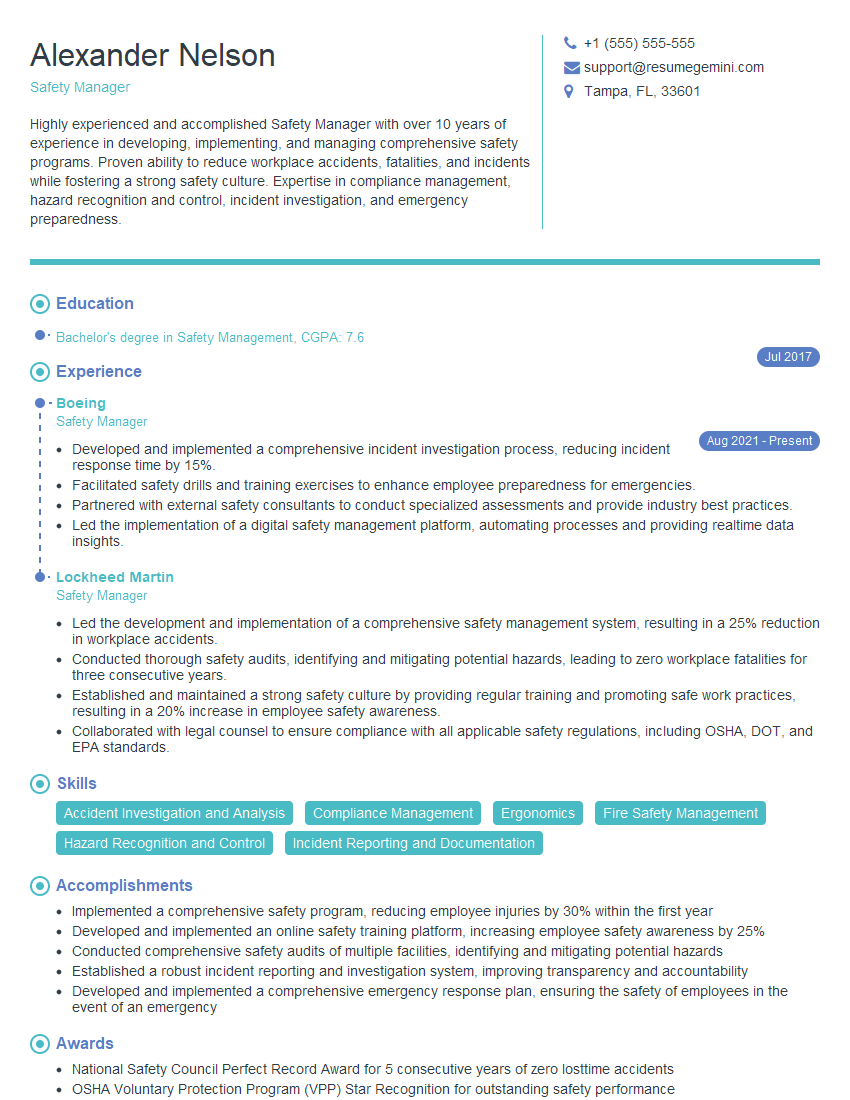
Safety Manager Resume Sample
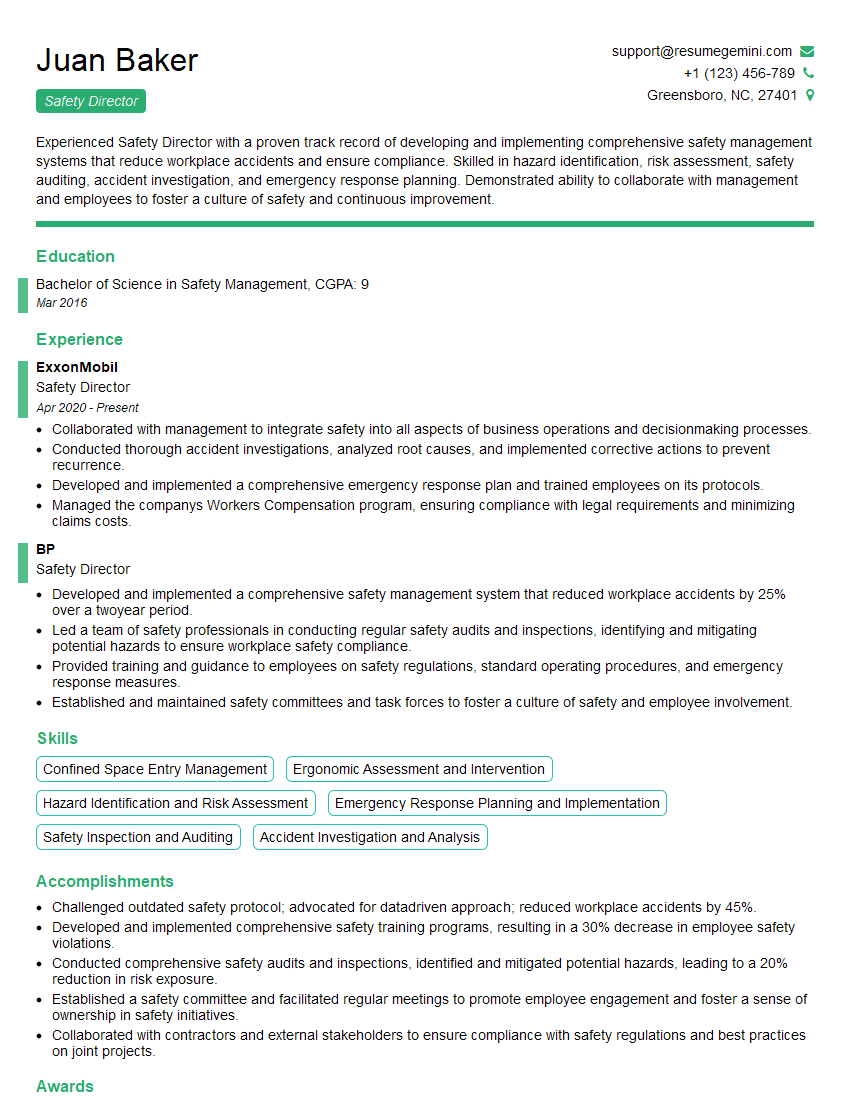
Safety Director Resume Sample

Compliance Officer Resume Sample
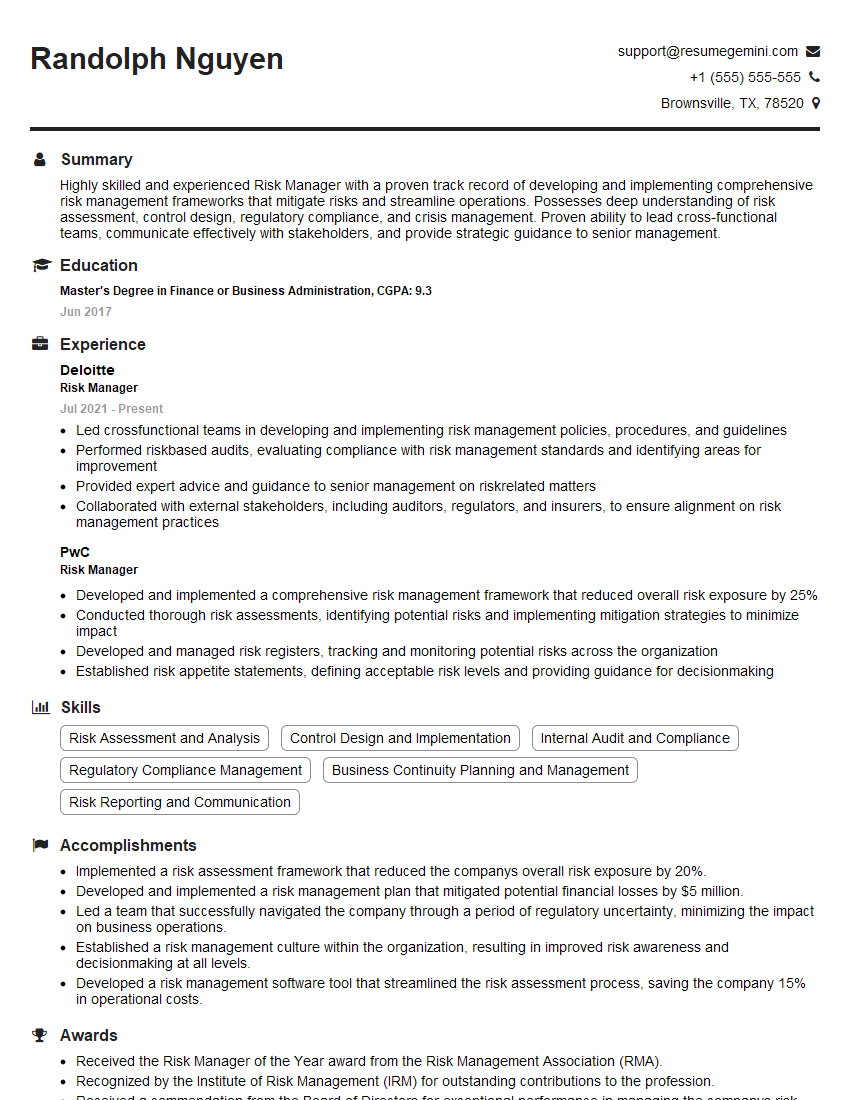
Risk Manager Resume Sample
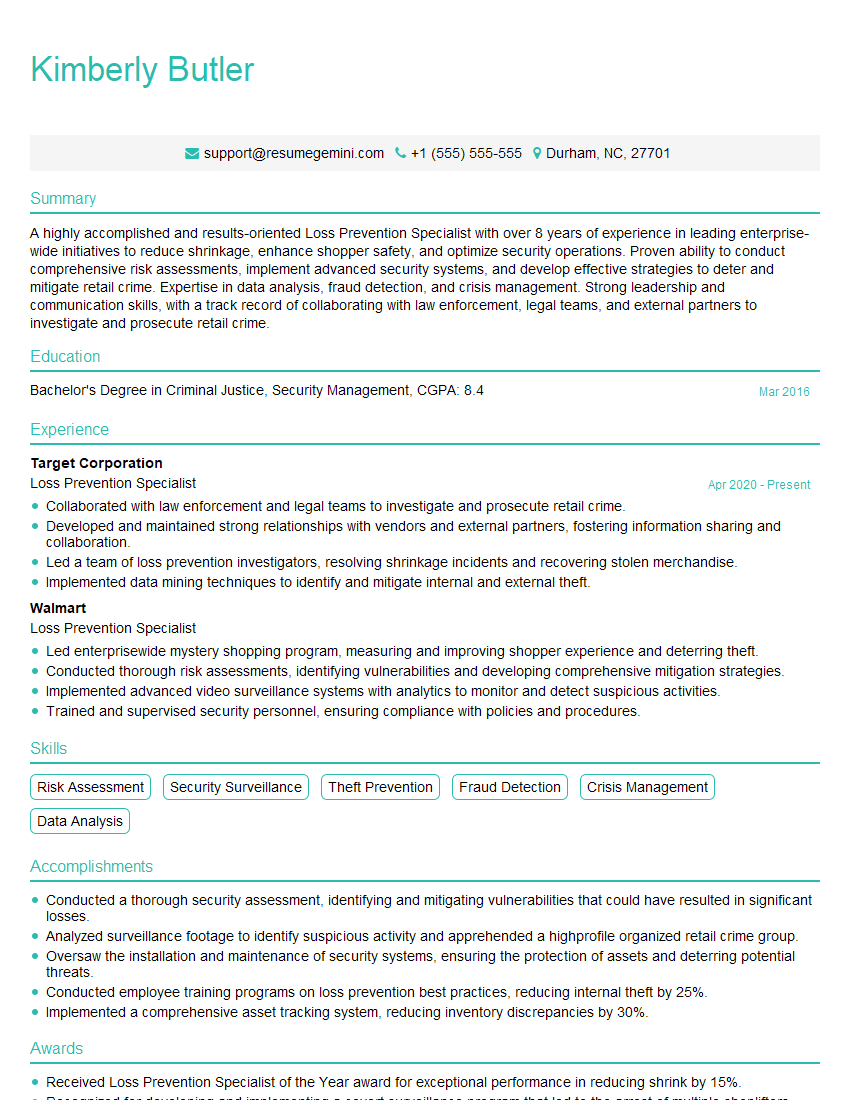
Loss Prevention Specialist Resume Sample
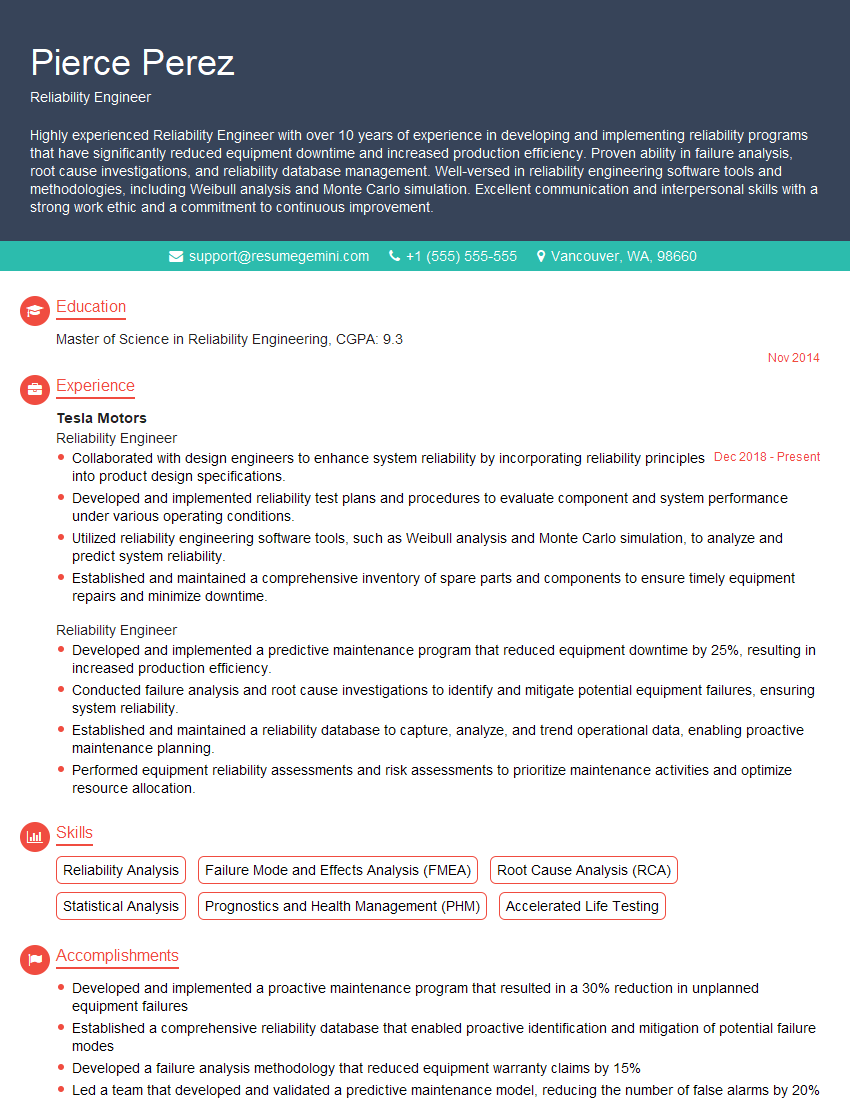
Reliability Engineer Resume Sample
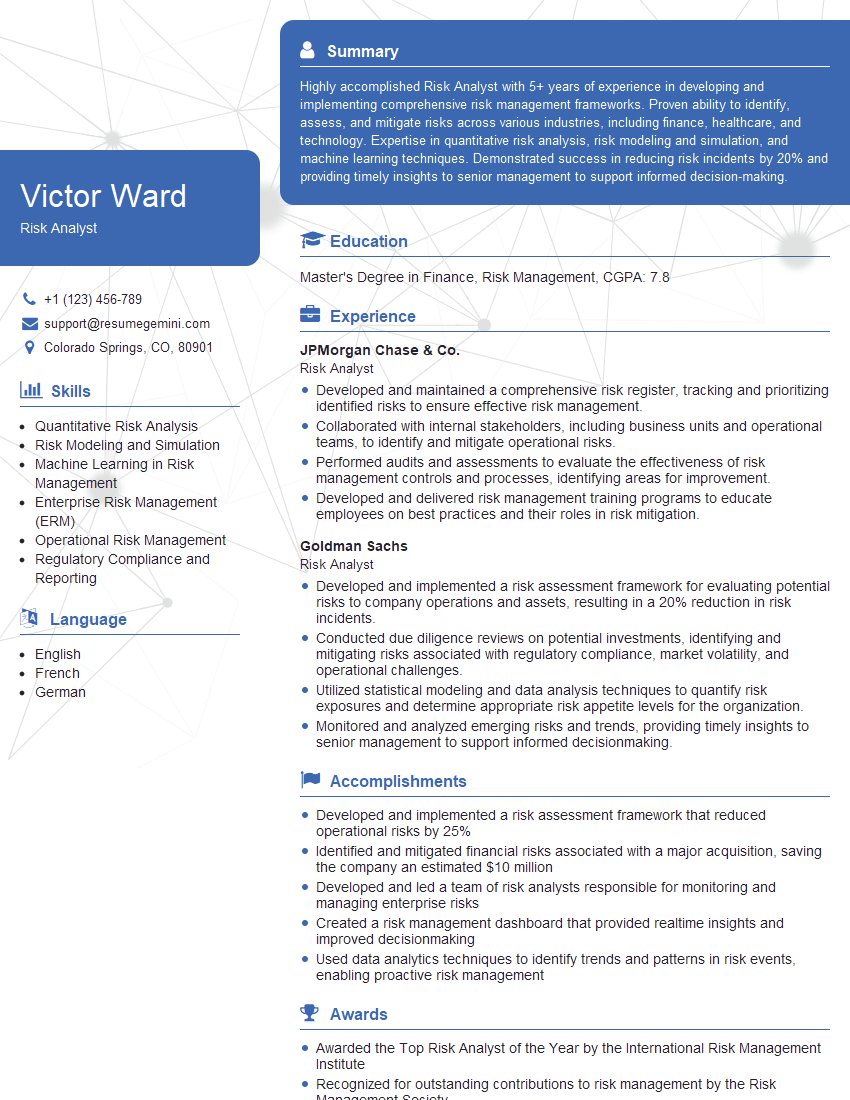
Risk Analyst Resume Sample
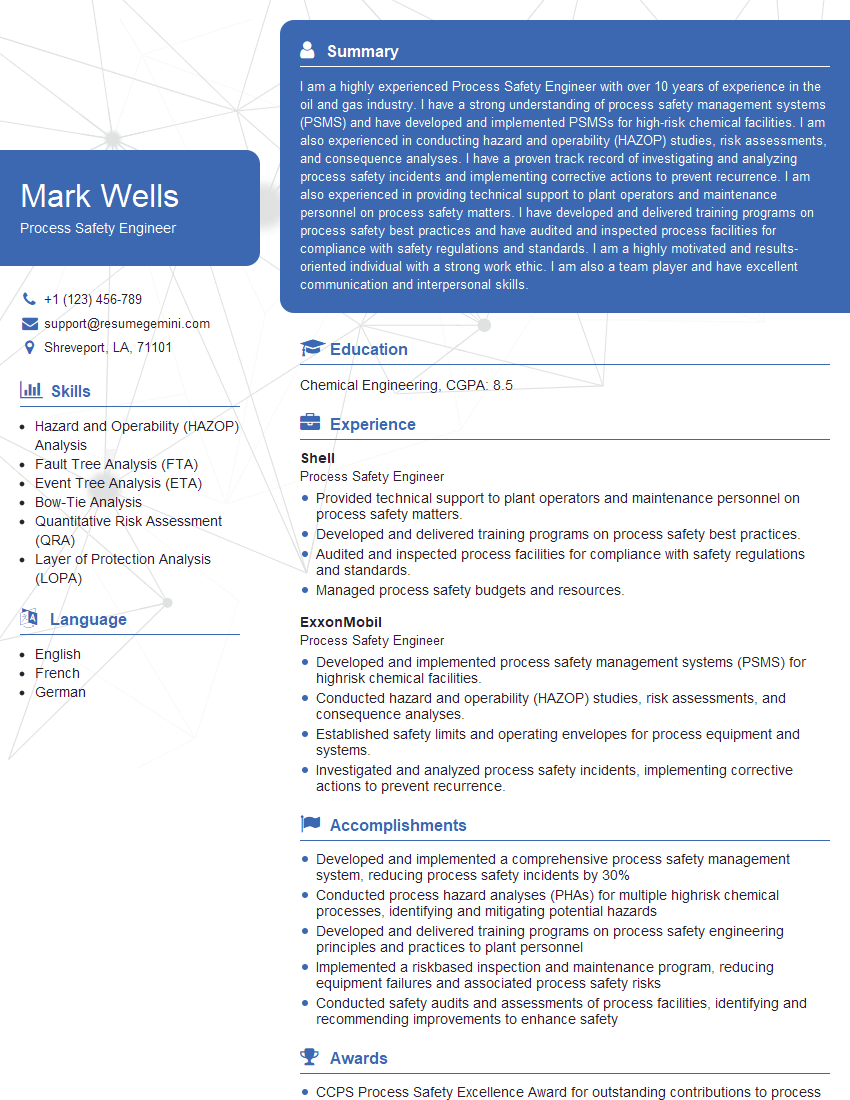
Process Safety Engineer Resume Sample
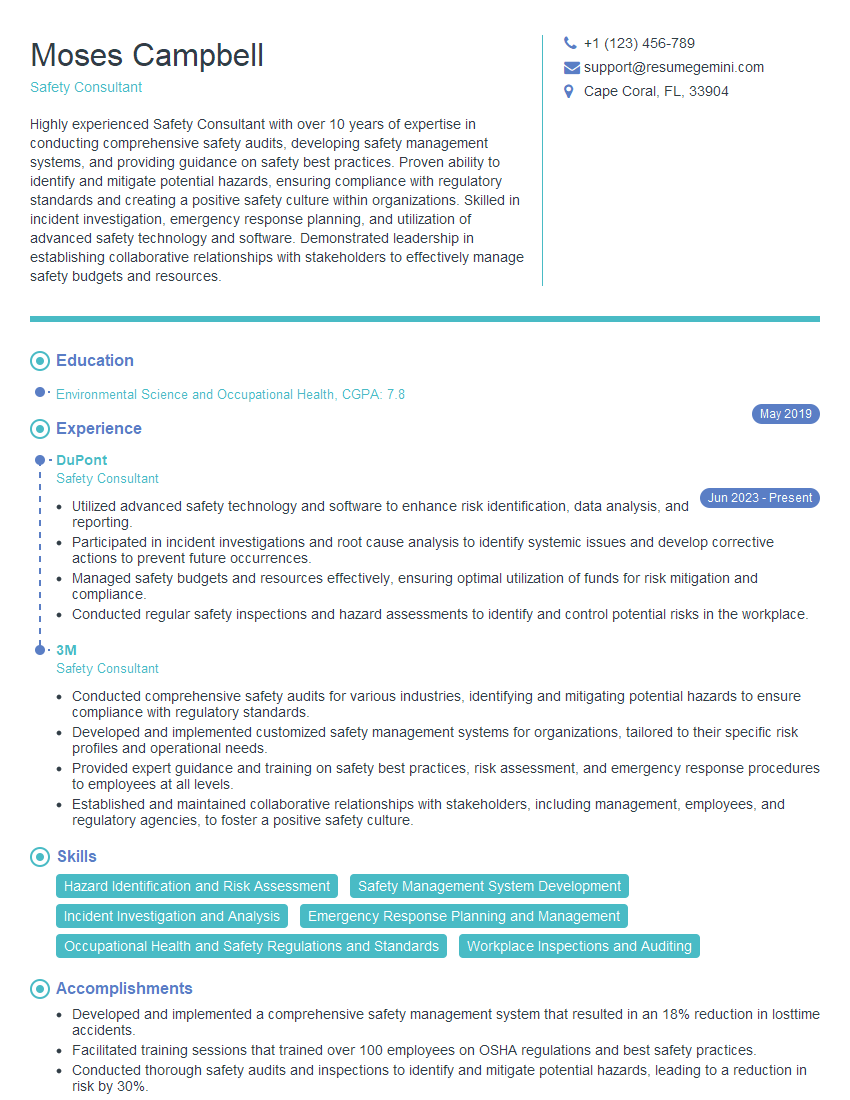
Safety Consultant Resume Sample
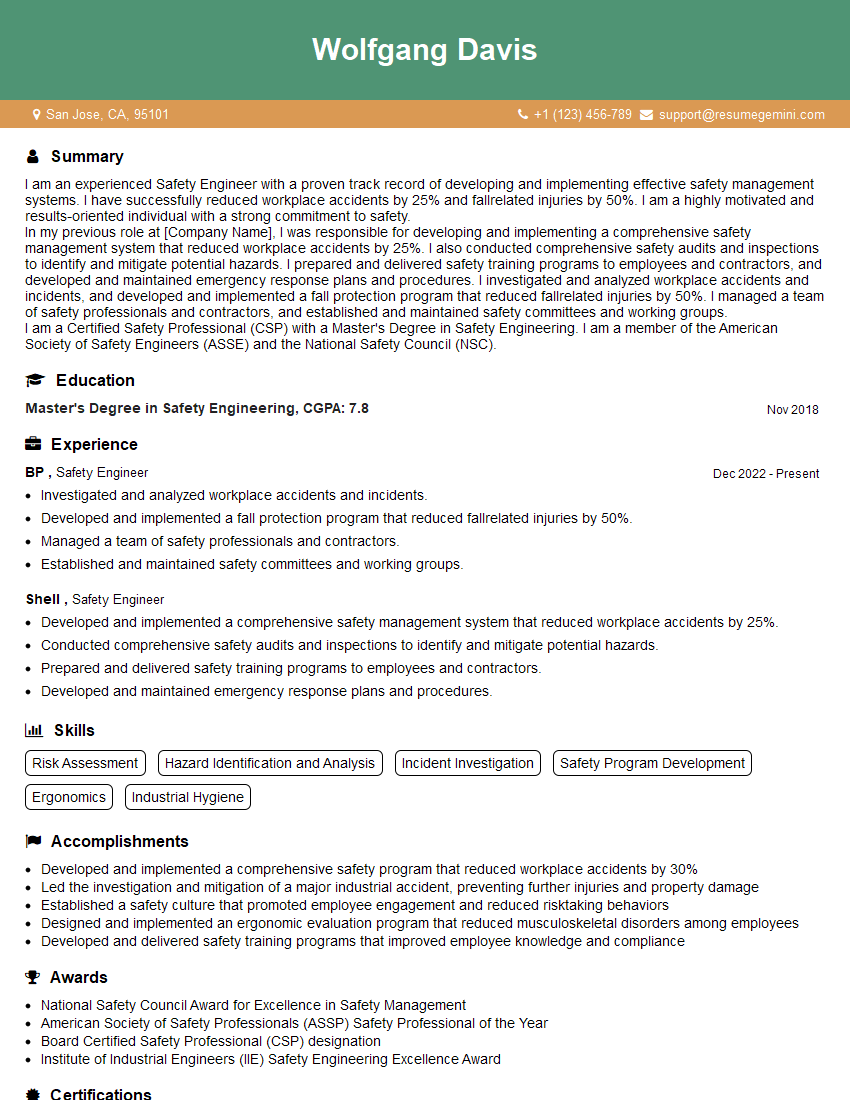
Safety Engineer Resume Sample
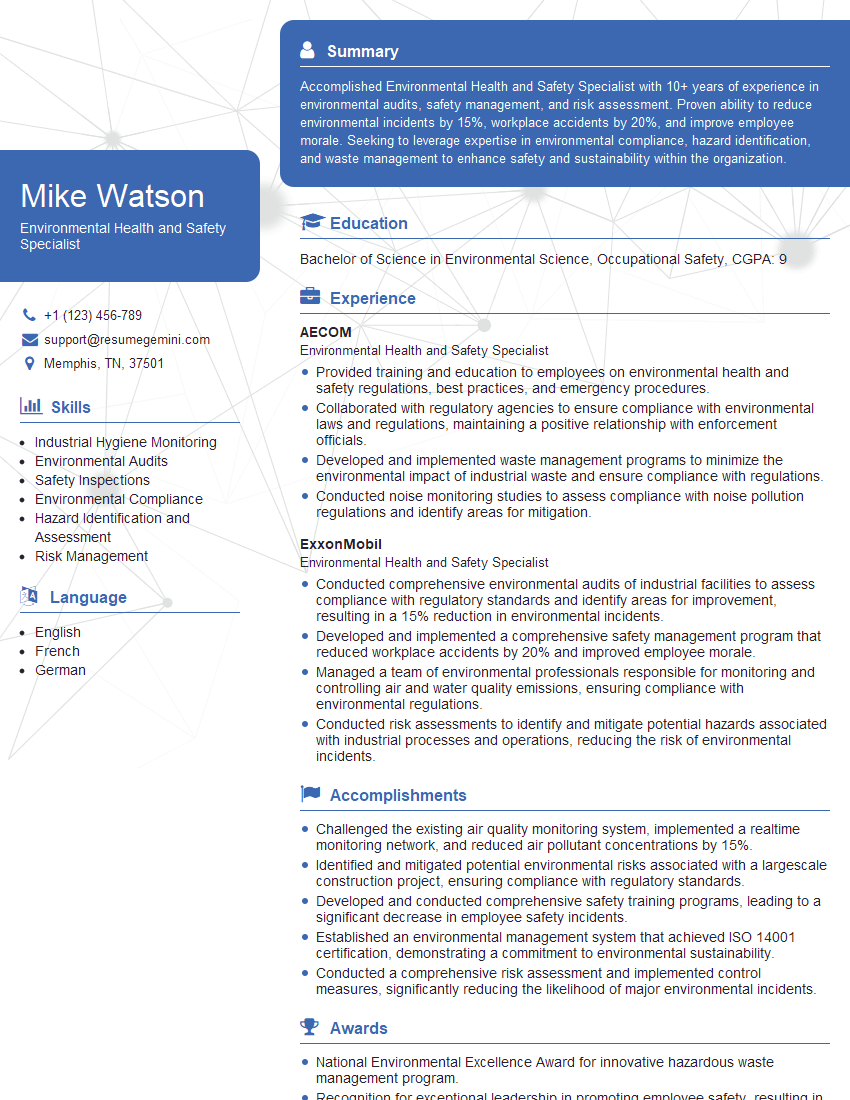
Environmental Health and Safety Specialist Resume Sample
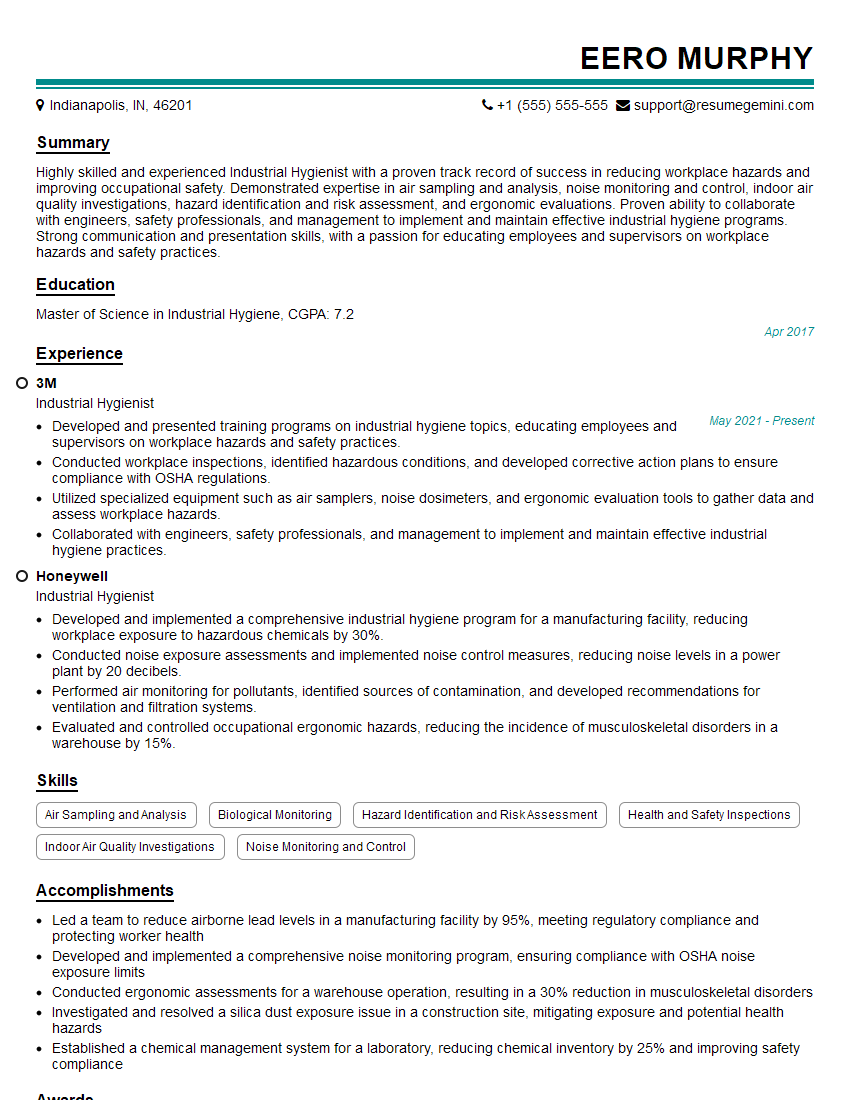
Industrial Hygienist Resume Sample
Explore more articles
Users Rating of Our Blogs
Share Your Experience
We value your feedback! Please rate our content and share your thoughts (optional).
What Readers Say About Our Blog
Very informative content, great job.
good