The right preparation can turn an interview into an opportunity to showcase your expertise. This guide to Safety Protocols (OSHA, EMR) interview questions is your ultimate resource, providing key insights and tips to help you ace your responses and stand out as a top candidate.
Questions Asked in Safety Protocols (OSHA, EMR) Interview
Q 1. Explain the key differences between OSHA and EMR.
OSHA (Occupational Safety and Health Administration) and EMR (Employer’s Record of Work-Related Injuries and Illnesses) are both crucial components of workplace safety, but they serve different purposes. OSHA is a regulatory agency that sets and enforces safety and health standards in the workplace. Think of them as the rule-makers. EMR, on the other hand, is a record-keeping system required by OSHA for employers to track and report workplace injuries and illnesses. It’s the record-keeping aspect of OSHA’s regulatory requirements. OSHA establishes the rules, and EMR ensures employers are documenting their adherence to those rules and the occurrence of workplace incidents.
In short: OSHA sets the standards; EMR tracks the incidents and company compliance. One sets the rules, the other tracks compliance and injury data.
Q 2. Describe your experience with OSHA Form 300.
My experience with OSHA Form 300 involves comprehensive knowledge of its completion and the associated recordkeeping requirements. I’ve been involved in the development and implementation of systems to ensure accurate and timely recording of work-related injuries and illnesses. This includes training employees on proper reporting procedures and ensuring the form is correctly completed, including detailed descriptions of the incidents, employee information, and the necessary follow-up procedures. I’ve also utilized the data collected on Form 300 to identify trends, potential hazards, and areas for improvement in our safety programs, leading to proactive measures to prevent future incidents. For example, we once noticed a spike in back injuries related to manual lifting. This prompted a review of our lifting techniques training and the implementation of improved ergonomic equipment, successfully reducing subsequent incidents.
Q 3. How would you conduct a workplace hazard assessment?
Conducting a thorough workplace hazard assessment is a systematic process that begins with identifying all potential hazards in the work environment. This involves a multi-faceted approach. First, a walk-through inspection of the work area is vital, carefully observing the physical environment, machinery, equipment, and the tasks performed. This is usually conducted by a team, including workers from different departments to get varied perspectives. Secondly, we consult with employees on all levels. Their firsthand experience often unveils hazards that might be missed. Thirdly, we review incident reports and near-misses to identify trends and recurring problems. Finally, we use specific checklists and industry best practices relevant to the specific workplace. Once hazards are identified, we assess their severity and likelihood, prioritizing those posing the greatest risks. This involves analyzing factors such as the potential for injury, the number of employees exposed, and the severity of potential consequences. This process culminates in creating a plan to mitigate identified hazards through engineering controls, administrative controls, and personal protective equipment (PPE).
Q 4. What are the common causes of workplace accidents and how can they be prevented?
Common causes of workplace accidents include unsafe acts by employees (e.g., not using PPE, rushing), unsafe conditions (e.g., poorly maintained equipment, inadequate lighting), and inadequate training. Preventing these requires a multi-pronged approach. For unsafe acts, thorough training on safety procedures, emphasizing the importance of following rules and using proper equipment, is crucial. Regular refresher courses and reinforcement of safety protocols keep this top-of-mind. For unsafe conditions, regular inspections, maintenance programs, and prompt repair of identified hazards are essential. Providing proper tools, equipment, and a well-maintained work environment is paramount. Finally, addressing inadequate training includes comprehensive employee training programs that cover all aspects of safety, specific job hazards, and emergency procedures. Remember, safety is a shared responsibility. Regular safety meetings, active participation from employees, and a culture of safety built from the top-down greatly reduce accidents.
Q 5. Explain your understanding of lockout/tagout procedures.
Lockout/Tagout (LOTO) procedures are critical safety protocols designed to prevent the unexpected energization or startup of machinery and equipment during maintenance or repair. It involves isolating energy sources, ensuring the equipment remains de-energized during servicing. The process typically involves: 1. Preparation: Planning the work, identifying all energy sources, gathering necessary LOTO devices. 2. Lockout: Disconnecting energy sources and applying a lock to the energy isolation device. 3. Tagout: Attaching a tag clearly stating that the equipment is locked out and who is performing the work. 4. Verification: Verifying that the equipment is de-energized before beginning work. 5. Release: Following the completion of work, only the person who applied the lockout removes it. Each step is documented for auditing and accountability. Failure to follow LOTO procedures can result in serious injury or fatality. It’s not just about following the steps; it’s a mindset of safety first.
Q 6. Describe your experience with developing and implementing safety programs.
I have extensive experience in developing and implementing comprehensive safety programs. This includes conducting thorough risk assessments, establishing clear safety policies, procedures and training materials, and coordinating safety inspections. For example, in a previous role, I developed a new safety program for a manufacturing facility that reduced recordable incidents by 30% within a year. This program involved a multi-faceted approach encompassing employee training on hazard identification and risk assessment, improvements in machinery guarding, and the implementation of a robust incident reporting system. I focused on engaging employees by creating a safety committee comprised of workers from all departments to foster shared responsibility and ownership. Effective communication and ongoing feedback are key to success; safety isn’t a one-time project, it’s an ongoing commitment.
Q 7. How would you investigate a workplace accident?
Investigating a workplace accident is a critical process that aims to determine the root cause of the incident, prevent future occurrences, and learn from the experience. It begins with immediate response, ensuring the safety of all involved, providing any necessary first aid and notifying emergency services. Following this, a thorough investigation is launched, gathering all available evidence, including witness statements, photographs, incident reports, medical records and equipment maintenance records. This is followed by analyzing the evidence to identify contributing factors, both human and environmental. For example, was there inadequate training, faulty equipment, or a lapse in safety protocols? Finally, we develop corrective actions, implementing changes to prevent similar incidents in the future. These may include retraining, equipment upgrades, policy changes, or improvements in workplace procedures. Documentation throughout the entire process is vital for legal and regulatory compliance, demonstrating a commitment to workplace safety.
Q 8. What are your strategies for improving safety culture in a workplace?
Improving safety culture isn’t about posting signs; it’s about fostering a genuine commitment to safety at every level. My strategy involves a multi-pronged approach focusing on leadership, communication, training, and accountability.
Leadership Commitment: Safety must be championed from the top down. Leaders need to visibly demonstrate their commitment by actively participating in safety initiatives, attending safety meetings, and rewarding safe behaviors. For example, I once worked with a company where the CEO personally led safety audits, showing that safety wasn’t just a policy, but a core value.
Open Communication: Creating a culture where employees feel comfortable reporting hazards and near misses without fear of reprisal is crucial. This requires establishing clear communication channels, like suggestion boxes, regular safety meetings, and open-door policies. I’ve used anonymous reporting systems to encourage feedback without fear.
Comprehensive Training: Regular and effective training is essential. This goes beyond simply checking boxes. Training must be engaging, relevant to the job tasks, and tailored to different learning styles. Interactive simulations and practical exercises can significantly increase retention. In one instance, I developed a gamified safety training program that resulted in a 20% improvement in safety scores.
Accountability and Recognition: Establish clear consequences for unsafe behaviors while also recognizing and rewarding safe practices. This could involve safety awards, bonuses, or public acknowledgment of employees who consistently demonstrate safe work habits. Fair and consistent enforcement of safety rules is vital.
Q 9. How do you ensure compliance with OSHA regulations?
OSHA compliance is achieved through a proactive and systematic approach. It’s not just about avoiding penalties; it’s about protecting workers and minimizing risks. My approach includes:
Regular Inspections and Audits: Conducting frequent workplace inspections, following OSHA guidelines, to identify and correct potential hazards before they lead to incidents. These audits should involve employees to leverage their on-the-ground knowledge.
Hazard Identification and Control: Implementing a robust hazard identification and control program, using methods like Job Hazard Analyses (JHAs) to pinpoint potential risks and develop preventive measures. This involves documenting findings and implementing corrective actions.
Record Keeping and Documentation: Maintaining meticulous records of all safety training, inspections, incidents, and corrective actions is essential for demonstrating compliance. This includes keeping accurate injury and illness logs (OSHA 300 logs).
Staying Updated: OSHA regulations are constantly evolving. Staying informed about changes and updates through professional development, newsletters, and regulatory websites is crucial.
Employee Training: Providing comprehensive training to employees on OSHA regulations, relevant standards, and safe work practices is critical for ensuring everyone understands their role in maintaining a safe workplace.
Q 10. Describe your experience with personal protective equipment (PPE).
My experience with PPE encompasses selection, training, fit testing, maintenance, and enforcement. I understand that the effectiveness of PPE hinges on proper selection, fit, and use.
Selection: The right PPE must be chosen based on the specific hazards present in the workplace. This requires a thorough hazard assessment.
Training: Employees need comprehensive training on how to properly use, maintain, and store their PPE. This includes proper donning and doffing procedures and understanding the limitations of the PPE.
Fit Testing: For respirators and other critical PPE, proper fit testing is essential to ensure a proper seal and protection. I have experience conducting various fit tests, including qualitative and quantitative methods.
Maintenance: PPE requires regular inspection and maintenance to ensure its effectiveness. Damaged or worn-out PPE should be replaced immediately.
Enforcement: Consistent enforcement of PPE policies is crucial. Employees must understand the consequences of not using PPE properly.
For example, in a previous role, I implemented a program to ensure proper respirator fit testing for all employees working with hazardous materials, resulting in a significant reduction in respiratory-related incidents.
Q 11. How familiar are you with the Hazard Communication Standard (HCS)?
I am very familiar with the Hazard Communication Standard (HCS), which requires employers to provide employees with information about hazardous chemicals in the workplace. My understanding encompasses all aspects of the standard, including:
Safety Data Sheets (SDS): Understanding how to interpret and utilize SDSs is crucial for proper chemical handling and emergency response. I’ve trained numerous employees on how to effectively use SDS information.
Labels: Knowing how to correctly identify and interpret hazard labels on containers of chemicals and understanding the Globally Harmonized System of Classification and Labelling of Chemicals (GHS).
Employee Training: Conducting comprehensive employee training programs on the hazards of chemicals in the workplace, safe handling procedures, and emergency response protocols.
Chemical Inventory: Maintaining a comprehensive inventory of all hazardous chemicals used in the workplace and ensuring that SDSs are readily available.
Q 12. Explain your experience with incident reporting and record-keeping.
My experience with incident reporting and record-keeping is extensive. I understand the importance of accurate, timely, and thorough documentation for both legal compliance and continuous improvement.
Incident Reporting Procedures: I’ve developed and implemented clear, concise incident reporting procedures that ensure all incidents, including near misses, are documented promptly and accurately. This often involves using specific forms and digital platforms.
Investigation and Root Cause Analysis: I have experience conducting thorough investigations to determine the root cause of incidents, identify contributing factors, and develop corrective actions to prevent recurrence. Techniques like the “5 Whys” analysis are frequently used.
Record Keeping: Maintaining accurate records of all incidents, investigations, corrective actions, and follow-up activities is crucial. I’m proficient in using various record-keeping systems, both electronic and paper-based, ensuring compliance with OSHA requirements.
Data Analysis: Analyzing incident data to identify trends, patterns, and areas for improvement in safety programs. This data-driven approach helps to target resources and prioritize corrective actions.
Q 13. How would you address employee concerns regarding workplace safety?
Addressing employee concerns regarding workplace safety is paramount. My approach involves:
Active Listening: Creating a safe space for employees to voice their concerns without fear of reprisal. Actively listening to their concerns and validating their feelings is crucial.
Thorough Investigation: Thoroughly investigating all reported concerns to determine their validity and identify potential hazards. This may involve conducting inspections, interviews, or reviewing incident reports.
Prompt Response: Responding to employee concerns promptly and professionally. If a hazard is identified, taking immediate steps to mitigate the risk. Providing updates to the employee on the progress of the investigation and corrective actions.
Corrective Action: Implementing appropriate corrective actions to address the identified hazard or concern. This may involve changes to work procedures, equipment modifications, or additional safety training.
Follow-up: Following up with the employee to ensure that the concern has been addressed and that they feel safe and secure in the workplace.
Transparency and open communication are key in building trust and fostering a positive safety culture. I firmly believe that employees are often the first line of defense in identifying potential hazards and should be empowered to speak up without fear.
Q 14. Describe your experience with conducting safety training.
My experience in conducting safety training includes designing, delivering, and evaluating training programs tailored to diverse audiences and work environments. My approach emphasizes practical application and engagement:
Needs Assessment: Before developing any training, I conduct a thorough needs assessment to determine the specific training needs of the employees. This often involves job hazard analyses, interviews, and observations.
Program Design: I design engaging and effective training programs that incorporate various learning methods, including interactive exercises, case studies, and simulations, to maximize retention. I often use a blended learning approach, combining online modules with hands-on training sessions.
Delivery: I deliver training sessions in a clear, concise, and engaging manner, adapting my style to different learning styles and audiences. I focus on creating a safe and interactive learning environment.
Evaluation: I evaluate the effectiveness of training programs by using various methods, including pre- and post-tests, quizzes, observations, and feedback surveys. This allows for continuous improvement of the training programs.
Documentation: I maintain thorough records of all training activities, including attendance records, training materials, and evaluation results, ensuring compliance with OSHA requirements and company policies.
For instance, I developed a comprehensive lockout/tagout training program that included hands-on practice using actual equipment, resulting in a demonstrable improvement in employee competency and reduced near misses.
Q 15. What are your strategies for managing workplace risks?
Managing workplace risks effectively requires a proactive, multi-faceted approach. It starts with a comprehensive hazard identification process, using methods like job safety analyses (JSAs) and workplace inspections. We identify potential hazards – anything that could cause harm – and then evaluate the associated risks, considering the likelihood and severity of injury or illness.
Next, we implement control measures, prioritizing the hierarchy of controls: elimination, substitution, engineering controls, administrative controls, and finally, personal protective equipment (PPE). For instance, eliminating a hazardous chemical might be ideal, but if that’s not feasible, substituting it with a less hazardous alternative is the next best option. Engineering controls might involve installing machine guards, while administrative controls could include implementing a permit-to-work system. PPE, like safety glasses or hard hats, is always the last resort.
Regular monitoring and review are crucial. We track leading indicators (like near misses and unsafe acts) and lagging indicators (like incident rates) to assess the effectiveness of our controls. This data informs continuous improvement, allowing us to refine our strategies and address emerging hazards. Finally, employee training and engagement are paramount. A well-trained workforce is better equipped to identify and mitigate hazards.
Career Expert Tips:
- Ace those interviews! Prepare effectively by reviewing the Top 50 Most Common Interview Questions on ResumeGemini.
- Navigate your job search with confidence! Explore a wide range of Career Tips on ResumeGemini. Learn about common challenges and recommendations to overcome them.
- Craft the perfect resume! Master the Art of Resume Writing with ResumeGemini’s guide. Showcase your unique qualifications and achievements effectively.
- Don’t miss out on holiday savings! Build your dream resume with ResumeGemini’s ATS optimized templates.
Q 16. How familiar are you with the different types of EMR systems?
My familiarity with Electronic Medical Record (EMR) systems, in the context of occupational safety, extends to various types. I’m experienced with systems that track injuries and illnesses, focusing on OSHA 300 logs and the broader requirements of OSHA recordkeeping. I’ve also worked with more sophisticated systems that integrate incident reporting, investigation, and corrective action processes. These often include features like customizable dashboards, reporting functionalities that help identify trends, and integration with other safety management systems.
Beyond basic injury tracking, I’m familiar with EMR systems that incorporate biometric data, such as wearable technology to monitor worker fatigue or environmental exposure. I also have experience with systems used to track and manage workers’ compensation claims, providing crucial data for analysis and improvements.
Q 17. How would you interpret data from an EMR system?
Interpreting data from an EMR system involves a systematic approach. First, I’d ensure data integrity and completeness, checking for missing information or inconsistencies. Then, I’d focus on identifying trends and patterns. For example, a spike in back injuries in a particular department might indicate a need for ergonomic improvements. I’d look for correlations between injury types and specific tasks, work areas, or employee demographics. This can be done visually, using charts and graphs, or through statistical analysis techniques.
The data might also reveal deficiencies in our safety programs. For example, a high number of near misses without resulting injuries suggests a need for improved training or proactive hazard controls. By comparing incident rates to industry benchmarks, we can assess our relative performance and identify areas for improvement. Finally, I’d always consider the limitations of the data, acknowledging any biases or incomplete information that might skew interpretations.
Q 18. How do you ensure data accuracy in an EMR system?
Ensuring data accuracy in an EMR system is crucial. This begins with establishing clear data entry protocols and using standardized terminology. Regular audits of the data are essential to detect and correct errors. We employ data validation techniques to ensure data consistency and plausibility. For example, we might cross-check data from multiple sources, such as incident reports and medical records. Training on data entry procedures for all personnel is vital to ensure everyone understands the process and the importance of accuracy.
Furthermore, we use data quality metrics to continuously monitor and improve the accuracy of the data. This might include tracking the number of data entry errors, the completeness of records, and the timeliness of reporting. Regular system updates and backups are also crucial to maintain data integrity and prevent data loss. A robust system access control ensures only authorized personnel can modify data, and any changes are tracked and auditable.
Q 19. What are the limitations of EMR systems?
While EMR systems are powerful tools, they have limitations. One significant limitation is the potential for incomplete data. Underreporting of incidents, particularly near misses or minor injuries, is common and can skew the overall safety picture. Also, the quality of data depends heavily on the accuracy and consistency of data entry by personnel. Inconsistent data entry practices can render the data unreliable or difficult to analyze.
Another limitation is the potential for bias in data collection and reporting. The way data is collected can influence the results, and reporting might be affected by factors such as fear of reprisal or lack of understanding about the reporting process. Finally, EMR systems are only as good as the information they contain. If the system isn’t properly designed or maintained, or if the data isn’t accurately entered and analyzed, the insights gained will be flawed.
Q 20. How do you use EMR data to improve safety performance?
EMR data is invaluable for improving safety performance. By analyzing incident trends, we can pinpoint high-risk areas and tasks. For example, if the data reveals a cluster of injuries related to a specific machine, we can implement engineering controls like machine guarding or improved training procedures. Similarly, identifying trends related to specific employee demographics can help target training or ergonomic interventions to those most at risk.
We use EMR data to track the effectiveness of our safety interventions. For instance, after implementing a new safety training program, we can monitor injury rates to determine if the program has had a positive impact. The data allows for data-driven decision-making, ensuring we focus our resources where they are most effective. We also use the data to demonstrate safety performance improvements to stakeholders, showcasing the return on investment for safety initiatives.
Q 21. Explain your experience with developing safety policies and procedures.
Throughout my career, I’ve been actively involved in developing and implementing safety policies and procedures, aligning them with OSHA standards and best practices. My process usually begins with a thorough needs assessment, understanding the specific hazards present in the workplace. This assessment includes input from employees at all levels, fostering ownership and buy-in. We then develop policies and procedures that are clear, concise, and easily understood by all personnel.
I ensure our policies and procedures are regularly reviewed and updated to reflect changes in regulations, technology, and best practices. We utilize a structured approach, such as a standard operating procedure (SOP) format, to create easily accessible and consistently applied safety protocols. These SOPs often include detailed step-by-step instructions, checklists, and diagrams for clarity. Finally, we incorporate regular training and competency assessments into the process to ensure employees understand and can effectively follow the procedures. This often involves practical demonstrations and scenario-based training to solidify understanding.
Q 22. How would you handle a situation where an employee refuses to follow safety protocols?
An employee’s refusal to follow safety protocols is a serious issue that demands a measured and documented response. My approach would prioritize understanding the reason behind the refusal before implementing corrective action. This isn’t about punishment; it’s about ensuring a safe work environment for everyone.
Step 1: Open Communication: I’d initiate a private conversation with the employee, listening actively to their concerns. Perhaps there’s a misunderstanding about the protocol, a perceived inconvenience, or even a safety concern about the protocol itself.
Step 2: Clarification and Training: If the refusal stems from a lack of understanding, I would provide further clarification and retraining on the specific safety protocol. This might involve hands-on demonstrations, updated written materials, or additional training sessions.
Step 3: Addressing Underlying Issues: If the refusal persists, I would investigate any underlying issues contributing to the non-compliance. This could involve speaking with supervisors, colleagues, or reviewing work conditions. Perhaps there’s a systemic problem that needs attention.
Step 4: Progressive Discipline: If the issue isn’t resolved through education and understanding, and if the non-compliance poses a safety risk, progressive disciplinary action, as outlined in the company’s policy (verbal warning, written warning, suspension, termination), would be implemented. All steps are meticulously documented.
Step 5: Reporting and Follow-up: All incidents of non-compliance, the steps taken, and the outcome, would be formally documented and reported through the proper channels, adhering to OSHA and company guidelines. Regular follow-up would ensure the employee understands the expectations and the consequences of future non-compliance.
For example, if an employee consistently refuses to wear required safety glasses in a machine shop, my approach would follow these steps, beginning with open communication to understand why they feel uncomfortable wearing them, offering alternative solutions if possible, and proceeding with progressive disciplinary action if necessary, all while maintaining proper documentation and adhering to OSHA guidelines.
Q 23. Describe your experience with conducting safety inspections.
My experience in conducting safety inspections involves a systematic approach ensuring thoroughness and objectivity. I utilize checklists tailored to the specific work area, focusing on potential hazards identified in the job hazard analysis (JHA). This isn’t just a box-checking exercise; it’s about proactively identifying and mitigating risks.
Preparation: Before the inspection, I familiarize myself with the relevant OSHA standards, company safety policies, and the specific tasks performed in the area. I’ll also inform the employees in advance, ensuring cooperation and collaboration.
Inspection Process: During the inspection, I systematically observe the workplace, looking for potential hazards such as tripping hazards, electrical hazards, chemical exposure risks, inadequate PPE use, and ergonomic issues. I document my findings through photographs, notes, and detailed checklists, and use appropriate safety equipment (e.g., lockout/tagout devices, meters) when conducting certain observations.
Reporting and Follow-up: After the inspection, I compile a report that clearly outlines all findings, including hazard severity levels, recommendations for corrective action, and assigned deadlines for remediation. I then follow up on the implemented corrective actions to ensure effectiveness. This ensures that problems aren’t just identified but resolved effectively.
For instance, during an inspection in a construction site, I might find that fall protection is inadequate at a particular height, resulting in a detailed report with recommendations for implementing appropriate scaffolding, safety harnesses, and fall arrest systems, including a timeline for completion and follow up.
Q 24. How familiar are you with emergency response plans?
I’m very familiar with emergency response plans, having developed, implemented, and participated in drills for various scenarios. A well-structured emergency response plan is crucial for minimizing injuries and damage during unexpected events.
Components of an Effective Plan: A comprehensive plan includes clearly defined procedures for various emergencies (fires, chemical spills, medical emergencies, natural disasters), designated roles and responsibilities for personnel, communication protocols, evacuation routes, assembly points, and post-incident procedures. Regular drills are crucial to ensure that everyone knows their roles and the plan works effectively.
OSHA Compliance: The plan must adhere to OSHA guidelines and relevant industry-specific regulations. It’s important to ensure appropriate training for all employees involved. This training involves regular drills and reviews of the plans.
Plan Review and Updates: The plan needs to be reviewed and updated regularly to reflect changes in the workplace, new equipment, or updated regulations. This ensures that it remains current and effective in handling evolving risks.
For example, in a manufacturing plant, the emergency response plan would need detailed procedures for handling chemical spills, including identifying the hazardous materials, containment procedures, evacuation strategies, and the appropriate use of personal protective equipment (PPE). Regular drills would simulate these scenarios to ensure that the workers are prepared.
Q 25. How would you evaluate the effectiveness of a safety program?
Evaluating the effectiveness of a safety program involves analyzing leading indicators and lagging indicators. Leading indicators are proactive measures that predict future incidents, while lagging indicators reflect past events. A comprehensive evaluation must consider both.
Leading Indicators: These include the number of safety training hours completed, the number of safety audits conducted, the rate of participation in safety programs, the number of near misses reported, and the effectiveness of hazard controls implemented. A high number of near misses reported, for instance, indicates a need for more proactive hazard identification and control measures.
Lagging Indicators: These include the number of accidents, lost-time injuries, workers’ compensation claims, and OSHA citations. A high number of lagging indicators suggests that the safety program isn’t effectively preventing incidents.
Data Analysis: Regular data analysis is crucial. This helps identify trends, pinpoint areas needing improvement, and measure the overall success of the safety program. It’s not just about the numbers; it’s about understanding the root causes of incidents.
Employee Feedback: Employee engagement is key. Surveys, feedback sessions, and safety meetings provide insights into the effectiveness of the program from the employees’ perspective. This improves the safety culture by fostering open communication and ownership of safety responsibilities.
For instance, a decrease in the number of lost-time injuries and workers’ compensation claims (lagging indicators) combined with an increase in near-miss reporting (leading indicator) suggests that the program is improving hazard identification, but further improvements in hazard controls are needed to reduce incident frequency.
Q 26. Explain your understanding of the hierarchy of controls.
The hierarchy of controls is a fundamental principle in occupational safety and health. It outlines a prioritized approach to eliminating or mitigating workplace hazards. The goal is to implement the most effective control measure first, proceeding to less effective measures only if the prior ones are not feasible.
Elimination: This is the most effective control method. It involves removing the hazard entirely from the workplace. Example: Removing a dangerous piece of equipment instead of relying on safety measures.
Substitution: Replacing a hazardous substance or process with a safer alternative. Example: Replacing a toxic solvent with a less harmful one.
Engineering Controls: These are physical changes to the workplace to reduce exposure to hazards. Examples: Installing machine guards, providing proper ventilation, or implementing a confined space entry system.
Administrative Controls: These involve changes to work procedures, policies, or practices. Examples: Implementing safety training programs, developing work permits, rotating employees to minimize exposure.
Personal Protective Equipment (PPE): This is the least effective control measure and should only be used as a last resort after other controls have been implemented. Examples: Safety glasses, gloves, respirators. PPE is important but shouldn’t solely rely on an individual’s adherence; the other control measures must be thoroughly addressed.
For example, if workers are exposed to loud noises, the hierarchy would first suggest eliminating the noise source, then perhaps substituting the noisy machine with a quieter one. Engineering controls, such as noise barriers or enclosures, would be the next option, followed by administrative controls such as limiting exposure time, and finally, PPE like earplugs as a last resort.
Q 27. Describe your experience with root cause analysis.
Root cause analysis (RCA) is a systematic investigation method used to identify the underlying causes of incidents or near misses. It’s not just about identifying what happened but why it happened, allowing for more effective preventative measures.
Methods: Several methods can be employed, including the “5 Whys” technique (repeatedly asking “why” to uncover the root cause), fault tree analysis (a diagrammatic representation of potential causes), and fishbone diagrams (identifying potential causes categorized by category).
Team Approach: RCA is most effective when conducted by a multidisciplinary team including representatives from different departments and levels of the organization. This broader perspective helps identify issues that might otherwise be missed.
Data Collection: Gathering detailed information is critical. This involves reviewing incident reports, interviewing witnesses, examining physical evidence, and analyzing relevant data.
Corrective Actions: The findings of the RCA should be used to develop effective corrective actions. This process helps to establish accountability and prevent similar incidents from occurring in the future.
For instance, if a worker was injured due to a fall from a ladder, a root cause analysis might reveal inadequate ladder maintenance (lack of regular inspections) as the root cause. This leads to corrective actions such as implementing a regular ladder inspection program and worker training on proper ladder usage.
Q 28. What are your strategies for preventing workplace violence?
Preventing workplace violence requires a multi-faceted approach that goes beyond simply having a policy in place. It necessitates a commitment to creating a culture of respect and safety.
Zero-Tolerance Policy: A clear, well-communicated, zero-tolerance policy on workplace violence must be established, with strict procedures for reporting and addressing incidents.
Training and Education: Employees should receive training on recognizing warning signs of potential violence, de-escalation techniques, and reporting procedures. This should encompass all levels of the organization.
Security Measures: Implementing appropriate security measures, such as security cameras, access control systems, and adequate lighting, can deter potential violence.
Employee Assistance Programs (EAPs): Providing access to EAPs allows employees to address personal issues that might contribute to workplace violence. This offers support and resources to those facing challenges.
Stress Management: Implementing programs to reduce workplace stress and improve morale can create a more positive and safer work environment. Addressing stressors proactively helps prevent potential conflict.
Thorough Hiring Practices: Background checks and thorough interview processes can help screen out potential candidates who might pose a risk.
Incident Reporting and Investigation: A robust system for reporting and investigating incidents of workplace violence is essential to identify patterns and implement appropriate corrective actions.
For instance, a healthcare setting would benefit from specialized violence prevention training for staff who regularly interact with patients, clear protocols for handling agitated patients, robust security systems, and a readily accessible EAP. This is critical given the inherent risks associated with this sector.
Key Topics to Learn for Safety Protocols (OSHA, EMR) Interview
Preparing for a Safety Protocols interview requires a strong understanding of both theoretical concepts and practical applications. This section outlines key areas to focus your studies.
- OSHA Regulations: Understanding key OSHA standards relevant to your target role (e.g., general industry, construction, maritime). Focus on hazard identification, risk assessment, and control methods. Explore specific regulations related to PPE, lockout/tagout, confined space entry, and hazard communication.
- Emergency Response and Medical Treatment (EMR): Familiarize yourself with emergency procedures, including first aid, CPR, and AED usage. Understand the importance of incident reporting and investigation, and the role of EMR in preventing future incidents. Practice explaining your approach to different emergency scenarios.
- Incident Investigation and Reporting: Learn the process of conducting thorough investigations, including root cause analysis. Practice documenting findings accurately and effectively, adhering to regulatory requirements for reporting. Understand the importance of data analysis in identifying trends and improving safety programs.
- Safety Program Development and Implementation: Understand the principles of developing and implementing effective safety programs. This includes elements such as hazard communication, training programs, and safety audits. Be prepared to discuss your experience (or theoretical understanding) of leading and contributing to such programs.
- Safety Training and Education: Demonstrate understanding of different training methods and their application to various employee groups. Be able to discuss the importance of ongoing training and competency assessment.
- Practical Application and Problem Solving: Prepare to discuss real-world scenarios and how you would apply your knowledge of OSHA and EMR to solve safety challenges. Think about specific examples where you’ve addressed safety concerns or prevented incidents.
Next Steps
Mastering Safety Protocols (OSHA and EMR) is crucial for career advancement in numerous industries. A strong understanding of these protocols demonstrates your commitment to workplace safety and your ability to mitigate risks. This directly translates to increased job prospects and opportunities for leadership within your field.
To significantly boost your chances of landing your dream job, create an ATS-friendly resume that highlights your skills and experience effectively. ResumeGemini is a trusted resource for building a professional resume that grabs recruiters’ attention. They provide examples of resumes specifically tailored to Safety Protocols (OSHA, EMR) roles, allowing you to model your own resume for optimal impact. Take the next step towards a successful career—build a compelling resume with ResumeGemini today.
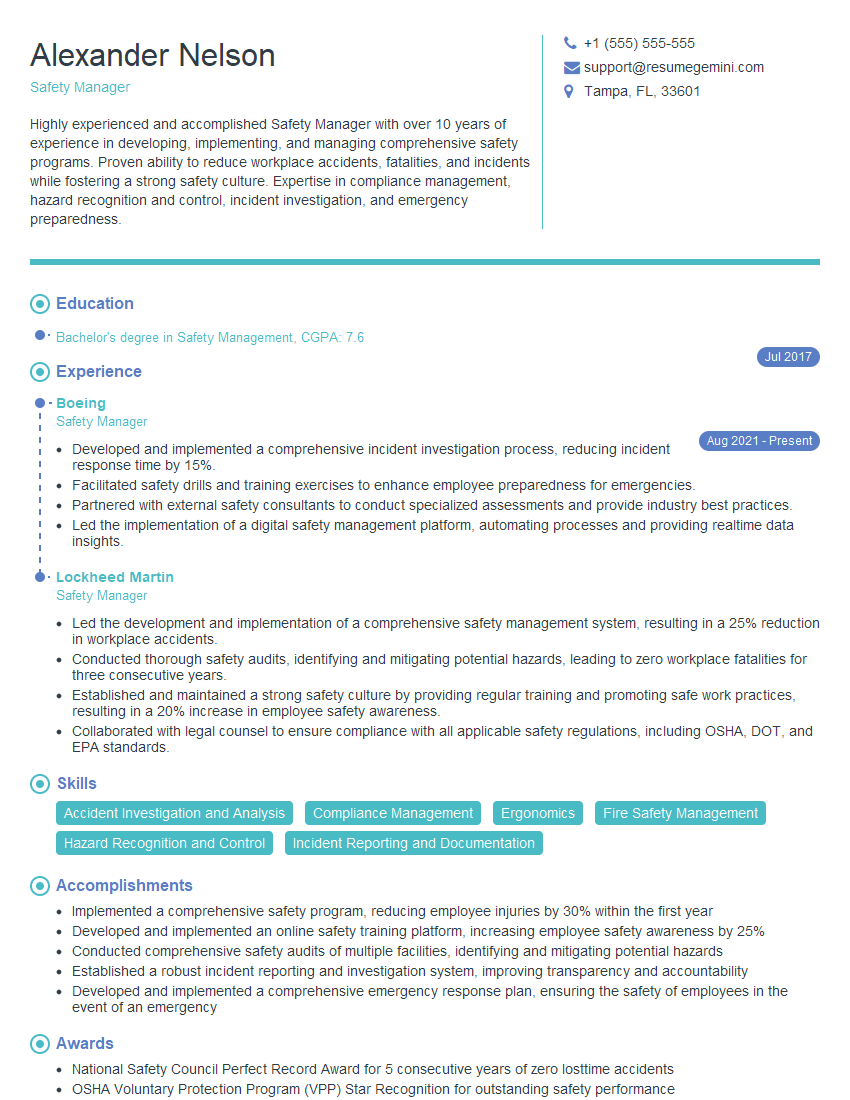
Safety Manager Resume Sample
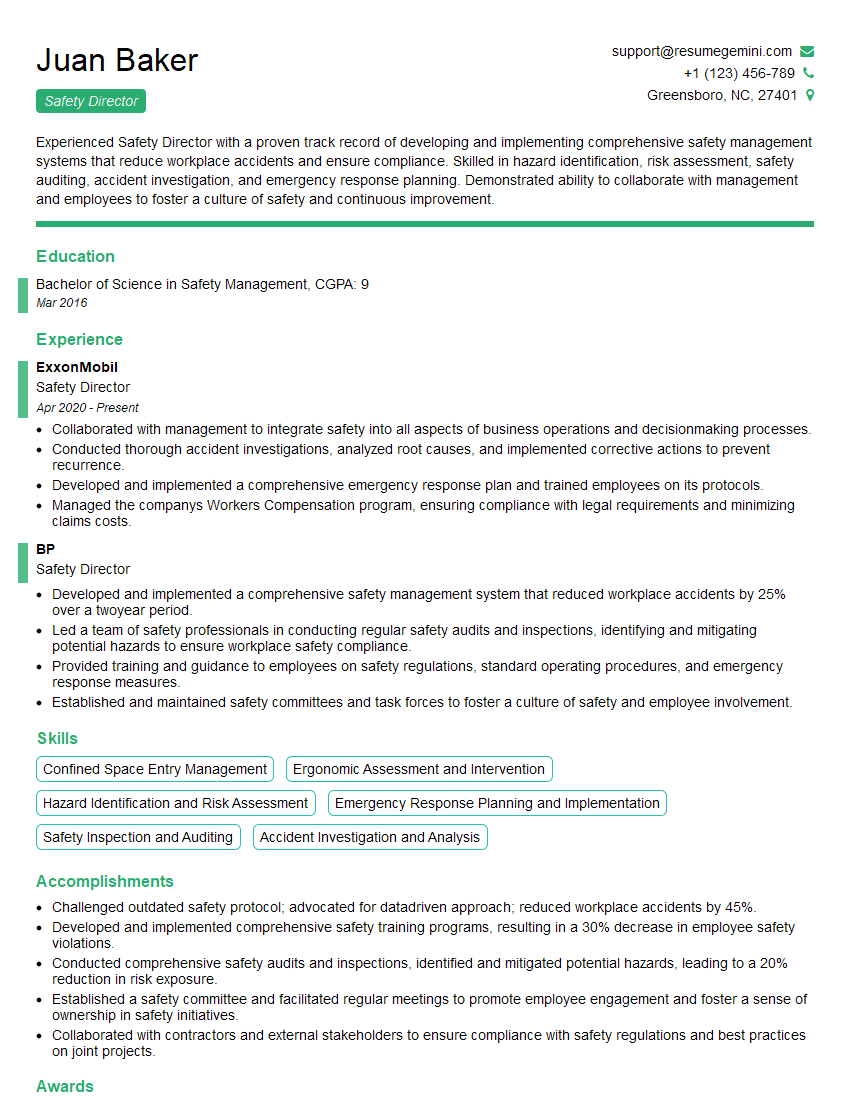
Safety Director Resume Sample
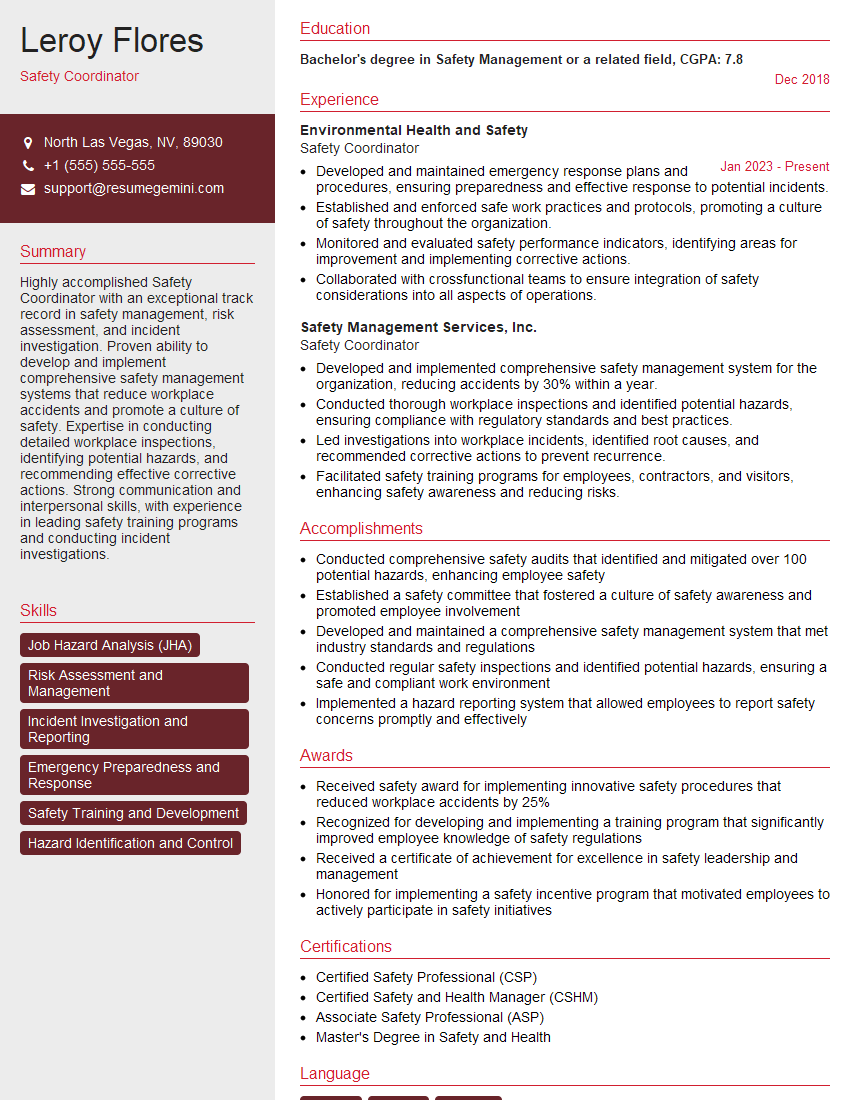
Safety Coordinator Resume Sample
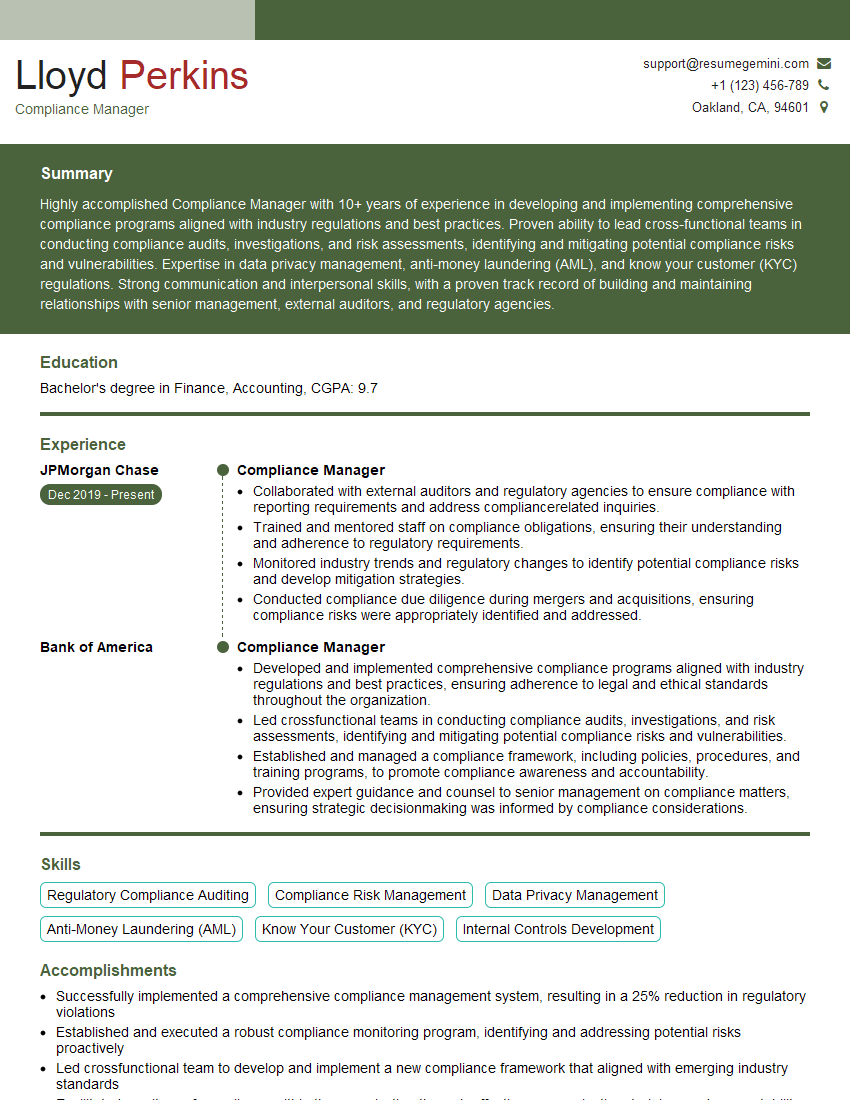
Compliance Manager Resume Sample
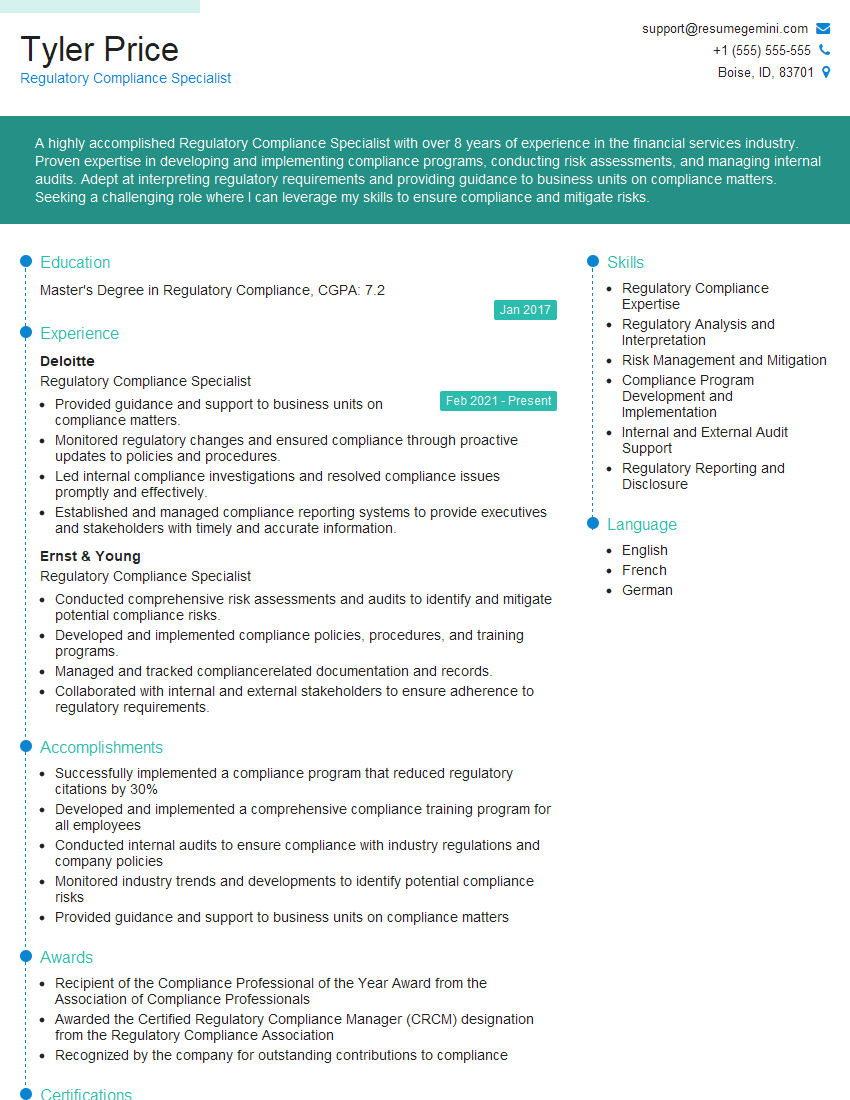
Regulatory Compliance Specialist Resume Sample
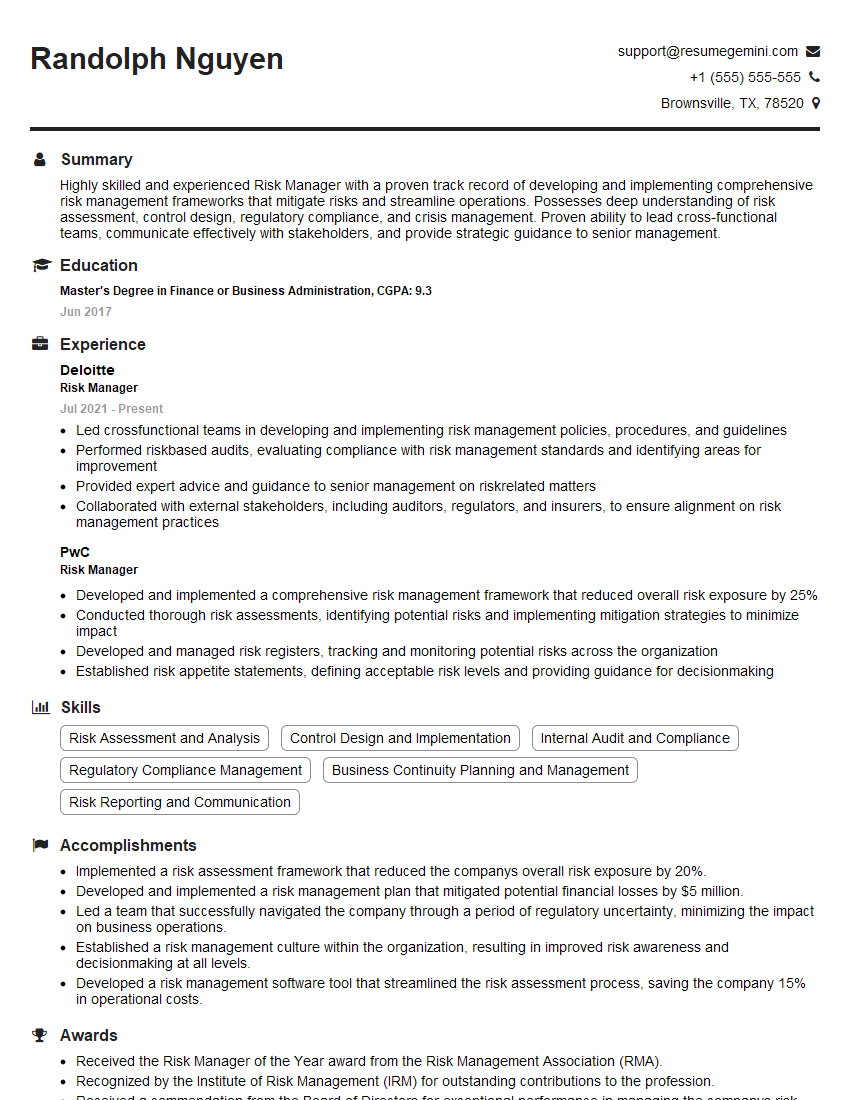
Risk Manager Resume Sample
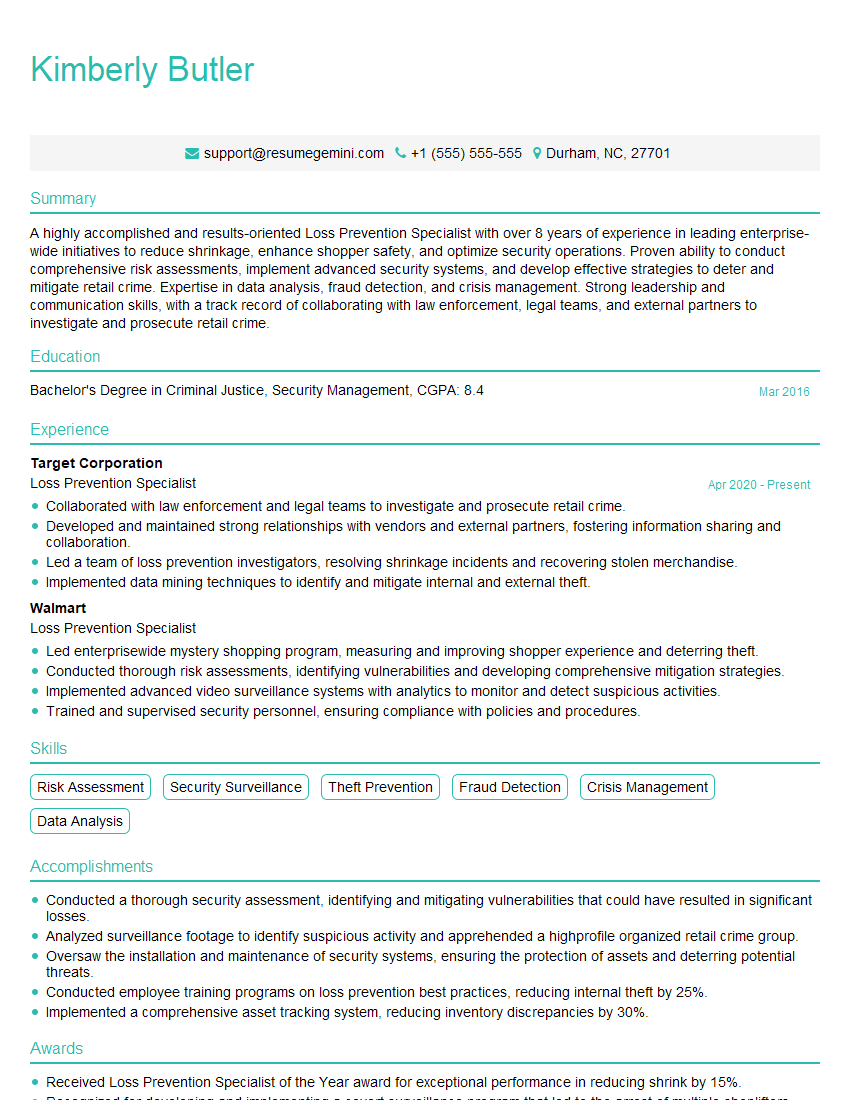
Loss Prevention Specialist Resume Sample
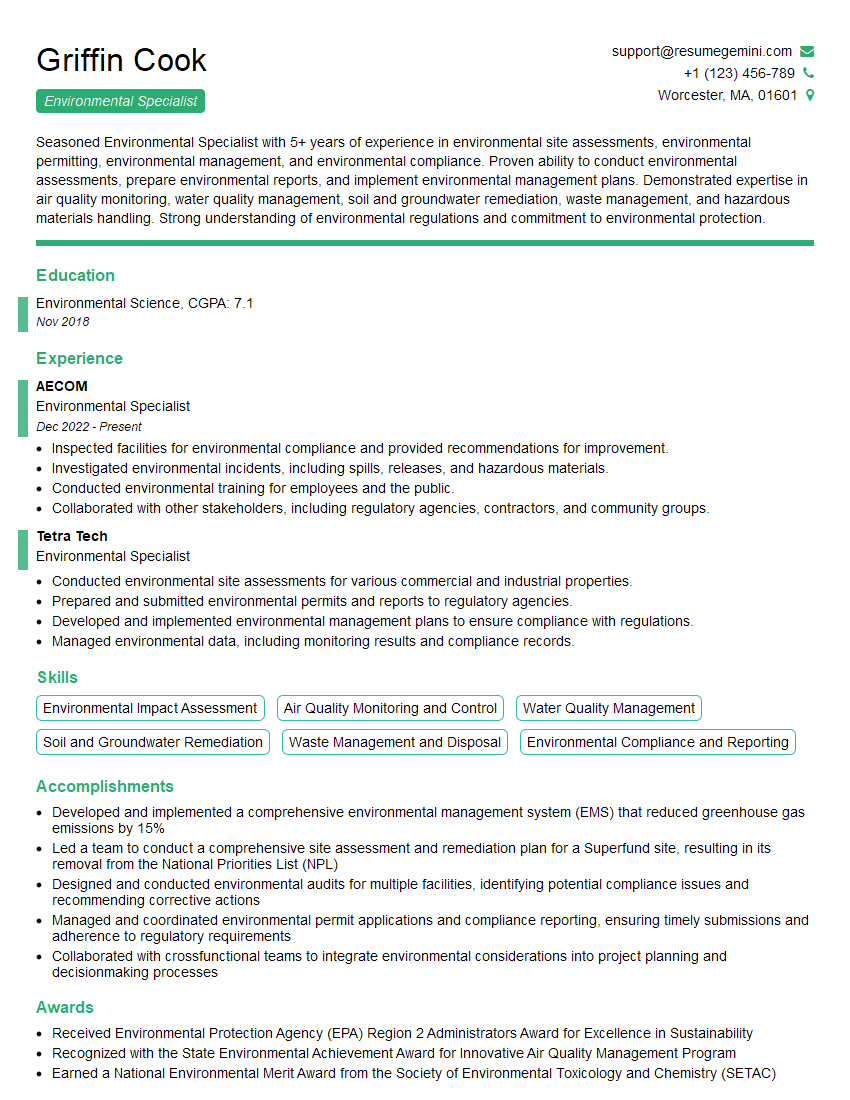
Environmental Specialist Resume Sample
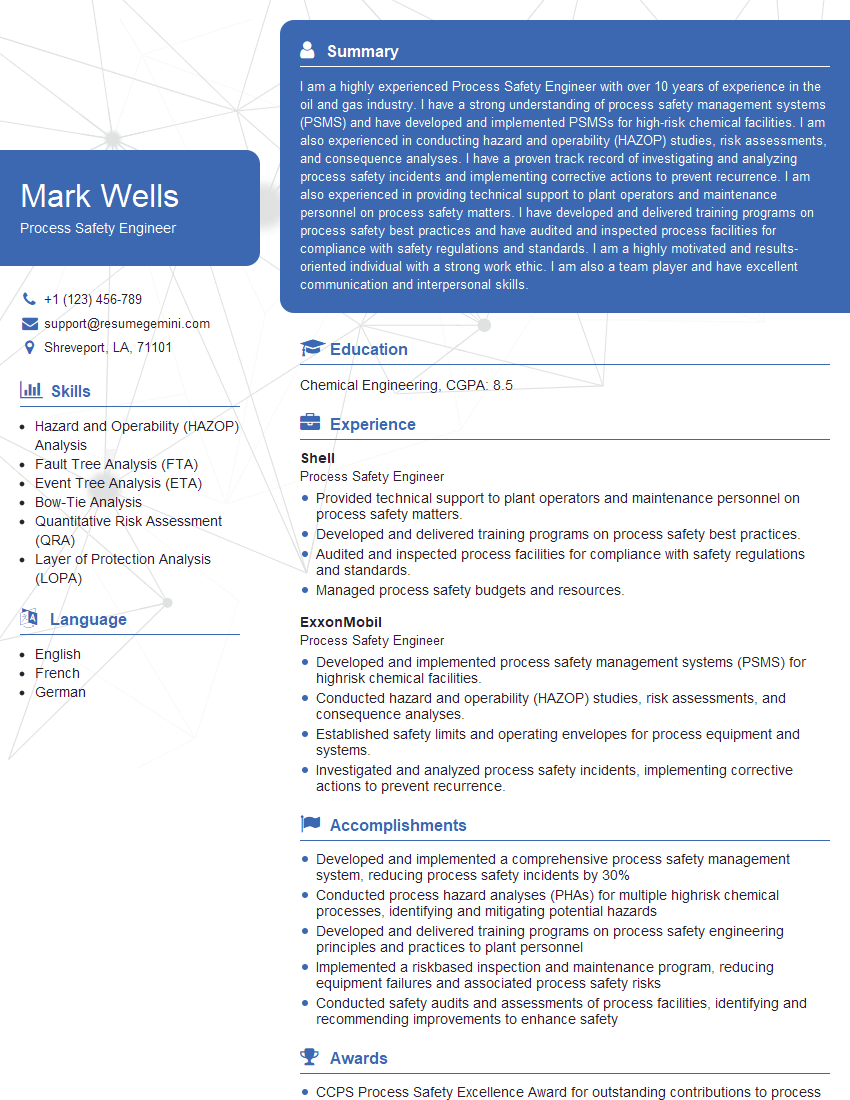
Process Safety Engineer Resume Sample
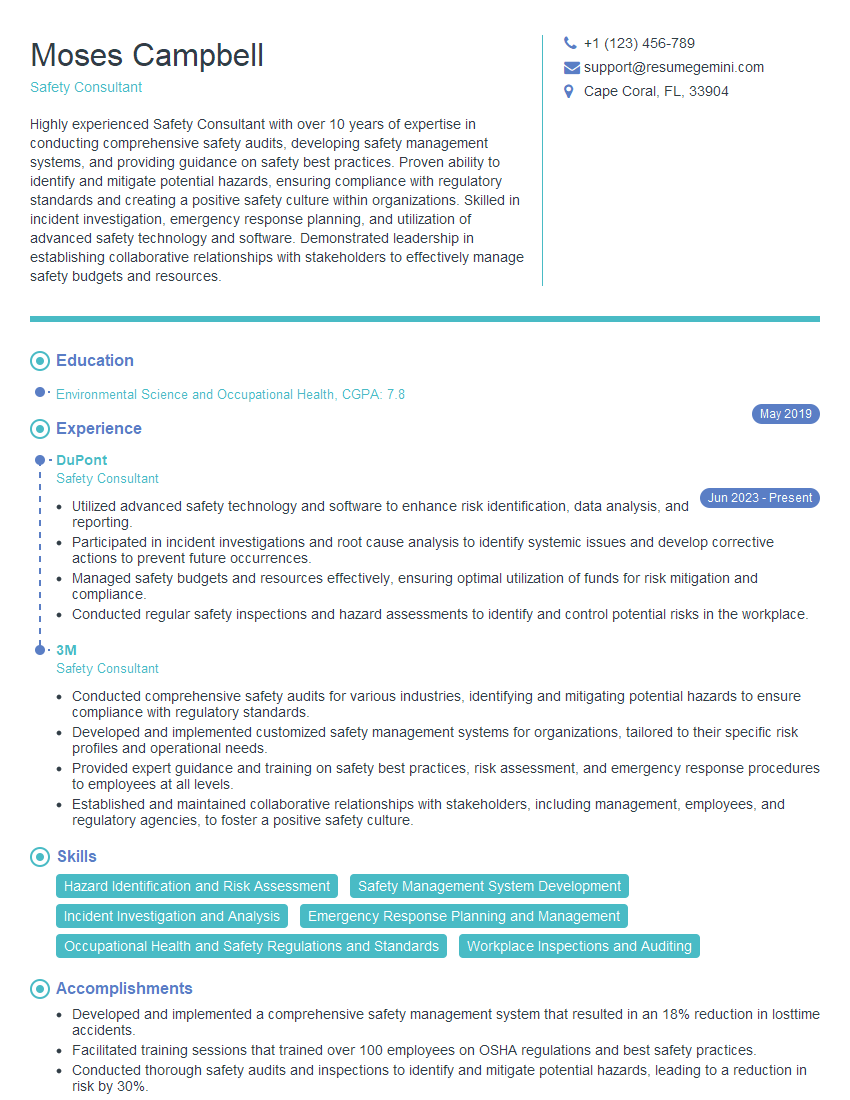
Safety Consultant Resume Sample
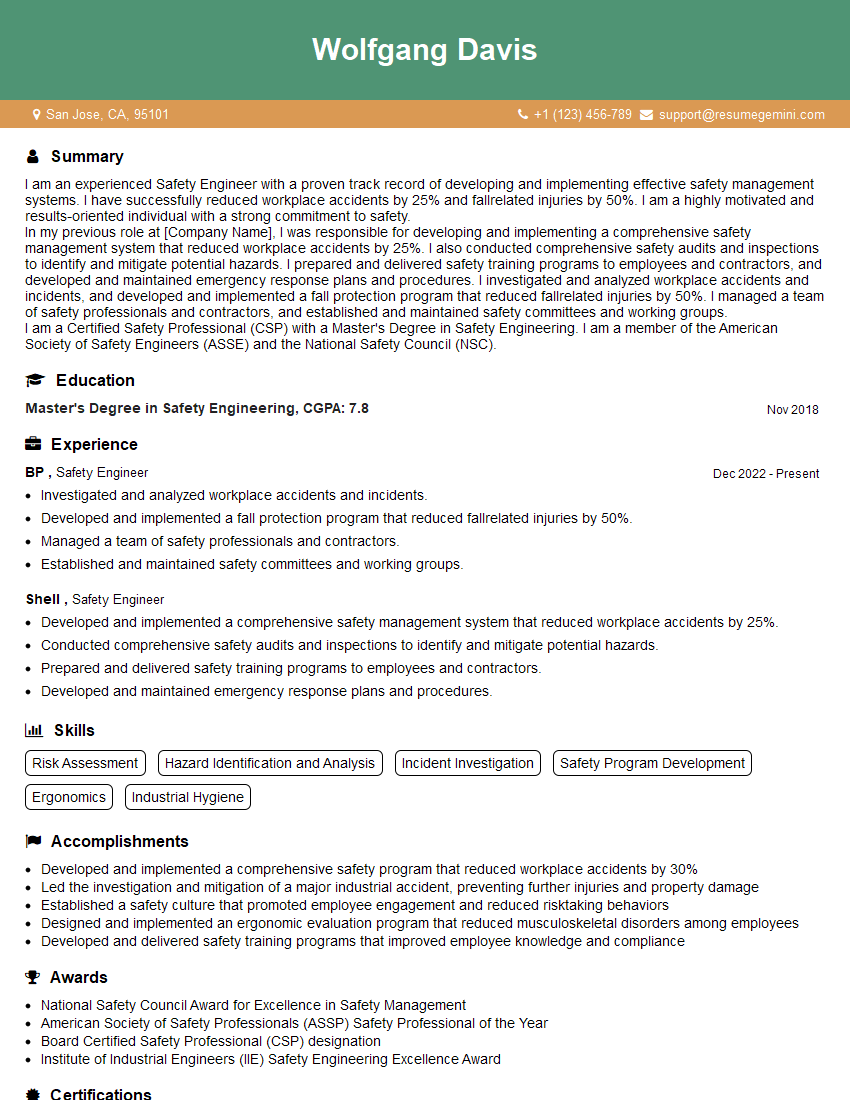
Safety Engineer Resume Sample
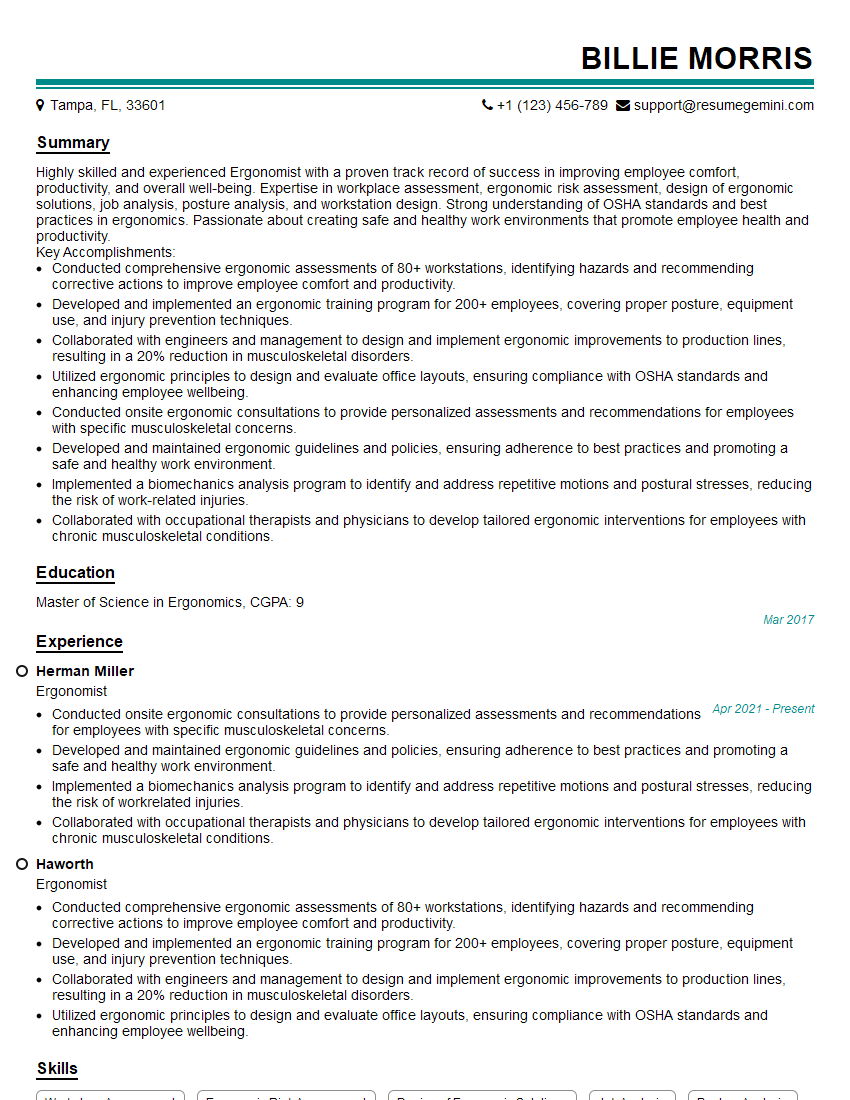
Ergonomist Resume Sample
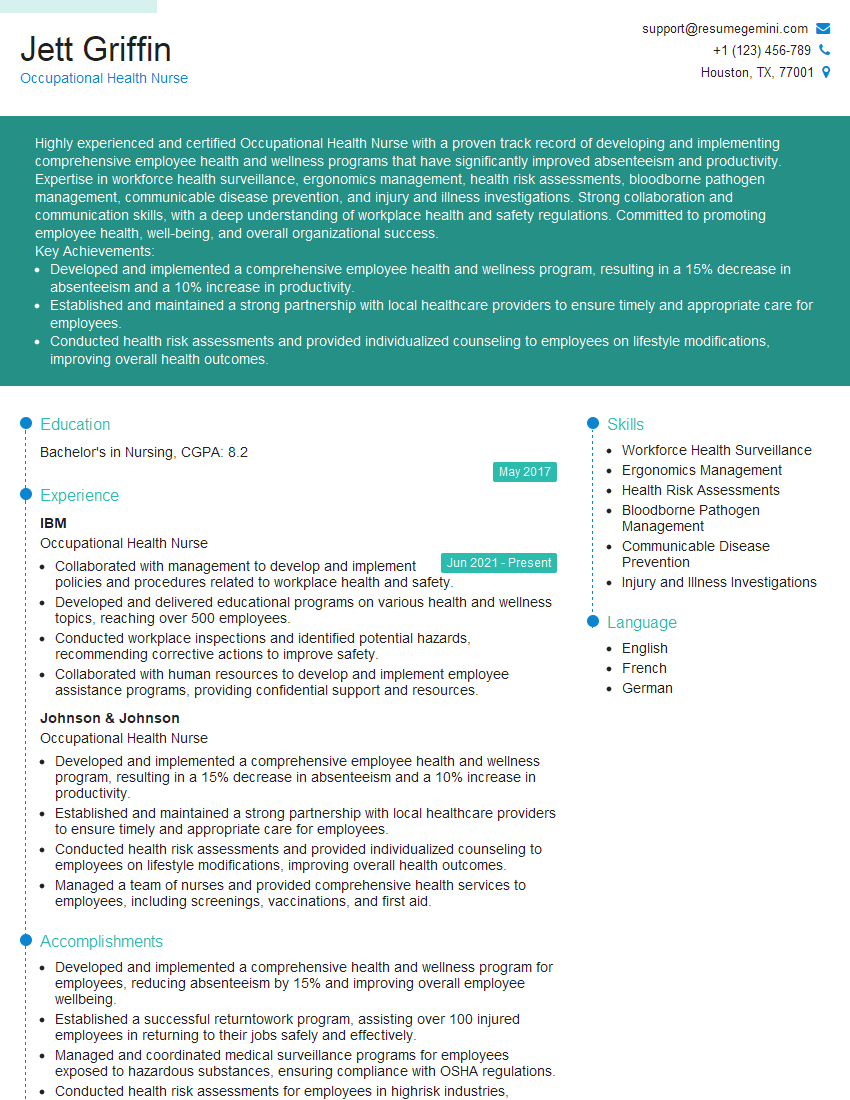
Occupational Health Nurse Resume Sample
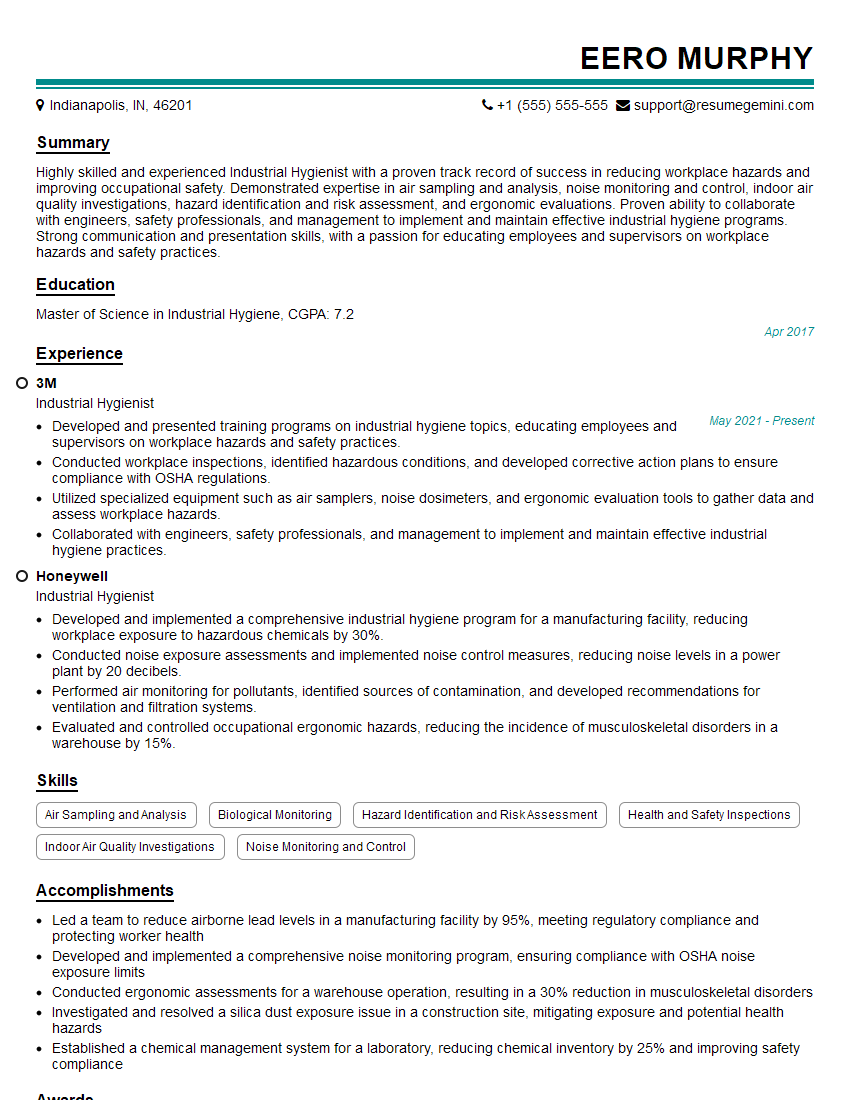
Industrial Hygienist Resume Sample
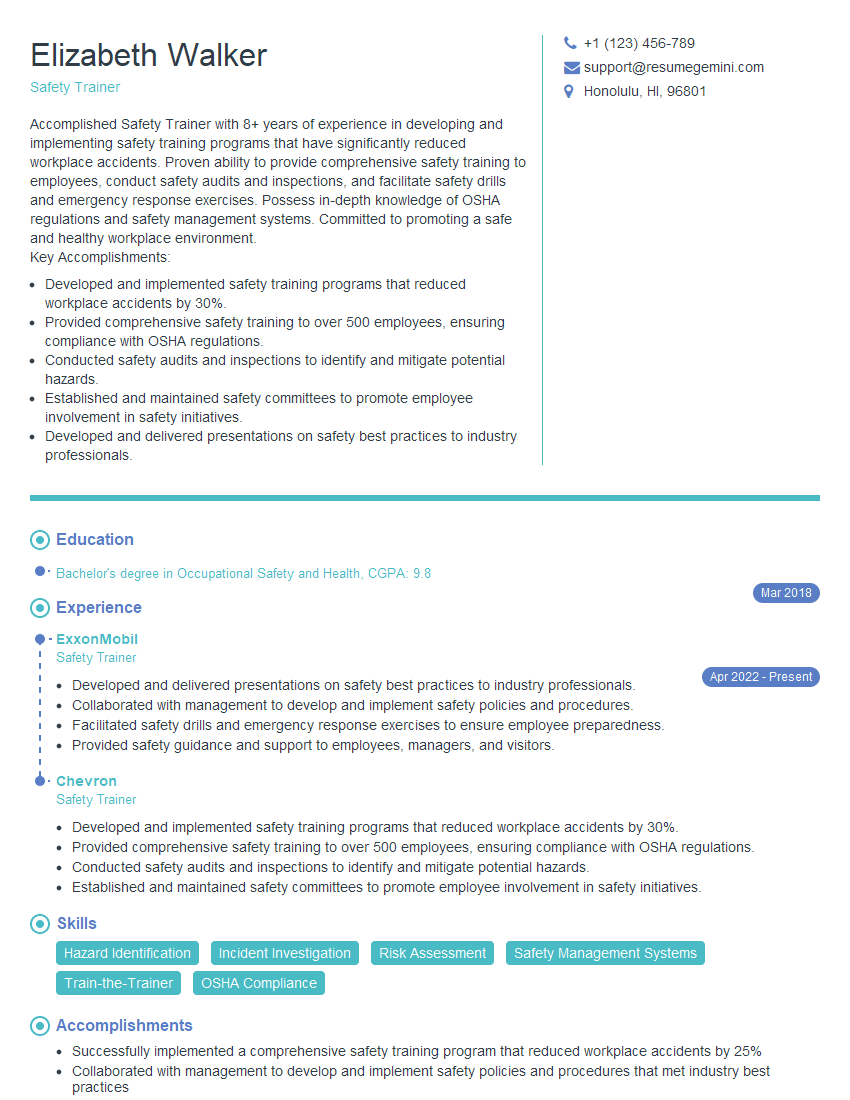
Safety Trainer Resume Sample
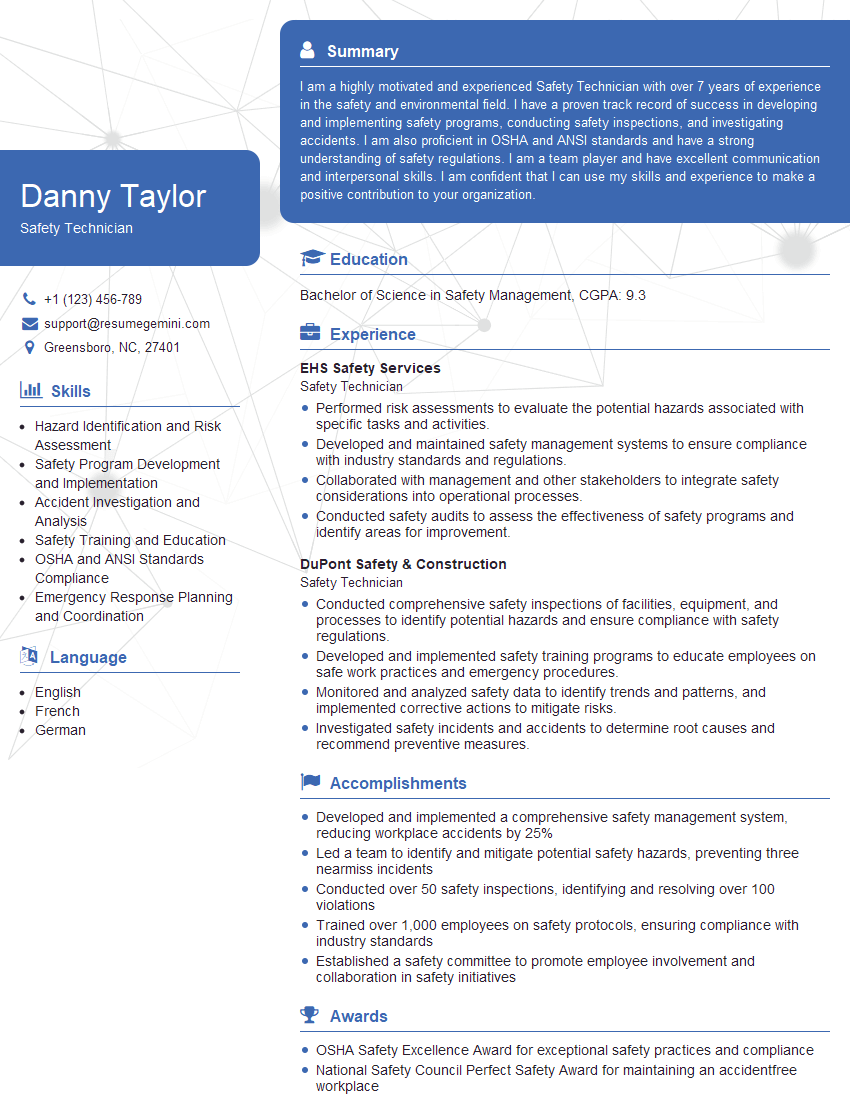
Safety Technician Resume Sample
- Safety Manager
- Safety Director
- Safety Coordinator
- Compliance Manager
- Regulatory Compliance Specialist
- Risk Manager
- Loss Prevention Specialist
- Environmental Specialist
- Process Safety Engineer
- Safety Consultant
- Safety Engineer
- Ergonomist
- Occupational Health Nurse
- Industrial Hygienist
- Safety Trainer
- Safety Technician
Explore more articles
Users Rating of Our Blogs
Share Your Experience
We value your feedback! Please rate our content and share your thoughts (optional).
What Readers Say About Our Blog
Very informative content, great job.
good