Interviews are more than just a Q&A session—they’re a chance to prove your worth. This blog dives into essential Corrective Action Plan Development interview questions and expert tips to help you align your answers with what hiring managers are looking for. Start preparing to shine!
Questions Asked in Corrective Action Plan Development Interview
Q 1. Describe your experience developing Corrective Action Plans (CAPAs).
Throughout my career, I’ve been extensively involved in developing and implementing Corrective Action Plans (CAPAs) across diverse industries, including pharmaceuticals and medical devices. My experience encompasses all stages, from identifying non-conformances and conducting root cause analyses to verifying the effectiveness of implemented corrective actions and preventative measures. I’ve worked on CAPAs related to manufacturing deviations, quality system failures, and customer complaints, consistently ensuring compliance with regulatory requirements like FDA 21 CFR Part 820 and ISO 13485. I’m adept at collaborating with cross-functional teams, including engineering, production, quality, and regulatory affairs, to develop robust and effective CAPAs.
For instance, in a previous role, I spearheaded the development of a CAPA addressing a recurring issue with a particular manufacturing process. This involved detailed investigation, thorough root cause analysis, and the implementation of several corrective actions, which ultimately resulted in a significant reduction in defects and improved product quality.
Q 2. Explain the steps involved in a typical CAPA process.
A typical CAPA process follows a structured approach, generally encompassing these key steps:
- Identify and document the non-conformity: This involves clearly defining the problem, including its impact and severity.
- Investigate and determine the root cause: Employing appropriate root cause analysis (RCA) methodologies to identify the underlying factors contributing to the non-conformity is crucial. This is not just about finding the *immediate* cause, but digging deeper to find the *root* cause.
- Develop corrective actions: Based on the identified root cause, determine effective actions to eliminate the non-conformity. These actions should be specific, measurable, achievable, relevant, and time-bound (SMART).
- Implement corrective actions: Execute the planned corrective actions efficiently and ensure the necessary resources are available.
- Verify effectiveness: Monitor and evaluate the effectiveness of the implemented corrective actions. This could involve data analysis, trend monitoring, or other relevant methods.
- Close the CAPA: Once the effectiveness of the corrective actions has been verified and documented, the CAPA can be officially closed.
- Preventative Action (Optional, but Highly Recommended): Take steps to prevent similar issues from recurring in the future. This might involve changes to processes, training, or equipment.
Q 3. How do you identify the root cause of a non-conformity?
Identifying the root cause of a non-conformity is crucial for developing effective CAPAs. It requires a systematic and thorough investigation, going beyond surface-level observations. I utilize a combination of techniques:
- Data Analysis: Examining production data, quality records, and other relevant information to identify trends and patterns.
- 5 Whys Analysis: Repeatedly asking “why” to uncover the underlying cause of the issue. This helps to peel back layers of symptoms to reach the core problem.
- Process Mapping: Visually representing the process to identify potential weaknesses and points of failure.
- Failure Mode and Effects Analysis (FMEA): Proactively identifying potential failure modes in a process and their potential effects, helping to anticipate and prevent problems.
- Interviews and Observations: Gathering information from individuals involved in the process to understand their perspectives and potential contributing factors.
For example, if a product is failing a certain test, I might use data analysis to see if there is a correlation between certain materials or process steps and the failure rate. Then, I may use the 5 Whys to delve into why the material was used in the first place, or why the process step was performed the way it was. This layered approach helps identify systemic issues.
Q 4. What root cause analysis methodologies are you familiar with?
I’m proficient in various root cause analysis methodologies, including:
- 5 Whys
- Fishbone Diagram (Ishikawa Diagram)
- Pareto Analysis
- Failure Mode and Effects Analysis (FMEA)
- Fault Tree Analysis (FTA)
The choice of methodology depends on the complexity of the issue and the available data. For simpler problems, the 5 Whys might suffice, while more complex issues might necessitate a more comprehensive approach like FMEA or FTA.
Q 5. How do you determine the effectiveness of a corrective action?
Determining the effectiveness of a corrective action involves a multi-step process focused on objective verification. This goes beyond simply assuming that the implemented change ‘fixed’ the problem. I typically use these methods:
- Data Monitoring: Tracking relevant key performance indicators (KPIs) after the implementation to identify any continued occurrence of the non-conformity or a recurrence rate.
- Process Audits: Conducting audits of the modified processes to ensure the corrective action is being consistently implemented.
- Re-testing and Verification: Retesting the product or process to verify that the corrective action has eliminated the root cause of the non-conformity.
- Statistical Process Control (SPC): Employing statistical methods to monitor process stability and prevent future problems.
For example, if a CAPA addressed a high defect rate on a specific product, post-implementation monitoring might involve tracking the defect rate over several production batches. A significant and sustained reduction in the defect rate would demonstrate the effectiveness of the CAPA.
Q 6. How do you prioritize multiple CAPAs?
Prioritizing multiple CAPAs requires a systematic approach to ensure the most critical issues are addressed first. I usually employ a risk-based prioritization system, considering:
- Severity: How serious is the impact of the non-conformity (e.g., patient safety risk, regulatory impact, financial impact)?
- Probability: How likely is the non-conformity to occur again?
- Urgency: How quickly does the non-conformity need to be addressed (e.g., immediate safety risk versus a longer-term quality issue)?
I often use a matrix to visually represent these factors and rank CAPAs accordingly. High-severity, high-probability, and high-urgency CAPAs are given the highest priority. Clear documentation of the prioritization criteria is essential for transparency and accountability.
Q 7. Describe a time you had to develop a CAPA under pressure.
In a previous role, we experienced a critical manufacturing equipment failure that resulted in a significant batch of product being potentially non-conforming. We were under immense pressure to investigate, implement corrective actions, and assess the impact within a very tight regulatory deadline. This required working extended hours and coordinating efforts across multiple departments.
We quickly assembled a cross-functional team, used a rapid root cause analysis (using a combination of the 5 Whys and a fishbone diagram), and implemented interim and long-term corrective actions. The interim actions focused on containment, preventing further product from being affected. The long-term actions addressed the root causes of the equipment failure and incorporated preventive measures. We documented everything meticulously, ensuring traceability and transparency. We met the deadline and ensured minimal impact to product release and customer relationships.
This experience highlighted the importance of clear communication, effective teamwork, and a systematic approach to CAPA development even under pressure. The ability to prioritize, manage expectations, and maintain a focused approach are vital in these situations.
Q 8. How do you ensure CAPA implementation is effective and sustainable?
Effective and sustainable CAPA implementation hinges on a proactive, multi-faceted approach. It’s not just about fixing the immediate problem; it’s about preventing recurrence. Think of it like fixing a leaky faucet – you not only replace the washer but also check the entire plumbing system for potential weaknesses.
- Root Cause Analysis: Thoroughly investigating the root cause, not just the symptoms, is crucial. We utilize tools like 5 Whys, Fishbone diagrams, and Fault Tree Analysis to delve deep. For example, if a product defect is discovered, we wouldn’t just stop at identifying the faulty component; we’d investigate the manufacturing process, supplier quality, and even design flaws to prevent future occurrences.
- Preventive Actions: Implementing robust preventive actions is paramount. This could involve process improvements, enhanced training, equipment upgrades, or changes to supplier management. For instance, if a training gap caused an error, we’d develop and implement a comprehensive retraining program with assessments to measure effectiveness.
- Effective Verification and Validation: After implementing corrective actions, verification steps ensure the fix works as intended. Validation confirms the fix prevents recurrence. Imagine testing the repaired faucet to ensure it no longer leaks and then observing over time to confirm there are no further issues.
- Management Review and Continuous Improvement: Regularly reviewing CAPA effectiveness reveals areas for improvement in our processes. This cyclical process drives continuous improvement and builds a culture of prevention.
- Documentation and Training: Meticulous documentation ensures everyone understands the issue, the solution, and any preventive measures. Consistent training empowers staff to apply learned lessons to future situations.
Q 9. How do you document and track the progress of a CAPA?
CAPA tracking and documentation are critical for regulatory compliance and demonstrating continuous improvement. We employ a structured approach using a dedicated system (often software-based) to ensure complete traceability.
- Centralized System: All CAPAs are documented in a centralized system, providing a single source of truth. This could be a dedicated CAPA software or a well-organized electronic document management system.
- Unique Identification: Each CAPA receives a unique identifier for easy tracking and referencing. For example, CAPA-2023-10-01-001 might represent the first CAPA initiated on October 1st, 2023.
- Detailed Documentation: The system stores all relevant information, including the root cause analysis, corrective actions, preventive actions, timelines, responsible parties, and verification/validation results. We use templates to ensure consistency and completeness.
- Progress Tracking: The system enables progress monitoring through dashboards and reports. Key milestones, deadlines, and completion status are clearly visible. This allows for proactive intervention if any delays or challenges arise.
- Auditable Trail: The system maintains a complete auditable trail of all activities and modifications to the CAPA record. This is vital for regulatory inspections and internal audits.
Visual dashboards, progress charts, and regular reports help monitor progress and quickly identify potential roadblocks.
Q 10. How do you communicate CAPA progress to stakeholders?
Effective communication is the backbone of successful CAPA management. Transparency and timely updates build trust and ensure everyone is aligned.
- Stakeholder Identification: We clearly identify all relevant stakeholders (e.g., management, affected departments, regulatory bodies).
- Communication Plan: A communication plan defines how, when, and what information is shared with each stakeholder group. This might include regular email updates, meetings, or presentations.
- Regular Updates: We provide regular updates on CAPA progress, addressing any concerns or questions promptly. Transparency fosters trust and collaboration.
- Formal Reporting: Formal reports are generated periodically (e.g., monthly) summarizing CAPA status, including completed actions, ongoing activities, and potential roadblocks.
- Different Communication Methods: We tailor communication methods to the audience. Formal reports for management might differ from concise email updates for team members.
Open communication prevents misunderstandings, ensuring everyone is informed and working collaboratively to resolve the issue.
Q 11. What metrics do you use to measure CAPA effectiveness?
Measuring CAPA effectiveness isn’t just about completing actions; it’s about demonstrating a reduction in the frequency and severity of similar problems. We employ key metrics to track performance and drive continuous improvement.
- Recurrence Rate: This measures how often the same problem occurs after implementing a CAPA. A low recurrence rate indicates effective corrective actions.
- Time to Resolution: This tracks the time taken to complete a CAPA from initiation to verification. Faster resolution minimizes disruption and potential risks.
- Effectiveness of Preventive Actions: Metrics assess the success of preventive actions in preventing similar issues from arising. This might involve tracking the number of near misses or potential issues identified and addressed.
- Compliance Rate: This tracks the percentage of CAPAs completed within defined regulatory timelines and requirements.
- Customer Satisfaction: For customer-related issues, measuring customer satisfaction after CAPA implementation provides valuable feedback on the effectiveness of the solution.
Regularly reviewing these metrics helps identify areas for improvement in our CAPA processes, making them even more effective over time.
Q 12. Explain your experience with CAPA software or systems.
I have extensive experience using various CAPA software systems, including [mention specific software, e.g., TrackWise, Veeva Vault, MasterControl]. My experience encompasses implementing, configuring, and managing these systems to streamline CAPA workflows.
I’m proficient in using the software to track CAPAs, manage documentation, generate reports, and assign tasks. I understand the importance of data integrity and using the system to maintain a complete and auditable trail of all CAPA activities. My experience has also included training team members on using the system and developing custom reports to meet specific organizational needs.
My preference is for systems that offer seamless integration with other enterprise systems, such as quality management systems (QMS) and document control systems, to improve efficiency and reduce data redundancy.
Q 13. How do regulatory requirements influence your CAPA development?
Regulatory requirements, such as those from the FDA (21 CFR Part 820), ISO 13485, or other relevant standards, heavily influence CAPA development. Compliance is paramount, and our processes are designed to meet these specific guidelines.
- Documentation Requirements: Regulatory requirements dictate the level of detail required in CAPA documentation. We ensure our records are comprehensive, accurate, and readily auditable.
- Investigation Depth: Regulations often mandate thorough root cause investigations. Our approach aligns with these guidelines to identify the underlying causes of nonconformities.
- Corrective and Preventive Actions: Regulations outline the requirements for corrective and preventive actions, including their implementation, verification, and validation. Our methods adhere strictly to these standards.
- Timelines: Regulatory requirements frequently stipulate timelines for investigating, implementing, and verifying CAPAs. We maintain meticulous tracking to meet these deadlines.
- Management Review: Regular management reviews of the CAPA system are often required to demonstrate effectiveness and continuous improvement. We conduct these reviews and document their findings thoroughly.
Non-compliance can have severe consequences, and adhering to regulatory requirements is a cornerstone of our CAPA development process.
Q 14. How do you handle CAPAs that involve multiple departments?
Handling CAPAs that span multiple departments requires a collaborative and well-defined approach to ensure accountability and effective resolution. Think of it as orchestrating a symphony – each instrument (department) needs to play its part in harmony.
- Cross-Functional Team: A cross-functional team comprising representatives from all involved departments is crucial. This ensures diverse perspectives and avoids siloed efforts.
- Clearly Defined Roles and Responsibilities: Each team member’s role and responsibilities are clearly outlined, preventing confusion and overlaps. This might include assigning ownership for specific tasks or phases of the CAPA process.
- Centralized Communication: A central communication channel (e.g., shared workspace, regular meetings) ensures efficient information flow among team members and minimizes misunderstandings.
- Regular Meetings: Regular meetings are scheduled to track progress, discuss challenges, and ensure alignment. This promotes collaboration and allows for timely adjustments to the CAPA plan.
- Escalation Path: An escalation path is established to address roadblocks or conflicts promptly. This ensures issues don’t linger and hinder the CAPA’s completion.
Effective leadership and clear communication are essential to ensure successful collaboration and timely resolution across departments.
Q 15. What is your experience with CAPA validation?
CAPA validation isn’t about validating the CAPA document itself, but rather validating the effectiveness of the corrective and preventive actions implemented. It’s about ensuring that the actions taken actually resolve the root cause of the problem and prevent recurrence. This involves verifying that the implemented solution works as intended and achieves the desired outcome. We do this through a combination of methods, including monitoring key performance indicators (KPIs), conducting audits, reviewing data trends, and confirming that the problem doesn’t re-emerge. For example, if a CAPA addresses a high defect rate in a manufacturing process, validation would involve tracking the defect rate post-implementation to confirm it has significantly decreased and remains low over a sustained period. A robust validation process requires well-defined metrics and a clear timeline for assessment.
Career Expert Tips:
- Ace those interviews! Prepare effectively by reviewing the Top 50 Most Common Interview Questions on ResumeGemini.
- Navigate your job search with confidence! Explore a wide range of Career Tips on ResumeGemini. Learn about common challenges and recommendations to overcome them.
- Craft the perfect resume! Master the Art of Resume Writing with ResumeGemini’s guide. Showcase your unique qualifications and achievements effectively.
- Don’t miss out on holiday savings! Build your dream resume with ResumeGemini’s ATS optimized templates.
Q 16. Describe a time a CAPA failed and what you learned.
In a previous role, a CAPA addressing a recurring issue with equipment calibration failed because the root cause analysis was incomplete. We identified a faulty calibration procedure, implemented a revised procedure, and considered the CAPA closed. However, the issue reappeared. Further investigation revealed a deeper problem: operator error due to insufficient training on the revised procedure. The lesson learned was the crucial importance of thorough root cause analysis, which includes considering human factors. We now use a more rigorous approach involving failure mode and effects analysis (FMEA) to anticipate potential failure points and include comprehensive training as a key part of any implemented corrective action.
Q 17. How do you prevent similar issues from recurring after a CAPA is implemented?
Preventing recurrence requires a multi-pronged approach that goes beyond simply fixing the immediate problem. It involves implementing robust preventive actions. This includes:
- Strengthening existing procedures: Reviewing and updating Standard Operating Procedures (SOPs) to reflect lessons learned.
- Improving training programs: Ensuring adequate training for all personnel involved in the process.
- Implementing robust monitoring systems: Establishing clear KPIs and monitoring them regularly to detect potential issues early on.
- Regular audits and reviews: Conducting periodic audits to assess the effectiveness of the CAPA and identify any areas for improvement.
- Continuous improvement: Embedding a culture of continuous improvement where employees are encouraged to report potential problems and contribute to problem-solving.
For instance, if a CAPA addresses contamination issues in a cleanroom, we might implement more stringent cleaning procedures, enhance employee training on aseptic techniques, and install improved monitoring systems for environmental parameters.
Q 18. How familiar are you with FDA regulations regarding CAPAs?
I am very familiar with FDA regulations concerning CAPAs, particularly 21 CFR Part 820 for medical devices and 21 CFR Part 11 for electronic records. I understand the requirements for establishing and maintaining a CAPA system, including documentation, investigation, root cause analysis, corrective and preventive actions, verification of effectiveness, and management review. My experience encompasses all aspects of compliance, including investigations, documentation, and the auditing process. I understand that the FDA expects a robust and well-documented CAPA system, and I’m proficient in ensuring compliance with all relevant regulations.
Q 19. What are some common challenges in developing effective CAPAs?
Some common challenges in developing effective CAPAs include:
- Identifying the true root cause: Often, surface-level issues are addressed instead of the underlying problem.
- Lack of resources: Insufficient time, personnel, or funding can hinder effective implementation.
- Poor communication and collaboration: Effective CAPAs require cross-functional teamwork and clear communication.
- Lack of management support: Without top-level support, CAPAs can be difficult to implement and sustain.
- Resistance to change: Employees may resist new procedures or processes, impeding the effectiveness of the CAPA.
Addressing these challenges requires strong leadership, effective communication, and a commitment to continuous improvement.
Q 20. How do you ensure a CAPA is implemented within the defined timeline?
Ensuring timely CAPA implementation involves several key strategies:
- Establishing clear timelines and milestones: Each stage of the CAPA process should have a defined timeline.
- Assigning clear responsibilities: Each team member should have specific tasks and deadlines.
- Regular monitoring and progress reviews: Tracking progress against the established timeline and addressing any delays promptly.
- Escalation procedures: Having clear processes for escalating issues to management when necessary.
- Using project management tools: Employing tools such as Gantt charts or project management software to visually track progress.
Think of it like managing any project; a well-defined plan, clear communication, and regular monitoring are key to successful and timely completion.
Q 21. Describe your approach to managing CAPA risks and potential impact.
My approach to managing CAPA risks and potential impact involves a risk-based prioritization system. We use a risk assessment matrix that considers the likelihood and severity of the problem to prioritize CAPAs. Higher-risk issues receive more immediate attention and resources. This risk assessment is also revisited throughout the CAPA lifecycle to ensure that the implemented actions are effectively mitigating the risks. We use various tools such as FMEA and fault tree analysis to help identify potential failure modes and associated risks. The goal is not just to fix the immediate problem, but to proactively prevent similar issues from occurring in the future, minimizing potential impact on patients, product quality, and the overall business.
Q 22. How do you handle resistance to implementing CAPAs?
Resistance to implementing CAPAs (Corrective and Preventative Actions) is a common challenge. It often stems from factors like perceived extra workload, lack of buy-in from staff, or skepticism about the effectiveness of the process. My approach is multifaceted and focuses on proactive communication and engagement.
- Proactive Communication: I start by clearly explaining the why behind the CAPA – connecting it to improved product quality, patient safety (in healthcare), or regulatory compliance. I emphasize how implementing the CAPA benefits everyone involved, reducing future problems and streamlining workflows.
- Collaboration and Involvement: Instead of imposing solutions, I foster collaboration. I involve individuals affected by the CAPA in the development and implementation phases. This makes them feel valued and more invested in the success of the process. We brainstorm solutions together, ensuring the plan is practical and feasible.
- Addressing Concerns: I actively listen to and address any concerns or resistance. If there are resource constraints, I work to find solutions, perhaps prioritizing CAPAs or re-allocating resources. If there’s a lack of understanding, I provide thorough training and support.
- Progress Monitoring and Recognition: Regular updates on progress and celebrating milestones are vital. This reinforces the value of the CAPA process and shows that everyone’s contributions are recognized and appreciated.
- Leadership Support: Securing buy-in from leadership is crucial. When leadership champions the CAPA process, it strengthens its credibility and encourages team participation.
For example, in a previous role, I encountered resistance to a CAPA focused on improving documentation practices. By involving the team in designing a more streamlined system and providing tailored training, we not only successfully implemented the CAPA but also saw a significant improvement in team morale.
Q 23. How do you integrate CAPA processes into existing quality systems?
Integrating CAPA processes into existing quality systems requires a systematic approach. It’s not simply adding a new process; it’s about seamlessly weaving it into the fabric of your existing quality management system (QMS).
- Assessment of Existing Systems: First, I thoroughly assess the current QMS to identify gaps and areas where CAPA integration is needed. This includes reviewing existing procedures, training materials, and documentation practices.
- Alignment with Standards: I ensure the CAPA process aligns with relevant regulations and standards (e.g., ISO 13485, 21 CFR Part 820). This ensures compliance and reduces risks.
- Process Mapping and Workflow Integration: I create clear process maps illustrating the CAPA workflow and how it interacts with other QMS processes such as nonconformance reporting, root cause analysis, and management review. This helps visualize the process flow and identify potential bottlenecks.
- Training and Communication: Comprehensive training is essential for all employees involved in the CAPA process. This includes understanding roles, responsibilities, procedures, and the importance of CAPA in maintaining product quality and compliance.
- Technology Implementation: Consider using a CAPA software solution to streamline the process, track progress, and manage documentation. This helps improve efficiency and traceability.
- Regular Review and Improvement: The CAPA process itself should be subject to regular review and improvement. This ensures its ongoing effectiveness and ensures that it remains aligned with evolving needs and regulatory changes.
For instance, in one project, we integrated a new CAPA software into an existing QMS by initially piloting it in a specific department. This allowed us to test the system and address any issues before full rollout, minimizing disruption and maximizing buy-in.
Q 24. What is your understanding of preventative actions (PAs)?
Preventative Actions (PAs) are proactive measures taken to prevent potential problems from occurring. Unlike Corrective Actions (CAs), which address problems that have already happened, PAs aim to anticipate and eliminate potential sources of nonconformances before they lead to actual defects or failures. They focus on identifying potential risks and implementing controls to mitigate those risks.
Effective PAs are rooted in a thorough understanding of the potential failure modes and their root causes. They should be based on data and analysis, not simply intuition or guesswork. A well-defined PA includes specific actions, assigned responsibilities, target completion dates, and defined success criteria.
Examples include updating equipment to prevent future malfunctions, improving training to reduce human error, or implementing a new inventory management system to prevent stock-outs.
Q 25. How do you differentiate between corrective actions and preventative actions?
The key difference between Corrective Actions (CAs) and Preventative Actions (PAs) lies in their timing and focus:
- Corrective Actions (CAs): Address problems that have already occurred. They focus on identifying the root cause of a specific nonconformity and implementing solutions to correct the problem and prevent its recurrence in the same way. Think of it as fixing a problem that’s already broken.
- Preventative Actions (PAs): Address potential problems that have not yet occurred. They focus on identifying potential risks and implementing solutions to prevent those risks from ever becoming actual problems. Think of it as preventing a problem before it even starts.
Example: Imagine a production line where a machine malfunctions, resulting in defective products (a nonconformity). The CA would be to repair the machine and dispose of the defective products. The PA would be to implement preventative maintenance on all similar machines to prevent future malfunctions, perhaps by changing lubricant or scheduling regular inspections.
Q 26. How do you measure the effectiveness of preventative actions?
Measuring the effectiveness of preventative actions requires a systematic approach focusing on both leading and lagging indicators.
- Leading Indicators: These measure the effectiveness of the preventative action before a problem occurs. Examples include:
- The number of potential risks identified and addressed.
- Completion rate of preventative maintenance tasks.
- Employee participation in training related to the PA.
- Lagging Indicators: These measure the impact of the PA after its implementation. Examples include:
- Reduction in the frequency of a specific type of nonconformity.
- Improvement in product quality metrics.
- Decrease in customer complaints related to the issue the PA addressed.
By monitoring both leading and lagging indicators, we can gain a comprehensive understanding of the PA’s effectiveness. A well-defined PA will have specific metrics identified upfront to ensure its efficacy can be readily assessed.
For instance, a PA focused on improving employee training might measure the completion rate of the training (leading indicator) and the subsequent reduction in human error incidents (lagging indicator).
Q 27. How do you ensure the documentation for a CAPA is complete and auditable?
Ensuring complete and auditable CAPA documentation is critical for demonstrating compliance and providing evidence of effective problem-solving. My approach focuses on meticulous record-keeping and adherence to established procedures.
- Defined Template: Using a standardized CAPA template ensures consistency and completeness. This template should include all essential elements, including:
- Description of the nonconformity or potential risk
- Root cause analysis findings
- Corrective actions and preventative actions
- Implementation schedule and responsible parties
- Effectiveness verification steps
- Closure documentation
- Version Control: Using a version control system allows tracking of changes and ensures that the most current version of the CAPA is always accessible.
- Digital Documentation: Whenever possible, using a digital system provides better traceability, searchability, and reduces the risk of document loss or misplacement.
- Audit Trails: Maintaining a clear audit trail of all actions taken, approvals given, and changes made is crucial. This demonstrates transparency and accountability.
- Regular Reviews: Periodic review of CAPA documentation ensures accuracy and completeness. This also provides opportunities to improve the CAPA process itself.
A well-documented CAPA should be self-explanatory, providing a clear narrative of the problem, the actions taken, and the resulting outcomes. This helps ensure that the CAPA can be effectively audited and reviewed by regulatory bodies or internal management.
Q 28. Describe your experience with CAPA audits and inspections.
I have extensive experience with CAPA audits and inspections, both conducting them and undergoing them. My experience has given me a thorough understanding of regulatory expectations and best practices.
- Audit Preparation: When preparing for an audit, I ensure that all relevant CAPA documentation is organized, complete, and readily available. This includes not only the CAPA records themselves but also supporting documentation such as investigation reports, root cause analyses, and verification data.
- Audit Conduct: During audits, I maintain a proactive and collaborative approach. I am prepared to provide clear explanations of our CAPA process, address any questions or concerns, and demonstrate the effectiveness of our actions. I am comfortable explaining the logic and decision-making behind our approaches.
- Corrective Actions from Audits: If audit findings reveal any gaps or weaknesses in our CAPA system, I work to promptly implement corrective actions. These actions are documented and verified, ensuring continuous improvement.
- Lessons Learned: I consistently leverage lessons learned from audits to enhance our CAPA process and improve its effectiveness. This includes identifying areas for improvement and implementing changes to prevent future issues.
Through my experience, I’ve learned the value of a well-structured and well-documented CAPA system not only for passing audits but also for proactively preventing problems and maintaining a robust quality management system.
Key Topics to Learn for Corrective Action Plan Development Interview
- Understanding Root Cause Analysis: Mastering various techniques like the 5 Whys, Fishbone diagrams, and Pareto analysis to effectively identify the root causes of problems, not just symptoms.
- Developing Effective Corrective Actions: Learn how to create practical, measurable, achievable, relevant, and time-bound (SMART) corrective actions. Practice applying this framework to diverse scenarios.
- Risk Assessment and Mitigation: Explore methods for identifying potential risks associated with corrective actions and strategies for mitigating those risks proactively.
- Implementation and Monitoring: Understand the importance of clear communication, assigning responsibilities, and establishing effective monitoring systems to track progress and ensure plan effectiveness.
- Documentation and Reporting: Learn best practices for documenting the entire CAPA process, including initial problem identification, root cause analysis, corrective actions, and verification of effectiveness. Understand different reporting structures and audiences.
- CAPA Systems and Methodologies: Familiarize yourself with various CAPA methodologies and how they integrate into broader quality management systems (e.g., ISO 9001, ISO 13485).
- Problem-Solving Frameworks: Practice applying structured problem-solving approaches, such as DMAIC (Define, Measure, Analyze, Improve, Control) or PDCA (Plan, Do, Check, Act) to CAPA development.
Next Steps
Mastering Corrective Action Plan Development is crucial for career advancement in many industries, demonstrating your problem-solving skills and commitment to quality. A strong resume showcasing your expertise is essential for securing your dream role. Building an ATS-friendly resume will significantly increase your chances of getting noticed by recruiters. ResumeGemini is a trusted resource to help you craft a compelling and effective resume that highlights your CAPA skills. Examples of resumes tailored to Corrective Action Plan Development are available to guide you. Take the next step towards your career goals by investing in a professional and impactful resume.

Operations Manager Resume Sample
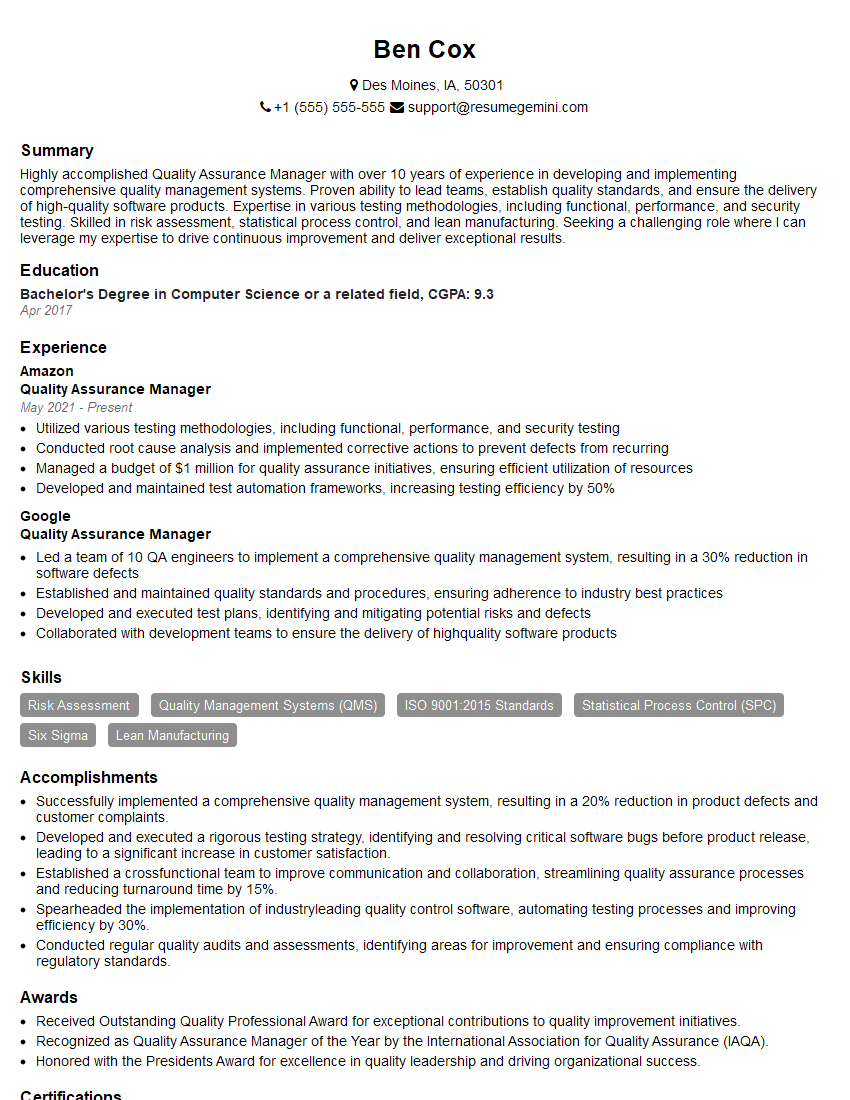
Quality Assurance Manager Resume Sample
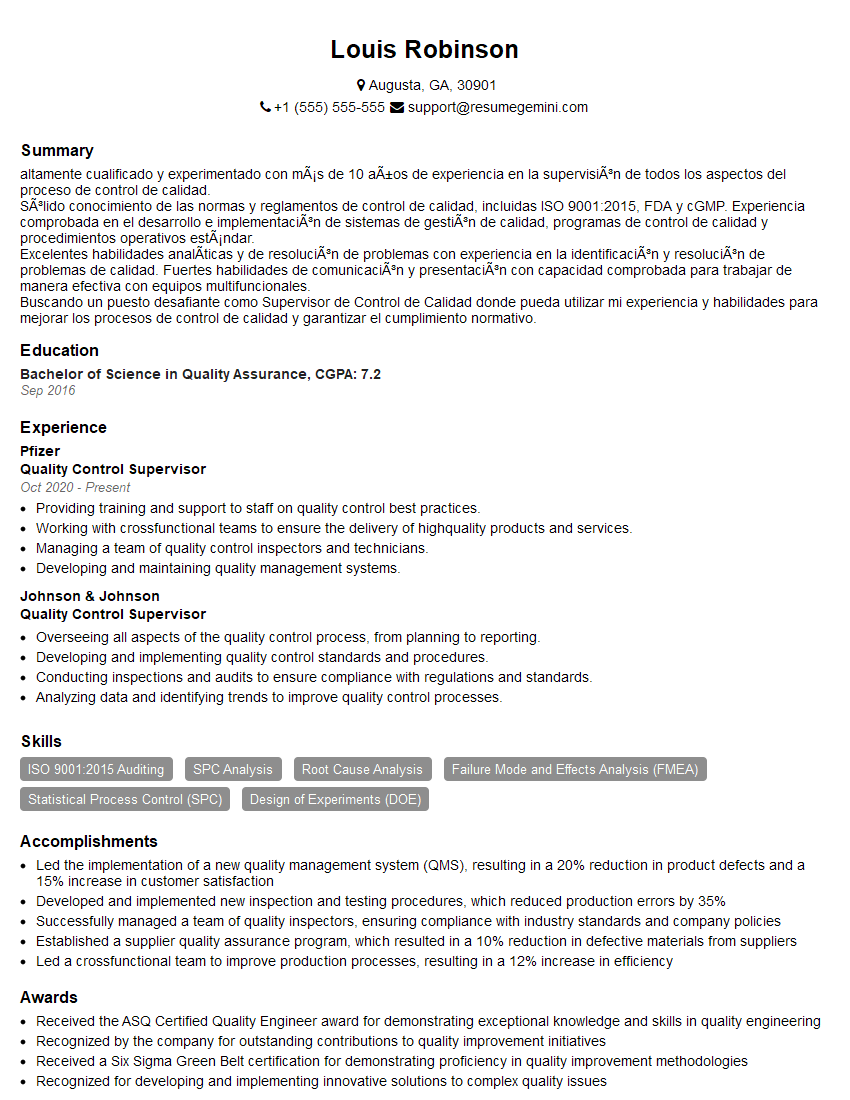
Quality Control Supervisor Resume Sample
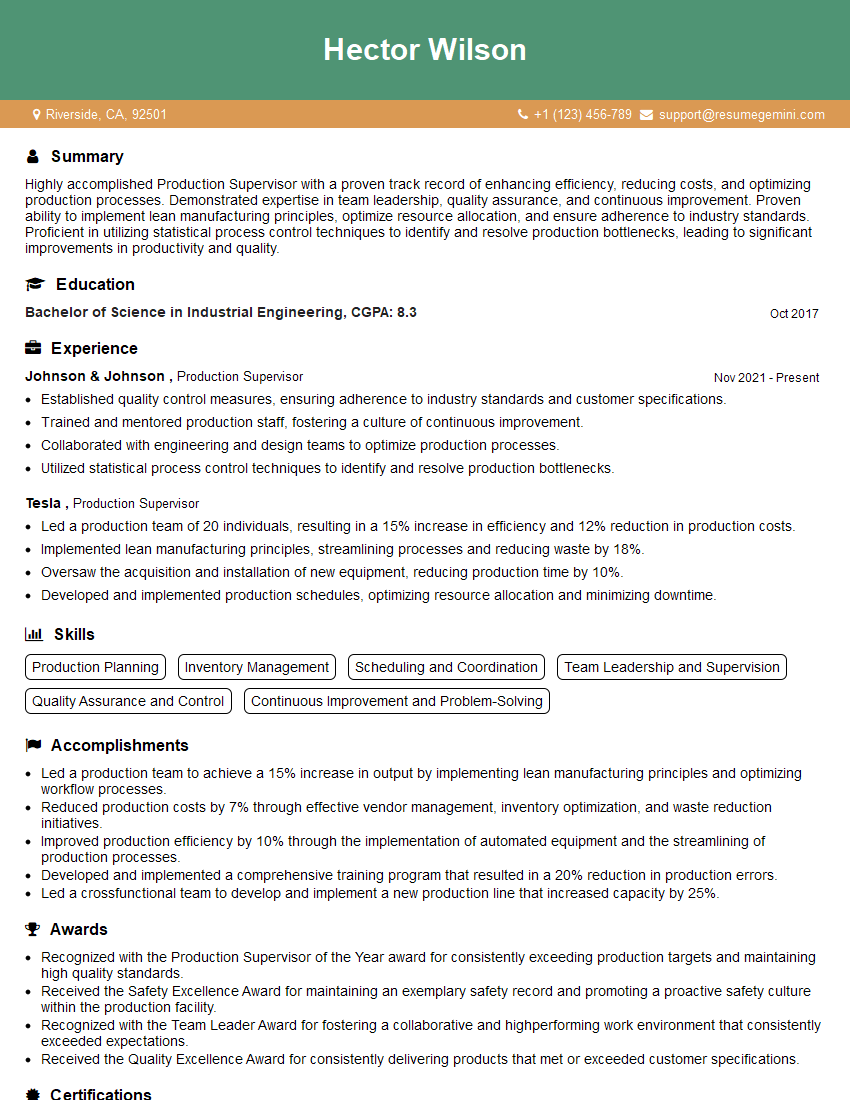
Production Supervisor Resume Sample
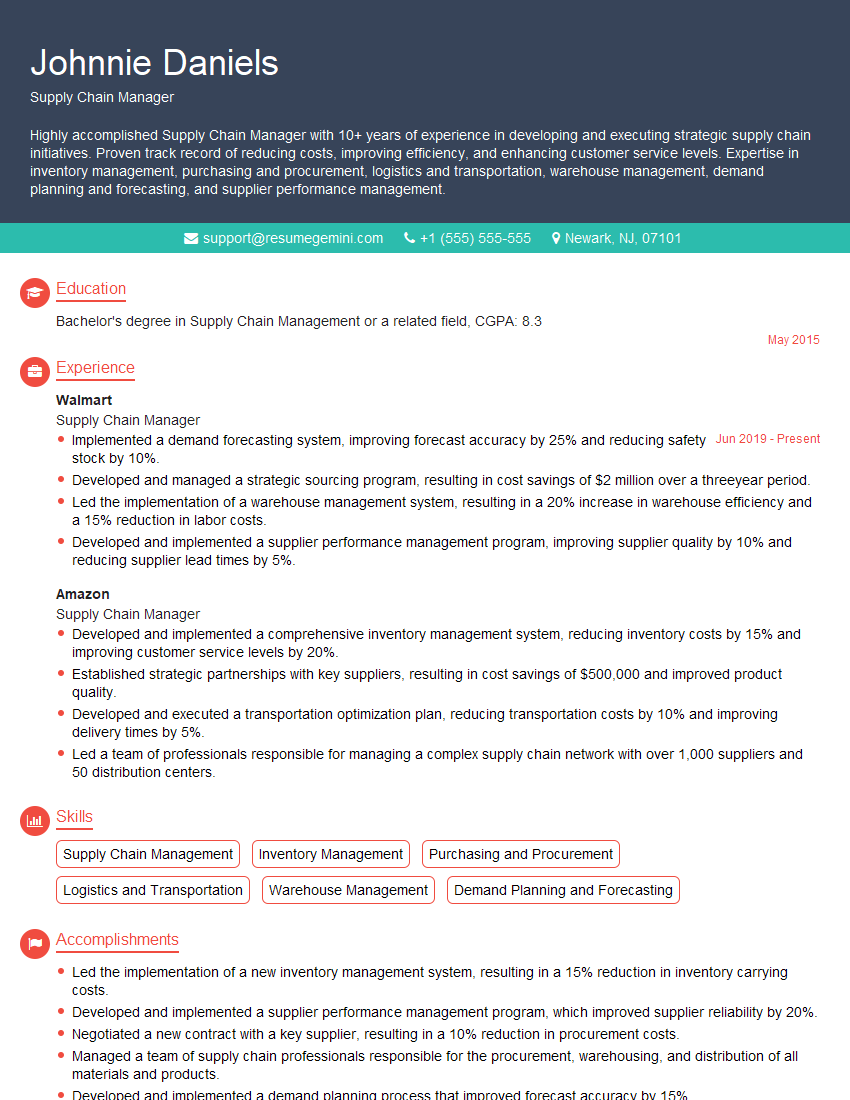
Supply Chain Manager Resume Sample
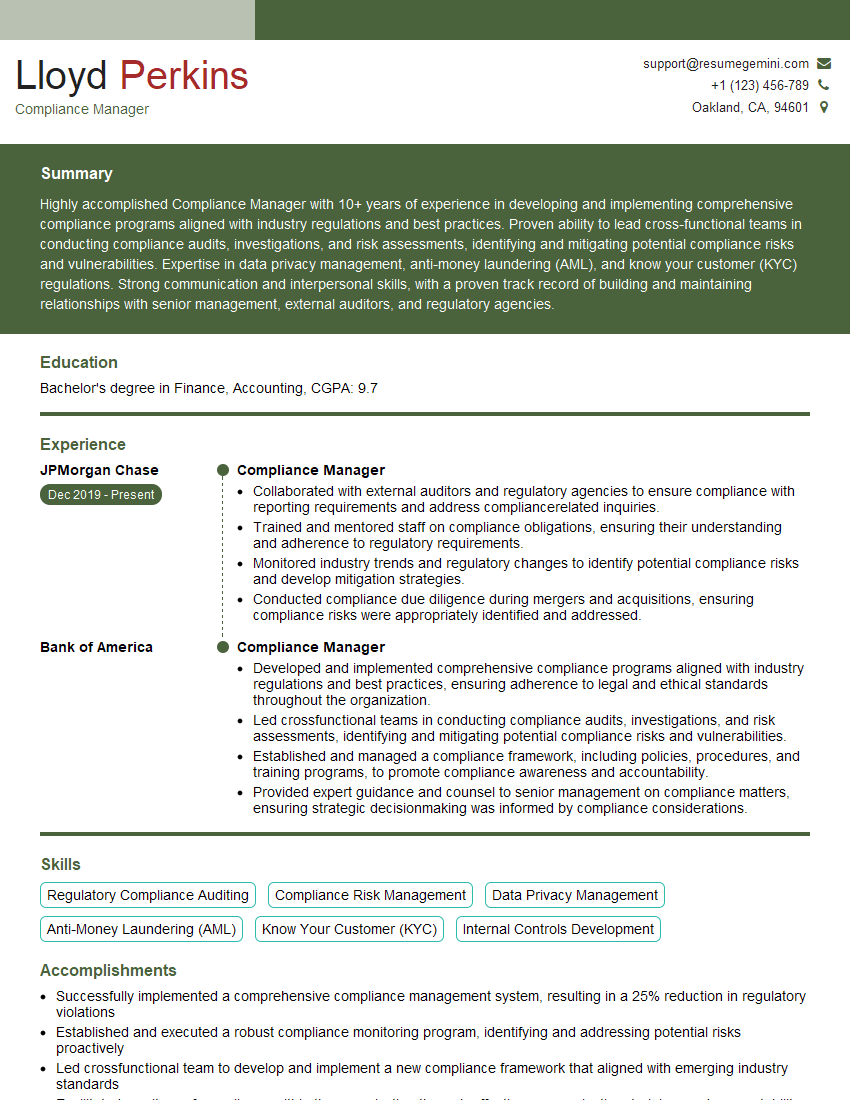
Compliance Manager Resume Sample
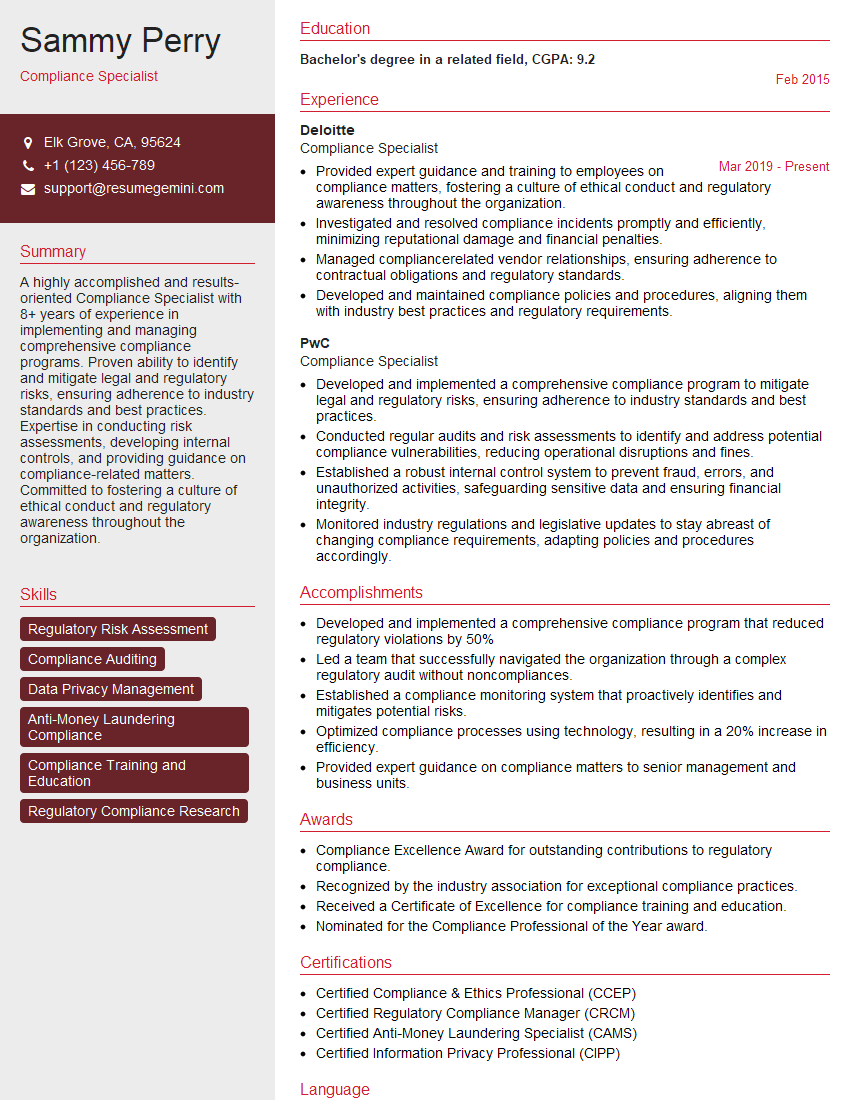
Compliance Specialist Resume Sample
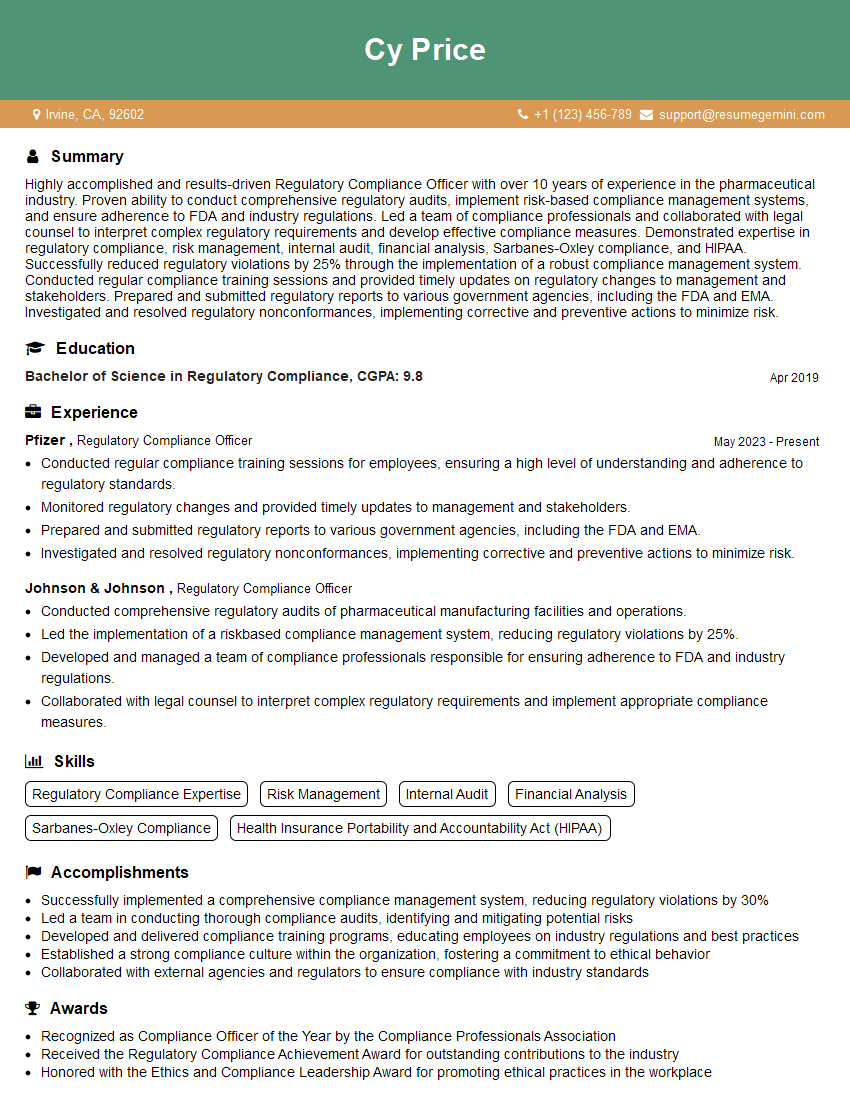
Regulatory Compliance Officer Resume Sample
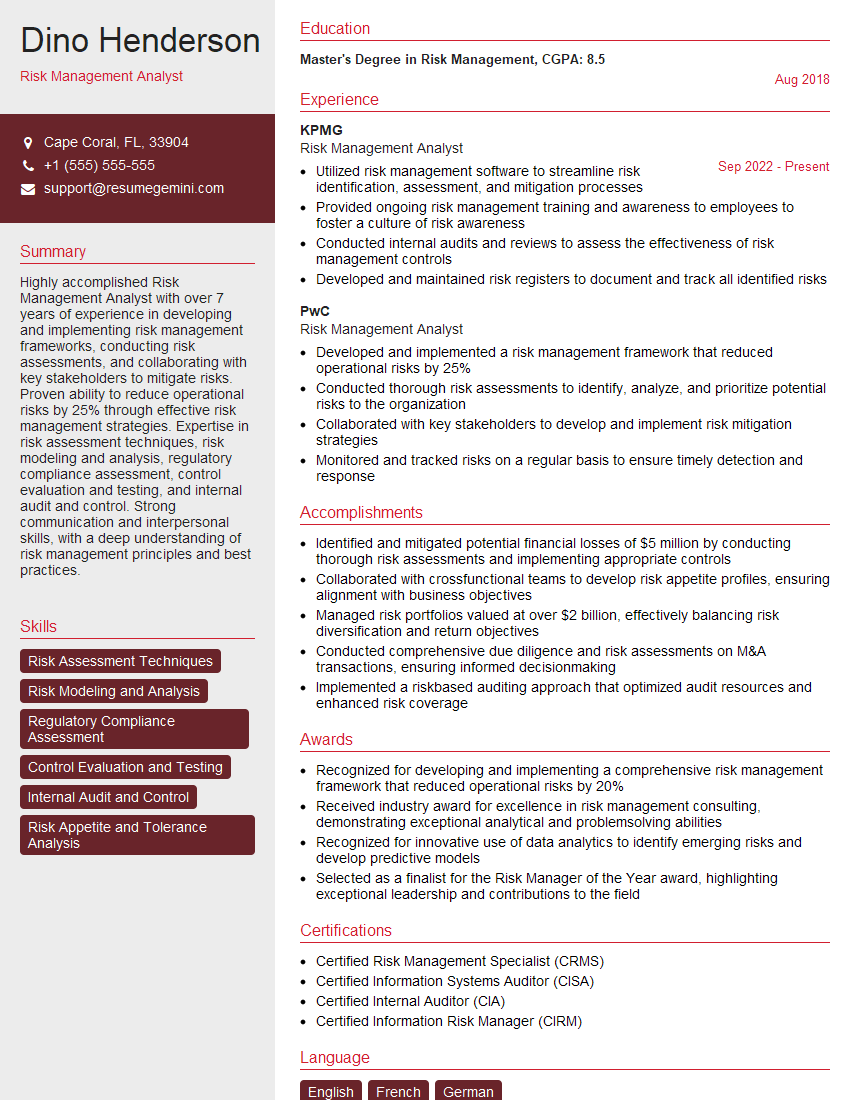
Risk Management Analyst Resume Sample
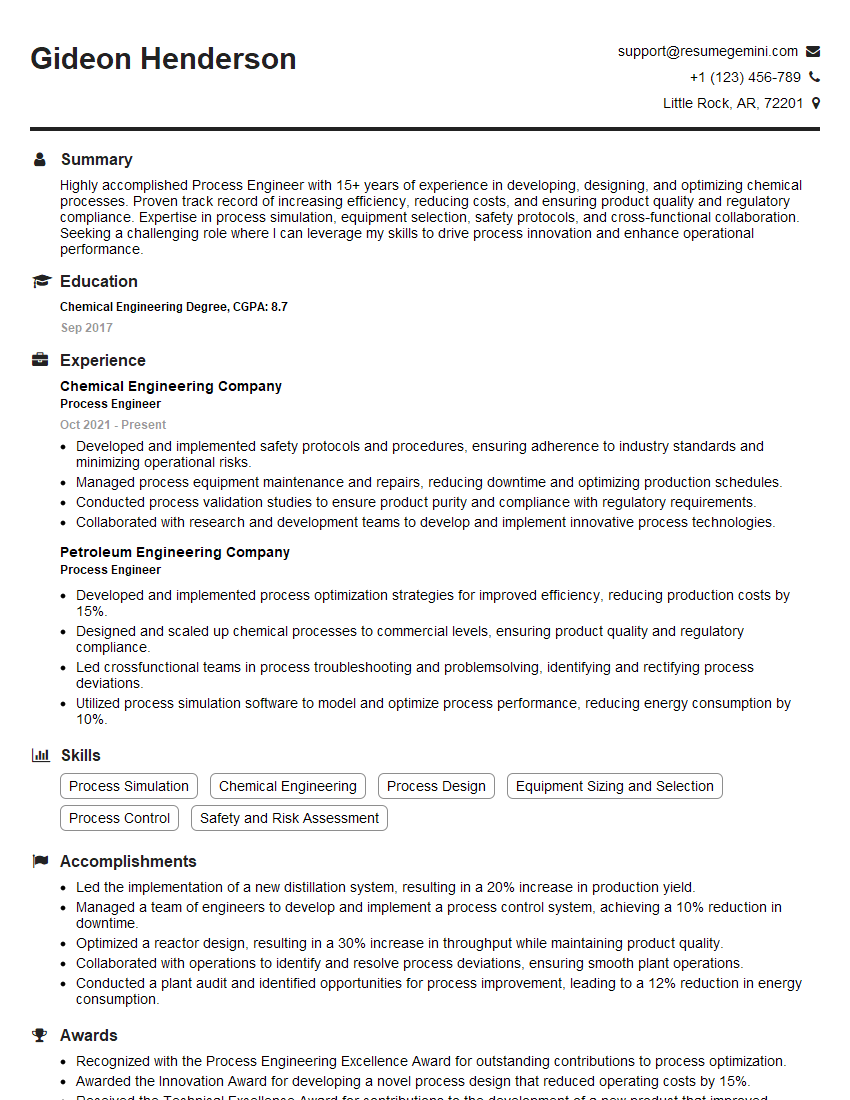
Process Engineer Resume Sample
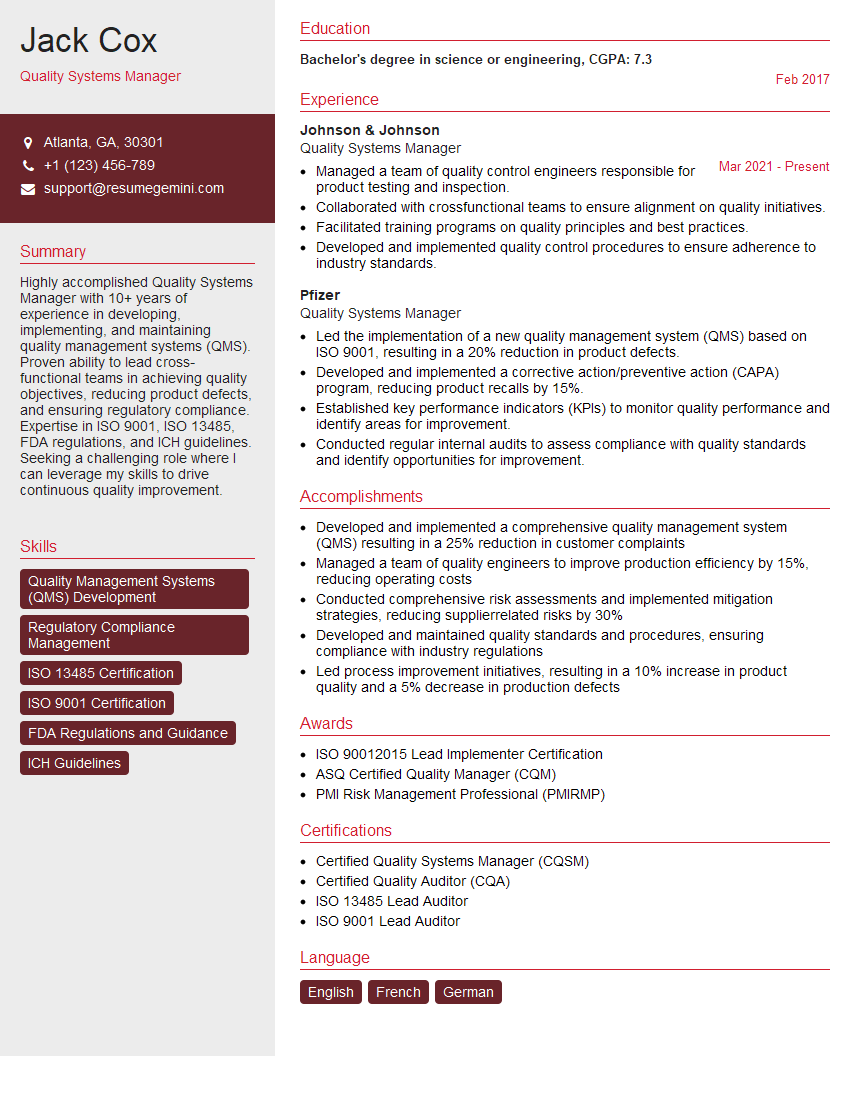
Quality Systems Manager Resume Sample
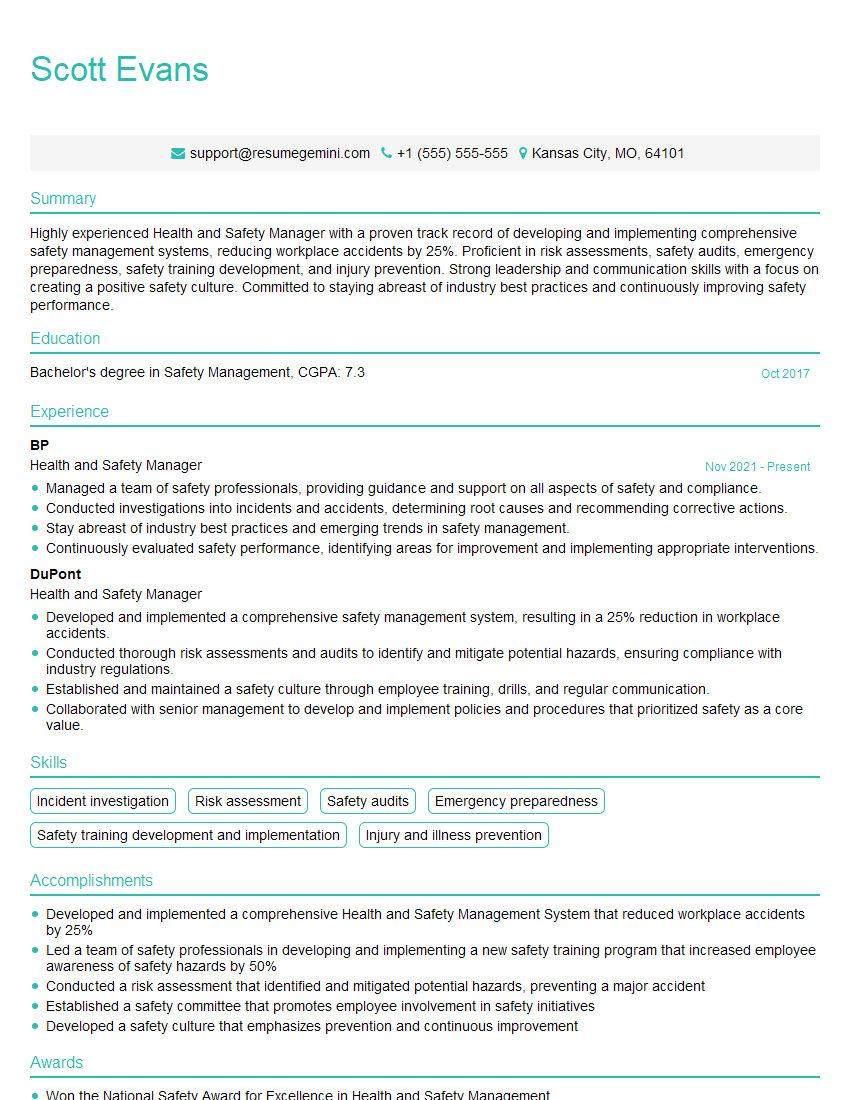
Health and Safety Manager Resume Sample
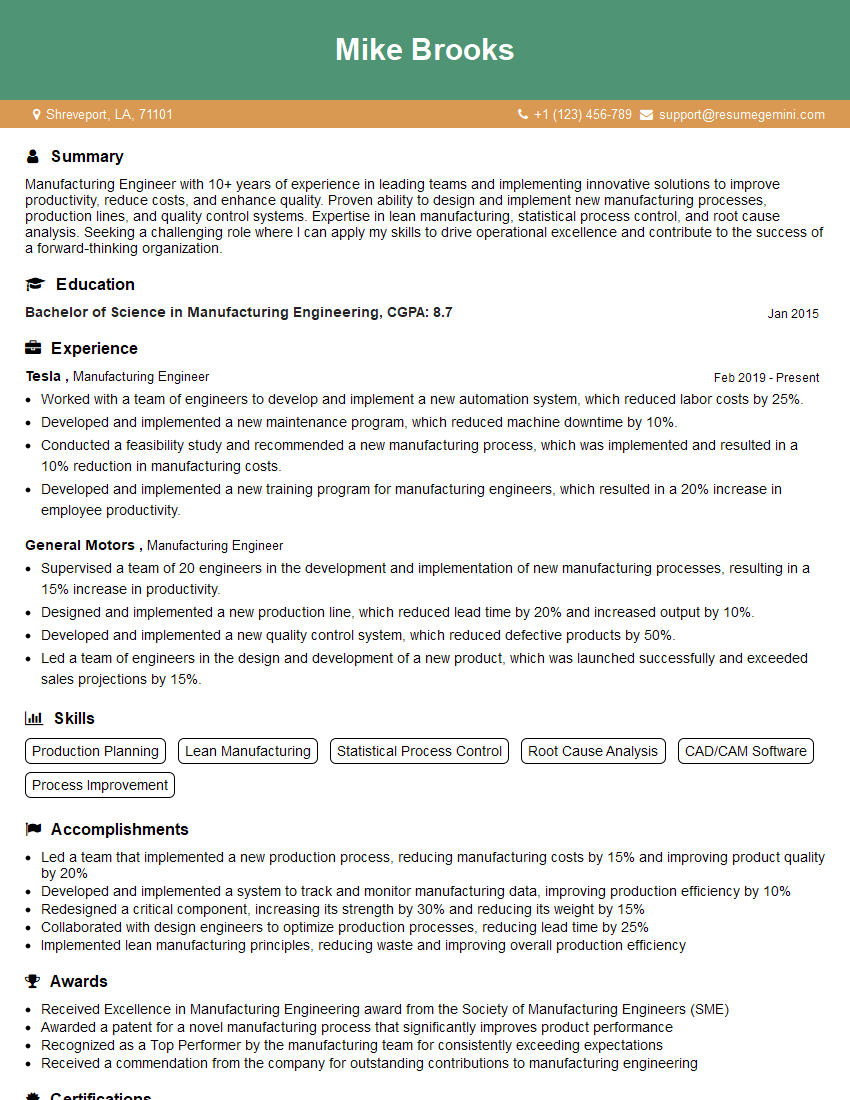
Manufacturing Engineer Resume Sample
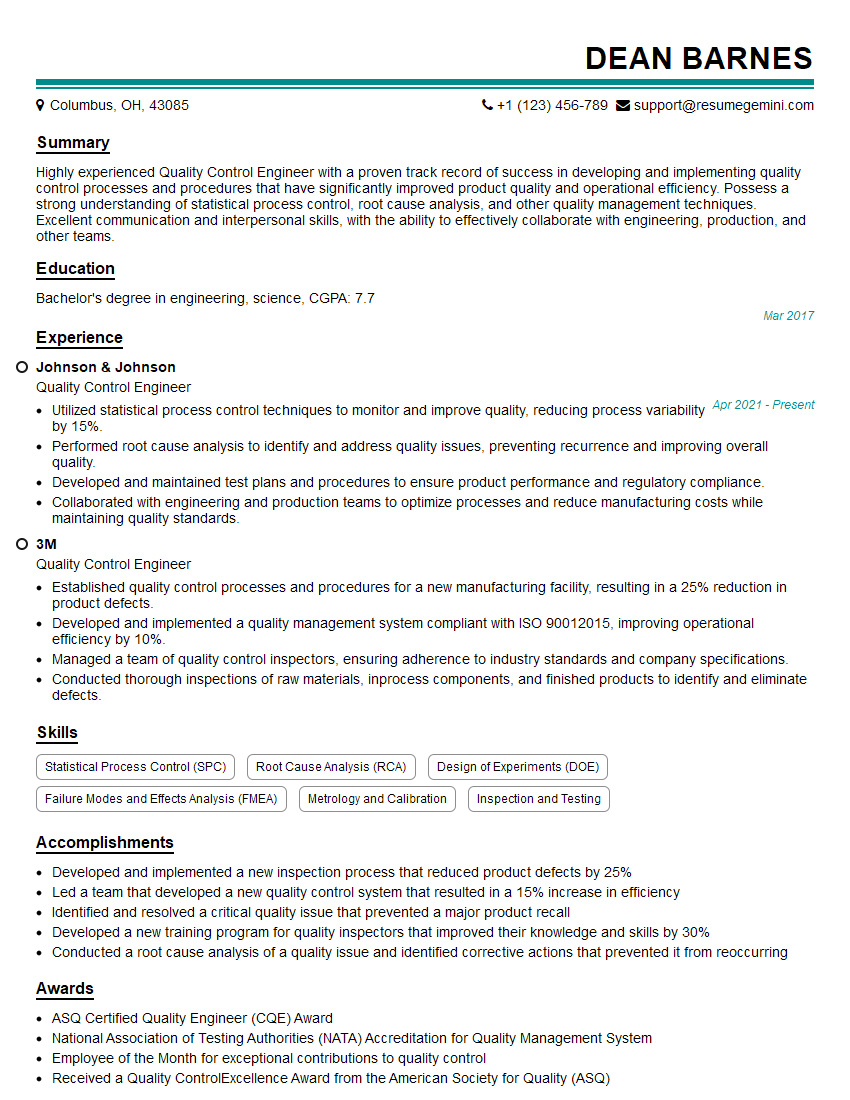
Quality Control Engineer Resume Sample
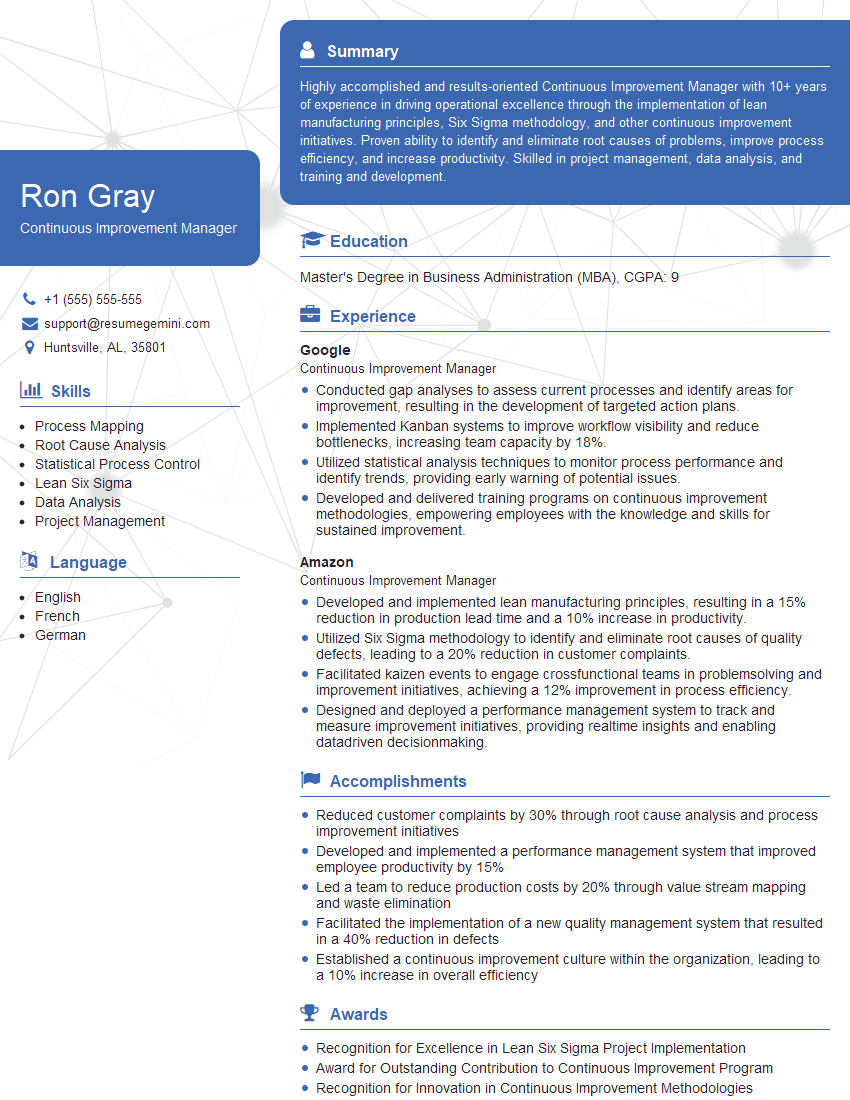
Continuous Improvement Manager Resume Sample
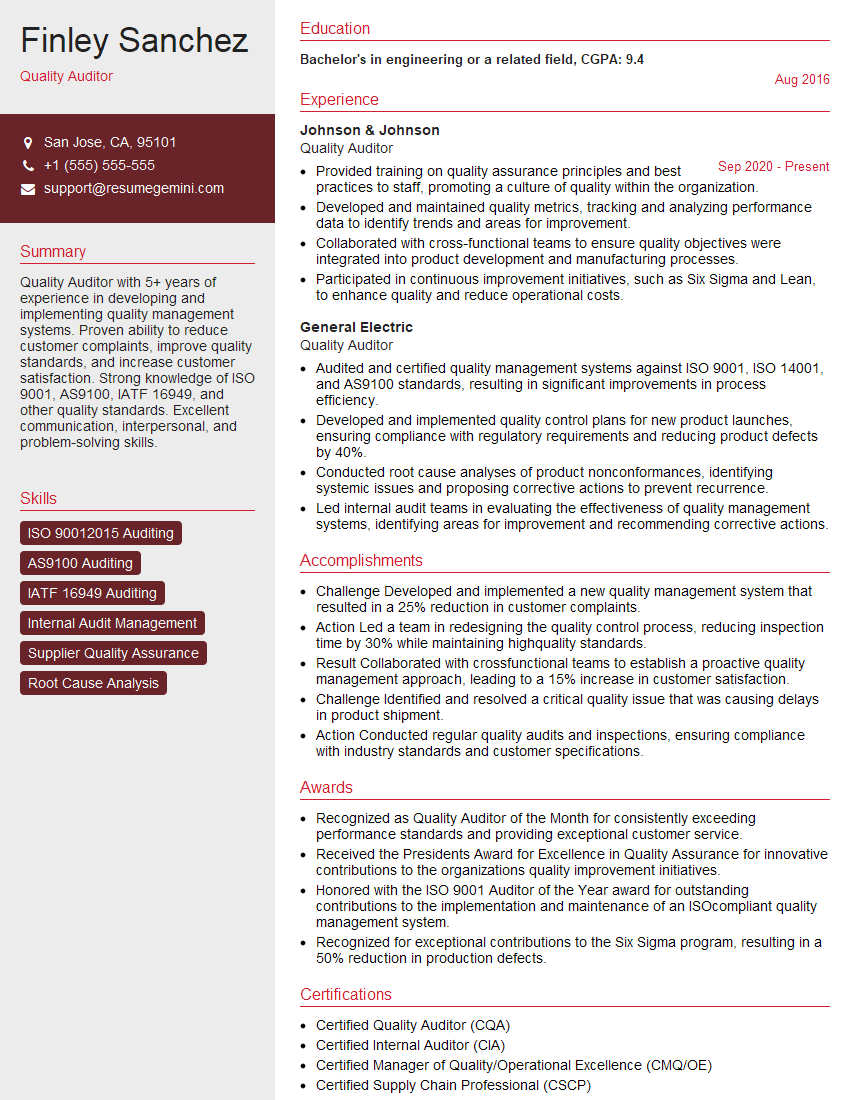
Quality Auditor Resume Sample
- Operations Manager
- Quality Assurance Manager
- Quality Control Supervisor
- Production Supervisor
- Supply Chain Manager
- Compliance Manager
- Compliance Specialist
- Regulatory Compliance Officer
- Risk Management Analyst
- Process Engineer
- Quality Systems Manager
- Health and Safety Manager
- Manufacturing Engineer
- Quality Control Engineer
- Continuous Improvement Manager
- Quality Auditor
Explore more articles
Users Rating of Our Blogs
Share Your Experience
We value your feedback! Please rate our content and share your thoughts (optional).
What Readers Say About Our Blog
Very informative content, great job.
good