Are you ready to stand out in your next interview? Understanding and preparing for Forklift Operator License interview questions is a game-changer. In this blog, we’ve compiled key questions and expert advice to help you showcase your skills with confidence and precision. Let’s get started on your journey to acing the interview.
Questions Asked in Forklift Operator License Interview
Q 1. What types of forklifts have you operated?
Throughout my career, I’ve operated a variety of forklift types, each suited to different tasks and environments. This includes:
- Counterbalance forklifts: These are the most common type, ideal for general material handling in open spaces. I’m proficient in both gasoline and electric-powered models, understanding their unique operational characteristics and maintenance needs.
- Reach trucks: I have extensive experience with reach trucks, adept at utilizing their ability to access higher racking and narrow aisles, significantly increasing warehouse efficiency. This requires a keen understanding of stability and load center considerations at height.
- Sit-down forklifts: My experience extends to various sit-down forklifts, encompassing both cushion and pneumatic tire models. I understand the differences in terrain suitability and operational safety requirements for each.
- Order pickers: I’m skilled in using order pickers for efficient picking from high racking systems, emphasizing safety protocols for vertical movement and load handling at height.
My proficiency extends to understanding the limitations and capabilities of each type, ensuring I always select the appropriate forklift for the specific job, maximizing efficiency and minimizing risk.
Q 2. Describe your experience with pre-operational inspections.
Pre-operational inspections are non-negotiable for safe forklift operation. I follow a rigorous checklist, meticulously examining every component before starting any shift. This includes:
- Tires: Checking for proper inflation, wear and tear, and any damage.
- Fluid levels: Inspecting engine oil, hydraulic fluid, and coolant levels. Low levels indicate potential mechanical issues that need addressing before operation.
- Lights and signals: Ensuring all lights, horns, and directional signals are functioning correctly for safe operation in all lighting conditions.
- Brakes and steering: Testing brake responsiveness and steering functionality. Any issues here are critical safety concerns.
- Attachments: If using attachments, verifying their secure attachment and proper functionality.
- Mast and forks: Checking for any damage, bends, or leaks in the hydraulic system. I’ll also verify that the forks are properly aligned and secure.
- Safety features: Ensuring the seatbelt is in working order and all safety devices, such as the horn, are functioning properly.
I document any discrepancies found, reporting them immediately to the supervisor to prevent accidents and ensure the forklift is fit for purpose. Think of it like a pilot pre-flight checklist – vital for a safe journey.
Q 3. How do you ensure the safety of yourself and others while operating a forklift?
Safety is paramount. My approach is proactive and multifaceted, encompassing:
- Following all safety regulations: Adhering to company policies, and all relevant OSHA (or equivalent) guidelines and regulations.
- Maintaining awareness of my surroundings: Constantly scanning the area for pedestrians, other vehicles, and potential hazards. I anticipate movements and adjust my operation accordingly.
- Safe speed and maneuvering: Operating the forklift at a safe speed, appropriate for the load, terrain, and surrounding conditions. I avoid jerky movements and sudden stops.
- Proper load handling: Ensuring loads are properly secured and balanced before lifting, avoiding any overhang that might cause instability.
- Using appropriate safety equipment: Always wearing the required personal protective equipment (PPE), including seatbelts, safety glasses, and hearing protection.
- Communication: Using audible warnings, hand signals, or other means of communication to alert others to my presence and movements.
By consistently adhering to these practices, I create a safe working environment for myself and colleagues. A near miss is still a missed opportunity to reinforce safety procedures.
Q 4. Explain your understanding of load capacity and weight distribution.
Understanding load capacity and weight distribution is critical for preventing accidents. Each forklift has a designated load capacity, clearly stated on its data plate. Exceeding this capacity is extremely dangerous.
Weight distribution is equally important. The center of gravity of the load must be kept within the forklift’s stability triangle to prevent tipping. This means ensuring the load is balanced and evenly distributed on the forks. If I’m unsure, I’ll consult the load capacity chart to ensure it’s safe to lift, and I always prioritize safe load placement.
For example, imagine trying to lift a heavy load that is unevenly balanced. The forklift might tip over even if the load’s total weight is less than the rated capacity. Proper weight distribution is essential for safety and preventing accidents.
Q 5. What are the different types of forklift attachments and their uses?
Forklift attachments significantly broaden the functionality of the machine. I’ve worked with several, including:
- Side shifters: Used to adjust the position of the load sideways on the forks, allowing for precise placement in tight spaces.
- Clamps: Excellent for handling materials such as lumber or metal sheets that aren’t palletized.
- Rotators: Rotate the load 360 degrees, useful for tasks like placing items on conveyor belts.
- Paper roll clamps: Specifically designed to handle paper rolls safely and efficiently.
- Carriage attachments: Extend the reach of forks, allowing for handling of items in deeper shelves.
The choice of attachment depends entirely on the materials being handled. Each attachment has its own safety requirements and operational procedures, which I always follow strictly.
Q 6. How do you handle different types of loads (e.g., palletized, loose)?
Handling various loads requires adapting techniques to maintain safety and efficiency:
- Palletized loads: These are generally straightforward. I ensure the pallet is stable, the load is evenly distributed, and the forks are fully inserted under the pallet before lifting.
- Loose loads: This requires more care. I’ll use appropriate attachments like clamps or nets to secure the load preventing it from shifting or falling. I’ll also operate at a slower speed.
- Oversized or unusually shaped loads: These demand careful planning and potentially the assistance of spotters to ensure safe handling and movement. The load’s center of gravity becomes a critical consideration.
Understanding the characteristics of each load type and adapting my operation accordingly is essential for preventing accidents and ensuring smooth material flow.
Q 7. What is your experience with maintaining accurate inventory records?
Maintaining accurate inventory records is a crucial aspect of my role. I’ve used various methods including:
- Manual record-keeping: I’m proficient in using paper-based systems to track stock movement, noting the location, quantity, and time of each transaction.
- Warehouse Management Systems (WMS): I have extensive experience utilizing WMS software to scan barcodes, update inventory levels in real-time, and generate reports. This enhances accuracy and efficiency significantly.
Accuracy is vital. Errors can lead to production delays, stock shortages, or even misplaced inventory. I always double-check my entries, ensuring data integrity.
Q 8. Describe your experience working in a warehouse environment.
My warehouse experience spans over eight years, encompassing various roles, from order picking to inventory management, culminating in my current expertise as a certified forklift operator. I’ve worked in both fast-paced distribution centers and smaller manufacturing facilities. This diverse experience has provided me with a comprehensive understanding of warehouse logistics, safety procedures, and efficient workflow optimization. For example, in my previous role at Acme Distribution, I was responsible for moving palletized goods weighing up to 3,000 lbs, using both sit-down and stand-up forklifts. I consistently exceeded daily targets while maintaining a perfect safety record. My experience also includes working with different types of warehouse management systems (WMS) and RF scanners to ensure accuracy in inventory and order fulfillment.
Q 9. How do you handle challenging or unusual situations while operating a forklift?
Handling unusual situations requires a calm and methodical approach. For instance, if I encounter a pallet that’s unstable or improperly stacked, I would first assess the situation, ensuring the area is safe and clear of obstructions. I would then carefully and slowly attempt to stabilize the pallet using appropriate techniques, perhaps using a pallet jack to assist in repositioning it. If I’m unable to safely resolve the issue, I immediately report it to my supervisor and follow established safety protocols, ensuring the area is cordoned off until the situation is resolved. Another example: If a forklift malfunction occurs, I would immediately shut off the machine, engage the parking brake, and assess the issue. If the problem is beyond my skillset to repair (e.g., hydraulic leak), I’d report it to maintenance and ensure all relevant safety measures are followed, like placing warning cones around the damaged forklift. Prioritizing safety is paramount in every situation.
Q 10. What is your experience with various forklift controls and functions?
I’m proficient in operating various forklift types, including sit-down counterbalanced forklifts, stand-up reach trucks, and order pickers. My experience includes using forklifts with different control systems, both electric and propane-powered. I understand the functions of all controls, such as the lift levers, tilt controls, steer wheel, and braking systems. I’m also familiar with different attachment types, like clamps and side-shifters, and I can safely and efficiently operate the forklifts with these attachments. I’m comfortable working with different load capacities and am adept at adapting my technique based on the specific forklift and task at hand. For example, I know the appropriate lifting speed and height for different materials and pallet types to ensure load stability and prevent damage.
Q 11. How do you prioritize tasks and manage your time efficiently?
Efficient task prioritization and time management are key in a warehouse setting. I typically use a combination of techniques. First, I review my daily assignment sheet, identifying urgent tasks and prioritizing them based on deadlines and order fulfillment needs. I then plan my route through the warehouse to minimize travel time, grouping similar tasks together for maximum efficiency. For example, if I have multiple orders needing to be shipped within a short time frame, I’ll focus on those first. I also utilize time management strategies such as setting short-term goals for each task and taking short breaks to prevent fatigue, which can impact productivity and safety. Regular communication with my supervisor and co-workers is crucial for addressing any unexpected issues and adjusting my schedule as needed.
Q 12. How do you handle workplace emergencies involving forklifts?
In the event of a forklift-related emergency, my immediate priority is safety. I’d first ensure the forklift is safely shut down and secured. I’d then assess the situation to determine the extent of the emergency. This could involve anything from a minor collision to a more significant accident. If someone is injured, I would immediately call for emergency medical assistance and follow the company’s emergency response procedures. If there’s a fire or significant equipment damage, I would follow the designated emergency protocol, such as activating the nearest fire alarm and evacuating the area. After the emergency is addressed, I would cooperate fully with any investigation and assist in the documentation process. Proper reporting is crucial for identifying areas for improvement in safety procedures.
Q 13. Describe your knowledge of relevant safety regulations and procedures.
My knowledge of safety regulations and procedures is extensive. I’m familiar with OSHA regulations concerning forklift operation, including pre-operational inspections, load capacity limits, safe operating procedures, and personal protective equipment (PPE) requirements. I understand the importance of maintaining a safe distance from other equipment and pedestrians. I know the procedures for conducting pre-shift inspections, including checking tire pressure, hydraulic fluid levels, and horn functionality. I also know the importance of wearing appropriate PPE, such as safety glasses, gloves, and steel-toed boots, and adhering to the company’s established safety rules and guidelines. Regular refresher training keeps my knowledge current and ensures I’m operating safely and efficiently.
Q 14. What is your understanding of load stability and how to prevent tip-overs?
Understanding load stability is crucial for preventing tip-overs. Factors such as load weight, center of gravity, and the condition of the forklift itself all play a significant role. Before lifting a load, I always visually inspect it to ensure it’s properly balanced and secured. I never exceed the forklift’s rated load capacity. I make sure the load is positioned as close to the forklift’s center of gravity as possible. I also avoid sudden movements and maintain a slow and steady speed when operating, especially when navigating turns or inclines. When traveling over uneven surfaces or ramps, I proceed cautiously, adjusting my speed and technique to maintain control. Driving smoothly and predictably, and being aware of my surroundings, helps to minimize the risk of accidents.
Q 15. How do you address mechanical issues or malfunctions on a forklift?
Addressing mechanical issues on a forklift begins with safety. I always ensure the forklift is turned off and the parking brake is engaged before attempting any inspection or repair. My approach is systematic:
- Identify the Problem: I carefully observe the malfunction. Is it a strange noise? A warning light? Loss of power? Precise identification is crucial for effective troubleshooting.
- Assess the Severity: Some issues, like a flashing hydraulic warning light, demand immediate shutdown and reporting to a supervisor. Minor issues, like a loose bolt, might be addressed after a visual inspection and, if I’m qualified to do so, a simple fix.
- Attempt Minor Repairs (If Qualified): If I’m trained and authorized to perform basic maintenance, I might tighten loose bolts, replace a blown fuse, or check fluid levels. I’ll always refer to the operator’s manual for specific procedures.
- Report to Supervisor: For any issue beyond my skillset or those that present a safety risk, I immediately report the problem to my supervisor, providing clear details of the issue and its impact on operation. I’ll never attempt a repair that I’m not trained to do – safety is paramount.
- Documentation: I meticulously document all incidents, including repairs performed, problems reported, and the supervisor’s response, typically using a company-provided logbook or reporting system.
For example, once, I noticed a persistent squeak while operating the forklift. After checking the operator’s manual, I discovered it was a simple lubrication issue. I applied the appropriate lubricant, and the squeak disappeared. However, if I had noticed a leak in a hydraulic line, I would have immediately reported it to my supervisor and taken the forklift out of service.
Career Expert Tips:
- Ace those interviews! Prepare effectively by reviewing the Top 50 Most Common Interview Questions on ResumeGemini.
- Navigate your job search with confidence! Explore a wide range of Career Tips on ResumeGemini. Learn about common challenges and recommendations to overcome them.
- Craft the perfect resume! Master the Art of Resume Writing with ResumeGemini’s guide. Showcase your unique qualifications and achievements effectively.
- Don’t miss out on holiday savings! Build your dream resume with ResumeGemini’s ATS optimized templates.
Q 16. Explain your process for receiving and verifying load instructions.
Receiving and verifying load instructions is a critical step to ensure safety and efficiency. My process follows these steps:
- Clear Communication: I always confirm the load details with the person providing the instructions, verbally confirming the type of load, its weight, destination, and any special handling requirements. I never assume anything.
- Visual Inspection: I visually inspect the load to check for any obvious damage, instability, or improperly secured items. If something looks amiss, I’ll immediately raise a concern.
- Weight Verification (If Applicable): If I have the tools and authorization, I’ll verify the load’s weight using a scale to ensure it doesn’t exceed the forklift’s capacity. This is especially vital for heavier loads.
- Documentation: I record all relevant details, including the load’s description, weight, destination, and any special instructions, on the relevant paperwork. This is crucial for traceability and accountability.
- Pre-Lift Check: Before lifting, I conduct a final check around the load to ensure nothing will interfere with the lift.
For instance, if I’m told to move a pallet of glass, I’ll not only confirm the weight and destination but also carefully inspect the pallet for any cracks or unsecured items before lifting to prevent damage or accidents. I understand the potential hazards of different materials and handle them accordingly.
Q 17. How familiar are you with different warehouse layouts and traffic patterns?
I’m highly familiar with various warehouse layouts and traffic patterns. Experience working in different warehouses has taught me the importance of adaptability and situational awareness. My approach includes:
- Spatial Awareness: I understand how to navigate narrow aisles, corners, and ramps safely. I’m comfortable working in both traditional and modern warehouse setups.
- Traffic Flow: I’m aware of pedestrian traffic patterns, designated walkways, and forklift traffic routes. I always prioritize pedestrian safety, yielding right-of-way and maintaining a safe distance.
- Layout Adaptation: I can quickly adapt to new warehouse layouts by observing signage, identifying critical areas (loading docks, storage areas), and assessing potential hazards.
- Communication: I’m comfortable using communication systems (two-way radios) to coordinate movements with other forklift operators and warehouse staff, avoiding collisions and streamlining traffic.
For example, in one warehouse with many narrow aisles, I adjusted my driving speed and maintained a greater distance from other forklifts to account for the reduced maneuverability. In another warehouse, I became accustomed to the high pedestrian traffic and developed a routine for safely navigating around busy areas.
Q 18. How do you ensure the proper use of safety equipment (e.g., seatbelts, lights)?
The proper use of safety equipment is non-negotiable. I always ensure:
- Seatbelt Use: The seatbelt is fastened before operating the forklift, every single time. This is crucial for preventing injuries in case of accidents.
- Lights and Indicators: All lights – headlights, brake lights, turn signals – are functioning correctly. I understand these signals are critical for communication with pedestrians and other equipment operators.
- Horn Usage: I use the horn to alert pedestrians and other equipment operators whenever necessary, especially in blind corners or busy areas.
- Personal Protective Equipment (PPE): I wear appropriate PPE, such as safety glasses and steel-toe boots, as required by company policy.
I consider proper safety equipment use as a personal responsibility, not just a company rule. A moment’s lapse can have serious consequences.
Q 19. Describe your experience with working with different types of pallets and racking systems.
I have extensive experience handling diverse pallets and racking systems. This includes:
- Pallet Types: I’m proficient in handling various pallet types, including standard pallets, block pallets, and slip-sheet pallets, understanding their weight capacities and stability characteristics.
- Racking Systems: I understand how to safely operate a forklift near different racking systems, including drive-in racking, push-back racking, and selective pallet racking. I am mindful of the potential for racking damage or collapse.
- Load Centering: I carefully center loads on pallets and in racking systems to ensure stability and prevent tipping. I avoid overloading pallets or racking units beyond their capacity.
- Damage Assessment: I inspect both pallets and racking for any signs of damage before operating in those areas and report any issues immediately.
For example, I’ve safely maneuvered around narrow aisles with push-back racking by carefully calculating the distances and slowing down appropriately. Understanding the different load distribution and structural properties of various pallet types enables me to handle them efficiently and securely.
Q 20. What are your strategies for working safely in confined spaces?
Working safely in confined spaces requires heightened awareness and careful planning. My strategies include:
- Slow and Steady: I significantly reduce my speed and maneuver carefully in confined areas to prevent collisions with walls, equipment, or other obstructions.
- Visual Check: I thoroughly inspect the area before entering to identify any potential obstacles or hazards, ensuring sufficient clearance for the forklift and load.
- Spotters: If necessary, I’ll request a spotter to guide me during maneuvers in tight spaces, ensuring clear communication and improved situational awareness.
- Load Assessment: I carefully assess the load’s dimensions to ensure it can safely navigate the confined space without causing damage or tipping.
- Awareness of Surroundings: I’m constantly aware of my surroundings, checking blind spots and paying close attention to any potential hazards, including overhead obstacles.
I once had to maneuver a large load into a small storage area. By carefully checking for overhead obstructions and having a spotter guide me, I was able to complete the task safely without incident.
Q 21. How do you comply with company policies and procedures regarding forklift operation?
Compliance with company policies and procedures is paramount. I consistently adhere to these guidelines:
- Pre-shift Inspections: I perform thorough pre-shift inspections, documenting any issues in the designated logbook as per company policy.
- Safe Operating Procedures: I meticulously follow all established safe operating procedures, including speed limits, load capacity limits, and handling procedures for specific materials.
- Reporting Procedures: I promptly report any accidents, near misses, or mechanical issues using the established company reporting channels.
- Training Updates: I actively participate in any required refresher training courses or safety meetings to stay up-to-date on best practices and any changes in company policy.
- Regulatory Compliance: I understand and comply with all relevant industry regulations and safety standards.
My commitment to following company policies is unwavering. It’s a crucial part of ensuring safety for myself and others in the workplace.
Q 22. What actions do you take to prevent accidents related to forklift operation?
Preventing forklift accidents requires a multi-faceted approach focusing on proactive measures and adherence to safety protocols. It’s not just about reacting to potential hazards, but actively working to eliminate them.
Pre-shift Inspection: Before each shift, I meticulously inspect the forklift for any mechanical issues, such as worn tires, malfunctioning lights, or hydraulic leaks. Think of it like a pre-flight check for an airplane – crucial for safe operation.
Safe Operating Procedures: I strictly adhere to speed limits, especially in congested areas, and always maintain a safe following distance. I never operate the forklift while fatigued or under the influence of drugs or alcohol. It’s like driving a car – responsible driving saves lives.
Load Stability: I ensure loads are properly secured and balanced to prevent tipping. Improperly secured loads are a major cause of accidents. I visualize the center of gravity and always consider the load’s weight and dimensions.
Awareness of Surroundings: I constantly scan my surroundings for pedestrians, other vehicles, and obstacles. I use horns and signals appropriately to alert others to my presence. Think of it as constantly ‘driving defensively’ – anticipating the actions of others.
Proper Training and Certification: I ensure my forklift operator license is up-to-date and I actively participate in refresher training to stay current with safety regulations and best practices. Continuous learning is paramount in this field.
Q 23. Describe your problem-solving approach to a situation where a load is damaged.
If a load is damaged, my problem-solving approach involves a systematic investigation to determine the root cause and prevent recurrence. This is crucial for maintaining operational efficiency and product quality.
Assess the Damage: First, I carefully assess the extent of the damage to both the load and the forklift (if any). Photography is often helpful for documentation.
Identify the Cause: I then investigate what caused the damage. This might involve reviewing the load’s weight, its packaging, the forklift’s condition, or even the environment (e.g., uneven floor). Was the load overloaded? Was the forklift in good working order? Was there a hazard on the floor?
Report the Incident: I immediately report the incident to my supervisor, providing a detailed account of what happened. Documentation is key. Transparency is important.
Corrective Actions: Based on the findings, I collaborate with my supervisor to implement corrective actions. This might involve retraining, improved load securing techniques, forklift maintenance, or improvements to the warehouse layout. Preventative maintenance is vital.
Follow-up: Finally, I follow up to ensure the corrective actions are effective and prevent similar incidents from occurring. Regular review ensures continuous improvement.
Q 24. What is your experience using a forklift’s various operating functions (e.g., lift, tilt, side shift)?
I have extensive experience using all the operating functions of a forklift. Proficiency in these functions is critical for safe and efficient operation.
Lift/Lower: I’m skilled at smoothly lifting and lowering loads of varying weights and sizes, ensuring stability throughout the process.
Tilt: I’m proficient in tilting the forks forward and backward to maintain load stability and ensure secure handling, particularly on uneven surfaces.
Side Shift: I routinely use the side shift function to precisely position loads for accurate placement and efficient storage. This adds precision and efficiency to the process.
I’m comfortable operating forklifts of different makes and models and am adept at adapting to various types of loads and warehouse layouts. My experience enables me to handle diverse tasks efficiently and safely.
Q 25. How do you communicate effectively with co-workers and supervisors in a warehouse setting?
Effective communication is essential in a warehouse setting, particularly when operating heavy machinery. Clear and concise communication prevents misunderstandings and promotes a safe working environment.
Clear and Concise Language: I always communicate clearly and concisely, avoiding jargon or ambiguous language. I’ll use hand signals when appropriate.
Active Listening: I actively listen to my co-workers and supervisors, ensuring I understand their instructions before proceeding. I’ll clarify if there are any points I am unsure of.
Teamwork: I collaborate effectively with my team, offering assistance when needed and working collaboratively to achieve shared goals. It’s always a team effort.
Reporting: I promptly report any safety concerns or operational issues to my supervisor, ensuring timely resolution. Proactive communication is essential.
Q 26. What is your experience with maintaining clean and organized workspaces?
Maintaining a clean and organized workspace is not just about aesthetics; it’s a crucial safety measure. A cluttered environment increases the risk of accidents. My approach is proactive.
Regular Clean-up: I consistently clean up debris and spills immediately, preventing accidents and maintaining a safe working area. This is an ongoing responsibility, not just an occasional task.
Organized Storage: I organize materials and supplies efficiently, ensuring easy access and preventing obstructions that might impede forklift movement or cause accidents.
Proper Placement: I properly store equipment and materials to prevent them from becoming obstacles to efficient material handling.
Preventative Maintenance: A regular cleanup of my designated workspace promotes better preventative maintenance by helping to identify potential issues earlier.
Q 27. Describe your experience with using a forklift in a fast-paced environment.
I have significant experience operating forklifts in fast-paced warehouse environments. It requires a combination of skill, focus, and efficiency. My approach is one of methodical planning and precise execution.
Prioritization: I prioritize tasks based on urgency and importance, ensuring efficient workflow in a high-pressure environment. This is a crucial skill.
Time Management: I manage my time effectively, completing tasks promptly and efficiently without compromising safety. Time management is key.
Adaptability: I adapt quickly to changing circumstances and priorities, maintaining efficiency and safety even when faced with unexpected challenges. Adaptability in this environment is crucial.
Stress Management: I handle the stress of a fast-paced environment effectively, maintaining focus and safety standards even under pressure. Maintaining focus under pressure is paramount.
Q 28. How do you stay up-to-date on safety standards and best practices for forklift operation?
Staying current with safety standards and best practices is paramount for forklift operators. I utilize several methods to maintain my expertise.
Refresher Courses: I regularly participate in refresher courses and training sessions to ensure my knowledge remains up-to-date with current regulations and best practices.
Industry Publications: I read industry publications and journals, staying informed about the latest safety innovations and updates. Continuing education is paramount.
Online Resources: I utilize online resources and safety organizations to access the latest safety guidelines and updates. Online resources are a great way to stay updated.
Company Training: I actively participate in any safety training provided by my employer to stay informed about company-specific safety protocols and procedures. Company training is a valuable resource.
Key Topics to Learn for Forklift Operator License Interview
- Forklift Safety Procedures: Understanding and applying all relevant safety regulations, including pre-operational checks, load stability, and safe operating procedures in various environments.
- Types of Forklifts and their Applications: Knowing the different types of forklifts (e.g., counterbalance, reach truck, order picker) and their appropriate uses based on load capacity, warehouse layout, and material handling needs. Practical application involves explaining scenarios where one type of forklift would be preferred over another.
- Load Handling and Stability: Mastering the principles of load balancing, weight distribution, and safe lifting techniques to prevent accidents and damage. This includes understanding center of gravity and its impact on stability.
- Operational Techniques: Demonstrating proficiency in maneuvering forklifts in tight spaces, navigating aisles, and loading/unloading procedures efficiently and safely. Consider practical examples of challenges and how you overcame them.
- Maintenance and Inspection: Understanding routine maintenance checks, identifying potential mechanical issues, and reporting any malfunctions promptly. This includes knowing basic forklift components and their functions.
- Regulations and Compliance: Familiarity with OSHA or other relevant workplace safety regulations pertaining to forklift operation. This demonstrates a commitment to safety and legal compliance.
- Problem-Solving and Troubleshooting: Describing your approach to resolving common forklift operational problems, such as equipment malfunctions or unexpected obstacles in the workplace. Showcase your analytical skills and quick thinking.
Next Steps
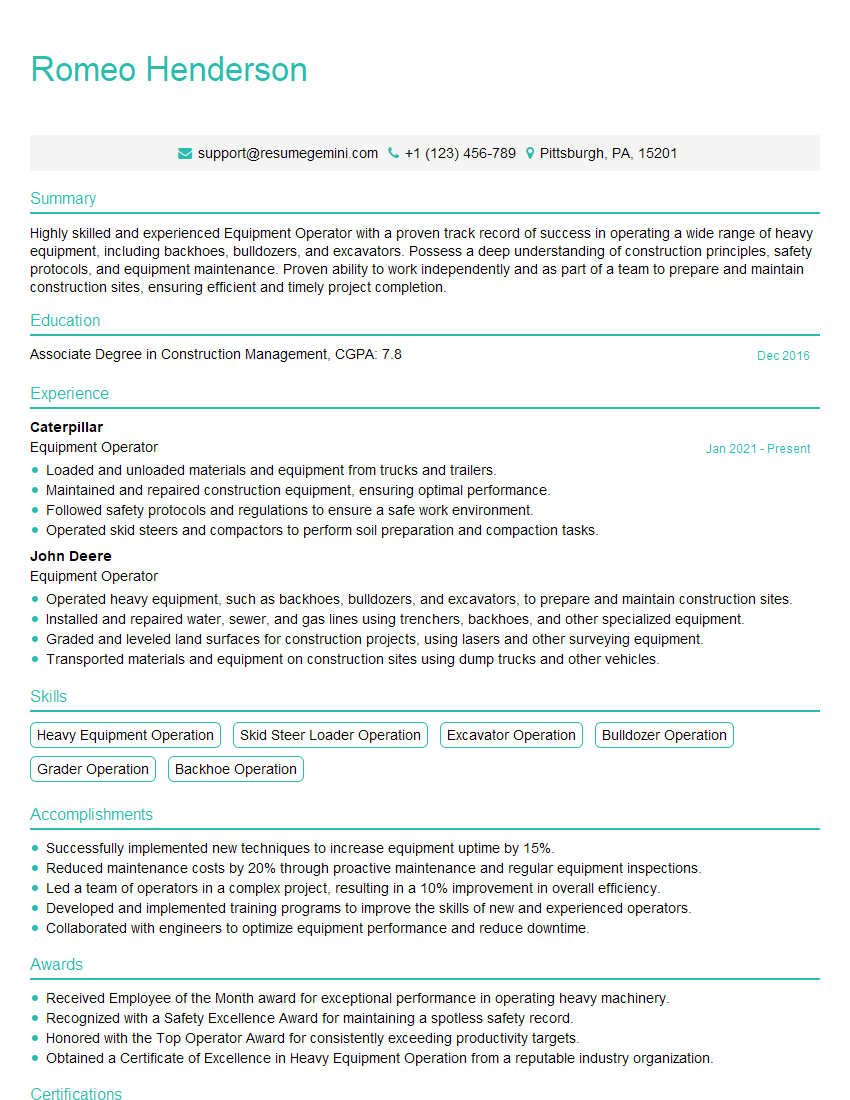
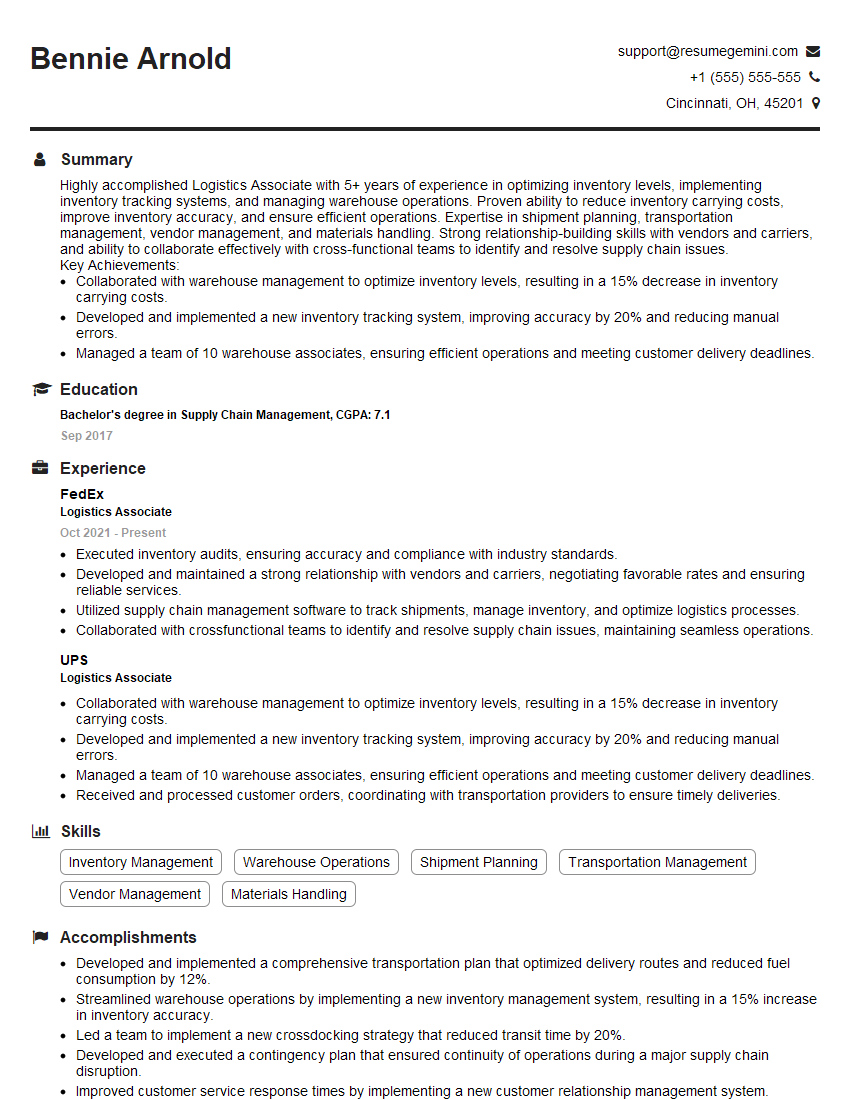
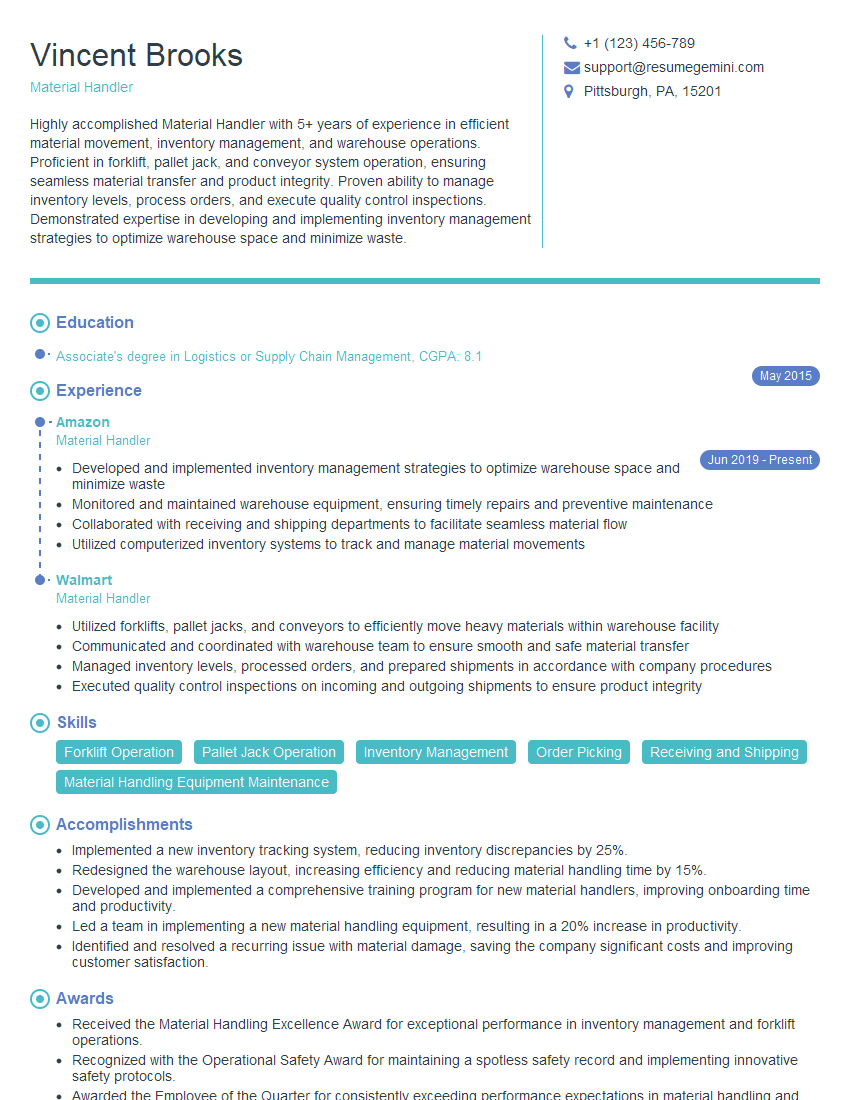
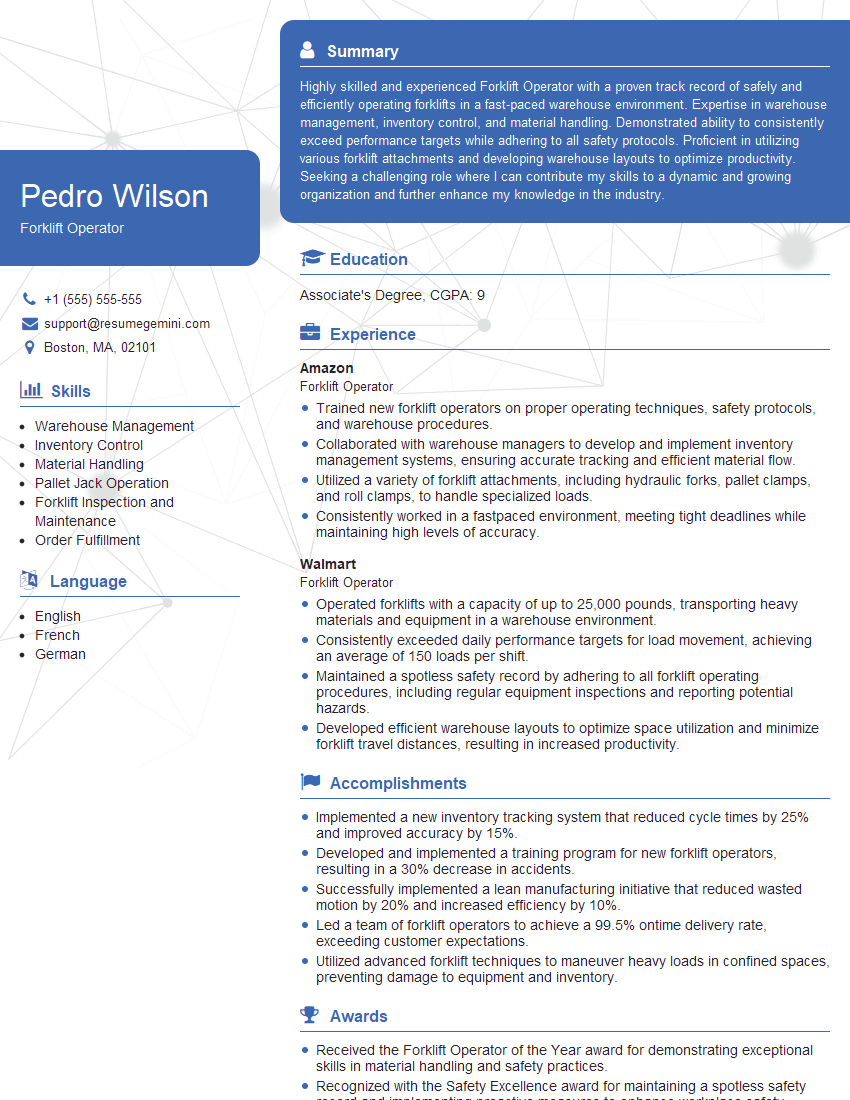
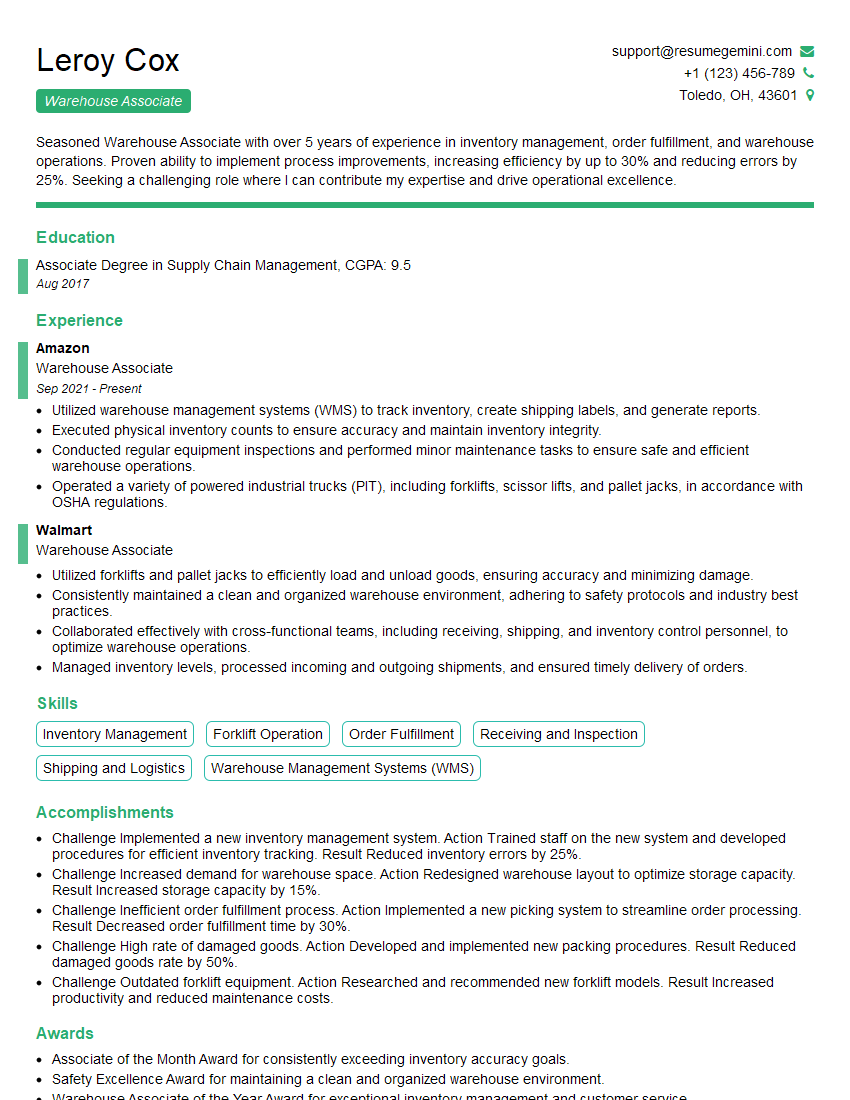
A Forklift Operator License significantly boosts your career prospects, opening doors to higher-paying positions and greater responsibility within the logistics and warehousing industry. To maximize your job search success, creating a strong, ATS-friendly resume is crucial. ResumeGemini is a trusted resource that can help you build a professional and impactful resume tailored to the specific requirements of forklift operator positions. Examples of resumes optimized for Forklift Operator License applications are available to help you get started. Invest in presenting yourself effectively – it’s an investment in your future career.
Explore more articles
Users Rating of Our Blogs
Share Your Experience
We value your feedback! Please rate our content and share your thoughts (optional).
What Readers Say About Our Blog
Very informative content, great job.
good