Feeling uncertain about what to expect in your upcoming interview? We’ve got you covered! This blog highlights the most important Hauling Materials interview questions and provides actionable advice to help you stand out as the ideal candidate. Let’s pave the way for your success.
Questions Asked in Hauling Materials Interview
Q 1. What types of permits or licenses are required for hauling specific materials?
The permits and licenses required for hauling materials vary significantly depending on the type of material, the weight of the load, the vehicle used, and the jurisdictions you’ll be traveling through. Think of it like a layered system of regulations.
- Commercial Driver’s License (CDL): This is fundamental for operating heavy vehicles. The class of CDL needed (A, B, or C) depends on the vehicle and the materials hauled.
- Hazardous Materials Endorsements (HME): If transporting hazardous materials like chemicals or explosives, you’ll need specific HMEs on your CDL. These endorsements cover different hazard classes, requiring specialized training and knowledge.
- State and Local Permits: Many states require overweight or oversized load permits for exceeding standard vehicle dimensions or weight limits. These permits often involve detailed route planning and may even require escort vehicles.
- Environmental Permits: Hauling certain materials, such as construction waste or industrial byproducts, might need environmental permits to ensure proper disposal and handling. These are often handled in conjunction with the waste disposal company.
- Federal Regulations (DOT): The Department of Transportation (DOT) sets national standards for vehicle safety and transportation of goods, requiring compliance with specific regulations concerning vehicle maintenance and operating procedures.
For example, hauling sand in a pickup truck might only require a standard driver’s license, but transporting a load of hazardous waste in a semi-truck would necessitate a CDL with HME, overweight/oversized permits (depending on the load), and compliance with numerous DOT and EPA regulations.
Q 2. Explain the process of securing load stability and preventing shifting during transport.
Securing loads is paramount for safety and preventing costly accidents. It’s all about distributing weight evenly and preventing movement. Think of it like building a sturdy tower with blocks – you need a solid base and secure connections.
- Proper Tie-Down Techniques: Using appropriate tie-down straps, chains, or ropes is crucial. These need to be rated for the weight of the load and properly secured to anchor points on the trailer. Over-tightening can damage goods, while under-tightening is dangerous.
- Weight Distribution: Heavier items should be placed lower and closer to the center of gravity. Distributing the weight evenly prevents imbalances that can cause shifting.
- Blocking and Bracing: For odd-shaped or loose loads, blocking and bracing helps prevent movement. Wood blocks, steel beams, or other materials can be used to create a stable framework around the load.
- Load Securement Devices: Specialized equipment like load binders, winch straps, and dunnage bags provides extra security, particularly for large or heavy items.
- Regular Inspections: Before and during transport, regular inspections of the load are necessary to ensure everything is still securely fastened. Stopping to check the load in the middle of a haul might save you from disaster.
For instance, hauling steel beams requires strong chains anchored to multiple points on the trailer, while transporting loose gravel demands careful spreading of the load and possibly the use of a tarp to prevent spillage.
Q 3. How do you handle unexpected delays or route changes during a haul?
Unexpected delays are part of hauling. Being prepared and adaptable is key. I always treat these situations as puzzles to be solved.
- Communication: Immediately contacting the shipper and receiver to inform them of the delay and provide updated ETAs (estimated times of arrival) is crucial. Open communication keeps everyone informed and prevents misunderstandings.
- Alternative Routes: Knowing alternative routes can significantly reduce downtime. GPS navigation and real-time traffic updates are essential tools.
- Documentation: Maintaining detailed records of the delay, including the cause, attempted solutions, and communication with involved parties, is vital for potential claims or disputes.
- Safety First: Never compromise safety in attempting to meet deadlines. If a route is unsafe, take a safer alternative, even if it means a further delay.
- Compliance: Ensure that any alternative routes or changes in schedule comply with existing permits and regulations.
For instance, a sudden road closure might require me to reroute, notifying the receiver and perhaps obtaining a new permit if necessary.
Q 4. Describe your experience with different types of hauling equipment (e.g., flatbeds, tankers, lowboys).
My experience spans a variety of hauling equipment, each with its unique characteristics and suitability for different loads. It’s like having a toolbox full of specialized instruments, each perfect for a different job.
- Flatbeds: Ideal for transporting long, bulky items like lumber, steel, and construction materials. Securement techniques are crucial here.
- Tankers: Used for liquid or gaseous materials such as fuel, chemicals, and water. These require specific safety precautions and often specialized endorsements.
- Lowboys: Specifically designed for heavy, oversized loads like construction equipment, transformers, and large machinery. These often need escort vehicles for safe transport.
- Dump Trucks: Efficient for moving loose materials like gravel, dirt, and aggregates.
- Van Trailers: Used for enclosed goods that need protection from the elements, like furniture or packaged goods.
For example, I’ve transported massive generators using a lowboy, needing permits and specialized rigging, while delivering gasoline safely has required meticulous adherence to tanker safety procedures.
Q 5. What are the safety regulations and procedures you follow when hauling hazardous materials?
Hauling hazardous materials demands stringent adherence to safety regulations and procedures. A single mistake can have severe consequences. Safety isn’t just a procedure; it’s a mindset.
- Proper Training and Certification: Thorough training in handling hazardous materials, including specific safety procedures and emergency response protocols, is mandatory.
- Placarding and Labeling: Vehicles must be properly placarded and labeled to identify the type and hazard class of materials being transported.
- Emergency Response Plan: Having a comprehensive emergency response plan in place addresses potential spills or accidents, including communication protocols and procedures to minimize risk.
- Specialized Equipment: Certain hazardous materials require specialized containers, safety equipment (like respirators and protective gear), and spill control measures.
- Documentation: Thorough documentation including shipping papers, safety data sheets (SDS), and emergency contact information is crucial.
For instance, hauling chemicals requires careful inspection of the tanker, proper placarding, and having readily available emergency response materials like absorbent pads and spill kits.
Q 6. How do you calculate the cost of a haul, considering fuel, maintenance, and driver expenses?
Calculating the cost of a haul is complex, requiring a careful assessment of various factors. It’s not just about fuel; it’s about overall operational efficiency.
- Fuel Costs: These are calculated based on the distance, fuel efficiency of the vehicle, and current fuel prices.
- Maintenance Costs: Regular maintenance, repairs, and tire replacements are factored in as a percentage of the total mileage or operating hours.
- Driver Expenses: This includes wages, benefits, and potentially overtime pay.
- Permits and Tolls: The cost of any required permits, tolls, and other fees are added to the total.
- Insurance: Insurance premiums, covering liability and potential damages, are a substantial cost component.
- Profit Margin: Finally, a reasonable profit margin is added to cover overhead and ensure profitability.
The formula is often simplified as: Total Cost = Fuel + Maintenance + Driver Wages + Permits + Insurance + Profit Margin. However, accurate cost estimation often requires specialized software to account for nuances like varying fuel prices and differing road conditions.
Q 7. How do you manage documentation for hauling materials (e.g., bills of lading, delivery receipts)?
Meticulous documentation is essential in hauling. It’s the legal and operational backbone of every job. Think of it as the detailed story of a shipment’s journey.
- Bills of Lading (BOLs): BOLs act as contracts, detailing the agreement between the shipper, the carrier, and the receiver. They clearly specify the goods, the origin, the destination, and the terms of transport.
- Delivery Receipts: Once the goods are delivered, the receiver signs a delivery receipt, confirming acceptance. This is crucial proof of delivery.
- Proof of Insurance: Carrying proof of insurance is mandated for transporting most goods, and especially hazardous materials.
- Driver Logs: Maintaining accurate driver logs, complying with hours-of-service regulations, is paramount.
- Maintenance Records: Keeping detailed records of vehicle maintenance and repairs demonstrates compliance with safety standards.
- Digital platforms/Software: Many companies use digital platforms and software to manage and track documentation seamlessly. This ensures easy access and enhances efficiency.
These documents are not just paperwork; they are essential for resolving disputes, processing payments, and ensuring legal compliance. Efficient documentation systems help maintain accuracy, prevent errors, and streamline operations.
Q 8. Explain your understanding of weight limits and axle configurations for different vehicles.
Understanding weight limits and axle configurations is paramount in hauling materials safely and legally. Each vehicle, from a pickup truck to a semi-trailer, has specific weight restrictions dictated by its Gross Vehicle Weight Rating (GVWR), which represents the maximum allowable weight of the vehicle including its payload. Axle configurations directly impact weight distribution. For instance, a tandem axle setup (two axles close together) distributes weight more evenly than a single axle, allowing for heavier loads.
GVWR and Axle Weight Limits: These limits are determined by state and federal regulations and are usually displayed on a sticker on the vehicle. Exceeding these limits can lead to hefty fines, accidents, and damage to roads and infrastructure.
Example: A heavy-duty pickup truck might have a GVWR of 10,000 lbs and axle weight limits that restrict the weight on each axle. If this truck is carrying a load of 7,000 lbs, and that weight isn’t evenly distributed, it could exceed the weight limit on a single axle, leading to a dangerous situation. A larger semi-trailer truck, with multiple axles, can carry significantly more weight, but the weight must be distributed across the axles to remain compliant with regulations.
Different Vehicle Types: The axle configuration and GVWR varies significantly depending on the vehicle type: single-axle pickups have lower weight capacities than semi-trailers with multiple axles. Knowing the specifics of each vehicle is essential for safe and legal operation.
Q 9. Describe your experience with GPS tracking and route optimization software.
GPS tracking and route optimization software are invaluable tools in modern hauling operations. I have extensive experience using various platforms, such as Samsara, KeepTruckin, and similar systems. These tools provide real-time tracking of vehicle location, speed, and mileage, allowing for efficient monitoring and management of the fleet.
Route Optimization: The software analyzes factors like traffic patterns, road closures, and delivery schedules to determine the most efficient routes, minimizing travel time and fuel consumption. This translates directly to cost savings and on-time deliveries.
Data Analysis: Beyond real-time tracking, the data collected provides valuable insights into driver behavior, fuel efficiency, and overall operational effectiveness. We can identify areas for improvement, such as reducing idling time or optimizing driver routes.
Example: In one instance, our route optimization software identified a recurring traffic bottleneck that was consistently adding 30 minutes to delivery times. By adjusting routes to avoid this area during peak hours, we managed to reduce delivery times significantly and enhance our on-time performance.
Q 10. How do you handle situations involving damaged or lost cargo?
Handling damaged or lost cargo requires a systematic approach. First, I document everything thoroughly—taking photos and videos of the damage and documenting the condition of the packaging before and after transportation. Then, I immediately contact the client to inform them of the situation and initiate the claims process.
Claims Process: Depending on the insurance policy and the nature of the damage, claims can be filed with the carrier’s insurance or the client’s insurance. This typically involves providing the necessary documentation (bills of lading, inspection reports, photographs).
Preventing Damage and Loss: Proactive measures are crucial in minimizing these situations. This includes properly securing cargo (discussed below), ensuring vehicles are in good condition, and thoroughly inspecting the cargo before and after transport. Clear communication with the client about the type of cargo and any special handling requirements is also vital.
Example: We once experienced a minor accident that damaged a portion of the client’s shipment. By swiftly documenting the damage, immediately notifying the client, and following our established claims procedure, the client received compensation within a reasonable timeframe. The incident highlighted the importance of maintaining detailed records and having a well-defined claims process.
Q 11. Explain your knowledge of different types of cargo securement methods.
Cargo securement is crucial for safety and preventing damage during transport. Different methods are used based on the type of cargo and the vehicle.
Methods:
- Strapping: Using strong straps to secure the load tightly to the vehicle. This is common for palletized goods.
- Chains and binders: Heavy-duty chains are used for larger and heavier loads, secured with binders to maintain tension.
- Dunnage: Using filler materials such as wood blocks, foam, or air bags to fill spaces and prevent shifting of the load. This is especially important for odd-shaped items.
- Netting: Used for smaller items to prevent them from shifting or falling off.
Proper Techniques: Regardless of the method, the goal is to create a stable load that won’t shift during transit. This involves distributing weight evenly, properly tightening securing devices, and ensuring all load securing components are well-maintained and functioning correctly.
Example: When hauling heavy machinery, we utilize chains and binders, along with dunnage to prevent shifting or damage. For palletized goods, we employ proper strapping techniques to ensure the load stays secure.
Q 12. How do you ensure compliance with DOT regulations?
Compliance with DOT (Department of Transportation) regulations is paramount. This involves ensuring all vehicles and drivers meet required standards and adhere to all safety regulations.
Key Areas of Compliance:
- Vehicle Maintenance: Regularly scheduled maintenance to ensure vehicles are in safe operating condition, including inspections of brakes, lights, tires, and other critical components.
- Driver Qualifications: Ensuring all drivers possess the necessary licenses, certifications (e.g., HAZMAT endorsement), and undergo regular drug and alcohol testing.
- Hours of Service (HOS): Adhering to strict regulations on driver work hours to prevent fatigue and ensure safety.
- Load Securement: Properly securing all cargo to prevent shifting and accidents (as discussed above).
- Logbooks: Maintaining accurate logbooks for all drivers, recording hours of service and other relevant information.
Consequences of Non-Compliance: Failure to comply with DOT regulations can lead to hefty fines, suspension of operating authority, and potential legal issues. It’s important to stay updated on the latest regulations and ensure all personnel are properly trained.
Q 13. Describe your experience with load planning and weight distribution.
Load planning and weight distribution are critical to ensuring safe and efficient hauling. It involves strategically arranging the cargo to balance weight across the axles and within the vehicle, minimizing stress on the vehicle and maximizing safety.
Process: Before loading, I assess the weight and dimensions of the cargo, the vehicle’s capacity, and the route. I then develop a plan that ensures even weight distribution, avoiding any overloading of individual axles. Software tools can help with this process, providing 3D simulations of the load. Heavy items are generally placed lower and towards the center of gravity to improve stability.
Weight Distribution: This is crucial to prevent overloading any single axle and avoid tipping. Uneven weight distribution can lead to handling issues, increased wear and tear, and potential accidents. For example, heavier items should ideally be placed low and centered in the load to lower the vehicle’s center of gravity. Precise measurements and calculations are often used to optimize this aspect.
Example: When hauling multiple heavy equipment pieces, we meticulously plan their placement to distribute weight evenly, using specialized software to simulate the distribution and ensure stability throughout the transport. This prevents overloading axles and helps reduce potential for damage to the equipment.
Q 14. How do you communicate effectively with dispatchers and clients?
Effective communication is essential in the hauling industry. With dispatchers, this involves clear and concise updates on location, ETA, and any potential issues. With clients, it’s about providing transparent updates on the shipment status, addressing any concerns, and promptly resolving any problems.
Communication Tools: I use a combination of methods including two-way radios, mobile phones, and dispatch software systems to communicate with dispatchers and clients. Clear and frequent updates help in managing expectations and resolving issues quickly.
Professionalism: Maintaining a professional demeanor and tone in all communications is crucial. Addressing concerns promptly and providing solutions shows competence and reliability. This is essential for building strong relationships with both dispatchers and clients.
Example: When a delivery was delayed due to an unexpected road closure, I immediately contacted the client to inform them of the situation, providing an updated ETA and explaining the reason for the delay. This open communication helped maintain trust and prevent misunderstandings. Similar transparency is important when communicating with dispatchers.
Q 15. How do you prioritize multiple hauling assignments simultaneously?
Prioritizing multiple hauling assignments requires a systematic approach. I utilize a combination of factors to create an efficient schedule. First, I consider delivery deadlines – time-sensitive deliveries take precedence. Next, I assess distance and route optimization, aiming to minimize travel time and fuel consumption by grouping deliveries geographically. Then, I factor in load size and weight, ensuring efficient use of my vehicle’s capacity. Finally, I account for any special handling requirements or potential delays, such as permits or road closures. Think of it like a complex jigsaw puzzle: each piece (assignment) has specific dimensions and constraints that must fit together perfectly for the most efficient outcome. I often use route planning software to assist with this process.
For example, if I have three deliveries: one urgent, small package to a nearby location; one large load requiring a longer haul with a strict delivery time; and a smaller load to a location en route to the large load, I’d prioritize the urgent delivery first, then the large load, strategically incorporating the smaller load into the same route. This minimizes wasted trips and maximizes efficiency.
Career Expert Tips:
- Ace those interviews! Prepare effectively by reviewing the Top 50 Most Common Interview Questions on ResumeGemini.
- Navigate your job search with confidence! Explore a wide range of Career Tips on ResumeGemini. Learn about common challenges and recommendations to overcome them.
- Craft the perfect resume! Master the Art of Resume Writing with ResumeGemini’s guide. Showcase your unique qualifications and achievements effectively.
- Don’t miss out on holiday savings! Build your dream resume with ResumeGemini’s ATS optimized templates.
Q 16. What are your strategies for managing fuel efficiency and reducing operational costs?
Managing fuel efficiency and reducing operational costs is crucial for profitability in hauling. My strategies are multifaceted. Firstly, I practice preventive maintenance religiously, ensuring my vehicle is in optimal condition. This includes regular oil changes, tire pressure checks, and engine tune-ups – all aimed at maximizing fuel economy. Secondly, I drive smoothly and avoid aggressive acceleration and braking. Thirdly, I optimize my routes to avoid unnecessary idling and congestion. Fourthly, I utilize fuel-efficient driving techniques, such as maintaining a consistent speed, utilizing cruise control where appropriate and anticipating traffic flow. Finally, I monitor fuel consumption meticulously, identifying areas for improvement and keeping track of my MPG to spot any anomalies which could indicate a problem.
For example, tracking my fuel usage per delivery allows me to identify routes where higher fuel consumption is observed. This might highlight areas of heavy congestion or particularly hilly terrain, leading to adjustments in routes or driving style.
Q 17. Explain your understanding of different types of trailers and their suitability for various materials.
Understanding trailer types is essential for safe and efficient hauling. Different materials require specific trailer types. For instance:
- Flatbed trailers are ideal for hauling oversized or awkwardly shaped loads, like construction materials or large machinery.
- Van trailers (or enclosed trailers) protect sensitive cargo from weather and theft, suitable for transporting finished goods or temperature-sensitive products.
- Dump trailers are used for loose materials such as gravel, sand, or dirt, simplifying unloading.
- Lowboy trailers are designed for extremely heavy or high loads, often seen hauling construction equipment or large industrial machinery.
- Refrigerated trailers (reefers) maintain a specific temperature, crucial for transporting perishable goods like food or pharmaceuticals.
Choosing the wrong trailer can lead to damage, delays, and safety hazards. For example, transporting delicate electronics on a flatbed would be unwise, while using a dump trailer for a pallet of delicate glassware would be equally unsuitable.
Q 18. How do you assess risks associated with specific hauling routes and weather conditions?
Assessing hauling risks involves a thorough understanding of the route and weather conditions. I use several methods. First, I research the route, looking for potential hazards like construction, steep grades, narrow roads, or areas with poor cell service. Secondly, I check the weather forecast, and adjust my schedule or even postpone the haul if severe weather is anticipated such as heavy snow, ice, or strong winds. Thirdly, I am aware of local traffic conditions, using apps or websites to see any potential delays or congestion. Finally, I always have a contingency plan in place, knowing alternative routes and having emergency contact information readily available.
For example, if I’m hauling a heavy load through mountainous terrain, I will carefully check the road conditions and the predicted weather to ensure that the vehicle is suitable and I won’t be risking a dangerous situation due to adverse weather conditions.
Q 19. Describe your experience with maintaining vehicle logs and reporting hours of service.
Maintaining accurate vehicle logs and reporting hours of service (HOS) is paramount for compliance. I meticulously record every aspect of my driving time, including start and end times, breaks, and any delays. I use both electronic logging devices (ELDs) and paper logs as backups. I understand the regulations concerning driving hours and rest periods and ensure that I never exceed the legally permitted limits. Accuracy is key, as inaccuracies can result in significant fines and other penalties. I regularly review my logs to identify any trends that could help improve my route planning and efficiency.
The importance of accurate record-keeping cannot be overstated – it is essential for compliance with Department of Transportation (DOT) regulations and demonstrates responsible operation.
Q 20. How do you handle mechanical breakdowns during a haul?
Mechanical breakdowns are an unfortunate reality in hauling. My response is immediate and systematic. First, I ensure the safety of myself and others by safely moving the vehicle to the side of the road, activating hazard lights, and placing warning triangles. Next, I assess the situation and determine the nature of the problem. If possible, I make a minor repair, but if it’s something major, I immediately contact my dispatcher or roadside assistance. I provide them with my location, the nature of the breakdown, and the cargo details. I document the entire incident in my logbook. Meanwhile, I may also reach out to my client to update them and find an alternative solution if necessary.
A breakdown can have substantial financial and logistical consequences, therefore acting swiftly and methodically is critical. It’s why preventative maintenance is so important.
Q 21. What is your experience with pre-trip vehicle inspections?
Pre-trip vehicle inspections are a non-negotiable part of my routine. I follow a standardized checklist, examining tires, lights, brakes, fluids, and other critical components. I check for any leaks, damage, or unusual wear. This process ensures the safety and reliability of the vehicle, preventing breakdowns and potential accidents. I document all findings in my logbook, reporting any issues to my dispatcher immediately. This meticulous approach not only protects me and the cargo, but also demonstrates professionalism and commitment to safety standards.
A simple example: A seemingly small crack in a tire might go unnoticed without a thorough inspection; however, this crack could lead to a blowout during the haul, potentially causing an accident.
Q 22. How familiar are you with different types of material handling equipment (e.g., forklifts, cranes)?
My familiarity with material handling equipment is extensive. I’ve worked extensively with various types, including forklifts (both counterbalance and reach trucks), different crane systems (overhead, mobile, and tower cranes), conveyor belts, and specialized equipment like side loaders and boom trucks. Understanding their capabilities, limitations, and safe operation is crucial for efficient and safe hauling.
- Forklifts: I’m proficient in operating various forklift types, ensuring load stability and adhering to weight restrictions. I understand the importance of pre-operation checks and safe load handling techniques, considering factors like center of gravity and terrain.
- Cranes: My experience encompasses understanding crane load charts, rigging techniques, and the importance of proper communication with crane operators and ground personnel. I’m familiar with safety regulations and procedures for lifting heavy loads.
- Other Equipment: My knowledge extends to other equipment like conveyor systems for loading and unloading, and specialized vehicles for handling specific materials like oversized or hazardous cargo.
This broad understanding allows me to optimize material handling processes, select the right equipment for the job, and minimize the risk of accidents.
Q 23. How do you ensure the safety of your cargo and other drivers on the road?
Cargo and driver safety is paramount. My approach is multifaceted and includes:
- Pre-trip Inspections: Thorough vehicle inspections before each trip are mandatory, checking brakes, lights, tires, and securing the load properly. This includes ensuring that the load is properly secured and balanced to prevent shifting during transit. Think of it like packing a suitcase – everything needs to be snug and secure.
- Load Securing Techniques: I’m well-versed in various load-securing techniques, using appropriate straps, chains, and other equipment to prevent shifting or spillage. I follow all relevant regulations and best practices to ensure that the load is secure for the entire journey.
- Driver Training and Compliance: Regular training for drivers on safe driving practices, defensive driving techniques, and adherence to hours-of-service regulations is crucial. This includes training on load securement, pre-trip inspections, and proper communication.
- Route Planning and Monitoring: Careful route planning avoids high-risk areas and considers weather conditions. Using GPS tracking allows for real-time monitoring and prompt response to any potential issues.
- Communication Protocols: Clear communication protocols between drivers, dispatch, and clients are essential for addressing any issues promptly and efficiently.
Essentially, my approach is a proactive and preventative one, aiming to eliminate potential hazards before they become incidents.
Q 24. Describe your experience with managing a team of drivers or other personnel.
I have extensive experience managing teams of drivers and support staff. My management style is collaborative and focuses on clear communication, performance feedback, and fostering a safe and productive work environment.
- Communication: Regular meetings and open communication channels keep everyone informed and allows for immediate feedback. I make sure everyone feels heard and valued.
- Performance Management: Regular performance reviews, coupled with ongoing coaching and mentorship, help drivers improve their skills and maintain high standards. It’s about continuous improvement, not just annual reviews.
- Safety Emphasis: Safety is always the top priority. I enforce safety protocols, provide regular safety training, and promote a culture of safety awareness among the team. It’s not just a rule; it’s a mindset.
- Problem-Solving: I empower the team to solve problems independently but am always available for guidance and support. It’s about teamwork and collaborative problem solving.
- Conflict Resolution: I address conflicts promptly and fairly, promoting open communication and finding solutions that benefit everyone involved.
I believe in building strong relationships with my team members, creating a supportive and encouraging environment that leads to high morale and productivity. Think of it as building a cohesive and efficient team – a well-oiled machine.
Q 25. How do you handle customer complaints or issues related to deliveries?
Handling customer complaints effectively is crucial for maintaining strong client relationships. My approach is structured and aims for swift resolution:
- Active Listening: I carefully listen to the customer’s concerns, acknowledging their frustration and empathizing with their situation. It’s about understanding their perspective.
- Information Gathering: I gather all relevant information about the delivery, including tracking data, driver logs, and any communication records. Getting the facts straight is crucial.
- Problem Identification: I identify the root cause of the problem, whether it be a delivery delay, damage to goods, or a communication breakdown. Understanding the ‘why’ is essential.
- Solution Implementation: Depending on the nature of the complaint, I take appropriate action, such as rescheduling delivery, arranging for repairs, or offering compensation. Offering a solution is key.
- Follow-up: I follow up with the customer to ensure they are satisfied with the resolution. Making sure the issue is closed to the customer’s satisfaction is critical.
My goal is to turn a negative experience into a positive one, reinforcing the customer’s trust and confidence in our services. It’s about customer retention.
Q 26. Explain your understanding of insurance and liability related to hauling operations.
Understanding insurance and liability is critical in hauling operations. This involves several key aspects:
- Cargo Insurance: This protects against loss or damage to the cargo during transit. The type and amount of coverage depend on the value and nature of the goods being transported.
- Liability Insurance: This covers potential damages caused by accidents or incidents involving the hauling vehicles. This is crucial for protecting the company and drivers from financial liabilities.
- Compliance with Regulations: Staying compliant with all relevant federal, state, and local regulations concerning insurance is mandatory. Knowing the regulations and ensuring full compliance is critical.
- Risk Assessment and Mitigation: Regular risk assessments help identify potential liabilities and implement strategies to mitigate them. Proactive risk management is key.
- Claims Management: Having a clear process for handling insurance claims ensures efficient resolution of incidents. A smooth and efficient claims process is essential.
A strong understanding of insurance and liability safeguards the company, drivers, and clients from financial and legal repercussions. It’s about protecting everyone involved.
Q 27. What is your experience with using transportation management systems (TMS)?
My experience with Transportation Management Systems (TMS) is extensive. I’ve used several different TMS platforms to optimize routing, track shipments, manage driver assignments, and generate reports. TMS systems significantly improve efficiency and transparency in hauling operations.
- Route Optimization: TMS helps optimize routes based on factors like distance, traffic, and delivery deadlines, reducing fuel consumption and travel time. This translates into cost savings.
- Shipment Tracking: Real-time tracking provides visibility into the location and status of shipments, allowing for proactive communication with clients and efficient issue resolution. Knowing where your shipments are is critical.
- Driver Management: TMS facilitates driver dispatching, scheduling, and communication, improving coordination and efficiency. Effective driver management optimizes resource utilization.
- Reporting and Analysis: TMS generates comprehensive reports on key performance indicators (KPIs), such as on-time delivery rates, fuel consumption, and driver performance. Data-driven insights improve operational efficiency.
Utilizing a TMS is not just about using software; it’s about leveraging data to make informed decisions that drive efficiency and profitability.
Q 28. Describe your approach to continuous improvement in hauling operations.
My approach to continuous improvement in hauling operations focuses on data-driven decision-making, leveraging technology, and fostering a culture of innovation.
- Data Analysis: Regularly analyzing key performance indicators (KPIs) such as on-time delivery rates, fuel efficiency, and driver performance to identify areas for improvement. Data reveals the areas needing attention.
- Technology Adoption: Exploring and implementing new technologies, such as telematics, route optimization software, and driver assistance systems, to enhance efficiency and safety. Technology helps to improve operations continually.
- Process Optimization: Continuously reviewing and improving operational processes to streamline workflows, reduce waste, and enhance overall efficiency. Process improvement leads to operational excellence.
- Employee Engagement: Encouraging feedback and suggestions from drivers and other personnel to identify areas for improvement and foster a culture of continuous improvement. Employee input is invaluable.
- Benchmarking: Comparing performance against industry benchmarks to identify best practices and areas for improvement. Learning from the best in the industry is crucial.
Continuous improvement is an ongoing journey, not a destination. It’s about consistently striving for excellence in all aspects of hauling operations.
Key Topics to Learn for Hauling Materials Interview
- Types of Hauling Materials: Understanding the properties and handling requirements of various materials (e.g., aggregates, construction debris, hazardous materials).
- Regulations and Compliance: Familiarity with relevant safety regulations, transportation laws (including permits and licensing), and environmental considerations.
- Equipment Operation and Maintenance: Knowledge of different hauling equipment (trucks, trailers, specialized machinery), their operation, and preventative maintenance procedures.
- Logistics and Route Planning: Understanding efficient route planning, load optimization, scheduling, and delivery management techniques to minimize costs and maximize efficiency.
- Safety Procedures and Risk Management: Implementing and adhering to safety protocols, identifying potential hazards, and using appropriate safety equipment.
- Load Securing and Transportation: Proper techniques for securing loads to prevent accidents and damage during transit.
- Customer Service and Communication: Effective communication with clients, dispatchers, and other stakeholders to ensure smooth operations and client satisfaction.
- Problem-Solving and Troubleshooting: Ability to identify and resolve issues related to equipment malfunctions, delays, and unexpected situations.
- Technology and Tracking Systems: Familiarity with GPS tracking, load monitoring systems, and other technologies used in modern hauling operations.
- Cost Estimation and Budgeting: Ability to accurately estimate hauling costs, manage budgets, and track expenses.
Next Steps
Mastering the intricacies of hauling materials is crucial for career advancement in this dynamic field. A strong understanding of these topics demonstrates competence and professionalism, opening doors to higher-paying roles and greater responsibility. To maximize your job prospects, create an ATS-friendly resume that highlights your skills and experience effectively. ResumeGemini is a trusted resource to help you build a professional and impactful resume. Examples of resumes tailored to the Hauling Materials industry are available to guide you. Invest time in crafting a compelling resume – it’s your first impression on potential employers.
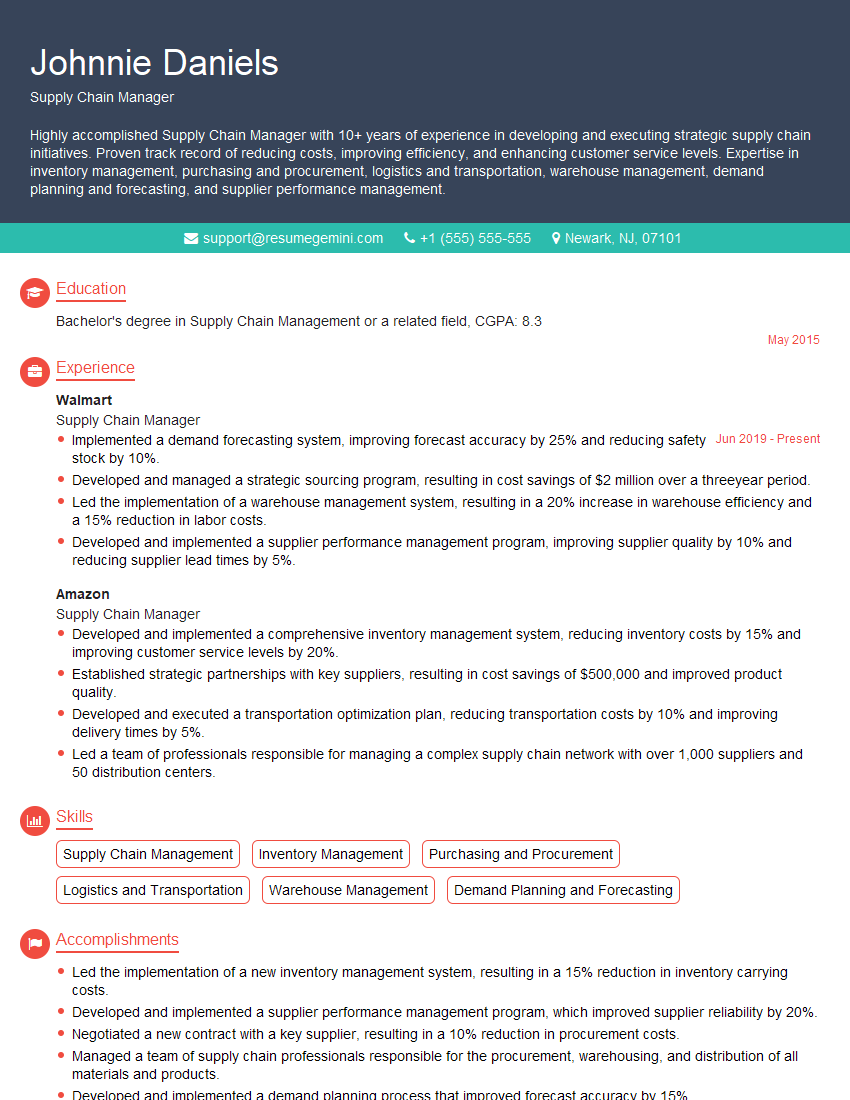
Supply Chain Manager Resume Sample

Dispatch Manager Resume Sample
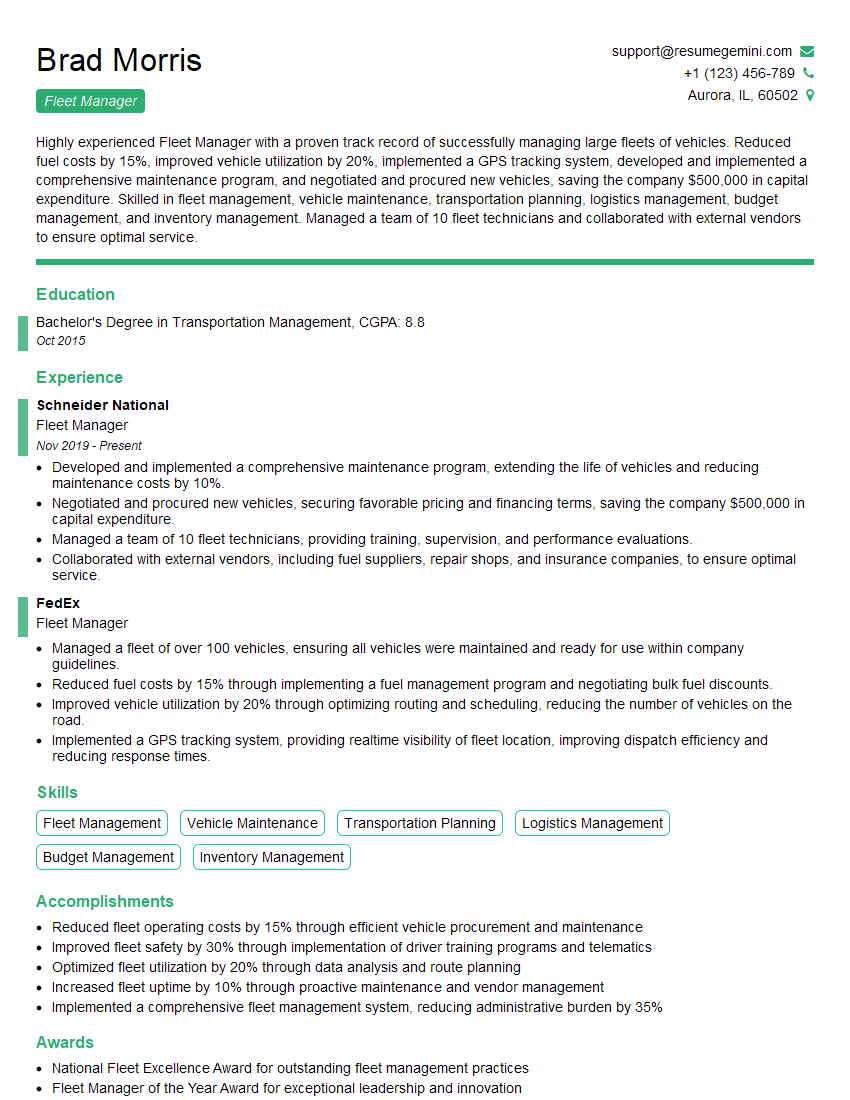
Fleet Manager Resume Sample
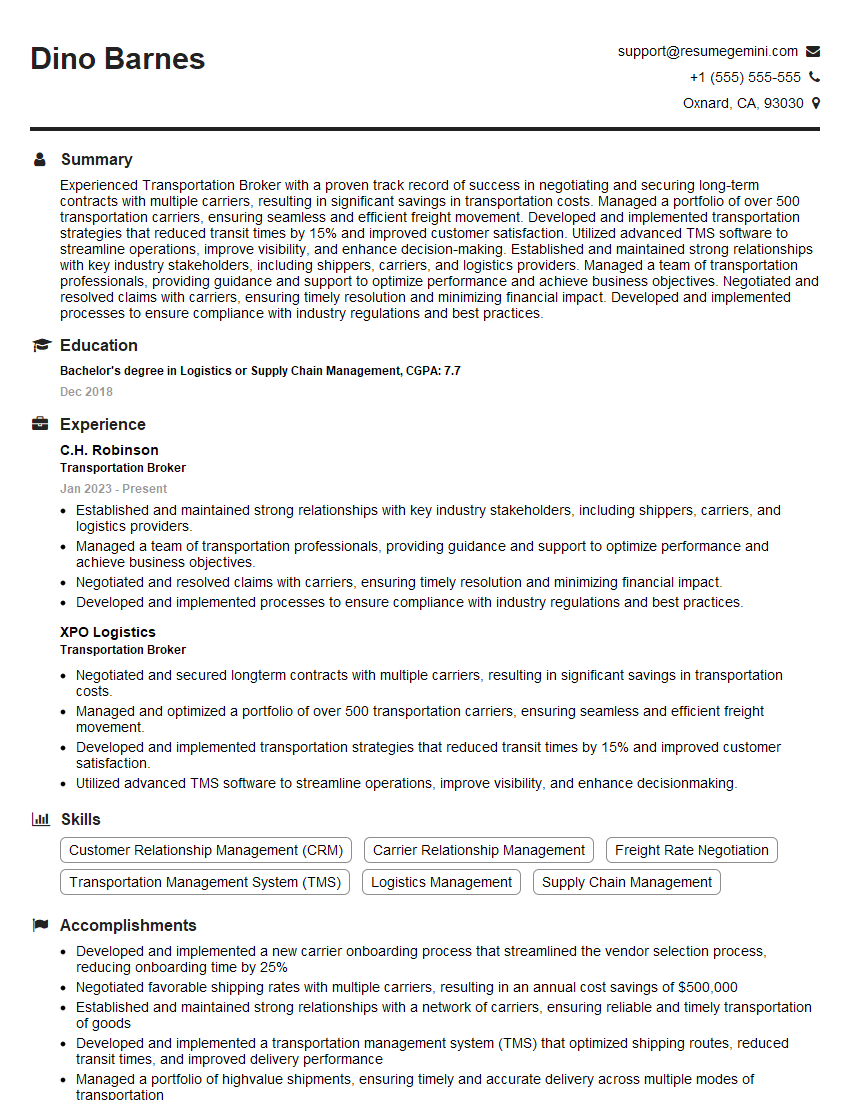
Transportation Broker Resume Sample
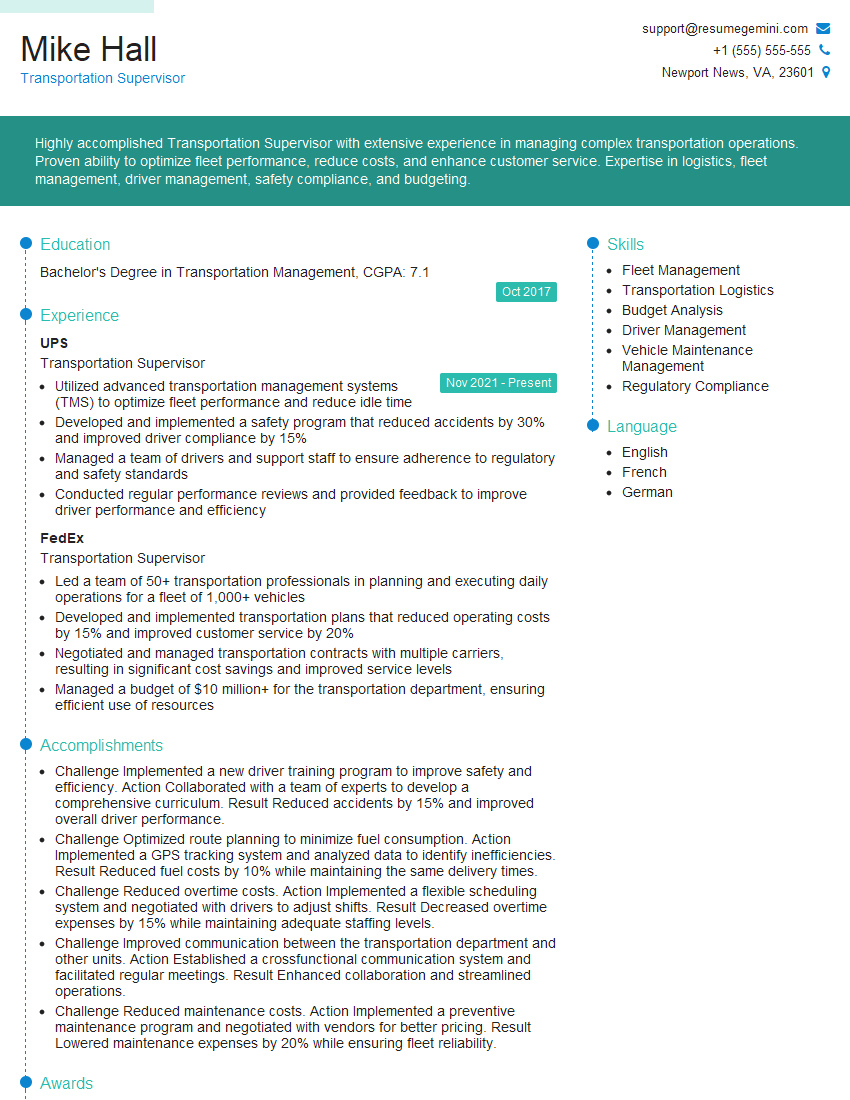
Transportation Supervisor Resume Sample
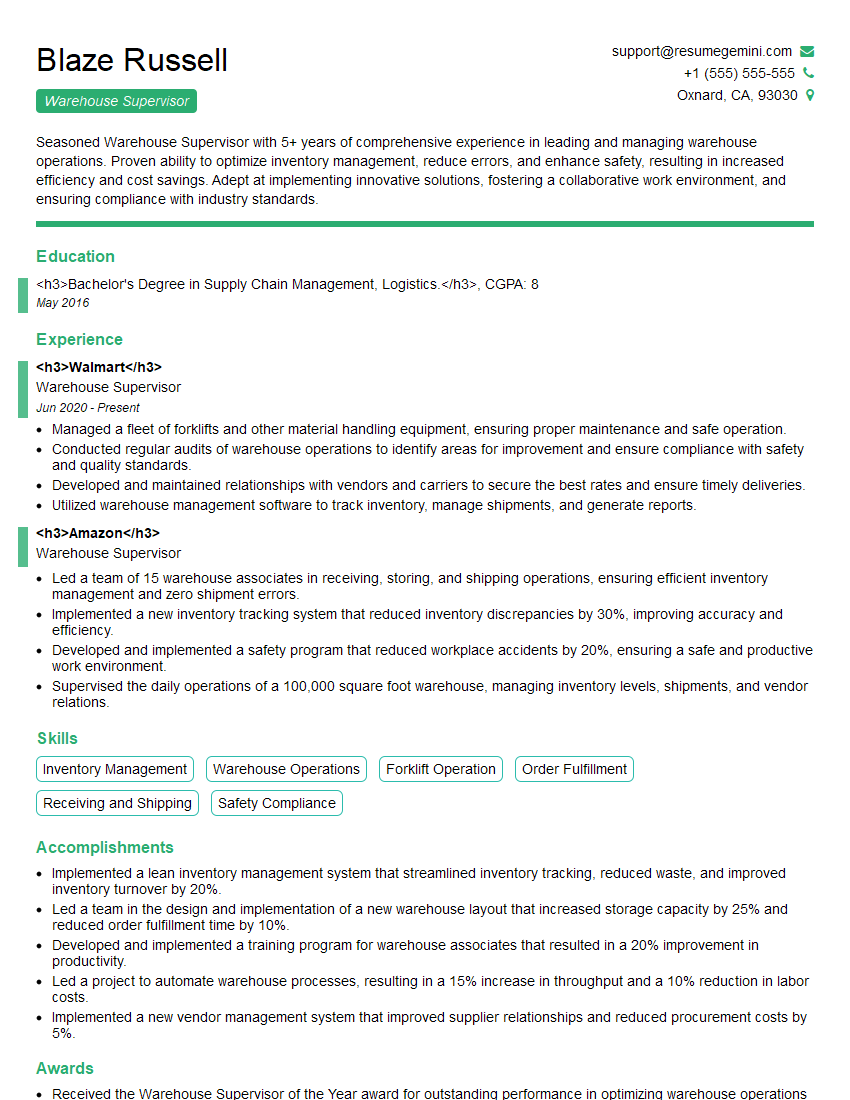
Warehouse Supervisor Resume Sample
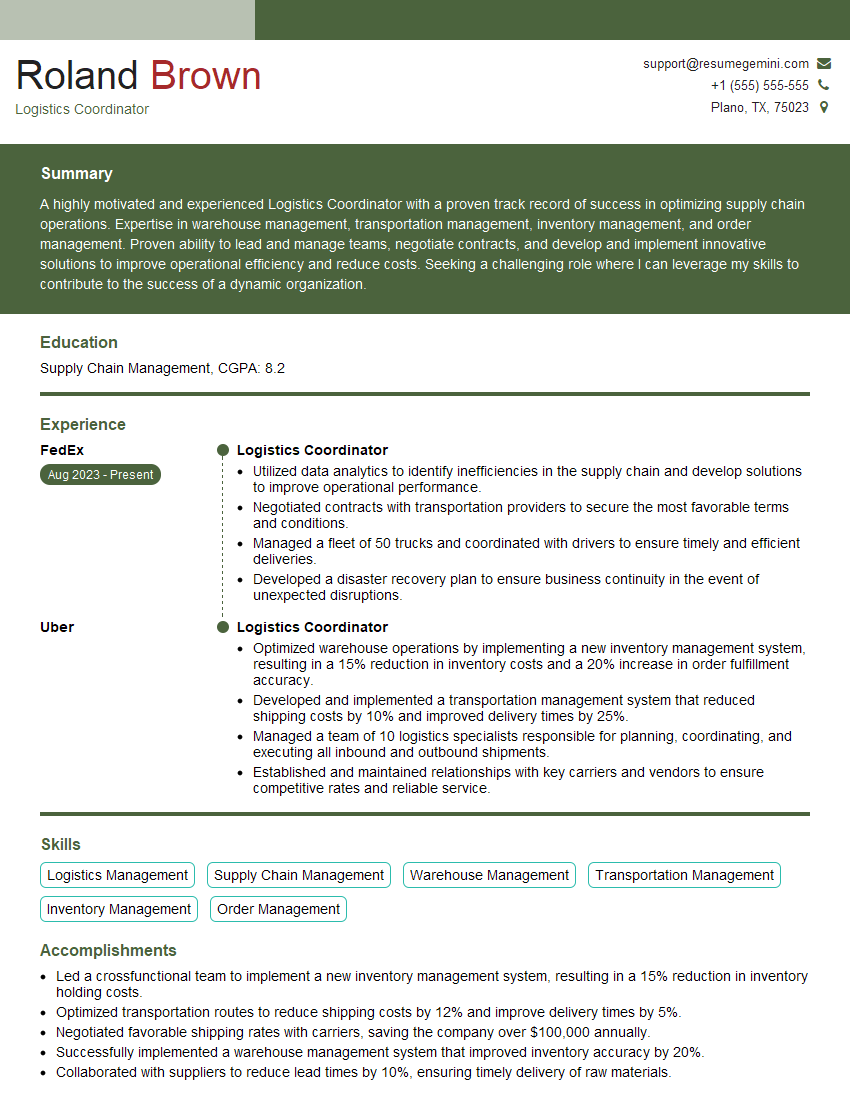
Logistics Coordinator Resume Sample
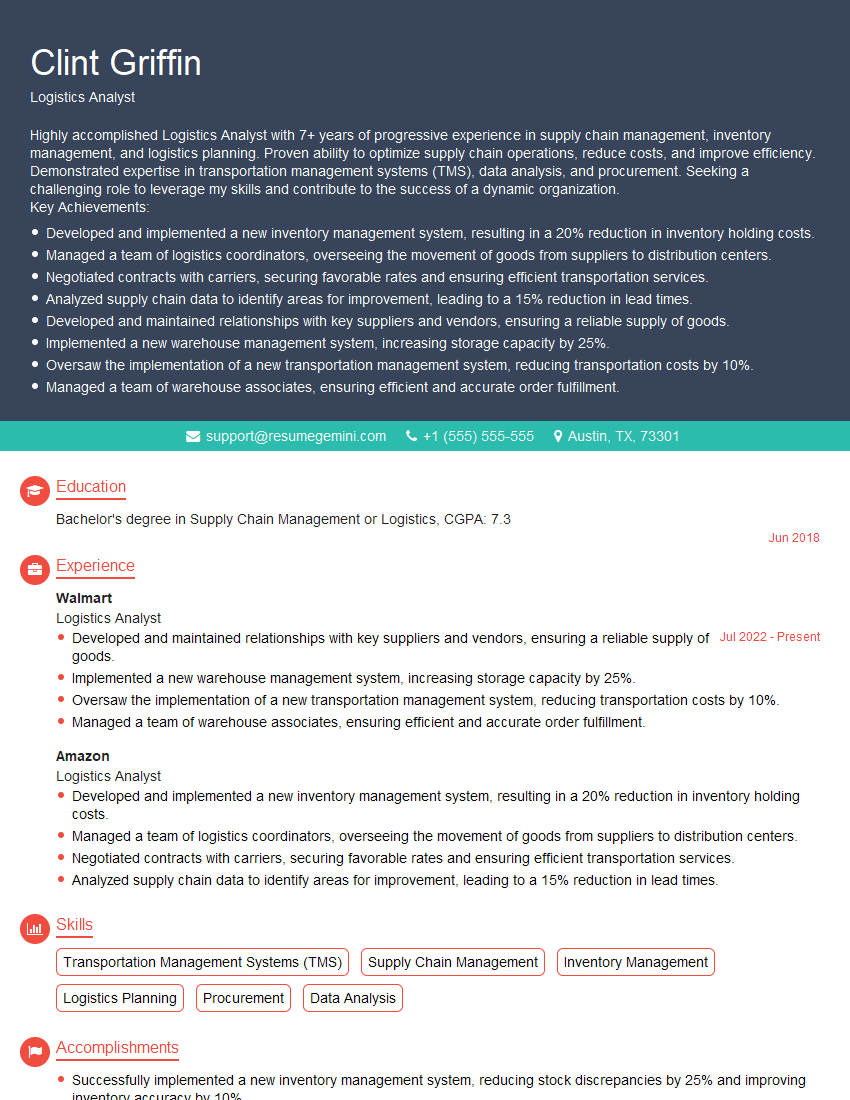
Logistics Analyst Resume Sample
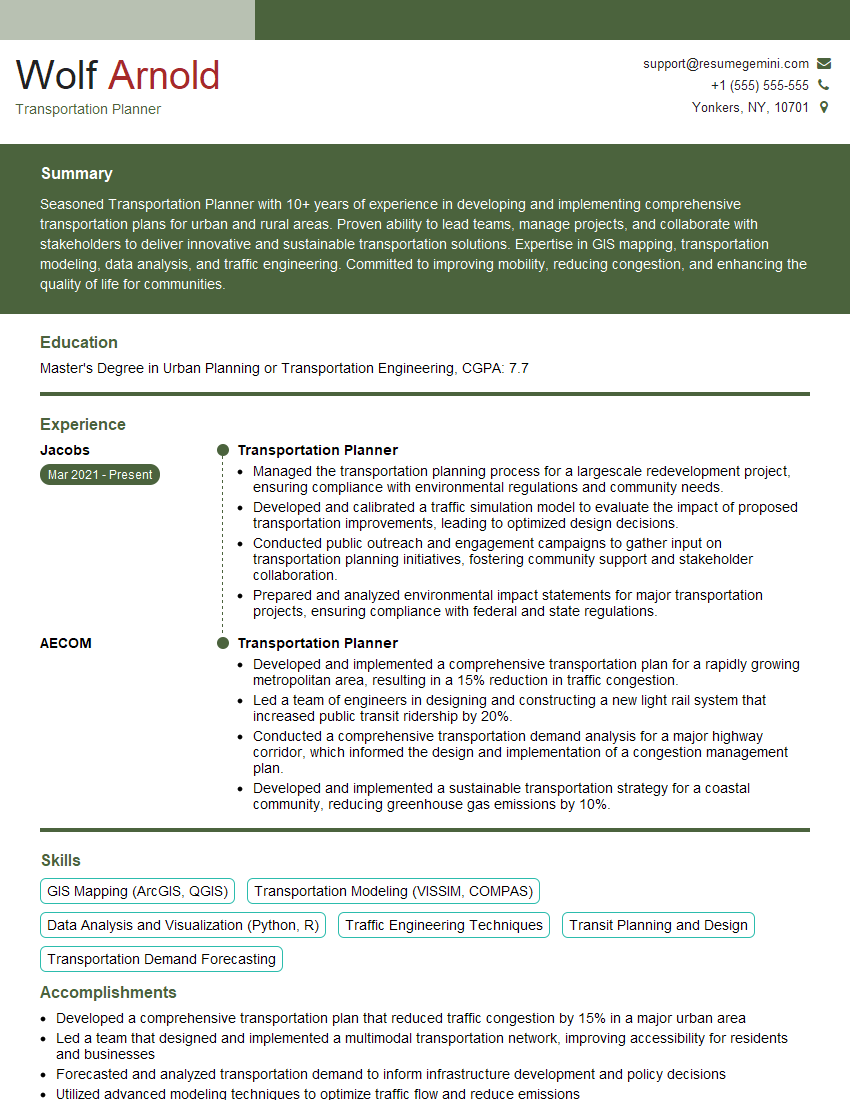
Transportation Planner Resume Sample
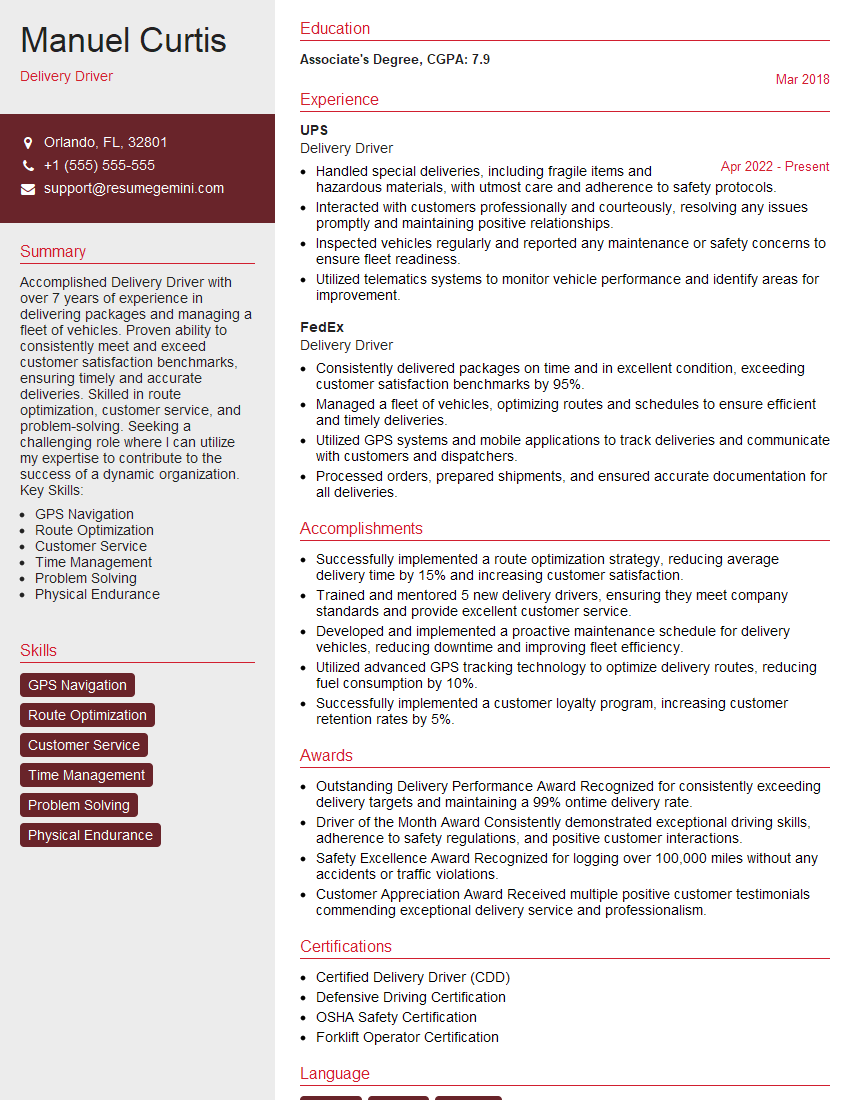
Delivery Driver Resume Sample

Heavy Equipment Operator Resume Sample
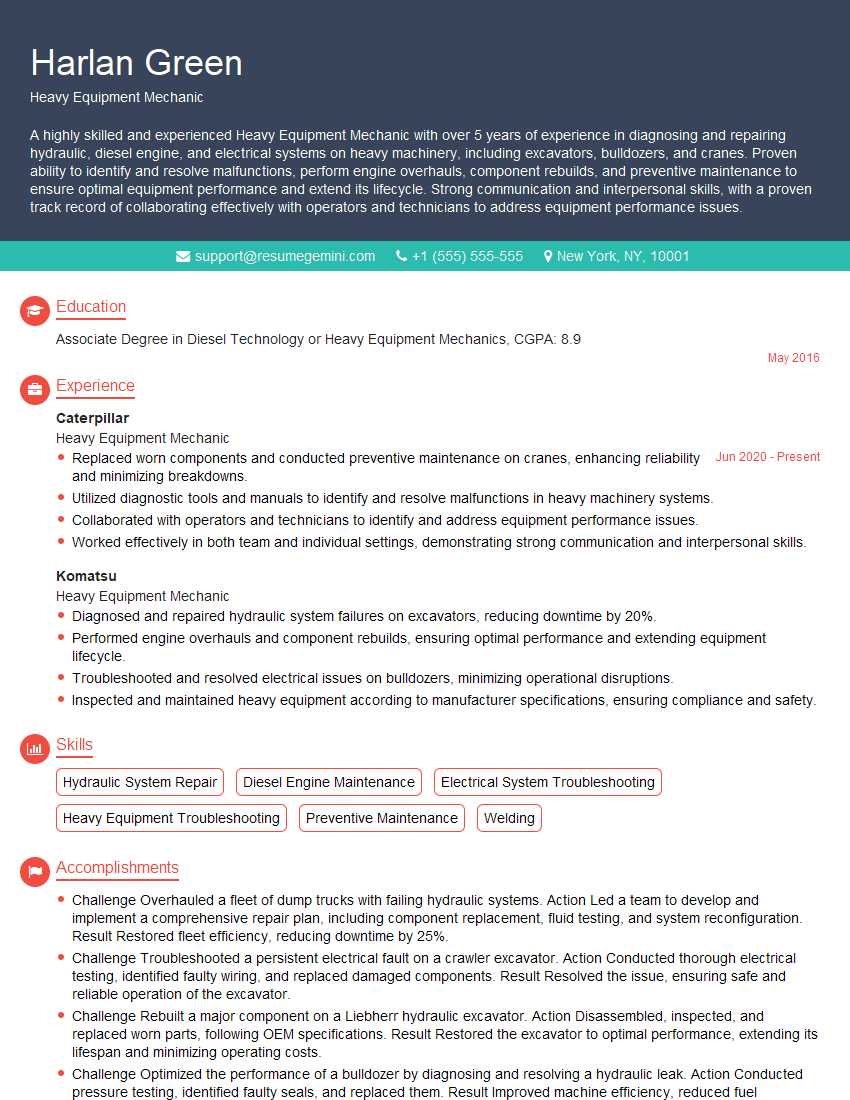
Heavy Equipment Mechanic Resume Sample
Explore more articles
Users Rating of Our Blogs
Share Your Experience
We value your feedback! Please rate our content and share your thoughts (optional).
What Readers Say About Our Blog
Very informative content, great job.
good