Preparation is the key to success in any interview. In this post, we’ll explore crucial Calendar and Travel Management interview questions and equip you with strategies to craft impactful answers. Whether you’re a beginner or a pro, these tips will elevate your preparation.
Questions Asked in Calendar and Travel Management Interview
Q 1. Explain your experience with various calendar management software (e.g., Outlook, Google Calendar).
Throughout my career, I’ve extensively used various calendar management software, including Outlook, Google Calendar, and even specialized solutions like Calendly. My experience encompasses not only personal use but also managing shared calendars for teams and coordinating complex schedules. With Outlook, I’m proficient in utilizing features like recurring meetings, delegated access, and resource scheduling, ensuring optimal team collaboration. Google Calendar’s integration with other Google Workspace tools has been particularly helpful for streamlining workflows, particularly its notification features and ability to create and manage events across multiple time zones. I understand the nuances of each platform, from managing reminders and notifications to leveraging advanced features for task management and integration with other productivity tools.
For example, in a previous role, I successfully implemented a system using Outlook’s shared calendar and resource booking to streamline meeting room reservations, eliminating conflicts and improving team efficiency. In another project, I leveraged Google Calendar’s event color-coding and notification features to manage a complex international conference, ensuring timely updates for participants across multiple time zones.
Q 2. How do you prioritize conflicting meeting requests?
Prioritizing conflicting meeting requests requires a systematic approach. My process involves considering several factors: urgency, importance, and the impact on other commitments. I first assess the nature of each meeting – is it a critical deadline-driven task or a less urgent discussion? Secondly, I look at the seniority or importance of the attendees and the potential consequences of missing a meeting. Finally, I examine the flexibility of rescheduling options. If a conflict arises, I proactively reach out to the relevant parties to explore rescheduling possibilities, emphasizing mutual respect and finding the most convenient time for all involved.
For instance, if I had a critical client meeting and a less urgent internal team meeting scheduled simultaneously, I’d prioritize the client meeting. I would then politely request to reschedule the internal meeting, ensuring all participants are informed and understand the reasoning behind the change.
Q 3. Describe your process for booking domestic and international travel.
My travel booking process is meticulous and efficient, regardless of whether it’s domestic or international travel. For both, I begin by identifying the most suitable flight and accommodation options based on factors like cost, travel time, and flight schedules. For domestic travel, I often utilize online travel agencies like Expedia or Kayak to compare prices and find the best deals. For international travel, I often work directly with airlines or reputable online travel agencies that specialize in international bookings, ensuring a smoother process for visa requirements, baggage allowances, and potential flight disruptions. I always confirm all bookings in writing and keep a record of all confirmation numbers and relevant details.
In the case of international travel, I factor in visa requirements well in advance, confirming deadlines and necessary documentation. This ensures a smooth and stress-free travel experience. I also allocate time for potential delays and unexpected circumstances, ensuring I have buffer time built into my itinerary.
Q 4. What strategies do you use to manage multiple calendars simultaneously?
Managing multiple calendars simultaneously requires a strategic approach leveraging the features of chosen calendar software. I typically use color-coding to differentiate calendars, assigning a specific color to each project, client, or personal commitment. For example, work-related meetings might be blue, personal appointments green, and client meetings a distinct shade of orange. This visual differentiation allows for quick identification of appointments and their context. Furthermore, I use the ‘overlay’ or ‘combined’ view option (depending on the software), which displays all calendars simultaneously, facilitating easy viewing of all scheduled events. Finally, setting reminders and notifications on different devices ensures I’m informed about upcoming events across all calendars, regardless of where I’m working.
Q 5. How do you handle unexpected travel disruptions or cancellations?
Unexpected travel disruptions are an unfortunate reality. My response involves a series of proactive steps. First, I immediately contact the airline or relevant travel provider to understand the extent of the disruption and available solutions, such as rebooking flights or obtaining refunds. Second, I keep my clients and stakeholders informed of the situation, providing regular updates and adjusting the schedule where necessary. Third, I check my travel insurance policy to determine the coverage options available in case of cancellations or delays. I also proactively look for alternative travel arrangements and ensure I have backup plans in place, which could include alternate routes or transportation methods. This organized approach minimizes stress and ensures a minimal impact on my workflow.
For example, if a flight is significantly delayed, I would immediately update my colleagues and clients, explore alternative flight options, and determine if I can work remotely while waiting for the next available flight.
Q 6. What experience do you have with expense reports and travel reimbursements?
I have extensive experience with expense reports and travel reimbursements. I meticulously maintain records of all travel-related expenses, including receipts for flights, accommodation, transportation, meals, and other incidentals. I ensure that all documentation adheres to company policy and guidelines. I’m proficient in using various expense reporting software and platforms and am adept at accurately categorizing expenses and complying with all necessary regulations for both domestic and international travel. I understand the importance of submitting expense reports promptly and accurately, minimizing delays in reimbursement processing.
I’ve successfully managed and processed expense reports for both small and large projects, always ensuring compliance with company policies and maximizing efficiency in the process.
Q 7. How familiar are you with different travel booking platforms and tools?
My familiarity with travel booking platforms and tools is extensive. I’m proficient in using various online travel agencies (OTAs) like Expedia, Kayak, Booking.com, and Skyscanner, comparing prices across different airlines and hotels. Beyond OTAs, I’m comfortable using Global Distribution Systems (GDS) for corporate travel booking and have experience using specialized platforms for managing travel itineraries and expenses. I also have experience using specialized corporate travel management tools designed for booking flights, hotels, and car rentals while adhering to company travel policies. My understanding extends beyond basic booking to include features like fare rules, baggage allowance comparisons, and understanding various travel insurance options.
For example, when booking international flights for a large team, I leverage the features of a corporate travel management tool to ensure compliance with company policy, access negotiated rates, and effectively manage the entire booking process from start to finish.
Q 8. Describe your experience with negotiating travel costs.
Negotiating travel costs requires a strategic approach combining research, flexibility, and strong communication. I start by identifying the essential elements of the trip – destination, dates, class of travel, and any specific needs (e.g., baggage allowance, in-flight meals). Then, I research various options, comparing prices across different airlines, hotels, and transportation providers. This includes utilizing online travel agencies (OTAs) and directly contacting companies for potential discounts or corporate rates.
For example, I might find cheaper flights by being flexible with travel dates, opting for less popular flight times, or considering nearby airports. With hotels, I leverage loyalty programs and look for package deals bundling flights and accommodation. Negotiation itself often involves highlighting the volume of travel we require (for multiple individuals or frequent bookings), emphasizing our company’s reputation and long-term potential, and presenting researched competitive pricing. I always document every offer and negotiate in writing to avoid misunderstandings.
Finally, I ensure that any negotiated cost includes all applicable taxes and fees to avoid surprises later. Successful negotiation often comes down to building rapport and demonstrating a thorough understanding of the market.
Q 9. How do you ensure accurate and timely travel arrangements for multiple individuals?
Ensuring accurate and timely travel arrangements for multiple individuals requires meticulous planning and organization. I use a project management approach, breaking down the process into smaller, manageable tasks. This involves creating a master spreadsheet or using dedicated travel management software to track individuals’ travel details: names, passport numbers, flight preferences, dietary restrictions, and hotel needs. I send out detailed booking requests, follow up to confirm bookings, and maintain open communication with all travelers to address any questions or concerns promptly.
For instance, I might use a shared online calendar to visualize everyone’s travel dates and synchronize flight times where possible for group efficiency. If the group is large, I might delegate aspects of the organization, such as arranging ground transportation, to trusted colleagues while still overseeing the entire project. Regular progress reports and follow-up communications ensure everyone is informed and keeps potential issues to a minimum. I always build in buffer time to account for unforeseen delays and emergencies.
Q 10. What is your experience with visa and passport requirements?
My experience with visa and passport requirements is extensive. I understand the intricacies of international travel regulations and proactively address them. I start by identifying the citizenship of each traveler and the visa requirements of their destination country well in advance. I utilize resources such as government websites and travel advisory services to obtain the most up-to-date and accurate information on visa types, application procedures, and supporting documents needed.
For example, I might use a checklist to ensure each traveler has a passport with at least six months of validity remaining before departure. I then guide them through the visa application process, including providing assistance with completing forms, gathering necessary documents (like proof of funds or travel itineraries), and tracking application statuses. I also help individuals understand the implications of different visa types and ensure they obtain the appropriate one for their travel purpose. Managing visa applications for multiple people requires excellent organization and attention to detail, ensuring every application is submitted accurately and well within the processing deadlines.
Q 11. How do you handle travel emergencies?
Handling travel emergencies requires a calm, decisive, and proactive approach. My first step is to establish clear communication channels with all involved parties – the traveler, their family, and our company’s emergency contact. I then assess the situation, identifying the nature of the emergency (e.g., flight cancellations, medical issues, lost luggage) and available resources. Depending on the nature of the emergency, I may rebook flights, arrange alternative accommodation, provide emergency medical assistance, or connect the traveler with local authorities.
For example, if a flight is delayed or canceled, I immediately begin searching for alternative flights and inform the traveler of the changes. In medical emergencies, I prioritize getting appropriate medical assistance and contacting next of kin. I maintain detailed records of all communications and actions taken to ensure accountability and transparency. Proactive risk assessment before travel, including travel insurance details, minimizes disruption and speeds up problem resolution during emergencies.
Q 12. How do you maintain confidentiality regarding travel plans?
Maintaining confidentiality regarding travel plans is paramount. I adhere to strict data protection policies and only share travel information with those who have a legitimate need to know. This includes using secure communication channels (like encrypted emails) and storing sensitive data in password-protected systems. I never discuss travel plans in public areas and refrain from posting details on social media unless explicit permission is granted.
For instance, I never share travel itineraries on public wi-fi, and I always shred or securely delete sensitive documents once they are no longer needed. This commitment to confidentiality extends beyond basic data protection, including respecting the privacy expectations of travelers and never disclosing unnecessary details. Building trust with travelers is crucial for ensuring a positive and secure travel experience.
Q 13. Describe your process for creating and managing travel itineraries.
Creating and managing travel itineraries is a systematic process. I begin by collecting all relevant travel information from the traveler, including their destination, dates, preferred activities, and any special requirements. I then use specialized software or online tools to construct a detailed itinerary, including flights, accommodation, transportation, and planned activities. The itinerary includes essential contact information for airlines, hotels, and emergency services.
For instance, I would use a calendar to schedule activities and ensure sufficient time for travel between locations. I always provide confirmation numbers for all bookings and clearly document the itinerary’s details. The itinerary is then shared with the traveler and is regularly updated to reflect any changes or unforeseen circumstances. Managing the itinerary also involves proactive communication, confirming bookings, and ensuring the traveler has all the necessary documents and information.
Q 14. What methods do you use to track travel expenses?
Tracking travel expenses efficiently requires a structured approach. I use dedicated expense tracking software, spreadsheets, or even a combination of both. All receipts are meticulously collected and categorized—flights, accommodation, meals, transportation, etc. I ensure that all expenses are documented with the date, vendor, description, and amount. The software or spreadsheet facilitates summarizing expenses per trip, individual, and overall budget, allowing for efficient reconciliation and reporting.
For example, I might use a mobile app to scan and categorize receipts instantly, eliminating manual data entry. Regular review and reconciliation of expenses against the approved budget ensures the accuracy of financial records and identifies potential areas for cost optimization in future travels. This systematic approach ensures financial transparency and efficient expense management.
Q 15. How do you ensure compliance with company travel policies?
Ensuring compliance with company travel policies is paramount for both cost management and risk mitigation. My approach involves a multi-pronged strategy:
- Proactive Policy Review: I familiarize myself thoroughly with the company’s travel policy, understanding its nuances, including permitted vendors, spending limits, and approval workflows. I actively seek clarifications on ambiguous areas to avoid any misinterpretations.
- Pre-Booking Verification: Before booking any travel, I meticulously verify that all aspects of the trip—flights, hotels, transportation—align with the policy. This includes checking if the chosen vendors are approved and if the expenditure falls within the stipulated budget. For example, if the policy mandates using a specific booking platform, I will never deviate from it.
- Documentation and Reporting: I meticulously maintain records of all travel arrangements, including receipts and booking confirmations. I generate reports that track spending against the budget, highlighting any potential deviations for timely review and correction. This is crucial for demonstrating transparency and accountability.
- Training and Communication: I proactively engage with colleagues to educate them about the travel policy, answering their questions and resolving their doubts. This fosters a culture of compliance within the team.
By combining thorough knowledge of the policy with meticulous pre-booking checks and detailed record-keeping, I ensure we operate within the established guidelines, avoiding potential penalties and reputational risks.
Career Expert Tips:
- Ace those interviews! Prepare effectively by reviewing the Top 50 Most Common Interview Questions on ResumeGemini.
- Navigate your job search with confidence! Explore a wide range of Career Tips on ResumeGemini. Learn about common challenges and recommendations to overcome them.
- Craft the perfect resume! Master the Art of Resume Writing with ResumeGemini’s guide. Showcase your unique qualifications and achievements effectively.
- Don’t miss out on holiday savings! Build your dream resume with ResumeGemini’s ATS optimized templates.
Q 16. How proficient are you in using various productivity tools for scheduling?
I’m highly proficient in using a variety of productivity tools for scheduling, including Google Calendar, Outlook Calendar, Microsoft Teams, and Slack. My skills extend beyond simply inputting appointments; I leverage their features to maximize efficiency and collaboration:
- Calendar Integration: I seamlessly integrate calendars across platforms, ensuring all events and appointments are visible across devices. This eliminates scheduling conflicts and ensures appointments never get missed.
- Advanced Scheduling Features: I utilize features like recurring events, reminders, time zones, and resource booking to optimize scheduling. For instance, using Outlook’s recurring meeting feature greatly streamlines setting up weekly team meetings or regular client calls.
- Collaboration Tools: I leverage the scheduling capabilities within collaboration platforms like Microsoft Teams and Slack for efficient team meetings and quick appointment confirmations. This minimizes the use of email for scheduling, saving time and improving overall communication.
- Customizations and Views: I understand how to customize calendar views to suit specific needs – daily, weekly, monthly – and leverage colour coding for better visual organization.
For example, I routinely use Google Calendar’s multiple calendar features to manage personal appointments alongside professional engagements, ensuring a clear view of my overall schedule.
Q 17. How do you deal with last-minute travel requests?
Dealing with last-minute travel requests requires a swift and efficient response. My approach involves a structured process:
- Prioritization: Assess the urgency and importance of the request. For critical situations, immediate action is necessary. For less urgent requests, I will explore alternative options.
- Resource Mobilization: I rapidly search for available flights and accommodation options, leveraging online travel agencies and my established network of travel partners. I’m proficient at using fare-comparison websites and tools that offer real-time availability.
- Communication: I keep the requester updated throughout the process, providing estimated costs and clarifying any potential challenges.
- Contingency Planning: When feasible, I prepare backup options, considering alternative routes or travel dates to ensure flexibility.
- Documentation: Even with last-minute bookings, I ensure all necessary documentation is completed.
Think of it like a fire drill – calm, efficient action is key. I’ve successfully managed numerous last-minute trips, often delivering solutions in under an hour for urgent situations.
Q 18. Describe your experience with event planning and coordination.
My experience in event planning and coordination spans various types of events, from small team meetings to large-scale conferences. My approach centers around meticulous planning and flawless execution:
- Needs Assessment: I begin by understanding the event’s objectives, target audience, and budget constraints. This forms the foundation for all subsequent planning stages.
- Vendor Management: I carefully select and manage vendors, negotiating contracts and ensuring they meet the event’s specifications. This includes venues, catering, AV equipment, and other necessary services.
- Logistics Management: I handle all logistical aspects, from venue booking and travel arrangements to catering and on-site support. I meticulously track progress and address potential issues proactively.
- Budget Control: I diligently track expenses against the budget and proactively identify areas for cost optimization.
- Post-Event Evaluation: Following the event, I conduct a thorough evaluation, gathering feedback from attendees and identifying areas for improvement in future events.
For instance, I recently coordinated a company-wide offsite retreat for 150 employees, managing all aspects from venue selection and accommodation to catering and entertainment, successfully delivering a highly engaging and memorable event within budget.
Q 19. How do you manage time zones and international schedules?
Managing time zones and international schedules requires precision and attention to detail. I use a combination of strategies:
- Time Zone Converters: I rely on online tools and applications that accurately convert times across different zones, eliminating any potential errors.
- Calendar Synchronization: I ensure my calendars are set to display times in the appropriate zones, using features available within platforms like Google Calendar and Outlook.
- Meeting Scheduling: When scheduling international meetings, I carefully consider the time differences to ensure convenient times for all participants. I often propose multiple time options to accommodate diverse schedules.
- Clear Communication: I clearly communicate meeting times and deadlines, specifying the correct time zone to avoid any confusion.
I’ve found that proactively addressing time zone differences minimizes the risks of missed meetings and scheduling conflicts, facilitating smooth collaboration across borders.
Q 20. What strategies do you use to streamline the travel booking process?
Streamlining the travel booking process requires a systematic approach and the use of technology to save time and resources. My strategies include:
- Leveraging Online Travel Agencies (OTAs): I utilize reputable OTAs and corporate travel booking tools to compare prices and easily access a wide range of options for flights and accommodations.
- Negotiating Corporate Rates: Where possible, I negotiate corporate rates with hotels and airlines to secure better prices for frequent travelers.
- Utilizing Travel Management Systems (TMS): When available, I utilize company TMS for centralized booking, expense tracking, and reporting, enabling better cost management and compliance.
- Automating Processes: I explore opportunities to automate tasks, such as generating expense reports and booking recurring travel arrangements.
- Establishing Preferred Vendors: I identify reliable and efficient vendors to streamline the booking process and maintain consistency across trips.
By combining these strategies, I can efficiently and cost-effectively handle even large volumes of travel bookings.
Q 21. How do you handle changes to travel plans?
Handling changes to travel plans requires a proactive and communicative approach:
- Prompt Notification: As soon as a change is identified (flight cancellations, schedule alterations), I immediately inform all affected parties.
- Rescheduling and Rebooking: I work swiftly to reschedule flights, accommodation, or other aspects of the trip, exploring options for minimizing disruption and additional costs.
- Communication with Stakeholders: I keep all relevant stakeholders, including travelers and other team members, informed of the changes and updated plans.
- Documentation and Updates: I meticulously update all travel documents and booking records to reflect the changes.
- Cost Management: I assess the financial implications of the changes and make every effort to minimize additional expenses. This includes understanding the cancellation policies of vendors.
Think of it as air traffic control – managing changes effectively requires calm, clear communication and decisive action to keep everything on track. I’ve successfully navigated many unforeseen changes to travel plans, minimizing disruption and ensuring traveler satisfaction.
Q 22. Explain your experience with various types of travel arrangements (e.g., flights, hotels, car rentals).
My experience encompasses a wide range of travel arrangements, from booking simple domestic flights to coordinating complex international itineraries involving multiple flights, hotels, and ground transportation. I’m proficient in using various online booking platforms (like Expedia, Kayak, Booking.com) and Global Distribution Systems (GDS) such as Amadeus and Sabre for securing the best deals and options.
For flights, I understand the nuances of different fare classes, baggage allowances, and airline policies. For hotels, I consider factors like location, amenities, guest reviews, and cancellation policies. With car rentals, I’m familiar with insurance options, pick-up/drop-off procedures, and various rental company policies. I also have experience with arranging private transportation like airport transfers and chauffeured services. For instance, I recently organized a business trip for a team of five to Japan, coordinating flights with multiple layovers, reserving hotels with specific amenities, and arranging a private car for their entire trip.
Q 23. Describe your experience with creating and managing travel budgets.
Creating and managing travel budgets requires meticulous planning and attention to detail. I start by understanding the overall budget allocated for the trip, then I break it down into categories: flights, accommodation, ground transportation, meals, activities, and incidentals. I use spreadsheets to track expenses and compare prices from different vendors. I leverage negotiation skills to secure better deals, particularly for larger group bookings. For example, when budgeting for a conference trip, I negotiated a corporate rate with a hotel chain, saving the company over 20% on accommodation costs. I also regularly monitor expenses against the budget, providing regular updates and identifying potential cost overruns early on.
Q 24. How do you stay updated on travel advisories and safety regulations?
Staying updated on travel advisories and safety regulations is critical for ensuring traveler safety and compliance. I regularly monitor resources like the U.S. Department of State’s travel advisories website, the Centers for Disease Control and Prevention (CDC) website for health alerts, and local government websites for any specific regulations. I also subscribe to relevant travel industry newsletters and alerts. For each trip, I compile a summary of relevant advisories and regulations for the travelers, highlighting any potential risks and necessary precautions. This ensures that everyone is informed and prepared for any unexpected situations.
Q 25. How do you handle requests for accommodations with special needs?
Handling requests for accommodations with special needs involves careful planning and communication. I always confirm the specific needs of the traveler early on – be it accessibility requirements (wheelchair access, adapted rooms), dietary restrictions, or medical conditions. I work directly with hotels or other accommodation providers to ensure the necessary arrangements are made and confirmed in writing. For instance, I recently booked a trip for a traveler requiring a wheelchair-accessible room, confirming the availability of features like ramps, wide doorways, and accessible bathrooms. I also communicate any relevant information to the traveler, so they are fully informed and prepared for their trip.
Q 26. What is your experience with loyalty programs and travel rewards?
I’m highly familiar with loyalty programs and travel rewards, and I actively leverage them to maximize value for my clients. I understand how points and miles work with different airlines and hotel chains, and I advise clients on choosing the most beneficial programs for their travel patterns. I help them strategize about earning and redeeming rewards, suggesting optimal travel options based on maximizing points earned. For example, I recently helped a client plan a trip that maximized their airline miles, allowing them to fly business class for free while still staying within their overall budget.
Q 27. Describe a time you successfully resolved a complex travel issue.
During a recent international trip for a client, a major snowstorm caused significant flight delays and cancellations. The client’s original connecting flight was cancelled, and it was crucial that they arrive on time for a critical business meeting. I immediately began working to rebook flights, contacting multiple airlines and exploring alternative routes. I also communicated proactively with the client, keeping them informed about the situation and the steps I was taking. Ultimately, I secured a flight on a different airline, allowing the client to reach their destination just a few hours before their crucial meeting, averting a significant business loss. The successful resolution depended on my quick thinking, resourcefulness, and clear communication.
Q 28. How familiar are you with different booking classes and their associated benefits?
I have a thorough understanding of different booking classes and their associated benefits. I know that booking classes, often denoted by letters (e.g., Y, B, M, etc.) represent different fare levels and associated perks. Higher classes typically offer more benefits like flexible change/cancellation policies, priority boarding, access to lounges, extra baggage allowance, and better seat selection options. I use this knowledge to advise clients on choosing the best booking class that balances their budget with their needs and preferences. For instance, I advise frequent business travelers to consider booking higher classes for their flexibility and additional perks, while budget-conscious travelers might benefit from economy class options with careful baggage planning.
Key Topics to Learn for Calendar and Travel Management Interview
- Calendar Management Systems: Understanding various calendar platforms (Outlook, Google Calendar, etc.), features like scheduling, reminders, and resource allocation, and best practices for efficient calendar management. Consider the differences and advantages of each system.
- Travel Booking & Itinerary Management: Mastering online booking tools, understanding travel policies (corporate and personal), creating and managing detailed itineraries, including flight, hotel, and ground transportation arrangements. Practice building itineraries from scratch, considering different travel styles and budgets.
- Travel Expense Management: Familiarize yourself with expense reporting procedures, understanding expense policies, and using expense management software. Practice calculating and reconciling expenses accurately.
- Communication & Collaboration: Effective communication with travelers, coordinating travel arrangements with multiple stakeholders, and managing changes efficiently. Think about scenarios involving last-minute changes or travel disruptions.
- Problem-Solving & Troubleshooting: Preparing for potential challenges such as flight cancellations, lost luggage, or scheduling conflicts. Develop strategies for proactive problem-solving and efficient resolution.
- Data Privacy & Security: Understanding and adhering to data privacy regulations regarding traveler information and sensitive data. Consider how to protect confidential information during the travel management process.
- Technology & Tools: Familiarity with various travel booking platforms, calendar applications, and expense management software. Explore the functionalities and integrations between different systems.
Next Steps
Mastering Calendar and Travel Management skills is crucial for career advancement in various administrative and executive support roles. These skills demonstrate efficiency, organization, and attention to detail – highly sought-after qualities in today’s competitive job market. To significantly improve your job prospects, focus on creating an ATS-friendly resume that highlights these skills effectively. ResumeGemini is a trusted resource that can help you build a professional and impactful resume, ensuring your qualifications stand out. Examples of resumes tailored to Calendar and Travel Management are provided to help guide your creation process.
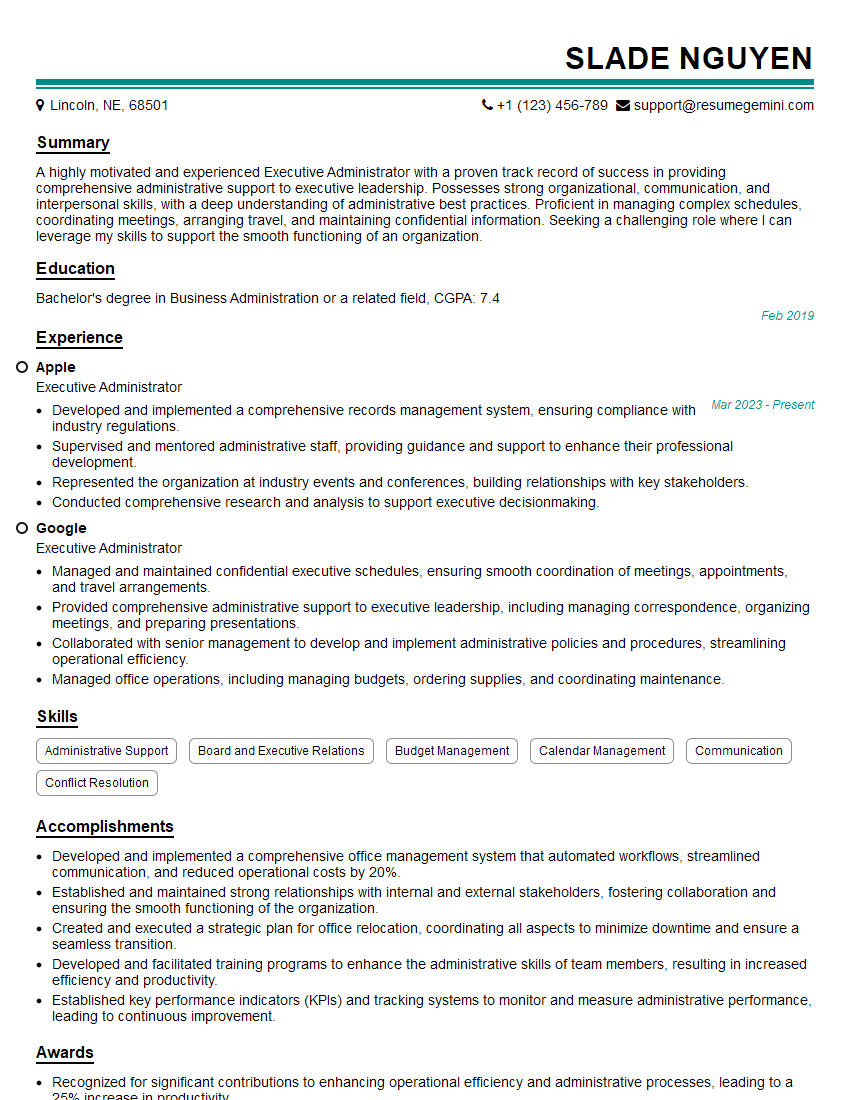
Executive Administrator Resume Sample
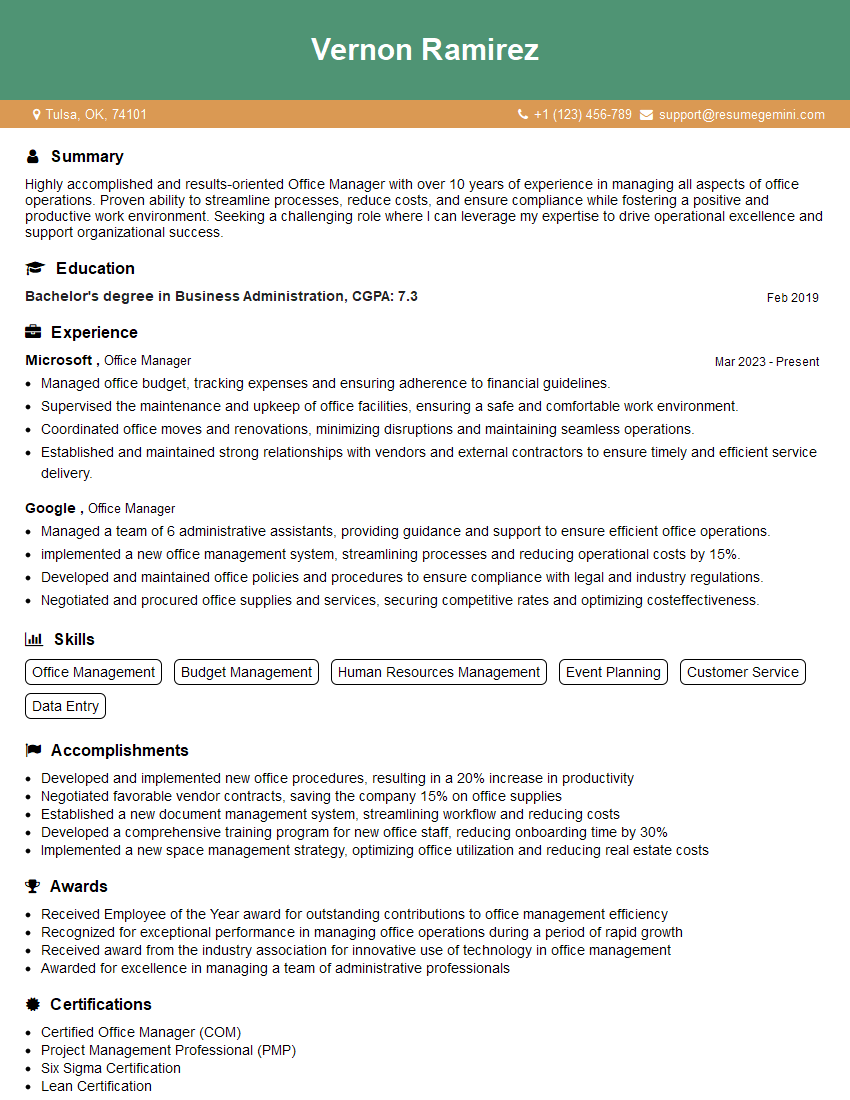
Office Manager Resume Sample
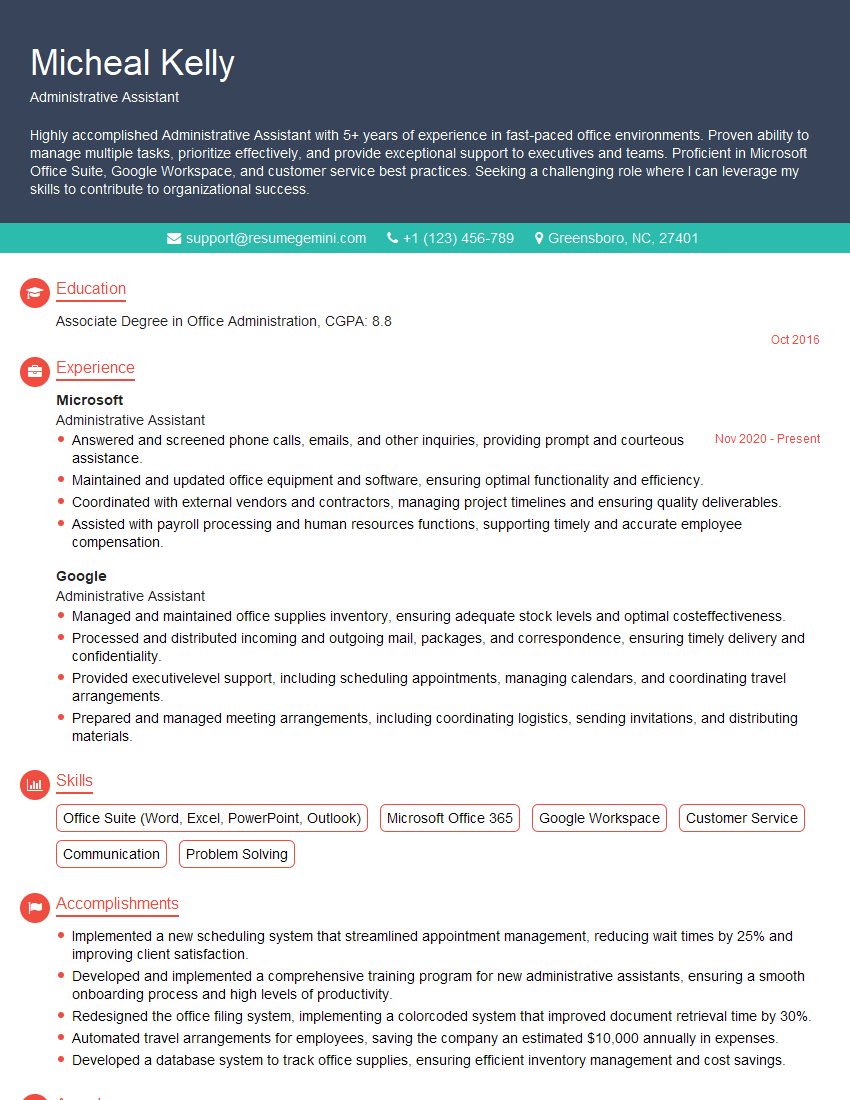
Administrative Assistant Resume Sample
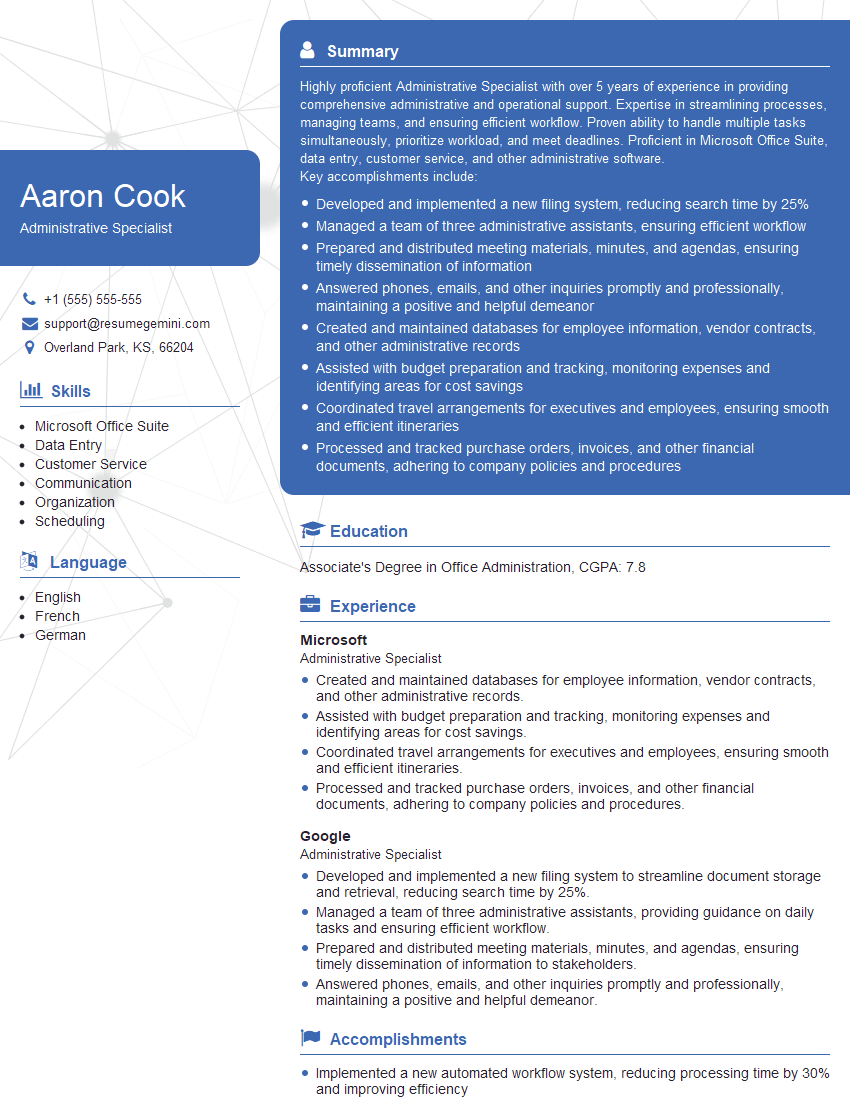
Administrative Specialist Resume Sample
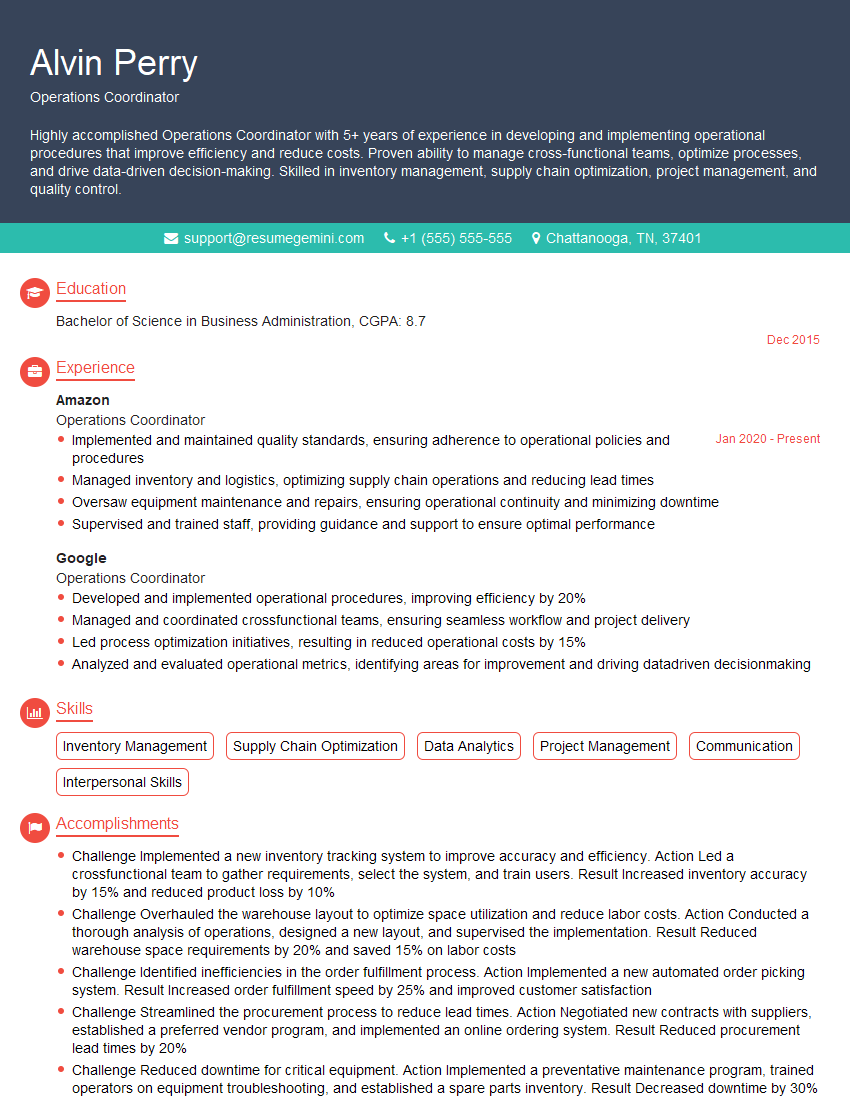
Operations Coordinator Resume Sample
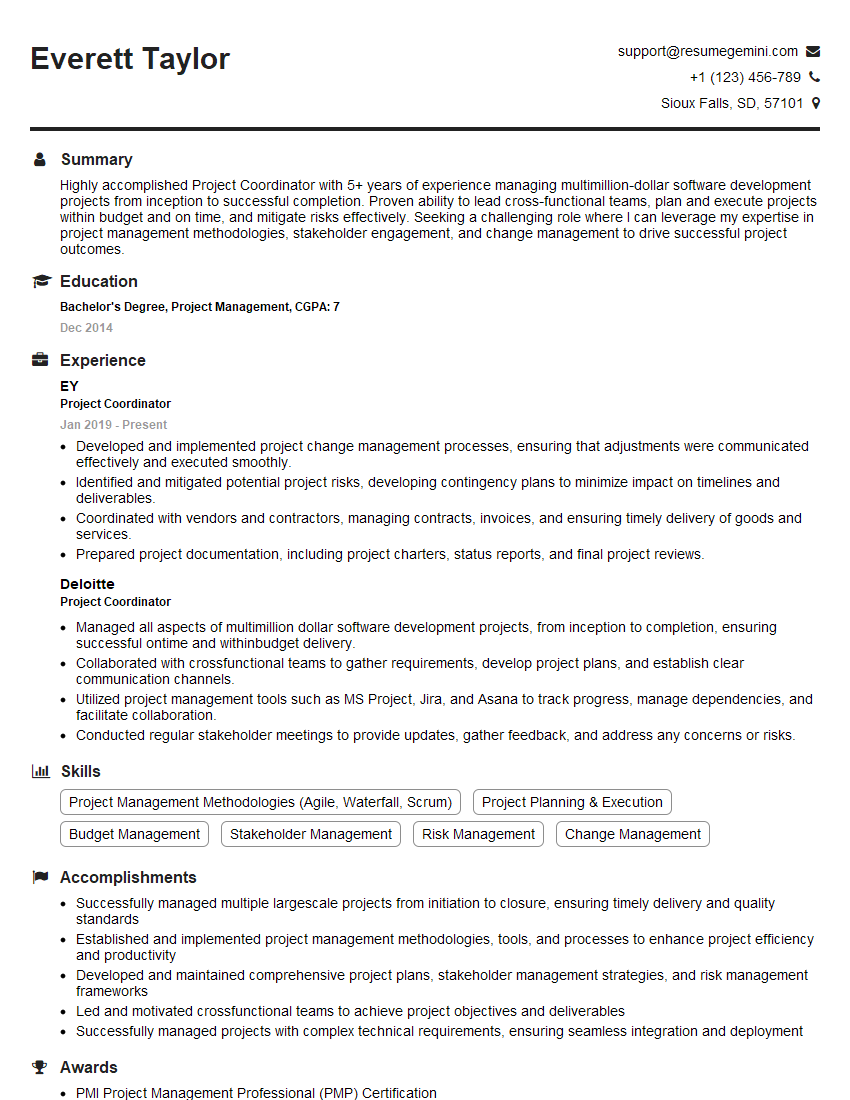
Project Coordinator Resume Sample
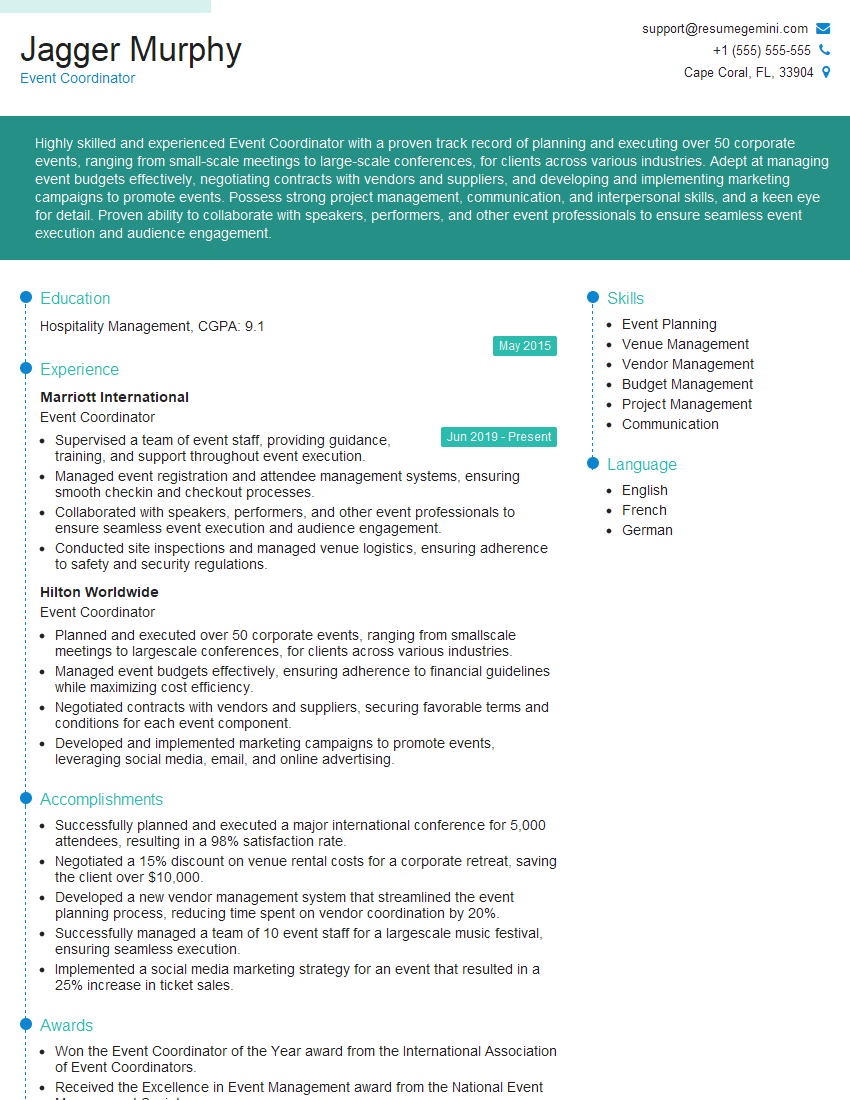
Event Coordinator Resume Sample

Scheduling Coordinator Resume Sample

Personal Assistant Resume Sample
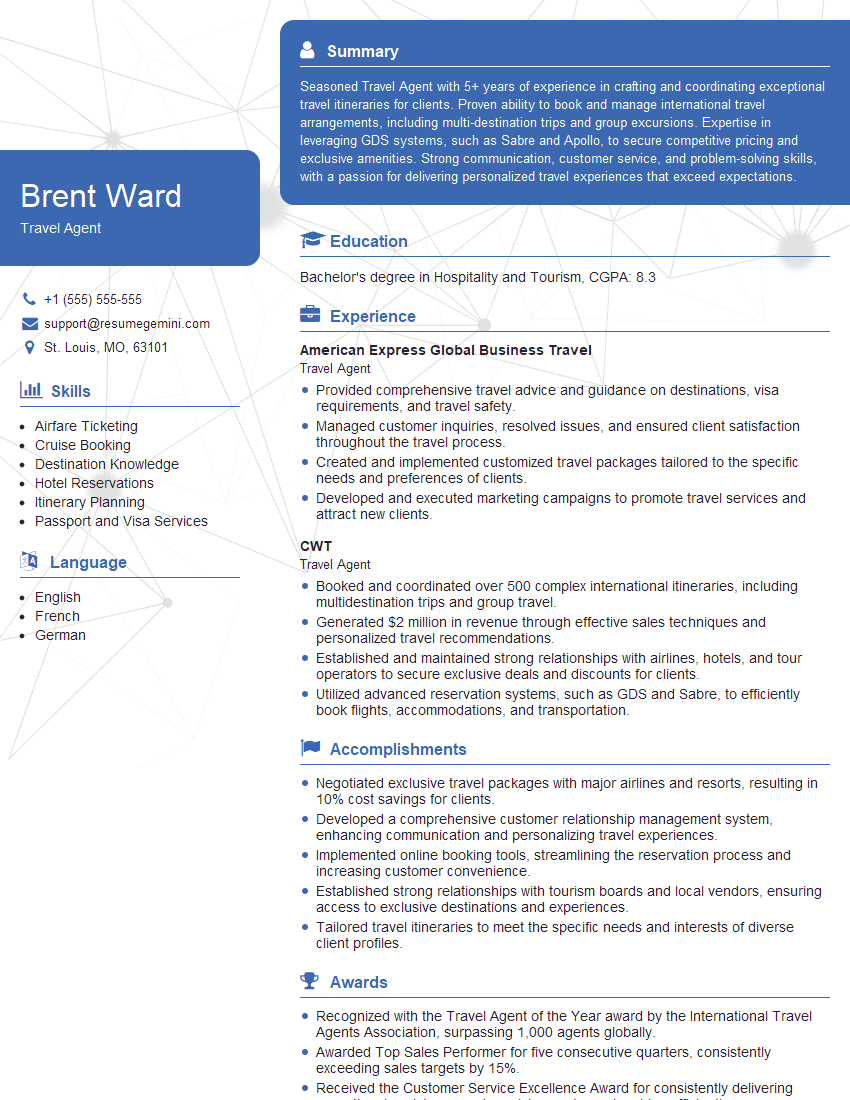
Travel Agent Resume Sample
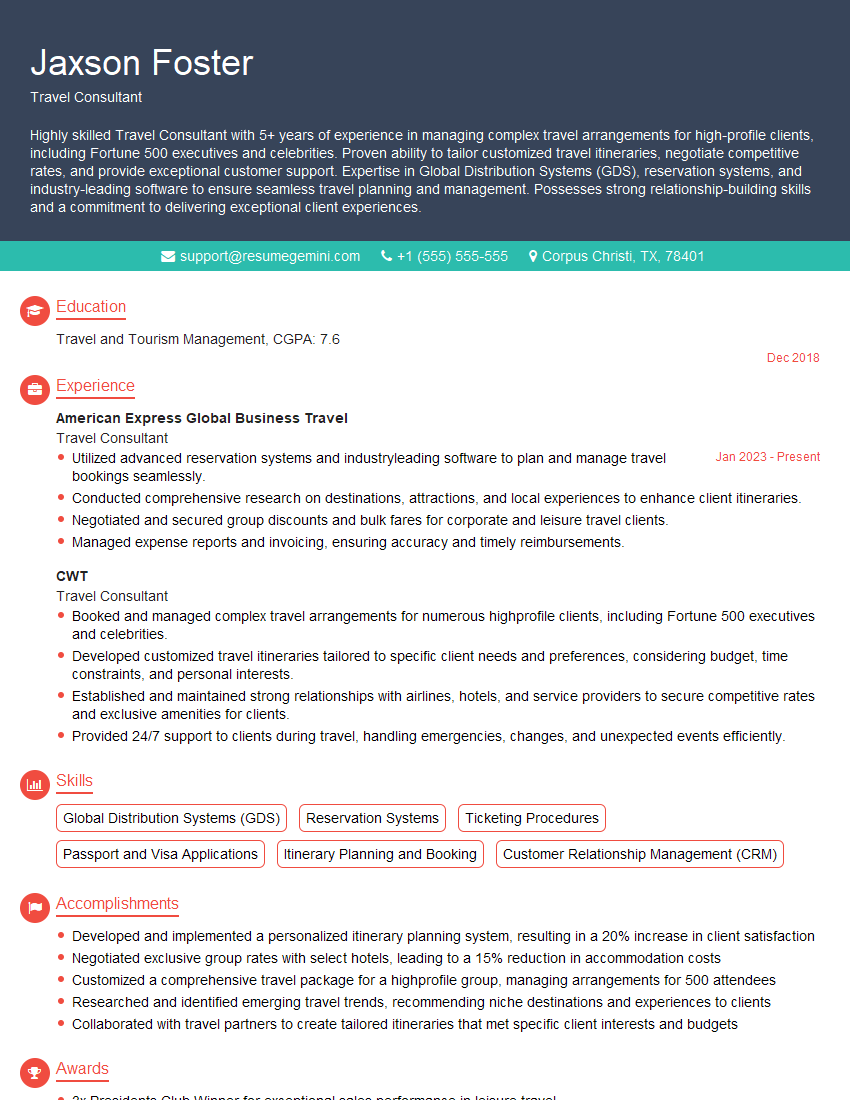
Travel Consultant Resume Sample
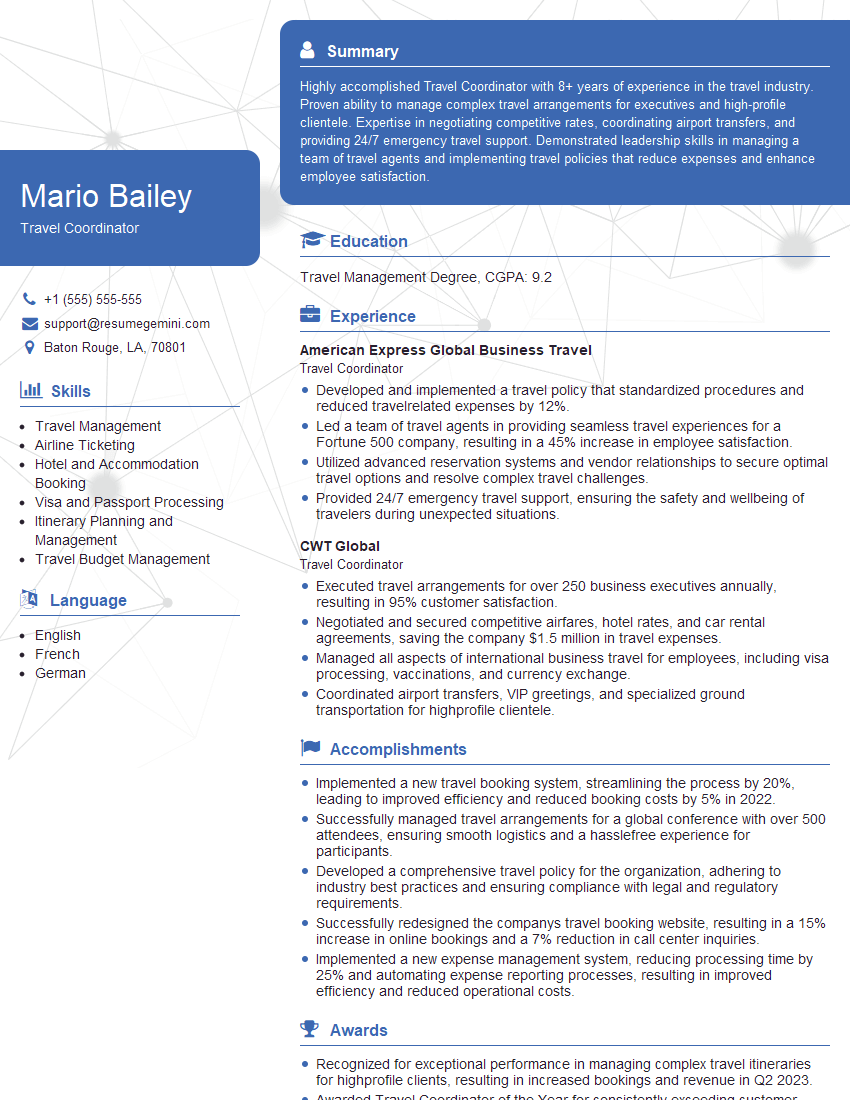
Travel Coordinator Resume Sample
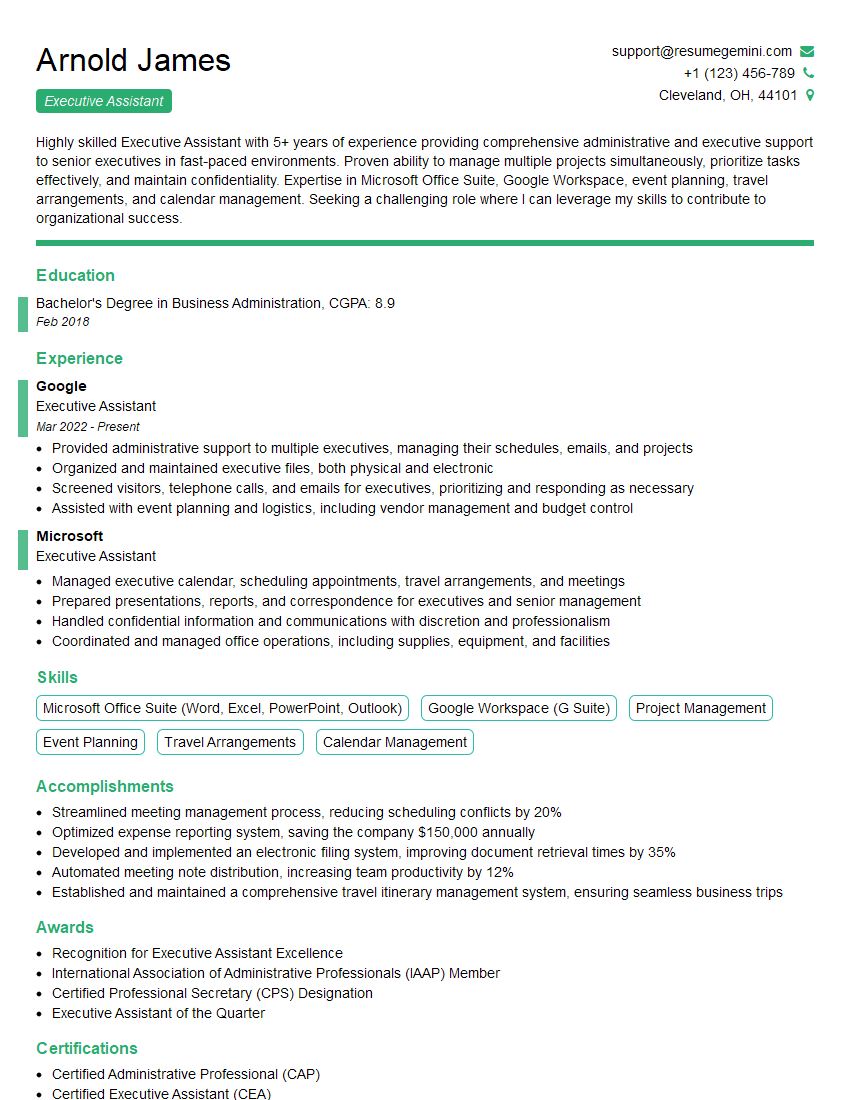
Executive Assistant Resume Sample
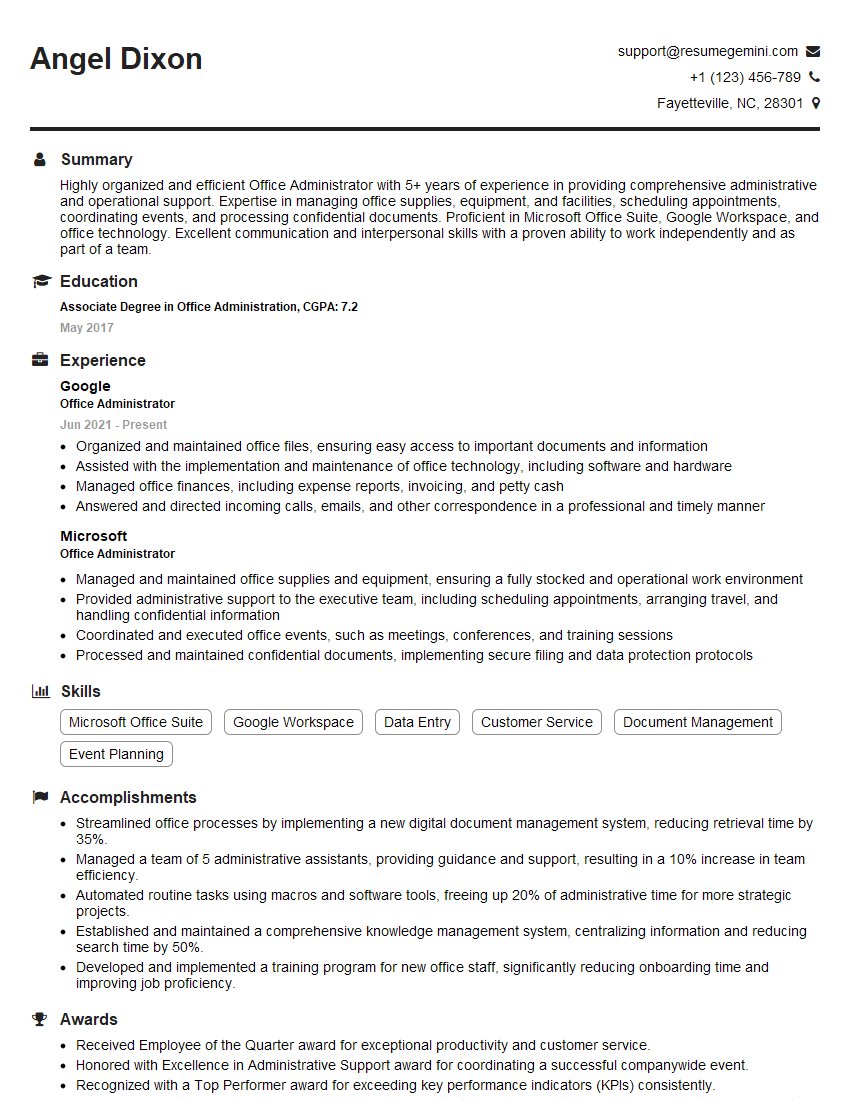
Office Administrator Resume Sample
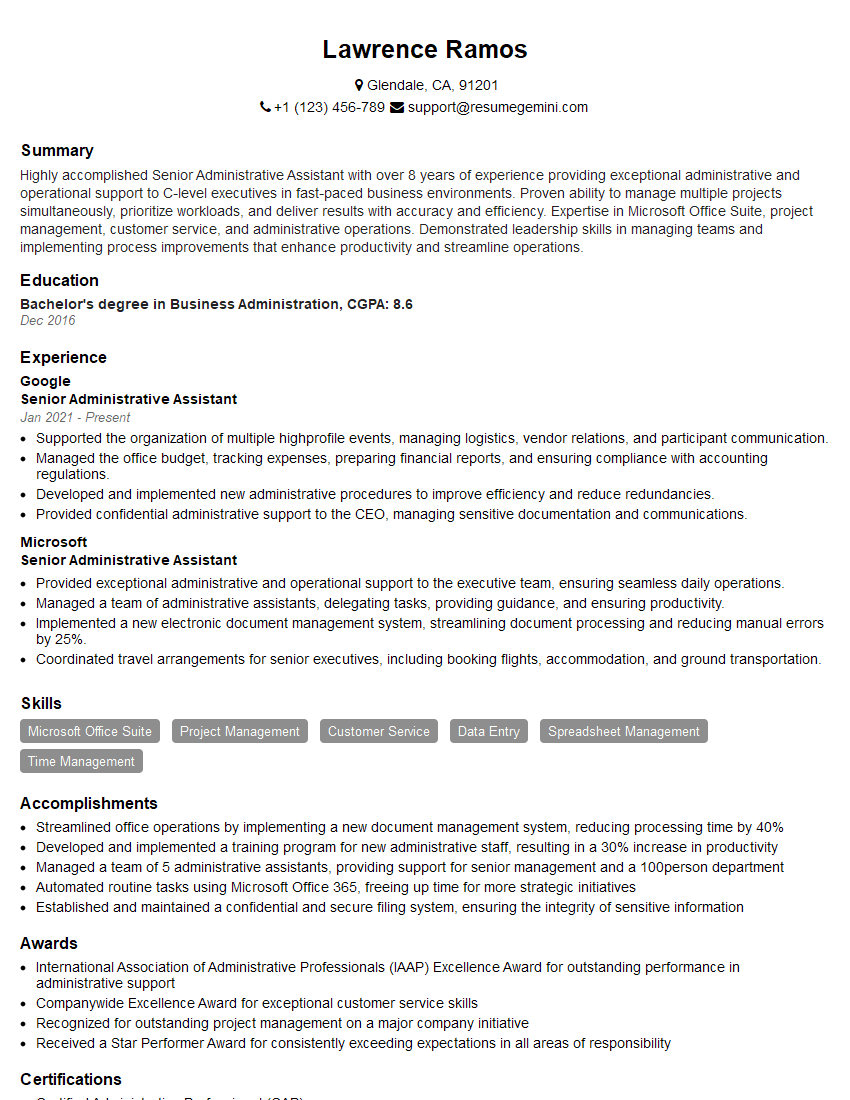
Senior Administrative Assistant Resume Sample
- Executive Administrator
- Office Manager
- Administrative Assistant
- Administrative Specialist
- Operations Coordinator
- Project Coordinator
- Event Coordinator
- Scheduling Coordinator
- Personal Assistant
- Travel Agent
- Travel Consultant
- Travel Coordinator
- Executive Assistant
- Office Administrator
- Senior Administrative Assistant
Explore more articles
Users Rating of Our Blogs
Share Your Experience
We value your feedback! Please rate our content and share your thoughts (optional).
What Readers Say About Our Blog
Very informative content, great job.
good