Are you ready to stand out in your next interview? Understanding and preparing for Cylinder Plate Mounting interview questions is a game-changer. In this blog, we’ve compiled key questions and expert advice to help you showcase your skills with confidence and precision. Let’s get started on your journey to acing the interview.
Questions Asked in Cylinder Plate Mounting Interview
Q 1. Explain the process of aligning a cylinder plate.
Aligning a cylinder plate is crucial for ensuring proper function and preventing premature wear or damage. It involves precisely positioning the plate so that the cylinder’s piston rod extends and retracts smoothly and accurately, without binding or misalignment. This process typically involves several steps, which we’ll cover below.
First, you need a stable mounting surface. Imagine trying to build a house on uneven ground – it wouldn’t stand straight! The same applies to cylinder plates. Any imperfections in the base will be amplified by the cylinder’s movement. Next, you carefully position the plate using alignment tools like shims, feeler gauges, and levels. The goal is to achieve perfect parallelism and squareness between the cylinder plate and its mounting surface, as well as aligning the mounting holes with their counterparts on the machine frame.
Let’s say you’re mounting a cylinder to a machine’s base. You’ll use a level to ensure the plate is perfectly horizontal, then you’d use a square to ensure it’s perfectly vertical. Precise measurement with a caliper or micrometer will also be important to ensure correct spacing and alignment between components. Adjusting shims underneath the plate allows for fine-tuning the alignment.
Q 2. Describe different methods for securing a cylinder plate.
Securing a cylinder plate requires robust methods to withstand the forces generated during operation. The choice of method depends on factors like the cylinder’s size, the application’s load, and the environment. Here are a few common methods:
- Bolting: This is the most prevalent method. High-strength bolts, properly torqued, secure the plate to the mounting surface. The number and size of bolts are crucial and should match the cylinder’s specifications. Think of it like tightening the lug nuts on a wheel – you need the correct torque to ensure a safe and secure connection.
- Welding: For heavy-duty applications, welding provides an extremely strong and permanent bond between the plate and the mounting surface. This is typically only suitable for applications where the cylinder is permanently fixed. You wouldn’t weld a wheel onto a car because you need to remove it regularly.
- Stud Welding: This method offers a strong and clean attachment, ideal for applications where access to the backside is limited. It involves welding studs to the mounting surface, then bolting the plate to the studs. It’s like adding extra strength to bolted attachment.
Q 3. What are the critical tolerances involved in cylinder plate mounting?
Critical tolerances in cylinder plate mounting are essential for the proper functioning and longevity of the system. These tolerances often relate to:
- Parallelism: The plate must be parallel to its mounting surface to within a very small margin, usually specified in thousandths of an inch or micrometers. Non-parallelism can cause misalignment and premature wear of seals.
- Squareness: The plate’s edges must be square (90 degrees) to the mounting surface. Any deviation from squareness will cause uneven loading on the cylinder and lead to malfunction.
- Bolt Hole Alignment: The bolt holes in the plate and mounting surface must align perfectly. Misalignment can cause uneven clamping forces or prevent proper tightening of bolts. The tolerance here is usually in thousandths of an inch or a few tens of micrometers.
- Flatness: The mounting surface itself needs to be flat within tight tolerance limits. An uneven surface can lead to misalignment and stress concentration. Think of it as laying a picture frame on a wobbly table – the frame won’t sit right.
These tolerances are often specified by the cylinder manufacturer and should be strictly adhered to.
Q 4. How do you ensure proper alignment of a cylinder plate?
Ensuring proper alignment requires a combination of precise measurement and careful adjustment. Using high-quality measuring tools and following a methodical approach is key.
- Preparation: Begin with a clean and level mounting surface. Check for any imperfections that might affect alignment.
- Initial Positioning: Position the cylinder plate roughly in place. Use temporary fasteners to hold it.
- Alignment Check: Utilize alignment tools such as levels, squares, and dial indicators to verify the parallelism and squareness of the plate. Make fine adjustments using shims as needed. Remember, precision is paramount here.
- Final Securement: Once the alignment is confirmed, tighten the bolts according to manufacturer’s specifications, ensuring even torque across all bolts. Uneven torque can lead to misalignment.
- Final Inspection: After tightening, perform a final check to verify that the alignment hasn’t shifted. Re-adjust if necessary.
Q 5. What tools and equipment are typically used for cylinder plate mounting?
A variety of tools and equipment are necessary for successful cylinder plate mounting. These include:
- Measuring Tools: This is where precision reigns supreme! Dial indicators, levels (spirit levels and digital levels), squares, calipers, micrometers, and steel rules are essential for precise measurements.
- Alignment Tools: Shims, feeler gauges, and alignment pins help achieve perfect alignment. Shims are like tiny wedges used to level and fine-tune the position of the plate.
- Fasteners: High-strength bolts, nuts, washers, and appropriate lock washers prevent loosening of the plate under operational stress.
- Torque Wrench: This is crucial to ensure correct torque on the fasteners, preventing over-tightening or under-tightening. Over-tightening damages components; under-tightening makes it unsafe.
- Welding Equipment (if applicable): Welding machines and consumables, like welding rods, are essential for welded mounting.
- Other Hand Tools: Wrenches (socket and open-end), screwdrivers, hammers, and punches might also be needed.
Q 6. How do you inspect a mounted cylinder plate for proper installation?
Inspecting a mounted cylinder plate involves verifying that all aspects of the installation meet specifications. This includes:
- Visual Inspection: Check for any visible defects, like cracks or damage to the plate or mounting surface.
- Alignment Verification: Re-check the parallelism and squareness of the plate using the same tools used during installation.
- Bolt Tightness Check: Verify that all bolts are properly tightened using a torque wrench. Ensure that there’s no excessive play or looseness.
- Cylinder Movement Check (if possible): If you can operate the cylinder, verify that it moves smoothly and without binding or sticking.
- Leak Check (if applicable): Check for any leaks in hydraulic or pneumatic connections.
Thorough inspection ensures operational safety and prevents future problems.
Q 7. What are the potential consequences of improper cylinder plate mounting?
Improper cylinder plate mounting can have several serious consequences:
- Premature Wear: Misalignment will cause uneven stress on the cylinder components, leading to premature wear of seals, piston rings, and other critical parts. Think of constantly rubbing your shoes on one side – they’ll wear out much faster!
- Reduced Performance: Improper mounting will reduce the cylinder’s efficiency and accuracy. The cylinder might not reach its full stroke, or its movement may be jerky and imprecise.
- System Failure: In extreme cases, misalignment can lead to catastrophic failure of the cylinder or even the entire system. This could cause costly downtime, potential damage to other equipment, and even safety hazards.
- Safety Hazards: Misaligned cylinders can pose serious safety risks, especially in high-pressure or high-speed applications. Unexpected movement or failure could result in injury to personnel.
Therefore, accurate and careful mounting of cylinder plates is essential for reliable and safe operation.
Q 8. Describe your experience with different types of cylinder plate mounting systems.
My experience encompasses a wide range of cylinder plate mounting systems, from simple through-bolt configurations to more complex designs involving clevis mounts, trunnion mounts, and flange mounts. I’ve worked with various materials, including steel, stainless steel, and aluminum, each presenting unique challenges and considerations. For instance, stainless steel offers superior corrosion resistance but can be more challenging to machine. Understanding the specific application—the operating environment, load requirements, and the type of cylinder being used—is critical in selecting the appropriate mounting system.
- Through-bolt mounting: This is a common and straightforward method, suitable for lighter loads and simpler applications. It involves directly bolting the cylinder to a mounting plate.
- Clevis mounting: Offers more flexibility in cylinder orientation and is suitable for applications requiring adjustment or angular movement. The clevis pin allows for pivot action.
- Trunnion mounting: Provides robust support for heavy-duty applications, often incorporating bearings for smooth movement and reduced friction. It uses trunnion pins or bushings.
- Flange mounting: Involves a flanged cylinder directly bolted to a mounting surface. This offers high stability but restricts mounting flexibility.
I’ve successfully integrated these systems into diverse projects, from automated assembly lines to heavy machinery, consistently ensuring robust and reliable cylinder operation.
Q 9. How do you troubleshoot issues related to cylinder plate mounting?
Troubleshooting cylinder plate mounting issues requires a systematic approach. I begin by visually inspecting the system for obvious problems like loose bolts, damaged threads, or misalignments. Then, I check the cylinder for proper operation, verifying its functionality independent of the mounting. Common issues include:
- Leaks: These can point to loose fittings, damaged seals, or improperly tightened connections. Systematic tightening, sealant application, or seal replacement may be required.
- Binding or Sticking: This usually indicates misalignment, excessive friction in the mounting system (due to improper lubrication or wear), or interference with nearby components. Adjustment, lubrication, or component replacement might be necessary.
- Incorrect Stroke: This can stem from incorrect mounting orientation or interference within the system’s mechanical linkages. Carefully verify the cylinder’s mounting position and mechanical linkages.
- Vibration or Noise: Could indicate loose fasteners, excessive clearance in the mounting, or resonance issues within the structure. Tightening fasteners, adding vibration dampeners, or structural reinforcement might be necessary.
I use a combination of diagnostic tools, including torque wrenches, pressure gauges, and dial indicators, to pinpoint the exact cause and implement the appropriate solution. A detailed understanding of the cylinder’s specifications and the mechanical system is vital to effective troubleshooting.
Q 10. Explain the importance of torque specifications in cylinder plate mounting.
Torque specifications are paramount in cylinder plate mounting. They define the clamping force required to ensure a secure and leak-free connection while preventing damage to the cylinder, mounting plate, or threads. Using too little torque can result in leaks, vibration, and eventual failure. Conversely, excessive torque can strip threads, deform parts, or even break the cylinder or mounting plate. Imagine trying to tighten a bolt with a wrench – too little, and it’s loose; too much, and you risk damage. Cylinder mounting is no different.
I always adhere strictly to the manufacturer’s recommended torque specifications, which are usually found in the cylinder’s documentation or on data plates. I utilize calibrated torque wrenches to ensure accuracy. Furthermore, the chosen fasteners should be appropriate for the load and environmental conditions. Using the correct grade of bolt is essential to avoid premature failure.
Q 11. Describe your experience with different types of cylinders and their mounting requirements.
My experience with cylinders encompasses a variety of types, including pneumatic, hydraulic, and electric. Each type has unique mounting requirements and considerations. For example:
- Pneumatic Cylinders: These usually require simple mounting systems, often using through-bolt or clevis mounts. The focus is on ensuring proper air connection and minimizing air leaks.
- Hydraulic Cylinders: Often larger and more powerful than pneumatic cylinders, these frequently employ robust mounting systems like trunnion or flange mounts to handle higher loads and pressures. Proper sealing and fluid line connections are critical.
- Electric Cylinders: These integrate electric motors and often have more complex mounting needs, involving electrical connections and precise alignment for proper operation. Proper wiring and grounding are crucial.
The selection of a mounting system must align with the cylinder’s size, load capacity, operating conditions, and the overall mechanical design of the machine or system. I always consult the cylinder’s specifications and relevant engineering drawings to ensure compatibility and safe operation.
Q 12. How do you handle situations where the mounting surface is uneven or damaged?
Uneven or damaged mounting surfaces pose significant challenges, as they can lead to misalignment, stress concentration, and premature failure of the cylinder or mounting system. Addressing these requires careful planning and execution. I first assess the extent of the damage and determine whether repair or replacement of the mounting surface is necessary. If repair is feasible, I would use shims, leveling plates, or surface grinding to create a flat and level mounting surface. The use of a precision level is crucial here.
For larger or more complex situations, structural reinforcement may be needed to strengthen the mounting area. In cases of extensive damage, I would recommend replacing the mounting surface altogether. Choosing the correct method depends on the severity of the damage, the cost implications, and the downtime tolerance. In all cases, the goal is to achieve a stable and properly aligned mounting surface, ensuring optimal cylinder performance and longevity.
Q 13. How do you ensure the correct orientation of a cylinder during mounting?
Correct cylinder orientation is crucial for proper operation and to avoid damage. Before mounting, I carefully review the cylinder’s specifications, including the rod’s direction, stroke length, and mounting points. Using engineering drawings and the cylinder’s own markings, I establish the correct orientation. I then physically align the cylinder with the mounting plate, ensuring that all mounting holes align precisely. Pre-drilling pilot holes can assist in this process, especially with more complex systems.
Using a combination of visual inspection and precision measuring tools, like dial indicators or laser alignment tools, helps ensure accurate positioning. Misalignment, even a slight one, can result in binding, premature wear, or even catastrophic failure. Double-checking the orientation before fully tightening the fasteners is a vital step to avoid rework or errors.
Q 14. What safety precautions do you take during cylinder plate mounting?
Safety is paramount during cylinder plate mounting. I always follow established safety protocols and use appropriate personal protective equipment (PPE), including safety glasses, gloves, and steel-toed boots. I ensure the work area is clear of obstructions and properly lit. Before beginning any work, I will disconnect the power source (electrical or hydraulic) to the cylinder and ensure it is depressurized. This prevents accidental movement or injury. When working with pressurized systems, proper lockout/tagout procedures are always observed.
I utilize appropriate tools and equipment, maintaining them in good working order. I carefully handle fasteners, avoiding dropping them or applying excessive force, which could cause injury. If any uncertainty arises, I consult the cylinder’s documentation, engineering drawings, or experienced colleagues for guidance before proceeding. A safe work environment and cautious methodology prevent accidents and ensure a successful mounting process.
Q 15. Explain the importance of proper lubrication in cylinder plate mounting.
Proper lubrication is paramount in cylinder plate mounting because it significantly impacts the lifespan and performance of the system. Think of it like oiling a bicycle chain – without lubrication, friction increases dramatically, leading to wear and tear. In cylinder plate mounting, this friction can manifest as excessive heat, premature wear of the sealing components (O-rings, etc.), and ultimately, system failure.
Specifically, lubrication minimizes friction between moving parts, preventing galling (surface damage from metal-on-metal contact) and ensuring smooth operation. It also acts as a sealant, preventing leaks and maintaining a tight seal around the piston rod and cylinder body. The correct lubricant type, viscosity, and application method are crucial for optimal performance. Using the wrong lubricant can lead to the very problems we’re trying to prevent. For instance, using a lubricant that’s too thick can hinder movement, while one that’s too thin might not provide sufficient lubrication.
In my experience, I always specify the exact lubricant type recommended by the cylinder manufacturer in the system documentation. We meticulously apply the lubricant during assembly, ensuring all contact surfaces receive adequate coverage.
Career Expert Tips:
- Ace those interviews! Prepare effectively by reviewing the Top 50 Most Common Interview Questions on ResumeGemini.
- Navigate your job search with confidence! Explore a wide range of Career Tips on ResumeGemini. Learn about common challenges and recommendations to overcome them.
- Craft the perfect resume! Master the Art of Resume Writing with ResumeGemini’s guide. Showcase your unique qualifications and achievements effectively.
- Don’t miss out on holiday savings! Build your dream resume with ResumeGemini’s ATS optimized templates.
Q 16. Describe your experience working with hydraulic schematics and diagrams.
I have extensive experience interpreting and working with hydraulic schematics and diagrams. These documents are essential for understanding the entire system’s architecture, identifying component placement, and troubleshooting issues. My experience encompasses a wide range of complexity, from simple single-cylinder systems to intricate multi-cylinder circuits involving valves, sensors, and actuators. I’m proficient in reading both P&ID (Piping and Instrumentation Diagrams) and detailed assembly drawings, which often include critical dimensions and specifications for mounting plates and hardware.
I find that a systematic approach is key. I start by understanding the overall system function before delving into the specifics of the schematic. I meticulously trace fluid paths, identify pressure points, and confirm the correct positioning of components. This allows me to anticipate potential problems and ensure correct assembly. For instance, I’ve had to correct design flaws revealed by closely scrutinizing schematics before a system’s physical assembly, preventing costly rework and downtime.
Q 17. How do you determine the correct mounting hardware for a specific application?
Determining the correct mounting hardware is a critical step and involves several considerations. Firstly, the cylinder’s size and operating pressure significantly influence the choice of hardware. Larger cylinders under high pressure require robust hardware with higher tensile strength. Secondly, the material of the mounting surface is equally important. The selected hardware must be compatible with the base material to prevent corrosion or damage. Finally, the environmental conditions, such as temperature and humidity, also impact the selection, requiring corrosion-resistant materials in harsh environments.
To illustrate, consider mounting a large hydraulic cylinder on a steel structure outdoors. We’d use high-strength stainless steel bolts with appropriate washers and locknuts to resist corrosion and ensure a secure fit. However, for a smaller cylinder mounted indoors on an aluminum plate, we might use less robust, but still appropriate, aluminum or zinc-plated steel hardware.
I always consult the cylinder manufacturer’s specifications and relevant industry standards (like ASME) to determine the appropriate hardware. Using the incorrect hardware can result in catastrophic failures, so precision and adherence to standards are paramount.
Q 18. What are the common causes of cylinder plate leaks and how would you address them?
Cylinder plate leaks are a common problem, and their causes can vary. The most frequent culprits are damaged or improperly installed seals (O-rings), loose or incorrectly tightened mounting hardware, and cracks or damage to the cylinder plate itself. Other less common causes include internal cylinder damage, a compromised cylinder body, or the wrong type of fluid being used.
Addressing these issues requires a systematic approach. First, I visually inspect the system for obvious leaks and signs of damage. If a leak is detected at a seal, I’d replace the seal, ensuring the correct size and material is used. For loose hardware, I’d retighten to the manufacturer’s specified torque. If there’s a crack in the plate, the plate itself would need to be replaced. If the leak is subtle or more internal, pressure testing and further investigation may be required to identify the root cause.
For example, on a recent job, a seemingly simple leak was traced back to a tiny crack in the mounting plate, invisible to the naked eye initially. Pressure testing pinpointed the exact location and enabled a successful repair. This highlights why a thorough investigation is essential for effective troubleshooting.
Q 19. How do you maintain cylinder plates and ensure their longevity?
Maintaining cylinder plates and ensuring their longevity involves a multi-pronged approach focusing on regular inspections, proper lubrication, and adhering to operational guidelines. Regular visual inspections for signs of wear, damage, or corrosion are crucial. Checking for leaks and ensuring bolts remain tightened to specification are essential components of this process.
As mentioned earlier, proper lubrication is a cornerstone of maintenance. Using the correct lubricant and applying it regularly will significantly extend the life of the seals and minimize friction. The operational guidelines provided by the cylinder manufacturer should always be followed to prevent overloading or misuse. Over time, components will eventually wear down; having a scheduled maintenance program based on usage and conditions will allow for timely replacements before failures occur.
In addition to regular maintenance, protecting the cylinder plate from the environment is also important. In harsh environments, corrosion protection, like painting or coatings, can dramatically prolong the cylinder’s service life. Finally, maintaining accurate records of maintenance activities is vital for tracking performance and identifying potential problems.
Q 20. Describe your experience with different types of mounting hardware, such as bolts, studs, and welds.
My experience encompasses a wide range of mounting hardware, including bolts, studs, and welds. Bolts are common and easy to install and replace, suitable for most applications. However, they can loosen over time, especially under vibration or dynamic loads. Studs, on the other hand, offer a more secure connection as they are permanently affixed to one surface. This is particularly advantageous in situations with high vibration or cyclical loads. Welds provide the strongest and most permanent bond, ideal for extremely demanding applications where maximum strength and rigidity are essential.
The choice of method depends heavily on the specific application. For instance, a temporary installation might use bolts for easy removal and replacement, while a permanently mounted cylinder on a critical piece of machinery would likely use welds or studs. I’ve worked extensively with each type, selecting the most suitable option depending on the load, environment, and required maintenance accessibility. Each type has unique considerations, for example, welding may require specialized skills and considerations for heat distortion of the base material.
Q 21. How do you interpret technical drawings and specifications related to cylinder plate mounting?
Interpreting technical drawings and specifications is a fundamental skill in cylinder plate mounting. These drawings provide crucial information about dimensions, tolerances, material specifications, and mounting details. I begin by thoroughly reviewing the overall drawing to understand the component’s function within the larger system. Then, I focus on the specific details pertaining to the cylinder plate, such as its dimensions, material, and surface finish. The drawings will also specify the type and size of mounting hardware required, the torque specifications for tightening, and the alignment requirements.
I always cross-reference the drawings with the cylinder’s specifications to ensure compatibility and correct installation. This includes verifying that the mounting holes and thread sizes align precisely. Failure to accurately interpret these drawings can result in incorrect assembly, leading to leaks, premature wear, or even catastrophic failure. Paying close attention to details like tolerances and surface finishes is crucial for ensuring a proper fit and preventing problems.
In one project, a seemingly minor discrepancy in the drawing led to a misalignment issue. Careful re-examination revealed a scale error. This emphasizes the necessity for meticulous attention to detail when working with technical documentation.
Q 22. What are the different types of cylinder mounting styles and their applications?
Cylinder mounting styles vary significantly depending on the application and the type of cylinder used. Common styles include:
- Through-bolt Mounting: This is a very common method, using bolts that pass completely through the cylinder mounting plates and secure it to the machine frame. It’s robust and suitable for high-load applications. Think of a large hydraulic press – its cylinders are typically through-bolted for maximum strength.
- Trunnion Mounting: Cylinders are mounted using trunnion pins or bearings, allowing for rotational movement. This is ideal for applications needing angular adjustment, such as robotic arms or positioning systems. Imagine a piece of machinery that needs to rotate a part – trunnion mounting would allow the smooth, controlled movement of the cylinder.
- Clevis Mounting: A clevis mounting uses a pin that goes through a clevis bracket which is then bolted to the cylinder. This allows for easy alignment and is often used where space is limited. Many smaller pneumatic cylinders utilize this convenient mounting method.
- Flange Mounting: Cylinders are mounted directly to a flange, offering a rigid and compact solution. This is common in applications where space is at a premium, like a small automated assembly line.
The choice of mounting style depends on factors such as the load, space constraints, required movement, and the overall system design. Each style offers a balance between strength, adjustability, and ease of installation.
Q 23. How do you identify and address potential issues with cylinder plate alignment during operation?
Misaligned cylinder plates lead to premature wear, leaks, and ultimately, failure. Identifying alignment issues involves careful inspection before and during operation.
Before Operation: I use precision measuring instruments (discussed in the next answer) to ensure the mounting plates are perfectly square and parallel to the intended motion. Any deviation is addressed by adjusting the mounting hardware. For example, shims can be used to correct minor discrepancies.
During Operation: Issues manifest as unusual noises (grinding or binding), reduced performance, or leaks. I would monitor these indicators and use dial indicators or laser alignment tools to pinpoint the specific problem. If significant misalignment is detected, the cylinder must be dismounted, the problem corrected, and proper alignment verified before restarting.
Addressing the issues requires corrective actions ranging from simple shim adjustments to more extensive machining or replacement of parts. A thorough investigation into the root cause is essential to prevent recurrence.
Q 24. Describe your experience with using measuring instruments for verifying cylinder plate alignment.
My experience with measuring instruments for verifying cylinder plate alignment is extensive. I regularly utilize a variety of tools depending on the precision required and the application’s complexity.
- Dial Indicators: These are invaluable for measuring minute discrepancies in parallelism and squareness. I’ve used them extensively to ensure the cylinder mounting faces are perfectly aligned to the piston’s travel.
- Laser Alignment Tools: These offer quick and accurate alignment verification, especially over larger distances. They’re particularly useful for aligning linear actuators or cylinders in large-scale systems.
- Straight Edges and Levels: Basic tools, but essential for initial checks and verifying overall squareness and levelness of the mounting surfaces.
- Thickness Gauges and Micrometers: Used for accurate measurement of shim thicknesses or verifying precise distances.
The choice of tool depends on the context. For example, in a precise robotic system, laser alignment tools are preferred, while dial indicators may suffice for a less critical application. Accuracy and careful measurement techniques are critical for reliable results.
Q 25. How do you ensure the correct positioning and sealing of O-rings and other seals during mounting?
Proper O-ring and seal installation is crucial for preventing leaks and ensuring cylinder function. I always follow these steps:
- Cleanliness: The cylinder bore, O-ring grooves, and mounting surfaces must be meticulously cleaned to remove any debris or contaminants that could damage the seals or cause leaks.
- Lubrication: I use a compatible lubricant to ensure smooth O-ring insertion and reduce friction, which can damage the seals. The lubricant also aids in sealing.
- Proper Installation: O-rings are installed into their grooves carefully to avoid twisting or stretching. I always check to make sure they are seated correctly and uniformly in the groove.
- Inspection: Before final assembly, I visually inspect the seals to ensure they are correctly installed and undamaged. This step helps avoid costly leaks down the line.
For other seal types, specific manufacturer instructions are followed carefully. Attention to detail in this phase is paramount to a leak-free and reliable cylinder system.
Q 26. What are the considerations for mounting cylinders in high-vibration or extreme temperature environments?
Mounting cylinders in harsh environments requires special considerations:
High-Vibration Environments: Vibration can loosen fasteners and cause premature wear. I use vibration-dampening materials like rubber mounts or shock absorbers between the cylinder and the mounting surface to mitigate these issues. I also ensure that fasteners are appropriately tightened to appropriate torque specifications and use locking mechanisms such as lock washers to prevent loosening. In extreme vibration scenarios, a more robust mounting system may be needed.
Extreme Temperature Environments: Extreme temperatures can affect seal materials and cylinder performance. I select seals and lubricants designed to withstand the temperature range. I also ensure proper thermal expansion and contraction considerations are accounted for in the mounting design to prevent stress cracking or failure of components. High temperatures can also cause seals to degrade faster, so more frequent inspections are needed.
In both cases, robust design and material selection are vital for reliable operation under these demanding conditions. Always refer to the cylinder manufacturer’s recommendations for specific temperature and vibration limits.
Q 27. How do you handle discrepancies between the engineering drawings and the actual mounting surface?
Discrepancies between engineering drawings and the actual mounting surface are a common challenge. My approach involves a systematic process:
- Detailed Comparison: I meticulously compare the drawings with the actual dimensions and features of the mounting surface, noting any differences.
- Root Cause Analysis: I investigate the reasons for the discrepancies. This could be due to manufacturing tolerances, design revisions not reflected in the drawings, or even errors in the drawings themselves.
- Communication: I communicate these discrepancies to the engineering team for review and resolution. This is essential for effective collaborative problem-solving and avoiding further issues.
- Corrective Actions: Based on the analysis and engineering input, corrective actions may include modifying the mounting plates, using shims to compensate for dimensional differences, or in extreme cases, re-engineering parts of the mounting system. I may use Computer-Aided Design (CAD) modeling to aid in developing solutions
- Documentation: The resolution process, including deviations and corrections, is thoroughly documented to maintain a complete record.
A proactive approach, combined with clear communication and detailed documentation, ensures that potential problems are addressed efficiently and effectively.
Q 28. Explain your troubleshooting process for a cylinder that is not operating correctly after mounting.
Troubleshooting a malfunctioning cylinder after mounting involves a systematic approach:
- Visual Inspection: I begin by visually inspecting the cylinder, mounting hardware, and connections for obvious problems like loose bolts, damaged seals, or obstructions.
- Operational Check: I then check the cylinder’s operational characteristics. Is it extending fully? Retracting properly? Are there any unusual sounds or vibrations?
- Air/Fluid Pressure Checks: I verify that the correct air pressure or hydraulic fluid pressure is reaching the cylinder. Leaks are identified and addressed.
- Electrical System Checks (if applicable): If the cylinder is electrically actuated, I check the wiring, sensors, and control system for any issues.
- Systematic Elimination: I use a systematic process of elimination to isolate the problem. This may involve checking each component individually to determine if it’s working correctly.
- Re-alignment Check: If the problem is related to movement or binding, I check the alignment of the cylinder and its mounting plate.
Thorough documentation throughout this process helps track findings and ensures that the problem is fully resolved and documented, preventing future recurrences.
Key Topics to Learn for Cylinder Plate Mounting Interview
- Understanding Cylinder Geometry: Grasping the principles of cylinder dimensions, tolerances, and surface characteristics crucial for proper mounting.
- Plate Material Selection and Properties: Knowing the different types of plate materials, their strengths, weaknesses, and suitability for various applications and cylinder types.
- Mounting Techniques and Procedures: Familiarizing yourself with various mounting methods (e.g., adhesive bonding, mechanical fastening), their advantages, and potential challenges.
- Alignment and Precision: Understanding the critical importance of precise alignment during mounting to ensure optimal performance and prevent damage.
- Torque Specifications and Load Calculations: Knowing how to determine appropriate torque values and perform load calculations to ensure secure and safe mounting.
- Troubleshooting Common Issues: Developing problem-solving skills to identify and resolve common mounting problems, such as misalignment, leaks, or premature wear.
- Safety Procedures and Regulations: Understanding and adhering to relevant safety protocols and industry regulations during the mounting process.
- Quality Control and Inspection: Familiarizing yourself with quality control methods used to verify proper mounting and adherence to specifications.
- Maintenance and Repair: Understanding procedures for maintaining mounted cylinders and performing necessary repairs.
- Practical Applications Across Industries: Exploring how cylinder plate mounting is used in various sectors, such as manufacturing, automation, and robotics.
Next Steps
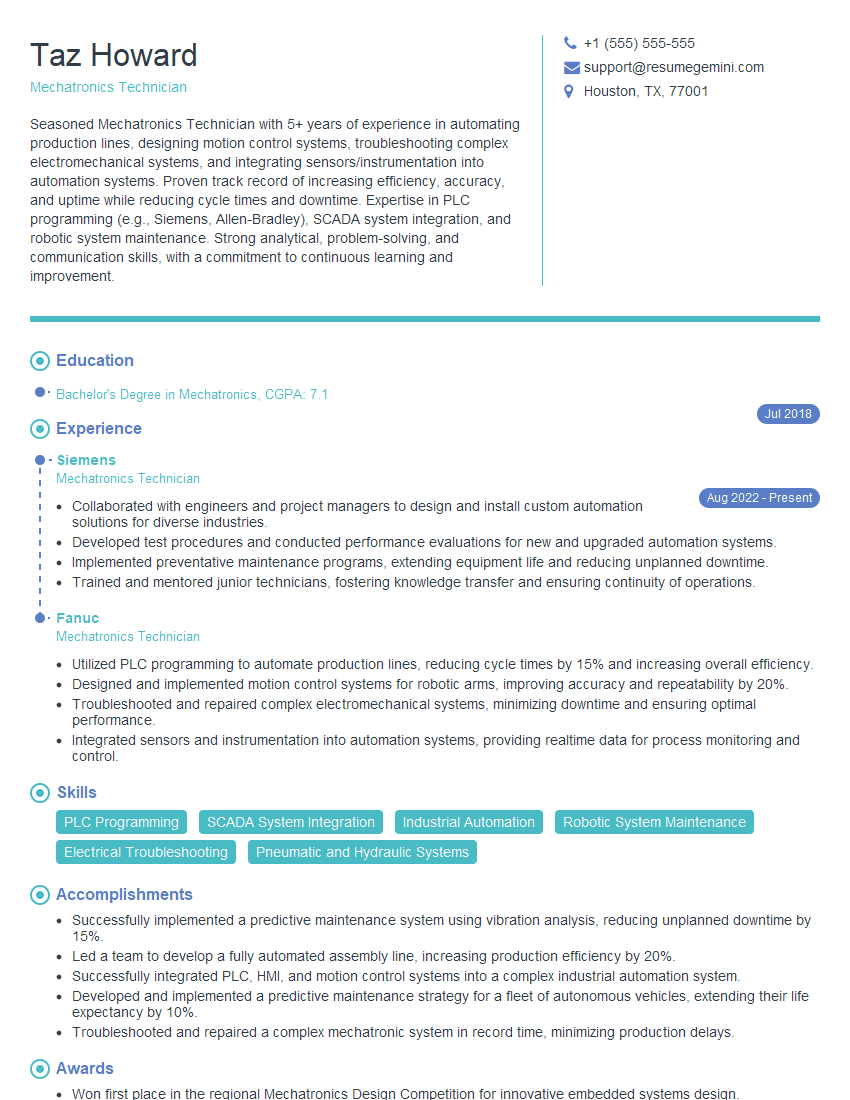
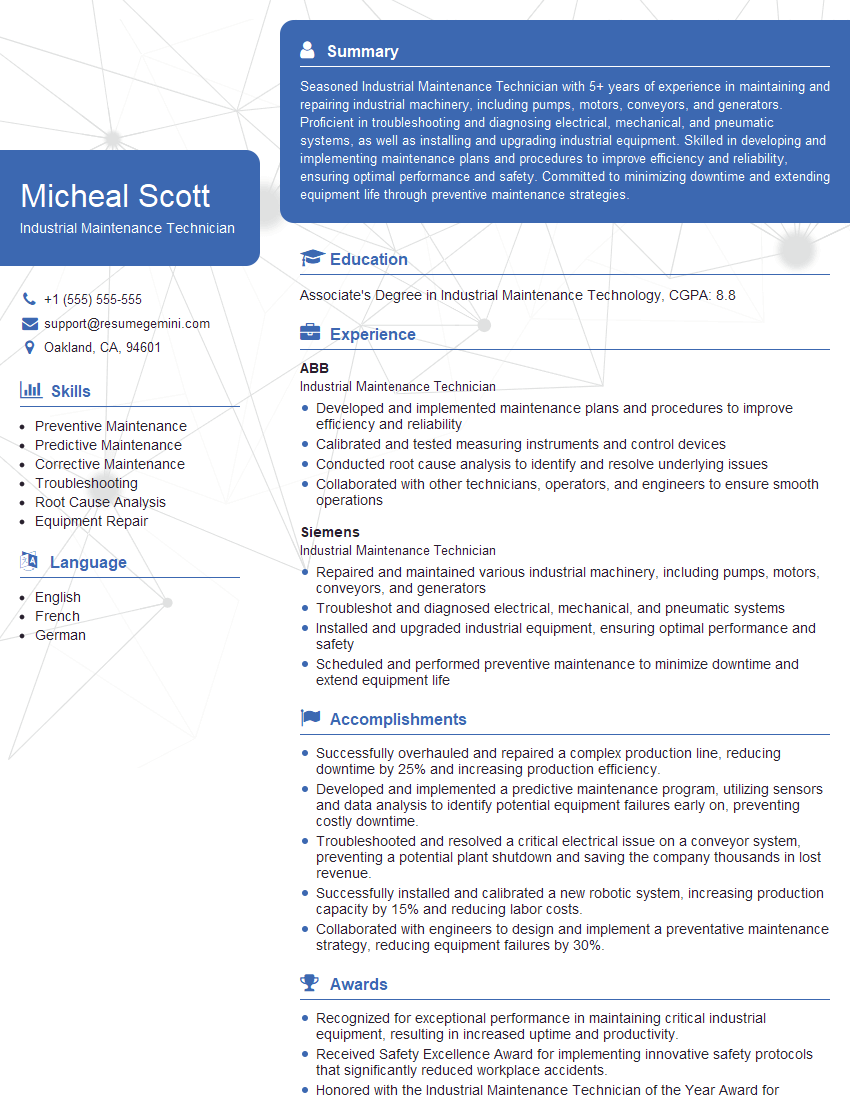
Mastering Cylinder Plate Mounting opens doors to exciting career opportunities in diverse and rapidly growing industries. A strong understanding of these principles is highly valued by employers. To significantly boost your job prospects, invest time in crafting a compelling, ATS-friendly resume that highlights your skills and experience. ResumeGemini is a trusted resource that can help you build a professional and impactful resume. Examples of resumes tailored specifically to the Cylinder Plate Mounting field are available to guide your process.
Explore more articles
Users Rating of Our Blogs
Share Your Experience
We value your feedback! Please rate our content and share your thoughts (optional).
What Readers Say About Our Blog
Very informative content, great job.
good