The right preparation can turn an interview into an opportunity to showcase your expertise. This guide to Trailer Loading and Transportation interview questions is your ultimate resource, providing key insights and tips to help you ace your responses and stand out as a top candidate.
Questions Asked in Trailer Loading and Transportation Interview
Q 1. Explain the process of securing a load on a flatbed trailer.
Securing a load on a flatbed trailer is crucial for safety and preventing cargo damage during transit. It’s a multi-step process that prioritizes stability and adherence to regulations. Think of it like building a sturdy Lego castle – each piece needs to be correctly placed to ensure the whole structure doesn’t collapse.
Proper placement: Distribute weight evenly across the trailer, avoiding overloading any single area. Heavier items should generally be placed lower and closer to the center of gravity.
Choosing the right tie-downs: The type of tie-down depends on the cargo. We use chains, straps, or ropes, ensuring they’re rated for the weight and secured appropriately. For instance, chains are stronger but can scratch delicate goods, while straps offer more flexibility and are gentler on surfaces.
Strategic placement of tie-downs: Tie-downs should be positioned at multiple points on the load to create a secure network, preventing shifting. They should be anchored to the trailer’s securement points, which are usually marked.
Proper tensioning: Tie-downs must be adequately tensioned to prevent movement but not so tight as to damage the cargo. There’s a balance to be struck here; it takes experience to know when it’s just right. We always check for adequate tension using a tension gauge to ensure the load is properly secured.
Using blocking and bracing: For oversized or oddly shaped cargo, we use wood blocks or other materials to fill gaps and prevent shifting. Bracing further reinforces the load, providing additional support against lateral movement. Imagine building a support structure underneath the load to reinforce the whole assembly.
Final Inspection: Before driving, a thorough inspection is crucial, making sure every tie-down is secure and the load is stable. This inspection is crucial; it’s a final safety check to ensure the load remains secure during transportation.
Q 2. Describe your experience with different types of trailers (e.g., flatbed, van, reefer).
My experience encompasses a wide range of trailers, each demanding unique handling techniques. I’ve worked extensively with flatbeds, vans, and reefers, understanding the specific challenges and best practices associated with each.
Flatbeds: Require meticulous load securing, as the cargo is exposed to the elements. My expertise lies in using diverse tie-down methods, optimizing weight distribution, and applying appropriate blocking and bracing techniques to manage different cargo types.
Vans (Enclosed Trailers): Offer protection from weather and theft, but present challenges with efficient space utilization and load planning to maximize capacity. My experience includes strategic placement of palletized goods to optimize space and prevent shifting during transit.
Reefers (Refrigerated Trailers): Demand understanding of temperature control systems and their impact on cargo. My experience includes pre-trip inspections to ensure proper cooling, handling temperature-sensitive goods, and recording temperatures throughout transit to maintain product integrity.
Each trailer type requires a slightly different approach to loading and unloading, emphasizing the importance of adaptability and a deep understanding of different cargo requirements.
Q 3. How do you ensure the weight distribution of a load is balanced and safe?
Balanced weight distribution is paramount for safe and efficient transport. An unbalanced load can lead to instability, sway, and even accidents. Imagine trying to carry a heavy box on one shoulder – you’ll quickly get unbalanced. We use a similar principle for weight distribution on trailers.
Center of Gravity: We strive to keep the center of gravity as low and central as possible. Heavy items are placed near the trailer’s center, while lighter items can be strategically positioned to balance the load.
Weight scales: Accurate weight measurements are essential, ensuring we don’t exceed the trailer’s weight limits or the limits on individual axles. This prevents overloading and ensures legal compliance.
Load Charts & Software: For complex loads, we utilize load charts and software to visualize weight distribution and optimize placement. These tools allow for more precise planning, reducing the risk of imbalance.
Visual Inspection: Even with careful planning, a visual inspection before departure is crucial. We visually assess the load’s balance and stability, ensuring the weight is distributed evenly.
Q 4. What are the common safety regulations you follow during trailer loading?
Adhering to safety regulations is non-negotiable. It’s not just about following the rules; it’s about ensuring everyone’s safety and preventing accidents. We meticulously follow regulations concerning:
Weight limits: Never exceeding the gross vehicle weight rating (GVWR) of the truck and trailer, or axle weight limits.
Securement: Using appropriate tie-downs and securing methods, ensuring the load remains stable during transport. This often includes specific requirements for different types of cargo.
Visibility: Maintaining clear visibility through proper placement of loads and the use of reflective materials, especially for oversized cargo.
Hazardous materials: Following strict regulations for handling, labeling, and transporting hazardous materials, ensuring appropriate placarding and documentation.
Documentation: Maintaining accurate documentation, such as bills of lading and load manifests, which are crucial for compliance and accountability.
Q 5. How do you handle damaged goods during loading and unloading?
Handling damaged goods requires a careful and documented approach. It’s crucial to prevent further damage and ensure accountability.
Identification and Documentation: Thoroughly document the damage, including photos and descriptions. This creates a record for insurance claims or to inform the customer.
Proper Handling: Damaged goods should be handled with extra care to prevent further damage. This might involve using specialized equipment or techniques to move the item.
Segregation: Separate damaged goods from undamaged ones to prevent cross-contamination or further damage.
Reporting: Report the damage to the relevant parties, such as the shipper, receiver, or your supervisor.
Safety First: Damaged packaging might pose safety risks, so any sharp objects or hazardous materials should be handled with extreme caution.
Q 6. Explain your experience with using loading equipment (e.g., forklifts, pallet jacks).
My experience with loading equipment is extensive, covering various types of machinery and situations. Safety and efficiency are always paramount when operating this equipment.
Forklifts: Proficient in operating forklifts of various capacities, ensuring safe loading and unloading of palletized goods. This includes adhering to weight limits, checking for obstructions, and maintaining a safe distance from other personnel.
Pallet Jacks: Skilled in using pallet jacks for moving heavier items and smaller pallets, maximizing efficiency while adhering to safety precautions.
Other Equipment: Experience with other equipment like conveyors, loading docks and ramps contributes to a broader knowledge base, allowing me to effectively select the appropriate equipment for different tasks.
Regular safety checks of the equipment, proper training, and adherence to all safety protocols are non-negotiable parts of my approach.
Q 7. What is your experience with load planning and optimization?
Load planning and optimization are essential for efficient and safe transport. It’s about maximizing space and minimizing wasted resources. It’s like playing Tetris, but with real-world consequences.
Dimensional Analysis: This involves analyzing the dimensions of both the cargo and the trailer to determine the most efficient arrangement.
Weight Distribution: As mentioned before, ensuring even weight distribution is key, both across the trailer and across individual axles.
Software Tools: Utilizing software to model different loading configurations and find the optimal solution, saving time and improving efficiency.
Experience-Based Adjustments: Years of experience have honed my ability to intuitively assess and adjust load plans based on the specific cargo and potential challenges.
Communication: Clear communication with shippers and receivers about load dimensions and requirements ensures that the process goes smoothly and efficiently.
Q 8. How do you prioritize tasks when facing multiple deadlines in a high-pressure environment?
Prioritizing tasks under pressure is crucial in trailer loading and transportation. I use a combination of techniques, starting with a clear understanding of all deadlines and their associated consequences. I then employ a prioritization matrix, often a variation of Eisenhower’s Urgent/Important matrix, to categorize tasks. This helps me visually identify which tasks need immediate attention (urgent and important), which can be scheduled (important but not urgent), which can be delegated (urgent but not important, if possible), and which can be eliminated (neither urgent nor important).
For example, ensuring a perishable goods shipment leaves on time is obviously urgent and important. Creating a detailed loading plan for a less time-sensitive shipment would be important but could be scheduled later in the day. I regularly review this matrix to adapt to changing circumstances. Finally, effective communication with my team is essential. Keeping everyone informed of priorities avoids bottlenecks and wasted time.
Q 9. Describe your experience with different types of cargo and their handling requirements.
My experience encompasses a wide range of cargo types, each with unique handling necessities. I’ve worked with everything from fragile electronics requiring specialized padding and climate control to heavy machinery demanding secure fastening and weight distribution. Perishable goods, like produce or pharmaceuticals, necessitate temperature-controlled environments and rapid transit. Hazardous materials necessitate strict adherence to regulations, including proper labeling, segregation, and documentation. For example, I once oversaw the loading of a shipment of oversized wind turbine blades, requiring careful planning and specialized equipment to prevent damage during transportation. This involved securing the blades using specialized straps and supports, ensuring they wouldn’t shift during transit. Similarly, handling sensitive electronics involved using anti-static packaging and ensuring the trailer maintained a stable temperature and humidity level.
Q 10. How familiar are you with Bill of Lading (BOL) and other shipping documents?
I am very familiar with Bills of Lading (BOLs) and other crucial shipping documents. The BOL serves as the contract for carriage between the shipper and the carrier, detailing the shipment’s origin, destination, cargo description, and other essential information. I understand its legal implications and the importance of accurate completion. Other documents I frequently use include packing lists (detailing the contents of each package), commercial invoices (used for customs purposes), certificates of origin, and dangerous goods declarations (for hazardous materials). Accuracy is paramount to avoid delays and potential legal issues. For instance, an inaccurate description of the goods on the BOL could lead to delays at customs or disputes over liability in case of damage.
Q 11. What are your strategies for preventing cargo damage during transit?
Preventing cargo damage is a top priority. My strategies include proper loading techniques, using appropriate securing materials, and ensuring the trailer is in good condition. For instance, I always start with heavier items at the bottom and distribute weight evenly to prevent shifting during transit. I utilize various securing methods like straps, dunnage (protective materials), and blocking and bracing to immobilize the cargo. Regular trailer inspections are also vital to identify and address any potential issues, like loose flooring or damaged walls, before loading commences. Furthermore, I work closely with drivers to ensure they operate the vehicle safely and avoid harsh braking or acceleration. For fragile items, specialized cushioning and packaging are employed. The choice of securing method depends on the type and fragility of the cargo; for example, using air ride suspension for fragile goods would be a key consideration.
Q 12. How do you maintain accurate inventory records during the loading process?
Maintaining accurate inventory is critical. I typically use a combination of manual and digital methods. Before loading, I carefully compare the packing list with the physical goods. During loading, I maintain a running tally, often using a barcode scanning system to track items loaded onto the trailer. After loading, a final reconciliation is done to ensure complete accuracy. This information is then updated into our company’s inventory management system. Discrepancies are immediately investigated and resolved, ensuring there are no missing or damaged items. This process ensures accountability and efficiency, minimizing the risk of errors or shortages.
Q 13. What are your experience with using transportation management systems (TMS)?
I have extensive experience with Transportation Management Systems (TMS). I’m proficient in using TMS software to plan routes, optimize loading, track shipments in real-time, and manage documentation. Specifically, I utilize TMS to generate reports, analyze delivery times, and identify areas for process improvement. For example, TMS helps me optimize loading patterns, minimizing empty space and maximizing trailer capacity. It also provides valuable data for cost analysis, allowing for better budgeting and resource allocation. My experience includes using various TMS platforms, allowing me to adapt quickly to new systems.
Q 14. How do you handle unexpected delays or disruptions in the transportation process?
Handling unexpected delays or disruptions requires quick thinking and effective communication. My first step is to assess the situation – identify the cause of the delay (traffic congestion, weather, accidents, etc.). Once identified, I develop a contingency plan. This might involve rerouting, finding alternative transportation, or notifying relevant parties (shippers, receivers, etc.) promptly and transparently. I also explore solutions to minimize the impact of the delay – for instance, prioritizing urgent shipments or adjusting delivery schedules. Documentation of the disruption, along with the corrective actions taken, is crucial for future analysis and improved planning. Proactive communication is key to mitigate customer dissatisfaction and maintain a positive reputation. For example, a severe snowstorm might delay a shipment; in such a case, I would proactively inform the customer about the delay, provide an estimated arrival time, and keep them updated on the progress.
Q 15. Describe your experience with different modes of transportation.
My experience encompasses various modes of transportation, primarily focusing on over-the-road trucking using both dry vans and refrigerated trailers. I’ve also worked with intermodal transportation, where shipments move between trucks and trains, and have a basic understanding of air and sea freight, though my expertise lies firmly in ground transport. This includes managing loads for single-unit trucks and double-truck operations, considering factors like route optimization, fuel efficiency, and delivery timelines. For example, I’ve successfully managed the transportation of time-sensitive medical supplies via refrigerated trucks, ensuring the proper temperature throughout the journey. I’ve also optimized routes for oversized loads, requiring special permits and careful planning.
Career Expert Tips:
- Ace those interviews! Prepare effectively by reviewing the Top 50 Most Common Interview Questions on ResumeGemini.
- Navigate your job search with confidence! Explore a wide range of Career Tips on ResumeGemini. Learn about common challenges and recommendations to overcome them.
- Craft the perfect resume! Master the Art of Resume Writing with ResumeGemini’s guide. Showcase your unique qualifications and achievements effectively.
- Don’t miss out on holiday savings! Build your dream resume with ResumeGemini’s ATS optimized templates.
Q 16. What are some common challenges in trailer loading, and how do you address them?
Common challenges in trailer loading include weight distribution, securing cargo properly, and maximizing space efficiency. Uneven weight distribution can lead to instability during transit, increasing the risk of accidents. Improper securing can result in damage to the cargo or the trailer itself. Finally, inefficient space utilization means wasted fuel and increased transportation costs. I address these challenges by:
- Using weight scales to meticulously check individual and total weight before loading.
- Implementing a standardized loading plan considering center of gravity and weight distribution using load bars and other equipment.
- Employing a variety of securing methods – straps, chains, and even specialized bracing, depending on the nature of the cargo.
- Using loading optimization software that helps visualize space usage and suggests efficient arrangements.
Q 17. Explain your understanding of weight limits and regulations for different trailers.
Understanding weight limits and regulations is paramount. Different trailers – dry vans, flatbeds, refrigerated units – have varying Gross Vehicle Weight Ratings (GVWR), which dictates the maximum weight they can safely carry, including the trailer itself. Axle weight limits are also critical; exceeding these can damage roads and result in hefty fines. State and federal regulations, such as those outlined by the DOT, strictly enforce these limits. I’m familiar with the regulations concerning legal axle weights, bridge formulas (calculating stress on bridges), and permit requirements for oversized or overweight loads. I regularly consult resources like the FMCSA website to stay updated on any changes. For example, I know the GVWR for a standard dry van is generally around 80,000 lbs, but this can vary depending on the manufacturer and specific model. Understanding these numbers is vital to prevent overloading and potential legal ramifications.
Q 18. How do you ensure compliance with DOT regulations?
DOT compliance is ensured through meticulous record-keeping, regular vehicle inspections (pre- and post-trip), and adhering to all safety regulations. I maintain detailed logs of each shipment, including weight measurements, securing methods used, and driver information. Pre-trip inspections ensure the trailer is mechanically sound and ready for transport. Post-trip inspections check for any damage during transit. I’m also well-versed in Hours-of-Service (HOS) regulations for drivers and ensure all drivers under my supervision maintain accurate records. Finally, I ensure that all necessary permits and documentation are obtained for special loads or routes. Non-compliance can lead to significant fines and operational disruptions.
Q 19. Describe your experience with different types of securing devices (e.g., straps, chains).
My experience spans several securing devices, and the choice depends entirely on the cargo’s nature and weight. Webbing straps are versatile and good for lighter loads, offering flexibility. Chains are stronger and suitable for heavier, more secure applications. Ratchet straps provide extra tensioning capabilities. I also have experience with specialized equipment such as load bars, dunnage (protective material), and anti-slip mats, which are vital for stabilizing loads and preventing shifting. Choosing the right combination of these devices is crucial for safe transportation. For example, fragile items might need additional padding and careful placement, secured with straps rather than chains. Heavier items require robust chains and potentially multiple securing points.
Q 20. What is your experience with hazardous materials handling?
My experience with hazardous materials (HazMat) handling is limited, as it requires specialized training and certifications. While I’ve been involved in transporting non-hazardous goods that sometimes require specialized handling or labeling, I wouldn’t undertake the transport of HazMat unless I had completed the necessary training and obtained the required certifications. This includes understanding the specific placards and labels for each category of hazardous material, adhering to proper packaging requirements, and following emergency procedures in case of accidents or spills. Safety is paramount in this area, and I would never compromise on the proper procedures.
Q 21. How do you calculate the total weight of a load?
Calculating the total weight involves several steps:
- Weighing individual items or pallets using a scale.
- Recording each weight meticulously.
- Adding up the weights of all items and pallets.
- Adding the tare weight of the trailer (the weight of the empty trailer).
Q 22. Describe your experience working with a team to efficiently load trailers.
Efficient trailer loading is a symphony of teamwork and planning. In my previous role at Acme Logistics, we consistently loaded trailers faster and more efficiently by utilizing a system that combined pre-trip planning with real-time communication.
- Pre-Trip Planning: We’d start by reviewing the manifest and using our Warehouse Management System (WMS) to map out the optimal placement of each item within the trailer. This involved considering weight distribution, fragility, and delivery sequence. We often used a visual representation of the trailer on a whiteboard to strategize.
- Team Roles: We had clearly defined roles: a team lead to oversee the operation, individuals responsible for loading and securing specific areas, and others dedicated to paperwork and verifying counts.
- Real-Time Communication: Constant communication was key. We used a combination of two-way radios and hand signals to coordinate movements efficiently, preventing bottlenecks and resolving any immediate challenges.
- Post-Trip Debrief: After each load, we held brief meetings to discuss what worked well, what could be improved, and to identify any recurring issues. This continuous improvement cycle was crucial for optimization.
For example, once we had a shipment with a mix of heavy machinery and smaller, delicate items. Through careful planning, we allocated heavier items to the trailer’s lower section for stability and placed the more fragile items in a designated protected area. This approach not only ensured safety but also significantly reduced loading time.
Q 23. How do you communicate with drivers regarding loading instructions and schedules?
Clear and timely communication with drivers is vital for successful operations. My preferred method is a combination of technology and personal contact.
- Pre-Dispatch Communication: Before the driver arrives, I provide them with a detailed loading manifest via our dispatch software (including load specifications, delivery addresses, and any special handling instructions). I also confirm the trailer type and size to ensure compatibility.
- Real-time Updates: During loading, I keep drivers updated on the estimated completion time via text or phone call. If any unexpected delays arise, such as a missing item or a needed adjustment to the load, I inform them promptly.
- Post-Load Verification: Once loading is complete, I conduct a joint walk-through with the driver to confirm accuracy of items, securing methods, and complete all required paperwork, including the bill of lading.
A clear, concise style of communication is paramount. Imagine the frustration if a driver shows up and isn’t informed about a special handling requirement for temperature-sensitive products. Clear instructions prevent misunderstandings and delays.
Q 24. What are your skills in problem-solving related to trailer loading issues?
Problem-solving is inherent in trailer loading. My approach is systematic and proactive.
- Identify the Problem: The first step is to pinpoint the exact issue – is it a scheduling conflict, an incorrectly sized trailer, damaged goods, or incorrect labeling?
- Analyze the Root Cause: Once identified, I analyze the underlying cause. This might involve reviewing the manifest, checking inventory levels, or assessing the efficiency of our loading process.
- Develop Solutions: Based on the root cause, I develop solutions. This could range from reorganizing the load to finding a replacement trailer or contacting the customer to adjust the delivery schedule. Sometimes, this also involves adjusting our internal processes to prevent similar issues from recurring.
- Implement and Monitor: After implementing the solution, I closely monitor its effectiveness to ensure that it addresses the problem successfully and that it doesn’t cause new issues.
For example, if we faced a situation where a late-arriving shipment caused a scheduling conflict, I would prioritize communication with the driver, explore alternative loading sequences, or even consider using overtime to minimize delivery delays.
Q 25. Describe your experience with using GPS and route planning software.
I’m proficient in using various GPS and route planning software like Google Maps, MapQuest, and specialized trucking route planners. My experience involves optimizing routes to minimize travel time and fuel consumption.
- Route Optimization: I use these tools to plan efficient routes that consider factors like traffic conditions, road closures, and weight restrictions. This is critical in ensuring timely deliveries and adherence to regulations.
- Real-time Tracking: GPS tracking allows me to monitor the progress of shipments, anticipate potential delays, and quickly respond to any unforeseen circumstances.
- Fuel Efficiency: Route planning software often suggests routes that optimize fuel consumption, saving the company money while reducing the environmental impact.
- Delivery Confirmation: Some software integrates with delivery confirmation systems, improving the efficiency and accuracy of our delivery records.
One instance where this proved highly beneficial was during a blizzard. The route planning software identified a detour that avoided impassable roads, ensuring the delivery of essential medical supplies on time despite the severe weather.
Q 26. How do you ensure the efficient use of warehouse space during loading?
Efficient warehouse space utilization during loading is paramount for productivity. I employ strategies to optimize space while ensuring safety and efficiency.
- Inventory Management: Accurate inventory tracking and placement are key. We use a WMS (Warehouse Management System) to monitor stock levels and optimize storage for easy access.
- Strategic Palletization: Properly sized and labeled pallets facilitate efficient loading, maximizing space and minimizing wasted movement.
- Designated Loading Zones: We designate specific areas for different types of goods, separating heavy items from lighter, more fragile ones. This streamlines the loading process and minimizes the risk of damage.
- First-In, First-Out (FIFO): We employ FIFO principles to prevent product obsolescence and ensure that older items are shipped first.
For instance, if we have several different sized pallets, I’ll ensure they’re strategically placed to fill the space efficiently. This could involve placing smaller pallets around larger ones or stacking to maximize height, so long as it is safe and does not create an unstable load.
Q 27. What is your process for verifying the accuracy of loading manifests?
Accuracy is crucial. My process for verifying loading manifests involves a multi-step approach.
- Pre-Load Verification: Before loading begins, I compare the digital manifest against the physical items and ensure they match, checking quantity, description, and item condition.
- Real-time Verification: During loading, I maintain a running tally of items loaded and continuously compare it against the manifest. This helps identify discrepancies early on.
- Post-Load Reconciliation: After loading, I perform a final check against the manifest, ensuring all items are accounted for. I also check for damage and document any discrepancies.
- Driver Confirmation: I obtain the driver’s signature on the manifest to confirm accuracy and receipt of the load. This serves as a critical record for auditing and accountability.
Discrepancies are meticulously documented and reported immediately. Imagine the consequences of delivering an incomplete or incorrect order – this methodical process reduces the risk of expensive mistakes.
Q 28. How do you maintain a clean and organized loading dock area?
A clean and organized loading dock is essential for safety and efficiency. My approach is proactive and systematic.
- Regular Cleaning: We schedule regular cleaning of the dock area, sweeping away debris, removing empty pallets, and ensuring proper disposal of waste.
- Designated Storage: We have designated areas for storage of equipment, supplies, and unused pallets, minimizing clutter and preventing accidents.
- Preventive Maintenance: We conduct regular maintenance of loading dock equipment such as dock levelers and seals to prevent breakdowns and ensure smooth operations.
- Safety First: We clearly mark safety zones and hazard areas. All team members are trained in safe loading dock procedures.
Maintaining a clean and organized environment prevents accidents, improves morale, and enhances overall productivity. A cluttered dock increases the risk of injuries and delays.
Key Topics to Learn for Your Trailer Loading and Transportation Interview
- Safety Regulations and Procedures: Understanding and applying relevant safety regulations for loading, securing, and transporting cargo. This includes knowing weight limits, proper load distribution, and hazard communication.
- Load Planning and Optimization: Efficiently planning load placement to maximize space utilization and minimize shifting during transit. This involves practical experience with different cargo types and trailer configurations.
- Securement Techniques: Mastering various cargo securement methods, including the use of straps, chains, and other equipment, to prevent shifting and damage during transport. Understanding different types of cargo and their specific securement requirements is crucial.
- Trailer Maintenance and Inspection: Basic knowledge of trailer components, pre-trip inspections, and routine maintenance to ensure safe and efficient operation. Being able to identify potential mechanical issues is valuable.
- Transportation Regulations and Documentation: Familiarity with relevant transportation regulations, including hours of service, logbooks, and bill of lading procedures. Understanding and accurately completing necessary documentation is essential.
- Problem-Solving and Decision-Making: Demonstrating the ability to quickly assess and resolve issues related to loading, securing, and transporting cargo. This includes handling unexpected situations and making informed decisions under pressure.
- Communication and Teamwork: Effective communication with dispatchers, loaders, and other team members to ensure smooth and efficient operations. Collaboration and teamwork are key to success in this field.
Next Steps
Mastering Trailer Loading and Transportation opens doors to a rewarding career with excellent growth potential. As you advance, you’ll have opportunities to specialize in areas like logistics management, fleet maintenance, or even safety training. To significantly increase your job prospects, it’s crucial to create a professional and ATS-friendly resume that showcases your skills and experience effectively. ResumeGemini is a trusted resource to help you build a compelling resume that grabs the attention of recruiters. We provide examples of resumes tailored specifically to the Trailer Loading and Transportation industry to guide you through the process. Take the next step towards your dream job – craft a winning resume with ResumeGemini!
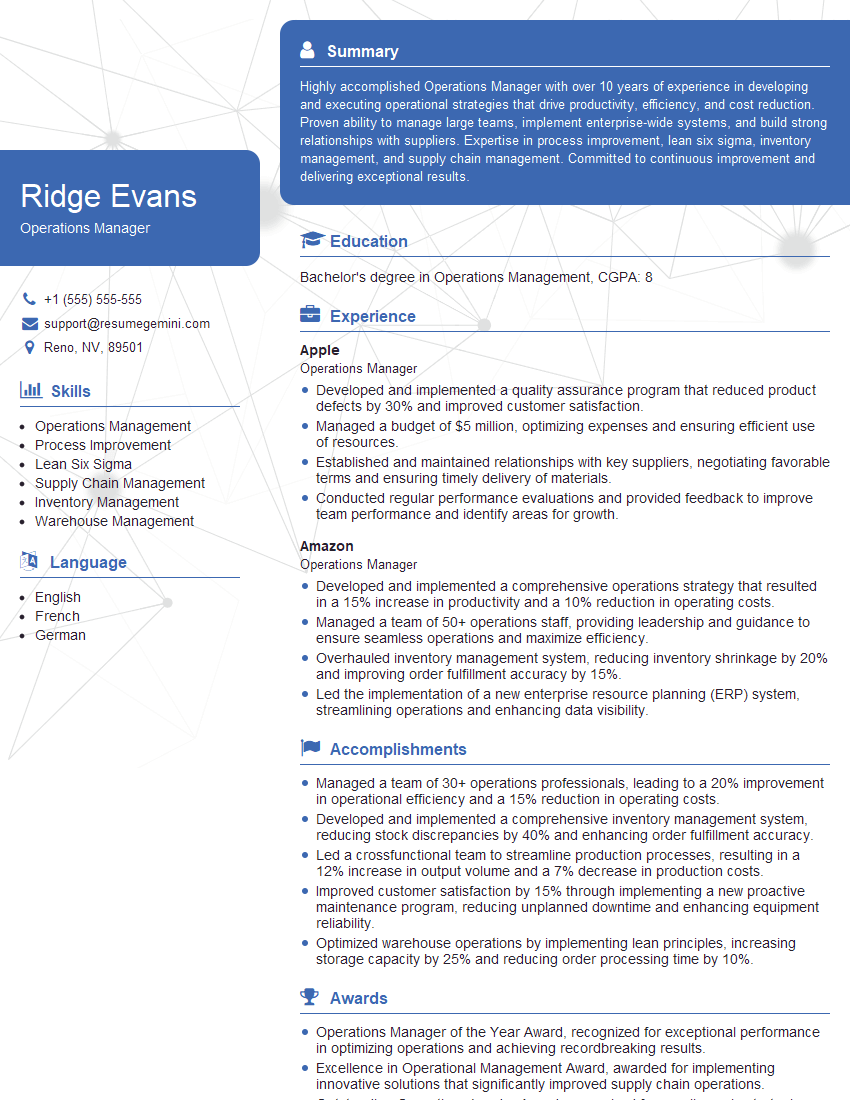
Operations Manager Resume Sample
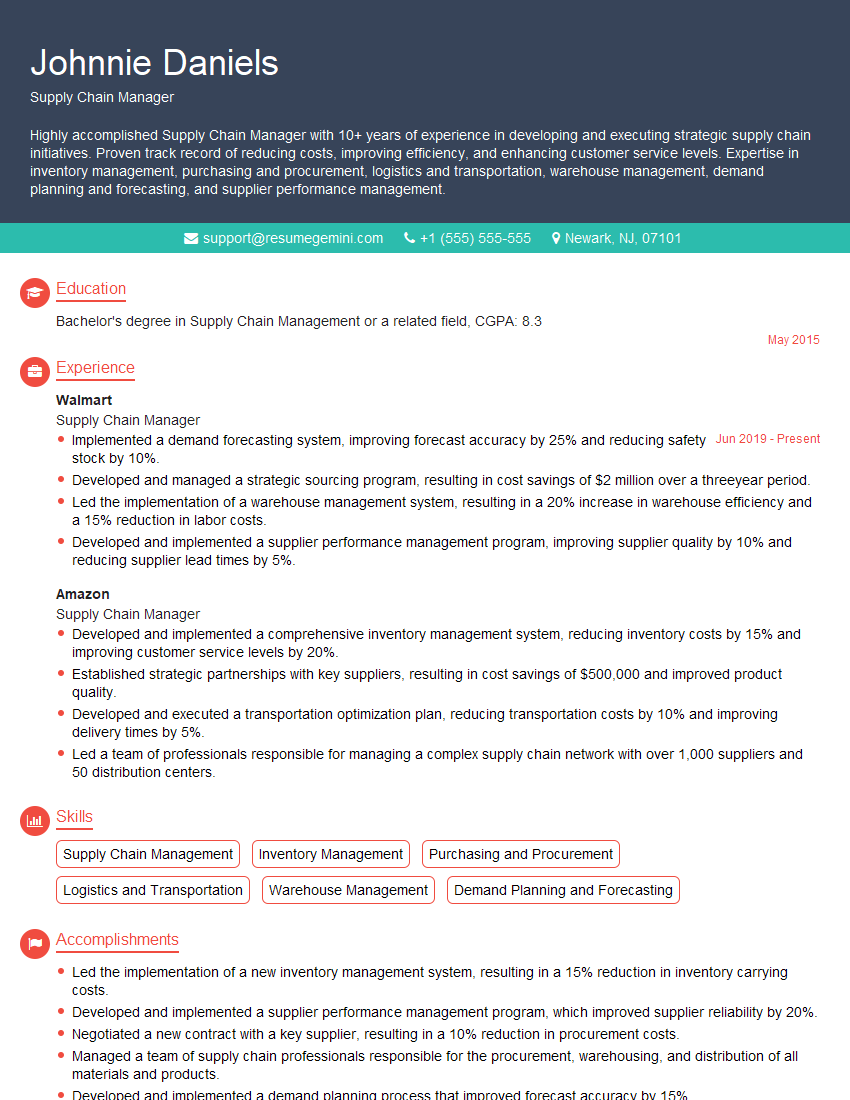
Supply Chain Manager Resume Sample
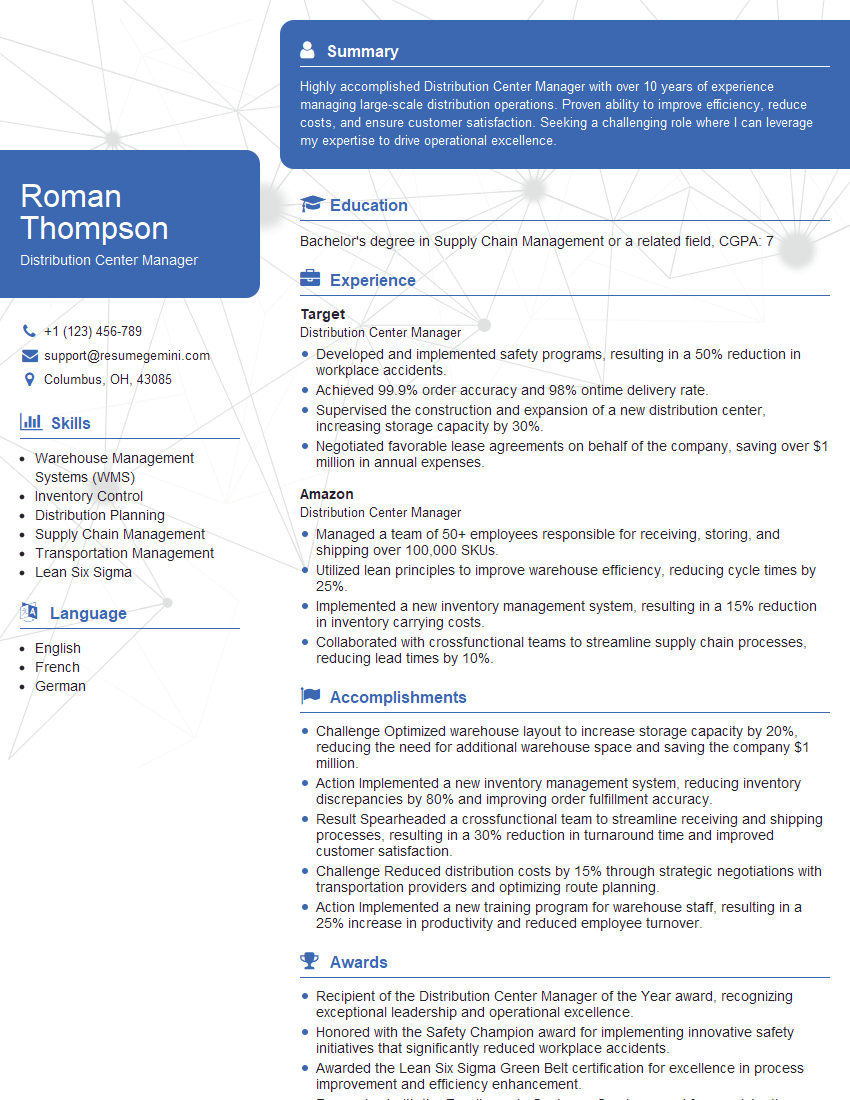
Distribution Center Manager Resume Sample
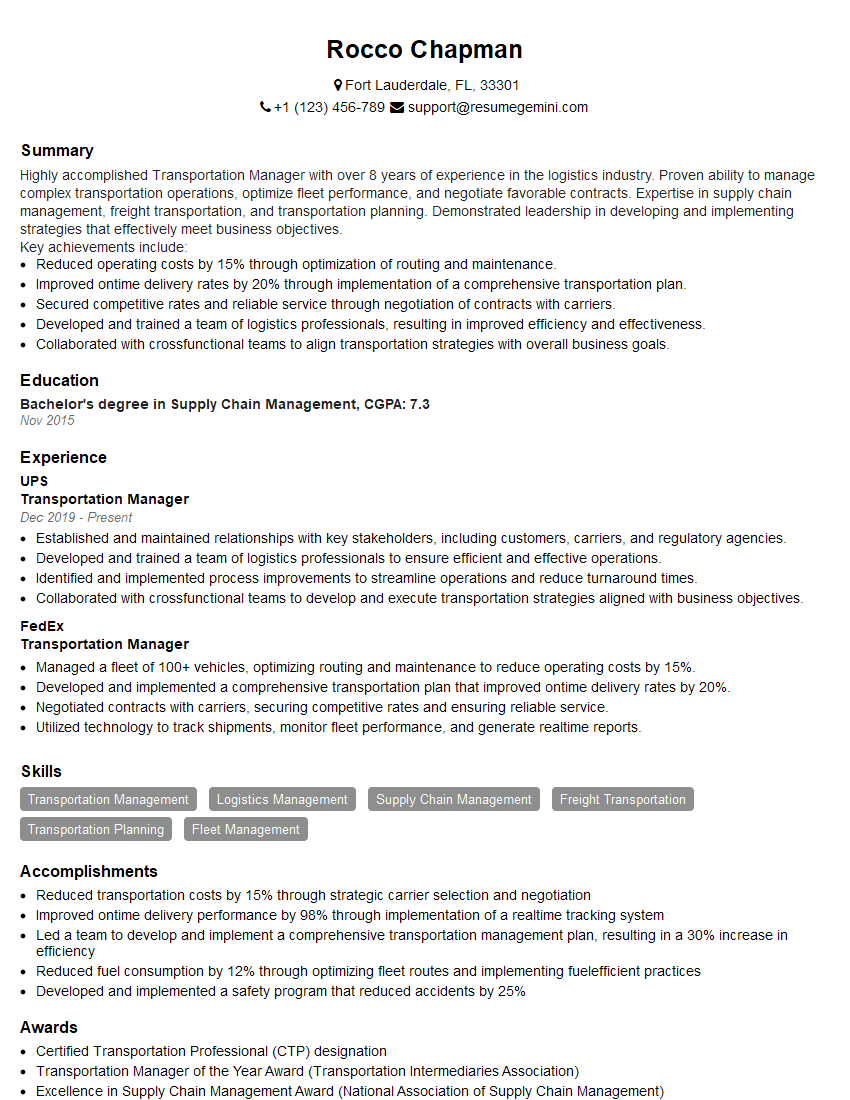
Transportation Manager Resume Sample
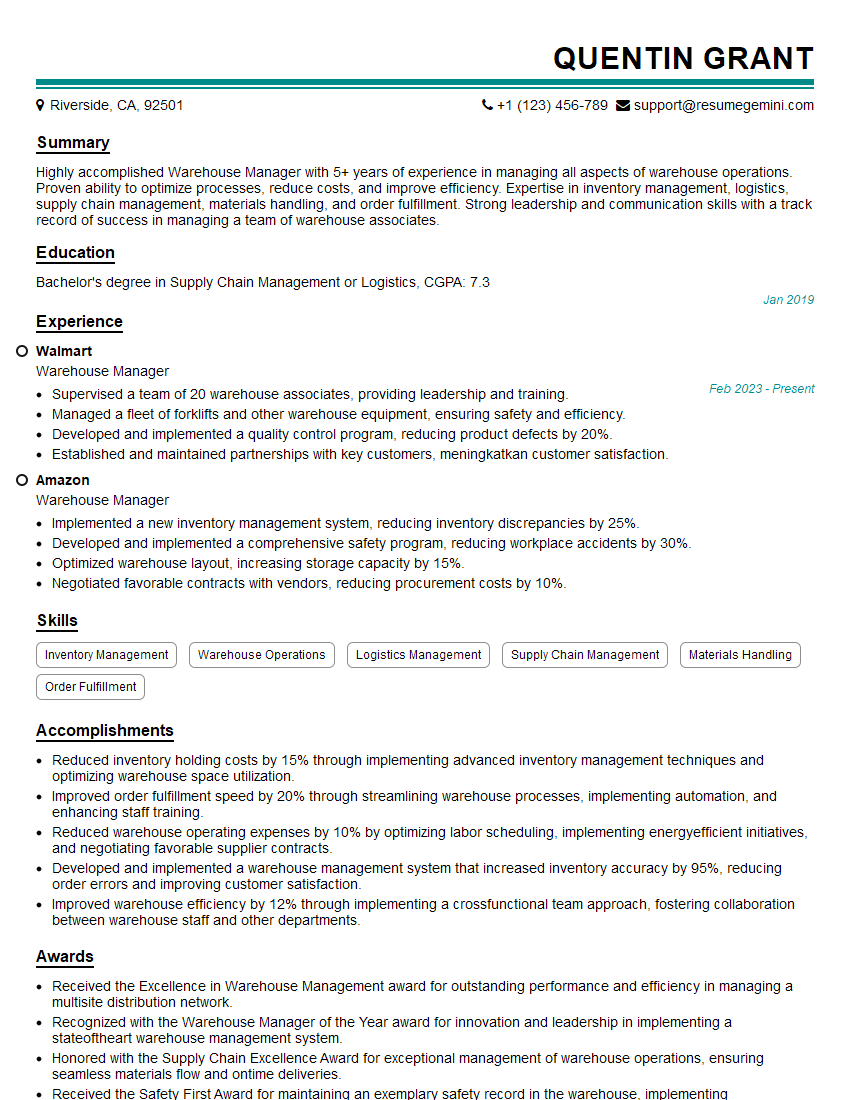
Warehouse Manager Resume Sample
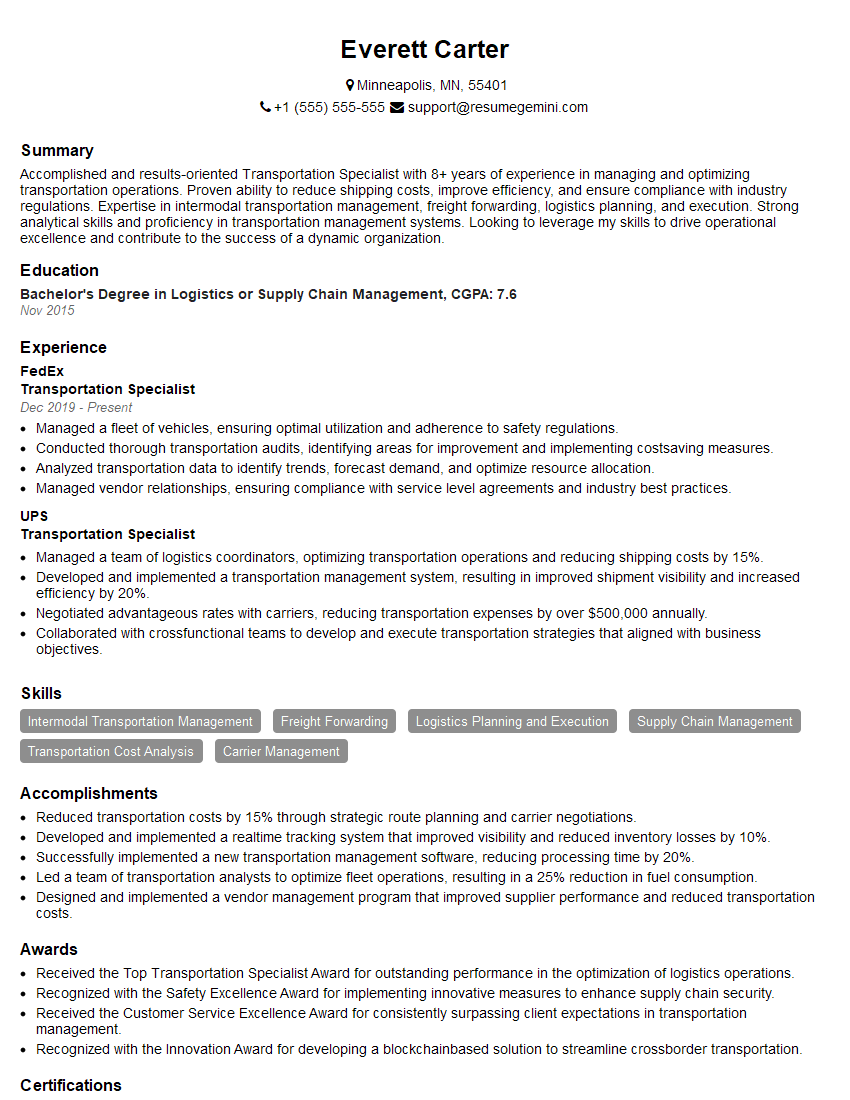
Transportation Specialist Resume Sample
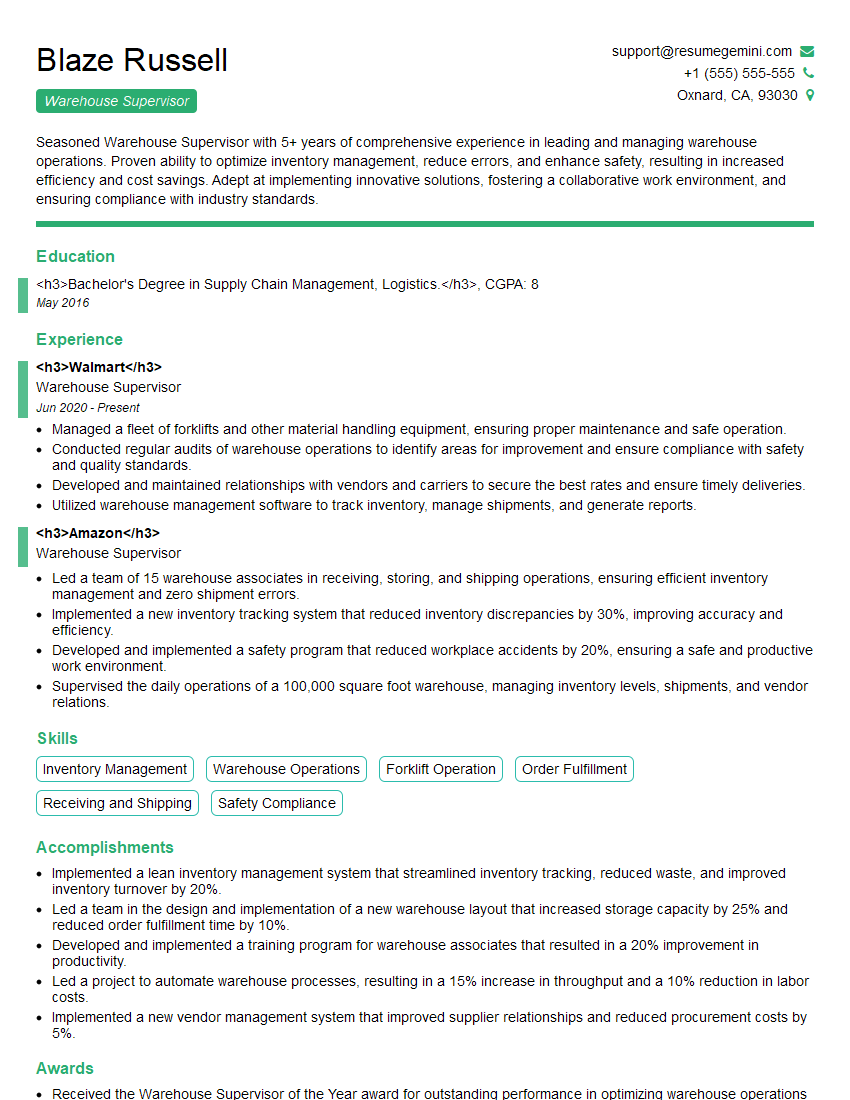
Warehouse Supervisor Resume Sample
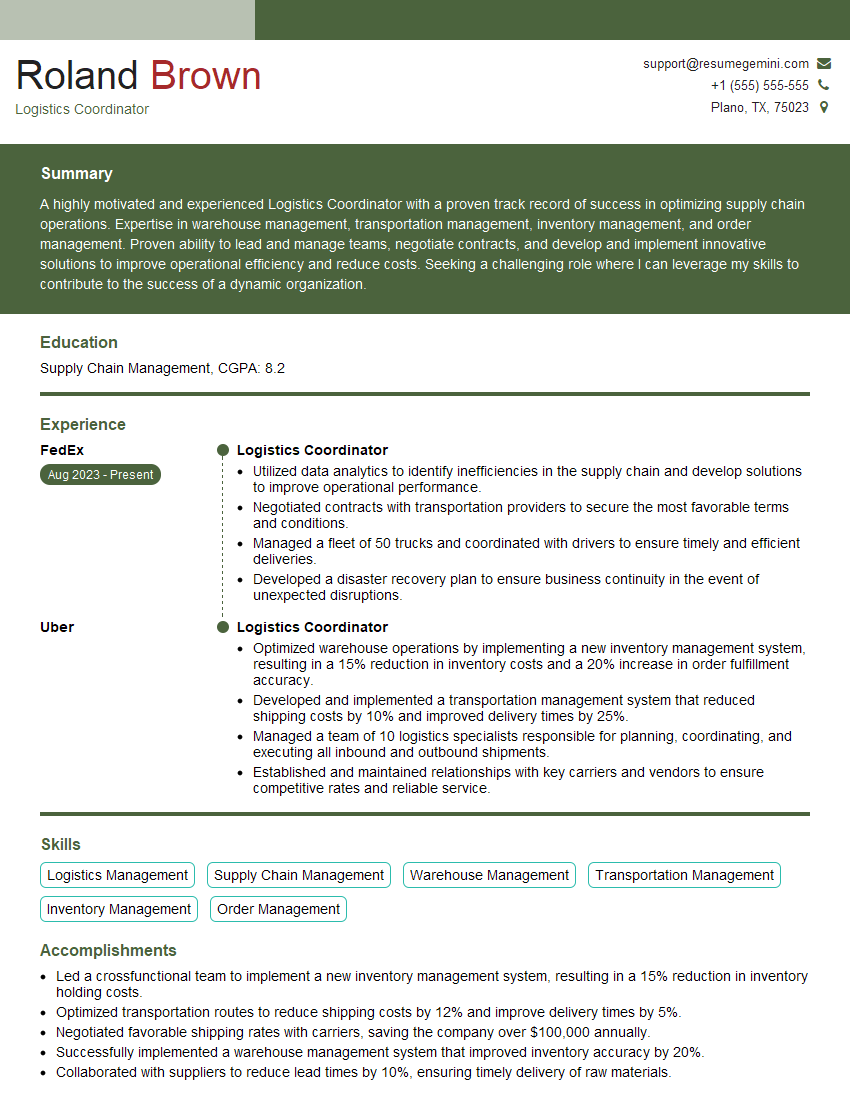
Logistics Coordinator Resume Sample
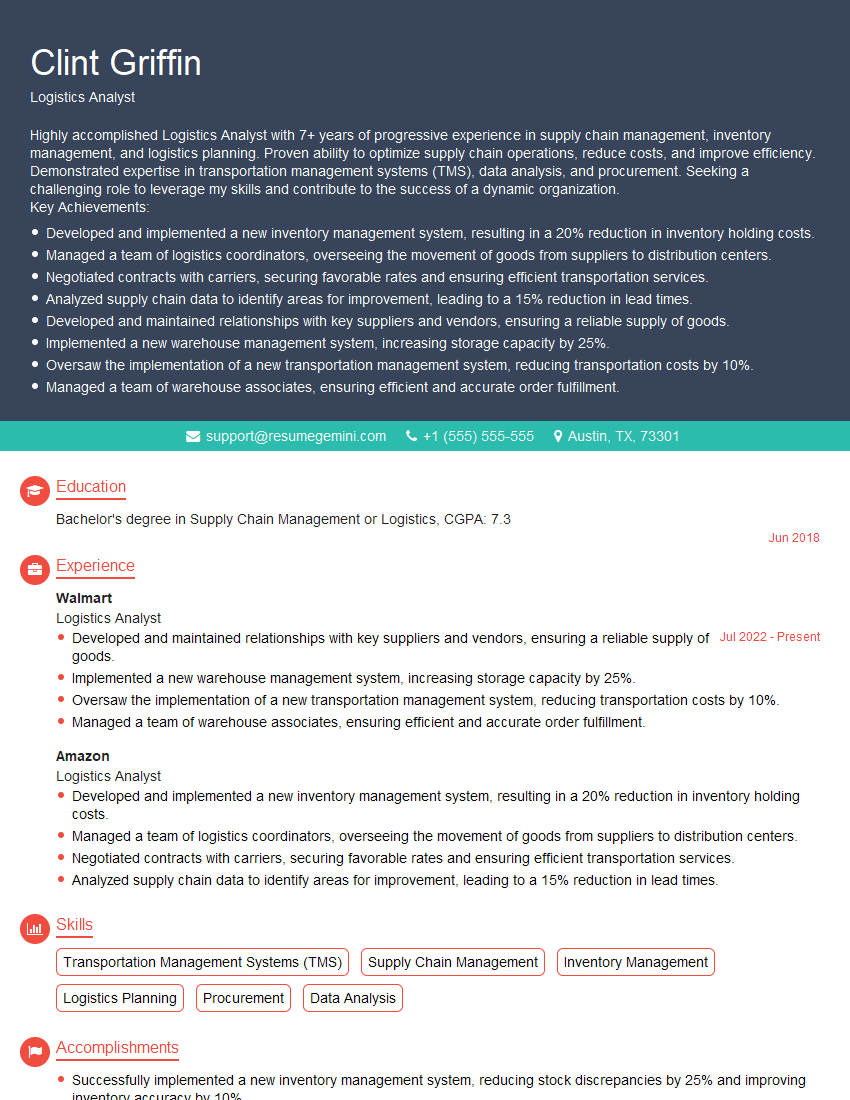
Logistics Analyst Resume Sample
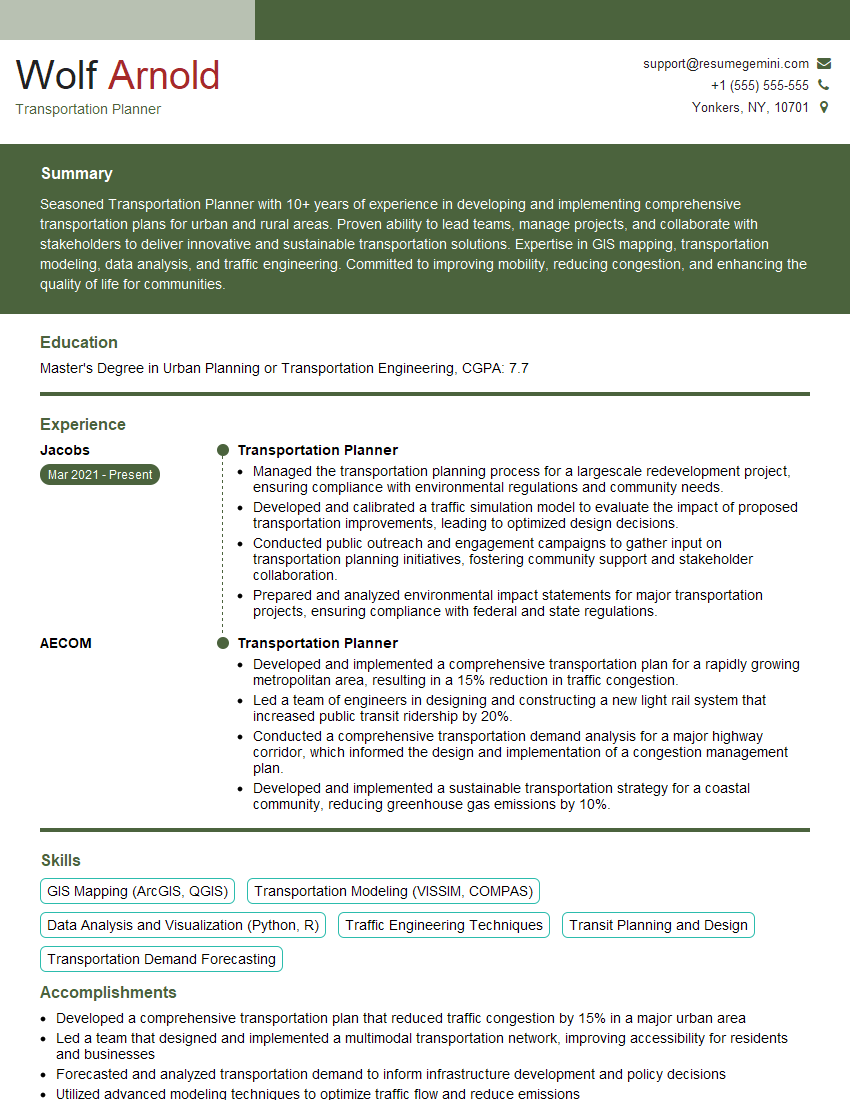
Transportation Planner Resume Sample
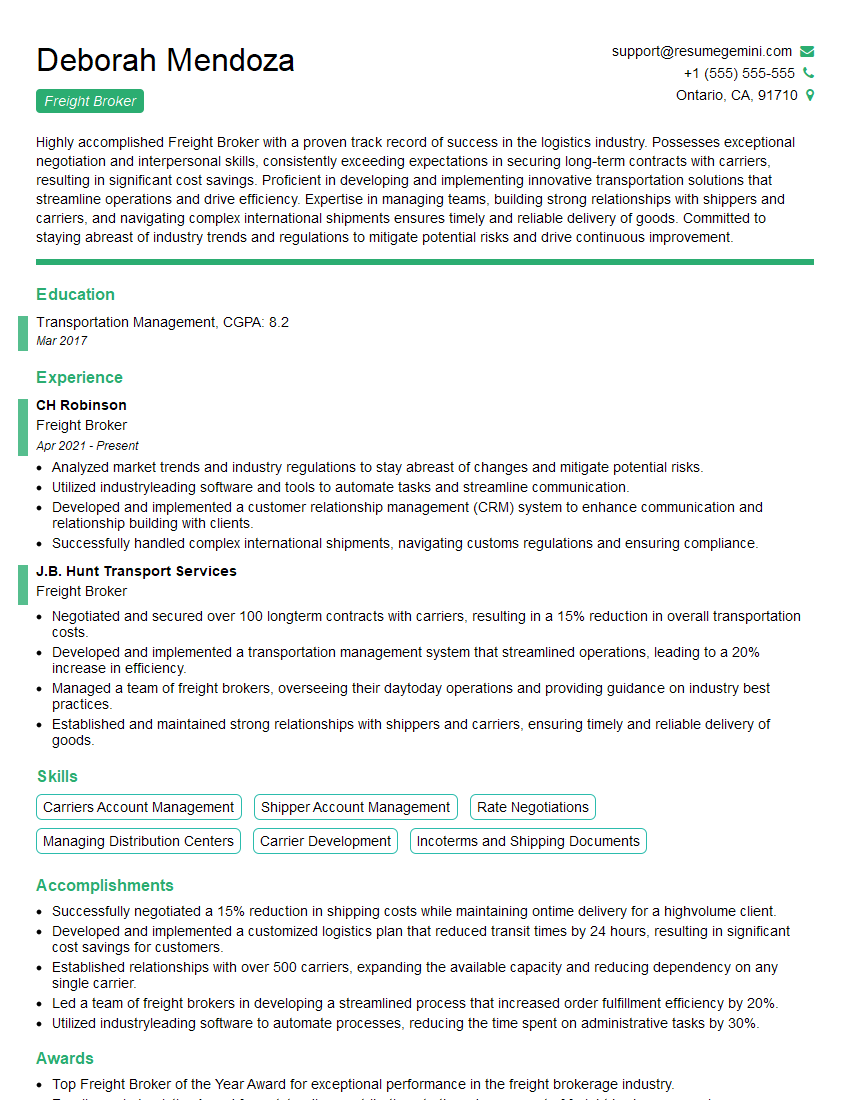
Freight Broker Resume Sample
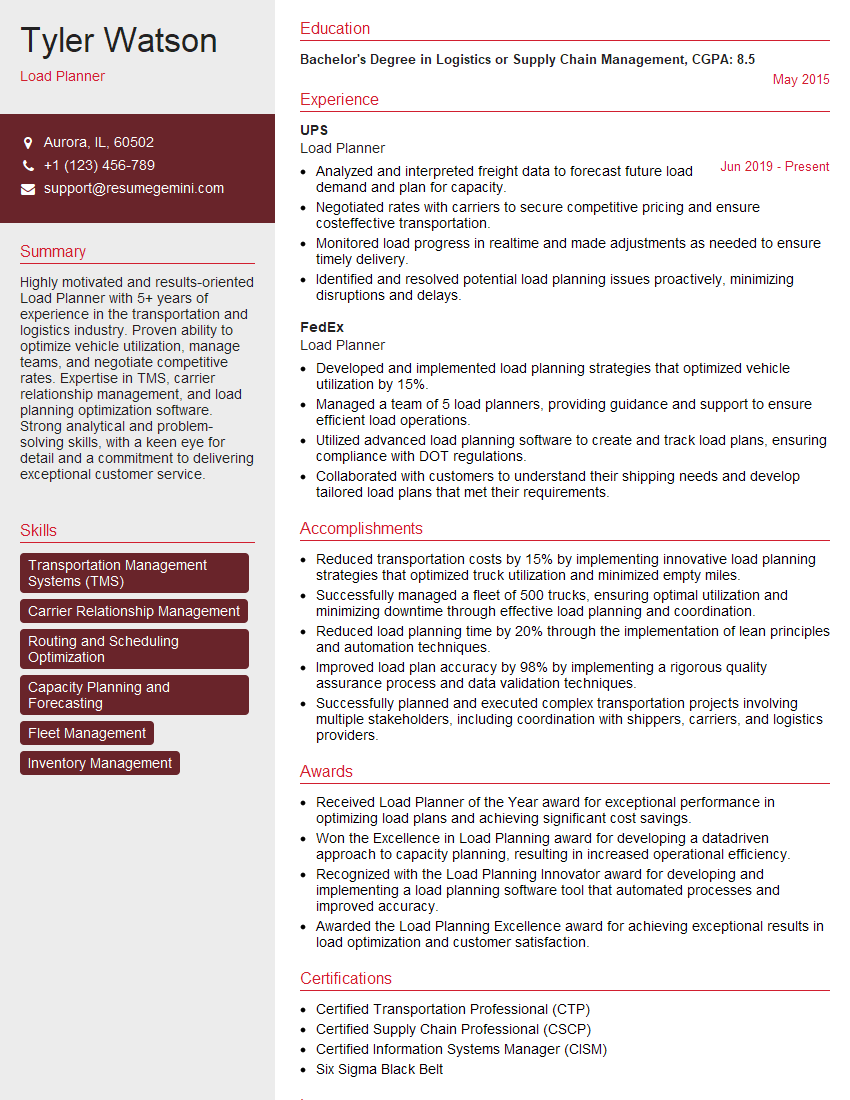
Load Planner Resume Sample
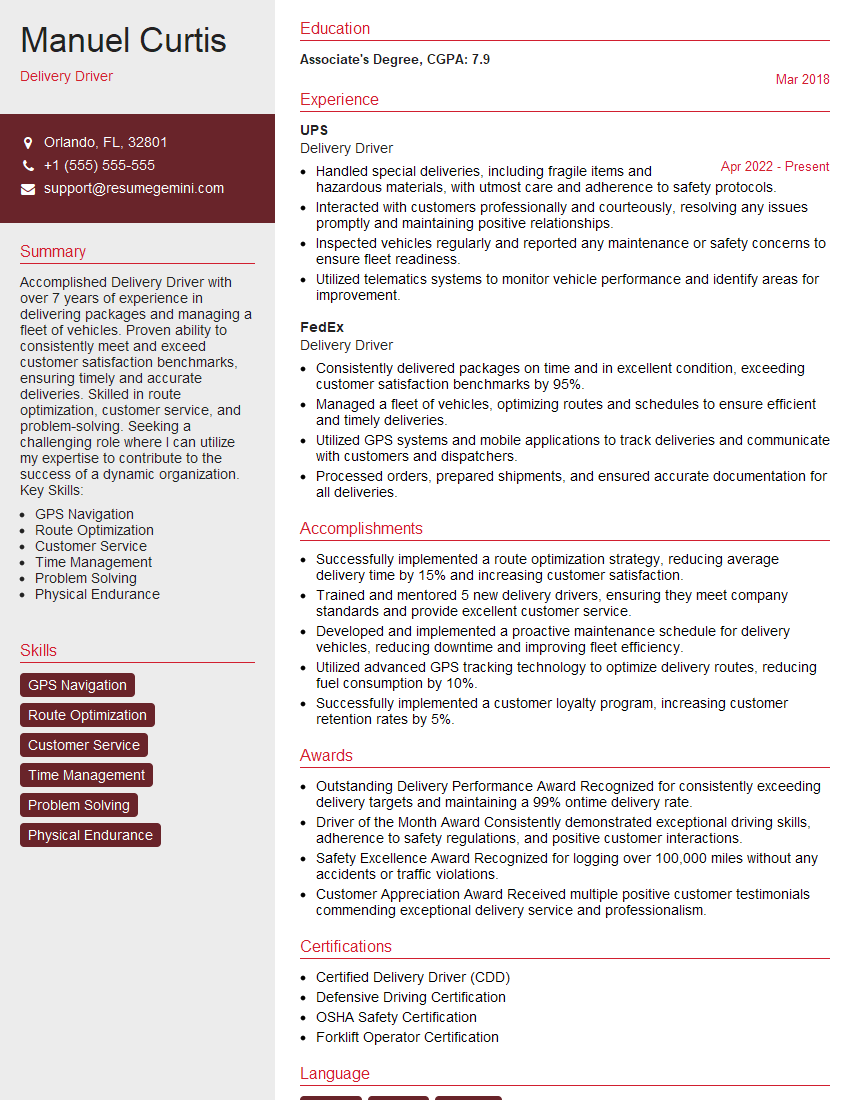
Delivery Driver Resume Sample
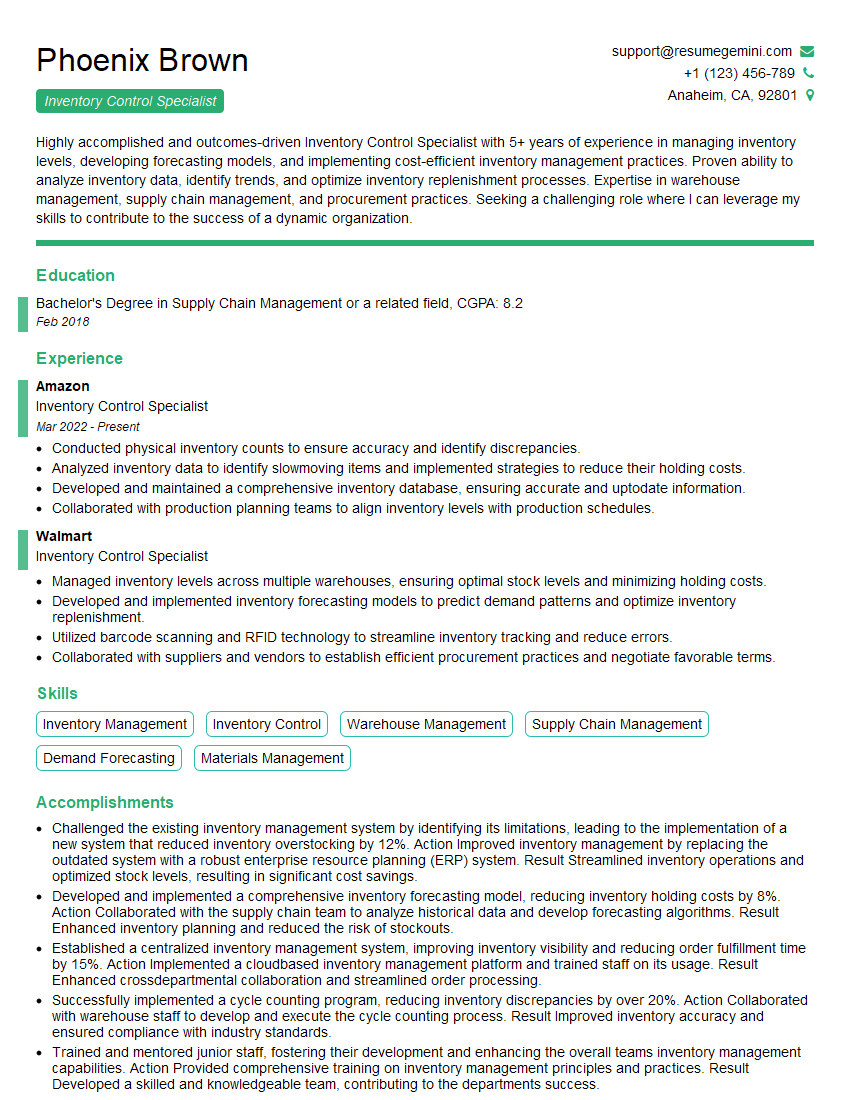
Inventory Control Specialist Resume Sample
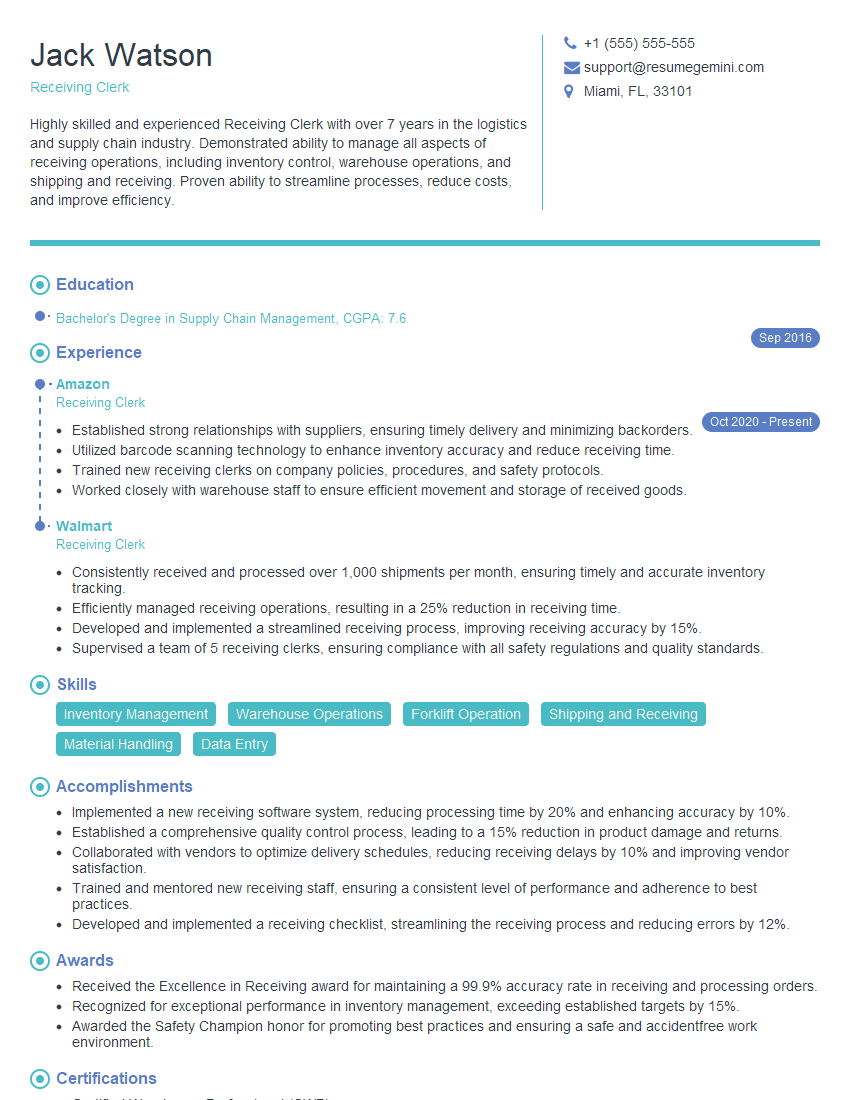
Receiving Clerk Resume Sample

Shipping and Receiving Clerk Resume Sample
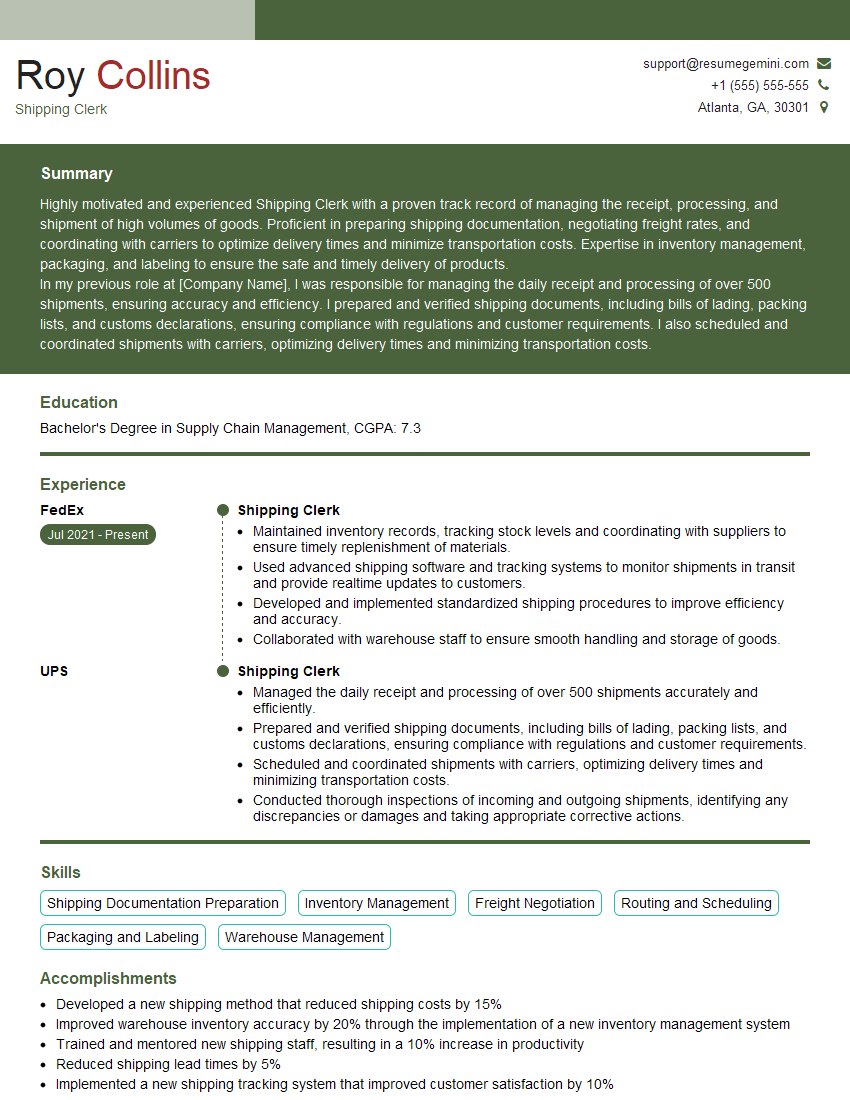
Shipping Clerk Resume Sample
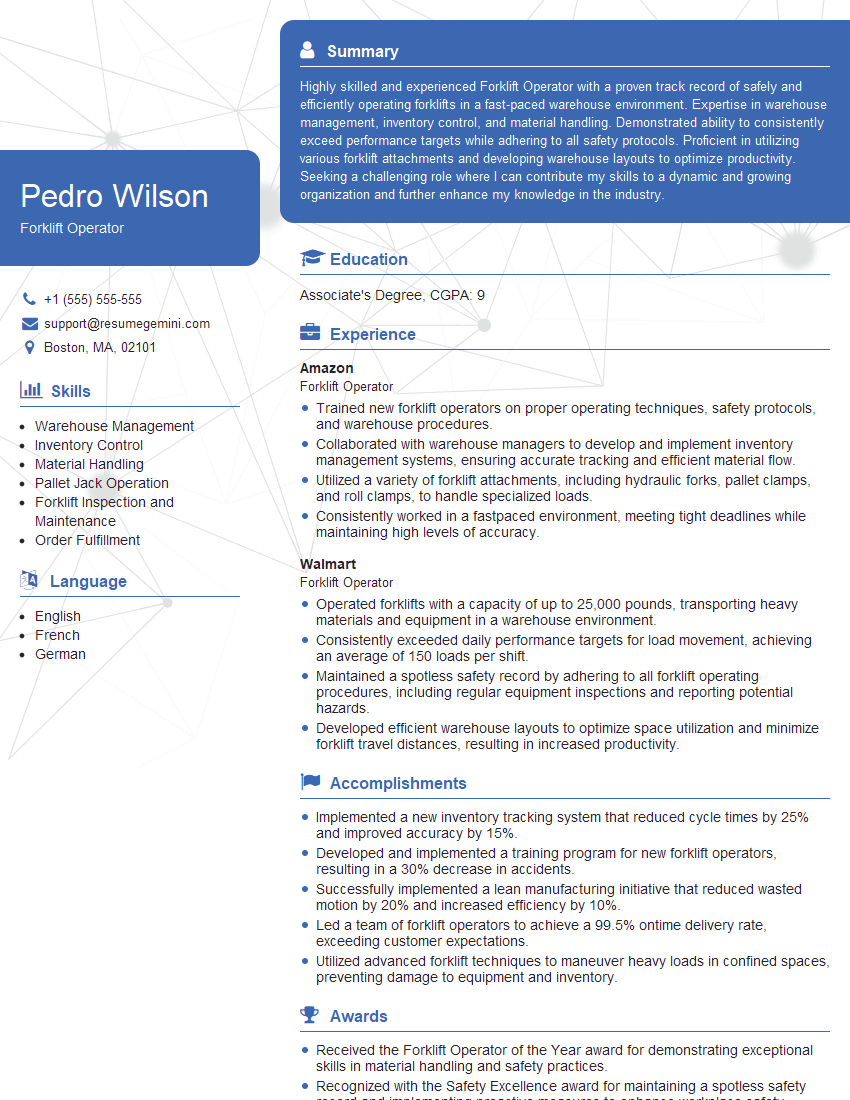
Forklift Operator Resume Sample
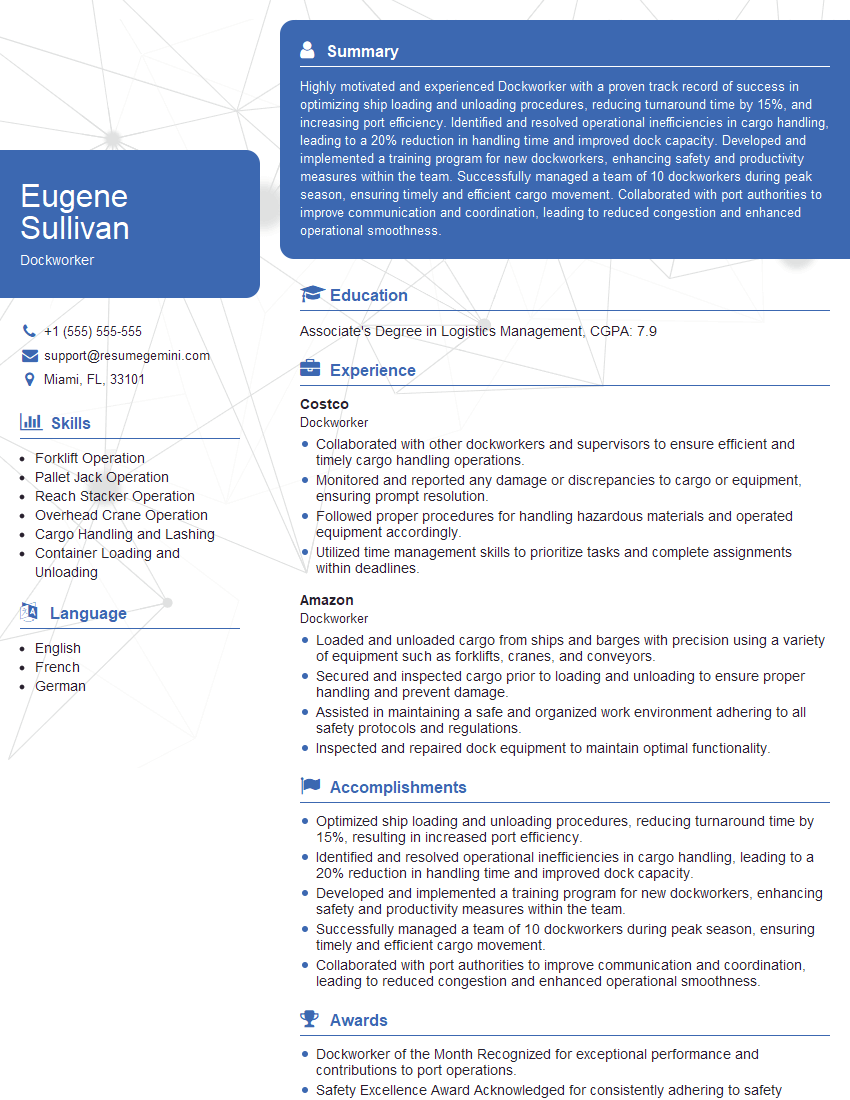
Dockworker Resume Sample
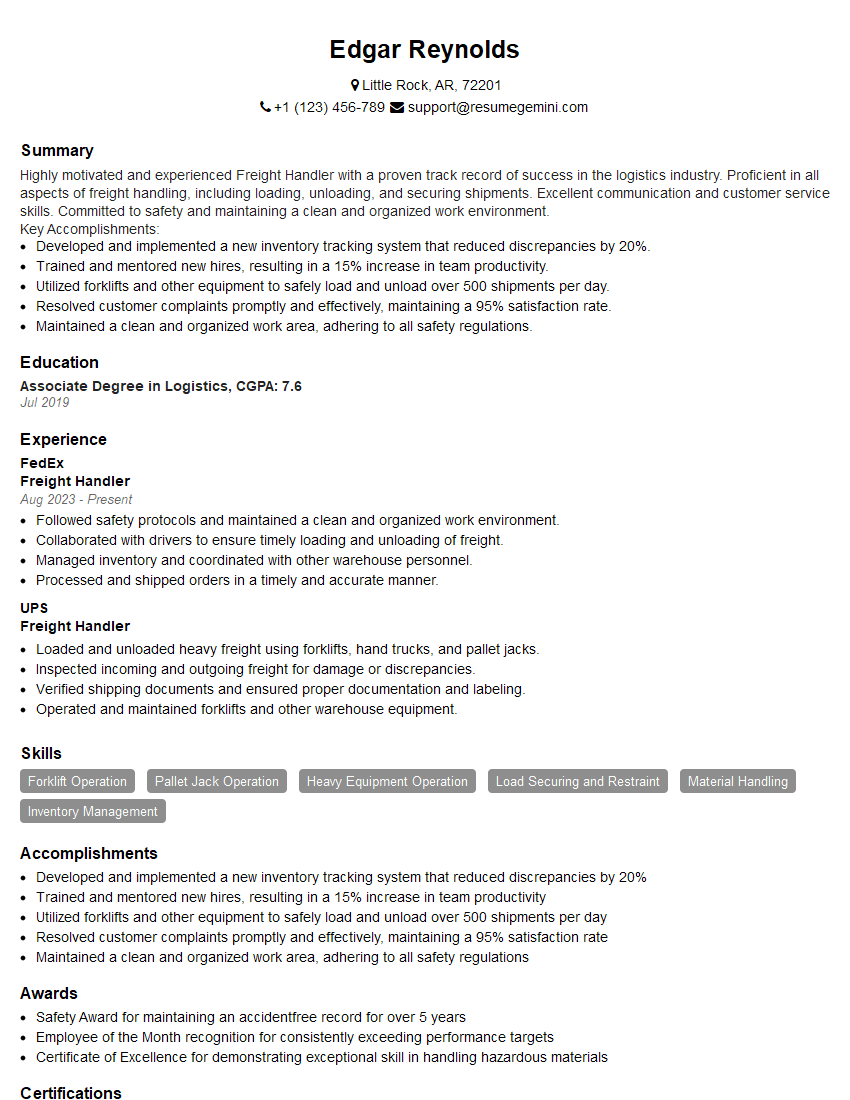
Freight Handler Resume Sample
- Operations Manager
- Supply Chain Manager
- Distribution Center Manager
- Transportation Manager
- Warehouse Manager
- Transportation Specialist
- Warehouse Supervisor
- Logistics Coordinator
- Logistics Analyst
- Transportation Planner
- Freight Broker
- Load Planner
- Delivery Driver
- Inventory Control Specialist
- Receiving Clerk
- Shipping and Receiving Clerk
- Shipping Clerk
- Forklift Operator
- Dockworker
- Freight Handler
Explore more articles
Users Rating of Our Blogs
Share Your Experience
We value your feedback! Please rate our content and share your thoughts (optional).
What Readers Say About Our Blog
Very informative content, great job.
good