Feeling uncertain about what to expect in your upcoming interview? We’ve got you covered! This blog highlights the most important Equine Handling interview questions and provides actionable advice to help you stand out as the ideal candidate. Let’s pave the way for your success.
Questions Asked in Equine Handling Interview
Q 1. Describe your experience handling horses of different breeds and temperaments.
My experience encompasses a wide range of equine breeds, from the calm and gentle temperament of a Fjord horse to the spirited nature of a Thoroughbred. Understanding these differences is crucial. For example, a Fjord, known for its placid disposition, might require a different approach than a young, untrained Thoroughbred, which might be more prone to spooking. I’ve worked with draft breeds like Clydesdales, requiring a strong but gentle touch due to their size and strength, and finer breeds like Arabians, which demand sensitivity and understanding of their highly strung nature. This experience has taught me the importance of adapting my techniques to each horse’s individual personality and breed characteristics. I’ve also worked extensively with horses displaying behavioral issues stemming from past trauma or poor handling. This reinforces the need for patience, consistency, and positive reinforcement.
Q 2. Explain your approach to safely restraining a horse for veterinary procedures.
Safely restraining a horse for veterinary procedures requires a calm, methodical approach prioritizing both the horse’s and the veterinarian’s safety. The method used depends on the procedure and the horse’s temperament. For routine procedures like vaccinations, a simple halter and lead rope might suffice, ensuring a secure but not overly restrictive hold. More complex procedures may necessitate the use of stocks or a twitch. A twitch, when used correctly, provides temporary distraction and control. However, it’s crucial to avoid overusing it and to apply it correctly to prevent injury. Always ensure the horse is comfortable and relaxed before commencing any procedure. For particularly anxious horses, using calming techniques such as soft talking and gentle stroking can be beneficial. Proper communication with the veterinary team is essential to coordinate the restraint process smoothly.
For example, if a horse needs to be sedated, coordination with the veterinarian is key. The vet needs to be informed of the horse’s temperament and any previous adverse reactions to sedation. Communication is paramount to ensuring that everyone is on the same page to promote safety and efficiency.
Q 3. How would you handle a horse exhibiting signs of colic?
Colic, a severe abdominal pain, is a veterinary emergency. The first step is to assess the horse’s condition; signs include pawing, rolling, kicking at the abdomen, restlessness, and a lack of appetite. Immediate action is crucial. Keep the horse calm and quiet; avoid unnecessary movement. Call a veterinarian immediately. While waiting for the vet, observe the horse closely, noting the severity and frequency of the symptoms, as this information is vital for the veterinarian’s diagnosis and treatment. Do not attempt any home remedies; this can be harmful. Providing the horse with access to fresh water and monitoring its vital signs—heart rate, respiratory rate, and temperature—can be helpful until professional assistance arrives. Preventing dehydration is important. The horse should be kept warm and comfortable, reducing stress as much as possible.
Q 4. What are the key signs of lameness in a horse, and how would you assess it?
Lameness is a significant issue. Key signs include a short stride, favoring one leg, head bobbing (often misinterpreted), reluctance to move, stiffness, and heat or swelling in the affected area. Assessment involves a thorough visual examination, observing the horse at walk, trot, and potentially canter. I’d palpate the legs and feet, looking for heat, swelling, or any abnormalities. Flexion tests (bending the joints) can help pinpoint the problem area. Sometimes, advanced diagnostics such as radiography or ultrasonography might be needed to identify the exact cause. For example, a horse showing head bobbing could indicate forelimb lameness; the head lowers when the sound leg hits the ground to lessen the weight on the lame leg. A thorough assessment is critical to diagnose and implement the appropriate treatment plan.
Q 5. Detail your experience with loading and transporting horses.
My experience with loading and transporting horses is extensive, encompassing various trailer types and sizes. Safe loading requires patience and understanding of equine behavior. Horses should be approached calmly and quietly, ensuring a gradual introduction to the trailer. I use positive reinforcement, using treats and verbal encouragement. If a horse is hesitant, I might use a ramp or a guide to encourage them into the trailer. Securing the horse appropriately within the trailer is also paramount; proper placement of dividers and the use of adequate breast and butt bars prevents injury during transit. Regular checks during the journey are essential to monitor the horse’s comfort and safety. I’ve loaded everything from single horses to multiple horses, including foals and pregnant mares. Each transport requires a tailored plan.
Q 6. How would you manage a horse exhibiting aggressive behavior?
Managing aggressive behavior requires a calm and controlled approach. First, identify the cause of the aggression, which could range from pain to fear or learned behavior. Never punish a horse exhibiting aggression; this can worsen the problem. I use positive reinforcement techniques, rewarding calm behavior, and employing methods like desensitization to gradually reduce the triggers for aggression. For example, if a horse is aggressive when its space is invaded, I’d slowly introduce it to human presence from a safe distance, gradually decreasing the distance as the horse becomes more comfortable. Personal protective equipment (PPE) including protective clothing and appropriate handling tools are crucial, depending on the severity of the aggression. Professional veterinary or behavioral assessment might be necessary in severe cases to rule out any underlying medical conditions or implement more specialized behavior modification programs.
Q 7. Describe your experience with hoof care and recognizing hoof problems.
I have significant experience in hoof care and recognizing hoof problems. This includes regular cleaning and trimming, identifying signs of thrush, abscesses, laminitis (founder), and other hoof diseases. Regular hoof care is essential for a horse’s well-being, preventing many issues. I can assess the condition of the hoof wall, sole, and frog, looking for any abnormalities. For example, a horse with laminitis might show signs of shifting weight, heat in the hoof, and pain when the hoof is touched. Knowing the proper techniques for trimming and shoeing horses is also crucial in maintaining their hoof health. Early detection of hoof problems can prevent serious complications, so regular monitoring is critical. I can also advise on appropriate hoof care products and maintenance schedules.
Q 8. Explain the process of administering oral medication to a horse.
Administering oral medication to a horse requires patience, skill, and a strong understanding of equine behavior. Safety for both the horse and handler is paramount. Never approach a horse from behind without letting it know you’re there. The process generally involves:
Preparation: Ensure the medication is in a form suitable for oral administration (pastes, liquids, or powders). Have the appropriate tools ready, such as a dose syringe, a balling gun (for pills), or a large syringe for liquid medication. Familiarize yourself with the correct dosage.
Approaching the Horse: Approach calmly and confidently from the horse’s side, speaking softly to reassure it. Never rush or make sudden movements.
Positioning: Ideally, position yourself slightly to the side and slightly behind the horse’s shoulder. This minimizes the risk of being kicked. You might need an assistant to hold the horse’s head if it’s particularly restless. Some horses are better at receiving medicine from the side of their neck than from their mouth.
Administering the Medication: Carefully introduce the medication into the horse’s mouth, ensuring it’s placed at the back of the tongue to prevent spitting. For pastes, use a syringe to slowly deposit it along the cheek. For pills, use a balling gun, placing the pill directly on the back of the tongue. For liquids, use a syringe carefully squirting a small amount, allowing it to be swallowed before continuing. Observe the horse swallowing to make sure the medication has been successfully administered.
Post-Administration: After medication is given, allow the horse to relax and observe it for any adverse reactions. Offer a small treat to reward good behavior. Always document the medication administered, the time, and the horse’s reaction.
For example, I once had to administer a paste wormer to a particularly nervous young horse. By approaching slowly, talking softly, and giving it a small amount of apple after, I successfully administered the medicine without incident.
Q 9. How would you handle a spooked or frightened horse?
Handling a spooked or frightened horse requires a calm and controlled approach, prioritizing safety. Never run or shout, as this will only escalate the situation. The key is to understand the horse’s body language and react appropriately.
Assess the Situation: Identify the source of the fright and, if possible, remove it safely. This may involve moving the horse to a more secure location.
Calm and Reassuring Presence: Speak softly and calmly to the horse, using a soothing tone. Avoid sudden movements or loud noises. Maintain a gentle yet firm presence to reassure the horse.
Controlled Movement: If the horse is moving erratically, gently guide it away from the source of the fright in a controlled manner. Avoid restraining it too tightly, as this could increase anxiety. Gently coax it and keep a safe distance.
Give Space and Time: Once the immediate danger has passed, allow the horse time to calm down. Observe it closely for signs of continued distress. A spooked horse might pace or show tense muscles. Allow the horse to regain its composure. Giving the horse time to de-stress is paramount.
Professional Assistance: If the horse remains highly agitated or the situation becomes unsafe, seek professional help from a veterinarian or experienced equine handler. Some horses might need medication to calm them down or might have sustained an injury during the incident.
I recall an instance where a horse spooked at a loud bang. By maintaining a calm demeanor, speaking softly, and gradually guiding the horse to a quiet area, I was able to help it regain its composure within minutes. Patience and understanding were critical.
Q 10. What are the different types of bridles and their appropriate uses?
Bridles are essential pieces of equine tack used to control and direct horses. Different types of bridles are designed for specific purposes and disciplines:
Snaffle Bridles: These are the most basic type, typically used for general riding and training. They exert direct pressure on the horse’s mouth through the bit. There are various types of snaffle bits with varying levels of pressure (e.g., loose ring, full cheek, eggbutt).
Double Bridles: These are used for more advanced riding, such as dressage. They consist of two bits—a snaffle and a curb bit—allowing for more refined control and leverage. The curb bit applies pressure to the poll (back of the head) and the chin.
Hackamores: These are bitless bridles that use leverage on the nose and poll to control the horse. They are often used for horses sensitive to traditional bits or during training phases focused on feel and respect.
Sidepulls: Similar to hackamores, these use reins attached to rings on the sides of the noseband, applying pressure to encourage turning. They are often preferred by riders who want a bitless option.
Choosing the right bridle depends on the horse’s temperament, training level, and the riding discipline. For example, a snaffle bridle is suitable for a beginner rider with a well-trained horse. A double bridle would be more appropriate for advanced dressage. Understanding the nuances and effects of different types of bridles and bits is crucial for ethical and safe riding practices. For example, a harsh bit may lead to increased stress and anxiety for a horse.
Q 11. Describe your experience with different types of horse tack and equipment.
My experience with horse tack and equipment is extensive, encompassing various types used in different disciplines. This includes:
Saddles: From English saddles (dressage, jumping, general purpose) to Western saddles (pleasure, trail, barrel racing), I have experience fitting and using various saddles, ensuring comfort and proper fit for both the horse and the rider.
Bridles and Bits: As previously discussed, I’m familiar with various types of bridles and bits, understanding their effects on the horse’s mouth and the rider’s control.
Girths and Breastplates: Ensuring the proper fit and function of girths and breastplates is crucial for saddle security and horse comfort. I know how different styles influence the horse’s comfort.
Halters and Leads: I have experience using various types of halters and leads for handling and controlling horses in different situations.
Other Equipment: This includes protective gear (boots, bandages), grooming tools, and other equipment used for the horse’s well-being and care.
Through years of experience, I have developed a keen eye for identifying and addressing any issues related to tack fit or function. A poorly fitting saddle, for instance, can lead to discomfort and potential injury for the horse. Regularly checking the tack for wear and tear is essential to ensure both the horse’s and the rider’s safety.
Q 12. How do you ensure the safety and wellbeing of horses under your care?
Ensuring the safety and wellbeing of horses under my care is my top priority. This involves a multifaceted approach:
Proper Housing and Nutrition: Providing clean, safe, and appropriate shelter, ensuring access to clean water, and supplying a balanced and nutritious diet according to the individual horse’s needs are crucial. This includes regularly checking their feed and water quantities and ensuring their stalls are cleaned thoroughly.
Regular Health Checks: Routine veterinary checkups, including vaccinations and dental care, are essential for early detection and treatment of potential health problems. I also regularly check for any injuries or signs of illness and would consult a veterinarian.
Safe Handling and Training: Employing safe and humane handling techniques, including appropriate use of tack, is critical. Providing positive reinforcement training helps to build trust and understanding between horse and handler. I avoid harsh treatment and prioritize ethical training practices.
Monitoring and Observation: I continuously monitor the horses for any signs of illness, injury, or distress. Close observation of their behavior and appetite is crucial for early intervention. Horses can mask pain or illness so careful observation is critical.
Emergency Preparedness: Having a plan in place for handling emergencies, such as colic or injury, is vital. Knowing how to contact the appropriate emergency services is equally important.
For instance, I regularly check hoof condition and cleanliness and ensure the horses have access to appropriate footing to minimize the risk of injury. A proactive approach to their well-being is essential for their safety and long-term health.
Q 13. What are the common signs of illness or injury in horses?
Recognizing common signs of illness or injury in horses is crucial for their well-being. Early detection can significantly improve treatment outcomes. Some key indicators include:
Changes in Behavior: Lethargy, depression, isolation, unusual aggression, or changes in appetite are common signs. These changes can signal underlying issues.
Physical Signs: Fever, increased respiratory rate, coughing, nasal discharge, lameness, swelling, wounds, or abnormal droppings can indicate disease or injury.
Appetite Changes: Loss of appetite, increased thirst, or changes in eating habits can signal a problem. This often correlates with pain.
Dehydration: Dry gums, sunken eyes, and loss of skin elasticity indicate dehydration, which can be a serious symptom of illness.
Respiratory Issues: Nostril flaring, rapid breathing, or a congested cough indicate respiratory problems which might require immediate attention.
For example, a subtle lameness might be missed if not carefully monitored, potentially leading to a more significant problem later on. Regular checks and a keen eye for even subtle changes are crucial.
Q 14. Explain your understanding of equine body language.
Understanding equine body language is essential for safe and effective horse handling. Horses communicate through subtle cues, and recognizing these signals can prevent misunderstandings and potential accidents. Some key aspects include:
Ears: Ears pricked forward indicate alertness and attention. Ears laid back might indicate fear or aggression. Ears swiveling side-to-side may show confusion or curiosity.
Eyes: Wide, dilated eyes often indicate fear or stress. Narrowed eyes might suggest aggression. The ‘whale eye’ effect (showing the whites of the eyes) is a very strong stress signal. The roll of the eyes might indicate fear or pain.
Mouth: A relaxed mouth indicates comfort. A tense mouth or grinding teeth may suggest pain or discomfort. Lip licking is frequently associated with nervousness or anxiety.
Tail: A relaxed tail indicates calmness. A clamped tail may indicate fear or pain. Swishing may be a sign of irritation or annoyance. Tail swishing quickly is a strong signal that the horse is uncomfortable and wants you to move away.
Body Posture: A relaxed, slightly lowered head and neck usually indicate calmness and submission. A tense, arched neck and raised head may indicate alertness, defensiveness, or aggression. Shifting weight, pawing the ground, or kicking suggest restlessness or discomfort.
For example, a horse that’s pawing the ground and swishing its tail might be indicating discomfort, perhaps related to a tight girth or an irritating fly. Understanding these cues helps build a respectful relationship, prevents problems, and allows you to tailor your interactions appropriately.
Q 15. How would you handle a horse that refuses to load into a trailer?
A horse refusing to load into a trailer is a common problem often stemming from fear or previous negative experiences. The key is patience, understanding, and positive reinforcement. I would start by assessing the horse’s body language – tense muscles, pinned ears, or swishing tail indicate anxiety. I’d never force a horse into a trailer. That can severely damage trust.
- Step 1: Desensitization: I’d begin by simply having the horse near the trailer, rewarding calm behavior with treats and praise. Gradually, I’d move closer, letting the horse investigate the trailer at its own pace.
- Step 2: Positive Reinforcement: Once comfortable around the trailer, I’d encourage the horse to enter by using high-value treats and leading them gently, never pushing. I might use a target stick to guide them into the trailer.
- Step 3: Addressing Underlying Issues: If the problem persists, I’d look for underlying causes, such as vision or hearing problems, or prior trauma. A veterinarian or equine behaviorist might be needed.
- Step 4: Patience and Consistency: Success relies on patience and consistency. Short, positive sessions are better than long, stressful ones. Celebrating small victories builds confidence.
For example, I once worked with a mare who had a terrible experience being loaded in a poorly maintained trailer. It took several weeks of patient desensitization and positive reinforcement using treats and a calm, quiet voice, but eventually, she comfortably loaded. The key was to focus on building trust and eliminating any negative associations with the trailer.
Career Expert Tips:
- Ace those interviews! Prepare effectively by reviewing the Top 50 Most Common Interview Questions on ResumeGemini.
- Navigate your job search with confidence! Explore a wide range of Career Tips on ResumeGemini. Learn about common challenges and recommendations to overcome them.
- Craft the perfect resume! Master the Art of Resume Writing with ResumeGemini’s guide. Showcase your unique qualifications and achievements effectively.
- Don’t miss out on holiday savings! Build your dream resume with ResumeGemini’s ATS optimized templates.
Q 16. Describe your experience with various riding disciplines.
My riding experience spans several disciplines. I’ve competed in dressage, focusing on the precision and elegance of the movements, which honed my skills in communication and fine motor control. I’ve also participated in western riding, emphasizing connection and feel with the horse through cues. This developed my understanding of different riding styles and communication methods. Additionally, my background includes trail riding, emphasizing horsemanship and safety in varying terrains. Each discipline offers a unique perspective and deepens my understanding of horse behavior and training principles. This breadth of experience gives me a versatile skill set adaptable to different riding styles and horse personalities.
Q 17. What are the common causes of stress in horses, and how do you mitigate them?
Stress in horses manifests in various ways, from changes in behavior to physical symptoms. Common causes include:
- Environmental Factors: Loud noises, sudden movements, unfamiliar surroundings, overcrowding, and extreme weather conditions.
- Social Factors: Lack of social interaction, bullying from other horses, and dominance hierarchies within a herd.
- Management Practices: Poor handling techniques, inconsistent training, inadequate nutrition, and lack of exercise.
- Pain and Illness: Underlying medical issues can cause significant stress.
Mitigation involves creating a calm and predictable environment, providing ample space and opportunities for social interaction, implementing consistent training and handling procedures, and ensuring proper nutrition and veterinary care. For example, providing a calming supplement like magnesium, ensuring adequate turn-out time, or using calming techniques like gentle grooming can significantly reduce stress levels. Early identification of potential stressors and proactive strategies are crucial.
Q 18. Explain your knowledge of equine nutrition and feeding practices.
Equine nutrition is critical to a horse’s health, performance, and well-being. I understand the importance of balanced diets tailored to the horse’s age, breed, activity level, and overall health. Factors like forage quality, energy requirements, and mineral balance all need consideration.
- Forage: The cornerstone of a horse’s diet. High-quality hay or pasture provides fiber crucial for digestive health.
- Concentrates: Grains and supplements are used strategically depending on the horse’s energy needs. Overfeeding concentrates can lead to obesity and metabolic issues.
- Supplements: Vitamins and minerals may be added to address specific deficiencies or support health conditions. This should always be done under veterinary guidance.
- Water: Access to clean, fresh water is essential at all times.
For instance, a performance horse needs more calories and energy compared to a retired horse, so their feeding plans will differ drastically. I’d always adjust the feeding plan based on individual needs and regularly monitor their body condition score to ensure they’re maintaining a healthy weight.
Q 19. How would you handle a situation where a horse has escaped its stable?
A horse escaping its stable is a serious situation requiring a calm and controlled approach. Safety is paramount – both for the horse and for people. I would:
- Assess the Situation: Determine where the horse is, its demeanor, and any potential hazards.
- Secure the Area: Alert others and create a perimeter to prevent further escape or accidents. Close gates and warn traffic.
- Approach Cautiously: Avoid sudden movements or loud noises that might frighten the horse.
- Attempt to Guide the Horse: If possible, use calm verbal cues and body language to gently guide the horse back toward its stable or a designated area.
- Seek Assistance: If the horse is agitated or unable to be guided easily, seek help from experienced handlers or professionals.
- Investigate Cause: Once the horse is safely returned, thoroughly investigate the cause of the escape and address any security issues.
For example, I recall a horse that escaped because of a faulty latch on his stable door. The horse was initially spooked by a noise, and the faulty latch gave way. Following the escape, we promptly replaced the latch and implemented additional safety measures.
Q 20. How do you maintain a clean and safe stable environment?
Maintaining a clean and safe stable environment is crucial for both horse and human well-being. My approach encompasses daily and regular cleaning protocols.
- Daily Cleaning: This includes removing manure and soiled bedding, mucking out stalls, and cleaning water and feed buckets. Removing urine and wet spots prevents the growth of harmful bacteria and keeps the environment dry and comfortable.
- Regular Cleaning: Regular cleaning involves disinfecting the stalls, scrubbing surfaces, and cleaning equipment. This helps prevent the spread of disease.
- Waste Disposal: Proper manure management minimizes the risk of parasites and diseases. Manure should be disposed of promptly and responsibly.
- Safety Checks: Regular safety checks involve inspecting fences for damage, ensuring gates are securely fastened, and checking for any hazards, such as protruding nails or sharp objects.
- Ventilation: Adequate ventilation ensures good air quality and prevents the build-up of ammonia and moisture.
A clean and well-maintained stable not only improves horse health but also makes the working environment safer and more pleasant for all involved. It’s a proactive approach to preventing illness and accidents.
Q 21. Describe your experience with basic first aid for horses.
I’m proficient in basic equine first aid, including wound care, recognizing signs of colic, and responding to minor injuries. I understand the importance of prompt action and when to seek professional veterinary assistance.
- Wound Care: Cleaning and dressing wounds appropriately, using sterile materials, and assessing for signs of infection.
- Colic Management: Recognizing the signs of colic (abdominal pain) and providing supportive care until veterinary help arrives. This could include keeping the horse quiet, preventing access to food, and monitoring vital signs.
- Minor Injuries: Addressing minor injuries, such as cuts and abrasions, with appropriate first aid and monitoring for complications.
- Emergency Response: Knowing when to call the veterinarian or emergency services is crucial. This includes situations involving major injuries, severe colic, or signs of serious illness.
It’s important to note that equine first aid is only a temporary measure. Veterinary attention is vital for a full diagnosis and appropriate treatment. The ability to recognize when professional help is needed is a critical aspect of equine first aid.
Q 22. Explain your understanding of equine reproduction and breeding.
Equine reproduction and breeding is a complex field encompassing the entire process from understanding the mare’s estrous cycle to the foaling process and beyond. It requires a deep understanding of equine anatomy and physiology, as well as careful management practices.
The mare’s estrous cycle, typically 21 days, is crucial. We need to accurately identify ovulation using techniques like rectal palpation or ultrasound to time artificial insemination (AI) or natural mating precisely. AI offers advantages in terms of controlled breeding, access to superior genetics, and reduced risk of disease transmission compared to natural cover.
Gestation lasts approximately 11 months. During this period, meticulous monitoring of the mare’s health, nutrition, and overall well-being is paramount. This includes regular veterinary checkups, focusing on fetal development and the mare’s overall health. Preparation for foaling involves creating a safe and clean foaling stall, monitoring the mare closely for signs of impending labor, and assisting if complications arise.
Post-foaling care includes monitoring the mare and foal for signs of health issues, ensuring proper colostrum intake for the foal, and gradually introducing solid food. Further management includes record-keeping, which allows us to track the breeding process effectively and to identify any potential issues or patterns that may improve future breeding outcomes. For example, I once managed a mare with a history of irregular cycles. By carefully tracking her cycle and using ultrasound, we identified a small cyst that was delaying ovulation. Treating the cyst resulted in a successful pregnancy.
Q 23. What are the key aspects of equine welfare?
Equine welfare is paramount and encompasses the five freedoms: freedom from hunger and thirst, freedom from discomfort, freedom from pain, injury, or disease, freedom to express normal behavior, and freedom from fear and distress. This means providing horses with appropriate nutrition, clean and comfortable housing, regular veterinary care, and opportunities for social interaction and exercise.
Providing appropriate nutrition involves tailoring diets to the individual horse’s needs based on factors such as age, breed, workload, and health status. This could involve providing high-quality hay, grain, and supplements. Comfortable housing means providing adequate space, protection from the elements, and clean bedding. Regular veterinary care involves preventative health measures like vaccinations and deworming, as well as prompt treatment of any illness or injury.
The freedom to express normal behavior is incredibly important and means ensuring horses have opportunities to graze, socialize, and engage in natural behaviors. This could involve turnout in paddocks or access to a range of enrichment activities. Freedom from fear and distress involves handling horses in a calm and respectful manner, avoiding harsh treatment, and minimizing stressful situations.
I once worked with a rescue horse that had been severely neglected. It took time, patience, and a consistent approach using positive reinforcement to rebuild its trust and confidence. The transformation was rewarding, showing that careful attention to welfare can make an enormous difference.
Q 24. How do you ensure the biosecurity of a stable environment?
Biosecurity in a stable environment aims to prevent the introduction and spread of infectious diseases. This involves a multi-faceted approach, starting with strict hygiene protocols.
Key aspects include regular cleaning and disinfection of stables, equipment, and tack. This requires the use of appropriate disinfectants, and ensuring all surfaces are thoroughly cleaned and dried. Foot baths containing disinfectant should be used at entrances to limit the spread of pathogens via footwear. Visitors should be encouraged to disinfect their footwear as well.
Quarantine is essential for any new horses entering the stable environment. New arrivals should be kept isolated for a period (typically 2-4 weeks) before being introduced to the general horse population to allow for observation and testing to rule out any disease. Thorough health checks, including temperature checks, are important for both new and existing horses.
Implementing good pest control measures (such as fly control strategies, rodent control and parasite management) is important for minimizing potential disease vectors. Strict biosecurity protocols prevent infections that could spread through feed and water sources. Thoroughly cleaning and disinfecting feeding and watering equipment is vital. Furthermore, I always record any instances of illness or disease to help track potential outbreaks and implement preventative measures.
Q 25. What safety measures do you employ when working with horses?
Safety when working with horses is paramount. It’s crucial to always approach horses calmly and confidently, avoiding sudden movements or loud noises that could startle them.
Essential safety measures include wearing appropriate clothing, such as long sleeves and trousers to offer protection from scrapes and kicks. Strong, well-fitting footwear is crucial to prevent injuries. Always handle horses from their left (near) side, which most horses are most accustomed to. Avoid standing directly behind a horse as it can easily kick.
When leading a horse, maintain a firm grip on the lead rope, but don’t hold it too tight. The use of safety equipment such as riding helmets, body protectors, and appropriate footwear helps to reduce the risk of injuries. When handling horses, never leave anything on the ground near them that could scare them. It is also good practice to check for any potential hazards in the environment to maintain a safe working environment.
For example, if you need to perform procedures like wound cleaning, having an experienced assistant to help restrain the horse while minimizing stress and maximizing safety for both the horse and handler is important. Never attempt to handle a particularly agitated or aggressive horse alone.
Q 26. Describe your experience working with different horse handling equipment.
My experience with horse handling equipment is extensive, encompassing a wide range of tools and techniques. I’m proficient in using halters, lead ropes, bridles, and various types of bits, selecting the most appropriate equipment based on the horse’s temperament, training level, and the task at hand.
Halters are essential for leading, catching, and controlling horses. Different types of halters, such as leather or nylon, serve different purposes. Lead ropes should be strong and durable, enabling secure control of the horse. Bridles and bits are used for riding and training, and the selection process involves considering the horse’s mouth sensitivity and the rider’s skill level.
I have experience using specialized equipment like lunging equipment and long lines for training and exercise. I am also familiar with using various types of grooming equipment, which aids in maintaining the horse’s overall health and appearance. Understanding the proper use and care of all equipment ensures its longevity and safety. For example, I’ve found that a well-fitted bridle, with a correctly adjusted bit, significantly improves the horse’s responsiveness and comfort during riding.
Q 27. How do you assess a horse’s suitability for a particular task or discipline?
Assessing a horse’s suitability for a particular task or discipline involves a comprehensive evaluation of its physical and mental attributes. This includes assessing its conformation, temperament, and athletic abilities.
Conformation assessment considers the horse’s structure and how its various body parts align. Certain conformations are better suited to specific disciplines. For example, a horse with a shorter, stockier build might excel in weight-bearing disciplines like draft work, whereas a horse with longer legs and a lighter build might be better suited to speed and agility sports. A thorough veterinary examination, including lameness evaluations and assessments of soundness, is crucial.
Temperament evaluation focuses on the horse’s personality, responsiveness to training, and overall behavior. A calm and willing horse is important for most disciplines, whereas more spirited horses might be better suited for disciplines requiring more excitement and athleticism. Athletic assessment involves observing the horse’s gaits, speed, agility, and overall athleticism. For example, assessing a horse for dressage would focus on its suppleness, balance, and ability to perform the required movements, whereas a horse for jumping would be assessed on its jumping style and athleticism.
I once assessed a horse for eventing. It had a good conformation but exhibited a tendency towards nervousness. Through careful observation and training, we realized that its nervousness stemmed from anxiety around certain obstacles. We addressed this through systematic desensitization, ultimately leading to the horse succeeding in lower-level events.
Q 28. Explain your experience in training horses or assisting in their training.
My experience in training horses and assisting in their training spans many years and various disciplines. I employ a combination of classical and modern training techniques, always prioritizing positive reinforcement methods.
Positive reinforcement focuses on rewarding desired behaviors, building a strong horse-handler bond based on trust and mutual respect. This approach avoids harsh punishment, instead building confidence and encouraging cooperation. I utilize various training aids such as longe lines, whips (used as extensions of the arm, not for punishment), and target training for exercises to develop specific skills in a systematic way.
I’ve worked with horses of all ages and experience levels, from young, unbroken horses to highly trained competition horses. My experience includes groundwork, starting young horses under saddle, and refining the skills of more advanced horses. I adapt my training methods to each horse’s individual needs, recognizing that each horse is unique in terms of its temperament, learning style, and physical capabilities.
For instance, I helped train a young warmblood for dressage. Through consistent training using positive reinforcement, we overcame its initial fear of the rider and progressed through various levels of dressage movements, demonstrating the effectiveness of this humane and efficient training method.
Key Topics to Learn for Your Equine Handling Interview
- Equine Behavior and Psychology: Understanding horse temperament, body language, and common behavioral issues is crucial. Practical application includes recognizing signs of stress or discomfort and adapting your handling techniques accordingly.
- Safe Handling Techniques: Mastering leading, haltering, grooming, and loading techniques is essential for both safety and demonstrating proficiency. Consider the differences in handling techniques for various breeds and ages.
- Tack and Equipment Knowledge: Familiarity with different types of bridles, saddles, and other equipment, including their proper fitting and use, is vital. Be prepared to discuss maintenance and safety checks.
- First Aid and Emergency Procedures: Knowing how to respond to common equine injuries and emergencies demonstrates responsibility and preparedness. This includes wound care, recognizing colic symptoms, and knowing when to call a veterinarian.
- Stable Management: Understanding stable routines, including feeding, mucking stalls, and maintaining a clean and safe environment, is important for many roles. Discuss your experience with different stable management practices.
- Riding and Training (if applicable): Depending on the role, you may need to discuss your riding experience, training methods, and understanding of equine athleticism and conditioning.
- Ethical Considerations: Demonstrate your understanding of ethical handling practices and your commitment to the well-being of the horses. Be prepared to discuss your approach to humane treatment and responsible horse care.
Next Steps
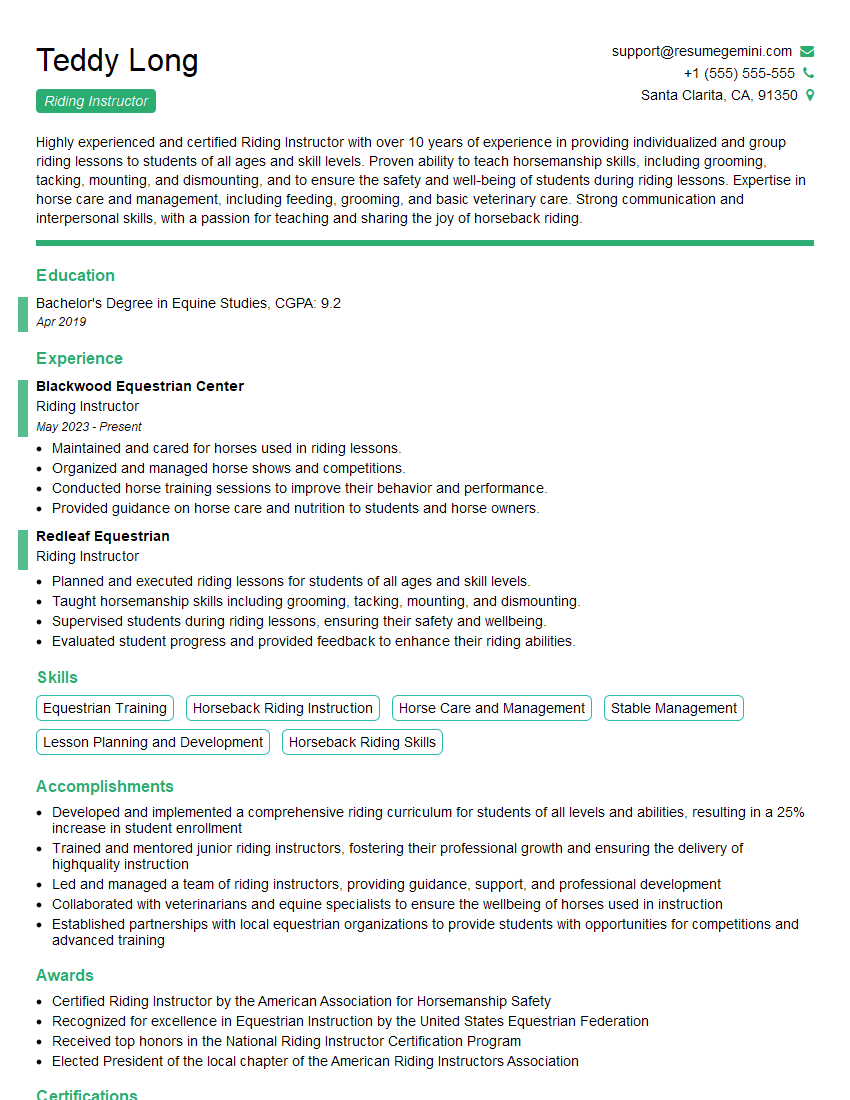
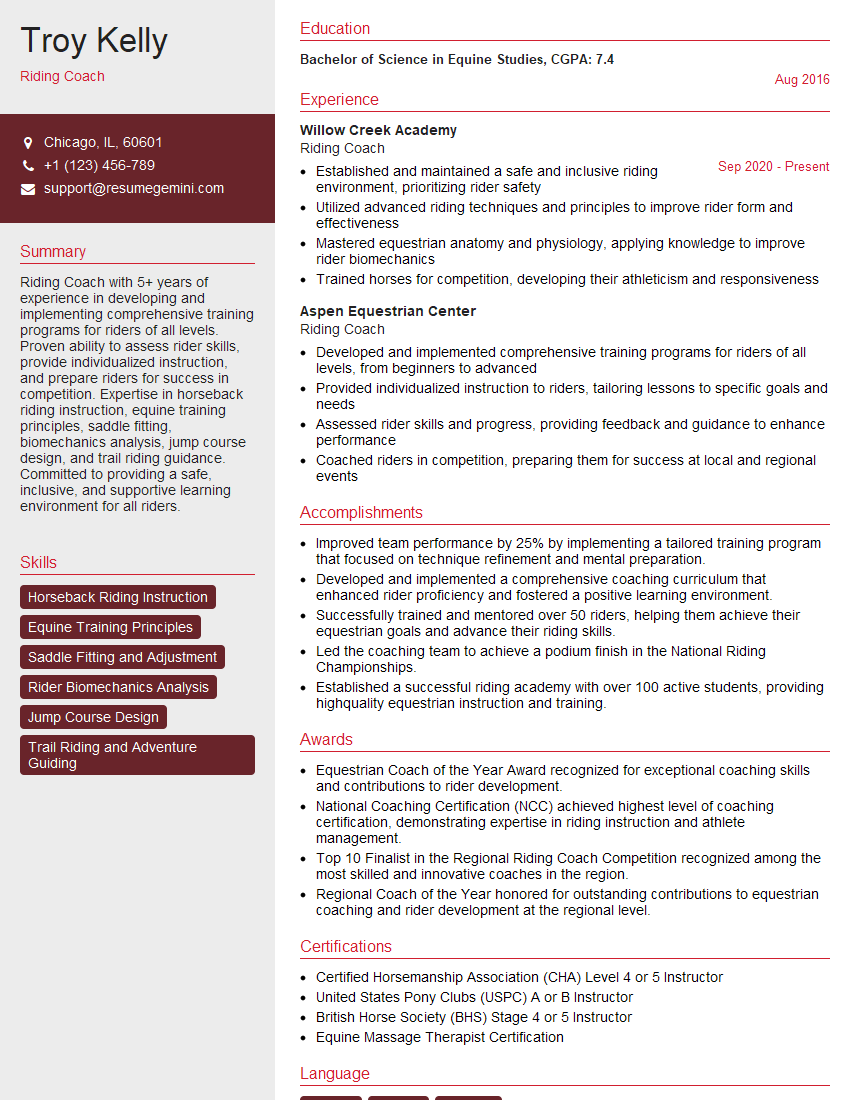
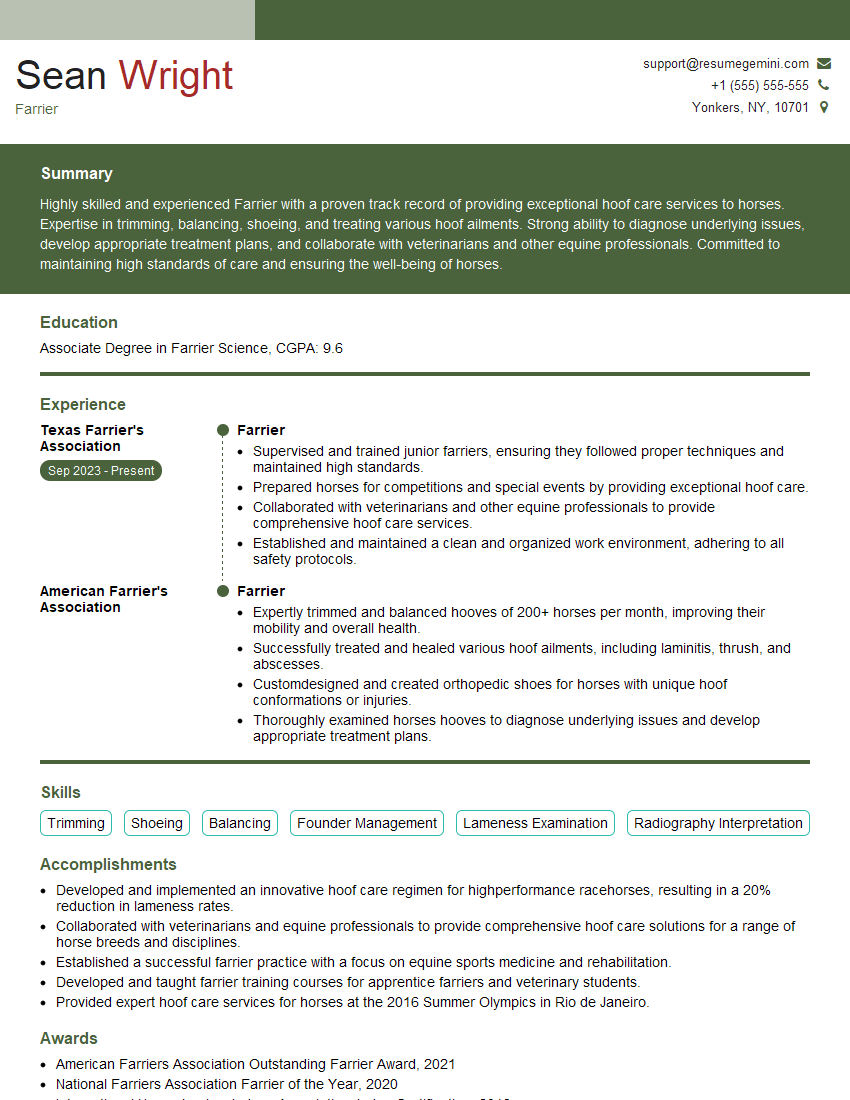
Mastering equine handling skills opens doors to rewarding careers with diverse opportunities for growth and specialization. A strong resume is your key to unlocking these opportunities. Creating an ATS-friendly resume that highlights your skills and experience is crucial for getting noticed by potential employers. Use ResumeGemini to craft a professional and impactful resume that showcases your expertise in equine handling. ResumeGemini provides examples of resumes tailored to the Equine Handling field, helping you present your qualifications effectively.




Explore more articles
Users Rating of Our Blogs
Share Your Experience
We value your feedback! Please rate our content and share your thoughts (optional).
What Readers Say About Our Blog
Very informative content, great job.
good