The right preparation can turn an interview into an opportunity to showcase your expertise. This guide to Electrical Wiring Systems interview questions is your ultimate resource, providing key insights and tips to help you ace your responses and stand out as a top candidate.
Questions Asked in Electrical Wiring Systems Interview
Q 1. Explain the National Electrical Code (NEC) and its importance.
The National Electrical Code (NEC) is a widely adopted set of regulations and standards for electrical wiring and installations in the United States. It’s published by the National Fire Protection Association (NFPA) and is crucial for ensuring safety and preventing electrical hazards. Think of it as the rulebook for safe electrical work. It covers everything from residential wiring to complex industrial setups. Its importance lies in minimizing the risk of electrical fires, shocks, and other accidents. The NEC dictates wire types, installation methods, grounding requirements, and much more, leading to consistent, safe electrical systems across the country. Failure to comply with the NEC can result in legal repercussions, insurance issues, and, most importantly, potentially life-threatening situations.
Q 2. Describe different types of electrical wiring (e.g., Romex, BX, conduit).
Electrical wiring comes in various types, each suited for different applications. Let’s look at three common examples:
- Romex (NM-B cable): This is a common type of non-metallic sheathed cable used in residential wiring. It consists of insulated conductors encased in a flexible plastic sheath. It’s relatively easy to install and cost-effective, making it popular for many homeowners’ projects. However, it’s not suitable for all applications, particularly those requiring significant protection against physical damage.
- BX cable (AC cable, armored cable): This type of cable has its conductors protected by a flexible metal sheath, offering superior protection against physical damage compared to Romex. This makes it suitable for areas where the cable might be subject to abrasion or impact. BX cable is often used in renovations or in areas where there’s a higher risk of physical damage.
- Conduit (metallic or non-metallic): This is a hollow pipe or tubing that houses and protects individual electrical conductors (wires). Conduit allows for flexibility in adding or changing wires later. It offers excellent protection against physical damage, corrosion, and moisture, making it a preferred choice for industrial, commercial, and some residential installations. There are various types of conduit materials, including PVC (polyvinyl chloride), rigid steel, and flexible metal conduit, each with its own advantages and disadvantages depending on the application.
Q 3. What are the safety precautions when working with high voltage systems?
Working with high-voltage systems demands extreme caution and adherence to strict safety protocols. Here are some key precautions:
- Lockout/Tagout (LOTO): Always de-energize the system and apply LOTO procedures before working on any high-voltage equipment. This ensures that the power cannot be accidentally switched back on while you’re working.
- Personal Protective Equipment (PPE): Wear appropriate PPE, including insulated gloves, eye protection, and arc flash protective clothing. The level of PPE required depends on the voltage level.
- Trained Personnel: Only qualified and experienced electricians with specific training in high-voltage work should perform such tasks.
- Proper Tools: Utilize insulated tools rated for the voltage level being worked on. Damaged or improperly insulated tools should never be used.
- Grounding: Ensure proper grounding to prevent electrical shocks. This often involves grounding the equipment and using grounding straps.
- Supervision: High-voltage work should ideally be done under the supervision of a competent person.
Remember, complacency is a major cause of accidents when dealing with high voltage. Every precaution should be taken seriously.
Q 4. How do you troubleshoot a faulty circuit?
Troubleshooting a faulty circuit involves a systematic approach. First, you need to safely de-energize the circuit by turning off the breaker or disconnecting the power source. Once de-energized, you can start your checks. This process usually starts with visual inspection:
- Visual Inspection: Look for any obvious signs of damage, such as loose connections, burned wires, or damaged insulation.
- Testing with a Multimeter: Use a multimeter to test the continuity of the circuit and to check for voltage at different points. This will help identify the location of the fault.
- Testing Outlets and Switches: Check outlets and switches for proper operation and look for any indication of problems.
- Tracing the Circuit: Follow the circuit path from the power source to the load, checking each component for proper function.
- Check Grounding: Confirm that the ground connection is good.
If the fault is not easily identifiable, more specialized testing equipment might be necessary. Remember, always prioritize safety. If you are unsure, consult a qualified electrician.
Q 5. Explain the difference between series and parallel circuits.
The key difference between series and parallel circuits lies in how the components are connected:
- Series Circuit: In a series circuit, the components are connected end-to-end, forming a single path for the current to flow. If one component fails, the entire circuit is broken. The voltage across each component adds up to the total voltage of the source, while the current remains the same throughout the circuit. Think of it like a single-lane road; all traffic must travel the same path.
- Parallel Circuit: In a parallel circuit, the components are connected across each other, providing multiple paths for the current to flow. If one component fails, the others continue to operate. The voltage across each component is the same as the source voltage, while the current splits among the different paths. This is like a multi-lane highway, each lane allows a different stream of traffic to move independently.
Series circuits are simpler, but less reliable, while parallel circuits are more complex, but more robust. Most household wiring systems are primarily parallel circuits to ensure that if one appliance fails, the others continue to work.
Q 6. What are the common causes of electrical fires?
Electrical fires can have various causes, often stemming from a combination of factors. Some common ones include:
- Overloaded Circuits: Drawing too much current through a circuit than its designed capacity. Think plugging too many appliances into a single outlet. This leads to overheating and potential fire.
- Faulty Wiring: Damaged or improperly installed wiring is a leading cause of electrical fires. This can include loose connections, frayed wires, and short circuits.
- Overheated Appliances: Appliances with defective heating elements or faulty wiring can overheat and ignite flammable materials.
- Arcing: An electric arc, which is a high-temperature discharge of electricity, can occur due to loose connections or worn insulation. This arc produces extreme heat, igniting nearby materials.
- Appliance Malfunctions: Malfunctioning appliances, particularly those with internal heating elements, can cause fires.
- Improper Grounding: An inadequate grounding system can lead to stray current flow and overheating.
Regular inspection and maintenance of electrical systems, coupled with following safety precautions, are crucial in preventing electrical fires.
Q 7. How do you determine the appropriate wire gauge for a given application?
Choosing the correct wire gauge is crucial for safety and efficient operation. Wire gauge refers to the diameter of the wire, with smaller gauge numbers indicating thicker wires. Thicker wires can carry more current safely. The NEC provides tables that specify the appropriate wire gauge based on the amperage (current) the circuit will carry. You’ll need to consider:
- Amperage (current): The amount of current the circuit will draw. This is determined by the appliances or equipment that will be connected to the circuit.
- Length of the wire run: Longer wire runs require thicker wires to compensate for voltage drop. The longer the distance, the more resistance the wire offers, and the more voltage is lost along the way.
- Type of insulation: Different insulation materials have different temperature ratings. The wire gauge should be selected to match the insulation’s temperature rating.
- Environmental conditions: The location of the wiring (e.g., exposed to sunlight, moisture) may require a heavier gauge wire for better protection.
Using a wire that is too thin for the current it carries can lead to overheating and fire hazards. Using a wire that’s too thick is less of a safety issue but might be wasteful and unnecessary.
Q 8. What are the different types of electrical grounding methods?
Electrical grounding is crucial for safety, preventing electric shock and protecting equipment. There are several methods, each with its own advantages and applications:
- Grounding Electrode System: This involves driving a grounding rod (typically copper-clad steel) deep into the earth. This provides a low-resistance path for fault currents to flow to the earth, preventing dangerous voltage buildup. This is commonly seen in residential settings.
- Grounding Electrode Conductor: This is the wire connecting the grounding electrode (rod) to the electrical system’s grounding busbar in the service panel. It’s usually bare copper wire, sized according to the service’s amperage.
- Water Pipe Grounding (Outdated): Older systems might use metal water pipes as a grounding electrode. However, this is becoming less common due to the prevalence of plastic piping, which isn’t conductive.
- Concrete-Encased Electrode: Reinforcing steel in concrete foundations can be used as a grounding electrode, provided it’s properly bonded and connected to the system.
- Multiple Grounding Electrodes: For larger installations or areas with high soil resistivity, multiple grounding electrodes are often used in parallel to reduce overall resistance and improve safety.
The choice of grounding method depends on factors like soil resistivity, the size and type of installation, and local electrical codes. A properly designed grounding system is paramount for a safe and functional electrical installation.
Q 9. Describe your experience with various electrical testing equipment (e.g., multimeters, clamp meters).
My experience with electrical testing equipment is extensive. I’ve regularly used multimeters for measuring voltage, current, and resistance in various applications, from troubleshooting simple household circuits to verifying the integrity of complex industrial systems. For instance, I’ve used a multimeter to identify a faulty outlet by checking for voltage at the terminals and continuity through the circuit. I’m also proficient with clamp meters, which are indispensable for quickly and safely measuring current without having to disconnect wires. I recall using a clamp meter to measure the current draw of a large motor to assess its operational efficiency and identify any potential overload situations.
Beyond multimeters and clamp meters, I’m familiar with other testing equipment, such as:
- Meggers: Used for insulation resistance testing, crucial for verifying the integrity of cable insulation.
- Ground Resistance Testers: To measure the effectiveness of grounding systems.
- Loop Impedance Testers: For evaluating the protective device operation in a circuit.
Proficiency with these tools allows for thorough fault finding, preventative maintenance, and ensuring electrical safety across diverse applications.
Q 10. Explain the concept of voltage drop and its implications.
Voltage drop is the reduction in voltage between the source and the load in an electrical circuit. It’s caused by the resistance of the conductors (wires). Imagine water flowing through a pipe; the narrower the pipe, the more pressure (voltage) is lost as the water travels.
Implications: Excessive voltage drop can lead to several problems:
- Reduced Equipment Performance: Motors might run slower, lighting might be dimmer, and electronic devices may malfunction or fail to operate properly.
- Overheating: Higher current due to increased resistance can cause wires to overheat, potentially leading to fires.
- Safety Hazards: Reduced voltage can impair the operation of safety devices like ground fault circuit interrupters (GFCIs).
Calculating voltage drop is crucial during design to ensure adequate wire sizing. The formula is:
Voltage Drop = (2 * Current * Length * Resistance) / 1000where length is the one-way distance, resistance is the resistance per 1000 feet of the wire, and current is measured in amperes. A properly sized wire minimizes voltage drop and ensures efficient and safe operation of the electrical system. For example, a long run to a distant shed will require thicker gauge wire to compensate for the increased voltage drop.
Q 11. How do you interpret electrical schematics and blueprints?
Interpreting electrical schematics and blueprints requires a thorough understanding of electrical symbols and conventions. Schematics provide a simplified, functional representation of the circuit, showing the interconnections of components and devices. Blueprints, on the other hand, depict the physical layout of the wiring and equipment within a building or structure.
My approach involves a systematic review:
- Symbol Recognition: I carefully identify the symbols for components (switches, outlets, lights, motors, etc.) and understand their function within the circuit.
- Tracing Paths: I trace the electrical paths from the power source (panel) to the load (equipment) to fully grasp the circuit’s functionality.
- Voltage and Current Identification: I verify voltage levels and current ratings of circuits and components to ensure compatibility and safety.
- Cross-referencing with Blueprints: I correlate schematic information with the physical layout shown on the blueprints to understand where components are located and how they are physically wired.
For example, a schematic might show a three-way switch controlling a light from two locations. By tracing the circuit, I can understand how the wiring is connected to allow control from both switches. The blueprint then shows the exact physical location of these switches and the light fixture.
Q 12. Describe your experience with different types of electrical panels.
My experience encompasses various electrical panel types:
- Main Service Panels: These are the primary distribution points for incoming power, typically containing circuit breakers and a main disconnect.
- Subpanels: These are smaller panels fed from a main panel, used to distribute power to specific areas or sections of a building.
- Load Centers: Similar to main panels, but often found in smaller residential applications.
- Meter Sockets: These are enclosures where utility meters are housed, connecting the power company’s lines to the building’s service.
I’ve worked with different panel manufacturers and designs, understanding the varying safety features and operational requirements. I’m familiar with the proper procedures for panel upgrades, replacements, and additions. For example, I’ve helped upgrade older fuse panels to safer circuit breaker panels, significantly improving safety and preventing potential hazards from overheating fuses.
Q 13. How do you ensure compliance with local and national electrical codes?
Compliance with local and national electrical codes is paramount. My approach involves:
- Code Familiarity: I maintain a deep understanding of the relevant codes, including the National Electrical Code (NEC) and any local amendments. This knowledge is regularly updated to reflect changes and revisions.
- Permitting: I always ensure that necessary permits are obtained before undertaking any electrical work. This is essential to comply with regulations and ensure inspections are conducted.
- Inspections: I work closely with inspectors to address any concerns during the inspection process. This guarantees the work meets all standards and regulations.
- Documentation: Thorough documentation of all work, including materials used, calculations, and test results, is maintained for future reference and potential audits.
By adhering strictly to these practices, I ensure all projects meet the highest safety standards, protecting both the clients and myself.
Q 14. Explain the process of installing a new electrical outlet.
Installing a new electrical outlet is a common task that, while seemingly straightforward, requires careful attention to safety and code compliance.
The process generally includes these steps:
- Turn off the power: This is the most critical step to prevent electrical shock. Verify that the power is off using a non-contact voltage tester.
- Locate the circuit: Identify the appropriate circuit to connect the new outlet to by checking the panel. Make sure the circuit’s capacity can handle the additional load.
- Prepare the wiring: Run the necessary wires from the existing circuit to the new outlet location, ensuring proper support and secure fastening. Use appropriate wire connectors.
- Mount the outlet box: Securely mount the electrical box in the wall, ensuring it’s properly grounded and level.
- Connect the wires: Carefully connect the wires (hot, neutral, and ground) to the outlet, following the color codes and making secure connections.
- Install the outlet: Carefully push the outlet into the box, ensuring it’s flush with the wall.
- Test the outlet: Turn the power back on and test the outlet using a non-contact voltage tester and a multimeter to verify proper voltage and grounding.
Always refer to the NEC and local codes for specific requirements and to ensure safety throughout the entire process. Improper installation can lead to electrical hazards, so attention to detail and adherence to best practices are crucial.
Q 15. What is the difference between AC and DC electricity?
The primary difference between AC (Alternating Current) and DC (Direct Current) electricity lies in the direction of electron flow. In DC, electrons flow consistently in one direction, like a river flowing downstream. This is the type of electricity produced by batteries. AC, on the other hand, periodically reverses the direction of electron flow, oscillating back and forth like a pendulum. This is the type of electricity supplied to our homes and businesses.
Think of it like this: DC is like a water pipe constantly pushing water in one direction. AC is like a pump that pushes water back and forth.
This difference has significant implications for applications. DC is often used in low-voltage applications like electronics and battery-powered devices because it’s easier to regulate and control voltage. AC is more efficient for long-distance transmission because voltage can be easily stepped up and down using transformers, minimizing energy loss during transmission.
Career Expert Tips:
- Ace those interviews! Prepare effectively by reviewing the Top 50 Most Common Interview Questions on ResumeGemini.
- Navigate your job search with confidence! Explore a wide range of Career Tips on ResumeGemini. Learn about common challenges and recommendations to overcome them.
- Craft the perfect resume! Master the Art of Resume Writing with ResumeGemini’s guide. Showcase your unique qualifications and achievements effectively.
- Don’t miss out on holiday savings! Build your dream resume with ResumeGemini’s ATS optimized templates.
Q 16. Describe your experience with electrical wiring in different environments (e.g., residential, commercial, industrial).
My experience spans diverse electrical wiring environments. In residential settings, I’ve worked extensively with 120/240V circuits, installing branch circuits for lighting, appliances, and receptacles, always adhering to the National Electrical Code (NEC) for safety and compliance. I’m familiar with various wiring methods, including Romex and conduit systems, and have experience troubleshooting common residential issues such as faulty outlets and overloaded circuits.
Commercial projects have involved larger-scale installations, often with more complex power distribution systems, including three-phase power, and higher amperage requirements. I’ve worked on projects incorporating sophisticated lighting control systems and fire alarm systems, requiring a thorough understanding of safety regulations and building codes.
Industrial environments present unique challenges with high-voltage systems, specialized equipment, and potentially hazardous environments. I have experience working with industrial control systems, motor controls, and explosion-proof equipment, where safety is paramount, and adherence to stringent safety protocols is mandatory. This often involves working with licensed electricians specializing in industrial settings.
Q 17. How do you identify and address electrical hazards?
Identifying and addressing electrical hazards is crucial for safety. My approach involves a multi-step process. First, I visually inspect wiring and equipment for signs of damage, such as frayed wires, loose connections, or overheating. I use appropriate testing equipment, like voltage testers and multimeters, to verify circuit integrity and identify potential shorts or ground faults. I always follow the relevant safety protocols, including lockout/tagout procedures, before working on live circuits.
Addressing the hazards requires taking appropriate action based on the identified problem. This might involve repairing damaged wiring, replacing faulty components, or implementing additional safety measures like ground fault circuit interrupters (GFCIs) or arc fault circuit interrupters (AFCIs). Documentation of the identified problem, corrective actions, and testing performed is essential for maintaining a safe work environment.
For instance, I once discovered a loose connection in a commercial kitchen causing arcing and potential fire hazard. By identifying the faulty connection through careful inspection and using a multimeter to confirm the fault, I was able to safely correct the issue, preventing a potential disaster.
Q 18. What are the common types of electrical connectors and their applications?
Many types of electrical connectors are used in wiring systems, each suited for different applications. Some common examples include:
- Wire nuts: Used to connect wires of the same size and gauge within a junction box. They ensure secure connections and provide insulation.
- Receptacles and plugs: Commonly used for connecting appliances and devices to power sources. Different types exist for different voltages and amperages (e.g., NEMA 5-15 for standard household outlets, NEMA 14-50 for high-power appliances).
- Terminal blocks: Used to securely connect multiple wires to a single point, often found in control panels and industrial applications.
- Splices: Various types of splices, such as solderless connectors or crimp connectors, are used to join wires together.
- Connectors for conduit systems: These connectors provide a safe and secure way to connect conduits together, ensuring proper grounding and protection from environmental factors.
The choice of connector depends on factors such as wire size, voltage, current, and the environment. It’s essential to use the appropriate connector for each application to ensure safety and proper functionality. Incorrect connector usage could lead to loose connections, overheating, or even fires.
Q 19. Explain the concept of overcurrent protection and its importance.
Overcurrent protection is a critical safety mechanism that prevents damage to wiring and equipment and minimizes the risk of fire. It works by automatically interrupting the flow of electricity when the current exceeds a safe level. This is typically caused by a short circuit, overload, or ground fault.
The importance of overcurrent protection cannot be overstated. Without it, excessive current could overheat wires, causing insulation to melt, leading to potential fires. It also protects connected equipment from damage due to excessive current. Common overcurrent protection devices include circuit breakers and fuses.
Imagine a fuse as a sacrificial device; it melts and breaks the circuit if the current exceeds its rating, protecting the rest of the circuit. A circuit breaker works similarly but can be reset after tripping, making it reusable.
Q 20. How do you size circuit breakers and fuses appropriately?
Sizing circuit breakers and fuses correctly is vital for safety and proper operation. The size must be appropriate for the wire gauge and the load it will carry. The NEC provides tables and guidelines to determine the appropriate size based on wire gauge, insulation type, and ambient temperature.
First, you determine the total amperage draw of all devices connected to a circuit. Then, you select a circuit breaker or fuse with a rating equal to or greater than the calculated amperage but not exceeding the wire’s amperage rating. For instance, a 15-amp circuit breaker should be used with 14 AWG wire, while a 20-amp breaker is suitable for 12 AWG wire. Using a breaker rated higher than the wire capacity is unsafe.
Incorrect sizing can lead to overloaded circuits, resulting in overheating, fires, and equipment damage. Therefore, accurate calculation and selection are crucial.
Q 21. What are your experiences working with different types of conduits?
I’ve worked with various types of conduits, each with its strengths and applications:
- Rigid metal conduit (RMC): Highly durable and offers excellent protection against physical damage and corrosion. Commonly used in industrial and commercial settings.
- Intermediate metal conduit (IMC): Lighter and easier to work with than RMC, offering good protection. Suitable for many commercial and industrial applications.
- Electrical metallic tubing (EMT): Lightweight and flexible, making it easy to install. Widely used in residential and commercial applications.
- Flexible metal conduit (FMC): Highly flexible, used for connecting equipment where movement is expected.
- Plastic conduits (PVC): Lightweight, corrosion-resistant, and less expensive than metallic conduits. Commonly used in residential and some commercial settings.
The choice of conduit depends on factors like the environment, the application, and the required level of protection. For instance, RMC might be preferred in hazardous locations for its robust protection, while PVC might be suitable for dry interior environments.
Q 22. Describe your experience with electrical motor control circuits.
My experience with electrical motor control circuits is extensive, encompassing design, installation, troubleshooting, and maintenance across various industrial and commercial settings. I’m proficient in various control methods, including direct-on-line starters, across-the-line starters, reduced-voltage starters (autotransformer and wye-delta), and variable frequency drives (VFDs).
For instance, I recently worked on a project involving the upgrade of an aging motor control system in a manufacturing plant. This involved replacing outdated across-the-line starters with modern VFDs, resulting in significant energy savings and improved motor longevity. I meticulously selected the appropriate VFD based on the motor’s specifications and the application’s requirements. The project also involved programming the VFD to optimize motor performance and protection. My expertise extends to understanding the safety implications of motor control circuits, ensuring compliance with all relevant codes and standards.
Furthermore, I have practical experience with various types of motor protection devices, including thermal overload relays, fuses, and circuit breakers. I understand the importance of selecting appropriate protection devices based on the motor’s rating and the application’s demands to prevent damage and ensure safe operation.
Q 23. How do you calculate the power consumption of an electrical circuit?
Calculating the power consumption of an electrical circuit is fundamental. The most common formula uses the relationship between power (P), voltage (V), and current (I): P = V * I, where power is measured in watts (W), voltage in volts (V), and current in amperes (A). This formula applies to DC circuits and resistive AC circuits.
For AC circuits with reactive components (like inductors and capacitors), we need to consider the power factor (PF). The actual power consumed is called real power (P), and it’s calculated as P = V * I * PF. Apparent power (S), measured in volt-amperes (VA), represents the total power supplied to the circuit, and it’s calculated as S = V * I. The relationship between real power, apparent power, and reactive power (Q) is given by the power triangle. Understanding the power factor is crucial for efficient system design.
For example, imagine a circuit operating at 120V with a current of 10A and a power factor of 0.8. The real power consumed would be P = 120V * 10A * 0.8 = 960W, while the apparent power would be S = 120V * 10A = 1200VA. A low power factor indicates inefficiencies, highlighting the importance of power factor correction in industrial applications.
Q 24. What is your experience with using wire strippers and crimpers?
I’m highly proficient in using wire strippers and crimpers, essential tools for any electrician. I’m familiar with various types, from basic hand tools to automated crimping machines. Proper use of these tools is crucial for ensuring safe and reliable connections. Improper stripping can lead to loose connections and potential fire hazards, while incorrect crimping can damage wires and compromise the integrity of the connection.
I always choose the right tool for the job, considering the wire gauge and type. I’m careful to avoid nicking or damaging the conductor during stripping, ensuring a clean, even strip. For crimping, I ensure the crimper is appropriately calibrated and applied with the correct force to achieve a secure and reliable connection. My experience includes using these tools on a wide variety of wires, including copper, aluminum, and fiber optic cables.
I regularly maintain my tools to ensure they are functioning optimally. This includes keeping them clean, sharp, and properly adjusted. Regular maintenance prevents premature wear and tear and ensures consistent, high-quality workmanship.
Q 25. Explain your understanding of electrical transformers and their function.
Electrical transformers are essential components used to change the voltage level of an alternating current (AC) power supply. They function based on the principle of electromagnetic induction. A transformer consists of two or more coils of wire, called windings, wrapped around a common ferromagnetic core. The primary winding is connected to the input voltage source, while the secondary winding provides the output voltage.
The voltage transformation ratio is determined by the number of turns in the primary and secondary windings. A step-up transformer increases the voltage, while a step-down transformer decreases it. The power remains largely constant (ignoring losses), meaning that a higher voltage implies a lower current and vice versa. This is expressed by the equation: (Vprimary / Vsecondary) = (Nprimary / Nsecondary), where V represents voltage and N represents the number of turns.
Transformers are widely used in power distribution systems, where high-voltage transmission lines are stepped down to safer and more usable voltages for homes and businesses. They are also found in electronic devices, like power adapters for laptops and cell phone chargers, to convert mains voltage to lower voltages required by the internal circuitry. Understanding transformer types, such as isolation transformers and autotransformers, is critical for safe and efficient system design.
Q 26. Describe a time you had to troubleshoot a complex electrical problem. What was your approach?
During a recent project, I encountered a complex problem with a three-phase motor that was intermittently tripping its circuit breaker. Initial checks revealed no obvious faults. My systematic approach began with a thorough visual inspection, checking for loose connections, damaged insulation, and signs of overheating. After this yielded nothing, I used a multimeter to check the voltage, current, and resistance of each phase. This identified a slight imbalance in the phase currents, hinting at a problem within the motor itself.
Next, I used a motor current analyzer to precisely measure the motor’s current draw under various loads. This confirmed an internal fault. Finally, I employed vibration analysis equipment to detect any unusual vibrations or noises that might indicate mechanical problems. This revealed an issue with one of the motor’s bearings. By methodically checking different parameters and using specialized tools, I accurately pinpointed the fault, leading to efficient repair. This case highlighted the importance of a structured approach, precise measurements, and the appropriate use of diagnostic tools in complex troubleshooting scenarios.
Q 27. What are your strengths and weaknesses as an electrician?
My strengths as an electrician include my strong problem-solving abilities, attention to detail, and commitment to safety. I’m a quick learner, adaptable to new technologies, and proficient in using a wide range of diagnostic tools. I also work effectively both independently and as part of a team.
One area I’m working to improve is my time management skills when faced with multiple, urgent tasks. I’m actively implementing project management techniques to better organize my workload and prioritize tasks effectively. I believe continuous professional development is crucial, and I’m constantly seeking opportunities to enhance my skills and knowledge base.
Q 28. What are your salary expectations?
My salary expectations are in line with the industry standard for experienced electricians with my level of expertise and experience. I am open to discussing a competitive compensation package that reflects my skills and contributions to the company. Specific numbers can be discussed further after reviewing the details of the position and responsibilities.
Key Topics to Learn for Electrical Wiring Systems Interview
- Fundamentals of Electricity: Understand Ohm’s Law, Kirchhoff’s Laws, and basic circuit analysis. This forms the bedrock of all electrical systems.
- Wiring Codes and Standards: Familiarize yourself with relevant national and local electrical codes (e.g., NEC in the US). Knowing these ensures safe and compliant installations.
- Wiring Diagrams and Schematics: Practice interpreting and creating wiring diagrams. This is crucial for understanding existing systems and planning new ones.
- Types of Wiring and Cable: Learn the properties and applications of different cable types (e.g., THHN, BX, Romex) and their appropriate uses in various environments.
- Wiring Installation Techniques: Master the practical skills of wire termination, splicing, and joining, including proper grounding and bonding techniques.
- Troubleshooting and Diagnostics: Develop your ability to identify and resolve common electrical faults using multimeters and other diagnostic tools. This showcases practical problem-solving skills.
- Safety Procedures and Practices: Understand and adhere to all relevant safety regulations and best practices to prevent accidents and injuries.
- Electrical Protection Devices: Become proficient in the function and application of circuit breakers, fuses, GFCIs, and AFCIs. Understanding these is vital for safety and system protection.
- Common Electrical Components: Gain familiarity with various electrical components such as switches, outlets, panels, and lighting fixtures. Understand their function and installation methods.
- Residential vs. Industrial Wiring: Explore the key differences in approach, code requirements, and safety considerations between residential and industrial wiring systems.
Next Steps
Mastering Electrical Wiring Systems opens doors to exciting career opportunities with excellent growth potential. A strong understanding of these systems is highly sought after in various industries. To maximize your job prospects, create an ATS-friendly resume that highlights your skills and experience effectively. ResumeGemini is a trusted resource that can help you build a professional and impactful resume. They provide examples of resumes tailored to Electrical Wiring Systems, allowing you to craft a document that truly showcases your qualifications. Invest time in crafting a compelling resume; it’s your first impression on potential employers.
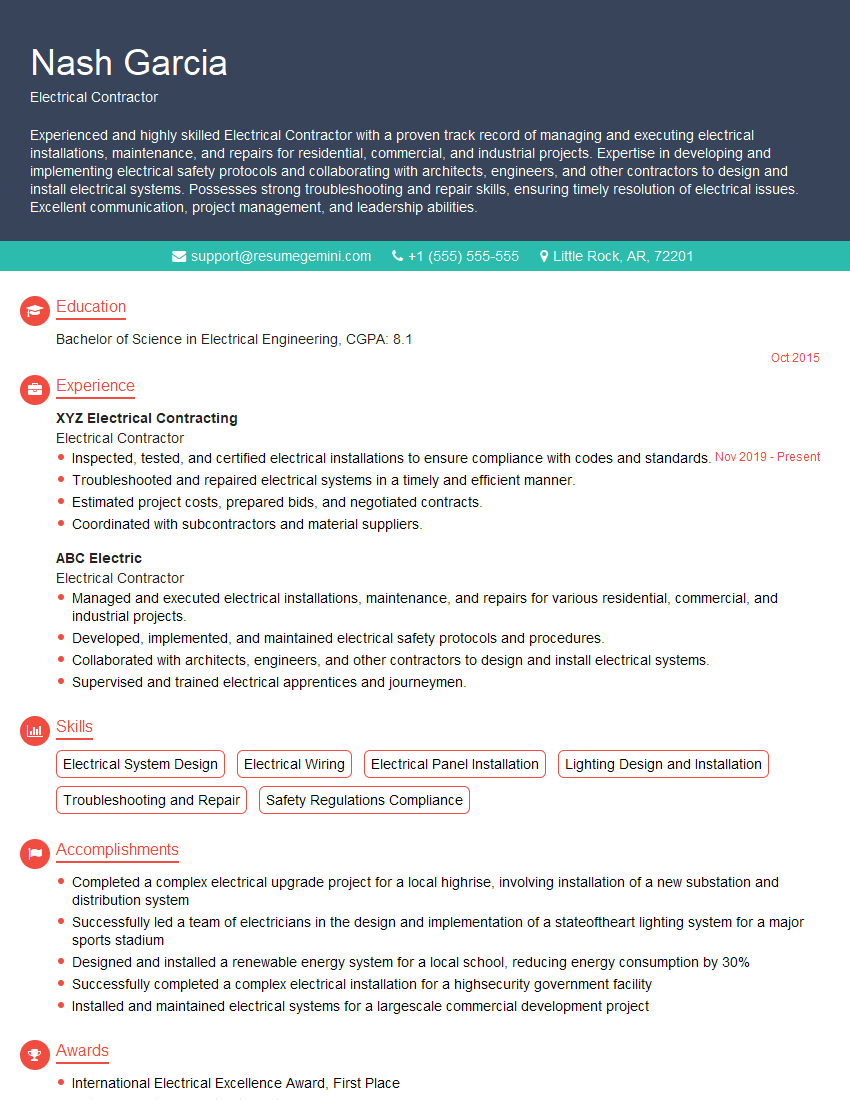
Electrical Contractor Resume Sample
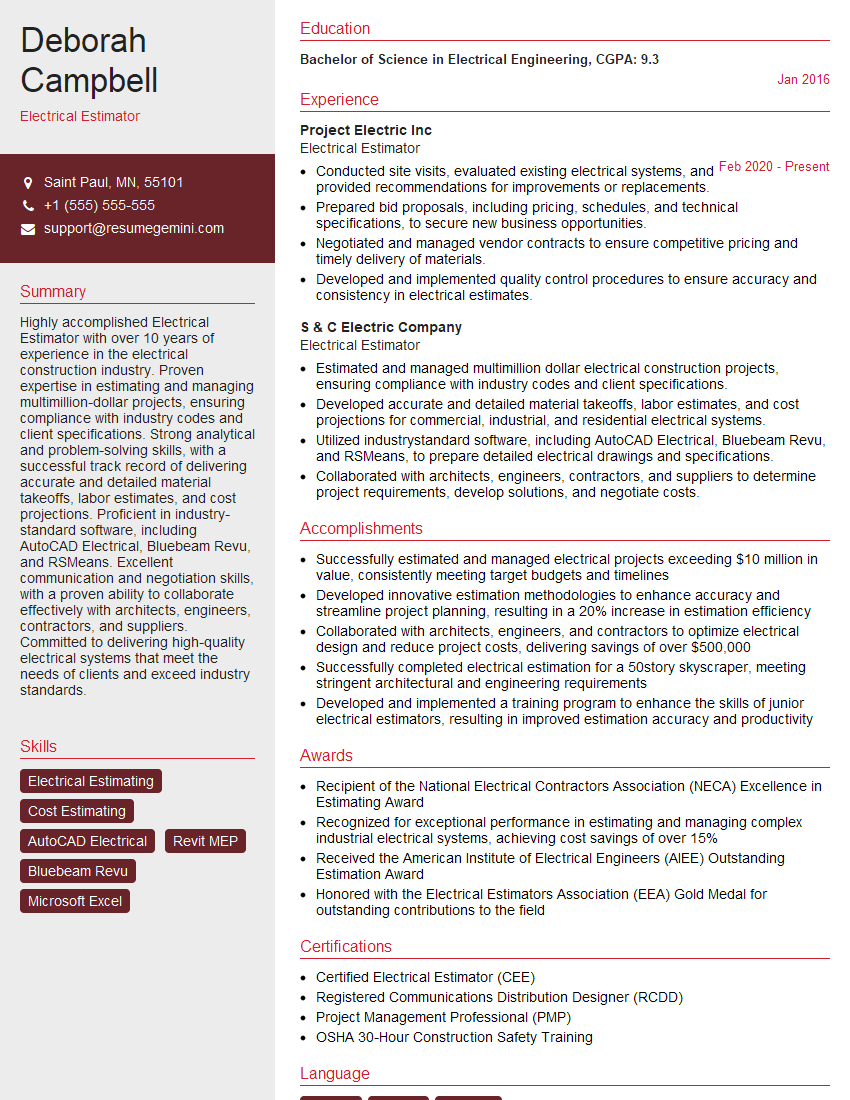
Electrical Estimator Resume Sample
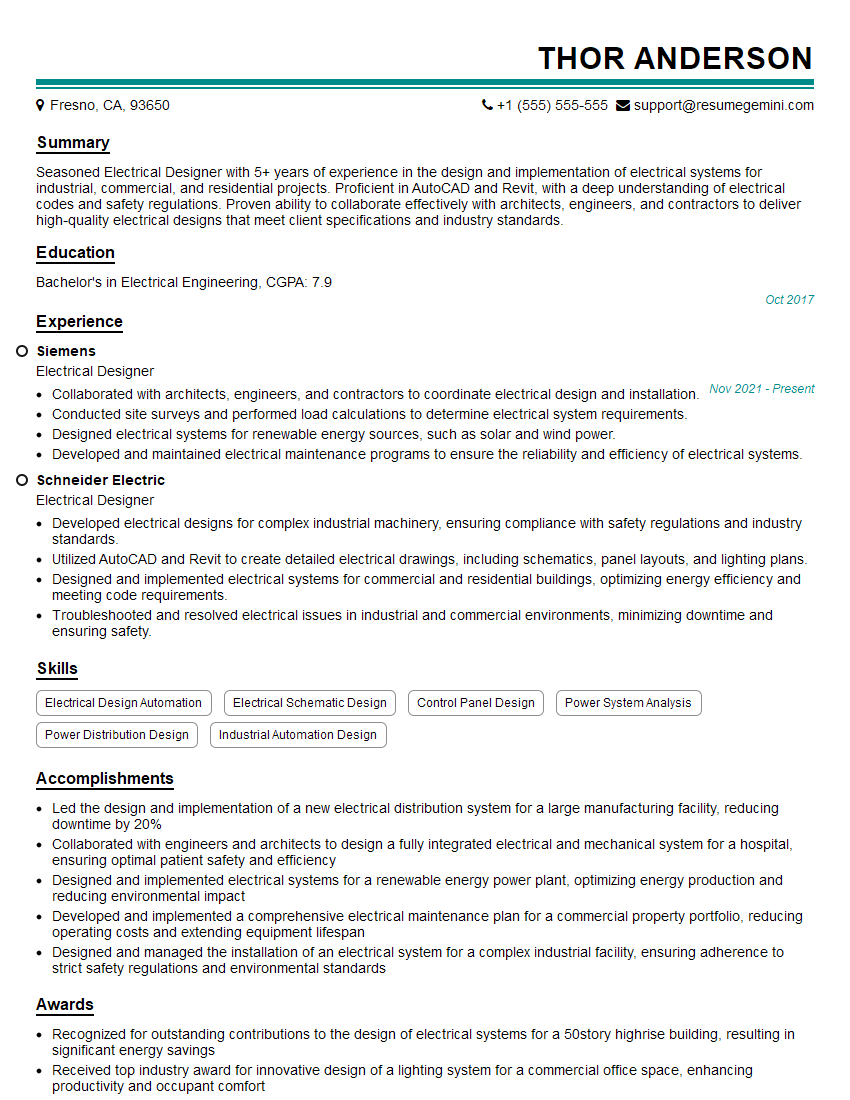
Electrical Designer Resume Sample
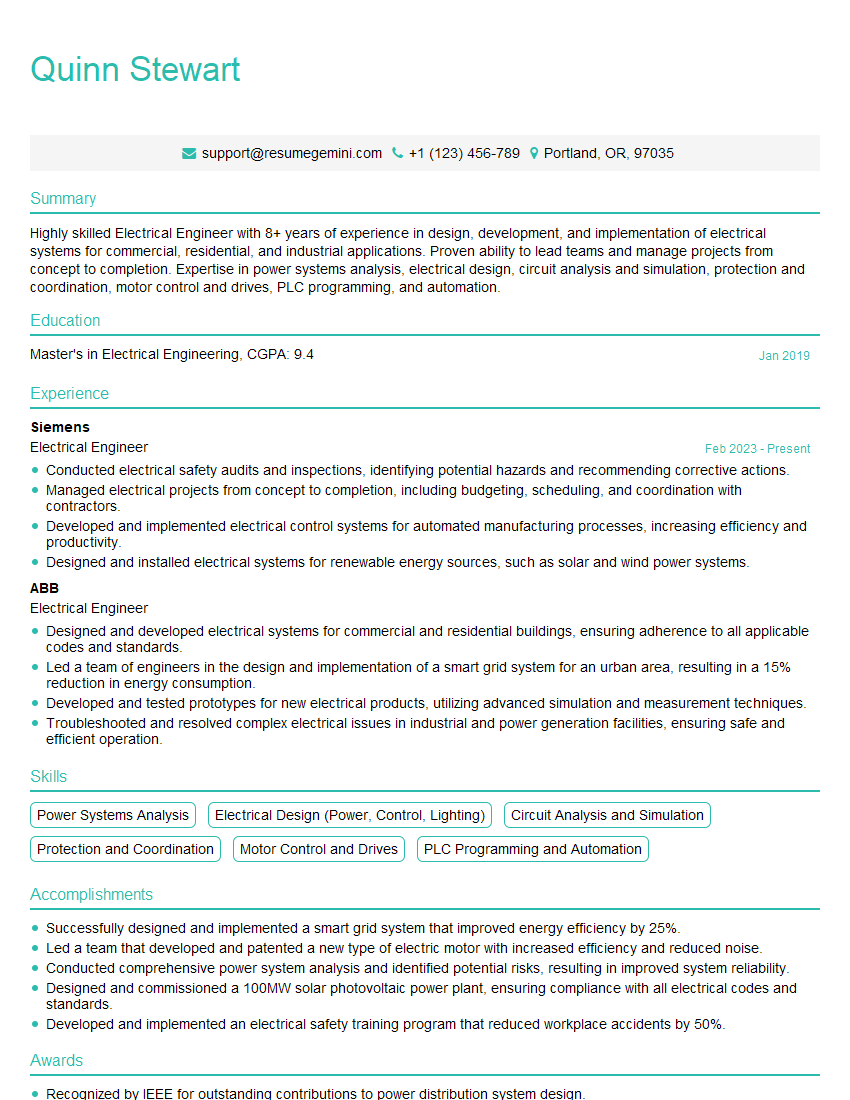
Electrical Engineer Resume Sample
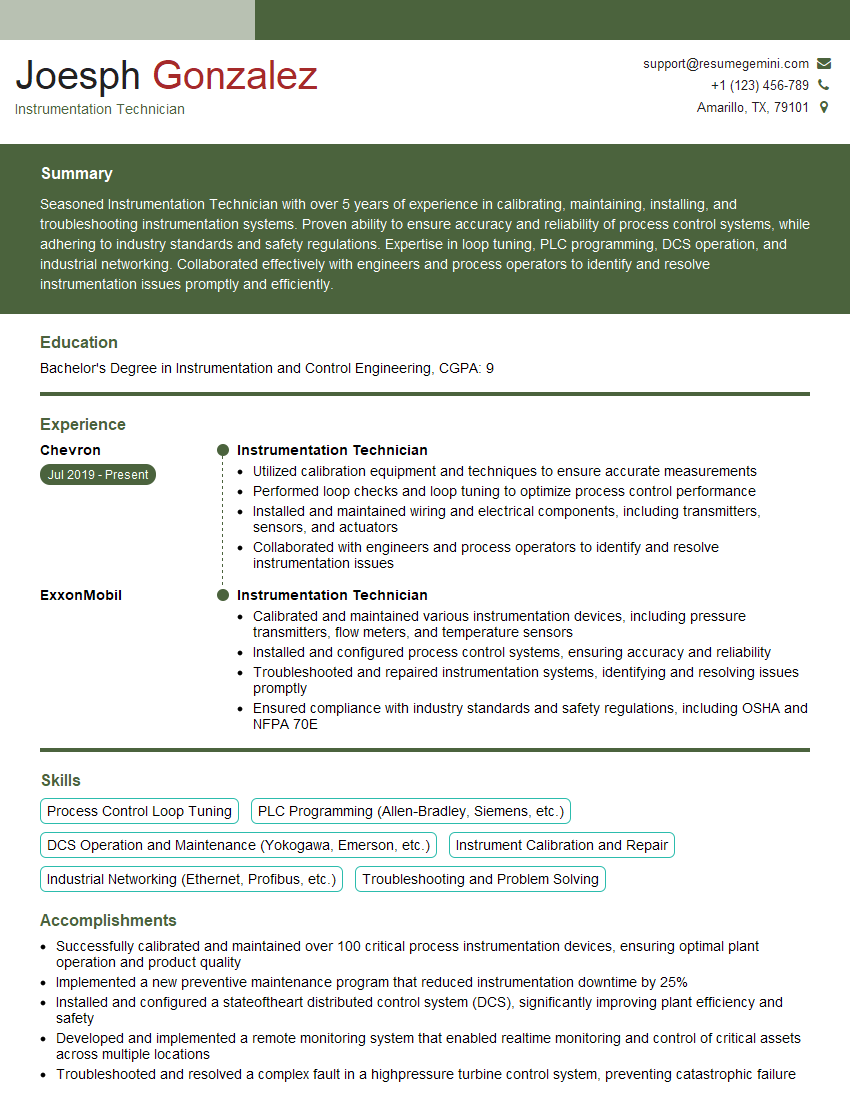
Instrumentation Technician Resume Sample
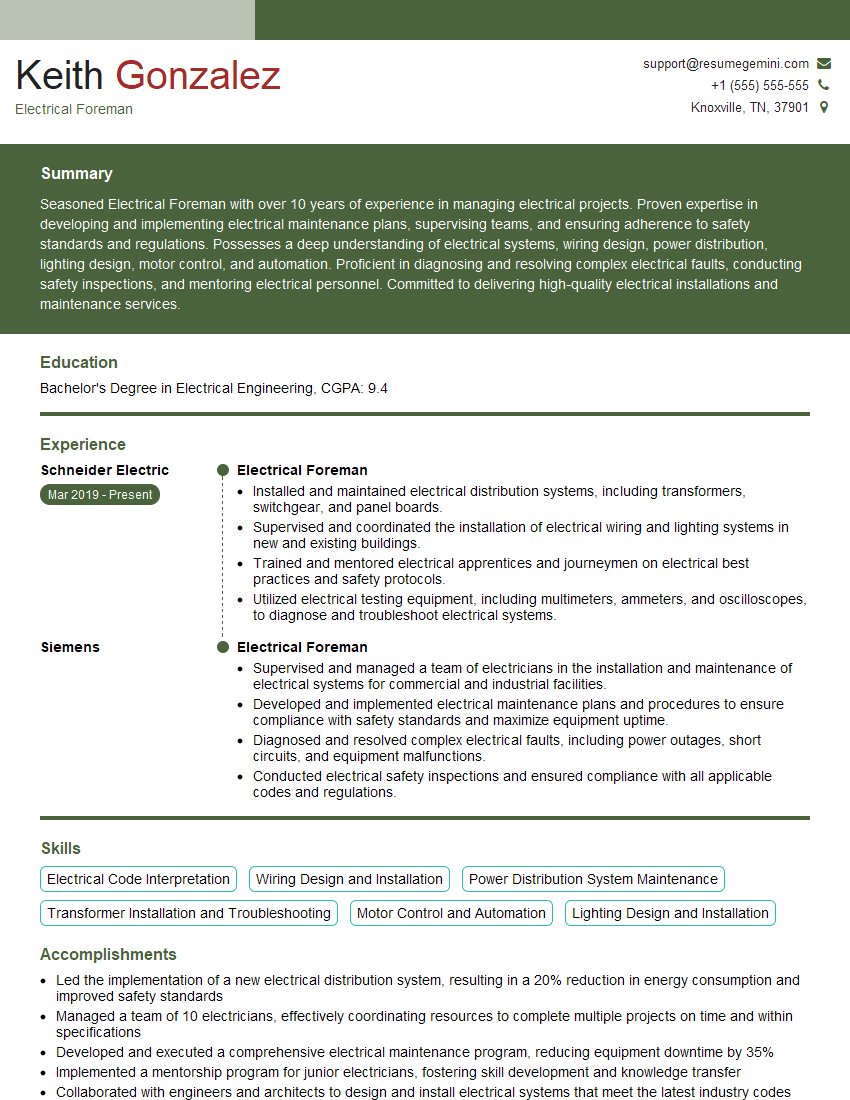
Electrical Foreman Resume Sample
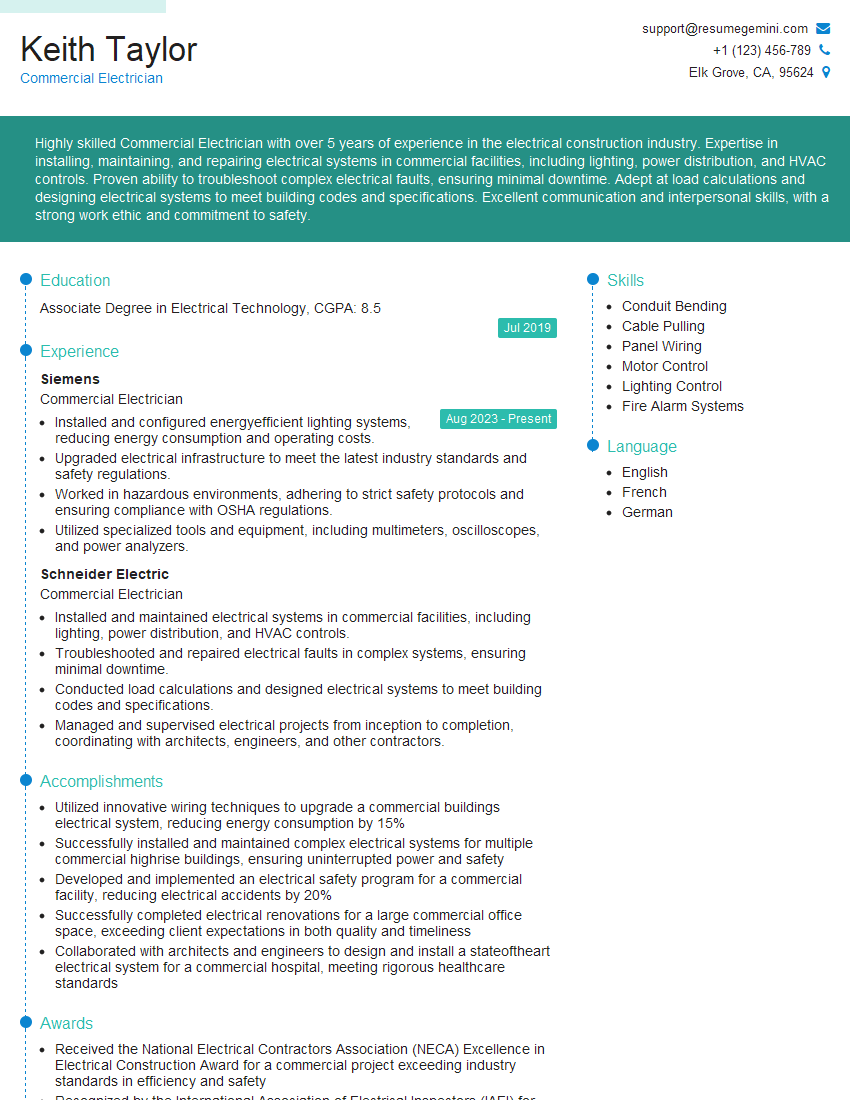
Commercial Electrician Resume Sample
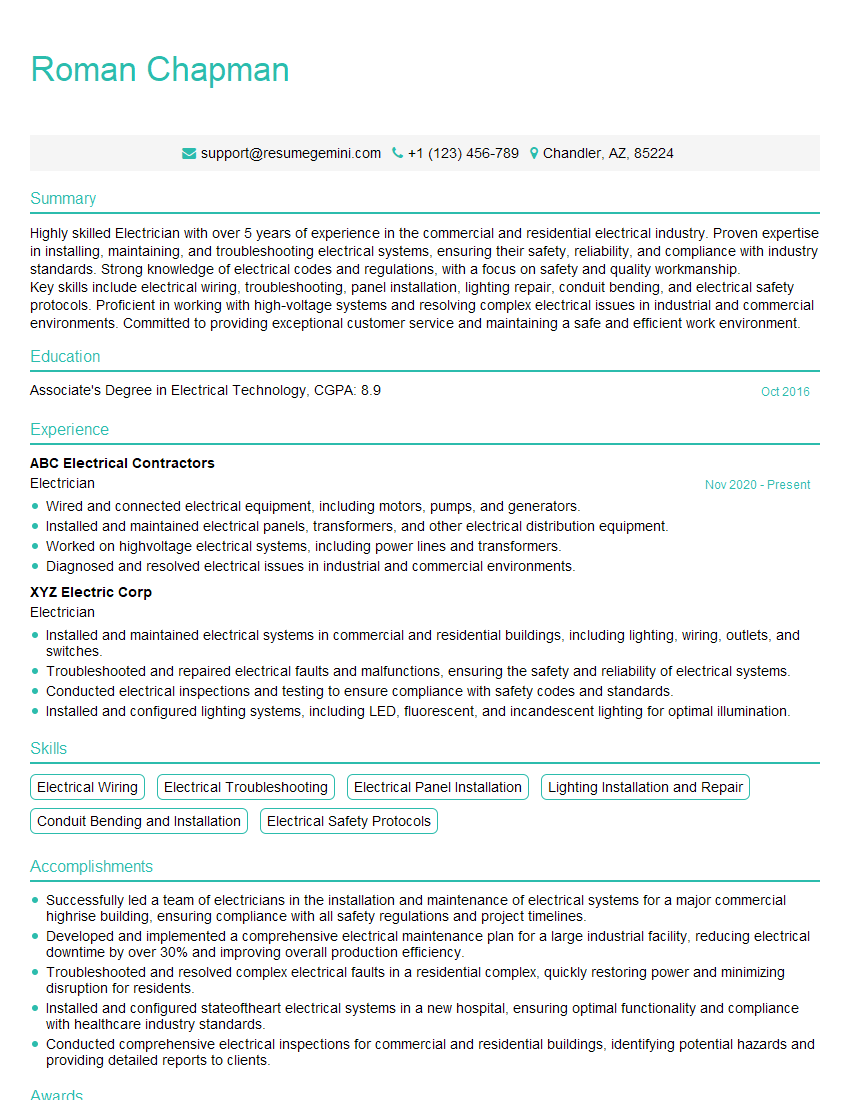
Electrician Resume Sample
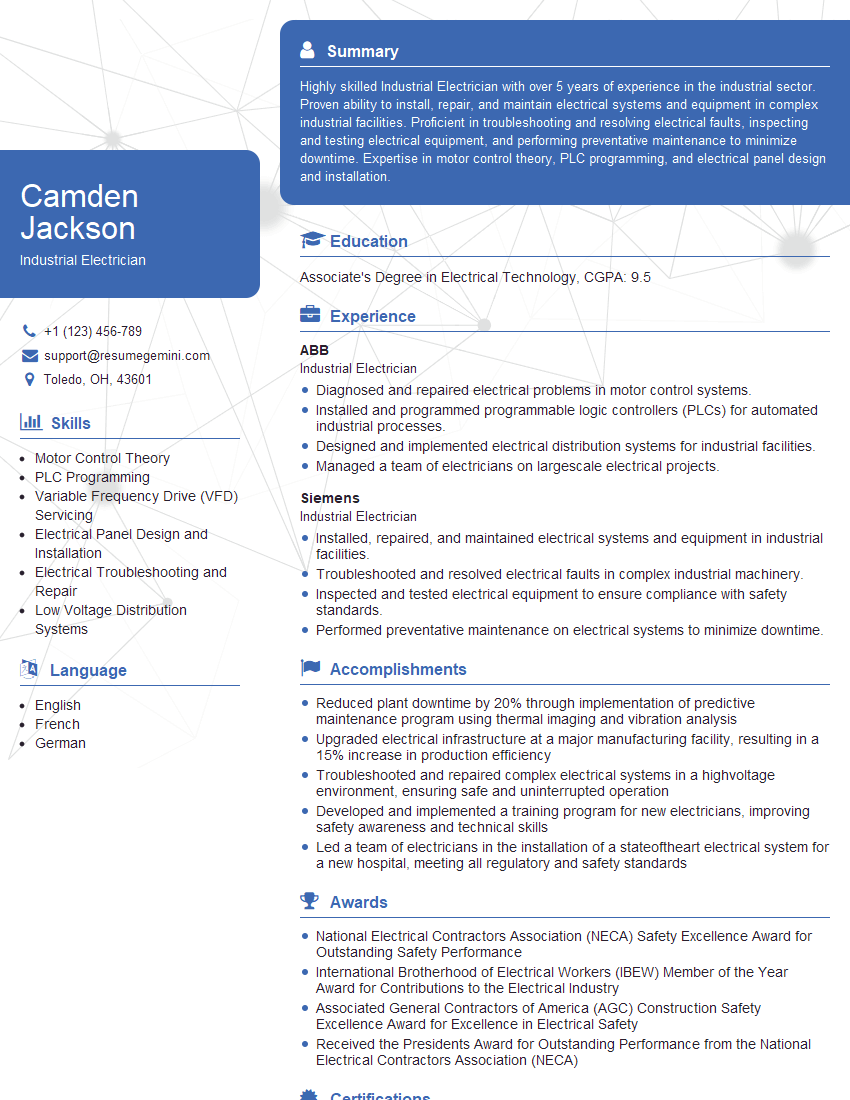
Industrial Electrician Resume Sample
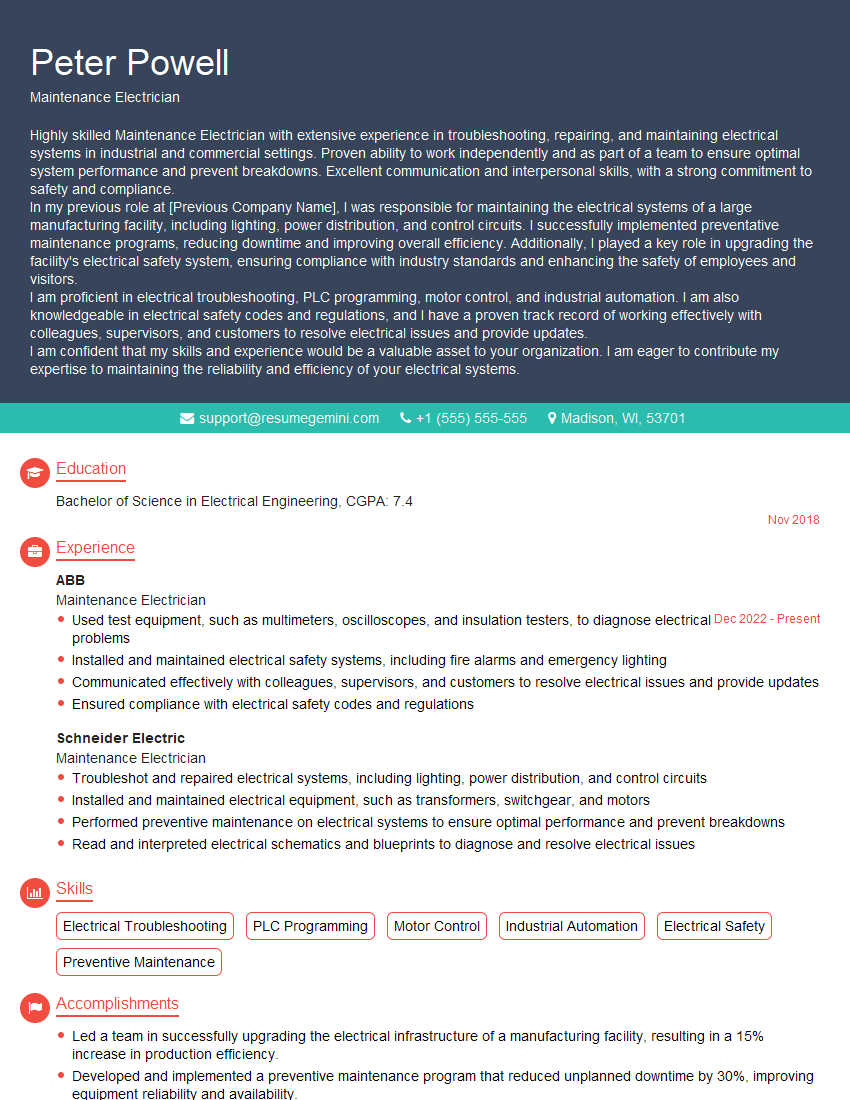
Maintenance Electrician Resume Sample
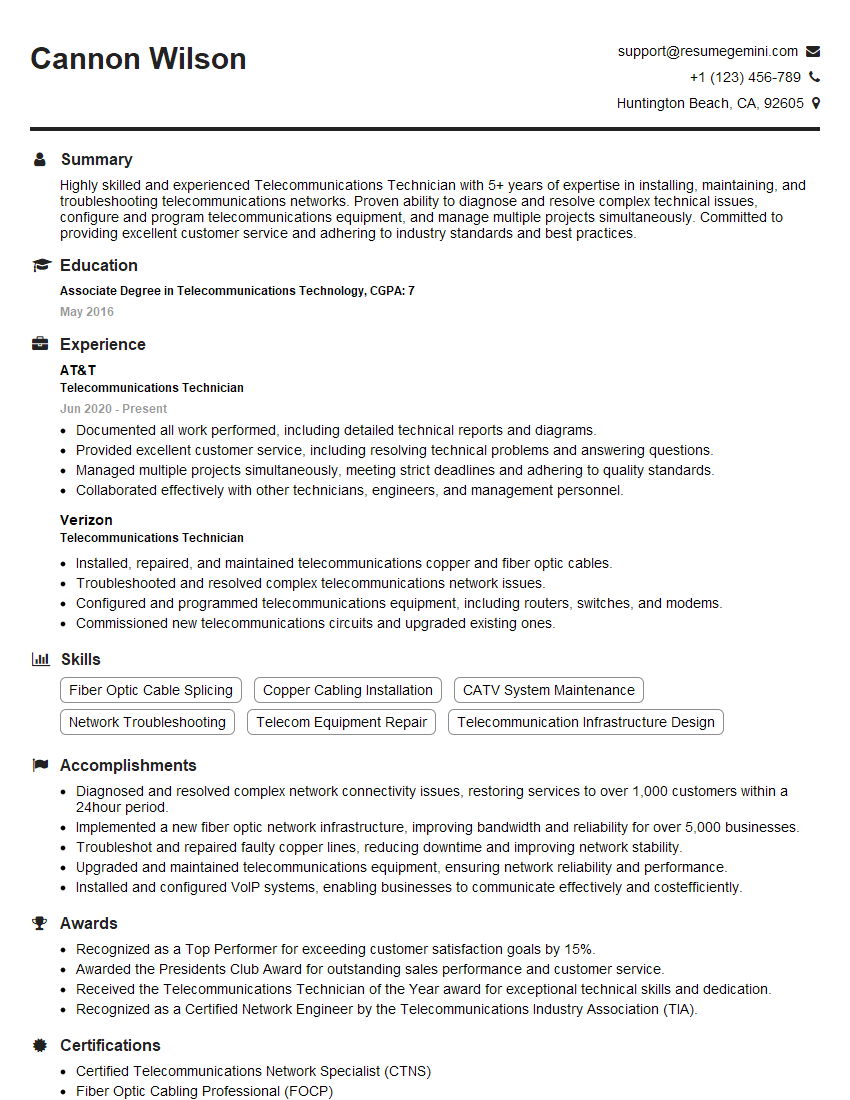
Telecommunications Technician Resume Sample
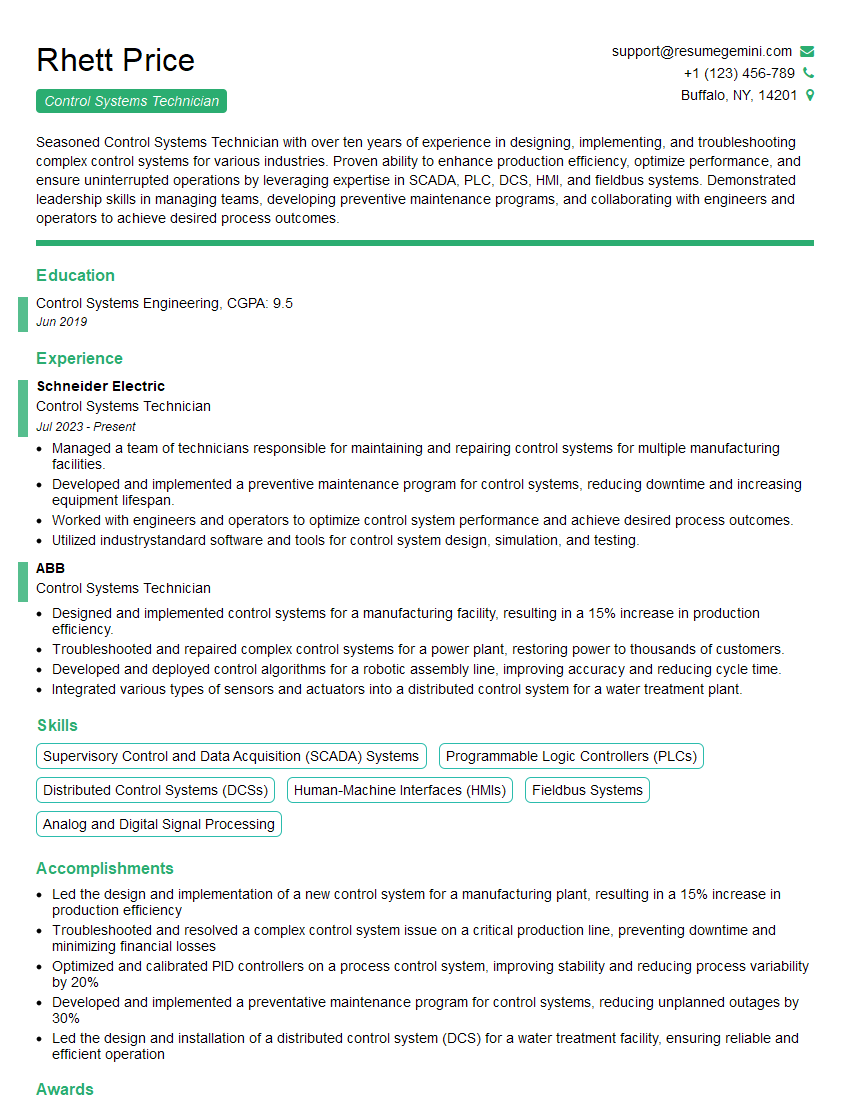
Control Systems Technician Resume Sample
Explore more articles
Users Rating of Our Blogs
Share Your Experience
We value your feedback! Please rate our content and share your thoughts (optional).
What Readers Say About Our Blog
Very informative content, great job.
good