Are you ready to stand out in your next interview? Understanding and preparing for Prototyping and Rapid Manufacturing interview questions is a game-changer. In this blog, we’ve compiled key questions and expert advice to help you showcase your skills with confidence and precision. Let’s get started on your journey to acing the interview.
Questions Asked in Prototyping and Rapid Manufacturing Interview
Q 1. Explain the difference between subtractive and additive manufacturing.
Subtractive and additive manufacturing represent fundamentally different approaches to creating parts. Think of it like sculpting versus building with LEGOs.
Subtractive manufacturing, also known as machining, starts with a larger block of material (like a metal ingot or a block of wood) and removes material to create the desired shape. Examples include milling, turning, and drilling. This process is precise but generates waste material and can be inefficient for complex geometries.
Additive manufacturing, or 3D printing, builds up a three-dimensional object layer by layer from a digital design. Material is added, not removed. This allows for intricate designs and complex internal structures that would be impossible to create through subtractive methods. Common additive processes include Fused Deposition Modeling (FDM), Stereolithography (SLA), and Selective Laser Sintering (SLS).
In short: Subtractive subtracts material to create a part; additive adds material to create a part.
Q 2. What are the common prototyping methods used in your field?
The choice of prototyping method depends heavily on the project’s requirements, but some common methods I frequently use include:
- 3D Printing (various technologies): A fast and versatile method for creating functional prototypes and design models.
- CNC Machining: Offers high precision and surface finish for parts requiring tight tolerances.
- Vacuum Casting: Excellent for creating detailed, smooth prototypes in various materials.
- Injection Molding (low-volume): Best for high-volume production but can also be used for creating durable prototypes that mimic final production parts.
- Rapid Tooling: Used to create molds and dies quickly for small-batch production runs and testing.
The selection process is iterative and considers factors like material properties, desired accuracy, budget, and lead time.
Q 3. Describe your experience with 3D printing technologies (FDM, SLA, SLS, etc.).
I have extensive experience with various 3D printing technologies. My experience includes:
- Fused Deposition Modeling (FDM): I’ve used FDM extensively for rapid prototyping due to its affordability and ease of use. It’s ideal for creating functional prototypes with less stringent dimensional accuracy requirements. I frequently use it for initial design iterations and functional testing.
- Stereolithography (SLA): SLA produces high-resolution prototypes with excellent surface finish. I prefer this method when precise details and smooth surfaces are critical, such as for aesthetic prototypes or parts requiring complex geometries. Its higher cost is justified when the design’s fine details are critical.
- Selective Laser Sintering (SLS): SLS allows for the creation of strong and durable prototypes using powdered materials like nylon. I’ve used SLS for creating prototypes that need to withstand significant stress or have intricate internal structures. It’s a great option for producing strong, functional parts.
My experience extends to post-processing techniques such as sanding, painting, and finishing to enhance the aesthetics and functionality of the printed parts.
Q 4. How do you select the appropriate prototyping method for a given project?
Selecting the appropriate prototyping method involves a careful consideration of several factors:
- Budget: FDM is typically the most cost-effective, while SLA and SLS are more expensive.
- Lead time: FDM and some rapid tooling methods are quicker than others like injection molding.
- Material properties: The desired material properties (strength, flexibility, durability, etc.) dictate the appropriate method and material selection.
- Geometric complexity: Additive manufacturing excels at complex shapes; subtractive methods are better for simpler, more easily machined parts.
- Tolerances: The required dimensional accuracy impacts the choice of method. CNC machining generally provides higher accuracy than FDM.
- Surface finish: SLA provides a smoother finish compared to FDM.
I typically use a decision matrix to weigh these factors and choose the optimal method. For example, if speed and cost are priorities for a functional prototype with moderate tolerances, I’d opt for FDM. However, for a high-precision, aesthetically pleasing prototype, SLA or vacuum casting might be more suitable.
Q 5. What are the limitations of rapid prototyping?
While rapid prototyping offers numerous advantages, several limitations exist:
- Material limitations: Not all materials can be used in all rapid prototyping methods.
- Scale limitations: Some methods are limited in the size of parts they can produce.
- Cost: While generally faster and cheaper than traditional methods, some techniques can still be expensive, particularly for complex parts or high volumes.
- Surface finish: The surface finish of rapidly prototyped parts may not always meet the standards of mass-produced parts.
- Dimensional accuracy: Tolerances can be challenging to control in some methods, although this is constantly improving with technological advancements.
It’s crucial to be aware of these limitations and to choose the prototyping method that best balances the project’s needs and constraints.
Q 6. How do you manage tolerances and dimensional accuracy in prototyping?
Managing tolerances and dimensional accuracy is critical in prototyping. The approach depends on the chosen method:
- For additive methods (FDM, SLA, SLS): Careful calibration of the 3D printer, use of high-quality filament or resin, and post-processing techniques (e.g., sanding, machining) are crucial. Design for manufacturability (DFM) principles, where the design itself accounts for potential inaccuracies, are essential.
- For subtractive methods (CNC machining): Precise programming of the CNC machine and careful selection of cutting tools are critical. Regular machine maintenance and calibration are also vital for maintaining accuracy.
In all cases, I use calibrated measuring tools (e.g., calipers, micrometers) to verify dimensions throughout the process. Iterative prototyping allows for adjustments and refinements to ensure the final prototype meets the required tolerances. Data logging of the manufacturing parameters, including temperature and printing speed, helps to improve repeatability and consistency.
Q 7. Explain your experience with CAD software (SolidWorks, AutoCAD, etc.).
I’m proficient in several CAD software packages, including SolidWorks, AutoCAD, and Fusion 360. My experience spans from basic part modeling to advanced assembly design, FEA (Finite Element Analysis) integration, and generating manufacturing-ready files (STL, STEP).
SolidWorks is my primary tool for complex mechanical design, particularly for creating assemblies and performing simulations. I’ve used it extensively to design and model intricate parts for various projects, ensuring designs are manufacturable and meet functional requirements.
AutoCAD is invaluable for 2D drafting and detailed drawings, especially when creating technical documentation or working with legacy designs. I find its precision crucial for certain aspects of design and manufacturing planning.
Fusion 360 is a versatile cloud-based software ideal for both parametric and direct modeling. I use it for its streamlined workflow and ease of integration with 3D printing.
My expertise in CAD software allows me to create highly accurate and detailed models that form the basis for all my rapid prototyping efforts.
Q 8. Describe your experience with CAM software.
My experience with CAM (Computer-Aided Manufacturing) software is extensive, spanning various platforms like Mastercam, Fusion 360, and SolidWorks CAM. I’m proficient in generating toolpaths for a wide range of manufacturing processes, including CNC milling, 3D printing (FDM and SLA), and laser cutting. This involves selecting appropriate tools, defining cutting parameters (feed rate, depth of cut, spindle speed), and optimizing the process for efficiency and surface finish. For example, in a recent project involving a complex, curved component, I utilized Mastercam’s 5-axis milling capabilities to generate highly efficient toolpaths, minimizing machining time and maximizing surface quality. Beyond simply generating toolpaths, I understand the importance of CAM simulation – verifying toolpaths to prevent collisions and optimize the overall manufacturing process before commencing the actual machining operation, preventing costly errors and rework.
I’m also familiar with post-processing CAM data to tailor it to the specific requirements of different CNC machines. This might include adapting the toolpath for a specific machine controller or adding necessary auxiliary functions. This knowledge is critical for ensuring seamless integration between the design, CAM software, and the physical manufacturing process.
Q 9. How do you ensure the quality and repeatability of prototypes?
Ensuring quality and repeatability in prototyping involves a multi-faceted approach, starting with meticulous design and extending through precise manufacturing and quality control. The first step is using a well-defined CAD model with clear tolerances and specifications. This ensures that the design intent is unambiguous and easily translated into a manufacturing process. We then select the appropriate manufacturing method and material based on the desired properties of the prototype. For example, if high precision and surface finish are critical, we might opt for SLA 3D printing or CNC machining. For rapid prototyping with less stringent requirements, FDM 3D printing might suffice.
Furthermore, a rigorous quality control process is essential. This includes regularly inspecting the manufacturing process and the resulting prototypes. We utilize various techniques such as dimensional checks with CMM (Coordinate Measuring Machine), visual inspection for surface defects, and functional testing to validate the prototype’s performance against the design requirements. Documenting each step of the process and carefully managing parameters like temperature and humidity in the manufacturing environment ensures repeatability and reduces variability in the final product.
Finally, employing statistical process control methods allows us to identify and address any potential sources of variation early in the process. This proactive approach ensures that subsequent prototypes are consistent in quality and meet the required specifications.
Q 10. How do you handle design changes during the prototyping phase?
Design changes during the prototyping phase are common and, when managed effectively, can be seamlessly incorporated. Our approach is centered on agile methodologies. We prioritize iterative prototyping, where small changes are introduced and tested in each iteration. This minimizes the risk of costly rework if significant design flaws are discovered later in the process. Using parametric CAD models, changes can often be implemented quickly by modifying key parameters, which automatically updates the design. We use version control in our CAD software (e.g., SolidWorks’ data management tools) to track all revisions and ensure we can revert to previous iterations if needed.
Communication is vital. Changes are documented, communicated to the entire team, and incorporated into a revised project plan. This prevents discrepancies and wasted effort. We utilize project management software to track changes, deadlines, and resource allocation. Open communication and collaboration across the design and manufacturing teams ensures a smooth transition from design changes to prototype production.
Q 11. Explain your experience with different materials used in prototyping.
My experience with prototyping materials is broad, covering a wide range of polymers (ABS, PLA, ULTEM, PETG for 3D printing; Acetal, Polycarbonate for CNC machining), metals (aluminum, stainless steel), and composites. The selection of material is dictated by factors like the intended application, mechanical properties required (strength, flexibility, durability), cost, and the chosen manufacturing method. For instance, ABS is a versatile and cost-effective material for FDM 3D printing, suitable for functional prototypes. For high-temperature applications, ULTEM is a superior choice, although more expensive. CNC machining allows for greater precision and more exotic materials like aluminum alloys or stainless steels, but adds to the manufacturing cost.
I understand the material properties’ impact on the final prototype’s performance. For example, the selection of a material with high thermal conductivity is crucial for heat sinks or electronic housings. I can effectively choose materials that mimic the end-use material for more accurate testing and validation of the prototype.
Q 12. How do you manage project timelines and budgets in prototyping projects?
Managing project timelines and budgets in prototyping is a crucial aspect of successful project delivery. We employ a combination of project management methodologies such as Agile and Scrum, which emphasizes iterative development and flexible adaptation to changing requirements. Detailed project plans are created at the outset, breaking down the project into smaller, manageable tasks with clearly defined milestones and deadlines. Regular progress meetings are held to monitor progress, identify potential delays, and make necessary adjustments.
Budget management involves accurate cost estimation for each phase of the prototyping process, including material costs, manufacturing costs, labor costs, and testing costs. We utilize project management software to track expenses and ensure we remain within the allocated budget. Contingency planning is incorporated to account for unexpected issues or design changes. By proactively managing time and budget, we ensure that the project remains on track and within the allocated resources.
Q 13. Describe your experience with rapid tooling.
My experience with rapid tooling encompasses various techniques such as 3D printed molds and investment casting. Rapid tooling is critical for accelerating the production of prototypes and low-volume parts, reducing lead times and costs compared to traditional tooling methods. For example, we’ve used 3D printed molds for creating silicone rubber molds for casting parts with complex geometries, reducing the need for expensive and time-consuming machining of traditional metal molds. We leverage different materials for these molds, selecting the appropriate material based on the requirements of the casting process and the number of parts to be produced.
Investment casting is another example of rapid tooling where 3D-printed wax patterns are used to create metal molds, which are then employed for casting parts using molten metal. This method is particularly useful for creating intricate designs with complex internal features, offering a good balance between speed and part quality. Understanding the limitations and capabilities of each rapid tooling technique allows us to select the most efficient and cost-effective method for a specific project.
Q 14. How do you balance cost and quality in prototyping?
Balancing cost and quality in prototyping requires careful consideration and strategic decision-making. It’s not always about selecting the cheapest option; rather, it’s about optimizing the cost-to-quality ratio. We start by defining the specific requirements for the prototype. If high precision and fidelity to the final product are critical, we might invest in higher-cost processes like CNC machining or high-resolution 3D printing. If the prototype is primarily intended for functional testing and appearance isn’t paramount, we can use more cost-effective methods like FDM 3D printing.
We use value engineering principles to identify areas where costs can be reduced without compromising the essential quality aspects of the prototype. For example, we might use simplified geometries or less expensive materials for non-critical areas of the design. This approach allows us to create prototypes that satisfy the necessary criteria while minimizing unnecessary expenditures. Detailed cost analysis for different manufacturing processes and materials helps us make informed choices that effectively balance cost and quality.
Q 15. What are the key considerations when scaling a prototype to production?
Scaling a prototype to production involves a significant transition, moving from a small-scale, often experimental process to a high-volume, cost-effective manufacturing operation. Key considerations include:
- Material Selection: Prototype materials are often chosen for ease of fabrication and rapid iteration, but may not be suitable for mass production. We need to select materials that are cost-effective, durable, and meet performance requirements at scale. For example, a 3D-printed prototype made of PLA might transition to injection-molded ABS plastic for production, offering improved strength and durability at lower unit cost.
- Manufacturing Process Selection: Rapid prototyping techniques like 3D printing are excellent for iteration but may be too slow or expensive for high volumes. Production-scale manufacturing involves techniques like injection molding, die casting, or CNC machining, each with its own cost and scalability implications. The choice depends on factors such as production volume, material properties, and tolerances.
- Design for Manufacturing (DFM): The prototype design needs to be reviewed and potentially redesigned for manufacturability. This involves simplifying the design, reducing the number of parts, and ensuring that the design is compatible with chosen manufacturing processes. For example, undercuts that are possible in additive manufacturing need to be removed for injection molding.
- Tooling and Fixtures: Production-scale manufacturing requires significant investment in tooling (e.g., molds for injection molding). The cost and lead time of tooling must be factored into the overall cost analysis.
- Quality Control and Testing: Robust quality control mechanisms need to be in place to ensure consistent quality and performance of the final product. This involves regular testing and inspection throughout the manufacturing process.
- Supply Chain Management: Securing reliable sources for materials and manufacturing capabilities is critical for successful scaling. This involves establishing partnerships with vendors and managing inventory.
Effectively managing these considerations requires a holistic approach, balancing design, manufacturing, and cost optimization.
Career Expert Tips:
- Ace those interviews! Prepare effectively by reviewing the Top 50 Most Common Interview Questions on ResumeGemini.
- Navigate your job search with confidence! Explore a wide range of Career Tips on ResumeGemini. Learn about common challenges and recommendations to overcome them.
- Craft the perfect resume! Master the Art of Resume Writing with ResumeGemini’s guide. Showcase your unique qualifications and achievements effectively.
- Don’t miss out on holiday savings! Build your dream resume with ResumeGemini’s ATS optimized templates.
Q 16. How do you troubleshoot issues encountered during prototyping?
Troubleshooting during prototyping is an iterative process. My approach typically involves:
- Systematic Investigation: I carefully analyze the problem, documenting observations and measurements. This helps identify patterns and pinpoint potential causes.
- Hypothesis Generation: Based on my observations, I formulate hypotheses about the root cause of the issue. For instance, if a part breaks, I might hypothesize that it’s due to insufficient material thickness, poor material choice, or a flawed design.
- Testing and Validation: I design and conduct experiments to test my hypotheses. This may involve modifying the design, changing materials, or adjusting manufacturing parameters. For example, I might increase the wall thickness of the part to test my hypothesis of insufficient material thickness.
- Iteration and Refinement: Based on the results of my experiments, I refine my design or manufacturing process. This is an iterative process, and I often repeat the above steps until the issue is resolved.
- Documentation: Detailed records of troubleshooting steps, results, and decisions are essential for future reference and to avoid repeating past mistakes.
I often use tools like Finite Element Analysis (FEA) to simulate stress and strain on components, helping me identify weak points before physical testing. This allows for early detection and correction of design flaws.
Q 17. Explain your understanding of Design for Manufacturing (DFM).
Design for Manufacturing (DFM) is a critical aspect of product development that focuses on designing products for efficient and cost-effective manufacturing. It’s not just about making something that functions, but making it in a way that’s practical and affordable to produce at scale. Key aspects of DFM include:
- Simplification: Reducing the number of parts, simplifying shapes, and minimizing assembly steps can significantly reduce manufacturing costs and improve efficiency. For example, integrating multiple parts into a single unit through molding or casting.
- Material Selection: Choosing appropriate materials for the chosen manufacturing process is crucial. Factors to consider include material properties, cost, availability, and environmental impact.
- Tolerance Analysis: Defining acceptable dimensional variations (tolerances) is important for ensuring proper functionality and avoiding costly rework. Tolerances must be realistic considering the limitations of the manufacturing process.
- Assembly Considerations: Designs should be easy to assemble, with features such as alignment features and robust joining mechanisms. For example, using snap-fits instead of screws can reduce assembly time and cost.
- Manufacturing Process Optimization: Designs need to be compatible with selected manufacturing processes. For example, avoiding sharp corners and undercuts during injection molding. Consideration of surface finish requirements is important as well.
DFM involves close collaboration between designers and manufacturing engineers to ensure that the final product is both functional and manufacturable. Ignoring DFM can lead to costly redesigns, production delays, and ultimately, a less successful product.
Q 18. How do you incorporate feedback from testing into the prototyping process?
Incorporating feedback from testing into the prototyping process is fundamental for iterative design improvement. My process involves:
- Structured Testing: I design and conduct comprehensive tests to evaluate the prototype’s performance against specified requirements. This involves defining clear test objectives, methodologies, and metrics.
- Data Collection and Analysis: I meticulously collect and analyze data from tests, looking for patterns, anomalies, and areas for improvement. Visual inspection, measurements, and data logging are essential.
- Feedback Integration: I systematically incorporate feedback from testing, updating the design accordingly. This may involve modifying geometry, materials, or manufacturing processes.
- Iteration and Retesting: The updated design is retested to verify that changes have addressed the identified issues. This iterative process continues until satisfactory performance is achieved.
- Documentation: All test results, design modifications, and feedback are thoroughly documented, ensuring transparency and traceability.
For example, if testing reveals a structural weakness, I might reinforce the design by adding ribs or changing material. The process is iterative and often involves multiple rounds of testing and refinement.
Q 19. What are the safety precautions you take during prototyping and manufacturing?
Safety is paramount during prototyping and manufacturing. My approach includes:
- Risk Assessment: I conduct a thorough risk assessment identifying potential hazards associated with materials, processes, and equipment. This includes considering chemical hazards, mechanical hazards, and electrical hazards.
- Personal Protective Equipment (PPE): I ensure appropriate PPE is used, including safety glasses, gloves, respirators, and hearing protection, as needed.
- Safe Work Practices: I establish and adhere to safe work practices, including proper machine operation, material handling, and waste disposal.
- Emergency Procedures: I ensure that emergency procedures are in place and personnel are trained on how to respond to accidents or emergencies.
- Machine Guarding: All machinery is properly guarded to prevent accidental contact.
- Environmental Considerations: I consider the environmental impact of materials and processes, aiming to minimize waste and pollution.
Safety is not just a set of rules; it’s a mindset. I foster a safety-conscious environment where everyone is empowered to identify and report potential hazards.
Q 20. Describe your experience with different types of rapid manufacturing processes.
My experience encompasses a range of rapid manufacturing processes, each with its strengths and limitations:
- 3D Printing (Additive Manufacturing): I have extensive experience with various 3D printing technologies, including Fused Deposition Modeling (FDM), Stereolithography (SLA), Selective Laser Sintering (SLS), and Multi Jet Fusion (MJF). I’m familiar with their respective material capabilities, build speeds, and resolution.
- CNC Machining (Subtractive Manufacturing): I’m proficient in using CNC milling and turning to create prototypes with high precision and complex geometries. This is especially useful for creating functional parts with tight tolerances.
- Injection Molding: I understand the design considerations and process parameters involved in creating molds and producing parts through injection molding. It’s crucial for high-volume production.
- Vacuum Casting: I’ve used vacuum casting for creating durable prototypes with a smooth surface finish. It’s a cost-effective method for producing multiple copies of a design.
The choice of rapid manufacturing process depends on the specific requirements of the project, considering factors such as material, geometry, required accuracy, and production volume.
Q 21. Explain your familiarity with different file formats used in 3D printing.
My familiarity with 3D printing file formats includes:
- STL (Stereolithography): The most common file format for 3D printing. It represents the surface geometry of a 3D model as a mesh of interconnected triangles.
- OBJ (Wavefront OBJ): Another widely used format representing 3D geometry, often used for importing and exporting models between different CAD software.
- AMF (Additive Manufacturing File Format): An XML-based format designed specifically for additive manufacturing, offering greater data richness than STL and OBJ, allowing for more detailed information about the model.
- 3MF (3D Manufacturing Format): A newer format developed by Microsoft, aiming to improve upon the limitations of STL. It supports color, texture, and metadata.
I understand the importance of selecting the appropriate file format for the specific 3D printer and software being used. Proper file preparation, including mesh repair and orientation optimization, is crucial for successful 3D printing.
Q 22. How do you select the appropriate materials for rapid prototyping based on application requirements?
Selecting the right material for rapid prototyping is crucial for the success of the project. It’s like choosing the right ingredients for a recipe – the wrong ones will ruin the final product. The process begins with a thorough understanding of the application requirements. We need to consider factors such as:
- Mechanical Properties: Will the prototype need to withstand high stress, impact, or flexing? This dictates whether we choose a strong material like ABS or a more flexible one like TPU.
- Thermal Properties: Will the prototype be exposed to high or low temperatures? Certain materials, like ULTEM, are designed for high-temperature applications, while others are not.
- Chemical Resistance: Will the prototype be exposed to chemicals or solvents? Some plastics are resistant to specific chemicals, while others are not. For instance, if it’s meant to hold a corrosive liquid, we’d select a material specifically designed for chemical resistance.
- Aesthetic Requirements: Does the prototype need to look a certain way? Material selection impacts surface finish, color, and transparency. For a visually appealing prototype, we might opt for a material capable of a smooth finish or specific color options.
- Cost and Availability: The cost of the material and its availability are also critical. Some materials are more expensive than others, and some might have longer lead times.
For example, designing a prototype for a high-impact car part requires a strong and durable material like polycarbonate or nylon. However, a prototype for a jewelry design might prioritize aesthetic qualities and might be made from a resin with a high surface finish.
Q 23. Describe your experience with post-processing techniques for 3D printed parts.
Post-processing techniques are essential for enhancing the functionality and aesthetics of 3D-printed parts. Think of it as the finishing touches that transform a raw product into something polished and ready for use. My experience encompasses a range of techniques, including:
- Support Removal: Carefully removing support structures from intricate designs requires patience and the right tools to avoid damaging the part.
- Sanding and Polishing: Smoothing rough surfaces and improving the part’s surface finish, often using varying grits of sandpaper and polishing compounds.
- Painting and Coating: Applying paint or coatings (e.g., powder coating) to enhance aesthetics, improve durability, or add specific functionalities, like UV resistance.
- Chemical Treatments: Using chemical solutions like acetone vapor smoothing to improve the surface quality of ABS parts, or specific solutions for surface texturing.
- Assembly: Joining multiple 3D printed parts to create a complete assembly, often using adhesives or mechanical fasteners.
For instance, in one project, we 3D printed a complex housing for an electronic device. After printing, we meticulously removed the support structures, then sanded and polished the surfaces to achieve a smooth, professional finish. Finally, we painted the housing in the client’s desired color, resulting in a high-quality, functional prototype.
Q 24. How do you ensure the prototypes meet functional and aesthetic requirements?
Ensuring prototypes meet both functional and aesthetic requirements is a key aspect of successful prototyping. It’s about achieving the perfect balance between form and function. This involves a multi-step process:
- Functional Testing: We conduct rigorous tests to ensure the prototype performs as intended. This might involve stress tests, durability tests, and simulations to verify its mechanical properties and performance under real-world conditions.
- Design Iteration: Based on the test results, we might need to iterate on the design and create further prototypes to address any shortcomings. This is an iterative process where feedback shapes the final product.
- Aesthetic Evaluation: We carefully assess the prototype’s aesthetics to ensure it meets the desired visual appearance. This often involves subjective evaluations, potentially including client feedback, and comparing it to design renderings.
- Material Selection (as discussed previously): This plays a key role in meeting both functional and aesthetic goals. Choosing a material with the desired color, texture, and surface finish is crucial.
- Surface Finishes (as discussed previously): Post-processing techniques like painting, polishing, and texturing greatly contribute to achieving desired aesthetics.
For example, when prototyping a new phone case, we’d test its drop resistance, ensure proper button functionality, and refine the design until it meets both the required protection and the desired sleek aesthetic.
Q 25. What are the environmental considerations related to rapid prototyping and manufacturing?
Environmental considerations are increasingly important in rapid prototyping and manufacturing. We need to be mindful of the entire lifecycle, from material sourcing to waste disposal. Key considerations include:
- Material Selection: Choosing materials with lower environmental impact, such as bioplastics or recycled materials, is essential. We should consider the embodied energy and carbon footprint associated with producing and transporting the materials.
- Energy Consumption: 3D printing processes consume energy. Optimizing the printing process and using energy-efficient equipment can minimize environmental impact.
- Waste Reduction: Minimizing material waste through efficient design and optimizing support structures is crucial. We should also explore methods of recycling or reusing materials.
- Emissions: Some materials and processes release harmful emissions during production or post-processing. Choosing processes and materials with minimal emissions is vital.
- Responsible Disposal: Proper disposal of waste materials is essential. This includes the separation of different materials for recycling and safe disposal of hazardous waste.
For example, we might switch to using PLA (polylactic acid), a bioplastic derived from renewable resources, instead of ABS, reducing reliance on petroleum-based plastics.
Q 26. Explain your experience with reverse engineering techniques.
Reverse engineering involves analyzing an existing product to understand its design, functionality, and manufacturing processes. It’s like taking apart a clock to see how it works. My experience involves utilizing various techniques, including:
- 3D Scanning: Creating a 3D digital model of the existing product using 3D scanning technology. This provides a highly accurate representation of the object’s geometry.
- Dimensional Measurement: Using calipers, micrometers, and other precision measuring tools to capture the precise dimensions of the product.
- Disassembly and Analysis: Carefully disassembling the product to understand its internal components, assembly methods, and material composition.
- CAD Modeling: Using CAD software to create a digital model based on the gathered data from scanning, measurement, and disassembly.
- Material Analysis: Determining the composition of the materials used in the product through techniques like spectroscopy or chemical analysis.
For example, we once reverse-engineered a competitor’s product to understand their design choices and identify potential areas for improvement in our own product development. This involved 3D scanning the product, disassembling it to examine its internal mechanisms, and then creating a detailed CAD model to guide our design process.
Q 27. How do you collaborate with designers and engineers in a prototyping project?
Collaboration is paramount in prototyping projects. It’s a team effort that requires effective communication and a shared understanding of the goals. My approach involves:
- Regular Meetings: Holding regular meetings with designers and engineers to discuss progress, address challenges, and ensure everyone is on the same page.
- Open Communication: Fostering an environment where everyone feels comfortable sharing ideas, providing constructive feedback, and raising concerns.
- Version Control: Utilizing version control systems to track design changes, ensure everyone is working with the latest design iterations, and facilitate seamless collaboration.
- Shared Design Files: Working with designers using shared design files and platforms that enable real-time collaboration and feedback. This could involve platforms like CAD software or cloud-based design repositories.
- Clear Roles and Responsibilities: Defining clear roles and responsibilities to ensure accountability and avoid overlaps or misunderstandings.
For example, in one project, we held daily stand-up meetings to discuss the design’s progress, share feedback on the prototypes, and quickly resolve any issues. This ensured efficient collaboration and rapid progress.
Q 28. Describe a time you had to overcome a significant challenge during a prototyping project.
One challenging project involved prototyping a complex medical device with extremely tight tolerances. The initial prototypes consistently failed a critical stress test. The challenge wasn’t just the technical aspects; we also faced a tight deadline.
To overcome this, we implemented a systematic approach:
- Root Cause Analysis: We meticulously examined the failed prototypes to identify the points of failure. This involved detailed visual inspection and stress analysis simulations.
- Design Optimization: Based on the analysis, we identified areas needing design modifications. This involved revising the CAD model, focusing on reinforcing weaker sections and improving the part’s overall structural integrity.
- Material Selection Revisited: We reconsidered the material choice, opting for a stronger and more resilient material with improved fatigue properties.
- Iterative Testing: We created and tested multiple iterations of the revised design, each incorporating incremental changes. This allowed us to quickly identify and correct any remaining weaknesses.
- Collaboration Enhancement: We enhanced communication and collaboration with the engineering team, particularly in the area of material science and structural analysis.
Through this persistent effort, we ultimately delivered a successful prototype that met all the required specifications and passed the critical stress test, just in time for the deadline. This experience highlighted the importance of meticulous analysis, iterative design, and effective teamwork in tackling complex challenges during prototyping.
Key Topics to Learn for Prototyping and Rapid Manufacturing Interview
- Additive Manufacturing Processes: Understanding various 3D printing technologies (FDM, SLA, SLS, etc.), their strengths, weaknesses, and material suitability for different applications. Consider exploring the trade-offs between speed, cost, and precision.
- Subtractive Manufacturing Processes: Familiarity with CNC machining, milling, and other subtractive techniques used in rapid prototyping. Be prepared to discuss tolerance, surface finish, and material selection considerations.
- Prototyping Methodologies: Discuss your experience with iterative design processes, including concepts like Design Thinking and Agile methodologies. Showcase your understanding of how prototyping informs the design process.
- Material Selection: Demonstrate knowledge of various materials used in prototyping and rapid manufacturing, understanding their properties (strength, flexibility, durability, cost) and how these properties influence design choices.
- Design for Manufacturing (DFM): Explain your understanding of designing parts and assemblies that are easily and cost-effectively manufactured using rapid prototyping techniques. This includes considerations like manufacturability, assembly, and tolerances.
- Software and Tools: Highlight proficiency in CAD software (SolidWorks, Fusion 360, etc.), CAM software, and other relevant design and manufacturing tools. Be ready to discuss your experience with simulation and analysis software.
- Quality Control and Inspection: Discuss methods for inspecting and ensuring the quality of prototypes, including dimensional accuracy, surface finish, and material properties. Consider discussing various quality control methodologies.
- Project Management in Rapid Manufacturing: Demonstrate your ability to manage projects effectively, including planning, scheduling, and budgeting within the constraints of rapid manufacturing timelines.
Next Steps
Mastering prototyping and rapid manufacturing skills significantly enhances your career prospects in engineering, design, and manufacturing. These in-demand skills open doors to innovative roles offering high growth potential and rewarding challenges. To maximize your job search success, create a strong, ATS-friendly resume that highlights your accomplishments and technical abilities. ResumeGemini is a trusted resource that can help you build a professional resume tailored to the specific requirements of the Prototyping and Rapid Manufacturing industry. Examples of resumes tailored to this field are available to guide your resume building process. Take the initiative to craft a compelling resume, highlighting your skills and experience, to increase your chances of landing your dream job.
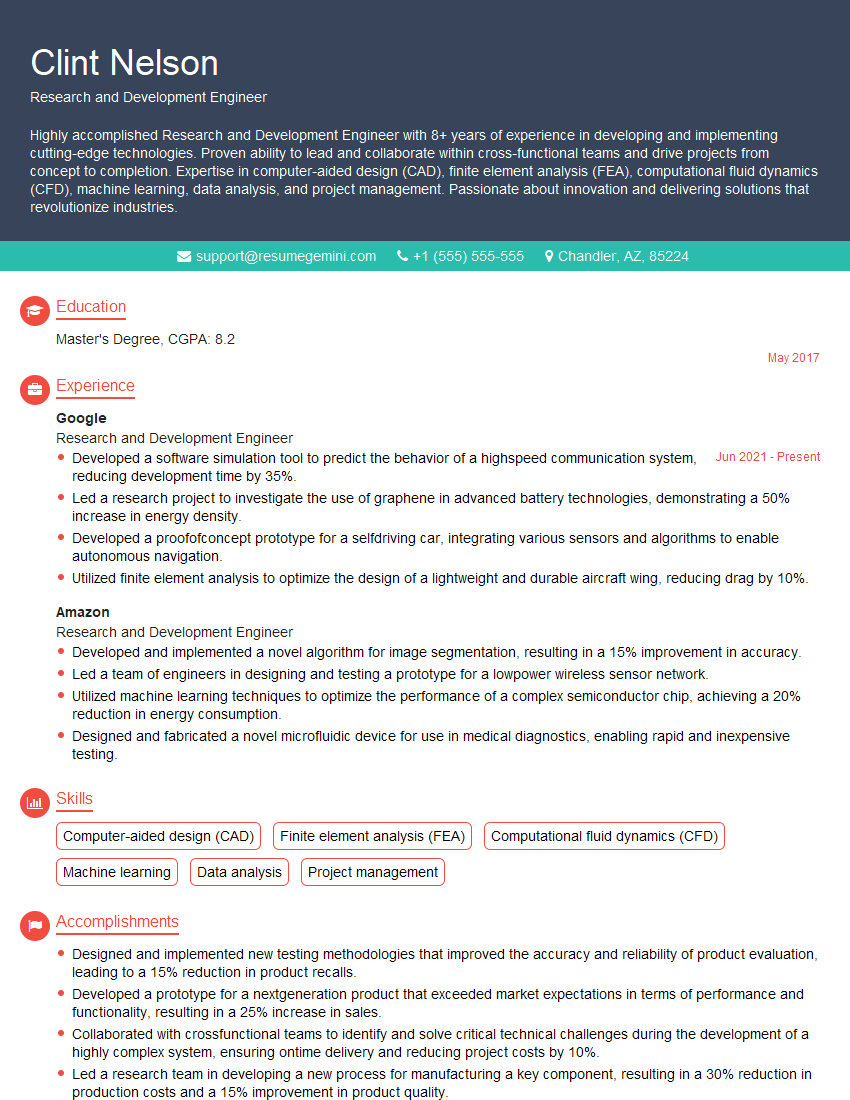
Research and Development Engineer Resume Sample
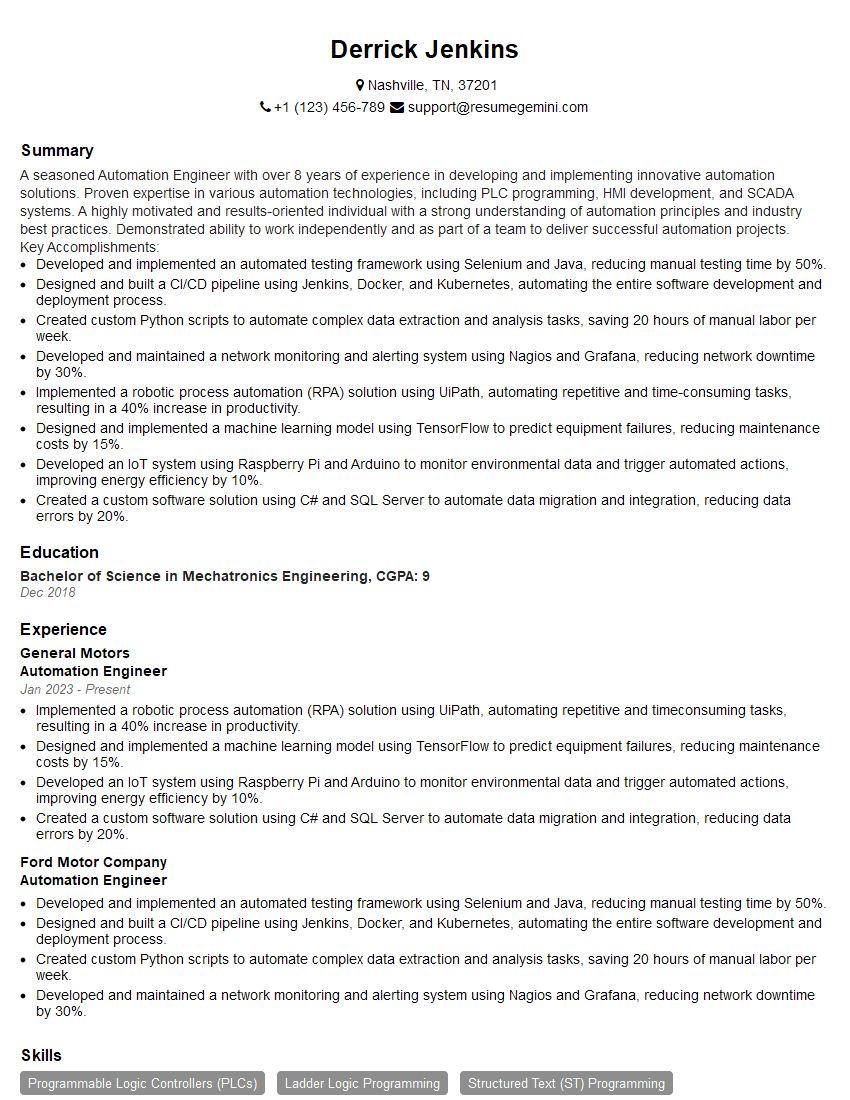
Automation Engineer Resume Sample
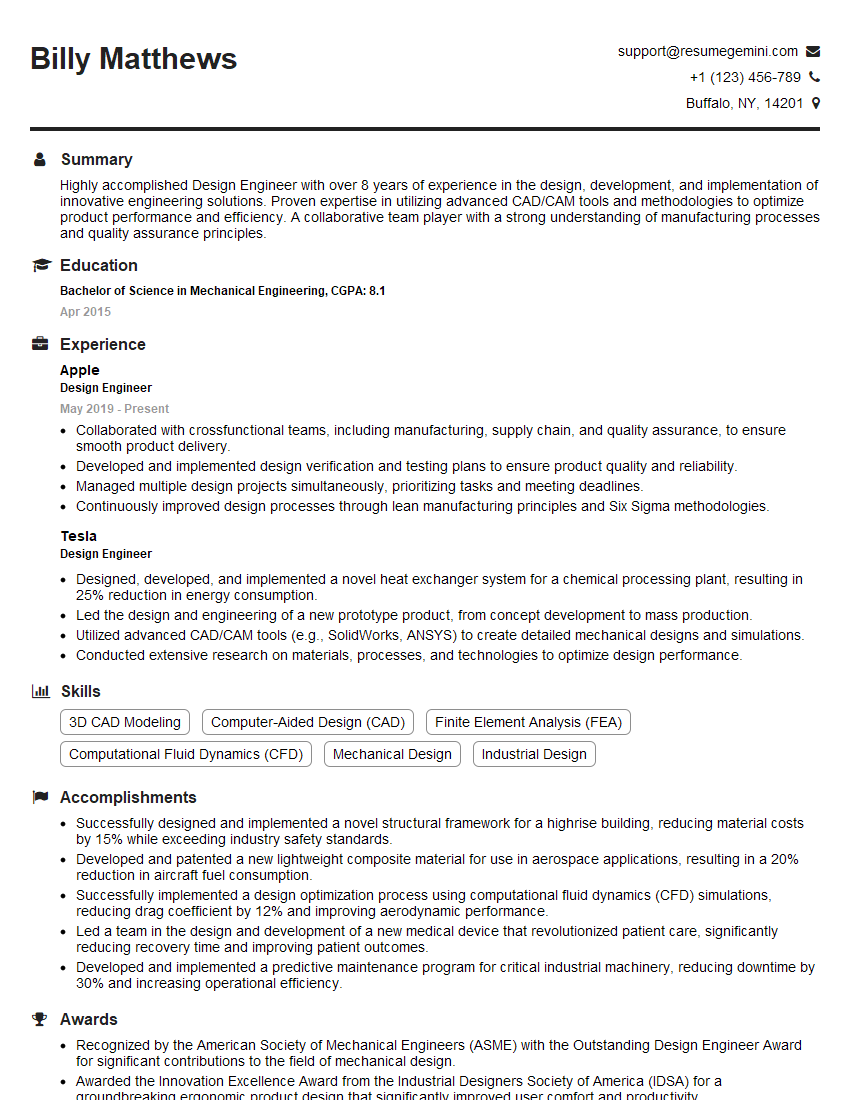
Design Engineer Resume Sample
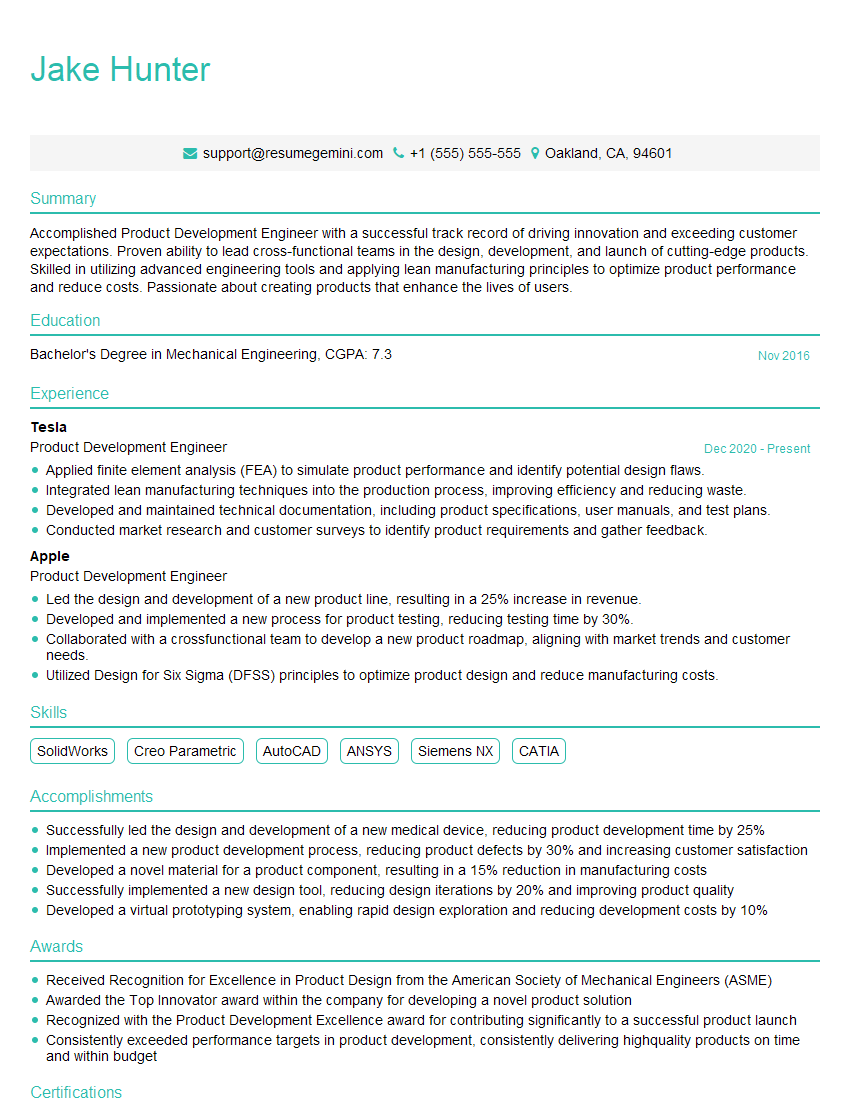
Product Development Engineer Resume Sample
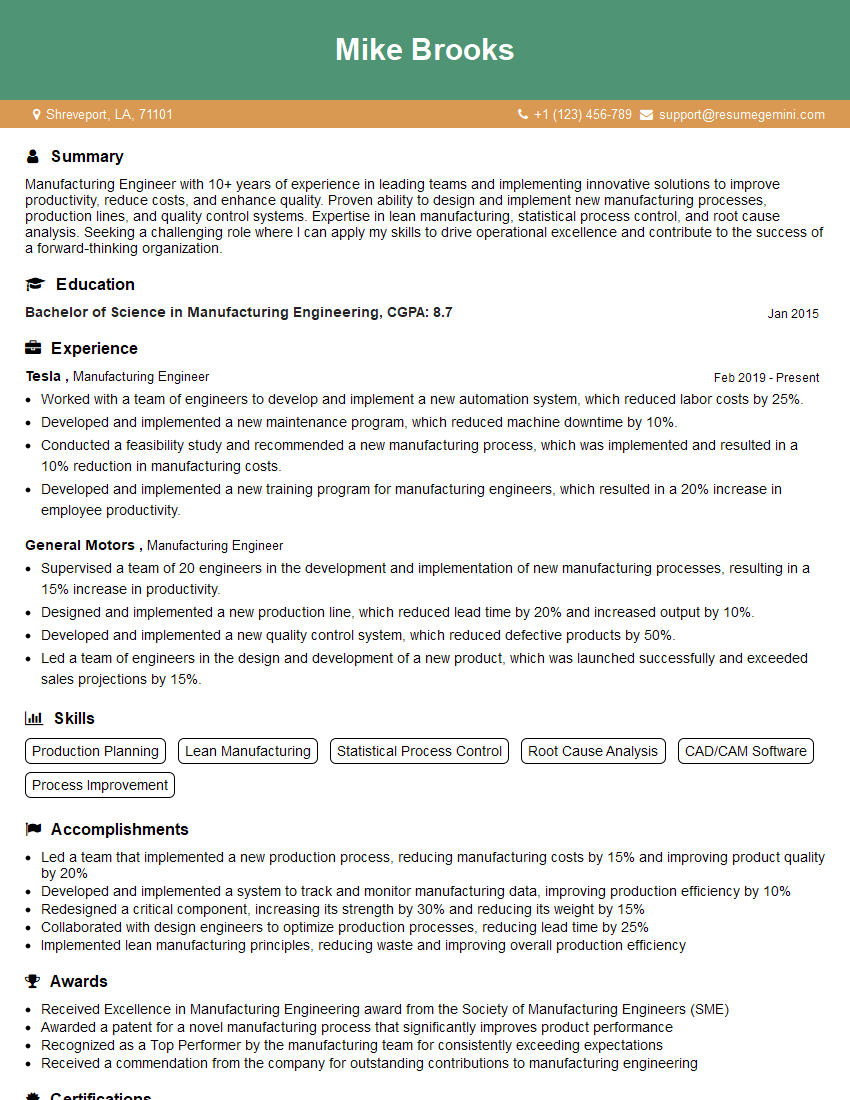
Manufacturing Engineer Resume Sample
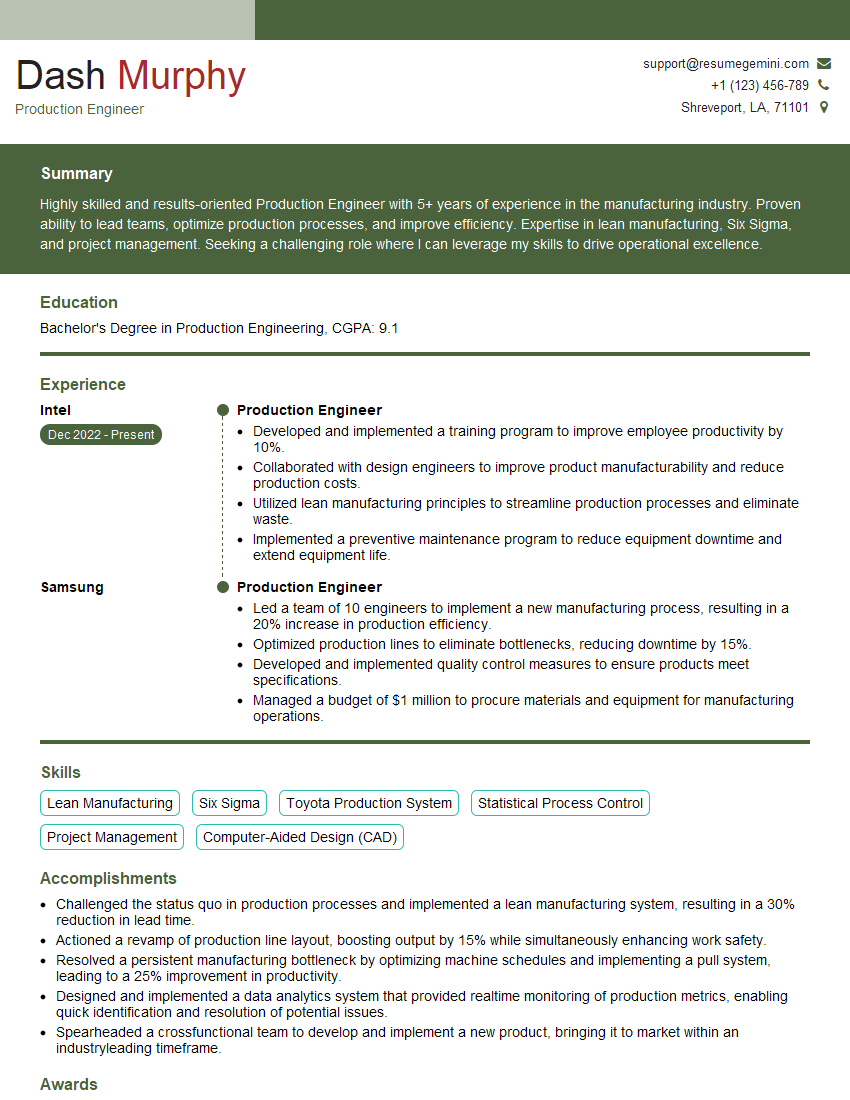
Production Engineer Resume Sample
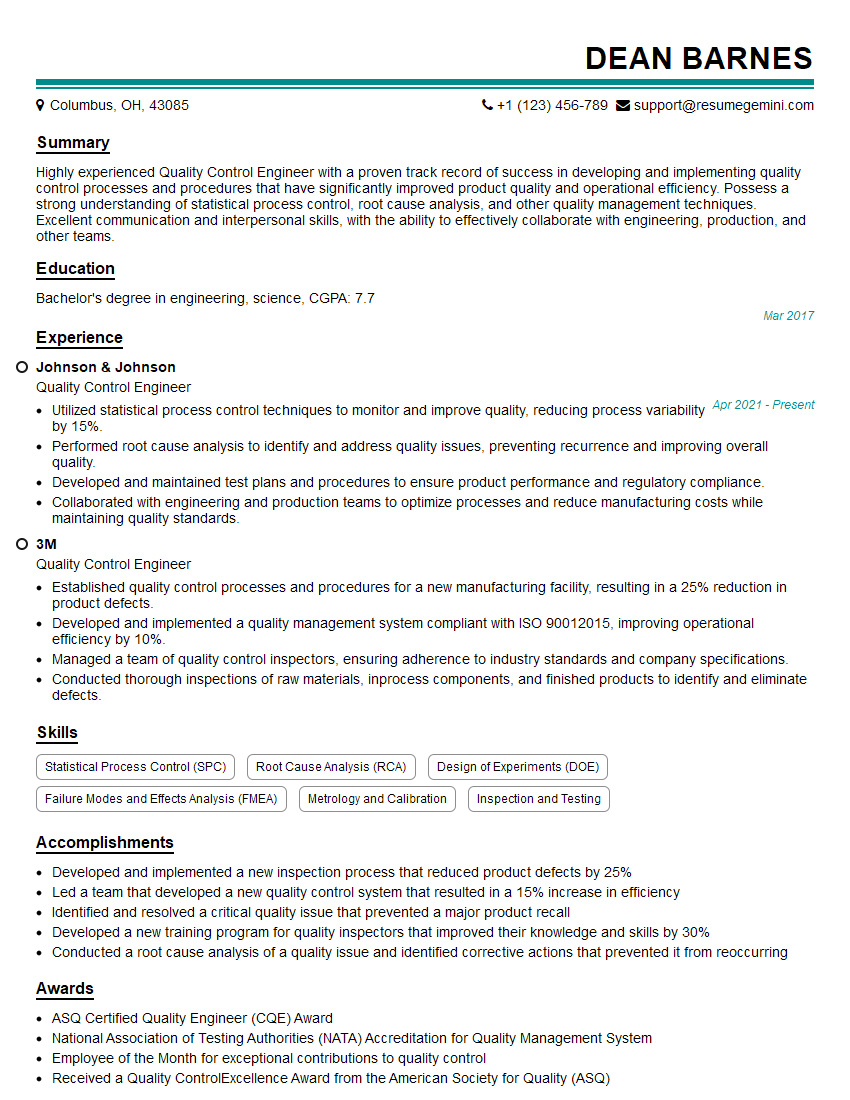
Quality Control Engineer Resume Sample
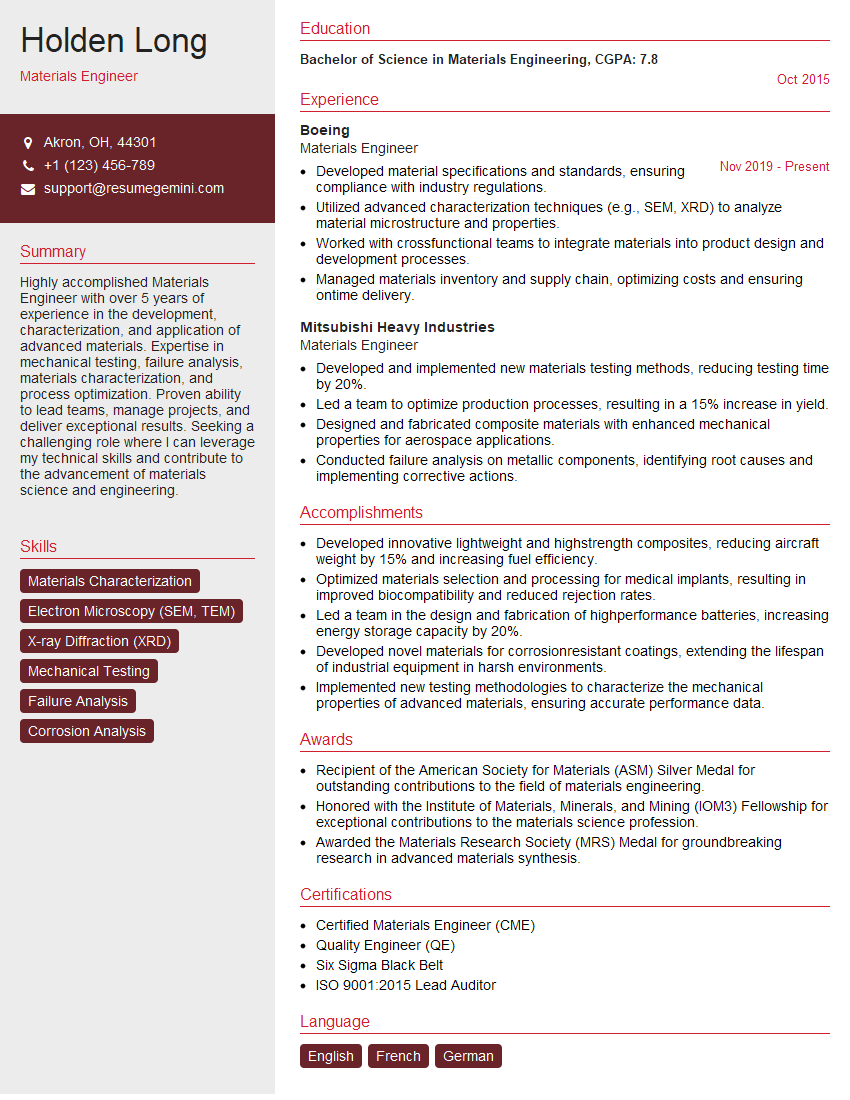
Materials Engineer Resume Sample
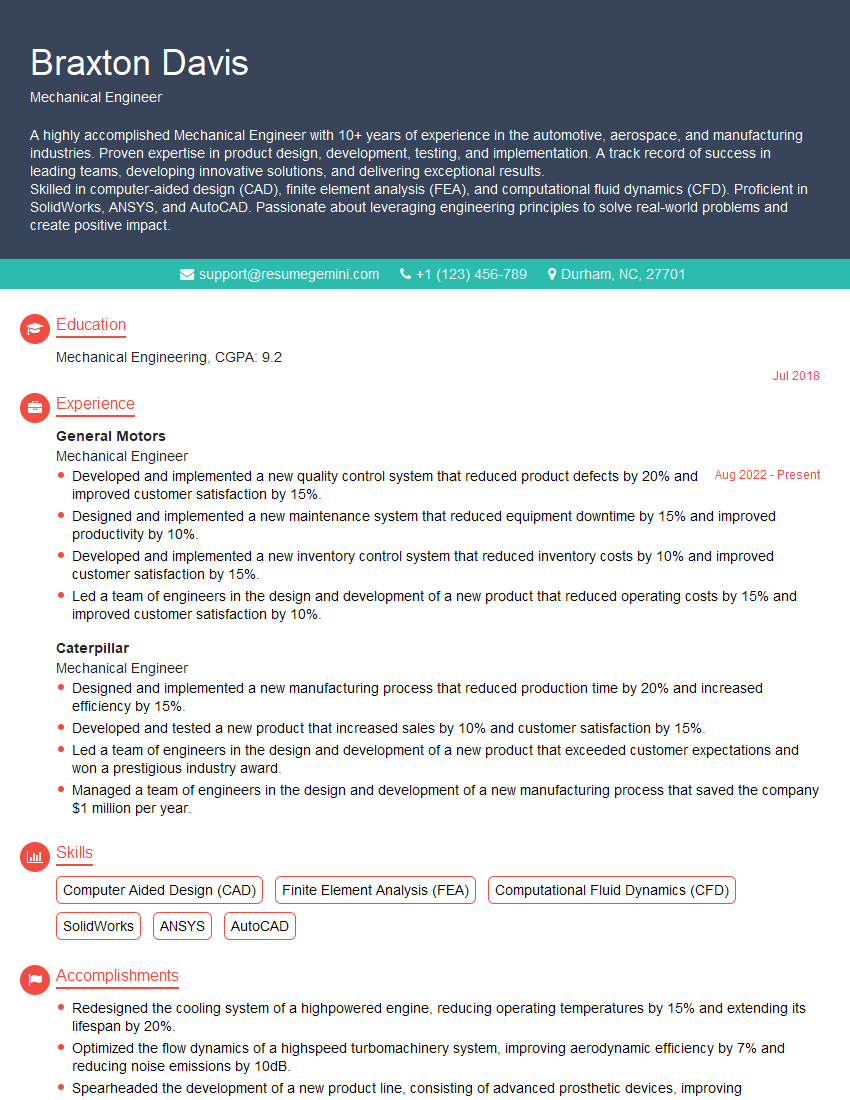
Mechanical Engineer Resume Sample
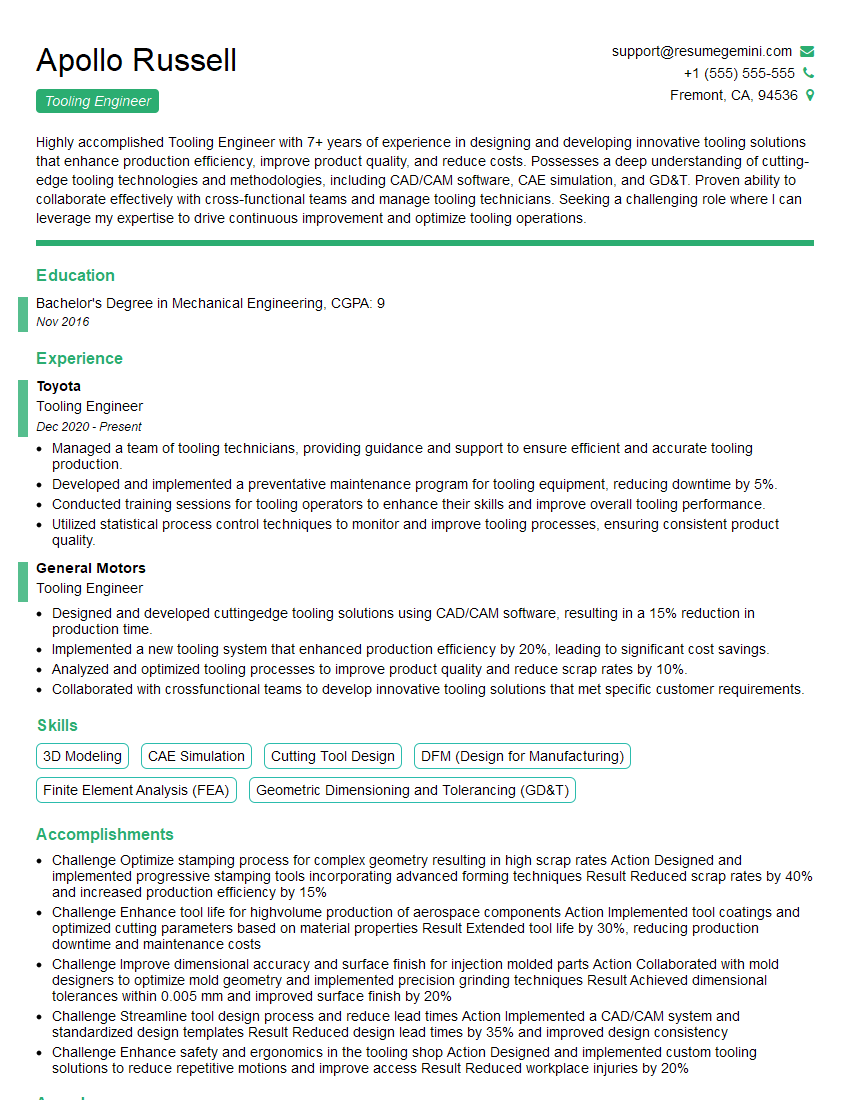
Tooling Engineer Resume Sample
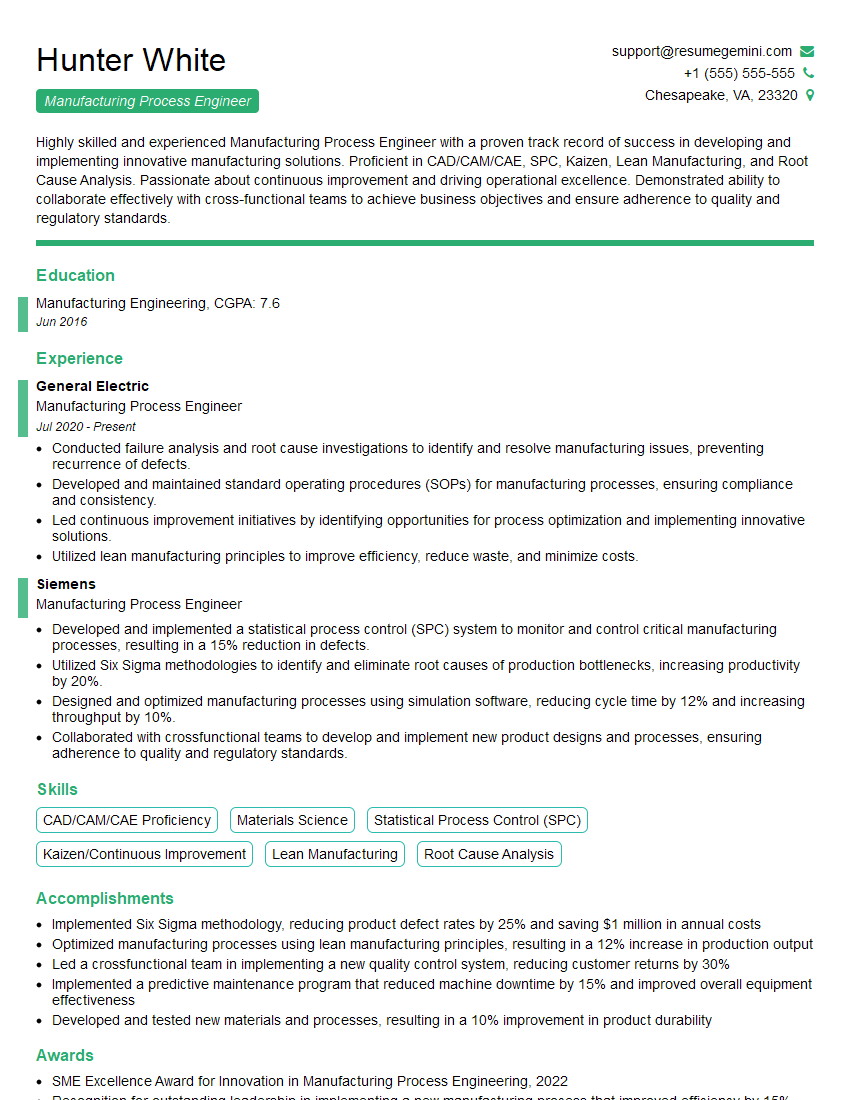
Manufacturing Process Engineer Resume Sample
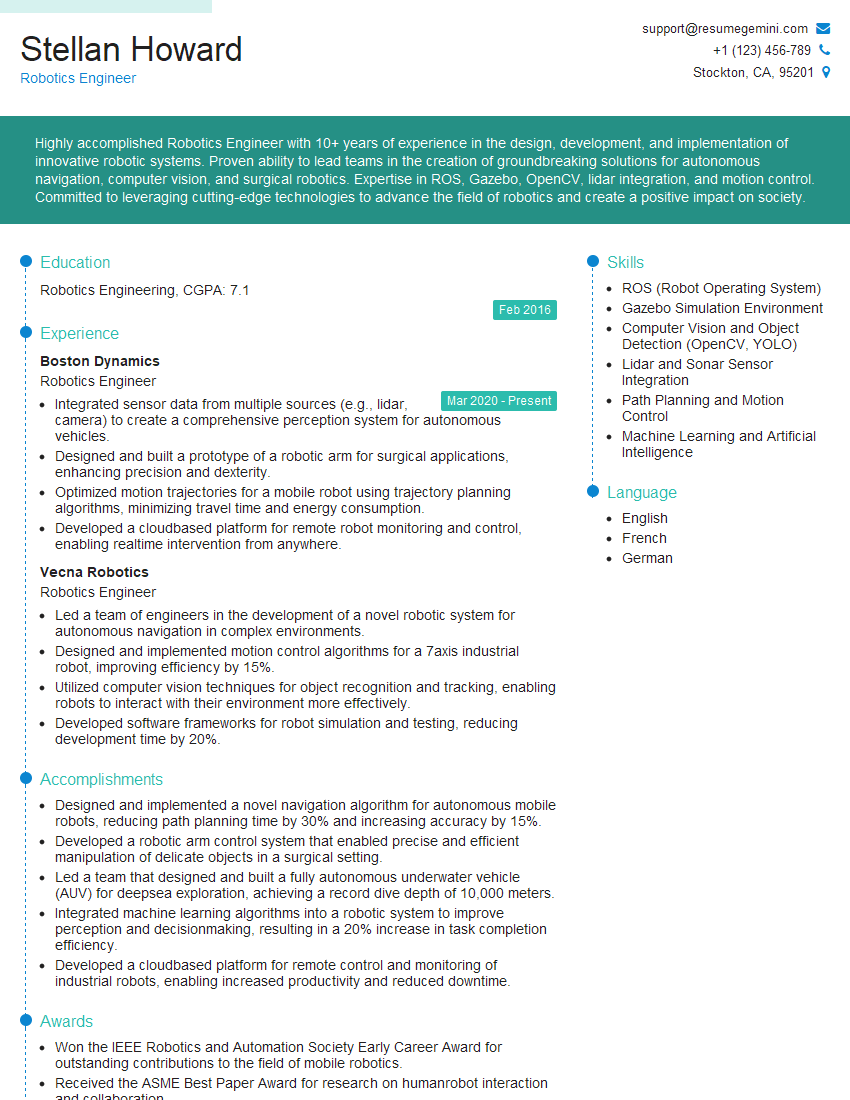
Robotics Engineer Resume Sample
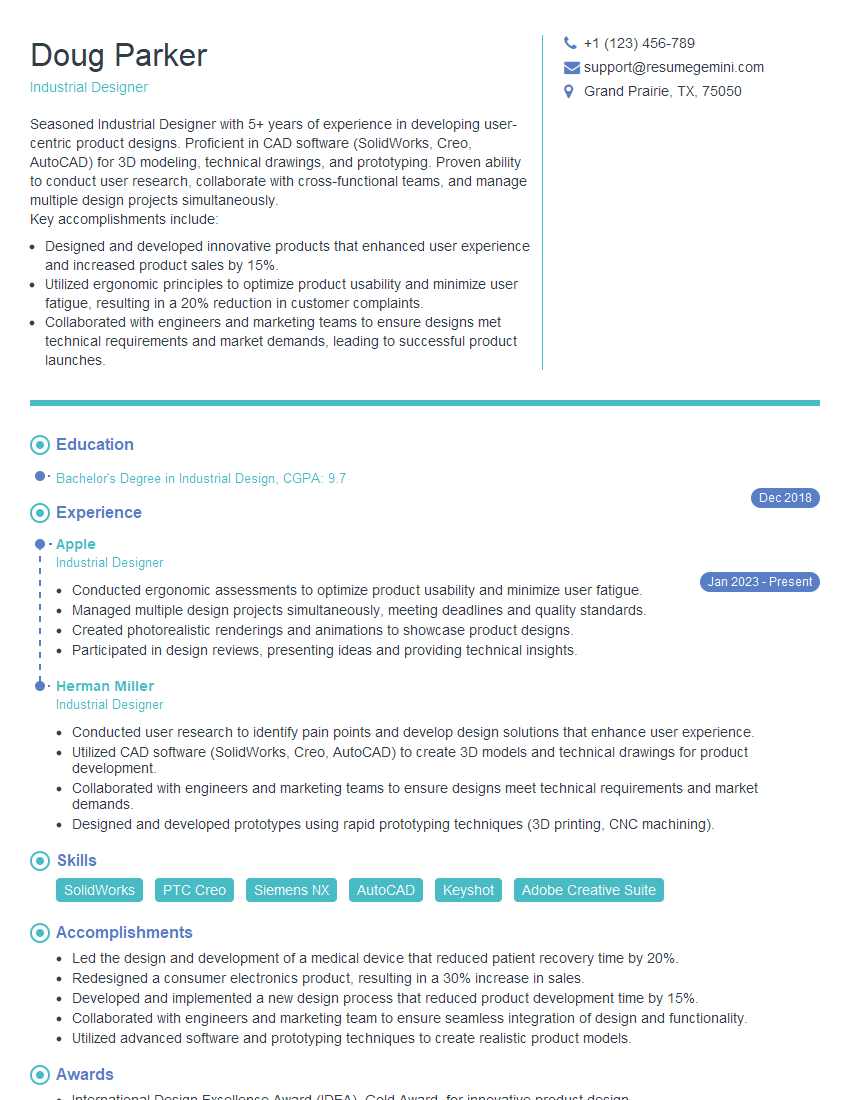
Industrial Designer Resume Sample
Explore more articles
Users Rating of Our Blogs
Share Your Experience
We value your feedback! Please rate our content and share your thoughts (optional).
What Readers Say About Our Blog
Very informative content, great job.
good