Preparation is the key to success in any interview. In this post, we’ll explore crucial Understanding of test equipment and instrumentation interview questions and equip you with strategies to craft impactful answers. Whether you’re a beginner or a pro, these tips will elevate your preparation.
Questions Asked in Understanding of test equipment and instrumentation Interview
Q 1. Explain the difference between accuracy and precision in measurement.
Accuracy and precision are two crucial aspects of measurement, often confused but distinct. Accuracy refers to how close a measurement is to the true or accepted value. Think of it like hitting the bullseye on a dartboard – a highly accurate measurement lands very close to the center. Precision, on the other hand, describes the consistency or reproducibility of measurements. It’s about how close multiple measurements are to each other, regardless of how close they are to the true value. Imagine a dart player consistently hitting the same spot, but that spot is far from the bullseye – that demonstrates high precision but low accuracy. A measurement can be precise but inaccurate, or accurate but imprecise, or ideally, both accurate and precise.
Example: Suppose the true voltage of a battery is 9.00V. A measurement of 9.02V is both accurate (close to 9.00V) and precise (if repeated measurements give similar results). However, consistently measuring 10.00V, while precise, is inaccurate.
Q 2. Describe your experience with different types of oscilloscopes (e.g., digital, analog).
I have extensive experience with both analog and digital oscilloscopes. Analog oscilloscopes use a cathode ray tube (CRT) to display the waveform directly, providing a real-time visual representation. While simple and intuitive, their resolution and accuracy are limited. I’ve used analog scopes primarily for quick checks and basic waveform visualization, for example when troubleshooting simple circuits.
Digital oscilloscopes (DSOs), on the other hand, are far more advanced. They digitize the analog signal, allowing for detailed analysis, measurements, and storage of waveforms. Features like advanced triggering, mathematical functions, and automatic measurements are standard. I’ve worked extensively with DSOs across various applications, including high-speed digital signal analysis, embedded systems debugging, and power electronics testing. My experience encompasses different brands, models and features, allowing me to select the optimal oscilloscope for a given task. For instance, a high-bandwidth DSO is essential for analyzing fast digital signals, whereas a lower-bandwidth model might be suitable for power line frequency measurements.
Q 3. How do you calibrate a multimeter?
Multimeter calibration is crucial for ensuring accurate readings. The process depends on the type of multimeter and its capabilities. Many multimeters have built-in self-calibration functions, simplifying the process. However, more rigorous calibration might involve external equipment. Here’s a general approach:
- Safety First: Always disconnect the power source before connecting the multimeter to any circuit.
- Consult the Manual: Refer to the multimeter’s instruction manual for specific calibration procedures and any safety precautions.
- Use Calibration Standards: Calibration typically involves using known voltage, current, and resistance standards (e.g., precision voltage sources, current sources, and resistance boxes). These standards should be traceable to national standards for high accuracy.
- Follow Calibration Steps: The manual will guide you through adjusting the multimeter’s internal settings to match the known standard values. This often involves setting potentiometers or using software interface.
- Documentation: Record all calibration data, including date, standards used, and any deviations from expected values.
Example: To calibrate the DC voltage function, you would connect the multimeter to a precision voltage source of a known value (e.g., 1.000V) and adjust the multimeter’s internal potentiometer to display that exact voltage. You’d repeat this process for various voltage levels.
Q 4. What are the common sources of error in measurement systems?
Measurement errors are inevitable, and understanding their sources is essential for accurate data analysis. Common sources include:
- Systematic Errors: These are consistent and repeatable errors caused by flaws in the measurement system itself, such as instrument bias, incorrect calibration, or environmental influences (temperature, humidity). These errors can often be identified and corrected.
- Random Errors: These errors are unpredictable and vary randomly around a mean value. They are often due to noise, limitations in the equipment’s resolution, or human error in reading the instrument.
- Environmental Factors: Temperature fluctuations, electromagnetic interference (EMI), vibration, and other environmental factors can significantly impact the accuracy of measurements.
- Sensor Errors: Sensor drift, nonlinearity, hysteresis, and other sensor-specific issues can introduce errors in the measured values.
- Human Error: Incorrect instrument setup, incorrect reading of displays, and transcription errors are all common human sources of error.
Example: A systematic error might be a consistently high reading on a voltmeter due to incorrect calibration. A random error might be fluctuations in the measured current due to electrical noise.
Q 5. Explain the principles of signal conditioning.
Signal conditioning is the process of modifying a signal to make it suitable for processing or measurement. This involves manipulating its amplitude, frequency, or other characteristics. Common signal conditioning techniques include:
- Amplification: Increasing the amplitude of a weak signal to a measurable level.
- Attenuation: Reducing the amplitude of a strong signal to prevent damage to the measuring instrument or to scale it within the measurable range.
- Filtering: Removing unwanted noise or interference from a signal using low-pass, high-pass, band-pass, or notch filters. This is crucial in many applications to isolate the signal of interest.
- Isolation: Preventing interference and ground loops using techniques such as opto-isolation or differential amplifiers.
- Linearization: Correcting for nonlinear characteristics of sensors to obtain a more accurate representation.
Example: A thermocouple produces a very small voltage change in response to temperature variations. Amplification and linearization are required to convert this weak, nonlinear signal into a useful temperature reading.
Q 6. Describe your experience with data acquisition systems.
I possess considerable experience with data acquisition systems (DAS). DAS are used to collect, process, and store data from various sources, often involving multiple sensors and channels. My experience includes designing, implementing, and troubleshooting DAS for applications such as environmental monitoring, vibration analysis, and industrial process control. This includes selecting appropriate sensors, signal conditioning circuits, analog-to-digital converters (ADCs), and software for data logging and analysis.
I’m familiar with various DAS architectures, both hardware and software, including those based on microcontrollers, embedded systems, and PC-based systems. I have experience using popular data acquisition software packages and programming languages (like Python, LabVIEW) to automate data collection, processing, and visualization. I’ve also worked with various communication protocols such as RS-232, RS-485, and Ethernet for connecting sensors and instruments to the DAS.
Example: I once worked on a project where we used a DAS to monitor the temperature and pressure inside a high-pressure reactor. This required selecting appropriate sensors, designing signal conditioning circuits to protect the DAS from high voltage and noise, and programming the DAS to log data at a high sampling rate.
Q 7. How do you troubleshoot a faulty sensor?
Troubleshooting a faulty sensor involves a systematic approach:
- Visual Inspection: Begin with a thorough visual inspection of the sensor and its connections. Check for any physical damage, loose connections, or corrosion.
- Check Wiring: Inspect the wiring for breaks, shorts, or incorrect connections. Use a multimeter to test the continuity of the wires and ensure proper voltage and grounding.
- Calibration Check: Compare the sensor’s output to a known standard. If the sensor is calibrated, verify the accuracy and repeatability of its readings.
- Compare to other Sensors: If possible, compare readings from the suspect sensor to other, known-good sensors under the same conditions. Significant discrepancies indicate a fault in the suspect sensor.
- Environmental Factors: Investigate the effects of temperature, humidity, and other environmental factors on the sensor’s performance. The sensor might be operating outside its specified range.
- Sensor Specifications: Consult the sensor’s data sheet for specifications like operating range, accuracy, sensitivity, and expected output. If the readings fall outside these parameters, the sensor is likely faulty.
- Signal Conditioning Check: Examine the signal conditioning circuitry to rule out issues such as amplification problems, noise interference, or poor grounding.
- Replacement: If all other checks are inconclusive, replacing the sensor is usually the next step.
Example: If a temperature sensor consistently reads lower than expected, first inspect for loose connections. Then compare its output to a second temperature sensor in the same environment. If the discrepancy persists and is beyond the sensor’s tolerance, the sensor is likely faulty.
Q 8. What are the different types of transducers and their applications?
Transducers are devices that convert one form of energy into another, typically converting a physical phenomenon into an electrical signal that can be measured and analyzed. There’s a vast array of transducer types, each designed for specific applications.
- Strain Gauges: These measure strain (deformation) in materials by changes in electrical resistance. Imagine them embedded in a bridge to monitor stress levels.
- Thermocouples: These are used for temperature measurement. They exploit the Seebeck effect, generating a voltage proportional to the temperature difference between two junctions. Essential in industrial ovens or scientific experiments requiring precise temperature control.
- Accelerometers: These sense acceleration, useful in everything from smartphone orientation to earthquake monitoring. They measure changes in inertia.
- Pressure Transducers: These measure pressure, using various mechanisms like changes in capacitance or resistance. Applications include monitoring blood pressure, tire pressure, or industrial process pressure.
- Load Cells: These measure force or weight using strain gauges. They are found in scales, industrial machinery, and even in construction to monitor structural loads.
- Flow Meters: These measure fluid flow rates, employing principles like differential pressure, ultrasonic waves, or thermal methods. Essential in pipelines, chemical plants, and even blood flow monitoring.
The choice of transducer depends entirely on the physical quantity being measured and the desired accuracy, range, and environmental conditions.
Q 9. Explain the concept of signal-to-noise ratio.
Signal-to-noise ratio (SNR) is a crucial concept in instrumentation, representing the ratio of the desired signal power to the unwanted noise power. A higher SNR indicates a clearer, more accurate measurement. It’s expressed in decibels (dB). Think of it like this: imagine trying to hear a quiet conversation (signal) in a noisy room (noise). A high SNR means the conversation is easily audible; a low SNR means it’s almost impossible to understand.
Mathematically, SNR = (Signal Power) / (Noise Power). A high SNR (e.g., 40 dB or more) indicates a strong signal relative to the noise, while a low SNR (e.g., 0 dB or less) suggests a weak signal easily overwhelmed by noise. In data acquisition, filtering techniques or averaging multiple measurements can improve the SNR.
Q 10. How do you select the appropriate test equipment for a specific application?
Selecting the right test equipment is critical for obtaining reliable results. My approach involves a systematic process:
- Define the measurement needs: What physical quantity needs to be measured? What is the required accuracy, range, and resolution? What are the environmental conditions?
- Identify potential equipment: Research available instruments based on the defined needs. Consider factors like portability, cost, and available features.
- Review specifications: Carefully examine datasheets and specifications for each potential instrument, paying close attention to accuracy, resolution, input impedance, and operating conditions.
- Consider calibration and traceability: Ensure the equipment is calibrated and traceable to national or international standards to ensure accurate measurements.
- Evaluate safety aspects: Assess any safety hazards associated with the equipment and the testing environment. High-voltage equipment requires specific safety measures.
- Test and validate: Before committing, if feasible, it’s advantageous to conduct a test run with the equipment to verify its performance in the specific application.
For example, if I needed to measure high-frequency signals with high accuracy, I would choose an oscilloscope with a high bandwidth and a low noise floor. If I were measuring low-level signals, I would opt for an instrument with high input impedance to minimize loading effects.
Q 11. Describe your experience with automated test equipment (ATE).
I have extensive experience with automated test equipment (ATE), primarily in the context of [mention specific industry or application, e.g., semiconductor testing or aerospace component qualification]. My experience encompasses both programming and operating various ATE systems. I’m proficient in using languages like [mention specific languages, e.g., LabVIEW, TestStand] for test program development, and familiar with different ATE architectures, including modular and integrated systems.
A specific project involved developing an ATE system for [mention a specific project, e.g., testing the functionality of a complex printed circuit board]. This involved designing the test sequence, programming the ATE system, implementing appropriate error handling and data logging mechanisms, and ensuring traceability throughout the testing process. The result was a significant reduction in testing time and a marked improvement in test repeatability and accuracy compared to manual testing methods.
Q 12. What are the safety precautions you take when working with high-voltage equipment?
Safety is paramount when working with high-voltage equipment. My approach is based on a multi-layered strategy:
- Proper Training: Comprehensive training on safe operating procedures, including lockout/tagout procedures, is mandatory.
- Personal Protective Equipment (PPE): Always use appropriate PPE, including insulated gloves, safety glasses, and safety footwear.
- Safety Interlocks: Ensure all safety interlocks are functioning correctly. These prevent accidental exposure to hazardous voltages.
- Grounding: Proper grounding is crucial to prevent electric shock and equipment damage.
- Voltage Monitoring: Use appropriate voltage monitoring equipment to confirm the voltage level before making any connections.
- Work Permits: Always obtain appropriate work permits before commencing work on high-voltage systems.
- Emergency Procedures: Know and understand emergency procedures in case of accidents or equipment malfunctions. This includes knowing the location of emergency shut-off switches and first-aid equipment.
I never work alone with high-voltage equipment and always have a qualified colleague present to provide assistance or intervene in an emergency.
Q 13. How do you interpret datasheets for test equipment?
Interpreting datasheets for test equipment is crucial for ensuring accurate and reliable measurements. I focus on several key areas:
- Specifications: Carefully review specifications such as accuracy, resolution, sensitivity, bandwidth, input impedance, and output impedance. Understanding these parameters is essential for determining the suitability of the instrument for a particular application.
- Operating Conditions: Note any limitations regarding operating temperature, humidity, and power requirements. Failure to adhere to these specifications can lead to inaccurate measurements or equipment damage.
- Calibration Information: Datasheets often provide information on calibration intervals and procedures. This is essential for maintaining the accuracy of measurements.
- Safety Precautions: Pay close attention to any safety warnings or precautions outlined in the datasheet to avoid accidents or injuries.
- Connections and Interfaces: Understanding the available input and output connections and interfaces is crucial for correct instrument setup and data acquisition.
By systematically reviewing these aspects, I can ensure that the equipment is correctly selected and used for the intended purpose.
Q 14. Explain the concept of uncertainty analysis.
Uncertainty analysis is the process of quantifying the uncertainty associated with a measurement. It acknowledges that no measurement is perfectly accurate; there’s always some degree of uncertainty due to various factors. This uncertainty needs to be properly assessed and reported to reflect the reliability of the obtained results.
The sources of uncertainty can include:
- Instrument limitations: Accuracy, resolution, and calibration uncertainty of the measuring instrument itself.
- Environmental factors: Temperature, humidity, pressure variations affecting the measurement.
- Human error: Errors introduced by the operator, such as incorrect readings or setup.
- Methodological uncertainties: Limitations and assumptions associated with the measurement method used.
Uncertainty analysis typically involves identifying all potential sources of uncertainty, quantifying their contribution to the overall uncertainty, and combining them to obtain a comprehensive uncertainty estimate. This is often expressed as a confidence interval around the measured value. Proper uncertainty analysis is essential for determining the reliability and validity of experimental results and is particularly crucial in critical applications such as medical devices or aerospace engineering.
Q 15. How do you handle unexpected results during testing?
Unexpected results during testing are a common occurrence, and handling them effectively is crucial. My approach involves a systematic investigation, starting with a careful review of the test setup. This includes verifying the calibration of all instruments, checking for loose connections or faulty wiring, and ensuring the test environment meets the specified parameters.
Next, I’d examine the data itself for anomalies. Are there outliers that deviate significantly from the expected trend? Are there patterns indicative of a specific problem? Statistical analysis tools, such as control charts, are invaluable here for identifying systematic variations.
If the issue isn’t immediately apparent, I’d carefully review the test procedure itself. Were there any deviations from the planned methodology? Did human error play a role? Detailed documentation is critical for this phase.
Finally, if the problem persists after these steps, I might consult with colleagues, review relevant literature, or even redesign the experiment to eliminate potential confounding factors. The goal is not just to resolve the immediate problem but also to understand its root cause to prevent its recurrence. For example, during a vibration test on a circuit board, I once encountered consistently higher readings than expected. Through methodical investigation, we traced it back to a faulty grounding wire that was causing interference.
Career Expert Tips:
- Ace those interviews! Prepare effectively by reviewing the Top 50 Most Common Interview Questions on ResumeGemini.
- Navigate your job search with confidence! Explore a wide range of Career Tips on ResumeGemini. Learn about common challenges and recommendations to overcome them.
- Craft the perfect resume! Master the Art of Resume Writing with ResumeGemini’s guide. Showcase your unique qualifications and achievements effectively.
- Don’t miss out on holiday savings! Build your dream resume with ResumeGemini’s ATS optimized templates.
Q 16. Describe your experience with different types of sensors (e.g., temperature, pressure, strain).
I have extensive experience working with a wide variety of sensors, including those used for temperature, pressure, and strain measurements. My experience includes selecting appropriate sensors based on the application’s requirements (accuracy, range, response time, environmental conditions), calibrating them to ensure accuracy, and integrating them into various measurement systems.
For example, I’ve worked with thermocouples for high-temperature measurements, RTDs for precise temperature control in industrial processes, pressure transducers for flow measurement in hydraulic systems, and strain gauges for structural analysis. Understanding the sensor’s operating principles, limitations, and potential sources of error is crucial. This includes factors like hysteresis, drift, and linearity, and selecting the appropriate signal conditioning circuitry to interface them with data acquisition systems.
Each sensor type requires specific considerations. Thermocouples, for instance, require cold-junction compensation for accurate readings. Strain gauges need careful mounting and bonding to avoid stress concentrations. Proper understanding of these nuances allows for the accurate acquisition and interpretation of data.
Q 17. What are your experiences using LabVIEW or similar software?
I’m proficient in LabVIEW and have used it extensively for data acquisition, instrument control, and automated testing. I’ve developed several custom applications for tasks ranging from simple data logging to complex real-time control systems. LabVIEW’s graphical programming environment makes it ideal for prototyping and creating custom solutions.
My experience includes creating user interfaces for data visualization and control, programming data acquisition from various instruments through different communication protocols (e.g., GPIB, serial), and integrating with databases for long-term data storage and analysis. A particular project involved using LabVIEW to automate a series of environmental tests on a prototype aerospace component, significantly reducing the test time and improving consistency.
Beyond LabVIEW, I’m also familiar with other data acquisition and analysis software such as MATLAB and Python with relevant libraries (e.g., SciPy, NumPy). The choice of software depends greatly on the specific needs of the project and the level of customization required.
Q 18. Explain the difference between linear and non-linear systems.
The key difference between linear and non-linear systems lies in their response to input changes. In a linear system, the output is directly proportional to the input. If you double the input, you double the output. This relationship can be expressed mathematically as a simple equation, typically a straight line on a graph.
A non-linear system, on the other hand, doesn’t follow this simple proportionality. The output may be disproportionately large or small compared to the input change. The response curve is not a straight line but rather a curve. This can be a complex relationship, often requiring sophisticated mathematical models to describe.
Example: A simple resistor is a linear system; the voltage across it is directly proportional to the current flowing through it (Ohm’s Law). A transistor amplifier, however, is non-linear because its output voltage doesn’t increase proportionally with the input voltage. Its transfer function will show a curved graph. Understanding this distinction is crucial in system design and analysis because linear systems are generally much easier to model and control than nonlinear systems.
Q 19. How do you ensure the traceability of your measurements?
Ensuring measurement traceability is paramount for maintaining the integrity and reliability of test results. This is achieved through a documented chain of comparisons to known standards. It’s like a family tree for your measurements, showing how each measurement relates back to a primary standard.
This process typically involves regular calibration of all measuring instruments against traceable standards, usually provided by accredited calibration laboratories. Calibration certificates provide the necessary documentation to prove traceability. We then maintain detailed records of these calibrations, including dates, results, and the identity of the calibration equipment. The traceability chain can extend from the equipment used in the test all the way back to national or international standards.
Furthermore, we ensure our measurement procedures are well-documented and standardized, minimizing uncertainties and potential errors. This includes considerations of environmental factors that may affect measurements.
For instance, if we’re measuring pressure, our pressure gauge would be calibrated against a pressure standard traceable to national standards organizations. This entire process ensures that our measurements are valid, repeatable, and comparable to other measurements made elsewhere.
Q 20. Describe your experience with statistical process control (SPC).
Statistical Process Control (SPC) is a powerful set of tools used to monitor and control processes to ensure they operate within predefined limits. It employs statistical methods to identify and address variations in the process to prevent defects and improve quality. I’ve used SPC extensively to analyze test data and improve the efficiency and consistency of various testing processes.
My experience includes using control charts (like X-bar and R charts, p-charts, c-charts) to monitor key process parameters. These charts graphically represent data over time, allowing us to identify trends, shifts, and outliers. The charts help to visually identify whether a process is stable and predictable or experiencing unacceptable variation.
For example, I used SPC to monitor the temperature stability of an environmental chamber used for testing electronic components. By plotting the temperature readings on a control chart, I was able to identify a recurring issue where the chamber’s temperature fluctuated outside of acceptable limits during specific times of the day. This allowed us to address the problem with the chamber’s cooling system and improve the reliability of our test results.
Beyond control charts, I also have experience with capability analysis, which helps us determine whether a process is capable of meeting its specifications. SPC helps to make data-driven decisions, leading to improved quality, reduced waste, and increased process efficiency.
Q 21. What are the common communication protocols used in instrumentation (e.g., RS-232, RS-485, Ethernet)?
Instrumentation uses a variety of communication protocols to transfer data between instruments and computers. The choice of protocol depends on factors such as data rate, distance, noise immunity, and cost.
RS-232 is a serial communication standard used for short-distance, point-to-point connections. It’s relatively simple to implement but susceptible to noise and limited in distance. Often used for connecting a single instrument to a computer.
RS-485 is another serial standard, but it offers better noise immunity and allows for multi-point communication (multiple instruments on a single bus). It’s suitable for longer distances and harsher environments. I’ve used this often in industrial settings where multiple sensors are connected to a central control unit.
Ethernet is a widely used network protocol providing high bandwidth and long-distance communication capabilities. It’s commonly used for connecting instruments to networks, allowing for remote monitoring and control. It’s far more complex to implement than serial protocols but necessary for modern, networked instrumentation systems.
Other protocols such as USB, GPIB (IEEE-488), CAN bus, and Modbus are also used depending on the specific requirements of the instrumentation system. Understanding the strengths and limitations of each protocol is essential for selecting the best one for a given application.
Q 22. How do you troubleshoot communication issues between instruments?
Troubleshooting communication issues between instruments often involves a systematic approach. First, verify the most basic aspects: are the instruments powered on and correctly connected? Check cables for damage and ensure they’re securely plugged into the correct ports. Look for obvious physical issues like loose connections or incorrect cable types. Incorrect baud rate, parity, or data bits are common culprits when dealing with serial communication protocols.
Next, consult the instrument’s manuals. Each device has specific communication settings (baud rate, data bits, parity, stop bits) that must match. Mismatches here will immediately cause communication failures. Use a loopback plug to test the serial port itself for hardware faults. If you’re dealing with Ethernet or GPIB communication, check IP addresses, subnet masks, and gateway settings. Network tools like ping and TCP/IP port scanners can help pinpoint network connectivity problems.
For complex setups, protocol analyzers are invaluable. They allow you to capture and analyze the actual communication data, revealing subtle timing issues, errors, or unexpected data packets. Remember to check for conflicts with other devices sharing the same bus or network segment. Finally, if all else fails, contacting the instrument manufacturer’s technical support is a necessary step, providing them with the error messages and communication parameters.
Q 23. Explain your experience with different types of power supplies.
My experience encompasses a wide range of power supplies, from simple benchtop DC supplies to sophisticated programmable AC and DC sources. I’m proficient in using linear and switching power supplies, understanding their strengths and limitations. Linear supplies offer excellent voltage regulation and low noise, ideal for sensitive circuits, while switching supplies are more efficient and capable of providing higher power output.
I’ve worked extensively with programmable power supplies, enabling precise control over voltage, current, and output characteristics for automated testing. This includes using software interfaces to create customized test sequences and monitoring parameters during the testing process. I’ve also encountered and troubleshooted issues like over-current protection triggering, voltage drift, and power supply failures, often using multimeters and oscilloscopes to diagnose the root cause. My experience includes integrating various power supply types into automated test systems, ensuring proper safety protocols are in place and the power supply is capable of reliably powering the device under test (DUT) throughout the entire test sequence.
Q 24. Describe your experience with spectrum analyzers.
Spectrum analyzers are fundamental tools in my arsenal. I’m experienced in using them to analyze signals across a wide range of frequencies, identifying signal characteristics such as amplitude, frequency, and harmonics. This includes both manual and automated measurements. My expertise spans various types of spectrum analyzers, from benchtop models to those integrated into larger test systems.
I’ve used spectrum analyzers to analyze RF and microwave signals, identify spurious emissions, measure channel power, and assess signal quality. I’m familiar with using various measurement functions, such as marker functions for precise frequency and amplitude measurements, sweep speed adjustments for optimizing analysis time, and different display modes like log and linear scales. I can also interpret the results effectively, identifying potential signal interference or design flaws. Experience includes troubleshooting communication issues with the analyzer’s software and configuring it for specific measurement tasks. For instance, during the development of a wireless communication system, I used a spectrum analyzer to identify unintended frequency components that were interfering with the desired signal and consequently made modifications to the system to resolve them.
Q 25. What are the limitations of different types of test equipment?
Every test instrument has limitations. For example, oscilloscopes have limited bandwidth, affecting their ability to accurately capture fast signals. Their vertical resolution also impacts the accuracy of amplitude measurements. Multimeters have limited accuracy and precision, especially at higher frequencies. Their input impedance can influence the accuracy of the measurements on high-impedance circuits. Spectrum analyzers have limitations on their frequency range and resolution bandwidth. The resolution bandwidth dictates the analyzer’s ability to resolve closely spaced signals; a narrower bandwidth provides better resolution but requires longer sweep times.
Power supplies also have limitations; their maximum output current and voltage are critical specifications. Their output impedance affects the stability of the voltage or current under load variations. Understanding these limitations is crucial for selecting the appropriate instrument for a given task. For instance, attempting to measure a GHz signal with a low-bandwidth oscilloscope would yield inaccurate results. Similarly, using a multimeter to measure a high-frequency signal would likely provide unreliable readings.
Q 26. How do you maintain and perform preventative maintenance on test equipment?
Preventative maintenance is crucial for ensuring the accuracy and reliability of test equipment. This involves a combination of regular calibration, cleaning, and visual inspections. Calibration is essential to verify that the equipment produces accurate measurements. Calibration intervals depend on the equipment and its usage, but they are typically specified by the manufacturer. Before calibration, a thorough visual inspection is often done to check for obvious physical damage like loose connections or frayed cables.
Cleaning the equipment regularly removes dust and debris, which can impact performance. This can be as simple as wiping down the exterior with a slightly damp cloth and using compressed air for delicate components. For more complex instruments, maintaining detailed records of calibration and maintenance helps track equipment performance over time. Regular software updates for digitally controlled instruments also ensures the continued accuracy of measurements and sometimes introduce bug fixes improving usability. Finally, proper storage in a controlled environment helps maintain instrument reliability and extend its lifespan.
Q 27. Describe a situation where you had to troubleshoot a complex instrumentation problem.
During the testing phase of a new high-speed data acquisition system, we encountered intermittent data loss. The problem was initially difficult to pin down as it didn’t occur consistently. We started by verifying the cabling, ensuring proper grounding and shielding were in place; this didn’t resolve the issue. The next step was to isolate the problem, one component at a time. Using a logic analyzer, we meticulously examined the data signals at various points in the system.
We discovered that the data loss correlated with specific timing events within the system’s clocking mechanism. Further investigation revealed a small but significant amount of clock jitter introduced by a specific component. Replacing this component with a more stable, low-jitter alternative resolved the data loss problem entirely. This experience highlighted the importance of systematic troubleshooting, the use of appropriate test equipment, and the need to systematically isolate problems by testing individual system components. The logic analyzer was instrumental in identifying the timing-related issue that would have been difficult to detect with other instruments.
Q 28. Explain the importance of proper grounding and shielding in measurement systems.
Proper grounding and shielding are essential for accurate measurements and preventing interference in measurement systems. Grounding establishes a common reference point for all electrical signals, minimizing ground loops. Ground loops are formed when there’s more than one path for current to flow between two points, introducing unwanted noise and errors into measurements. Shielding protects signals from external electromagnetic interference (EMI) which can corrupt signals and lead to inaccurate measurements.
Imagine trying to measure a very small signal in the presence of a strong EMI source, like a nearby motor or radio transmitter. Without proper shielding, the EMI would swamp the small signal, making accurate measurement impossible. Similarly, poor grounding can create ground loops that lead to spurious voltages appearing in the measurements. The correct implementation of grounding and shielding often involves using shielded cables, grounding planes in circuit boards, and appropriate grounding techniques, minimizing the length of exposed signal paths. In sensitive applications, even the quality of the ground wire itself can affect signal quality. Therefore, following best practices concerning shielding and grounding are crucial for obtaining accurate and reliable measurement results.
Key Topics to Learn for Understanding of Test Equipment and Instrumentation Interview
- Basic Measurement Principles: Understanding accuracy, precision, resolution, and error analysis in measurements. Practical application: Analyzing measurement uncertainty in a real-world scenario.
- Oscilloscope Fundamentals: Interpreting waveforms, using various trigger modes, and understanding bandwidth limitations. Practical application: Troubleshooting a circuit using an oscilloscope to identify signal anomalies.
- Multimeter Usage: Proficient use of various multimeter functions (voltage, current, resistance, capacitance, etc.) and understanding their limitations. Practical application: Diagnosing a faulty component in an electronic device.
- Signal Generators & Function Generators: Generating different waveforms (sine, square, triangle) and understanding their applications in testing circuits. Practical application: Testing the frequency response of a filter circuit.
- Power Supplies: Understanding different types of power supplies (linear, switching) and their characteristics. Practical application: Selecting the appropriate power supply for a specific electronic device.
- Data Acquisition Systems (DAQ): Basic understanding of data acquisition principles and software used for data logging and analysis. Practical application: Designing a simple data acquisition system for a sensor.
- Calibration and Maintenance: Understanding the importance of regular calibration and maintenance procedures for test equipment. Practical application: Developing a calibration schedule for a lab’s test equipment.
- Safety Procedures: Understanding and adhering to safety protocols while using test equipment. Practical application: Identifying potential hazards and implementing safety measures when working with high voltage equipment.
- Troubleshooting Techniques: Developing systematic approaches to identify and resolve issues related to test equipment and measurements. Practical application: Debugging a malfunctioning test setup.
Next Steps
Mastering the understanding of test equipment and instrumentation is crucial for career advancement in many technical fields, opening doors to exciting opportunities and higher earning potential. A well-crafted resume is your first impression – make it count! An ATS-friendly resume, optimized for applicant tracking systems, significantly increases your chances of getting noticed by recruiters. ResumeGemini is a trusted resource to help you build a professional and impactful resume that showcases your skills and experience effectively. Examples of resumes tailored to highlight expertise in Understanding of test equipment and instrumentation are available, allowing you to craft a compelling document that reflects your unique qualifications. Invest in your future – invest in your resume.
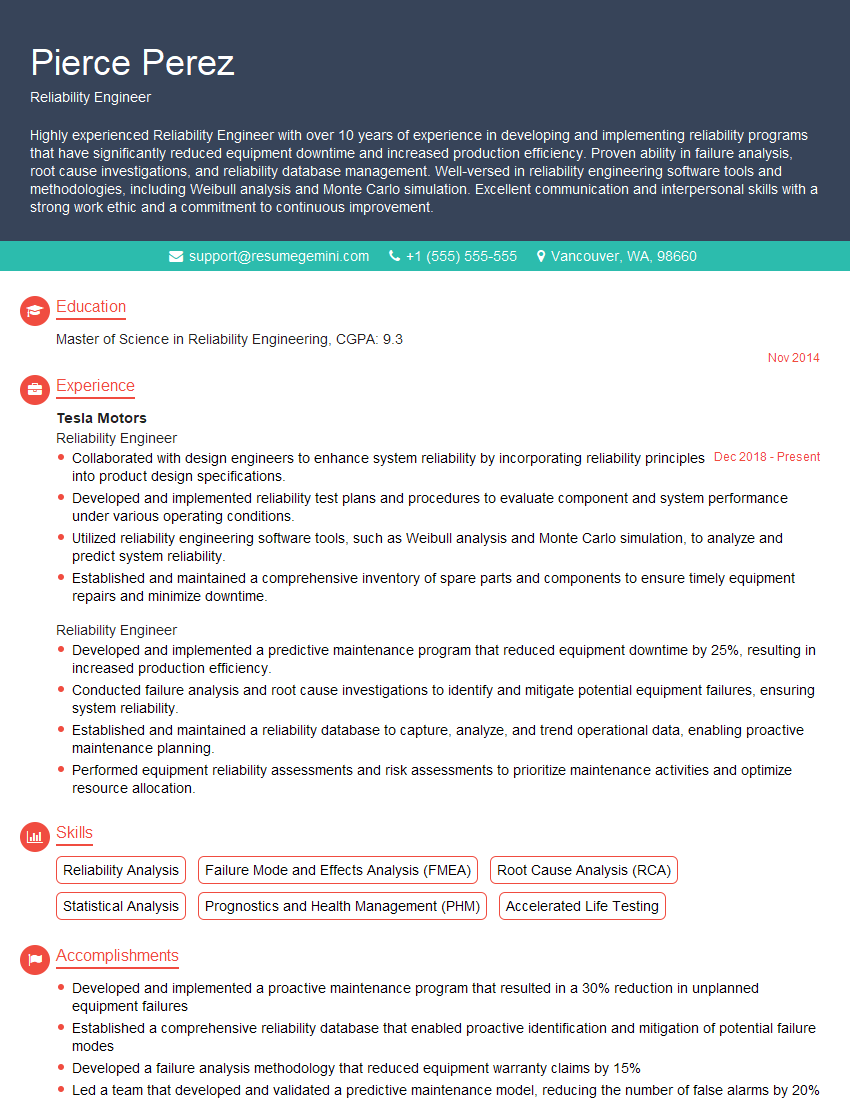
Reliability Engineer Resume Sample
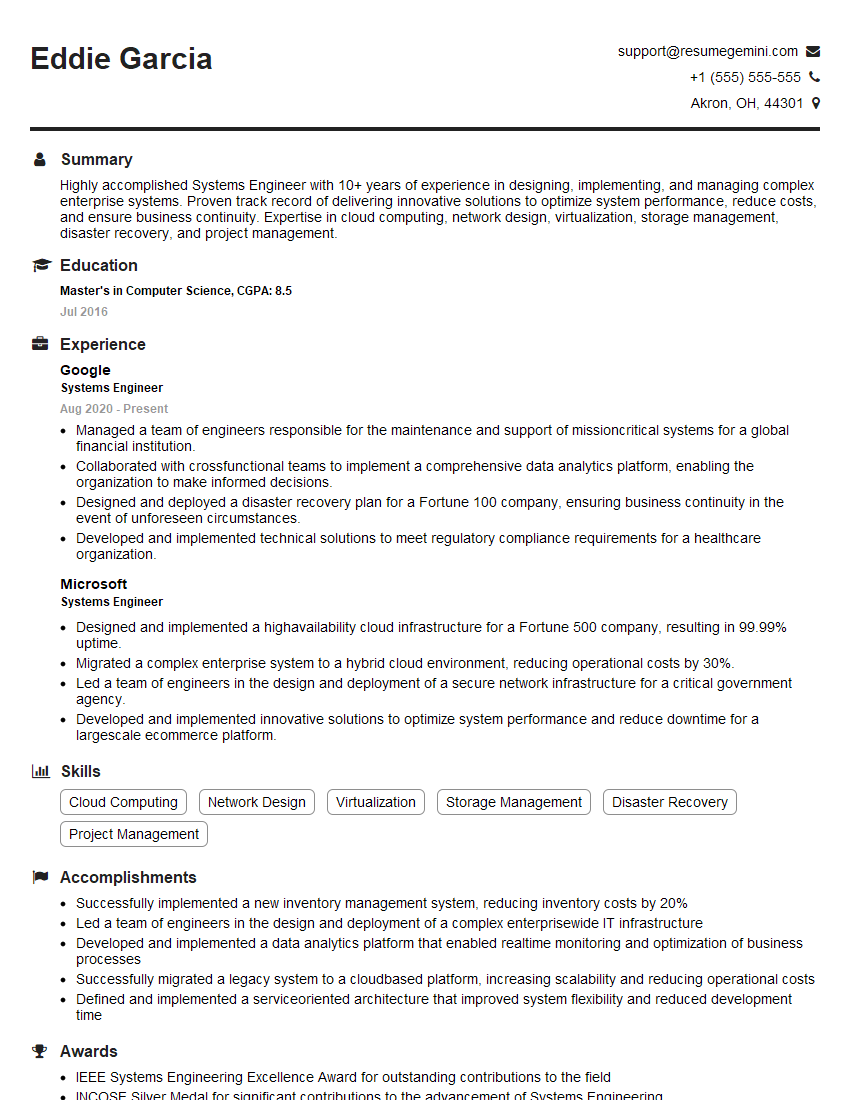
Systems Engineer Resume Sample
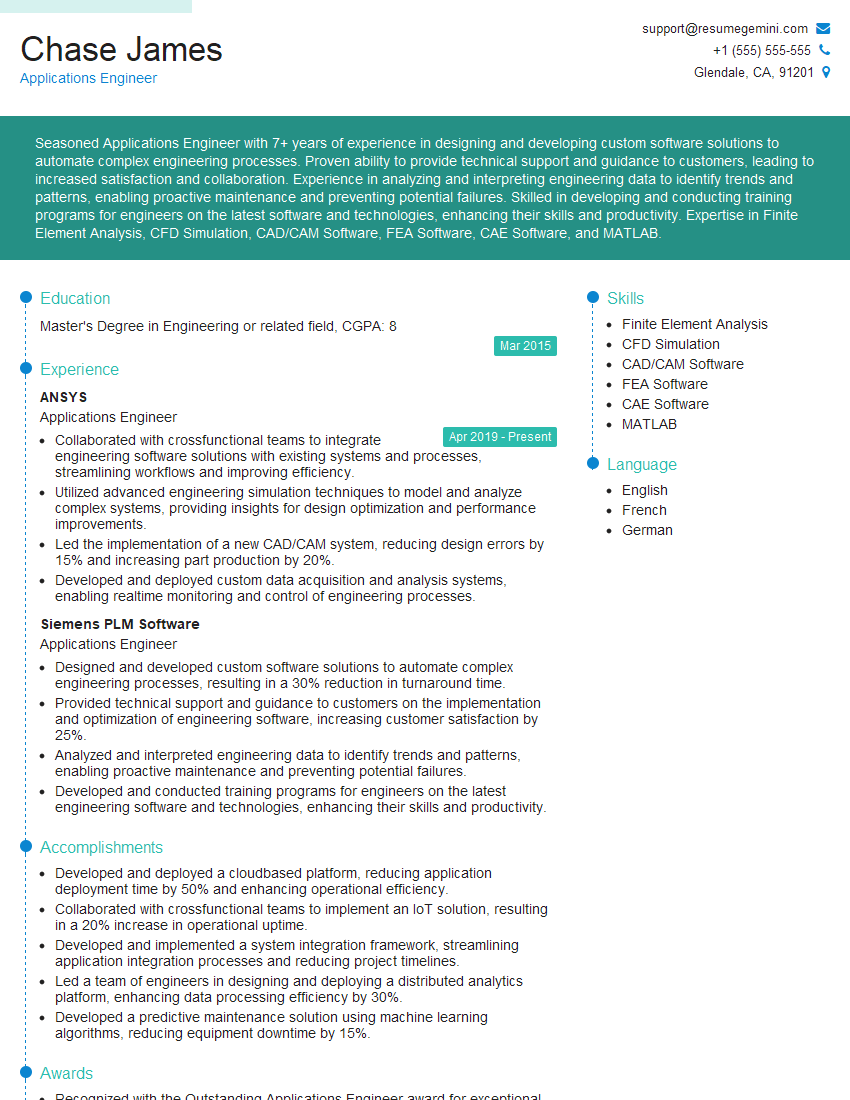
Applications Engineer Resume Sample
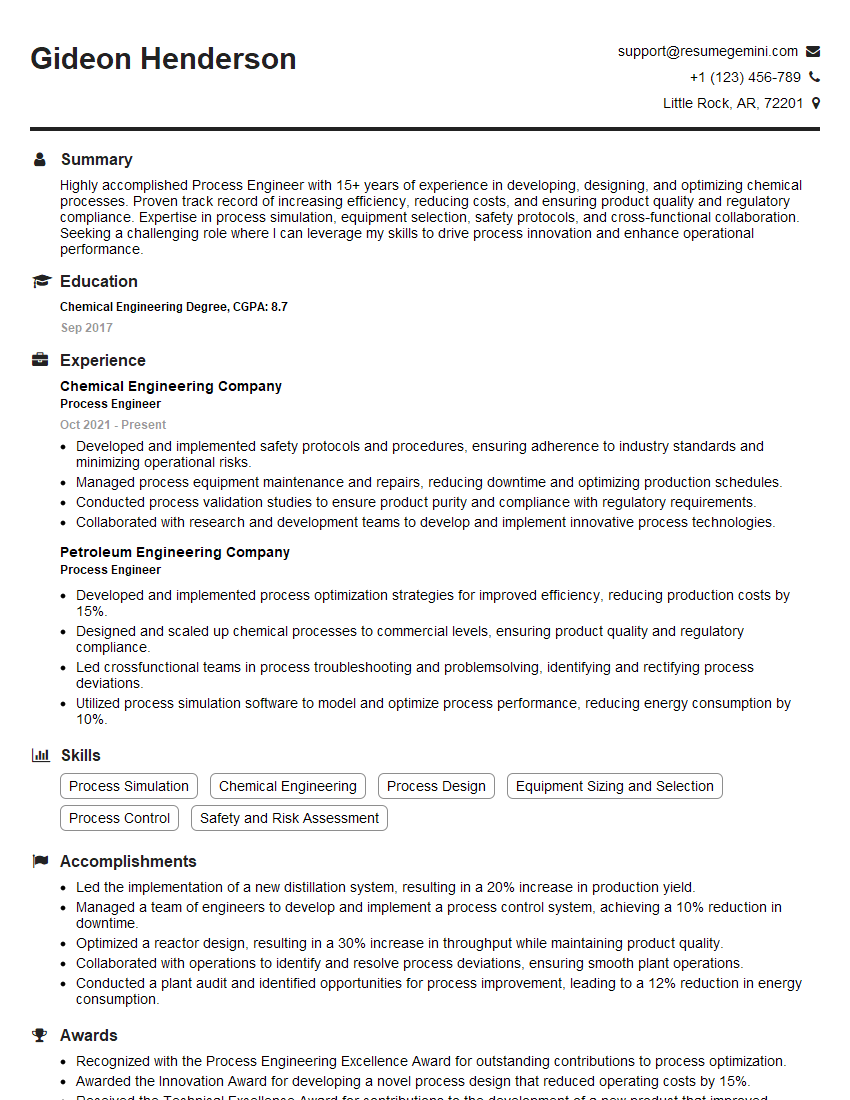
Process Engineer Resume Sample
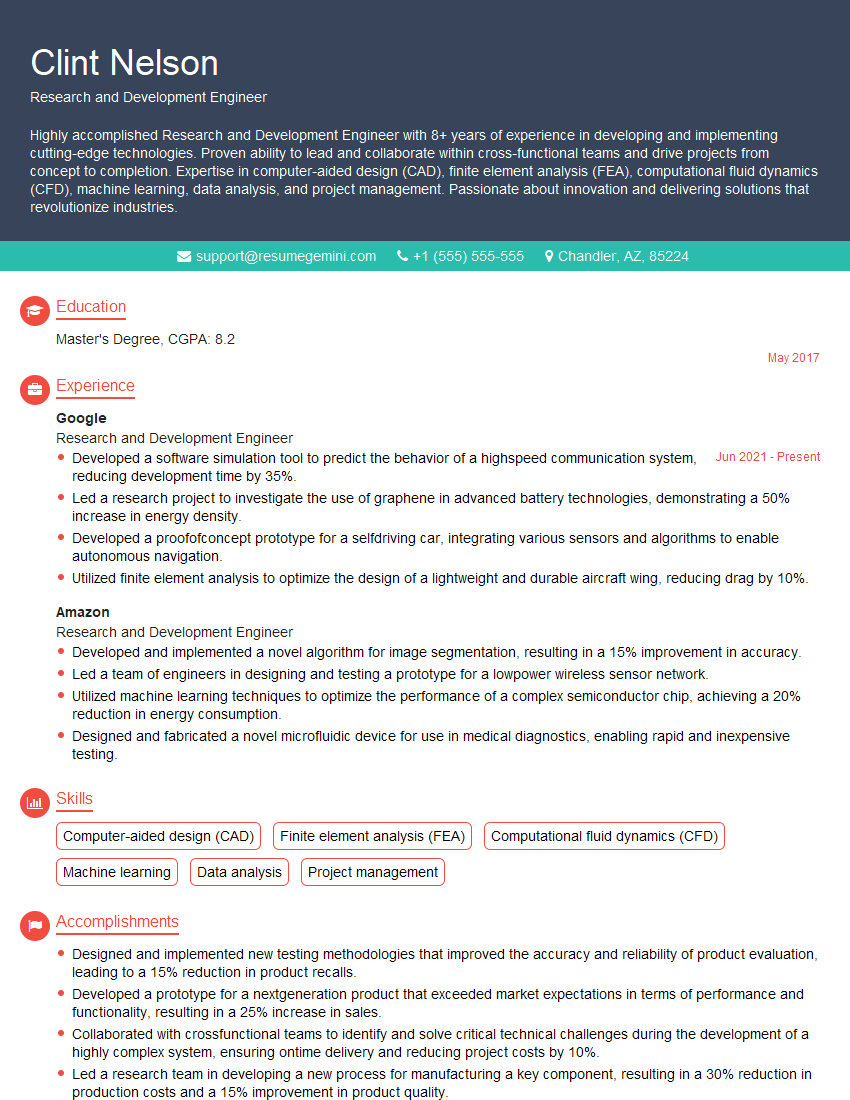
Research and Development Engineer Resume Sample
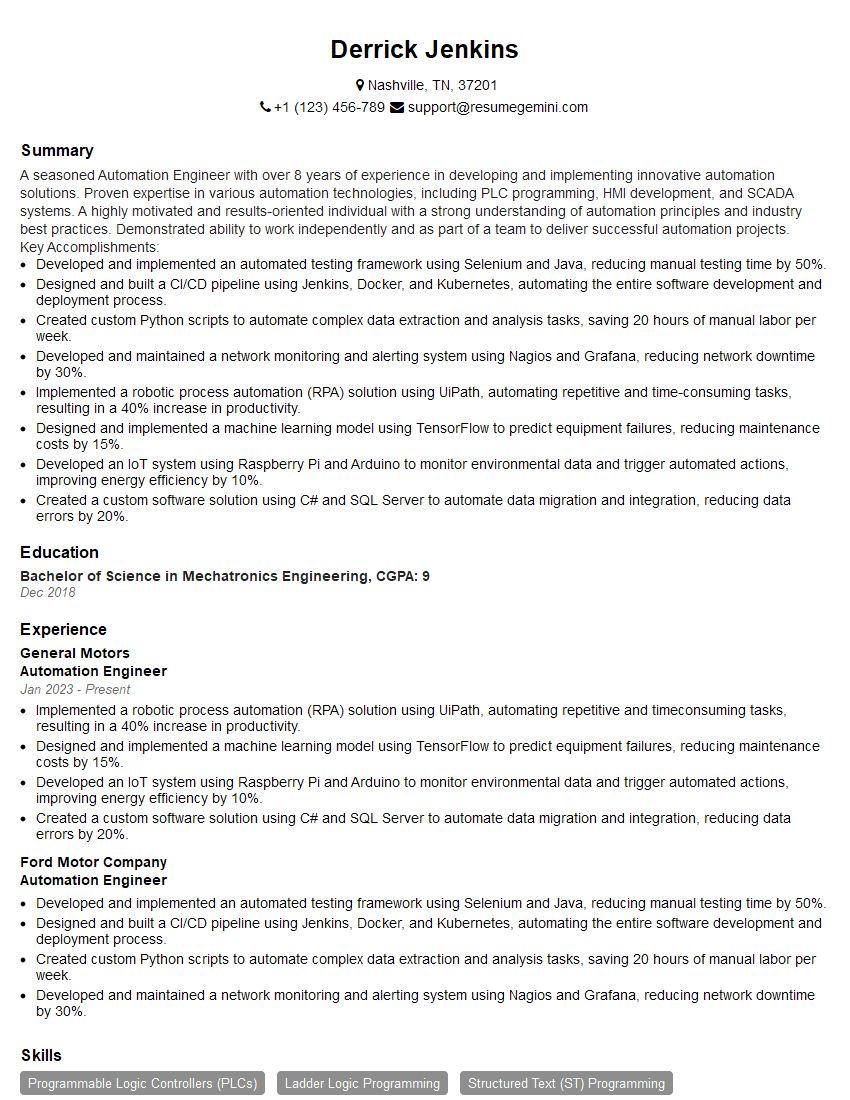
Automation Engineer Resume Sample
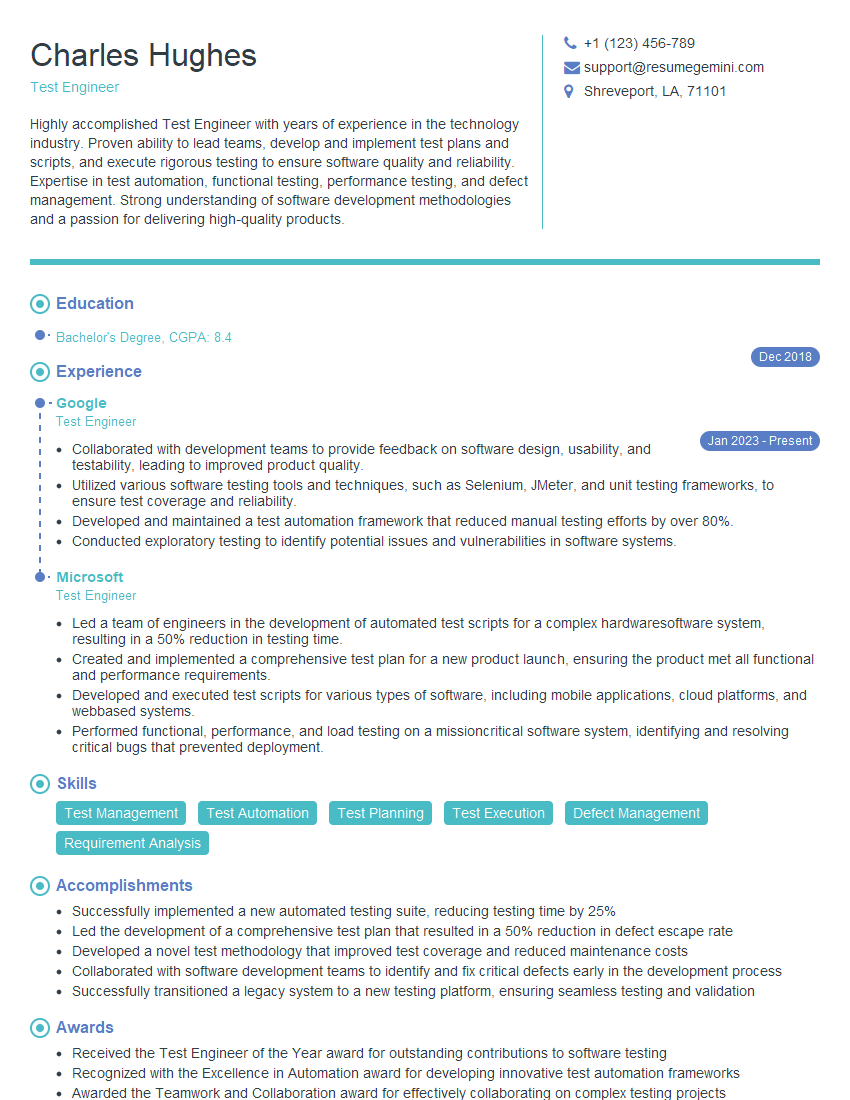
Test Engineer Resume Sample
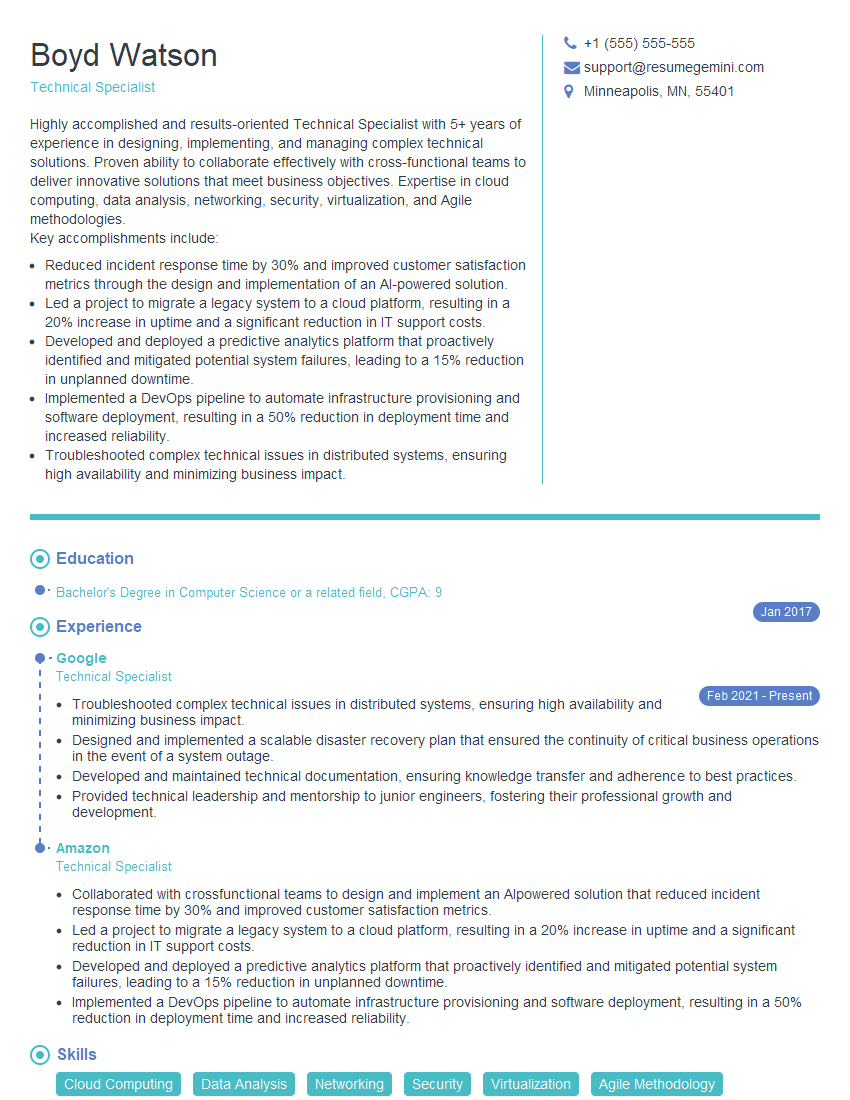
Technical Specialist Resume Sample
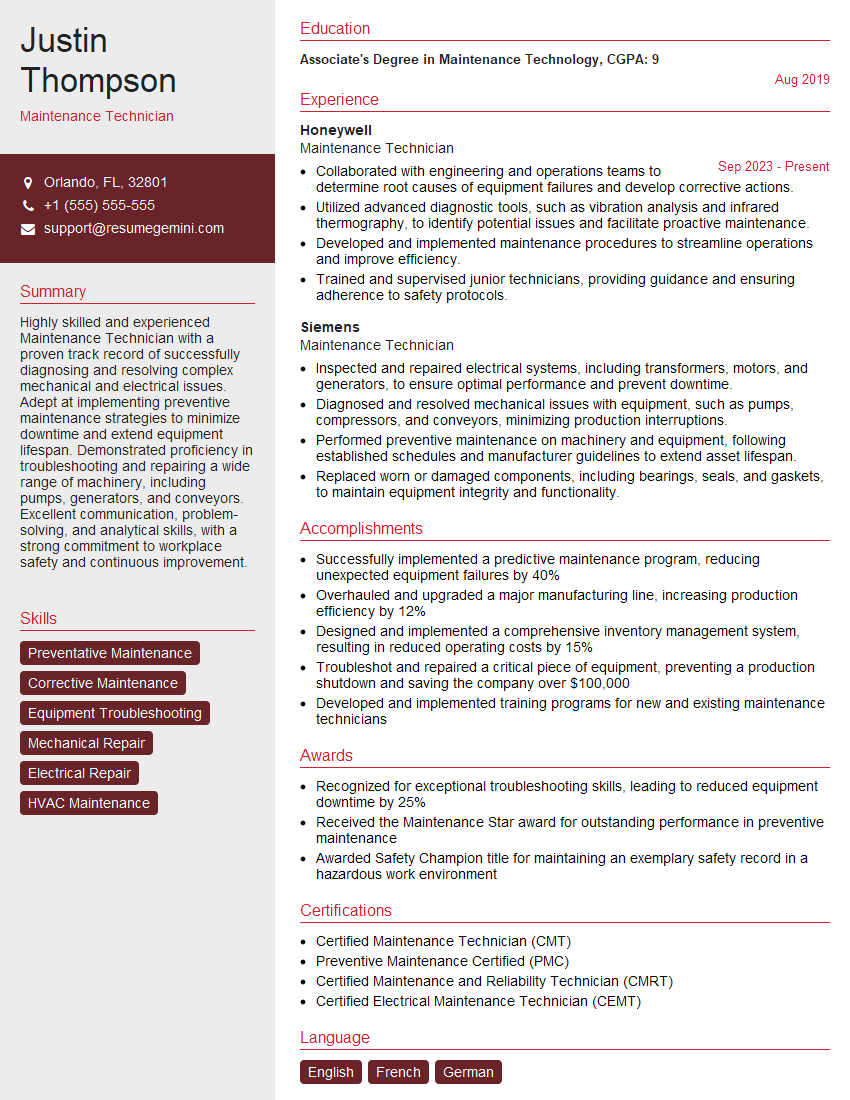
Maintenance Technician Resume Sample
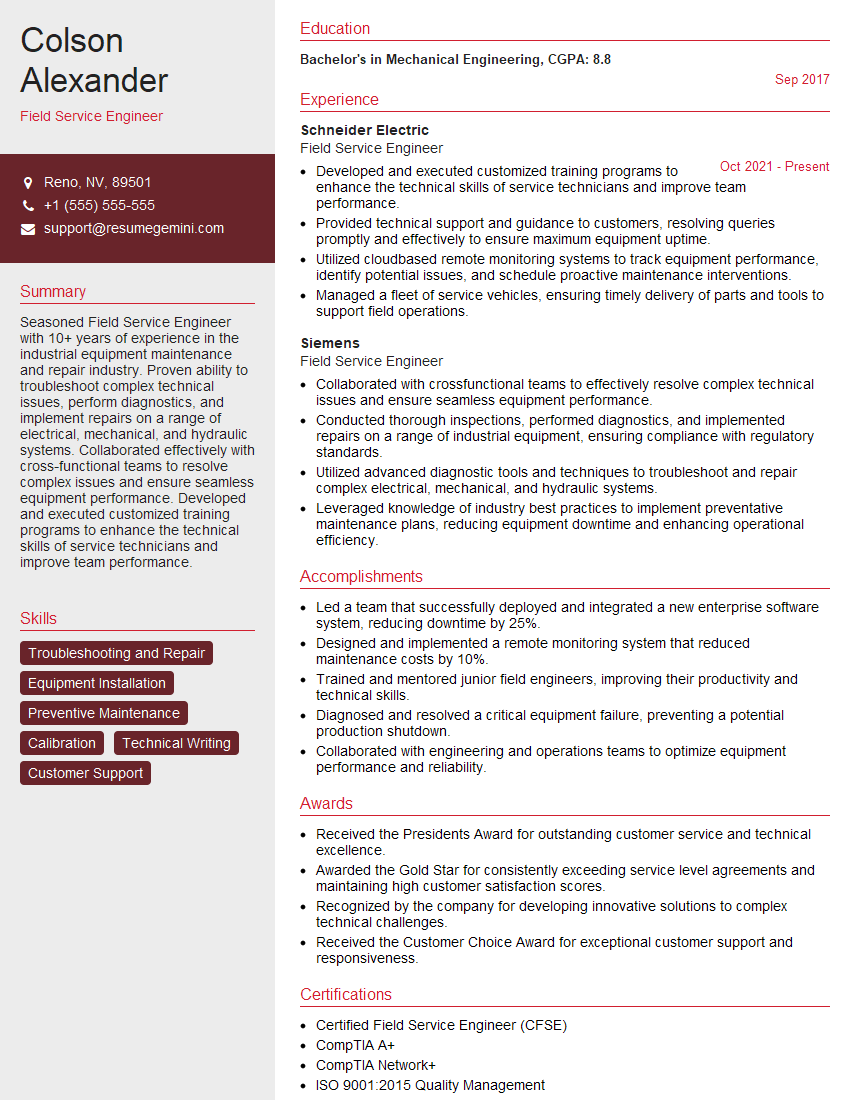
Field Service Engineer Resume Sample

Hardware Engineer Resume Sample
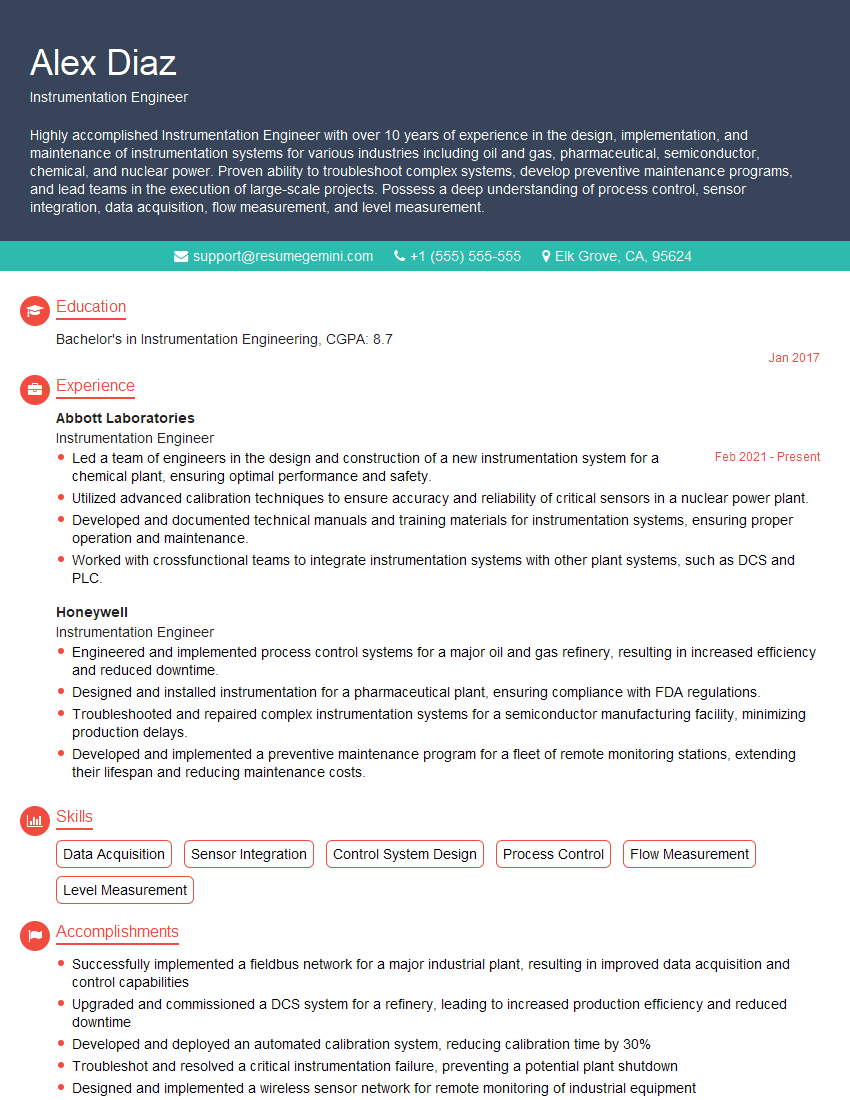
Instrumentation Engineer Resume Sample
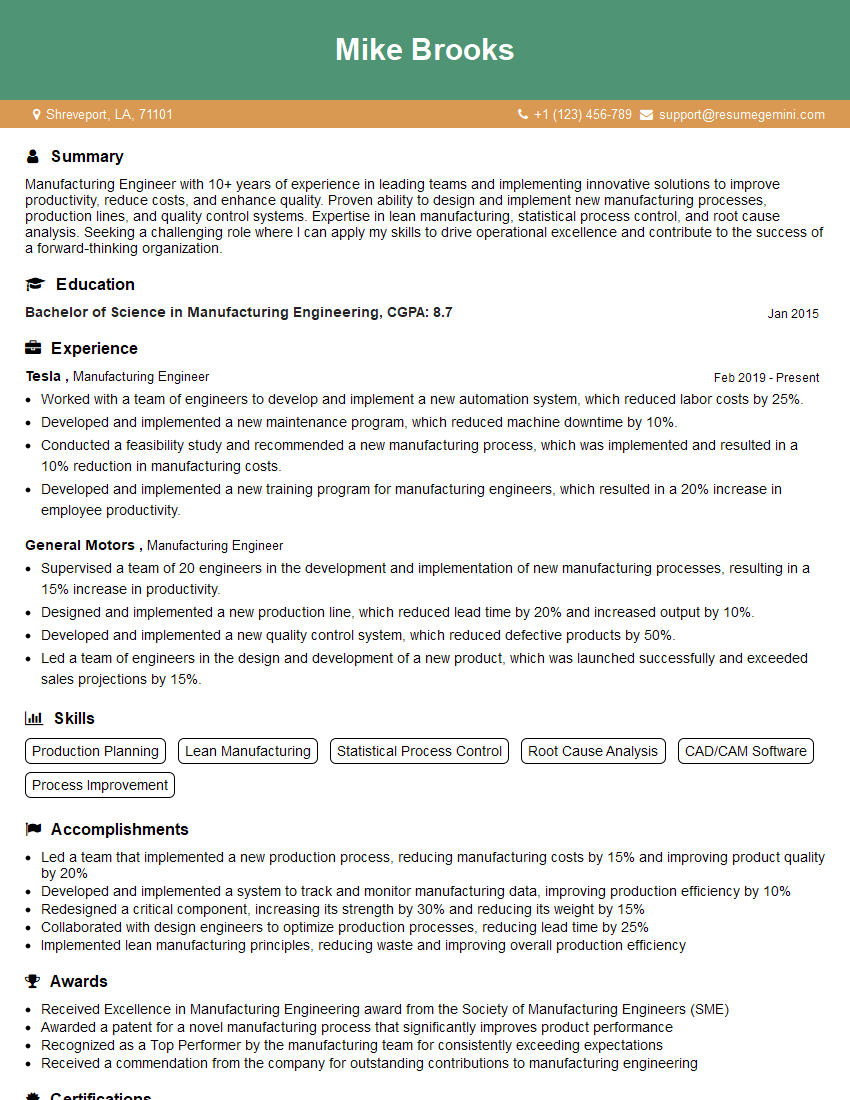
Manufacturing Engineer Resume Sample
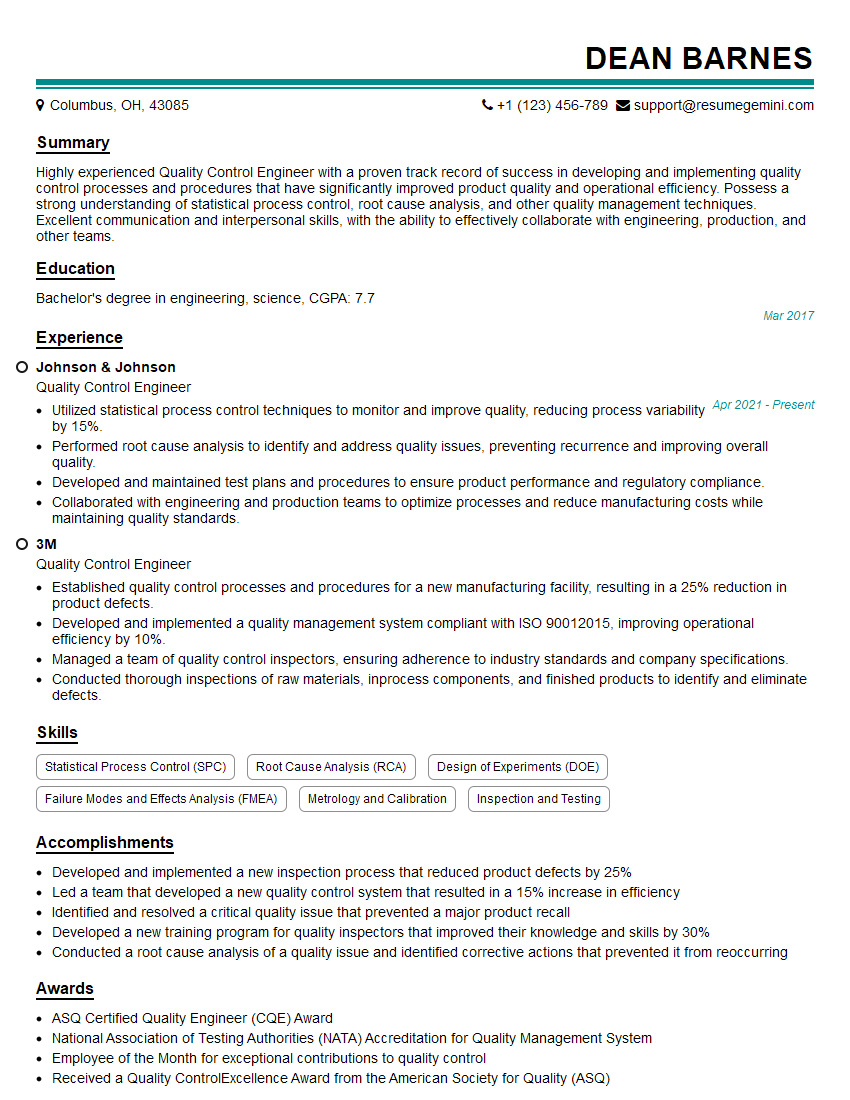
Quality Control Engineer Resume Sample

Quality Assurance Engineer Resume Sample
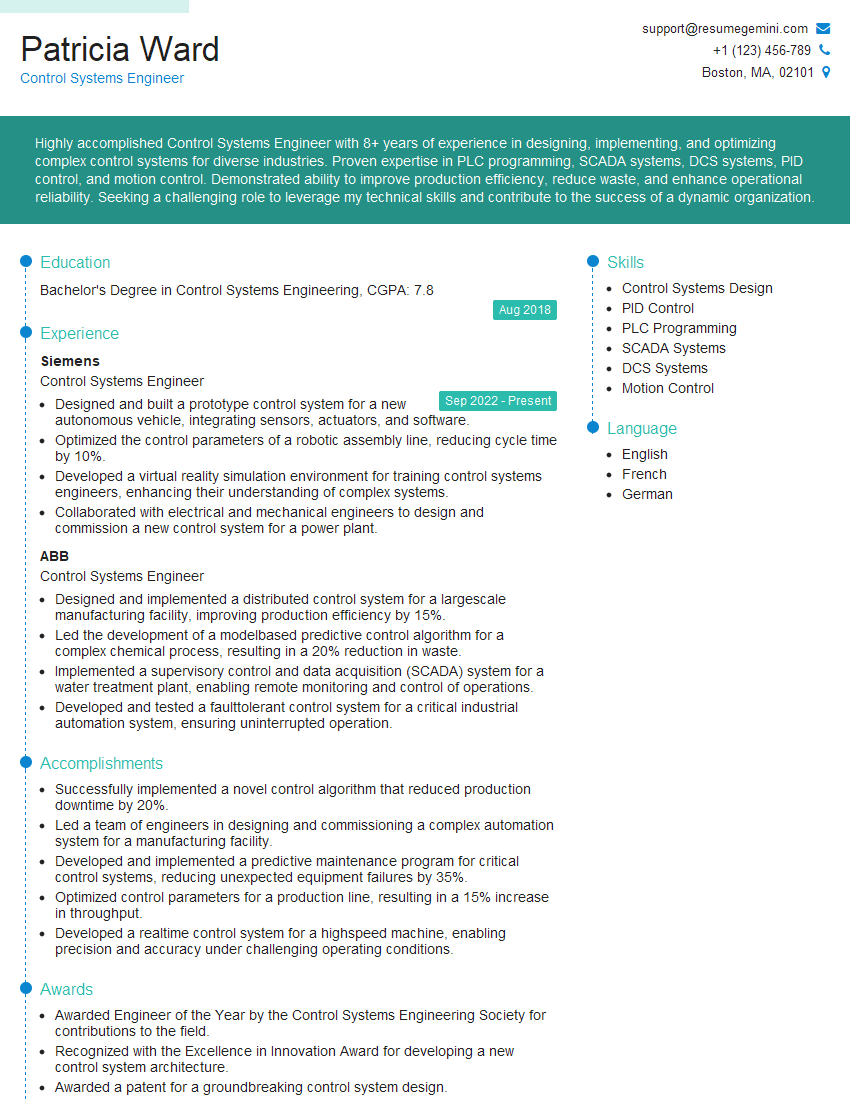
Control Systems Engineer Resume Sample
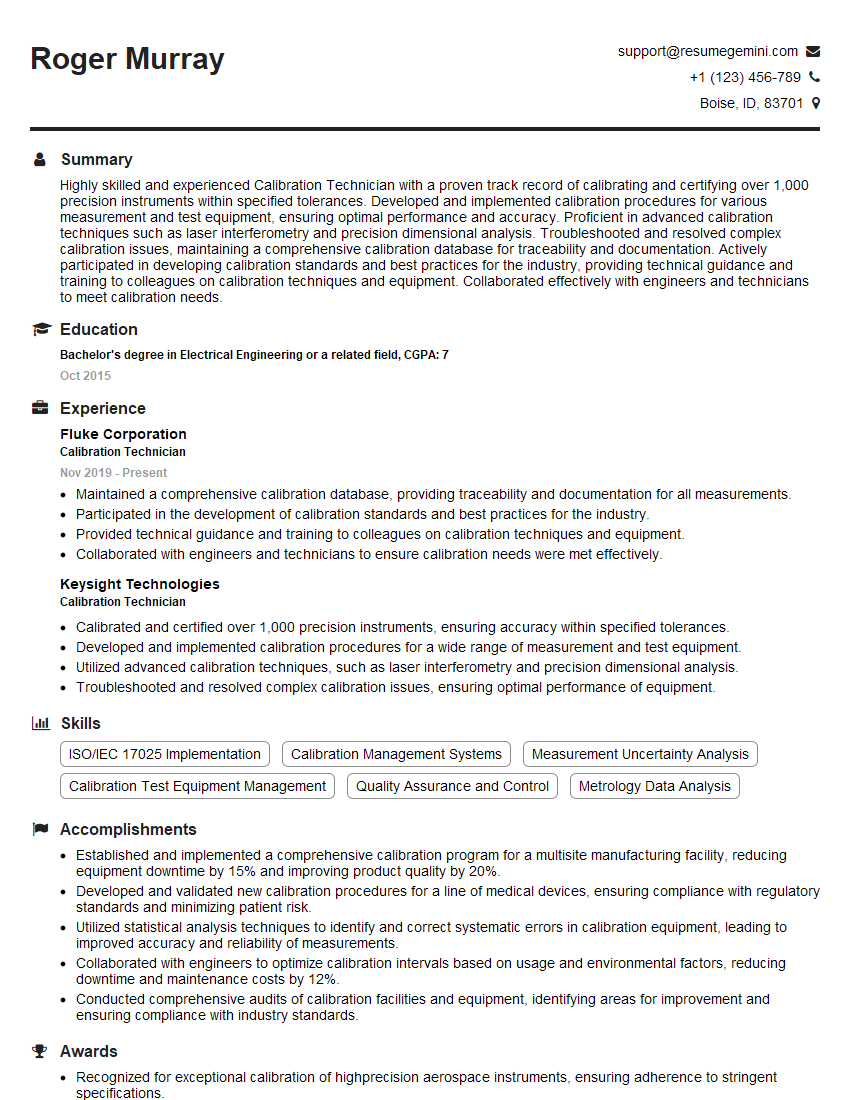
Calibration Technician Resume Sample

Electronics Technician Resume Sample
- Reliability Engineer
- Systems Engineer
- Applications Engineer
- Process Engineer
- Research and Development Engineer
- Automation Engineer
- Test Engineer
- Technical Specialist
- Maintenance Technician
- Field Service Engineer
- Hardware Engineer
- Instrumentation Engineer
- Manufacturing Engineer
- Quality Control Engineer
- Quality Assurance Engineer
- Control Systems Engineer
- Calibration Technician
- Electronics Technician
Explore more articles
Users Rating of Our Blogs
Share Your Experience
We value your feedback! Please rate our content and share your thoughts (optional).
What Readers Say About Our Blog
Very informative content, great job.
good