Feeling uncertain about what to expect in your upcoming interview? We’ve got you covered! This blog highlights the most important Chick Management interview questions and provides actionable advice to help you stand out as the ideal candidate. Let’s pave the way for your success.
Questions Asked in Chick Management Interview
Q 1. Describe your experience in chick sexing.
Chick sexing, the process of determining the sex of a chick, is crucial for efficient poultry management. My experience spans over ten years, encompassing both manual and vent sexing techniques. Manual sexing involves visually inspecting the chick’s external genitalia, a skill honed through years of practice and requiring keen observation. Vent sexing, on the other hand, involves carefully examining the vent (cloaca) using a specialized tool or even just the fingers. Accuracy is paramount, as misidentification can significantly impact production planning and profitability. I’ve achieved over 98% accuracy consistently in large-scale operations, minimizing losses due to misclassification. For example, in a recent project involving 10,000 chicks, I achieved a 98.7% accuracy rate, highlighting the precision and efficiency developed over my career.
I am also experienced in using automated sexing technologies, such as those employing genetic markers or machine vision systems. These methods can increase speed and consistency, although they still require trained personnel for quality control and troubleshooting.
Q 2. Explain the importance of biosecurity in chick management.
Biosecurity in chick management is paramount for preventing disease outbreaks and maintaining flock health. It’s akin to building an invisible shield around your chicks. It involves implementing strict protocols to minimize the introduction and spread of pathogens. This includes everything from meticulous cleaning and disinfection of facilities to controlling access to the chick area. Implementing a robust biosecurity program involves several key steps.
- Isolation and Quarantine: Newly hatched chicks must be kept strictly separated from adult birds to prevent cross-contamination.
- Hygiene Practices: Regular cleaning and disinfection of equipment, cages, and the brooding area are essential. I use a combination of detergents and disinfectants, always ensuring proper ventilation during application.
- Rodent and Pest Control: Rodents and insects can carry diseases and must be controlled rigorously.
- Personnel Hygiene: Workers must adhere to strict hygiene protocols such as changing clothes and footwear before entering chick areas, and using hand sanitizers regularly.
- Traffic Control: Limiting the number of people entering the chick areas helps to reduce the risk of introducing pathogens.
A strong biosecurity program is not just about protecting the current flock; it protects the future generations by maintaining a disease-free environment.
Q 3. What are the common diseases affecting chicks, and how are they prevented?
Chicks are susceptible to a range of diseases, including bacterial, viral, and parasitic infections. Common bacterial infections include E. coli and Salmonella, often leading to enteritis and high mortality. Viral diseases like Marek’s disease and Infectious Bursal Disease (IBD) cause immunosuppression and significant economic losses. Coccidiosis, a parasitic infection, can severely damage the intestinal lining. Prevention strategies are multi-pronged.
- Vaccination: Effective vaccination programs are crucial for protecting chicks against viral and bacterial diseases (more on this in the next answer).
- Hygiene and Sanitation: Maintaining strict hygiene and sanitation procedures, as discussed earlier, prevents the spread of disease agents.
- Biosecurity: Implementing rigorous biosecurity measures limits the introduction of pathogens.
- Nutrition: Providing proper nutrition boosts the chick’s immune system, making them more resistant to diseases. This includes providing balanced feed with essential vitamins and minerals.
- Early Detection: Regular monitoring of chicks’ health and behavior allows for early identification of illness, enabling prompt intervention and preventing widespread outbreaks.
The key is proactive management, anticipating potential problems and implementing preventative measures rather than reacting to outbreaks.
Q 4. Detail your experience with chick vaccination procedures.
My experience with chick vaccination procedures is extensive, covering both in-ovo (in-egg) and in-vivo (in-chick) methods. In-ovo vaccination, performed while the eggs are still in the incubator, is commonly used for Marek’s disease and Infectious Bronchitis virus. This method is efficient and minimizes stress on the chicks. For in-vivo vaccination, I’ve administered various vaccines through various routes including subcutaneous (under the skin) and intramuscular (into the muscle) injections, depending on the vaccine and age of the chicks. This requires precise technique to ensure effective immunization and minimize stress and injury.
I’ve managed vaccination programs for flocks ranging from several hundred to tens of thousands of birds, employing efficient, safe and well-organized techniques. I meticulously maintain detailed vaccination records, including vaccine type, batch number, date of administration, and the number of chicks vaccinated. This ensures traceability and accurate record-keeping, critical for disease surveillance and production planning. Accurate record keeping prevents errors and can significantly reduce losses associated with mismanaged vaccinations.
Q 5. How do you monitor chick health and identify potential issues?
Monitoring chick health is a continuous process involving regular observation and data collection. I use a multi-faceted approach. First, regular visual inspections are vital. I look for signs of illness, such as listlessness, ruffled feathers, respiratory distress, diarrhea, and decreased feed intake. Changes in mortality rates are also closely monitored.
I also pay attention to environmental factors, ensuring appropriate temperature, humidity, and ventilation. Poor environmental conditions can predispose chicks to diseases and stress. Regular weighing of the chicks helps track growth and identify any growth retardation. Finally, I regularly collect samples for laboratory analysis to detect any pathogens or nutritional deficiencies. Early detection allows for prompt intervention, minimizing losses.
Think of it like having a constantly updated health report for your chicks. It allows you to anticipate problems and take action early, just like a doctor uses regular checkups for preventative medicine.
Q 6. What are the key indicators of optimal chick growth?
Optimal chick growth is characterized by several key indicators. Uniformity in size and weight within the flock is a key sign of healthy growth. Chicks should be alert, active, and have bright eyes and smooth feathers. Their droppings should be firm and consistent. Consistent and appropriate weight gain is another important indicator. This can be tracked by weighing groups of chicks at regular intervals.
Regular monitoring of feed conversion ratio (FCR), which is the amount of feed required to produce a unit of weight gain, is a useful measure of efficiency. A lower FCR indicates efficient feed utilization and optimal growth. Mortality rates should be minimal in healthy flocks. Deviation from these indicators may signal underlying problems requiring investigation and correction.
A healthy flock thrives, and you can literally see it in their growth and behaviour. It’s a very rewarding aspect of the job.
Q 7. Describe your experience with chick feeding and nutrition management.
Chick feeding and nutrition management are crucial for optimal growth and health. Providing a balanced diet that meets the chicks’ nutritional needs is paramount. Starter feeds, specifically formulated for young chicks, are crucial during the first few weeks. These feeds are highly digestible and contain the essential nutrients required for rapid growth. I ensure that fresh, clean feed and water are always available. Water quality is often overlooked, but it is critical. I regularly check water troughs and lines, ensuring that they are clean and free of contaminants.
As the chicks grow, they progress to grower and finisher feeds, each tailored to their specific nutritional requirements at each stage of development. I regularly analyze feed samples to ensure consistency and quality. I also take into account factors such as ambient temperature, as heat stress can affect feed intake and nutrient utilization. I’ve implemented programs for controlling feed quality and storage, significantly reducing losses associated with spoilage. Effective feeding programs translate directly into improved growth rates and overall flock health.
Q 8. How do you manage chick mortality rates?
Managing chick mortality rates requires a proactive, multi-faceted approach focusing on prevention rather than cure. High mortality often signals underlying issues within the rearing system. We begin by meticulously monitoring daily mortality, recording causes whenever possible (e.g., disease, injury, starvation). This data helps pinpoint problem areas.
- Disease Prevention: A robust vaccination program is crucial. We use vaccines tailored to the specific prevalent diseases in our region and follow strict vaccination schedules. Biosecurity measures, including strict sanitation protocols and controlled access to the facility, are paramount to preventing disease outbreaks.
- Environmental Control: Maintaining optimal temperature, humidity, and ventilation is essential. Fluctuations can stress chicks, increasing susceptibility to disease and mortality. We regularly monitor and adjust these parameters based on chick age and environmental conditions.
- Nutrition and Management: Providing high-quality feed, ensuring consistent feed access, and implementing proper feeding techniques are vital. Overcrowding must be avoided, allowing sufficient space for chicks to move, eat, and rest comfortably. Early identification of weak or sick chicks through regular observation allows for timely intervention.
For example, during a recent outbreak of coccidiosis, we promptly implemented a medication plan, improved hygiene practices, and adjusted the ventilation system to reduce humidity, successfully curtailing further losses. Regular post-mortem examinations are performed on deceased chicks to determine cause of death and inform preventative strategies.
Q 9. Explain your knowledge of different chick brooding systems.
Chick brooding systems vary based on scale and resources. Broadly, we have:
- Brooders: These are enclosed spaces, typically using gas or electricity to maintain optimal temperatures. They come in various sizes, accommodating anywhere from a few hundred to thousands of chicks. We often employ floor brooding in large-scale operations, while smaller operations might utilize hover brooders. Proper ventilation and temperature control are critical here.
- Floor Brooding: This system uses a heated floor or hover brooder in a large room. While cost-effective for larger operations, it demands strict hygiene management and careful temperature control to prevent chilling or overheating.
- Battery Brooding: This method uses tiered cages to house chicks, offering space-saving benefits for high-density rearing. However, it requires more diligent monitoring and poses challenges regarding hygiene and chick welfare. Ventilation in such systems is crucial to prevent ammonia build-up.
The choice of brooding system depends on factors such as the number of chicks, available space, budget, and labor availability. We select the system that offers the best balance between cost-effectiveness and chick welfare.
Q 10. How do you ensure optimal environmental conditions for chick rearing?
Optimal environmental conditions are crucial for chick health and growth. Imagine a chick as a tiny human baby – it needs the right environment to thrive. We focus on:
- Temperature: Maintaining the correct temperature is paramount. We begin with higher temperatures (around 95°F or 35°C) for newly hatched chicks and gradually reduce it as they grow. We use thermometers and thermostats to monitor and adjust the temperature as needed. We also monitor the chick’s behavior; clustering together signifies they’re cold, while spreading out indicates they are too warm.
- Humidity: The ideal humidity level is typically between 50-60%. Excessive humidity can lead to respiratory issues, while low humidity can dry out the chicks. We use hygrometers to monitor humidity and ventilation to control it.
- Ventilation: Good ventilation is essential for removing ammonia and other harmful gases, preventing respiratory problems. It also ensures proper air circulation to prevent overheating. We adjust ventilation based on chick density and environmental conditions, balancing air exchange with maintaining warmth.
- Light: Controlled lighting is crucial to regulate chick activity and feeding behavior. We typically provide 23-24 hours of light during the first week of life, gradually decreasing to a natural light cycle as the chicks mature. Consistent lighting minimizes stress.
We regularly monitor environmental factors using various equipment and observe chick behavior for any signs of distress, adjusting conditions as necessary.
Q 11. What are the key factors affecting chick weight gain?
Chick weight gain is a complex process influenced by several key factors:
- Genetics: Breed and genetics play a significant role. Fast-growing breeds will naturally gain weight more quickly than slower-growing breeds. Breeding programs focus on selecting and breeding birds with superior growth rates.
- Nutrition: The quality and quantity of feed are crucial. A balanced diet containing the right nutrients (proteins, carbohydrates, vitamins, minerals) is essential for optimal growth. We regularly analyze feed composition and adjust as needed to meet the chicks’ nutritional requirements at different growth stages.
- Health: Disease and parasites can severely impair weight gain. A healthy chick will grow better than a sick one. Therefore, vaccination, biosecurity, and parasite control programs are paramount.
- Environmental Conditions: Stress from suboptimal temperature, humidity, or lighting can negatively impact growth rates. Maintaining the optimal environment described previously is vital.
- Management Practices: Proper chick handling, preventing overcrowding, providing ample feeding space, and ensuring clean drinking water also contribute to optimal weight gain.
For instance, we track weekly average weight gain within different brooding groups, comparing performance against established benchmarks. Any significant deviation prompts an investigation into potential causes (e.g., nutritional deficiencies, disease, environmental stressors) to correct the issue.
Q 12. Describe your experience with chick handling and transportation.
Chick handling and transportation require a gentle approach to minimize stress and injury. We follow strict protocols:
- Handling: Chicks should be handled gently and carefully. We avoid dropping or squeezing them. We use appropriate containers and equipment to minimize physical stress.
- Transportation: During transportation, chicks need adequate ventilation, appropriate temperature control, and protection from harsh weather conditions. We utilize specialized transport crates designed to ensure safe and comfortable travel. We avoid overcrowding and ensure regular checks during transit to monitor chick health and wellbeing. We minimize transport times to prevent stress.
- Stress Reduction: We aim to minimize stress at all stages. Sudden changes in temperature, light, or noise can negatively affect the chicks. We use dim lighting during transportation and maintain a consistent temperature.
For example, before long-distance transport, we acclimate the chicks to the transport crates for several hours before loading. Upon arrival at the destination, we immediately provide fresh water and feed to help them recover from transport stress.
Q 13. How do you maintain optimal hygiene in a chick rearing facility?
Maintaining optimal hygiene is critical in preventing disease outbreaks. This involves a comprehensive approach:
- Cleaning and Disinfection: We thoroughly clean and disinfect the brooding facilities regularly, using appropriate disinfectants and adhering to strict protocols to kill pathogens. This includes all surfaces, equipment, and feeders.
- Waste Management: Manure and litter must be removed regularly to prevent ammonia build-up and pathogen proliferation. We implement efficient waste management systems, including proper disposal methods.
- Pest Control: Controlling rodents, insects, and other pests is essential to prevent disease transmission. We implement a robust pest control program, using appropriate methods and regularly monitoring for infestation.
- Biosecurity: Strict biosecurity protocols are critical. This involves controlling access to the facility, requiring proper attire for personnel (e.g., protective clothing, footwear), and implementing effective disinfection procedures for all incoming and outgoing materials.
- Water Quality: Clean drinking water is paramount. We use clean water sources, regular cleaning of water lines, and appropriate sanitation to prevent waterborne diseases.
We regularly monitor hygiene levels through microbial testing and implement corrective actions if needed. This proactive approach ensures a clean and healthy environment for the chicks, minimizing the risk of disease.
Q 14. Explain your understanding of chick genetics and breeding programs.
Understanding chick genetics and breeding programs is vital for improving productivity and profitability. We focus on:
- Breed Selection: Choosing breeds with desirable traits like fast growth, high egg production, disease resistance, and good feed conversion efficiency is crucial. We carefully assess breed characteristics based on our specific needs and market demands.
- Genetic Improvement Programs: These programs aim to improve genetic merit through selective breeding, using techniques like artificial insemination and progeny testing. We select superior parent stock based on performance data, including growth rates, egg production, and disease resistance.
- Crossbreeding: Crossbreeding can enhance hybrid vigor, resulting in improved performance compared to purebred lines. We may use crossbreeding strategies to combine desirable traits from different breeds. Careful record-keeping and performance analysis help us fine-tune breeding strategies.
- DNA Technology: Advanced genetic technologies, such as genomic selection, are being increasingly used to identify desirable genes and accelerate genetic progress. This allows for more precise selection of breeding stock and faster genetic improvement.
For example, we recently implemented a genomic selection program to improve growth rate and disease resistance in our broiler flock. This resulted in significant improvements in flock performance within a relatively short timeframe.
Q 15. What is your experience with record-keeping and data analysis in chick management?
Record-keeping and data analysis are crucial for efficient chick management. I utilize a comprehensive system, typically involving both manual and digital tools. Manually, I maintain detailed daily logs tracking key metrics like mortality rates, feed consumption, weight gain, and water intake. These logs are meticulously maintained to ensure accuracy and traceability. Digitally, I use dedicated poultry management software which allows for data input, analysis, and generation of reports. This software enables trend analysis to identify potential problems early on, such as a sudden increase in mortality or a dip in weight gain, allowing for timely intervention. For example, a sudden spike in mortality might indicate a disease outbreak, prompting immediate investigation and appropriate treatment. Similarly, inconsistent weight gain could point to nutritional deficiencies or environmental issues, requiring adjustments to feed formulations or brooding conditions.
Data analysis goes beyond simple recording; it involves identifying correlations and patterns. For instance, correlating feed type with weight gain can help optimize feed formulations. Analyzing mortality data alongside environmental factors (temperature, humidity) can reveal environmental stressors affecting chick health. This data-driven approach is fundamental to making informed management decisions and maximizing productivity.
Career Expert Tips:
- Ace those interviews! Prepare effectively by reviewing the Top 50 Most Common Interview Questions on ResumeGemini.
- Navigate your job search with confidence! Explore a wide range of Career Tips on ResumeGemini. Learn about common challenges and recommendations to overcome them.
- Craft the perfect resume! Master the Art of Resume Writing with ResumeGemini’s guide. Showcase your unique qualifications and achievements effectively.
- Don’t miss out on holiday savings! Build your dream resume with ResumeGemini’s ATS optimized templates.
Q 16. Describe your approach to problem-solving in chick management.
My approach to problem-solving in chick management is systematic and data-driven. I follow a structured process: 1. Observation: Carefully observe the chicks, noting any unusual behavior, symptoms, or mortality patterns. 2. Data Analysis: Review relevant data (mortality logs, feed consumption records, environmental parameters) to identify potential correlations. 3. Hypothesis Formation: Based on observations and data, formulate potential causes of the problem (e.g., disease, nutritional deficiency, environmental stress). 4. Testing & Validation: Implement corrective actions and monitor their impact. This might involve changing feed formulations, adjusting environmental conditions, administering medication, or isolating affected chicks. 5. Documentation: Meticulously document all steps, including observations, hypotheses, actions taken, and outcomes. This creates a valuable learning resource for future challenges.
For example, if I observe increased chick mortality accompanied by respiratory symptoms, I would hypothesize a disease outbreak. I would then analyze mortality data to pinpoint the affected age group and potentially correlate it with environmental factors. I’d then consult with a veterinarian, perform necessary tests, and implement appropriate treatment such as medication or improved ventilation.
Q 17. How do you manage stressful situations within a chick rearing environment?
Stressful situations in chick rearing, such as sudden temperature fluctuations, overcrowding, or disease outbreaks, require calm, decisive action. My approach prioritizes minimizing further stress for the chicks. Immediate actions might include adjusting environmental controls (temperature, ventilation, lighting), providing fresh water and feed, and isolating sick chicks to prevent further spread of disease.
For example, during a heatwave, I would immediately increase ventilation, provide ample cool drinking water (potentially chilled), and potentially implement shade or misting systems. During a power outage, I’d use backup power sources for heating and ventilation systems, prioritizing the preservation of a stable environment for the chicks. Effective communication is also crucial—informing relevant personnel (vets, management) to secure timely support and resources.
Q 18. What is your experience with chick grading and culling?
Chick grading and culling are essential for maintaining flock health and productivity. Grading involves assessing chicks based on factors like weight, uniformity, and overall health. This helps identify weaker birds or those exhibiting deformities. Culling, ethically performed, involves removing chicks that are severely unhealthy, deformed, or unlikely to survive. This process prevents the spread of disease and improves the overall health and efficiency of the flock. My approach emphasizes minimizing stress during these procedures. I use gentle handling techniques and ensure swift and humane culling methods to reduce suffering. For instance, I’d prioritize visual inspection first and use a humane method consistent with regulations and best practices, only culling birds beyond reasonable expectation of survival.
Accurate record-keeping is critical to tracking culling rates, identifying potential causes (e.g., genetic factors, environmental issues), and improving future breeding and management strategies. Regular grading and judicious culling allows for better resource allocation, enhancing the overall success of the flock.
Q 19. Describe your understanding of different chick breeds and their characteristics.
My understanding of different chick breeds encompasses their growth rates, disease resistance, egg production (for layer breeds), meat yield (for broiler breeds), and temperament. For example, Cornish Cross broilers are known for rapid growth and high meat yield but are less disease-resistant compared to some heritage breeds. Leghorn layers excel in egg production but are smaller and more fragile. Understanding these breed-specific characteristics is fundamental to optimizing management strategies, feeding regimens, and housing conditions to maximize productivity and well-being for each breed. I consider feathering patterns, color variations, and temperament differences to ensure proper management practices for all the breeds within the flock. I also have experience working with heritage breeds which may require specialized care.
Q 20. How do you ensure the welfare of chicks under your care?
Ensuring chick welfare is paramount. My approach integrates several key aspects: 1. Providing a comfortable environment: Maintaining optimal temperature, humidity, ventilation, and lighting is critical. Overcrowding must be avoided. 2. Access to quality feed and water: Providing appropriate feed formulations, ensuring clean water sources, and maintaining feed and water supply are essential. 3. Disease prevention: Implementing stringent biosecurity measures and vaccinating where appropriate helps prevent disease outbreaks. 4. Monitoring for signs of illness or stress: Regular observation, quick response to any health issues, and humane culling practices are essential. 5. Gentle Handling: Using gentle and appropriate handling techniques minimizes stress on the chicks during any interactions.
For instance, I always ensure that the brooding area is clean and dry, avoiding ammonia buildup, providing adequate space for chicks to move freely and to prevent piling, and closely monitoring their behaviour for signs of sickness or stress.
Q 21. What is your experience with implementing and maintaining biosecurity protocols?
Implementing and maintaining biosecurity protocols is crucial for preventing disease outbreaks. My experience includes establishing strict hygiene measures, controlling access to the chick rearing areas (limiting personnel entry and implementing footbaths), implementing rodent control, and regularly disinfecting equipment and facilities. I also maintain records of all incoming and outgoing birds and strictly follow quarantine protocols for new birds before introducing them into the main flock. This helps prevent the introduction and spread of diseases. Further, all personnel follow strict hand washing protocols and wear appropriate protective clothing when entering chick rearing areas. A well-defined biosecurity plan, rigorously implemented and updated based on evolving circumstances, significantly reduces the risk of disease outbreaks and enhances the overall health and productivity of the flock.
Q 22. How do you manage feed storage and distribution to ensure quality?
Maintaining feed quality is paramount in chick management. It begins with proper storage to prevent spoilage and contamination. I ensure feed is stored in a cool, dry, and well-ventilated area, away from pests and rodents. This typically involves using sealed metal bins or silos. Regularly checking for signs of spoilage, such as mold or insect infestation, is crucial. If any issues are detected, the affected feed is immediately discarded. Distribution is equally important. We use automated feeders in larger operations, ensuring consistent and controlled delivery, preventing wastage and spoilage. In smaller setups, we use manual feeders, but with a strict schedule to maintain freshness. We also meticulously monitor feed consumption to detect issues early on. For example, a sudden drop in consumption could indicate a problem with the feed or the birds’ health, prompting immediate investigation.
Furthermore, we conduct regular feed analysis to ensure it meets the nutritional requirements of the chicks at each stage of development. We use specific formulations designed for optimal growth and health, tailoring them to age and breed. We also carefully track feed conversion ratios (FCR), which is the amount of feed required to produce a unit of weight gain. A high FCR can indicate an issue with feed quality or management practices, alerting us to potential problems before they significantly impact the flock’s health and profitability.
Q 23. Describe your experience with troubleshooting equipment malfunctions in chick rearing facilities.
Troubleshooting equipment malfunctions is a regular part of my routine. My experience encompasses a wide range of equipment, including automated feeders, water lines, ventilation systems, and climate control units. My approach involves a systematic process: Firstly, I identify the problem by observing symptoms, such as reduced feed delivery or inconsistent temperature. Then, I conduct a thorough inspection, checking wiring, sensors, and mechanical components. I often start with the simplest solutions, like checking for power outages or clogged lines, before moving to more complex issues. I maintain detailed records of equipment maintenance and repairs, which allows for preventative maintenance and quicker troubleshooting in future instances. For example, a malfunctioning water line may lead to dehydration and higher mortality rates. Identifying and addressing the issue promptly, whether it’s a simple leak or a broken valve, is crucial.
If I encounter a problem beyond my immediate expertise, I consult with equipment manufacturers or specialized technicians. This proactive approach minimizes downtime and maintains optimal conditions for the chicks, ensuring their health and welfare. In some cases, I’ve even implemented backup systems to mitigate the impact of potential equipment failures. This might involve having manual feeding systems as a backup to automated feeders, or having a generator in case of power outages.
Q 24. How do you adapt your management strategies to varying environmental conditions?
Adapting to fluctuating environmental conditions is vital for successful chick rearing. Temperature and humidity significantly influence chick health and growth. We use climate-controlled environments, adjusting temperature and humidity levels based on the chicks’ age and the external weather conditions. For example, during hot summers, we utilize evaporative cooling systems and ensure adequate ventilation to prevent overheating and heat stress. In winter, we use heating systems and adjust insulation to maintain optimal temperatures. We monitor these parameters continuously using sensors and automated systems. The data collected is regularly analyzed to adjust our strategies for improved chick comfort and health.
Furthermore, we also consider other environmental factors such as wind and precipitation. In areas with strong winds, we might use windbreaks or adjust the placement of the brooding houses to minimize drafts. Good ventilation is key, but it must be balanced to prevent drafts that can chill chicks. In areas with heavy rainfall, we take measures to prevent water accumulation around the facilities to avoid the spread of diseases. This adaptability ensures that the chicks are consistently reared under the best possible conditions, regardless of external weather patterns.
Q 25. What are your strategies for minimizing chick stress during transportation?
Minimizing stress during chick transportation is crucial for their survival and well-being. We prioritize a smooth, quick journey with minimal handling. Chicks are transported in climate-controlled vehicles with proper ventilation to prevent overheating or chilling. We use appropriate containers that provide adequate space and prevent overcrowding, avoiding crushing and injury. We ensure the vehicles are clean and disinfected to prevent the spread of disease. Loading and unloading are conducted carefully and swiftly to reduce stress on the chicks. The drivers are trained in safe transportation techniques and are aware of the importance of maintaining optimal temperature and ventilation throughout the journey.
We often use bedding materials such as wood shavings or paper to absorb droppings and provide cushioning, increasing chick comfort. We also avoid long transportation times. If transport is lengthy, intermediate stops for rest and refreshment (water) might be needed, though these should be managed to avoid further stress. Careful planning and execution of the transportation process are essential to ensure that the chicks arrive at their destination healthy and ready to start their growing cycle.
Q 26. Describe your experience with pest and disease control in chick rearing.
Pest and disease control are critical for maintaining a healthy flock. We employ a multi-pronged approach. This begins with strict biosecurity measures, limiting access to the rearing area and implementing stringent hygiene protocols. All personnel entering the facility must wear protective clothing, and footwear must be disinfected. We implement regular cleaning and disinfection of equipment and facilities using appropriate disinfectants. Furthermore, rodent control is important, and we use traps and other methods to prevent infestations. We monitor the flock regularly for any signs of disease or unusual behavior.
Early detection is key, and any sick chicks are promptly isolated to prevent the spread of disease. We work with veterinarians to develop vaccination schedules and implement disease prevention programs. We also regularly monitor the farm’s environment for potential disease vectors. The data gathered from monitoring is crucial for informed decision-making and effective disease control. For example, if we observe a spike in mortality, we might conduct post-mortem examinations to identify the cause and implement the necessary remedial actions. Our approach emphasizes prevention and early intervention, ensuring the flock’s health and reducing economic losses.
Q 27. How do you monitor and maintain the temperature and humidity in the chick rearing area?
Maintaining optimal temperature and humidity is critical for chick health and growth. We use automated climate control systems with sensors that monitor and maintain these parameters within the ideal ranges, which vary depending on the chick’s age. For example, newly hatched chicks require higher temperatures (around 95°F) than older birds. These systems are equipped with heaters, coolers, and ventilation fans to maintain a stable environment. We have backup systems in place to prevent disruptions in case of power outages or equipment malfunctions.
Regular monitoring and calibration of the sensors are crucial. We maintain detailed records of temperature and humidity readings, identifying trends and potential problems. For instance, consistently high humidity could indicate a ventilation problem, increasing the risk of respiratory diseases. We use a combination of technology and manual observation, carefully checking for any signs of thermal stress or discomfort in the chicks. We regularly adjust our strategies based on the data collected and observed chick behaviour, ensuring a consistent and comfortable environment for optimal growth and development.
Q 28. What is your experience with implementing and interpreting quality control measures in chick production?
Implementing and interpreting quality control measures is central to successful chick production. This starts with selecting high-quality hatching eggs from healthy breeder flocks. We monitor hatching rates, chick weight, and chick quality at various stages. This involves visually inspecting the chicks for any abnormalities and measuring their weight and size. We regularly assess mortality rates and identify any factors contributing to chick losses. This data helps us optimize brooding practices and improve overall chick quality. We collect data on feed consumption, growth rates, and feed conversion ratios to ensure that the chicks are meeting the desired growth targets.
Furthermore, we use statistical methods to analyze data from various parameters and identify trends that can guide our management practices. For example, a consistent decline in hatching rates might indicate a problem with the breeder flock or incubation process, requiring investigation and corrective measures. This rigorous quality control process ensures we consistently produce high-quality chicks, meeting market demands and maximizing productivity. We regularly review our processes to identify areas for improvement and adapt to evolving industry best practices.
Key Topics to Learn for Chick Management Interview
- Chick Health and Welfare: Understanding chick physiology, common diseases, biosecurity protocols, and best practices for maintaining optimal health and minimizing mortality.
- Nutrition and Feed Management: Formulating appropriate diets for different chick growth stages, understanding nutrient requirements, and implementing effective feed delivery systems to ensure optimal growth and development.
- Environmental Control: Managing temperature, humidity, ventilation, and lighting within the chick brooding environment to create optimal conditions for growth and survival. This includes troubleshooting environmental issues and implementing corrective measures.
- Brooding and Husbandry Techniques: Mastering the art of chick brooding, including proper placement, density calculations, and implementing effective practices for handling and managing chicks. This involves understanding the behavioral needs of chicks.
- Record Keeping and Data Analysis: Maintaining accurate records of chick health, mortality, feed consumption, and environmental conditions. Analyzing this data to identify trends, areas for improvement, and proactively address potential problems.
- Biosecurity and Disease Prevention: Implementing and maintaining strict biosecurity measures to prevent the introduction and spread of diseases. Understanding disease symptoms, diagnosis, and implementing appropriate control measures.
- Growth Monitoring and Performance Evaluation: Regularly monitoring chick growth, weight gain, and overall performance using key performance indicators (KPIs). Analyzing data to evaluate the effectiveness of management strategies and identify areas for improvement.
Next Steps
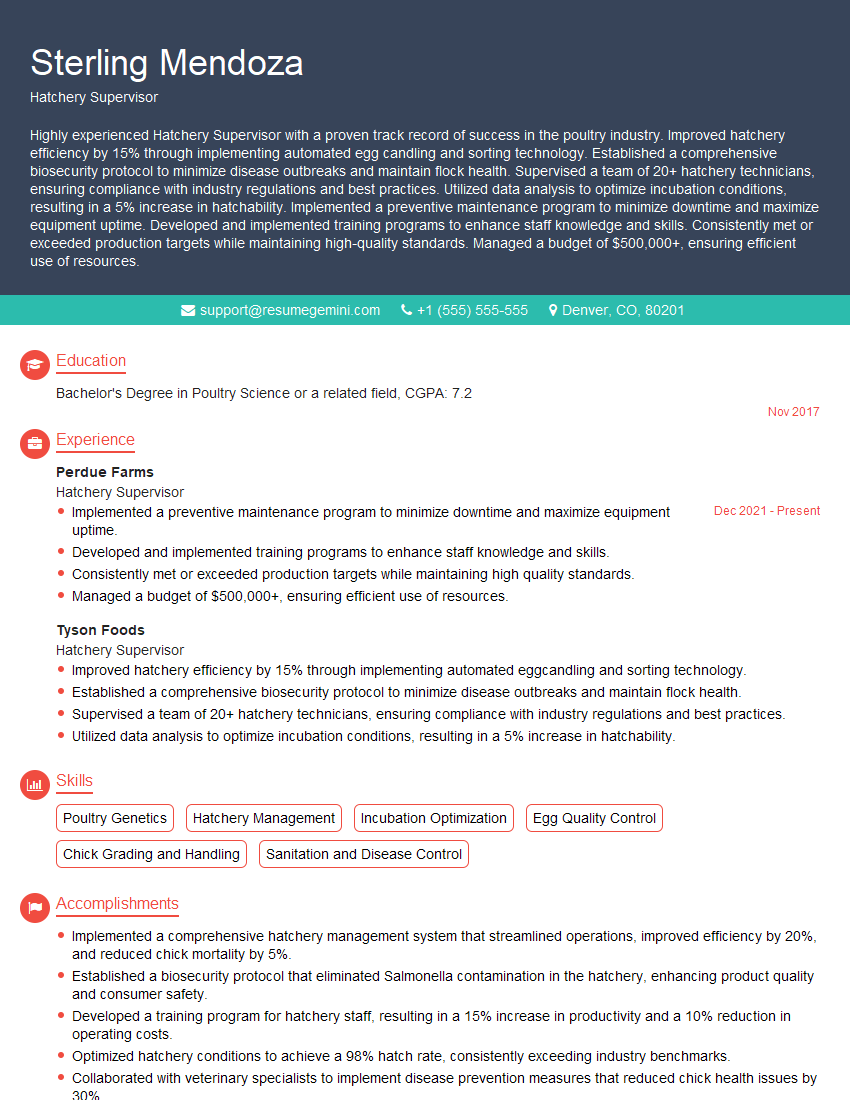
Mastering Chick Management is crucial for advancing your career in poultry production. A strong understanding of these principles demonstrates your commitment to efficiency, animal welfare, and profitability. To significantly enhance your job prospects, crafting an ATS-friendly resume is essential. ResumeGemini is a trusted resource that can help you build a professional and impactful resume, maximizing your chances of landing your dream job. Examples of resumes tailored to Chick Management are available to further assist you.
Explore more articles
Users Rating of Our Blogs
Share Your Experience
We value your feedback! Please rate our content and share your thoughts (optional).
What Readers Say About Our Blog
Very informative content, great job.
good