Interviews are opportunities to demonstrate your expertise, and this guide is here to help you shine. Explore the essential Passion for Poultry interview questions that employers frequently ask, paired with strategies for crafting responses that set you apart from the competition.
Questions Asked in Passion for Poultry Interview
Q 1. Describe the different poultry breeds and their characteristics.
Poultry breeds are incredibly diverse, each with unique characteristics suited to different purposes. We can broadly categorize them into meat-type, egg-type, and dual-purpose breeds.
- Meat-type breeds, like Cornish Cross and Brahma, are known for their rapid growth and large breast size, making them ideal for meat production. They often have a stockier build and are less active than egg layers.
- Egg-type breeds, such as Leghorns and Rhode Island Reds, are selected for their high egg-laying capacity. They are typically smaller and more active than meat breeds, with a leaner body composition.
- Dual-purpose breeds, such as Orpingtons and Wyandottes, strike a balance between meat and egg production. They’re not as efficient as specialized breeds in either category but offer a good compromise for smaller-scale operations.
Choosing the right breed depends heavily on your farming goals. For a large-scale broiler operation, Cornish Cross would be a natural choice. A small backyard flock might benefit from a dual-purpose breed like Orpingtons for both eggs and occasional meat.
Q 2. Explain the importance of biosecurity in poultry farming.
Biosecurity in poultry farming is paramount; it’s the foundation of a healthy and productive flock. It’s about preventing the introduction and spread of diseases. Think of it as creating a fortress around your birds to keep out unwanted invaders.
- Isolation and Quarantine: Newly acquired birds should be kept separate from the main flock for a period of time to observe for any signs of disease. Imagine this as a strict immigration policy for your poultry!
- Hygiene and Sanitation: Regular cleaning and disinfection of poultry houses, equipment, and vehicles are crucial. This is like regularly sanitizing your home to prevent the spread of germs.
- Rodent and Pest Control: Rodents and other pests can carry diseases. A well-maintained farm reduces their access to the poultry.
- Visitor Control: Limiting access to the poultry houses and requiring proper protective clothing for visitors is vital to prevent disease transmission.
- Waste Management: Proper disposal of manure and other waste materials helps to minimize the risk of disease spread.
Neglecting biosecurity can lead to devastating outbreaks, resulting in significant economic losses and animal welfare issues. A proactive biosecurity plan is an investment that pays off handsomely in the long run.
Q 3. What are the common diseases affecting poultry and their treatments?
Poultry are susceptible to various diseases, bacterial, viral, and parasitic. Early detection and appropriate treatment are critical.
- Newcastle Disease (Viral): Highly contagious, causing respiratory problems and high mortality. Vaccination is a primary prevention strategy.
- Avian Influenza (Viral): Highly pathogenic strains can cause significant mortality; strict biosecurity measures and vaccination are crucial.
- Coccidiosis (Parasitic): Affects the intestinal tract, causing diarrhea and reduced growth. Medications and good hygiene are essential.
- Infectious Bronchitis (Viral): Respiratory disease causing coughing, sneezing, and reduced egg production. Vaccination is the most effective prevention.
- Salmonella (Bacterial): Causes food poisoning in humans if contaminated meat or eggs are consumed. Strict hygiene practices throughout the production chain are crucial.
Treatment varies greatly depending on the disease. It often involves medication, supportive care, and strict isolation of affected birds. Prompt veterinary consultation is vital for accurate diagnosis and effective treatment.
Q 4. Discuss different poultry housing systems and their advantages/disadvantages.
Poultry housing systems are designed to suit different climates, bird types, and management styles. Key systems include:
- Extensive Systems: Free-range or free-roaming, birds have access to pasture. Advantages: Natural behavior, potentially higher welfare. Disadvantages: Higher predation risk, lower control over feed intake and disease.
- Semi-intensive Systems: Birds are housed in sheds with access to outdoor runs. Advantages: Combines benefits of both extensive and intensive systems. Disadvantages: Still some risk of predation and disease spread.
- Intensive Systems: Birds are housed indoors in high-density conditions. Advantages: High control over environment, biosecurity, and feed, maximized production. Disadvantages: Potential for increased stress and disease transmission.
The choice of housing depends on various factors: scale of operation, environmental conditions, available resources, and welfare standards. Intensive systems are most common in large commercial operations, while extensive systems are more prevalent in small-scale and organic farms.
Q 5. How do you manage poultry feed formulation to optimize growth and health?
Poultry feed formulation is a science; it’s about providing a balanced diet that meets the bird’s nutritional needs at each stage of its life. A well-formulated diet ensures optimal growth, egg production, and overall health.
Formulations consider:
- Age and Breed: Chicks require different nutrients than adult birds. Meat breeds have different needs compared to egg layers.
- Growth Stage: Nutrient requirements vary between stages (starter, grower, finisher for meat birds; laying phase for layers).
- Energy and Protein: Crucial for growth and egg production, the right balance is important.
- Vitamins and Minerals: Essential for overall health and immune function.
- Amino Acids: Building blocks of protein, certain amino acids are crucial for growth and feather development.
Nutritional deficiencies can lead to poor growth, reduced egg production, immune suppression, and increased susceptibility to diseases. A nutritionist can help determine the ideal feed formulation for your specific flock and operational goals.
Q 6. Explain the process of poultry egg incubation.
Poultry egg incubation is a precise process mimicking the hen’s natural brooding. The goal is to maintain optimal temperature and humidity for embryonic development.
Steps:
- Egg Selection: Only fertile, clean, and properly shaped eggs are selected.
- Incubation Temperature: Precise temperature control (around 99.5°F or 37.5°C) is crucial throughout the incubation period.
- Humidity Control: Relative humidity must be maintained at the appropriate level for each stage of incubation.
- Egg Turning: Eggs are turned regularly (e.g., several times a day) to prevent the yolk from sticking to the shell membrane.
- Incubation Period: Typically 21 days for chickens, with minor variations based on breed.
- Hatching: At the end of the incubation period, chicks begin to hatch. Minimal intervention is generally preferred.
Modern incubators use automated systems to maintain optimal conditions and monitor the process, ensuring high hatching rates. However, understanding the underlying principles of temperature and humidity management remains vital for successful incubation.
Q 7. What are the key indicators of healthy poultry flock?
Several key indicators reflect the health of a poultry flock. Monitoring these indicators helps identify potential issues early on.
- Mortality Rate: An unusually high death rate indicates a potential problem, requiring investigation.
- Feed Consumption: Significant changes in feed intake can signal disease or other issues.
- Water Consumption: Similar to feed intake, variations may indicate illness.
- Egg Production (for layers): A drop in egg production may suggest stress, disease, or nutritional deficiencies.
- Body Weight and Growth Rate (for meat birds): Consistent and healthy growth rates are indicators of good health.
- Fecal Appearance: Normal droppings are firm and dark; diarrhea or unusual color may signify intestinal issues.
- Activity Level: Lethargy or unusual behavior can indicate disease. Healthy birds should be alert and active.
Regular monitoring of these indicators, combined with careful observation of bird behavior, provides essential insights into flock health, facilitating prompt detection and management of any problems.
Q 8. How do you monitor and control poultry environmental conditions?
Monitoring and controlling poultry environmental conditions is crucial for optimal bird health, growth, and productivity. It involves maintaining precise parameters within the poultry house, impacting factors like temperature, humidity, ventilation, and air quality. Think of it like creating the perfect ‘climate-controlled’ home for your birds.
Temperature: We use thermometers and automated climate control systems to maintain ideal temperatures based on the bird’s age and breed. For example, broiler chickens require higher temperatures during their first few weeks than older birds. Fluctuations can lead to stress, reduced feed intake, and increased susceptibility to disease.
Humidity: High humidity encourages the growth of harmful bacteria and fungi, while low humidity can dry out the birds’ respiratory tracts. We monitor humidity levels using hygrometers and adjust ventilation to maintain an optimal range.
Ventilation: Proper ventilation is key to removing ammonia, carbon dioxide, and moisture from the poultry house, ensuring good air quality. We use fans and inlets to create airflow, minimizing the risk of respiratory problems and other health issues. This is especially vital during the hot summer months to prevent heat stress.
Air Quality: Monitoring ammonia levels is essential. High ammonia levels can irritate the birds’ eyes and respiratory system, affecting their growth and health. Regular monitoring and proper ventilation help mitigate this.
Lighting: Light intensity and duration affect egg production in layers and growth in broilers. We use timers and automated lighting systems to create the appropriate light cycles for each type of bird.
Q 9. Describe the process of poultry meat processing.
Poultry meat processing is a multi-stage operation, aiming to transform live birds into safe and palatable products. The process is rigorous, focusing on hygiene and food safety at every stage. It’s a well-choreographed dance of precision and care.
1. Stunning and Slaughter: Birds are humanely stunned (rendered unconscious) before slaughter to minimize stress and pain. Different methods include electrical stunning or controlled atmosphere stunning. This step is paramount for ethical considerations.
2. Scalding and Defeathering: Birds are then immersed in hot water (scalding) to loosen feathers, followed by defeathering machines. This step needs precise temperature control to avoid damaging the skin.
3. Evisceration: Internal organs are removed (evisceration), and any unwanted parts are discarded. Careful inspection during evisceration is crucial for detecting disease.
4. Washing and Chilling: Carcasses are thoroughly washed and chilled to slow down bacterial growth and improve shelf life. Chilling is done rapidly to maintain meat quality.
5. Inspection and Grading: Government inspectors check the carcasses for any signs of disease or contamination before they can be sold. Grading determines the quality and size of the meat.
6. Cutting and Packaging: Carcasses are cut into various parts (e.g., breasts, wings, thighs) based on market demand. These portions are then packaged and labeled for distribution.
Q 10. What are the ethical considerations in poultry farming?
Ethical considerations in poultry farming are increasingly important to consumers and producers alike. The focus is on minimizing suffering and maximizing welfare throughout the bird’s life. It’s about balancing efficient production with humane treatment.
1. Housing: Birds need adequate space to move freely and express natural behaviors such as pecking and dust-bathing. Overcrowding leads to stress, injuries, and disease.
2. Breeding Practices: Selective breeding for rapid growth can sometimes lead to health problems like lameness and heart conditions. Ethically responsible breeding prioritizes overall bird health and welfare.
3. Slaughter Methods: Ensuring humane slaughter is crucial, with a focus on minimizing pain and suffering. Regular inspections and audits of slaughterhouses are essential.
4. Disease Prevention and Control: Using responsible disease control measures prevents unnecessary suffering and minimizes antibiotic use. Biosecurity protocols are crucial here.
5. Environmental Impact: Minimizing the environmental footprint of poultry farming through sustainable practices such as manure management and reduced water usage is also an ethical consideration.
6. Transportation: Birds should be transported in appropriate conditions to minimize stress and injury during transit to the processing plant. This involves properly ventilated and climate-controlled vehicles.
Q 11. Discuss various poultry waste management techniques.
Poultry waste management is critical for environmental protection and public health. Poultry manure is rich in nitrogen and phosphorus, which can be valuable as fertilizer, but improper management can lead to water pollution and odor issues. It’s about finding sustainable solutions.
1. Composting: Composting breaks down poultry manure into a stable, nutrient-rich product that can be used as a soil amendment. This reduces the volume of waste and turns a potential problem into a valuable resource.
2. Anaerobic Digestion: This process uses microorganisms to break down manure in the absence of oxygen, producing biogas (a renewable energy source) and digestate (a fertilizer). This is a more advanced system but offers multiple benefits.
3. Liquid Manure Management: Liquid manure can be stored in lagoons or tanks and then applied to fields as fertilizer, but careful planning and application are needed to prevent runoff and groundwater contamination.
4. Solid-Liquid Separation: Separating solid and liquid components of manure allows for more efficient management of each fraction. Solids can be composted, and liquids can be treated and applied to fields.
5. Incineration: In certain situations, incineration can be a method to reduce the volume of waste, but it requires careful consideration of air emissions.
Q 12. How do you identify and address poultry health problems?
Identifying and addressing poultry health problems quickly is essential for preventing economic losses and ensuring animal welfare. Early detection is key. Think of it as being a poultry detective!
1. Observation: Regularly observing the birds for any signs of illness, such as reduced feed intake, lethargy, respiratory distress, or abnormal droppings. This is the first and most important step.
2. Mortality Monitoring: Keeping detailed records of daily mortality rates can help identify emerging health problems. A sudden increase in mortality warrants immediate attention.
3. Clinical Examination: If signs of illness are observed, a clinical examination of affected birds should be performed to assess symptoms, such as temperature, respiration rate, and any physical abnormalities.
4. Laboratory Diagnostics: Laboratory tests, such as blood tests, fecal analysis, and post-mortem examinations, are often necessary to confirm diagnoses and identify the causative agents of disease.
5. Biosecurity: Implementing robust biosecurity measures helps prevent the introduction and spread of diseases. This includes controlling access to poultry houses, disinfecting equipment, and implementing proper hygiene protocols.
6. Vaccination: Vaccination programs are crucial for preventing many common poultry diseases. The choice of vaccine depends on the specific diseases prevalent in the area.
7. Treatment: Once a disease is diagnosed, appropriate treatment should be implemented, which may involve antibiotics, antivirals, or other medications.
Q 13. Explain the importance of record-keeping in poultry farming.
Record-keeping is the backbone of successful poultry farming. Detailed and accurate records are essential for tracking performance, managing costs, identifying trends, and complying with regulations. It’s the story of your farm, meticulously documented.
1. Production Records: These records track key performance indicators, such as egg production, feed conversion ratio, mortality rates, and weight gain. This information helps assess the efficiency of your operation.
2. Health Records: Detailed records of disease outbreaks, vaccination programs, and treatment protocols are crucial for preventing future problems and tracing disease sources. This helps you understand the health status of your flock over time.
3. Financial Records: Tracking income, expenses, and profit margins is essential for managing the farm’s finances and making informed business decisions. This helps with budgeting and planning for the future.
4. Inventory Records: Keeping track of feed, medications, and other supplies helps manage costs and prevent shortages. This keeps your operation running smoothly.
5. Environmental Monitoring Records: Records of temperature, humidity, ventilation, and ammonia levels in poultry houses provide valuable information for improving environmental control and preventing health problems. This supports efficient environmental management.
6. Regulatory Compliance: Maintaining accurate records is essential for meeting regulatory requirements and demonstrating compliance with relevant standards. This helps avoid legal issues and maintain the integrity of your business.
Q 14. Describe the different methods of poultry breeding.
Poultry breeding aims to improve desirable traits in birds, such as egg production, growth rate, meat quality, and disease resistance. Various methods are employed, depending on the desired outcome and resources available.
1. Mass Selection: This involves selecting the best-performing birds based on observable traits and mating them. It’s a simple method but can be slow and less precise.
2. Pedigree Selection: This approach involves tracking the performance of individual birds and their ancestors, allowing for a more accurate assessment of genetic merit. It’s a more detailed approach than mass selection.
3. Progeny Testing: This method evaluates the breeding value of birds based on the performance of their offspring. It provides a more reliable estimate of genetic merit than other methods but requires more time and resources.
4. Artificial Insemination: This technique allows for controlled mating, making it possible to use semen from superior males to breed a large number of females. It maximizes genetic progress.
5. Inbreeding: Inbreeding involves mating closely related birds, which can increase homozygosity (the presence of two identical alleles for a gene). This can result in both positive and negative effects, with potential for both enhanced desirable traits and increased risk of recessive genetic disorders. It requires careful management.
6. Crossbreeding: Mating birds from different breeds can result in hybrid vigor (heterosis), improving overall performance. This is commonly used to improve growth rate and disease resistance.
Q 15. What are the challenges in sustainable poultry production?
Sustainable poultry production faces numerous challenges, primarily revolving around environmental impact, animal welfare, and economic viability. Let’s break them down:
- Environmental Concerns: High-density farming contributes significantly to greenhouse gas emissions (methane from manure), water pollution (from manure runoff containing nitrogen and phosphorus), and deforestation for land expansion. Finding ways to reduce these impacts, such as implementing better manure management systems and adopting more efficient feed conversion methods, is crucial.
- Animal Welfare: Ensuring the birds’ well-being is paramount. Overcrowding, poor hygiene, and inadequate access to food and water can lead to stress, disease, and reduced productivity. Sustainable practices prioritize spacious housing, enrichment opportunities (like perches and dust baths), and humane handling techniques.
- Economic Sustainability: The cost of feed, energy, and labor can be significant. Sustainable poultry farming aims to optimize resource use, reduce waste, and implement efficient management practices to improve profitability while minimizing environmental impact. This might involve precision feeding systems or using alternative, locally-sourced feed ingredients.
- Disease Management: Preventing disease outbreaks is vital for both sustainability and economic viability. Biosecurity measures, such as strict hygiene protocols and vaccination programs, are essential.
Successfully navigating these challenges requires a holistic approach incorporating technological advancements, improved management strategies, and a commitment to responsible resource use. For example, transitioning to alternative protein sources in feed and integrating renewable energy sources in farm operations can contribute significantly to sustainability.
Career Expert Tips:
- Ace those interviews! Prepare effectively by reviewing the Top 50 Most Common Interview Questions on ResumeGemini.
- Navigate your job search with confidence! Explore a wide range of Career Tips on ResumeGemini. Learn about common challenges and recommendations to overcome them.
- Craft the perfect resume! Master the Art of Resume Writing with ResumeGemini’s guide. Showcase your unique qualifications and achievements effectively.
- Don’t miss out on holiday savings! Build your dream resume with ResumeGemini’s ATS optimized templates.
Q 16. How do you ensure the welfare of your poultry flock?
Ensuring poultry welfare is not just an ethical obligation but crucial for maximizing productivity and overall farm success. My approach focuses on several key areas:
- Providing Sufficient Space: Birds need enough space to move freely, reducing stress and preventing injuries. This means avoiding overcrowding in barns and providing adequate floor space per bird, tailored to the breed and age.
- Maintaining Optimal Environmental Conditions: Temperature, humidity, ventilation, and lighting significantly impact bird comfort and health. Regular monitoring and adjustments are essential to create a comfortable environment. Think of it like keeping your own home at a comfortable temperature—birds are the same!
- Enrichment Activities: Providing environmental enrichment, such as perches, dust baths, and pecking toys, stimulates natural behaviors and reduces stress. This mimics their natural environment, keeping them active and reducing boredom.
- Good Hygiene and Biosecurity: Maintaining clean and hygienic conditions minimizes disease risk. This includes regular cleaning and disinfection of equipment and the housing environment, plus stringent biosecurity measures to prevent the introduction of pathogens.
- Careful Handling and Processing: Gentle handling reduces stress and injury during routine tasks like vaccination, weighing, and culling. This is crucial for preventing unnecessary suffering.
Regular monitoring of bird behavior and health is crucial. Any signs of distress or illness warrant immediate attention. A happy bird is a healthy, productive bird—it’s a simple equation!
Q 17. What are the common poultry parasites and their control measures?
Poultry are susceptible to various internal and external parasites. Effective control strategies are crucial for maintaining flock health and productivity:
- Common Parasites: These include:
- Mites: Such as Dermanyssus gallinae (red mite), causing irritation and anemia.
- Lice: Such as Menacanthus stramineus (body louse), causing feather damage and irritation.
- Internal Parasites: Such as coccidia (Eimeria spp.), roundworms (Ascaridia galli), and tapeworms, causing intestinal damage and reduced nutrient absorption.
- Control Measures:
- Hygiene: Regular cleaning and disinfection of housing are crucial in preventing parasite infestations. Removing accumulated manure and debris is paramount.
- Chemical Control: Approved pesticides and anthelmintics (for internal parasites) can be effective, but must be used carefully according to label instructions to avoid residue issues and resistance development.
- Biological Control: Introducing natural predators, such as beneficial insects or nematodes, can help manage some parasites.
- Integrated Pest Management (IPM): This approach combines multiple methods for sustainable parasite control, minimizing reliance on chemicals and promoting long-term effectiveness.
- Regular Monitoring: Regular monitoring for parasites through fecal examination or visual inspection can help detect infestations early and implement appropriate control measures before they become widespread.
Prevention is always better than cure. Maintaining good hygiene and biosecurity is the cornerstone of a successful parasite control program. This requires consistent effort and attention to detail.
Q 18. Discuss various methods for controlling poultry diseases.
Controlling poultry diseases requires a multifaceted approach focusing on prevention, rapid detection, and effective treatment. Here are some key strategies:
- Biosecurity: This involves implementing strict measures to prevent the introduction and spread of pathogens. Examples include footbaths for personnel, quarantine of new birds, rodent control, and preventing wild bird access to poultry houses.
- Vaccination: Vaccination is a highly effective preventive measure against many common poultry diseases such as Newcastle disease, infectious bronchitis, and avian influenza. Vaccination programs should be tailored to the specific pathogens prevalent in the area.
- Hygiene and Sanitation: Maintaining clean and sanitary housing, equipment, and feed reduces pathogen loads and minimizes disease risk. Regular cleaning, disinfection, and proper waste disposal are essential.
- Disease Surveillance: Regular monitoring of bird health through clinical observation, mortality monitoring, and laboratory testing helps detect disease outbreaks early, enabling prompt intervention.
- Treatment: In case of a disease outbreak, prompt and appropriate treatment is crucial. This often involves the use of antimicrobial drugs, but careful consideration should be given to antibiotic resistance and responsible drug usage. Nutritional support also plays a vital role in recovery.
- Disease-Resistant Breeds: Selecting and breeding disease-resistant poultry breeds can significantly reduce disease incidence and associated costs.
A comprehensive disease control program relies on strong collaboration among farmers, veterinarians, and regulatory authorities to share information and implement effective prevention strategies.
Q 19. Explain different poultry marketing strategies.
Poultry marketing strategies depend greatly on the type of product (broilers, layers, hatching eggs, etc.), target market (consumers, restaurants, processors), and scale of operation. Effective marketing requires a multi-pronged approach:
- Direct Marketing: Selling directly to consumers through farmers’ markets, on-farm sales, or community-supported agriculture (CSA) programs provides premium prices and stronger customer relationships. This approach requires engagement with customers and building trust.
- Wholesale Marketing: Selling to wholesalers, retailers, or food service establishments is suitable for larger operations. This often involves developing strong relationships with buyers and securing long-term contracts.
- Branding and Packaging: Creating a strong brand identity and using attractive packaging can enhance product appeal and command higher prices. Think about how premium brands in the grocery store stand out.
- Value-Added Products: Processing poultry into value-added products, such as ready-to-cook meals, sausages, or smoked poultry, can increase profitability and reach a wider market. This provides increased market share and customer loyalty.
- Online Marketing: Utilizing online platforms like social media and e-commerce websites can reach a broader audience and increase brand awareness. This can reach international customers and allows for easy communication with customers.
- Market Research: Understanding customer preferences and market trends is crucial for developing effective marketing strategies. This involves using analytics and feedback to tailor the marketing messages to different markets.
Success depends on choosing the right marketing channels and adapting strategies based on market demands and customer feedback. Regular review and adjustments to the marketing strategy is crucial for sustainable growth.
Q 20. How do you manage poultry transportation and logistics?
Efficient poultry transportation and logistics are critical for maintaining bird welfare and product quality. Key considerations include:
- Vehicle Selection: Choosing appropriate vehicles is critical. This means using climate-controlled trucks equipped with proper ventilation to maintain optimal temperature and humidity. The vehicles must be clean and regularly disinfected to avoid disease transmission.
- Loading and Unloading: Birds should be handled carefully to minimize stress and injury during loading and unloading. Avoid overcrowding and ensure proper ventilation during transit. Gentle handling techniques are key to minimize stress and harm to the birds.
- Route Planning: Efficient route planning minimizes travel time and reduces stress on the birds. This requires careful planning and coordination to minimize delays or disruptions to the transport.
- Temperature Control: Maintaining proper temperature throughout the journey is crucial for bird health and product quality. This requires regular checks and adjustments throughout the trip.
- Documentation: Maintaining accurate documentation of transport details, including loading times, arrival times, and temperatures, is important for traceability and compliance with regulations.
- Compliance: Adhering to all relevant regulations and animal welfare guidelines is crucial to ensure responsible and ethical transportation. This involves regular checks to ensure that the transportation adheres to best practice and follows all safety and legal regulations.
Careful planning, attention to detail, and adherence to regulations are crucial for successful poultry transportation, ensuring both the welfare of the birds and the quality of the product upon arrival.
Q 21. What are the latest technologies used in modern poultry farming?
Modern poultry farming increasingly relies on technological advancements to improve efficiency, productivity, and animal welfare. Key technologies include:
- Automated Feeding Systems: These systems precisely control feed delivery, reducing waste and ensuring optimal nutrient intake based on bird age and needs. This ensures that birds are properly fed without manual intervention and reduces the time spent on this task.
- Environmental Control Systems: Automated systems monitor and adjust temperature, humidity, and ventilation, creating optimal conditions for bird health and comfort. This reduces the workload of human employees and ensures consistency in the environment.
- Precision Farming Technologies: Sensors and data analytics monitor various parameters (weight, feed intake, activity levels) to identify potential health issues early on. This enables proactive intervention, improving bird health and reducing mortality.
- Robotics and Automation: Robots can perform tasks such as egg collection, cleaning, and manure removal, enhancing efficiency and reducing labor costs. This minimizes the need for human involvement in repetitive tasks.
- Artificial Intelligence (AI): AI is being applied for disease detection, predictive modeling of production parameters, and optimized resource management. This improves efficiency and accuracy of management practices and reduces waste.
- Big Data and Analytics: Data collected from various sensors and systems are analyzed to provide insights into farm performance, helping to optimize resource use and improve profitability. This allows for better decision making using accurate and reliable data.
These technologies, while representing a significant investment, are transforming poultry farming, contributing to increased efficiency, improved bird welfare, and greater sustainability.
Q 22. Explain the concept of vertical integration in the poultry industry.
Vertical integration in the poultry industry refers to a business model where a single company controls multiple stages of the poultry production process. Instead of relying on separate entities for different tasks, a vertically integrated company might own or control everything from breeding and hatching to feed production, farming, processing, and distribution. Think of it like this: instead of buying ingredients from different stores to bake a cake, you own the farm that grows the wheat, the mill that grinds it into flour, and the bakery where the cake is made and sold.
Advantages include greater control over quality, efficiency gains due to streamlined operations, reduced reliance on external suppliers, and potentially higher profit margins. Disadvantages include increased capital investment, higher risk due to concentration, potential for inefficiencies if one stage falters, and difficulty adapting to market changes quickly.
For example, a large poultry company might own its own hatcheries, feed mills, farms, processing plants, and distribution networks. This allows them to optimize each stage for maximum efficiency and ensure consistent product quality, but also carries substantial financial risk.
Q 23. How do you manage poultry labor and personnel effectively?
Effective poultry labor management requires a multi-faceted approach. It starts with careful recruitment and selection of skilled and dedicated individuals, focusing on experience and a passion for animal welfare. We utilize a robust training program that covers everything from biosecurity protocols and proper handling techniques to disease recognition and emergency response. Clear job descriptions, regular performance evaluations, and fair compensation are crucial for maintaining a motivated and productive workforce. Furthermore, fostering a positive work environment, promoting open communication, and addressing employee concerns promptly are essential for high morale and retention.
To manage labor effectively, we also leverage technology. This includes using automated systems for feed delivery, waste removal, and environmental control, which reduces the physical demands on workers and allows them to focus on bird health and welfare. We also use data analytics to track productivity, identify areas for improvement, and optimize staffing levels.
Q 24. Describe your experience in implementing poultry farm safety protocols.
Implementing effective poultry farm safety protocols is paramount. Our program begins with comprehensive training for all personnel, covering topics such as hazard identification, proper use of personal protective equipment (PPE), safe handling of equipment, and emergency procedures. We maintain a clean and organized work environment, minimizing slip and trip hazards, and ensuring proper ventilation to mitigate airborne contaminants. Regular inspections are conducted to identify and address potential safety risks proactively.
We have detailed Standard Operating Procedures (SOPs) for all activities, from entering and exiting the farm to handling birds and equipment. These SOPs are regularly reviewed and updated based on best practices and any incidents that occur. We emphasize biosecurity measures to prevent the introduction of diseases, which is a key aspect of worker safety. Finally, regular safety meetings and toolbox talks provide opportunities to address concerns, reinforce best practices, and stay updated on the latest safety guidelines.
For instance, our SOP for entering a poultry house includes donning clean coveralls, boots, and gloves, as well as hand sanitization before and after any interaction with the birds. Any injuries or near misses are reported immediately and investigated thoroughly to prevent recurrence.
Q 25. Discuss different methods of poultry vaccination.
Poultry vaccination methods vary depending on the vaccine type, bird age, and desired immunity level. Common methods include:
- Intramuscular (IM): Involves injecting the vaccine into the bird’s pectoral muscle using a needle and syringe. This method is accurate and suitable for many vaccines but requires skilled personnel.
- Subcutaneous (SC): Injection under the skin, often in the neck region. It is less invasive than IM and can be used for large-scale vaccination.
- Intranasal (IN): Application of the vaccine into the nasal cavity, often via a spray or dropper. This method is less stressful for the birds and suitable for certain types of vaccines.
- Oral vaccination: Administering the vaccine through the bird’s drinking water or feed. This method is simple and cost-effective for mass vaccination, but vaccine efficacy might be slightly lower compared to injection methods.
- Spray vaccination: A method where vaccine is sprayed over the birds. This is typically quicker for large flocks but requires specific equipment and careful calibration to ensure even distribution.
Choosing the right method depends on factors like flock size, age of birds, vaccine characteristics, labor costs, and desired level of immune response. Accurate record-keeping of vaccination dates, vaccine type, and batch numbers is critical for disease management and traceability.
Q 26. How do you ensure the quality of poultry products?
Ensuring poultry product quality involves a rigorous process that starts at the farm level and continues throughout processing and distribution. We begin with strict adherence to biosecurity protocols to prevent contamination and disease. Proper nutrition and husbandry practices on the farm are essential for healthy birds and high-quality meat and eggs. During processing, we maintain meticulous hygiene standards, using state-of-the-art equipment and following stringent food safety protocols. This includes regular sanitation of equipment, monitoring temperature controls, and implementing quality control checks at each stage.
We use advanced testing methods throughout the production chain to detect any potential contamination, and our products undergo thorough inspections by regulatory bodies to ensure compliance with food safety standards. Traceability systems allow us to track the product from farm to consumer, enabling prompt identification and handling of any potential issues. Furthermore, continuous monitoring and improvement of our processes are key to delivering consistently high-quality poultry products.
Q 27. What are your strategies for optimizing poultry productivity?
Optimizing poultry productivity involves a holistic approach, encompassing several key strategies. Firstly, genetic selection plays a crucial role. We use advanced breeding techniques to select birds with superior growth rates, feed conversion efficiency, and disease resistance. Secondly, providing optimal nutrition is essential; we formulate customized feed rations based on the age and production stage of the birds, ensuring they receive all the necessary nutrients for optimal growth and health. Thirdly, effective disease management, including vaccination and biosecurity measures, minimizes production losses caused by illness.
Environmental control also significantly influences productivity. We maintain optimal temperature, humidity, and ventilation within the poultry houses to ensure the birds’ comfort and well-being. Efficient farm management, employing precision technologies like automated feeding and climate control systems, contributes to reduced labor costs and improved productivity. Finally, continuous data analysis and monitoring allow us to identify areas for improvement and fine-tune our management practices for maximizing yields and efficiency.
Q 28. Describe your experience in dealing with poultry-related emergencies.
Dealing with poultry-related emergencies requires a swift and coordinated response. Our emergency protocols are thoroughly documented and regularly practiced. These protocols cover various scenarios, from disease outbreaks to equipment malfunctions and power outages. We have established communication channels to ensure timely alerts and coordination among personnel. In case of a disease outbreak, we have rapid response teams trained to implement quarantine measures, disease control strategies, and report the situation to the relevant authorities.
For equipment failures, we have maintenance contracts in place and spare parts readily available to minimize downtime. For power outages, we have backup generators to maintain critical functions like ventilation and temperature control. Regular drills and simulations prepare our team to respond effectively to different emergencies, minimizing disruption and potential losses. Post-emergency reviews help us identify areas for improvement in our preparedness and response mechanisms.
Key Topics to Learn for Passion for Poultry Interview
- Poultry Breeding and Genetics: Understanding different poultry breeds, their characteristics, and genetic selection techniques for improved productivity and disease resistance.
- Poultry Nutrition and Feed Management: Developing balanced feed rations, recognizing nutritional deficiencies, and implementing effective feed management strategies for optimal bird health and growth.
- Poultry Health and Biosecurity: Identifying common poultry diseases, implementing preventative measures, and understanding biosecurity protocols to minimize disease outbreaks and maintain flock health.
- Poultry Housing and Environment: Designing and managing poultry housing systems, optimizing environmental conditions (temperature, ventilation, lighting) for efficient production and animal welfare.
- Poultry Management Practices: Implementing best practices for egg production, meat production, and overall flock management, including record-keeping and data analysis.
- Poultry Processing and Handling: Understanding the humane handling and processing of poultry, meeting industry standards for food safety and quality.
- Poultry Economics and Business Management: Analyzing production costs, pricing strategies, and market trends to ensure profitability and sustainable business operations.
- Sustainability in Poultry Production: Exploring environmentally friendly practices, reducing the environmental impact of poultry farming, and promoting ethical and sustainable production methods.
- Problem-Solving in Poultry Production: Analyzing production challenges, identifying root causes, and developing effective solutions to maintain efficient and profitable operations. This includes troubleshooting issues related to mortality, feed conversion, and egg production.
Next Steps
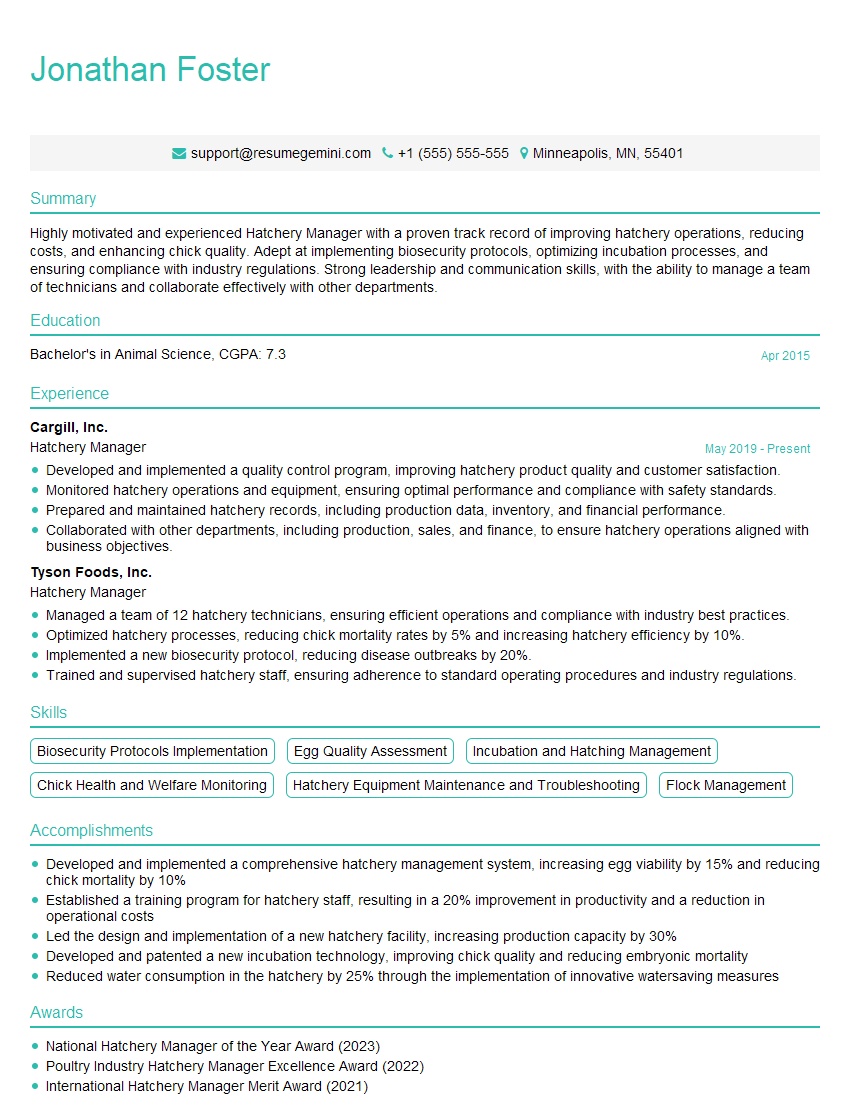
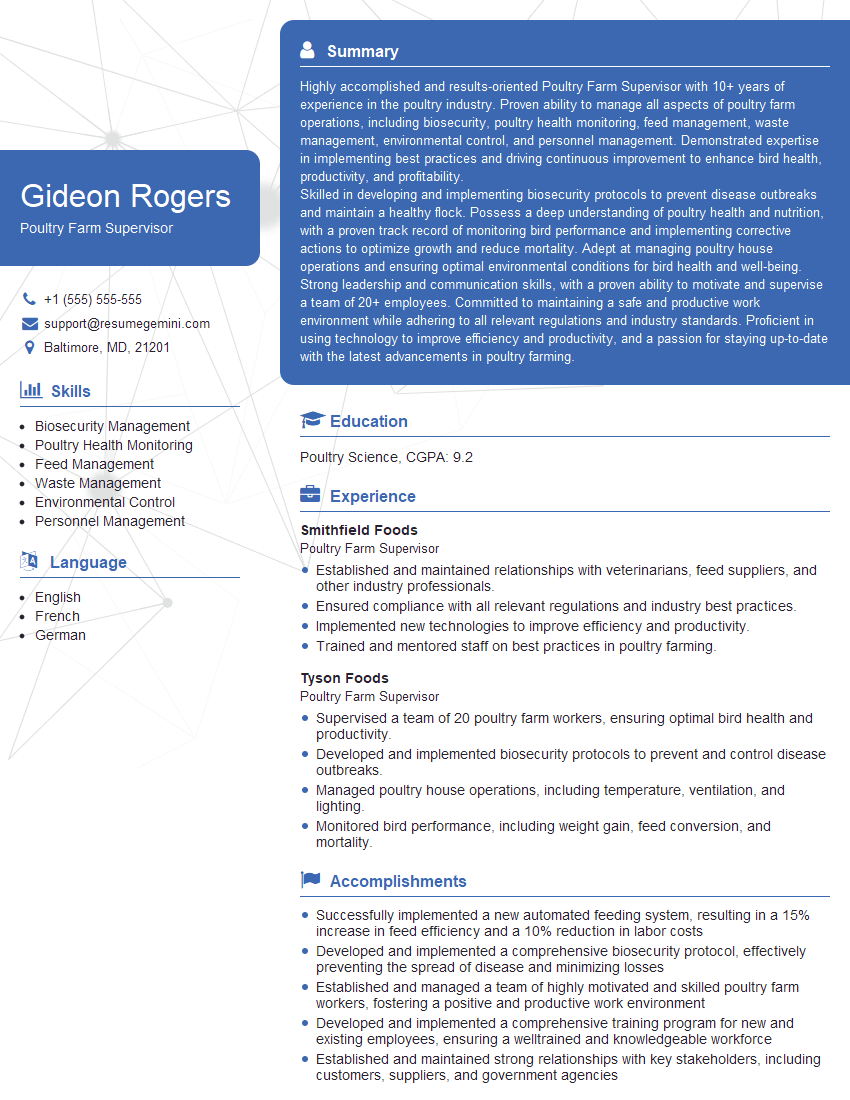
Mastering these key areas of Passion for Poultry will significantly enhance your career prospects in this dynamic and growing industry. A strong understanding of these concepts demonstrates your commitment to excellence and positions you as a valuable asset to any poultry operation. To increase your chances of securing an interview, focus on building an ATS-friendly resume that highlights your relevant skills and experience. ResumeGemini is a trusted resource for creating professional and impactful resumes, and we provide examples of resumes tailored to the Passion for Poultry industry to guide you. Take advantage of these resources to showcase your qualifications effectively and land your dream job.
Explore more articles
Users Rating of Our Blogs
Share Your Experience
We value your feedback! Please rate our content and share your thoughts (optional).
What Readers Say About Our Blog
Very informative content, great job.
good