Cracking a skill-specific interview, like one for experience with managing and training junior staff, requires understanding the nuances of the role. In this blog, we present the questions you’re most likely to encounter, along with insights into how to answer them effectively. Let’s ensure you’re ready to make a strong impression.
Questions Asked in experience with managing and training junior staff Interview
Q 1. Describe your experience mentoring junior staff.
Mentoring junior staff is about guiding their professional growth, fostering their skills, and helping them navigate challenges. It’s less about direct instruction and more about creating a supportive environment for learning and development. My approach is built on three pillars: building rapport, providing tailored guidance, and fostering independence.
Building Rapport: I believe in establishing a trusting relationship based on open communication and mutual respect. This involves regular check-ins, active listening, and creating space for them to share their concerns and aspirations. For example, I started a weekly ‘coffee chat’ with my team to informally discuss projects, challenges and career goals.
Tailored Guidance: I understand that everyone learns differently. I adapt my mentoring style to suit each individual’s needs and learning preferences. Some might benefit from hands-on training, while others prefer self-directed learning. I provide constructive feedback, regularly review their work, and offer specific advice to help them improve their skills. For instance, I noticed one junior developer struggled with debugging, so I paired him with a senior developer for a week and tailored training on debugging techniques.
Fostering Independence: The ultimate goal is to empower junior staff to work independently and confidently. I gradually delegate more responsibility, encouraging them to take ownership of their projects and make their own decisions. Regular feedback and encouragement plays a crucial role in building their confidence and self-reliance. I remember one mentee who initially struggled to lead meetings. By assigning her small projects with presentation components and offering regular feedback, she grew confident enough to lead large team meetings independently.
Q 2. What strategies do you use to onboard new junior employees?
Onboarding new junior employees is crucial for setting them up for success. My strategy focuses on a structured approach combining administrative tasks, team integration, and role-specific training.
- Administrative Onboarding: This involves completing all the necessary paperwork, setting up their workspaces, and providing them with access to all the required systems and tools.
- Team Integration: I introduce them to the team, outline team norms and expectations and encourage team members to support the new joiner. We often have a team lunch to foster informal relationships.
- Role-Specific Training: This involves providing tailored training on their specific role, responsibilities, and the company’s processes and procedures. I utilize a combination of on-the-job training, shadowing experienced team members, and online resources to achieve this. A detailed project plan ensures they understand the short-term and long-term objectives.
- Regular Check-ins: I schedule regular check-ins throughout the first few weeks and months to answer questions, provide support and monitor progress. These are less about formal reviews and more about fostering open communication and providing encouragement.
This structured approach ensures a smooth transition and helps new employees quickly become productive members of the team.
Q 3. How do you identify training needs within a junior team?
Identifying training needs within a junior team is an ongoing process that requires proactive observation and communication. I use a multi-faceted approach to pinpoint skill gaps and areas for improvement.
- Performance Reviews: Regular performance reviews provide a formal opportunity to assess individual performance and identify areas needing development. This feedback is always specific, actionable and provides concrete examples.
- Observation: I regularly observe junior staff during their work, paying attention to their strengths, weaknesses, and challenges. This informal observation often reveals subtle skill gaps that may not surface in formal reviews.
- Feedback from Others: I solicit feedback from colleagues and supervisors who interact with junior staff, gaining a broader perspective on their performance and training needs. This provides valuable insights beyond my own observations.
- Self-Assessment: I encourage junior staff to conduct self-assessments, identifying their own areas for improvement. This fosters self-awareness and ownership of their development.
- Skills Gap Analysis: Periodically, I conduct a formal skills gap analysis, comparing the team’s current skills with the skills needed to achieve future goals. This analysis helps prioritize training initiatives.
By combining these methods, I gain a comprehensive understanding of the team’s training needs, enabling me to develop targeted and effective training programs.
Q 4. Explain your approach to performance management for junior staff.
Performance management for junior staff is about guiding their development and providing constructive feedback to help them grow. It’s less about formal evaluations and more about ongoing support and mentoring. My approach combines regular feedback, goal setting, and performance reviews.
- Regular Feedback: I provide regular, informal feedback throughout the week, praising successes and offering constructive criticism for areas of improvement. I ensure this feedback is specific, actionable and delivered in a supportive manner.
- Goal Setting: We work together to set clear, achievable goals, breaking down larger projects into smaller, manageable tasks. This provides a roadmap for success and enables frequent progress monitoring.
- Performance Reviews: Formal performance reviews are conducted regularly, providing a more structured opportunity to discuss progress, identify areas for improvement, and set new goals. I encourage two-way communication during these reviews.
- Development Plans: Based on performance reviews and ongoing feedback, I help create personalized development plans that outline specific steps and resources to improve skills and address weaknesses. This provides a structured approach to continuous improvement.
This approach ensures that performance management is not just about evaluation but also about fostering growth and development.
Q 5. How do you handle conflict resolution within a team of junior employees?
Conflict resolution within a junior team requires a sensitive and proactive approach. My strategy focuses on early intervention, mediation, and fostering a positive team environment.
- Early Intervention: I actively monitor team dynamics and address conflicts as soon as they arise, preventing escalation. This often involves informal conversations with the involved parties.
- Mediation: If informal conversations are insufficient, I facilitate a mediation session where I help the parties involved to understand each other’s perspectives and reach a mutually acceptable solution. I ensure the session is a safe space to express feelings and collaboratively find solutions.
- Positive Team Environment: I actively foster a positive and supportive team environment where open communication and respect are encouraged. Team-building activities and workshops on conflict resolution are also valuable tools.
- Setting Clear Expectations: Clear communication of team norms and expectations from the beginning helps prevent conflicts related to misunderstandings or unmet expectations.
My goal is not only to resolve the immediate conflict but also to address underlying issues and prevent future conflicts. I often focus on teaching conflict resolution skills to junior employees, empowering them to handle future disagreements independently.
Q 6. What methods do you use to provide constructive feedback to junior staff?
Providing constructive feedback to junior staff is crucial for their development. My approach centers on specificity, positivity, and a focus on future improvement.
- Specific and Actionable Feedback: I avoid vague statements and focus on specific behaviors or actions, providing concrete examples. The feedback should always be actionable, offering clear steps for improvement.
- Sandwich Method: I often use the sandwich method—starting with positive feedback, followed by constructive criticism, and ending with another positive comment. This approach makes the feedback more palatable and less threatening.
- Focus on Behavior, Not Personality: I focus on the junior staff member’s behavior and actions, avoiding personal attacks or generalizations. For instance, instead of saying ‘You’re lazy’, I might say ‘The deadline was missed on this project. Let’s discuss time management strategies to ensure future projects are completed on time.’
- Two-Way Conversation: I make feedback a two-way conversation, allowing the junior staff member to share their perspective and ask clarifying questions. This fosters a sense of collaboration and mutual understanding.
- Regular Check-ins: After delivering feedback, I schedule follow-up meetings to discuss progress and provide further support.
By using these techniques, I ensure the feedback is well-received and utilized for growth.
Q 7. Describe a time you had to delegate tasks to junior staff effectively.
During a particularly busy period, our team was struggling to keep up with a large volume of data entry. We had a new junior staff member who was highly motivated but lacked experience in data management.
Instead of simply assigning tasks, I held a meeting to explain the project’s overall goal and importance. I then broke down the data entry into smaller, manageable tasks based on their skill level. I assigned the simpler tasks initially to build their confidence and gradually introduced more complex tasks. I provided clear instructions, deadlines and access to necessary resources. Regular check-ins ensured I could offer guidance and address any issues promptly.
By delegating effectively, I not only lightened the workload of the senior team members, but also helped the junior staff member gain valuable experience and confidence. This successful delegation boosted their self-esteem and contributed to a greater feeling of teamwork and collaboration.
Q 8. How do you foster a positive and collaborative work environment for junior staff?
Fostering a positive and collaborative environment for junior staff is crucial for their growth and the team’s overall success. It’s not just about a friendly atmosphere; it’s about building a culture of trust, respect, and open communication.
- Open-door policy: I encourage junior staff to come to me with questions or concerns at any time. This creates a safe space where they feel comfortable seeking guidance without fear of judgment.
- Team-building activities: Regular team-building exercises, whether it’s a casual lunch or a more structured activity, help build relationships and break down barriers. For example, I’ve organized team problem-solving challenges that fostered creativity and collaboration.
- Mentorship programs: Pairing junior staff with experienced mentors provides valuable guidance and support. This allows for personalized feedback and skill development tailored to the individual’s needs.
- Recognition and appreciation: Publicly acknowledging accomplishments, both big and small, boosts morale and motivates junior staff. A simple ‘thank you’ or a mention in a team meeting can go a long way.
- Regular feedback sessions: Providing regular, constructive feedback, both positive and negative, is essential. These sessions should focus on specific behaviors and actions, offering actionable suggestions for improvement.
By creating a supportive and inclusive environment, I aim to foster a sense of belonging and encourage proactive participation from every team member.
Q 9. What are some common challenges you encounter when managing junior employees?
Managing junior employees comes with its own set of challenges. Often, they lack experience, which can lead to:
- Steeper learning curve: They require more time and patience to grasp complex concepts or master new skills. I address this through detailed training and ongoing support.
- Uncertainty and lack of confidence: Junior staff may hesitate to ask questions or take initiative. I encourage open communication and provide regular reassurance to build their confidence.
- Inconsistency in performance: Performance can fluctuate as they learn and adapt to new tasks. Regular feedback and performance monitoring help identify areas for improvement and ensure consistent quality.
- Time management challenges: Prioritizing tasks and managing time effectively can be a struggle. I help them develop effective time management techniques and provide guidance on task prioritization.
- Overwhelmed by responsibility: Junior staff may feel overwhelmed by the workload or the responsibility entrusted to them. Breaking down tasks into smaller, manageable steps can help alleviate this stress.
These challenges require a proactive and patient approach, focusing on clear communication, consistent feedback, and ongoing support.
Q 10. How do you measure the success of your training programs for junior staff?
Measuring the success of training programs is crucial for continuous improvement. I use a multi-faceted approach:
- Pre- and post-training assessments: These assessments measure the knowledge and skills gained during the training. A significant improvement in scores indicates effective training.
- On-the-job performance observation: I observe junior staff applying their newly acquired skills in real-world scenarios. This allows for a more realistic evaluation of their competency.
- Feedback surveys: Collecting feedback from the trainees helps identify areas where the training could be improved or enhanced. This includes feedback on training materials, delivery methods, and overall effectiveness.
- Performance metrics: Tracking key performance indicators (KPIs) related to the skills taught in the training reveals the impact on productivity and efficiency.
- Employee satisfaction surveys: Assessing trainee satisfaction with the training program itself provides valuable insight into their learning experience.
By combining these methods, I gain a comprehensive understanding of the training program’s effectiveness and make data-driven adjustments for future improvements.
Q 11. How do you address performance issues with junior employees?
Addressing performance issues with junior employees requires a sensitive yet firm approach. My strategy involves:
- Identifying the issue: Clearly identify the specific performance issues, avoiding generalizations. Gather data and evidence to support your observations.
- Private meeting: Schedule a private meeting to discuss the issues constructively. Create a safe space for open dialogue.
- Focus on behavior, not personality: Frame the conversation around specific behaviors and their impact on work. Avoid personal attacks or judgmental language.
- Collaborative problem-solving: Work together to identify the root causes of the performance issues and develop a plan for improvement. This fosters ownership and accountability.
- Set clear expectations and goals: Establish clear, measurable, achievable, relevant, and time-bound (SMART) goals for improvement. Provide regular check-ins to monitor progress.
- Provide support and resources: Offer the necessary support, resources, and training to help the employee improve. This might include mentorship, additional training, or adjustments to their workload.
- Document the process: Maintain detailed records of the performance issues, meetings, and agreed-upon actions. This provides documentation for future reference.
The goal is not to punish, but to help the employee succeed. A supportive and constructive approach is more likely to lead to positive outcomes.
Q 12. What are your preferred methods for delivering training to junior staff?
My preferred methods for delivering training are diverse and depend on the subject matter and learning styles of the junior staff. I typically employ a blended learning approach:
- On-the-job training: Hands-on experience is invaluable. I guide junior staff through real-world tasks, providing immediate feedback and support.
- Workshops and seminars: Interactive workshops allow for group discussions, problem-solving, and collaborative learning. Seminars can be used for more theoretical or in-depth instruction.
- E-learning modules: Online modules provide flexibility and allow trainees to learn at their own pace. This is particularly useful for introductory materials or refresher courses.
- Mentorship and coaching: Pairing junior staff with experienced mentors provides personalized guidance and support, addressing individual learning needs and challenges.
- Case studies and simulations: Real-world case studies and simulations allow trainees to apply their knowledge in a safe, controlled environment.
I adapt my training methods based on the learning preferences and needs of the individuals, ensuring a comprehensive and effective learning experience.
Q 13. How do you ensure consistency in training across a team of junior employees?
Consistency in training is paramount to ensure a uniform standard of knowledge and skill across the team. I achieve this through:
- Standardized training materials: Developing a comprehensive set of training materials, including manuals, presentations, and online modules, ensures that all junior staff receive the same core information.
- Structured training programs: Establishing a clear curriculum with defined learning objectives and assessment criteria ensures that all trainees are exposed to the same key concepts and skills.
- Regular training sessions: Conducting regular training sessions allows for consistent updates and addressing any discrepancies that may arise.
- Cross-training opportunities: Encouraging cross-training allows staff to learn from each other and share best practices. This promotes consistency and knowledge sharing within the team.
- Consistent evaluation methods: Using standardized assessment methods, such as quizzes, practical tests, and performance evaluations, provides an objective measure of training effectiveness across the team.
By using these methods, I ensure that all junior staff receive a high-quality, consistent training experience, leading to improved performance and reduced inconsistencies across the team.
Q 14. Describe your experience with developing training materials for junior staff.
Developing effective training materials for junior staff requires careful planning and consideration of their learning needs. My process usually involves:
- Needs assessment: Identifying the specific skills and knowledge gaps that the training needs to address. This often involves interviews with junior staff and supervisors.
- Learning objectives: Defining clear and measurable learning objectives that outline what trainees should be able to do after completing the training.
- Content development: Creating engaging and relevant content that incorporates a variety of learning methods, such as visual aids, real-world examples, and interactive exercises.
- Content review and feedback: Seeking feedback from subject matter experts and potential trainees to ensure the accuracy, clarity, and effectiveness of the materials.
- Material design and delivery: Choosing appropriate delivery methods, such as presentations, online modules, or printed materials, and designing materials to be visually appealing and easy to understand.
- Pilot testing: Testing the materials with a small group of trainees before full implementation to identify and address any issues.
- Revision and updates: Regularly reviewing and updating the materials to reflect changes in best practices and industry standards.
For example, I once developed a comprehensive training manual on customer service skills, incorporating role-playing scenarios, case studies, and interactive quizzes. The manual was well-received and contributed to a significant improvement in customer satisfaction scores.
Q 15. How do you adapt your training style to suit different learning styles?
Adapting my training style to different learning styles is crucial for effective knowledge transfer. I believe in a multi-modal approach, recognizing that individuals learn best through various methods. I start by identifying each junior staff member’s preferred learning style – visual, auditory, kinesthetic, or a combination – through observation, informal discussions, and even short learning style assessments.
- Visual Learners: For visual learners, I use diagrams, charts, presentations, and videos. For example, when explaining a complex process, I’d use a flowchart instead of just verbal explanation.
- Auditory Learners: I incorporate lectures, discussions, and group work for auditory learners. I might record training sessions for them to review later.
- Kinesthetic Learners: Hands-on activities, simulations, and role-playing are essential for kinesthetic learners. For instance, I might have them practice a customer service call using a simulated scenario.
- Combined Approach: Most learners blend styles. Therefore, I always try to integrate various techniques within a training program to cater to the widest possible range of learning preferences. For instance, a training module might include a video presentation, followed by a group discussion and a practical exercise.
Regular feedback and open communication are key to ensuring the training remains relevant and effective for each individual.
Career Expert Tips:
- Ace those interviews! Prepare effectively by reviewing the Top 50 Most Common Interview Questions on ResumeGemini.
- Navigate your job search with confidence! Explore a wide range of Career Tips on ResumeGemini. Learn about common challenges and recommendations to overcome them.
- Craft the perfect resume! Master the Art of Resume Writing with ResumeGemini’s guide. Showcase your unique qualifications and achievements effectively.
- Don’t miss out on holiday savings! Build your dream resume with ResumeGemini’s ATS optimized templates.
Q 16. How do you track the progress of junior employees during training?
Tracking progress during training is essential to identify areas needing improvement and celebrate successes. I employ a multifaceted approach that combines formal and informal methods:
- Regular Assessments: I use quizzes, tests, and practical assignments to gauge understanding and knowledge retention after each training module. This provides quantifiable data on individual progress.
- Observations and Feedback: I actively observe junior staff during practical exercises and real-world tasks, providing regular feedback. This allows for immediate identification and correction of any errors or misunderstandings. Constructive criticism is offered with a focus on improvement and growth.
- Self-Assessments: I encourage junior employees to self-assess their understanding and identify areas where they need further support. This fosters self-awareness and accountability.
- Progress Reports: I prepare regular progress reports summarizing each individual’s performance, highlighting strengths and areas for development. These reports are shared with the employee and provide a clear roadmap for improvement.
- Project-Based Evaluation: For more complex training, I often assign project-based work that allows me to assess their application of learned skills in a realistic setting.
By using a combination of these methods, I gain a holistic picture of each employee’s progress and can provide targeted support where necessary.
Q 17. What are your techniques for motivating junior staff to achieve their goals?
Motivating junior staff requires creating a supportive and challenging environment where they feel valued and empowered. My approach focuses on several key strategies:
- Clear Goals and Expectations: Setting clear, achievable goals, communicated transparently, provides direction and purpose. Regular check-ins ensure alignment and adjustments where needed.
- Recognition and Rewards: Acknowledging and rewarding achievements, both big and small, boosts morale and reinforces positive behavior. This doesn’t necessarily need to be monetary; public praise and opportunities for growth can be equally effective.
- Mentorship and Coaching: I act as a mentor, providing guidance, support, and advice. I also use coaching techniques to help them identify their strengths, set goals, and develop action plans.
- Opportunities for Growth: Providing opportunities for professional development, such as attending conferences, taking specialized courses, or leading small projects, demonstrates investment in their future and encourages commitment.
- Positive Reinforcement: Focusing on strengths and celebrating successes fosters a positive learning environment, building confidence and resilience.
For example, after a particularly successful project, I might publicly acknowledge the team’s achievement and offer each team member the chance to present their work at a company meeting.
Q 18. How do you create a development plan for junior staff members?
Creating a development plan is a collaborative process designed to help junior staff members reach their full potential. The process typically includes these steps:
- Needs Assessment: This involves identifying the employee’s current skillset, strengths, weaknesses, and career aspirations through discussions, performance reviews, and skill assessments. For instance, we might use a skills matrix to identify gaps in knowledge or experience.
- Goal Setting: We collaboratively set SMART (Specific, Measurable, Achievable, Relevant, and Time-bound) goals. This could include mastering a specific software, achieving a certain level of proficiency in a task, or taking a relevant course.
- Action Plan: We create a detailed action plan outlining the steps needed to achieve the goals. This may include training courses, mentoring sessions, shadowing opportunities, or on-the-job projects.
- Timeline and Milestones: A timeline with clear milestones is established to track progress and ensure accountability. This allows for regular check-ins and adjustments to the plan as needed.
- Resources and Support: We identify the necessary resources and support – such as training materials, mentors, or budget for courses – to help the employee achieve their goals.
- Regular Review and Adjustment: The development plan isn’t static; it’s reviewed and adjusted regularly to ensure it remains relevant and effective. This could be done through monthly check-ins or quarterly performance reviews.
The entire process is designed to be empowering and participatory, ensuring buy-in and commitment from the junior staff member.
Q 19. How do you handle situations where a junior employee is struggling to meet expectations?
When a junior employee struggles, my response focuses on understanding the root cause and providing supportive guidance. I follow these steps:
- Open Communication: I initiate a conversation to understand the challenges they face, avoiding judgment and creating a safe space for honest discussion. I listen actively to their concerns and perspective.
- Identify Root Causes: We collaboratively explore potential causes for the struggles. This could range from a lack of training, inadequate resources, personal issues, or unclear expectations.
- Develop a Support Plan: Based on the identified causes, we develop a tailored support plan. This might involve additional training, mentoring, adjustments to workload, or seeking support from HR or other resources.
- Regular Check-ins: I schedule regular check-ins to monitor progress, provide ongoing support, and make adjustments to the support plan as needed.
- Documentation: I maintain clear documentation of the challenges, the support provided, and the progress made. This is essential for performance reviews and to track the effectiveness of interventions.
- Performance Improvement Plan (PIP): In more serious cases where performance consistently falls short of expectations, a formal PIP might be necessary. This involves clearly defined expectations, specific timelines for improvement, and consequences if improvement isn’t achieved.
The emphasis remains on supporting the employee’s growth and development, while ensuring that performance expectations are met. If the employee doesn’t improve despite support, a more formal performance management process will need to be enacted.
Q 20. Describe your experience with using performance management tools.
I have extensive experience using various performance management tools to track progress, provide feedback, and conduct performance reviews. These tools help to streamline the process and ensure objectivity and fairness. I’ve utilized:
- Performance Management Software: This software allows for automated goal setting, progress tracking, feedback collection, and performance review scheduling, improving efficiency and providing a centralized record of performance data.
- 360-degree Feedback Systems: I’ve successfully implemented 360-degree feedback to gather input from peers, supervisors, and subordinates. This offers a more comprehensive view of an employee’s performance than a single supervisor’s perspective.
- Performance Review Templates: Structured templates guide the performance review process, ensuring consistency and reducing bias. They prompt for specific examples and evidence of performance.
- Goal-Setting and Tracking Tools: Utilizing tools for setting and monitoring SMART goals helps in measuring progress against specific objectives.
- Employee Self-Assessment Tools: I incorporate self-assessment tools, which encourage self-reflection and ownership of performance.
The choice of specific tool depends on the organization’s needs and resources. The key is to select tools that enhance the fairness, efficiency, and effectiveness of the performance management process.
Q 21. How do you maintain a positive and supportive relationship with junior staff?
Maintaining positive and supportive relationships with junior staff is paramount for their growth and the overall team dynamic. My approach relies on several key strategies:
- Open Communication and Feedback: Regular communication, including both formal and informal feedback sessions, creates transparency and trust. Constructive criticism is delivered with empathy and a focus on improvement.
- Respect and Recognition: Treating junior staff with respect, valuing their contributions, and recognizing their achievements boosts morale and fosters a sense of belonging.
- Mentorship and Support: Providing guidance, support, and acting as a mentor creates a strong sense of trust and rapport. This includes being approachable and available for questions and concerns.
- Team Building Activities: Engaging in team-building activities fosters camaraderie and improves collaboration among team members. This helps to build a positive and supportive team environment.
- Fairness and Consistency: Applying consistent rules and policies to all staff members ensures fairness and builds trust. This involves being impartial and objective in decision-making.
- Work-Life Balance: Demonstrating concern for the well-being of junior staff and fostering a healthy work-life balance encourages loyalty and enhances productivity.
By consistently applying these strategies, I create a supportive environment where junior staff feel valued, respected, and empowered to succeed.
Q 22. What strategies do you use to build trust and rapport with junior staff?
Building trust and rapport with junior staff is paramount for effective mentorship and team performance. It’s not just about being friendly; it’s about fostering a culture of mutual respect, open communication, and shared goals. I achieve this through several key strategies:
Active Listening and Empathy: I make a conscious effort to actively listen to their concerns, perspectives, and ideas, demonstrating genuine interest in their well-being and professional growth. I try to understand their individual challenges and perspectives, showing empathy for their situation.
Transparency and Open Communication: I believe in maintaining open communication channels. I’m upfront about expectations, challenges, and successes, fostering a climate of trust where team members feel comfortable sharing their thoughts and concerns without fear of reprisal.
Fairness and Consistency: I strive for fairness and consistency in my treatment of all team members. This includes equitable distribution of tasks, opportunities for growth, and providing constructive feedback consistently.
Mentorship and Guidance: I view my role as extending beyond simply assigning tasks. I offer guidance and mentorship, sharing my own experiences and expertise to help them navigate professional challenges and develop their skills.
Recognizing and Celebrating Successes: Publicly acknowledging and celebrating even small achievements builds morale and motivates team members. This reinforces positive behavior and strengthens the team bond.
For example, during a particularly challenging project, I made a point of having individual check-ins with each junior staff member to address their specific concerns and offer personalized support. This fostered a sense of trust and collaboration that proved crucial to the project’s success.
Q 23. How do you ensure that junior staff are provided with adequate resources and support?
Providing adequate resources and support is vital for junior staff to thrive. This involves a multifaceted approach focusing on both tangible resources and intangible support systems:
Access to Tools and Technology: Ensuring they have the necessary software, hardware, and online resources to perform their tasks efficiently and effectively. This may involve advocating for budget allocation or streamlining access processes.
Training and Development Opportunities: Investing in formal training programs, workshops, and mentorship opportunities allows them to develop the skills and knowledge needed for their roles and career advancement. This could include sending them to conferences or online courses.
Clear Expectations and Job Descriptions: Providing clear, concise, and up-to-date job descriptions and performance expectations prevents ambiguity and frustration. Regular updates and clarification of roles are critical.
Mentorship and Peer Support: Pairing junior staff with experienced mentors or creating peer support groups provides opportunities for guidance, feedback, and collaboration. A buddy system can be particularly effective here.
Accessible Support Networks: Establishing clear channels for seeking assistance, including access to senior staff, HR, or IT support, is critical for addressing immediate needs and preventing delays.
In a previous role, I noticed a junior team member struggling with a new software. I proactively arranged for personalized training sessions with a senior colleague, providing targeted support and enabling them to rapidly master the software. This showed commitment to their development and boosted their confidence.
Q 24. What is your experience with providing regular feedback to junior staff?
Regular feedback is the cornerstone of effective training and development. My approach emphasizes constructive criticism delivered in a timely and supportive manner. I believe in providing both positive reinforcement and constructive criticism using the following framework:
Frequency: I schedule regular check-ins, typically weekly or bi-weekly, to discuss progress, address concerns, and provide feedback. The frequency depends on project demands and individual needs.
Specificity: Feedback is always specific and actionable. Instead of general statements like “improve your work,” I focus on providing detailed examples of areas for improvement and suggesting concrete steps to achieve them.
Balance: I strive for a balance between positive reinforcement and constructive criticism. I highlight achievements and strengths alongside areas needing improvement.
Two-Way Communication: Feedback sessions are not one-sided. I encourage junior staff to share their own self-assessments and suggestions, fostering a collaborative approach to improvement.
Documentation: I document key feedback points and action items, making it easy to track progress and identify trends.
For instance, I might say, “Your report was well-structured and insightful, particularly your analysis of X. However, the data visualization could be improved by using charts instead of tables for better readability.” This provides both positive feedback and clear, actionable suggestions.
Q 25. How do you evaluate the effectiveness of your training programs?
Evaluating the effectiveness of training programs involves a multi-pronged approach using both quantitative and qualitative methods:
Pre- and Post-Training Assessments: Administering assessments before and after the training helps measure knowledge acquisition and skill improvement. This can be through quizzes, practical exercises, or simulations.
Performance Reviews: Regularly evaluating on-the-job performance provides insights into the practical application of learned skills and knowledge. This should link directly back to the training objectives.
Feedback Surveys: Gathering feedback from junior staff through surveys or focus groups helps understand their satisfaction with the training and identify areas for improvement. Anonymous surveys can encourage honesty.
Tracking Key Metrics: Monitoring relevant key performance indicators (KPIs) related to the training objectives provides quantifiable data on the program’s impact. For example, if the training aimed to improve efficiency, track metrics like task completion time.
Observations and Coaching Sessions: Direct observation of trainees during tasks and subsequent coaching sessions provide qualitative insights into skill application and identify any remaining knowledge gaps.
By analyzing this data, I can determine which training methods are most effective, identify areas for improvement, and refine future training programs to maximize impact.
Q 26. Describe a time you had to adapt your training approach based on feedback from junior staff.
During a software training program, initial feedback suggested the pace was too fast and the content too technical for some junior staff. They felt overwhelmed and struggled to grasp core concepts. In response, I adapted the training approach in several ways:
Slower Pace and More Breaks: We slowed down the pace of instruction, incorporating more frequent breaks and opportunities for questions and clarification.
Simplified Language and Examples: I replaced overly technical jargon with simpler language and used more relatable examples to illustrate key concepts.
Hands-on Activities and Group Work: Increased hands-on exercises and group work sessions provided opportunities for practical application and peer learning, reinforcing understanding.
Personalized Support: Implemented one-on-one mentoring sessions to address individual challenges and provide tailored support to those struggling with specific concepts.
The revised approach resulted in significantly improved comprehension and engagement from the junior staff, demonstrating the importance of incorporating feedback into training design for optimal results.
Q 27. How do you promote continuous learning and development within your junior team?
Promoting continuous learning and development is crucial for fostering a growth-oriented team. My strategies include:
Mentorship and Coaching: Establishing a robust mentorship program pairs junior staff with senior colleagues for ongoing guidance and support. Regular coaching sessions provide focused development opportunities.
Access to Learning Resources: Providing access to online learning platforms, professional journals, and industry conferences allows junior staff to explore their interests and expand their expertise.
Skill-Building Workshops: Organizing regular workshops focused on specific skills relevant to their roles and career aspirations. These can range from technical skills to soft skills.
Internal Knowledge Sharing: Encouraging junior staff to share their learning and experiences with the wider team through presentations, workshops, or informal discussions fosters a culture of collaboration and growth.
Career Development Plans: Working with each team member to develop individual career development plans creates a clear path for their professional growth and provides a framework for setting goals and tracking progress. Regular review of these plans are crucial.
For example, I encouraged one junior member who expressed interest in project management to participate in a project management certification course, which significantly enhanced their skills and broadened their career prospects.
Key Topics to Learn for Managing and Training Junior Staff Interviews
- Onboarding and Initial Training: Develop a structured onboarding process, including clear expectations, introductions to team members, and initial training materials. Consider how you’ve adapted training to different learning styles.
- Mentorship and Performance Management: Discuss your approach to mentoring junior staff, providing regular feedback, setting achievable goals, and conducting performance reviews. Highlight examples of successful mentorship and how you addressed performance issues constructively.
- Delegation and Empowerment: Explain your strategy for delegating tasks effectively, considering skill levels and individual strengths. Showcase how you empower junior staff to take ownership and develop their skills independently.
- Conflict Resolution and Team Dynamics: Describe your experience resolving conflicts within a team, fostering positive team dynamics, and promoting collaboration. Highlight situations where you mediated disagreements or addressed interpersonal issues.
- Training Methods and Curriculum Development: Share your experience in designing and delivering training programs. This could involve creating training materials, choosing appropriate training methods (e.g., hands-on, online modules), and assessing the effectiveness of your training.
- Measuring Training Effectiveness: Discuss how you measure the success of your training programs, such as tracking performance improvements, gathering feedback, or using other metrics to demonstrate impact.
- Adaptability and Continuous Improvement: Explain your ability to adapt your management and training styles based on individual needs and evolving team dynamics. Show how you continuously evaluate and improve your methods.
Next Steps
Mastering the art of managing and training junior staff is crucial for career advancement, opening doors to leadership roles and demonstrating valuable skills to potential employers. To significantly boost your job prospects, create a compelling and ATS-friendly resume that highlights these crucial skills. ResumeGemini can be a powerful tool in this process, helping you craft a professional and impactful resume that showcases your abilities effectively. Examples of resumes tailored to experience with managing and training junior staff are available to help guide your creation.
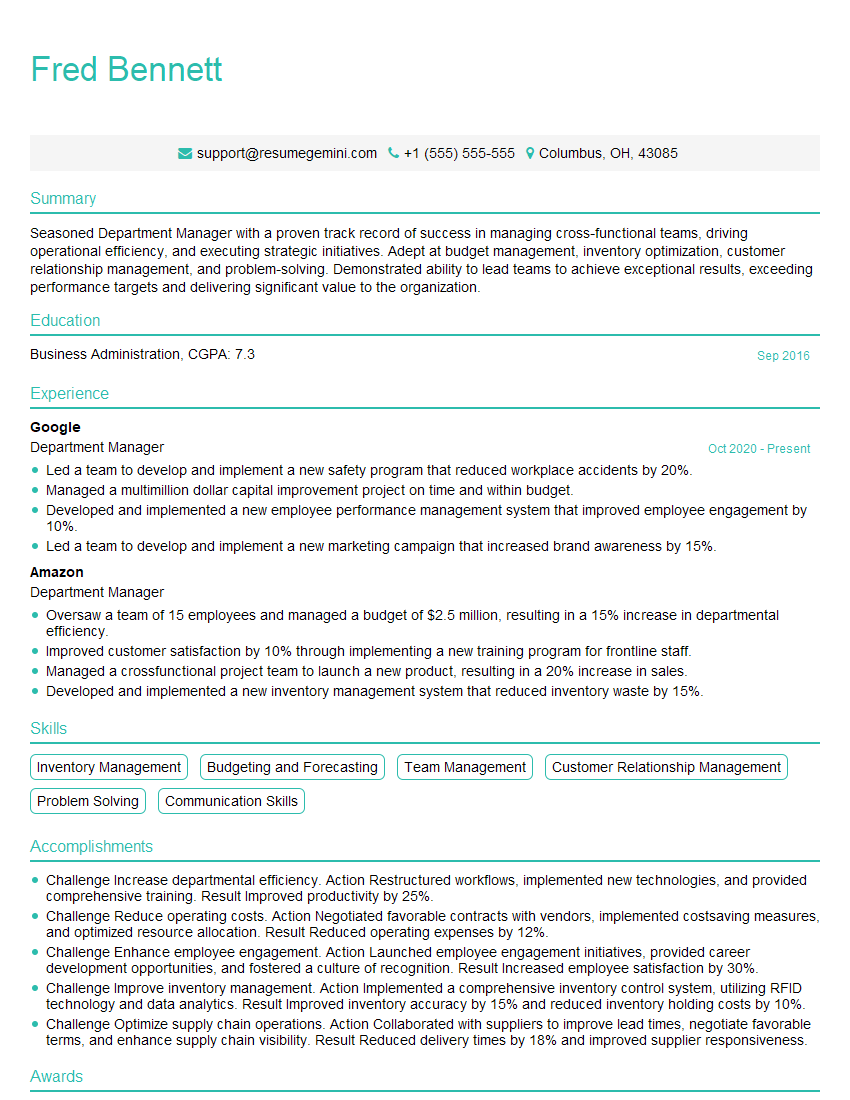
Department Manager Resume Sample
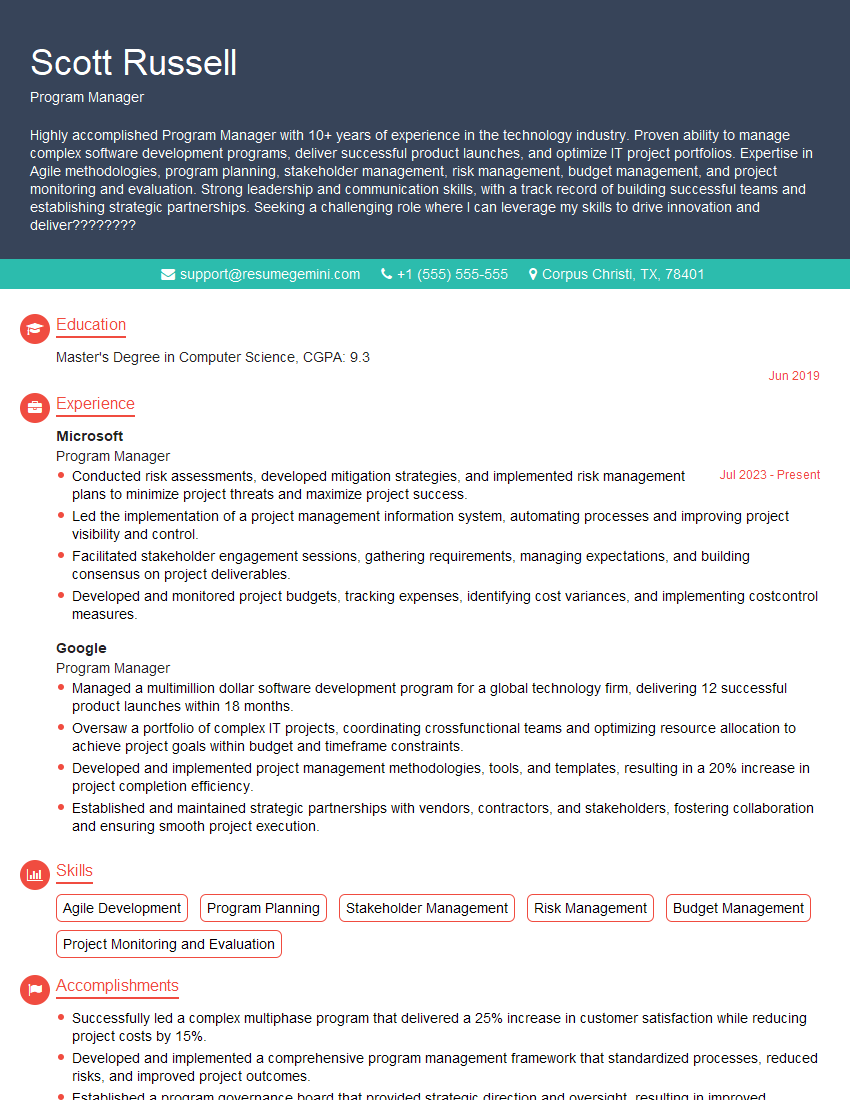
Program Manager Resume Sample
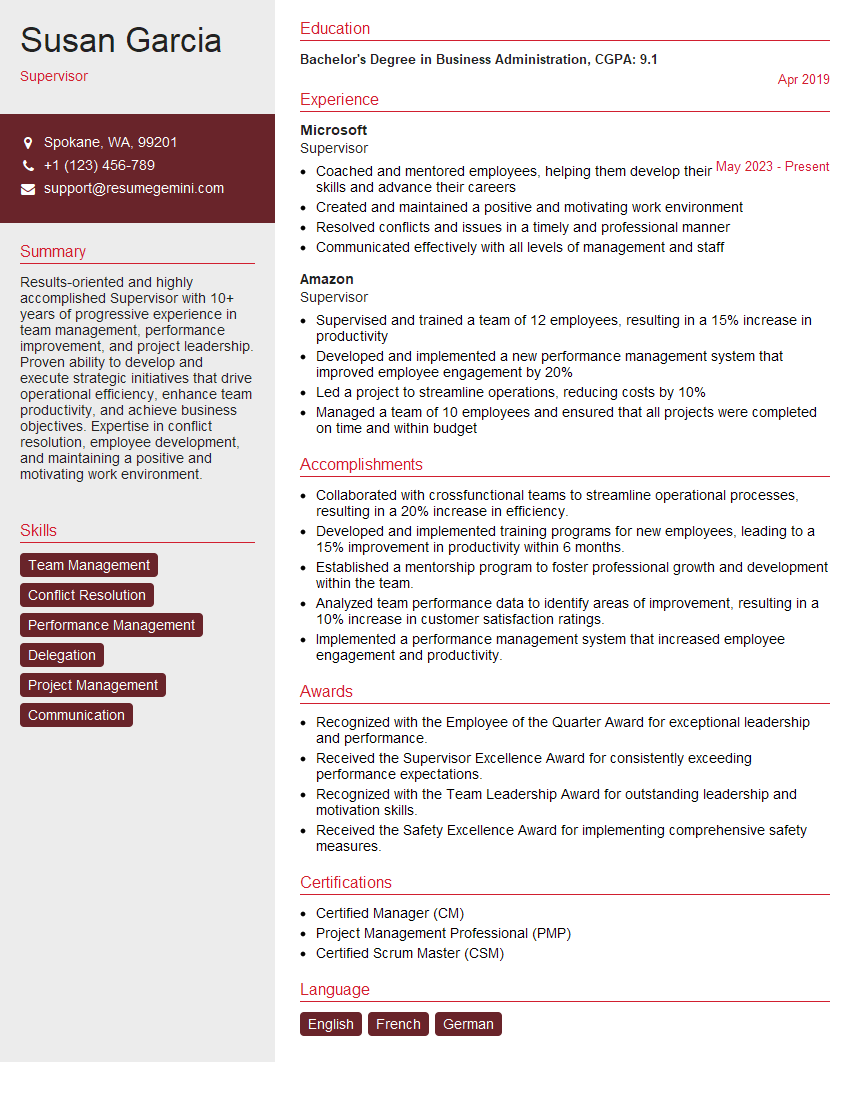
Supervisor Resume Sample
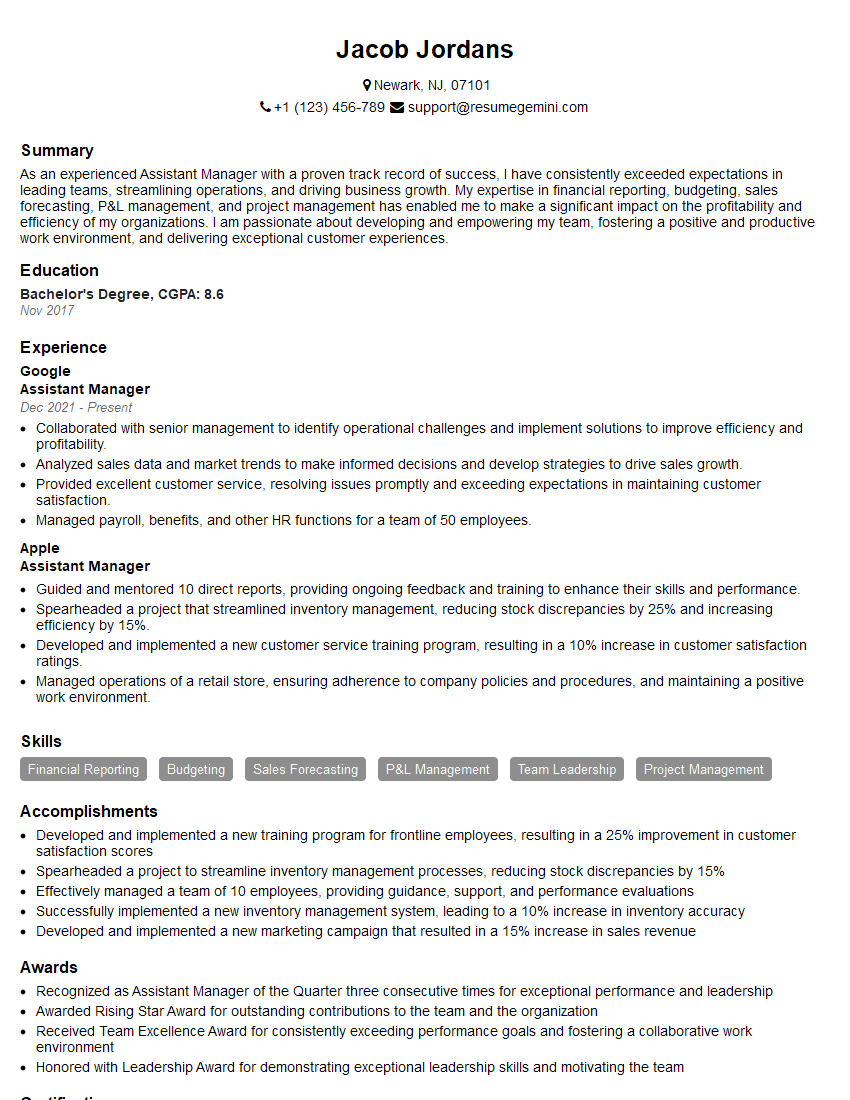
Assistant Manager Resume Sample

Operations Manager Resume Sample
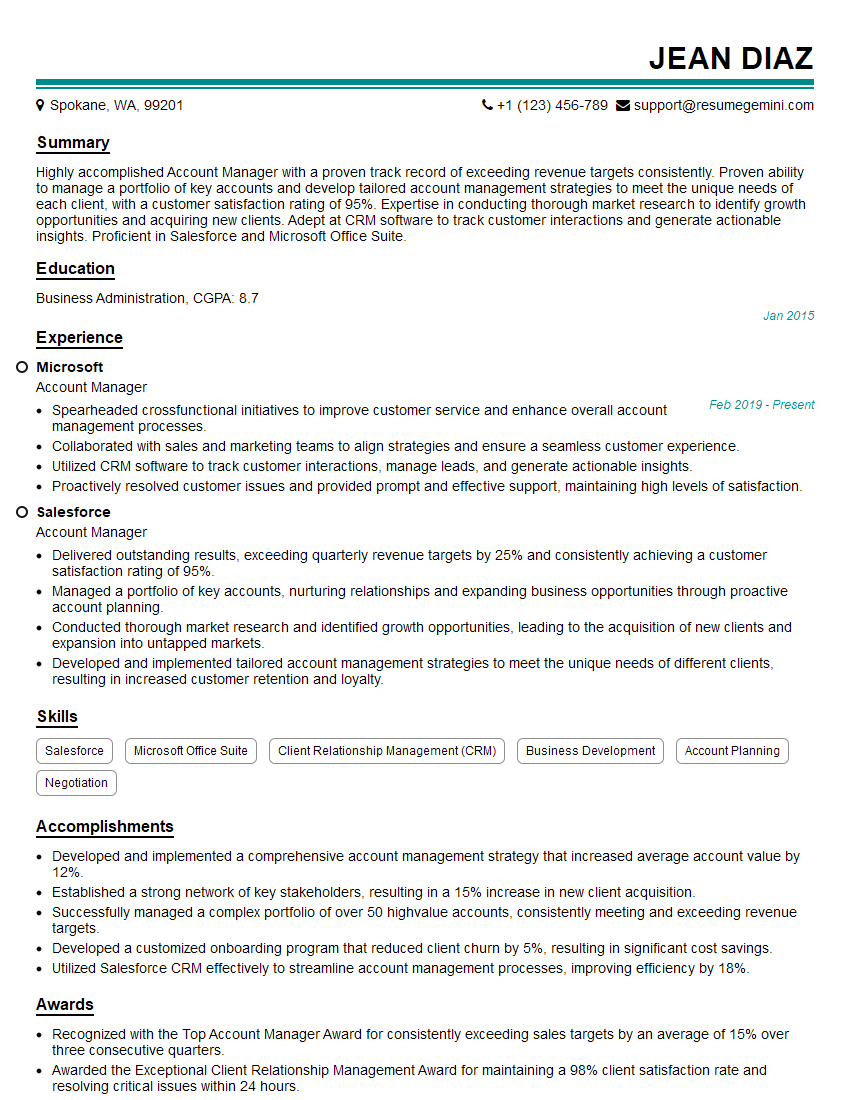
Account Manager Resume Sample
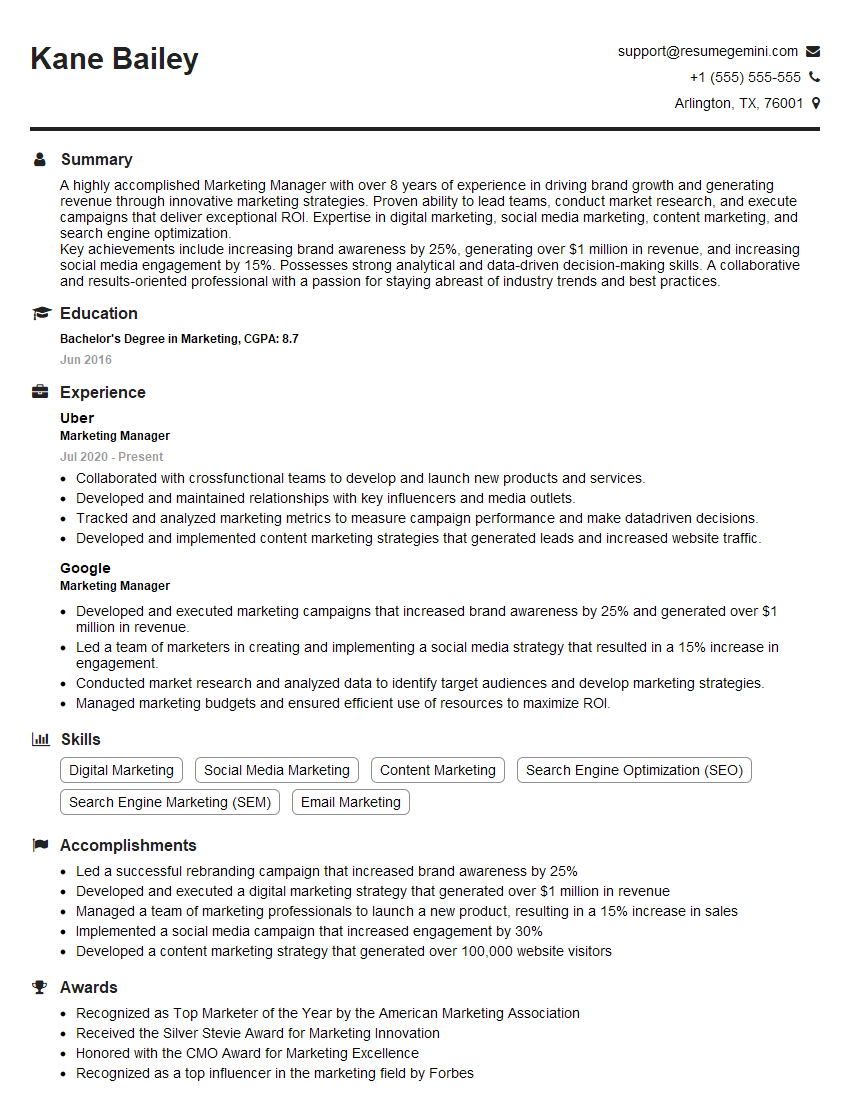
Marketing Manager Resume Sample
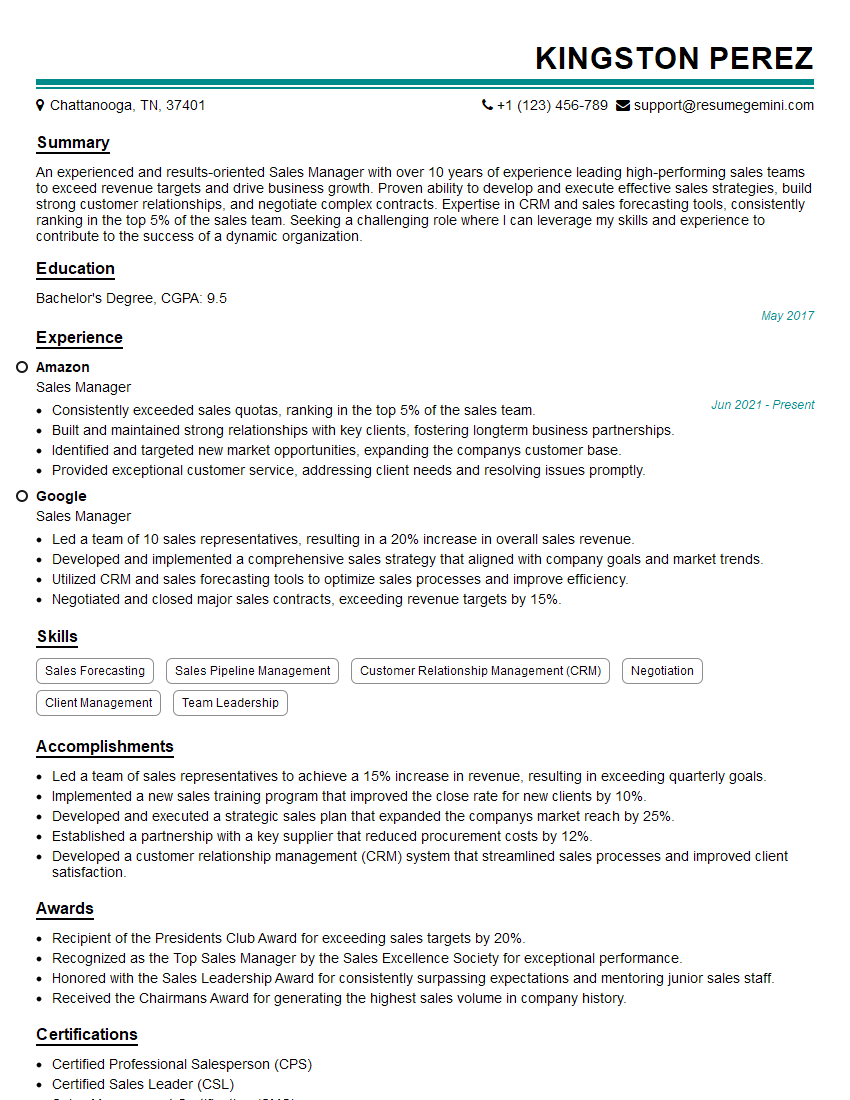
Sales Manager Resume Sample
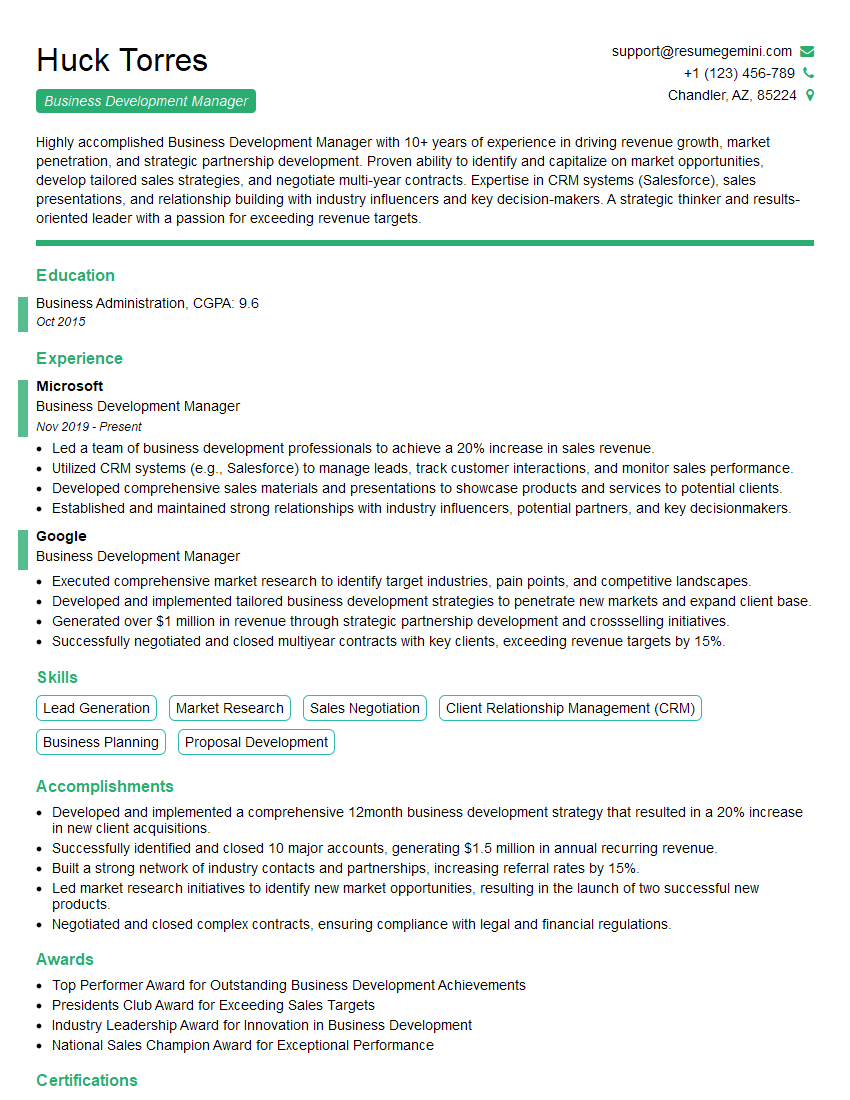
Business Development Manager Resume Sample
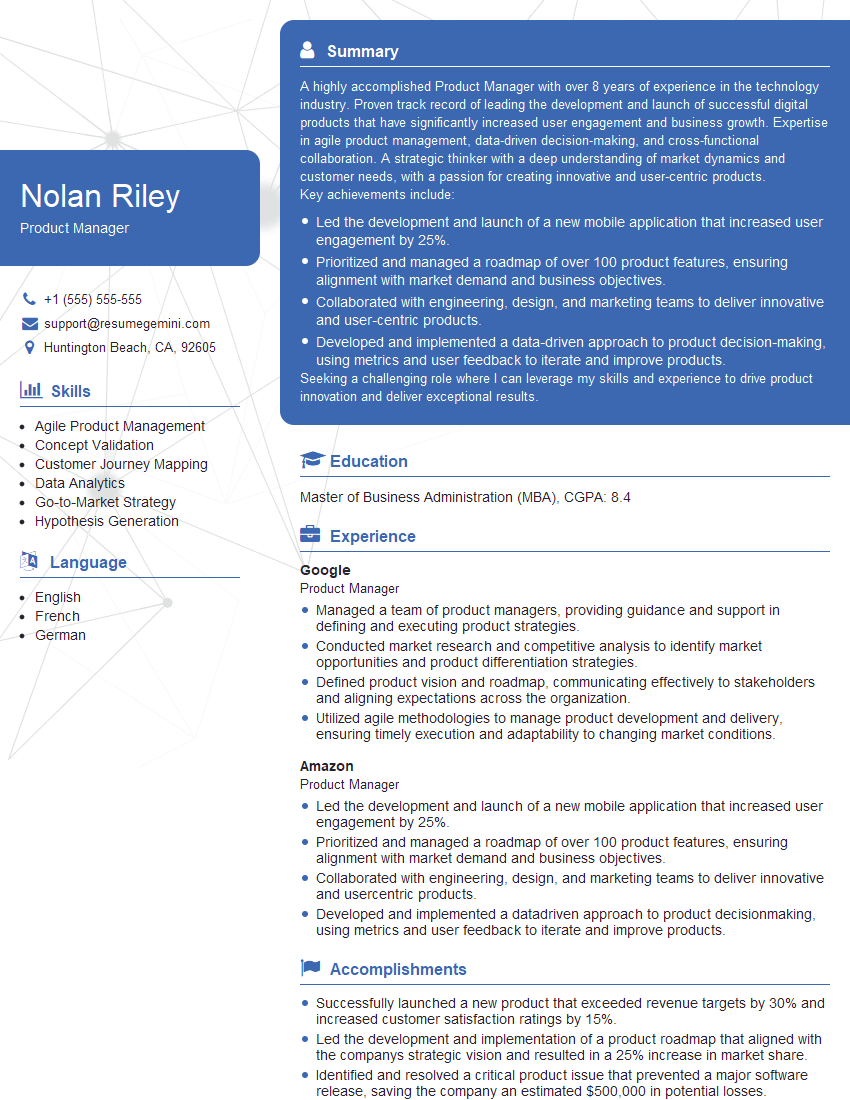
Product Manager Resume Sample
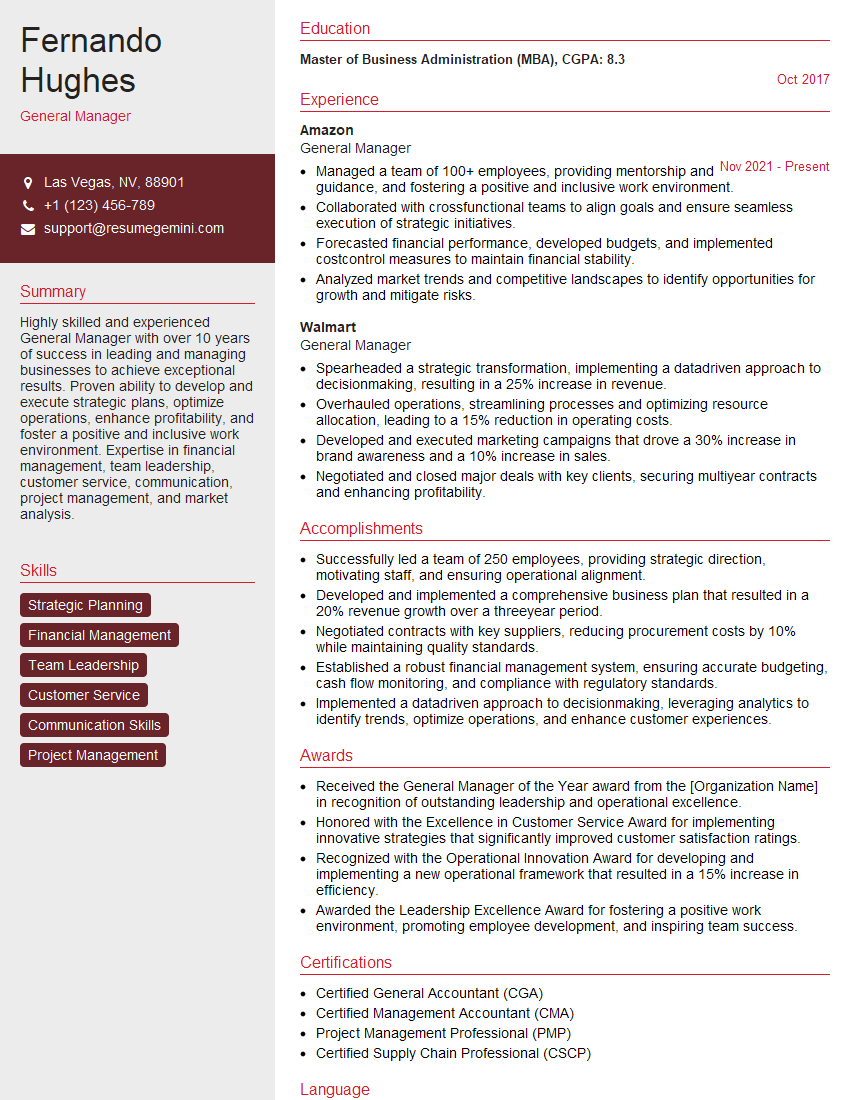
General Manager Resume Sample
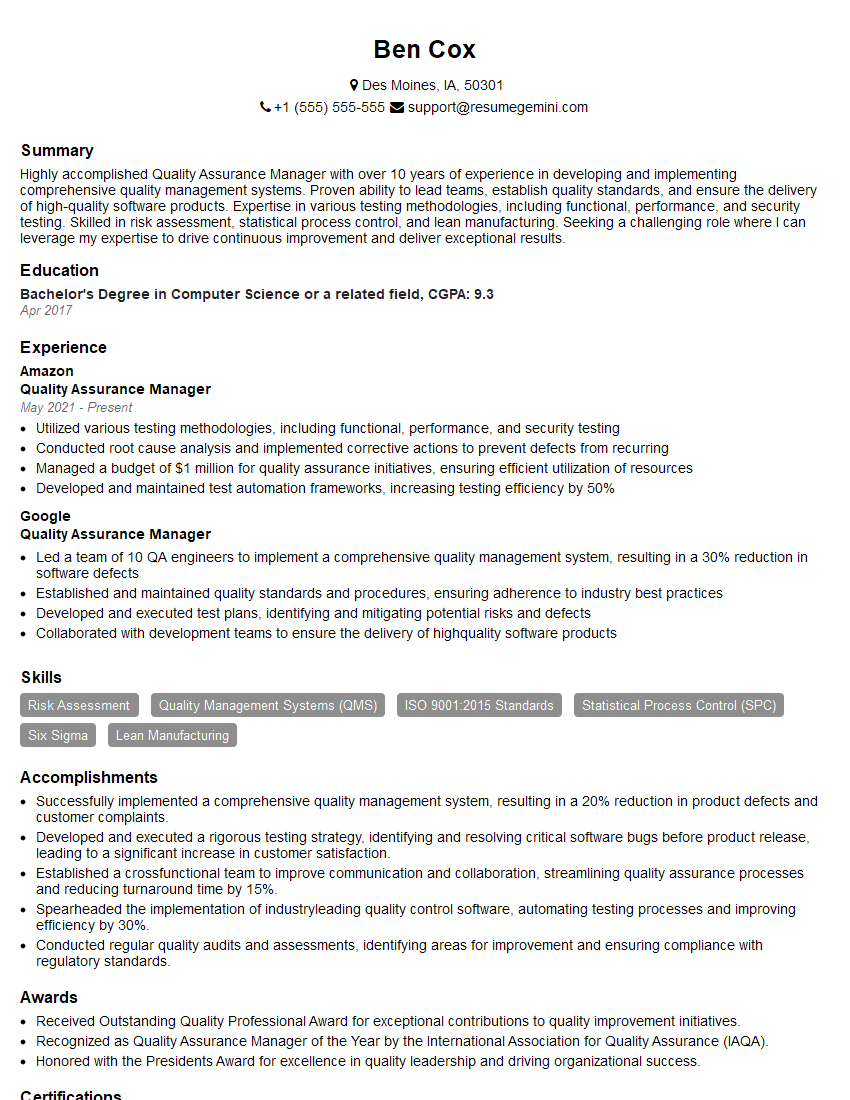
Quality Assurance Manager Resume Sample
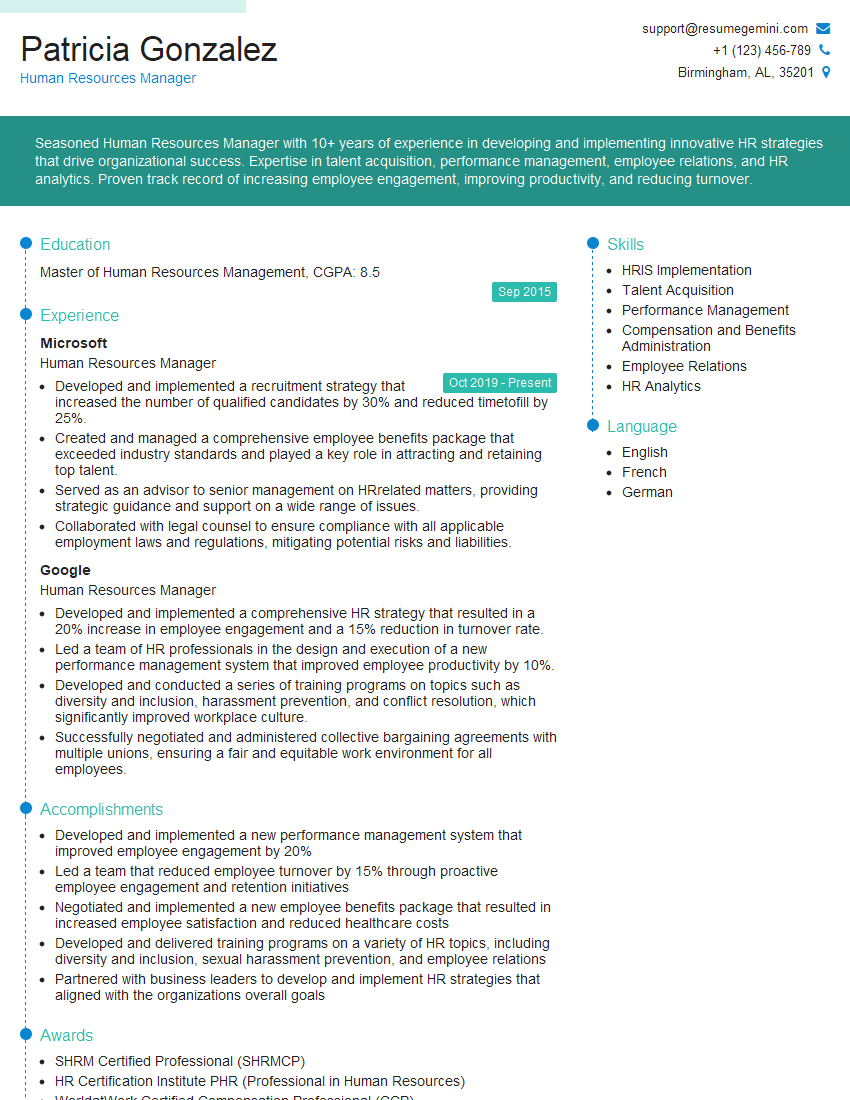
Human Resources Manager Resume Sample
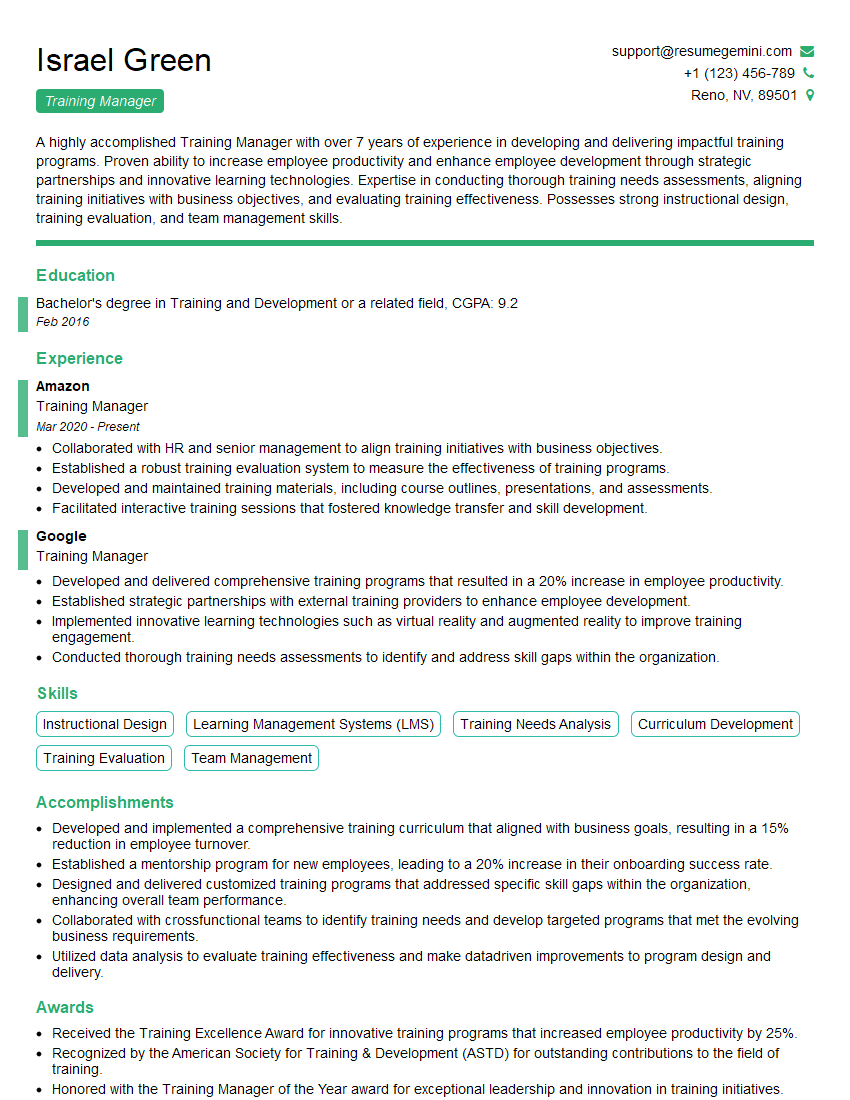
Training Manager Resume Sample
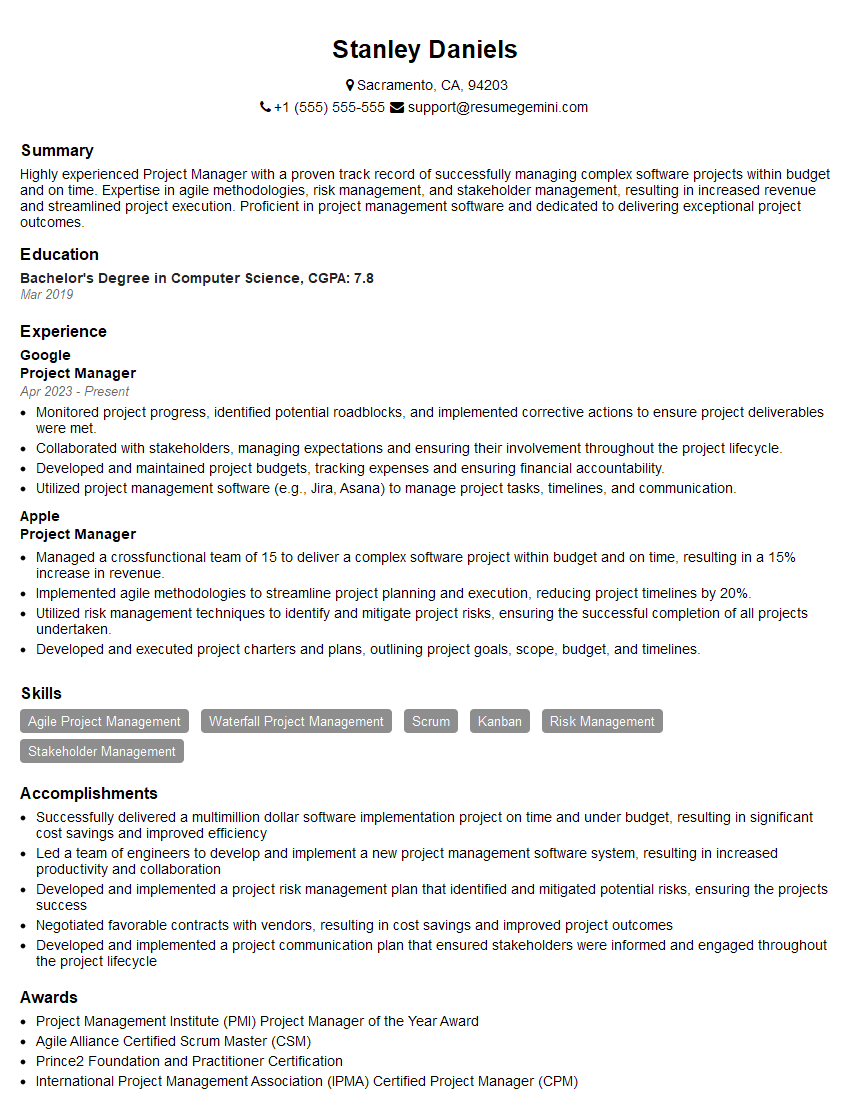
Project Manager Resume Sample
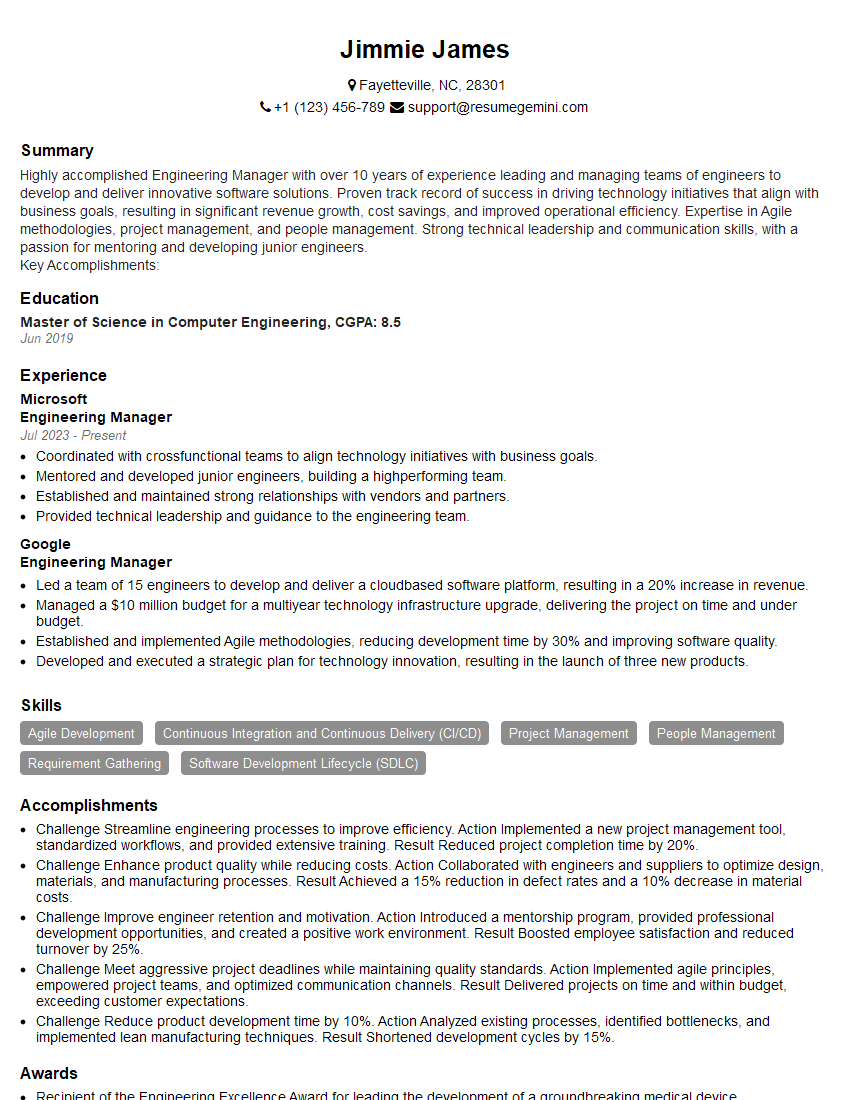
Engineering Manager Resume Sample
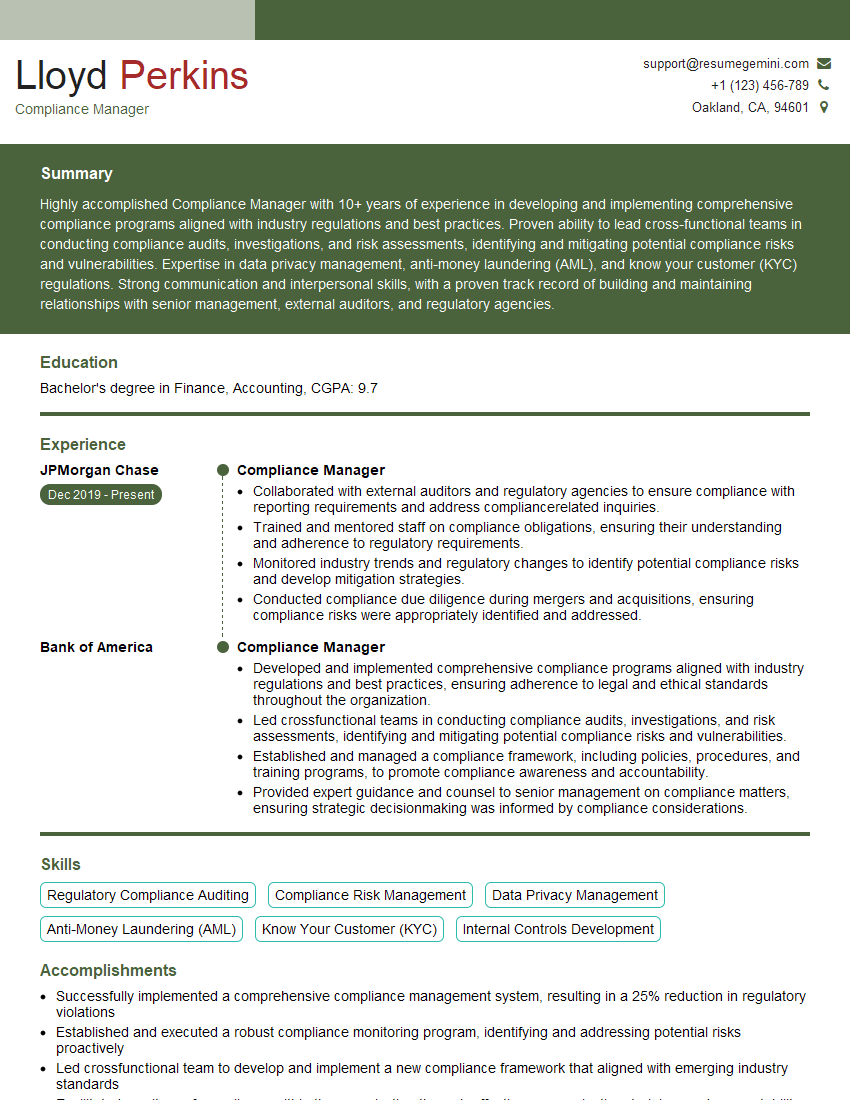
Compliance Manager Resume Sample
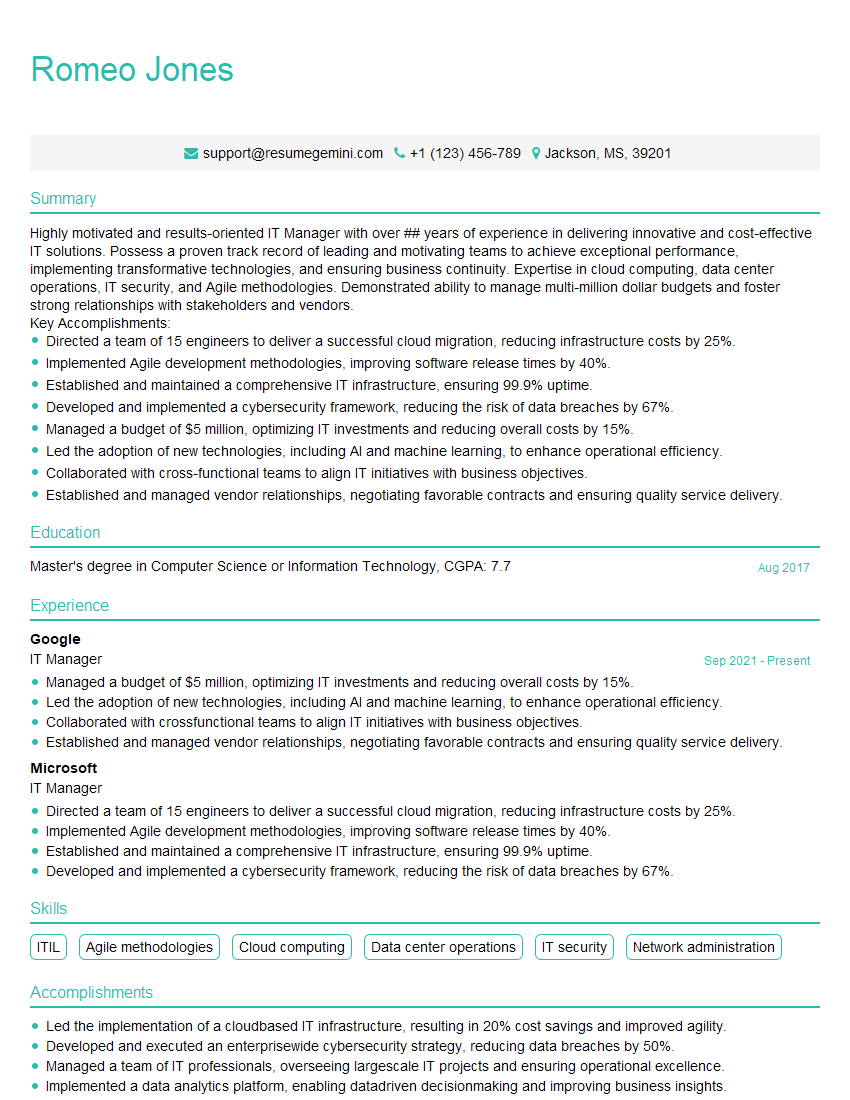
IT Manager Resume Sample
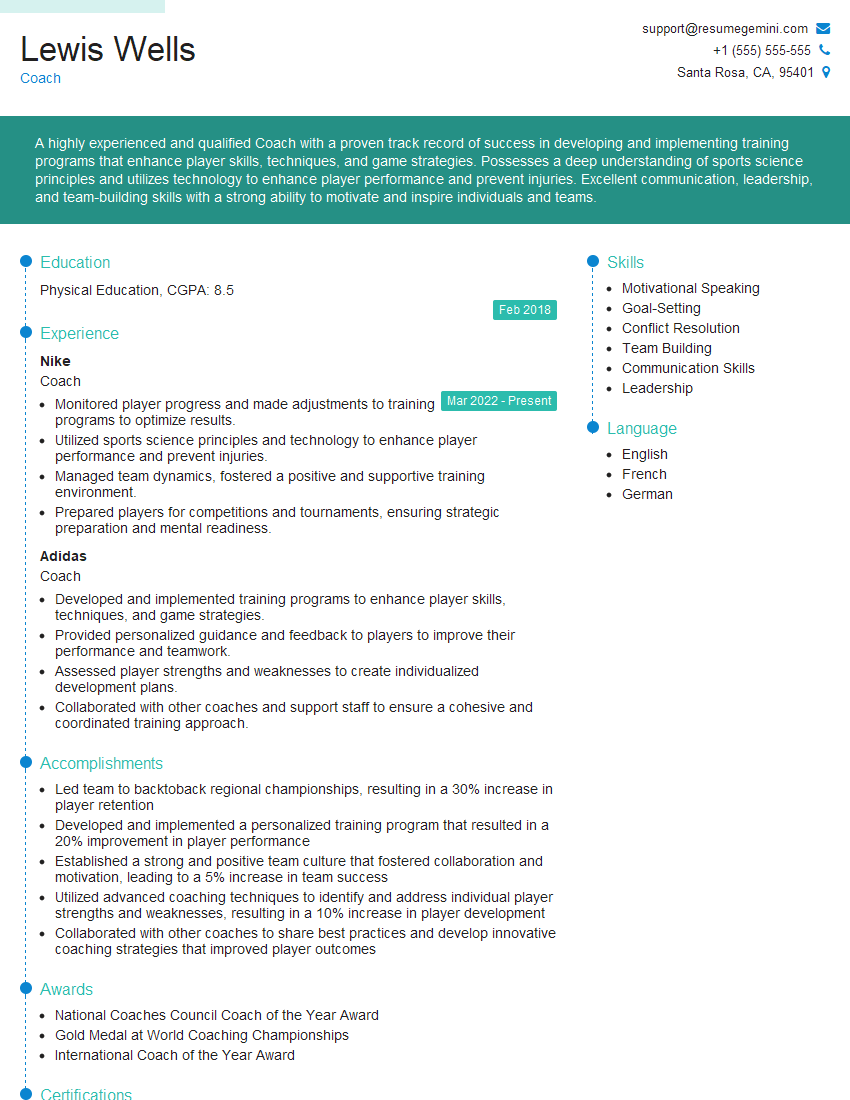
Coach Resume Sample
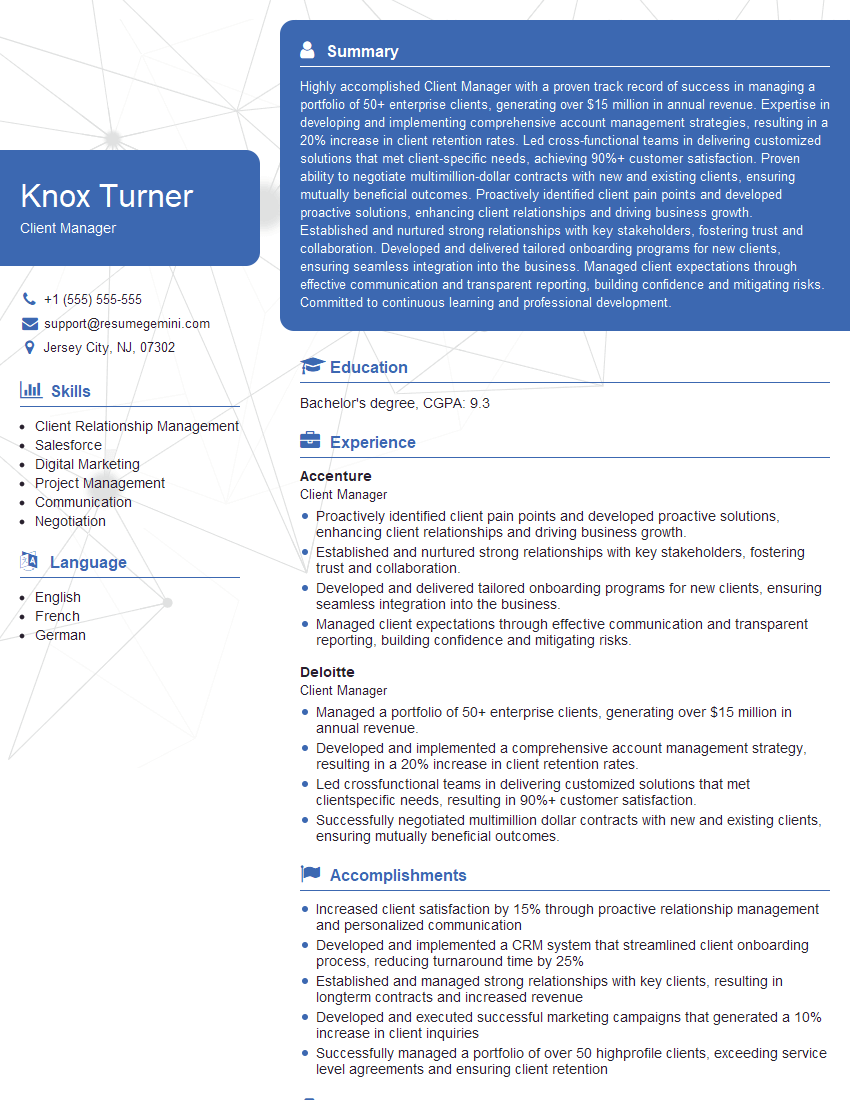
Client Manager Resume Sample
- Department Manager
- Program Manager
- Supervisor
- Assistant Manager
- Operations Manager
- Account Manager
- Marketing Manager
- Sales Manager
- Business Development Manager
- Product Manager
- General Manager
- Quality Assurance Manager
- Human Resources Manager
- Training Manager
- Project Manager
- Engineering Manager
- Compliance Manager
- IT Manager
- Coach
- Client Manager
Explore more articles
Users Rating of Our Blogs
Share Your Experience
We value your feedback! Please rate our content and share your thoughts (optional).
What Readers Say About Our Blog
Very informative content, great job.
good