Interviews are more than just a Q&A session—they’re a chance to prove your worth. This blog dives into essential Engineering Standards and Regulations interview questions and expert tips to help you align your answers with what hiring managers are looking for. Start preparing to shine!
Questions Asked in Engineering Standards and Regulations Interview
Q 1. Explain the importance of adhering to engineering standards.
Adhering to engineering standards is paramount for ensuring safety, reliability, and consistency in engineering projects. These standards provide a framework for best practices, minimizing risks and promoting interoperability. Think of them as a recipe for success – following the recipe ensures a predictable and desirable outcome. Without them, projects could be inconsistent, potentially unsafe, and difficult to maintain or modify.
- Safety: Standards incorporate safety considerations, minimizing the risk of accidents or failures that could cause harm to people or the environment.
- Reliability: Standardized designs and processes lead to more predictable and reliable performance of engineered systems.
- Interoperability: Standards ensure different components and systems can work together seamlessly, reducing integration issues and delays.
- Legal Compliance: Many standards are incorporated into laws and regulations, making compliance mandatory for legal operation.
Q 2. Describe your experience with ISO 9001.
I’ve had extensive experience with ISO 9001, the internationally recognized standard for quality management systems. In my previous role at Acme Engineering, we implemented and maintained an ISO 9001-certified QMS. This involved documenting processes, establishing internal audits, and ensuring continuous improvement through regular reviews. My responsibilities included:
- Developing and maintaining quality manuals and procedures.
- Conducting internal audits to ensure compliance with ISO 9001 requirements.
- Participating in management review meetings to assess the effectiveness of the QMS.
- Leading corrective and preventive action (CAPA) investigations.
- Training team members on ISO 9001 principles and procedures.
This experience honed my skills in process improvement, documentation, and risk management, all crucial aspects of successful project execution. We saw a demonstrable improvement in project efficiency and reduced error rates after implementing the QMS. For example, our defect rate dropped by 15% within the first year.
Q 3. How do you ensure compliance with relevant regulations in your projects?
Ensuring compliance starts with thorough upfront research. I begin by identifying all applicable regulations and standards relevant to the project’s location, industry, and scope. This may include national building codes, industry-specific standards (e.g., ASME for pressure vessels), and environmental regulations. I then incorporate these requirements into the project’s planning and execution phases.
- Documentation: Maintaining meticulous records of all compliance activities, including permits, inspections, and test results.
- Regular Audits: Conducting internal audits to ensure ongoing compliance and identify areas for improvement.
- Stakeholder Communication: Keeping relevant stakeholders, such as clients, regulatory bodies, and contractors, informed about compliance efforts.
- Risk Assessment: Identifying potential compliance risks early on and developing mitigation strategies.
For example, in a recent project involving the construction of a bridge, we worked closely with the local transportation authority to ensure compliance with all relevant structural and safety standards. This involved submitting detailed design plans for review and approval, and adhering to rigorous inspection protocols throughout the construction process.
Q 4. What are the potential consequences of non-compliance with engineering standards?
Non-compliance can have severe consequences, ranging from minor delays to catastrophic failures. These consequences can impact safety, legal liability, and project economics.
- Legal Penalties: Fines, legal action, and potential project shutdowns.
- Financial Losses: Rework, delays, and reputational damage leading to lost contracts.
- Safety Hazards: Equipment failure, injury, or environmental damage.
- Reputational Damage: Loss of client trust and future business opportunities.
Consider a scenario where a building collapses due to non-compliance with structural standards. The consequences would be devastating, including loss of life, significant financial liability, and irreversible damage to the reputation of those involved.
Q 5. Explain your understanding of risk assessment related to engineering standards.
Risk assessment in relation to engineering standards involves systematically identifying, analyzing, and mitigating potential hazards that could arise from non-compliance. This is a proactive approach to prevent problems before they occur. A typical approach involves using a structured methodology, such as HAZOP (Hazard and Operability Study) or FMEA (Failure Mode and Effects Analysis).
- Hazard Identification: Identifying potential hazards related to the design, construction, or operation of an engineered system.
- Risk Analysis: Evaluating the likelihood and severity of each hazard.
- Risk Mitigation: Developing strategies to reduce or eliminate the identified risks. This might involve design modifications, safety procedures, or use of protective equipment.
- Documentation: Maintaining comprehensive records of the risk assessment process and any implemented mitigation strategies.
For instance, in designing a chemical plant, we would conduct a HAZOP to identify potential process hazards, such as leaks or explosions. Based on the risk assessment, we would then implement safety systems like emergency shutdowns and gas detection to mitigate the risks.
Q 6. How do you stay updated on the latest engineering standards and regulations?
Staying updated requires a multi-pronged approach. I actively subscribe to professional organizations such as ASME, IEEE, and relevant industry bodies. These organizations often issue updates and revisions to standards. I also monitor government websites and regulatory bodies for changes in regulations. Attending industry conferences and workshops, and participating in continuing education courses, keeps me abreast of the latest advancements and best practices. Online resources, professional journals, and networking with colleagues are invaluable tools for staying informed.
Q 7. Describe a situation where you had to resolve a conflict between project requirements and engineering standards.
In a past project involving the design of a specialized piece of machinery, the client requested a design modification that would have violated a critical safety standard. The modification, while seemingly minor, would have compromised the machine’s structural integrity. The conflict was resolved through a collaborative approach.
- Documentation: I clearly documented the conflict, citing the relevant standard and explaining the potential safety implications of the client’s request.
- Alternative Solutions: I proposed alternative design solutions that met the client’s needs while adhering to the safety standard. This involved exploring different materials, manufacturing processes, and design configurations.
- Client Communication: I clearly communicated the technical reasons for adhering to the standard and the potential risks associated with non-compliance. I emphasized safety and presented data to support my recommendations.
- Compromise: We reached a mutually agreeable solution that incorporated some of the client’s desired features while maintaining compliance with the standard. This required detailed analysis and design iteration.
The key to resolving this conflict was clear and thorough communication, supported by technical expertise and a commitment to safety.
Q 8. How do you incorporate engineering standards into the design process?
Incorporating engineering standards into the design process is crucial for ensuring safety, reliability, and interoperability. It’s not a bolt-on afterthought; it’s an integral part of every stage, from initial concept to final testing.
- Requirements Gathering: We begin by identifying all applicable standards relevant to the project. This might involve referencing national or international codes, industry-specific regulations, and even internal company standards. For example, designing a bridge requires adherence to structural engineering codes for load bearing, material strength, and seismic considerations.
- Design Phase: During the design phase, the selected standards dictate many critical decisions. Dimensions, material selection, manufacturing processes, and testing procedures are all guided by these standards. For instance, designing electrical systems requires adhering to standards like IEEE for safety and electrical performance.
- Verification and Validation: Once the design is complete, we rigorously test and verify that it complies with the chosen standards. This might involve simulations, physical testing, or third-party audits to ensure compliance.
- Documentation: Complete and accurate documentation is key. This includes a clear record of the standards used, the rationale behind choices, and verification results. This traceability is essential for future maintenance and troubleshooting.
Think of standards as a recipe – following the recipe ensures a consistent and reliable outcome. Deviation requires careful justification and documentation.
Q 9. How familiar are you with industry-specific standards (e.g., ASME, IEEE, etc.)?
I’m extensively familiar with a range of industry-specific standards, including:
- ASME (American Society of Mechanical Engineers): I’ve worked extensively with ASME codes related to pressure vessels, boilers, and piping systems. I understand the intricacies of ASME Y14.5 (dimensioning and tolerancing) and its importance in manufacturing precision parts.
- IEEE (Institute of Electrical and Electronics Engineers): My experience includes using IEEE standards for electrical power systems, communication networks, and software engineering. For example, I’m well-versed in IEEE 802.3 (Ethernet) standards and their implications for network design.
- IEC (International Electrotechnical Commission): I’m also familiar with various IEC standards covering many electrical and electronic applications. These are frequently used globally and provide crucial harmonization between different regions.
- ISO (International Organization for Standardization): Understanding ISO standards like ISO 9001 (quality management systems) and ISO 14001 (environmental management systems) is crucial for ensuring the overall effectiveness of engineering projects.
My familiarity extends beyond simply knowing the standards exist; I understand their context, practical application, and the potential consequences of non-compliance.
Q 10. Describe your experience with conducting audits related to engineering standards.
I have significant experience conducting audits related to engineering standards, both internally and for external clients. These audits typically involve a systematic review of design documentation, manufacturing processes, and testing procedures to verify compliance. This is not just about finding faults; it’s a proactive measure to identify potential weaknesses and improve processes.
Here’s a typical process:
- Planning: Defining the scope, selecting appropriate standards, and creating a checklist.
- Review: Examining design documentation, fabrication records, and test results against the chosen standards.
- Interviews: Speaking with engineers, technicians, and managers to gather information and understand processes.
- Reporting: Documenting findings, highlighting areas of non-compliance, and recommending corrective actions.
- Follow-up: Verifying that corrective actions have been implemented effectively.
For instance, in one project, I audited a manufacturing facility for compliance with ASME standards for pressure vessels. The audit identified a minor discrepancy in welding procedures, and corrective actions were promptly implemented to ensure future compliance.
Q 11. How do you handle situations where conflicting standards exist?
Conflicting standards are a common challenge. The approach involves a systematic process:
- Identify and Document: The first step is to clearly identify the conflicting standards and document them precisely. For instance, one standard might specify a particular material, while another might specify a different one for the same application.
- Prioritize Standards: Determine which standard takes precedence. This often involves considering legal mandates, client requirements, and industry best practices. For example, a national safety standard usually takes precedence over a less stringent industry guideline.
- Risk Assessment: Conduct a thorough risk assessment to evaluate the consequences of choosing either standard. This helps in making an informed decision by evaluating the potential impact on safety, cost, and schedule.
- Documentation and Justification: Thoroughly document the decision-making process, including the rationale for choosing one standard over another. This transparency is vital for accountability and traceability.
- Variance Request (If Necessary): If compliance with both standards is impossible, a formal variance request might be necessary. This involves justifying the deviation from the preferred standard to the relevant authority.
Resolving conflicting standards requires careful consideration, sound engineering judgment, and meticulous record-keeping.
Q 12. What methods do you employ to ensure traceability of engineering standards throughout a project?
Traceability of engineering standards throughout a project is critical. We achieve this through a combination of methods:
- Design Control System: A robust document control system meticulously tracks all standards referenced in the design. This might involve using a dedicated software platform or a well-organized filing system with version control.
- Cross-referencing: Every document referencing a standard should clearly identify that standard using its full designation (e.g., ASME B31.1-2019). Clear cross-referencing allows for easy navigation and tracking.
- Design Review Meetings: Regular design review meetings provide an opportunity to collectively verify adherence to all applicable standards and to address any potential discrepancies.
- Digital Tools: Using software for design and documentation enables built-in traceability features. Many CAD and PLM systems incorporate features to link specific design elements to the standards that govern them.
- BOM (Bill of Materials): The BOM includes a list of all components and materials used and should reference the relevant standards that dictate their specifications and certifications.
Maintaining meticulous records provides a clear audit trail, facilitating compliance checks, troubleshooting, and future project modifications.
Q 13. Explain your understanding of the lifecycle of an engineering standard.
The lifecycle of an engineering standard is an iterative process involving several key phases:
- Development: This stage involves extensive research, collaboration among experts, and drafting the standard’s content. Consensus-building among stakeholders is critical.
- Publication: Once finalized, the standard is published and made available to the public. This often involves peer review and public comment periods.
- Adoption: Organizations and industries adopt the standard for use in their design, manufacturing, and testing processes.
- Maintenance: Standards are not static. Regular reviews and updates are necessary to address new technologies, research findings, and user feedback. This ensures the standards remain relevant and up-to-date.
- Withdrawal: Eventually, a standard might become obsolete or superseded by a newer standard, necessitating its withdrawal.
This continuous improvement process ensures standards remain relevant and effective in promoting safety, quality, and interoperability.
Q 14. How do you communicate technical standards information to non-technical stakeholders?
Communicating technical standards information to non-technical stakeholders requires clear, concise, and relatable language. Avoid jargon and overly technical terminology whenever possible.
- Use Analogies and Visual Aids: Simplify complex concepts using analogies. Visual aids such as charts, diagrams, and flowcharts can significantly enhance understanding.
- Focus on the ‘Why’: Instead of delving into intricate details, highlight the benefits of compliance. Explain how adhering to standards contributes to safety, quality, and cost-effectiveness.
- Tailor the Message: Adjust the level of detail depending on the audience. Senior management needs a high-level overview, while technical teams require more in-depth explanations.
- Interactive Sessions: Consider interactive presentations or workshops to facilitate engagement and provide opportunities for clarifying questions.
- Summary Documents: Create concise summary documents outlining key takeaways, action items, and responsibilities.
For example, when explaining the importance of adhering to safety standards to a board of directors, I would focus on the potential legal and financial ramifications of non-compliance rather than the intricate details of the standards themselves.
Q 15. Describe a time you identified a potential safety hazard related to non-compliance.
During a recent project involving the design of a high-pressure pipeline, I noticed a discrepancy between the specified material grade in the design documents and the actual material being procured. The design called for a higher-grade steel, compliant with ASME B31.4, specifically designed to withstand the operational pressures. However, the procurement team had ordered a lower-grade material due to a perceived cost saving. This was a significant safety hazard. A failure in the pipeline could have resulted in a catastrophic release of hazardous materials, causing severe environmental damage and potential loss of life. I immediately raised this issue, halting further procurement and initiating a thorough review of the project specifications and procurement procedures. We corrected the material order, implemented stricter quality control checks and reinforced the importance of adhering to the specified standards with all team members. This incident highlighted the critical importance of meticulous attention to detail and adherence to engineering standards in ensuring safety.
Career Expert Tips:
- Ace those interviews! Prepare effectively by reviewing the Top 50 Most Common Interview Questions on ResumeGemini.
- Navigate your job search with confidence! Explore a wide range of Career Tips on ResumeGemini. Learn about common challenges and recommendations to overcome them.
- Craft the perfect resume! Master the Art of Resume Writing with ResumeGemini’s guide. Showcase your unique qualifications and achievements effectively.
- Don’t miss out on holiday savings! Build your dream resume with ResumeGemini’s ATS optimized templates.
Q 16. How do you contribute to the continuous improvement of engineering standards and practices within your organization?
I actively contribute to the continuous improvement of engineering standards and practices in several ways. Firstly, I participate in regular internal audits, identifying areas for improvement and making recommendations for updates to our procedures and workflows. Secondly, I actively engage with industry best practices and advancements by attending conferences and workshops, and staying abreast of the latest updates to relevant codes and standards, like API, ISO, and ANSI standards. I then present this information and any best practices at internal training sessions and meetings. This ensures we adapt our internal standards to reflect current best practices. Thirdly, I’m always looking for opportunities to streamline our processes, leveraging technology and more efficient methods, to reduce errors and enhance compliance. For example, I advocated for the implementation of a new digital document management system which reduced document inconsistencies and improved our traceability of changes. This initiative decreased the chances of non-compliance.
Q 17. What are your preferred methods for documenting compliance with engineering standards?
My preferred methods for documenting compliance involve a multi-layered approach. This includes meticulously maintaining a comprehensive digital record of all relevant documents, including design specifications, material certifications, inspection reports, and test results. We utilize a centralized document management system with version control to ensure that only the most up-to-date documents are accessible. Furthermore, we use digital checklists and forms linked to our project management software to provide a clear audit trail. The system is designed to track compliance with specific aspects of the relevant standards. For instance, if a specific welding procedure requires certification, the digital record provides traceability of the welder’s certification and compliance with the welding standard (e.g., AWS D1.1). Finally, all this data is consolidated into formal compliance reports, which are reviewed and approved by senior management. This rigorous approach is fundamental to ensuring and demonstrating ongoing compliance. This method ensures clear traceability and facilitates efficient audits.
Q 18. Describe your experience with root cause analysis related to standard deviations.
My experience with root cause analysis related to standard deviations involves employing a structured approach like the ‘5 Whys’ technique and Fishbone diagrams. For example, I was involved in an investigation where the diameter of manufactured components consistently deviated from the specified standard. Using the ‘5 Whys’, we uncovered that the deviation was caused by machine tool wear which was caused by improper maintenance which was caused by insufficient training which was caused by a lack of a robust training program which was caused by inadequate budget allocation. We used a Fishbone diagram to visually map out these causes and identify the root causes. This allowed us to address the problem systematically, rather than just treating the symptoms. This involved implementing a preventative maintenance program, providing updated training to operators, and securing improved budget allocation for equipment maintenance and training. This comprehensive approach greatly improved production quality and ensured future compliance with standards.
Q 19. How do you manage changes to engineering standards during a project?
Managing changes to engineering standards during a project requires a methodical and transparent approach. Firstly, we promptly identify and assess the impact of any change. We then determine the necessity of updates and whether this impacts the safety and functionality of the project. A formal change request process is initiated, documenting the reason for the change, its impact on the project schedule and budget, and any necessary corrective actions. All stakeholders are notified of the change and any implications. The impact on existing work is reviewed and revised documentation is issued, with all changes clearly highlighted and approved via formal review and sign-off procedures. A thorough record of all changes is maintained for auditing purposes. For example, if a new edition of a relevant standard is released during a project, a change request is made assessing the impact of the changes, and a decision is made whether to update the project design to incorporate the latest standard based on risk assessment and project timelines.
Q 20. What is your approach to training others on the importance of adhering to engineering standards?
Training others on the importance of adhering to engineering standards involves a multi-pronged approach. I incorporate various techniques, including hands-on training sessions, interactive workshops, and online modules. We leverage case studies of past failures stemming from non-compliance to underscore the significant safety and legal consequences of neglecting standards. Furthermore, the training includes practical examples, emphasizing the ‘why’ behind each standard. For example, we might discuss the consequences of using an incorrect material grade in a structural design, visualizing the potential failure modes. We also provide opportunities for trainees to practice applying the standards in simulated scenarios. Regular refresher courses and ongoing mentoring programs ensure sustained commitment to the standards. This approach fosters a strong safety culture within the organization where adherence to standards is not just a rule, but a shared value.
Q 21. Explain the difference between a standard and a regulation.
The difference between a standard and a regulation lies primarily in their enforceability. A standard is a set of technical specifications, guidelines, or recommendations developed by industry experts and professional organizations. While they are widely adopted and considered best practices, their adherence isn’t legally mandated. Examples include ISO 9001 (Quality Management) or ASTM standards for materials testing. A regulation, on the other hand, is a legally binding rule established by a government agency or regulatory body. Non-compliance with a regulation can result in significant penalties, including fines or legal action. Examples include OSHA regulations for workplace safety or building codes enforced by local governments. Essentially, standards provide recommended best practices; regulations dictate mandatory requirements.
Q 22. How do you ensure the accuracy and completeness of technical documentation related to standards compliance?
Ensuring the accuracy and completeness of technical documentation for standards compliance is paramount. It’s like building a house – you need precise blueprints to avoid costly mistakes. My approach involves a multi-stage process:
- Cross-referencing: I meticulously cross-reference all documentation against the relevant standards (e.g., ISO 9001, ASME Y14.5, etc.), using a checklist to ensure nothing is missed. This avoids inconsistencies and omissions.
- Version Control: Utilizing version control systems like Git allows tracking changes, ensuring the latest revision is always used, and facilitating collaboration among the team. This minimizes the risk of using outdated information.
- Peer Review: A critical step is subjecting the documentation to thorough peer review by colleagues with expertise in both the subject matter and relevant standards. A fresh pair of eyes often catches errors overlooked by the author.
- Formal Verification: Depending on the criticality of the project and the regulatory requirements, a formal verification process, often involving external audits or inspections, might be necessary to ensure compliance and the accuracy of the documentation.
- Traceability Matrix: Creating a traceability matrix that links requirements, designs, tests, and the standards themselves, ensures full traceability and helps identify any gaps or inconsistencies.
For example, in a recent project involving the design of a pressure vessel, we used a traceability matrix to ensure that every design element complied with ASME Section VIII, Division 1. This meticulous approach prevented potential safety hazards and ensured regulatory compliance.
Q 23. Describe your understanding of the legal implications of non-compliance.
Non-compliance with engineering standards and regulations carries significant legal implications, ranging from minor fines to major legal battles and reputational damage. Think of it as driving without a license – the consequences are severe. The gravity depends on the specific standard violated, the severity of the consequences, and the jurisdiction.
- Fines and Penalties: Regulatory bodies can impose substantial fines for non-compliance, potentially crippling a business.
- Legal Action: In cases of product failure or injury due to non-compliance, companies can face lawsuits leading to significant financial losses and reputational damage.
- Product Recalls: Non-compliant products may need to be recalled, resulting in significant costs associated with retrieval, replacement, and loss of sales.
- Loss of Licenses and Permits: Severe violations might lead to the suspension or revocation of operating licenses and permits, halting operations entirely.
- Criminal Charges: In extreme cases, particularly those involving significant harm or negligence, criminal charges can be filed against individuals or companies.
For instance, failure to comply with building codes can result in structural failures, leading to severe legal consequences and potentially criminal charges for those responsible. It’s imperative to prioritize compliance to mitigate these risks.
Q 24. How do you balance the need for innovation with the requirement to adhere to established standards?
Balancing innovation with adherence to established standards is a constant challenge, much like walking a tightrope. The key lies in a proactive and strategic approach:
- Understanding the Intent: Instead of viewing standards as rigid constraints, understand their underlying purpose – safety, interoperability, efficiency. This allows for creative solutions within the bounds of the standards.
- Seeking Waivers or Exemptions: For truly innovative solutions that might clash with existing standards, explore the possibility of obtaining waivers or exemptions through the relevant regulatory bodies. This typically requires a thorough justification demonstrating the safety and functionality of the deviation.
- Participating in Standards Development: Actively participating in the development and revision of standards provides valuable insight into future directions and allows for shaping the standards to accommodate emerging technologies and best practices.
- Adopting a phased approach: Start by implementing core features which comply fully. Then, phase in innovation, managing risks strategically through meticulous testing and validation.
- Utilizing advanced simulation and testing: Thorough simulation and testing demonstrate compliance and showcase the safety and reliability of innovative approaches, increasing the chances of acceptance.
For example, in the development of a new type of composite material, we demonstrated its structural integrity through rigorous testing and simulations, proving its compliance with relevant aerospace standards while highlighting its improved strength-to-weight ratio compared to existing materials.
Q 25. Describe your experience with implementing a new engineering standard within your organization.
Implementing a new engineering standard within an organization requires careful planning and execution. I was involved in the implementation of ISO 14001 (Environmental Management System) in my previous organization. The process involved these key steps:
- Gap Analysis: We first conducted a thorough gap analysis to identify the differences between our existing practices and the requirements of ISO 14001. This helped determine the areas needing improvement.
- Training and Awareness: Extensive training was provided to all employees on the requirements and benefits of the standard. This ensured buy-in and understanding across the organization.
- Documentation and Procedure Development: We developed comprehensive documentation and procedures aligned with the standard. This included environmental policies, operational controls, and emergency response plans.
- Implementation and Monitoring: The standard was implemented in phases, with regular monitoring and review to track progress and identify areas for improvement.
- Internal Audits: Internal audits were conducted to ensure compliance and identify any gaps or non-conformances. This provided continuous improvement feedback.
- Management Review: Regular management reviews ensured that the EMS remained effective and aligned with the organization’s overall objectives.
- Certification: Ultimately, we pursued and successfully obtained ISO 14001 certification, demonstrating our commitment to environmental responsibility.
The successful implementation resulted in reduced waste, improved environmental performance, and enhanced the company’s reputation.
Q 26. How do you prioritize competing standards or regulations?
Prioritizing competing standards or regulations requires a systematic approach. It’s like managing multiple projects – you need a clear strategy. My approach involves:
- Jurisdictional Scope: Identifying the geographical applicability of each standard is crucial. Some standards are mandatory within a specific region or country, while others might be voluntary or industry-specific.
- Risk Assessment: Assessing the potential risks associated with non-compliance with each standard is vital. Standards addressing safety-critical aspects should naturally take precedence.
- Client Requirements: Client specifications often dictate the standards that must be adhered to. Meeting client requirements is paramount.
- Cost-Benefit Analysis: Weighing the costs of compliance against the potential benefits allows for a balanced decision, especially when dealing with competing standards that have similar implications.
- Stakeholder Consultation: Involving relevant stakeholders in the decision-making process helps create buy-in and ensures a balanced perspective.
For example, when working on a project involving both European and North American standards, I prioritized the standards mandated by the client’s location, then addressed any overlap or inconsistencies strategically, ensuring both regulatory compliance and efficient project execution.
Q 27. Explain how you would address a situation where a key standard is outdated or inadequate.
When a key standard is outdated or inadequate, it requires proactive action. This is like needing to upgrade a software application – it’s crucial for functionality and security. My approach is:
- Assessment and Documentation: First, thoroughly document the shortcomings of the outdated standard and its implications. This forms the basis for further action.
- Research for Alternatives: Research newer standards or best practices that address the inadequacies of the current standard. This might involve reviewing industry publications, attending conferences, or consulting with subject matter experts.
- Gap Analysis: Conduct a gap analysis to identify the differences between the existing standard and the potential replacement. This helps in planning the transition process.
- Stakeholder Consultation: Consult with stakeholders – both internal and external – to discuss the potential implications of adopting a new standard or best practice. This ensures smoother implementation.
- Phased Implementation: Implement the new standard or best practice in phases to minimize disruption and allow for adjustments as needed.
- Training and Communication: Provide thorough training and communication to all stakeholders about the changes to avoid confusion and ensure that everyone is onboard.
- Advocacy for Standards Revisions: If no suitable alternatives exist, advocate for revisions to the current standard through participation in relevant standards bodies.
For example, when we found an outdated electrical code being used in a building project, we researched the newer version and implemented it, ensuring compliance with the most up-to-date safety regulations.
Key Topics to Learn for Engineering Standards and Regulations Interview
- Safety Standards and Regulations: Understanding the fundamental principles behind safety regulations, including risk assessment methodologies and their practical application in design and implementation. Consider the impact of non-compliance.
- Code Compliance: Familiarize yourself with relevant building codes, industry standards (e.g., ASME, IEEE, ISO), and their practical application in project execution. Be prepared to discuss specific codes relevant to your field.
- Quality Assurance and Control: Learn about various QA/QC methodologies, including inspection, testing, and documentation. Understand how these processes ensure compliance with standards and regulations.
- Legal and Ethical Considerations: Explore the legal ramifications of non-compliance and the ethical responsibilities of engineers in upholding standards and regulations. Discuss case studies demonstrating responsible engineering practice.
- Material Selection and Specifications: Understand how standards dictate material selection based on performance requirements, safety, and environmental considerations. Practice analyzing material specifications and datasheets.
- Documentation and Reporting: Master the art of creating clear, concise, and comprehensive engineering documentation, including reports, specifications, and design drawings. Understand how these documents support regulatory compliance.
- Problem-Solving in a Regulatory Framework: Practice identifying and solving engineering challenges within the constraints of applicable standards and regulations. Develop strategies for navigating ambiguous situations and regulatory grey areas.
Next Steps
Mastering Engineering Standards and Regulations is crucial for career advancement. A strong understanding demonstrates your commitment to safety, quality, and ethical practice, opening doors to more challenging and rewarding roles. To maximize your job prospects, crafting an ATS-friendly resume is essential. ResumeGemini can help you build a professional resume that highlights your skills and experience effectively. ResumeGemini provides examples of resumes tailored to Engineering Standards and Regulations to guide you in showcasing your expertise. Invest the time to create a compelling resume that captures the attention of recruiters and hiring managers.
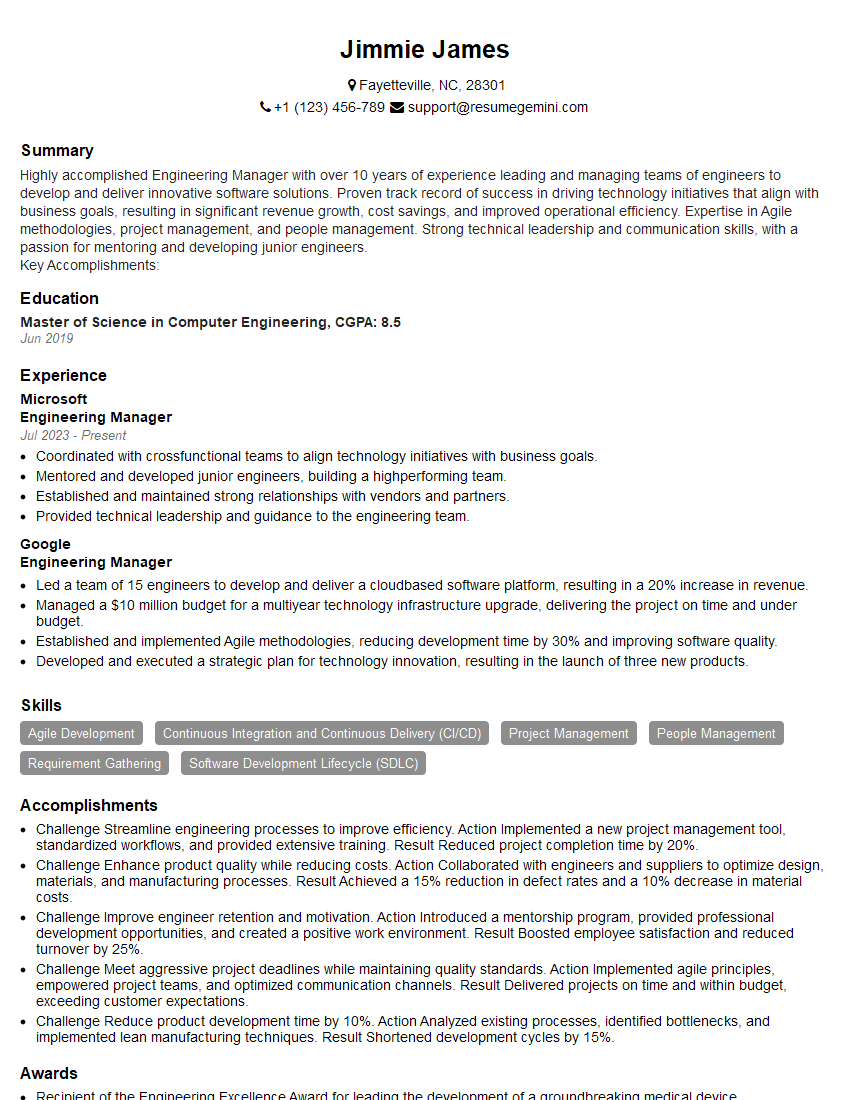
Engineering Manager Resume Sample
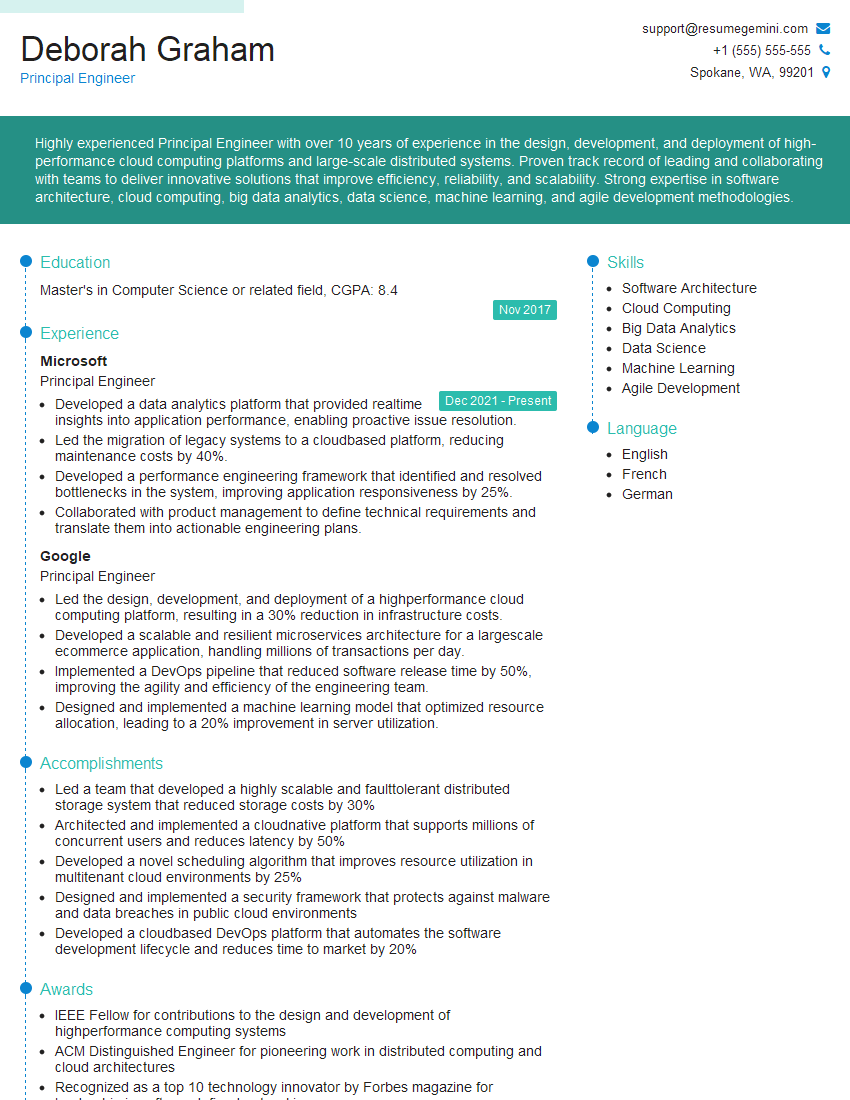
Principal Engineer Resume Sample

Project Engineer Resume Sample
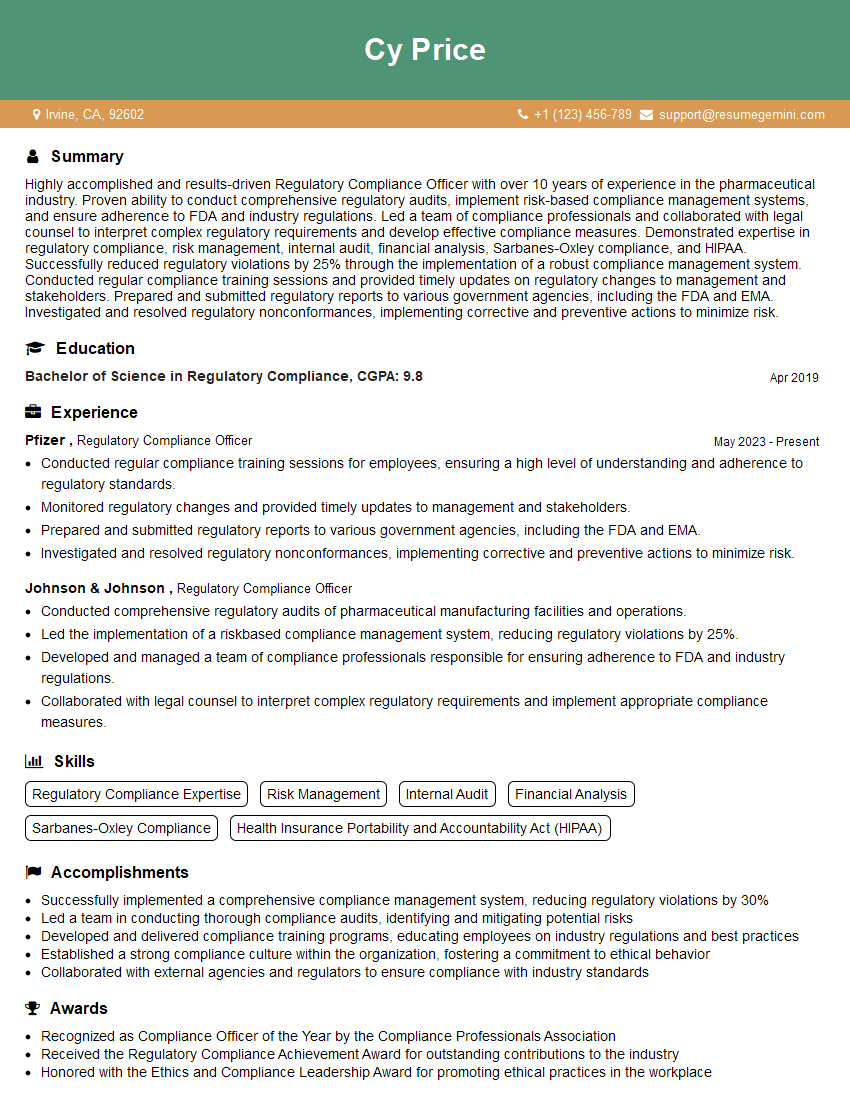
Regulatory Compliance Officer Resume Sample
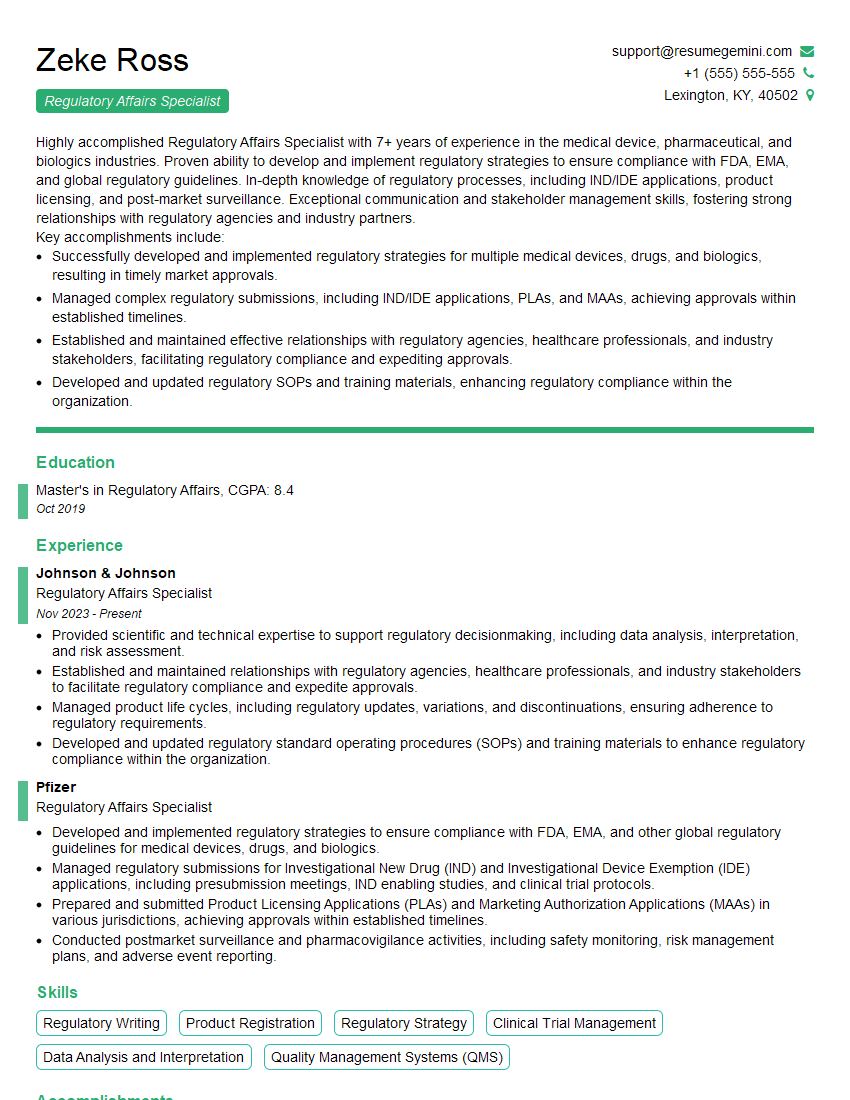
Regulatory Affairs Specialist Resume Sample
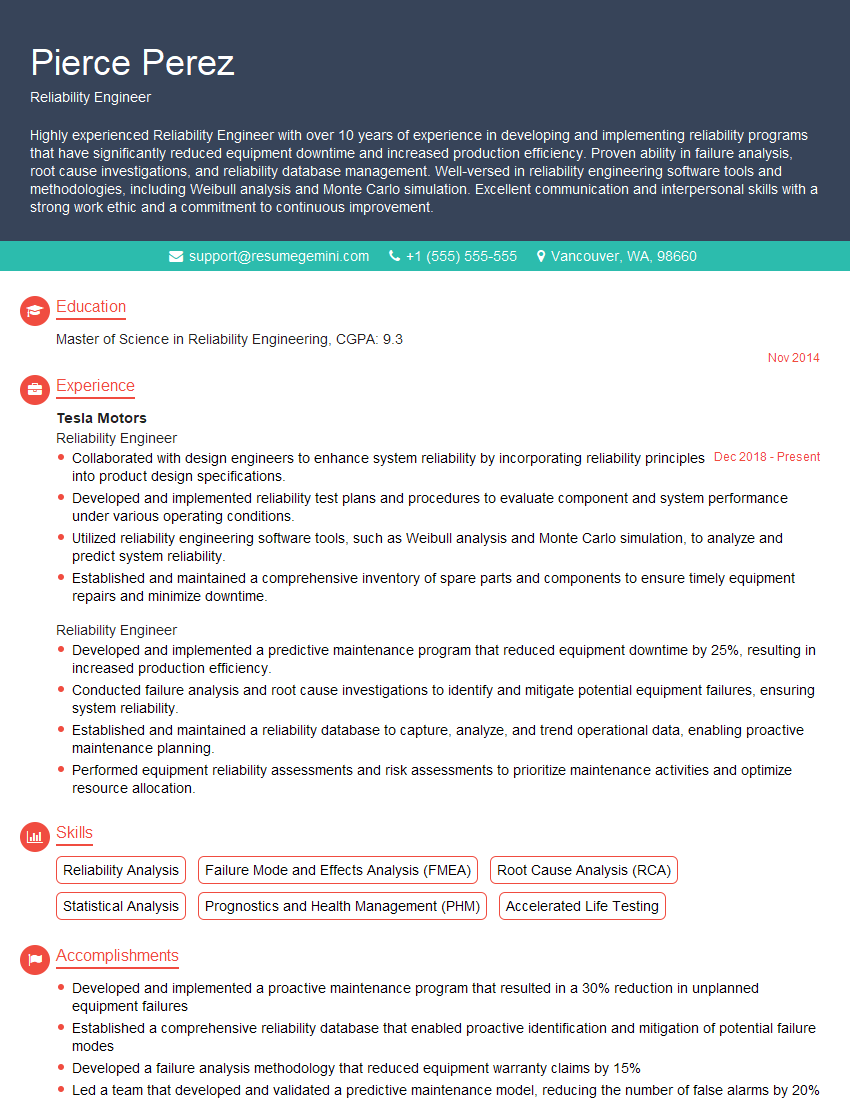
Reliability Engineer Resume Sample
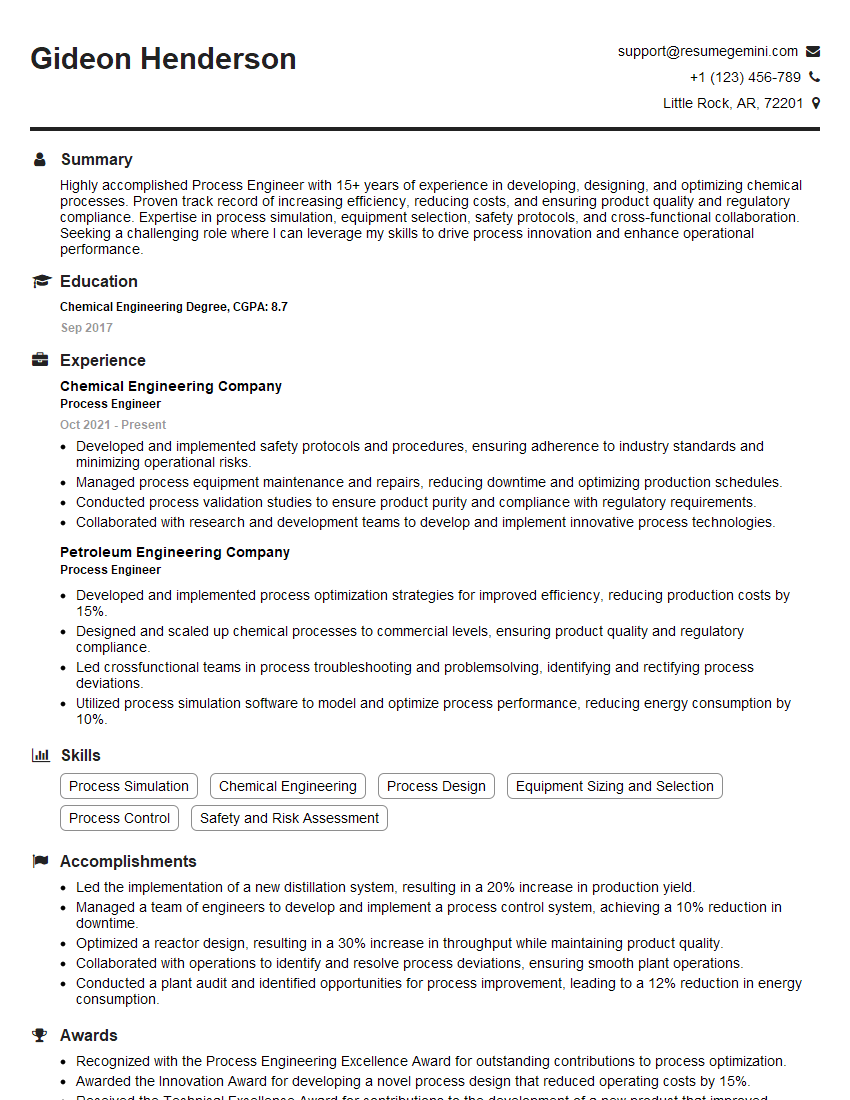
Process Engineer Resume Sample
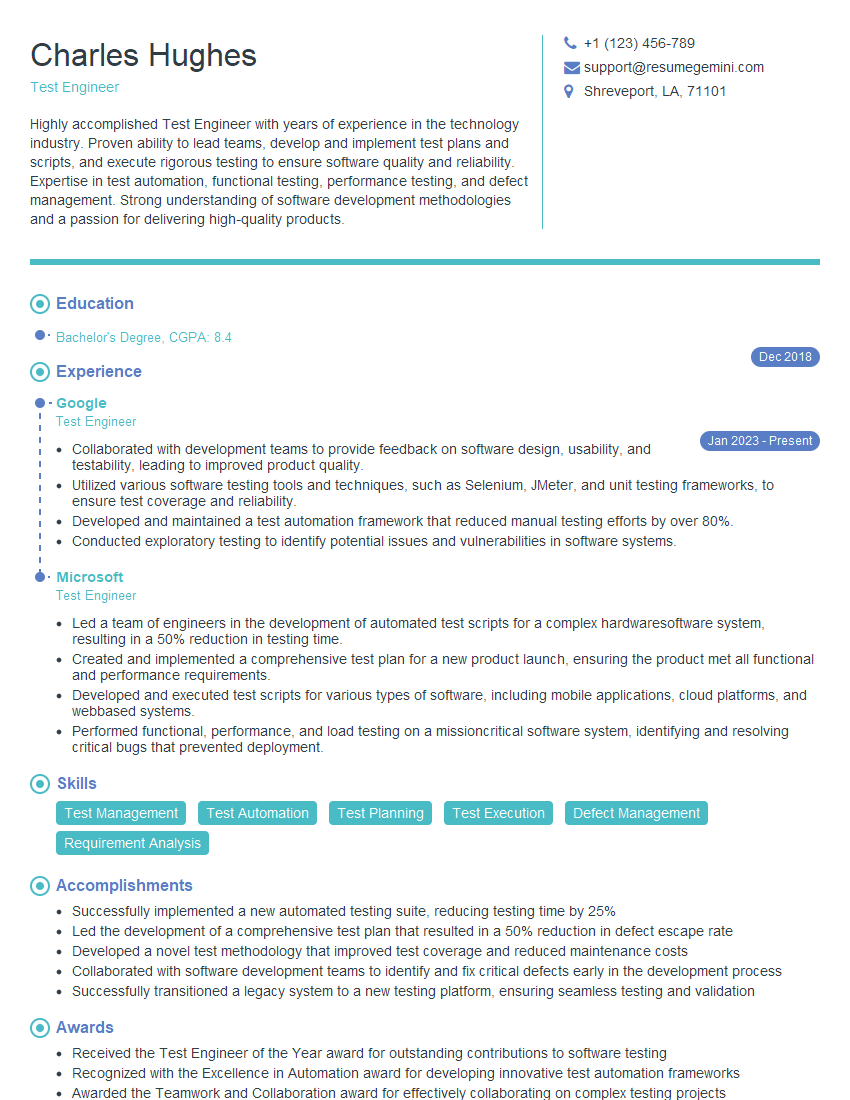
Test Engineer Resume Sample
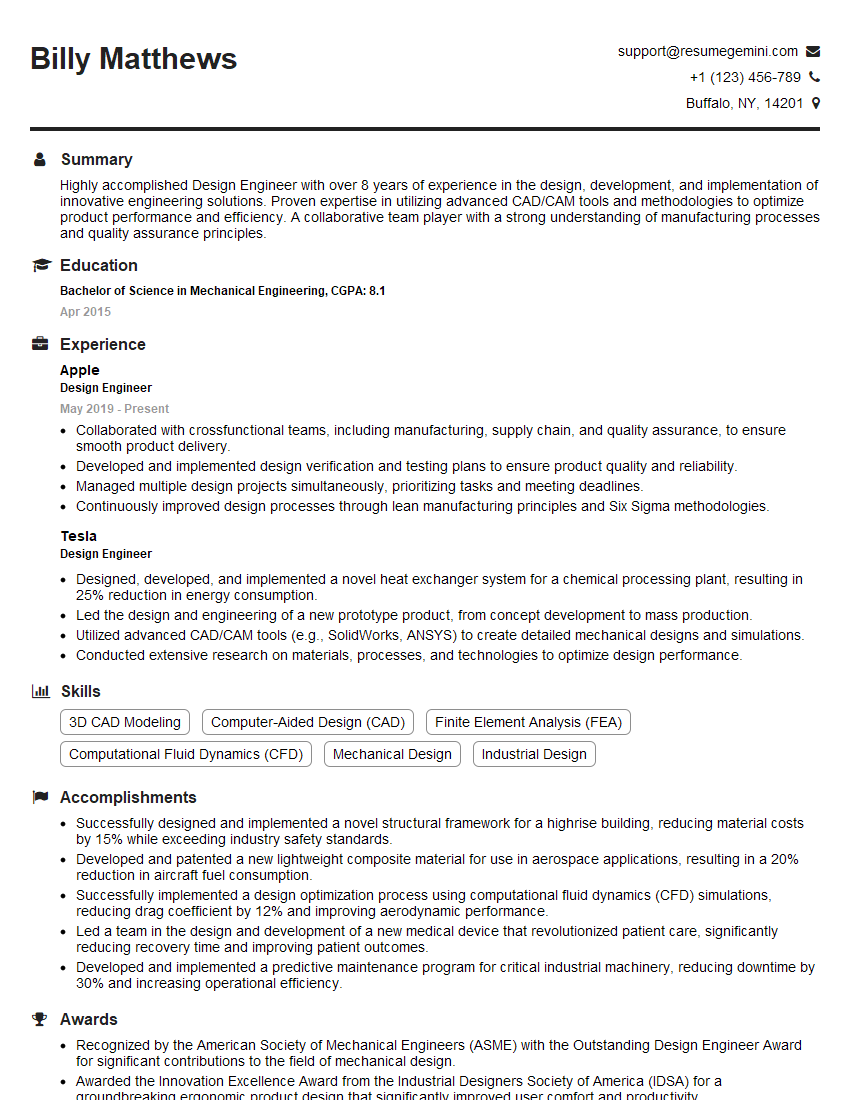
Design Engineer Resume Sample
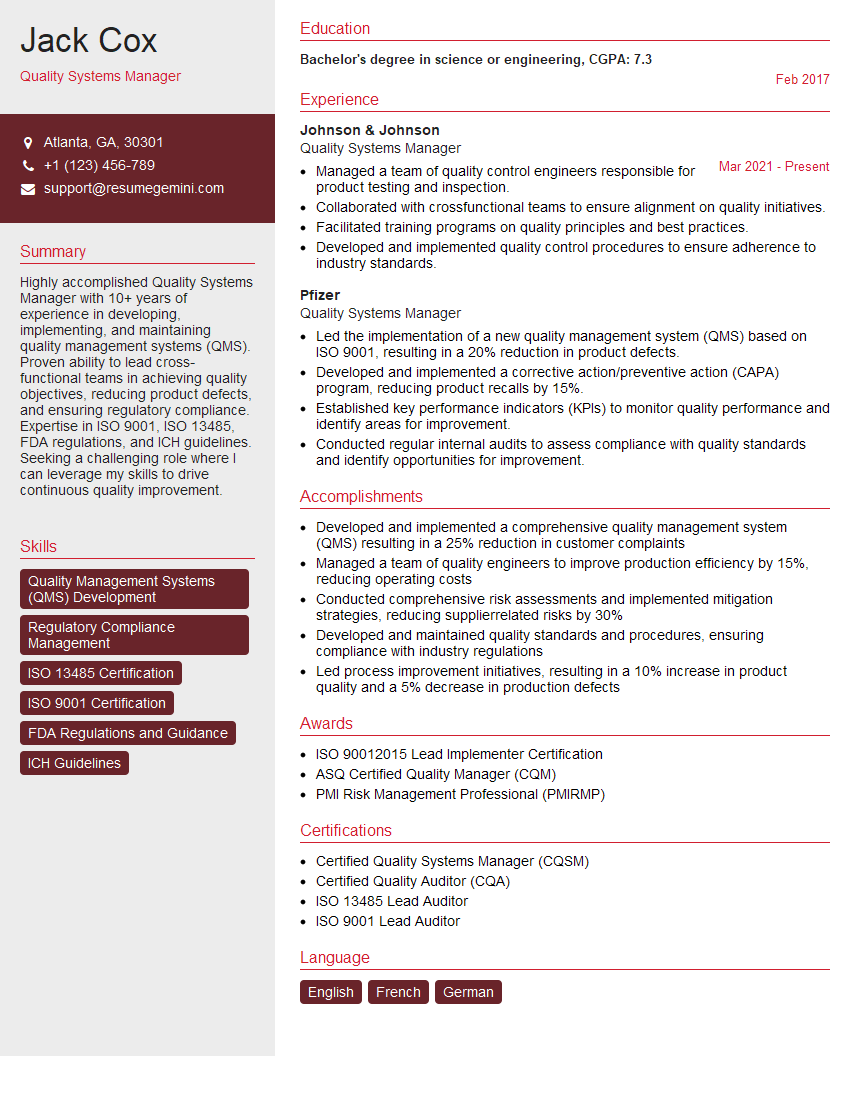
Quality Systems Manager Resume Sample
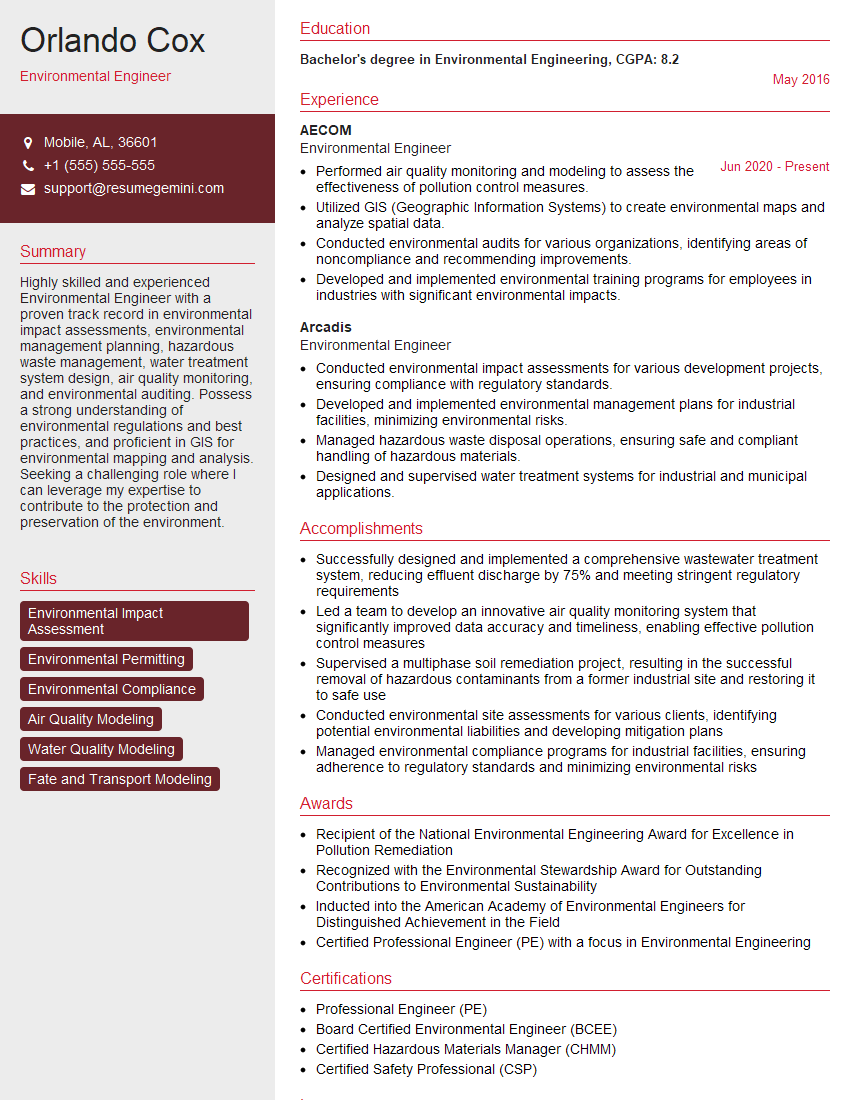
Environmental Engineer Resume Sample
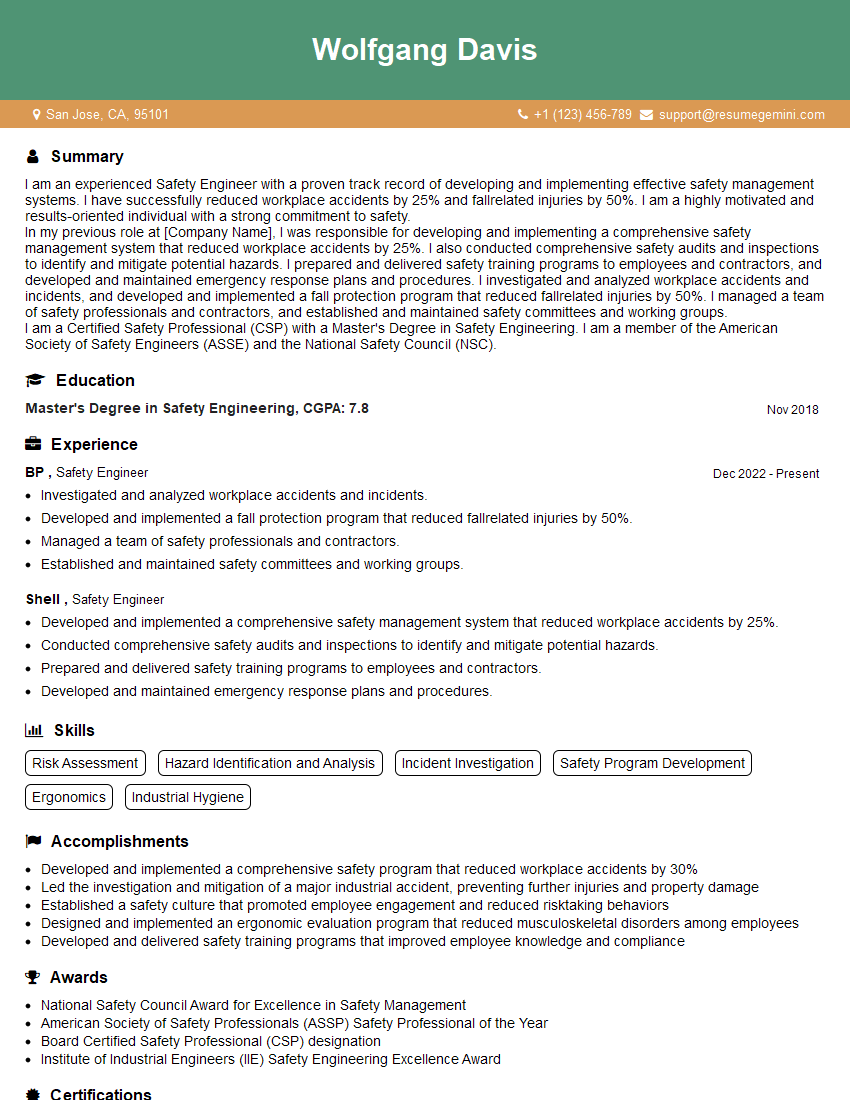
Safety Engineer Resume Sample
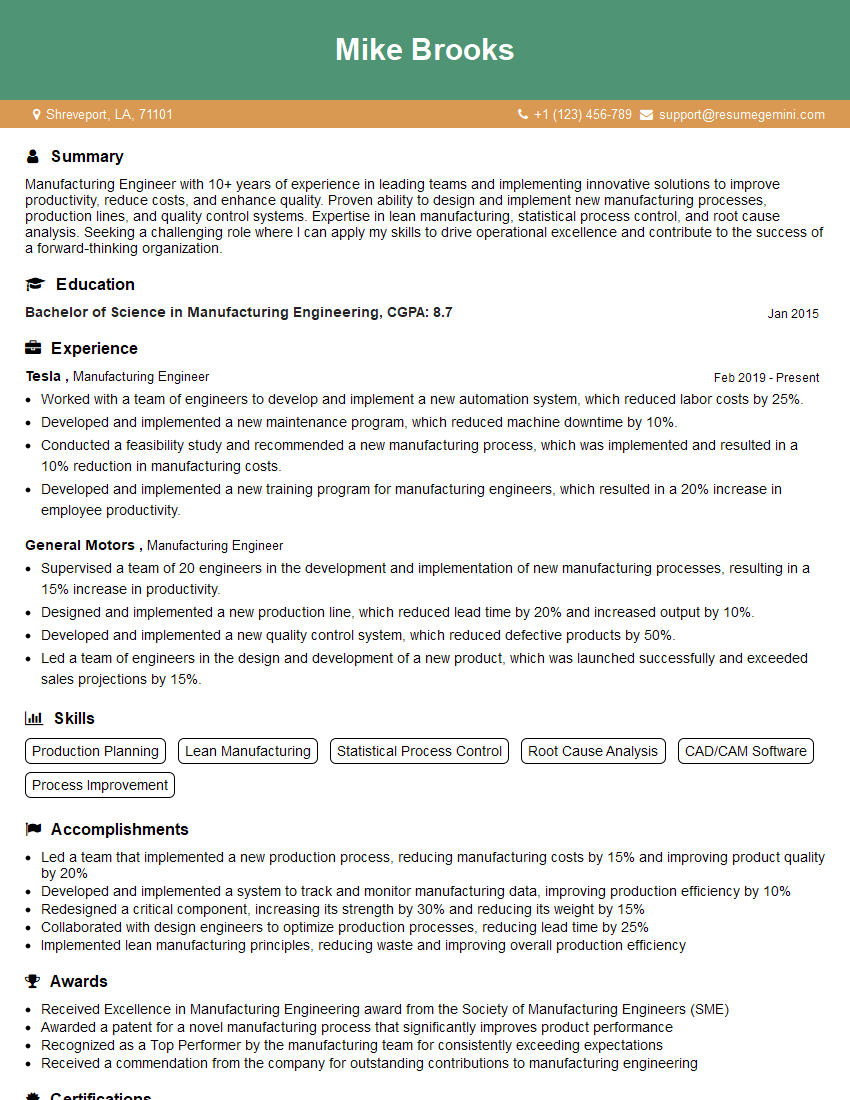
Manufacturing Engineer Resume Sample
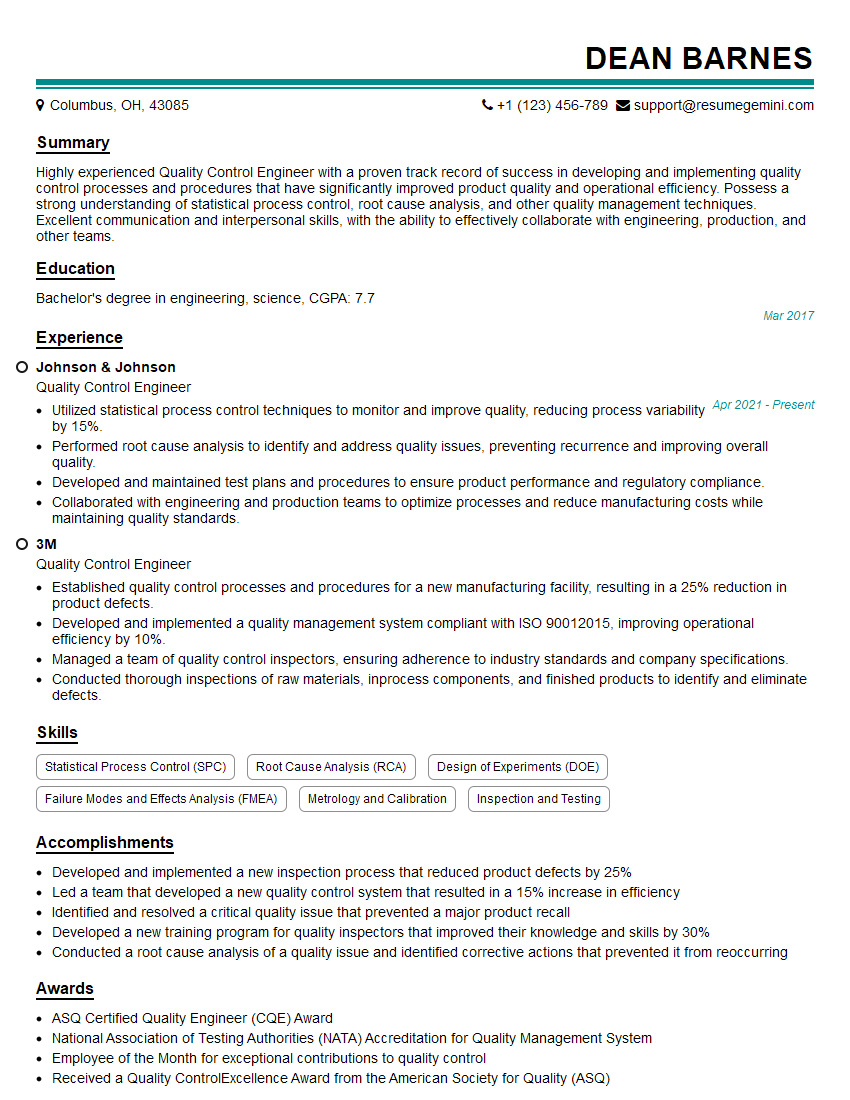
Quality Control Engineer Resume Sample
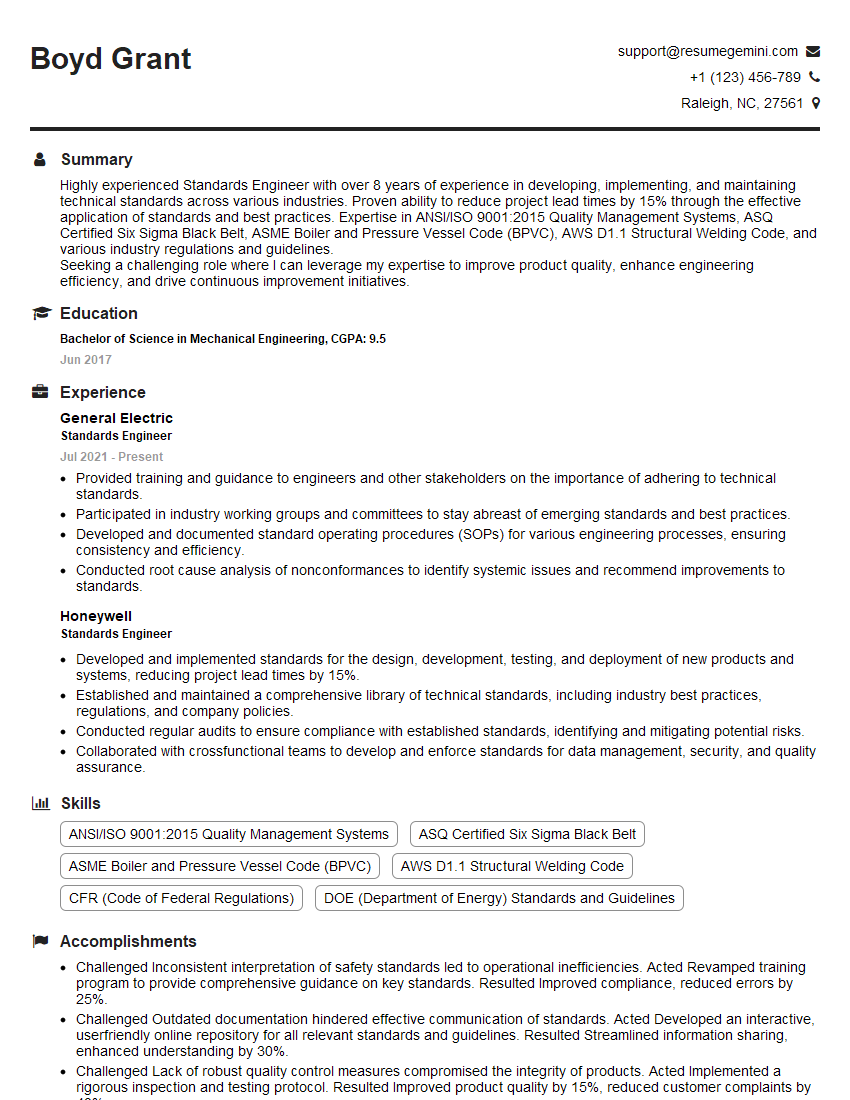
Standards Engineer Resume Sample
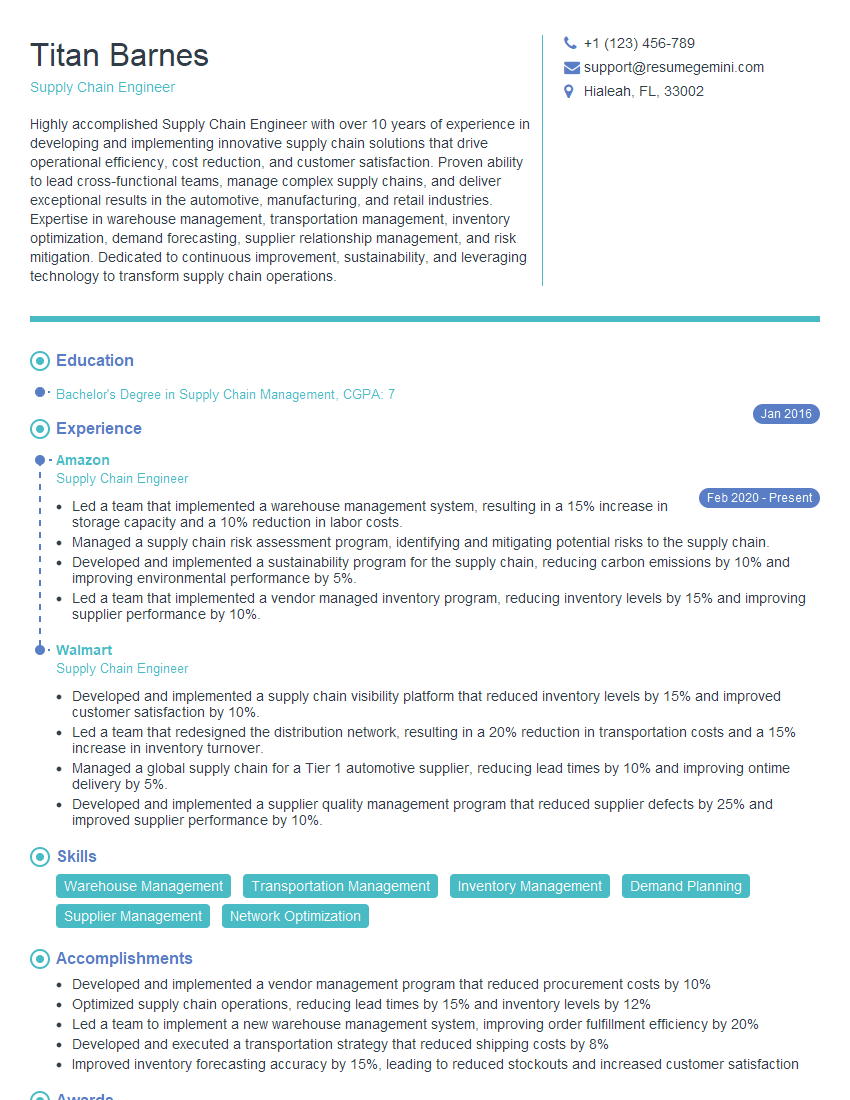
Supply Chain Engineer Resume Sample
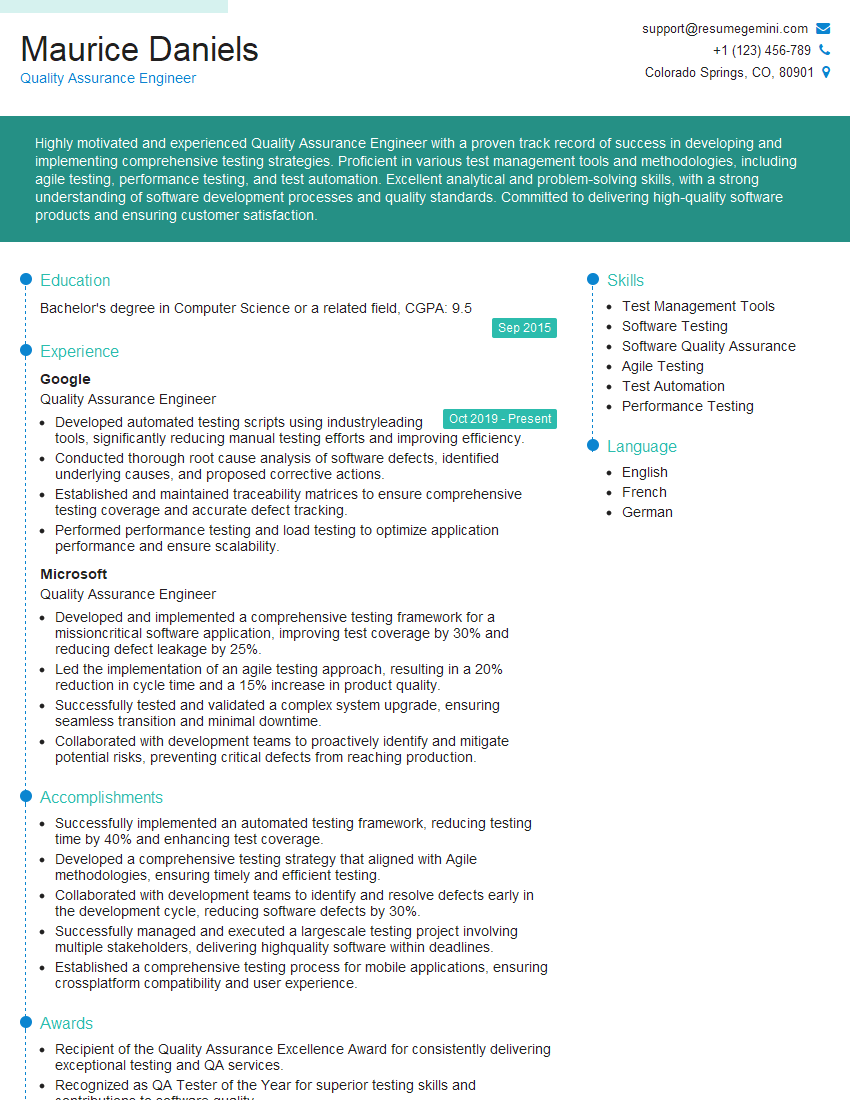
Quality Assurance Engineer Resume Sample
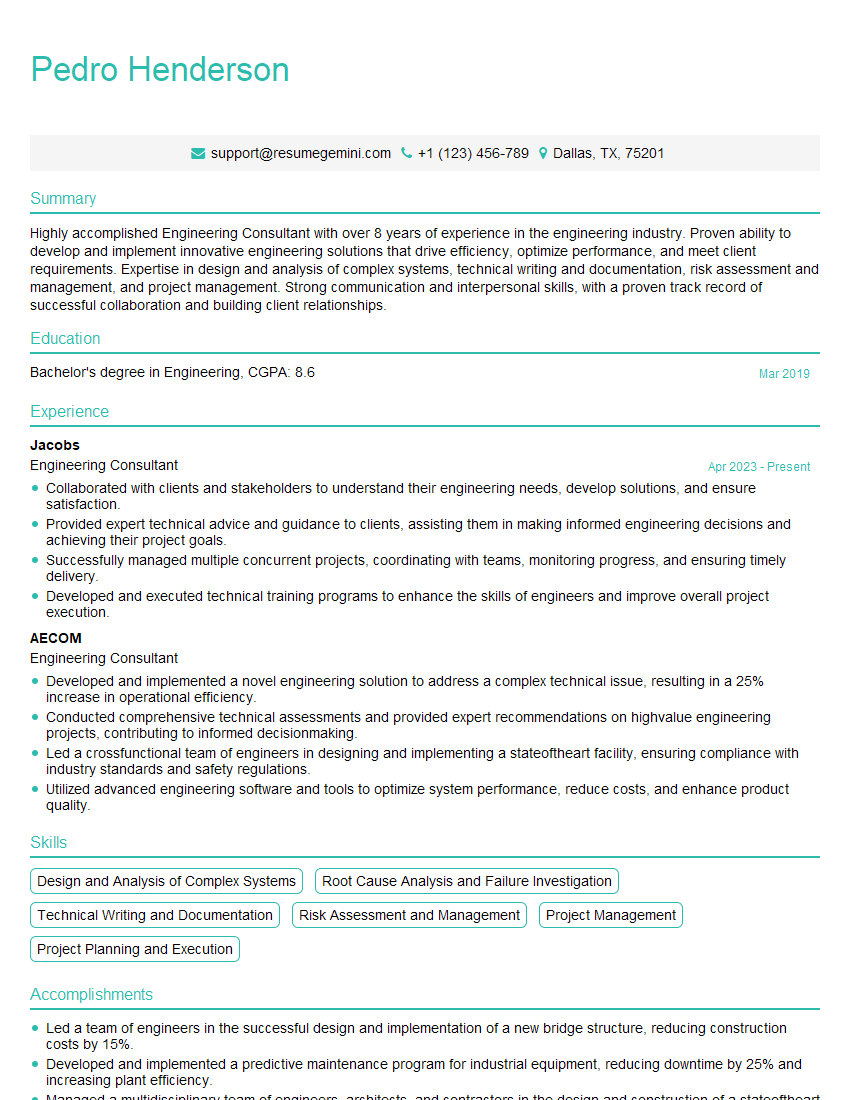
Engineering Consultant Resume Sample

Technical Writer Resume Sample
- Engineering Manager
- Principal Engineer
- Project Engineer
- Regulatory Compliance Officer
- Regulatory Affairs Specialist
- Reliability Engineer
- Process Engineer
- Test Engineer
- Design Engineer
- Quality Systems Manager
- Environmental Engineer
- Safety Engineer
- Manufacturing Engineer
- Quality Control Engineer
- Standards Engineer
- Supply Chain Engineer
- Quality Assurance Engineer
- Engineering Consultant
- Technical Writer
Explore more articles
Users Rating of Our Blogs
Share Your Experience
We value your feedback! Please rate our content and share your thoughts (optional).
What Readers Say About Our Blog
Very informative content, great job.
good