Cracking a skill-specific interview, like one for Worker Safety, requires understanding the nuances of the role. In this blog, we present the questions you’re most likely to encounter, along with insights into how to answer them effectively. Let’s ensure you’re ready to make a strong impression.
Questions Asked in Worker Safety Interview
Q 1. Describe your experience conducting safety audits and inspections.
Conducting safety audits and inspections involves a systematic process of evaluating a workplace to identify hazards and ensure compliance with safety regulations. It’s like a thorough health check-up for a workplace. My approach begins with a thorough review of existing safety documentation, followed by a physical walkthrough of the facility. I use checklists tailored to the specific industry and operations, covering aspects like machine guarding, electrical safety, fire protection, and personal protective equipment (PPE) usage. During the inspection, I document all findings, including both positive aspects and areas needing improvement. I then prepare a comprehensive report with photographic evidence, detailing identified hazards, their severity, and recommended corrective actions with assigned deadlines. For example, during an audit at a construction site, I discovered improperly stacked materials posing a fall hazard. My report included photos, a description of the risk, and recommended corrective actions such as proper stacking and the implementation of fall protection measures.
I also involve the site management and workers in the process, fostering a collaborative approach to safety. This improves buy-in and ensures that corrective actions are implemented effectively and sustainably. Following the audit, I conduct follow-up inspections to verify the implementation of corrective actions and assess their effectiveness. This iterative process guarantees continuous improvement in workplace safety.
Q 2. Explain your understanding of OSHA regulations and compliance.
My understanding of OSHA regulations and compliance is extensive. OSHA (Occupational Safety and Health Administration) sets the standards for workplace safety and health in the United States. Compliance is crucial to protect workers and avoid significant penalties. I have a deep familiarity with OSHA’s General Duty Clause, which mandates employers to provide a workplace free from recognized hazards, and specific standards covering various industries and hazards, such as lockout/tagout procedures, hazard communication, and fall protection. I understand the process of conducting OSHA inspections, including responding to citations, and developing effective strategies for achieving and maintaining compliance. For instance, I’ve assisted companies in developing and implementing comprehensive safety management systems (SMS) aligned with OSHA standards, including regular training, hazard assessments, and emergency response plans. This ensures not just adherence to the letter of the law but a proactive culture of safety. Understanding the nuances of OSHA regulations, particularly interpreting the standards to apply them appropriately to a specific work environment is critical.
Q 3. How do you identify and assess workplace hazards?
Identifying and assessing workplace hazards is a multi-faceted process. It’s like being a detective, looking for clues that indicate potential danger. I begin by conducting a thorough walkthrough of the workplace, paying close attention to details that might easily be overlooked. This involves observing work processes, examining equipment and machinery, and interviewing employees to understand their perspectives and identify any potential risks. I use a variety of tools and techniques, including job hazard analyses (JHAs), which systematically break down each task to identify potential hazards; safety checklists; and other hazard identification methods.
Once hazards are identified, I assess their severity and likelihood of occurrence using risk matrices. This helps prioritize the most critical hazards for immediate action. For example, a sharp object on the floor may be a low-severity, high-likelihood hazard, while a malfunctioning piece of heavy machinery might be high-severity and low-likelihood. This prioritization is key to efficient and effective hazard control. The assessment process goes beyond just identifying the hazard; it involves understanding the contributing factors, potential consequences, and developing appropriate control measures, whether engineering controls, administrative controls, or PPE.
Q 4. What are your methods for developing and implementing safety programs?
Developing and implementing safety programs involves a systematic approach, beginning with a comprehensive risk assessment. This assessment informs the development of a tailored safety plan, specific to the workplace’s unique hazards and operations. I utilize a participatory approach, involving employees at all levels in the process to encourage ownership and improve the program’s effectiveness.
My approach encompasses several key elements: establishing clear safety policies and procedures; providing regular safety training; implementing effective communication strategies, which involve regular safety meetings, newsletters, and the use of signage; and ensuring that adequate resources are available. I also incorporate regular safety audits and inspections to monitor the effectiveness of the programs and make necessary adjustments. For instance, I once helped a manufacturing plant develop a comprehensive lockout/tagout program, including training, procedures, and regular audits. This program resulted in a significant reduction in near-miss incidents.
Continuous improvement is a core principle. The program needs to be dynamic, adapting to changing work practices and technological advancements. Regular review and updates are crucial to maintain its effectiveness and relevance.
Q 5. Explain your experience with incident investigation and reporting.
Incident investigation and reporting are critical for preventing future accidents. When an incident occurs, my approach starts with securing the scene and ensuring the safety of everyone involved. Then, I gather as much information as possible through interviews with witnesses, reviewing relevant documentation, and inspecting the area. I use a systematic approach, such as the “5 Whys” technique, to delve into the root causes of the incident, going beyond the immediate cause to identify underlying systemic issues.
My reports are detailed, objective, and include photographic evidence, witness statements, and a thorough analysis of the contributing factors. These reports are used to identify corrective actions to prevent similar incidents in the future. For example, in investigating a fall from height, I meticulously documented the circumstances, including the lack of fall protection equipment, inadequate training, and unsafe work practices. The subsequent report led to significant changes in the company’s safety protocols, including increased training and stricter enforcement of safety regulations. This ensures that lessons learned from incidents translate into proactive improvements in safety procedures.
Q 6. Describe your experience with safety training and employee education.
Safety training and employee education are paramount in creating a safety-conscious workplace. Effective training goes beyond simply informing employees about rules and regulations; it involves fostering a culture of safety where everyone feels responsible for their own safety and the safety of their colleagues. My training programs are interactive and engaging, tailored to different employee roles and skill levels. I use various methods, including lectures, demonstrations, hands-on exercises, and interactive simulations.
For example, I’ve developed a comprehensive training program for operating forklifts, covering safe operating procedures, pre-operational checks, and hazard identification. This involved classroom instruction, followed by practical training and evaluation. The program included a refresher course to reinforce learning and adapt to evolving safety procedures. Regular reinforcement and updates are key to ensuring that employees retain critical safety information and adapt to changes in the workplace or relevant legislation.
Q 7. How do you measure the effectiveness of safety programs?
Measuring the effectiveness of safety programs requires a multi-pronged approach. It’s not just about looking at the number of accidents, but also at the underlying factors contributing to a safe workplace. I use a range of key performance indicators (KPIs), including:
- Accident frequency rate: This measures the number of accidents per employee per year.
- Lost time injury frequency rate (LTIFR): This focuses on accidents resulting in lost work time.
- Near-miss reporting rate: This indicates the effectiveness of proactive hazard identification.
- Employee safety training participation rate: Shows engagement in safety training.
- Safety observation scores: Reflect the extent of adherence to safety practices.
By tracking these KPIs over time, I can assess the impact of implemented safety initiatives and identify areas for improvement. Regular review of these metrics, alongside feedback from employees and safety audits, provides a holistic view of safety program effectiveness. For instance, a decrease in the accident frequency rate and an increase in near-miss reporting indicate a safer work environment and better employee engagement with safety initiatives. This data-driven approach allows for continuous improvement and ensures that safety programs remain effective and relevant over time.
Q 8. How do you manage safety risks in a fast-paced environment?
Managing safety risks in a fast-paced environment requires a proactive and systematic approach. It’s not just about reacting to incidents, but anticipating potential hazards and mitigating them before they cause harm. Think of it like a fire prevention system – you’re not just putting out fires, you’re building firebreaks and installing sprinklers.
- Prioritize Hazards: Conduct regular risk assessments, focusing on high-risk activities common in fast-paced settings. This might involve using a risk matrix to categorize hazards by likelihood and severity.
- Implement Control Measures: Use a hierarchy of controls, starting with elimination (removing the hazard entirely), then substitution (replacing it with a safer alternative), engineering controls (modifying the work environment), administrative controls (changing work procedures), and finally, PPE (personal protective equipment) as a last resort.
- Enforce Clear Communication: Ensure everyone understands safety procedures and expectations. This includes regular toolbox talks, clear signage, and accessible safety information in multiple formats.
- Technology Integration: Leverage technology like real-time monitoring systems, wearable sensors, or automated safety shut-offs where appropriate to reduce human error and improve response times.
- Continuous Improvement: Regularly review safety performance data, analyze near misses, and adjust safety protocols based on the findings. This iterative process is crucial for adapting to the dynamic nature of a fast-paced work environment.
For example, in a construction project with tight deadlines, a thorough pre-task planning session that includes identifying potential fall hazards and implementing appropriate fall protection measures (guardrails, harnesses) is crucial. Regular toolbox talks reinforce these safety measures and address emerging challenges.
Q 9. What are your strategies for promoting a strong safety culture?
Building a strong safety culture isn’t a one-time project; it’s an ongoing commitment. It’s about fostering a mindset where everyone feels responsible for their own safety and the safety of their colleagues. Imagine it as building a strong team, where trust, respect, and communication are cornerstones.
- Leadership Commitment: Safety starts from the top. Leaders must visibly champion safety initiatives, demonstrate a commitment to safety rules, and actively participate in safety programs.
- Employee Empowerment: Encourage employees to report hazards, participate in safety meetings, and suggest improvements. Create a ‘no-blame’ culture where reporting near misses is valued and rewarded.
- Training and Education: Provide comprehensive safety training, tailored to the specific hazards in the workplace. Regular refresher courses and specialized training programs keep employees up-to-date on best practices.
- Recognition and Rewards: Recognize and reward safe behavior. This could include awards, public acknowledgment, or other incentives.
- Open Communication: Establish clear communication channels for reporting hazards, concerns, and near misses. Encourage feedback and address issues promptly.
For instance, in a manufacturing plant, a company might implement a suggestion box system where employees can anonymously report potential hazards. They could also regularly hold safety competitions to encourage proactive behavior and a culture of safety.
Q 10. Describe your experience with personal protective equipment (PPE).
My experience with PPE is extensive, encompassing selection, fitting, training, and maintenance. PPE is the last line of defense, crucial but not a replacement for proper engineering controls and safe work practices. Think of it as a backup system, only truly effective when all other precautions are in place.
- Selection: PPE must be selected based on a thorough risk assessment, ensuring it’s appropriate for the specific hazards. This might involve choosing different types of gloves for handling chemicals versus sharp objects.
- Fitting: Proper fitting is critical for effective protection. Incorrectly sized PPE can compromise safety. This requires training employees on proper fitting procedures and the importance of a comfortable and secure fit.
- Training: Employees need training on how to use, maintain, and inspect PPE. This includes understanding the limitations of PPE and when it’s no longer effective.
- Maintenance: Regular inspection and maintenance of PPE are essential. Damaged or worn PPE must be replaced immediately. Companies should establish clear procedures for storing, cleaning, and replacing PPE.
In a chemical plant, for example, selecting appropriate respirators and ensuring they are properly fitted is critical. Regular respirator fit tests are essential to guarantee effectiveness, and employees undergo training to understand the limitations of their respiratory protection.
Q 11. How do you handle conflicts regarding safety procedures?
Conflicts regarding safety procedures can arise from various sources – differing opinions, misunderstandings, or resistance to change. Addressing these conflicts requires a collaborative and solution-oriented approach. Think of it as mediation, finding common ground, and ensuring everyone’s voice is heard.
- Open Dialogue: Create a safe space for discussion, actively listening to all perspectives. Avoid accusatory language and focus on finding solutions.
- Facilitation: If necessary, involve a neutral third party to facilitate discussion and mediation. This helps to ensure a fair and unbiased process.
- Review Evidence: Review relevant safety standards, regulations, and data to support decisions. This provides an objective basis for resolving the conflict.
- Compromise and Collaboration: Work towards a mutually agreeable solution that addresses the concerns of all parties involved. This might involve modifying existing procedures or introducing new ones.
- Follow-up: Ensure that the agreed-upon solution is implemented, monitored, and reviewed to prevent similar conflicts in the future.
For example, if a conflict arises concerning the use of a specific piece of equipment, a review of the manufacturer’s instructions, relevant safety standards, and incident reports may be conducted to reach a solution that balances safety and operational efficiency.
Q 12. Explain your understanding of emergency response protocols.
Emergency response protocols are pre-defined procedures designed to effectively respond to various emergencies. These protocols ensure a coordinated and efficient response, minimizing harm and damage. Think of it as a well-rehearsed play – each person knows their role, ensuring a smooth and effective performance.
- Hazard Identification: A thorough hazard analysis must be conducted to identify potential emergencies, such as fires, chemical spills, or medical emergencies.
- Procedure Development: Detailed procedures for each type of emergency must be developed, outlining roles, responsibilities, and evacuation procedures.
- Training and Drills: Employees must be thoroughly trained on the emergency response protocols through regular drills and simulations. This ensures they’re well-prepared for real-life situations.
- Communication Systems: Clear and effective communication systems are essential, including alarm systems, emergency contacts, and designated reporting points.
- Post-Incident Review: After each emergency, a thorough review of the response should be conducted to identify areas for improvement and ensure the protocols remain effective.
For instance, in a hospital, emergency response protocols must cover various scenarios, including fire emergencies, cardiac arrests, and hazardous material spills. Regular drills ensure staff are proficient in their assigned roles.
Q 13. How do you investigate and analyze near misses?
Investigating near misses is crucial for proactive risk management. A near miss is an incident that could have resulted in an injury or damage but didn’t, serving as a valuable warning sign. Think of it as a canary in a coal mine – it alerts you to a potential problem before it becomes a catastrophe.
- Incident Reporting: Establish a system for employees to report near misses without fear of reprisal. This encourages open communication and allows for early identification of potential hazards.
- Data Collection: Gather detailed information about the near miss, including location, time, involved personnel, and contributing factors.
- Root Cause Analysis: Conduct a root cause analysis to identify the underlying reasons behind the near miss. Common methods include the ‘five whys’ technique or fault tree analysis.
- Corrective Actions: Develop and implement corrective actions to prevent similar incidents from occurring. This might involve modifying procedures, equipment, or training.
- Follow-up: Monitor the effectiveness of the corrective actions and adjust them as needed.
For instance, if a worker almost tripped over a loose cable, a near-miss investigation would identify the root cause (poor housekeeping), leading to improved housekeeping procedures and employee training on hazard identification.
Q 14. What are your strategies for reducing workplace injuries and illnesses?
Reducing workplace injuries and illnesses requires a multi-faceted approach, focusing on prevention, intervention, and rehabilitation. It’s about creating a holistic system, ensuring a healthy and safe work environment. Think of it as building a fortress – you fortify it with multiple layers of protection.
- Hazard Identification and Control: Proactively identify and eliminate or control workplace hazards through risk assessments and implementation of a hierarchy of controls.
- Employee Training: Provide thorough and ongoing training on safe work practices, emergency procedures, and the use of PPE.
- Ergonomic Design: Design workstations and processes to minimize physical strain and repetitive movements, reducing musculoskeletal disorders.
- Health Promotion: Implement health promotion programs to address issues like stress management, smoking cessation, and healthy eating habits.
- Injury Management: Establish effective injury management systems, including first aid, medical treatment, rehabilitation, and return-to-work programs.
- Data Analysis: Regularly monitor injury and illness rates, analyzing trends to identify areas for improvement and track the effectiveness of implemented measures.
For example, a manufacturing plant might implement ergonomic assessments to modify workstations, reducing strain injuries. Regular health checkups and wellness programs can also promote employee well-being and reduce the risk of health-related absences.
Q 15. Describe your experience with hazard communication programs.
Hazard Communication Programs (HCPs) are crucial for ensuring worker safety by providing information about workplace hazards. My experience encompasses developing, implementing, and auditing HCPs across various industries. This involves identifying all potential chemical, physical, and biological hazards present in the workplace. Then, we create and maintain Safety Data Sheets (SDSs), ensuring they are readily accessible to all employees. Crucially, we provide comprehensive training to workers on how to interpret the SDSs and understand the hazards they face. Finally, we establish labeling systems for containers and conduct regular inspections to ensure compliance.
For example, in a manufacturing setting, I implemented an HCP that included detailed training on handling corrosive chemicals. This involved hands-on demonstrations, interactive quizzes, and regular refresher courses. The program significantly reduced incidents involving chemical burns and spills.
Another example involved developing a comprehensive program for a construction site, covering hazards like asbestos, silica dust, and fall protection. This required collaboration with contractors, regular inspections, and employee feedback to continually improve the program’s effectiveness.
Career Expert Tips:
- Ace those interviews! Prepare effectively by reviewing the Top 50 Most Common Interview Questions on ResumeGemini.
- Navigate your job search with confidence! Explore a wide range of Career Tips on ResumeGemini. Learn about common challenges and recommendations to overcome them.
- Craft the perfect resume! Master the Art of Resume Writing with ResumeGemini’s guide. Showcase your unique qualifications and achievements effectively.
- Don’t miss out on holiday savings! Build your dream resume with ResumeGemini’s ATS optimized templates.
Q 16. How do you communicate effectively about safety concerns with workers?
Effective communication is paramount in worker safety. I employ a multi-faceted approach. Firstly, I ensure information is presented clearly and concisely, avoiding jargon. I utilize various methods including toolbox talks (short, targeted safety discussions), formal training sessions, visual aids (posters, diagrams), and even informal conversations to address specific concerns.
Secondly, I create a culture of open communication where workers feel comfortable raising safety concerns without fear of retribution. This involves actively listening to their feedback, acknowledging their contributions, and promptly addressing their concerns. I believe in fostering a two-way communication channel, where workers feel empowered to participate in shaping safety protocols.
For example, during a recent project, a worker expressed concern about the lack of adequate lighting in a particular area. After carefully assessing the situation, we implemented improved lighting, thus preventing potential accidents. This demonstrated my commitment to valuing worker feedback and proactively addressing potential hazards.
Q 17. How do you stay current with the latest safety standards and regulations?
Staying current with safety standards and regulations is an ongoing process. I regularly monitor changes in legislation issued by OSHA (Occupational Safety and Health Administration) and other relevant agencies. I subscribe to industry-specific publications and attend conferences and workshops to keep abreast of the latest best practices. Online resources and professional organizations like the National Safety Council (NSC) are invaluable tools in my continuous learning journey.
I also maintain a network of contacts within the safety field, allowing me to share knowledge and learn from others’ experiences. This collaborative approach helps me stay informed about emerging trends and technological advancements in safety management.
For example, I recently completed a course on the latest advancements in fall protection systems, incorporating this knowledge to enhance our company’s fall protection protocols. This commitment to continuous improvement ensures our safety programs remain effective and compliant.
Q 18. What is your experience with safety data sheets (SDS)?
Safety Data Sheets (SDSs) are crucial documents that provide comprehensive information on the hazards of chemicals and other materials. My experience with SDSs includes creating, reviewing, translating, and training workers on how to interpret them. I ensure that all SDSs are readily accessible to employees, often through a centralized, easily searchable database. I also conduct regular reviews of SDSs to ensure they are up-to-date and compliant with current regulations.
Understanding an SDS involves identifying the chemical’s hazards (health, flammability, reactivity), understanding the precautions for safe handling, and knowing the emergency response procedures in case of an accident. I emphasize the importance of understanding the SDS before handling any substance. A practical example would be identifying the Personal Protective Equipment (PPE) required based on the hazard information provided in the SDS before working with a specific chemical.
Q 19. How do you conduct a Job Safety Analysis (JSA)?
A Job Safety Analysis (JSA) is a systematic procedure for identifying potential hazards within a specific job task. My JSA process typically involves the following steps:
- Select the job task: Clearly define the job that will be analyzed.
- Break down the job into steps: List each step of the task in chronological order.
- Identify potential hazards: For each step, identify potential hazards related to injury or illness.
- Identify control measures: Determine the best ways to eliminate or mitigate the identified hazards (e.g., engineering controls, administrative controls, PPE).
- Implement controls: Put the control measures into action.
- Evaluate effectiveness: Regularly monitor and evaluate the effectiveness of the controls. This often involves feedback from the workers performing the task.
For example, a JSA for operating a forklift would involve steps like pre-operation checks, maneuvering the forklift, loading/unloading, and post-operation checks. Hazards would include collisions, falls, and equipment malfunctions. Controls could include training, regular maintenance, and designated traffic routes.
Q 20. Explain your understanding of lockout/tagout procedures.
Lockout/Tagout (LOTO) procedures are critical for preventing accidental energy release during maintenance or repair work on machinery. My experience involves developing and implementing LOTO programs, ensuring compliance with OSHA standards. This includes training workers on proper LOTO procedures, selecting appropriate locks and tags, and conducting regular inspections to ensure the program’s effectiveness.
The process usually involves identifying the energy sources, isolating them, applying locks and tags, verifying the isolation, performing the work, and then removing the locks and tags in a controlled manner. It’s crucial that only authorized personnel can remove locks and that the process is meticulously documented. A failure to follow LOTO procedures can lead to severe injury or fatality. For example, neglecting LOTO during electrical maintenance could result in electrocution.
Q 21. Describe your experience with ergonomic assessments.
Ergonomic assessments aim to identify and mitigate workplace factors that can cause musculoskeletal disorders (MSDs). My experience includes conducting ergonomic evaluations using various methods, including observation, interviews, and physical assessments. I use this information to recommend changes to workstation design, work practices, and equipment to reduce the risk of MSDs.
This might involve evaluating workstation setup (chair height, monitor placement, keyboard position), analyzing lifting techniques, or suggesting the use of assistive devices. For instance, an assessment might reveal that a repetitive motion task is causing wrist strain. The solution might be to redesign the workstation, introduce job rotation, or implement different tools to minimize the repetitive movements. The goal is to create a work environment that promotes physical well-being and reduces the risk of injuries.
Q 22. How do you manage safety in a remote or geographically dispersed workforce?
Managing safety for a geographically dispersed workforce requires a multifaceted approach that leverages technology and robust communication strategies. Think of it like orchestrating a complex symphony – each instrument (employee) needs clear direction and support to play their part harmoniously and safely.
- Technology Integration: We utilize robust safety management software to track incidents, conduct remote training, facilitate communication, and monitor real-time safety data. For instance, we might use a platform with features like GPS tracking for lone workers, integrated checklists for daily safety checks, and instant messaging capabilities for immediate communication during emergencies.
- Consistent Communication: Regular virtual safety meetings, engaging safety newsletters, and readily accessible safety manuals in multiple formats (e.g., video tutorials) ensure everyone is on the same page, regardless of location. We also actively encourage two-way communication – feedback from remote workers is vital for identifying and addressing location-specific safety challenges.
- Standardized Procedures and Training: Implementing standardized safety procedures and delivering consistent training programs using online modules and interactive sessions ensures a uniform level of safety awareness and competency across all locations. This ensures every employee, no matter their physical location, understands and adheres to the same safety protocols.
- Regular Audits and Inspections: While physical presence isn’t always feasible, remote audits using video conferencing and data analysis help monitor compliance with safety protocols and identify potential risks. This proactive approach prevents incidents before they occur.
For example, in my previous role, we used a combination of online training modules, video conferencing for regular safety meetings, and a dedicated safety app to effectively manage safety for our field technicians spread across three states. This systematic approach led to a significant decrease in workplace incidents.
Q 23. What are your experience with Root Cause Analysis (RCA)?
Root Cause Analysis (RCA) is a systematic process for identifying the underlying causes of incidents, not just the symptoms. It’s like peeling an onion – you need to go layer by layer to understand the root of the problem. My experience with RCA includes using various techniques such as the ‘5 Whys,’ fault tree analysis, and fishbone diagrams.
- The ‘5 Whys’: A simple but effective technique, where you repeatedly ask ‘why’ to uncover the root cause. For example: An employee was injured (Why? Because they tripped). Why did they trip? (Because of a loose cable). Why was the cable loose? (Because it wasn’t properly secured). Why wasn’t it secured? (Because the training on cable management was insufficient). Why was the training insufficient? (Because the training materials were outdated).
- Fault Tree Analysis: A more complex approach, visually mapping out possible causes and their relationships to lead to an incident. It is particularly useful in complex systems.
- Fishbone Diagrams (Ishikawa diagrams): These diagrams help categorize potential causes based on categories such as equipment, people, materials, methods, environment, and management.
I’ve used RCA extensively to investigate workplace accidents, near misses, and equipment failures. The findings from these analyses inform the development of corrective and preventative actions, ensuring similar incidents don’t happen again. For example, after a near-miss incident involving a forklift, RCA revealed insufficient training on safe operating procedures, leading to revisions in our training program and improved safety protocols.
Q 24. How do you ensure that safety regulations are followed by contractors?
Ensuring contractors adhere to safety regulations requires a proactive and comprehensive approach that begins even before they step onto the site. It’s like a thorough pre-flight checklist before taking off – you wouldn’t leave anything to chance.
- Pre-qualification: Thorough pre-qualification of contractors includes verifying their safety records, insurance coverage, and certifications. We review their safety management systems and conduct site-specific safety training.
- Clear Contracts and Agreements: Contracts should clearly outline safety responsibilities, expectations, and consequences of non-compliance. This is our safety ‘rule book’ – clear, concise, and legally binding.
- Regular Site Inspections and Monitoring: Regular site visits and inspections monitor contractor activities and their adherence to established safety protocols. This is a critical element to prevent serious safety breaches.
- Open Communication and Feedback: Maintaining open lines of communication allows contractors to voice their concerns, discuss potential hazards, and seek clarification on safety procedures. This fosters a culture of cooperation and safety.
- Safety Performance Evaluations: Regular evaluation of contractor performance based on safety records helps maintain accountability and continuously improve safety practices.
In a previous project, we established a rigorous pre-qualification process that included detailed safety audits of potential contractors, resulting in a noticeable improvement in safety performance on the site. We also implemented a system of daily safety briefings and regular inspections, maintaining high levels of safety awareness among all contractors.
Q 25. Explain your experience with implementing safety improvements based on data analysis.
Data analysis is the backbone of evidence-based safety improvement. Instead of relying on gut feelings, we use data to pinpoint areas needing attention and measure the effectiveness of implemented changes. It’s like having a powerful GPS for safety – guiding us to the most efficient and effective solutions.
- Data Collection: This involves collecting data on various safety metrics, including incident rates, near misses, safety observations, and training completion rates. Sources might include incident reports, safety audits, and employee feedback surveys.
- Data Analysis: Statistical analysis and data visualization techniques help identify trends, patterns, and root causes of safety issues. This might involve using software like Excel, SPSS, or specialized safety management software.
- Implementation of Improvements: Based on the analysis, we implement targeted interventions such as improved training programs, new safety equipment, updated procedures, or ergonomic improvements. We always measure effectiveness through data.
- Monitoring and Evaluation: Regularly monitor the impact of implemented changes using key performance indicators (KPIs) to evaluate effectiveness and adjust strategies as needed.
In one case, we analyzed incident data, which revealed a high incidence of back injuries related to manual material handling. Data analysis pinpointed the specific tasks causing these injuries, allowing us to implement ergonomic improvements, new equipment, and revised lifting techniques, resulting in a significant reduction in back injuries.
Q 26. Describe your experience with safety management systems (SMS).
Safety Management Systems (SMS) are the comprehensive framework for managing all aspects of workplace safety. It’s the ‘operating system’ for a safe and productive work environment. My experience involves developing, implementing, and auditing SMS aligned with international standards like ISO 45001.
- Policy and Procedures: Developing clear safety policies, procedures, and guidelines aligned with regulatory requirements and best practices is crucial. These act as a blueprint for all safety-related activities.
- Risk Assessment and Management: A robust risk assessment process identifies potential hazards and develops mitigation strategies. This involves regularly reviewing and updating risk assessments to reflect changing conditions.
- Training and Competency: Providing comprehensive safety training and ensuring employee competence in their safety responsibilities. This includes regular refresher training and competency assessments.
- Incident Investigation and Reporting: Establishing clear procedures for investigating incidents, recording data, and implementing corrective actions. This data is invaluable for future risk assessment and improvements.
- Audits and Reviews: Regular internal audits and management reviews ensure the effectiveness of the SMS and its continuous improvement. These reviews often involve both management review and external audits for continual compliance.
In my previous role, I was instrumental in developing and implementing an SMS that reduced workplace incidents by 30% within a year. This involved a collaborative effort involving all levels of the organization, resulting in a strong safety culture and continuous improvement.
Q 27. How do you handle situations involving safety violations?
Handling safety violations requires a fair, consistent, and thorough approach that prioritizes correcting the behavior and preventing future occurrences. It’s about providing appropriate consequences and promoting learning, not just punishment.
- Immediate Response: Addressing the violation immediately to prevent further harm. This might involve stopping unsafe work practices or evacuating the area.
- Investigation: Conducting a thorough investigation to determine the root cause of the violation and the contributing factors. This helps establish a clear understanding of what happened and why.
- Corrective Actions: Implementing corrective actions to address the root causes of the violation and prevent recurrence. This might include retraining, disciplinary actions, or changes in procedures.
- Documentation: Maintaining accurate records of the incident, investigation, corrective actions, and follow-up. This ensures accountability and transparency.
- Follow-up: Following up to ensure corrective actions are effective and to identify any additional needed improvements.
For instance, if an employee is observed not using personal protective equipment (PPE), we would immediately address the issue, investigate the reasons for non-compliance, provide retraining if needed, and implement measures to improve PPE compliance, such as regular checks and reminders.
Q 28. What is your approach to developing a safety budget?
Developing a safety budget requires a strategic approach that balances cost-effectiveness with the need to provide adequate resources for maintaining a safe work environment. It’s not just about spending money – it’s about investing wisely.
- Needs Assessment: Begin by conducting a thorough needs assessment to identify the key safety needs and prioritize them based on risk levels. This involves analyzing risk assessments and incident data.
- Cost-Benefit Analysis: Conduct cost-benefit analysis for each proposed safety initiative to ensure a return on investment. This justifies spending and prioritizes high-impact initiatives.
- Prioritization: Prioritize safety initiatives based on risk levels and cost-effectiveness. High-risk, high-impact projects should be prioritized over low-risk, low-impact projects.
- Resource Allocation: Allocate resources effectively to ensure sufficient funding for training, equipment, inspections, and other critical safety-related activities.
- Regular Review and Adjustments: Regularly review and adjust the budget based on performance data, new risks, and changing regulatory requirements.
For example, we might prioritize funding for new safety equipment that eliminates a high-risk activity, even if it’s a significant investment, because the cost savings from avoiding potential incidents outweighs the initial expenditure. We also incorporate contingency funds to address unexpected safety needs or emergency situations.
Key Topics to Learn for Worker Safety Interview
- Hazard Identification and Risk Assessment: Understanding methods like Job Safety Analysis (JSA) and HAZOP to proactively identify potential hazards and assess their risks.
- Personal Protective Equipment (PPE): Knowing the selection, use, maintenance, and limitations of various PPE, including respiratory protection, hearing protection, and fall protection.
- Accident Investigation and Prevention: Applying root cause analysis techniques to determine the causes of accidents and implementing corrective actions to prevent recurrence. This includes understanding relevant legislation and reporting procedures.
- Occupational Health and Safety Regulations: Familiarity with key legislation and standards relevant to worker safety in your region (e.g., OSHA, WHMIS). Understanding the legal responsibilities of employers and employees.
- Emergency Response and Procedures: Knowledge of emergency response plans, including first aid, evacuation procedures, and the use of emergency equipment.
- Ergonomics and Musculoskeletal Disorders (MSDs): Understanding the principles of ergonomics and how to design workplaces and tasks to minimize the risk of MSDs.
- Safety Training and Communication: Developing and delivering effective safety training programs and communicating safety information clearly and concisely to workers.
- Safety Culture and Leadership: Understanding the importance of a strong safety culture and the role of leadership in promoting safety within an organization.
- Incident Reporting and Record Keeping: Proper documentation of safety incidents and maintenance of accurate safety records.
- Specific Industry Standards: Research safety standards and best practices specific to the industry you’re applying to (e.g., construction, manufacturing, healthcare).
Next Steps
Mastering worker safety principles is crucial for career advancement in this vital field. Demonstrating a strong understanding of safety regulations, risk management, and preventative measures will significantly enhance your job prospects. To further strengthen your application, create an ATS-friendly resume that highlights your skills and experience effectively. ResumeGemini is a trusted resource to help you build a professional and impactful resume, ensuring your qualifications shine. Examples of resumes tailored to Worker Safety are available to guide you.
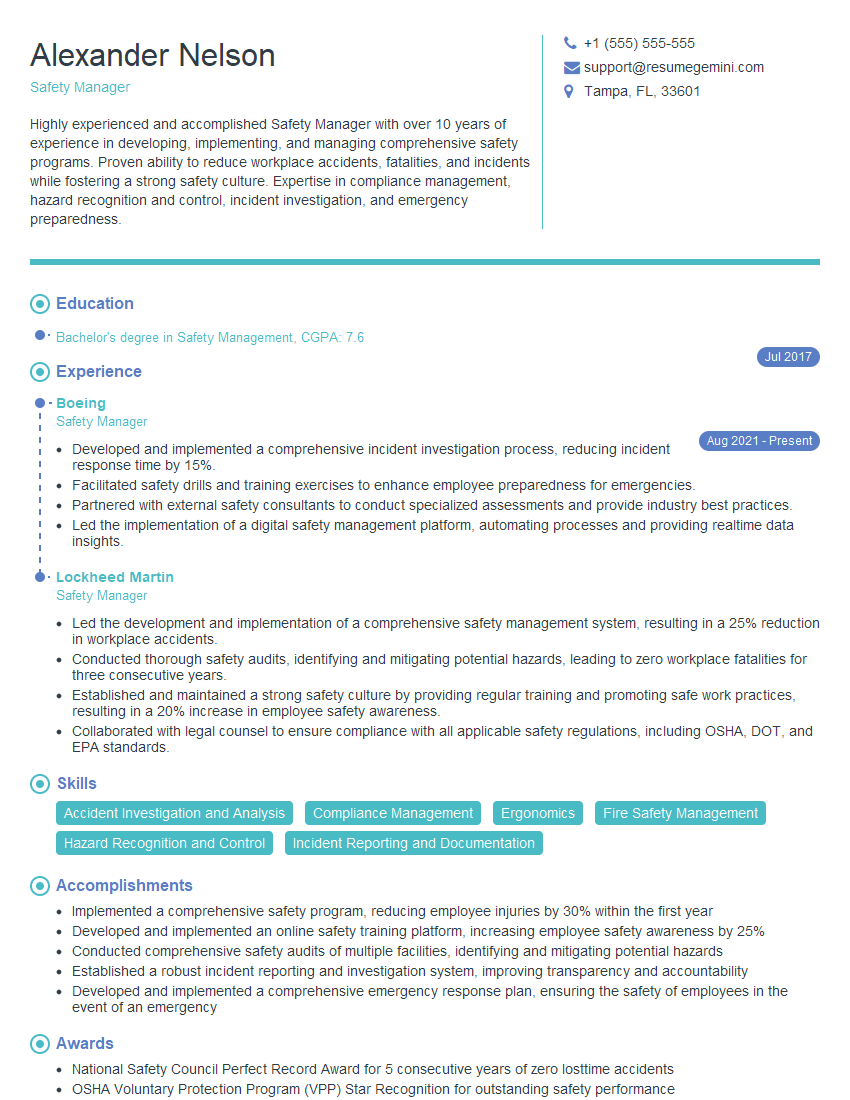
Safety Manager Resume Sample
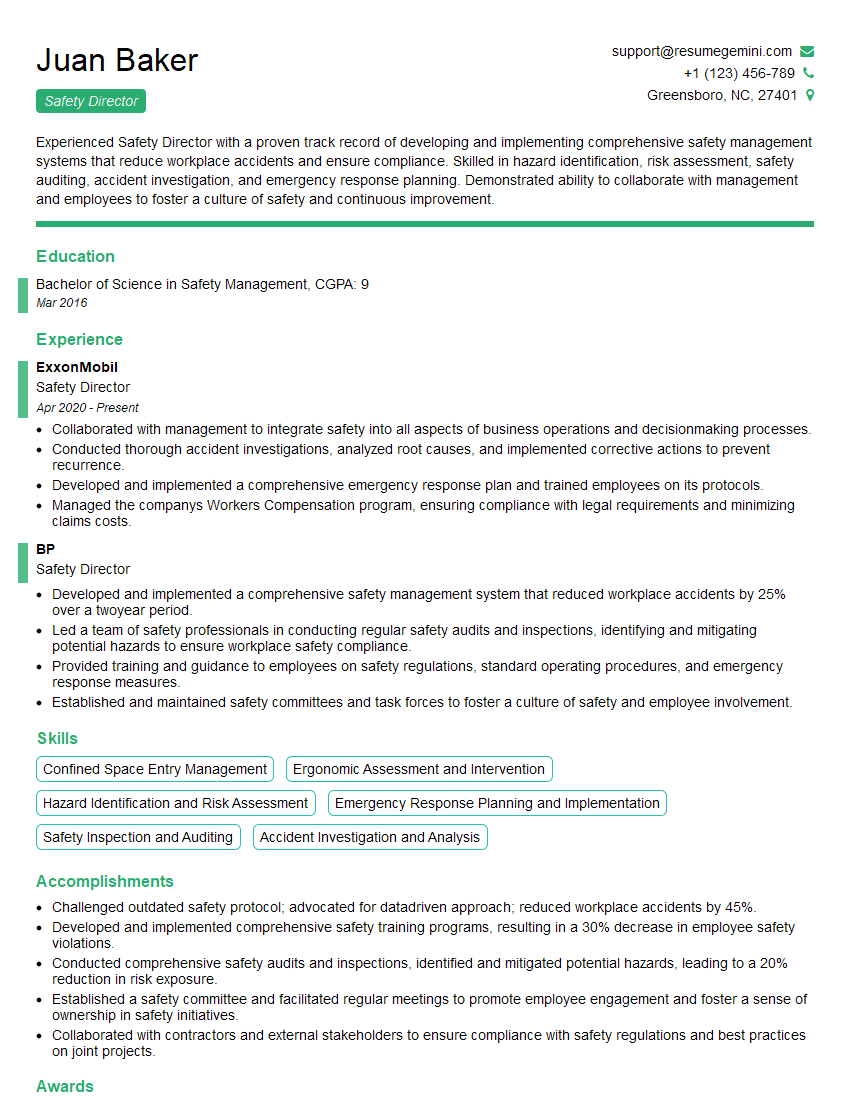
Safety Director Resume Sample
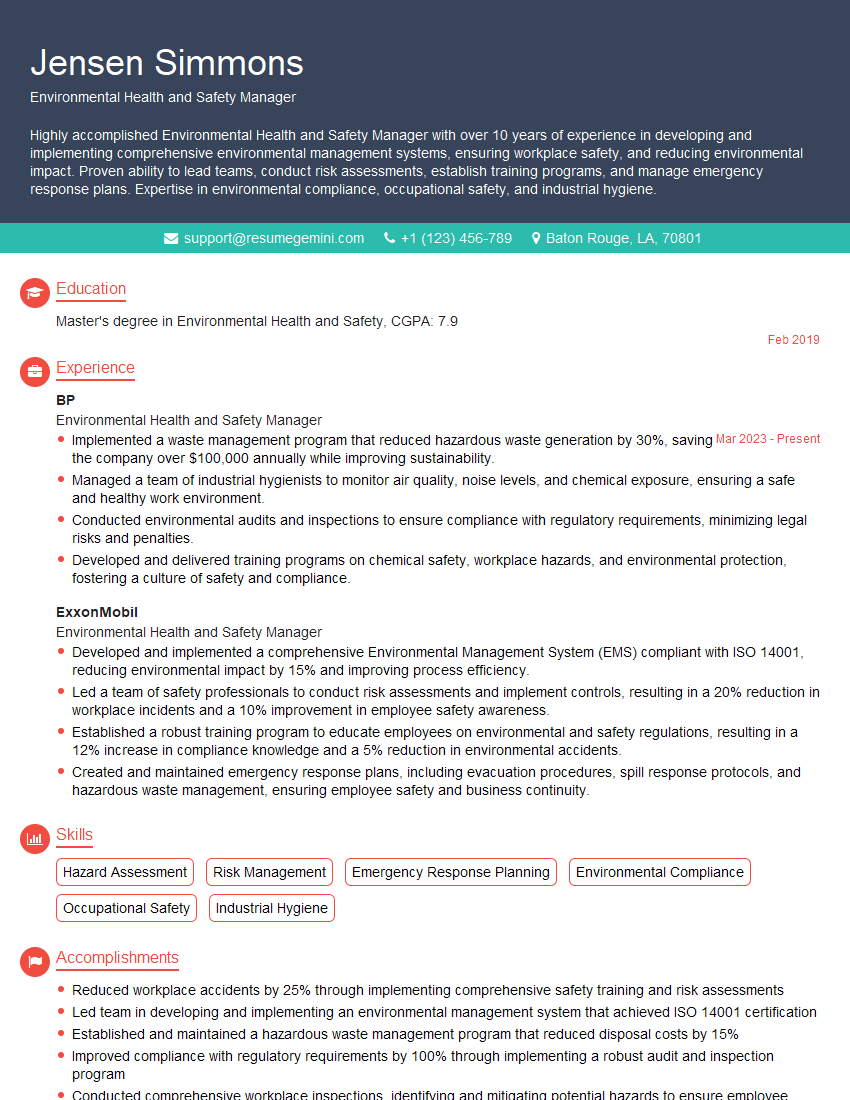
Environmental Health and Safety Manager Resume Sample
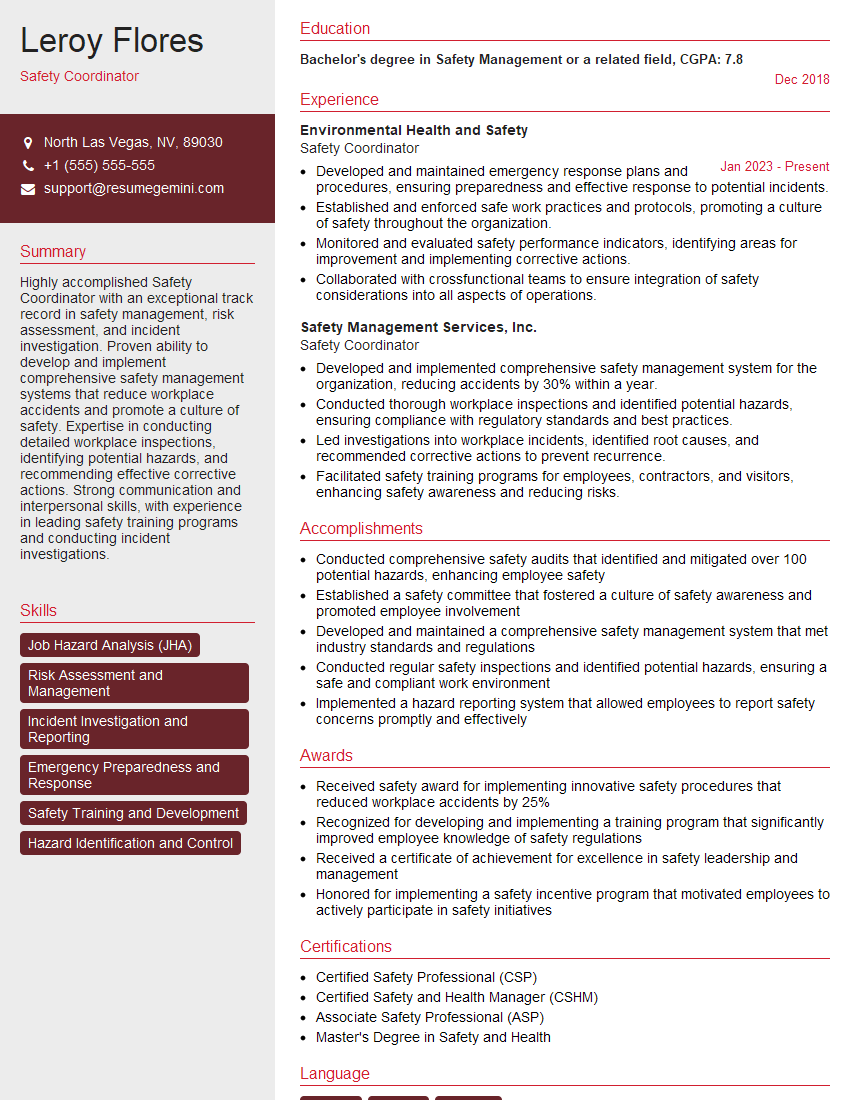
Safety Coordinator Resume Sample
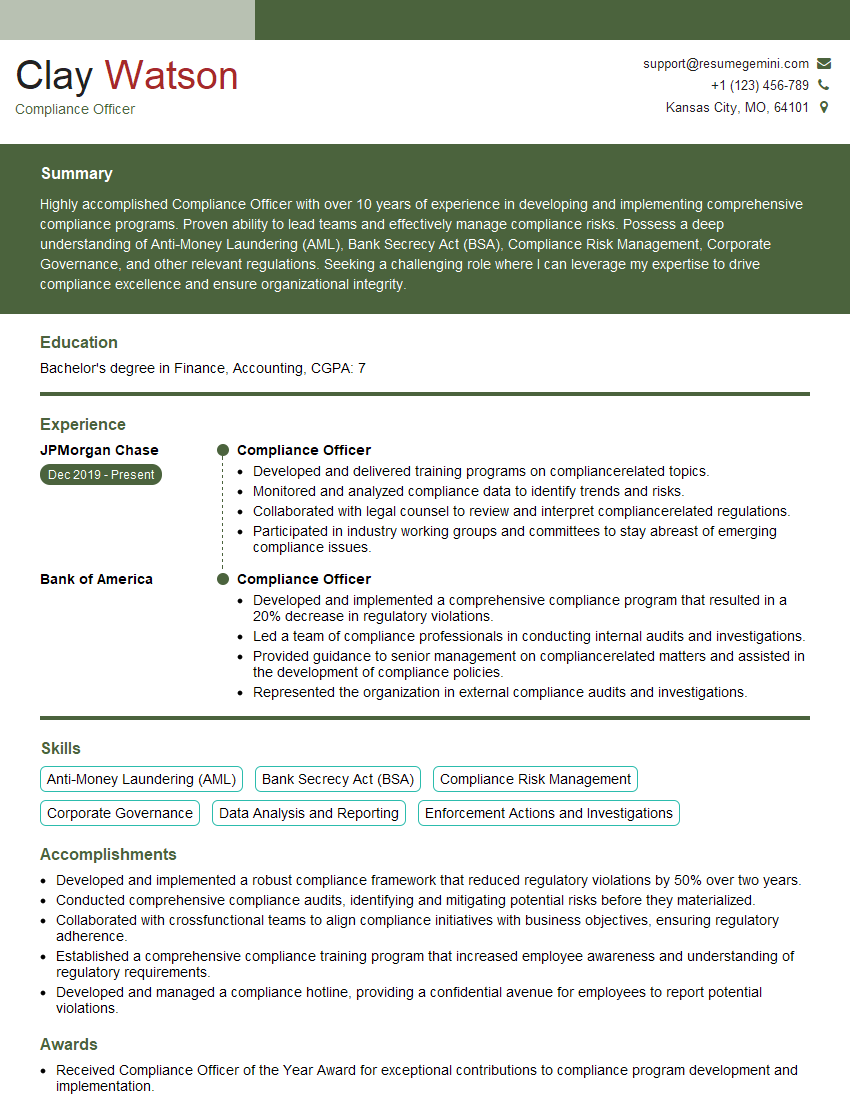
Compliance Officer Resume Sample
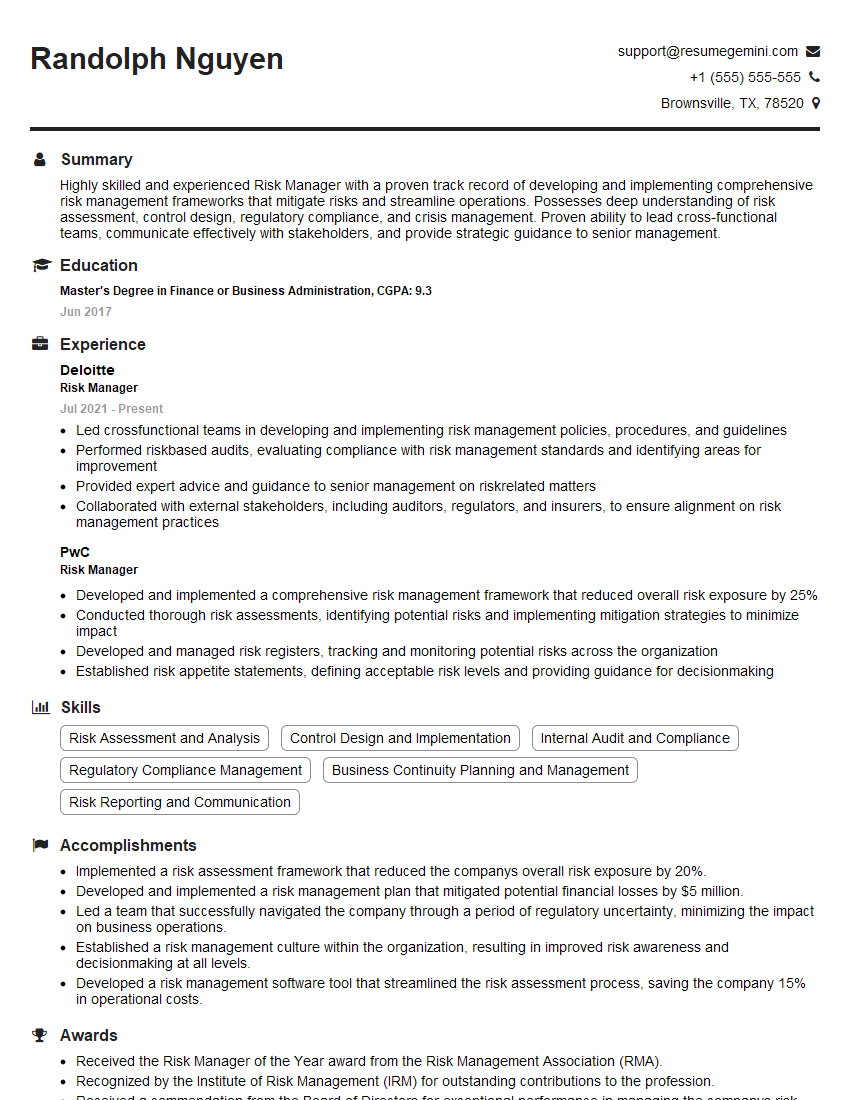
Risk Manager Resume Sample
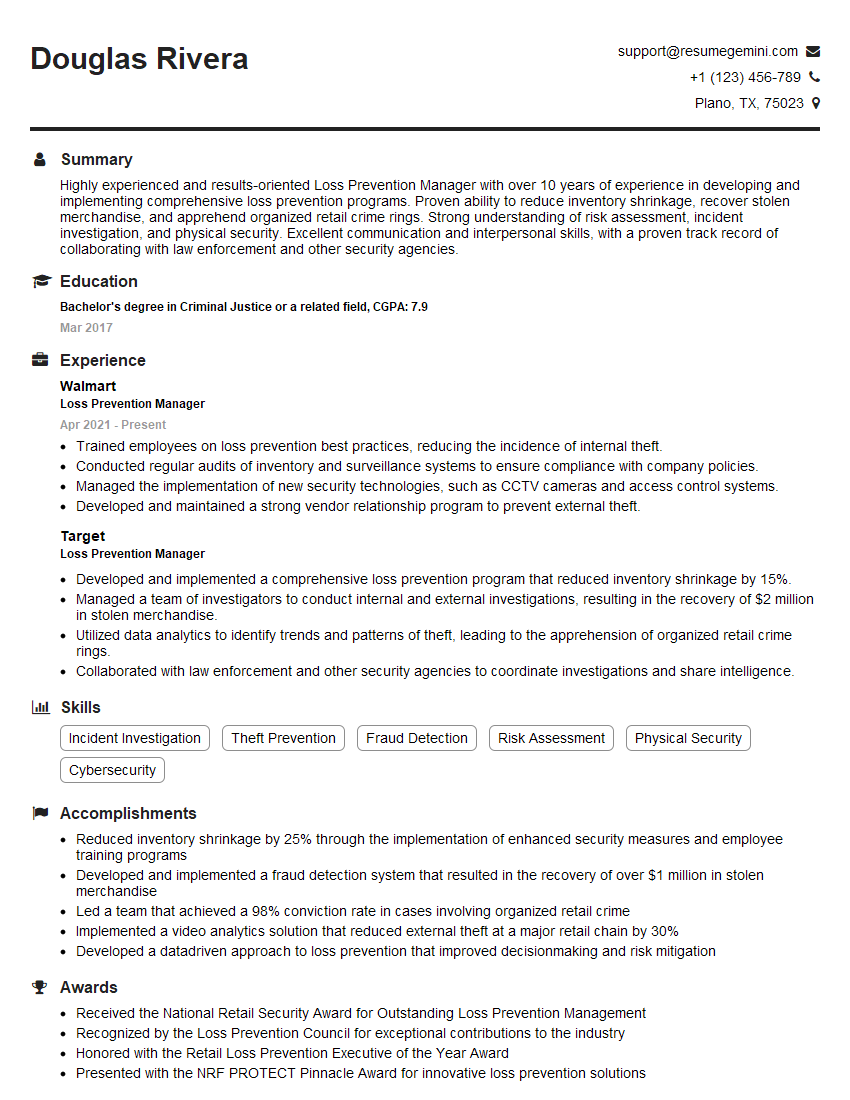
Loss Prevention Manager Resume Sample
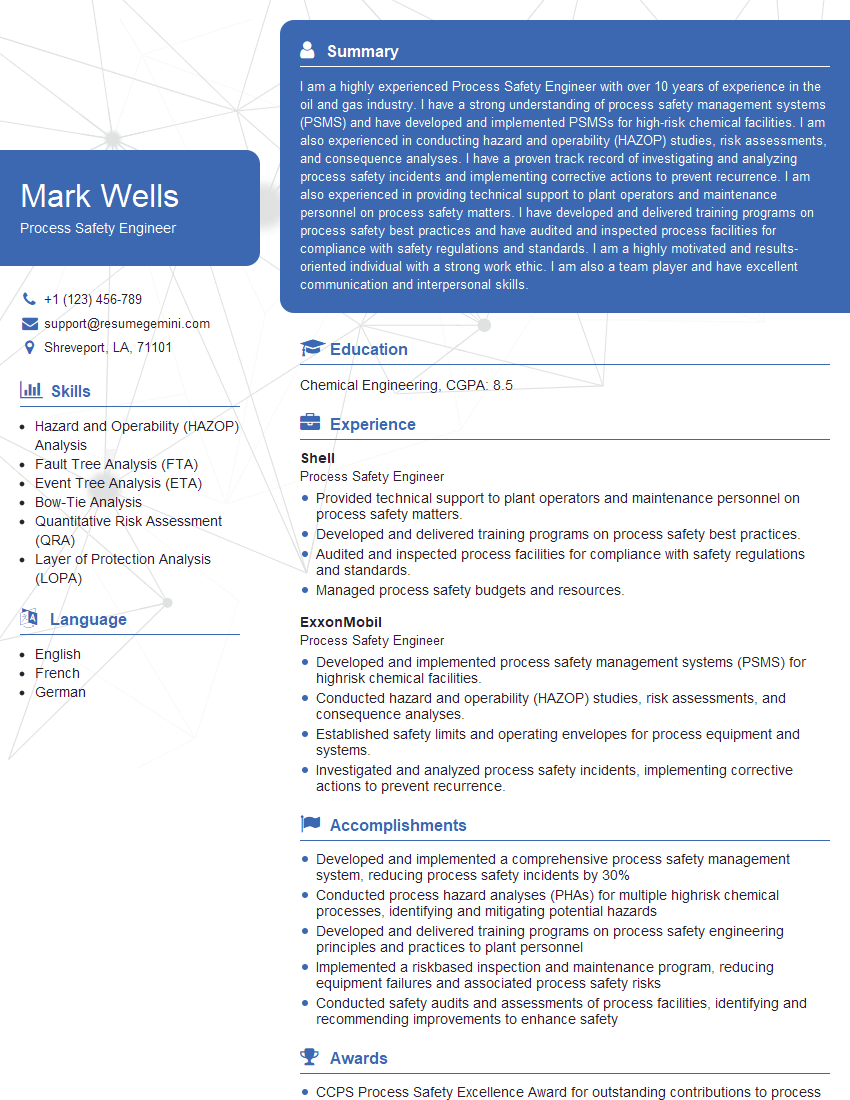
Process Safety Engineer Resume Sample
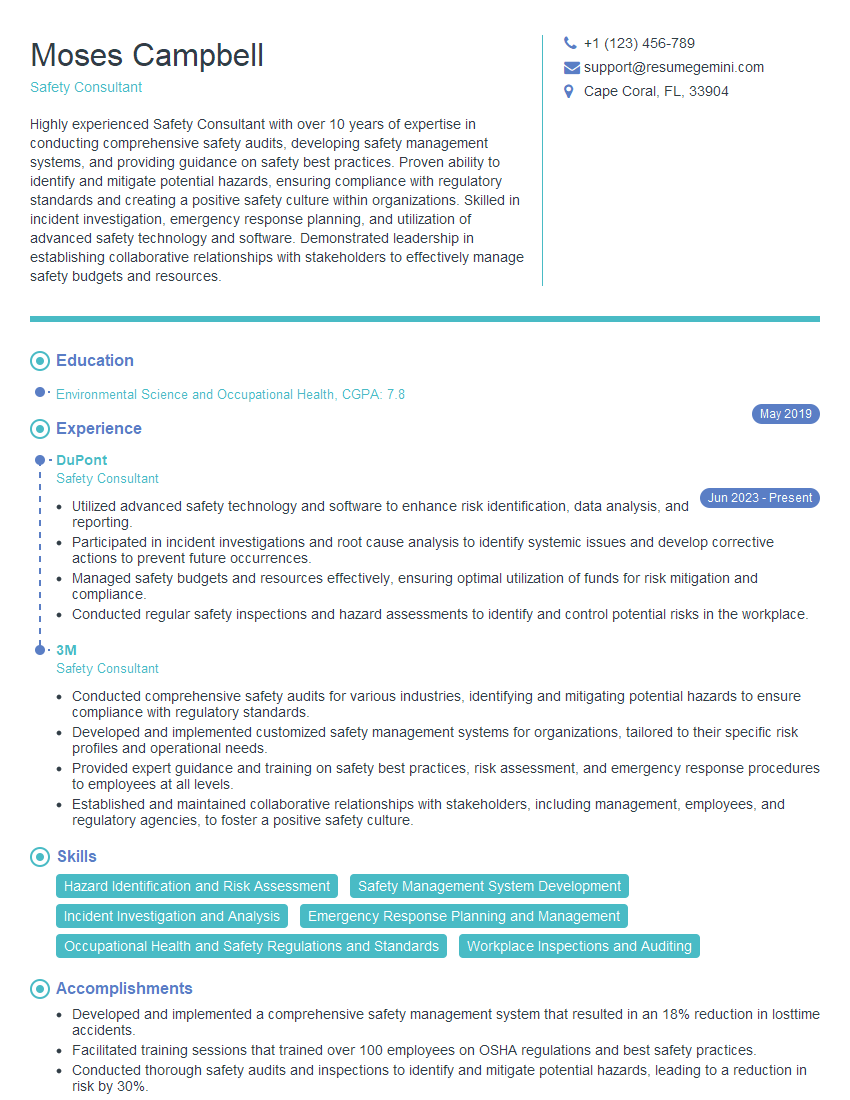
Safety Consultant Resume Sample
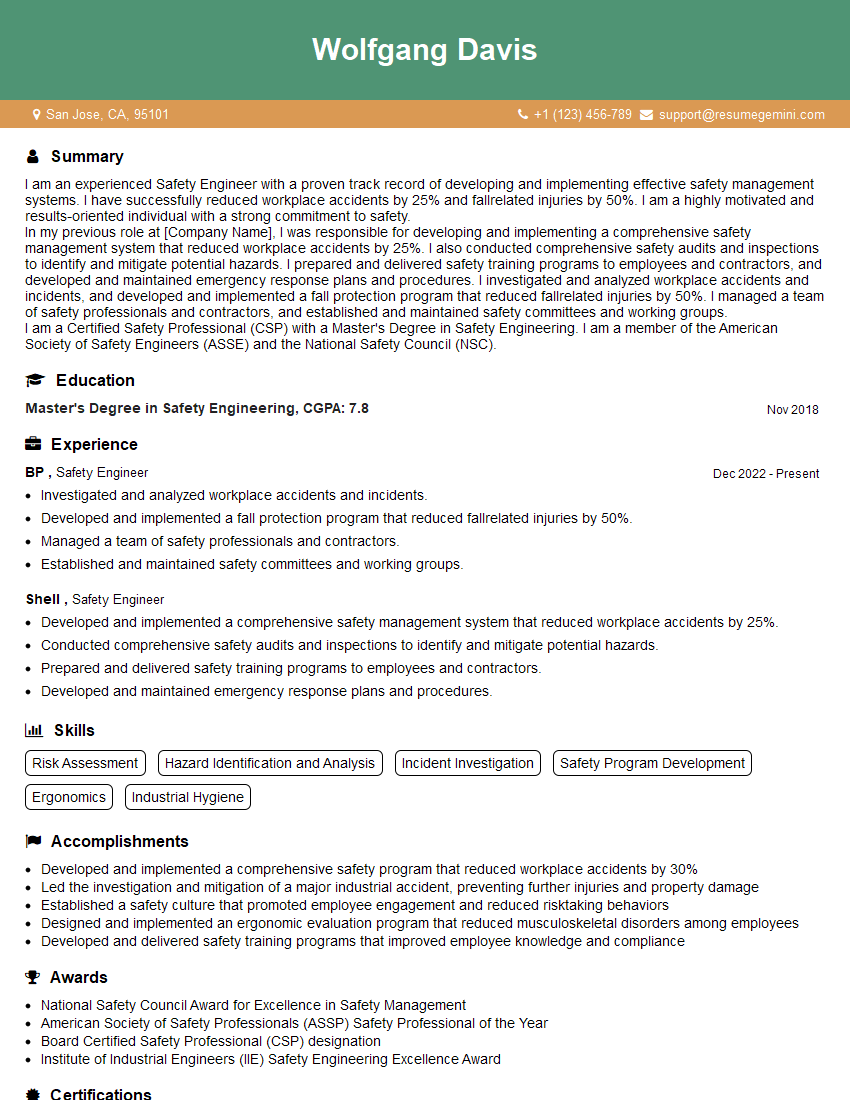
Safety Engineer Resume Sample
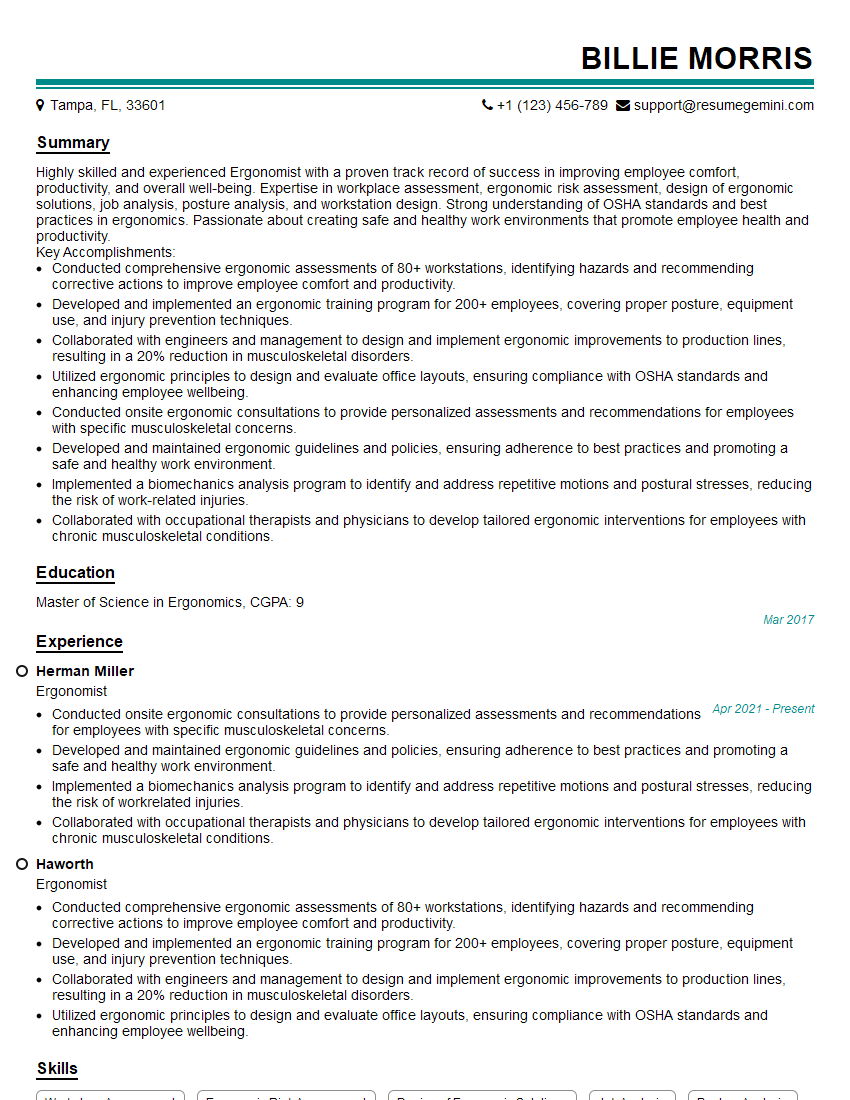
Ergonomist Resume Sample
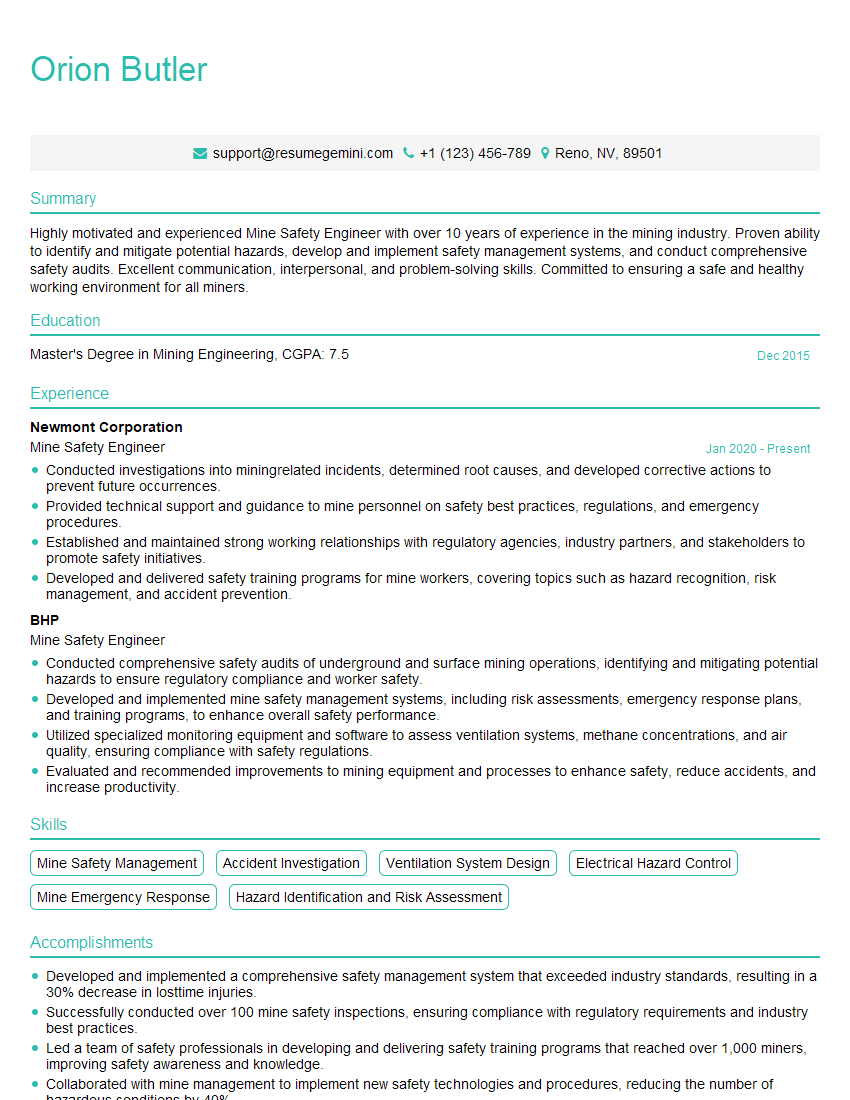
Mine Safety Engineer Resume Sample
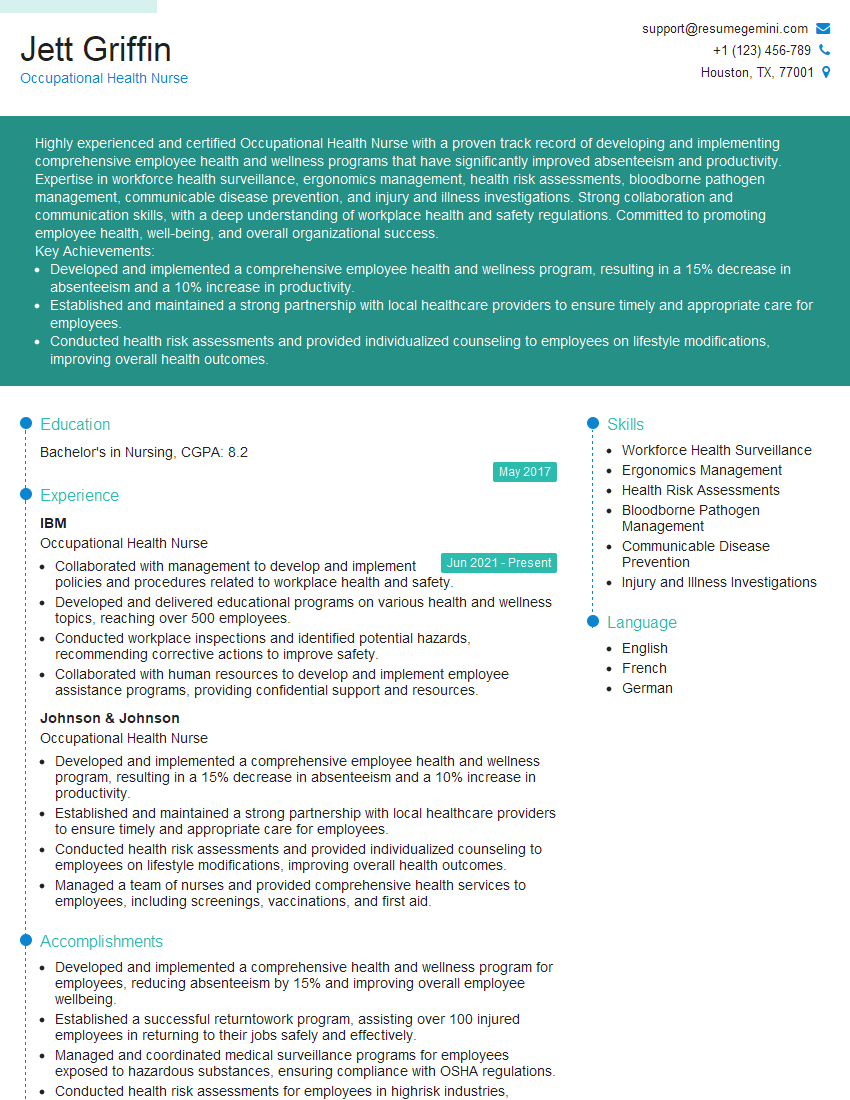
Occupational Health Nurse Resume Sample
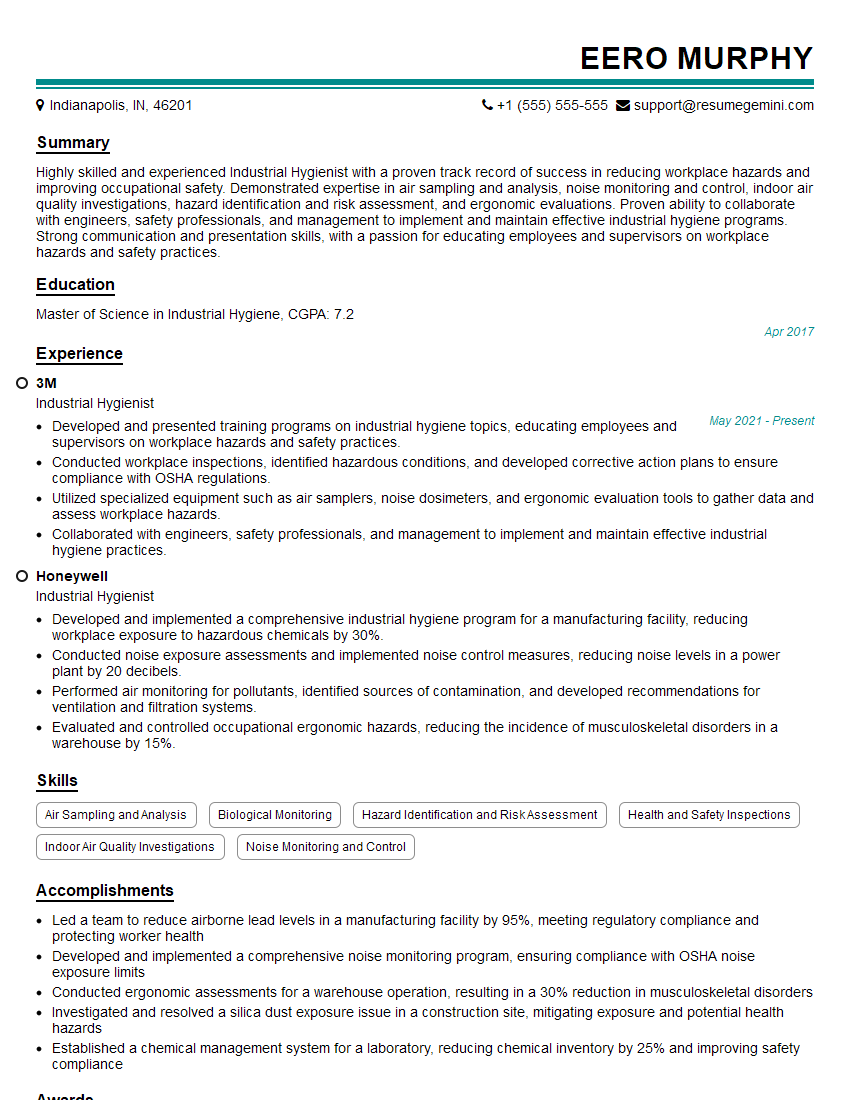
Industrial Hygienist Resume Sample
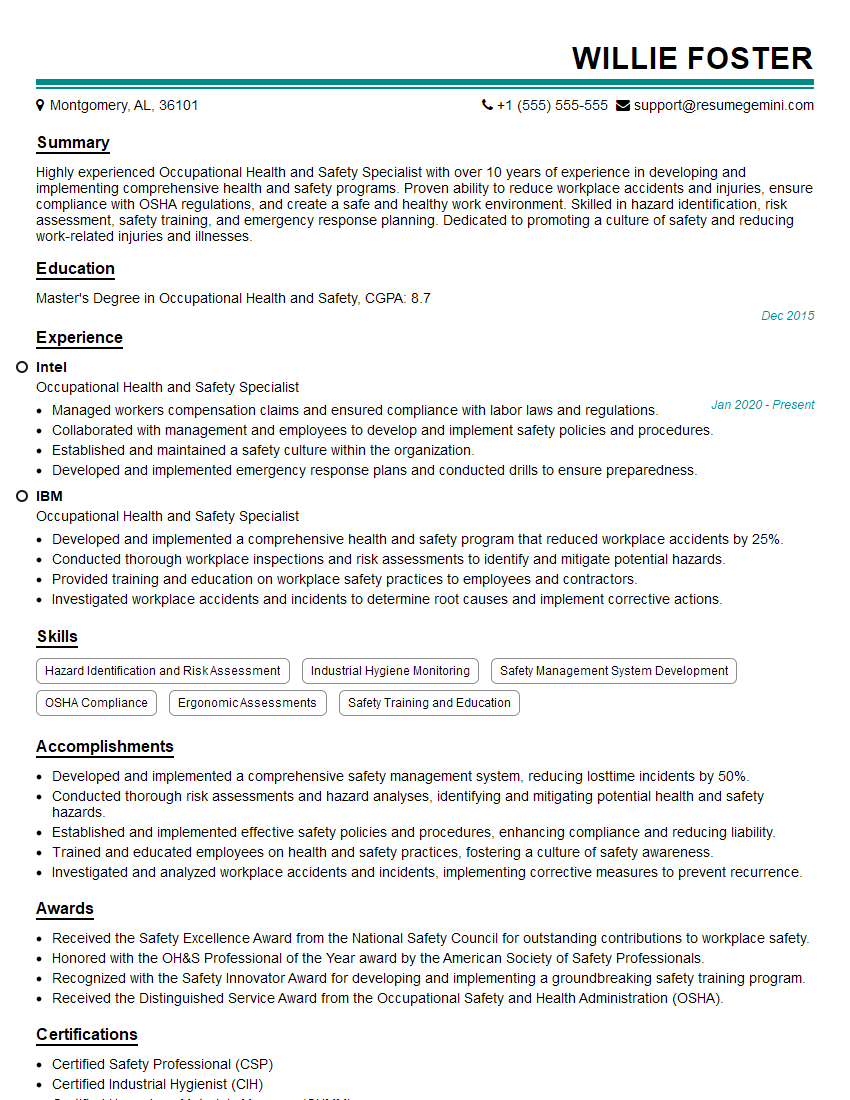
Occupational Health and Safety Specialist Resume Sample
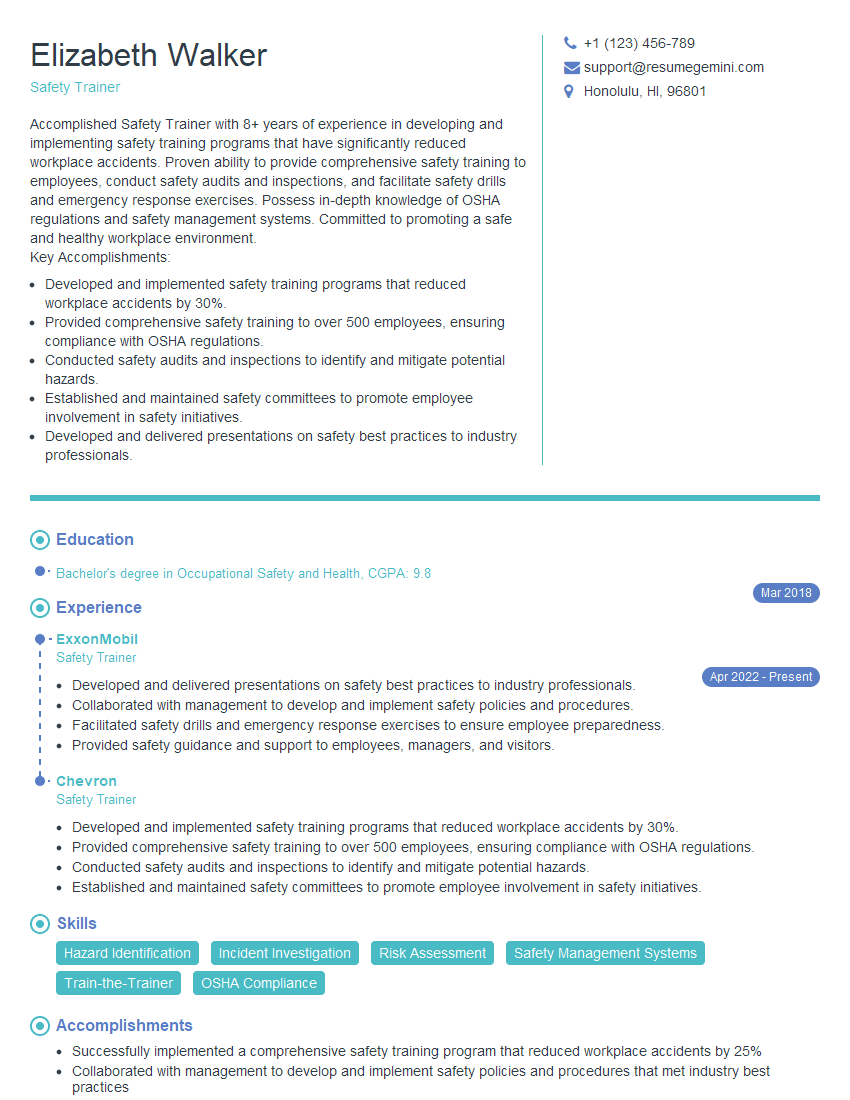
Safety Trainer Resume Sample
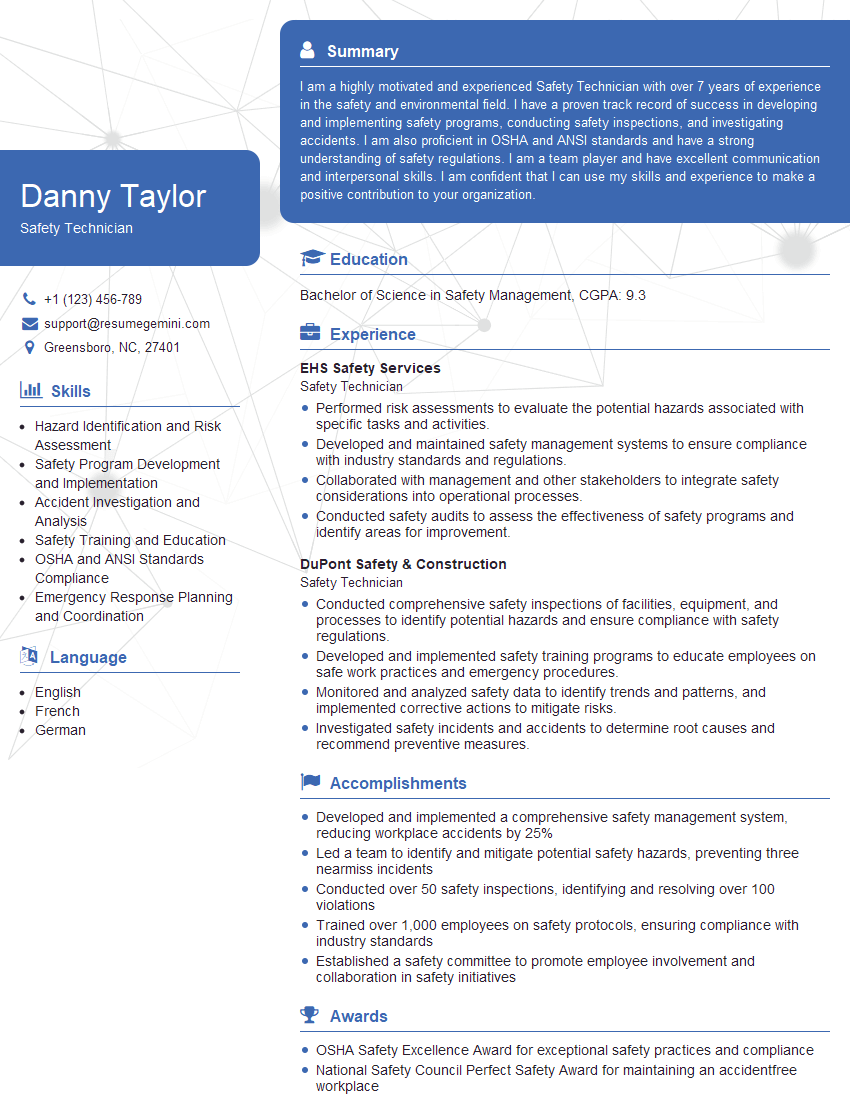
Safety Technician Resume Sample
- Safety Manager
- Safety Director
- Environmental Health and Safety Manager
- Safety Coordinator
- Compliance Officer
- Risk Manager
- Loss Prevention Manager
- Process Safety Engineer
- Safety Consultant
- Safety Engineer
- Ergonomist
- Mine Safety Engineer
- Occupational Health Nurse
- Industrial Hygienist
- Occupational Health and Safety Specialist
- Safety Trainer
- Safety Technician
Explore more articles
Users Rating of Our Blogs
Share Your Experience
We value your feedback! Please rate our content and share your thoughts (optional).
What Readers Say About Our Blog
Very informative content, great job.
good