Interviews are more than just a Q&A session—they’re a chance to prove your worth. This blog dives into essential Nutrition Planning interview questions and expert tips to help you align your answers with what hiring managers are looking for. Start preparing to shine!
Questions Asked in Nutrition Planning Interview
Q 1. Explain the difference between macronutrients and micronutrients.
Macronutrients and micronutrients are both essential for a healthy diet, but they differ significantly in the quantities needed and their functions within the body. Macronutrients are the energy-yielding nutrients that we need in relatively large amounts: carbohydrates, proteins, and fats. They provide calories, which fuel our bodies’ activities. Micronutrients, on the other hand, are vitamins and minerals, required in much smaller quantities but equally crucial for various metabolic processes and overall health. Think of it like this: macronutrients are the building blocks of your house (providing structure and energy), while micronutrients are the finishing touches – the paint, the electrical wiring, ensuring everything functions correctly.
Q 2. Describe the role of carbohydrates, proteins, and fats in a balanced diet.
Carbohydrates, proteins, and fats all play distinct but interconnected roles in a balanced diet. Carbohydrates are the body’s primary source of energy, readily broken down into glucose for immediate use or stored as glycogen for later use. Proteins are the building blocks of tissues, muscles, enzymes, and hormones. They’re crucial for growth, repair, and immune function. Fats, often unfairly demonized, provide sustained energy, support cell growth, protect organs, and help absorb fat-soluble vitamins. A balanced diet incorporates all three, prioritizing complex carbohydrates (like whole grains and fruits), lean proteins (like fish and beans), and healthy fats (like avocados and nuts) to ensure optimal health and energy levels. For instance, a balanced breakfast might include whole-wheat toast (carbohydrates), eggs (protein), and a small amount of avocado (healthy fat).
Q 3. What are the key components of a nutritional assessment?
A comprehensive nutritional assessment involves a multifaceted approach, gathering information from various sources to build a complete picture of an individual’s nutritional status. Key components include:
- Anthropometric measurements: Height, weight, BMI (Body Mass Index), waist circumference, and body composition analysis to assess body size and composition.
- Biochemical data: Blood and urine tests to measure nutrient levels, assess organ function, and detect deficiencies or imbalances.
- Clinical examination: Physical examination to identify signs and symptoms of malnutrition, such as skin conditions, muscle wasting, or edema.
- Dietary assessment: Detailed evaluation of food intake through methods like 24-hour recalls, food frequency questionnaires, and food diaries, to understand dietary habits and patterns.
- Patient history: Information about medical conditions, medications, lifestyle factors (exercise, smoking, alcohol consumption), socioeconomic status, and cultural background. All of these can significantly affect nutritional needs and choices.
By combining these elements, a thorough assessment can accurately identify nutritional needs and tailor interventions accordingly.
Q 4. How do you calculate a patient’s Basal Metabolic Rate (BMR)?
Basal Metabolic Rate (BMR) represents the minimum number of calories your body needs to function at rest. There are several formulas to estimate BMR, each with slight variations. One commonly used equation is the Mifflin-St Jeor equation, which is generally considered more accurate than older methods:
For Men: BMR = (10 × weight in kg) + (6.25 × height in cm) – (5 × age in years) + 5
For Women: BMR = (10 × weight in kg) + (6.25 × height in cm) – (5 × age in years) – 161
For example, for a 30-year-old woman weighing 60 kg and measuring 165 cm tall, the calculation would be: BMR = (10 × 60) + (6.25 × 165) – (5 × 30) – 161 = 1376.25 calories. It’s crucial to remember that this is just an estimation; individual variations exist. Factors like muscle mass, activity level, and genetics influence actual BMR.
Q 5. Explain the concept of MyPlate and its application in meal planning.
MyPlate is a visual guide to healthy eating, illustrating the proportions of different food groups recommended for a balanced diet. It’s divided into five sections representing: Fruits, Vegetables, Grains, Protein Foods, and Dairy. The sizes of the sections reflect the recommended proportions; for example, fruits and vegetables should occupy half the plate, emphasizing their importance. MyPlate’s application in meal planning is straightforward: it provides a framework for constructing meals ensuring adequate intake of essential nutrients. When planning a meal, you can use MyPlate as a guide to ensure a balanced combination of food groups. For example, a balanced lunch could consist of a large salad (vegetables), a serving of grilled chicken (protein), a whole-wheat roll (grains), and a side of fruit (fruit).
Q 6. Discuss the dietary guidelines for Americans.
The Dietary Guidelines for Americans provide evidence-based advice for healthy eating patterns. Key recommendations consistently highlight:
- Focus on fruits, vegetables, whole grains, and fat-free or low-fat dairy: These provide essential nutrients and fiber.
- Choose lean protein sources: Including fish, poultry, beans, and nuts, limiting red and processed meats.
- Limit added sugars, saturated fats, and sodium: These can contribute to chronic diseases.
- Stay within your daily calorie needs: Balancing calorie intake with physical activity for weight management.
- Follow healthy eating patterns across the lifespan: Adjusting nutrient needs to match age and life stage, such as pregnancy or old age.
These guidelines serve as a foundation for promoting healthy eating habits and reducing the risk of chronic diseases. They’re regularly updated to reflect the latest scientific evidence and adapt to evolving dietary trends.
Q 7. What are the nutritional needs of pregnant women?
Pregnant women have increased nutritional needs to support fetal development and their own physiological changes. Key considerations include:
- Increased calorie intake: Generally, around 300-500 extra calories per day, depending on pre-pregnancy BMI and activity level.
- Higher protein requirement: Essential for tissue growth and development.
- Increased folate needs: Crucial for preventing neural tube defects; often supplemented pre-conception and during pregnancy.
- Iron supplementation: To combat iron deficiency anemia, common during pregnancy due to increased blood volume.
- Calcium intake: Essential for bone development in both mother and baby.
- Vitamin D: Important for calcium absorption.
- Omega-3 fatty acids: Beneficial for brain and eye development.
It’s essential for pregnant women to consult with healthcare providers and registered dietitians to create individualized dietary plans to meet these increased needs safely and effectively. This usually involves a combination of dietary changes and possibly supplementation to prevent deficiencies and ensure a healthy pregnancy.
Q 8. How would you counsel a patient with type 2 diabetes on dietary management?
Counseling a patient with type 2 diabetes on dietary management involves a holistic approach focusing on blood sugar control, weight management, and overall health. It’s not about restrictive diets, but rather about making sustainable lifestyle changes.
- Prioritizing whole foods: We emphasize consuming plenty of non-starchy vegetables, lean proteins (fish, poultry, beans, lentils), and whole grains. These foods are digested slowly, preventing blood sugar spikes.
- Portion control: Understanding appropriate portion sizes is crucial. We use visual aids and tools like measuring cups to help patients visualize and control their intake.
- Carb counting (if necessary): Depending on the individual’s needs and preferences, we may introduce carb counting to help them monitor their carbohydrate intake and manage blood glucose levels effectively. This isn’t always necessary and depends on individual response to treatment.
- Healthy fats: Incorporating healthy fats like avocados, nuts, and olive oil can improve satiety and support overall health. However, moderation is key.
- Limiting added sugars and refined carbohydrates: We work together to reduce intake of sugary drinks, processed foods, and white bread, which contribute to blood sugar fluctuations.
- Regular meal timing: Consistent meal timing can help stabilize blood sugar levels. Skipping meals can lead to hypoglycemia.
- Hydration: Adequate water intake is vital for overall health and helps with digestion and nutrient absorption.
- Regular monitoring and adjustments: We regularly review the patient’s blood glucose levels and adjust the plan as needed, considering individual responses and potential challenges.
For example, I might work with a patient to replace sugary cereals with oatmeal topped with berries and nuts, or swap out fried foods for baked or grilled options. We would celebrate small victories and address setbacks constructively, fostering a positive and supportive environment.
Q 9. Describe your approach to creating a personalized meal plan for a client.
Creating a personalized meal plan starts with a thorough assessment of the client’s needs and preferences. This involves a detailed dietary history, discussion of their lifestyle, health conditions, food allergies, and preferences, and often includes anthropometric measurements (height, weight, BMI) and biochemical tests (blood work).
- Needs Assessment: This involves understanding their dietary goals (weight loss, weight gain, muscle building, disease management etc.), current eating habits, and any physical limitations or constraints.
- Goal Setting: Collaboratively setting realistic and achievable goals, considering the client’s preferences and limitations. Goals should be specific, measurable, attainable, relevant, and time-bound (SMART).
- Menu Planning: Based on the assessment and goals, we develop a meal plan that incorporates a variety of nutrient-rich foods tailored to their individual needs and preferences. This includes considerations for portion sizes, macronutrient ratios, and food preparation methods.
- Recipe Recommendations: Providing tailored recipes and resources to help clients prepare their meals at home. This could involve suggesting substitutions to meet dietary restrictions or preferences.
- Monitoring and Adjustments: Regular check-ins to monitor progress, address any challenges, and make necessary adjustments to the meal plan to ensure it continues to meet the client’s needs and goals. This is a collaborative process where feedback is essential.
For instance, a vegetarian athlete might need a high-protein plan rich in legumes, tofu, and nuts, while a person with hypertension might require a DASH-compliant meal plan focusing on fruits, vegetables, and low sodium intake. The plan is flexible and adapts to the individual’s circumstances and progress.
Q 10. Explain different dietary approaches (e.g., ketogenic, Mediterranean, DASH).
Various dietary approaches cater to different health needs and preferences. Here are three examples:
- Ketogenic Diet: This diet is very low in carbohydrates, moderate in protein, and high in fat. The body shifts into ketosis, using fat as its primary fuel source. It’s sometimes used for weight loss and epilepsy management, but it requires careful planning and monitoring to avoid nutrient deficiencies. It is NOT suitable for everyone and should be undertaken under medical supervision.
- Mediterranean Diet: This emphasizes fruits, vegetables, whole grains, legumes, nuts, seeds, and olive oil. It features moderate consumption of fish and poultry, with limited red meat and dairy. It is associated with numerous health benefits, including reduced risk of heart disease, stroke, and some types of cancer.
- DASH Diet (Dietary Approaches to Stop Hypertension): Designed to lower blood pressure, this diet is rich in fruits, vegetables, whole grains, and low-fat dairy products. It is low in saturated and trans fats, cholesterol, and sodium. It’s a very heart-healthy eating pattern.
It’s important to remember that no single diet fits all. The best approach depends on individual health status, preferences, and goals. Proper guidance from a registered dietitian is essential when considering any significant dietary change.
Q 11. How do you address food allergies and intolerances in nutrition planning?
Addressing food allergies and intolerances requires careful planning and meticulous attention to detail. The first step involves a thorough assessment of the client’s allergies and intolerances, ideally confirmed through allergy testing by a medical professional.
- Accurate identification: Clearly identifying the specific allergen or food causing the reaction is paramount. This information is crucial for avoiding the offending food(s).
- Label reading: Educating the client on how to carefully read food labels to identify hidden allergens is essential. Many products contain unexpected allergens.
- Cross-contamination awareness: Understanding the risks of cross-contamination is crucial. We discuss safe food preparation practices, including using separate cutting boards and cooking utensils.
- Safe substitutions: We work collaboratively to find appropriate substitutions for foods that trigger allergies or intolerances to ensure the diet remains balanced and satisfying.
- Emergency preparedness: For severe allergies, we discuss the importance of carrying epinephrine (e.g., an EpiPen) and knowing how to administer it.
For example, a client with a gluten intolerance would need to eliminate wheat, barley, and rye from their diet. We would explore gluten-free alternatives like rice, quinoa, and corn, ensuring their diet remains nutritious and meets their calorie needs. We might also utilize recipe modification strategies to substitute gluten-containing ingredients safely.
Q 12. How do you handle patient resistance to dietary changes?
Patient resistance to dietary changes is common, and addressing it requires empathy, understanding, and a collaborative approach. It’s crucial to avoid judgment and foster a supportive environment.
- Understanding resistance: Identifying the reasons behind the resistance is critical. It might stem from lack of understanding, fear of change, cultural factors, or past negative experiences.
- Motivational interviewing: Using motivational interviewing techniques helps explore the client’s ambivalence and empowers them to make their own decisions.
- Setting realistic goals: Implementing small, manageable changes instead of drastic overhauls can help build confidence and make the process less overwhelming.
- Involving the client in decision-making: Allowing the client to have a voice in the planning process can improve engagement and adherence.
- Addressing concerns and challenges: Openly discussing concerns and providing practical solutions can alleviate anxieties and foster a sense of support.
- Positive reinforcement: Celebrating successes and milestones helps maintain motivation and reinforces positive behaviours.
For example, if a patient dislikes vegetables, we might start by introducing them gradually in appealing ways, such as in smoothies or stir-fries. Focusing on small, achievable victories builds confidence and encourages continued progress.
Q 13. What software or tools do you use for nutrition planning and analysis?
Various software and tools enhance nutrition planning and analysis. My toolkit often includes:
- Nutrition analysis software: Programs like ESHA Research, Nutritionist Pro, and Cronometer allow for precise calculation of macronutrients, micronutrients, and other dietary components in meal plans.
- Electronic health records (EHRs): These systems often integrate with nutrition software for seamless data transfer and patient record management.
- Recipe management software: Tools like Mealime and Paprika Recipe Manager help organize and manage recipes, track dietary information, and create personalized meal plans.
- Spreadsheets (Excel, Google Sheets): These are useful for organizing client data, tracking progress, and creating customized meal plans.
For example, I use ESHA Research to analyze the nutritional content of recipes, ensuring they meet the client’s dietary needs and goals. The software helps me generate detailed reports for clients to understand the composition of their meals.
Q 14. Explain your understanding of nutrition labeling and food claims.
Understanding nutrition labeling and food claims is crucial for accurate meal planning and client education. Nutrition labels provide a standardized way to display the nutrient content of food products, while food claims are marketing statements about a food’s characteristics.
- Nutrition Facts Panel: This panel on food packaging provides information on serving size, calories, macronutrients (fat, carbohydrate, protein), and micronutrients (vitamins and minerals). It’s essential to understand the meaning of the % Daily Value (%DV) to gauge the contribution of a food to daily needs.
- Ingredient List: The list shows all ingredients in descending order by weight. This is crucial for identifying potential allergens or unwanted additives.
- Food Claims: These statements need to meet strict regulatory standards to prevent misleading consumers. Examples include ‘low fat,’ ‘high fiber,’ ‘organic,’ and ‘gluten-free.’ It’s important to understand the definition of these claims.
For example, a client trying to reduce their sodium intake will benefit from understanding how to interpret the %DV for sodium on the nutrition facts panel. Reading the ingredients list can help identify hidden sugars or unhealthy fats. Being aware of deceptive marketing claims can empower clients to make informed choices.
Q 15. How do you stay current with the latest research and trends in nutrition?
Staying current in the rapidly evolving field of nutrition requires a multi-pronged approach. I prioritize continuous learning through several key strategies. First, I subscribe to reputable peer-reviewed journals like the American Journal of Clinical Nutrition and the Journal of the Academy of Nutrition and Dietetics, actively reading articles relevant to my practice areas. Secondly, I regularly attend professional conferences and webinars, engaging with leading experts and learning about the latest research findings and clinical guidelines. These events often feature presentations on cutting-edge topics and provide opportunities for networking and knowledge exchange.
Thirdly, I actively participate in online professional communities and forums. These platforms allow me to engage with colleagues, discuss emerging trends, and share insights on best practices. Finally, I regularly review reputable websites and resources from organizations like the Academy of Nutrition and Dietetics and the USDA, ensuring I am up-to-date on dietary guidelines and public health recommendations. This holistic approach enables me to integrate the most current evidence into my nutritional planning and counseling, ultimately providing my clients with the best possible care.
Career Expert Tips:
- Ace those interviews! Prepare effectively by reviewing the Top 50 Most Common Interview Questions on ResumeGemini.
- Navigate your job search with confidence! Explore a wide range of Career Tips on ResumeGemini. Learn about common challenges and recommendations to overcome them.
- Craft the perfect resume! Master the Art of Resume Writing with ResumeGemini’s guide. Showcase your unique qualifications and achievements effectively.
- Don’t miss out on holiday savings! Build your dream resume with ResumeGemini’s ATS optimized templates.
Q 16. Describe a time you had to adapt a nutrition plan due to unexpected circumstances.
I once worked with a client who was following a meticulously planned weight-loss regimen. However, she unexpectedly experienced a severe allergic reaction requiring a complete dietary overhaul. Her initial plan focused on high-protein, low-carbohydrate foods. Following the allergy diagnosis (a severe peanut allergy), we immediately eliminated all peanuts and peanut-containing products. More importantly, we had to carefully analyze all food labels for cross-contamination risks. This necessitated a significant shift in her meal plan, requiring me to identify alternative protein sources and carbohydrate options that were both hypoallergenic and aligned with her weight-loss goals.
We transitioned her to a plan centered on alternative protein sources like turkey, chicken, and fish. To ensure sufficient carbohydrates, we incorporated rice, quinoa, and various fruits and vegetables, always checking for potential cross-contamination. Regular communication and close monitoring were essential, ensuring the new plan was both effective and safe. Ultimately, through this adaptation, we not only maintained her progress toward her weight-loss goals but also ensured her well-being and safety.
Q 17. What is your experience with electronic health records (EHRs) related to nutrition?
My experience with Electronic Health Records (EHRs) in the context of nutrition is extensive. I’m proficient in using EHR systems to document client intake information, including dietary habits, medical history, and relevant lab results. These systems are invaluable for tracking progress, setting achievable goals, and generating reports on client outcomes. Furthermore, EHR integration with other health data allows for a holistic view of the patient’s health, enabling better collaboration with other healthcare professionals.
For example, I can access a patient’s medication history from the EHR to identify potential drug-nutrient interactions and adjust their nutritional plan accordingly. I can also document changes in weight, blood pressure, and other relevant biometric data, allowing for accurate and timely assessment of the plan’s effectiveness. Efficient data entry into the EHR ensures accurate documentation and facilitates seamless communication amongst the care team. The use of EHRs streamlines documentation, reduces administrative burden, and improves the overall quality of care by providing a comprehensive and easily accessible record of the patient’s nutritional journey.
Q 18. How do you ensure cultural sensitivity in your nutrition counseling?
Cultural sensitivity is paramount in nutrition counseling. I approach each client with an understanding that their dietary habits, food preferences, and beliefs are deeply rooted in their cultural background. Before developing any nutritional plan, I engage in a thorough discussion to understand their cultural norms, food traditions, and any religious or social constraints that may influence their diet. This involves actively listening and asking open-ended questions to learn about their cultural food practices and preferences. It is not about simply accepting the status quo, but adapting to support positive health changes within their existing framework.
For example, I might work with a client from a culture where certain foods hold significant social or religious meaning. Instead of recommending outright elimination of these foods, I work collaboratively to modify the way they are prepared or consumed to better align with their health goals. This might involve suggesting healthier cooking methods, portion control strategies, or providing culturally appropriate substitutions to reduce the consumption of less healthy options. This collaborative and culturally sensitive approach fosters trust, builds rapport, and significantly improves the likelihood of successful adherence to the nutritional plan.
Q 19. What are the ethical considerations in nutrition practice?
Ethical considerations are fundamental to nutrition practice. Maintaining client confidentiality is paramount. I strictly adhere to HIPAA guidelines and professional codes of ethics to ensure the privacy and security of all client information. Informed consent is another crucial aspect; clients must fully understand the nature of the services offered, potential risks and benefits, and their right to refuse or withdraw at any time. Objectivity and avoiding conflicts of interest are also crucial aspects of ethical practice. I refrain from endorsing specific products or brands unless supported by strong scientific evidence and in the best interest of the client.
Honesty and transparency in my interactions with clients are also vital. I clearly communicate the limitations of my expertise and refer clients to other healthcare professionals when appropriate. Finally, I recognize the importance of continuing education to stay updated on ethical guidelines and best practices, ensuring I always maintain the highest professional standards in my work.
Q 20. How do you measure the success of a nutrition intervention?
Measuring the success of a nutrition intervention involves a multifaceted approach that goes beyond simply tracking weight changes. I employ a combination of quantitative and qualitative methods to evaluate outcomes. Quantitative measures include monitoring changes in body weight, body mass index (BMI), blood pressure, blood glucose levels, and cholesterol levels. These objective measurements provide data on physiological improvements resulting from the intervention. However, these alone don’t tell the whole story.
Qualitative measures are equally important. I regularly assess client satisfaction through feedback sessions and questionnaires. These provide insights into their experience with the program, adherence to the plan, and overall sense of well-being. I also observe improvements in energy levels, mood, and overall quality of life, which may not always be reflected in quantitative data. By combining both quantitative and qualitative data, I obtain a holistic understanding of the intervention’s success and adapt the plan as needed to optimize outcomes for each individual.
Q 21. Explain the importance of hydration in overall health.
Hydration is critical for overall health, playing a vital role in nearly every bodily function. Water is essential for maintaining proper blood volume and pressure, transporting nutrients to cells, and eliminating waste products through urination and perspiration. Adequate hydration supports optimal kidney function, preventing the formation of kidney stones and maintaining electrolyte balance. It also plays a crucial role in regulating body temperature, particularly during physical activity.
Dehydration, even mild, can lead to fatigue, headaches, dizziness, and decreased cognitive function. Chronic dehydration can have more serious consequences, impacting cardiovascular health and increasing the risk of kidney stones and urinary tract infections. Maintaining adequate hydration is crucial for overall well-being, supporting physical performance, cognitive function, and preventing various health problems. It’s important to consider individual factors like activity level, climate, and overall health status when determining adequate fluid intake; guidelines from reputable health organizations provide a good starting point for daily fluid recommendations.
Q 22. What is your experience with pediatric or geriatric nutrition?
My experience in pediatric and geriatric nutrition is extensive, encompassing both clinical practice and research. In pediatrics, I’ve worked with children of all ages, addressing issues like picky eating, growth monitoring, allergies, and nutritional deficiencies related to developmental stages. I understand the unique nutritional needs of infants, toddlers, school-aged children, and adolescents, tailoring my plans to their developmental milestones and activity levels. For example, I’ve successfully helped a child with cystic fibrosis manage their nutritional needs to support lung function and growth. In geriatric nutrition, I focus on optimizing nutrient intake to prevent age-related diseases, improve functional capacity, and enhance quality of life. This includes addressing conditions like sarcopenia (muscle loss), osteoporosis, and malnutrition common in older adults. A recent case involved designing a nutrition plan for an elderly patient recovering from a hip fracture, focusing on protein intake for bone and muscle healing and appropriate calorie intake to support recovery.
- Pediatric focus: Growth charts, developmental stages, allergy management, picky eating strategies.
- Geriatric focus: Sarcopenia management, osteoporosis prevention, medication-nutrient interactions, dysphagia (difficulty swallowing) management.
Q 23. Describe your knowledge of sports nutrition principles.
Sports nutrition is all about fueling athletic performance and recovery. My knowledge encompasses macronutrient needs (carbohydrates, proteins, fats) based on training intensity and duration, the importance of hydration, micronutrient needs to support performance and immune function, and the role of timing nutrition around training. I understand the principles of carbohydrate loading for endurance events, protein intake for muscle repair and growth, and the role of hydration in preventing heatstroke and dehydration. For instance, I’ve worked with marathon runners, helping them develop personalized nutrition plans that maximize carbohydrate stores for the race while preventing gastrointestinal issues during the event.
- Macronutrient timing: Pre-workout, during workout, post-workout strategies for various sports.
- Hydration strategies: Fluid intake recommendations, electrolyte balance.
- Ergogenic aids: Understanding the potential benefits and risks of supplements.
I also recognize the importance of individual needs. A powerlifter’s nutritional requirements will differ drastically from a long-distance runner’s, so plans are always meticulously tailored.
Q 24. How do you communicate nutritional information effectively to diverse populations?
Effective communication is paramount. I adapt my approach based on the individual’s health literacy, cultural background, and preferred learning style. This involves using clear, concise language, avoiding jargon, and incorporating visuals like charts or food models. For those with limited health literacy, I use simple language and visual aids. For example, I might use a food plate model to illustrate portion sizes. When working with diverse populations, I’m mindful of cultural food preferences and dietary restrictions. I might work with a client from a particular culture to incorporate traditional dishes into their meal plan while ensuring they meet their nutritional goals. With some clients, I find that active listening and collaborative goal setting is key to successful communication.
- Tailored communication: Adjusting language and methods based on individual needs.
- Cultural sensitivity: Respecting and incorporating cultural food preferences and restrictions.
- Active listening and collaboration: Making the client a partner in the process.
Q 25. What are your strategies for promoting healthy eating habits?
Promoting healthy eating habits requires a holistic approach that goes beyond simple dietary advice. I use a combination of strategies, focusing on behavior modification and providing long-term support. I encourage clients to set realistic, achievable goals, focusing on incremental changes rather than drastic overhauls. For instance, I might advise swapping sugary drinks for water gradually, instead of making a sudden, drastic change which might lead to failure. I encourage mindful eating practices, promoting awareness of hunger and fullness cues. This includes education on portion sizes and reading food labels. Furthermore, I involve the client’s family and social support network when possible, creating a supportive environment for healthy changes. Regular follow-up and adjustments are essential for maintaining adherence.
- Goal setting: SMART (Specific, Measurable, Achievable, Relevant, Time-bound) goals.
- Behavior modification: Techniques to overcome barriers and maintain healthy habits.
- Mindful eating: Paying attention to hunger and fullness cues.
- Family and social support: Involving the client’s support network.
Q 26. Discuss your understanding of food insecurity and its impact on nutrition.
Food insecurity, the lack of consistent access to enough food for an active, healthy life, significantly impacts nutrition. It leads to deficiencies in essential nutrients, increased risk of chronic diseases, and compromised immune function. Individuals experiencing food insecurity often rely on inexpensive, less nutritious foods, leading to an unbalanced diet. Children experiencing food insecurity are at greater risk of developmental delays and impaired cognitive function. In my practice, I screen for food insecurity and connect clients with resources like food banks and government assistance programs. I also help clients make the most of their limited budgets by teaching them how to shop for and prepare affordable, nutrient-rich meals.
- Nutritional deficiencies: Anemia, vitamin D deficiency, etc.
- Chronic diseases: Increased risk of obesity, diabetes, hypertension.
- Resource referral: Connecting clients with food banks and government programs.
- Budget-friendly meal planning: Assisting clients in making nutritious food choices with limited resources.
Q 27. How do you incorporate sustainable food practices into your nutrition plans?
Sustainable food practices are crucial for both personal and planetary health. I integrate these practices into my nutrition plans by emphasizing locally sourced, seasonal produce. This reduces food miles and supports local farmers. I encourage clients to reduce food waste through proper storage and creative meal planning, using leftovers in new dishes. I advise reducing meat consumption, promoting plant-based meals to lessen the environmental impact of animal agriculture. Plant-based diets are often more sustainable, require less land and resources to produce, and generate fewer greenhouse gas emissions. Finally, I encourage clients to choose foods with minimal packaging and opt for reusable containers, reducing reliance on single-use plastics.
- Locally sourced food: Emphasizing seasonal produce and supporting local farmers.
- Reducing food waste: Creative meal planning and proper food storage.
- Plant-based options: Increasing plant-based meals and reducing meat consumption.
- Sustainable packaging: Choosing minimally packaged foods and using reusable containers.
Key Topics to Learn for Nutrition Planning Interview
- Dietary Assessment & Analysis: Understanding different methods (24-hour recall, food frequency questionnaires, etc.) and their strengths/weaknesses. Analyzing dietary data to identify nutritional deficiencies or excesses.
- Nutritional Needs Across the Lifespan: Knowing the specific nutritional requirements for various life stages (infancy, childhood, adolescence, adulthood, pregnancy, lactation, older adults) and how to adapt plans accordingly.
- Medical Nutrition Therapy (MNT): Applying nutrition principles to manage chronic diseases (diabetes, heart disease, kidney disease, etc.). Understanding the role of nutrition in disease prevention and management.
- Meal Planning & Recipe Development: Creating balanced and culturally appropriate meal plans that meet individual needs and preferences. Practical skills in recipe modification and cost-effective meal planning.
- Community Nutrition & Public Health: Understanding nutrition-related public health issues and strategies for improving community nutrition. This includes program planning and implementation.
- Ethical Considerations & Professional Practice: Adhering to professional codes of conduct and ethical guidelines. Maintaining client confidentiality and practicing evidence-based nutrition.
- Client Communication & Counseling: Effective communication techniques for educating and motivating clients to adopt healthy eating habits. Building rapport and addressing client concerns.
- Technology in Nutrition Planning: Familiarity with nutrition software and databases for dietary analysis and meal planning. Utilizing technology for client communication and data management.
Next Steps
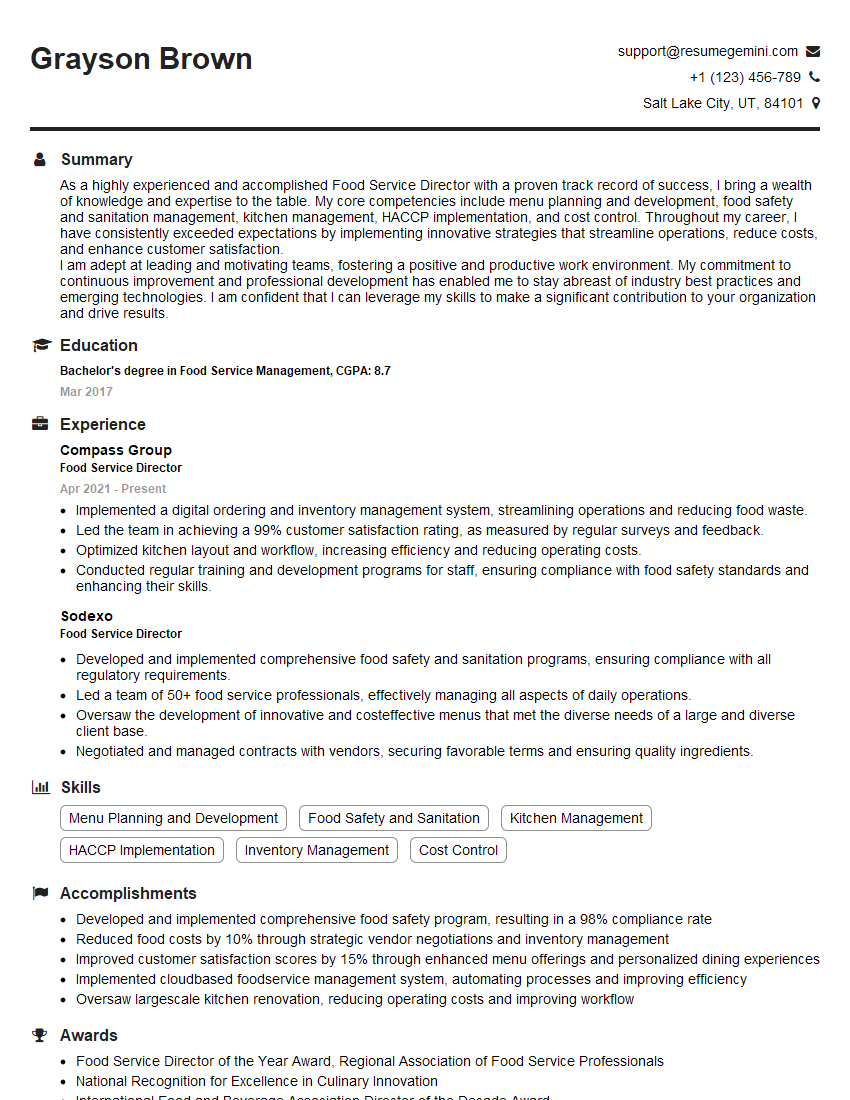
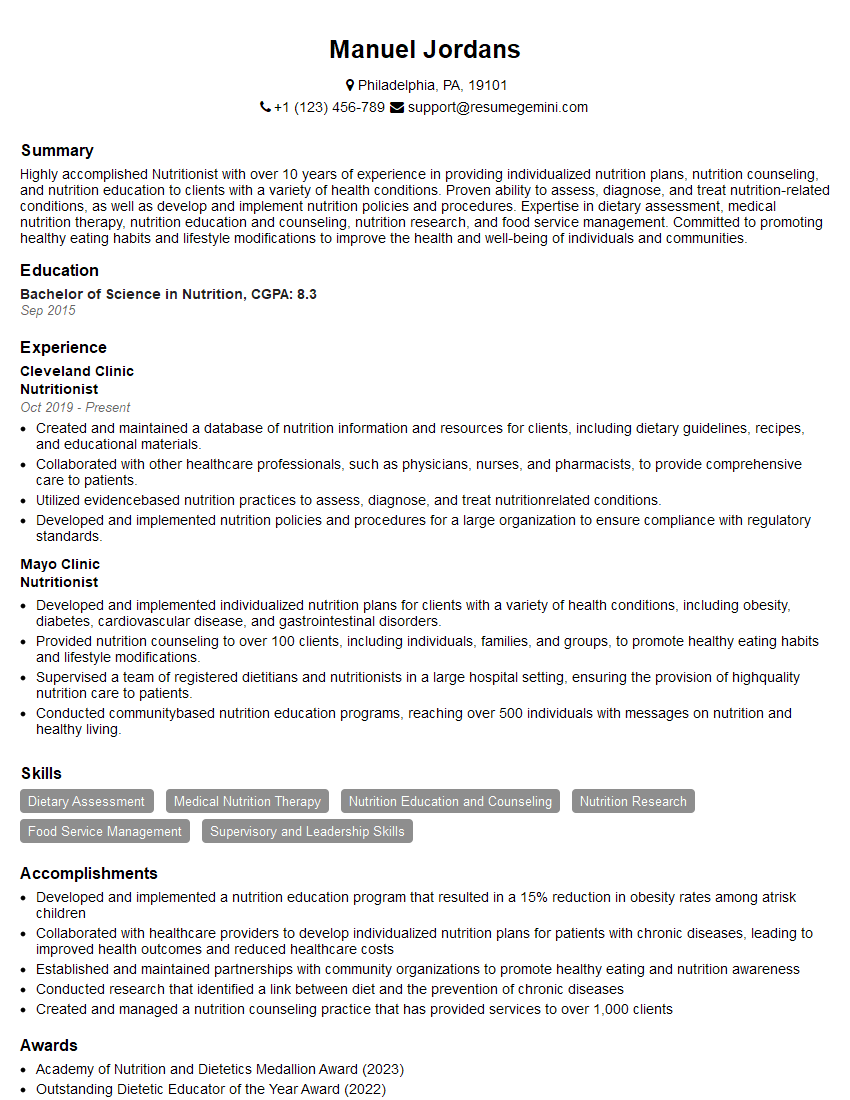
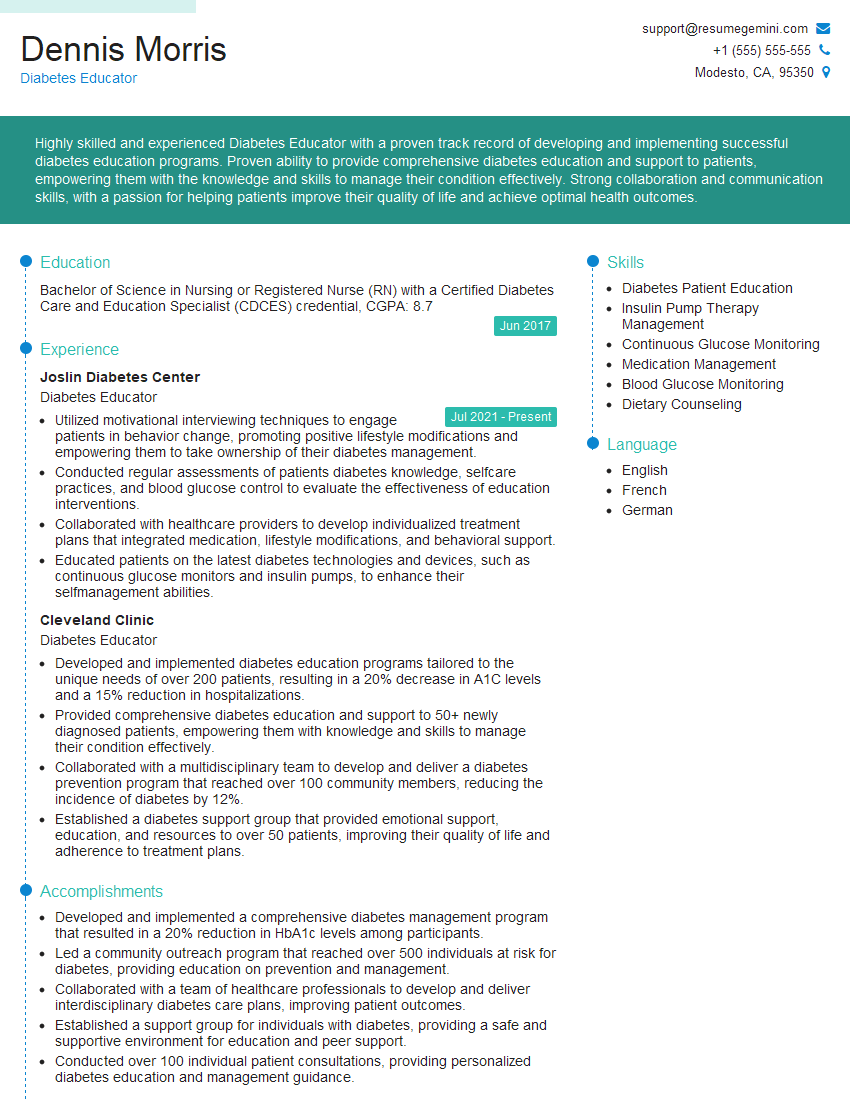
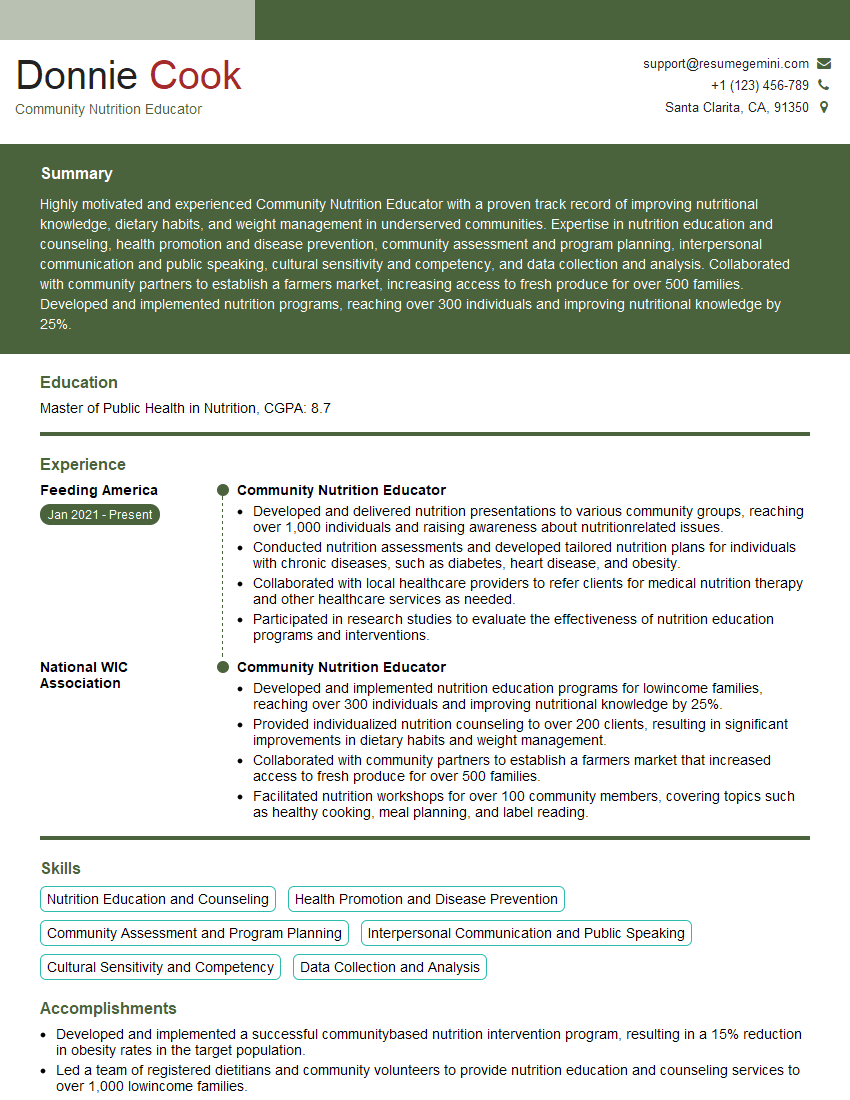
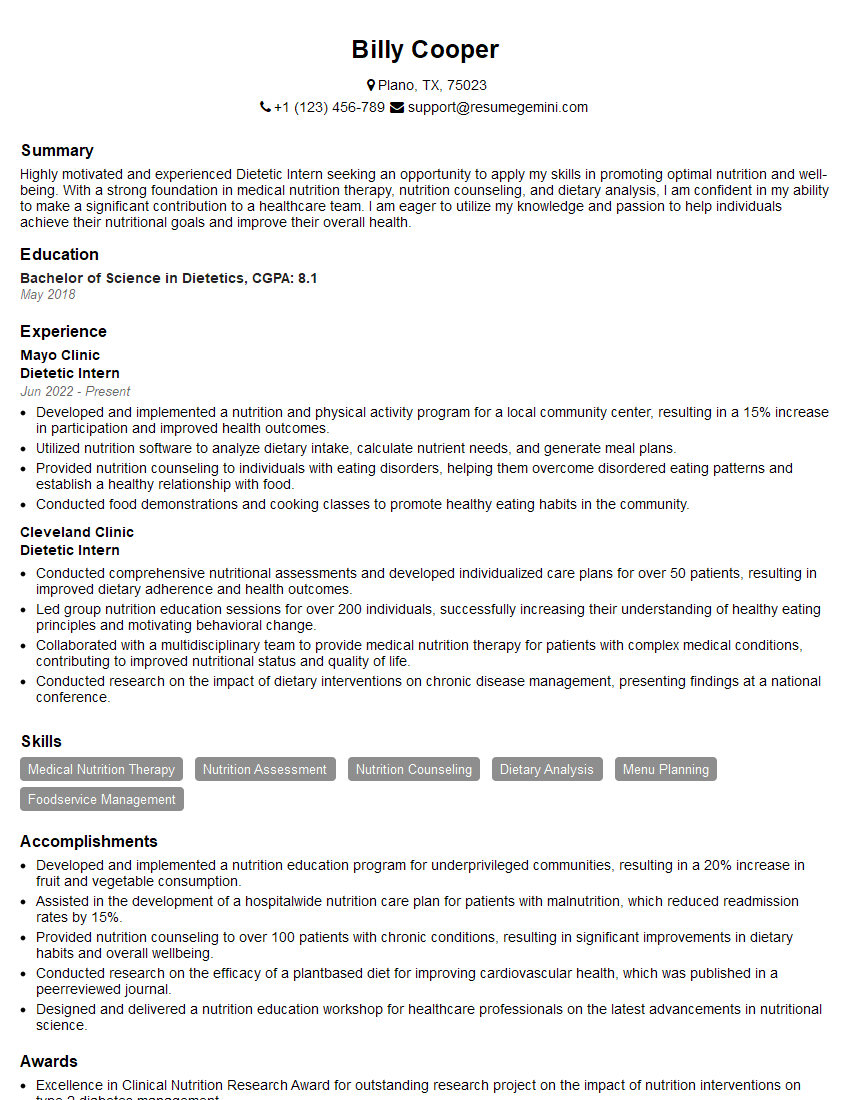
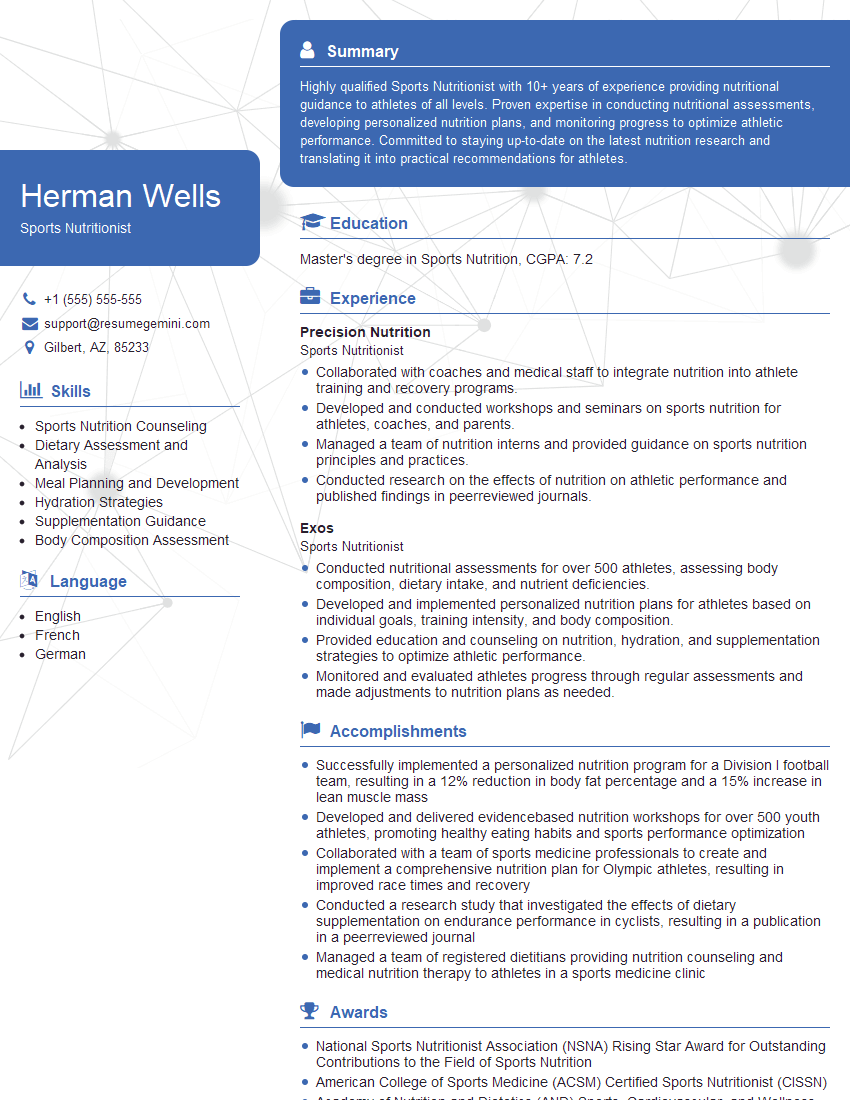
Mastering Nutrition Planning opens doors to diverse and rewarding career paths, from clinical settings to public health initiatives. A strong resume is crucial for showcasing your skills and experience to potential employers. Creating an ATS-friendly resume increases your chances of getting your application noticed. We highly recommend using ResumeGemini to build a professional and impactful resume tailored to your unique experience and skills. Examples of resumes specifically designed for Nutrition Planning professionals are available to help guide you. Invest time in crafting a compelling resume – it’s your first impression and a key to unlocking your career aspirations.
Explore more articles
Users Rating of Our Blogs
Share Your Experience
We value your feedback! Please rate our content and share your thoughts (optional).
What Readers Say About Our Blog
Very informative content, great job.
good