The thought of an interview can be nerve-wracking, but the right preparation can make all the difference. Explore this comprehensive guide to Inoculation Techniques interview questions and gain the confidence you need to showcase your abilities and secure the role.
Questions Asked in Inoculation Techniques Interview
Q 1. Describe the steps involved in preparing a bacterial culture for inoculation.
Preparing a bacterial culture for inoculation is a crucial first step in many microbiological procedures. It involves obtaining a pure culture – a population of a single bacterial species – and preparing it for transfer to a fresh growth medium. This typically begins with selecting a suitable culture already grown on a suitable agar plate. If starting from a frozen stock, you’d revive it by streaking a small amount onto a fresh agar plate and incubating it until visible colonies appear. Once you have a good, viable culture, you need to prepare it for inoculation. This involves obtaining a sample (an inoculum) from the existing culture using sterile techniques.
- Selection of a suitable colony: Choose a well-isolated colony of the desired species that shows consistent morphological characteristics.
- Preparation of the inoculating loop/needle: Sterilize the instrument by flaming it until it glows red hot. Allow it to cool sufficiently before proceeding to avoid killing the culture.
- Aseptic transfer: Carefully remove the lid of the culture plate only slightly and take a small amount of the colony with the loop/needle. This minimizes contamination.
- Resuspension (if necessary): For liquid inoculation, gently resuspend the collected inoculum in a small amount of sterile broth to create a bacterial suspension.
Imagine it like preparing ingredients for a cake – you wouldn’t use a dirty spoon or a spoiled ingredient. Similarly, maintaining sterility is paramount in preparing a bacterial culture.
Q 2. Explain the importance of aseptic technique in inoculation procedures.
Aseptic technique is paramount in inoculation procedures to prevent contamination of the culture with unwanted microorganisms from the environment. Contamination can lead to inaccurate results, compromise experiments, and even create hazardous situations. Aseptic technique involves procedures and practices that maintain sterility throughout the inoculation process.
- Sterile equipment: Using sterilized tools like inoculating loops, needles, and pipettes.
- Sterile work surface: Working in a clean, disinfected area, ideally a biological safety cabinet.
- Flame sterilization: Sterilizing inoculating loops and needles by flaming them.
- Minimizing exposure: Keeping petri dishes and culture tubes open for the shortest amount of time possible.
- Proper hand hygiene: Washing hands thoroughly before and after the procedure.
Think of it as a surgical operation – any contamination can have serious consequences. Aseptic technique is the key to reliable and accurate microbiological work.
Q 3. What are the different methods of inoculation, and when would you use each?
Several inoculation methods exist, each suited for different applications:
- Streak Plating: Used to isolate pure colonies from a mixed culture (explained in detail below).
- Spread Plating: Used for determining the viable count of microorganisms in a sample, creating a lawn of bacteria (explained in detail below).
- Pour Plating: Also used for viable counts and creating evenly distributed colonies, but the inoculum is mixed directly into the agar before pouring.
- Stab inoculation: Used to grow microorganisms in semi-solid agar deep tubes, often to assess motility or oxygen requirements. A sterile needle is used to stab the agar.
- Liquid inoculation: Used to increase the number of bacteria. A sterile loop is used to transfer a small amount of inoculum into a liquid media.
The choice of method depends on the experimental goal. For example, isolating pure colonies requires streak plating, whereas determining bacterial concentration calls for spread or pour plating.
Q 4. How do you select the appropriate growth media for a specific microorganism?
Selecting the appropriate growth medium is crucial for successful cultivation. Different microorganisms have different nutritional needs and optimal growth conditions. The choice of medium depends on several factors:
- Species-specific requirements: Some bacteria require specific nutrients, such as blood (blood agar) or specific growth factors.
- Metabolic characteristics: Some media are designed to support the growth of specific metabolic types. For example, MacConkey agar differentiates lactose fermenters from non-fermenters.
- Selective pressure: Some media incorporate agents to inhibit the growth of certain microorganisms, allowing the isolation of a specific species.
- Differential characteristics: Some media allow for differentiation of microorganisms based on their biochemical properties (e.g., color changes).
For example, E. coli, a facultative anaerobe, can grow on a variety of media, including nutrient agar, while more fastidious organisms may require enriched media like blood agar.
Q 5. Describe the process of streak plating and its purpose.
Streak plating is a technique used to isolate pure colonies from a mixed culture. The goal is to dilute the inoculum across the agar plate, resulting in individual colonies originating from a single bacterial cell.
- Sterilize the inoculating loop: Heat until red hot and allow to cool.
- Obtain inoculum: Take a small amount of the mixed culture.
- Streak the first quadrant: Make a series of streaks across a small section of the plate.
- Sterilize the loop: Flame the loop.
- Streak the subsequent quadrants: Spread the inoculum into the other quadrants, dragging some from the previous quadrant into the next. Each streak should decrease the bacterial density.
- Incubate: Incubate the plate under appropriate conditions.
Imagine it like spreading butter on toast – initially, you have a thick layer, but with each stroke, it thins out. The same dilution effect helps isolate individual colonies in streak plating.
Q 6. Explain the principles of spread plating and pour plating.
Both spread and pour plating are quantitative techniques used to determine the number of viable microorganisms in a sample.
Spread plating: A known volume of diluted inoculum is spread evenly over the surface of a solidified agar plate using a sterile spreader. Colonies develop on the surface of the agar.
Pour plating: A known volume of diluted inoculum is added to a molten agar medium, which is then poured into a sterile petri dish and allowed to solidify. Colonies grow both on the surface and within the agar.
The main difference lies in where the colonies grow: on the surface only (spread) or both on the surface and within the agar (pour). Both methods are crucial for obtaining accurate viable counts, essential in various applications such as environmental monitoring and food safety.
Q 7. How do you ensure the sterility of inoculation tools and media?
Ensuring sterility of inoculation tools and media is crucial for accurate results and prevents contamination. Several methods are employed:
- Autoclaving: The most common method, involving high-pressure saturated steam sterilization at 121°C for 15-20 minutes. This effectively kills all microorganisms, including spores.
- Dry heat sterilization: Used for glassware and other heat-resistant materials that cannot be autoclaved. Involves heating to high temperatures (160-180°C) for extended periods.
- Filtration: Used for sterilizing heat-sensitive liquids like certain media components. Filters with pore sizes smaller than the microorganisms are used to remove them.
- UV sterilization: Used for sterilizing surfaces but less effective than heat sterilization.
- Gamma irradiation: Used for sterilizing commercial products like medical supplies but not commonly in a lab setting.
Sterility indicators, such as autoclave tape that changes color upon proper sterilization, or biological indicators using bacterial spores are also commonly used to verify sterilization effectiveness. It is crucial to follow strict protocols to guarantee sterility and prevent experimental failure.
Q 8. What are the common sources of contamination during inoculation, and how can they be prevented?
Contamination during inoculation, the process of introducing microorganisms into a culture medium, is a significant concern. Sources can be broadly categorized as environmental, from the air, surfaces, or equipment; and human-related, through improper technique or handling.
- Airborne contaminants: Spores, dust particles, and other microorganisms present in the air can easily settle onto open media or instruments. Prevention involves working in a laminar flow hood or clean bench that filters out airborne particles and using aseptic techniques like flaming the inoculation loop.
- Surface contamination: Bacteria and fungi can reside on work surfaces, equipment, and even gloves. Regular disinfection of surfaces with disinfectants like ethanol (70%) or bleach solutions is crucial. Using sterile equipment, including pipettes and inoculation loops, also prevents contamination.
- Human-related contamination: Human skin harbors numerous microorganisms. Preventing contamination requires careful handwashing, wearing sterile gloves, and using sterile techniques to avoid touching exposed media or sterile instruments.
Imagine baking a cake – you wouldn’t want stray flour or other ingredients contaminating it. Similarly, maintaining sterility in inoculation is critical for accurate and reliable results.
Q 9. How do you interpret the results of an inoculation procedure?
Interpreting inoculation results involves observing the growth characteristics of the inoculated microorganisms. This includes considering the:
- Type of growth: Is it a confluent lawn, isolated colonies, or no growth? Confluent growth suggests a large inoculum, while isolated colonies indicate a pure culture. No growth may indicate improper inoculation or the organism’s inability to grow in that particular medium.
- Colony morphology: Observe the size, shape, color, texture, elevation, and margin of the colonies. These characteristics can aid in identifying the specific microorganism, acting like a microbial fingerprint.
- Biochemical reactions: Further identification often involves biochemical tests on isolated colonies. These tests evaluate the microorganism’s metabolic capabilities, providing more precise identification.
For example, a Gram-positive, coccus-shaped organism that produces yellow colonies on blood agar and ferments mannitol could indicate Staphylococcus aureus. But careful observation and additional tests are crucial for confirmation.
Q 10. What are the safety precautions to be followed during inoculation?
Safety is paramount during inoculation procedures. Always follow these precautions:
- Personal Protective Equipment (PPE): Wear lab coats, gloves, and eye protection to minimize exposure to potentially harmful microorganisms.
- Proper sterilization: Sterilize all equipment, including inoculating loops, needles, and media bottles, before and after use. Autoclaving is the most reliable method.
- Aseptic techniques: Work near a flame to create an upward current of air, minimizing airborne contamination. Avoid unnecessary talking or coughing to reduce droplet contamination. Disinfect your workspace before and after the procedure.
- Biohazard disposal: Dispose of all inoculated materials, including media and used instruments, according to your institution’s biohazard protocols. Autoclave contaminated materials before disposal to kill any remaining microorganisms.
- Proper handling of pathogens: If working with pathogens, follow specific biosafety level guidelines, including using biological safety cabinets (BSCs).
Remember, a single lapse in safety protocols can have significant consequences. Prioritizing safety ensures your well-being and the integrity of your experiment.
Q 11. Describe the proper handling and disposal of inoculated materials.
Handling and disposal of inoculated materials require strict adherence to safety protocols to prevent environmental contamination and protect personnel.
- Handling: Always handle inoculated materials carefully, avoiding spills or aerosols. Use appropriate containment vessels and techniques. Never mouth pipette; use sterile pipettes and pipetting devices.
- Disposal: Inoculated materials, including culture plates, tubes, and liquids, should be decontaminated before disposal. Autoclaving is the standard method for sterilization, ensuring the inactivation of microorganisms. After autoclaving, materials can be disposed of in designated biohazard waste containers according to institutional guidelines.
Imagine handling radioactive material – utmost care and adherence to protocols are mandatory. Similarly, handling inoculated materials demands the same level of diligence to prevent the spread of potentially harmful organisms.
Q 12. Explain the difference between pure and mixed cultures.
The key difference lies in the number of microbial species present.
- Pure culture: A pure culture contains only one type of microorganism. It is essential for accurate identification and study of individual microbial properties. Achieving a pure culture usually requires techniques like streaking for isolation on agar plates.
- Mixed culture: A mixed culture contains two or more types of microorganisms. This often reflects the natural environment where multiple species coexist. Analyzing mixed cultures can be more complex, requiring techniques to separate and identify individual species.
Think of it like a fruit salad: a pure culture is like having only strawberries, while a mixed culture is a combination of strawberries, bananas, and oranges.
Q 13. How do you perform a serial dilution for inoculation?
Serial dilution is a crucial technique for reducing the concentration of a microbial suspension to obtain countable numbers of colonies on agar plates. This is done stepwise, transferring a known volume of the original sample to a known volume of sterile diluent (e.g., sterile saline or broth).
- Step 1: Prepare your dilutions: You’ll need a series of sterile tubes, each containing a specific volume of sterile diluent (often 9 mL). Let’s say you want to create 1:10, 1:100, and 1:1000 dilutions.
- Step 2: Add your sample: To the first tube (1:10 dilution), add 1 mL of your original microbial suspension. Mix thoroughly.
- Step 3: Transfer dilutions: Transfer 1 mL from the 1:10 tube to the second tube (containing 9 mL of diluent). Mix thoroughly. This makes a 1:100 dilution. Repeat this process to make a 1:1000 dilution from the 1:100 dilution.
- Step 4: Plate your dilutions: Plate specific volumes (e.g., 0.1 mL) from each dilution onto agar plates, spreading evenly to obtain isolated colonies.
Example: A 1 mL sample added to 9 mL diluent results in a 1:10 dilution (1 part sample to 10 parts total volume).
This stepwise reduction is crucial to obtain a manageable number of colonies for counting and analysis. Too many colonies result in a confluent lawn, while too few may be inaccurate.
Q 14. What are the limitations of different inoculation methods?
Different inoculation methods have specific limitations. The choice depends on the experimental goal and the type of microorganism.
- Streak plate method: While excellent for isolating pure cultures, it can be time-consuming and may not be suitable for all microorganisms. Some fastidious organisms may not grow well using this method.
- Spread plate method: Produces even distribution but requires a relatively low initial concentration to obtain isolated colonies. Improper spreading can result in uneven distribution.
- Pour plate method: Allows for isolation but the colonies may grow embedded within the agar, making them harder to count and isolate.
- Inoculation of liquid media: While simple for growing large quantities of microorganisms, it does not allow for isolation of individual colonies.
For example, if you need a large quantity of bacteria for an experiment, the liquid inoculation method is efficient. However, if you need isolated colonies for identification, the streak plate method is preferable, even if it is more time-consuming.
Q 15. How do you select the appropriate incubation conditions for a given microorganism?
Selecting the right incubation conditions for a microorganism is crucial for its successful growth. It’s like choosing the perfect climate for a plant to thrive – the wrong conditions will lead to stunted or no growth.
The key parameters are temperature, atmosphere (aerobic or anaerobic), and humidity. These are determined by the specific microorganism’s characteristics. For example, E. coli, a common bacterium, thrives at 37°C (human body temperature) in an aerobic environment, while Clostridium botulinum, a bacterium that causes botulism, prefers anaerobic conditions at a slightly lower temperature. Fungi, like yeast, often have different optimal temperature and atmospheric requirements than bacteria.
To determine the optimal conditions, you consult established literature (e.g., microbiology textbooks, scientific papers) or databases containing information on specific microorganisms. Often, the source from which you obtain the culture will provide recommended incubation conditions. In a lab setting, we may also conduct preliminary experiments to fine-tune conditions for optimal growth for a given strain.
Improper incubation can result in poor or no growth, or even the growth of unwanted contaminants. For instance, incubating a mesophile (organism that thrives at moderate temperatures) at a significantly higher temperature could kill it, while incubating at a lower temperature may slow down its growth excessively.
Career Expert Tips:
- Ace those interviews! Prepare effectively by reviewing the Top 50 Most Common Interview Questions on ResumeGemini.
- Navigate your job search with confidence! Explore a wide range of Career Tips on ResumeGemini. Learn about common challenges and recommendations to overcome them.
- Craft the perfect resume! Master the Art of Resume Writing with ResumeGemini’s guide. Showcase your unique qualifications and achievements effectively.
- Don’t miss out on holiday savings! Build your dream resume with ResumeGemini’s ATS optimized templates.
Q 16. Explain the importance of proper labeling and documentation in inoculation.
Proper labeling and documentation are paramount in inoculation, representing the cornerstone of good laboratory practice and ensuring reproducibility and traceability. Imagine baking a cake without a recipe – you might get something edible, but it won’t be consistent or reliable.
Each sample, culture, and media should be meticulously labeled with:
- Date of inoculation
- Microorganism’s name and strain (if known)
- Inoculator’s initials or ID
- Media type
- Any other relevant information (e.g., treatment, concentration)
Detailed records should be maintained, including:
- Inoculation procedures followed
- Incubation conditions
- Observations during growth (e.g., colony morphology, growth rate)
- Any deviations from the standard protocol
This rigorous documentation allows for: 1) accurate tracking of samples, 2) reproducibility of experiments, 3) efficient troubleshooting of issues (if something goes wrong), and 4) reliable data analysis. In regulated environments such as pharmaceutical or clinical labs, accurate record-keeping is crucial for quality control and compliance.
Q 17. Describe different types of inoculation loops and needles and their uses.
Inoculation loops and needles are essential tools used to transfer microorganisms. They are like tiny artist’s brushes, allowing for precise and sterile transfer of inoculum.
Inoculation loops have a circular wire at the end, ideal for streaking microorganisms across the surface of an agar plate to obtain isolated colonies. They are usually made of platinum or nichrome wire, and are disposable or sterilizable via flaming. Different sizes exist for various applications. For instance, a smaller loop is preferable for transferring smaller volumes.
Inoculation needles have a straight wire at the end, better suited for puncturing media or transferring inoculum into deeper media such as broth cultures. They are also typically made of platinum or nichrome wire and are similarly sterilized.
The choice between a loop and a needle depends on the inoculation technique and the type of culture. For instance, the loop is used for streak plating to isolate colonies, while the needle might be used for stabbing a deep agar culture for anaerobic growth studies.
Q 18. How do you troubleshoot common problems encountered during inoculation?
Troubleshooting during inoculation involves systematic investigation. It’s like detective work – identifying the culprit and correcting the process.
Common Problems and Solutions:
- No growth: Check for contamination, correct incubation conditions, ensure viability of the inoculum (using a control), and inspect media for proper preparation. Perhaps the organism needs a different media.
- Contamination: This usually points to aseptic technique failures. Improve sterilization procedures (flaming loops/needles adequately, working in a laminar flow hood), and thoroughly clean your work area. Check media sterility before use.
- Overgrown culture: Dilute your inoculum and re-plate. Or use a smaller inoculum volume to prevent excessive growth in a given timeframe.
- Unexpected growth characteristics: Re-examine the identification of the microorganism. Incorrect incubation conditions may also lead to unusual morphology or growth rates.
A methodical approach, reviewing each step of the inoculation process, combined with careful observation, will help pinpoint the problem. Documenting every step is crucial for effective troubleshooting.
Q 19. What are the quality control measures implemented to ensure accuracy in inoculation procedures?
Quality control measures are integral to ensuring the accuracy of inoculation procedures, much like a quality control check in a manufacturing plant ensuring the final product meets specifications.
Key measures include:
- Sterility checks: Media and reagents must be sterilized before use to prevent contamination. Incubation of control media (uninoculated) helps monitor sterility.
- Positive and negative controls: Using known positive (organism should grow) and negative (organism shouldn’t grow) controls helps validate the procedure and identify any issues in the process.
- Microbial identification: Confirm the identity of the inoculated organism through appropriate methods (e.g., biochemical tests, 16S rRNA sequencing) before using it in an experiment.
- Regular equipment calibration and maintenance: Microscopes, incubators, and other equipment must be maintained and calibrated regularly to ensure accuracy.
- Proper aseptic techniques: Training personnel on proper aseptic techniques is crucial to minimizing contamination.
- Documentation review: Regularly reviewing documentation for completeness and consistency ensures that records accurately reflect the procedure.
These measures work in concert to ensure that the results are reliable and reproducible. Deviations from any of these measures could affect accuracy and compromise experiment results.
Q 20. Explain the concept of microbial growth kinetics and its relevance to inoculation.
Microbial growth kinetics describes the rate and pattern of microbial growth over time. It’s like charting the growth of a plant, observing its rate of growth at different stages. Understanding it is crucial for optimizing inoculation and interpreting results.
The typical growth curve shows distinct phases: lag, exponential (log), stationary, and death phase. The lag phase represents an adaptation period; exponential phase shows rapid growth; stationary phase is when growth levels off due to resource limitation; and the death phase involves cell death exceeding growth.
Relevance to inoculation:
- Determining optimal inoculation time: Knowing the growth kinetics of a microorganism allows one to inoculate at the time when the organism is in its most active growth phase (exponential phase) for experiments.
- Predicting growth yield: Understanding growth kinetics helps predict how much biomass will be obtained under specific conditions. This is crucial for large-scale fermentation processes.
- Analyzing growth parameters: Growth curves can reveal information about the organism’s nutritional requirements and its response to environmental changes.
- Antimicrobial susceptibility testing: Studying microbial growth kinetics is essential in determining the effectiveness of antibiotics and other antimicrobial agents.
By understanding growth kinetics, researchers can optimize inoculation procedures for efficient and reliable results. For example, understanding the exponential phase helps in designing experiments that use microorganisms at their most metabolically active stage.
Q 21. Describe your experience with different types of microbial cultures (bacteria, fungi, viruses).
My experience encompasses a wide range of microbial cultures, including bacteria, fungi, and work with viral cultures (though this often involves working with cell lines infected with viruses rather than direct viral culture).
Bacteria: I have extensive experience with various bacterial species, both Gram-positive and Gram-negative, including E. coli, Staphylococcus aureus, Bacillus subtilis, and many others. My work has involved cultivating them on various media, performing biochemical tests for identification, and studying their growth kinetics under different conditions.
Fungi: My experience with fungi includes yeasts (Saccharomyces cerevisiae, Candida albicans) and filamentous fungi (Aspergillus niger, Penicillium species). I have worked with different culture media optimized for fungal growth and have experience in analyzing fungal morphology and growth rates.
Viruses: While I haven’t directly worked with virus cultures in isolation, I have extensive experience in cell culture techniques, involving the propagation of viruses within host cells. This involves growing cell lines (such as HeLa or Vero cells), infecting them with viruses, monitoring cytopathic effects (CPE), and performing virus titrations.
Across all these microbial systems, my work has consistently focused on implementing robust aseptic techniques, using appropriate media and incubation conditions, and diligently maintaining accurate records. This ensures the reliability and reproducibility of my work.
Q 22. How do you identify and handle unexpected results during an inoculation?
Unexpected results during inoculation are a common challenge, but a crucial learning opportunity. Identifying the cause requires a systematic approach. First, I meticulously review my methodology – did I accurately prepare the inoculum? Was the growth medium correctly formulated and sterilized? Were incubation conditions (temperature, atmosphere, duration) precisely controlled? Second, I perform a thorough visual inspection of the cultures, noting any unusual growth patterns, colors, or textures. Third, I consider potential contamination sources – was aseptic technique flawlessly maintained? Were the equipment and workspace properly sterilized?
For example, if I expect bacterial growth on a nutrient agar plate but find only fungal growth, it indicates potential contamination. I would then re-examine my sterilization procedures and repeat the experiment, using fresh materials and more rigorous aseptic techniques. If I observe unexpected growth characteristics, further investigation might involve additional tests (e.g., Gram staining, biochemical tests) to identify the organism and pinpoint the source of variation.
Handling unexpected results involves detailed documentation, repetition of the experiment with modifications, and possibly additional analyses. This systematic approach allows us to identify the source of the unexpected result and improve future experiments.
Q 23. Explain the importance of maintaining accurate records and documentation during inoculation experiments.
Maintaining accurate records is paramount in inoculation experiments. Think of it as building a historical record for reproducibility and scientific integrity. Detailed records allow others (and your future self) to replicate the experiment, understand the rationale behind every step, and assess the validity of the results. Inaccurate or incomplete records render experimental data useless.
My documentation includes: the date and time of each step, detailed descriptions of the inoculum preparation, growth media composition, incubation conditions, quantitative and qualitative observations on the growth, and any modifications or deviations from the original protocol. I use laboratory notebooks or electronic laboratory information management systems (ELN) which have the benefit of built-in version control, for data management and traceability. Detailed photographic or microscopic documentation is also an invaluable part of the record.
For instance, without precise records of the inoculum concentration and incubation temperature, it becomes impossible to ascertain whether observed results are due to experimental manipulations or external factors. Accurate records are essential for validating the reliability and reproducibility of experimental findings, complying with regulatory standards, and ensuring the integrity of scientific research.
Q 24. Describe your experience with automated inoculation systems.
I have extensive experience working with automated inoculation systems, specifically in high-throughput screening applications. These systems offer significant advantages over manual inoculation, mainly improved precision, consistency, and throughput. They can automate steps such as media dispensing, inoculum delivery, and plate handling, reducing the risk of human error and greatly increasing the speed of inoculation.
For example, in my previous role, we used a liquid handling robot to inoculate 96-well plates with different bacterial strains for antibiotic susceptibility testing. The robot consistently dispensed precise volumes of each strain into the wells, significantly improving the reproducibility and reducing variability compared to manual inoculation. Automation also allows for precise control of parameters like inoculation volume and density, which is crucial for obtaining reliable and consistent results. However, maintaining and calibrating these systems requires specialized training and expertise. Understanding their limitations, including potential issues like clogging or malfunction, is critical for avoiding data inaccuracies.
Q 25. What are the regulatory guidelines and compliance standards relevant to inoculation in your field?
Regulatory guidelines and compliance standards for inoculation vary depending on the field of application (e.g., microbiology, pharmaceuticals, agriculture). In my experience, Good Laboratory Practices (GLP) are fundamental, emphasizing meticulous record-keeping, proper calibration and maintenance of equipment, and adherence to standardized protocols. For pharmaceutical and medical applications, Good Manufacturing Practices (GMP) are paramount, ensuring the safety and efficacy of the inoculated product.
Specific regulations may relate to biosafety levels (BSL) depending on the organisms being handled, requiring specific containment facilities and safety procedures. For example, work with pathogenic organisms will require strict adherence to BSL-2 or higher protocols, including the use of biological safety cabinets and specific waste disposal procedures. Furthermore, there are regulations governing the disposal of contaminated materials to prevent environmental contamination. Knowledge of these regulations is crucial for safe and compliant experimental practices.
Q 26. How do you ensure the reproducibility of inoculation results?
Reproducibility is the cornerstone of scientific rigor. To ensure reproducible inoculation results, I meticulously follow standardized operating procedures (SOPs) – a detailed step-by-step guide of each procedure. These SOPs cover every aspect, from media preparation to incubation conditions. I use calibrated equipment to maintain consistent measurements, ensure all reagents are from reputable sources and are within their expiry dates, and maintain detailed records of every step.
For example, if I’m inoculating bacterial cultures, I’ll use a calibrated spectrophotometer to ensure consistent inoculum density. Furthermore, I maintain a controlled environment to minimize external factors that might influence growth, such as temperature variations or contamination. Independent replicates – repeating the experiment multiple times with separate cultures – further enhance the confidence in the reproducibility of the data. Through rigorous adherence to protocols and controls, we can confidently determine that observed results are due to the experimental manipulations rather than chance or inconsistency.
Q 27. Describe your experience with different types of growth media.
My experience encompasses a wide range of growth media, tailored to the specific needs of different microorganisms and experimental objectives. I’m familiar with basic media like nutrient agar and broth, which support the growth of a wide range of microorganisms. However, I also have experience with specialized media, like selective media (e.g., MacConkey agar, which inhibits Gram-positive bacteria) and differential media (e.g., blood agar, which distinguishes bacteria based on hemolysis).
For instance, when working with fastidious organisms requiring specific growth factors, I employ enriched media, such as blood agar or chocolate agar. For specific applications such as antibiotic susceptibility testing, I use Mueller-Hinton agar, which has a defined composition ensuring consistent results. The choice of growth medium is critical; an inappropriate medium can lead to poor growth or misleading results. My selection of media is always driven by the specific needs of the microorganism and the experimental objective.
Q 28. How do you maintain sterility in a lab setting during inoculation procedures?
Maintaining sterility is paramount in any inoculation procedure to prevent contamination. This involves a multi-pronged approach. First, a clean and organized workspace is essential. Surfaces are thoroughly disinfected with an appropriate disinfectant (e.g., 70% ethanol) before and after work. Second, aseptic techniques are crucial during inoculation – working near a Bunsen burner to create an upward air current helps prevent contamination.
Third, all equipment (inoculating loops, pipettes, Petri dishes) is sterilized through autoclaving or dry heat sterilization before use. Fourth, using sterile media and reagents is a must. I always check for visual signs of contamination and discard any visibly contaminated materials. Fifth, careful handling minimizes the risk of introducing contaminants. Any open containers are handled quickly to prevent air-borne contamination. For particularly sensitive work, biological safety cabinets (BSCs) provide a sterile environment to minimize contamination risks further. Regular maintenance and validation of sterilization equipment and processes are equally crucial for maintaining a sterile laboratory environment.
Key Topics to Learn for Inoculation Techniques Interview
- Sterile Technique: Understanding and applying aseptic techniques to prevent contamination during inoculation procedures. This includes proper handling of equipment and media.
- Inoculation Methods: Mastering various inoculation techniques such as streak plating, spread plating, pour plating, and stabbing for different microbial cultures and experimental designs. Consider the advantages and disadvantages of each method.
- Culture Media Selection: Knowing how to select the appropriate culture media (broth, agar, etc.) based on the specific microorganisms being cultured and the experimental objectives. Understand the nutritional requirements of different microbes.
- Microbial Growth and Morphology: Familiarize yourself with the different growth patterns observed on various culture media and how to interpret them. Be able to identify and describe different microbial morphologies (colony shape, size, color, etc.).
- Quality Control and Troubleshooting: Understanding potential sources of error during inoculation procedures and strategies to prevent or troubleshoot common problems, such as contamination.
- Safety Procedures: Demonstrate knowledge of proper safety protocols when working with microorganisms, including handling biohazardous materials and using appropriate personal protective equipment (PPE).
- Applications of Inoculation Techniques: Be prepared to discuss the application of inoculation techniques in various fields such as microbiology, medicine, food science, and environmental science.
Next Steps
Mastering inoculation techniques is crucial for success in various scientific and healthcare roles, opening doors to exciting career opportunities and advancement. A strong resume is your first step towards landing your dream job. Crafting an ATS-friendly resume significantly improves your chances of getting noticed by recruiters. To help you build a powerful resume that highlights your skills and experience in Inoculation Techniques, we encourage you to use ResumeGemini. ResumeGemini provides tools and resources to create a professional and effective resume. Examples of resumes tailored to Inoculation Techniques are available to guide you.
Environmental Scientist Resume Sample
Regulatory Affairs Specialist Resume Sample

Research Scientist Resume Sample

Genetic Engineer Resume Sample

Quality Control Specialist Resume Sample

Laboratory Technician Resume Sample
Bacteriologist Resume Sample
Food Scientist Resume Sample
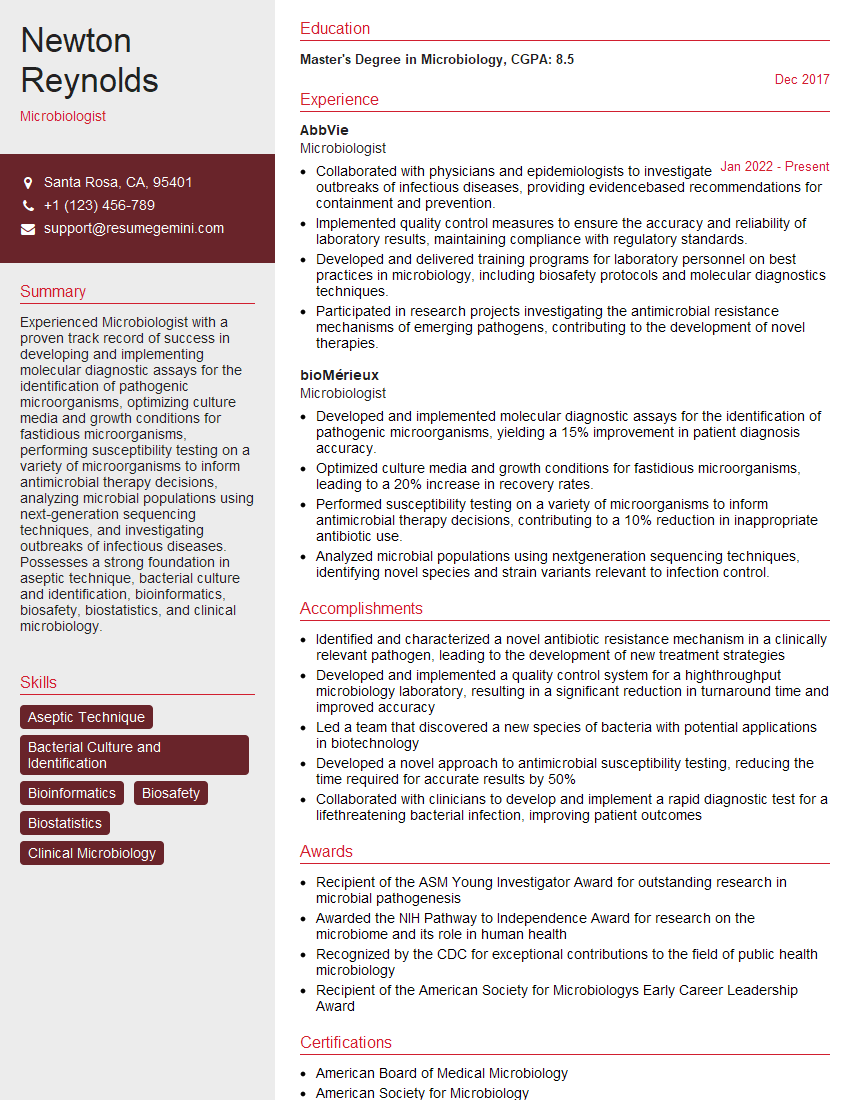
Microbiologist Resume Sample
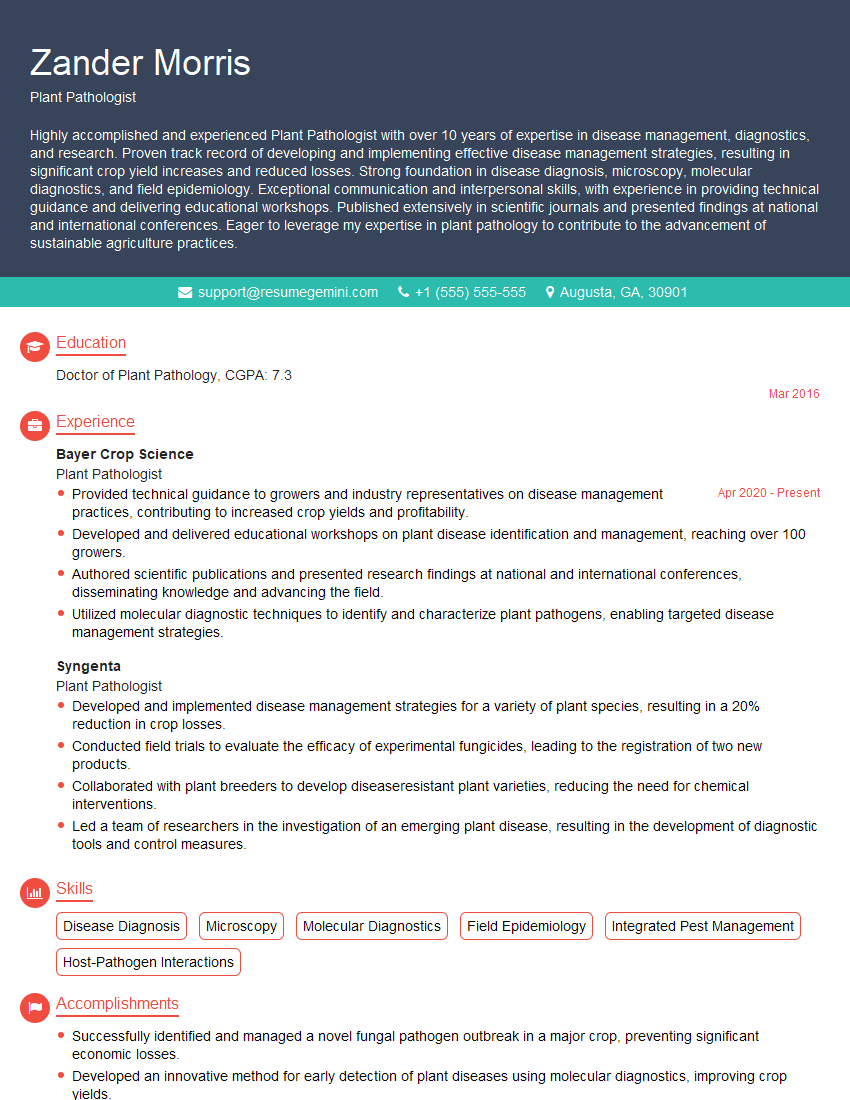
Plant Pathologist Resume Sample

Clinical Laboratory Scientist Resume Sample
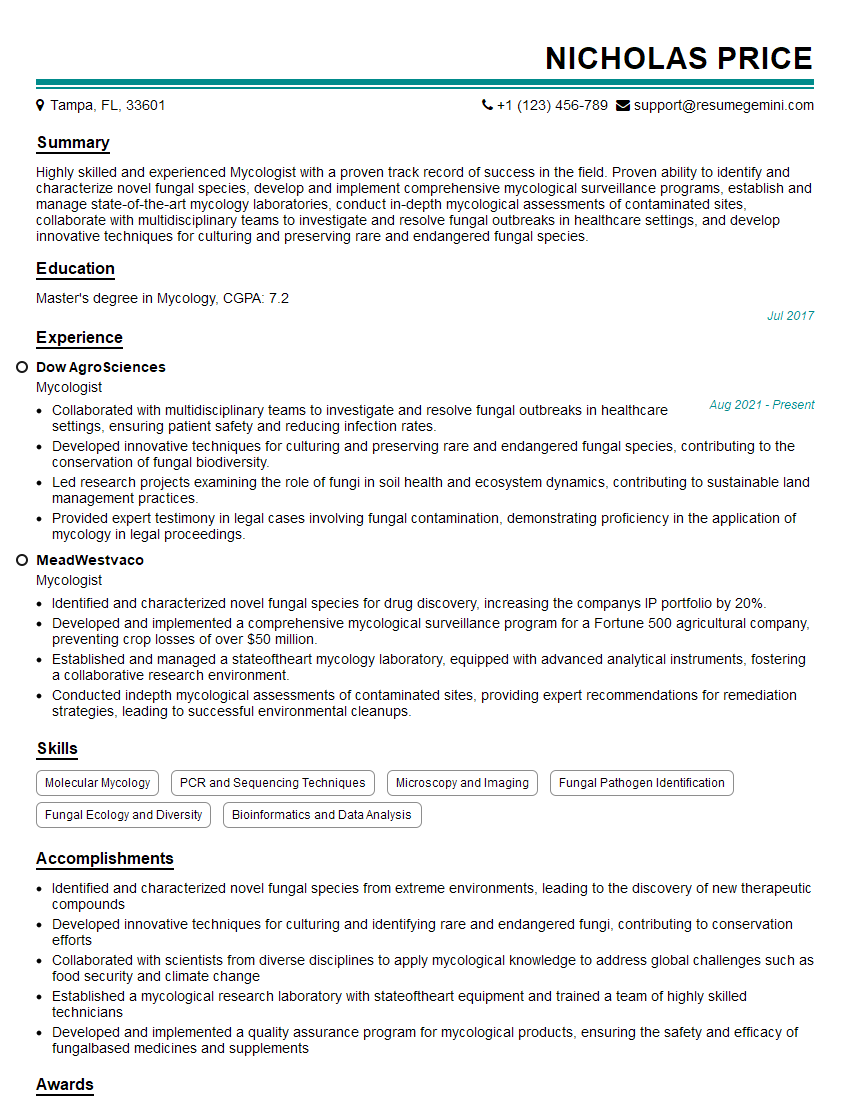
Mycologist Resume Sample
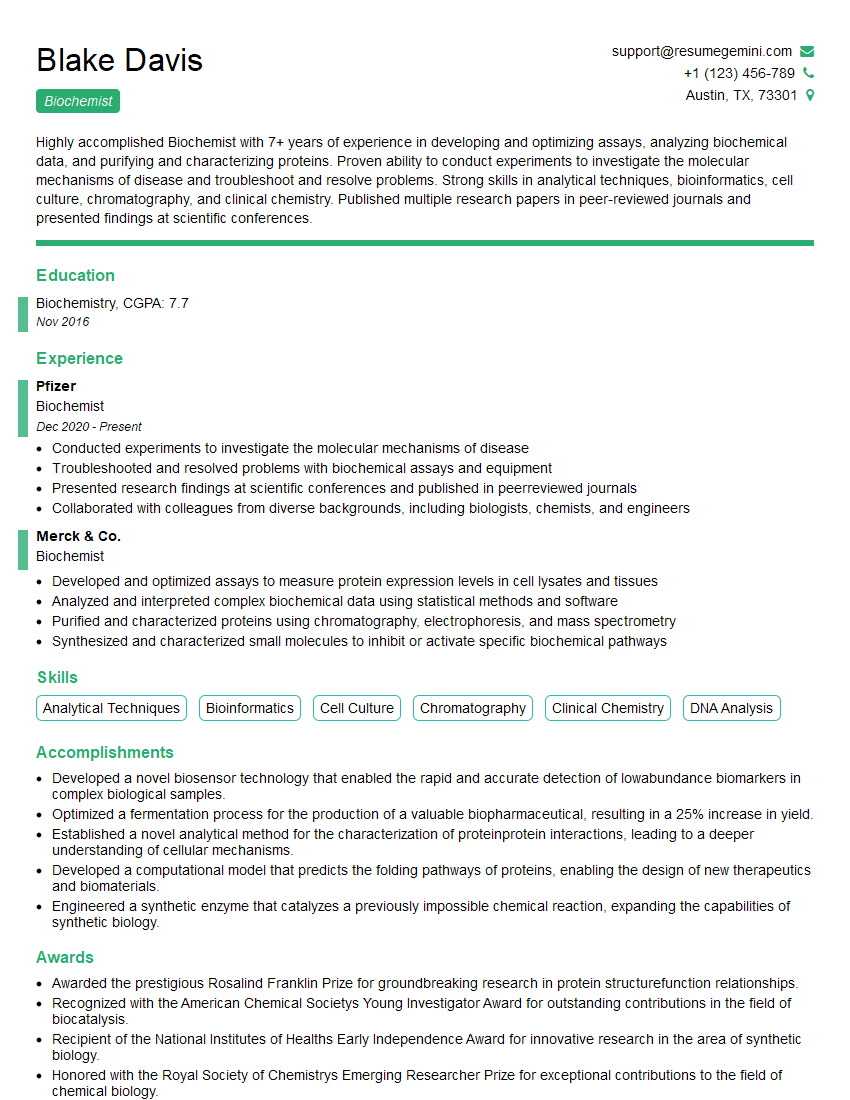
Biochemist Resume Sample
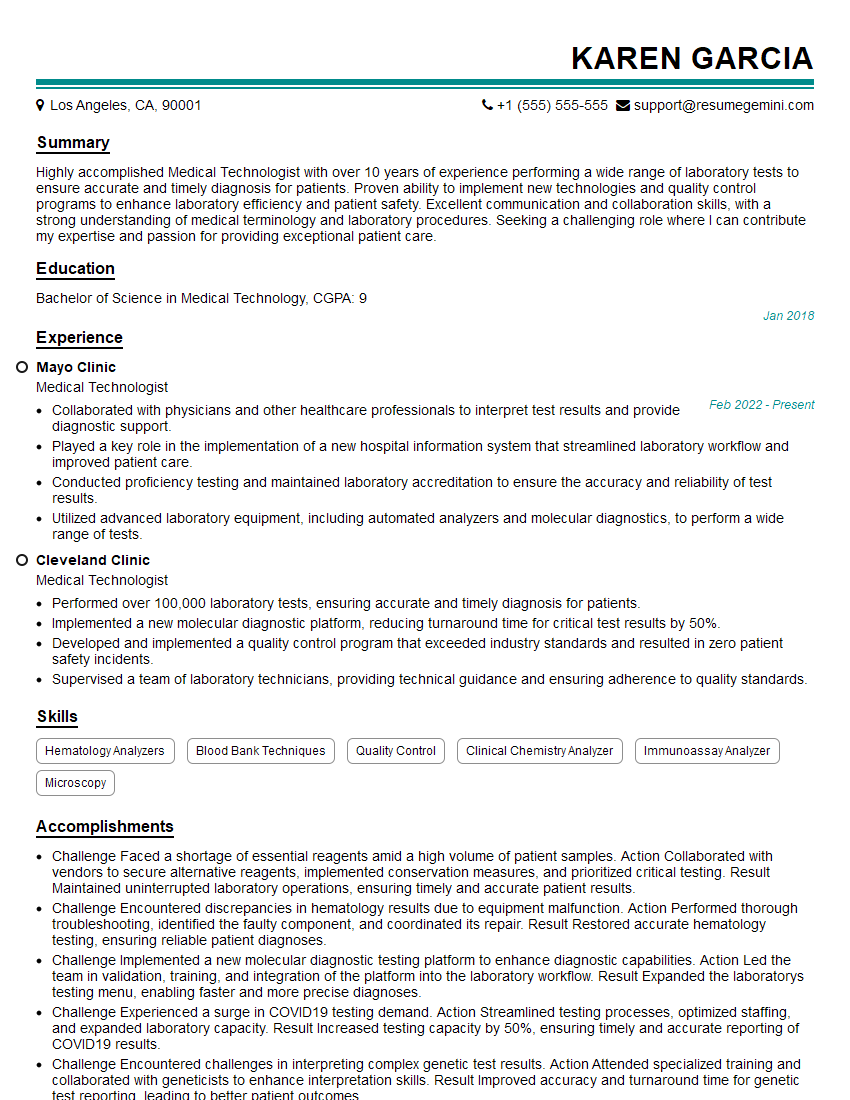
Medical Technologist Resume Sample

Virologist Resume Sample
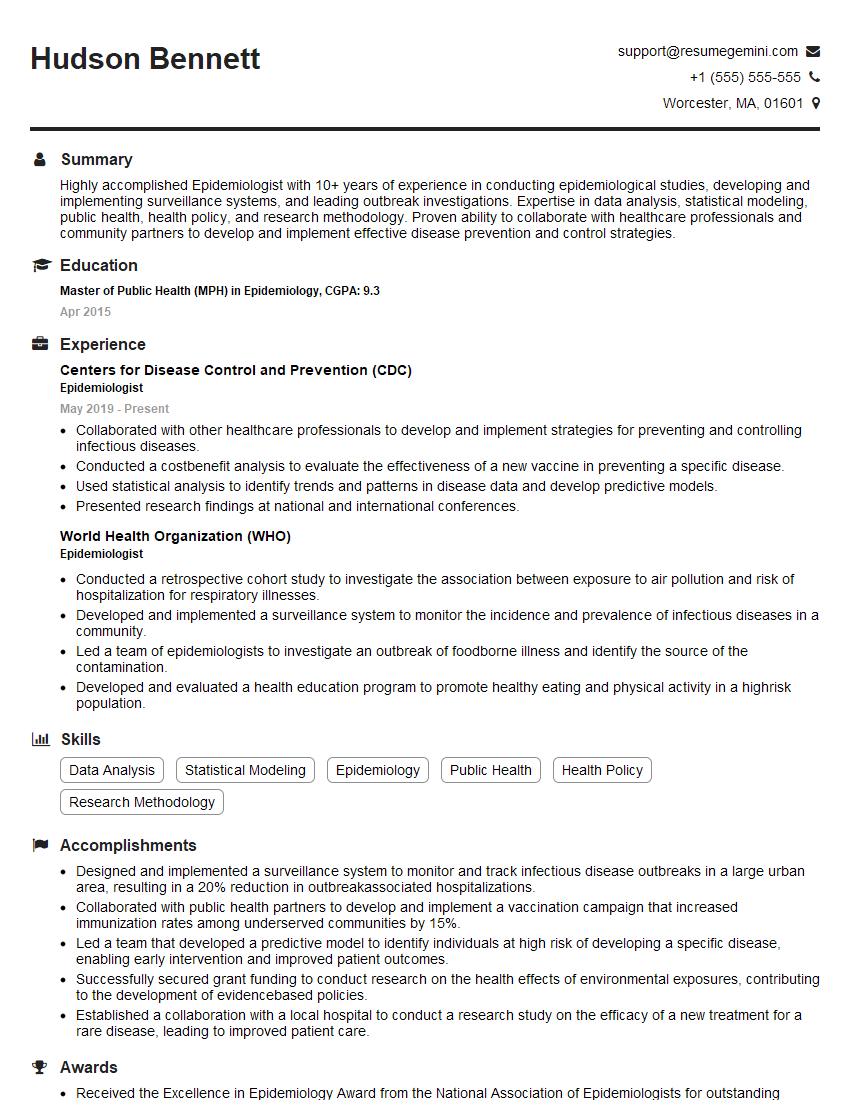
Epidemiologist Resume Sample
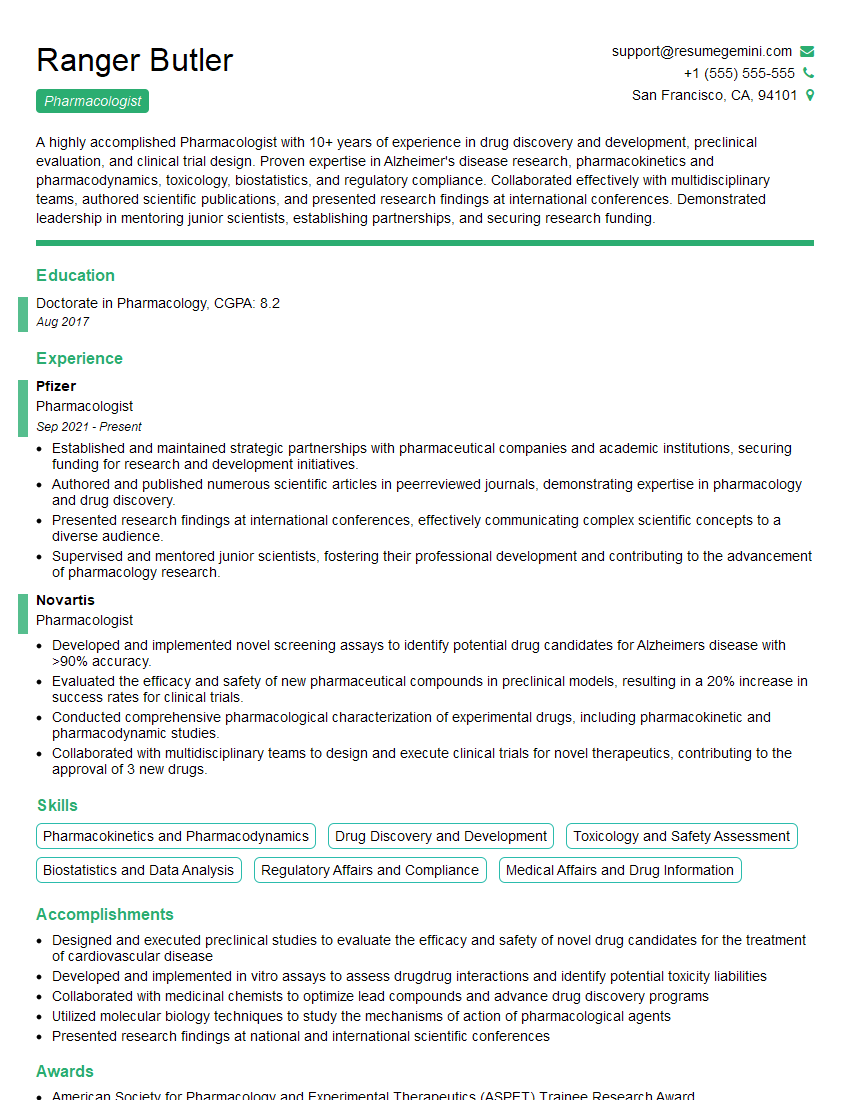
Pharmacologist Resume Sample

Forensic Scientist Resume Sample

Analytical Chemist Resume Sample
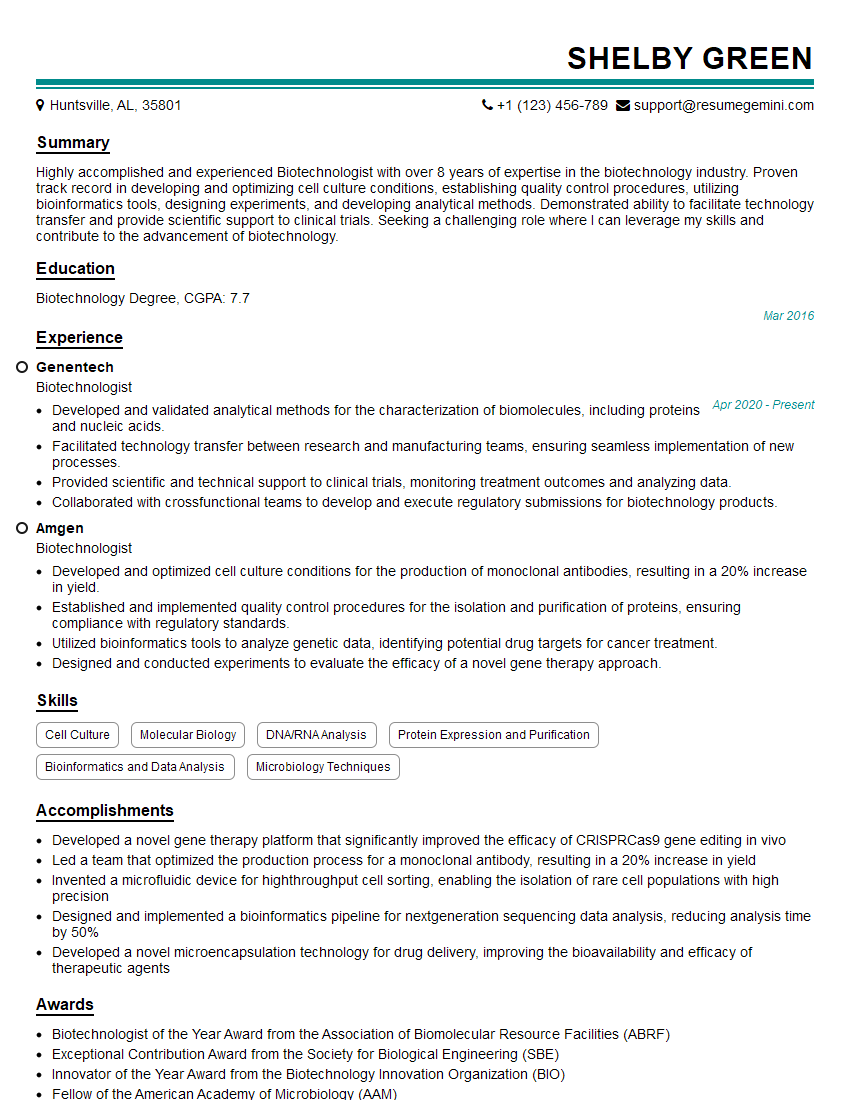
Biotechnologist Resume Sample

Public Health Specialist Resume Sample

Immunologist Resume Sample

Veterinary Technician Resume Sample
- Environmental Scientist
- Regulatory Affairs Specialist
- Research Scientist
- Genetic Engineer
- Quality Control Specialist
- Laboratory Technician
- Bacteriologist
- Food Scientist
- Microbiologist
- Plant Pathologist
- Clinical Laboratory Scientist
- Mycologist
- Biochemist
- Medical Technologist
- Virologist
- Epidemiologist
- Pharmacologist
- Forensic Scientist
- Analytical Chemist
- Biotechnologist
- Public Health Specialist
- Immunologist
- Veterinary Technician
Explore more articles
Users Rating of Our Blogs
Share Your Experience
We value your feedback! Please rate our content and share your thoughts (optional).
What Readers Say About Our Blog
Very informative content, great job.
good