Preparation is the key to success in any interview. In this post, we’ll explore crucial Safety and Reliability interview questions and equip you with strategies to craft impactful answers. Whether you’re a beginner or a pro, these tips will elevate your preparation.
Questions Asked in Safety and Reliability Interview
Q 1. Explain the difference between hazard and risk.
The terms hazard and risk are often confused, but they represent distinct concepts in safety and reliability. A hazard is simply a potential source of harm or damage. It’s the inherent danger present in a situation, object, or process. Think of it as the ‘what’ – what could potentially go wrong? A risk, on the other hand, is the likelihood of that hazard causing harm, combined with the severity of the potential harm. It’s the ‘how likely’ and ‘how bad’ aspects of the hazard. Risk is therefore a more complete picture, incorporating both the possibility and consequence of an event.
Example: A sharp knife (hazard) has the potential to cause a cut (harm). The risk associated with that knife depends on factors like: who is using it, what they’re using it for, and the environment. A skilled chef using the knife in a professional kitchen has a lower risk of injury than a child playing with it unsupervised.
Q 2. Describe your experience with Failure Modes and Effects Analysis (FMEA).
I have extensive experience conducting Failure Modes and Effects Analysis (FMEA). I’ve led numerous FMEA workshops across various industries, including aerospace and manufacturing. My approach typically involves a multidisciplinary team, collaboratively identifying potential failure modes in a system or process. We then assess the severity, probability of occurrence, and the ease of detection of each failure mode using a scoring system (often a Severity, Occurrence, Detection – or SOD – scale). This helps us prioritize the risks and focus mitigation efforts on the most critical areas.
For instance, in a recent project involving a robotic assembly line, we identified a potential failure mode where the robotic arm could malfunction, leading to a damaged product. Through the FMEA process, we determined the severity to be high, the probability of occurrence to be medium, and the ease of detection to be low. This high-risk rating prompted us to implement several safety measures, including improved sensors, redundant systems, and enhanced operator training.
Q 3. What are the key elements of a Safety Management System (SMS)?
A robust Safety Management System (SMS) comprises several key elements working in concert to proactively manage safety risks. These elements are typically:
- Safety Policy: A formal statement of commitment from top management to safety.
- Safety Risk Management: A systematic process for identifying, analyzing, and mitigating safety hazards.
- Safety Assurance: Processes to monitor the effectiveness of the SMS and ensure continued improvement.
- Safety Promotion: Programs to foster a safety-conscious culture, encourage reporting, and improve safety awareness amongst all personnel.
- Accident/Incident Investigation: Procedures to investigate occurrences, determine root causes, and implement corrective actions to prevent recurrence.
These elements are interconnected. A strong safety policy underpins the entire system, providing the framework for effective risk management and assurance. Continuous improvement is driven by the data obtained from investigations and the feedback from safety promotion initiatives.
Q 4. Explain the concept of fault tree analysis (FTA).
Fault Tree Analysis (FTA) is a deductive, top-down approach used to analyze system failures. It starts with defining an undesired event (the top event) and then systematically works backward to identify the basic events (failures) that could lead to that top event. These basic events are then linked together using logic gates (AND, OR) to show the cause-and-effect relationships. The resulting tree graphically depicts all the possible failure paths leading to the top event.
Example: Imagine the top event is a ‘system shutdown’. An FTA might reveal that this could be caused by either a ‘power failure’ OR a ‘software crash’. Further analysis might show that ‘power failure’ could be due to ‘main power outage’ AND ‘backup power failure’. The FTA visually maps these relationships and allows us to assess the likelihood of the top event occurring, identifying critical failure points for mitigation.
Q 5. How do you determine the reliability of a system?
Determining system reliability involves assessing the probability that a system will perform its intended function without failure for a specified period under stated conditions. Several methods can be employed, depending on the system’s complexity and available data. These methods include:
- Component Reliability Data: If reliability data for individual components is available, system reliability can be estimated using statistical models, considering the components’ configuration (series, parallel, etc.).
- Testing: Testing the system under operational conditions to observe failures and calculate reliability metrics. This is particularly useful for new systems where historical data is lacking.
- Simulation: Using computer simulation to model the system’s behavior and predict its reliability under various scenarios. This is cost-effective and allows for ‘what-if’ analysis.
- Expert Judgment: This is used when other data is scarce, relying on the experience and knowledge of subject-matter experts to estimate component failure rates and system reliability.
The choice of method depends on factors such as cost, time constraints, data availability, and system complexity.
Q 6. What are some common reliability metrics?
Common reliability metrics include:
- Mean Time Between Failures (MTBF): The average time between consecutive failures. Higher MTBF indicates higher reliability.
- Mean Time To Failure (MTTF): The average time until the first failure of a non-repairable system.
- Mean Time To Repair (MTTR): The average time taken to repair a failed system. Lower MTTR indicates better maintainability.
- Availability: The fraction of time a system is operational. It considers both MTBF and MTTR (Availability = MTBF / (MTBF + MTTR)).
- Reliability Function R(t): The probability that a system will survive (not fail) until time t.
The selection of the appropriate metric depends on the specific application and the nature of the system being analyzed.
Q 7. Describe your experience with Root Cause Analysis (RCA).
Root Cause Analysis (RCA) is a systematic process to identify the underlying causes of an incident or failure, going beyond superficial symptoms to address the fundamental reasons. I’ve used various RCA techniques, including the ‘5 Whys,’ fishbone diagrams (Ishikawa diagrams), and fault tree analysis. My approach always involves gathering data from multiple sources (witness statements, logs, physical evidence) and engaging a team with diverse perspectives to ensure a thorough investigation.
For example, in investigating a production line stoppage, a superficial analysis might point to a machine malfunction as the cause. However, through a more thorough RCA using the ‘5 Whys’ method, we might discover the root cause was inadequate operator training leading to incorrect machine operation and ultimately the component failure. This allowed us to focus our corrective actions on training and prevent similar incidents in the future.
Q 8. What is the difference between preventative and corrective maintenance?
Preventative and corrective maintenance are two distinct approaches to maintaining equipment and systems. Preventative maintenance, as the name suggests, focuses on preventing failures before they occur. This involves scheduled inspections, lubrication, cleaning, and part replacements based on predicted wear and tear or manufacturer recommendations. Think of it like regularly servicing your car – changing the oil, rotating the tires – to avoid a major breakdown.
Corrective maintenance, on the other hand, addresses failures after they have occurred. This is reactive maintenance; you fix something only when it breaks. For example, replacing a pump that has seized due to lack of lubrication or fixing a cracked pipe. Corrective maintenance is often more costly and disruptive than preventative maintenance because it typically involves emergency repairs, lost production time, and potential safety risks.
- Preventative Maintenance Example: A refinery schedules a shutdown every six months for a comprehensive inspection and preventative maintenance on all critical process equipment.
- Corrective Maintenance Example: A sudden pump failure in a water treatment plant requires an emergency shutdown and costly repairs.
Ideally, a balanced approach combining both preventative and corrective maintenance is used to optimize equipment reliability and minimize downtime. This strategy accounts for both planned and unplanned maintenance activities.
Q 9. Explain the importance of safety instrumented systems (SIS).
Safety Instrumented Systems (SIS) are essential for preventing or mitigating hazardous events in industrial processes. They are independent safety systems designed to automatically shut down or control processes if a dangerous situation arises. Imagine them as the emergency brakes of a complex system. They’re separate from the normal operating systems, ensuring that if the primary system fails, the SIS can still intervene to prevent a major incident.
The importance of SIS lies in their ability to protect personnel, the environment, and equipment. They’re crucial in industries with inherently hazardous materials or processes, such as oil and gas, chemicals, and pharmaceuticals. Without a reliable SIS, the consequences of equipment failure could range from minor injuries to catastrophic explosions, environmental damage, and loss of life.
A well-designed SIS includes sensors, logic solvers (PLCs), and final control elements (valves, actuators) to detect abnormal conditions, perform safety functions, and implement mitigation strategies. Regular testing and maintenance are critical to ensure the continued reliability and effectiveness of the SIS.
Q 10. How do you calculate Risk Priority Number (RPN)?
The Risk Priority Number (RPN) is a simple method used in Failure Mode and Effects Analysis (FMEA) to prioritize risks. It’s a multiplicative calculation that combines the severity, occurrence, and detection of a potential failure mode. A higher RPN indicates a higher priority for action.
The formula is:
RPN = Severity (S) × Occurrence (O) × Detection (D)Each factor (S, O, D) is usually rated on a scale (e.g., 1-10), where:
- Severity (S): The seriousness of the consequence if the failure occurs. (e.g., 1=negligible, 10=catastrophic)
- Occurrence (O): The likelihood of the failure mode occurring. (e.g., 1=extremely unlikely, 10=almost certain)
- Detection (D): The likelihood of detecting the failure before it causes a problem. (e.g., 1=certain detection, 10=unlikely detection)
Example: Let’s say a failure mode has a Severity of 8 (serious injury possible), an Occurrence of 3 (moderate likelihood), and a Detection of 2 (high likelihood of detection). The RPN would be 8 × 3 × 2 = 48. A failure mode with an RPN of 48 would be prioritized higher than one with an RPN of 10.
It’s important to note that while RPN is a helpful prioritization tool, it has limitations. The subjective nature of the rating scales can lead to inconsistencies, and it doesn’t explicitly account for the cost or effort required to mitigate the risk.
Q 11. Describe your experience with HAZOP studies.
I have extensive experience conducting HAZOP (Hazard and Operability) studies. These are systematic, team-based analyses used to identify potential hazards and operability problems in process plants and systems. My experience encompasses various industries, including refining, petrochemicals, and pharmaceuticals.
My approach typically involves:
- Defining the scope: Clearly identifying the process or system being analyzed.
- Assembling a multi-disciplinary team: Including process engineers, operators, safety engineers, and other relevant experts to leverage diverse perspectives.
- Selecting guide words: Using predefined guide words (e.g., NO/MORE, LESS, PART of, REVERSE) to systematically explore deviations from normal operating conditions.
- Identifying potential hazards and operability problems: Documenting each hazard, its potential causes, consequences, and recommended safety measures.
- Recording and documenting findings: Creating a detailed HAZOP report that includes recommendations for mitigating identified risks.
- Following up on recommendations: Ensuring that the necessary actions are implemented and documented.
For example, during a HAZOP study on a distillation column, we identified a potential hazard where a blockage in the feed line could cause a pressure build-up. This led to the recommendation of installing a pressure relief valve and implementing procedures for regular cleaning of the feed line.
My experience has shown that HAZOP studies are invaluable for improving safety and reliability by proactively identifying and mitigating potential hazards before they lead to incidents. They are a crucial part of a robust safety management system.
Q 12. What is a SIL rating and how is it determined?
A Safety Integrity Level (SIL) is a quantitative measure of the risk-reduction capability of a safety function. It’s a critical element in the design, implementation, and verification of Safety Instrumented Systems (SIS). A SIL rating ranges from 1 to 4, with SIL 4 representing the highest level of safety integrity.
SIL is determined through a risk assessment process that considers:
- The severity of potential consequences: The harm that could result from a failure.
- The probability of failure on demand (PFD): The probability that the SIS will fail to operate correctly when it’s needed.
- Safety requirements: The acceptable level of risk that is considered tolerable.
The process often involves using quantitative risk assessment techniques to calculate the required PFD average (PFDavg). This PFDavg is then mapped to a SIL level based on pre-defined standards, such as IEC 61508 or IEC 61511. Higher SIL levels require lower PFDavg, meaning a higher level of safety integrity is needed.
For instance, a SIL 3 system would need a significantly lower probability of failure than a SIL 1 system. This would reflect in the choice of components, design redundancy, and testing requirements. The selection of a suitable SIL level is a critical step in ensuring the adequate protection of people, the environment, and assets.
Q 13. Explain your understanding of human factors in safety.
Human factors are critical in safety, recognizing that human actions and limitations can significantly influence the success or failure of safety systems. Understanding human factors means acknowledging that people are not infallible and that various factors can affect their performance and decision-making.
This includes aspects such as:
- Human error: Recognizing that mistakes are inevitable and designing systems to minimize their impact. This involves implementing error-proofing mechanisms and creating user-friendly interfaces.
- Ergonomics: Designing workspaces and equipment to minimize physical strain and improve comfort, which reduces fatigue and the potential for errors.
- Training and competency: Ensuring personnel are properly trained and competent to perform their tasks safely. This includes regular refresher training and assessments.
- Procedures and work instructions: Creating clear, concise, and easy-to-understand procedures to minimize ambiguity and the potential for misinterpretation.
- Situational awareness: Creating systems that help operators maintain a good understanding of the plant’s status and potential hazards.
For example, a poorly designed control panel, using confusing symbols or placing critical controls in an inconvenient location, can lead to human error. Similarly, inadequate training on emergency procedures can result in delayed or ineffective response to incidents. A strong safety culture emphasizes the importance of understanding and mitigating human factors to improve overall safety performance.
Q 14. Describe your experience with safety audits and inspections.
I possess significant experience conducting safety audits and inspections across diverse industrial settings. My approach is meticulous and systematic, focusing on identifying potential hazards and ensuring compliance with relevant safety regulations and standards.
My experience includes:
- Planning and scoping: Defining the objectives and scope of the audit or inspection, considering the specific processes, equipment, and regulatory requirements.
- On-site assessment: Conducting thorough on-site inspections, reviewing documentation, and interviewing personnel to gather information.
- Identifying non-conformances: Documenting any deviations from safety standards, regulations, or best practices.
- Root cause analysis: Investigating the underlying causes of identified non-conformances to determine corrective actions.
- Reporting and follow-up: Preparing a comprehensive audit report that includes findings, recommendations, and corrective actions, along with follow-up to verify the implementation of corrective actions.
For instance, during a safety audit of a chemical plant, I identified a lack of proper lockout/tagout procedures for maintenance activities. This led to recommendations for improving training, updating procedures, and providing appropriate personal protective equipment. I then ensured that these recommendations were implemented and verified through subsequent follow-up inspections. My focus is not just on finding issues but on helping organizations build robust safety cultures and improve their overall safety performance.
Q 15. How do you handle safety incidents or near misses?
Handling safety incidents and near misses involves a structured approach focusing on immediate response, root cause analysis, and preventative measures. It’s not just about fixing the immediate problem; it’s about understanding why it happened and preventing recurrence.
- Immediate Response: First, ensure the safety of all personnel. Secure the area, provide necessary medical attention if required, and document the event meticulously. This documentation includes photos, witness statements, and equipment readings.
- Root Cause Analysis (RCA): This is crucial. We use techniques like the ‘5 Whys’ to delve beyond superficial explanations. For example, if a machine malfunctioned (initial problem), we ask ‘why’ repeatedly: Why did the machine malfunction? (worn part); Why was the part worn? (lack of lubrication); Why wasn’t it lubricated? (maintenance schedule not followed); Why wasn’t the schedule followed? (inadequate training). This process helps pinpoint the root cause, addressing it effectively.
- Corrective and Preventative Actions: Based on the RCA, we implement corrective actions to address the immediate issue and preventative actions to prevent similar incidents in the future. This might involve equipment repairs, process changes, updated training, or improved safety procedures. We also review existing safety protocols and update them as necessary.
- Follow-up and Monitoring: After implementing corrective actions, we monitor the effectiveness of those changes. We track relevant key performance indicators (KPIs) to assess whether the implemented actions have actually reduced the risk of recurrence.
For example, in a previous role, a near miss involving a falling object prompted a complete review of our lifting equipment inspection procedures, resulting in more frequent inspections and improved training for operators. This prevented a potential serious injury.
Career Expert Tips:
- Ace those interviews! Prepare effectively by reviewing the Top 50 Most Common Interview Questions on ResumeGemini.
- Navigate your job search with confidence! Explore a wide range of Career Tips on ResumeGemini. Learn about common challenges and recommendations to overcome them.
- Craft the perfect resume! Master the Art of Resume Writing with ResumeGemini’s guide. Showcase your unique qualifications and achievements effectively.
- Don’t miss out on holiday savings! Build your dream resume with ResumeGemini’s ATS optimized templates.
Q 16. What are your experiences with regulatory compliance (e.g., OSHA, IEC 61508)?
My experience with regulatory compliance spans several industries, encompassing both OSHA (Occupational Safety and Health Administration) standards in manufacturing and IEC 61508 for functional safety in electrical/electronic/programmable electronic safety-related systems. Understanding and adhering to these regulations is paramount.
OSHA: I have extensive experience in implementing and maintaining OSHA compliant safety programs, including conducting regular safety inspections, developing and delivering safety training, and investigating accidents to identify root causes and implement corrective actions. This involves familiarity with OSHA regulations, such as lockout/tagout procedures, hazard communication, and personal protective equipment (PPE) requirements.
IEC 61508: This standard is more specialized, dealing with the safety of electrical, electronic, and programmable electronic systems. My experience includes working on projects requiring safety integrity levels (SIL) assessment. This involves analyzing system architectures, selecting appropriate safety devices, and validating the system’s performance against the specified SIL. Understanding the hazard analysis and risk assessment methodologies described within the standard is critical. I have used tools and methodologies to calculate probabilities of failure and assess the risk associated with different failure modes.
In essence, my experience ensures that safety protocols are not just followed, but that their effectiveness is continuously monitored and improved. We avoid a ‘check-box’ mentality and instead focus on genuine safety improvements.
Q 17. Explain your experience with reliability-centered maintenance (RCM).
Reliability-Centered Maintenance (RCM) is a systematic approach to maintenance that focuses on preserving the functional capabilities of equipment, rather than simply following a scheduled maintenance plan. It aims to maximize reliability while minimizing maintenance costs.
- Functional Failure Analysis: RCM begins with a thorough understanding of the equipment’s functions and how failures can affect those functions. We identify all potential failure modes and their consequences.
- Failure Modes and Effects Analysis (FMEA): FMEA helps us assess the likelihood and severity of each failure mode, and the effectiveness of current preventative measures. This often involves considering the cost of repair, downtime, and safety implications.
- Maintenance Task Selection: Based on the FMEA, we determine the most appropriate maintenance tasks for each failure mode. These might include preventative maintenance, predictive maintenance (using condition monitoring), or only performing maintenance upon failure (if the risk is low).
- Implementation and Monitoring: The selected maintenance tasks are implemented, and their effectiveness is continuously monitored. The RCM process is iterative; it’s not a one-time exercise. It’s continuously refined based on real-world data and performance metrics.
In one project, applying RCM to a critical piece of manufacturing equipment reduced downtime by 40% and maintenance costs by 25%. This was achieved by shifting from a time-based maintenance strategy to a condition-based strategy, using vibration analysis to predict potential failures before they occurred.
Q 18. How do you prioritize safety improvements?
Prioritizing safety improvements requires a systematic approach that balances risk, cost, and feasibility. We typically use a risk matrix to guide our decisions.
- Risk Assessment: We identify hazards and analyze the likelihood and severity of potential incidents. This often involves using techniques like HAZOP (Hazard and Operability Study) or FMEA (Failure Modes and Effects Analysis). The severity is often measured in terms of potential injuries or environmental damage, while likelihood considers frequency.
- Risk Matrix: We plot each hazard on a risk matrix, with likelihood on one axis and severity on the other. This provides a visual representation of the relative risk of each hazard.
- Prioritization: Hazards falling into the high-risk quadrant (high likelihood and high severity) are prioritized for immediate attention. Those in lower-risk quadrants are addressed according to available resources and time constraints.
- Cost-Benefit Analysis: While a high-risk hazard needs immediate attention, we also consider the cost-effectiveness of implementing improvements. We aim for solutions with a high return on investment (ROI) in terms of risk reduction and cost savings.
For example, a high-risk scenario could be a faulty emergency stop system. The cost of replacing this system would be relatively small, compared to the potentially catastrophic consequences of failure; hence, high priority is given to its immediate resolution. This is a clear example where the risk and cost are strongly correlated.
Q 19. What are your experiences with safety training and education?
Safety training and education are fundamental to a robust safety culture. My experience includes developing and delivering various training programs, ranging from basic safety awareness to specialized training on specific equipment or processes.
- Needs Assessment: Before designing training, I conduct a thorough needs assessment to identify specific knowledge and skill gaps. This may involve surveys, interviews, or observations of current practices.
- Program Development: I develop training programs that are engaging, relevant, and tailored to the specific audience. Methods include classroom instruction, hands-on training, and online modules.
- Delivery and Evaluation: I ensure the training is delivered effectively using various methods, including presentations, simulations, and case studies. Post-training evaluations assess participant understanding and knowledge retention.
- Continuous Improvement: Training materials and methods are regularly reviewed and updated to reflect changes in regulations, technologies, or best practices. Feedback from participants and supervisors is used to improve the training effectiveness.
In one instance, we designed a virtual reality-based training program for operating a complex piece of machinery. The immersive environment allowed employees to practice procedures in a safe setting and improved their proficiency while reducing the risk of accidents during actual operation.
Q 20. Describe your experience with data analysis related to safety and reliability.
Data analysis plays a vital role in improving safety and reliability. I have extensive experience using data to identify trends, predict potential failures, and evaluate the effectiveness of safety interventions.
- Data Collection: Data sources include maintenance records, incident reports, inspection data, and operational parameters. The key is to have comprehensive and reliable data collection methods in place.
- Statistical Analysis: I use statistical methods to analyze the data and identify patterns and trends. This might include calculating reliability metrics (MTBF, MTTR), identifying common causes of failures, and analyzing the effectiveness of different maintenance strategies.
- Predictive Modeling: Advanced analytical techniques can be used to predict potential failures or incidents before they occur. This can involve building predictive models based on historical data and operational parameters.
- Data Visualization: Presenting data clearly and concisely is crucial for effective communication. Data visualization techniques such as charts and dashboards help stakeholders understand the key findings and insights.
For example, by analyzing maintenance records, we identified a correlation between specific environmental conditions and equipment failures. This insight led to the implementation of environmental controls, reducing equipment failures and increasing operational uptime.
Q 21. Explain the concept of Mean Time Between Failures (MTBF).
Mean Time Between Failures (MTBF) is a key reliability metric that represents the average time between failures of a system or component. It’s a crucial indicator of a system’s reliability and is expressed in units of time (e.g., hours, days, years).
Calculation: MTBF is calculated by dividing the total operating time of a system by the number of failures that occurred during that time.
MTBF = Total operating time / Number of failures
Practical Application: A high MTBF indicates high reliability, suggesting that the system is likely to operate for a long time without failing. A low MTBF signifies low reliability, meaning the system is prone to frequent failures. MTBF is often used in design, maintenance planning, and risk assessments. It allows for predictions of future failures and informs decisions regarding maintenance schedules and spare parts inventory.
Limitations: MTBF assumes that failures occur randomly and that the system’s reliability remains constant over time. This is not always true in practice. Systems may experience wear-out or other aging effects that can lead to an increased failure rate over time.
Consider a server farm. If servers fail on average every 1,000 hours, its MTBF is 1,000 hours. This indicates high reliability, but maintenance strategies still need to incorporate a risk-based plan based on additional factors.
Q 22. Explain the concept of Mean Time To Repair (MTTR).
Mean Time To Repair (MTTR) is a key metric in reliability engineering that represents the average time it takes to restore a failed system or component to a fully operational state. It’s a crucial indicator of system maintainability and operational efficiency. A lower MTTR indicates a more easily repaired system, leading to less downtime and improved overall system availability.
Imagine a manufacturing plant where a critical machine breaks down. MTTR measures the time from the moment the machine fails until it’s back up and running. This includes time spent diagnosing the problem, procuring replacement parts, performing the repair, and conducting testing to verify the repair. A low MTTR means minimal production disruption, whereas a high MTTR results in significant production losses and potentially unmet customer demands.
Calculating MTTR typically involves tracking the repair times for multiple failures over a specific period. The sum of these repair times is then divided by the total number of failures. For example, if five failures occurred with repair times of 2, 3, 1, 4, and 2 hours respectively, the MTTR would be (2+3+1+4+2)/5 = 2.4 hours. Understanding and reducing MTTR is crucial for optimizing system performance and minimizing costs associated with downtime.
Q 23. How do you use reliability data to make informed decisions?
Reliability data is the cornerstone of informed decision-making in safety and reliability engineering. It provides insights into system performance, identifies failure patterns, and allows for proactive mitigation of risks. We utilize various statistical methods and data analysis techniques to glean meaningful information from this data.
- Trend Analysis: Identifying patterns in failure rates over time allows us to predict future failures and implement preventive maintenance strategies. For example, a noticeable increase in failures of a specific component could indicate a design flaw or the need for a scheduled replacement.
- Failure Mode and Effects Analysis (FMEA): This method helps to identify potential failure modes, their effects, and their severity. By analyzing the reliability data, we can determine the likelihood and impact of each failure mode and prioritize mitigation efforts.
- Statistical Process Control (SPC): SPC uses control charts to monitor system performance and detect anomalies. Deviations from established baselines could indicate emerging problems requiring investigation.
- Reliability Growth Modeling: This helps to assess the effectiveness of design improvements and maintenance actions on improving system reliability over time.
For example, in a recent project involving a complex software system, we used reliability data gathered from field testing to identify a specific software module with an unusually high failure rate. This allowed us to prioritize resources to address that module, leading to a significant reduction in system downtime and improved customer satisfaction.
Q 24. Explain your experience with different types of reliability testing.
My experience encompasses various types of reliability testing, including:
- Accelerated Life Testing: This involves subjecting components or systems to extreme conditions (e.g., high temperature, voltage, or vibration) to accelerate failure and gather reliability data in a shorter timeframe. This is particularly useful for products with long expected lifespans.
- Environmental Stress Screening (ESS): This technique is used to identify and eliminate early failures during the manufacturing process by exposing components to stresses simulating real-world operating conditions.
- Reliability Growth Testing: This iterative process involves identifying and fixing failures, retesting, and repeating the process until a desired reliability level is achieved. It’s valuable for software and hardware systems under development.
- Non-destructive Testing (NDT): Methods like ultrasonic testing, radiographic inspection, and magnetic particle inspection are employed to assess the integrity of components without causing damage. This is crucial for ensuring the safety and reliability of critical infrastructure components.
- Burn-in Testing: This involves operating components or systems continuously for a specified duration under normal or slightly stressed conditions to identify and eliminate infant mortality failures (early failures due to manufacturing defects).
In one instance, we used accelerated life testing to determine the useful life of a new type of battery for a critical aerospace application. By subjecting the batteries to high temperatures and charge/discharge cycles, we were able to accurately predict their lifespan and inform design decisions.
Q 25. What is your experience with risk matrices and their application?
Risk matrices are essential tools for visualizing and prioritizing risks based on their likelihood and severity. They typically involve a grid where the x-axis represents the likelihood of an event occurring and the y-axis represents the severity of its consequences. Each cell in the grid corresponds to a risk level (e.g., low, medium, high, critical). The matrix helps to focus efforts on the most critical risks.
I have extensive experience in developing and utilizing risk matrices in various projects. I typically follow a structured process, involving the identification of potential hazards, estimation of their likelihood and severity (often through expert elicitation or historical data), assigning risk levels, and then developing mitigation strategies based on risk level prioritization. I also use software tools to facilitate this process, ensuring accuracy and consistency.
For example, in a recent project involving the development of a new medical device, we used a risk matrix to identify and mitigate potential risks associated with its use. By prioritizing risks based on their likelihood and severity, we were able to allocate resources effectively and ensure the safety and efficacy of the device.
Q 26. How do you handle conflicting priorities between safety, cost, and schedule?
Balancing safety, cost, and schedule is a constant challenge in engineering projects. There’s no single ‘correct’ answer, as the optimal balance depends on the specific context and project goals. However, a structured approach is crucial.
My approach typically involves:
- Prioritization based on risk: Safety is paramount. We begin by identifying and quantifying safety risks, using risk matrices and other tools like Fault Tree Analysis (FTA). Cost and schedule considerations are addressed only after the safety aspects are properly addressed.
- Value engineering: This involves exploring alternative designs, materials, or processes to achieve the desired safety and reliability levels while minimizing costs and maintaining a reasonable schedule. This often involves trade-off analyses.
- Transparency and communication: Open communication among stakeholders (engineers, management, clients) is vital to ensure everyone understands the trade-offs involved and agrees on the final decision.
- Documentation: A thorough record of decisions made, along with the rationale behind those decisions, is essential for accountability and future reference.
For instance, in a project involving a new railway signaling system, we had to balance the safety requirements with budgetary constraints. Through value engineering, we identified less expensive but equally reliable components that met all safety standards, without compromising the project schedule.
Q 27. Describe your experience with probabilistic risk assessment (PRA).
Probabilistic Risk Assessment (PRA) is a systematic and comprehensive approach to risk analysis that considers the uncertainties inherent in complex systems. It uses probabilistic methods to quantify the likelihood and consequences of potential accidents. This differs from deterministic methods that focus on single-point estimates.
My experience in PRA includes applying various techniques, such as:
- Event Tree Analysis (ETA): ETA models the sequence of events following an initiating event, considering various possible outcomes and their probabilities.
- Fault Tree Analysis (FTA): FTA works backward from an undesired event (top event) to identify the underlying causes and their probabilities. This helps in understanding the contributing factors to potential system failures.
- Monte Carlo Simulation: This technique is used to propagate uncertainties in input parameters (e.g., component failure rates, human error probabilities) through the PRA model to obtain a probability distribution of the risk metrics.
In a nuclear power plant safety study, I utilized PRA to estimate the probability of core damage resulting from various initiating events (e.g., loss of coolant accident). The results helped in prioritizing safety improvements and informing regulatory decisions.
Q 28. What are some key performance indicators (KPIs) you would use to monitor safety and reliability?
Several Key Performance Indicators (KPIs) are essential for effectively monitoring safety and reliability:
- Mean Time Between Failures (MTBF): Indicates the average time between successive failures of a system or component. A higher MTBF suggests greater reliability.
- Mean Time To Failure (MTTF): Similar to MTBF, but specifically for non-repairable systems.
- Mean Time To Repair (MTTR): As discussed earlier, this measures the average time to repair a failed system. A lower MTTR is desirable.
- System Availability: Represents the percentage of time a system is operational. This is a crucial measure of overall system effectiveness.
- Number of Safety Incidents/Accidents: Tracks the occurrence of safety-related events. A reduction in this number signifies improved safety performance.
- Safety Audit Findings: Regular safety audits identify potential hazards and areas for improvement.
- Compliance Rate: Measures adherence to safety regulations and standards.
These KPIs, when tracked and analyzed over time, provide valuable insights into the effectiveness of safety and reliability programs, allowing for data-driven decision-making and continuous improvement.
Key Topics to Learn for Safety and Reliability Interview
- Hazard Identification and Risk Assessment: Understanding methodologies like HAZOP, FMEA, and FTA, and their practical application in identifying potential hazards and evaluating associated risks within various industrial settings.
- Safety Management Systems (SMS): Exploring the principles of SMS implementation, including policy development, risk mitigation strategies, and continuous improvement processes. Consider practical applications in aviation, maritime, or manufacturing.
- Reliability Engineering Principles: Familiarize yourself with concepts like reliability prediction, failure analysis (e.g., root cause analysis), maintainability, and availability. Think about how these principles are applied to ensure system uptime and prevent failures.
- Safety Instrumented Systems (SIS): Gain a solid understanding of SIS design, implementation, and testing, including safety integrity levels (SIL) and their implications for safety-critical systems.
- Human Factors in Safety: Explore the role of human error in accidents and incidents, and how to design systems and processes that minimize human error through effective training, procedures, and ergonomic design.
- Regulatory Compliance and Standards: Become familiar with relevant safety regulations and industry standards (e.g., ISO 14971, IEC 61508) and their application in different sectors.
- Data Analysis and Reporting: Develop your skills in analyzing safety data to identify trends, patterns, and areas for improvement. Practice presenting your findings clearly and concisely in reports and presentations.
- Incident Investigation and Reporting: Understand the principles of effective incident investigation, including root cause analysis and corrective action implementation. Be prepared to discuss your experience with incident reporting and investigation methodologies.
Next Steps
Mastering Safety and Reliability principles is crucial for a successful and rewarding career. These skills are highly sought after across many industries, offering excellent career growth potential and diverse opportunities. To stand out in the job market, it’s essential to present your qualifications effectively. Creating an ATS-friendly resume is vital for maximizing your job prospects. ResumeGemini is a trusted resource to help you build a professional and impactful resume. We offer examples of resumes tailored to Safety and Reliability roles to guide you. Leverage this resource to showcase your skills and experience, paving the way for your dream job in Safety and Reliability.
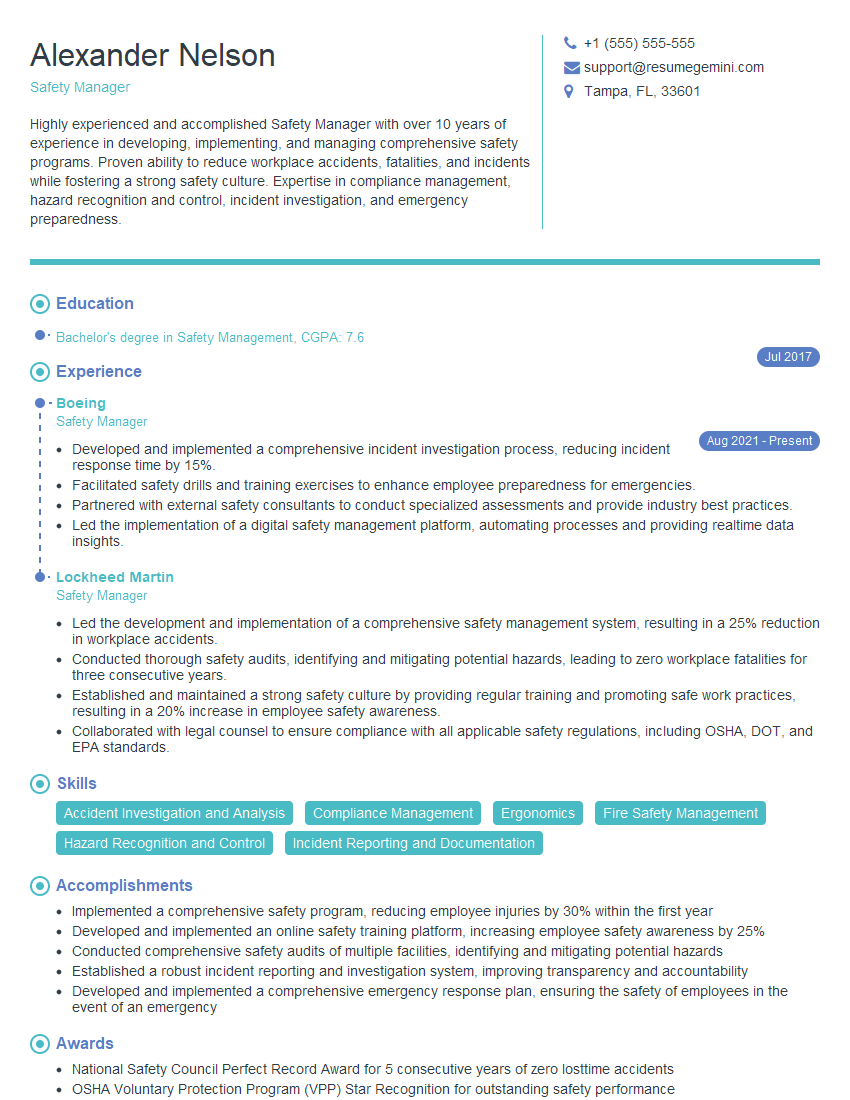
Safety Manager Resume Sample
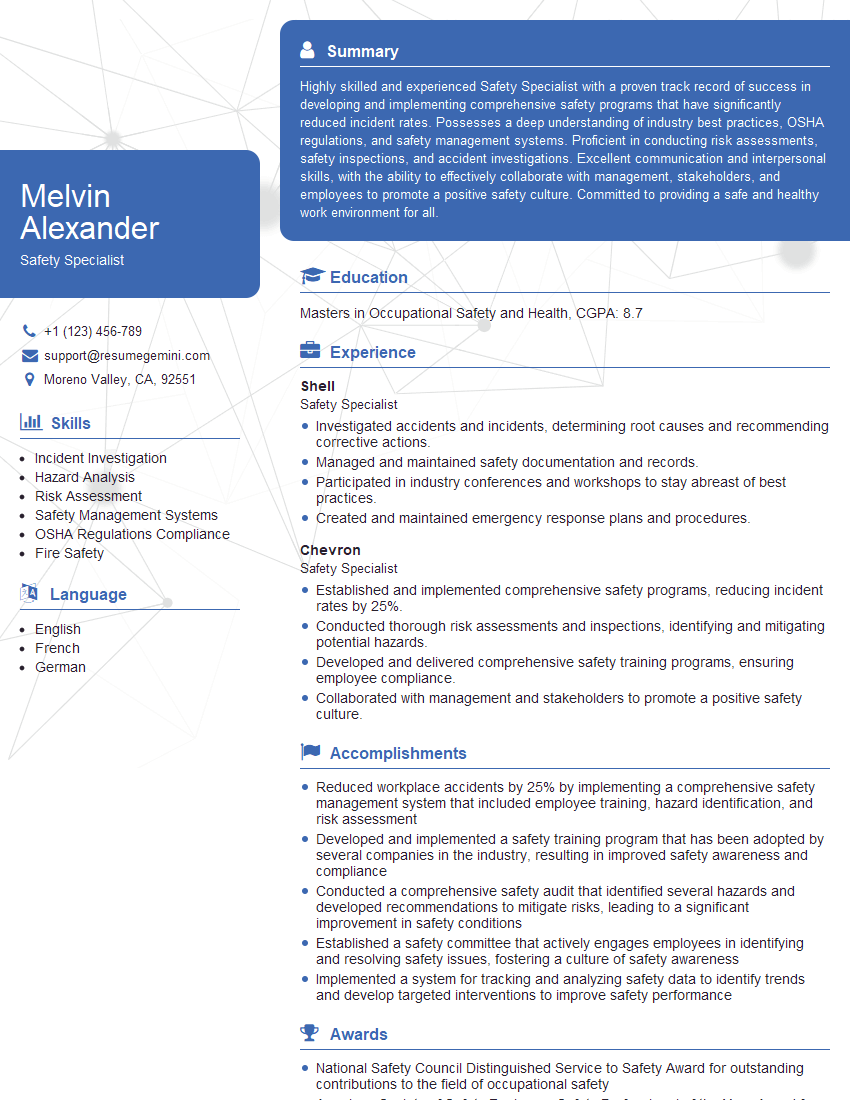
Safety Specialist Resume Sample
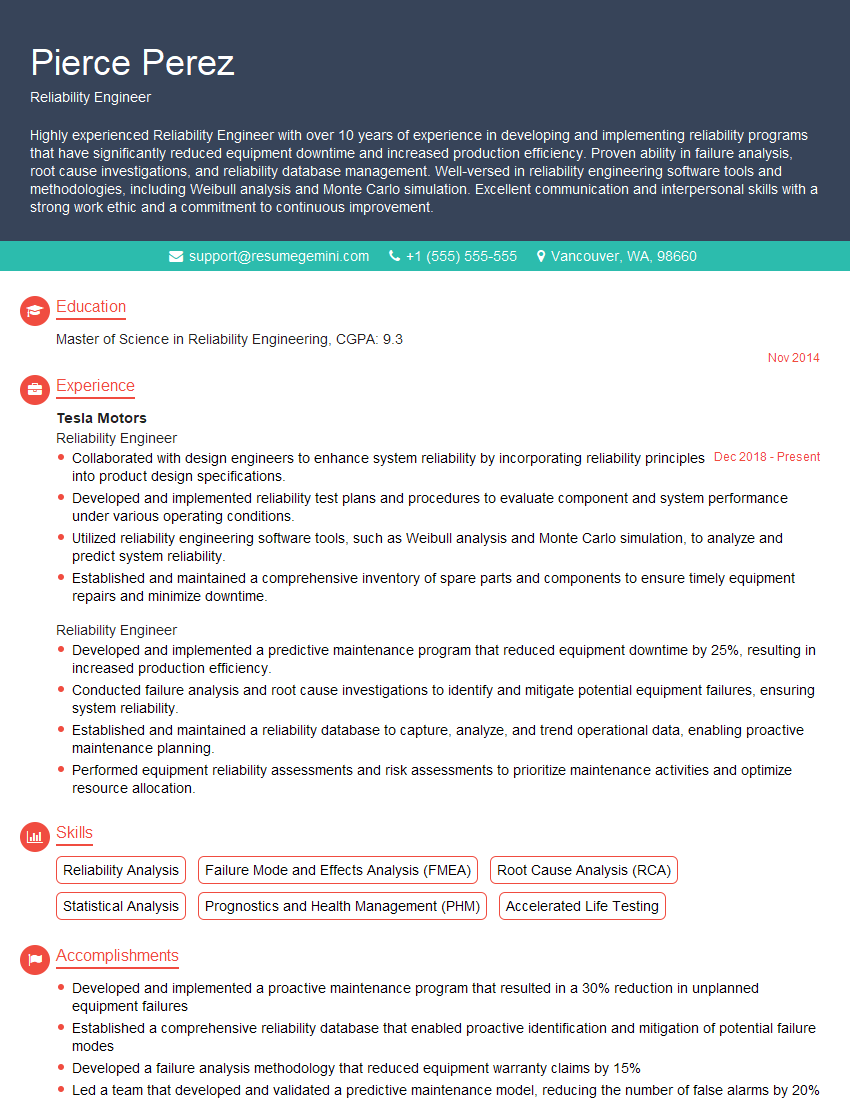
Reliability Engineer Resume Sample
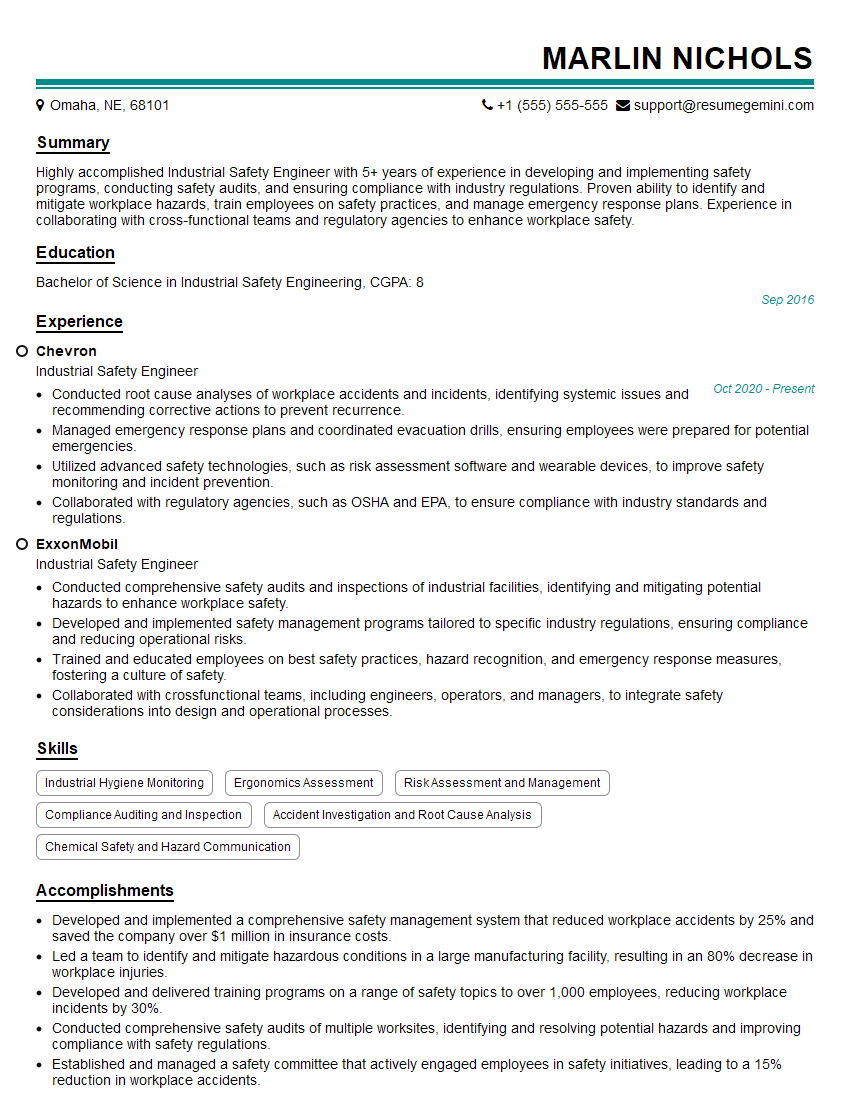
Industrial Safety Engineer Resume Sample
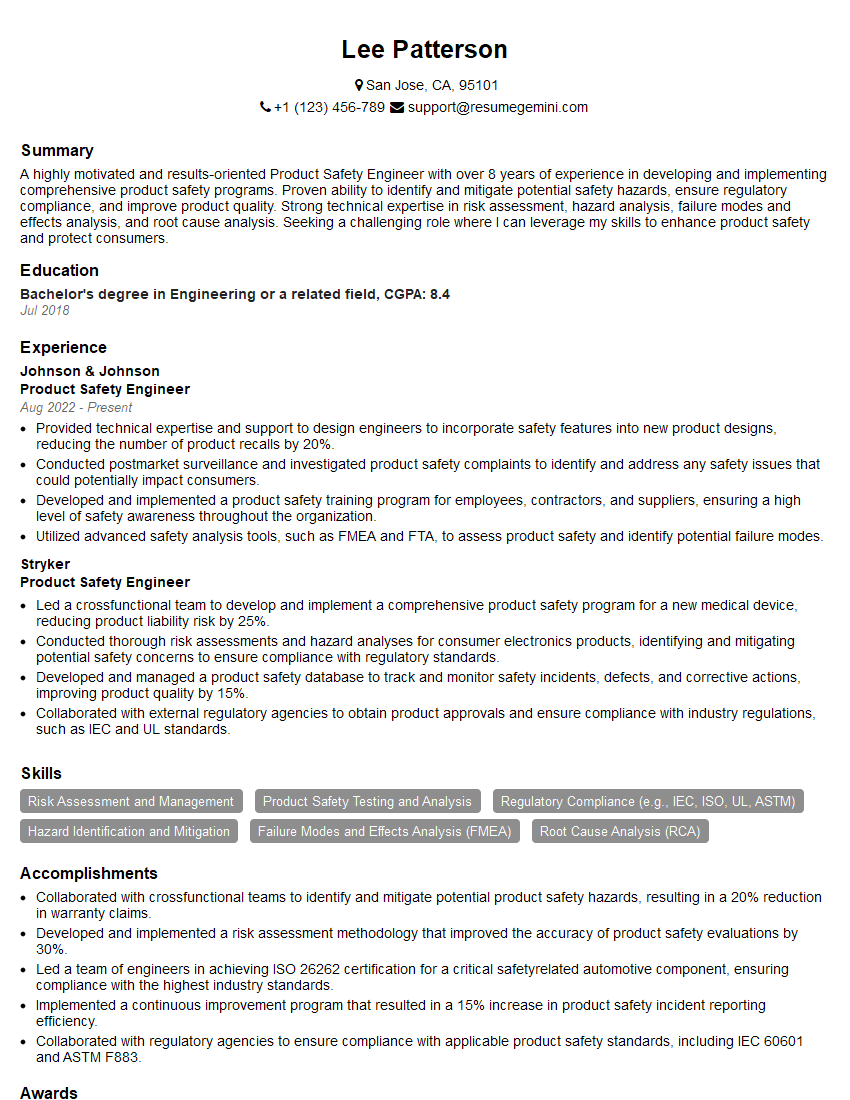
Product Safety Engineer Resume Sample
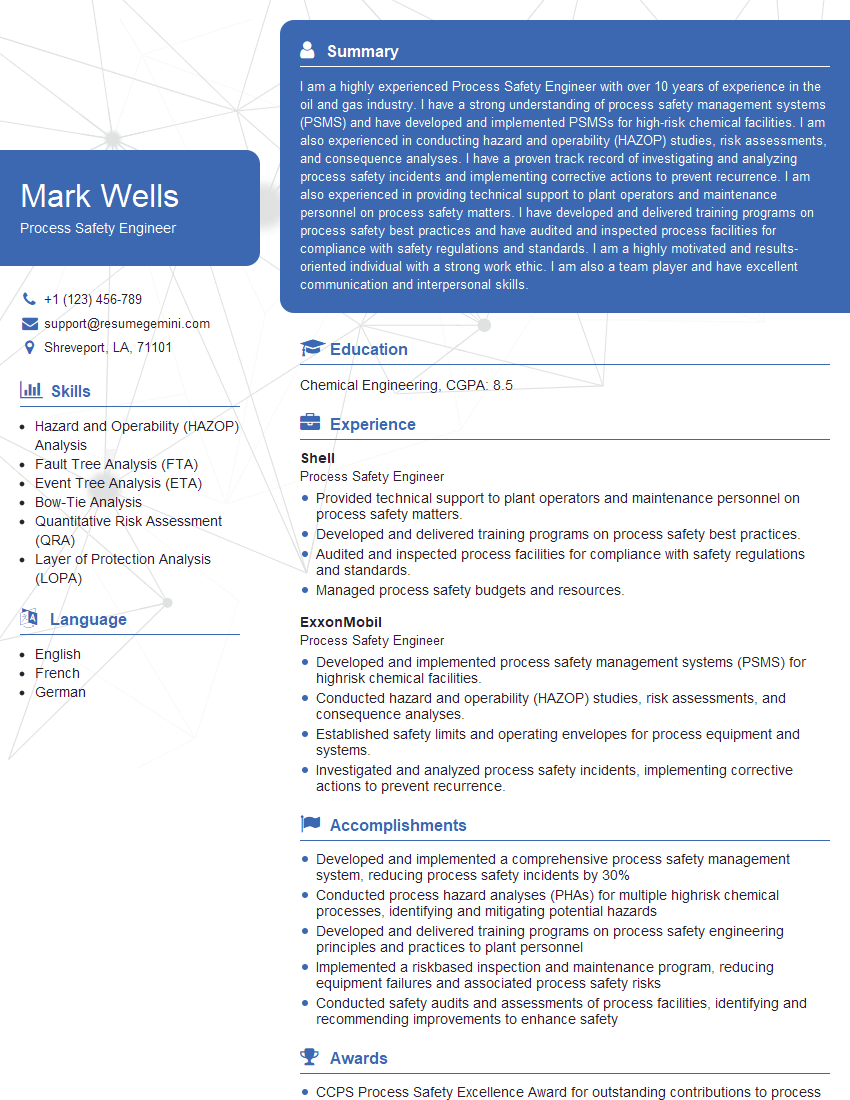
Process Safety Engineer Resume Sample
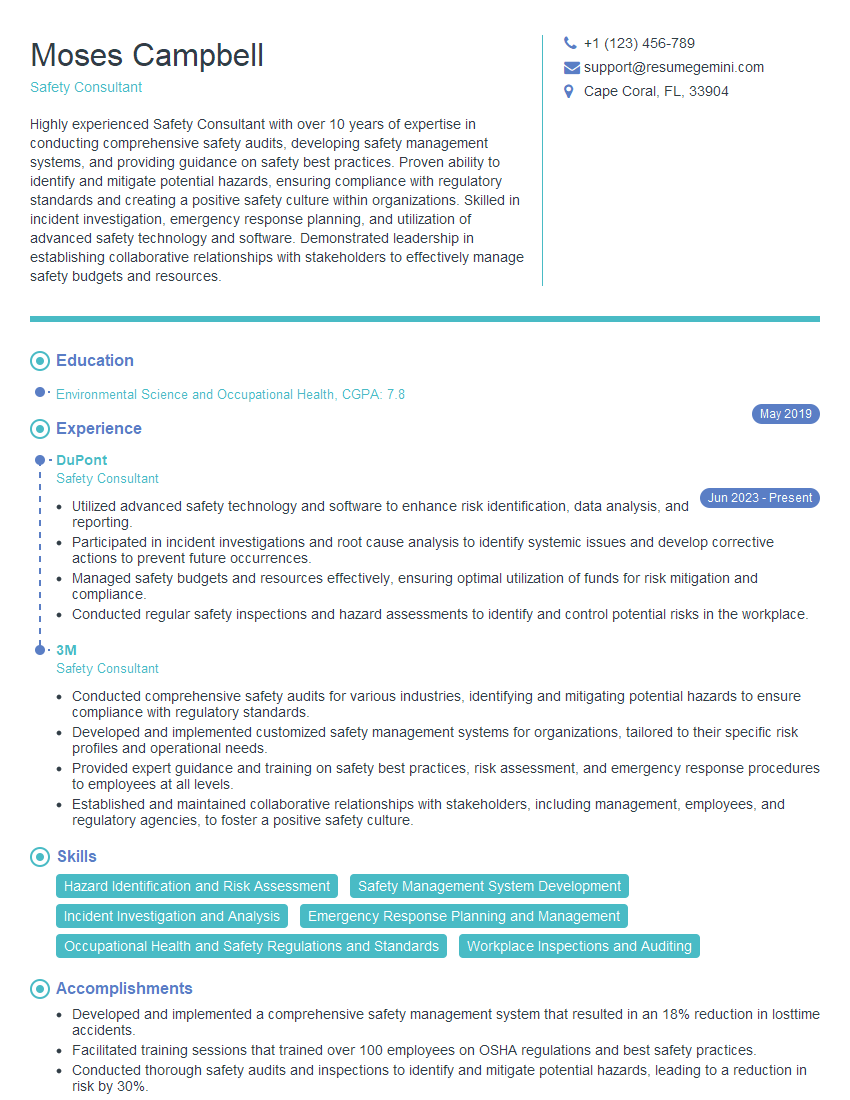
Safety Consultant Resume Sample

Safety Engineer Resume Sample
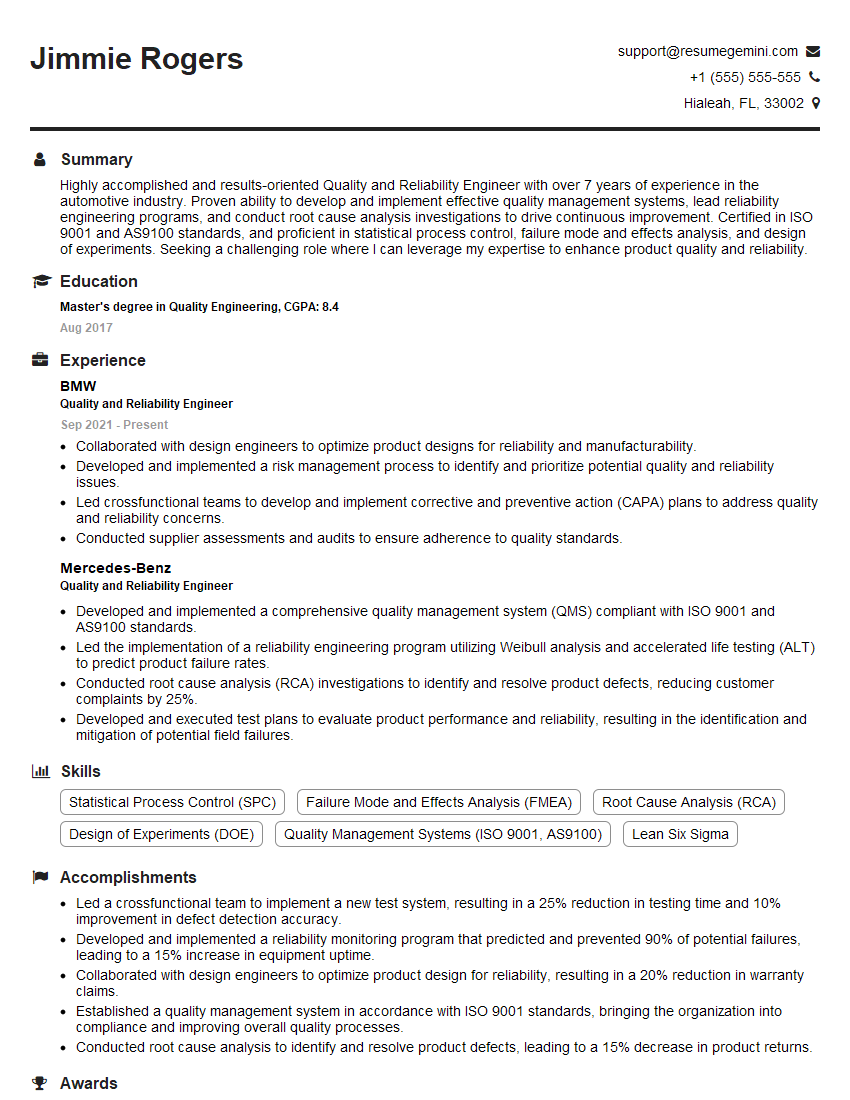
Quality and Reliability Engineer Resume Sample
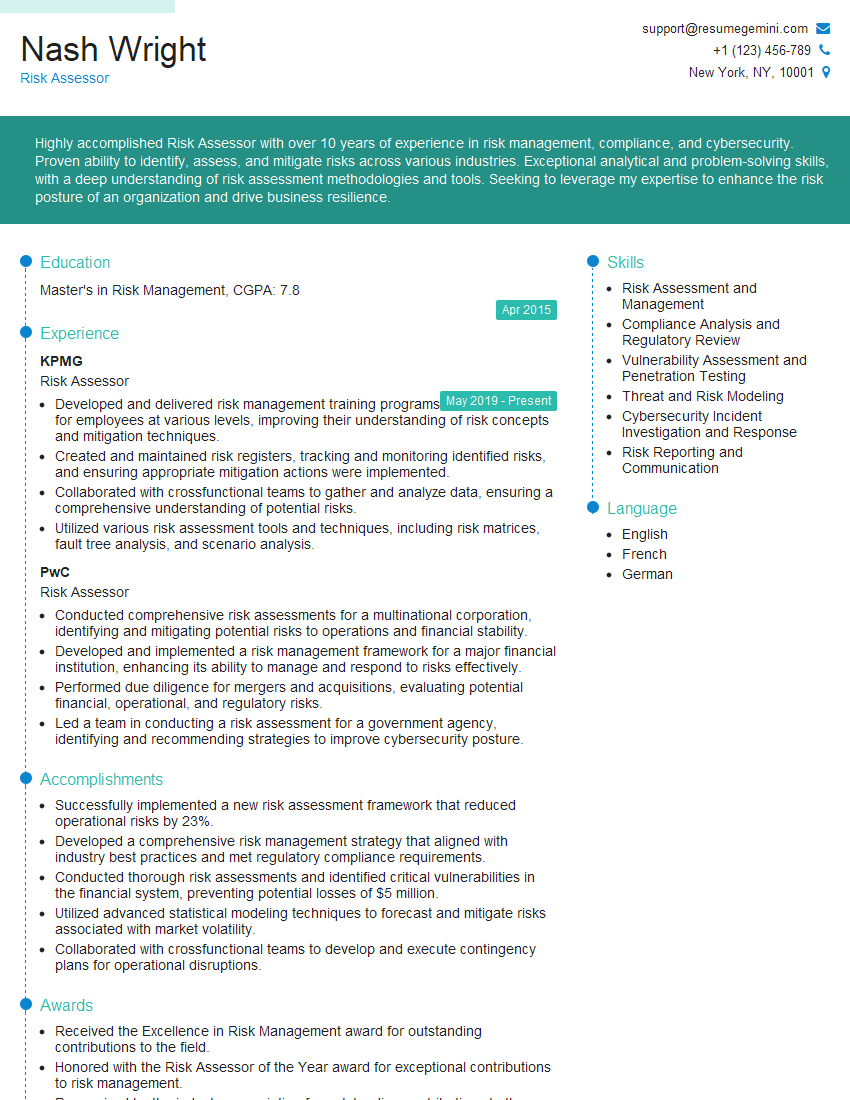
Risk Assessor Resume Sample
Explore more articles
Users Rating of Our Blogs
Share Your Experience
We value your feedback! Please rate our content and share your thoughts (optional).
What Readers Say About Our Blog
Very informative content, great job.
good