Interviews are more than just a Q&A session—they’re a chance to prove your worth. This blog dives into essential Racehorse Handling and Training interview questions and expert tips to help you align your answers with what hiring managers are looking for. Start preparing to shine!
Questions Asked in Racehorse Handling and Training Interview
Q 1. Describe your experience with different horse temperaments and how you adapt your handling techniques.
Every racehorse possesses a unique temperament, ranging from the calm and placid to the highly spirited and anxious. My approach hinges on careful observation and adapting my techniques accordingly. For instance, a nervous horse might require a gentler, more patient approach, focusing on building trust through slow, deliberate movements and reassuring vocalizations. I might start with simple grooming sessions to establish a connection before attempting any more demanding tasks. Conversely, a more dominant horse might need a firm but fair hand, clear boundaries, and consistent commands. I’ve found that positive reinforcement techniques like rewarding desired behaviours with praise or treats work wonders, irrespective of the temperament. For example, I once worked with a particularly flighty filly who responded exceptionally well to a system of rewards based on her successfully completing small training exercises, gradually building up to more complex tasks. This positive reinforcement created a strong bond and helped her overcome her anxieties during training.
Q 2. Explain your approach to identifying and addressing lameness in racehorses.
Identifying lameness requires a keen eye and a systematic approach. I begin with visual observation, watching the horse move both in the paddock and on the track. I look for subtle signs like head bobbing, shortened stride lengths, or uneven weight distribution. Next, I’ll perform a thorough palpation of the legs and joints, checking for heat, swelling, or pain. Finally, I utilize advanced techniques like flexion tests and hoof testers to pinpoint the affected area. For example, if a horse exhibits a noticeable limp in its left foreleg, I would perform a flexion test by bending the leg at the knee and observing for any signs of increased pain or lameness on releasing the flexion. Based on my findings, I’ll consult with the veterinarian for a definitive diagnosis and appropriate treatment. Often, we’ll also utilize x-rays and ultrasound to identify the root cause of the lameness and implement a recovery plan that carefully manages workload and nutrition.
Q 3. What are the key indicators of a horse’s readiness for racing?
Determining a horse’s race readiness involves a holistic evaluation. Firstly, the horse’s physical condition is paramount. This includes a perfect body weight, strong muscle tone, a clean coat, and bright eyes – all indicative of good health and fitness. I closely monitor their performance in training, looking for consistent speed and stamina. Secondly, their mental state is equally important. A calm, focused horse is more likely to perform well. I check for signs of stress, fatigue, or illness. Finally, veterinary checks are crucial to ensure there are no underlying health issues that may jeopardize the horse’s well-being or performance. A horse might display exceptional fitness during training but have subtle underlying issues that might surface only during a race. For a horse to be deemed race-ready, a harmony of physical fitness, mental well-being, and veterinary approval is essential.
Q 4. How do you monitor a racehorse’s weight and nutritional needs?
Weight management is a critical aspect of racehorse care. I use regular weigh-ins to track their weight fluctuations, keeping meticulous records and adjusting their feeding plan according to their performance level, age, and workload. Nutritional needs are highly individualized. I work closely with equine nutritionists to devise a feeding plan based on the horse’s specific requirements, considering factors such as their metabolism, training intensity, and dietary preferences. The feed typically consists of a balanced mix of high-quality hay, grain, and supplements, always adjusted according to race preparation. For instance, a horse in intense training might need a higher energy diet compared to one undergoing a lighter training regimen. I ensure regular blood tests to monitor their overall health, electrolyte balance, and response to their diet.
Q 5. Detail your experience with different training methods for racehorses of varying ages and experience.
Training methods vary significantly depending on age and experience. Young horses require a gradual introduction to training, focusing on basic exercises to build muscle and coordination. This might involve groundwork, lunging, and short periods of controlled exercise. As they mature, the intensity and duration of workouts increase. More experienced horses benefit from targeted training focused on improving speed and stamina, incorporating interval training, hill work, and race simulations. Older horses often require a more carefully managed training schedule to avoid injury and maintain peak performance. For example, a young thoroughbred might spend several months focused solely on building foundational fitness before even being introduced to race-specific training drills. By contrast, a seasoned racehorse may have its training customized to maintain form and prevent burnout, focusing on maintaining stamina and agility without overworking their systems.
Q 6. How do you manage a horse’s behaviour during stressful situations such as transport or races?
Managing a horse’s behaviour during stressful situations requires careful planning and preparation. Before transport, horses are often given calming agents under veterinary guidance to reduce anxiety. During transportation, ensuring comfortable, safe conditions is paramount. This includes providing adequate ventilation, space, and minimizing unnecessary noise or movement. At the races, desensitization is key. Gradually introducing horses to race-day environments, like the sounds and sights of a busy stable area, helps minimize their stress response. I also utilize calming techniques like gentle grooming or soft talking to soothe anxious horses. For example, I often use a specific calming routine with a horse before a race, involving a calm and repetitive sequence of grooming and gentle communication that the horse has come to associate with a calm state. A consistent, predictable routine can significantly reduce the anxiety of the horse.
Q 7. Describe your experience with administering medication to racehorses.
Administering medication to racehorses is a highly regulated process, always under strict veterinary supervision. I’m proficient in various administration methods, including oral, intravenous, and intramuscular injections. Accurate record-keeping is paramount. Every medication administered is meticulously documented, including the drug’s name, dosage, administration route, and time. This is crucial for maintaining compliance with racing regulations and ensuring the horse’s safety and well-being. For example, administering a pain reliever after a race requires careful attention to dosage and method, always following the specific instructions provided by a veterinarian. Any deviation from prescribed practices must be documented and justified, following strict protocols for drug management in the racing industry.
Q 8. How do you assess the overall health and fitness of a racehorse?
Assessing a racehorse’s health and fitness is a multifaceted process requiring a keen eye and a holistic approach. It’s not just about physical appearance; it involves a detailed examination of various factors.
Visual Inspection: I start with a thorough visual examination, checking for any signs of lameness, swelling, cuts, or skin abnormalities. Muscle tone and symmetry are crucial indicators of fitness and potential imbalances. A horse’s coat condition can reveal clues about its overall health and nutritional status. For instance, a dull, dry coat might suggest underlying health issues.
Palpation: I carefully palpate the horse’s legs and body to detect any heat, swelling, or pain. This helps identify subtle problems that might not be visible to the naked eye. A thorough palpation is crucial for detecting early signs of injury.
Veterinary Examination: Regular veterinary checkups, including blood tests and potentially radiographs, are essential for detecting internal problems such as infections, anemia, or skeletal issues. These tests provide a more in-depth picture of the horse’s health.
Performance Assessment: Observing the horse’s performance during training sessions is vital. This includes monitoring its speed, stride length, and overall effort. Any changes in its usual performance patterns can signal potential problems.
Fitness Indicators: I also monitor heart rate and respiratory rate before, during, and after exercise. These metrics provide crucial data on cardiovascular fitness and recovery ability. For example, a persistently elevated heart rate after exercise could suggest overtraining or an underlying health issue.
By combining these methods, I build a comprehensive picture of the horse’s health and fitness, allowing for targeted training and injury prevention strategies.
Q 9. What are your strategies for preventing injuries in racehorses?
Injury prevention in racehorses is paramount. My strategies focus on a proactive and holistic approach:
Gradual Conditioning: We start with a slow and steady increase in training intensity and duration. This allows the horse’s musculoskeletal system to adapt gradually, minimizing the risk of overuse injuries. We use a structured program that begins with light exercise and gradually increases workload over several weeks or even months.
Appropriate Training Surfaces: The type of training surface significantly impacts the horse’s risk of injury. Hard surfaces can be more jarring to joints, so we carefully select the training surfaces appropriate for the horse’s training phase and fitness level. Soft surfaces like sand or turf are often preferred during early conditioning stages.
Proper Farrier Care: Regular farrier care is crucial. Correctly balanced and shod hooves distribute weight evenly, reducing stress on joints and tendons. Poor hoof care is a major contributor to lameness in racehorses.
Nutritional Management: Providing a balanced diet tailored to the horse’s age, workload, and individual needs is important. Adequate nutrition supports the musculoskeletal system and ensures optimal bone density and muscle development. A deficient diet can lead to bone fractures or muscle fatigue.
Monitoring for Early Signs of Injury: Regular and careful observation of the horse is critical. We monitor for any signs of lameness, changes in gait, or unusual behavior. Early intervention can prevent minor problems from developing into serious injuries. This is about catching even the subtlest changes.
Rest and Recovery: Allowing adequate rest and recovery periods between training sessions is vital. Overtraining significantly increases injury risk. Regular rest days are an essential part of a good conditioning program.
By implementing these strategies, we significantly reduce the likelihood of injuries and enhance the horse’s overall performance and longevity.
Q 10. Explain your understanding of equine biomechanics and its application to training.
Equine biomechanics is the study of how a horse’s body moves. Understanding biomechanics is crucial for effective training. It allows us to optimize training techniques to improve performance and prevent injuries.
Gait Analysis: By analyzing a horse’s gait, we can identify any asymmetries or inefficiencies in its stride. This might involve using high-speed video analysis, but even skilled observation can reveal subtle issues in how a horse moves. We look for things like overstriding, short strides, and uneven weight distribution.
Joint Function: Understanding how a horse’s joints work helps to prevent injuries. We carefully plan workouts that avoid excessive stress on susceptible joints like knees, hocks, and fetlocks. This often involves focusing on proper warm-up and cool-down procedures.
Muscle Function: We need to focus on the interaction between the horse’s major muscle groups. Effective training should develop strength and flexibility in all relevant muscle groups while simultaneously maintaining balance and coordination. Imbalances in muscle development can lead to compensatory movements and increased injury risk.
Conformation: A horse’s conformation (physical structure) significantly affects its movement and potential for injury. Horses with certain conformational flaws may be predisposed to certain types of injury. We adapt training programs to address any conformation-related limitations.
Applying biomechanics principles in training helps us to create individualized training programs that maximize a horse’s potential while minimizing the risk of injury. For example, a horse with a tendency to overstride might benefit from exercises that focus on shortening its stride and improving its foot placement.
Q 11. How do you manage a horse’s workload to prevent overtraining?
Managing a horse’s workload is crucial to prevent overtraining and injury. It requires careful planning and ongoing monitoring of the horse’s response to training.
Progressive Overload: We gradually increase the intensity and duration of training over time, allowing the horse’s body to adapt at its own pace. This is a fundamental principle of any effective conditioning program. A rapid increase in workload can overwhelm the horse and increase injury risk.
Rest and Recovery: Scheduled rest periods are essential. These can include complete rest days, reduced training intensity, or cross-training to reduce stress on specific muscle groups. Ignoring rest needs can lead to chronic fatigue and injury.
Monitoring Fitness Indicators: We regularly monitor the horse’s heart rate, respiratory rate, and recovery time after exercise. Changes in these measures can signal overtraining or stress. For instance, a prolonged recovery time after a workout might indicate the need for additional rest.
Performance Observation: Careful observation of the horse’s performance during training sessions and races is essential. Changes in speed, stride length, or overall effort may reveal overtraining. You might see a horse starting to become sluggish or inconsistent in its performance.
Individualized Approach: Every horse is different. Therefore, the ideal training schedule varies significantly from horse to horse. We tailor training programs to the individual horse’s age, breed, fitness level, and inherent capabilities. This individualized approach is what separates effective training from potentially harmful methods.
By carefully balancing workload and recovery, we optimize the horse’s performance while minimizing the risk of overtraining and injury.
Q 12. How familiar are you with different types of equine equipment (e.g., saddles, bridles, bits)?
My familiarity with equine equipment is extensive. Proper equipment selection and fitting are crucial for both the horse’s comfort and performance. Incorrectly fitted equipment can lead to discomfort, injuries, and impaired performance.
Saddles: I understand the different types of saddles (e.g., English, Western, racing saddles) and their appropriate uses. Correct saddle fit is paramount, ensuring it distributes weight evenly and avoids pressure points. A poorly fitting saddle can cause back pain and other problems.
Bridles: I am familiar with various bridle types and their impact on the horse’s head and mouth. The choice of bridle and bit depends on the horse’s temperament and training level. We make sure the bridle fits properly to prevent pinching or rubbing.
Bits: There’s a wide variety of bits, each affecting the horse’s response to the rider. Understanding bit function is critical, allowing us to choose the most appropriate bit for each horse and ensure its correct placement to avoid causing pain or discomfort. It’s crucial to select bits that are both effective and humane.
Other Equipment: I am also familiar with other essential equipment like leg wraps, bandages, and boots, understanding their proper application for both injury prevention and therapeutic purposes.
My expertise ensures the correct equipment is selected and fitted for each horse, optimizing comfort and performance while minimizing the risk of injury.
Q 13. Explain your experience with various training surfaces and their impact on a horse’s gait.
Different training surfaces significantly impact a horse’s gait and risk of injury. My experience encompasses a wide range of surfaces, and I understand their distinct effects.
Dirt Tracks: These offer a relatively forgiving surface, but can be harder and more jarring than others. The condition of the track (e.g., fast or slow) also affects gait and stress on the horse’s legs and joints.
Turf Tracks: Generally considered gentler on joints, turf tracks offer a more cushioned surface compared to dirt, but can have uneven terrain that may affect gait. The softness and consistency of turf also vary depending on weather conditions.
All-Weather Tracks: These synthetic tracks provide a consistent surface that minimizes the impact on joints, regardless of weather conditions. However, they can still lead to injuries if not maintained correctly.
Other Surfaces: We might also use sand, gravel, or even hard surfaces like asphalt (less commonly) for specific training goals. Each surface has its unique benefits and drawbacks, impacting stride length, speed, and the overall biomechanics of locomotion.
I tailor training plans and surface selection to suit individual horses and their specific needs, taking into consideration factors such as age, fitness level, and any pre-existing conditions to minimize the risk of injury. For example, a younger horse in early training might benefit from softer surfaces like turf or sand to minimize stress on developing joints.
Q 14. How do you assess and interpret race performance data?
Interpreting race performance data is essential for assessing a horse’s capabilities and identifying areas for improvement. This involves analyzing various metrics.
Race Time: This is the most fundamental metric, showing overall speed. I analyze this data considering the distance of the race, the track condition, and the horse’s weight to get a true picture of performance.
Splits: Analyzing the horse’s times at different points in the race (splits) reveals how it paced the race and its ability to maintain speed. Inconsistent splits might indicate stamina issues or tactical problems.
Finishing Position: This provides a direct measure of the horse’s competitiveness. We also consider which other horses were in the race to get a more reliable picture of the horse’s abilities. A high-finishing position relative to the quality of competition is a strong indicator of fitness.
Track Conditions: The condition of the track heavily influences performance, so it’s necessary to account for factors like surface type and weather conditions. A fast track might result in slightly faster times overall.
Racing Style: Each horse has its own racing style. Analyzing the running style (early speed, late kick, etc.) provides insights into potential strengths and weaknesses. Perhaps a horse excels with a front-running style but struggles if forced to close from behind.
Tracking Data: Modern technology increasingly uses GPS or other tracking devices to measure speed, stride frequency, and other metrics, offering even more detailed performance insights.
By thoroughly analyzing race data, I can refine training programs, adjusting them to improve specific areas like speed, stamina, and racing tactics. For instance, a horse showing inconsistent splits might benefit from increased interval training to improve stamina.
Q 15. Describe your experience with shoeing and hoof care.
Shoeing and hoof care are fundamental to a racehorse’s performance and well-being. My experience encompasses everything from routine trimming and shoeing to addressing complex hoof ailments. I’m proficient in various shoeing techniques, selecting the appropriate shoe type based on the horse’s conformation, foot structure, and racing discipline. This includes using different types of shoes like racing plates, aluminum shoes, and corrective shoes to optimize traction and minimize stress. I also work closely with farriers, veterinarians, and track officials to ensure optimal hoof health. For instance, I’ve successfully managed cases of thrush, abscesses, and white line disease through prompt diagnosis, appropriate treatment, and careful monitoring. Regular hoof care, including meticulous cleaning and inspection, is crucial in preventing these issues and maintaining the horse’s soundness. It’s a delicate balance between ensuring optimal performance and protecting the horse’s feet.
Career Expert Tips:
- Ace those interviews! Prepare effectively by reviewing the Top 50 Most Common Interview Questions on ResumeGemini.
- Navigate your job search with confidence! Explore a wide range of Career Tips on ResumeGemini. Learn about common challenges and recommendations to overcome them.
- Craft the perfect resume! Master the Art of Resume Writing with ResumeGemini’s guide. Showcase your unique qualifications and achievements effectively.
- Don’t miss out on holiday savings! Build your dream resume with ResumeGemini’s ATS optimized templates.
Q 16. Explain your approach to dealing with a horse exhibiting behavioural problems.
Addressing behavioral problems in racehorses requires a systematic and patient approach. My strategy involves careful observation to identify the root cause of the behavior. Is it pain-related? Stress from training? A reaction to its environment? Once identified, I tailor a behavioral modification plan. This might include adjustments to the training regimen, changes in the horse’s environment, or the use of positive reinforcement techniques. For example, a horse exhibiting aggression during handling might be responding to past negative experiences. In such a case, I would focus on building trust through calm, consistent interactions, using rewards for positive behaviors. I also collaborate closely with veterinary behaviorists and trainers to ensure a holistic approach. Never underestimate the importance of understanding the horse’s individual personality. Each horse is different, and the techniques need to be adapted accordingly. Patience and consistency are key; rushing the process often exacerbates the problem.
Q 17. What is your experience with different types of racing disciplines?
My experience spans various racing disciplines, including Thoroughbred flat racing, steeplechase, and Quarter Horse racing. This diverse background provides a broad understanding of the unique training needs and physical demands of each discipline. For example, Thoroughbred flat racing demands speed and endurance, necessitating specific conditioning programs focused on cardiovascular fitness and high-speed work. Steeplechase horses need strength, agility, and the ability to navigate obstacles, requiring a different training approach emphasizing jumping technique and stamina. My experience allows me to assess a horse’s suitability for a given discipline and develop a tailored training plan to maximize its potential while minimizing the risk of injury. This often involves close collaboration with the jockey or rider to gain valuable insights into the horse’s performance on the track.
Q 18. Describe your knowledge of equine reproductive health.
Equine reproductive health is a critical aspect of racehorse management. My knowledge encompasses breeding soundness exams, pregnancy diagnosis, and the management of pregnancy-related complications. I understand the importance of proper breeding techniques, including the use of artificial insemination and embryo transfer technologies. I also have experience managing postpartum care and addressing reproductive disorders such as endometritis and cystic ovarian disease. Knowing the optimal breeding window and recognizing early signs of pregnancy complications is crucial for successful breeding and the overall health of the mare. For example, recognizing and addressing a problem with a mare’s cycle early can prevent breeding failure. This requires careful monitoring of hormonal cycles and understanding the specific challenges faced by mares during gestation. I work closely with equine veterinarians to ensure the health and well-being of both the mare and her offspring.
Q 19. What is your understanding of the rules and regulations governing horse racing?
Understanding the rules and regulations governing horse racing is paramount. My knowledge covers the rules of racing set by organizations such as the Jockey Club and individual racing jurisdictions. This includes rules related to drug testing, weight allowances, race entries, and the licensing of trainers, jockeys, and other racing personnel. Compliance with these regulations is crucial not only for ethical racing but also to maintain the integrity of the sport. For instance, familiarity with the specifics around prohibited medications and the proper procedures for medication administration is critical to avoid penalties and ensure the horse’s health. Staying updated on changes to the rules and regulations is vital for remaining compliant and ensuring the fair and ethical conduct of racing.
Q 20. How do you identify and respond to signs of colic in a horse?
Colic, a severe abdominal pain, is a serious condition in horses. Early recognition and intervention are vital. I am trained to identify signs of colic, including pawing, rolling, restlessness, sweating, and changes in appetite or bowel movements. The severity of the symptoms can vary, ranging from mild discomfort to life-threatening emergencies. If I observe any of these signs, my immediate response involves contacting a veterinarian immediately. While waiting for veterinary assistance, I can provide supportive care such as ensuring the horse has a comfortable and safe environment. I never attempt to treat colic myself, as improper management can worsen the condition. Quick response and professional veterinary intervention are crucial in improving the horse’s chances of survival. The promptness of my response is paramount in helping the vet provide timely and effective treatment.
Q 21. What is your experience with rehabilitation programs for injured racehorses?
Rehabilitation programs for injured racehorses are crucial for their recovery and return to racing or a comfortable retirement. My experience includes developing and implementing individualized rehabilitation plans, based on the specific injury, the horse’s overall health, and its athletic goals. These plans often incorporate a combination of therapies, such as hydrotherapy, physiotherapy, and controlled exercise, under veterinary supervision. For example, a horse with a suspensory ligament injury might undergo a phased return to training that focuses on building strength and flexibility before gradually increasing the intensity of exercise. Tracking progress and making adjustments to the plan based on the horse’s response is vital for effective rehabilitation and minimizing the risk of re-injury. The goal is not just to heal the injury but also to help the horse regain its full athletic potential or transition smoothly into a comfortable retirement, depending on the situation. Successful rehabilitation requires patience, attention to detail, and close collaboration with the veterinary team.
Q 22. Describe your familiarity with different types of equine vaccinations and deworming.
Equine vaccinations and deworming are crucial for maintaining a healthy racing stable. Vaccinations protect against various infectious diseases like influenza, tetanus, rhinopneumonitis (Equine Herpesvirus), and strangles. The specific vaccination schedule depends on factors such as the horse’s age, location, and exposure risks. For example, a young horse joining a new stable would require a comprehensive vaccination program, while an established horse might need only annual boosters.
Deworming strategies aim to control internal parasites such as strongyles, ascarids, and tapeworms. We employ a strategic deworming plan, often using fecal egg counts (FEC) to tailor the treatment to the individual horse’s parasite load. This minimizes the risk of drug resistance and ensures targeted treatment. The type and frequency of deworming agents used are carefully chosen based on the latest veterinary recommendations and parasite prevalence in the region. Regular FECs allow for a data-driven approach, leading to a more effective and responsible deworming program.
Q 23. How do you maintain accurate records for the horses in your care?
Maintaining accurate records is paramount for responsible horse management. I utilize a combination of digital and paper-based systems. A comprehensive digital database tracks each horse’s vaccination history, deworming records, farrier visits, veterinary treatments, performance data, training schedules, and any behavioral notes. This digital system allows for easy data analysis, identification of trends, and seamless information sharing amongst the team. Paper-based records, particularly regarding daily observations, are also maintained, allowing for quick access in the barn. This dual system ensures data redundancy and accessibility even if one system is unavailable.
Each horse has a dedicated file that’s easily accessible, containing all relevant medical and performance information. I use a secure cloud-based system for sharing this information with the owners and the veterinary team.
Q 24. What are the common health issues associated with racehorses, and how would you address them?
Racehorses, due to the intense physical demands placed upon them, are susceptible to a range of health issues. Common problems include musculoskeletal injuries like strains, sprains, and fractures; respiratory issues such as equine influenza and recurrent airway obstruction (RAO); gastrointestinal problems, such as colic and ulcers; and lameness, often requiring veterinary attention including diagnostic imaging and specific therapies.
Addressing these issues involves a multi-faceted approach. This includes preventative measures such as regular veterinary check-ups, appropriate conditioning and training programs, and attention to the horse’s diet and nutrition. In case of an injury, the initial response is to rest and assess the situation before implementing specific treatments such as medication, physical therapy, or surgery if required. Close monitoring and prompt veterinary attention are key for successful management and a swift return to racing fitness. For instance, a sudden onset of colic might require immediate veterinary attention, which might involve surgery for treatment.
Q 25. Describe your experience with using technology to monitor and track horse performance (e.g., GPS trackers).
Technology plays a vital role in modern horse training and performance monitoring. I have extensive experience utilizing GPS tracking devices to monitor a horse’s training workload. These trackers provide valuable data on speed, distance covered, heart rate, and even stride length. This allows for precise control over training intensity, optimizing workout plans, and preventing overtraining. The data also alerts me to potential problems such as lameness or fatigue, facilitating early intervention. For instance, a sudden increase in heart rate during a training session coupled with a reduction in speed might indicate potential lameness, prompting a veterinary examination.
Beyond GPS, I utilize wearable sensors to monitor vital signs during both training and racing, providing real-time data feedback for fine-tuning training programs and monitoring post-race recovery.
Q 26. How do you develop a training plan for a specific racehorse based on its capabilities and limitations?
Developing a training plan for a racehorse is a highly individualized process. It begins with a thorough assessment of the horse’s strengths, weaknesses, and overall fitness level. This includes assessing its age, breed, conformation, previous racing performance, and any existing medical conditions. We consider the horse’s temperament and personality. A nervous horse will need a different training approach than a more relaxed one.
The training plan outlines specific goals, setting milestones based on the targeted race and distance. It will detail the frequency, intensity, and duration of workouts, incorporating different training methods such as interval training, speed work, and long, slow distance work. The plan is meticulously documented and reviewed regularly, allowing for adjustments based on the horse’s response to training. A flexible approach is crucial because we may need to adjust it based on weather conditions, unexpected health issues, or changes in the horse’s performance.
Q 27. How do you communicate effectively with owners, trainers, and other stable staff?
Effective communication is the cornerstone of successful horse management. With owners, I maintain regular updates via phone calls, emails, and in-person meetings, providing transparent progress reports on the horse’s training, health, and performance. With trainers, I maintain open communication channels, discussing training strategies and any observed issues. This collaborative approach ensures a cohesive plan and a better understanding of the horse’s needs.
With stable staff, clear instructions and consistent communication are essential. Daily tasks, care routines, and any specific instructions are relayed clearly, fostering a team environment where everyone understands their roles and responsibilities. This collaborative approach ensures that the horse receives the best possible care.
Q 28. Explain your emergency procedures in case of a horse accident.
Having a well-rehearsed emergency plan is critical. In the event of a horse accident, my immediate priority is to ensure the safety of the horse and any human personnel involved. This might involve calling emergency services (veterinary and potentially human paramedics), depending on the nature of the accident. A rapid assessment of the horse’s injuries is carried out, and immediate first aid is administered if possible and appropriate.
We have designated emergency contact numbers readily available, and our entire team is trained in basic first aid for horses and humans. The specific actions will depend on the nature of the emergency: a minor injury might involve basic wound cleaning and applying a bandage, while a severe injury might necessitate immediate transportation to a veterinary hospital. Post-incident, a thorough report is compiled documenting all actions taken, ensuring continuous improvement in our emergency response system. We regularly review and practice the plan to ensure its effectiveness.
Key Topics to Learn for Your Racehorse Handling and Training Interview
- Horse Behavior and Psychology: Understanding equine body language, temperament assessment, and recognizing signs of stress or illness. Practical application: Describing your approach to handling a nervous or aggressive horse.
- Safe Handling Techniques: Mastering leading, lunging, grooming, and stable management practices. Practical application: Explaining your method for safely loading a horse into a trailer.
- Basic Training Principles: Applying positive reinforcement methods, understanding classical and operant conditioning in equine training. Practical application: Detailing a successful training experience using positive reinforcement.
- Tack and Equipment Knowledge: Familiarity with various types of bridles, saddles, and other equipment; understanding their proper use and maintenance. Practical application: Explaining the importance of properly fitting a saddle.
- Health and Welfare: Recognizing common equine injuries and illnesses, basic first aid procedures, and understanding the importance of preventative care. Practical application: Describing your actions if you noticed a horse exhibiting signs of lameness.
- Riding and Exercise Techniques (if applicable): Understanding appropriate riding styles, exercise programs, and their impact on horse fitness and performance. Practical application: Explaining how you would design an exercise program for a specific horse.
- Problem-Solving and Decision-Making: Demonstrating the ability to assess and react appropriately to unexpected situations, prioritizing horse safety and welfare. Practical application: Describing how you handled a challenging situation involving a horse.
Next Steps
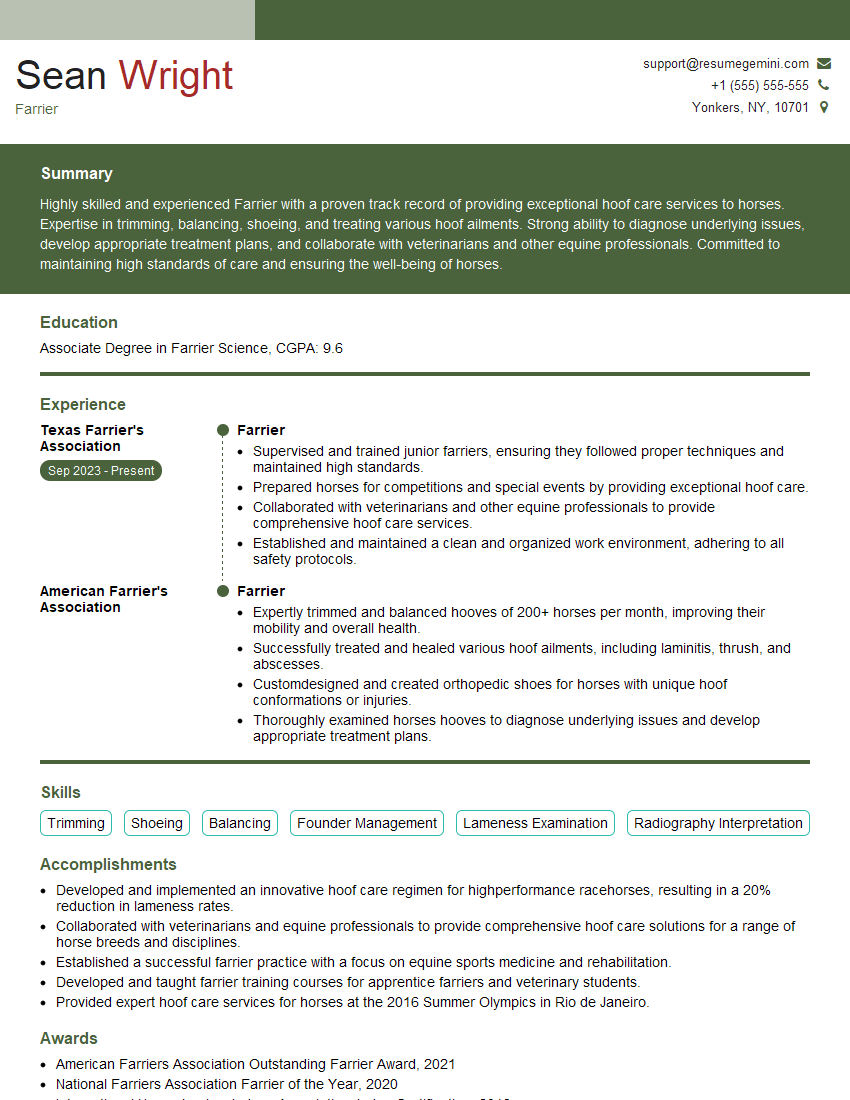
Mastering Racehorse Handling and Training opens doors to exciting career opportunities within the equestrian industry. To maximize your chances, a strong, ATS-friendly resume is crucial. ResumeGemini is a trusted resource that can help you craft a compelling resume that highlights your skills and experience. Take advantage of their tools and resources to build a professional document that showcases your qualifications. Examples of resumes tailored to Racehorse Handling and Training are available to guide you. Investing time in creating a polished resume will significantly enhance your job prospects and help you land your dream role.





Explore more articles
Users Rating of Our Blogs
Share Your Experience
We value your feedback! Please rate our content and share your thoughts (optional).
What Readers Say About Our Blog
Very informative content, great job.
good