The right preparation can turn an interview into an opportunity to showcase your expertise. This guide to Biosecurity and Hygiene Practices interview questions is your ultimate resource, providing key insights and tips to help you ace your responses and stand out as a top candidate.
Questions Asked in Biosecurity and Hygiene Practices Interview
Q 1. Describe the different levels of biosafety laboratories and their associated containment practices.
Biosafety laboratories are classified into four levels (BSL-1 to BSL-4) based on the risk posed by the agents handled. The higher the level, the higher the containment measures required. Think of it like a security system – BSL-1 is like a basic alarm, while BSL-4 is a fortress.
- BSL-1: Basic precautions, suitable for agents not known to consistently cause disease in healthy adults. Think standard microbiology labs working with non-pathogenic E. coli strains. Handwashing and basic disinfection are sufficient.
- BSL-2: Moderate risk agents; these might cause disease, but treatment is readily available. Examples include many common viruses like Hepatitis B. BSL-2 labs require more stringent practices, including limited access, biosafety cabinets for certain procedures, and specific waste disposal protocols.
- BSL-3: Agents that can cause serious or potentially lethal disease through aerosol transmission. These labs have enhanced safety features, such as specialized ventilation, negative air pressure, and stringent personal protective equipment (PPE) like respirators. Examples include tuberculosis bacteria or West Nile virus.
- BSL-4: The highest level, designed for dangerous and exotic agents that pose a high risk of life-threatening disease and for which there are no treatments. These labs are isolated, highly secure facilities with stringent airlocks, specialized suits, and exhaustive decontamination procedures. Examples include Ebola or Marburg viruses.
The containment practices involve a combination of engineering controls (like specialized ventilation and equipment), administrative controls (protocols, training), and personal protective equipment (PPE, including gloves, gowns, respirators). The level of containment reflects the risk and is meticulously planned to minimize the chance of exposure and spread.
Q 2. Explain the principles of aseptic technique.
Aseptic technique is a set of procedures used to prevent contamination of sterile materials and environments. It’s like creating a ‘sterile bubble’ to protect both the experiment and the worker. The core principles revolve around minimizing exposure to microorganisms.
- Sterilization: Completely eliminating all forms of microbial life. Methods include autoclaving (steam under pressure), dry heat sterilization, and filtration.
- Disinfection: Reducing the number of microorganisms to a safe level, not necessarily eliminating all of them. Common disinfectants include bleach, alcohol, and quaternary ammonium compounds.
- Proper handling of sterile materials: Minimizing contact with non-sterile surfaces and keeping sterile items in designated areas.
- Hand hygiene: Frequent and thorough handwashing is crucial before and after any procedure.
- Environmental control: Maintaining a clean and disinfected workspace to minimize the presence of microorganisms.
Imagine preparing an IV solution – every step must follow aseptic technique to ensure no bacteria or fungi contaminate the fluid. This same care applies to surgical procedures and other critical applications.
Q 3. What are the key components of a comprehensive hygiene program?
A comprehensive hygiene program is a multi-faceted approach to maintaining a clean and safe environment, preventing infections, and promoting health. It’s not just about cleaning; it’s about creating a culture of hygiene.
- Hand hygiene: Establishing clear handwashing protocols and providing readily accessible hand hygiene products (soap, hand sanitizer).
- Environmental cleaning and disinfection: Regular cleaning and disinfection of surfaces, equipment, and facilities using appropriate products and procedures.
- Waste management: Safe and effective disposal of waste materials, including medical waste, to prevent the spread of pathogens.
- Personal protective equipment (PPE): Providing and ensuring the correct use of PPE, like gloves, gowns, and masks, to protect both staff and patients.
- Pest control: Implementing measures to prevent and control pest infestations, which can carry pathogens.
- Education and training: Providing regular training to staff on hygiene practices, emphasizing the importance of compliance.
- Monitoring and evaluation: Regularly assessing the effectiveness of the hygiene program and making improvements as needed.
Think of a hospital – a robust hygiene program is vital to preventing hospital-acquired infections, protecting patients, and upholding a high standard of care.
Q 4. How would you assess the effectiveness of a hygiene program?
Assessing the effectiveness of a hygiene program requires a multi-pronged approach. It’s not enough to just clean; you need to measure the impact.
- Infection rates: Tracking the incidence of infections, both among staff and patients. A decrease in infection rates is a key indicator of success.
- Environmental monitoring: Regularly testing environmental surfaces for the presence of microorganisms. This helps identify areas needing attention.
- Compliance audits: Observing staff to ensure adherence to hygiene protocols. This assesses the practical implementation of the program.
- Staff surveys: Gathering feedback from staff on the adequacy and effectiveness of the program. This provides insight into perceived barriers and areas for improvement.
- Review of incident reports: Analyzing any reported incidents related to hygiene breaches to identify patterns and weaknesses.
For example, a food processing plant might monitor its hygiene program by testing the level of microbial contamination on food contact surfaces and comparing it to regulatory standards.
Q 5. Define standard precautions and their application in healthcare settings.
Standard precautions are a set of infection control practices designed to prevent transmission of infectious agents in healthcare settings. They are the foundation of infection prevention and control, regardless of the patient’s diagnosis or infection status. It’s about assuming everyone might be carrying something.
- Hand hygiene: Performing hand hygiene before and after patient contact, before and after touching patient surroundings, and after removing gloves.
- Use of personal protective equipment (PPE): Wearing appropriate PPE, like gloves, gowns, and masks, when there is a risk of exposure to body fluids.
- Safe injection practices: Using sterile needles and syringes for each injection to prevent cross-contamination.
- Respiratory hygiene/cough etiquette: Covering the mouth and nose when coughing or sneezing and disposing of tissues properly.
- Environmental cleaning and disinfection: Regularly cleaning and disinfecting environmental surfaces and equipment.
- Safe handling of sharps: Properly disposing of needles and other sharps to prevent accidental injuries.
Imagine a nurse caring for several patients – standard precautions protect the nurse from potential pathogens and prevent the spread of infection between patients.
Q 6. Describe the methods for monitoring and controlling environmental contamination.
Monitoring and controlling environmental contamination involves a proactive approach to identifying and mitigating potential sources of infection. This is crucial in areas like hospitals, food processing facilities, and research labs.
- Environmental sampling: Regularly collecting samples from surfaces, air, and water to detect the presence of microorganisms. Swabs, air samplers, and water tests are common methods.
- Microbial identification: Identifying the types of microorganisms present to guide the selection of appropriate cleaning and disinfection methods.
- Cleaning and disinfection: Implementing regular cleaning and disinfection protocols using appropriate products and techniques.
- Pest control: Implementing measures to prevent and control pest infestations, which can spread pathogens.
- Ventilation and air filtration: Ensuring proper ventilation and using air filters to remove airborne contaminants.
- Waste management: Implementing proper waste management practices to prevent contamination.
For instance, a hospital might monitor air quality in operating rooms to ensure minimal microbial contamination and detect any potential bioaerosol issues.
Q 7. What are the key elements of a biosecurity risk assessment?
A biosecurity risk assessment is a systematic process used to identify, analyze, and evaluate potential threats to biological resources. It’s about anticipating problems before they happen.
- Identification of biological resources: What are the valuable biological materials (e.g., pathogens, genetically modified organisms, animal populations) that need protection?
- Threat identification: What are the potential threats? This could include accidental release, theft, deliberate sabotage, or natural disasters.
- Vulnerability assessment: How vulnerable are the biological resources to these threats? This involves analyzing existing security measures.
- Risk analysis: Combining the likelihood and potential impact of threats to determine the overall risk. A high likelihood and a high impact equal a high risk.
- Risk mitigation: Developing strategies and controls to reduce or eliminate the risks. This might include enhanced security measures, emergency response plans, or improved training.
A research lab working with highly pathogenic bacteria would need a comprehensive biosecurity risk assessment to ensure the safety of personnel, the environment, and the community. The assessment helps determine the necessary security measures and emergency procedures.
Q 8. Explain the process for handling and disposing of biohazardous waste.
Handling and disposing of biohazardous waste is crucial for preventing the spread of infectious diseases. It involves a multi-step process designed to contain and eliminate potentially harmful materials. This process begins with proper segregation at the point of generation.
- Segregation: Biohazardous waste needs to be clearly identified and separated from regular trash. This usually involves using designated, color-coded containers (often red or orange) with clearly visible biohazard labels.
- Packaging: Waste is then securely packaged in leak-proof bags or containers. Sharps (needles, syringes, etc.) require special puncture-resistant containers.
- Storage: Packaged waste should be stored in a designated area, away from other materials and preferably in a cool, dry place. It’s vital to avoid overcrowding containers.
- Transportation: Transportation to a designated disposal facility must follow strict regulations, often requiring specialized vehicles and trained personnel. Documentation of transportation is crucial.
- Disposal: The final step involves the disposal of the waste, which may include autoclaving (sterilization using high-pressure steam), incineration (burning at high temperatures), chemical disinfection, or other approved methods depending on the type of biohazard and local regulations.
For example, a hospital would have clearly defined protocols for handling used needles, contaminated bandages, and human tissue samples, each following these steps meticulously to ensure safety.
Q 9. Describe different sterilization techniques and their applications.
Sterilization is the complete elimination of all forms of microbial life, including bacteria, viruses, fungi, and spores. Several techniques achieve this, each suited to different applications:
- Autoclaving: This uses high-pressure saturated steam to kill microorganisms. It’s effective for heat-stable materials and is widely used in healthcare and research labs to sterilize equipment, media, and instruments. Think of it like a powerful pressure cooker for sterilization.
- Dry Heat Sterilization: This involves exposing items to high temperatures in a dry oven. It’s suitable for materials that can’t withstand steam but can tolerate high dry heat, such as glassware.
- Ethylene Oxide (ETO) Sterilization: ETO is a gas used to sterilize heat-sensitive items like plastic instruments and catheters. It’s effective but requires specialized equipment and careful handling as it’s a toxic gas.
- Radiation Sterilization: This uses ionizing radiation (gamma or electron beam) to kill microorganisms. It’s used for sterilizing disposable medical devices, pharmaceuticals, and food.
- Chemical Sterilization: This involves using chemical agents like glutaraldehyde or hydrogen peroxide to kill microorganisms. It’s often used for disinfecting surfaces or sterilizing endoscopes.
The choice of sterilization technique depends on the nature of the material to be sterilized, its heat sensitivity, and the required sterility level.
Q 10. How do you ensure proper cleaning and disinfection of surfaces in a healthcare or laboratory setting?
Proper cleaning and disinfection are fundamental to preventing the spread of infection in healthcare and laboratory settings. This involves a two-step process:
- Cleaning: This is the physical removal of visible dirt, debris, and organic matter from surfaces. This might involve wiping with a detergent solution, vacuuming, or mopping. It’s the first step in preparing surfaces for disinfection.
- Disinfection: This is the elimination of most microorganisms on surfaces using chemical agents (disinfectants). The choice of disinfectant depends on the type of microorganism and the surface material. Common disinfectants include bleach solutions, alcohol-based solutions, and quaternary ammonium compounds.
Example: Before handling samples in a lab, a workbench would first be thoroughly cleaned with detergent and water, then disinfected with 70% isopropyl alcohol. The same principles apply to hospital rooms after a patient discharge, focusing on high-touch surfaces.
Regular cleaning schedules, appropriate disinfectant selection, and proper application techniques are essential for maintaining a clean and safe environment.
Q 11. What are the common types of personal protective equipment (PPE) and when should each be used?
Personal Protective Equipment (PPE) is crucial for protecting healthcare workers and lab personnel from potential hazards. The type of PPE used depends on the specific risk:
- Gloves: Protect hands from contamination. Different glove types (nitrile, latex, vinyl) exist for various applications. Always choose gloves appropriate for the task; for example, sterile gloves are used for surgical procedures.
- Gowns/Aprons: Protect clothing and skin from splashes or spills of bodily fluids or other potentially infectious materials. They’re particularly important when dealing with infectious patients or biohazardous materials.
- Masks/Respirators: Protect the respiratory system from airborne particles or infectious agents. Surgical masks protect against larger particles, while respirators (N95, for example) offer better protection against smaller airborne pathogens like viruses.
- Eye Protection (Goggles/Face Shields): Protect eyes from splashes of infectious materials.
- Boot Covers: Protect shoes from contamination and prevent the spread of microorganisms.
Example: A nurse caring for a patient with a highly contagious disease would wear gloves, a gown, a mask, and eye protection.
Q 12. Explain the importance of hand hygiene and proper handwashing techniques.
Hand hygiene, particularly proper handwashing, is the single most important measure to prevent the spread of infection. Hands can harbor a vast number of microorganisms that can easily be transferred to others or to surfaces.
Proper Handwashing Technique:
- Wet hands with clean running water (warm or cold).
- Apply soap.
- Lather hands by rubbing them together, ensuring to cover all surfaces (backs of hands, between fingers, under nails).
- Scrub for at least 20 seconds (sing the “Happy Birthday” song twice).
- Rinse thoroughly under clean running water.
- Dry hands using a clean towel or air dryer.
Hand sanitizers containing at least 60% alcohol can be used when handwashing is not immediately possible, but handwashing remains the preferred method for thorough cleansing.
Hand hygiene is paramount in healthcare, food preparation, and many other settings where preventing the spread of infection is critical.
Q 13. What are the signs and symptoms of common healthcare-associated infections?
Healthcare-associated infections (HAIs) can manifest in various ways, depending on the pathogen involved. Common signs and symptoms include:
- Fever: A common indicator of infection.
- Chills: Often accompanying fever.
- Increased heart rate: The body’s response to infection.
- Increased respiratory rate: Can indicate pneumonia or other respiratory infections.
- Cough: A symptom of respiratory infections.
- Wound infection: Redness, swelling, pain, pus at the wound site.
- Diarrhea: Can indicate gastrointestinal infections.
- Urinary tract infection (UTI): Pain or burning during urination, frequent urination, cloudy urine.
- Sepsis: A severe life-threatening response to infection, characterized by dangerously low blood pressure, rapid heart rate, and altered mental state.
The specific signs and symptoms will depend on the location and type of infection. Prompt diagnosis and treatment are crucial to prevent serious complications.
Q 14. How would you respond to a biosecurity incident or breach?
Responding to a biosecurity incident or breach requires a rapid, coordinated, and systematic approach. The response should follow a predefined protocol, often involving these steps:
- Assessment: Determine the nature and extent of the breach, identifying the compromised material, potential exposure pathways, and individuals at risk.
- Containment: Isolate the affected area to prevent further spread. This may involve restricting access, quarantining personnel, or decontaminating the environment.
- Notification: Inform relevant authorities (e.g., public health officials, law enforcement) and potentially affected individuals. Transparency is key to controlling the situation and preventing panic.
- Investigation: Thoroughly investigate the incident to determine the cause, identify weaknesses in biosecurity protocols, and prevent future occurrences.
- Decontamination: Thoroughly clean and disinfect the affected area using appropriate methods, ensuring the elimination of any hazardous materials.
- Medical Surveillance: Monitor potentially exposed individuals for signs of infection and provide appropriate medical care.
- Review and Improvement: Review existing biosecurity protocols and make necessary improvements to prevent future incidents. This may involve enhancing security measures, improving training programs, or updating emergency response plans.
Example: A laboratory spill of a highly infectious agent would require immediate isolation of the affected area, notification of relevant personnel and authorities, decontamination procedures, and medical evaluation of exposed personnel, followed by a thorough review of lab safety protocols.
Q 15. Describe your experience with implementing and maintaining a biosecurity program.
Implementing and maintaining a robust biosecurity program involves a multi-faceted approach. It starts with a thorough risk assessment to identify potential threats – be it contamination from pathogens, pests, or unauthorized access. This assessment informs the development of a comprehensive program encompassing standard operating procedures (SOPs), personnel training, and regular monitoring and evaluation.
In my previous role at a pharmaceutical manufacturing facility, I spearheaded the development and implementation of a new biosecurity program. This involved creating detailed SOPs for everything from gowning procedures and equipment sterilization to waste disposal and visitor management. We also invested in advanced monitoring systems, including environmental monitoring for microbial contamination and access control systems to restrict entry to sensitive areas. The success of this program was measured through reduced contamination rates, improved compliance, and a demonstrable decrease in incidents.
Another example involved working with a food processing plant where I implemented a pest control program as part of the broader biosecurity strategy. This included regular inspections, implementing physical barriers to prevent pest entry, and using integrated pest management techniques. Regular audits ensured compliance and highlighted areas for improvement, consistently reducing pest-related incidents.
Career Expert Tips:
- Ace those interviews! Prepare effectively by reviewing the Top 50 Most Common Interview Questions on ResumeGemini.
- Navigate your job search with confidence! Explore a wide range of Career Tips on ResumeGemini. Learn about common challenges and recommendations to overcome them.
- Craft the perfect resume! Master the Art of Resume Writing with ResumeGemini’s guide. Showcase your unique qualifications and achievements effectively.
- Don’t miss out on holiday savings! Build your dream resume with ResumeGemini’s ATS optimized templates.
Q 16. What are the regulatory requirements for biosecurity and hygiene in your field?
Regulatory requirements for biosecurity and hygiene vary considerably depending on the specific industry and location. For instance, pharmaceutical companies are subject to stringent Good Manufacturing Practices (GMP) regulations enforced by agencies like the FDA (in the US) or the EMA (in Europe). These regulations mandate comprehensive biosecurity protocols to ensure product safety and prevent contamination. Similarly, food processing facilities adhere to regulations set by organizations like the USDA and FDA, focusing on food safety and preventing the spread of foodborne illnesses.
In healthcare settings, biosecurity protocols are crucial to prevent the spread of healthcare-associated infections (HAIs). These protocols are often dictated by national healthcare standards and accreditation bodies, emphasizing infection control practices, waste management, and the safe handling of potentially infectious materials. Understanding these specific regulatory requirements is vital for developing a compliant and effective biosecurity program. Ignoring these guidelines can lead to serious consequences, including penalties, product recalls, and reputational damage.
Q 17. Explain the differences between cleaning, disinfection, and sterilization.
Cleaning, disinfection, and sterilization are distinct but related processes aimed at reducing microbial load. Cleaning removes visible soil, debris, and organic matter from surfaces. Think of it as the foundational step, preparing the surface for further treatments. Disinfection reduces the number of viable microorganisms on a surface to a safe level, although it doesn’t necessarily eliminate all microbes. Sterilization, the most stringent process, eliminates all forms of microbial life, including spores.
Imagine preparing a surgical instrument: cleaning removes blood and tissue, disinfection reduces bacterial load, and sterilization ensures complete elimination of all microorganisms, making the instrument safe for surgery. The choice of method depends on the level of microbial control required. For instance, cleaning and disinfection might suffice for routine cleaning of surfaces in a laboratory, whereas sterilization is mandatory for surgical instruments.
Q 18. What is the role of environmental monitoring in maintaining biosecurity?
Environmental monitoring plays a critical role in maintaining biosecurity by providing objective data on the presence and levels of microbial contaminants. This involves systematically sampling environmental surfaces (e.g., work surfaces, air, water) and analyzing them for microorganisms. Regular monitoring helps identify potential contamination sources, assess the effectiveness of cleaning and disinfection protocols, and promptly detect outbreaks before they escalate.
For example, in a pharmaceutical cleanroom, air and surface samples are routinely collected and analyzed to monitor for microbial contamination. If contamination levels exceed predefined limits, it triggers an investigation to identify the source and implement corrective actions, thereby preventing potential product contamination. Environmental monitoring data provides crucial evidence for demonstrating compliance with regulatory requirements and improving biosecurity practices.
Q 19. How do you ensure staff compliance with biosecurity and hygiene protocols?
Ensuring staff compliance is crucial for any biosecurity program. This requires a multi-pronged approach that combines education, training, and robust monitoring mechanisms. Comprehensive training on biosecurity protocols, including proper hand hygiene, gowning techniques, and waste disposal procedures, is essential. Regular refresher training and competency assessments reinforce compliance. Clear communication and readily accessible SOPs are vital for clarity.
Beyond training, effective monitoring is key. This can include regular audits to check compliance with SOPs, observation of staff practices, and use of electronic systems to track activities. Incentivizing compliance, promoting a culture of safety, and establishing clear consequences for non-compliance are also vital in fostering a positive and compliant environment. It’s important to involve staff in program development and improvement to ensure buy-in and ownership.
Q 20. Describe your experience with investigating and addressing hygiene-related outbreaks.
Investigating and addressing hygiene-related outbreaks requires a systematic approach. The first step is to confirm the outbreak, identifying the affected individuals or products and characterizing the causative agent. This involves epidemiological investigation – tracing the source of the outbreak, identifying contributing factors, and determining the extent of the problem. Once the source is identified, implementing appropriate control measures is critical, which may involve enhanced cleaning and disinfection, improved hygiene practices, or even temporary closure of affected areas.
In a previous incident involving a suspected outbreak of a bacterial infection in a hospital, we implemented a rapid response protocol. This included isolating infected patients, conducting thorough environmental sampling to identify contamination sources, and educating staff on stricter infection control procedures. Following the outbreak, we reviewed our infection control protocols, updated our training materials, and implemented new monitoring measures to prevent recurrence.
Q 21. What are the challenges of maintaining biosecurity in a dynamic environment?
Maintaining biosecurity in a dynamic environment presents several challenges. Rapid technological advancements, evolving pathogens, and increasing globalization all contribute to a complex and ever-changing landscape. Adapting to new technologies and implementing effective strategies to manage emerging threats requires ongoing vigilance and continuous improvement. Maintaining consistency in practices amid organizational changes or staff turnover is another key challenge. Furthermore, balancing biosecurity measures with operational efficiency and maintaining staff morale is a constant balancing act.
For example, the emergence of antimicrobial resistance necessitates the regular review and update of disinfection protocols to ensure effectiveness. Similarly, changes in facility design or production processes may require adjustments to existing biosecurity measures. Addressing these challenges requires a proactive and flexible approach, investing in continuous training, embracing innovative technologies, and consistently evaluating and updating biosecurity programs.
Q 22. How would you develop a training program for staff on biosecurity and hygiene practices?
Developing a robust biosecurity and hygiene training program requires a multi-faceted approach. It begins with a thorough needs assessment to identify specific knowledge gaps and skill deficiencies within the staff. This assessment should consider the different roles and responsibilities within the organization. For example, laboratory personnel will require far more stringent training than office staff.
The training itself should be modular, allowing for customization based on individual roles. Modules might include:
- Introduction to Biosecurity Principles: Covering concepts like risk assessment, containment, and contamination control.
- Hygiene Practices: Handwashing techniques, proper disinfection and sterilization procedures, personal protective equipment (PPE) usage, waste disposal protocols.
- Specific Biosecurity Protocols: Tailored to the organization’s specific hazards and operational procedures. This could include protocols for handling specific pathogens, equipment maintenance, and emergency response plans.
- Emergency Procedures: Detailed walkthroughs of emergency protocols, including spill response, exposure incidents, and reporting procedures.
Training methods should be varied to cater to different learning styles. This includes interactive lectures, hands-on workshops, simulations, and online modules. Regular assessments, including written tests and practical demonstrations, are crucial to evaluate comprehension and competence. Finally, a well-structured training program also incorporates regular refresher courses to maintain competency and address evolving best practices.
Q 23. What are the key performance indicators (KPIs) used to measure the success of a biosecurity program?
Key Performance Indicators (KPIs) for a biosecurity program should reflect both process effectiveness and outcome success. Here are some examples:
- Incident Rate: The number of biosecurity incidents (e.g., spills, exposures, contamination events) per year or per employee. A decrease in this rate signifies improvement.
- Compliance Rate: The percentage of staff adhering to biosecurity protocols, measured through observation, audits, and self-reporting. High compliance demonstrates effective training and implementation.
- Effectiveness of Decontamination Procedures: Measured through environmental monitoring (e.g., surface swabs) to detect the presence of contaminants. This shows how well decontamination methods are functioning.
- Employee Knowledge Scores: Results from regular knowledge assessments to track the retention of biosecurity information.
- Timely Reporting of Incidents: This shows efficiency in incident response and a willingness to openly address problems.
- Waste Management Efficiency: Proper waste disposal minimizes the risk of environmental contamination. Metrics could include the reduction in improper waste disposal events.
By tracking these KPIs, organizations can identify areas for improvement and demonstrate the program’s overall success. Regular reporting and analysis of these metrics are essential for continuous improvement.
Q 24. How would you manage conflict or resistance to biosecurity protocols?
Managing conflict or resistance to biosecurity protocols requires a proactive and empathetic approach. Open communication is paramount. It’s essential to understand the source of the resistance. Is it due to perceived inconvenience, lack of understanding, concerns about workload, or something else?
A structured approach includes:
- Education and Dialogue: Clearly explain the rationale behind the protocols, emphasizing the importance of biosecurity for both individual and organizational safety. Address concerns and answer questions openly and honestly.
- Collaboration and Involvement: Involve staff in the development and implementation of protocols. This fosters a sense of ownership and reduces resistance.
- Incentivization and Recognition: Recognize and reward staff for adherence to protocols. This encourages positive behavior and builds a culture of safety.
- Addressing Concerns Individually: If resistance persists, address the concerns of individual staff members privately, providing support and guidance.
- Clear Consequences for Non-Compliance: While collaboration is key, clear consequences for repeated or serious violations must be established and consistently enforced, ensuring fairness and transparency.
By addressing the root causes of resistance and employing a combination of educational, collaborative, and supportive strategies, conflicts can be resolved effectively.
Q 25. Describe your experience with different types of biosecurity equipment.
My experience encompasses a broad range of biosecurity equipment, from basic to highly specialized systems. This includes:
- Personal Protective Equipment (PPE): Gloves (nitrile, latex, etc.), gowns, respirators (N95, PAPR), eye protection, and face shields. Proper selection and use of PPE are critical depending on the specific biological agents and tasks involved.
- Biological Safety Cabinets (BSCs): I’ve worked extensively with Class I, II, and III BSCs, understanding their different levels of containment and application in various laboratory settings. Proper maintenance and certification are vital for their effective operation.
- Autoclaves: I’m familiar with both gravity-displacement and pre-vacuum autoclaves used for sterilization of equipment and waste. Regular testing and validation ensure effective sterilization cycles.
- Incubators: Used for culturing microorganisms, requiring precise temperature and humidity control.
- Centrifuges: High-speed centrifuges, particularly those designed for biohazardous materials, necessitate specific safety features and operational procedures to prevent aerosol generation.
- Biohazard waste disposal systems: This includes autoclaving systems, sharps containers, and specialized waste bags for the safe disposal of contaminated materials.
- Air filtration systems (HEPA): I understand the importance of HEPA filters in maintaining cleanroom environments and minimizing the risk of airborne contamination.
My experience spans both the practical application and the critical importance of proper maintenance and validation of this equipment to ensure its ongoing effectiveness in a biosecurity context.
Q 26. Explain your understanding of biosecurity threats and vulnerabilities.
Understanding biosecurity threats and vulnerabilities is fundamental. Threats can originate from various sources:
- Biological Agents: Viruses, bacteria, fungi, parasites, and prions, ranging from low to high risk based on their virulence, transmissibility, and potential impact. The specific threat profile will vary dramatically depending on the context, whether it’s a hospital, research lab, or agricultural setting.
- Accidental Releases: Spills, equipment malfunctions, or human error can lead to accidental release of biological agents, creating significant risks.
- Intentional Releases (Bioterrorism): Deliberate release of biological agents poses a severe threat, requiring stringent security measures.
- Natural Disasters: Events like floods, earthquakes, or hurricanes can compromise biosecurity, leading to the spread of pathogens.
Vulnerabilities include:
- Inadequate Security Measures: Lack of proper physical security (e.g., access control, surveillance), inadequate safety protocols, and insufficient staff training create significant vulnerabilities.
- Weak Equipment Maintenance: Malfunctioning equipment can compromise containment and increase the risk of exposure or accidental release.
- Insufficient Emergency Planning: Lack of well-defined emergency response plans can exacerbate the consequences of a biosecurity incident.
- Human Error: Negligence, lack of awareness, or failure to follow protocols contribute significantly to vulnerabilities.
A comprehensive biosecurity program should proactively identify and mitigate these threats and vulnerabilities through a thorough risk assessment process and the implementation of effective control measures.
Q 27. How do you stay up-to-date on the latest biosecurity and hygiene best practices?
Staying current in the dynamic field of biosecurity and hygiene requires a multi-pronged approach. I actively engage in several strategies:
- Professional Organizations: I’m a member of relevant professional organizations like the American Biological Safety Association (ABSA) and actively participate in their conferences and webinars, which offer insights into cutting-edge research, best practices, and emerging threats.
- Scientific Journals and Publications: I regularly review peer-reviewed scientific journals like the Journal of Clinical Microbiology and Emerging Infectious Diseases to stay abreast of the latest research findings on infectious diseases and infection control.
- Governmental Agencies and Regulatory Bodies: I monitor guidance and updates issued by agencies like the Centers for Disease Control and Prevention (CDC) and the World Health Organization (WHO) on biosecurity and hygiene guidelines and emerging pathogens.
- Industry Events and Conferences: Attending industry conferences and workshops allows for networking and exposure to new technologies and best practices.
- Online Resources and Databases: Utilizing reputable online resources and databases (like PubMed) to search for relevant scientific literature and guidelines.
This continuous learning ensures I am equipped with the latest knowledge and can implement the most effective and up-to-date biosecurity and hygiene practices.
Q 28. Describe a time you had to troubleshoot a biosecurity or hygiene-related problem.
In a previous role, we experienced a significant biohazard spill incident in a BSL-2 laboratory. A technician accidentally broke a vial containing a moderately hazardous bacterial culture. The immediate response was crucial.
My actions involved:
- Immediate Containment: First, we activated the emergency response plan, initiating the immediate containment of the spill using appropriate absorbent materials and disinfectants. The area was immediately cordoned off to prevent further exposure.
- Personnel Decontamination: All personnel involved underwent thorough decontamination procedures, including changing into fresh PPE and showering.
- Environmental Decontamination: A thorough decontamination of the affected area was conducted following established protocols, paying particular attention to potentially contaminated surfaces and equipment.
- Waste Disposal: The contaminated waste was properly packaged and disposed of according to the biohazard waste disposal protocols.
- Incident Reporting and Investigation: A comprehensive incident report was filed, detailing the circumstances of the spill and the response measures taken. A thorough investigation was conducted to identify the root cause of the incident and prevent future occurrences.
- Post-Incident Training: Following the incident, we conducted a refresher training session for all laboratory staff, emphasizing proper handling procedures and spill response protocols.
This experience highlighted the critical importance of comprehensive training, well-defined protocols, and prompt response in managing biosecurity incidents. The successful containment and remediation of the spill prevented further exposure and demonstrated the effectiveness of our emergency response plan.
Key Topics to Learn for Biosecurity and Hygiene Practices Interview
- Infection Prevention and Control: Understanding and applying principles of sterilization, disinfection, and aseptic techniques. Consider practical applications in various settings (e.g., laboratory, healthcare, food processing).
- Personal Protective Equipment (PPE): Knowing the appropriate selection, use, and disposal of PPE, including gloves, gowns, masks, and respirators. Be prepared to discuss risk assessments and selecting the correct PPE for specific situations.
- Biohazard Waste Management: Understanding regulations and best practices for the safe handling, storage, and disposal of biological waste materials. This includes segregation, labeling, and transportation protocols.
- Contamination Control: Strategies for preventing contamination of surfaces, equipment, and personnel. This includes cleaning, sanitizing, and decontamination procedures. Explore practical examples of contamination control in different work environments.
- Biosafety Levels (BSL): Familiarity with different biosafety levels and the associated containment practices. Be ready to discuss the implications of working with various pathogens and the required safety measures.
- Risk Assessment and Management: Understanding how to conduct a thorough risk assessment to identify and mitigate potential biohazards. Practice describing your approach to risk management and hazard control.
- Regulatory Compliance: Familiarity with relevant national and international regulations and guidelines related to biosecurity and hygiene practices. Consider researching specific regulations relevant to your target industry or job role.
- Emergency Preparedness and Response: Understanding procedures for responding to spills, accidents, and other emergencies involving biological materials. Discuss your experience with emergency response protocols or your preparedness for such situations.
Next Steps
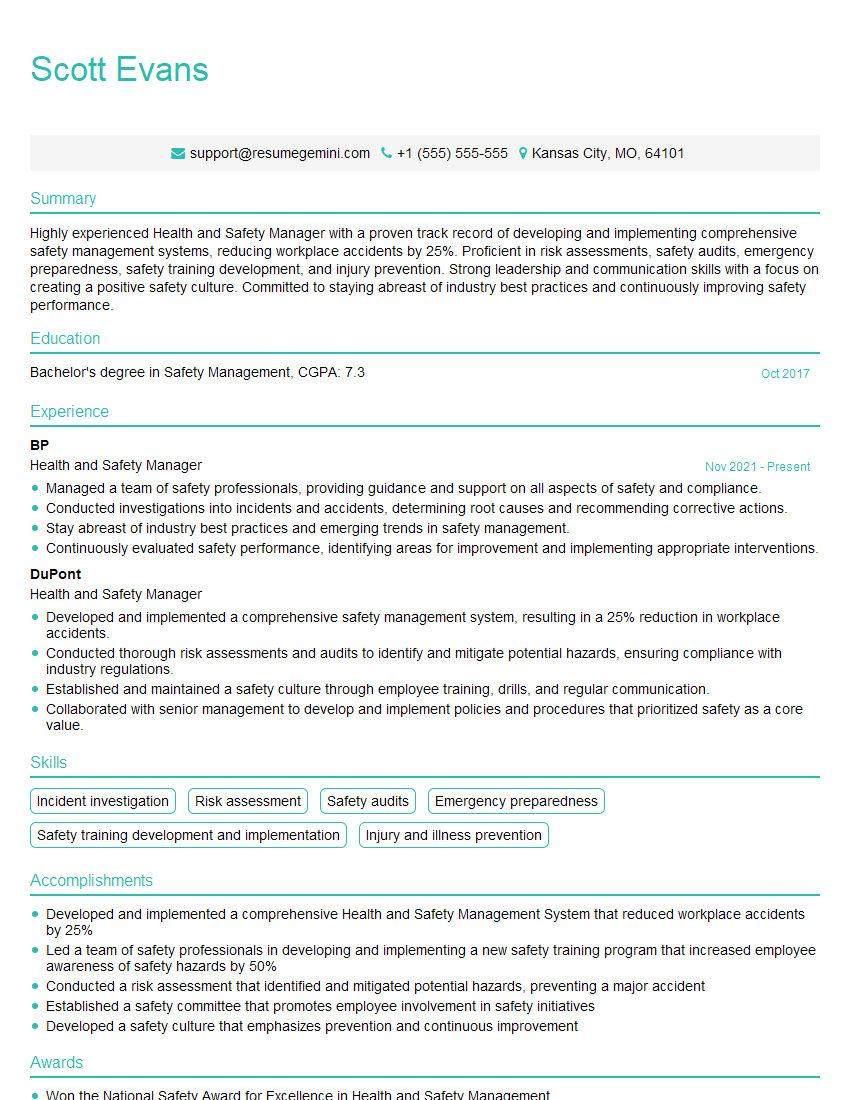
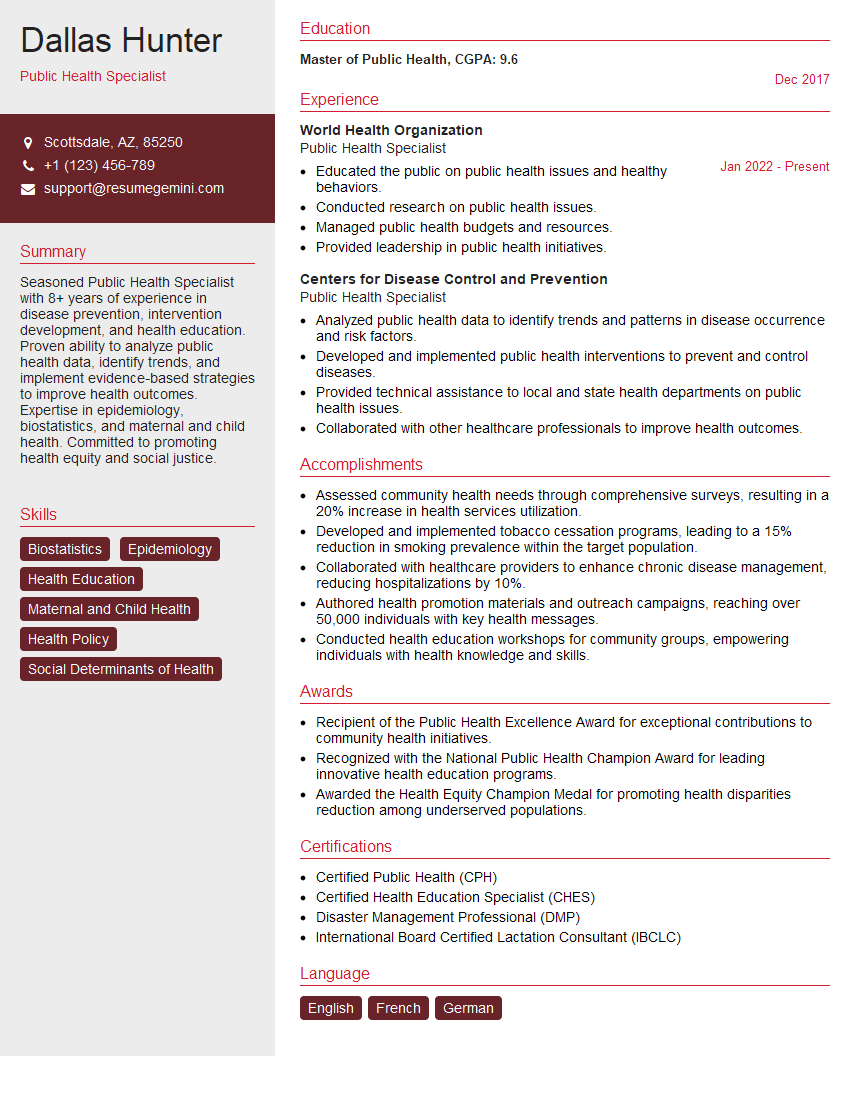
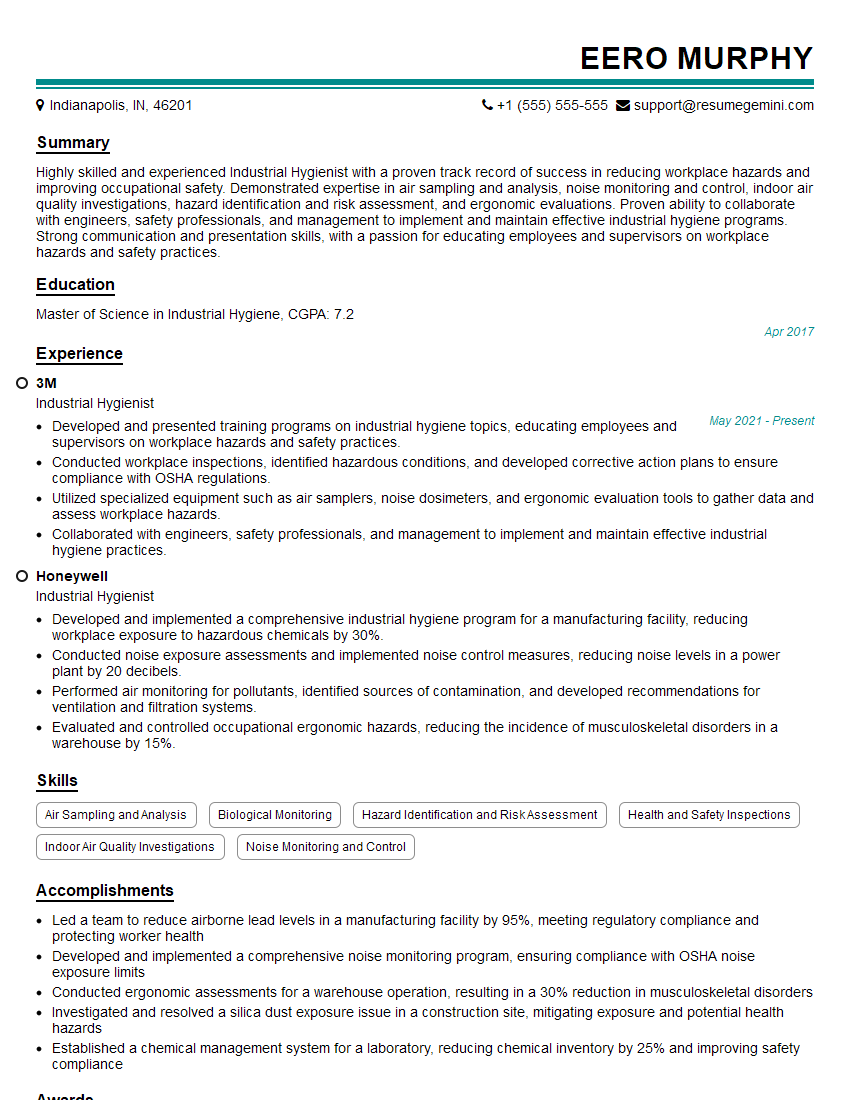
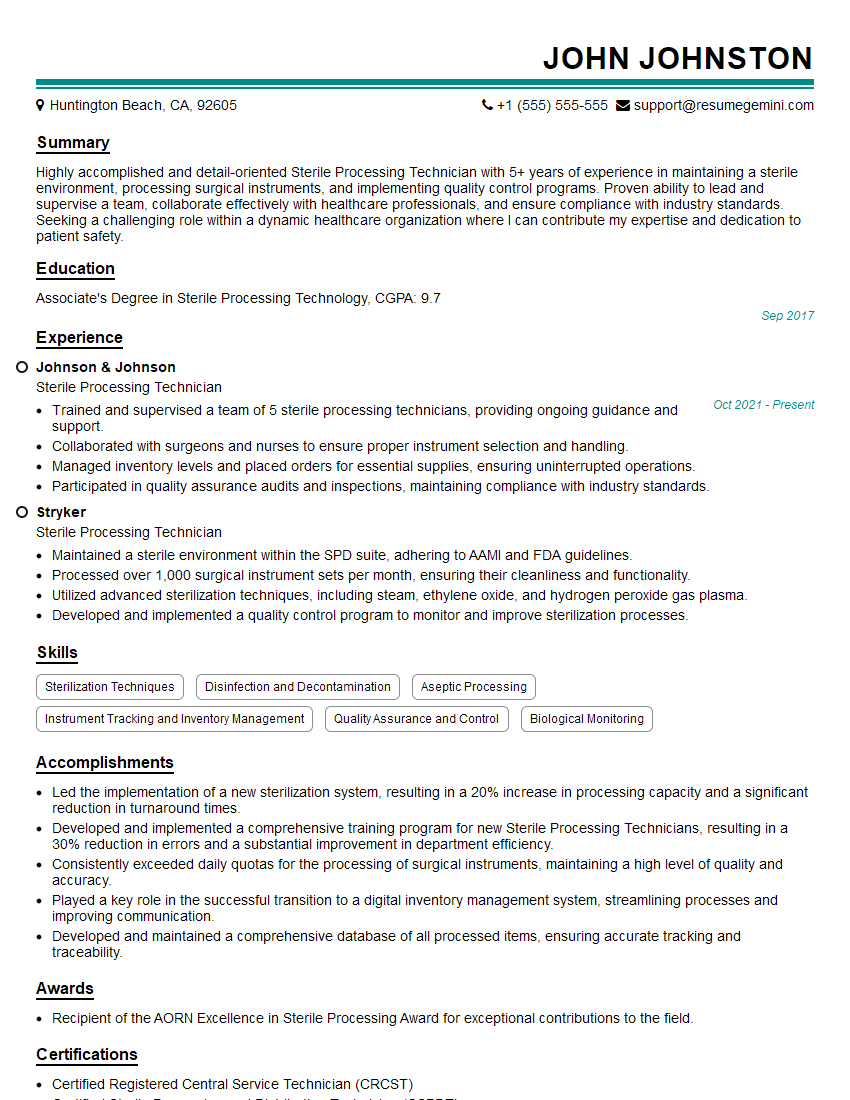
Mastering Biosecurity and Hygiene Practices is crucial for a successful and rewarding career in this vital field. It demonstrates your commitment to safety, compliance, and ethical practices, opening doors to diverse and impactful roles. To maximize your job prospects, it’s essential to create a compelling and ATS-friendly resume that highlights your skills and experience effectively. ResumeGemini is a trusted resource to help you build a professional and impactful resume tailored to the specific requirements of Biosecurity and Hygiene Practices positions. Examples of resumes tailored to this field are available to further guide your preparation. Take the next step towards your career goals – build a resume that shines!
Explore more articles
Users Rating of Our Blogs
Share Your Experience
We value your feedback! Please rate our content and share your thoughts (optional).
What Readers Say About Our Blog
Very informative content, great job.
good