The right preparation can turn an interview into an opportunity to showcase your expertise. This guide to Dynamic SQL interview questions is your ultimate resource, providing key insights and tips to help you ace your responses and stand out as a top candidate.
Questions Asked in Dynamic SQL Interview
Q 1. Explain the concept of Dynamic SQL and its advantages over static SQL.
Dynamic SQL, unlike static SQL, allows you to construct and execute SQL queries at runtime. Instead of hardcoding the entire SQL statement, you build it programmatically, often based on user input or other runtime conditions. Think of static SQL as a pre-written recipe, while dynamic SQL is like improvising a dish based on available ingredients.
Advantages over Static SQL:
- Flexibility: Dynamic SQL offers unparalleled flexibility. You can adapt queries based on changing needs without modifying and redeploying the application.
- Code Reusability: A single dynamic SQL procedure can handle various queries by altering its inputs, reducing code duplication.
- Simplified Application Logic: Complex conditional logic within SQL can be simplified by constructing the appropriate query dynamically.
- Metadata Driven Queries: Dynamic SQL excels when querying metadata; you can build queries based on the database schema at runtime.
Example: Imagine an application needing to query different tables based on user selection. With dynamic SQL, you could build a query like SELECT * FROM ' + @tableName + ' WHERE id = ' + @id, where @tableName and @id are parameters passed at runtime. This avoids the need for separate static SQL statements for each table.
Q 2. What are the security risks associated with Dynamic SQL and how can they be mitigated?
The primary security risk associated with Dynamic SQL is SQL injection. This occurs when malicious users insert SQL code into input fields, modifying the intended query and potentially granting unauthorized access, data modification, or deletion. Imagine a mischievous chef adding unexpected, harmful ingredients to your carefully planned dish!
Mitigation Strategies:
- Parameterized Queries/Prepared Statements: This is the most effective defense. It treats user inputs as data, not as executable code, preventing the injection of malicious commands.
- Input Validation: Rigorously validate all user inputs to ensure they conform to expected data types and formats. This acts as a secondary layer of protection.
- Least Privilege Principle: Grant database users only the necessary permissions. Restrict access to sensitive data and operations.
- Stored Procedures: Encapsulate dynamic SQL within stored procedures. This adds an extra layer of security by controlling access and execution context.
- Escaping Special Characters: While less effective than parameterized queries, escaping special characters (like single quotes) in user input can prevent some simple injection attempts. However, this is not a foolproof method.
Q 3. How do you handle SQL injection vulnerabilities when using Dynamic SQL?
The most crucial step in preventing SQL injection vulnerabilities when using Dynamic SQL is to always use parameterized queries or prepared statements. This technique separates the data from the query structure. The database engine treats parameters as plain data, rendering any malicious SQL code inert.
Example (using parameterized queries in a hypothetical environment):
DECLARE @ProductID INT; SET @ProductID = 123; -- User input, securely handled as a parameter DECLARE @SQL NVARCHAR(MAX); SET @SQL = N'SELECT * FROM Products WHERE ProductID = @ProductID'; EXEC sp_executesql @SQL, N'@ProductID INT', @ProductID;
This method prevents SQL injection because the @ProductID variable is treated as a value, not as part of the SQL command itself. The database engine ensures it is handled safely, effectively neutralizing any potential harmful input.
Q 4. Describe different methods for building Dynamic SQL queries in your preferred database system.
Building dynamic SQL varies slightly depending on the database system, but the general approach is similar. I’ll illustrate using T-SQL (SQL Server) and PL/SQL (Oracle), two popular choices.
T-SQL (SQL Server):
- String Concatenation: You can construct the query by concatenating strings. This requires careful attention to data types and potential injection issues, hence parameterization is preferred.
sp_executesql: This stored procedure provides a safer way to execute dynamic SQL by using parameters.
PL/SQL (Oracle):
- Native Dynamic SQL: Oracle provides
EXECUTE IMMEDIATEfor executing dynamic SQL statements directly. Similar to T-SQL’s string concatenation, it demands rigorous parameterization. - Open Cursors: For more complex scenarios involving multiple result sets, the
OPEN,FETCH, andCLOSEcursor methods can manage dynamic queries.
Example (T-SQL with sp_executesql):
DECLARE @SQL NVARCHAR(MAX); DECLARE @ParamValue VARCHAR(50); SET @ParamValue = 'SomeValue'; -- User input treated as a parameter SET @SQL = N'SELECT * FROM MyTable WHERE MyColumn = @ParamValue'; EXEC sp_executesql @SQL, N'@ParamValue VARCHAR(50)', @ParamValue;
Q 5. Compare and contrast prepared statements and dynamic SQL.
Both prepared statements and dynamic SQL enable building queries at runtime, but they differ significantly in their approach and security implications.
Prepared Statements: A prepared statement is a pre-compiled SQL query with placeholders for parameters. The database compiles the query structure once and then executes it multiple times with different parameter values. This improves performance and security by preventing SQL injection because parameters are treated as data, not as code. Think of it as a chef preparing the base structure of a dish, ready to add varied ingredients later.
Dynamic SQL: Dynamic SQL involves constructing and executing SQL statements directly at runtime as strings. While offering ultimate flexibility, it’s more vulnerable to SQL injection if not handled correctly. It’s like a chef improvising the entire dish on the spot, which is risky without careful planning.
In essence: Prepared statements prioritize security and performance by pre-compiling the structure. Dynamic SQL offers flexibility but requires extra vigilance to prevent SQL injection. Prepared statements are generally the preferred approach when possible for their security benefits.
Q 6. How do you optimize the performance of Dynamic SQL queries?
Optimizing dynamic SQL performance requires a multi-pronged approach:
- Minimize Dynamic SQL: If possible, replace dynamic SQL with static SQL or stored procedures with pre-compiled queries whenever feasible.
- Use Appropriate Data Types: Selecting correct data types for parameters improves query execution efficiency.
- Indexing: Ensure proper indexing on columns used in the
WHEREclause of your dynamic queries. Indexes significantly speed up data retrieval. - Query Hints: For complex queries, investigate using query hints to guide the database optimizer. (Use judiciously, as improper usage can harm performance).
- Caching: Explore caching mechanisms to store frequently executed dynamic queries and their results. This can significantly reduce database load and execution time.
- Analyze Execution Plans: Use database tools (e.g., SQL Server Profiler, Oracle’s SQL Developer) to analyze the execution plans of dynamic SQL queries. Identify bottlenecks and areas for improvement.
Remember, optimization is iterative. Regularly monitor query performance and fine-tune accordingly.
Q 7. Explain the use of stored procedures in conjunction with Dynamic SQL.
Stored procedures are invaluable when working with dynamic SQL. They provide a structured way to encapsulate and manage dynamic queries, enhancing security and maintainability.
Benefits of using Stored Procedures with Dynamic SQL:
- Security: Stored procedures allow you to control access to the underlying dynamic SQL code. Users can’t directly execute the dynamic SQL unless they have the necessary permissions on the stored procedure.
- Reusability: Once a stored procedure with dynamic SQL is created, it can be called from various applications and other stored procedures, reducing code duplication.
- Maintainability: Changes to the dynamic SQL logic only need to be made in a single location (the stored procedure), simplifying maintenance.
- Performance: While the initial compilation might take longer, subsequent executions can be faster due to query plan caching, similar to prepared statements.
Example (Conceptual): You could create a stored procedure that accepts a table name and a search condition as parameters. The procedure would then dynamically construct a SELECT statement using these parameters and execute it safely using sp_executesql (SQL Server) or equivalent mechanisms in other databases.
Q 8. How do you handle error handling and exception management in Dynamic SQL?
Error handling in Dynamic SQL is crucial because the SQL statements are constructed at runtime, making compile-time checks impossible. We rely on exception handling mechanisms provided by the database system and the programming language.
In most systems, this involves using TRY...CATCH blocks (or equivalent constructs). The TRY block executes the dynamic SQL. If an error occurs, the CATCH block intercepts the exception. Within the CATCH block, we can log the error, handle it gracefully (e.g., display a user-friendly message, attempt a rollback), or take other corrective actions. The specific error handling mechanisms vary slightly depending on the database system (e.g., SQL Server’s TRY...CATCH, Oracle’s exception handling, or Python’s try...except when interacting with a database library).
Example (SQL Server):
BEGIN TRY
    -- Dynamic SQL statement here
    EXEC sp_executesql @sqlString;
END TRY
BEGIN CATCH
    -- Error handling logic
    SELECT ERROR_NUMBER() AS ErrorNumber, ERROR_SEVERITY() AS ErrorSeverity, ERROR_STATE() AS ErrorState,
           ERROR_PROCEDURE() AS ErrorProcedure, ERROR_LINE() AS ErrorLine, ERROR_MESSAGE() AS ErrorMessage;
    -- Rollback transaction if needed
    IF @@TRANCOUNT > 0 ROLLBACK TRANSACTION;
END CATCH;
Proper error handling improves the robustness and reliability of applications using Dynamic SQL, preventing unexpected crashes and data corruption.
Q 9. What are the performance implications of excessive Dynamic SQL usage?
Overuse of Dynamic SQL can significantly impact database performance. The primary reason is that the database optimizer cannot pre-compile the SQL statement. Each time the dynamic SQL is executed, the database needs to parse, optimize, and create an execution plan from scratch. This adds overhead, especially for frequently executed queries. Furthermore, if the dynamic SQL constructs vary significantly, the optimizer might not be able to utilize cached plans effectively, leading to repeated plan generation. This can result in slower query execution times and higher CPU usage on the database server.
Consider this analogy: Imagine a chef receiving a handwritten recipe every time they need to prepare a dish. This takes much more time and effort compared to having a well-organized cookbook with pre-defined recipes. Static SQL is akin to having that cookbook – the query plan is pre-compiled and ready for execution. Overuse of Dynamic SQL forces the ‘chef’ to constantly reinvent the wheel.
To mitigate performance issues, consider using parameterized queries or stored procedures wherever possible. These approaches allow the database optimizer to create efficient execution plans once, and reuse them for multiple executions, thereby reducing the overhead associated with dynamic SQL.
Q 10. How do you debug Dynamic SQL code?
Debugging Dynamic SQL requires a multi-faceted approach because you’re dealing with SQL generated at runtime. Simple print statements (or their equivalent) in your programming language can be helpful for inspecting the generated SQL before execution. This allows you to verify the correctness of the SQL string and identify syntax or logical errors early on.
Database profiling tools are indispensable for analyzing the execution plan of the generated SQL. These tools show you how the database executes the query, identify performance bottlenecks, and pinpoint areas that need optimization. Many database systems provide built-in profiling functionalities or integrate with third-party tools.
Strategies:
- Print the generated SQL: Before executing the dynamic SQL, print the generated SQL string to the console or log file. This allows you to examine the query for errors.
- Use a logging framework: Log the execution time and any errors encountered during the execution of dynamic SQL.
- Leverage database debuggers: Several database systems provide integrated debuggers that let you step through the execution of stored procedures or dynamically generated SQL.
- Employ parameterized queries: Replace string concatenations with parameters to avoid SQL injection vulnerabilities and potentially enhance performance.
Remember that comprehensive logging and thorough testing are crucial for maintaining and debugging dynamic SQL code effectively.
Q 11. Explain how Dynamic SQL interacts with database transactions.
Dynamic SQL seamlessly integrates with database transactions. Transactions ensure data consistency and integrity. When using dynamic SQL within a transaction, any changes made by the dynamic SQL statements are either all committed together or all rolled back if an error occurs. This is essential for maintaining data integrity.
Example (Illustrative):
Let’s say you’re updating multiple tables using dynamic SQL within a transaction. If any of the dynamic SQL statements fail, the entire transaction is rolled back, ensuring that the database remains in a consistent state. The transaction boundaries are managed either implicitly (using auto-commit settings) or explicitly using BEGIN TRANSACTION and COMMIT TRANSACTION (or their equivalent in your database system). The TRY...CATCH blocks are normally placed within the transaction context to facilitate rollback on failure.
The key is that the dynamic SQL statements executed within the scope of a transaction are treated no differently than static SQL statements – they are subject to the same ACID (Atomicity, Consistency, Isolation, Durability) properties that define a successful database transaction. Properly using transactions with dynamic SQL ensures data integrity even in the face of errors or unexpected conditions.
Q 12. How do you use Dynamic SQL to generate different types of reports?
Dynamic SQL is exceptionally well-suited for generating diverse report types because you can construct the SELECT statement on the fly based on user input, specific report requirements, or other dynamic parameters. You can easily tailor the columns selected, filtering conditions, sorting, and aggregation functions at runtime.
Example Scenarios:
- Customizable Reports: Generate reports where users can select the specific columns or fields to include.
- Conditional Reporting: Use dynamic SQL to generate different report layouts or data subsets based on certain criteria (e.g., showing different details based on a user’s role or a specific date range).
- Ad-hoc Queries: Allow users to directly input criteria to generate on-demand reports.
- Data Aggregation: Dynamically build aggregate functions (
SUM,AVG,COUNT, etc.) into the SQL statement for various summary reports.
By building the SQL string programmatically, you eliminate the need for countless pre-defined stored procedures or views for various report variations. This significantly improves flexibility and reduces the maintenance overhead. Remember to always sanitize user input to prevent SQL injection vulnerabilities when accepting user-defined report parameters.
Q 13. Describe your experience working with different database systems and their Dynamic SQL implementations.
I have extensive experience with Dynamic SQL across various database systems, including SQL Server, Oracle, MySQL, and PostgreSQL. Each system has its own nuances in how dynamic SQL is implemented, but the core concepts remain consistent.
SQL Server: I’ve extensively used sp_executesql for secure and efficient execution of dynamic SQL, along with TRY...CATCH for robust error handling. I am familiar with its performance characteristics and optimization techniques.
Oracle: I’ve worked with native dynamic SQL techniques using EXECUTE IMMEDIATE and its associated error handling mechanisms. I understand Oracle’s specific considerations for optimizing the performance of dynamic SQL, including the use of bind variables to avoid repeated parsing.
MySQL and PostgreSQL: My experience includes using prepared statements in these systems, a form of parameterized dynamic SQL that offers both security and performance benefits. I’m adept at handling differences in syntax and features between various database systems while adhering to best practices for efficient and secure code.
Through these experiences, I’ve learned to adapt to the specific strengths and limitations of each database system’s dynamic SQL implementation while maintaining a focus on security and optimal performance.
Q 14. How do you handle data type conversions within Dynamic SQL?
Data type conversions within Dynamic SQL are managed using the database system’s built-in functions. The approach varies slightly depending on the specific database system and the programming language used. However, the general principles are similar.
Methods:
- CAST/CONVERT Functions: Most database systems provide
CASTorCONVERTfunctions to explicitly convert data types. For example,CAST(myColumn AS INT)in SQL Server orCONVERT(myColumn, INT)in MySQL. These functions are incorporated into the dynamically generated SQL statement itself. - Implicit Conversions: Some database systems may perform implicit type conversions, but it’s generally best practice to use explicit conversions for clarity and to avoid unexpected behavior.
- Programming Language Functions: When interacting with the database via a programming language, you might convert data types before including them in the dynamic SQL string. For example, you might convert a string value to an integer in Python before inserting it into the SQL query.
Example (Illustrative):
Suppose you have a dynamic SQL query that involves joining two tables where a date column needs to be compared. If the column’s data type is different in the two tables, you would explicitly use CAST or CONVERT to ensure compatibility in the comparison operation. The generated SQL might look something like this (SQL Server example):
SET @sqlString = 'SELECT * FROM Table1 T1 INNER JOIN Table2 T2 ON CAST(T1.DateColumn AS DATE) = CAST(T2.DateColumn AS DATE)';
EXEC sp_executesql @sqlString;
Careful attention to data type conversions is essential for avoiding errors and producing accurate results with dynamic SQL.
Q 15. Explain how you would use Dynamic SQL to create a flexible data access layer.
Dynamic SQL allows you to construct and execute SQL statements at runtime, making your data access layer incredibly flexible. Imagine building a generic function that can retrieve data from any table, regardless of its structure. This is achievable with Dynamic SQL. Instead of hardcoding table and column names, you pass these as parameters, generating the SQL query on the fly. This eliminates the need for countless, nearly identical, hardcoded queries.
For example, let’s say you’re building a reporting system. Instead of writing separate queries for each report, you could build a single stored procedure that takes the table name, columns to select, and filtering criteria as input. The stored procedure then constructs the appropriate SELECT statement dynamically and executes it. This significantly reduces code duplication and improves maintainability.
Here’s a simplified conceptual illustration (syntax may vary depending on your database system):
CREATE PROCEDURE GetReportData (@tableName VARCHAR(255), @columns VARCHAR(MAX), @whereClause VARCHAR(MAX)) ASBEGIN DECLARE @sql NVARCHAR(MAX); SET @sql = N'SELECT ' + @columns + N' FROM ' + @tableName; IF @whereClause IS NOT NULL SET @sql = @sql + N' WHERE ' + @whereClause; EXEC sp_executesql @sql;END;This procedure accepts the table name, the columns to retrieve, and a WHERE clause as parameters. The query is dynamically built based on these inputs, offering immense flexibility.
Career Expert Tips:
- Ace those interviews! Prepare effectively by reviewing the Top 50 Most Common Interview Questions on ResumeGemini.
- Navigate your job search with confidence! Explore a wide range of Career Tips on ResumeGemini. Learn about common challenges and recommendations to overcome them.
- Craft the perfect resume! Master the Art of Resume Writing with ResumeGemini’s guide. Showcase your unique qualifications and achievements effectively.
- Don’t miss out on holiday savings! Build your dream resume with ResumeGemini’s ATS optimized templates.
Q 16. How do you test Dynamic SQL code thoroughly?
Thoroughly testing Dynamic SQL is crucial due to the inherent runtime construction of queries. You can’t just rely on testing a few hardcoded inputs; you must account for a wide range of possibilities.
- Parameterized Testing: Use a systematic approach to test different combinations of input parameters. This includes edge cases like empty strings, null values, and unexpected data types. This helps identify potential SQL injection vulnerabilities.
- Data-Driven Tests: Employ data-driven testing techniques. Read test data from a table or file, and use that data to drive your Dynamic SQL queries. This allows you to test a vast number of scenarios efficiently.
- Code Review: Peer review is critical to catch potential logic flaws and security vulnerabilities. A fresh pair of eyes can identify problems you might have missed.
- Unit Tests: Isolate your Dynamic SQL components and test them individually before integrating them into larger systems.
- Security Testing: Crucially, test for SQL injection vulnerabilities by deliberately providing malicious inputs. Use parameterized queries (like
sp_executesql) to mitigate this risk.
Remember, thorough testing is not an afterthought; it’s an integral part of the Dynamic SQL development lifecycle.
Q 17. Describe a situation where you had to use Dynamic SQL to solve a complex problem.
I once worked on a project that involved migrating data from a legacy system with an unpredictable schema. The old system’s tables had inconsistent naming conventions and structures, making a simple, static data migration impossible. We tackled this using Dynamic SQL.
We created a stored procedure that dynamically queried the legacy system’s metadata (table names, column names, data types) at runtime. This metadata was then used to construct a SELECT statement that extracted data from the old system, converting data types and handling null values as needed. The extracted data was then inserted into the new, normalized database schema.
The Dynamic SQL approach allowed us to handle the unpredictable nature of the legacy system without writing hundreds of individual migration scripts. This saved significant development time and significantly reduced the risk of errors. The adaptability of Dynamic SQL was key to success in this challenging migration project.
Q 18. What are the limitations of Dynamic SQL?
While powerful, Dynamic SQL has limitations:
- Security Risks: If not properly handled, Dynamic SQL is vulnerable to SQL injection attacks. Always use parameterized queries or stored procedures with proper input validation.
- Performance: Dynamic SQL can be less performant than static SQL because the query plan is generated at runtime for every execution. The database optimizer might not generate the most efficient plan.
- Debugging: Debugging Dynamic SQL can be more challenging than debugging static SQL because the actual SQL statement is not readily visible.
- Readability and Maintainability: Poorly written Dynamic SQL can be difficult to read and maintain, especially with complex logic for query construction.
Careful planning and coding practices are crucial to mitigate these limitations.
Q 19. How would you use Dynamic SQL to interact with external data sources?
Dynamic SQL can interact with external data sources through linked servers or database connectors. You can construct SQL statements that access data residing in other databases (e.g., Oracle, MySQL) or even flat files.
For example, if you have a linked server named ‘ExternalDB’ pointing to an external MySQL database, you could use Dynamic SQL to query it:
DECLARE @sql NVARCHAR(MAX);SET @sql = N'SELECT * FROM [ExternalDB].[MySQLDatabase].[dbo].[ExternalTable]';EXEC sp_executesql @sql;Remember, parameters are crucial to prevent SQL injection vulnerabilities, even when working with external databases. The specific approach will vary depending on the type of external data source and the database system you’re using.
Q 20. How do you ensure the readability and maintainability of your Dynamic SQL code?
Readability and maintainability are vital aspects of Dynamic SQL. Here are some best practices:
- Modular Design: Break down complex Dynamic SQL logic into smaller, well-defined modules or stored procedures. This improves readability and reusability.
- Meaningful Variable Names: Use descriptive variable names that clearly indicate the purpose of each variable. Avoid cryptic abbreviations.
- Comments: Add detailed comments to explain complex logic or unusual constructs. Clearly document the purpose, parameters, and expected results of your Dynamic SQL.
- Code Formatting: Use consistent indentation and formatting conventions to improve readability. Most IDEs offer automatic formatting features.
- Avoid Nested String Concatenation: Excessive string concatenation can make your Dynamic SQL difficult to understand. Use string formatting functions or parameterized queries whenever possible.
- Version Control: Use a version control system (like Git) to track changes to your Dynamic SQL code. This makes collaboration and rollback easier.
By adhering to these guidelines, you can significantly enhance the readability and maintainability of your Dynamic SQL code.
Q 21. Explain the use of cursors within Dynamic SQL.
Cursors in Dynamic SQL allow you to process data row by row. They are useful when you need to manipulate each row individually based on some criteria. However, they are generally less efficient than set-based operations. Use them judiciously.
Imagine a scenario where you have to update a table based on the results of a dynamically constructed query. You might use a cursor to iterate through the result set and perform the updates row by row.
Here’s a conceptual example (syntax varies by database):
DECLARE @sql NVARCHAR(MAX);DECLARE @id INT;DECLARE @value INT;DECLARE myCursor CURSOR FOR SELECT id, value FROM MyDynamicTable;OPEN myCursor;FETCH NEXT FROM myCursor INTO @id, @value;WHILE @@FETCH_STATUS = 0 BEGIN -- Dynamically update based on @id and @value SET @sql = N'UPDATE MyTable SET someColumn = someValue WHERE id = ' + CAST(@id AS VARCHAR(10)); EXEC sp_executesql @sql; FETCH NEXT FROM myCursor INTO @id, @value;END;CLOSE myCursor;DEALLOCATE myCursor;Be cautious: Cursors are generally less efficient than set-based operations. Explore alternative approaches (like using window functions or joins) whenever possible, as set-based solutions often perform significantly better.
Q 22. How do you implement Dynamic SQL using different programming languages?
Dynamic SQL allows you to build and execute SQL queries at runtime, offering flexibility not available with static SQL. This is crucial when the structure or content of your query needs to change based on application logic or user input. Implementation varies across languages, but the core concept remains the same: constructing a SQL string and then executing it using a database API.
Python: Python’s database connectors (like psycopg2 for PostgreSQL or mysql.connector for MySQL) allow you to execute SQL queries using the
cursor.execute()method. You can construct your SQL string using string formatting or f-strings, then pass it toexecute().import psycopg2 conn = psycopg2.connect(...) cur = conn.cursor() table_name = 'my_table' column_name = 'my_column' value = 'some value' query = f"INSERT INTO {table_name} ({column_name}) VALUES (%s);" cur.execute(query, (value,)) conn.commit() conn.close()Java: In Java, JDBC (Java Database Connectivity) provides the mechanism. You construct your SQL statement as a string and use the
Statement.executeUpdate()orStatement.executeQuery()methods to execute it.String sql = "INSERT INTO employees (name, salary) VALUES ('John Doe', 60000);" Statement stmt = connection.createStatement(); int rowsAffected = stmt.executeUpdate(sql);JavaScript (Node.js with a database driver): Node.js uses database drivers (like pg for PostgreSQL or mysql2 for MySQL) that provide similar functionality to Python’s connectors. You build the SQL string and execute it using the driver’s API.
Regardless of the language, careful consideration is crucial to prevent SQL injection vulnerabilities, as discussed further in subsequent answers.
Q 23. Discuss your experience with different Dynamic SQL frameworks or libraries.
My experience encompasses various Dynamic SQL approaches, ranging from simple string concatenation (which I strongly discourage due to security risks) to utilizing robust ORM frameworks and database-specific features.
ORMs (Object-Relational Mappers): ORMs like SQLAlchemy (Python) or Hibernate (Java) abstract away much of the direct SQL interaction. While they typically prioritize static SQL, many offer ways to inject dynamic elements, usually through parameterized queries (discussed later) and safer methods than direct string manipulation.
Database-Specific Stored Procedures: I’ve worked extensively with stored procedures that accept parameters and construct dynamic SQL internally. This provides a layer of security and allows for better database optimization as the database engine can better optimize the execution plan.
Query Builders: Several libraries (some ORM-related, others independent) provide query builder APIs that generate SQL in a safer way. These reduce the need for manual string concatenation and often include built-in protection against SQL injection.
Choosing the right framework depends greatly on the project’s complexity, security requirements, and team expertise. For simple applications, a well-structured ORM might suffice. For more complex scenarios requiring fine-grained control, database stored procedures or a well-designed query builder are preferred.
Q 24. How would you handle large datasets when using Dynamic SQL?
Handling large datasets with Dynamic SQL requires careful planning and optimization. Simply constructing a large query and executing it directly is often inefficient and might lead to performance bottlenecks or even database crashes. Strategies to consider include:
Data Pagination: Instead of retrieving the entire dataset at once, fetch data in smaller, manageable chunks using
LIMITandOFFSETclauses in your SQL. This reduces the memory footprint and improves response times.Filtering and Indexing: Optimize your Dynamic SQL to include efficient filtering conditions, leveraging database indexes to speed up data retrieval. Ensure your database is properly indexed to support your queries efficiently.
Batch Processing: When performing bulk updates or inserts, use batch processing techniques instead of individual
INSERTorUPDATEstatements for each row. Many database drivers and ORMs provide efficient batch operations.Asynchronous Operations: Consider using asynchronous operations to avoid blocking the application’s main thread while waiting for database responses, particularly important when dealing with large datasets.
Stored Procedures and Database Optimization: Utilize stored procedures, potentially with temporary tables or materialized views, to help the database optimize query execution plans for large datasets. Tuning database parameters, such as memory allocation and buffer pools, might also be necessary.
The specific techniques will depend on the database system, the query’s nature, and the application’s architecture. Profiling and benchmarking are essential to identify performance bottlenecks and refine strategies.
Q 25. Explain the concept of parameterized queries in relation to Dynamic SQL.
Parameterized queries are a crucial security measure when using Dynamic SQL. Instead of embedding user-supplied data directly into the SQL string, you use placeholders (parameters) that the database driver replaces with sanitized values before execution. This prevents SQL injection attacks, where malicious users could inject harmful commands into your queries.
Example (Python with psycopg2):
query = "SELECT * FROM users WHERE username = %s AND password = %s;" cur.execute(query, (username, password))Here, %s acts as a placeholder. The database driver ensures the values for username and password are properly escaped and handled, preventing SQL injection. Different databases and drivers use different placeholder syntax (e.g., ? in some JDBC drivers).
Parameterized queries not only improve security but can also enhance performance by allowing the database to reuse query execution plans (if the query structure remains consistent, only the parameters change).
Q 26. What are the best practices for writing secure and efficient Dynamic SQL?
Writing secure and efficient Dynamic SQL requires a multi-faceted approach:
Always use parameterized queries or prepared statements. This is the single most important step to prevent SQL injection.
Validate all user inputs rigorously. Sanitize inputs to prevent unexpected characters or data types from entering your queries. Use input validation techniques specific to your application and programming language to ensure that data is formatted correctly before being used in the query.
Least privilege principle: Database users should only have the necessary permissions to perform their tasks, reducing the potential impact of security breaches.
Avoid concatenating SQL strings manually. Using string concatenation increases the risk of SQL injection. Employ query builders, ORMs, or stored procedures where appropriate.
Regular security audits and penetration testing: Identify and remediate security vulnerabilities proactively.
Code reviews: Ensure colleagues review your code to catch potential issues.
Optimize query structure: Use appropriate indexes, avoid unnecessary joins or subqueries, and analyze query execution plans for potential improvements. Proper indexing is vital for performance, especially with large datasets.
Caching: When appropriate, cache frequently executed queries or results to reduce database load. For example, using a caching mechanism like Redis could store commonly accessed query results, thereby reducing the number of database queries.
By adhering to these best practices, you can significantly reduce the risks associated with Dynamic SQL while also improving performance.
Q 27. How do you monitor and troubleshoot performance issues related to Dynamic SQL?
Monitoring and troubleshooting Dynamic SQL performance issues requires a combination of techniques:
Database Profilers: Most database systems offer profiling tools that track query execution times, resource consumption (CPU, memory, I/O), and execution plans. These are invaluable for identifying slow queries.
Query Execution Plans: Analyze query execution plans to see how the database is processing your Dynamic SQL. This helps identify inefficiencies, such as missing indexes, table scans instead of index lookups, or poorly structured queries.
Logging and Monitoring: Implement logging to track query execution times, parameters, and any errors. Use monitoring tools to track overall database performance and resource utilization. These logs and monitoring data should be analyzed for trends and patterns indicating potential issues.
Application-Level Profiling: Use application-level profiling tools to pinpoint where the performance bottlenecks occur—is it in building the Dynamic SQL, in sending the query to the database, or in processing the results?
Code Reviews: Regular code reviews are essential to identify potential inefficiencies or areas for improvement in your dynamic SQL construction and execution.
Once a performance issue is identified, addressing it might involve optimizing the database schema, adding or adjusting indexes, rewriting the Dynamic SQL to be more efficient, or even switching to a different approach like stored procedures if appropriate.
Q 28. Discuss the trade-offs between using Dynamic SQL and stored procedures.
Dynamic SQL and stored procedures both offer ways to execute database operations, but they have trade-offs:
Flexibility: Dynamic SQL offers greater flexibility because you construct the SQL query at runtime. This is advantageous when the query structure depends on application logic or user input. Stored procedures are more rigid, with their structure defined at creation time.
Security: Properly implemented parameterized queries in Dynamic SQL can be just as secure as stored procedures, if not more so, if the stored procedure is not carefully parameterized. However, poorly written Dynamic SQL is significantly more vulnerable to SQL injection.
Performance: Stored procedures often offer better performance because the database can optimize the execution plan ahead of time. Dynamic SQL, if not carefully designed, can lead to suboptimal execution plans due to query variations. However, this performance difference may be minor or negligible in many practical cases.
Maintainability: Stored procedures can improve maintainability by centralizing database logic. Dynamic SQL scattered throughout the application code can be harder to manage and update.
Testability: Stored procedures are generally easier to test independently from the application code. Testing Dynamic SQL requires more integration testing.
The choice between Dynamic SQL and stored procedures depends on your project’s requirements. For simple, predictable queries, stored procedures often provide better performance and maintainability. However, when you need significant runtime flexibility, Dynamic SQL is essential, but use it cautiously with parameterized queries to protect against SQL injection.
Key Topics to Learn for Dynamic SQL Interview
- Fundamentals of Dynamic SQL: Understanding the core concepts, advantages, and disadvantages compared to static SQL. This includes exploring when to use dynamic SQL and when it’s best avoided.
- Constructing Dynamic SQL Statements: Mastering the techniques for building SQL queries programmatically, including string concatenation and parameterized queries to prevent SQL injection vulnerabilities.
- Execution and Handling of Dynamic SQL: Learn how to execute dynamically generated SQL statements effectively and efficiently, including error handling and result set management. Explore different execution methods across various database systems.
- Security Considerations: Deep dive into preventing SQL injection attacks through proper parameterization and input validation. Understand best practices for secure dynamic SQL development.
- Performance Optimization: Explore techniques to optimize the performance of dynamic SQL queries, including indexing, query planning, and minimizing unnecessary database calls.
- Practical Applications: Examine real-world scenarios where dynamic SQL is crucial, such as building flexible reporting tools, automating database tasks, and creating dynamic database schemas.
- Advanced Topics (Optional but beneficial): Consider exploring stored procedures, functions, and triggers that utilize dynamic SQL, along with understanding database cursor usage within dynamic SQL contexts.
Next Steps
Mastering Dynamic SQL significantly enhances your database development skills, opening doors to more challenging and rewarding roles. To maximize your job search success, invest time in creating a compelling, ATS-friendly resume that highlights your expertise. ResumeGemini can be a valuable resource for building a professional and effective resume. We provide examples of resumes tailored to Dynamic SQL professionals to help you showcase your skills and experience in the best possible light. Let us help you land your dream job!
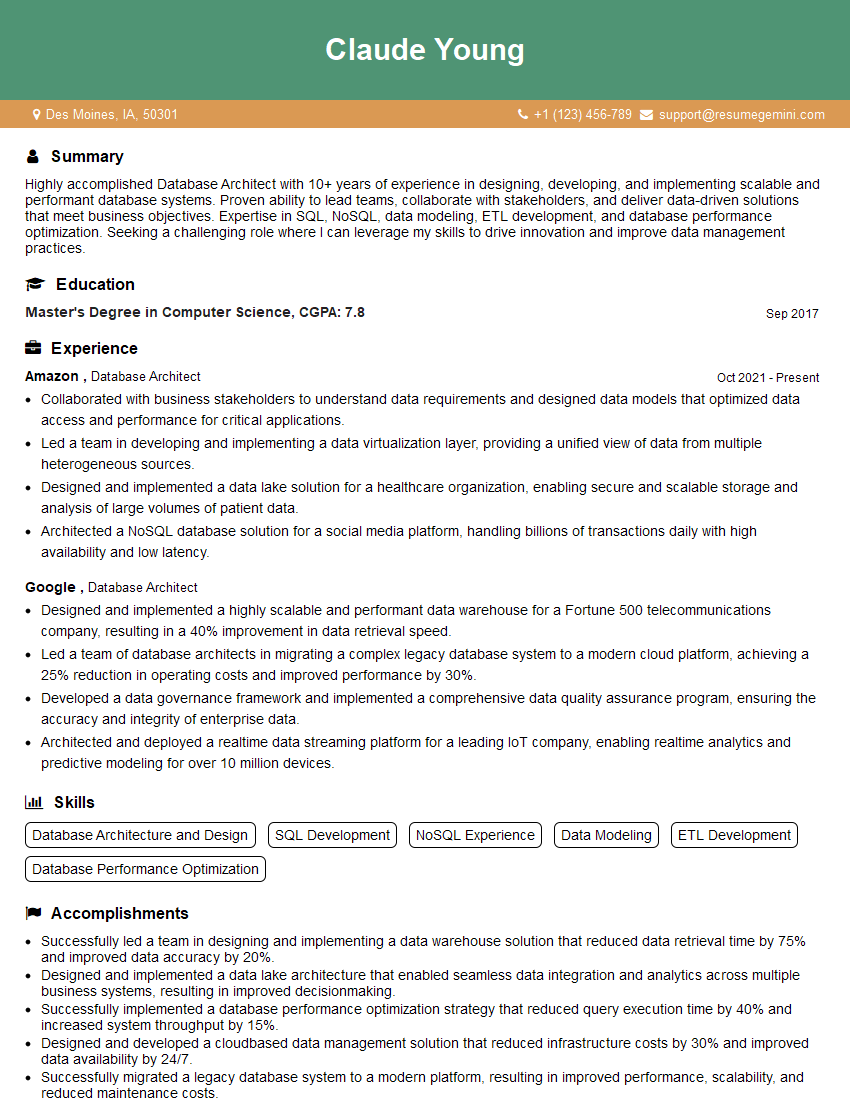
Database Architect Resume Sample
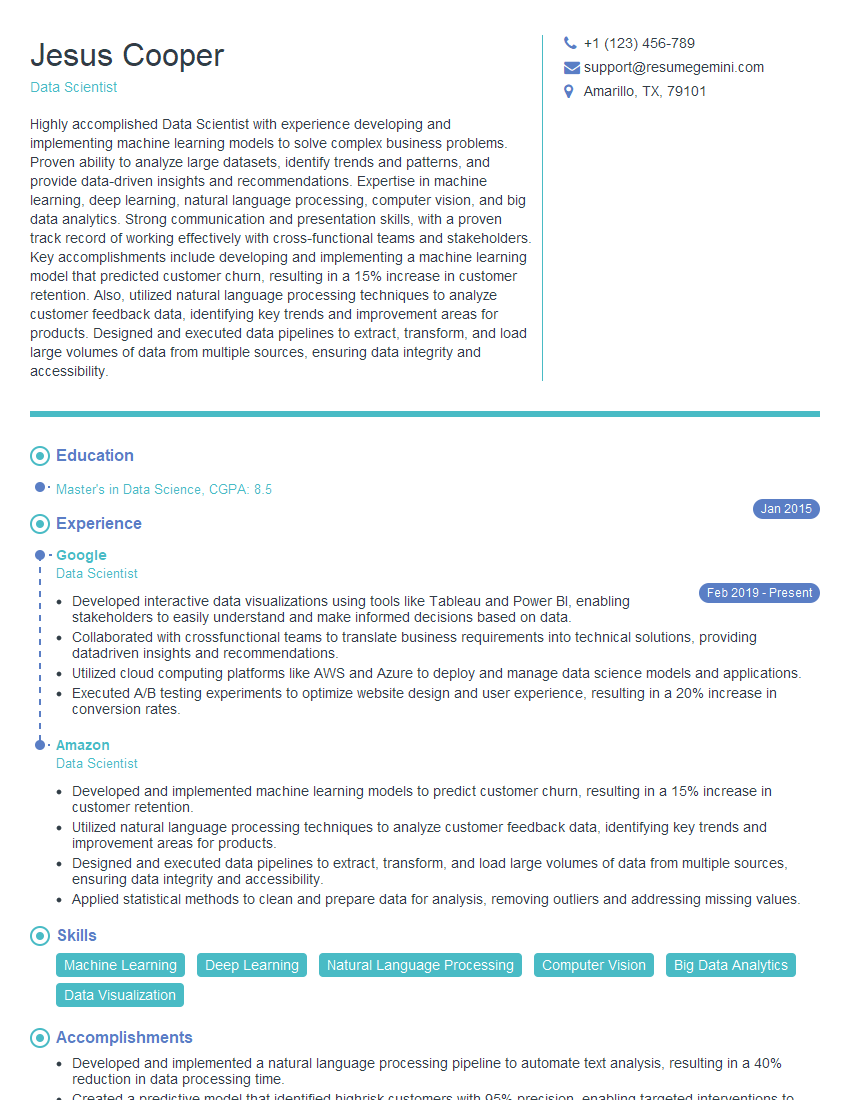
Data Scientist Resume Sample
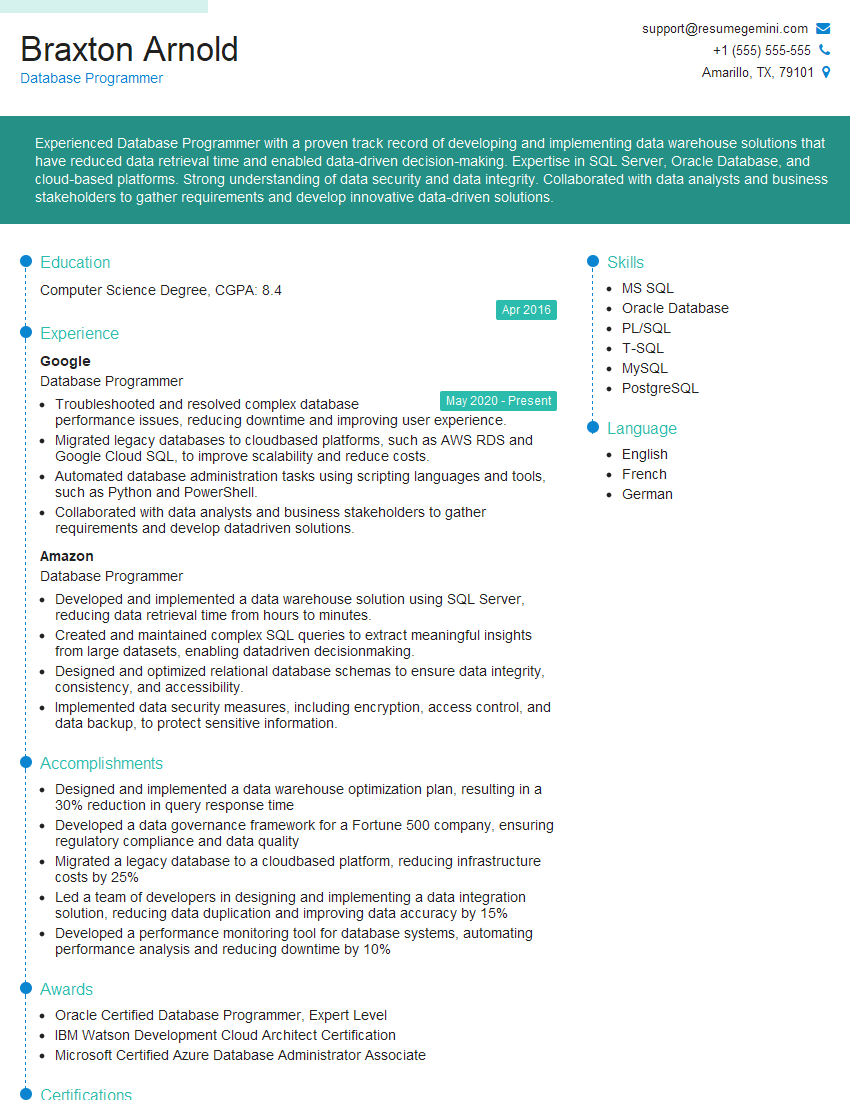
Database Programmer Resume Sample
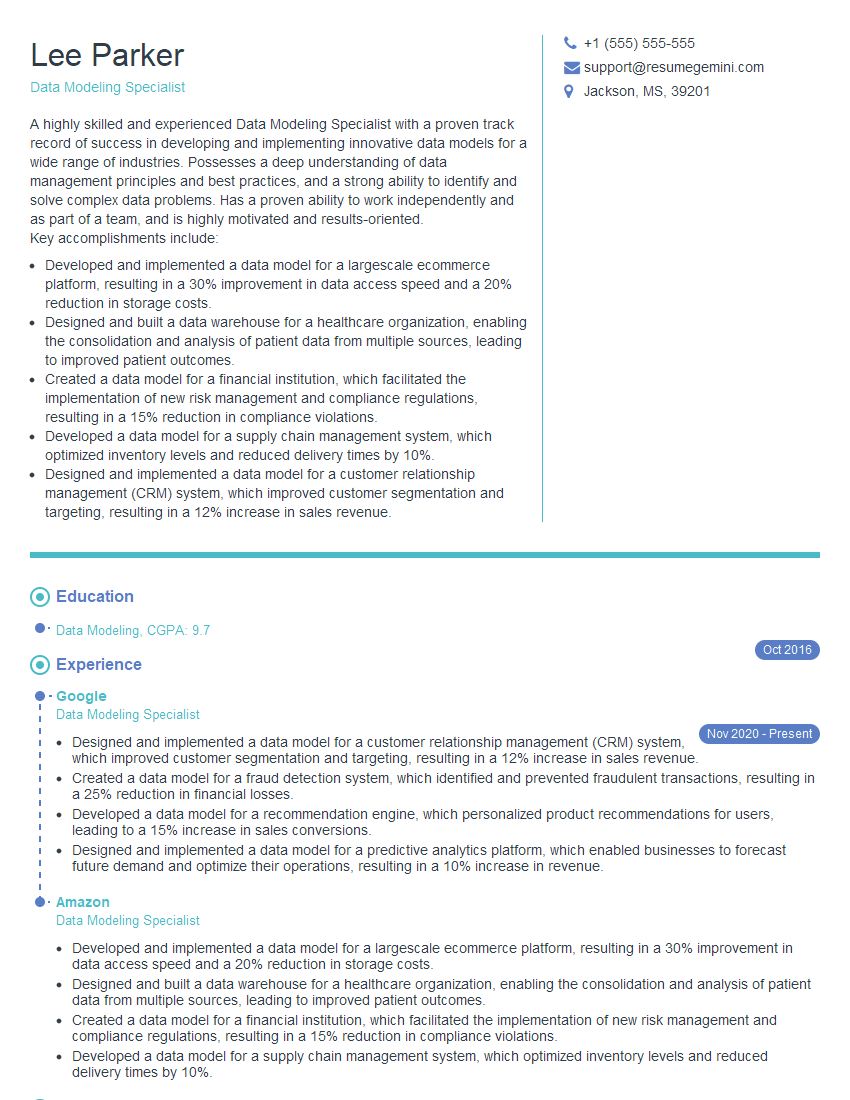
Data Modeling Specialist Resume Sample
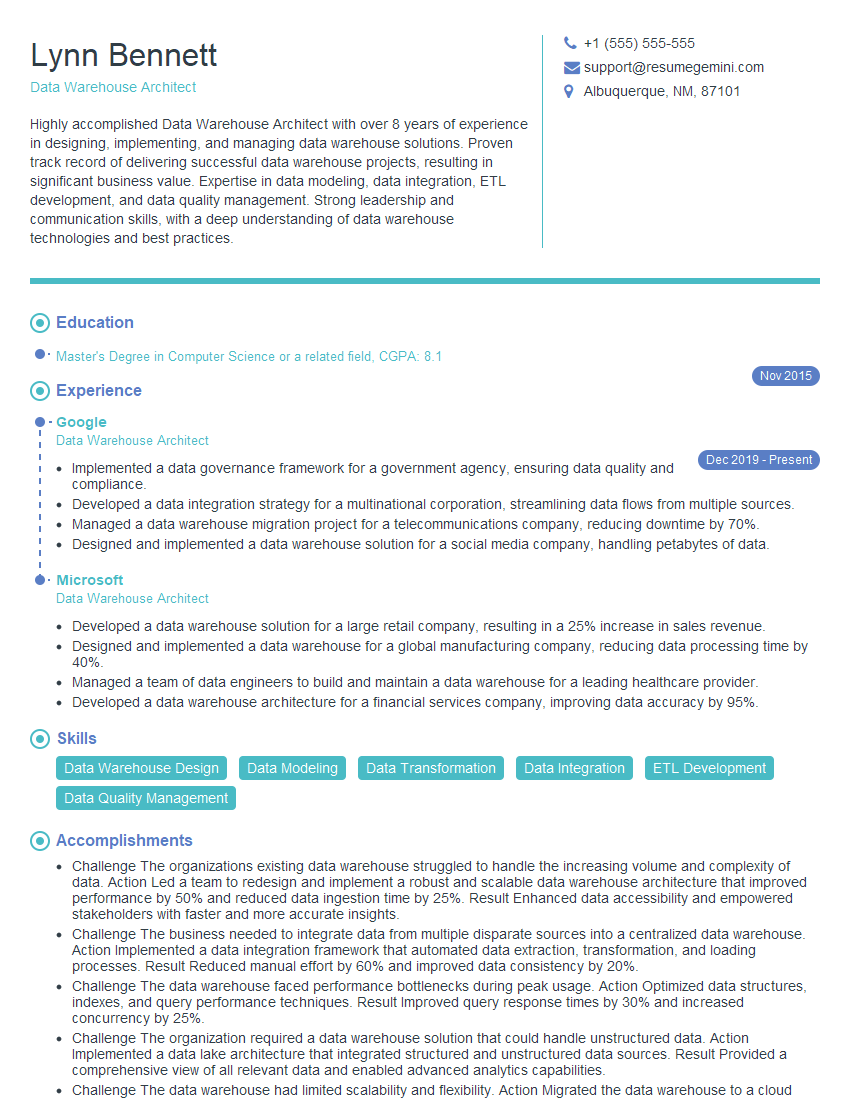
Data Warehouse Architect Resume Sample
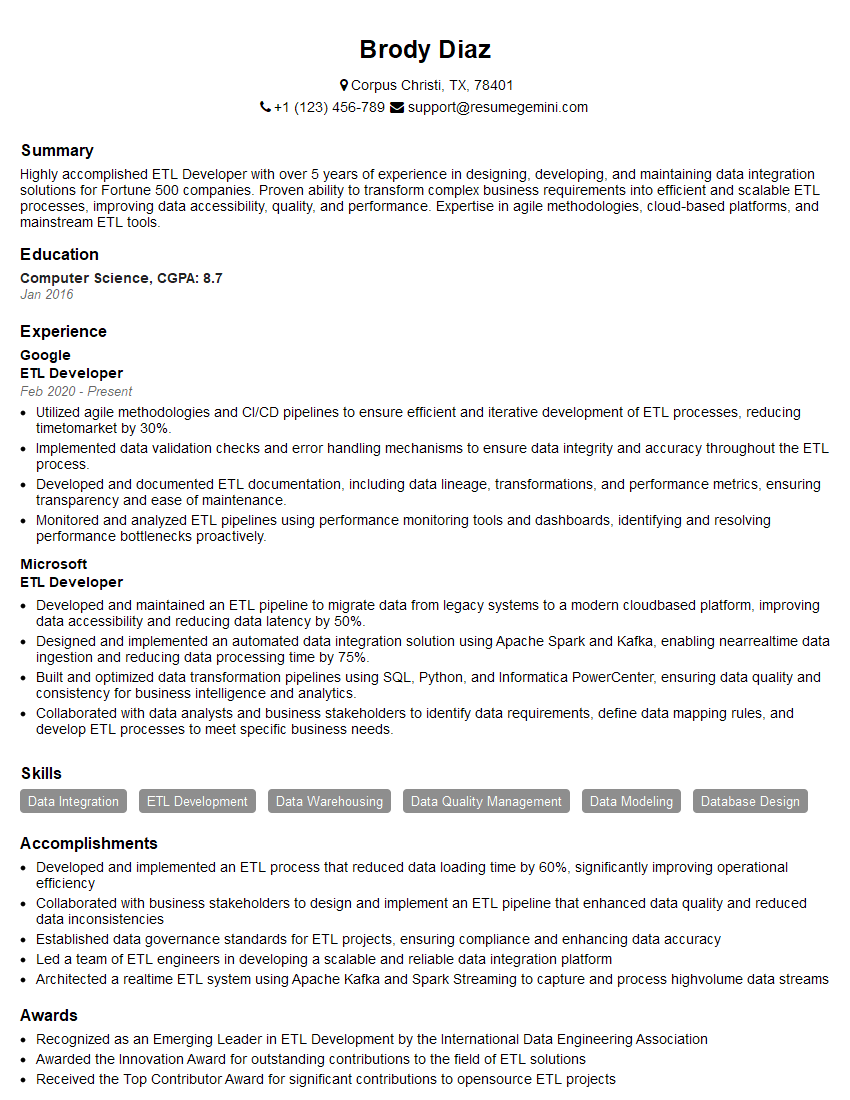
ETL Developer Resume Sample
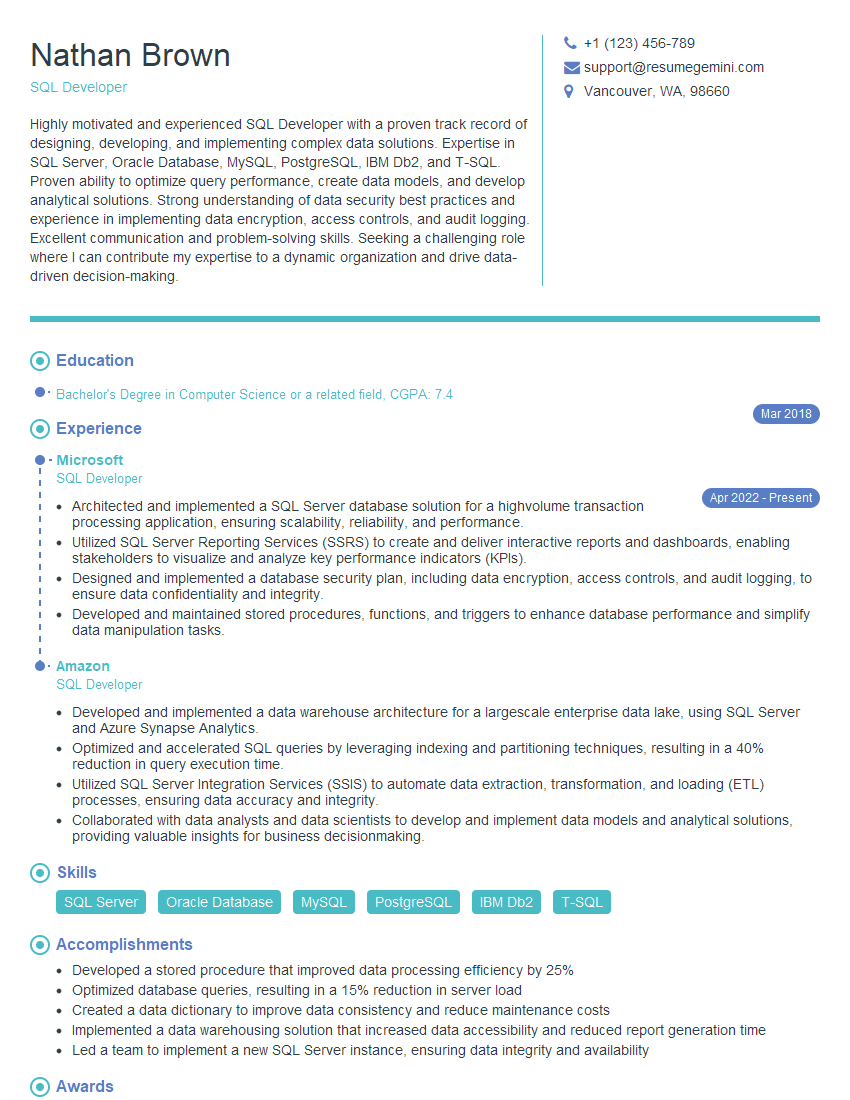
SQL Developer Resume Sample
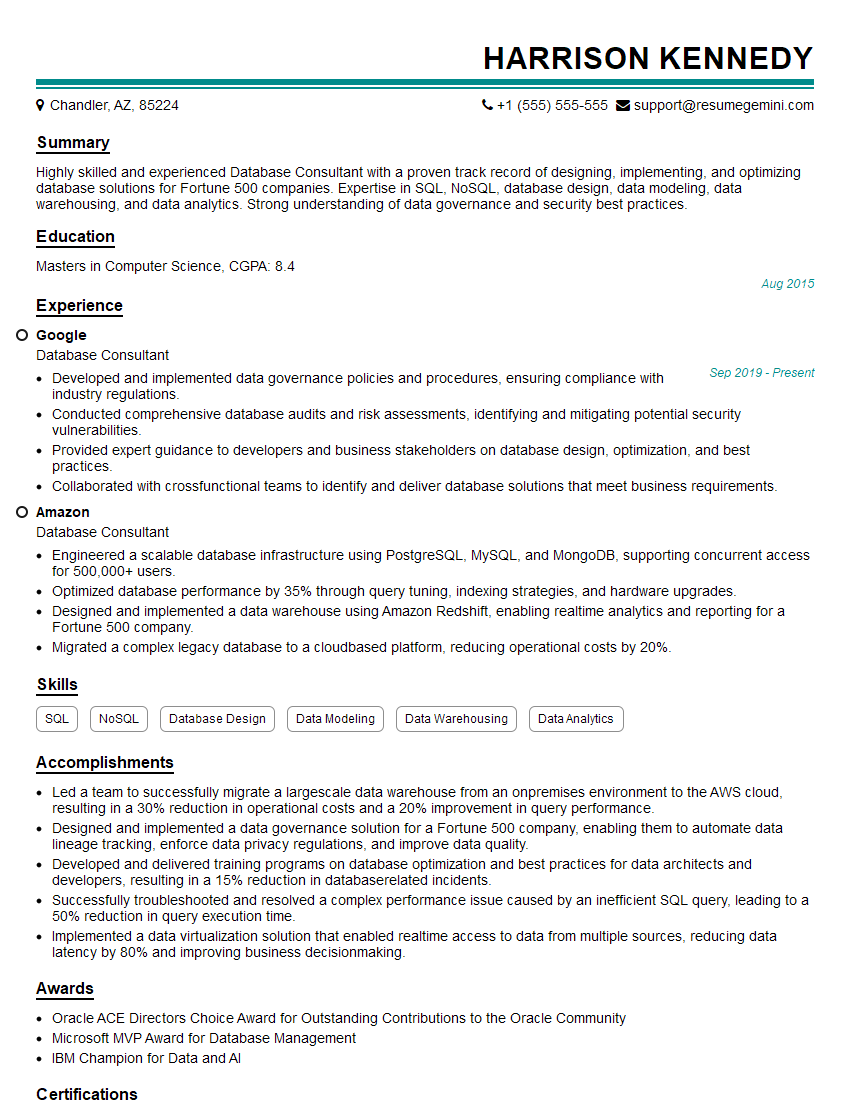
Database Consultant Resume Sample
Business Intelligence Analyst Resume Sample
Data Engineer Resume Sample
Explore more articles
Users Rating of Our Blogs
Share Your Experience
We value your feedback! Please rate our content and share your thoughts (optional).
What Readers Say About Our Blog
Hello,
we currently offer a complimentary backlink and URL indexing test for search engine optimization professionals.
You can get complimentary indexing credits to test how link discovery works in practice.
No credit card is required and there is no recurring fee.
You can find details here:
https://wikipedia-backlinks.com/indexing/
Regards
NICE RESPONSE TO Q & A
hi
The aim of this message is regarding an unclaimed deposit of a deceased nationale that bears the same name as you. You are not relate to him as there are millions of people answering the names across around the world. But i will use my position to influence the release of the deposit to you for our mutual benefit.
Respond for full details and how to claim the deposit. This is 100% risk free. Send hello to my email id: [email protected]
Luka Chachibaialuka
Hey interviewgemini.com, just wanted to follow up on my last email.
We just launched Call the Monster, an parenting app that lets you summon friendly ‘monsters’ kids actually listen to.
We’re also running a giveaway for everyone who downloads the app. Since it’s brand new, there aren’t many users yet, which means you’ve got a much better chance of winning some great prizes.
You can check it out here: https://bit.ly/callamonsterapp
Or follow us on Instagram: https://www.instagram.com/callamonsterapp
Thanks,
Ryan
CEO – Call the Monster App
Hey interviewgemini.com, I saw your website and love your approach.
I just want this to look like spam email, but want to share something important to you. We just launched Call the Monster, a parenting app that lets you summon friendly ‘monsters’ kids actually listen to.
Parents are loving it for calming chaos before bedtime. Thought you might want to try it: https://bit.ly/callamonsterapp or just follow our fun monster lore on Instagram: https://www.instagram.com/callamonsterapp
Thanks,
Ryan
CEO – Call A Monster APP
To the interviewgemini.com Owner.
Dear interviewgemini.com Webmaster!
Hi interviewgemini.com Webmaster!
Dear interviewgemini.com Webmaster!
excellent
Hello,
We found issues with your domain’s email setup that may be sending your messages to spam or blocking them completely. InboxShield Mini shows you how to fix it in minutes — no tech skills required.
Scan your domain now for details: https://inboxshield-mini.com/
— Adam @ InboxShield Mini
Reply STOP to unsubscribe
Hi, are you owner of interviewgemini.com? What if I told you I could help you find extra time in your schedule, reconnect with leads you didn’t even realize you missed, and bring in more “I want to work with you” conversations, without increasing your ad spend or hiring a full-time employee?
All with a flexible, budget-friendly service that could easily pay for itself. Sounds good?
Would it be nice to jump on a quick 10-minute call so I can show you exactly how we make this work?
Best,
Hapei
Marketing Director
Hey, I know you’re the owner of interviewgemini.com. I’ll be quick.
Fundraising for your business is tough and time-consuming. We make it easier by guaranteeing two private investor meetings each month, for six months. No demos, no pitch events – just direct introductions to active investors matched to your startup.
If youR17;re raising, this could help you build real momentum. Want me to send more info?
Hi, I represent an SEO company that specialises in getting you AI citations and higher rankings on Google. I’d like to offer you a 100% free SEO audit for your website. Would you be interested?
Hi, I represent an SEO company that specialises in getting you AI citations and higher rankings on Google. I’d like to offer you a 100% free SEO audit for your website. Would you be interested?
good