Feeling uncertain about what to expect in your upcoming interview? We’ve got you covered! This blog highlights the most important Fabric Handling and Preparation interview questions and provides actionable advice to help you stand out as the ideal candidate. Let’s pave the way for your success.
Questions Asked in Fabric Handling and Preparation Interview
Q 1. Describe your experience with different fabric types (e.g., cotton, silk, synthetics).
My experience spans a wide range of fabric types, from natural fibers like cotton and silk to synthetic materials such as polyester, nylon, and blends. Cotton, known for its breathability and absorbency, requires careful pre-treatment to prevent shrinkage. Silk, a luxurious fiber, is exceptionally delicate and demands gentle handling to avoid damage. Synthetics, while often more durable, can exhibit different properties depending on their composition and construction; some might be prone to static cling while others might be resistant to wrinkles. Understanding the unique characteristics of each fiber type is crucial for appropriate handling and processing.
For example, I’ve worked extensively with high-count cotton sateen, a fabric renowned for its smooth, lustrous finish. Its delicate nature requires specific washing and ironing techniques to maintain quality. Conversely, my experience includes working with heavy-duty polyester canvas, used in outdoor applications, which requires different handling methods focused on abrasion resistance.
- Cotton: Requires pre-washing to prevent shrinkage and improve colorfastness.
- Silk: Needs hand washing or delicate cycle machine washing in cool water, and should be air-dried flat.
- Synthetics: Often require less care but can be sensitive to high heat, so check care labels.
Q 2. Explain the proper techniques for handling delicate fabrics.
Handling delicate fabrics requires a gentle touch and attention to detail. Think of it like handling a precious piece of art. Rough handling can lead to snags, tears, and permanent damage. Key techniques include:
- Careful Unfolding: Never yank or pull the fabric; gently unfold it layer by layer to avoid stretching or damaging delicate fibers.
- Clean Hands and Surfaces: Ensure your hands are clean and free from dirt or oils that could stain. Work on a clean, flat surface free of debris.
- Appropriate Tools: Use soft measuring tapes and smooth, blunt-ended needles or pins to avoid puncturing or damaging the fabric.
- Supporting the Fabric: When handling heavy or draped fabrics, support the fabric’s weight to prevent stretching or sagging.
- Proper Storage: Store delicate fabrics folded loosely, away from direct sunlight and moisture, ideally in breathable fabric bags to protect them from dust and insects.
For example, when working with lace or chiffon, I use a soft, flat surface and carefully maneuver the fabric to prevent snags. I’d never pull or stretch these delicate fabrics—a slow and methodical approach is key.
Q 3. How do you identify fabric defects during inspection?
Fabric defect identification is a critical part of quality control. I use a systematic approach, combining visual inspection with sometimes the aid of magnification tools. Common defects include:
- Weaving Defects: Missing yarns, slubs (thickened areas), holes, broken ends, and mispicks (incorrect interlacing of yarns).
- Dyeing Defects: Uneven color, shade variations, stains, bleeding, and color fading.
- Finishing Defects: Wrinkles, creases, shrinkage, stiffness, and surface imperfections.
- Fabric Construction Defects: Fabric seams with misaligned threads and inconsistent thread counts.
I typically inspect rolls of fabric in good lighting, systematically checking for consistent color and weave. Magnifying glasses are helpful for identifying subtle flaws. Any discrepancies from the established quality standards are documented and addressed.
Q 4. What are the common causes of fabric damage during handling and storage?
Fabric damage during handling and storage stems from several causes:
- Improper Handling: Pulling, stretching, or dropping fabrics can cause tears, snags, and weakening of fibers.
- Incorrect Storage: Excessive pressure, improper folding, exposure to direct sunlight or moisture, and inadequate ventilation can lead to damage, fading, and mildew.
- Pests and Insects: Moths and other insects can damage natural fibers, leaving holes and weakening the fabric.
- Exposure to Chemicals: Contact with harsh chemicals or solvents can cause discoloration, deterioration, or weakening of fibers.
- Temperature Fluctuations: Extreme temperature changes can cause shrinkage, stretching or damage the overall structure of some fabrics.
For example, improper stacking of fabric rolls can lead to crushing or creasing, particularly with delicate fabrics. Similarly, storing fabrics in a damp environment can promote mold growth.
Q 5. Explain your process for preparing fabrics for cutting and sewing.
Preparing fabrics for cutting and sewing involves several steps to ensure a smooth and efficient process:
- Inspection: Thoroughly inspect the fabric for defects as previously described.
- Pre-washing (if necessary): Pre-wash fabrics that are likely to shrink to prevent problems later in the process.
- Laying Out: Lay out the fabric on a flat, clean surface, ensuring it’s smooth and free of wrinkles. Consider grainlines and pattern placement.
- Marking: Accurately mark cutting lines using chalk or fabric markers, considering seam allowances.
- Cutting: Use sharp shears or a rotary cutter to make clean, precise cuts, following the marked lines.
- Notching: Notching curves allows for smooth fitting and seaming of garments.
This methodical approach guarantees consistent quality and minimizes waste.
Q 6. How do you ensure consistent fabric quality throughout the production process?
Maintaining consistent fabric quality requires rigorous quality control at each stage of the production process. This includes:
- Consistent Sourcing: Sourcing fabric from reliable suppliers that meet quality standards is a must.
- Regular Inspections: Implementing regular inspections at various stages of processing, including pre-production, in-process and post-production checks.
- Proper Handling: Adhering to proper handling techniques to prevent damage at each stage.
- Documentation: Meticulous record-keeping of fabric details, inspection results and any adjustments made.
- Feedback Mechanisms: Establishing clear communication channels to address any quality concerns promptly.
For example, we might use color standards to ensure consistent dyeing throughout the production run. Any discrepancies are noted and corrected immediately. This proactive approach prevents major quality issues down the line.
Q 7. What are the safety precautions you take when handling large quantities of fabric?
Safety is paramount when handling large quantities of fabric. My precautions include:
- Proper Lifting Techniques: Using proper lifting techniques to avoid strains or injuries, particularly when handling heavy rolls or bundles.
- Organized Storage: Keeping the fabric storage area organized and clear of obstacles to prevent trips and falls.
- Adequate Ventilation: Ensuring sufficient ventilation to prevent the build-up of dust or fibers that could trigger respiratory problems.
- Personal Protective Equipment (PPE): Wearing appropriate PPE such as gloves to protect hands from cuts or irritation and eye protection when needed.
- Awareness of Potential Hazards: Being aware of potential tripping hazards, sharp objects and heavy machinery.
For instance, I always ensure that heavy rolls of fabric are stacked securely and that walkways remain clear to avoid accidents. I also emphasize teamwork, with colleagues assisting each other when moving heavy items.
Q 8. Describe your experience with fabric pre-treatment methods.
Fabric pre-treatment is crucial for ensuring consistent and high-quality finished products. It involves preparing the fabric for subsequent processes like cutting, sewing, and finishing. Methods vary depending on the fabric type and desired outcome. Common pre-treatments include:
- Desizing: Removing sizing agents (starches or other materials) applied to yarns before weaving to improve their strength and handleability. This is often done by enzymatic desizing, a process that uses enzymes to break down the sizing agent.
- Scouring: Cleaning the fabric to remove impurities like waxes, oils, and other natural contaminants. This often involves washing with detergents and alkalis.
- Bleaching: Lightening the fabric’s color to achieve a uniform shade for dyeing or to brighten natural fibers. This can be done using oxygen bleach or other bleaching agents.
- Singeing: Burning off loose fibers from the surface of the fabric to improve its appearance and reduce pilling (the formation of small balls of fiber on the fabric surface). This is typically done using gas flames.
For example, in working with linen, I’ve found that enzymatic desizing is essential to prevent uneven dyeing, while a thorough scouring is key to removing natural oils that can interfere with the finish. In cotton, controlling the scouring process is vital to avoid damaging the fibers. Each fabric requires a tailored pre-treatment process to optimize its final quality.
Q 9. How do you manage fabric inventory and minimize waste?
Efficient fabric inventory management is crucial for minimizing waste and optimizing production. I utilize a combination of strategies:
- Accurate Inventory Tracking: Implementing a robust system, either digital or manual, that meticulously tracks fabric quantities, types, colors, and lot numbers. This allows for precise usage forecasting and avoids overstocking or stockouts.
- FIFO (First-In, First-Out) System: Prioritizing the use of older fabrics first to prevent them from expiring or becoming damaged. This minimizes potential losses due to obsolescence.
- Careful Cutting and Planning: Utilizing computer-aided design (CAD) software and nesting techniques to optimize fabric utilization during the cutting process. This maximizes yield and minimizes waste by arranging patterns efficiently.
- Fabric Remnant Management: Systematically collecting and categorizing fabric remnants for use in smaller projects, samples, or patching.
- Regular Audits and Reviews: Conducting periodic inventory reviews to identify slow-moving or obsolete fabrics. This data informs future purchasing decisions and helps manage inventory levels effectively.
In a recent project, implementing a FIFO system along with improved cutting techniques helped us reduce fabric waste by 15%, leading to significant cost savings.
Q 10. Explain your experience with different fabric finishing techniques.
Fabric finishing techniques are vital in enhancing the aesthetic and functional properties of fabrics. My experience encompasses a wide range, including:
- Dyeing: Imparting color to fabrics using various dyeing methods like reactive, vat, disperse, or acid dyeing, depending on the fiber type and desired color fastness.
- Printing: Applying designs to fabrics using techniques like screen printing, roller printing, or digital printing. Each method offers unique advantages in terms of design complexity, cost, and production scale.
- Calendering: Passing fabrics between heated rollers to improve their smoothness, luster, or texture. This can create a variety of finishes, from high-gloss to a soft hand feel.
- Water Repellency Treatments: Applying finishes to impart water resistance or water repellency to fabrics, often crucial for outdoor or performance wear.
- Softening Treatments: Using softeners to improve the hand feel (texture) of the fabric, making it softer and more comfortable.
For example, I’ve worked extensively with reactive dyeing on cotton, achieving vibrant and colorfast results. Similarly, I’ve utilized digital printing to create complex and intricate designs on various fabrics, showcasing the versatility of modern finishing techniques.
Q 11. What is your understanding of fabric shrinkage and how do you account for it?
Fabric shrinkage is the reduction in fabric dimensions after washing or exposure to moisture. It occurs due to the relaxation of fibers and can be significant depending on the fiber type, construction, and finishing. To account for shrinkage:
- Pre-shrinking: Washing and drying the fabric before cutting and sewing to remove any potential shrinkage. This is a critical step for ensuring consistent garment dimensions after washing.
- Shrinkage Factor Determination: Testing a sample of the fabric to determine its shrinkage percentage under specific washing conditions. This data helps adjust pattern dimensions to compensate for shrinkage.
- Using Shrink-Resistant Fabrics: Selecting fabrics that are pre-treated to minimize shrinkage, particularly crucial for garments that cannot tolerate significant dimensional changes.
- Careful Washing Instructions: Providing clear washing instructions to consumers to prevent accidental shrinkage. This includes specifying water temperature and drying methods.
Ignoring shrinkage can result in ill-fitting garments after washing, leading to customer dissatisfaction. Accurate measurement and pre-shrinking are essential steps for minimizing this problem.
Q 12. How do you handle fabric variations in color and texture?
Fabric variations in color and texture are common, particularly with natural fibers. Effective management strategies include:
- Careful Selection and Inspection: Thoroughly inspecting fabrics upon arrival to identify any significant variations in color or texture. This involves checking multiple bolts to assess consistency.
- Color Matching and Sorting: Sorting fabrics based on color shade to ensure consistency within a batch. This is especially important for garments or projects requiring uniform color.
- Blending Fabrics Strategically: When minor variations are acceptable, strategically blending fabrics to distribute color or texture differences throughout the project.
- Communication and Collaboration: Communicating any significant color or texture variations to the design team or client to make informed decisions about fabric usage.
In one project involving a large-scale production run, we identified minor color variations in a batch of linen. By strategically blending the fabric during cutting, we were able to mitigate the inconsistencies without compromising the overall aesthetic of the final products.
Q 13. Describe your experience with using different types of fabric cutting equipment.
My experience involves using various fabric cutting equipment, each with its strengths and weaknesses:
- Manual Cutting Tables: Used for smaller-scale projects and intricate patterns. Requires skilled labor but allows for precision and flexibility.
- Electric Cutting Machines: These offer increased speed and efficiency for larger productions. They utilize different types of blades to cut various fabrics precisely.
- Computerized Cutting Systems (CNC): These advanced systems utilize CAD data to automate the cutting process. They significantly increase efficiency and reduce material waste, crucial for high-volume production runs.
The choice of equipment depends on factors like production volume, fabric type, pattern complexity, and budget. For example, a small bespoke tailor might rely on manual cutting tables, while a large apparel manufacturer would benefit from a fully automated CNC cutting system.
Q 14. How do you troubleshoot problems related to fabric handling?
Troubleshooting fabric-handling problems requires a systematic approach:
- Identify the Problem: Accurately determine the nature of the problem – Is it related to fabric damage, color inconsistencies, processing issues, or equipment malfunction?
- Gather Information: Collect data about the specific fabric, processing steps, equipment used, and personnel involved.
- Analyze the Cause: Investigate potential causes, such as incorrect pre-treatment, faulty equipment, inappropriate handling, or variations in fabric properties.
- Implement Corrective Actions: Develop and implement solutions to address the root cause of the problem. This might involve adjusting processing parameters, repairing or replacing equipment, or retraining personnel.
- Preventative Measures: Implement preventative measures to avoid similar problems in the future. This includes regular equipment maintenance, quality control checks, and improved training protocols.
For instance, if a fabric shows uneven dyeing, I would analyze the dyeing process parameters, examine the fabric for pre-treatment inconsistencies, and check for equipment malfunction. A systematic approach ensures effective resolution and prevents recurrence.
Q 15. What are the common industry standards for fabric handling and preparation?
Industry standards for fabric handling and preparation are crucial for maintaining quality, consistency, and efficiency throughout the textile production process. These standards cover various aspects, from initial fabric inspection to final storage.
- Storage: Fabrics should be stored in a clean, dry environment, protected from direct sunlight, excessive heat, and moisture to prevent damage and degradation. Proper racking and stacking methods are essential to avoid crushing or wrinkling.
- Inspection: A thorough inspection upon arrival is paramount. This includes checking for defects like holes, stains, inconsistencies in color or weave, and ensuring the fabric meets the specified quality standards. Detailed records of any imperfections should be kept.
- Pre-treatment: Depending on the fabric type and intended use, pre-treatments like desizing (removing sizing agents), scouring (cleaning), bleaching, or mercerizing (treating cotton to enhance luster and strength) might be necessary. Specific methods and chemical solutions should adhere to industry best practices and safety regulations.
- Cutting and Spreading: Consistent cutting and spreading techniques are vital for minimizing waste and ensuring accurate pattern placement. The use of automated spreading machines is common in larger operations to improve precision and speed.
- Documentation: Maintaining comprehensive records of every step, including fabric type, quantity, testing results, and any treatments applied, is essential for traceability and quality control. This documentation aids in troubleshooting problems and managing inventory efficiently.
For example, in my previous role, we strictly followed AATCC (American Association of Textile Chemists and Colorists) standards for testing and handling various fabrics, ensuring consistent quality across all our production runs. Non-compliance led to immediate corrective action.
Career Expert Tips:
- Ace those interviews! Prepare effectively by reviewing the Top 50 Most Common Interview Questions on ResumeGemini.
- Navigate your job search with confidence! Explore a wide range of Career Tips on ResumeGemini. Learn about common challenges and recommendations to overcome them.
- Craft the perfect resume! Master the Art of Resume Writing with ResumeGemini’s guide. Showcase your unique qualifications and achievements effectively.
- Don’t miss out on holiday savings! Build your dream resume with ResumeGemini’s ATS optimized templates.
Q 16. Explain your experience with fabric testing methods.
My experience encompasses a wide range of fabric testing methods, focusing on both physical and chemical properties. I’m proficient in using industry-standard equipment and interpreting results to ensure fabric quality and suitability for specific applications.
- Strength Testing: I’ve extensively used tensile testers to measure the breaking strength, elongation, and tear strength of fabrics, helping determine their durability and suitability for different end uses (e.g., determining if a fabric is strong enough for outerwear).
- Colorfastness Testing: I’m experienced in assessing colorfastness to washing, light, and rubbing using standardized methods like AATCC test methods. This is critical for ensuring the color doesn’t fade or bleed during the garment’s lifetime.
- Dimensional Stability Testing: I have performed shrinkage tests to determine how much a fabric will shrink after washing or drying, crucial for garment sizing and fitting.
- Microscopic Analysis: I have experience using microscopes to analyze fiber composition and fabric structure, helping to identify defects and assess fabric quality at a microscopic level.
For instance, in one project involving a new silk blend, microscopic analysis revealed inconsistencies in fiber distribution, which explained variations in drape and strength. We adjusted the manufacturing process to address this issue and improve product consistency.
Q 17. How do you maintain accurate records of fabric usage and inventory?
Maintaining accurate records of fabric usage and inventory is critical for efficient production and cost control. I leverage both manual and digital methods to ensure accuracy and traceability.
- Inventory Management System (IMS): I’m proficient in using various IMS software, inputting details of fabric arrival, usage, and current stock levels. This allows real-time tracking of inventory.
- Barcode/RFID Tracking: Implementing barcode or RFID tagging systems provides a highly efficient method for tracking fabrics throughout the production process, minimizing errors and streamlining inventory management.
- Regular Stock Audits: Periodic physical inventory checks verify the accuracy of the digital records and help identify any discrepancies or potential loss.
- Detailed Usage Reports: Generating regular reports on fabric consumption per order helps monitor usage patterns, identify areas for improvement, and inform purchasing decisions.
In a previous role, implementing an RFID-based inventory system significantly reduced discrepancies between physical and digital stock levels, leading to improved accuracy and a reduction in material waste.
Q 18. Describe your experience with working in a fast-paced production environment.
I thrive in fast-paced production environments. My experience in high-volume manufacturing has honed my ability to manage multiple tasks simultaneously, adapt to changing priorities, and meet tight deadlines.
I’m adept at prioritizing tasks based on urgency and importance, managing time effectively, and working efficiently under pressure. I’m a strong team player and am comfortable collaborating with colleagues to ensure smooth workflow and on-time delivery.
For example, during peak seasons, we handled an increase of 40% in orders. By implementing a streamlined workflow and prioritizing urgent orders based on delivery dates, we successfully met all deadlines without compromising quality.
Q 19. How do you prioritize tasks when dealing with multiple fabric types and orders?
Prioritizing tasks with multiple fabric types and orders requires a systematic approach. I typically use a combination of methods:
- Order Due Dates: Orders with the closest deadlines are prioritized to avoid delays and prevent production bottlenecks.
- Fabric Type Complexity: Orders requiring more complex fabric handling or specialized processing are sometimes prioritized based on available resources and expertise.
- Production Capacity: I consider the available machinery and personnel to create a realistic schedule and prioritize tasks accordingly.
- Material Availability: If certain fabric types are in short supply, orders requiring those fabrics are prioritized to minimize disruptions.
I often use Kanban boards or similar visual management tools to track progress and manage the flow of work, allowing for quick identification of potential roadblocks and proactive adjustments to the schedule.
Q 20. How do you communicate effectively with colleagues and supervisors regarding fabric issues?
Effective communication is crucial in addressing fabric issues. I prioritize clear, concise, and timely communication with colleagues and supervisors.
- Immediate Reporting: I report any fabric defects or inconsistencies promptly to the appropriate personnel, preventing larger problems down the line.
- Detailed Documentation: I maintain detailed records of all communication and actions taken, including photographs and samples of any defects.
- Collaborative Problem-Solving: I actively participate in discussions to find solutions to fabric-related problems, collaborating with colleagues from different departments.
- Proactive Communication: I proactively communicate potential delays or challenges to prevent disruptions and allow for timely adjustments.
In one situation, a batch of fabric arrived with a subtle color variation. By documenting the issue and communicating it to the supplier and design team immediately, we avoided using the affected fabric in a large order, preventing significant rework and cost overruns.
Q 21. What is your understanding of the impact of different environmental factors on fabric?
Environmental factors significantly impact fabric properties and performance. Understanding these impacts is critical for proper handling, storage, and processing.
- Temperature and Humidity: Extreme temperatures and humidity can cause fabric shrinkage, stretching, or weakening. Proper climate control in storage areas is crucial.
- Light Exposure: Prolonged exposure to sunlight can cause fading or degradation, particularly in dyes and certain fibers. Protecting fabrics from direct sunlight is essential.
- Moisture: Excessive moisture can lead to mildew, mold, or rotting. Maintaining a dry storage environment is important, especially for natural fibers.
- Air Quality: Contaminants in the air can damage or discolor fabrics. Clean air conditions are crucial for delicate fabrics.
For example, improperly stored linen can become susceptible to mildew in humid conditions. Understanding this allows us to implement preventative measures, like proper ventilation and climate control, to maintain quality.
Q 22. Describe your experience with using fabric management software.
My experience with fabric management software spans several systems, from basic inventory tracking to sophisticated ERP (Enterprise Resource Planning) solutions integrated with warehouse management systems (WMS). I’m proficient in using software to manage the entire lifecycle of fabric, from initial receipt and quality inspection to storage, allocation for production, and final disposition. For example, in my previous role at [Previous Company Name], I implemented a new inventory management system that reduced fabric waste by 15% by optimizing stock levels and improving forecasting accuracy. This system allowed for real-time tracking of fabric location, quality, and usage, significantly streamlining our operations and minimizing discrepancies. Another key feature I utilized was the integration with our cutting room software which reduced material losses during the cutting process by ensuring optimal fabric utilization.
I’m also familiar with various software features like lot tracking (essential for traceability and recall), barcode/RFID scanning for efficient identification and management, and reporting dashboards for performance analysis and decision-making. I’m confident in my ability to learn and adapt to new fabric management software quickly, leveraging my existing knowledge and skills to maximize efficiency and minimize errors.
Q 23. How do you ensure compliance with relevant health and safety regulations?
Ensuring compliance with health and safety regulations is paramount in fabric handling. This involves a multi-faceted approach that starts with comprehensive employee training. We cover topics such as proper lifting techniques to prevent musculoskeletal injuries, the safe use of machinery (e.g., forklifts, cutting machines), and the handling of hazardous materials (e.g., dyes, chemicals). Regular safety inspections are conducted to identify and rectify potential hazards, like ensuring proper ventilation to prevent dust inhalation and maintaining clear walkways to minimize trip hazards. Furthermore, we meticulously document all safety procedures and training records to meet audit requirements and demonstrate our commitment to workplace safety. We also adhere to all relevant local and national regulations pertaining to waste disposal, particularly for textile waste and byproducts. I actively participate in safety meetings, suggesting improvements and contributing to a culture of safety awareness. Think of it like a layered approach: training, inspection, documentation, and continuous improvement – all working together for a safer work environment.
Q 24. Explain your problem-solving approach when faced with a fabric quality issue.
My approach to solving fabric quality issues is systematic and data-driven. It typically involves these steps:
- Identify the Problem: First, we precisely define the nature of the defect (e.g., discoloration, shrinkage, inconsistent weave). We gather samples of the affected fabric and document the extent of the issue.
- Gather Data: Next, we investigate the entire process chain, from raw material sourcing to the point of defect detection. This may include examining production records, testing the fabric for various properties (e.g., tensile strength, colorfastness), and interviewing production personnel. Data analysis helps pinpoint the root cause.
- Analyze and Determine Root Cause: We use tools like root cause analysis (RCA) to identify the underlying factors contributing to the defect. Was it a problem with the raw materials, a machine malfunction, or an error in the production process? This step is crucial for implementing effective solutions.
- Implement Corrective Actions: Based on the root cause analysis, we implement corrective actions that could range from adjusting machine settings, replacing faulty equipment, retraining personnel, or changing suppliers.
- Monitor and Prevent Recurrence: Finally, we closely monitor the production process to ensure the corrective actions are effective and prevent the issue from recurring. This often involves implementing new quality control measures and refining existing procedures.
For example, once we identified a consistent color variation in a batch of dyed fabric, we traced it back to a malfunctioning dye metering pump. Replacing the pump and recalibrating the dyeing process quickly resolved the issue. This entire process is documented to ensure continuous learning and improvement.
Q 25. Describe your experience with implementing lean manufacturing principles in fabric handling.
Implementing lean manufacturing principles in fabric handling focuses on eliminating waste and optimizing efficiency throughout the process. This includes applying principles like 5S (Sort, Set in Order, Shine, Standardize, Sustain) to improve workplace organization and reducing time spent searching for materials. We use visual management tools, such as kanban systems, to streamline the flow of materials and minimize inventory. Value stream mapping helps us identify bottlenecks and areas for improvement in the fabric handling process. By optimizing the layout of the warehouse and production floor, we reduce unnecessary movement of materials. For example, we implemented a pull system for fabric delivery to the cutting room, ensuring that fabric is only delivered when needed, reducing storage space and minimizing potential damage to materials.
Lean principles also focus on continuous improvement (Kaizen). Regularly scheduled team meetings allow us to brainstorm ideas for optimizing our processes, even small changes can accumulate to significant gains in efficiency and reduced waste. The focus is always on improving workflow and minimizing anything that doesn’t add value to the final product. This results in better productivity, reduced costs, and improved quality.
Q 26. How do you contribute to a team environment in a fabric handling role?
In a team environment, effective communication and collaboration are key. I actively participate in team meetings, sharing my expertise and offering solutions to challenges. I’m always willing to assist colleagues, whether it’s troubleshooting a problem or training new team members. I believe in a collaborative approach to problem-solving; brainstorming sessions often lead to innovative solutions that improve efficiency and productivity. Furthermore, I actively foster a positive and supportive work environment where everyone feels comfortable sharing ideas and concerns. A strong team dynamic is crucial for success in fabric handling, where efficient coordination is essential for seamless operations.
Q 27. How do you stay up-to-date with the latest industry trends and technologies in fabric handling?
Staying current with industry trends and technologies is crucial in this field. I regularly attend industry conferences and trade shows, such as [Mention relevant industry conferences], to learn about new innovations in fabric handling and preparation. I also actively participate in professional organizations like [Mention relevant professional organizations], gaining access to webinars, publications, and networking opportunities. I subscribe to relevant industry journals and online publications to keep abreast of the latest developments. Furthermore, I actively seek out online courses and training programs to enhance my skills and knowledge in areas such as automation, data analytics, and sustainable fabric handling practices. This commitment to continuous learning ensures I can effectively adapt to evolving industry demands and integrate new technologies to optimize our operations.
Q 28. Describe a time you had to handle a challenging situation related to fabric quality or handling.
In one instance, we received a large shipment of fabric with a significant color inconsistency. The initial reaction was alarm as this was a critical material for a major order. My approach was to immediately initiate a thorough investigation. We carefully inspected the fabric, documenting the extent of the issue and gathering samples. We contacted the supplier immediately to initiate a dialogue and understand their quality control measures. Concurrently, we initiated a root cause analysis internally, examining our own receiving processes to rule out any contribution to the problem. It turned out that a batch of dye from the supplier had a slight variation in concentration. While we could have rejected the whole shipment, we worked collaboratively with the supplier and found a viable solution. They offered a discounted price on the affected material and provided a guarantee for future consistency. We adjusted our cutting plan to minimize the visible impact of the color variation, and ultimately, the order was successfully fulfilled without significant delay or financial loss. This experience highlighted the importance of proactive communication, thorough investigation, and collaborative problem-solving in managing challenging situations.
Key Topics to Learn for Fabric Handling and Preparation Interview
- Fabric Properties & Identification: Understanding fiber types (natural vs. synthetic), yarn structures, fabric weaves, and their impact on handling and processing. Practical application: Identifying appropriate handling techniques for delicate silks versus robust cottons.
- Pre-treatment Processes: Knowledge of desizing, scouring, bleaching, and other preparatory processes. Practical application: Explaining the purpose and impact of each process on fabric quality and subsequent stages of production.
- Quality Control & Inspection: Techniques for identifying fabric defects (e.g., flaws, inconsistencies). Practical application: Describing methods for effective defect detection and documentation to maintain quality standards.
- Fabric Handling Equipment: Familiarity with machinery used in fabric handling and preparation (e.g., openers, cleaners, spreaders). Practical application: Troubleshooting common equipment malfunctions and understanding safety procedures.
- Waste Management & Sustainability: Understanding environmentally responsible practices in fabric handling and preparation. Practical application: Describing methods for minimizing waste and maximizing resource utilization.
- Health and Safety Regulations: Knowledge of relevant safety protocols and procedures related to fabric handling and processing. Practical application: Describing safe handling procedures for various fabric types and situations.
- Process Optimization: Analyzing and improving efficiency and productivity in fabric handling and preparation processes. Practical application: Identifying bottlenecks and suggesting solutions to improve workflow.
Next Steps
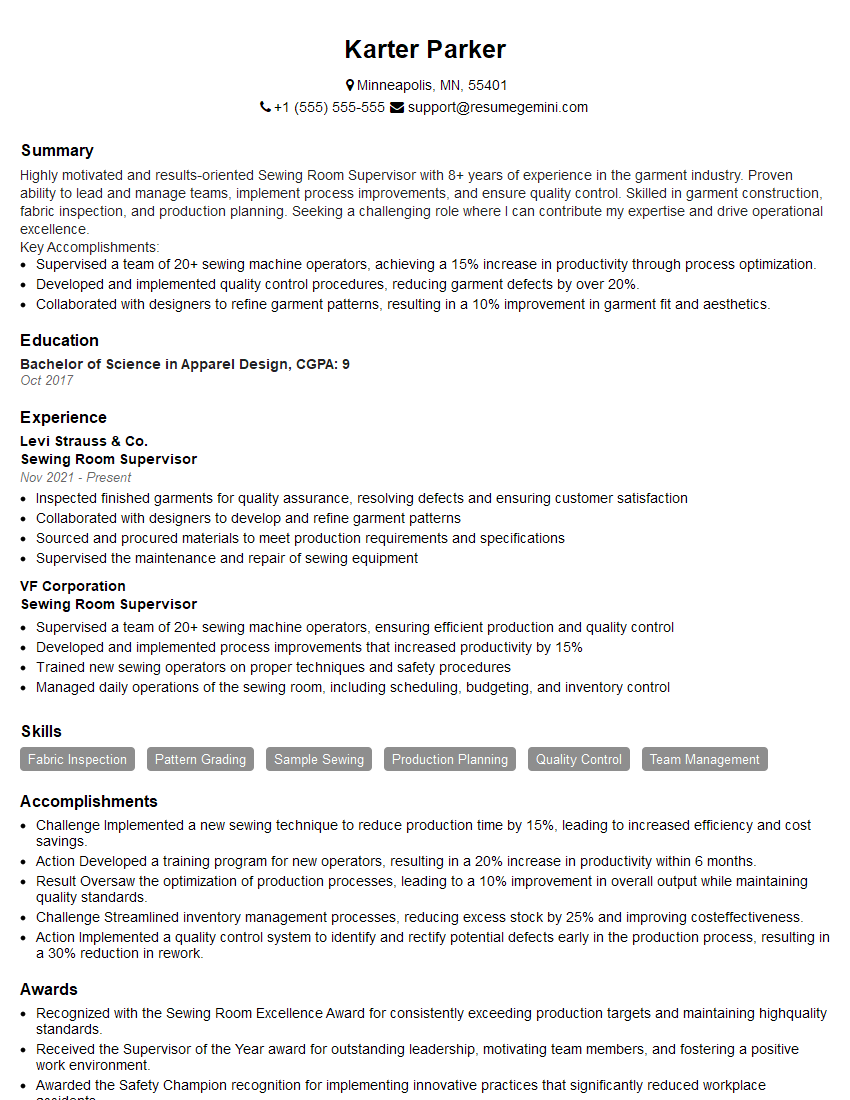
Mastering Fabric Handling and Preparation is crucial for advancement in the textile industry, opening doors to specialized roles and increased earning potential. A well-crafted resume is your key to unlocking these opportunities. Building an ATS-friendly resume is essential for getting noticed by potential employers. ResumeGemini is a trusted resource to help you create a professional and impactful resume that highlights your skills and experience effectively. Examples of resumes tailored to Fabric Handling and Preparation are provided to guide you in crafting your own.

Explore more articles
Users Rating of Our Blogs
Share Your Experience
We value your feedback! Please rate our content and share your thoughts (optional).
What Readers Say About Our Blog
Very informative content, great job.
good