Are you ready to stand out in your next interview? Understanding and preparing for Critical Thinking and DecisionMaking interview questions is a game-changer. In this blog, we’ve compiled key questions and expert advice to help you showcase your skills with confidence and precision. Let’s get started on your journey to acing the interview.
Questions Asked in Critical Thinking and DecisionMaking Interview
Q 1. Describe your process for evaluating the validity of information sources.
Evaluating information sources requires a multi-faceted approach that goes beyond simply checking the author’s credentials. I utilize a process I call ‘Source Verification and Triangulation’. This involves several steps:
- Authority: I assess the author’s expertise and credentials. Is this person or organization recognized as an expert in the field? Are there any potential conflicts of interest?
- Accuracy: I look for evidence of factual accuracy. Are claims supported by data, evidence, or reputable sources? I cross-reference information with multiple sources to ensure consistency.
- Objectivity: I evaluate the source’s potential biases. Is the information presented in a neutral and unbiased manner, or does it seem to promote a particular viewpoint? I look for signs of emotional language, unsupported claims, or one-sided perspectives.
- Currency: Is the information current and up-to-date, especially crucial in rapidly evolving fields? Outdated information can be misleading or inaccurate.
- Purpose: What is the intended purpose of the information? Is it to inform, persuade, or entertain? Understanding the purpose helps me interpret the information more critically.
- Triangulation: Finally, I compare the information with data from multiple, independent sources. If several reliable sources corroborate the same information, it significantly strengthens its validity.
For example, if I’m researching the effectiveness of a new medical treatment, I wouldn’t rely solely on a company’s press release. Instead, I’d consult peer-reviewed studies, reports from independent research organizations, and expert opinions from various medical professionals. This triangulation helps ensure a more robust and reliable understanding.
Q 2. Explain a time you had to make a decision with incomplete information. What was your approach?
During a project launch, we faced a critical decision: which marketing channel to prioritize given a limited budget. We had partial data from previous campaigns but lacked complete information on the new target audience’s preferences. My approach involved a structured decision-making process:
- Define the Problem: Clearly articulate the challenge: maximize campaign impact with limited budget and incomplete data.
- Gather Available Information: Collect all existing data on past campaigns, competitor activities, and any preliminary market research.
- Identify Key Uncertainties: Acknowledge what we didn’t know – mainly, the new target audience’s response to different marketing channels.
- Develop Alternative Strategies: Explore various channel options (social media, email, paid search, etc.) and create potential campaign plans for each.
- Assess the Risks and Rewards: For each strategy, estimate potential return on investment (ROI) based on available data, acknowledging the uncertainties.
- Select the Best Option Based on Risk Tolerance: Choose the strategy that offered the most promising ROI, considering our risk tolerance. We opted for a phased approach, starting with a smaller investment in multiple channels to gain early feedback, then scaling based on results.
- Monitor and Adapt: Track key metrics and make adjustments to the strategy as new data emerged.
This approach helped us make a reasonably informed decision despite the incomplete information, emphasizing iterative learning and adaptation.
Q 3. How do you identify and mitigate biases in your decision-making process?
Identifying and mitigating biases is crucial for effective decision-making. I employ several strategies:
- Self-Awareness: Regularly reflecting on my own biases, considering my personal experiences, values, and beliefs that might influence my judgment. We all have them; the key is acknowledging their presence.
- Data-Driven Approach: Relying on objective data and evidence whenever possible. This helps reduce the influence of emotions and subjective opinions.
- Seeking Diverse Perspectives: Actively soliciting input from individuals with different backgrounds, experiences, and viewpoints. This ‘devil’s advocate’ approach challenges my assumptions and helps identify potential blind spots.
- Structured Decision-Making Frameworks: Utilizing frameworks such as cost-benefit analysis, decision trees, or multi-criteria decision analysis to systematically evaluate options and reduce bias.
- Cognitive Reframing: Deliberately trying to see the problem from multiple perspectives and consider alternative explanations. This helps challenge pre-conceived notions and avoid anchoring bias.
- Regular Review and Reflection: After making a decision, reviewing the process to identify areas where biases might have influenced the outcome. This enables continuous learning and improvement.
For instance, if evaluating job applicants, I use standardized scoring rubrics to avoid unconscious bias based on factors unrelated to job qualifications.
Q 4. Describe a situation where you had to analyze a complex problem and break it down into manageable parts.
During a complex project involving the development of a new software system, the initial requirements seemed overwhelming. I employed a ‘divide and conquer’ strategy by breaking down the project into manageable components:
- Define the Overall Goal: Clearly state the project’s objective: develop a functional and user-friendly software system meeting specific requirements.
- Identify Key Subsystems: Break the system into smaller, independent modules (e.g., user interface, database, security, etc.).
- Establish Dependencies: Analyze the relationships between these subsystems. Which modules need to be completed before others can begin?
- Assign Responsibilities: Divide the tasks among team members based on their skills and expertise.
- Set Milestones and Deadlines: Establish realistic timelines for completing each module, ensuring smooth integration.
- Regular Monitoring and Communication: Track progress, address roadblocks, and facilitate communication between team members.
By breaking down the large project into smaller, more manageable tasks, we reduced complexity, improved team efficiency, and facilitated more effective progress monitoring and problem-solving.
Q 5. How do you prioritize competing tasks or demands?
Prioritizing competing tasks involves a structured approach combining urgency and importance. I use a matrix-based prioritization system similar to the Eisenhower Matrix (Urgent/Important):
- Urgent and Important: These tasks require immediate attention (e.g., resolving a critical bug, meeting a pressing deadline). These are tackled first.
- Important but Not Urgent: These tasks are crucial for long-term goals but don’t require immediate action (e.g., strategic planning, skill development). These are scheduled proactively.
- Urgent but Not Important: These tasks are time-sensitive but not crucial to long-term goals (e.g., attending a low-priority meeting, responding to some emails). These are delegated or eliminated if possible.
- Neither Urgent nor Important: These tasks can be postponed or eliminated altogether (e.g., time-wasting activities, non-essential social media). These are avoided or minimized.
Furthermore, I utilize time management techniques like time blocking and the Pomodoro Technique to focus my efforts on high-priority tasks, enhancing efficiency and productivity.
Q 6. Explain your approach to risk assessment and mitigation.
Risk assessment and mitigation are integral parts of my decision-making process. My approach involves:
- Risk Identification: Systematically identifying potential risks that could impact the desired outcome. This involves brainstorming, reviewing past experiences, and considering external factors.
- Risk Analysis: Evaluating the likelihood and potential impact of each identified risk. I often use a risk matrix that plots likelihood versus impact, helping prioritize higher-risk items.
- Risk Response Planning: Developing strategies to address each identified risk. Options include avoidance (eliminating the risk), mitigation (reducing the likelihood or impact), transference (shifting the risk to another party), or acceptance (acknowledging the risk and accepting the consequences).
- Risk Monitoring and Control: Continuously monitoring identified risks and adjusting mitigation strategies as needed. This includes regular reviews and updates to the risk assessment.
For example, when launching a new product, I’d assess risks like market competition, technical failures, and regulatory hurdles. I’d then develop mitigation strategies such as market research, rigorous testing, and legal compliance measures.
Q 7. How do you ensure you’re considering all relevant perspectives when making a decision?
Ensuring consideration of all relevant perspectives requires deliberate effort. My approach involves:
- Active Listening: Carefully listening to and understanding the viewpoints of all stakeholders involved. This includes actively seeking out diverse opinions.
- Empathy: Trying to understand the perspectives of others, even if I don’t agree with them. This helps build trust and encourages open communication.
- Structured Brainstorming Sessions: Organizing brainstorming sessions to encourage participation from all stakeholders and capture a wide range of ideas.
- Stakeholder Mapping: Identifying key stakeholders and understanding their interests and influence. This helps prioritize whose perspectives need the most consideration.
- Conflict Resolution Techniques: Utilizing appropriate conflict resolution techniques to address disagreements and find common ground. This may involve mediation or negotiation.
- Documentation: Documenting all perspectives considered to ensure a complete record of the decision-making process. This helps avoid overlooking valuable insights.
For instance, when developing a new policy, I’d consult employees at all levels, customers, and external regulatory bodies to ensure a holistic view that addresses diverse concerns.
Q 8. Describe a time you had to make a difficult decision with significant consequences. What was the outcome?
Difficult decisions often involve weighing competing priorities and potential consequences. One such instance involved a project I managed where we were significantly behind schedule. We had two options: compromise on certain features to meet the deadline or delay the launch and risk losing market share. The consequences of either choice were substantial. Delaying would cost us valuable time in a competitive market, potentially affecting revenue and market position. Compromising on features risked releasing a subpar product, harming customer satisfaction and potentially damaging our reputation.
My approach involved a structured decision-making process. I assembled the team, presenting a clear analysis of both options, quantifying the potential risks and benefits as accurately as possible. This included a cost-benefit analysis (discussed later), incorporating feedback from different stakeholders (marketing, engineering, sales). We considered the probability of each potential outcome. Eventually, we decided to compromise on some non-essential features, delivering a product slightly less comprehensive but on time.
The outcome was positive, though not without challenges. While the initial customer feedback highlighted some missing features, the on-time delivery secured an early-adopter base and generated positive momentum. It proved that being agile and adapting to circumstances, even with compromises, could lead to a better outcome than inflexible adherence to an unrealistic plan. The lessons learned from this experience are invaluable; emphasizing the importance of proactive risk management and accurate project estimation.
Q 9. How do you handle disagreements or differing opinions in a team setting?
Disagreements are inevitable in team settings, and I view them as opportunities for improved outcomes rather than obstacles. My approach to handling them centers on respectful communication and collaborative problem-solving. I believe that fostering an environment of psychological safety is crucial; it allows team members to express their perspectives openly without fear of criticism.
First, I encourage each individual to fully explain their reasoning. This means active listening, asking clarifying questions, and summarizing to ensure everyone understands the various viewpoints. Second, I focus on identifying the underlying interests and needs driving each opinion. Often, the surface-level disagreement masks a shared goal. Third, we collaboratively explore alternative solutions, aiming to find a path that accommodates the key interests of all involved. Finally, we document the agreed-upon solution and assign responsibilities to ensure accountability and follow-up. I believe in making decisions transparently and ensuring everyone feels heard and valued, leading to better team cohesion and higher-quality outcomes.
Q 10. How do you evaluate the effectiveness of your decisions?
Evaluating the effectiveness of decisions requires a multi-faceted approach, looking beyond immediate results. I use a combination of quantitative and qualitative methods. Quantitatively, I track key performance indicators (KPIs) relevant to the decision’s objectives. For example, if a decision involved launching a new marketing campaign, I’d track website traffic, conversion rates, and sales figures to determine its impact.
Qualitatively, I gather feedback from relevant stakeholders, including customers, team members, and senior management. This feedback provides valuable context and insight that quantitative data may miss. It helps to understand the unintended consequences or subtle shifts in attitudes or behavior. I also use post-mortem analysis, reviewing the decision-making process itself to identify areas for improvement, whether it was a successful or unsuccessful decision. Did we have all the necessary information? Were there biases or flawed assumptions? Identifying these factors helps to refine future decision-making processes.
Q 11. Describe a time you identified a flawed assumption or logical fallacy in an argument.
Identifying flawed assumptions and logical fallacies is crucial for effective critical thinking. I remember a situation where a colleague argued that a certain marketing strategy would be successful because “our competitors are using it”. This is an example of the bandwagon fallacy – assuming something is true or good simply because it’s popular.
I approached this by first politely acknowledging their perspective, then gently pointed out the fallacy. I highlighted that popularity doesn’t automatically equate to effectiveness; a strategy’s success depends on factors like target audience, market conditions, and execution quality. Instead of dismissing their idea entirely, I suggested we delve deeper, researching the competitors’ actual results and examining whether those strategies aligned with our specific goals and resources. This led to a more thorough analysis and a better-informed decision, avoiding a potentially costly mistake based on a faulty assumption.
Q 12. How do you approach problem-solving when faced with ambiguity or uncertainty?
Ambiguity and uncertainty are inherent in many decision-making scenarios. My approach involves structuring the problem, gathering information, and utilizing frameworks to navigate the uncertainty. First, I define the problem clearly, breaking it down into smaller, more manageable components. Next, I actively seek out information from various sources, acknowledging that complete certainty is often unattainable.
I employ scenario planning, considering a range of possible outcomes, and assigning probabilities to each based on available evidence. Techniques like decision trees can help visualize and analyze these scenarios. Sensitivity analysis is also useful in determining which factors are most critical and where additional information is most valuable. This process helps me make informed decisions even when complete information is unavailable, prioritizing robustness and adaptability.
Q 13. How do you use data to inform your decision-making?
Data is a cornerstone of effective decision-making; however, it’s crucial to remember that data alone doesn’t tell the whole story. I use data to inform, not dictate, my decisions. My process begins with identifying the key questions I need to answer to make an informed decision. This informs the type of data I need to collect.
I ensure the data is reliable, accurate, and relevant to the problem at hand. This often includes verifying its source, understanding its limitations, and looking for potential biases. I use data visualization techniques (charts, graphs) to make patterns and trends more apparent. This allows for easier interpretation and communication of findings. Finally, I consider the data in the context of qualitative insights and expert opinions, to gain a holistic understanding of the situation. The goal is not simply to react to the numbers but to use them to support sound reasoning and informed choices.
Q 14. Describe your experience with cost-benefit analysis.
Cost-benefit analysis (CBA) is a powerful tool for evaluating the financial viability and overall impact of decisions. It involves systematically comparing the costs and benefits of different options, helping to determine which option provides the most value. The process typically includes identifying and quantifying all relevant costs (direct, indirect, opportunity costs) and benefits (monetary and non-monetary).
I have extensive experience using CBA in various contexts, from project selection to resource allocation. For example, in a previous role, we used CBA to evaluate the investment in a new software system. We calculated the costs of purchasing, implementing, and maintaining the software, then weighed them against the expected benefits, such as increased efficiency, reduced operational costs, and improved customer satisfaction. This allowed for a data-driven decision, maximizing ROI and minimizing financial risks. A crucial element of successful CBA is accurately quantifying both tangible and intangible benefits. While monetary values are relatively straightforward to determine, assigning numerical values to non-monetary benefits (e.g., improved employee morale) requires careful consideration and well-defined metrics.
Q 15. Explain your understanding of different decision-making models (e.g., rational, bounded rationality).
Decision-making models provide frameworks for understanding how individuals and organizations make choices. The rational model assumes individuals have complete information, can identify all possible options, and rationally choose the option maximizing their utility. Think of a perfectly informed investor choosing the stock with the highest predicted return. However, this model is often unrealistic.
Bounded rationality, proposed by Herbert Simon, acknowledges that individuals have cognitive limitations and incomplete information. Decisions are made within constraints of time, resources, and cognitive capacity. Instead of optimizing, we often ‘satisfice’ – choosing the first option that meets a minimum acceptable threshold. For instance, choosing a restaurant based on proximity and menu offerings rather than exhaustively comparing every restaurant in the city.
Other models include the intuitive model, relying on gut feelings and past experiences, and the incremental model, where decisions are made in small steps, adapting based on feedback. The most effective approach often involves a combination of these models, tailored to the specific context and available resources.
Career Expert Tips:
- Ace those interviews! Prepare effectively by reviewing the Top 50 Most Common Interview Questions on ResumeGemini.
- Navigate your job search with confidence! Explore a wide range of Career Tips on ResumeGemini. Learn about common challenges and recommendations to overcome them.
- Craft the perfect resume! Master the Art of Resume Writing with ResumeGemini’s guide. Showcase your unique qualifications and achievements effectively.
- Don’t miss out on holiday savings! Build your dream resume with ResumeGemini’s ATS optimized templates.
Q 16. How do you handle pressure when making time-sensitive decisions?
Time-sensitive decisions under pressure demand a structured approach. My strategy involves prioritizing key information, focusing on the most critical aspects of the problem, and quickly eliminating less relevant options. I utilize techniques like a rapid decision-making matrix to weigh the pros and cons of each choice against my defined criteria, ensuring I am not overwhelmed by details.
Furthermore, I practice mindfulness and deep breathing to manage stress and anxiety, maintaining a clear head. This prevents emotional biases from clouding my judgment. For example, if I need to triage multiple client issues, I would prioritize based on urgency and potential impact rather than getting bogged down in the details of each one.
Q 17. Describe a time you had to change your mind based on new evidence.
During a project involving the development of a new software feature, my initial plan was to use a specific technology based on its perceived efficiency. However, during the testing phase, new evidence emerged suggesting that this technology was incompatible with other parts of the system and presented significant scalability issues.
Rather than sticking to the initial plan, I objectively analyzed the new data and held several brainstorming sessions with the team. We considered alternative technologies and their implications, eventually selecting a different approach that addressed the compatibility and scalability concerns. This change, while initially disruptive, resulted in a more robust and successful product launch. This exemplifies the importance of embracing new information and adapting strategies accordingly.
Q 18. How do you stay objective when making decisions that affect people?
Maintaining objectivity when decisions impact people requires conscious effort. I actively seek diverse perspectives to avoid personal biases. This includes consulting with colleagues, stakeholders, and even those directly affected by the decision. Furthermore, I make a point of actively listening to their input, considering all viewpoints equally, before forming my own opinion.
Using a structured decision-making process with clear, predetermined criteria helps ensure that emotions don’t sway the outcome. I also employ techniques like sensitivity analysis to understand how different scenarios might affect different individuals or groups. For example, when allocating resources, I would focus on needs rather than preferences.
Q 19. Explain your understanding of ethical considerations in decision-making.
Ethical considerations are paramount in decision-making. My approach involves a framework based on several principles: transparency (open communication and clear rationale), fairness (impartial treatment of all stakeholders), accountability (taking responsibility for outcomes), and integrity (adherence to moral values).
Before making a decision, I systematically evaluate its potential impact on all involved parties, considering both short-term and long-term consequences. I also reflect on whether my decision aligns with my personal and organizational ethical guidelines. This could involve considering the potential for bias, discrimination, or conflicts of interest. A strong ethical compass ensures that decisions are not only effective but also just and responsible.
Q 20. How do you approach situations where multiple solutions exist?
When multiple solutions exist, I employ a systematic approach to evaluate and compare them. This involves clearly defining the problem, establishing specific criteria for success, and then scoring each solution against those criteria. Techniques like cost-benefit analysis, SWOT analysis (Strengths, Weaknesses, Opportunities, Threats), or decision matrices can be valuable tools for this comparison.
I also consider the potential risks and uncertainties associated with each option, conducting sensitivity analysis to understand how changes in circumstances might affect the outcome. Finally, I weigh the long-term implications against immediate benefits, making a well-informed decision based on a holistic evaluation.
Q 21. How do you delegate tasks effectively to ensure sound decisions at all levels?
Effective delegation for sound decisions at all levels requires careful consideration of individual skills, responsibilities, and the decision’s context. I ensure tasks are clearly defined with specific goals and measurable outcomes.
Beyond assigning tasks, I provide the necessary resources, support, and training. Clear communication channels are essential for feedback and updates, allowing me to offer guidance and address any issues that might arise. The chosen individuals need the authority to make decisions within their delegated scope, fostering ownership and accountability. Trusting in their capabilities, I create an environment where informed decisions can be made at all levels, ultimately contributing to a more efficient and effective organization.
Q 22. Describe your experience with using decision-making frameworks (e.g., SWOT analysis).
Decision-making frameworks are crucial tools for structured thinking. My experience encompasses a wide range of frameworks, most notably SWOT analysis, but also including Cost-Benefit Analysis, Decision Trees, and Prioritization Matrices. SWOT, for instance, helps systematically analyze Strengths, Weaknesses, Opportunities, and Threats related to a decision. I’ve used this extensively in strategic planning, project initiation, and even personal development. For example, in launching a new product line, I used a SWOT analysis to identify our competitive advantages (Strengths), areas needing improvement (Weaknesses), emerging market trends (Opportunities), and potential challenges from competitors (Threats). This allowed us to develop a targeted strategy to capitalize on opportunities and mitigate risks.
Beyond SWOT, I’ve found Decision Trees particularly useful for visualizing complex scenarios with multiple potential outcomes and associated probabilities. For example, when deciding on a marketing campaign, a Decision Tree helps weigh the success rate of different channels (e.g., social media vs. print) against their respective costs, eventually leading to an optimized approach.
Q 23. How do you ensure that your decisions align with organizational goals?
Aligning decisions with organizational goals is paramount. My approach involves a three-step process. First, I ensure a clear understanding of the overarching strategic objectives. This includes reviewing mission statements, strategic plans, and performance metrics. Second, I explicitly evaluate how each potential decision contributes to or detracts from those goals. This often requires discussions with stakeholders across different departments to get a holistic perspective. Finally, I prioritize decisions that demonstrably advance the organization’s objectives, even if they require sacrificing short-term gains for long-term strategic advantage. For example, if a short-term project offers immediate profit but diverts resources from a longer-term strategic initiative, I would prioritize the latter after careful cost-benefit analysis.
Q 24. How do you measure the success of your decisions?
Measuring decision success depends heavily on the nature of the decision. Key Performance Indicators (KPIs) are essential. For strategic decisions, success might be measured by increased market share, improved profitability, or enhanced brand reputation. For operational decisions, success could involve reduced operational costs, increased efficiency, or improved employee satisfaction. I always define clear, measurable, achievable, relevant, and time-bound (SMART) goals before making a decision. After implementing the decision, I track the relevant KPIs regularly to assess progress and make necessary adjustments. Post-implementation reviews, including both quantitative data analysis and qualitative feedback from stakeholders, are crucial for understanding the full impact of the decision and identifying areas for improvement.
Q 25. Describe a time you had to make a decision with limited resources.
In a previous role, we faced budget constraints during a critical project. We had to launch a new software feature with limited resources – both financial and human. Instead of scaling back the entire project, we prioritized the most impactful features and developed a phased rollout approach. We utilized open-source tools wherever possible to reduce costs, and creatively utilized existing team members’ skills to perform tasks outside their usual responsibilities. We also engaged our users in beta testing to obtain valuable feedback early on, which allowed for iterative development and resource optimization. Though the final product was slightly more streamlined than originally planned, the phased launch allowed for successful feature deployment while remaining within budget and timeline.
Q 26. How do you balance short-term and long-term considerations in your decisions?
Balancing short-term and long-term considerations requires careful prioritization and a strategic mindset. I utilize a framework that considers both immediate needs and long-term goals. This involves forecasting the potential consequences of each decision in the short-term and long-term, weighing the relative importance of those consequences, and using techniques like discounted cash flow analysis to compare the value of benefits received at different points in time. For instance, investing in employee training might seem costly in the short term, but it fosters long-term productivity and reduces employee turnover, ultimately leading to greater ROI. It’s about identifying synergies between immediate actions and long-term vision, ensuring that short-term decisions don’t hinder progress toward broader strategic objectives.
Q 27. How do you adapt your decision-making approach to different contexts?
Adaptability is key. My decision-making approach is highly context-dependent. The level of risk tolerance, the available resources, the time constraints, and the stakeholders involved all significantly influence the process. In high-risk, time-sensitive situations, I might favor a more decisive, intuitive approach, relying on past experience and expert judgment. In situations with more time and resources, a more structured, analytical approach, involving data analysis and stakeholder consultation, is preferable. For example, a quick decision might be required during a crisis, while a new product launch would involve comprehensive market research and planning.
Q 28. How do you learn from past decisions, both successes and failures?
Learning from past decisions is an ongoing process. I maintain a personal log of significant decisions, documenting the context, the process, the outcome, and my reflections on what worked well and what could have been improved. I also conduct regular post-mortems, both for successful and unsuccessful decisions. These reviews are not about assigning blame, but about extracting valuable lessons. This reflective practice helps me identify biases, refine my decision-making process, and enhance my ability to make better decisions in the future. For instance, a failed project might highlight the need for more robust risk assessment or improved communication with stakeholders. Successes, conversely, reveal best practices that can be replicated and adapted in similar situations.
Key Topics to Learn for Critical Thinking and Decision-Making Interviews
- Analyzing Arguments: Identifying premises, conclusions, assumptions, and biases in arguments; evaluating the strength and validity of reasoning.
- Problem Solving Frameworks: Applying structured approaches like root cause analysis, the five whys, or decision matrices to complex problems; demonstrating your ability to break down large problems into manageable parts.
- Data Interpretation and Analysis: Extracting meaningful insights from data; using data to support decision-making and justify conclusions; understanding statistical concepts relevant to the field.
- Creative Problem Solving: Generating innovative solutions, thinking outside the box, and approaching problems from multiple perspectives; showcasing your ability to brainstorm and evaluate different options.
- Decision-Making Models: Understanding various decision-making models (e.g., rational decision-making, bounded rationality); selecting appropriate models based on the context and available information.
- Risk Assessment and Mitigation: Identifying potential risks and uncertainties; developing strategies to mitigate risks and manage uncertainty effectively.
- Ethical Considerations in Decision-Making: Recognizing ethical implications of decisions; applying ethical frameworks to guide decision-making processes.
- Communication and Collaboration: Articulating your thought process clearly and concisely; collaborating effectively with others to solve problems and make decisions; actively listening to different viewpoints.
Next Steps
Mastering critical thinking and decision-making is paramount for career advancement. These skills are highly valued across all industries, leading to greater responsibility, increased influence, and higher earning potential. To significantly boost your job prospects, creating a compelling and ATS-friendly resume is essential. ResumeGemini can help you craft a professional resume that showcases your abilities effectively. We provide examples of resumes tailored to highlight critical thinking and decision-making skills, ensuring you present yourself in the best possible light to potential employers. Take advantage of this valuable resource to enhance your job search and secure your dream role.
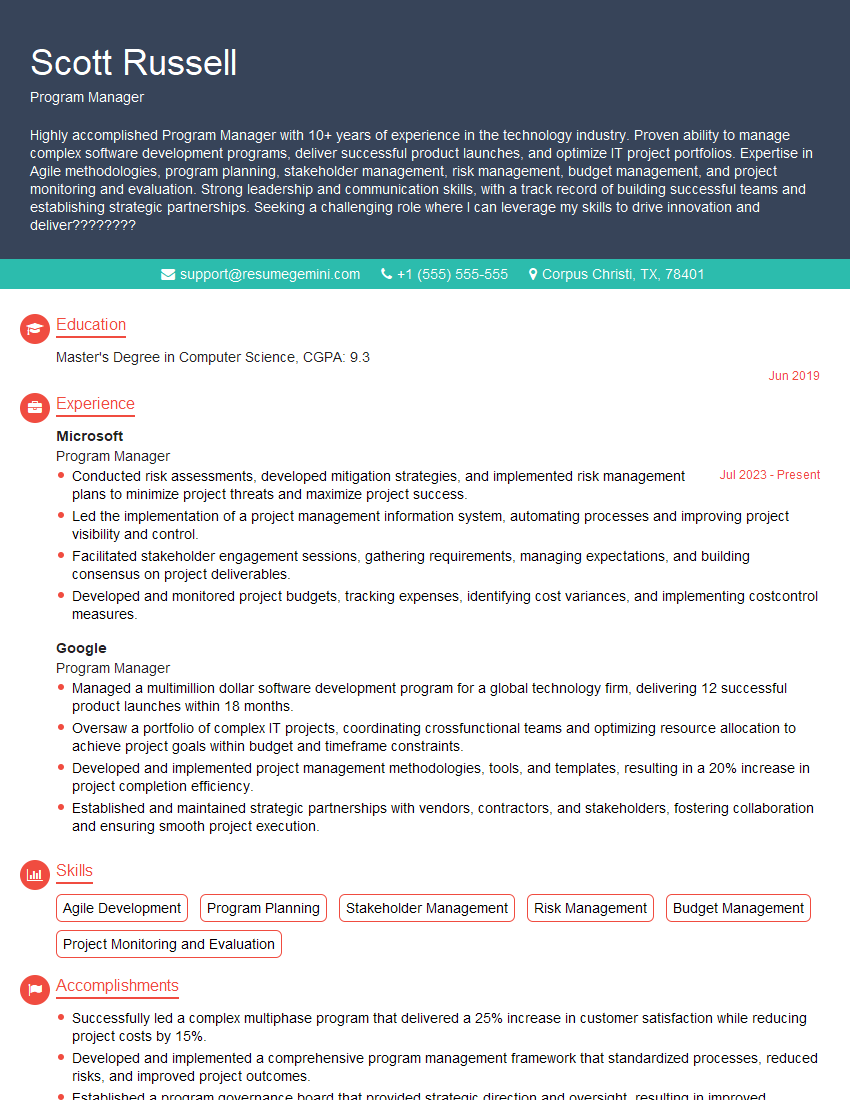
Program Manager Resume Sample
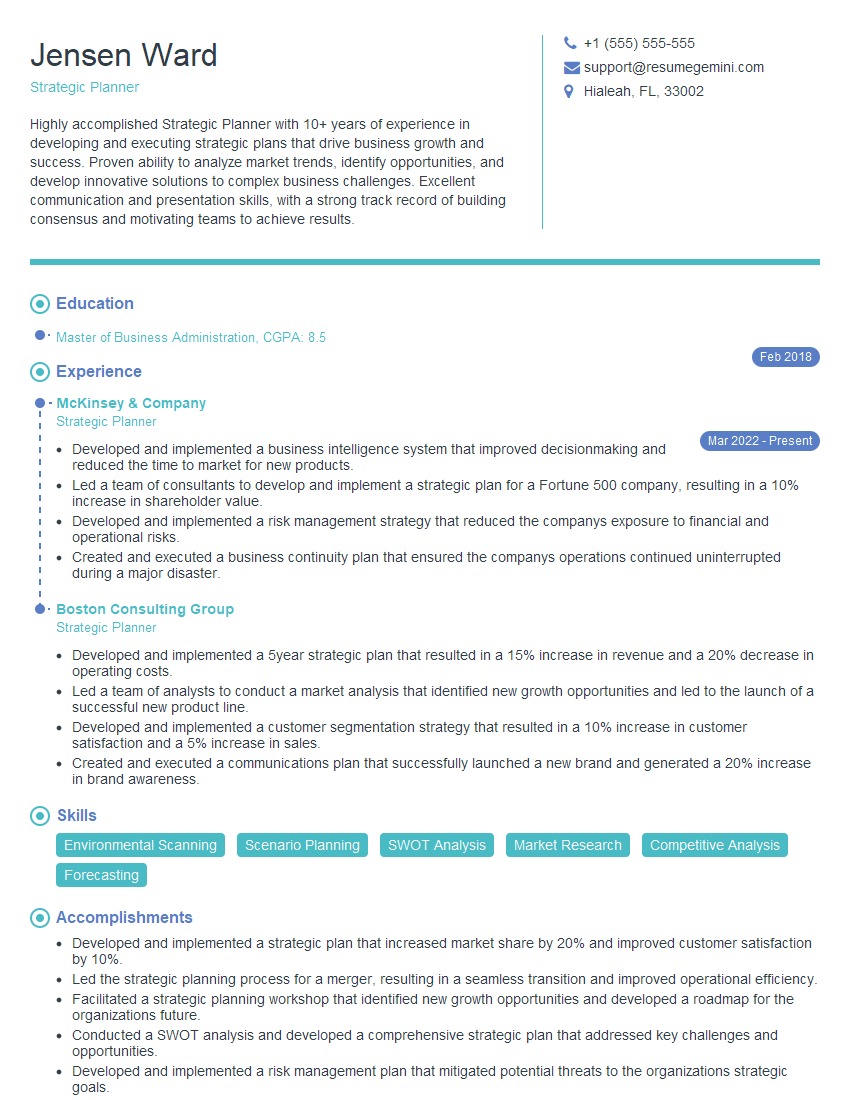
Strategic Planner Resume Sample

Operations Manager Resume Sample
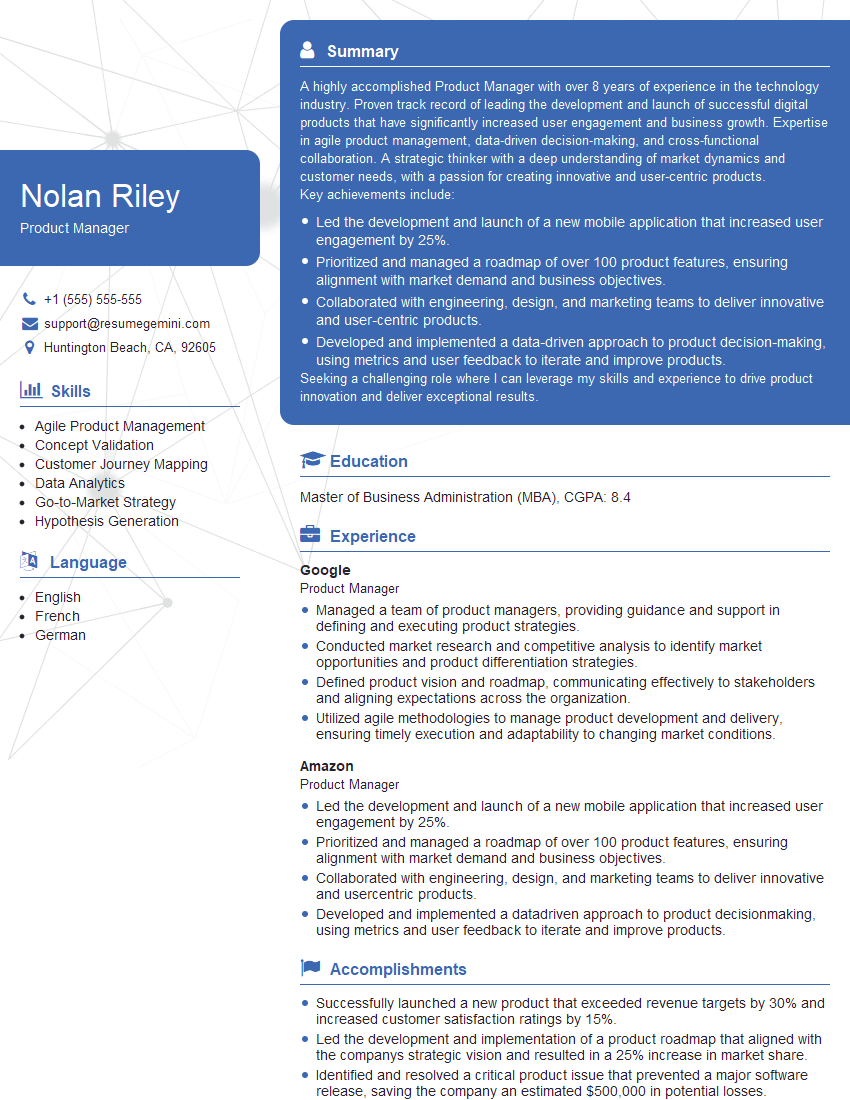
Product Manager Resume Sample

Supply Chain Manager Resume Sample
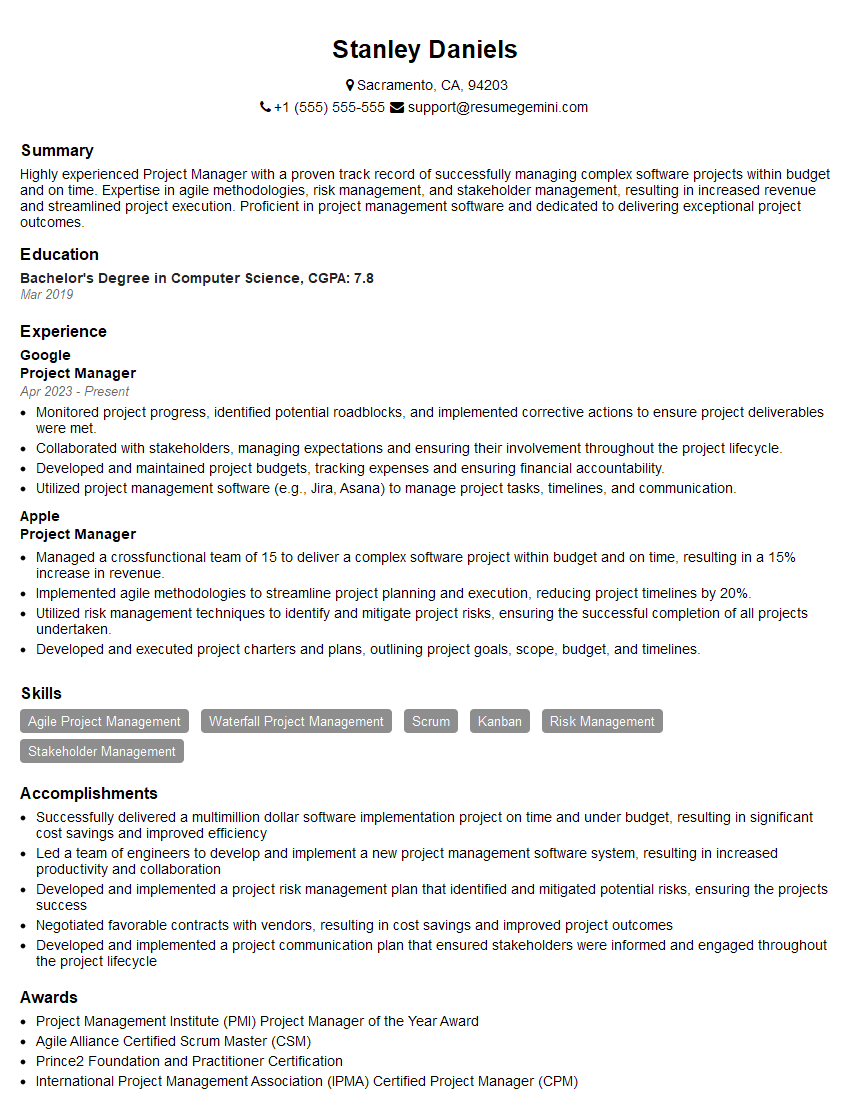
Project Manager Resume Sample

Chief of Staff Resume Sample

Compliance Officer Resume Sample
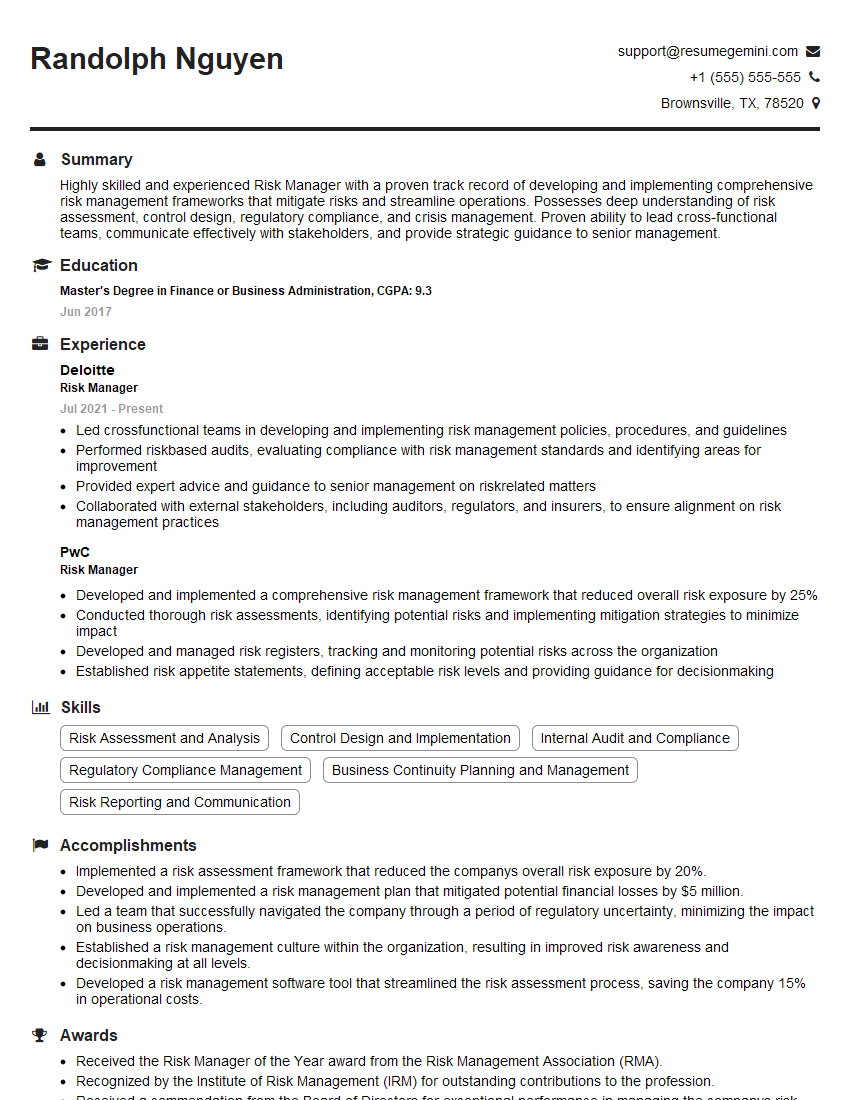
Risk Manager Resume Sample
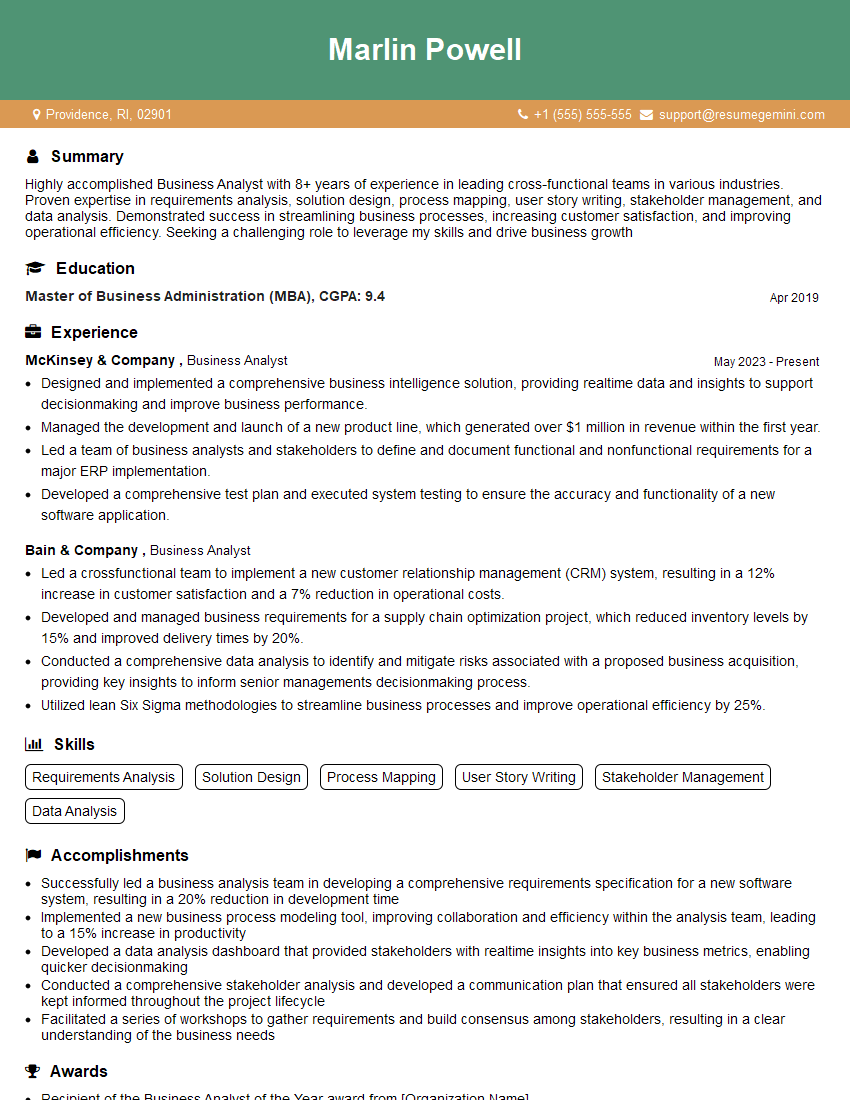
Business Analyst Resume Sample
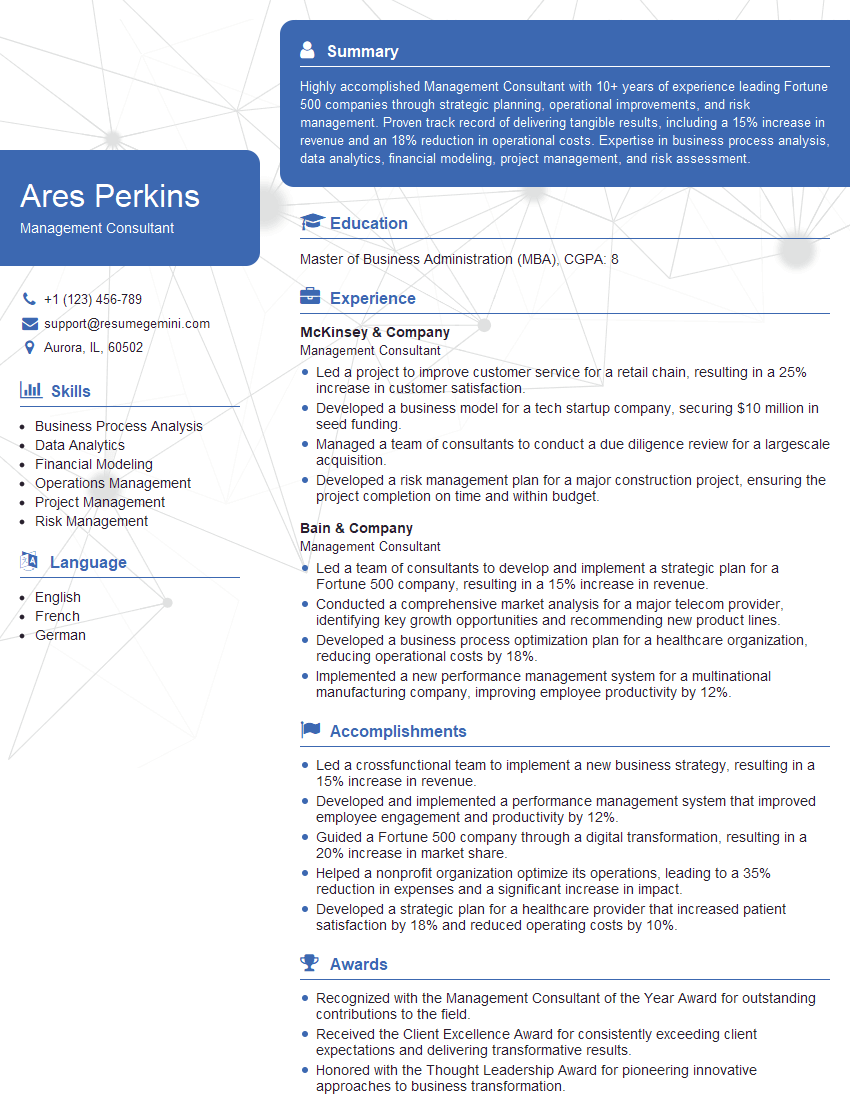
Management Consultant Resume Sample
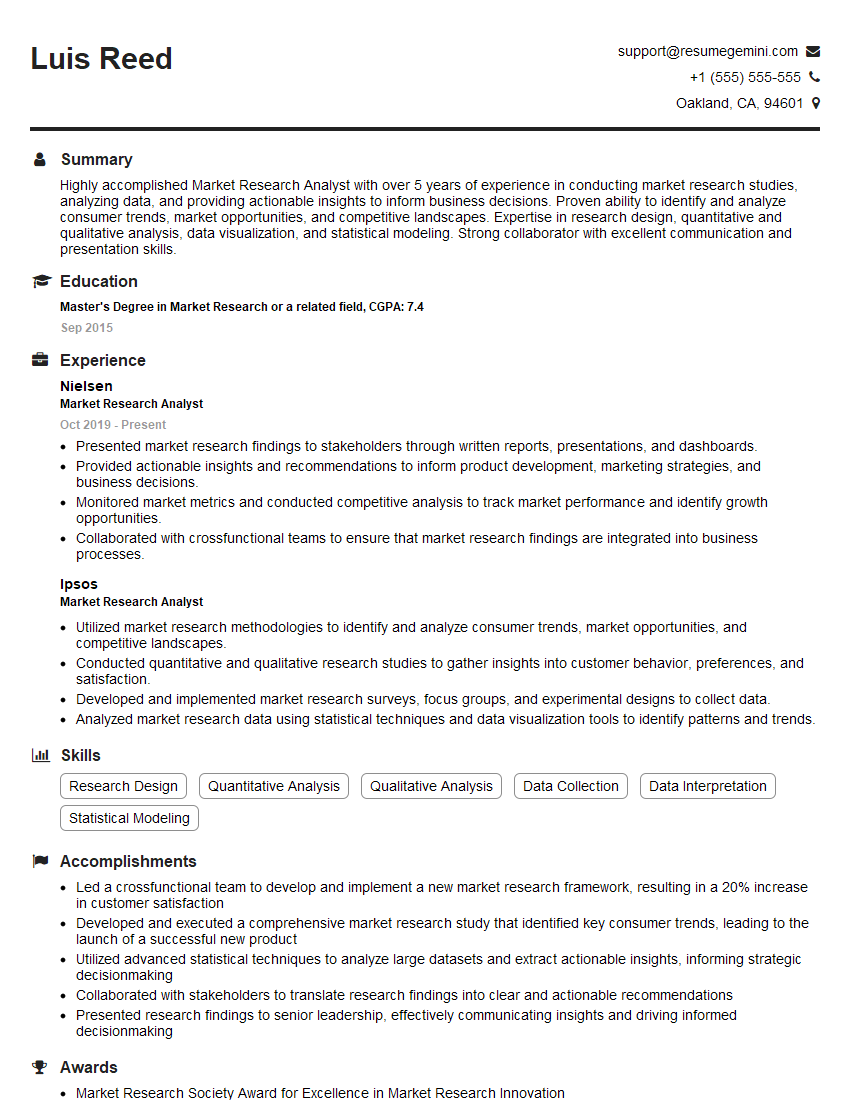
Market Research Analyst Resume Sample
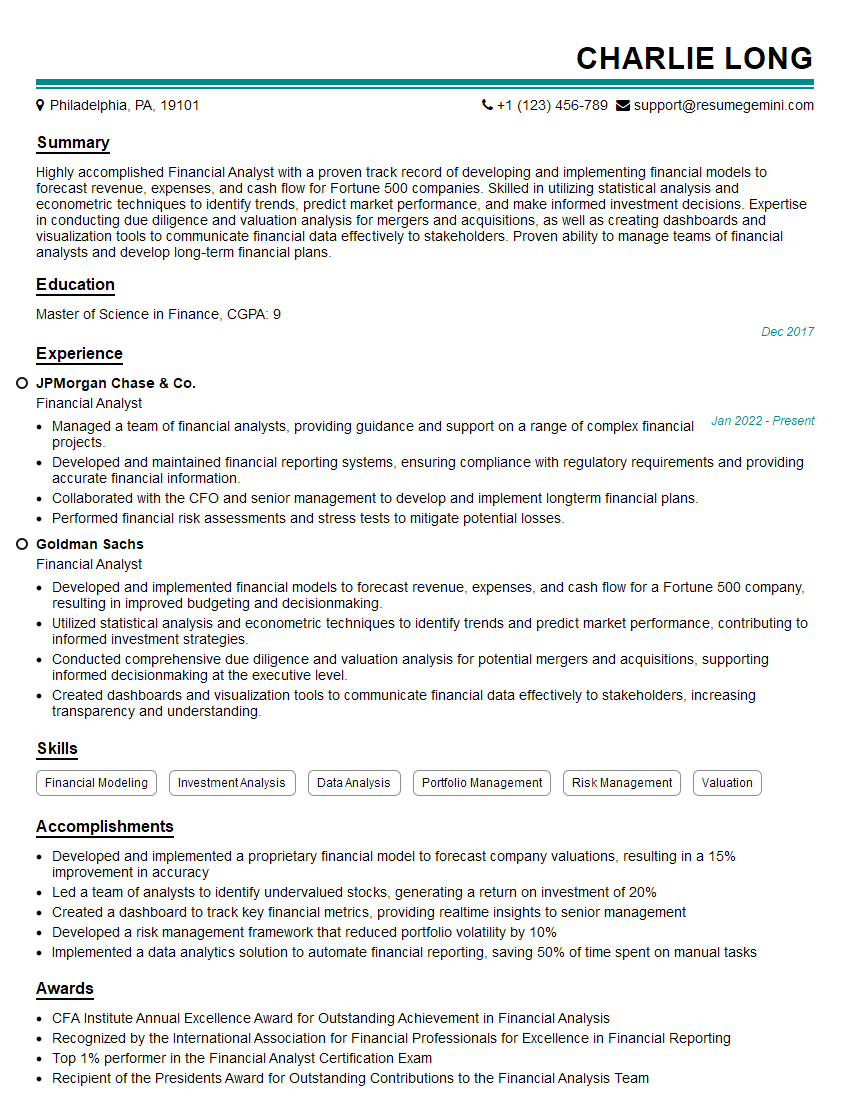
Financial Analyst Resume Sample
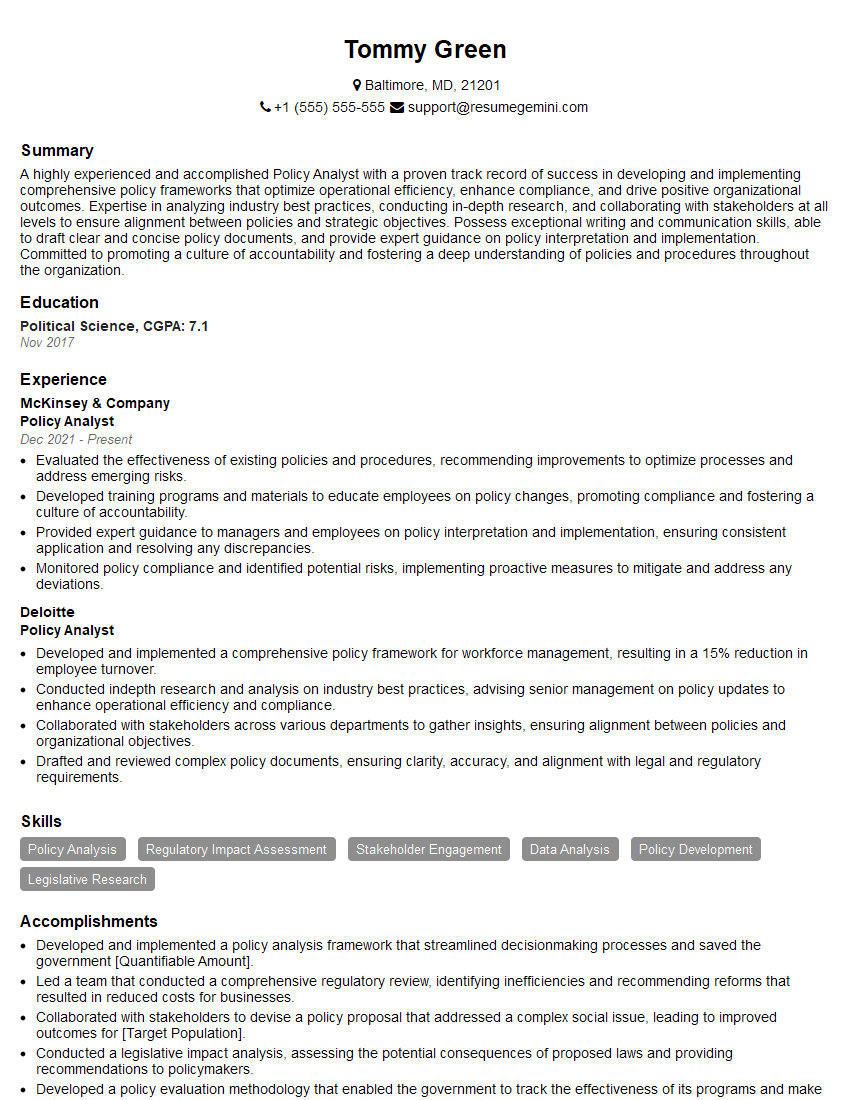
Policy Analyst Resume Sample
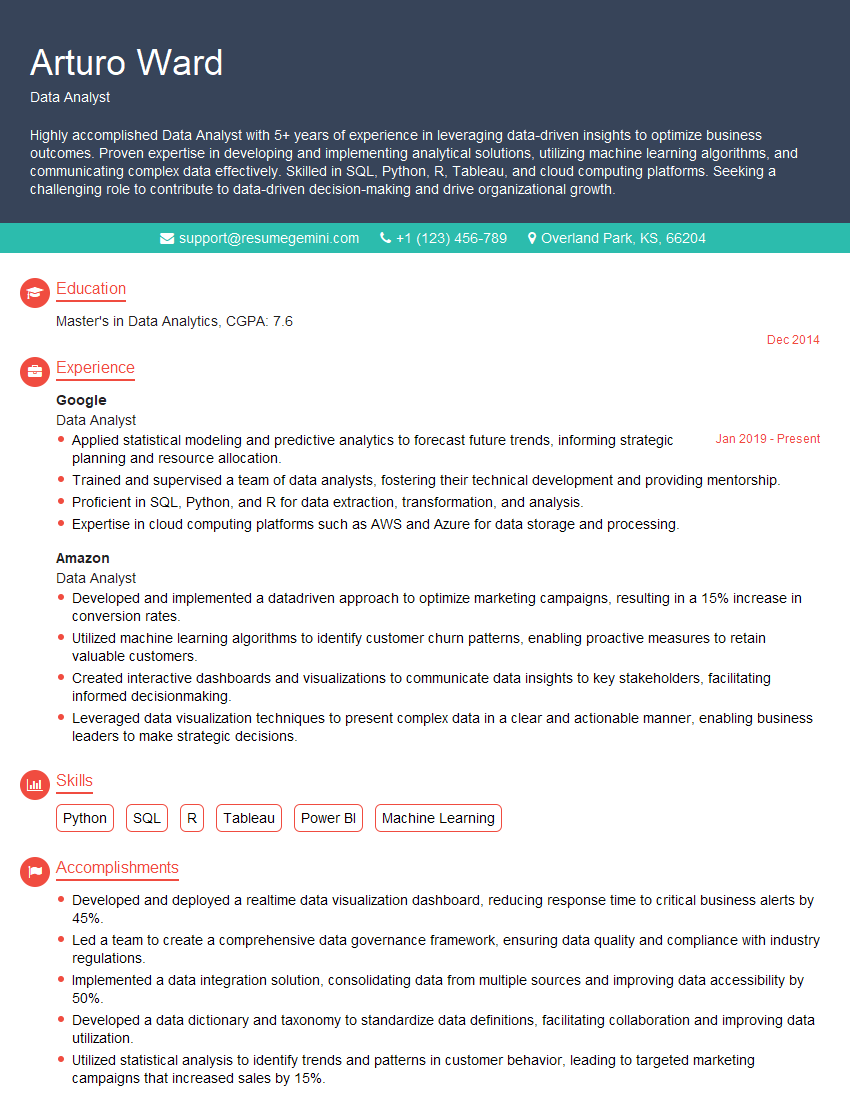
Data Analyst Resume Sample
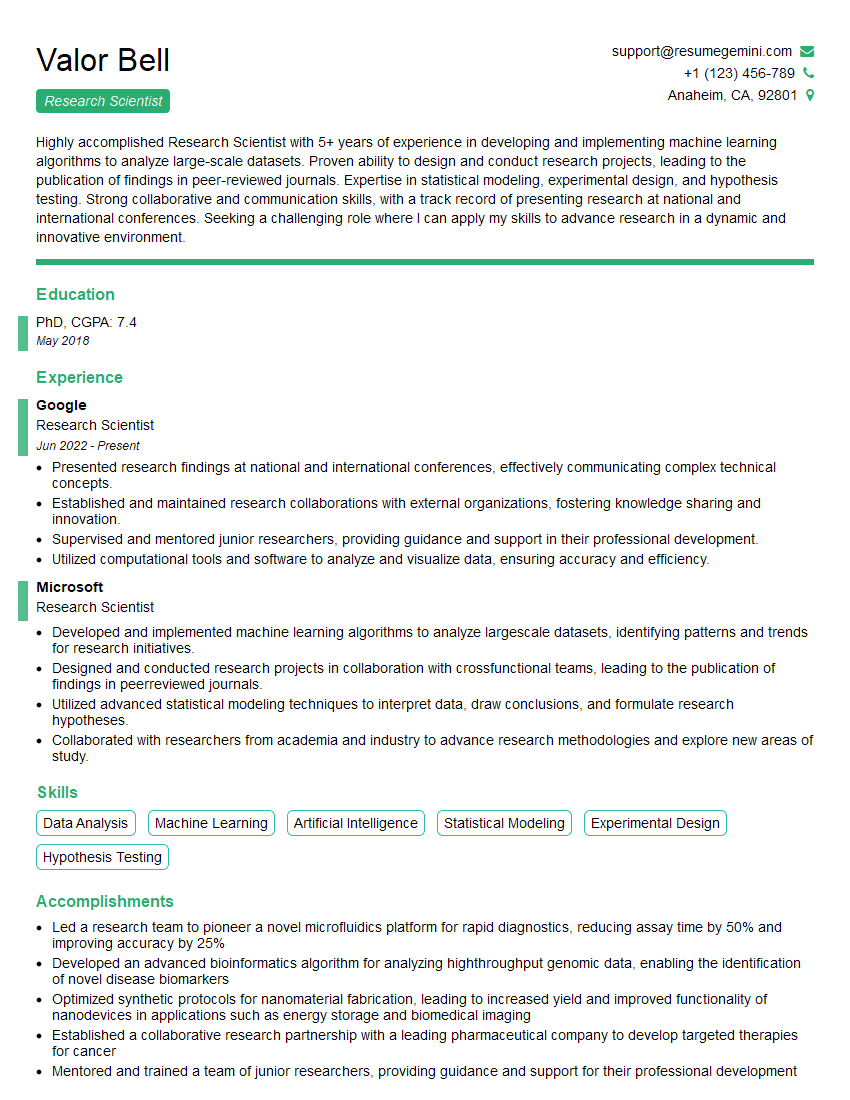
Research Scientist Resume Sample
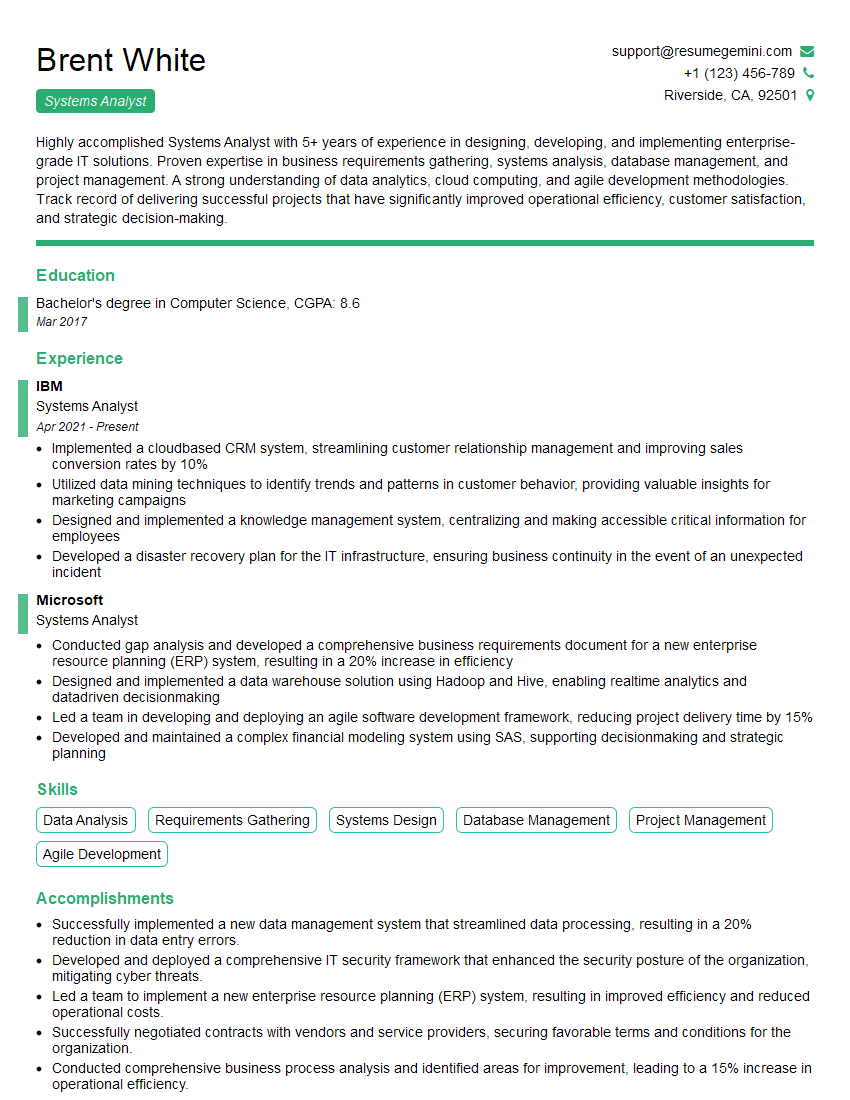
Systems Analyst Resume Sample
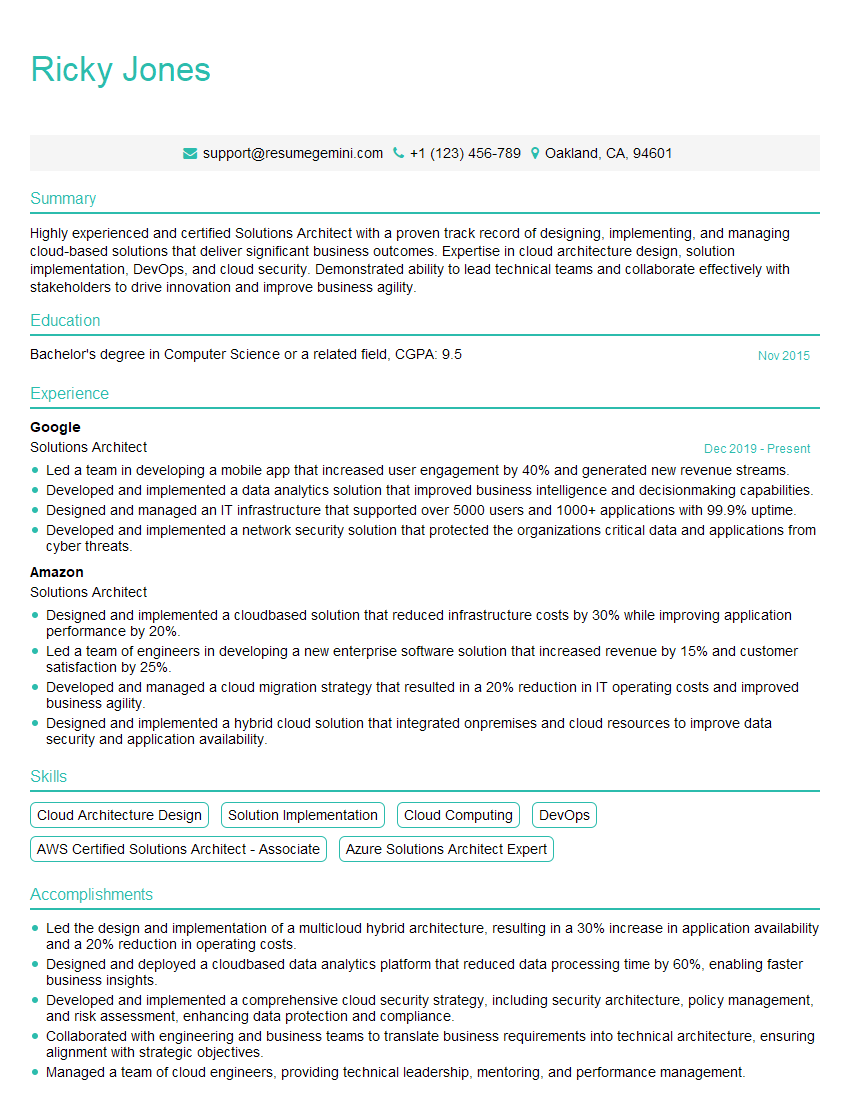
Solutions Architect Resume Sample
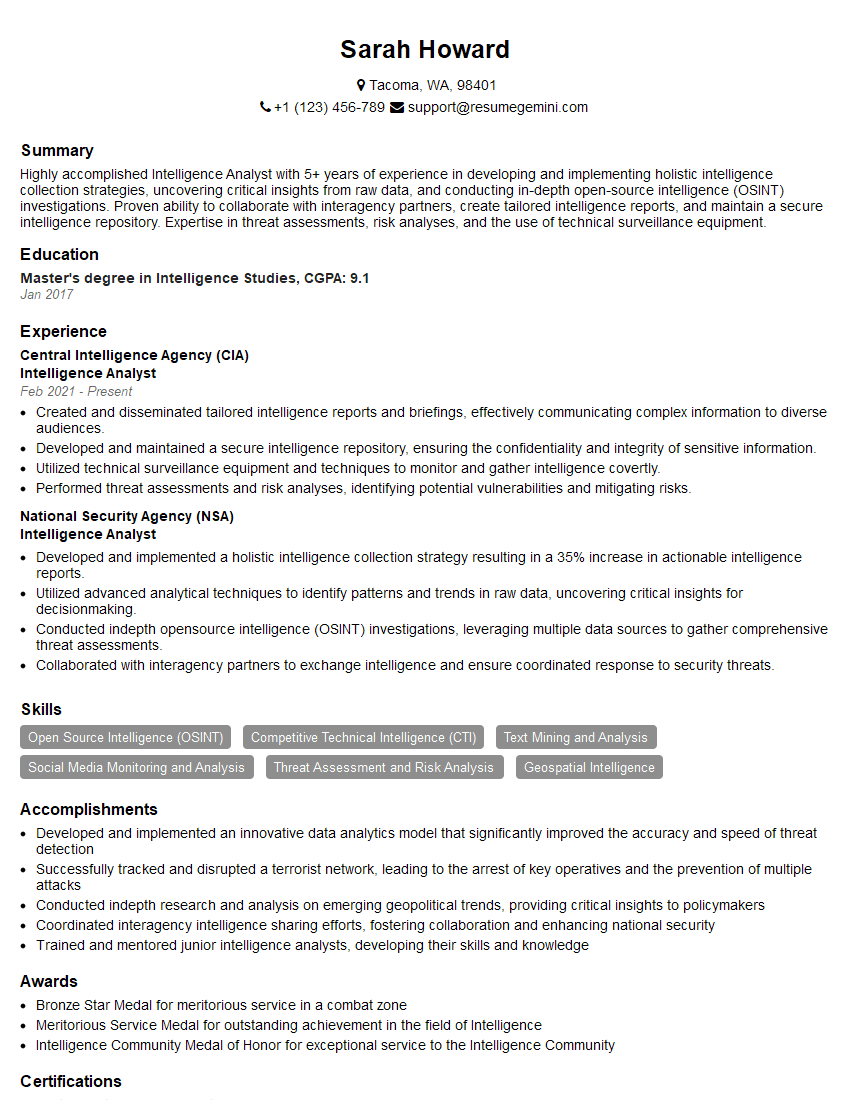
Intelligence Analyst Resume Sample
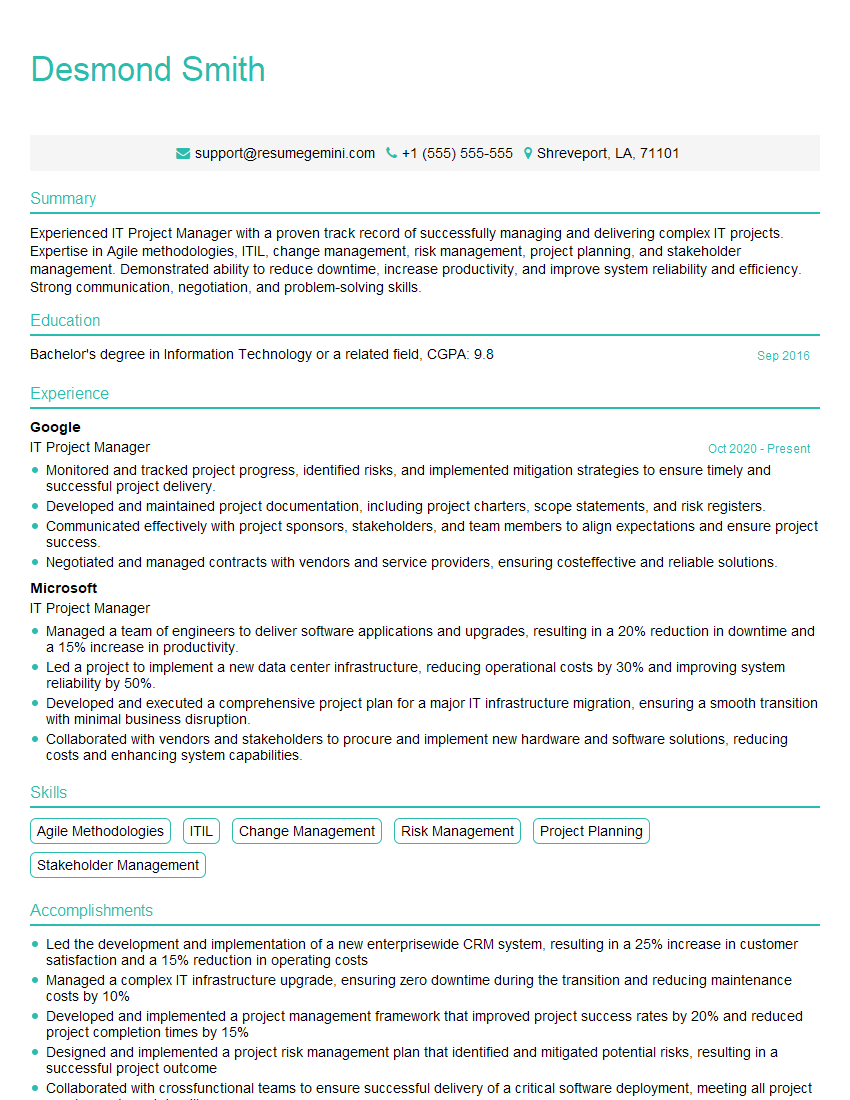
IT Project Manager Resume Sample
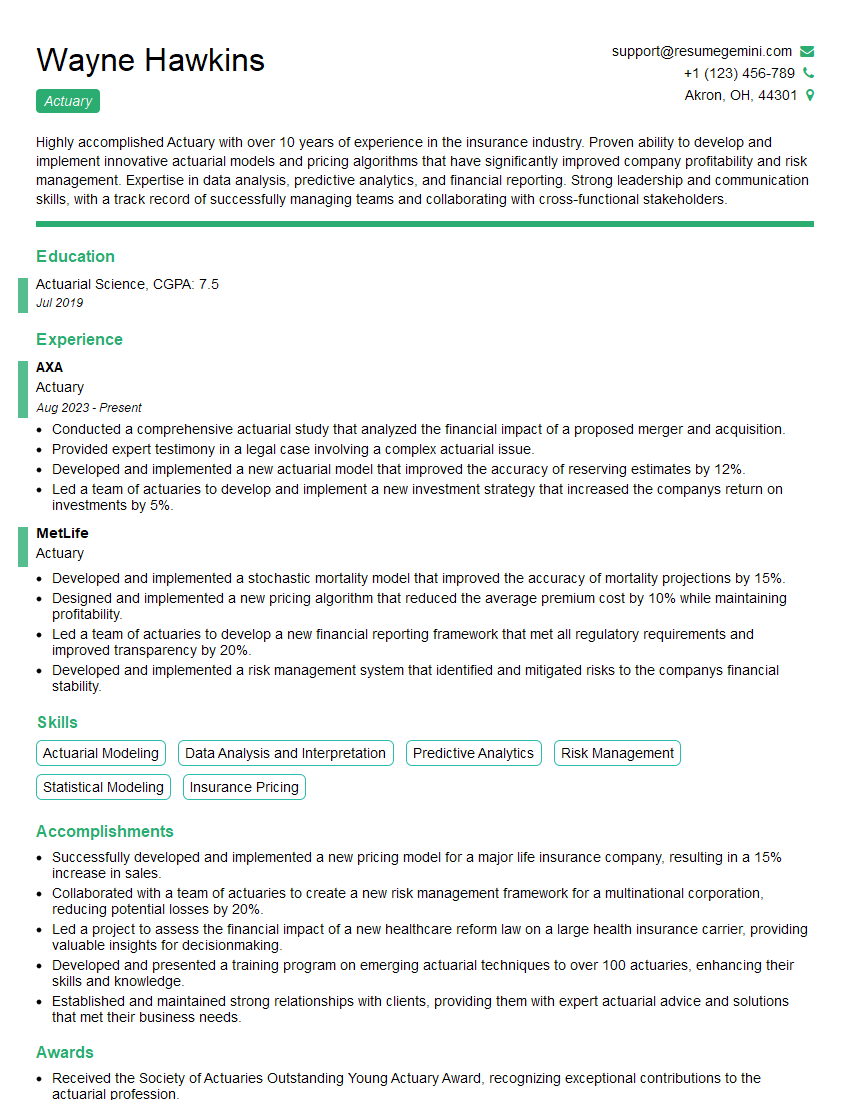
Actuary Resume Sample
- Program Manager
- Strategic Planner
- Operations Manager
- Product Manager
- Supply Chain Manager
- Project Manager
- Chief of Staff
- Compliance Officer
- Risk Manager
- Business Analyst
- Management Consultant
- Market Research Analyst
- Financial Analyst
- Policy Analyst
- Data Analyst
- Research Scientist
- Systems Analyst
- Solutions Architect
- Intelligence Analyst
- IT Project Manager
- Actuary
Explore more articles
Users Rating of Our Blogs
Share Your Experience
We value your feedback! Please rate our content and share your thoughts (optional).
What Readers Say About Our Blog
Very informative content, great job.
good