Unlock your full potential by mastering the most common Meeting Production Deadlines interview questions. This blog offers a deep dive into the critical topics, ensuring you’re not only prepared to answer but to excel. With these insights, you’ll approach your interview with clarity and confidence.
Questions Asked in Meeting Production Deadlines Interview
Q 1. Describe your process for prioritizing tasks to meet multiple meeting deadlines.
Prioritizing tasks to meet multiple meeting deadlines requires a structured approach. I utilize a combination of techniques, including the Eisenhower Matrix (urgent/important), prioritization matrices based on deadline proximity and impact, and a robust task management system.
My process involves:
- Identifying all tasks: Creating a comprehensive list of all tasks needed for each meeting, breaking them down into smaller, manageable steps.
- Assigning priorities: Using a matrix to categorize tasks by urgency and importance. Tasks that are both urgent and important get immediate attention, while less urgent tasks might be delegated or scheduled for later.
- Time estimation: Realistically estimating the time required for each task. This often involves factoring in potential delays or unexpected issues.
- Scheduling and sequencing: Building a realistic schedule that incorporates all prioritized tasks, considering dependencies between tasks. I use tools to visualize the schedule and ensure efficient task flow. Critical path analysis helps pinpoint tasks that can’t be delayed.
- Regular review and adjustment: Throughout the process, I regularly review the schedule and adjust priorities as needed, based on new information or changes in circumstances.
Example: Imagine I have three meetings: A (high-impact, next week), B (medium impact, in two weeks), C (low impact, next month). I’d focus heavily on A’s tasks first, then allocate time to B’s, and lastly to C’s. Within each meeting’s tasks, I’d prioritize those with the tightest deadlines or most significant impact.
Q 2. How do you handle unexpected issues or last-minute changes that impact meeting deadlines?
Unexpected issues are inevitable. My approach focuses on proactive risk management and swift, decisive action.
My strategy involves:
- Proactive identification of potential issues: Anticipating potential problems (e.g., speaker cancellation, technical difficulties) and creating contingency plans.
- Open communication: Immediately informing stakeholders of any issues, providing transparent updates, and collaboratively finding solutions.
- Prioritization and resource allocation: Re-prioritizing tasks based on the urgency of the new issue, reassigning resources, or seeking additional support as needed.
- Flexible scheduling: Adjusting the meeting schedule or agenda as necessary to accommodate the unexpected change while keeping stakeholders informed.
- Post-incident review: After resolving the issue, conducting a brief review to identify lessons learned and improve future preparedness. This helps refine my contingency planning.
Example: If a key speaker cancels shortly before a major presentation, I’d immediately reach out to alternative speakers, adjust the presentation timeline, and inform attendees of the changes. The goal is to minimize disruption and ensure the meeting’s objectives are still met.
Q 3. Explain your experience with meeting scheduling software and tools.
I’m proficient in various meeting scheduling software and tools, including Google Calendar, Outlook Calendar, Microsoft Teams, Zoom, and scheduling platforms like Calendly. My experience spans utilizing these tools for scheduling, managing invites, distributing materials, and facilitating remote collaboration.
My expertise includes:
- Calendar management: Efficiently managing multiple calendars, scheduling meetings that accommodate various time zones and participant availability.
- Meeting invite management: Creating detailed meeting invites with agendas, relevant documents, and clear instructions.
- Integration with other tools: Seamlessly integrating scheduling tools with other project management and communication platforms (e.g., Slack, Asana).
- Feature utilization: Leveraging advanced features like automated reminders, poll creation, and recurring meeting options.
- Data analysis: Using scheduling data to analyze meeting effectiveness and identify areas for improvement (e.g., meeting length, frequency).
I’m adept at selecting the right tool for a specific meeting context, based on the number of participants, complexity, and required functionalities.
Q 4. What strategies do you use to ensure all necessary materials are available before a meeting?
Ensuring materials are available requires meticulous planning and execution.
My strategy involves:
- Creating a comprehensive materials checklist: A detailed list of all documents, presentations, data, and other resources required for each meeting, well in advance.
- Assigning responsibility: Clearly assigning responsibility for gathering and preparing each material to specific individuals.
- Setting deadlines: Establishing deadlines for each material, incorporating them into the overall meeting schedule.
- Using a central repository: Employing a central location (e.g., shared drive, project management platform) to store all meeting materials, ensuring easy access for participants.
- Pre-meeting review: Conducting a thorough review of all materials before the meeting to identify and address any gaps or inconsistencies.
Example: For a client presentation, I’d create a checklist including the presentation slides, supporting data, client background information, and any relevant contracts. Each item would have an assigned owner and a deadline, and everything would be stored in a shared folder accessible to all presenters.
Q 5. How do you communicate effectively with stakeholders about meeting deadlines and potential delays?
Effective communication is vital for managing expectations around meeting deadlines.
My approach involves:
- Proactive communication: Communicating meeting deadlines and potential delays to stakeholders promptly and clearly, using appropriate communication channels (e.g., email, project management software).
- Regular updates: Providing regular updates on progress, highlighting any potential challenges or risks that might impact deadlines.
- Transparent communication: Being open and honest about any difficulties encountered, explaining the reasons for potential delays, and proposing solutions.
- Seeking feedback: Actively seeking feedback from stakeholders on meeting schedules and materials, incorporating their input to ensure alignment and buy-in.
- Multiple communication channels: Using multiple methods for communication (e.g., email for formal updates, instant messaging for quick questions) to suit different stakeholder preferences.
Example: If I anticipate a delay, I’d send an email to all stakeholders explaining the reason for the delay, propose a revised timeline, and offer opportunities to discuss their concerns.
Q 6. Describe a situation where you successfully met a challenging meeting deadline.
During a product launch event, we faced a significant challenge: the final presentation needed major revisions just 24 hours before the event due to unexpected changes in market conditions.
My approach:
- Rapid assessment: I quickly assessed the scope of the changes, identified the key elements requiring revision, and assembled a core team.
- Efficient delegation: I delegated tasks based on team members’ strengths and expertise, ensuring clear responsibilities and deadlines.
- Resource allocation: I secured additional support from graphic designers and content writers, working around the clock to get the revisions completed on time.
- Communication: I maintained constant communication with the team, providing regular updates and addressing concerns promptly.
- Successful launch: Despite the unexpected hurdle, the team successfully completed the revisions, and the product launch event proceeded without significant disruption.
This experience underscored the importance of adaptability, clear communication, efficient delegation, and the ability to leverage available resources to overcome unexpected challenges.
Q 7. How do you delegate tasks efficiently to meet multiple meeting deadlines?
Efficient delegation is crucial for meeting multiple deadlines.
My approach involves:
- Task analysis: Breaking down tasks into smaller, manageable units, clearly defining the scope and deliverables of each.
- Skill assessment: Identifying team members with the necessary skills and experience to perform each task effectively.
- Clear instructions and expectations: Providing clear and concise instructions for each task, outlining expectations for quality, timeline, and reporting.
- Authority and accountability: Clearly defining the authority and accountability of each delegate, ensuring they have the necessary decision-making power and are responsible for the outcomes.
- Monitoring and support: Providing regular monitoring and support to delegates, addressing any challenges or roadblocks promptly.
Example: For a large conference, I’d delegate tasks such as speaker coordination, venue arrangements, catering, and marketing materials to different team members, each responsible for their area, ensuring a coordinated effort to meet the overall event deadlines.
Q 8. How familiar are you with various meeting formats (e.g., virtual, in-person, hybrid)?
My experience encompasses all major meeting formats. I’m proficient in planning and executing in-person meetings, leveraging the benefits of face-to-face interaction and collaborative brainstorming. Virtual meetings, utilizing platforms like Zoom or Microsoft Teams, are equally familiar; I understand the importance of engaging virtual participants through interactive elements and clear communication. Hybrid meetings, combining both in-person and remote attendees, present a unique set of challenges that I’ve mastered, ensuring seamless integration and equal participation from all involved. I adapt my approach to the specific needs and preferences of each meeting, prioritizing efficiency and inclusivity.
For example, I recently managed a hybrid product launch. We had key executives in the main office, while regional sales teams joined remotely. I carefully planned the virtual experience to be as interactive as possible, using breakout rooms for discussions and live polls to gather feedback. The result was a successful launch with high engagement from all locations.
Q 9. What is your approach to managing the logistical aspects of a large-scale meeting?
Managing the logistics of a large-scale meeting involves a systematic approach. I begin by creating a detailed project plan that outlines every aspect, from venue selection and catering to technological requirements and travel arrangements. This plan is broken down into smaller, manageable tasks with assigned responsibilities and deadlines, facilitating seamless coordination. I utilize project management software to track progress, manage resources, and identify potential bottlenecks. This ensures that every aspect, no matter how small, is accounted for.
For instance, when organizing a large conference, I’d first secure the venue, then coordinate catering, AV equipment, and registration processes. Next, I’d schedule pre-event meetings with various teams (e.g., marketing, speakers, IT) to ensure smooth execution. Finally, I’d create a detailed run-of-show document to guide the event’s flow on the day.
Q 10. How do you ensure the accuracy of meeting agendas and materials?
Accuracy of meeting agendas and materials is paramount. My process starts with collaborative creation; I work closely with stakeholders to establish the meeting’s objectives, key discussion points, and desired outcomes. This ensures everyone is aligned and the agenda accurately reflects everyone’s needs. All materials are reviewed meticulously for accuracy and clarity; this includes proofreading for grammatical errors, verifying data, and ensuring consistency in branding and formatting. Version control is crucial to avoid confusion, so I use centralized document management systems to store and distribute all materials.
For example, before a critical board meeting, I will circulate the agenda at least three days beforehand, allowing ample time for review and feedback. Any changes are documented, and updated versions are re-distributed to all participants. This ensures transparency and avoids last-minute surprises.
Q 11. How do you track the progress of meeting preparation and identify potential risks?
I employ a proactive risk management approach to track meeting preparation and identify potential problems. This involves creating a comprehensive risk register, listing potential issues (e.g., technological failures, speaker cancellations, logistical challenges) and assigning likelihood and impact scores. I then develop mitigation strategies for each risk. Regular progress meetings with stakeholders allow for early detection and resolution of any issues. Utilizing project management software with built-in progress tracking facilitates monitoring deadlines and resource allocation.
Imagine a scenario where a key speaker cancels unexpectedly. My risk register would have already identified this as a possibility, and I’d have a backup speaker lined up, along with a plan to communicate the change to attendees efficiently.
Q 12. How do you handle conflicts in scheduling or resource allocation for multiple meetings?
Scheduling conflicts and resource allocation challenges are addressed using a centralized scheduling system and a clear communication strategy. I work with stakeholders to understand their availability, prioritizing critical meetings and considering time zone differences for remote participants. Resources like meeting rooms, AV equipment, and personnel are booked well in advance to avoid conflicts. In cases of unavoidable overlap, I facilitate communication to find alternative solutions or re-prioritize tasks.
For example, if two important meetings are scheduled simultaneously in the same conference room, I’d negotiate with the relevant teams to find an alternative room or time slot, or even explore virtual options to avoid direct conflict.
Q 13. Describe your experience with creating and managing meeting budgets.
I have extensive experience in creating and managing meeting budgets. This involves careful cost estimation, factoring in all expenses like venue rental, catering, AV equipment, travel, and speaker fees. I then create a detailed budget breakdown, outlining anticipated costs and potential variances. Throughout the process, I monitor expenses closely, ensuring adherence to the budget and proactively addressing any potential overruns. Regular budget reviews with stakeholders maintain transparency and ensure everyone is informed.
For instance, for a large-scale training session, I might negotiate favorable rates with vendors, explore cost-effective alternatives for catering, and track expenses meticulously using a spreadsheet or dedicated budget software.
Q 14. How do you measure the success of your meeting preparation and execution?
Measuring meeting success goes beyond simply completing the event. I use a multi-faceted approach, gathering feedback from attendees through surveys, post-meeting questionnaires, and informal feedback sessions. This data helps assess satisfaction levels, effectiveness of the agenda, and quality of materials. Quantitative metrics like attendance rates and active participation levels also contribute to the overall assessment. The success is measured against pre-defined objectives and key performance indicators (KPIs) set at the outset of the planning process.
For example, a successful product launch meeting might be measured by the number of attendees, the positive feedback received on the product demonstration, and the number of sales leads generated as a direct result of the meeting.
Q 15. How do you use technology to streamline the meeting production process?
Technology is crucial for streamlining meeting production. I leverage a suite of tools to manage every stage, from planning to post-meeting analysis. For scheduling and invitations, I utilize platforms like Calendly or Doodle to ensure optimal time allocation and easy RSVP tracking. During the meeting, I employ collaboration tools such as Zoom or Microsoft Teams, which offer features like screen sharing, breakout rooms, and integrated chat for efficient communication and interaction. To ensure action items are captured and followed up on, I use project management software such as Asana or Trello, allowing for task assignments, deadline setting, and progress monitoring. Post-meeting, transcription services like Otter.ai or Trint help create detailed records for reference and future analysis. This integrated technological approach enhances efficiency, reduces administrative overhead, and ensures clear communication throughout the entire process.
For example, in a recent large-scale product launch meeting, using Zoom’s breakout rooms allowed us to simultaneously discuss different aspects of the launch plan with smaller focused teams. The integrated chat feature allowed for quick clarifications and the immediate recording of action items. Post-meeting, the transcription service facilitated the distribution of minutes to all attendees, avoiding any miscommunication.
Career Expert Tips:
- Ace those interviews! Prepare effectively by reviewing the Top 50 Most Common Interview Questions on ResumeGemini.
- Navigate your job search with confidence! Explore a wide range of Career Tips on ResumeGemini. Learn about common challenges and recommendations to overcome them.
- Craft the perfect resume! Master the Art of Resume Writing with ResumeGemini’s guide. Showcase your unique qualifications and achievements effectively.
- Don’t miss out on holiday savings! Build your dream resume with ResumeGemini’s ATS optimized templates.
Q 16. What is your experience with managing vendor relationships for meetings?
Managing vendor relationships is vital for successful meeting production. My experience encompasses identifying, vetting, negotiating contracts with, and overseeing various vendors, including catering companies, AV technicians, event spaces, and transportation providers. I prioritize building strong relationships based on trust and clear communication. This involves establishing clear expectations from the outset, setting realistic timelines and budgets, and maintaining regular communication throughout the project lifecycle. I use contracts that clearly define deliverables, responsibilities, and payment terms, mitigating any potential misunderstandings. I proactively manage expectations and address any concerns promptly, ensuring vendor satisfaction and a seamless meeting experience.
For instance, in one project, I successfully negotiated a lower-than-expected price from a catering company by presenting a clear budget and rationale for our needs. This ensured value for money and contributed to the overall project’s financial success. Furthermore, I maintained consistent communication with the AV team, checking in regularly on their setup progress and addressing any technical issues promptly. This proactive approach ensured a smooth and efficient meeting environment.
Q 17. How do you ensure accessibility for all participants in your meetings?
Accessibility is paramount. I ensure all meetings are inclusive by considering diverse needs from the planning stage. This includes providing alternative formats for meeting materials, such as large-print documents or audio versions, and offering captioning or transcription services for those with hearing impairments. I also confirm that the meeting venue or online platform is accessible to individuals with mobility challenges. Before each meeting, I send out a questionnaire to identify any specific accessibility requirements of participants, guaranteeing a smooth and comfortable experience for everyone. This approach ensures that everyone can fully participate and contribute.
In a recent online meeting, I used closed captioning to make the session accessible to individuals with hearing impairments. I also ensured that the meeting materials were provided in various formats, including a screen-reader-compatible version for attendees with visual impairments. This attention to detail proved invaluable in guaranteeing equal participation and promoting inclusivity.
Q 18. How do you handle feedback from participants regarding meeting efficiency?
I actively solicit and analyze feedback on meeting efficiency. I incorporate a variety of methods for gathering feedback, including post-meeting surveys, informal conversations, and direct observations during the meeting itself. I then analyze the feedback data looking for patterns and areas for improvement. This allows me to identify recurring issues and address them proactively. For example, if feedback repeatedly highlights that meetings are too long, I can implement strategies like stricter time management or breaking down the agenda into smaller, more focused sessions.
I once received feedback suggesting that our meetings lacked clear objectives. By implementing a system of clearly stated goals at the start of each meeting and circulating the agenda beforehand, I significantly improved participant engagement and overall meeting productivity.
Q 19. What is your experience with post-meeting follow-up and action item tracking?
Post-meeting follow-up and action item tracking are critical for successful project completion. I create detailed meeting minutes that summarize key decisions, action items, and assigned owners. These minutes are promptly distributed to all participants. I utilize project management tools to track action items, ensuring accountability and timely completion. This involves setting clear deadlines, monitoring progress, and following up with individuals as needed. Regular progress checks ensure that action items are completed efficiently and contribute to the overall project goals.
In one project, our post-meeting follow-up system ensured that all action items were tracked and completed within the designated timeframe. This facilitated the smooth implementation of the project plan, and significantly contributed to its successful delivery.
Q 20. How familiar are you with different meeting facilitation techniques?
I am familiar with a range of meeting facilitation techniques, adapting my approach to the specific context and needs of each meeting. This includes understanding and applying techniques like brainstorming, round-robin discussions, problem-solving frameworks (e.g., SWOT analysis), and consensus-building strategies. I also tailor my communication style to engage participants effectively, encouraging active listening and participation. My goal is to create a structured yet dynamic meeting environment that encourages collaboration and productive discussion.
For example, in a brainstorming session, I used a visual brainstorming tool to help participants collaboratively generate ideas, and then used a voting system to prioritize the most promising concepts. This approach enhanced both collaboration and efficiency.
Q 21. How do you ensure that meeting outcomes align with the overall project goals?
Ensuring alignment between meeting outcomes and project goals is fundamental. I start by ensuring that meeting objectives are clearly defined and directly linked to broader project goals. The meeting agenda should reflect these objectives, with specific tasks and discussions planned accordingly. Throughout the meeting, I regularly check in to ensure that discussions stay on track and contribute to the pre-defined objectives. The post-meeting follow-up reinforces this alignment by tracking action items and their contribution towards the overarching project goals.
In a recent project, we used a project management software to visualize the connection between individual meeting tasks and the larger project milestones. This visual representation helped keep the team focused on the broader picture and ensured that all efforts contributed to the overall success of the project.
Q 22. Describe a time you had to adjust a meeting plan due to unforeseen circumstances.
Adapting a meeting plan due to unforeseen circumstances requires quick thinking and flexibility. It’s about pivoting strategically while minimizing disruption. For example, I once planned a large-scale product launch meeting with several international stakeholders. The initial plan included a live demonstration of the product using a specific video conferencing platform. However, a few hours before the meeting, a major outage hit that platform.
My immediate response was to activate our contingency plan. This involved switching to a secondary platform we had tested beforehand – Zoom – and quickly notifying all attendees of the change via email and SMS. We also prepared a backup presentation format, eliminating elements that relied heavily on interactive features of the initial platform. This ensured we could still deliver the key information effectively. This situation highlighted the crucial importance of having a robust backup plan and excellent communication skills during crises. We successfully held the meeting with minimal impact, demonstrating proactive risk management and effective problem-solving.
Q 23. What are some key performance indicators (KPIs) you use to evaluate meeting effectiveness?
Key Performance Indicators (KPIs) for evaluating meeting effectiveness go beyond simple attendance. They should reflect the meeting’s objective and value. I typically focus on a few key metrics:
- Action Item Completion Rate: This measures the percentage of agreed-upon action items completed within the designated timeframe. A high rate indicates productive discussions leading to tangible results.
- Participant Satisfaction: I gauge this through post-meeting surveys or informal feedback, asking about clarity, engagement, and overall value of the meeting. This helps identify areas for improvement.
- Goal Achievement: This evaluates whether the meeting successfully accomplished its predefined objectives. This might involve checking project milestones, decision-making progress, or problem resolution.
- Time Efficiency: Did the meeting stick to the allocated time? Did it feel rushed or unnecessarily long? This demonstrates efficient use of everyone’s time.
By tracking these KPIs, I can objectively measure the success of meetings and identify patterns or areas needing improvement in future planning.
Q 24. How do you balance the needs of different stakeholders in meeting planning?
Balancing stakeholder needs in meeting planning requires skillful negotiation and prioritization. It’s like orchestrating a complex symphony; each instrument (stakeholder) has a unique part to play. I usually begin by identifying all stakeholders and their individual interests and priorities. This often involves informal conversations and reviewing relevant documentation.
Next, I develop a meeting agenda that addresses the common goals while acknowledging individual concerns. This involves incorporating time for each stakeholder to contribute. I also use techniques like pre-meeting surveys to gather input and expectations. If conflicts arise, I facilitate open discussion and help find mutually acceptable solutions, possibly by suggesting compromises or alternative approaches. Transparent communication throughout the planning process ensures everyone feels heard and valued, leading to greater collaboration and meeting success.
Q 25. What are your strategies for mitigating risks related to meeting technology?
Mitigating risks associated with meeting technology is vital for seamless execution. My strategy revolves around proactive planning and redundancy.
- Technology Testing: I always test the chosen platform well in advance, ensuring all participants can access and utilize all the features needed. This includes checking audio and video functionality, screen sharing capabilities, and recording options.
- Backup Options: Having alternative platforms or communication methods ready is crucial. This could involve a secondary video conferencing tool or even a simple phone call backup in case of a complete technology failure.
- Technical Support: Ensuring readily available technical support is essential. Knowing who to contact and how to quickly resolve issues minimizes disruption during the meeting.
- Clear Instructions: Providing clear and concise instructions on how to join and participate in the meeting, including troubleshooting steps, is critical for a smooth experience for everyone.
By implementing these strategies, I minimize potential disruptions and maintain control, even in unexpected technical difficulties. This shows preparedness and professionalism.
Q 26. How do you ensure participant engagement during meetings?
Maintaining participant engagement is crucial for productive meetings. It’s about creating a dynamic and interactive experience. I employ several strategies to achieve this:
- Interactive Elements: Incorporating activities like polls, Q&A sessions, or breakout groups keeps participants actively involved and prevents passive listening.
- Visual Aids: Using presentations, visuals, and real-time data enhances comprehension and keeps the audience stimulated.
- Active Moderation: Effectively guiding discussions, encouraging participation from quieter members, and addressing questions promptly keeps everyone engaged.
- Relatable Content: Ensuring the content is relevant and applicable to the participants’ interests and concerns ensures they are invested in the outcome.
- Short, Focused Agenda: Keeping the meeting concise and focused prevents fatigue and maintains attention spans.
The key is to understand your audience and tailor your approach to keep them actively participating and feeling valued throughout the meeting.
Q 27. How do you adapt your meeting preparation techniques based on the type of meeting?
My meeting preparation techniques vary significantly based on the meeting type. For instance, a brainstorming session requires a more informal structure compared to a formal project review meeting.
Brainstorming Sessions: These require a relaxed environment, encouraging free-flowing ideas. My preparation involves setting a clear objective, defining the scope, and choosing a space that promotes creativity. I might use visual aids like whiteboards or digital collaborative tools.
Project Review Meetings: These demand a structured approach. My preparation includes creating a detailed agenda, distributing relevant materials beforehand, and defining clear expectations for participation. I might use presentations, reports, and data visualizations to communicate progress and identify challenges.
Training Sessions: These require a well-structured curriculum, comprehensive materials, and potentially interactive exercises. Preparation includes developing learning objectives, creating engaging presentations, and identifying methods for assessment and feedback.
Adaptability is key. I always consider the purpose, attendees, and desired outcomes before finalizing my preparation strategy.
Key Topics to Learn for Meeting Production Deadlines Interview
- Project Scope & Resource Allocation: Understanding how to accurately assess the scope of a meeting production project and allocate resources (time, personnel, budget) effectively.
- Prioritization & Task Management: Mastering techniques for prioritizing tasks based on urgency and impact, and effectively managing multiple deadlines simultaneously using tools like project management software.
- Communication & Collaboration: Developing strong communication strategies to keep stakeholders informed of progress, manage expectations, and address potential delays proactively. This includes effective collaboration with teams across different departments.
- Risk Assessment & Mitigation: Identifying potential risks that could impact deadlines (e.g., technical issues, unforeseen circumstances) and developing strategies to mitigate those risks.
- Contingency Planning: Creating backup plans to handle unexpected delays or challenges and ensuring smooth project completion even under pressure.
- Technology Proficiency: Demonstrating familiarity with relevant technologies used in meeting production (e.g., video conferencing platforms, scheduling software, presentation tools).
- Post-Production Analysis: Evaluating the success of past projects in meeting deadlines, identifying areas for improvement, and implementing those learnings in future projects.
Next Steps
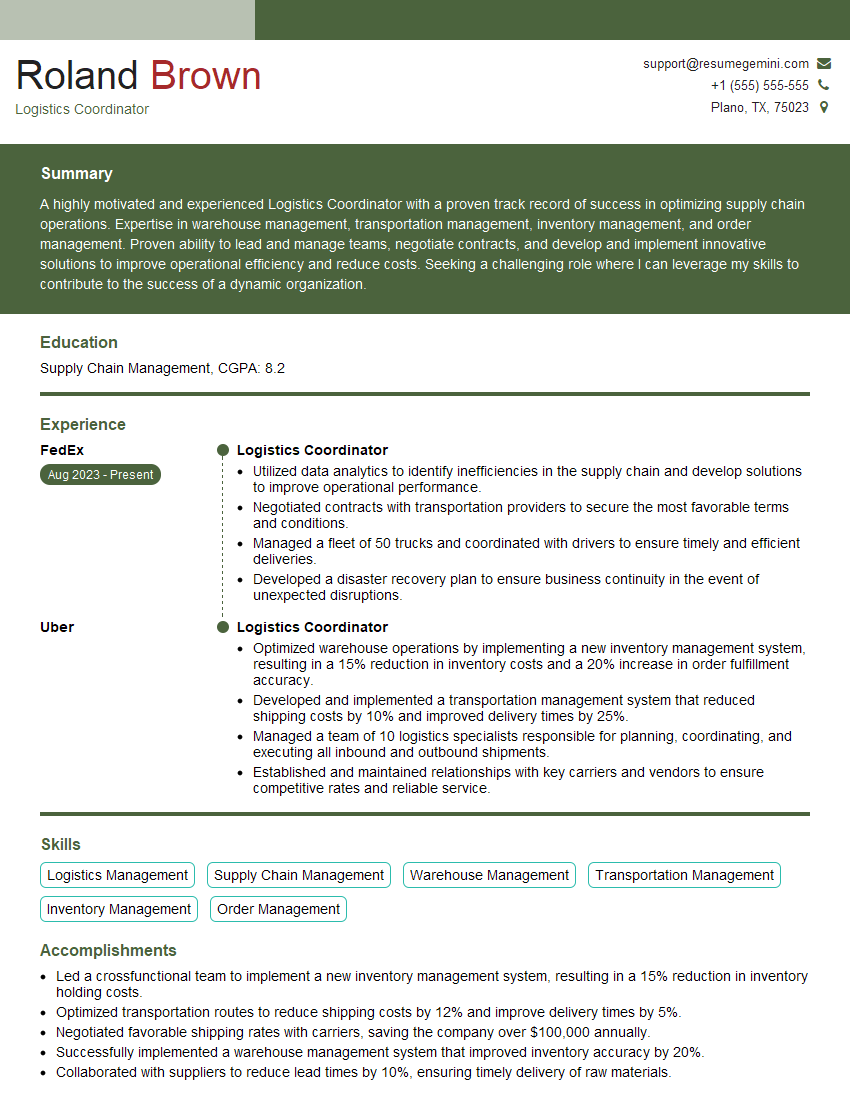
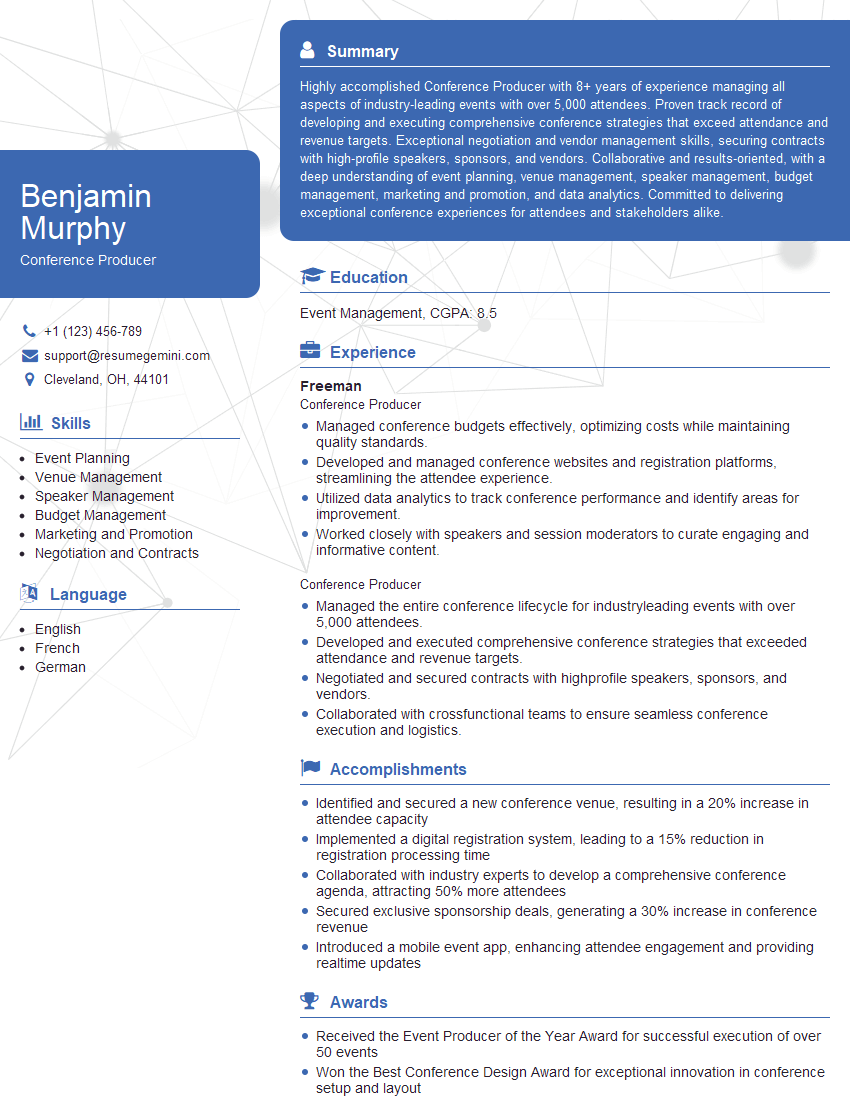
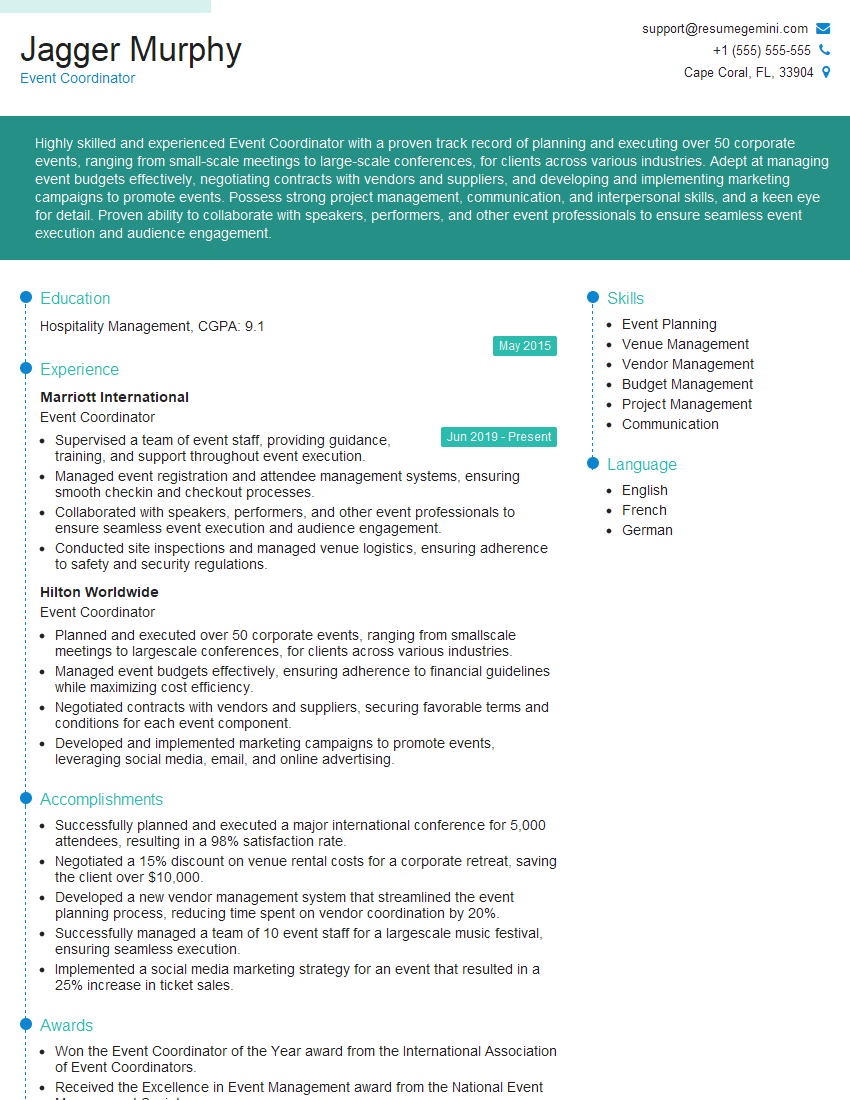
Mastering meeting production deadlines is crucial for career advancement in today’s fast-paced work environments. Proficiency in this area demonstrates valuable organizational skills, problem-solving abilities, and a commitment to delivering high-quality results. To significantly increase your job prospects, creating an ATS-friendly resume is paramount. ResumeGemini is a trusted resource that can help you build a professional and impactful resume tailored to your skills and experience. Examples of resumes specifically tailored for Meeting Production Deadlines roles are available to help guide your own resume creation.
Explore more articles
Users Rating of Our Blogs
Share Your Experience
We value your feedback! Please rate our content and share your thoughts (optional).
What Readers Say About Our Blog
Very informative content, great job.
good