Interviews are more than just a Q&A session—they’re a chance to prove your worth. This blog dives into essential Vessel Maintenance Planning interview questions and expert tips to help you align your answers with what hiring managers are looking for. Start preparing to shine!
Questions Asked in Vessel Maintenance Planning Interview
Q 1. Explain the importance of a robust preventative maintenance (PM) program for vessels.
A robust preventative maintenance (PM) program is the cornerstone of efficient and safe vessel operation. It’s essentially a proactive approach to maintenance, aiming to prevent equipment failures before they occur, rather than reacting to breakdowns. This significantly reduces downtime, minimizes repair costs, and enhances overall vessel reliability and safety.
- Reduced Downtime: By regularly inspecting and servicing equipment, potential problems are identified and addressed early, preventing costly and time-consuming repairs at sea or during critical operations.
- Cost Savings: Preventative maintenance is far cheaper than emergency repairs. A small investment in regular servicing avoids the substantial expenses associated with major breakdowns and lost revenue.
- Improved Safety: Regular inspections and maintenance of safety-critical equipment, such as lifeboats, fire suppression systems, and navigation aids, ensure their reliability and contribute significantly to crew safety and environmental protection.
- Extended Equipment Lifespan: Proper PM extends the operational life of vessel equipment, delaying the need for expensive replacements.
- Enhanced Operational Efficiency: Reliable equipment translates to smoother operations, improved fuel efficiency, and fewer disruptions to the vessel’s schedule.
For example, a regular inspection of a vessel’s engine might reveal minor wear and tear that can be addressed with a simple adjustment, preventing a major engine failure that could cost thousands and delay a voyage by weeks.
Q 2. Describe your experience with Computerized Maintenance Management Systems (CMMS).
I have extensive experience utilizing Computerized Maintenance Management Systems (CMMS) throughout my career. I’ve worked with various CMMS platforms, including (mention specific systems used, e.g., eMaint, UpKeep, Fiix), managing everything from work order generation and scheduling to inventory control and reporting. My expertise includes:
- Work Order Management: Creating, assigning, tracking, and closing work orders efficiently, ensuring all maintenance tasks are properly documented and completed.
- Preventative Maintenance Scheduling: Developing and implementing PM schedules based on manufacturer recommendations, operating hours, and risk assessments.
- Inventory Management: Utilizing CMMS for tracking spare parts inventory, managing stock levels, and generating re-ordering alerts to prevent delays due to part shortages.
- Reporting and Analysis: Generating reports on maintenance costs, downtime, equipment performance, and other key metrics to identify areas for improvement and optimize maintenance strategies.
- Data Integration: Integrating CMMS data with other vessel management systems to provide a holistic view of vessel operations and maintenance performance.
In one instance, implementing a new CMMS significantly reduced our maintenance response time by 20% and lowered our overall maintenance costs by 15% by streamlining work order processes and improving parts inventory management.
Q 3. How do you prioritize maintenance tasks in a high-pressure environment?
Prioritizing maintenance tasks in a high-pressure environment requires a structured approach that balances urgency and importance. I typically utilize a system combining risk assessment, criticality analysis, and a clear understanding of operational impact.
- Risk Assessment: I assess each task based on the potential consequences of failure. This involves considering factors like safety risks, environmental impact, operational disruption, and financial losses.
- Criticality Analysis: I categorize equipment based on its criticality to vessel operations. Essential systems (e.g., main engine, steering gear) take precedence over less critical components.
- Urgency Level: I determine the urgency of each task based on its current condition and the likelihood of imminent failure. This involves visually inspecting equipment, reviewing historical data, and considering any unusual operating parameters.
- Prioritization Matrix: I often employ a prioritization matrix that visually represents the risk and urgency levels, allowing for a clear and objective assessment of each task. This might involve a simple four-quadrant matrix (High Risk/High Urgency, High Risk/Low Urgency, Low Risk/High Urgency, Low Risk/Low Urgency).
- Dynamic Adjustment: The prioritization is not static; I regularly review and adjust the schedule based on changing conditions, new information, or unexpected events.
For instance, if a critical component shows signs of imminent failure, it would immediately supersede other tasks, regardless of their scheduled priority. This flexible approach ensures the most critical needs are met while maintaining a comprehensive maintenance plan.
Q 4. What methods do you use to forecast maintenance needs and costs?
Forecasting maintenance needs and costs involves combining historical data analysis with predictive modelling and expert judgment. My approach includes:
- Historical Data Analysis: I meticulously analyze past maintenance records to identify trends, patterns, and common failure points. This helps to determine the frequency and cost of repairs for various equipment components.
- Predictive Modelling: I utilize statistical models and machine learning techniques (where applicable) to predict future maintenance needs based on factors like equipment age, operating hours, environmental conditions, and historical failure rates.
- Expert Judgement: My experience and expertise play a vital role in refining predictions. I leverage knowledge of specific equipment, its operational environment, and potential risks to adjust predictions based on non-quantifiable factors.
- Manufacturer Recommendations: I refer to manufacturer guidelines for recommended maintenance intervals and potential failure points for specific equipment.
- Condition Monitoring: I incorporate data from condition monitoring systems (vibration analysis, oil analysis, etc.) to assess equipment health and predict potential failures more accurately.
By combining these methods, I can generate reasonably accurate forecasts of maintenance needs and costs, allowing for effective budget planning and resource allocation. For example, by analyzing historical data on engine overhaul costs and predicted operating hours, we can proactively budget for a planned engine overhaul, preventing unexpected financial burdens.
Q 5. Explain your understanding of risk-based maintenance.
Risk-based maintenance (RBM) is a proactive approach that focuses maintenance resources on the highest-risk equipment and systems. Instead of applying a blanket maintenance schedule to all components, RBM prioritizes maintenance based on the likelihood and consequences of failure.
The process typically involves:
- Identifying Critical Equipment: Identifying equipment and systems whose failure would have the most significant impact (safety, environmental, operational, financial).
- Assessing Failure Probability: Determining the likelihood of failure for each piece of equipment, often using historical data, expert judgment, and condition monitoring.
- Evaluating Failure Consequences: Assessing the severity of the consequences should a failure occur. This involves considering factors like safety risks, environmental impact, downtime costs, and repair expenses.
- Risk Prioritization: Combining failure probability and consequence severity to determine the overall risk associated with each piece of equipment. Often, a risk matrix is used to visualize and prioritize risks.
- Developing Maintenance Strategies: Tailoring maintenance strategies (preventative, predictive, or corrective) to the identified risks. High-risk equipment receives more frequent and thorough maintenance, while lower-risk equipment may have less intensive maintenance schedules.
RBM optimizes maintenance resources by concentrating efforts where they are most needed, maximizing safety, minimizing downtime, and controlling costs. For example, applying RBM to a large cargo vessel might lead to more frequent inspections of its cargo handling systems due to their potential for major disruptions and safety hazards.
Q 6. How do you manage inventory of spare parts for vessel maintenance?
Effective spare parts inventory management is critical for minimizing downtime and ensuring efficient vessel maintenance. My approach involves a combination of strategies:
- CMMS Integration: Utilizing a CMMS to track spare parts inventory, monitor stock levels, and generate automatic re-ordering alerts. This ensures that critical parts are available when needed.
- ABC Analysis: Classifying spare parts based on their value and usage frequency (A – high value/high usage, B – medium value/usage, C – low value/usage). This allows for focused inventory control, with higher attention paid to critical, high-value parts.
- Vendor Management: Establishing strong relationships with reliable vendors to ensure timely delivery of spare parts. Negotiating favorable pricing and delivery terms is also crucial.
- Demand Forecasting: Using historical data and demand forecasting techniques to predict future spare parts needs and optimize inventory levels. This minimizes storage costs while avoiding potential shortages.
- Regular Stock Audits: Conducting regular physical inventory audits to verify stock levels and identify discrepancies between physical inventory and CMMS records.
- Obsolescence Management: Implementing a system to identify and manage obsolete parts, minimizing storage costs and preventing the use of outdated components.
For example, by implementing an ABC analysis, we might focus on maintaining a higher stock level of critical engine components (Category A) while accepting a lower stock level of less critical items (Category C), optimizing storage space and reducing inventory costs.
Q 7. Describe your experience with developing and implementing maintenance schedules.
Developing and implementing maintenance schedules requires a thorough understanding of vessel systems, equipment requirements, and regulatory compliance. My process typically involves:
- Equipment Identification: Creating a comprehensive list of all vessel equipment, including its type, manufacturer, model, and criticality.
- Manufacturer Recommendations: Consulting manufacturer’s manuals and guidelines for recommended maintenance intervals and procedures for each piece of equipment.
- Regulatory Compliance: Ensuring that the maintenance schedule complies with all relevant maritime regulations and classification society requirements.
- Risk Assessment: Conducting a risk assessment to identify potential failure modes and their consequences for each equipment item, which informs the frequency and type of maintenance required.
- Scheduling Optimization: Using scheduling software or techniques (e.g., Critical Path Method) to optimize maintenance schedules, minimizing downtime and resource conflicts. This might involve prioritizing tasks and scheduling maintenance during periods of low operational demand.
- Documentation: Creating detailed maintenance procedures and checklists for each task, ensuring that all maintenance activities are properly documented and performed consistently.
- Implementation and Monitoring: Implementing the maintenance schedule and monitoring its effectiveness by tracking maintenance activities, equipment performance, and downtime. Adjustments are made based on the results and feedback.
For example, when developing a maintenance schedule for a new vessel, we would meticulously review manufacturer recommendations, integrate relevant regulations, and conduct thorough risk assessments before creating the optimized plan. Post-implementation monitoring would be key to optimizing the schedule based on real-world operational data.
Q 8. How do you ensure compliance with regulatory requirements for vessel maintenance?
Ensuring compliance with regulatory requirements for vessel maintenance is paramount for safety and legal reasons. This involves a multi-faceted approach. Firstly, we maintain a comprehensive library of all relevant international and flag state regulations, such as the International Maritime Organization (IMO) conventions and the flag state’s specific requirements. We then translate these regulations into detailed internal procedures and checklists. These documents dictate the frequency, scope, and standards of all maintenance activities. Secondly, we implement a robust documentation system. Every maintenance task, from simple inspections to major overhauls, is meticulously recorded, including dates, personnel involved, parts used, and any non-conformances found. This documentation is crucial for audits and demonstrating compliance. Thirdly, we conduct regular internal audits to ensure adherence to our procedures and regulations. These audits identify areas for improvement and help prevent potential non-compliance issues. Finally, we participate in external audits conducted by classification societies and port state control officers. We fully cooperate and rectify any deficiencies identified to maintain our compliance status. Think of it like a doctor’s meticulous record-keeping: every check-up, test result, and treatment is documented to ensure the patient’s wellbeing and compliance with medical standards. In our case, the ‘patient’ is the vessel, and adherence to regulations is essential for its operational safety and legal standing.
Q 9. What are your strategies for improving maintenance efficiency and reducing downtime?
Improving maintenance efficiency and reducing downtime requires a strategic approach. One key strategy is implementing a Computerized Maintenance Management System (CMMS). A CMMS allows for centralized scheduling, tracking of work orders, inventory management, and reporting of key metrics. This provides a clear overview of maintenance activities and allows for proactive scheduling, minimizing disruptions. For example, we might schedule routine maintenance during periods of low operational demand. Another crucial aspect is leveraging predictive maintenance techniques. This involves using sensors and data analytics to predict potential equipment failures before they occur. Instead of reacting to breakdowns, we can proactively address issues, avoiding costly downtime. Imagine a car’s ‘check engine’ light – it’s a predictive warning, allowing you to address issues before a major breakdown. We apply similar principles, using sensors to monitor vibration, temperature, and other critical parameters to predict potential failures and schedule maintenance accordingly. Further efficiency gains can be made by optimizing maintenance tasks through standardized procedures, improved training for maintenance personnel, and the implementation of lean principles to eliminate waste in the maintenance process. Regular review of maintenance schedules and procedures, coupled with feedback from the crew, ensures ongoing optimization.
Q 10. Describe your experience with Root Cause Analysis (RCA) in a maritime context.
Root Cause Analysis (RCA) is essential for preventing recurrence of maintenance issues. In a maritime context, I’ve used various RCA methodologies, including the ‘5 Whys’ technique, fishbone diagrams, and Fault Tree Analysis (FTA). For instance, if we experienced a main engine failure, we wouldn’t just repair the immediate problem. Instead, we’d use RCA to understand the underlying causes. Using the ‘5 Whys,’ we might ask: Why did the engine fail? (Lack of lubrication). Why was there a lack of lubrication? (Oil pump malfunction). Why did the oil pump malfunction? (Bearing failure). Why did the bearing fail? (Lack of preventative maintenance). Why was there a lack of preventative maintenance? (Overlooked in the schedule). This process helps identify systemic issues, such as inadequate maintenance schedules or training gaps. We document the findings thoroughly, implement corrective actions, and update our procedures to prevent similar incidents in the future. The documentation is then used for training purposes to disseminate the knowledge gained and highlight best practices to prevent similar failures. Furthermore, FTA helps in visualizing potential failure modes and their contributing factors. This helps determine the likelihood of failure and implement mitigation strategies. The choice of methodology depends on the complexity of the issue and available data.
Q 11. How do you handle unexpected maintenance issues and emergencies?
Handling unexpected maintenance issues and emergencies requires a well-defined emergency response plan. This plan should detail the procedures for reporting incidents, assessing the severity, mobilizing resources, and coordinating repairs. We have established clear communication channels and escalation procedures, ensuring that all relevant personnel are informed promptly. For critical issues, we have established a network of qualified engineers and suppliers who can provide rapid support. For example, if a critical piece of equipment fails in a remote location, we have pre-arranged agreements with local service providers for on-site support and emergency parts delivery. The emergency response plan also includes procedures for assessing safety risks and implementing mitigation measures to ensure the safety of personnel and the environment. Regular drills and simulations help the team maintain their readiness and familiarity with the emergency procedures. Thorough documentation of the incident, including the response actions taken, is crucial for learning from the event and improving future responses. We conduct post-incident reviews to analyze what went well, identify areas for improvement, and update our procedures and training materials accordingly. Our aim is to ensure that we’re not just reacting to emergencies but learning and improving our ability to handle them more effectively in the future.
Q 12. Explain your experience with different maintenance strategies (e.g., predictive, reactive).
My experience encompasses various maintenance strategies, each with its own strengths and weaknesses. Reactive maintenance, also known as ‘run-to-failure,’ is the simplest approach, only addressing issues when they occur. While cost-effective in the short term, it can lead to significant downtime and higher repair costs. Preventive maintenance involves scheduled inspections and servicing to prevent failures. This minimizes downtime and extends equipment life but might not always address all potential problems. Predictive maintenance, as described earlier, is the most advanced approach, utilizing data analysis to anticipate failures and schedule maintenance proactively. This optimizes maintenance effectiveness and minimizes downtime. Condition-based maintenance uses real-time data from sensors to determine the condition of equipment and schedule maintenance only when necessary. For example, we might monitor the vibration levels of a pump motor; if the vibration exceeds a predefined threshold, it triggers a maintenance alert. We often use a combination of these strategies, adapting the approach based on the criticality and cost of equipment. For critical components, we prioritize predictive or condition-based maintenance, while less critical systems might benefit from a preventive approach. The selection of an appropriate strategy depends on various factors, including the cost of maintenance, the cost of downtime, the criticality of the equipment, and the availability of data and resources.
Q 13. How do you track maintenance costs and measure the effectiveness of maintenance programs?
Tracking maintenance costs and measuring program effectiveness requires a robust system for data collection and analysis. We utilize our CMMS to track all maintenance expenditures, including labor, parts, and external services. This data is categorized to identify trends and areas for cost optimization. We also use key performance indicators (KPIs) to measure the effectiveness of our maintenance programs. These KPIs can include:
- Mean Time Between Failures (MTBF): Measures the average time between equipment failures.
- Mean Time To Repair (MTTR): Measures the average time taken to repair a failure.
- Maintenance Cost per Unit: Measures the cost of maintenance relative to vessel operation.
- Downtime percentage: Tracks the percentage of time equipment is out of service due to maintenance.
By regularly monitoring these KPIs, we can identify areas for improvement and demonstrate the return on investment (ROI) of our maintenance program. We use data visualization tools to present this information clearly to management, facilitating informed decision-making. For example, if MTBF for a specific piece of equipment is decreasing, it might indicate a need for changes in our preventive or predictive maintenance strategies. Regular reporting and analysis are essential for continuous improvement and ensuring our maintenance programs remain cost-effective and efficient.
Q 14. How do you communicate effectively with engineers, crew, and management regarding maintenance?
Effective communication is crucial for successful vessel maintenance. We utilize a multi-pronged approach to ensure that information flows seamlessly between engineers, crew, and management. We hold regular maintenance meetings where engineers and crew can discuss issues, share best practices, and address concerns. These meetings also serve as a platform to disseminate information on regulatory updates and new procedures. We use the CMMS as a central communication hub, allowing for efficient task assignment, updates on progress, and reporting of issues. We also use a combination of email, instant messaging, and other communication tools to facilitate quick responses to urgent matters. Formal documentation and reporting channels ensure that critical information is properly recorded and easily accessible. Transparency and open communication are encouraged, ensuring that everyone feels comfortable raising concerns or suggesting improvements. We also conduct regular training sessions to update the crew on new procedures and technologies, ensuring they have the necessary skills and knowledge to perform their maintenance duties effectively. The ultimate goal is to create a collaborative environment where everyone feels empowered to contribute to efficient and effective vessel maintenance.
Q 15. What is your experience with condition-based maintenance (CBM)?
Condition-Based Maintenance (CBM) is a proactive maintenance strategy that focuses on the actual condition of equipment rather than relying on fixed time intervals or scheduled overhauls. Instead of adhering to a rigid calendar, CBM uses real-time data from sensors, inspections, and performance monitoring to determine when maintenance is truly needed. This approach minimizes downtime, extends equipment lifespan, and optimizes maintenance costs.
My experience with CBM spans over 10 years, encompassing various vessel types, from container ships to offshore support vessels. I’ve been involved in implementing CBM programs from the ground up, including selecting appropriate sensors, developing data analysis protocols, and training maintenance crews on CBM methodologies. For instance, on a recent project, we integrated vibration sensors into the main engine of a container ship. By analyzing the vibration data, we were able to predict potential bearing failures weeks in advance, allowing for scheduled maintenance during a port call, preventing a costly and disruptive breakdown at sea.
Furthermore, I’ve utilized CBM principles to optimize lubrication schedules. Instead of changing oil at fixed intervals, we analyze oil samples for contamination and degradation. This data-driven approach ensures that oil changes are performed only when necessary, saving on both material costs and disposal fees.
Career Expert Tips:
- Ace those interviews! Prepare effectively by reviewing the Top 50 Most Common Interview Questions on ResumeGemini.
- Navigate your job search with confidence! Explore a wide range of Career Tips on ResumeGemini. Learn about common challenges and recommendations to overcome them.
- Craft the perfect resume! Master the Art of Resume Writing with ResumeGemini’s guide. Showcase your unique qualifications and achievements effectively.
- Don’t miss out on holiday savings! Build your dream resume with ResumeGemini’s ATS optimized templates.
Q 16. Describe a situation where you had to resolve a significant maintenance problem.
During a recent voyage, the main propulsion system of a bulk carrier experienced a sudden and significant loss of power. Initial diagnostics pointed to a possible issue with the fuel injection system. This was a critical situation, as we were in the middle of a transpacific voyage and any extended downtime could have resulted in significant delays and financial losses.
My team and I immediately implemented a structured troubleshooting process. We first isolated the problem to a specific fuel injector using a combination of diagnostic tools and experienced engineering judgment. We then systematically checked fuel supply, pressure, and injection timing. We discovered a clogged fuel filter, which had caused insufficient fuel delivery to the injector, leading to the power loss. A simple filter replacement restored full power, avoiding costly repairs or a potentially lengthy tow.
This situation highlighted the importance of proactive maintenance, thorough diagnostics, and having a well-defined troubleshooting protocol in place. The timely resolution also underscored the value of cross-functional collaboration between engineering, operations, and supply chain teams.
Q 17. What are some common challenges in vessel maintenance planning, and how have you overcome them?
Vessel maintenance planning faces several challenges, including unpredictable weather conditions, remote locations, limited access to parts, and the need to balance operational needs with maintenance requirements. Another major challenge is the integration of various data sources and the interpretation of complex information to make accurate decisions.
To overcome these, I employ several strategies. Firstly, I utilize advanced planning and scheduling software to optimize maintenance tasks and minimize disruptions. Secondly, I foster strong relationships with suppliers to ensure timely delivery of spare parts. Thirdly, I advocate for proactive maintenance practices like CBM to anticipate potential issues. Finally, I prioritize clear communication between all stakeholders to ensure everyone is informed and working towards a common goal.
For example, we successfully managed a major engine overhaul during a typhoon season by proactively arranging for spare parts and coordinating closely with a nearby port for an emergency berth, thereby mitigating the risks associated with weather delays.
Q 18. How do you manage maintenance projects within budget and schedule constraints?
Managing maintenance projects within budget and schedule requires a multi-faceted approach. It begins with meticulous planning and cost estimation, considering all aspects of the project, from labor and materials to potential unforeseen complications. We use Earned Value Management (EVM) techniques to track project progress and proactively identify any deviations from the baseline plan.
We also employ a rigorous change management process to ensure that any modifications to the scope are properly assessed and approved before implementation. Regular meetings with stakeholders help maintain transparency and facilitate collaborative problem-solving. When necessary, we adjust schedules and resources to maintain momentum and prevent cost overruns, employing critical path analysis to understand the most time-sensitive tasks.
For instance, we once completed a major dry-docking project two weeks ahead of schedule and under budget by optimizing the sequence of tasks and leveraging specialized equipment to reduce labor hours. This was largely due to effective planning, continuous monitoring, and timely decision-making.
Q 19. Explain your understanding of the importance of safety in vessel maintenance operations.
Safety is paramount in vessel maintenance operations. A single lapse in safety protocols can have catastrophic consequences. My approach emphasizes a robust safety culture, starting with thorough risk assessments for every maintenance task. This includes identifying potential hazards, implementing appropriate control measures, and providing comprehensive safety training to all personnel involved.
We use Permit-to-Work systems to control access to hazardous areas and ensure that all safety procedures are followed before work commences. Regular safety inspections and audits ensure compliance with safety standards and identify areas for improvement. We also encourage a ‘safety-first’ mindset among crew members by promoting open communication and empowering them to raise concerns without fear of reprisal. For example, we introduced a system for workers to report near misses to learn from past events and improve our safety processes.
Q 20. How do you ensure proper documentation of all maintenance activities?
Proper documentation is crucial for maintaining a vessel’s operational history, ensuring compliance with regulations, and facilitating future maintenance planning. We utilize a Computerized Maintenance Management System (CMMS) to record all maintenance activities, including work orders, spare parts usage, inspection reports, and corrective actions.
The CMMS allows for centralized storage and easy retrieval of information. All documents are digitally archived, with appropriate version control and access permissions. This not only guarantees traceability but also allows for data analysis to identify trends and improve maintenance practices. For example, we can track the failure rate of specific components over time to anticipate potential issues and optimize maintenance schedules.
Q 21. What software or tools are you proficient in using for vessel maintenance planning?
I am proficient in several software and tools used for vessel maintenance planning. These include:
- Computerized Maintenance Management Systems (CMMS): Such as SAP PM, IBM Maximo, and Fiix, for scheduling, tracking, and managing maintenance activities.
- Enterprise Resource Planning (ERP) systems: To integrate maintenance data with other business functions.
- Data analytics tools: Such as Tableau and Power BI, to analyze maintenance data and identify trends.
- 3D modeling and CAD software: For design and planning of complex maintenance tasks.
- Specialized marine software: Including those tailored for specific vessel systems (e.g., engine management systems).
My experience with these tools enables me to effectively plan, execute, and track vessel maintenance projects efficiently and accurately.
Q 22. Describe your experience with developing and managing a maintenance budget.
Developing and managing a maintenance budget requires a meticulous approach, balancing cost-effectiveness with the need for reliable vessel operation. It begins with a comprehensive assessment of the vessel’s condition, identifying potential maintenance needs based on age, operating hours, and past maintenance records. This informs the creation of a detailed budget, broken down into categories such as planned maintenance, corrective maintenance, spare parts inventory, and labor costs.
For example, during my time managing the maintenance budget for a fleet of five container ships, I utilized a computerized maintenance management system (CMMS) to track all maintenance activities and associated costs. This allowed me to analyze historical data, identify trends, and predict future maintenance expenses more accurately. The CMMS also facilitated the creation of detailed budget reports, which were crucial for justifying budget requests to upper management and tracking expenditures throughout the year. We also employed a rolling 12-month budget, allowing for dynamic adjustments based on unforeseen circumstances or changing operational needs.
Regular reviews are vital. Monthly budget performance reports helped highlight any discrepancies between planned and actual spending, enabling prompt corrective action. This proactive monitoring prevented budget overruns and ensured sufficient funds were available for critical maintenance tasks.
Q 23. How do you handle conflicting priorities in maintenance scheduling?
Prioritization is crucial in maintenance scheduling, especially when faced with competing demands. I employ a structured approach, using a combination of techniques including criticality analysis and risk assessment.
- Criticality Analysis: This involves ranking maintenance tasks based on their importance to vessel safety and operational efficiency. Tasks deemed critical to safety or preventing major disruptions receive higher priority.
- Risk Assessment: This assesses the potential consequences of delaying a maintenance task, considering factors like the likelihood of failure and the severity of the impact. Tasks with high-risk potential are prioritized.
- Constraint Management: This considers factors like the availability of personnel, spare parts, and dry-docking schedules. Tasks that can be delayed without significant impact are rescheduled to align with available resources.
For instance, if a minor repair could be delayed but a critical engine inspection is overdue, the inspection will take precedence even if it disrupts short-term operational plans. Using a CMMS helps visualize conflicting priorities and optimize scheduling to minimize disruptions while ensuring critical tasks are completed on time.
Q 24. What are your strategies for training and developing maintenance personnel?
Investing in the training and development of maintenance personnel is essential for a high-performing maintenance team. My strategies encompass a multifaceted approach:
- On-the-job training: Mentoring by experienced technicians ensures practical skills development. This includes shadowing, hands-on training, and participating in real-world maintenance scenarios.
- Formal training programs: This includes manufacturer-specific training courses, certifications in relevant areas (e.g., welding, electrical systems), and workshops on new technologies and maintenance techniques.
- Continuous learning: Encouraging personnel to pursue further education, attend industry conferences, and participate in online training modules fosters continuous improvement and upskilling.
- Performance reviews and feedback: Regular performance reviews provide opportunities to identify strengths and weaknesses, offer constructive criticism, and provide targeted training based on individual needs.
For example, I once implemented a comprehensive training program for our engine room crew focused on predictive maintenance using vibration analysis. This initiative resulted in a significant reduction in unplanned downtime and improved the team’s overall technical expertise.
Q 25. Explain your experience with integrating maintenance planning with vessel operations.
Integrating maintenance planning with vessel operations requires seamless communication and coordination between maintenance and operations teams. This involves aligning maintenance schedules with operational requirements, minimizing disruptions, and leveraging real-time data to optimize both maintenance and operations.
A key component is using a CMMS that integrates with operational systems. This allows for real-time visibility into vessel performance, alerting maintenance teams to potential problems proactively. For example, if a sensor indicates abnormal engine vibration, the CMMS can trigger an alert, triggering a preventive maintenance task before a failure occurs. Regular meetings between maintenance and operations personnel ensure effective communication, allowing for adjustments to maintenance schedules based on operational demands.
This integrated approach enhances operational efficiency by reducing unplanned downtime, improving resource allocation, and optimizing overall vessel performance. It also improves the safety of the vessel by ensuring timely preventative maintenance.
Q 26. How do you ensure the availability of necessary resources for maintenance tasks?
Ensuring the availability of necessary resources is critical for efficient maintenance. My strategies involve:
- Inventory management: A well-managed spare parts inventory ensures the availability of essential components. This requires using a CMMS to track inventory levels, predict demand, and automate reordering processes.
- Vendor relationships: Strong relationships with reliable vendors guarantee timely procurement of necessary parts and materials. This involves establishing contracts, negotiating favorable pricing, and ensuring timely delivery.
- Personnel scheduling: Effective personnel scheduling minimizes downtime due to staff shortages. This involves forecasting maintenance needs, considering personnel availability, and scheduling maintenance tasks strategically.
- Resource allocation: Efficient resource allocation ensures the right tools and equipment are available when needed. This involves tracking equipment usage, conducting regular maintenance on tools, and ensuring sufficient capacity to handle peak workloads.
For example, we implemented a just-in-time inventory system for high-demand spare parts, reducing storage costs while ensuring parts were readily available when needed. This minimized delays caused by part shortages.
Q 27. What is your experience with maintenance outsourcing and contract management?
Outsourcing maintenance tasks can be a cost-effective strategy, but requires careful planning and contract management. My experience includes selecting qualified contractors, defining clear scopes of work, and establishing robust monitoring mechanisms.
- Contractor selection: Choosing reputable contractors with proven experience and relevant certifications is vital. This involves a thorough evaluation of their capabilities, references, and insurance coverage.
- Contract development: Contracts should clearly define the scope of work, payment terms, performance metrics, and dispute resolution procedures. Detailed specifications and acceptance criteria ensure a clear understanding of expectations.
- Performance monitoring: Regular monitoring of contractor performance is crucial, using key performance indicators (KPIs) such as adherence to schedules, quality of work, and adherence to safety standards. This helps identify and address any issues promptly.
In one instance, we outsourced the overhaul of our main engine to a specialized contractor. A well-defined contract and close monitoring ensured the work was completed on time, within budget, and to the required standards. Regular communication with the contractor was crucial to a successful outcome.
Q 28. Describe a time you had to make a difficult decision regarding maintenance priorities.
One challenging situation involved deciding between performing a major overhaul on a critical piece of equipment or carrying out several smaller, less urgent repairs. The overhaul was costly and required significant downtime, but delaying it risked a catastrophic failure. The smaller repairs could be done incrementally with minimal downtime but risked cumulative wear and tear.
After careful analysis of the risks and costs associated with each option, weighing the potential for major operational disruptions against the cumulative impact of smaller repairs, I chose to prioritize the major overhaul. This decision was made after performing a thorough risk assessment and projecting the potential costs of both a major failure and the incremental repairs over the next few years. The cost-benefit analysis, coupled with a realistic assessment of the potential downtime, led me to favor the major overhaul despite its substantial cost and temporary disruption. The result was a significant reduction in the risk of major breakdowns in the long term, justifying the upfront investment.
Key Topics to Learn for Vessel Maintenance Planning Interview
- Preventive Maintenance Schedules: Understanding the creation and implementation of effective preventive maintenance schedules, including risk assessment and prioritization of tasks.
- Corrective Maintenance Strategies: Developing efficient strategies for addressing unexpected repairs, minimizing downtime, and managing emergency situations. This includes understanding spare parts management and emergency response procedures.
- Budgeting and Cost Control: Experience with developing and managing maintenance budgets, tracking expenses, and identifying cost-saving opportunities within maintenance operations.
- Maintenance Software and Tools: Familiarity with Computerized Maintenance Management Systems (CMMS) and other relevant software for scheduling, tracking, and reporting on maintenance activities.
- Regulatory Compliance: Knowledge of relevant maritime regulations and safety standards related to vessel maintenance and repair. This includes understanding documentation requirements and inspection protocols.
- Risk Assessment and Mitigation: Applying risk assessment methodologies to identify potential maintenance-related hazards and implementing mitigation strategies to prevent accidents and equipment failures.
- Crew Training and Development: Understanding the importance of training and competency management for maintenance personnel, including developing training programs and assessing crew capabilities.
- Data Analysis and Reporting: Experience with analyzing maintenance data to identify trends, improve efficiency, and make data-driven decisions regarding maintenance strategies.
- Communication and Teamwork: Demonstrating effective communication skills to collaborate with engineers, crew members, and management to ensure efficient maintenance operations.
- Spare Parts Management: Optimizing inventory levels, managing procurement processes, and ensuring the availability of critical spare parts to minimize downtime.
Next Steps
Mastering Vessel Maintenance Planning is crucial for career advancement in the maritime industry, opening doors to senior roles with increased responsibility and earning potential. An ATS-friendly resume is key to getting your application noticed. To create a compelling and effective resume that highlights your skills and experience, we recommend using ResumeGemini. ResumeGemini provides tools and resources to build a professional resume, and we offer examples of resumes tailored to Vessel Maintenance Planning to help you get started.
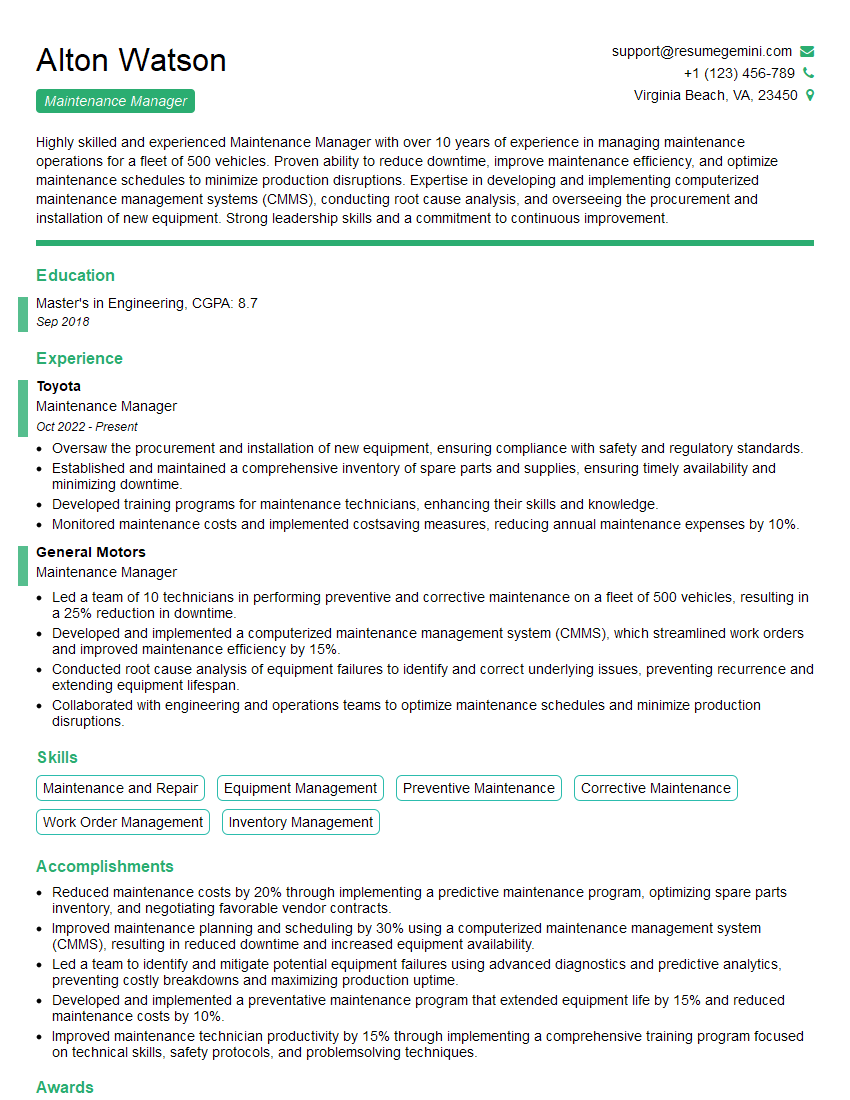
Maintenance Manager Resume Sample
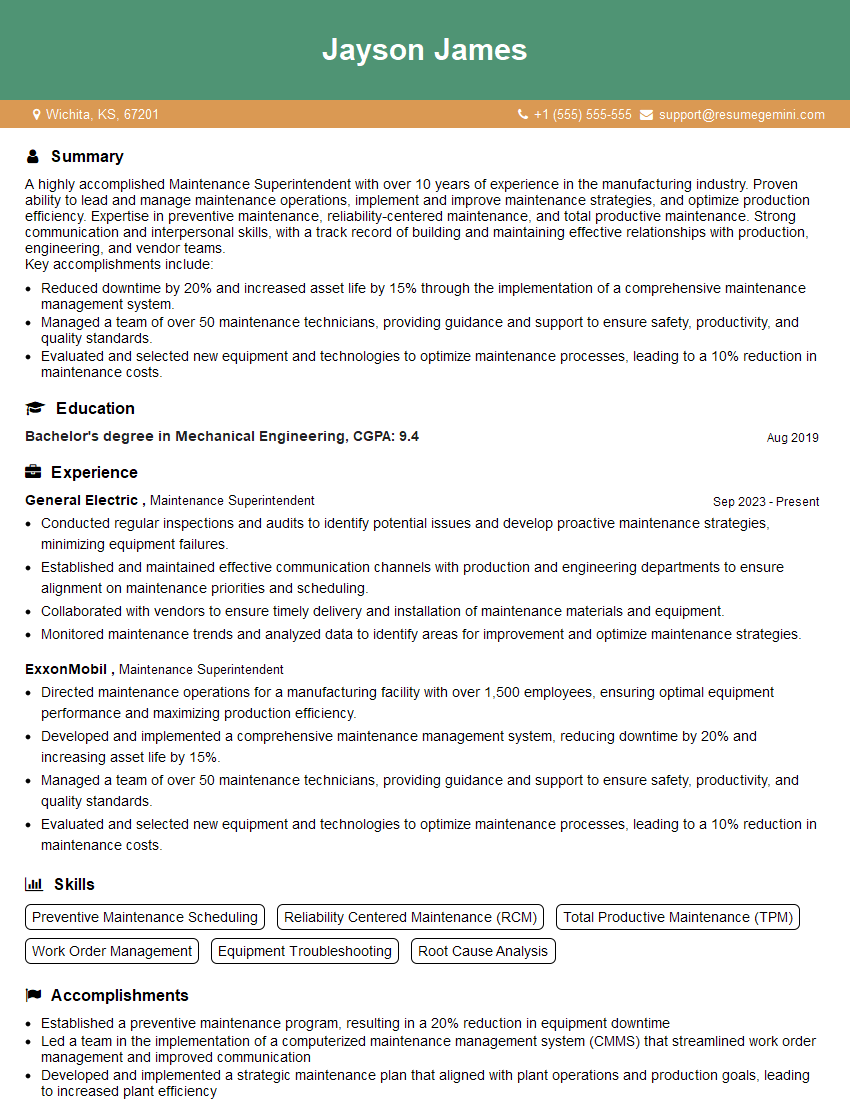
Maintenance Superintendent Resume Sample
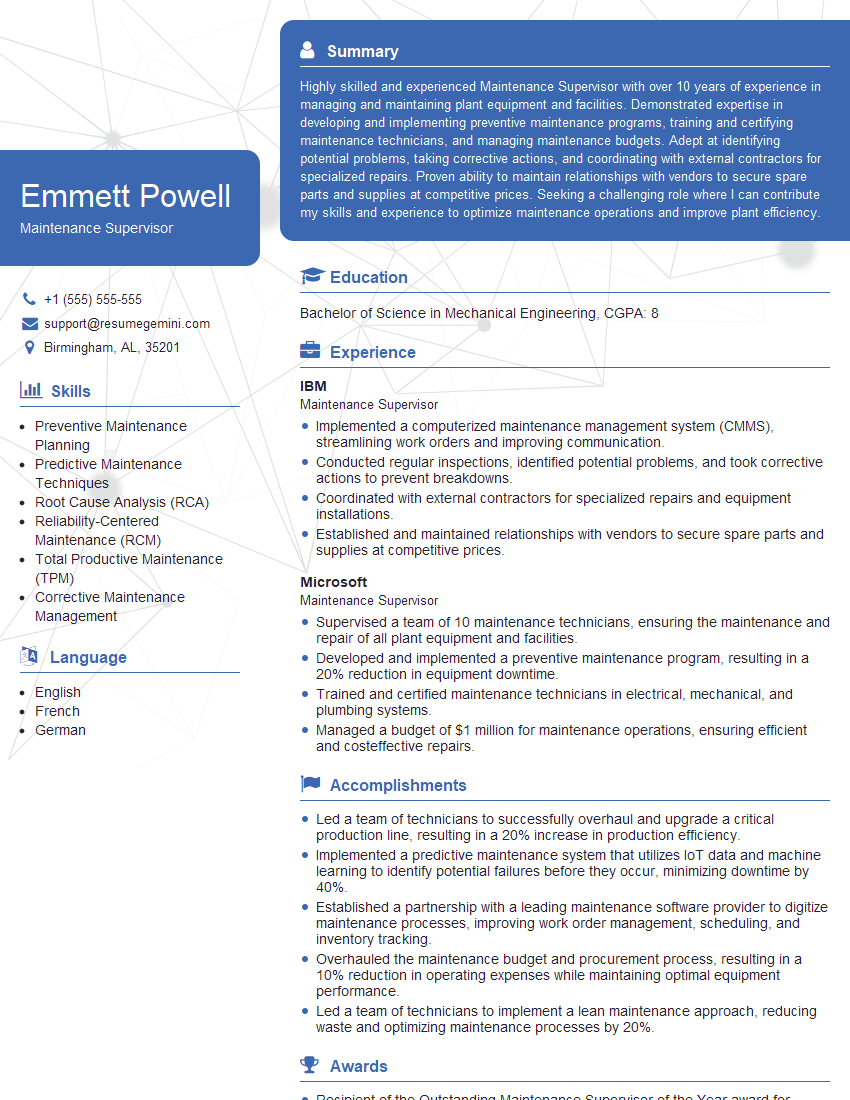
Maintenance Supervisor Resume Sample
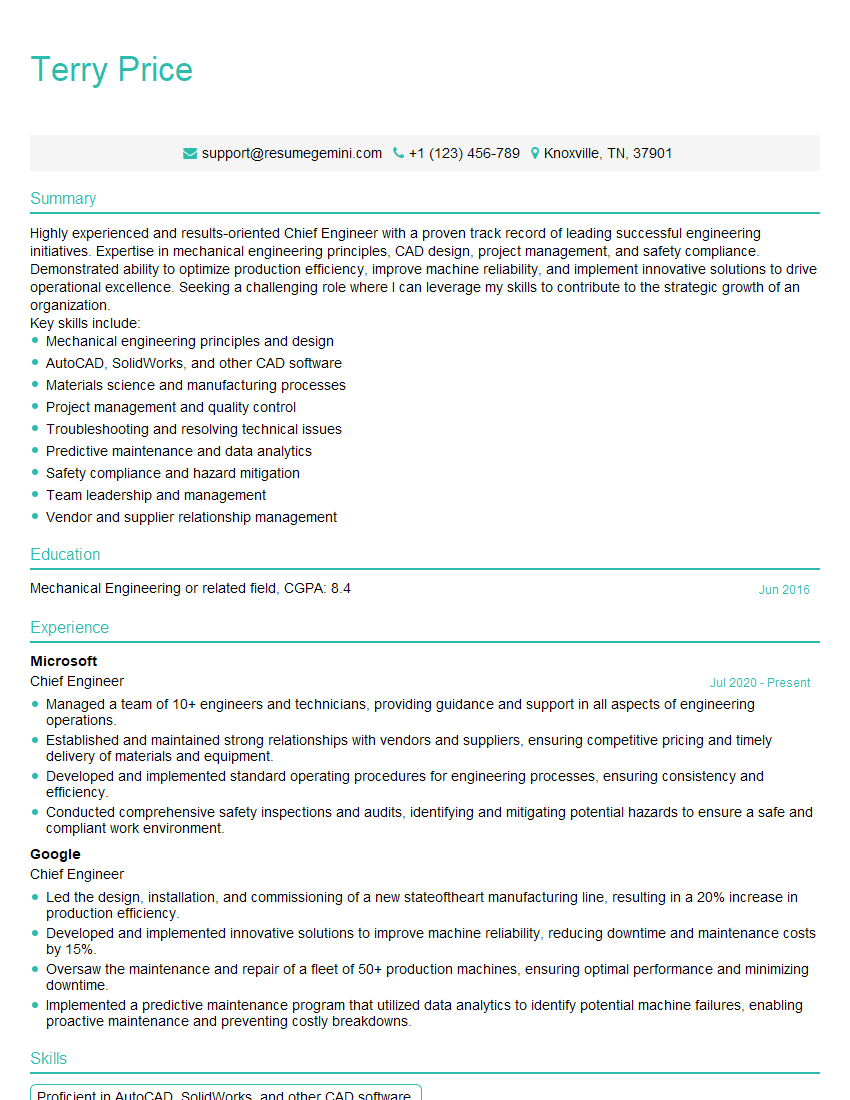
Chief Engineer Resume Sample
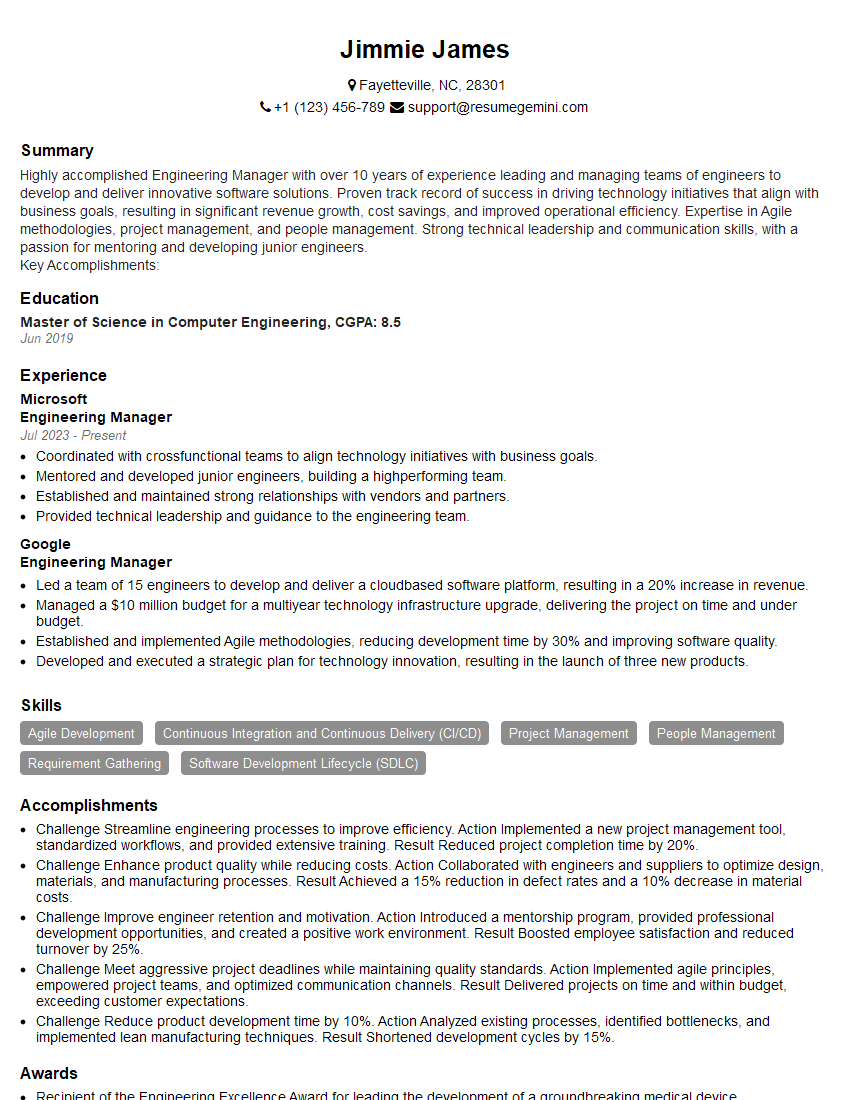
Engineering Manager Resume Sample
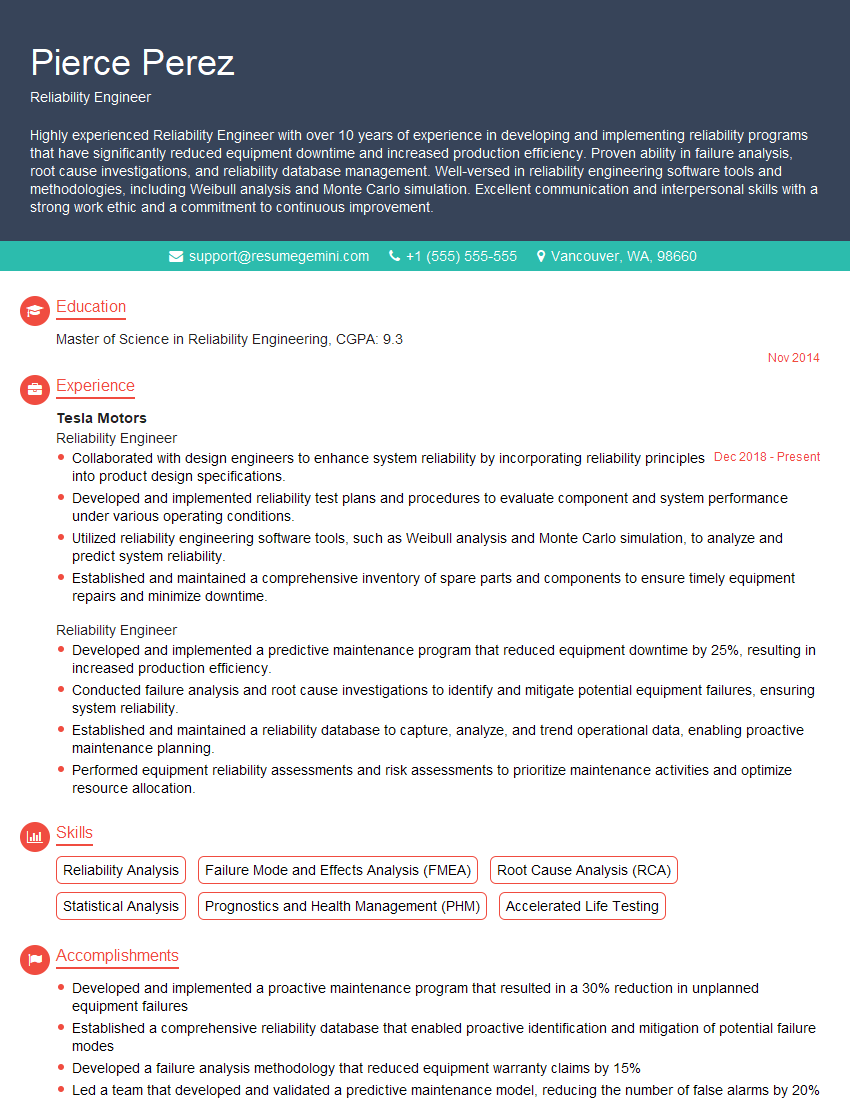
Reliability Engineer Resume Sample
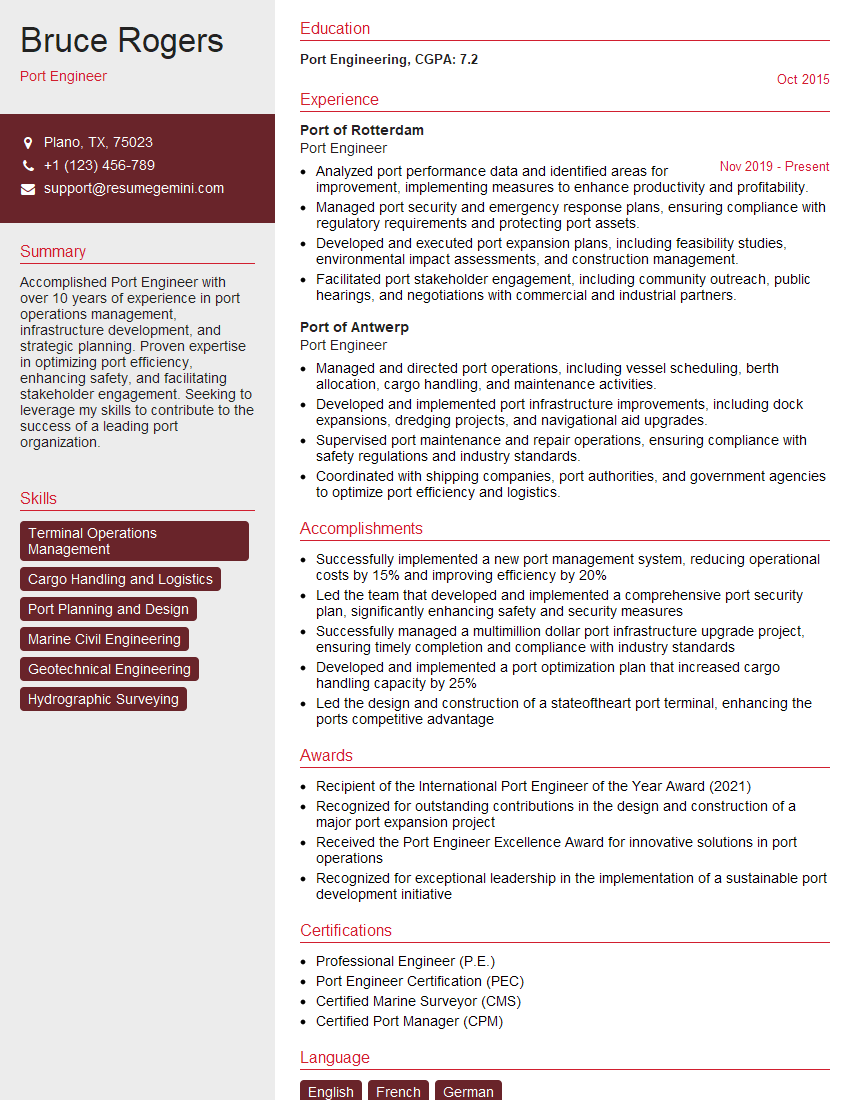
Port Engineer Resume Sample
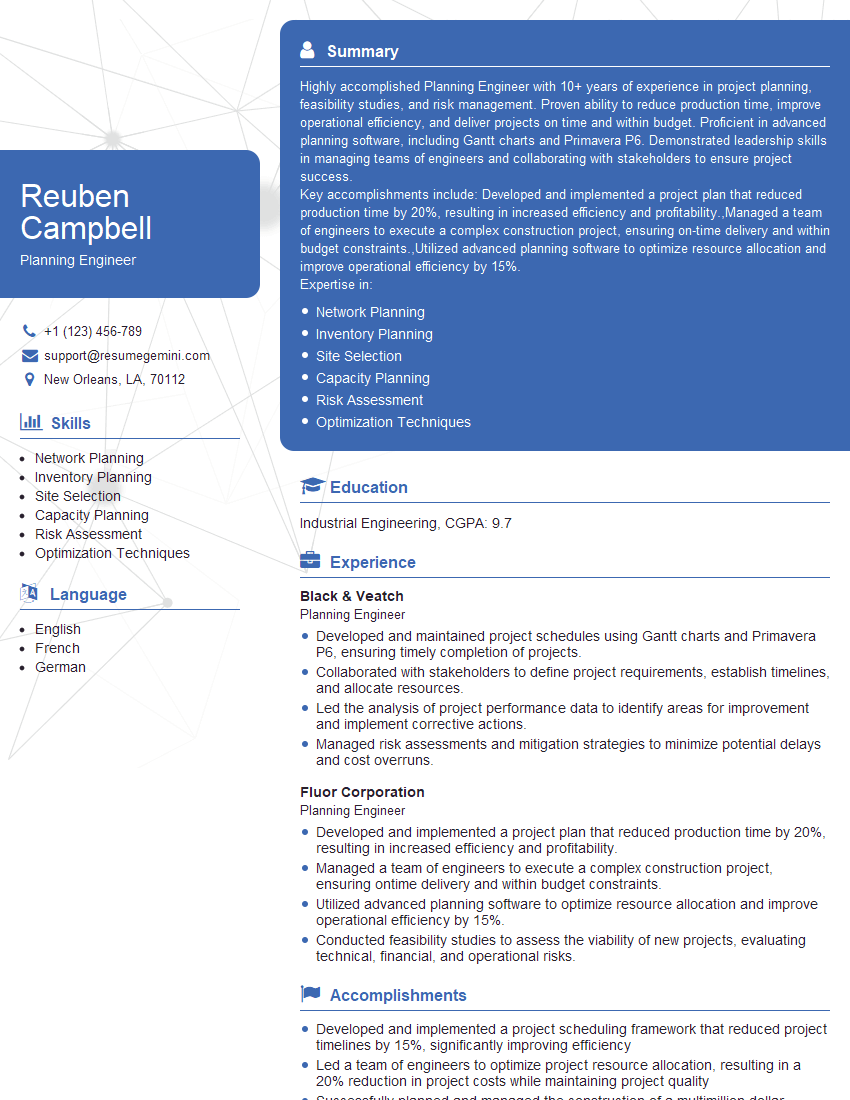
Planning Engineer Resume Sample
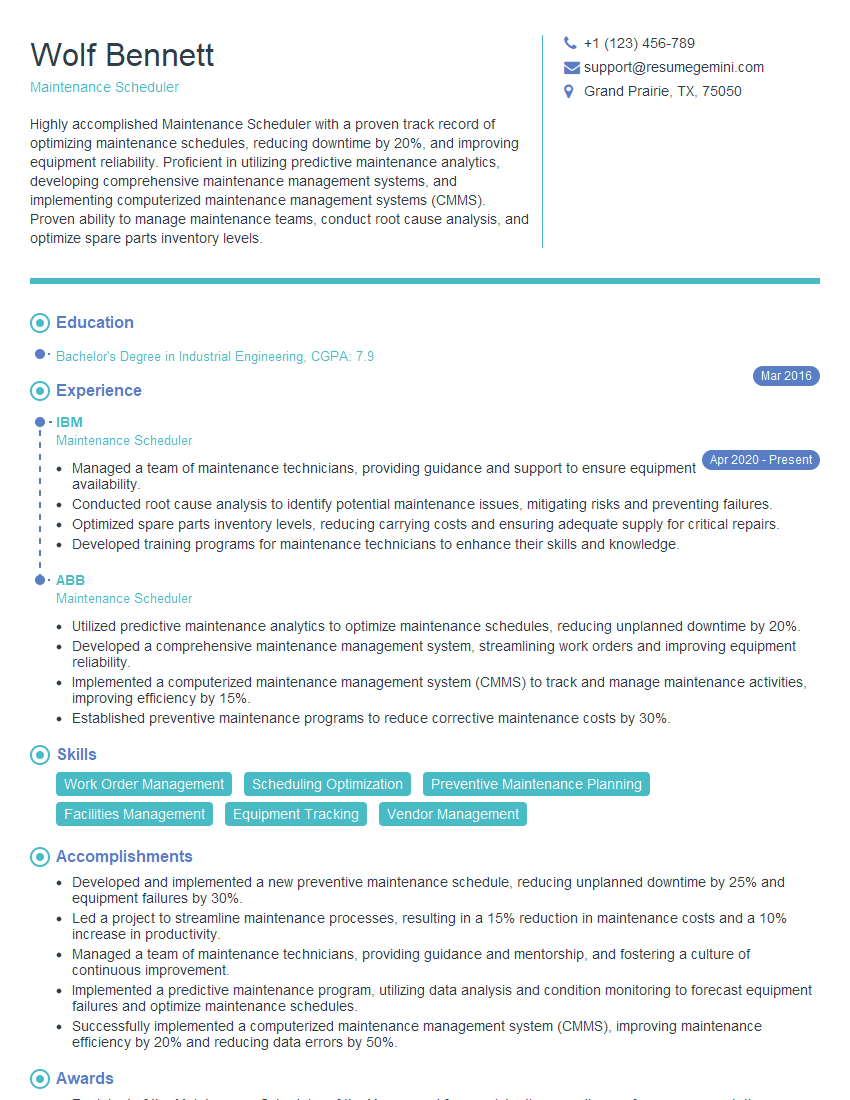
Maintenance Scheduler Resume Sample
Explore more articles
Users Rating of Our Blogs
Share Your Experience
We value your feedback! Please rate our content and share your thoughts (optional).
What Readers Say About Our Blog
Very informative content, great job.
good