Preparation is the key to success in any interview. In this post, we’ll explore crucial Quality Control Skills interview questions and equip you with strategies to craft impactful answers. Whether you’re a beginner or a pro, these tips will elevate your preparation.
Questions Asked in Quality Control Skills Interview
Q 1. Explain the difference between Quality Control and Quality Assurance.
Quality Control (QC) and Quality Assurance (QA) are often confused, but they represent distinct yet complementary approaches to ensuring product quality. Think of QA as the prevention strategy and QC as the detection strategy.
Quality Assurance is a proactive process focused on preventing defects from occurring in the first place. It involves establishing procedures, processes, and standards to ensure the product meets requirements before it’s even produced. This includes things like design reviews, process capability studies, and supplier audits. The goal is to build quality into the system.
Quality Control, on the other hand, is a reactive process focused on identifying and correcting defects after the product has been produced. It involves inspection, testing, and verification to ensure that the product meets predetermined specifications. This might include visual inspections, dimensional measurements, or functional tests.
Analogy: Imagine baking a cake. QA would be ensuring you have the right recipe, the right ingredients, and the right oven temperature before you even begin. QC would be checking the cake after it’s baked – is it cooked through? Is the frosting smooth? Does it taste good?
Q 2. Describe your experience with statistical process control (SPC).
I have extensive experience with Statistical Process Control (SPC), utilizing it to monitor and improve manufacturing processes. I’m proficient in using control charts like X-bar and R charts, p-charts, and c-charts to identify trends, variations, and potential out-of-control situations.
In my previous role at Acme Manufacturing, we implemented SPC to monitor the diameter of a crucial component in our assembly line. By using X-bar and R charts, we were able to detect a subtle shift in the mean diameter before it resulted in significant scrap and rework. This allowed us to identify and address the root cause – a slightly worn tool – proactively, saving the company thousands of dollars.
I’m also familiar with the principles of process capability analysis (Cpk and Ppk) and understand how to interpret the results to assess the ability of a process to meet specifications. This allows for data-driven decisions regarding process improvement and the justification for process changes.
Q 3. What are some common quality control tools and techniques you’ve used?
My toolkit includes a variety of quality control tools and techniques. Some of the most frequently used ones are:
- Control Charts (SPC): As discussed earlier, these are crucial for monitoring process stability and identifying variations.
- Checklists: Simple yet effective for ensuring consistent execution of tasks and identifying recurring issues.
- Pareto Charts: These help prioritize issues by identifying the ‘vital few’ contributing to the majority of problems.
- Fishbone Diagrams (Ishikawa Diagrams): Useful for brainstorming potential root causes of problems.
- Histograms: Provide a visual representation of the distribution of data, aiding in identifying process capability and potential issues.
- Scatter Diagrams: Useful for investigating the correlation between two variables.
I also have experience using more advanced techniques like Design of Experiments (DOE) for process optimization and Failure Mode and Effects Analysis (FMEA) for proactively identifying and mitigating potential failures.
Q 4. How do you handle discrepancies between inspection results and specifications?
Discrepancies between inspection results and specifications require a systematic approach. My first step is to verify the accuracy of the inspection process itself – was the equipment calibrated correctly? Were the inspection procedures followed meticulously? I would then investigate the root cause of the discrepancy.
For example, if a batch of parts fails to meet a dimensional specification, I’d investigate potential issues in the manufacturing process, including machine settings, material variations, or operator errors. I’d use tools like data analysis and root cause analysis to pinpoint the problem.
Once the root cause is identified, I’d work with the relevant teams to implement corrective actions to prevent recurrence. This might involve adjusting machine settings, retraining operators, or improving the quality of raw materials. The final step involves documenting all findings and actions taken for future reference and continuous improvement.
Q 5. Explain your experience with root cause analysis (RCA).
Root Cause Analysis (RCA) is a critical skill for identifying the underlying reasons for quality issues, not just the surface-level symptoms. I’m experienced in using various RCA techniques, including the 5 Whys, Fishbone diagrams, and Fault Tree Analysis.
In a past project, we experienced a high rate of customer returns due to a faulty component in our product. Using the 5 Whys, we systematically investigated the issue:
- Why are customers returning the product? (Faulty component)
- Why is the component faulty? (Poor soldering)
- Why is the soldering poor? (Inadequate training of operators)
- Why was there inadequate training? (Lack of a comprehensive training program)
- Why was there no comprehensive training program? (Insufficient budget allocation for training)
This RCA process helped us identify the root cause – lack of budget allocation for training – and allowed us to implement a comprehensive training program and secure additional budget. This significantly reduced the number of customer returns.
Q 6. Describe a time you had to implement a new quality control procedure.
In my previous role, we introduced a new automated inspection system to improve the efficiency and accuracy of our quality control process. This involved several steps:
- Needs Assessment: We identified the limitations of our existing manual inspection process – high labor costs, increased error rates, and slow turnaround times.
- System Selection: We evaluated different automated inspection systems based on factors like accuracy, throughput, cost, and ease of integration with our existing systems.
- Implementation: This included installing the new system, training personnel on its operation and maintenance, and developing new standard operating procedures (SOPs).
- Validation: We rigorously validated the new system by comparing its results with our existing manual inspection process, ensuring accurate and reliable data.
- Ongoing Monitoring: After implementation, we continuously monitored the system’s performance and made necessary adjustments to optimize its efficiency and accuracy.
The new system significantly improved our inspection efficiency, reduced errors, and freed up personnel for other important tasks. It also provided us with more consistent and reliable data for process improvement initiatives.
Q 7. How do you prioritize quality control tasks when dealing with competing deadlines?
Prioritizing quality control tasks with competing deadlines requires a strategic approach. I use a risk-based prioritization method, focusing on tasks that have the highest potential impact on product quality and customer satisfaction.
I consider factors such as:
- Criticality: How critical is the task to the final product’s functionality and safety?
- Risk: What is the potential impact of not completing the task on time? This involves assessing the likelihood of a defect and its potential severity.
- Urgency: When is the deadline for the task?
I use tools like a prioritization matrix to visually represent the tasks and their relative importance. This allows me to allocate resources efficiently and ensure that the most critical quality control tasks are completed on time, even in the face of competing deadlines. Effective communication with project management is also crucial to ensure alignment and manage expectations.
Q 8. What are some common quality control metrics you track?
The specific quality control metrics I track depend heavily on the industry and the product, but some common ones include:
- Defect Rate: This measures the percentage of defective units produced. For example, if we produce 1000 units and 10 are defective, the defect rate is 1%. This is a crucial indicator of overall process efficiency.
- Yield: Represents the percentage of good units produced relative to the total number of units started. A high yield indicates efficient production and minimal waste.
- First Pass Yield (FPY): The percentage of units that pass inspection on the first attempt. A high FPY suggests fewer rework cycles and reduced costs.
- Customer Returns: Tracking the rate of customer returns due to quality issues helps identify problems that may not be detected internally.
- Mean Time Between Failures (MTBF): Used for products with a lifespan, MTBF indicates the average time a product operates before failure. It’s critical for assessing product reliability.
- Process Capability Indices (Cpk and Ppk): These statistical measures compare the process variation to the specification limits. A Cpk/Ppk greater than 1.33 generally indicates a capable process.
- Cycle Time: The time it takes to complete a process step. Reducing cycle time improves efficiency without compromising quality.
I also utilize more specific metrics tailored to the project or product. For example, in a software development context, we might track bug density or lines of code per defect.
Q 9. How do you ensure the accuracy and reliability of your quality control measurements?
Ensuring accuracy and reliability in quality control measurements is paramount. I employ several strategies:
- Calibration and Verification: All measuring instruments are regularly calibrated against traceable standards to ensure accuracy. This is documented and tracked meticulously. Think of it like taking your bathroom scale to be professionally calibrated to ensure it’s giving accurate readings.
- Control Charts: Statistical process control (SPC) charts, such as Shewhart charts, are used to monitor process variation over time. These charts allow for early detection of deviations and potential problems, preventing large-scale defects.
- Gauge R&R Studies: These studies assess the variation introduced by the measurement system itself. A gauge R&R study ensures the variability of the measurement instrument is significantly less than the inherent variability of the product being measured.
- Standard Operating Procedures (SOPs): Detailed SOPs for each measurement process ensure consistency and reduce human error. Everyone follows the same procedure to reduce variability in the measurements.
- Random Sampling and Sample Size Determination: Statistical methods are employed to determine appropriate sample sizes, guaranteeing representative data while optimizing efficiency. Using statistical techniques assures the sample we inspect is truly reflective of the whole batch.
- Regular Audits: Internal audits are conducted to review all quality control processes and identify areas for improvement. This ensures continuous adherence to established procedures and quality standards.
Q 10. Describe your experience with ISO 9001 or other quality management systems.
I have extensive experience with ISO 9001, having worked in several organizations certified to this standard. My roles have included:
- Internal Auditor: Conducting internal audits to ensure compliance with the standard’s requirements, identifying gaps, and recommending corrective actions. This includes documenting findings, verifying implemented changes, and reporting to upper management.
- Management Representative: Representing the company in ISO 9001 compliance matters, acting as the point of contact for the external certification body, and overseeing the Quality Management System (QMS).
- Documentation and Procedure Development: Developing and maintaining the QMS documentation, ensuring its clarity, accuracy, and effectiveness. This helps keep all team members on the same page regarding quality procedures.
My experience goes beyond just compliance. I understand the principles of continuous improvement embedded in ISO 9001, and I actively seek ways to optimize processes and enhance quality through the Plan-Do-Check-Act (PDCA) cycle.
Q 11. How do you communicate quality control issues to different levels of management?
Communicating quality control issues effectively is crucial. My approach depends on the severity and scope of the issue, and the audience:
- For immediate, critical issues: I would directly communicate the issue to the relevant production supervisor or manager, emphasizing the urgency and potential impact. This often involves a face-to-face conversation to quickly rectify the problem.
- For recurring or systemic problems: I would prepare a detailed report with data, root cause analysis, and proposed solutions, escalating it through management levels as appropriate. This might include presentations to upper management showcasing the issue and the proposed solution.
- For minor issues: These can often be addressed directly with the production team in a collaborative manner. I focus on solution-finding rather than blame, ensuring team buy-in for corrective actions.
All communication involves clear, concise language, avoiding technical jargon when possible and always including actionable steps.
Q 12. Explain your experience with corrective and preventive actions (CAPA).
Corrective and Preventive Actions (CAPA) are central to my approach to quality control. My experience includes:
- Identifying Root Causes: Employing tools like 5 Whys, fishbone diagrams, and Pareto charts to identify the underlying causes of quality issues, not just treating the symptoms.
- Developing Effective CAPAs: Creating detailed corrective actions to address immediate issues and preventive actions to prevent recurrence. This often involves collaborative brainstorming sessions with the production team to ensure that actions are practical and effective.
- Implementing and Verifying CAPAs: Ensuring the implemented actions are effective and monitored for long-term success. I track the effectiveness of the CAPA and review the results to confirm that the action solved the problem.
- Documentation and Tracking: Meticulously documenting all steps of the CAPA process, including root cause analysis, corrective and preventive actions, and effectiveness verification. This is crucial for ongoing improvement and compliance with standards like ISO 9001.
A successful CAPA process relies on thorough investigation, well-defined actions, and consistent follow-up.
Q 13. How do you deal with conflict with production teams regarding quality issues?
Conflicts with production teams regarding quality issues are inevitable. My approach prioritizes collaboration and mutual understanding:
- Open Communication: I emphasize open and respectful dialogue, actively listening to the production team’s perspective. Sometimes, perceived quality issues are due to misunderstandings of specifications or processes.
- Data-Driven Approach: I present objective data to support my findings. This helps avoid emotional arguments and shifts the focus to solving the problem.
- Focus on Solutions: Instead of assigning blame, I concentrate on collaboratively finding solutions that are both effective and feasible for the production team. This might involve adjustments to processes, training, or equipment upgrades.
- Compromise and Negotiation: Sometimes, finding the ideal solution requires compromise. I work with the production team to find a solution that balances quality requirements with production efficiency.
Building trust and rapport with the production team is essential to effective conflict resolution. A collaborative approach leads to better solutions and a more positive work environment.
Q 14. Describe your experience with audits and inspections.
I have extensive experience with various audits and inspections, both internal and external:
- Internal Audits: I lead and participate in internal audits, evaluating compliance with quality management systems, procedures, and standards. This includes reviewing documentation, observing processes, and interviewing personnel. The goal is to identify potential issues before they escalate.
- External Audits: I have participated in external audits conducted by certification bodies such as those for ISO 9001. This involves preparing for the audit, providing necessary documentation, and addressing any audit findings.
- Supplier Audits: I have conducted supplier audits to evaluate the quality management systems of our suppliers. This helps ensure that our suppliers consistently meet our quality requirements.
- Product Inspections: I am proficient in various inspection techniques, including visual inspection, dimensional inspection, and functional testing. These ensure products meet specifications before release.
My audit experience ensures I understand the requirements of different standards and best practices for conducting thorough and effective audits.
Q 15. What are some common quality problems you have encountered and how did you resolve them?
In my experience, common quality problems often stem from inconsistencies in the manufacturing process, inadequate training of personnel, or insufficiently defined specifications. For example, I once encountered a significant increase in defects in a printed circuit board assembly line. After thorough investigation, using tools like control charts and Pareto analysis, we discovered that the root cause was a faulty solder paste dispensing machine. The machine wasn’t calibrated correctly, leading to inconsistent solder volumes. We addressed this by recalibrating the machine, implementing a more rigorous preventative maintenance schedule, and retraining the operators on proper machine operation and quality checks. Another instance involved a project where inconsistent raw material quality was impacting the final product. To resolve this, we implemented a stricter incoming inspection process including tighter supplier quality agreements, and collaborated with our supplier on improving their quality control measures. This required detailed documentation, regular communication, and robust metrics tracking.
Career Expert Tips:
- Ace those interviews! Prepare effectively by reviewing the Top 50 Most Common Interview Questions on ResumeGemini.
- Navigate your job search with confidence! Explore a wide range of Career Tips on ResumeGemini. Learn about common challenges and recommendations to overcome them.
- Craft the perfect resume! Master the Art of Resume Writing with ResumeGemini’s guide. Showcase your unique qualifications and achievements effectively.
- Don’t miss out on holiday savings! Build your dream resume with ResumeGemini’s ATS optimized templates.
Q 16. How do you stay current with the latest quality control standards and best practices?
Staying updated on quality control standards and best practices is crucial. I achieve this through a multi-pronged approach. I actively participate in professional organizations like ASQ (American Society for Quality), attending conferences and webinars to learn about new methodologies and technologies. I also subscribe to industry-leading journals and publications, regularly reviewing articles and case studies to stay abreast of advancements. Online courses and certifications from reputable platforms help me deepen my expertise in specific areas, such as Six Sigma or Lean manufacturing. Furthermore, networking with other professionals in the field through conferences and online communities provides valuable insights and different perspectives on tackling quality challenges.
Q 17. What software or tools are you proficient in using for quality control?
My proficiency extends to a variety of software and tools crucial for effective quality control. I am highly skilled in using statistical process control (SPC) software like Minitab, JMP, or R for analyzing data, creating control charts (e.g., X-bar and R charts, p-charts, c-charts), and identifying trends and anomalies. I’m also proficient in using Computer-Aided Design (CAD) software to review designs for manufacturability and potential quality issues. Furthermore, my experience includes utilizing Enterprise Resource Planning (ERP) systems for tracking materials, production processes, and quality metrics. Microsoft Excel is an indispensable tool for data analysis, report generation, and tracking key performance indicators (KPIs). In addition, I’m familiar with various metrology equipment and software used for dimensional inspection and measurement.
Q 18. Describe your experience with process mapping and improvement.
Process mapping is a cornerstone of my quality improvement strategy. I’m adept at creating value stream maps, flowcharts, and process maps using tools like Visio or even simple drawing software. These visual representations help identify bottlenecks, inefficiencies, and areas for improvement within a process. For example, I recently used process mapping to identify redundant steps in a manufacturing process, leading to a 15% reduction in cycle time. The process improvement involved a combination of techniques such as Lean principles (eliminating waste), Six Sigma methodologies (reducing variation), and Kaizen (continuous improvement). I’ve also implemented DMAIC (Define, Measure, Analyze, Improve, Control) methodology on several projects, yielding significant enhancements in product quality and process efficiency.
Q 19. How do you manage quality control in a fast-paced production environment?
Managing quality control in a fast-paced environment requires a proactive and adaptable approach. The key is to implement robust, streamlined processes that minimize human error and maximize efficiency. This involves establishing clear quality standards, using real-time monitoring tools to track KPIs, and deploying in-line quality checks throughout the production process, rather than solely relying on end-of-line inspections. Employing techniques such as Poka-Yoke (error-proofing) can significantly reduce defects. For example, using jigs and fixtures to ensure proper part alignment during assembly can prevent many quality issues. Regular communication and collaboration among team members are vital, using daily stand-up meetings or quick visual check boards to identify and address emerging issues promptly. Data-driven decision-making is crucial; using real-time data to identify trends and take immediate corrective action.
Q 20. Explain your understanding of tolerance and specification limits.
Tolerance and specification limits are critical concepts in quality control. Specifications define the ideal characteristics of a product or component. For instance, the specification for a particular bolt might be a length of 10mm. Tolerance represents the permissible variation from the specified value. So, the tolerance for that 10mm bolt might be ±0.1mm, meaning the acceptable range is 9.9mm to 10.1mm. Anything outside this tolerance is considered a defect. Understanding these limits is crucial because they dictate the acceptance criteria for products and components. Incorrect tolerance assignment can lead to either excessive scrap or the release of substandard products. It’s essential to determine tolerances carefully, considering factors such as manufacturing capability, material properties, and the function of the component within the larger system.
Q 21. How do you ensure quality control in outsourced manufacturing processes?
Ensuring quality control in outsourced manufacturing requires a robust supplier management system. This starts with careful supplier selection; conducting thorough audits of potential suppliers to verify their quality management systems and capabilities. Once a supplier is chosen, establishing clear specifications, acceptance criteria, and quality metrics is crucial. This usually includes regularly scheduled quality audits conducted either onsite or remotely using video conferencing. Implementing a robust first article inspection (FAI) process ensures the first production run meets the specified requirements. Regular monitoring of key performance indicators (KPIs), such as defect rates and on-time delivery, is vital for continuous improvement. Finally, building a strong collaborative relationship with the supplier is essential to openly discuss and resolve any quality issues promptly. This often involves regular communication, shared problem-solving, and a spirit of mutual improvement.
Q 22. Describe your experience with designing and implementing quality control plans.
Designing and implementing a quality control plan involves a systematic approach to ensuring product or service quality meets predefined standards. It begins with a thorough understanding of customer requirements and specifications. I start by defining key quality characteristics, identifying potential failure points, and establishing acceptance criteria.
For example, in a previous role at a pharmaceutical company, we developed a comprehensive QC plan for a new drug formulation. This involved defining critical quality attributes like purity, potency, and dissolution rate. We then established testing methods (e.g., HPLC for purity, spectrophotometry for potency), sampling plans (e.g., random sampling from each production batch), and acceptance criteria (e.g., purity >99%, potency within ±5% of target).
The plan also outlined corrective and preventive actions (CAPA) procedures for addressing any deviations from standards. We used statistical process control (SPC) techniques, such as control charts, to monitor the process and identify trends indicative of potential problems. Implementing the plan involved training staff on proper testing procedures, documenting all findings, and regularly reviewing the effectiveness of the plan. The result was a significantly reduced defect rate and increased customer satisfaction.
Q 23. How do you handle customer complaints related to quality issues?
Handling customer complaints regarding quality issues requires a calm, empathetic, and professional approach. My first step is to acknowledge the complaint and thank the customer for bringing the issue to our attention. I then actively listen to their concerns and gather all the necessary information regarding the product or service, including batch number, date of purchase, and a detailed description of the problem.
Next, I conduct a thorough investigation to determine the root cause of the problem. This might involve examining the product itself, reviewing production records, or consulting with relevant teams (e.g., manufacturing, engineering). Once the root cause is identified, I develop a corrective action plan to address the immediate problem and prevent similar issues from occurring in the future.
Finally, I communicate the findings and the corrective action plan to the customer, offering appropriate compensation or a replacement product/service, depending on the severity of the issue. I also use the information gathered to improve our processes and prevent future complaints. For example, a recurring complaint about a product’s packaging led to improvements in the sealing process, resulting in a significant decrease in similar complaints.
Q 24. What is your experience with different sampling techniques?
My experience encompasses a variety of sampling techniques, each appropriate for different scenarios. The choice of technique depends on factors such as the size of the population, the desired level of precision, and the cost constraints. Some common techniques I utilize include:
- Simple Random Sampling: Every item in the population has an equal chance of being selected. This is suitable for homogeneous populations.
- Stratified Random Sampling: The population is divided into strata (subgroups) and a random sample is drawn from each stratum. This is useful when the population is heterogeneous.
- Systematic Sampling: Items are selected at regular intervals from the population. This is efficient but can be biased if there is a pattern in the data.
- Cluster Sampling: The population is divided into clusters and a random sample of clusters is selected. All items within the selected clusters are then sampled. This is cost-effective for large populations spread over a wide geographical area.
Selecting the appropriate sampling method requires a careful consideration of the specific context and objectives. For example, in a manufacturing setting, I might use stratified sampling to ensure that samples are drawn from different production lines or shifts, while in a customer satisfaction survey, I might employ cluster sampling to reach diverse geographic regions.
Q 25. How do you measure the effectiveness of your quality control efforts?
Measuring the effectiveness of quality control efforts relies on a combination of quantitative and qualitative metrics. Key performance indicators (KPIs) are crucial in this assessment. Quantitative metrics might include:
- Defect rate: The number of defective units per total units produced.
- Customer returns: The percentage of products returned due to quality issues.
- Process capability indices (Cpk): Measures how well a process is performing relative to its specification limits.
- Yield: The percentage of acceptable products produced.
Qualitative metrics assess the effectiveness of the QC processes themselves. These might involve:
- Employee satisfaction with QC processes
- Timeliness and accuracy of test results
- Effectiveness of corrective and preventive actions
By regularly monitoring these KPIs, we can identify areas for improvement and demonstrate the overall impact of our quality control efforts. Trend analysis helps to identify long-term improvements or emerging issues requiring attention. For example, a consistent reduction in defect rate over time would indicate the success of implemented improvements.
Q 26. What is your approach to continuous improvement in quality control?
My approach to continuous improvement in quality control is rooted in the principles of Plan-Do-Check-Act (PDCA) cycle. This iterative process involves:
- Plan: Identifying areas for improvement based on data analysis and customer feedback. Establishing goals and developing action plans.
- Do: Implementing the planned changes on a small scale to test their effectiveness.
- Check: Monitoring the results of the changes and evaluating their impact on quality metrics.
- Act: Implementing the changes on a larger scale if they are successful, or revising the plan if necessary.
I also leverage tools such as Six Sigma and Lean methodologies to systematically identify and eliminate waste and variation in processes. Regular internal audits and process capability studies help identify weaknesses and opportunities for optimization. Furthermore, encouraging a culture of continuous improvement through employee training and open communication is critical to long-term success. For instance, implementing a suggestion box for employees to share ideas for improvement fosters a proactive approach to quality control.
Q 27. Describe a time when you identified a potential quality issue before it affected the product.
During the development of a new software application, I noticed a potential memory leak during unit testing. While the leak didn’t immediately cause a noticeable problem, I recognized that it could lead to system instability and crashes under sustained use. This was during a stage where the application was still in its early development stages. The issue was identified through the use of memory profiling tools.
Instead of waiting for the problem to escalate, I immediately reported the issue to the development team. We investigated the root cause, which turned out to be an improper handling of resources within a specific module. A solution was implemented, rigorously tested, and integrated into the software before the application moved to the next development phase. This proactive approach prevented a significant quality issue that could have resulted in extensive rework, delays in launch, and negative customer experiences later on.
Q 28. How do you balance the cost of quality control with production efficiency?
Balancing the cost of quality control with production efficiency is a crucial aspect of effective management. It’s not about minimizing quality control costs, but rather optimizing them to maximize the overall value. This requires a careful assessment of risk and return.
I employ cost-benefit analysis to evaluate different quality control strategies. This involves comparing the cost of implementing a particular QC measure (e.g., investing in new testing equipment) with the potential savings from reducing defects, improving yield, and enhancing customer satisfaction. A robust risk assessment helps prioritize QC efforts on the most critical aspects of the product or service.
Automation is a vital tool in enhancing efficiency without sacrificing quality. Automating testing processes, for example, can significantly reduce labor costs and improve accuracy. This strategic approach ensures quality control is integrated seamlessly into the production process, making it a proactive rather than reactive function. For example, implementing automated visual inspection systems on the production line can quickly identify defects, minimizing scrap and improving overall productivity.
Key Topics to Learn for Quality Control Skills Interview
- Understanding Quality Management Systems (QMS): Learn the core principles of ISO 9001 or other relevant standards and how they are implemented in various industries. Consider practical examples of how these systems ensure consistent product or service quality.
- Statistical Process Control (SPC): Grasp the fundamentals of SPC charts (e.g., control charts, run charts) and their application in identifying trends and variations in processes. Practice interpreting SPC data and identifying potential areas for improvement.
- Root Cause Analysis (RCA): Familiarize yourself with various RCA methodologies (e.g., 5 Whys, Fishbone diagram) and how to apply them to pinpoint the root causes of quality defects. Be prepared to discuss examples of successful RCA implementations.
- Inspection and Testing Techniques: Understand various inspection and testing methods used to ensure quality, including visual inspections, dimensional measurements, and functional testing. Be ready to discuss your experience with different testing equipment and procedures.
- Quality Control Documentation and Reporting: Learn how to effectively document quality control processes, procedures, and results. Practice creating clear and concise reports that communicate key findings and recommendations.
- Continuous Improvement Methodologies: Understand and be prepared to discuss Lean Manufacturing principles, Six Sigma methodologies, or other continuous improvement frameworks and their applications in quality control.
- Problem-Solving and Decision-Making in QC: Practice applying critical thinking skills to analyze quality issues, identify potential solutions, and make data-driven decisions. Be prepared to discuss your approach to problem-solving in a QC context.
Next Steps
Mastering Quality Control skills is crucial for career advancement in today’s competitive market. Demonstrating a strong understanding of these concepts significantly increases your chances of securing your dream role. To maximize your job prospects, create an ATS-friendly resume that highlights your relevant skills and experience. ResumeGemini is a trusted resource that can help you build a professional and impactful resume. Examples of resumes tailored to Quality Control Skills are available to help you get started. Invest time in crafting a compelling resume – it’s your first impression on potential employers!
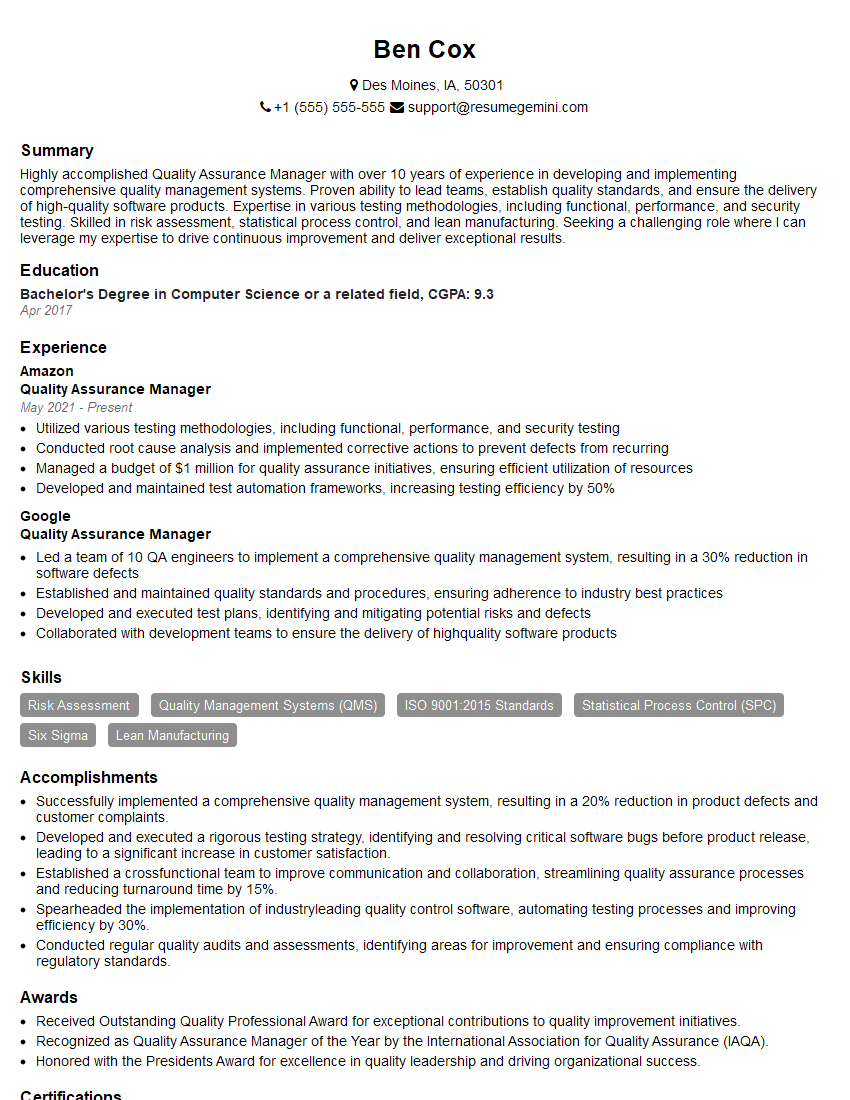
Quality Assurance Manager Resume Sample
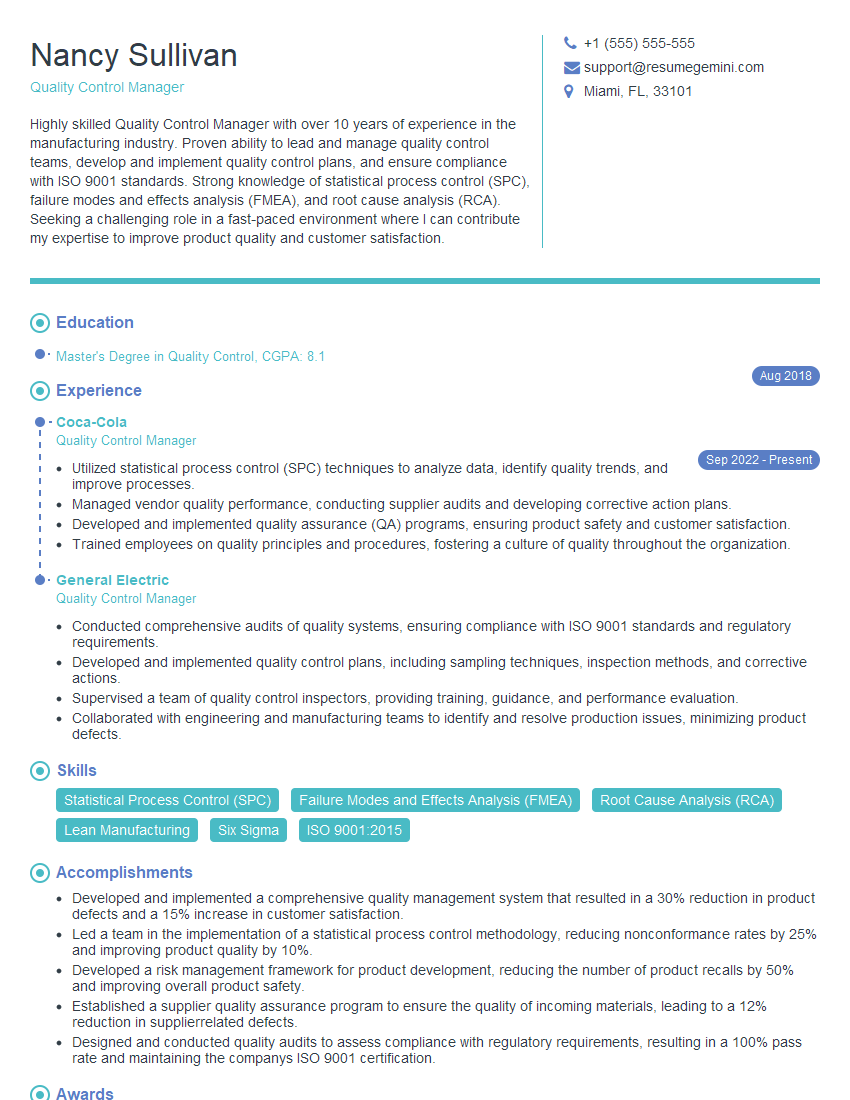
Quality Control Manager Resume Sample
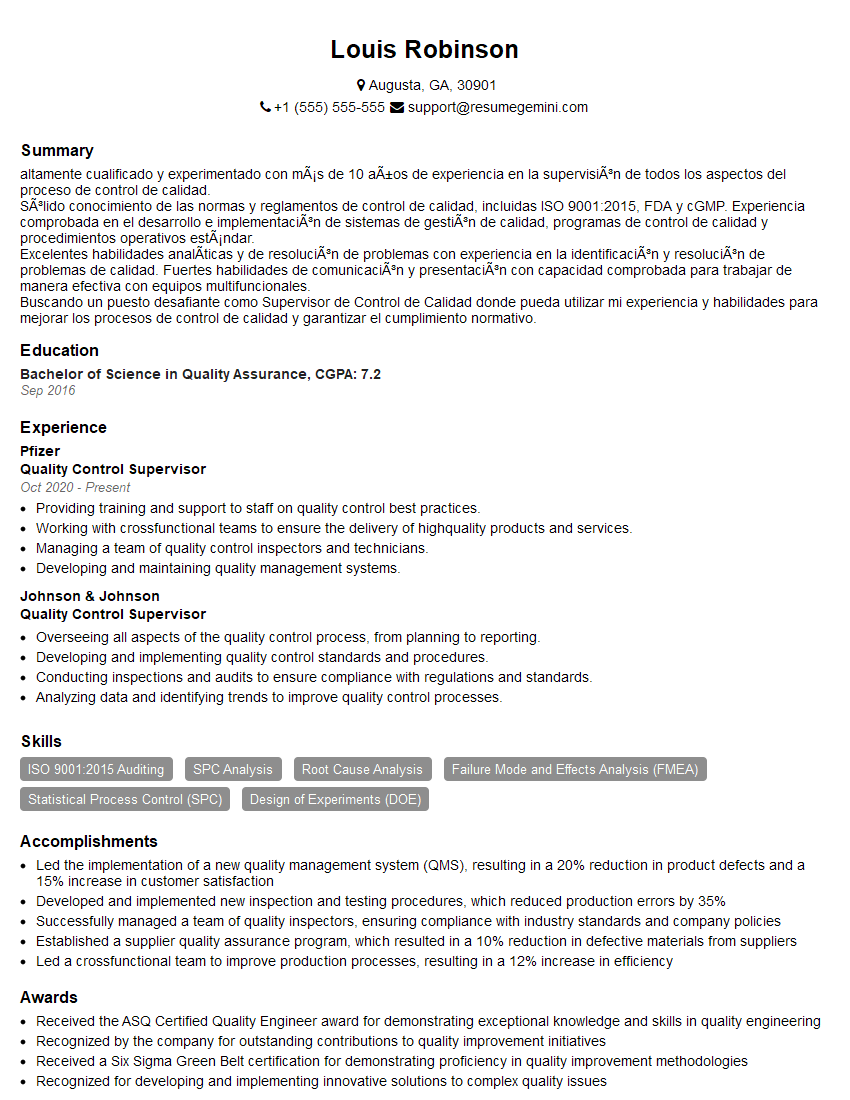
Quality Control Supervisor Resume Sample
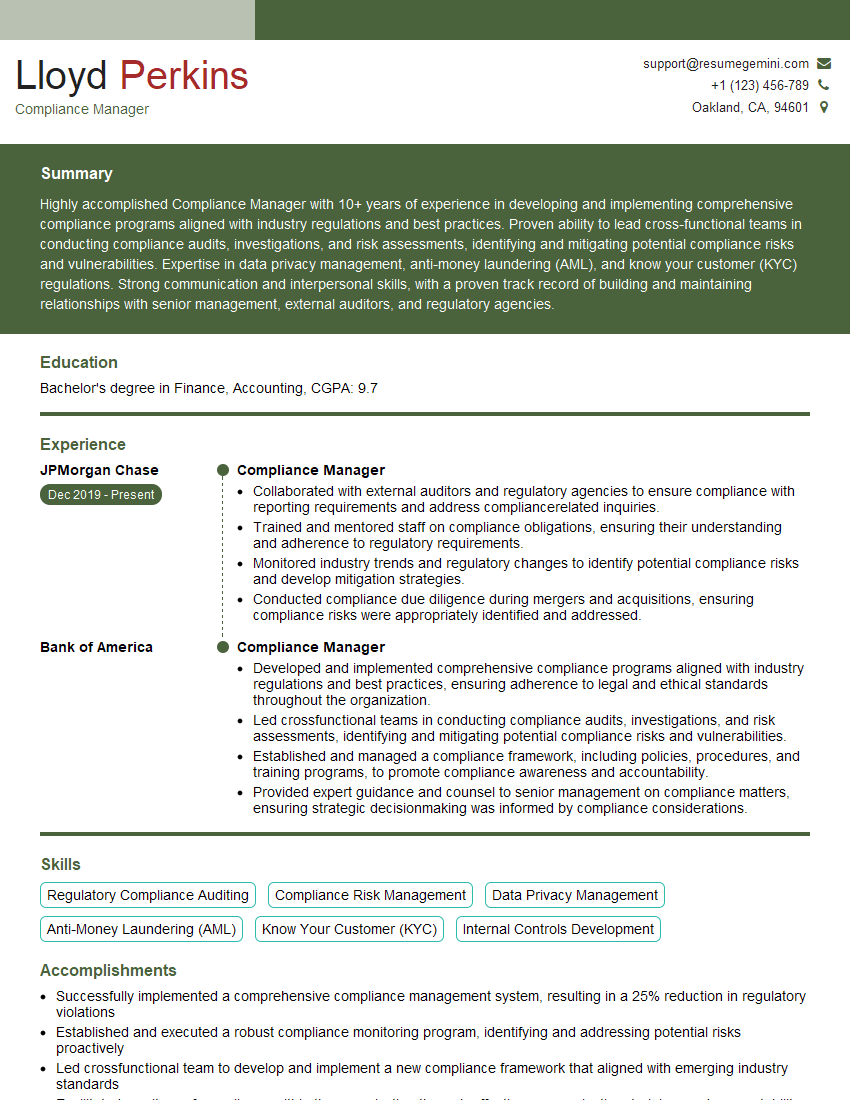
Compliance Manager Resume Sample
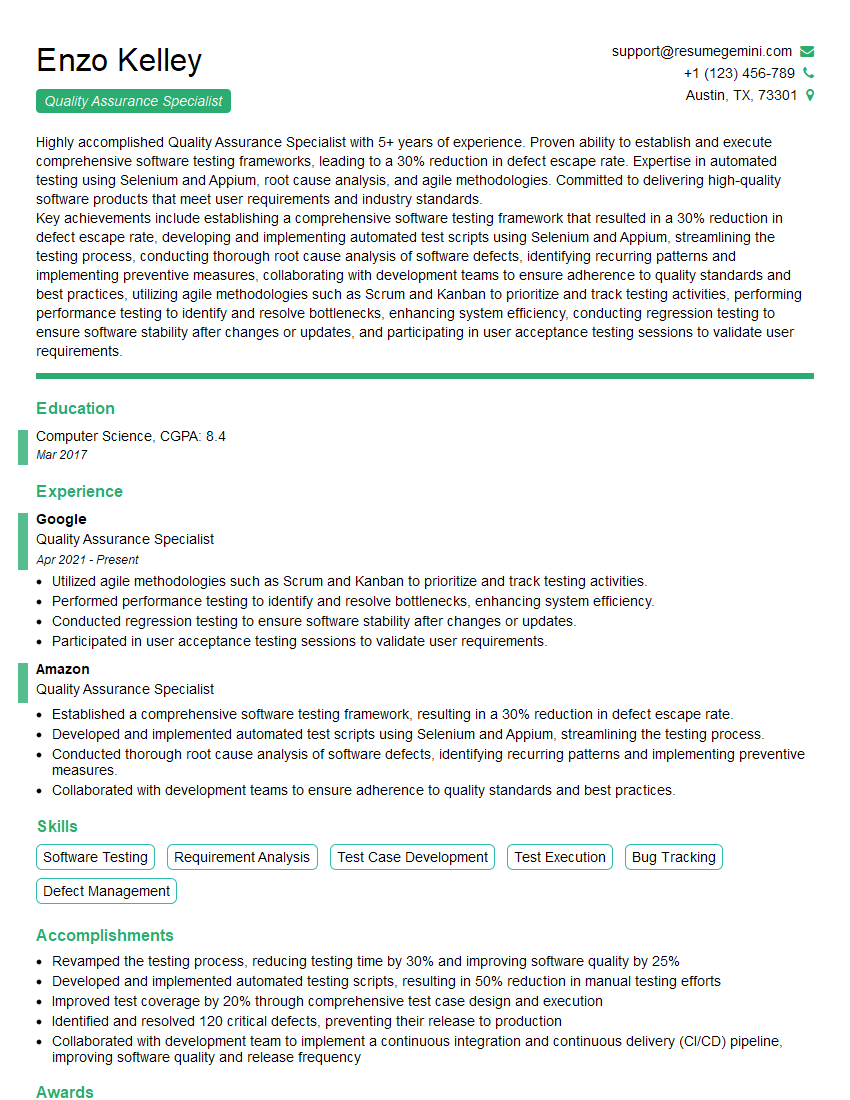
Quality Assurance Specialist Resume Sample
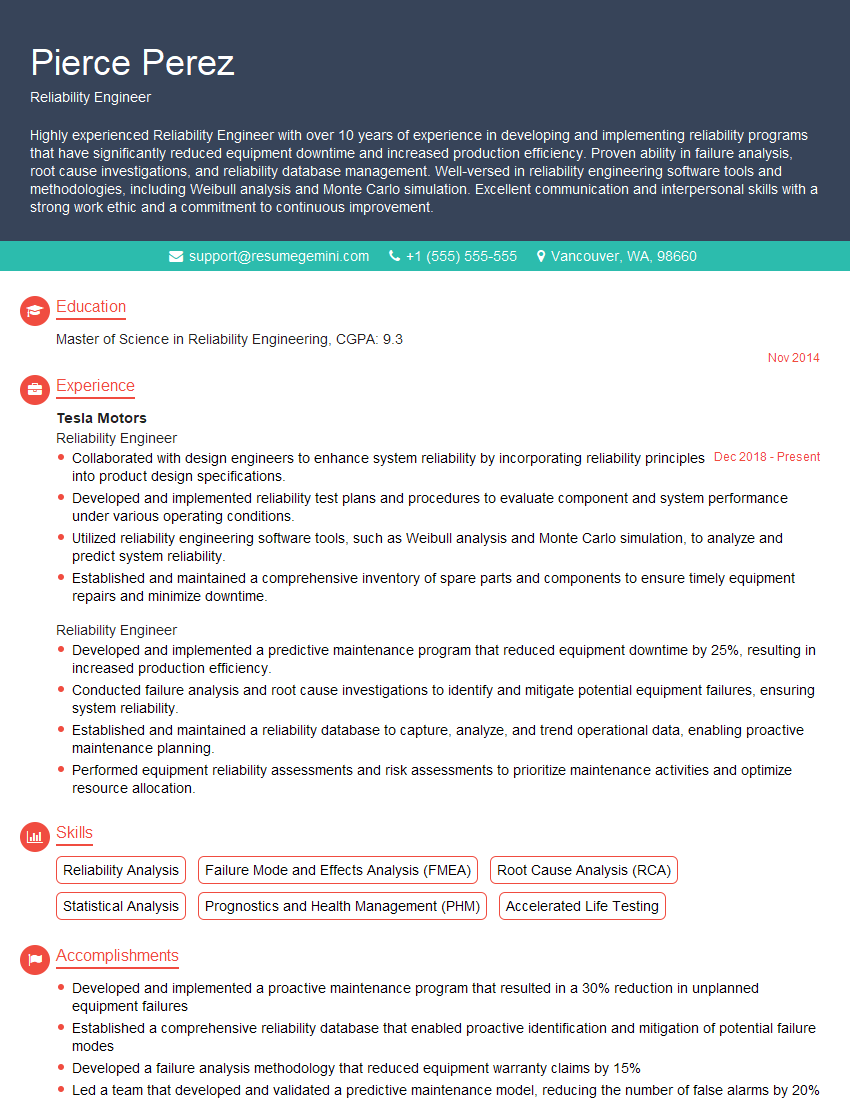
Reliability Engineer Resume Sample
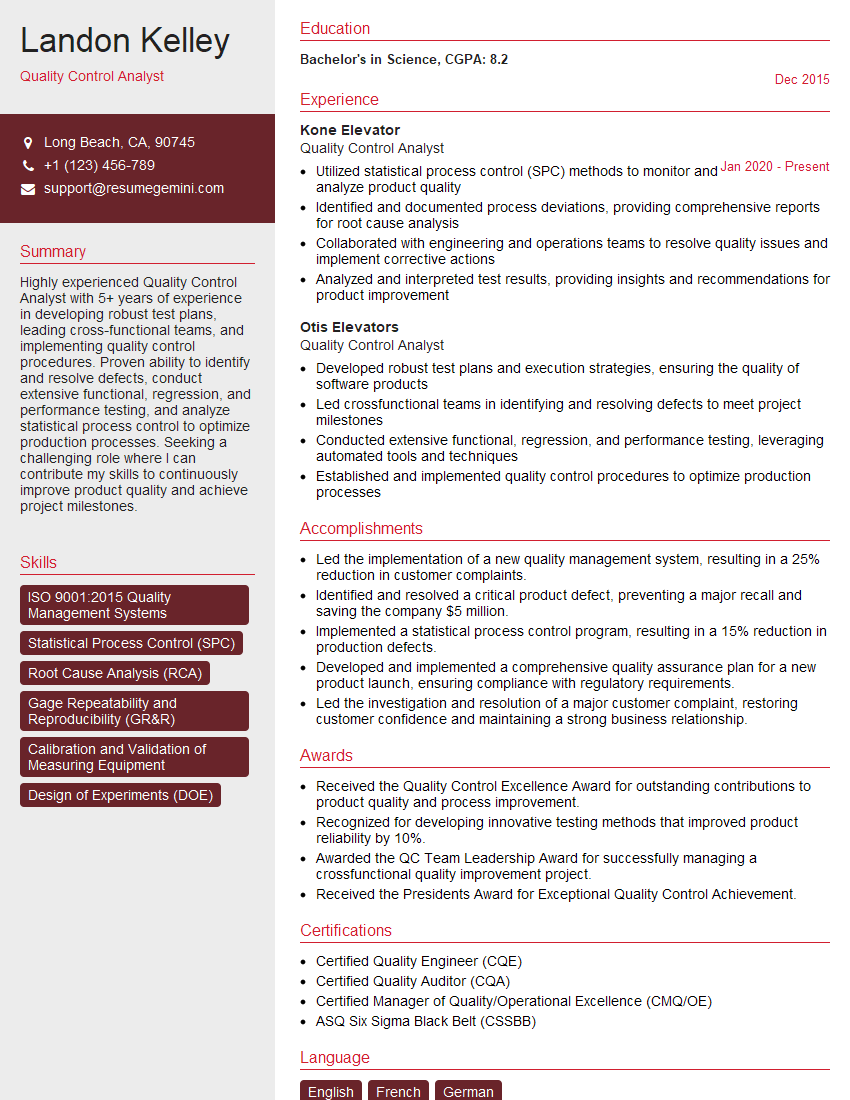
Quality Control Analyst Resume Sample
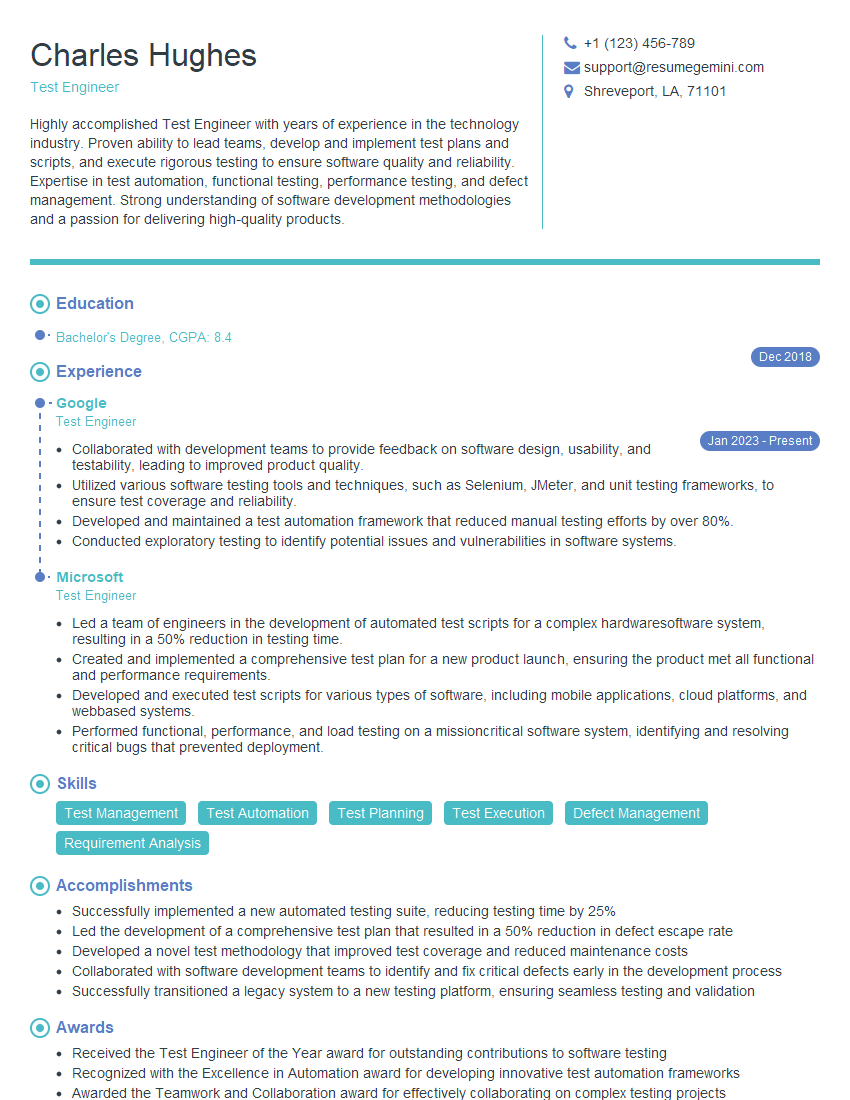
Test Engineer Resume Sample
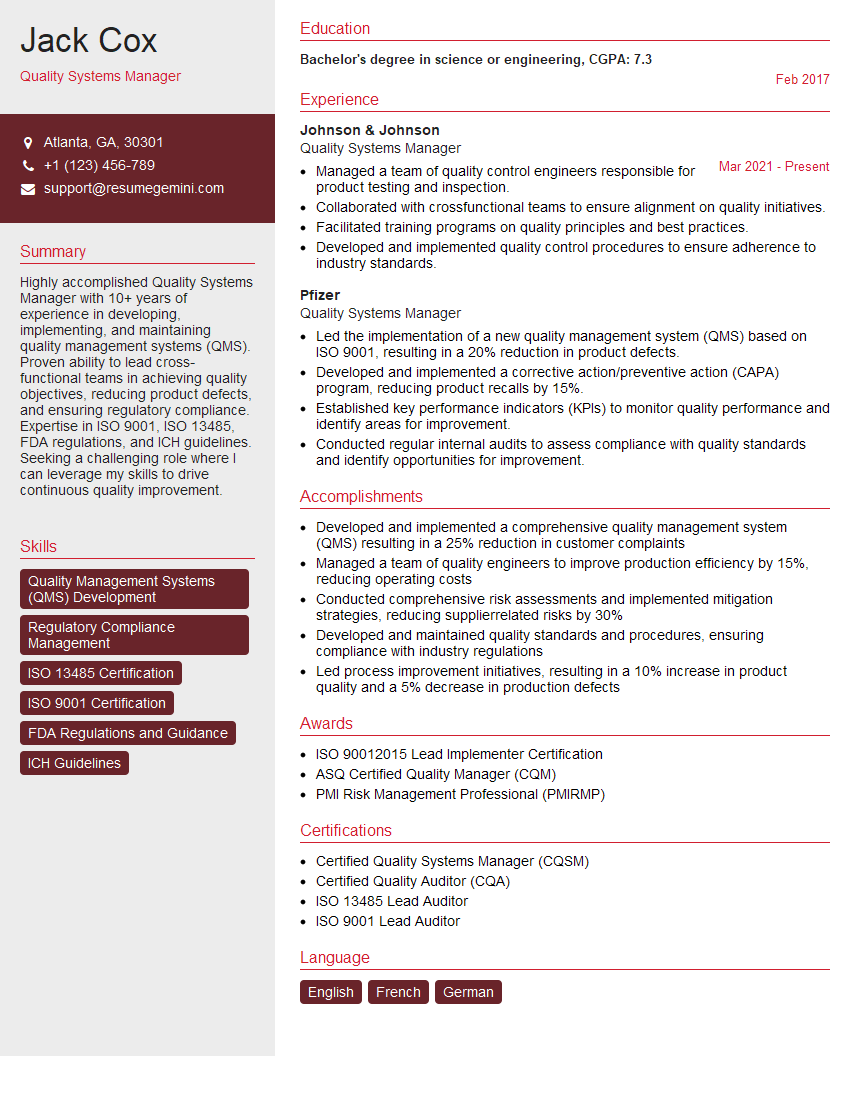
Quality Systems Manager Resume Sample
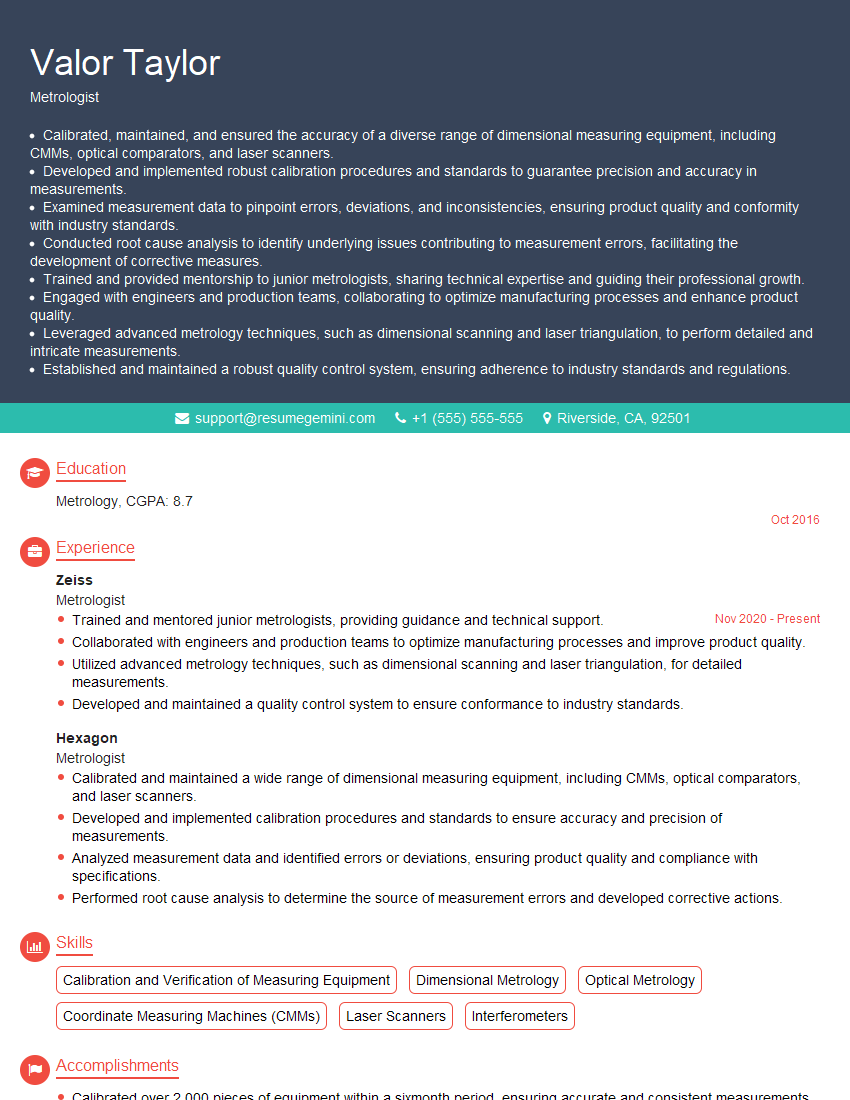
Metrologist Resume Sample

Quality Assurance Technician Resume Sample
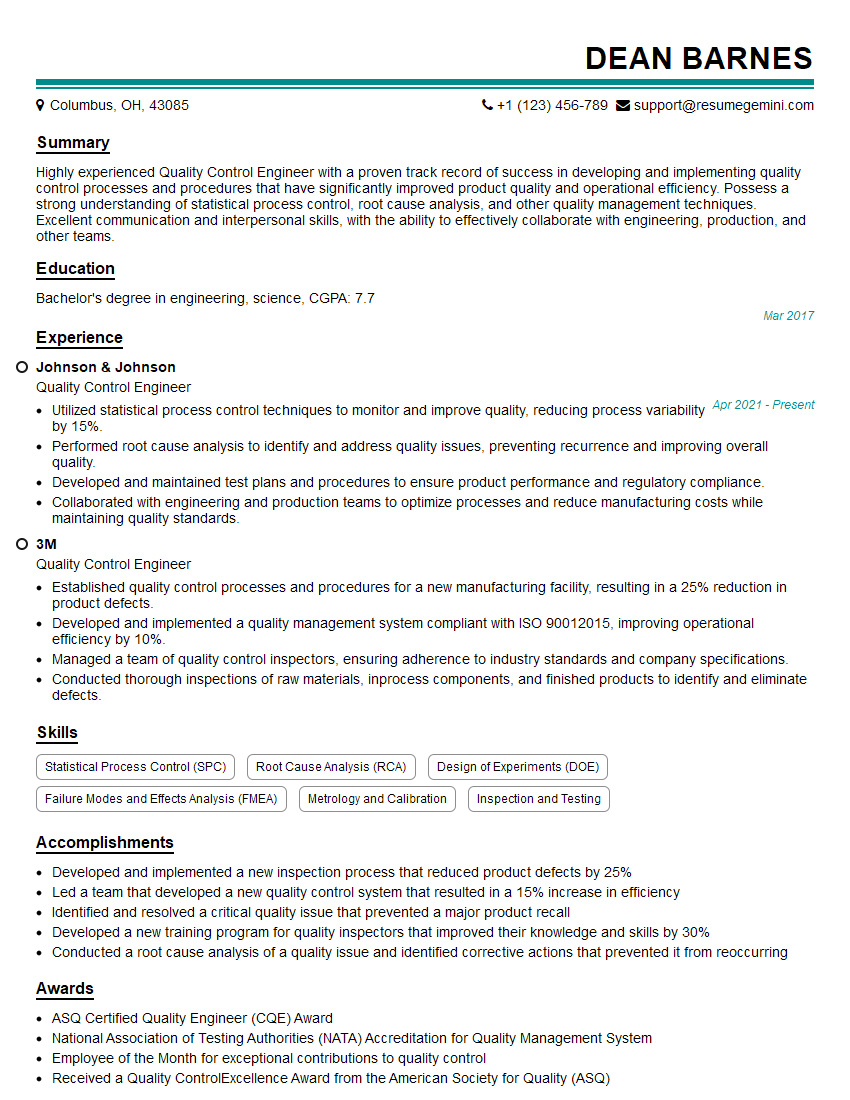
Quality Control Engineer Resume Sample
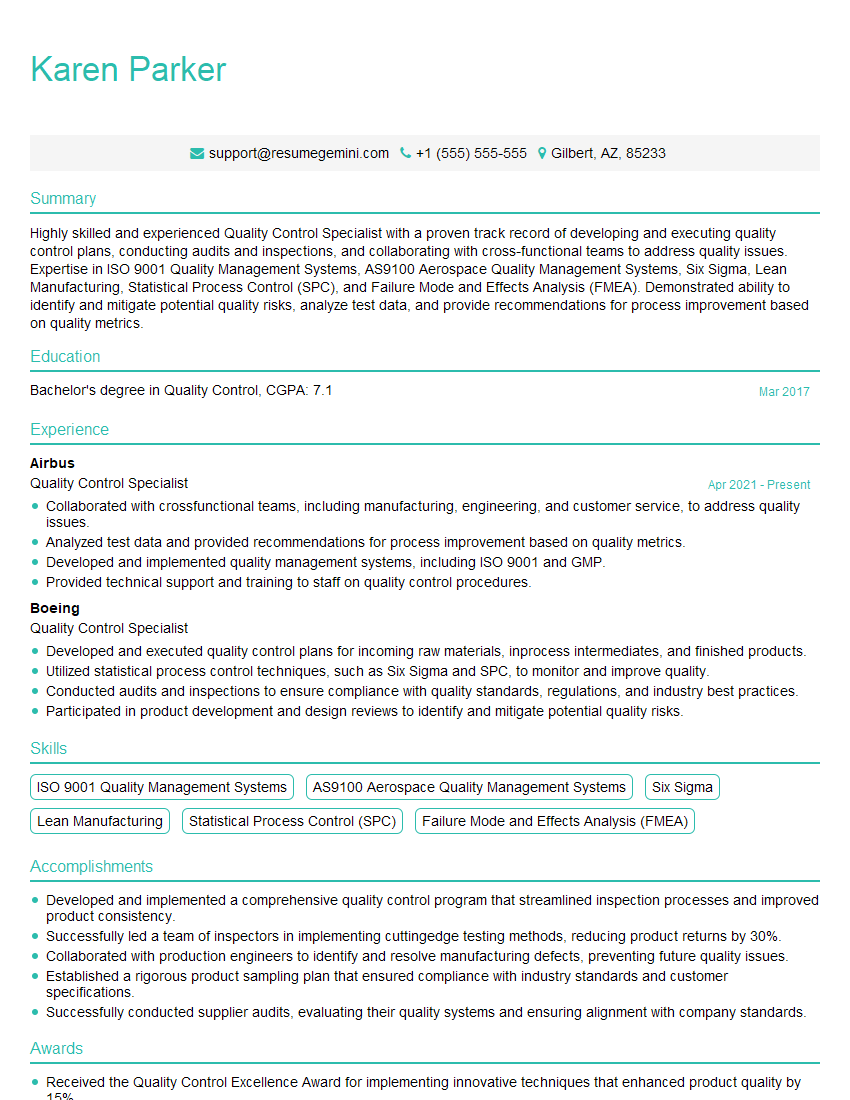
Quality Control Specialist Resume Sample
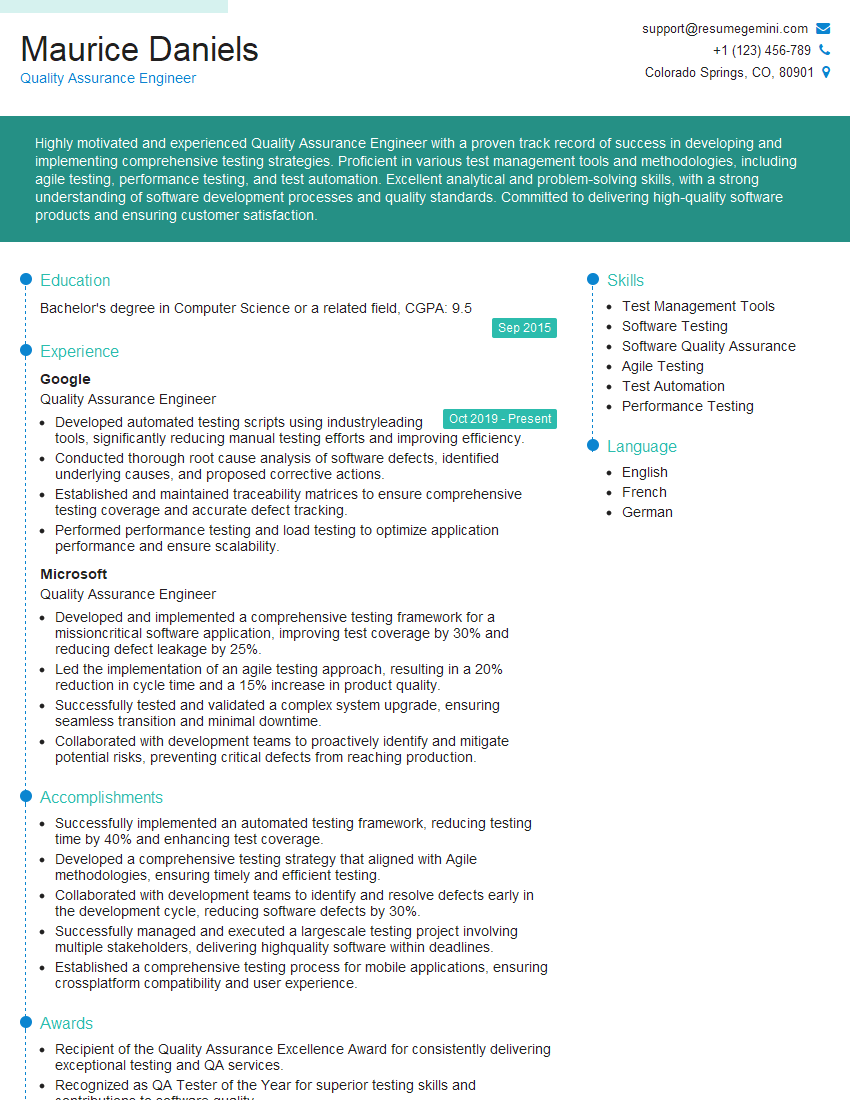
Quality Assurance Engineer Resume Sample
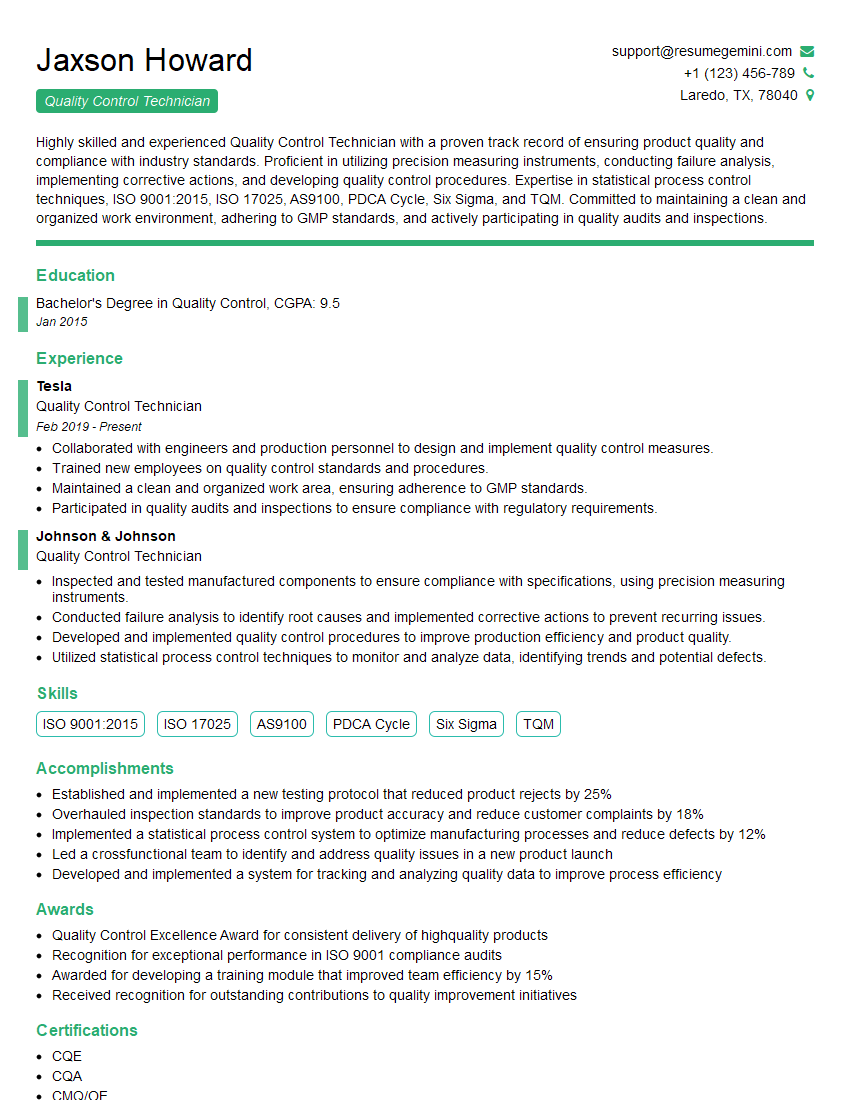
Quality Control Technician Resume Sample
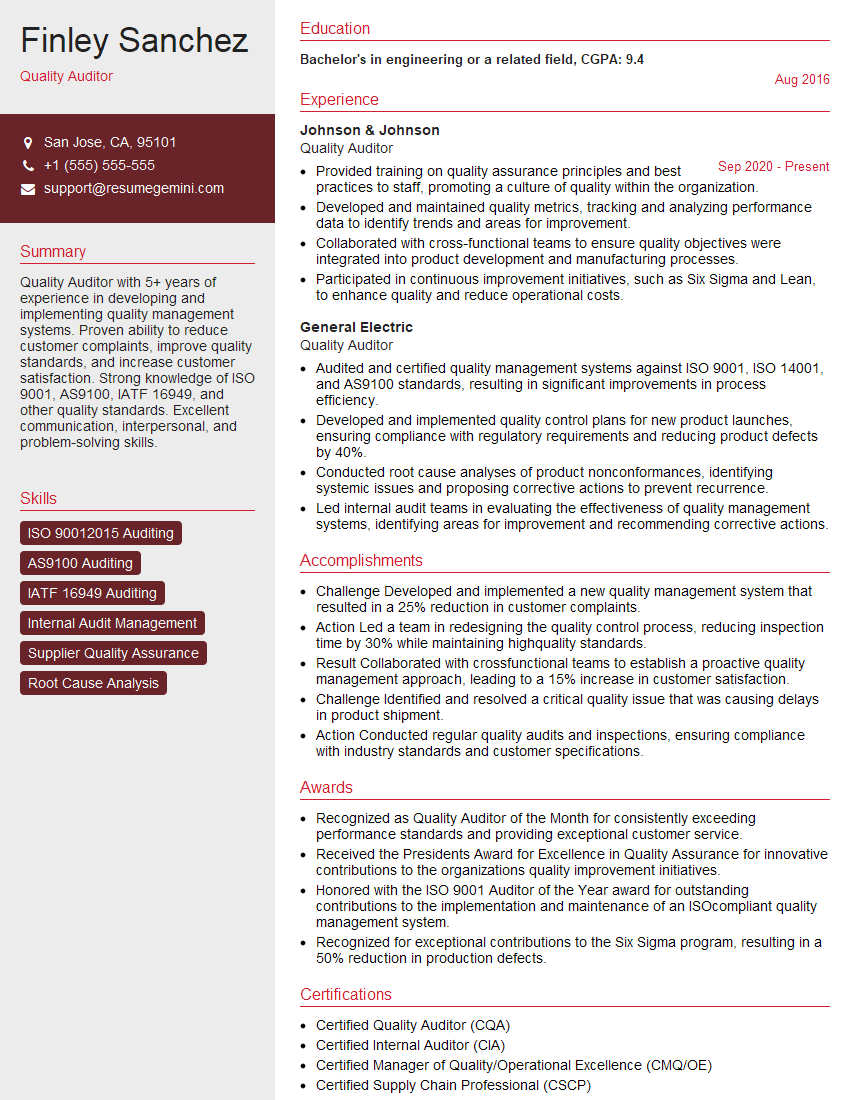
Quality Auditor Resume Sample
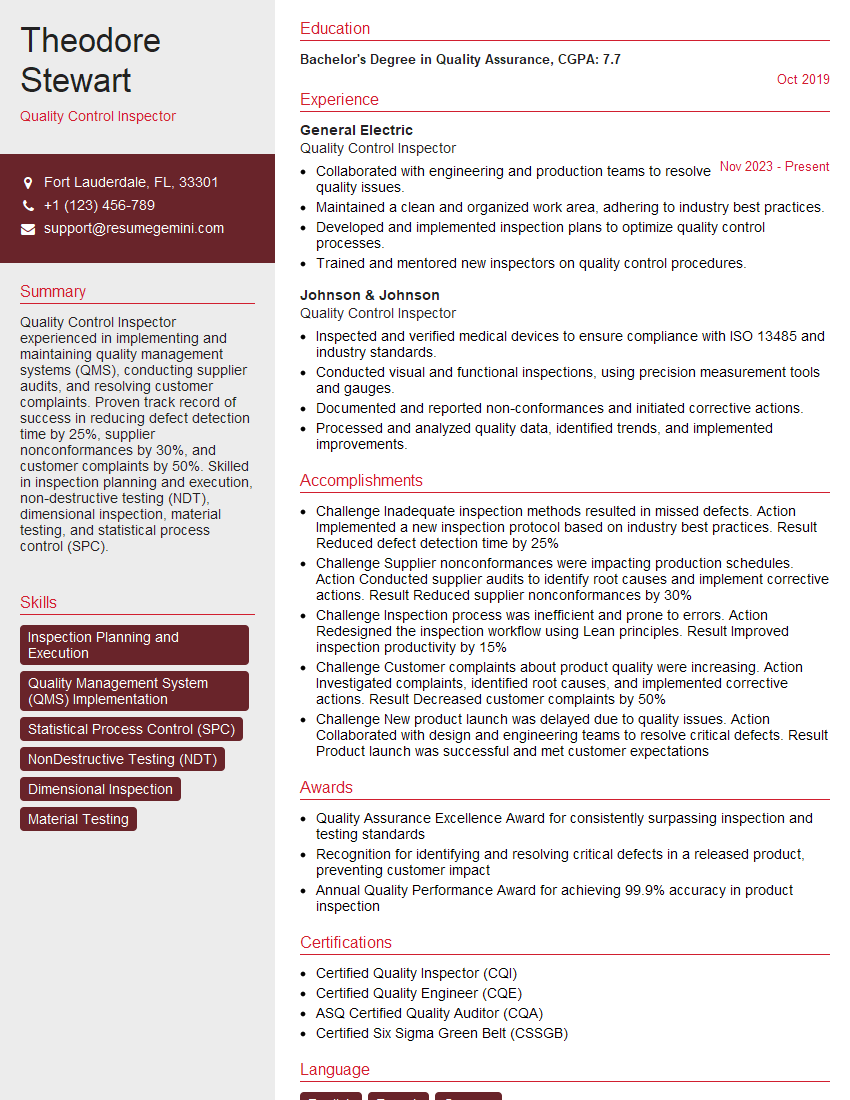
Quality Control Inspector Resume Sample
- Quality Assurance Manager
- Quality Control Manager
- Quality Control Supervisor
- Compliance Manager
- Quality Assurance Specialist
- Reliability Engineer
- Quality Control Analyst
- Test Engineer
- Quality Systems Manager
- Metrologist
- Quality Assurance Technician
- Quality Control Engineer
- Quality Control Specialist
- Quality Assurance Engineer
- Quality Control Technician
- Quality Auditor
- Quality Control Inspector
Explore more articles
Users Rating of Our Blogs
Share Your Experience
We value your feedback! Please rate our content and share your thoughts (optional).
What Readers Say About Our Blog
Very informative content, great job.
good