Cracking a skill-specific interview, like one for Motivational and Leadership Skills, requires understanding the nuances of the role. In this blog, we present the questions you’re most likely to encounter, along with insights into how to answer them effectively. Let’s ensure you’re ready to make a strong impression.
Questions Asked in Motivational and Leadership Skills Interview
Q 1. Describe your approach to motivating a team facing a challenging project deadline.
Motivating a team facing a tight deadline requires a multifaceted approach focusing on clear communication, shared goals, and fostering a supportive environment. It’s not just about pushing harder; it’s about empowering the team to overcome challenges collaboratively.
- Transparent Communication: I begin by clearly outlining the project goals, timelines, and potential obstacles. Regular updates, both on progress and roadblocks, are crucial to maintain transparency and manage expectations. This keeps everyone informed and engaged.
- Collaborative Goal Setting: Instead of dictating tasks, I involve the team in breaking down the project into manageable chunks. This promotes ownership and shared responsibility. We collaboratively set realistic milestones and celebrate progress at each step.
- Supportive Environment: A deadline-driven project can be stressful. I encourage open communication, active listening, and mutual support among team members. I’m available to offer guidance, address concerns, and provide encouragement, ensuring no one feels overwhelmed.
- Resource Allocation: Ensuring the team has the necessary resources – tools, information, support – is paramount. Identifying and addressing resource constraints early prevents delays and frustration.
- Recognition and Appreciation: I make a point to publicly acknowledge individual and team achievements, no matter how small. This boosts morale and reinforces positive behaviour.
For example, in a past project involving a critical software launch, I implemented daily stand-up meetings to track progress, identify obstacles, and address concerns immediately. We celebrated each milestone achieved, fostering a sense of accomplishment and shared success, leading to a timely and successful launch.
Q 2. How do you identify and address the individual motivational needs of team members?
Understanding individual motivational needs is key to building a high-performing team. It’s about recognizing that different people are driven by different things. My approach involves a combination of observation, communication, and tailored feedback.
- Observation and Active Listening: I carefully observe team members’ behaviour, noting their strengths, weaknesses, preferences, and communication styles. I actively listen during team meetings and one-on-one conversations, paying attention to their comments and concerns.
- Open Communication and Feedback: I regularly initiate conversations with team members to understand their individual goals, aspirations, and challenges. I encourage open feedback about their work environment, workload, and their preferences for how they work best. This allows me to tailor my approach to their specific needs.
- Needs Assessment and Tailored Approaches: Based on my observations and conversations, I identify each individual’s primary motivators. This may include recognition, autonomy, professional development opportunities, or a challenging workload. I then adapt my leadership style to address these needs. Some team members might thrive on public recognition; others might prefer quiet appreciation. This personalized approach fosters engagement and loyalty.
- Regular Check-ins: I schedule regular one-on-one meetings to discuss progress, provide support, and address any concerns. This creates a sense of trust and allows for open dialogue.
For instance, I once worked with a team member who was highly motivated by autonomy. I gave them more ownership over their tasks and allowed them to develop their own solutions, leading to significant improvements in their productivity and job satisfaction.
Q 3. Explain a time you had to delegate effectively and the challenges faced.
Effective delegation is crucial for efficient team management. It’s about assigning tasks to the right people, empowering them with the necessary resources, and providing support without micromanaging.
In a previous project involving the development of a new marketing campaign, I needed to delegate various tasks such as content creation, social media management, and email marketing. The main challenge was ensuring the team members had the necessary skills and resources, and that they understood their responsibilities clearly.
- Skill Assessment: I assessed each team member’s strengths and expertise to allocate tasks accordingly. This ensured that individuals were given tasks aligned with their skills and interests.
- Clear Expectations: I provided clear instructions, deadlines, and desired outcomes for each task. I ensured there was a common understanding of the goals and expectations.
- Resource Provision: I made sure each team member had the necessary resources (tools, information, budget) to complete their assigned tasks successfully.
- Regular Check-ins: I conducted regular check-ins to monitor progress, provide support, and address any questions or challenges. This ensured accountability without excessive oversight.
- Addressing Challenges: One challenge arose when a team member faced difficulties with a particular task. I provided additional training, guidance, and support, helping them overcome the obstacle and successfully complete the work.
The successful completion of the marketing campaign demonstrated the effectiveness of my delegation strategy. It not only freed up my time but also empowered team members, contributing to a higher level of engagement and professional development.
Q 4. How would you handle a team member who consistently underperforms?
Addressing consistent underperformance requires a systematic and empathetic approach. It’s about understanding the root cause, providing support, and setting clear expectations.
- Initial Assessment: I would start by having a private conversation with the team member to understand the reasons behind the underperformance. This might involve discussing workload, skill gaps, personal issues, or lack of clarity around expectations.
- Performance Improvement Plan (PIP): If the underperformance is due to skill gaps, I’d create a PIP outlining specific goals, timelines, and support resources. This plan provides a clear path to improvement and demonstrates commitment to their success. The PIP should include training, mentoring, or opportunities for skill development.
- Monitoring Progress: I would regularly monitor the team member’s progress, providing ongoing feedback and support. This ensures accountability and provides opportunities for course correction.
- Addressing Personal Issues: If personal issues are impacting performance, I’d offer empathy and explore options for support, possibly through employee assistance programs or flexible work arrangements. The focus should be on creating a supportive and understanding environment.
- Performance Management: If the underperformance persists despite support and intervention, I would follow the established performance management process, which might involve disciplinary actions. It’s important to document all interactions and interventions throughout the process.
It’s vital to remember that underperformance isn’t always about lack of effort; it could stem from various factors. A supportive and structured approach is often more effective than punitive measures in addressing the issue.
Q 5. Describe your experience in conflict resolution within a team setting.
Conflict resolution is a vital leadership skill. It’s about addressing disagreements constructively, promoting understanding, and finding mutually acceptable solutions. My approach emphasizes active listening, empathy, and collaborative problem-solving.
- Facilitate Open Dialogue: I encourage the involved parties to openly express their perspectives and concerns in a safe and respectful environment. This means actively listening to each side without interrupting or judging.
- Identify the Root Cause: I focus on identifying the underlying issues that fuel the conflict, going beyond the surface-level disagreements. This often involves asking clarifying questions and exploring different points of view.
- Collaborative Problem-Solving: I guide the parties toward finding a mutually acceptable solution. This involves brainstorming, exploring different options, and negotiating compromises. I try to focus on solutions that address the needs of all parties involved.
- Mediation and Facilitation: If the conflict is intense, I might adopt a more formal mediation approach, guiding the parties towards a resolution through structured discussions and conflict-resolution techniques.
- Documentation: In cases where the conflict is significant, it’s crucial to document all interactions, agreements, and resolutions to ensure accountability and provide a record of the process.
In one instance, a disagreement arose between two team members regarding the design of a marketing material. By facilitating a discussion where both members could freely express their perspectives, and by focusing on finding a compromise that integrated aspects of both designs, I helped them reach a solution that satisfied both parties and led to a superior final product. The key was to keep the focus on the project’s success rather than assigning blame.
Q 6. How do you foster a positive and collaborative team environment?
Fostering a positive and collaborative team environment is crucial for achieving team goals. It’s about creating a space where individuals feel valued, respected, and empowered to contribute their best work. This involves a combination of actions and strategies.
- Clear Communication and Expectations: Open, transparent, and regular communication is vital. I ensure everyone understands their roles, responsibilities, and the team’s overall goals. Regular updates and feedback loops are essential.
- Team Building Activities: I organize team-building activities – both formal and informal – to promote camaraderie and build relationships among team members. These activities can be social events or collaborative problem-solving exercises.
- Recognition and Appreciation: Recognizing and appreciating individual and team accomplishments, both big and small, is vital. This can involve public acknowledgement, verbal praise, or small rewards. This fosters positive reinforcement.
- Encouraging Collaboration: I promote collaboration by creating opportunities for team members to work together, share ideas, and learn from each other. This can involve pair programming, cross-functional team projects, or knowledge sharing sessions.
- Conflict Resolution: I establish clear procedures for resolving conflicts constructively. This helps to address disagreements in a timely and productive manner, preventing escalation.
- Feedback and Development: I encourage regular feedback, both positive and constructive, to support individual growth and improve performance. This can include performance reviews, peer feedback, or mentoring opportunities.
In practice, I’ve found that regular team meetings with a dedicated space for open discussion, combined with team-building events, go a long way in creating a positive atmosphere where everyone feels comfortable contributing their ideas and perspectives.
Q 7. What strategies do you use to build trust and rapport with your team?
Building trust and rapport with team members is fundamental to effective leadership. It’s about establishing a relationship based on mutual respect, honesty, and open communication.
- Active Listening: I actively listen to my team members’ ideas, concerns, and feedback without interruption or judgment. This demonstrates that I value their input and perspectives.
- Transparency and Honesty: I maintain open and honest communication, sharing information and updates openly and proactively. This builds confidence and trust. I also admit when I make mistakes.
- Empathy and Understanding: I strive to understand my team members’ perspectives and experiences. This means demonstrating empathy and acknowledging their feelings and concerns.
- Fairness and Consistency: I treat all team members fairly and consistently, ensuring that everyone feels valued and respected. This promotes equity and prevents favoritism.
- Vulnerability and Authenticity: I’m not afraid to be vulnerable and authentic in my interactions with my team members. This builds trust and allows for a stronger connection.
- Seeking Feedback: I regularly seek feedback from my team members on my performance and leadership style. This shows that I’m committed to continuous improvement and demonstrates a willingness to learn and adapt.
For example, I frequently initiate informal conversations with team members outside of formal meetings to discuss various topics, from project progress to their personal lives (to an appropriate degree, respecting professional boundaries). This helps to create stronger personal connections and builds a more relaxed and trusting environment. It also allows me to understand their individual needs and preferences better.
Q 8. How do you provide constructive feedback to improve team performance?
Constructive feedback is about helping individuals and teams improve, not about criticizing. It’s a crucial leadership skill focusing on specific behaviors and their impact, rather than making personal attacks. My approach is rooted in the SBI (Situation-Behavior-Impact) model.
- Situation: I clearly describe the context in which the behavior occurred. For example, ‘During the last project meeting…’
- Behavior: I objectively describe the specific behavior observed. Instead of saying ‘You were disorganized,’ I might say, ‘The presentation lacked a clear structure, making it difficult to follow.’
- Impact: I explain the consequences of the behavior on the team or project. For instance, ‘This resulted in a delay in decision-making and potential confusion among the team members.’
After describing the SBI, I focus on solutions and suggestions. I encourage open dialogue, asking for their perspective and jointly brainstorming solutions. I also ensure feedback is timely and specific, focusing on actionable steps for improvement. For instance, I might suggest attending a presentation skills workshop or utilizing a specific project management tool.
Q 9. Describe your experience in mentoring or coaching team members.
Mentoring and coaching are integral parts of my leadership approach. I’ve mentored junior team members through various projects, focusing on skill development and career progression. My approach is tailored to the individual’s needs and learning style. I start by actively listening to understand their aspirations and challenges. Then, I provide guidance, support, and resources to help them overcome obstacles and achieve their goals.
For example, I mentored a junior designer who lacked confidence in presenting their work. We worked together on crafting compelling presentations, practicing delivery, and building confidence through mock presentations. I provided regular feedback, celebrating successes and offering constructive criticism. The result was a significant improvement in their presentation skills and a boost in their overall confidence, leading to a promotion within six months.
I utilize a combination of techniques including goal setting, regular check-ins, constructive feedback, and resource provision. I also encourage reflective practice, helping them learn from their experiences and continuously improve.
Q 10. How do you measure the success of your motivational strategies?
Measuring the success of motivational strategies requires a multifaceted approach. I don’t rely solely on one metric; instead, I use a combination of qualitative and quantitative data.
- Quantitative Data: This includes tracking metrics like team productivity (e.g., number of projects completed on time, efficiency improvements), employee engagement scores (from surveys), and employee turnover rates. Improvements in these areas would indicate the positive impact of my motivational strategies.
- Qualitative Data: This involves gathering feedback through one-on-one conversations, team meetings, and anonymous surveys. This helps understand team morale, motivation levels, and overall team dynamics. Increased participation, positive feedback, and a more collaborative environment are indicators of success.
For instance, after implementing a new reward and recognition system, I tracked employee engagement scores and project completion rates. I also conducted team meetings to gather feedback on the program’s effectiveness. The combination of increased scores and positive feedback confirmed the program’s success.
Q 11. Explain a time you had to adapt your leadership style to fit a specific situation.
Adaptability is key in leadership. During a major project launch, we faced unexpected technical challenges. My initial leadership style, which focused on structured planning and detailed instructions, became less effective as the team faced constant uncertainty and needed more flexibility.
I shifted to a more collaborative and empowering style. Instead of dictating solutions, I facilitated brainstorming sessions, empowering the team to propose solutions and take ownership. I focused on providing support, removing roadblocks, and fostering a sense of shared responsibility. This agile approach allowed the team to adapt quickly and creatively, ultimately resulting in a successful launch despite the initial setbacks. This experience reinforced the importance of context-specific leadership, emphasizing the need to tailor my approach based on the situation and team needs.
Q 12. How do you manage stress and pressure within a demanding leadership role?
Managing stress and pressure in a demanding leadership role requires a proactive approach. I prioritize self-care, effective time management, and building strong support networks.
- Self-Care: This involves prioritizing physical and mental well-being. I ensure adequate sleep, regular exercise, and mindfulness practices to manage stress effectively.
- Time Management: I utilize techniques like time blocking and prioritization to manage my workload effectively. Delegating tasks appropriately and setting realistic expectations are also crucial.
- Support Networks: I cultivate strong relationships with colleagues, mentors, and family, creating a support system to help navigate challenges and prevent burnout.
When feeling overwhelmed, I actively seek support from my network and utilize stress-reduction techniques like deep breathing exercises or short breaks. Regular self-reflection helps me identify stressors and adapt my strategies accordingly.
Q 13. Describe your experience with change management within a team.
Change management requires a thoughtful and structured approach to minimize disruption and maximize team buy-in. I use a phased approach incorporating communication, training, and support.
- Communication: I ensure transparent and consistent communication throughout the change process. This includes clearly explaining the reasons behind the change, its benefits, and the steps involved.
- Training: I provide comprehensive training to equip the team with the necessary skills and knowledge to adapt to the changes. This could involve workshops, online resources, or on-the-job training.
- Support: I offer ongoing support and guidance during the transition period. This includes addressing concerns, providing feedback, and celebrating milestones to reinforce positive changes.
During a recent organizational restructuring, I utilized this approach to successfully guide my team through the transition. Open communication, thorough training, and consistent support minimized resistance and ensured a smooth transition, leading to improved team performance and morale.
Q 14. How do you handle disagreements and conflicting perspectives within a team?
Disagreements and conflicting perspectives are inevitable in team settings. My approach focuses on constructive conflict resolution, aiming to leverage diverse viewpoints to reach the best possible outcome.
- Active Listening: I ensure all parties have the opportunity to express their views and concerns without interruption.
- Empathy and Understanding: I strive to understand the perspectives of all involved, acknowledging the validity of their viewpoints, even if I don’t agree with them.
- Focus on Shared Goals: I refocus the discussion on shared objectives and collaborate to find solutions that align with these goals.
- Facilitation and Mediation: When necessary, I facilitate the discussion, guiding the conversation towards a resolution. I might suggest compromise or alternative solutions.
For instance, when team members disagreed on the best approach to a project, I facilitated a meeting where each person presented their ideas. I then guided a discussion focusing on the pros and cons of each approach, ultimately leading to a hybrid solution that incorporated the best elements from each proposal. This approach fostered collaboration, respect, and a sense of shared ownership of the final outcome.
Q 15. How do you ensure team members feel valued and appreciated?
Making team members feel valued is crucial for fostering a positive and productive work environment. It’s not just about saying ‘thank you,’ but about consistently demonstrating appreciation through various actions. I believe in a multi-faceted approach:
Regular one-on-one meetings: These provide a platform to discuss individual progress, challenges, and aspirations. It shows I’m invested in their personal and professional growth.
Public acknowledgment of contributions: Highlighting individual and team achievements during meetings or through company newsletters boosts morale and creates a culture of recognition.
Personalized feedback and praise: Generic praise is less effective than specific feedback that points out their strengths and areas for improvement. Focusing on their unique contributions makes them feel seen and appreciated.
Delegate challenging tasks: Assigning challenging projects demonstrates trust and confidence in their abilities, fostering a sense of empowerment and value.
Opportunities for professional development: Providing access to training, workshops, or mentorship programs shows commitment to their long-term growth within the organization.
For example, in my previous role, I noticed a team member consistently going the extra mile to help colleagues. I publicly acknowledged her dedication during a team meeting and nominated her for an employee recognition award, which significantly boosted her morale and motivated others.
Career Expert Tips:
- Ace those interviews! Prepare effectively by reviewing the Top 50 Most Common Interview Questions on ResumeGemini.
- Navigate your job search with confidence! Explore a wide range of Career Tips on ResumeGemini. Learn about common challenges and recommendations to overcome them.
- Craft the perfect resume! Master the Art of Resume Writing with ResumeGemini’s guide. Showcase your unique qualifications and achievements effectively.
- Don’t miss out on holiday savings! Build your dream resume with ResumeGemini’s ATS optimized templates.
Q 16. What are your strategies for building a high-performing team?
Building a high-performing team requires a strategic approach that focuses on creating a shared vision, fostering collaboration, and empowering individuals. My strategy involves:
Clearly defined roles and responsibilities: Each member understands their contribution to the team’s overall goals, minimizing confusion and conflict.
Open communication and feedback channels: Regular check-ins, brainstorming sessions, and constructive criticism sessions ensure everyone feels heard and understands expectations.
Collaboration and teamwork: I encourage collaborative efforts through team-building activities and projects that require collective problem-solving.
Empowerment and autonomy: I delegate responsibility and trust team members to make decisions within their areas of expertise. This fosters ownership and increases engagement.
Continuous learning and development: I encourage ongoing professional development through training programs and mentorship opportunities, ensuring the team stays up-to-date with industry best practices.
Recognition and rewards: Celebrating both individual and team achievements reinforces positive behaviors and motivates continued high performance.
In one project, I used a Kanban board to visualize workflow, improving transparency and collaboration. This visual tool allowed the team to easily track progress, identify bottlenecks, and adapt to changing priorities, ultimately leading to improved efficiency and higher performance.
Q 17. Describe your experience in setting clear goals and expectations for a team.
Setting clear goals and expectations is foundational to successful teamwork. My approach involves the SMART framework (Specific, Measurable, Achievable, Relevant, Time-bound) and utilizes several key steps:
Collaborative Goal Setting: I involve the team in defining goals to foster buy-in and ownership. This ensures goals are relevant and achievable for everyone.
Detailed Task Breakdown: Larger goals are broken down into smaller, manageable tasks with clear deadlines and assigned responsibilities.
Regular Progress Reviews: I conduct regular check-ins to monitor progress, address any roadblocks, and adjust strategies as needed. This ensures everyone stays on track.
Documenting Expectations: Clear documentation of goals, responsibilities, and deadlines avoids misunderstandings and facilitates accountability.
For example, when leading a marketing campaign, I collaborated with the team to establish key performance indicators (KPIs) like website traffic and lead generation. We documented these KPIs, assigned roles, and set weekly progress check-ins. This transparent and structured approach ensured everyone understood their contributions to the campaign’s success.
Q 18. How do you facilitate effective communication within a team?
Effective communication is paramount for a high-performing team. My strategies focus on creating multiple channels for communication and encouraging open dialogue:
Regular Team Meetings: These provide a structured forum for updates, discussions, and problem-solving. I ensure these are efficient and focused.
Open-Door Policy: I encourage team members to approach me with questions or concerns anytime. Accessibility builds trust and fosters open communication.
Utilizing Various Communication Tools: I leverage appropriate tools depending on the situation, whether it’s email for formal communication, instant messaging for quick updates, or project management software for tracking tasks.
Active Listening and Feedback: I prioritize active listening, ensuring I understand perspectives before responding. Providing constructive feedback is crucial for improvement.
Conflict Resolution: Addressing conflicts promptly and fairly, focusing on solutions rather than blame, promotes a healthy and productive work environment.
In one instance, we implemented a daily stand-up meeting to discuss project progress and identify any roadblocks. This short, focused meeting improved communication flow and allowed us to address issues proactively, increasing efficiency and team cohesion.
Q 19. How do you recognize and reward exceptional team performance?
Recognizing and rewarding exceptional team performance is essential for maintaining motivation and fostering a culture of excellence. My approach is multi-faceted:
Public Acknowledgement: Highlighting achievements during team meetings, company newsletters, or in emails increases visibility and motivates others.
Individualized Rewards: Offering rewards tailored to individual preferences, whether it’s a bonus, extra time off, or a professional development opportunity, shows appreciation for their specific contributions.
Team Celebrations: Organizing team lunches, outings, or other celebratory events fosters camaraderie and reinforces positive team dynamics.
Formal Recognition Programs: Participating in or developing company-wide recognition programs provides formal acknowledgment of outstanding contributions.
For example, after successfully launching a new product, I organized a team dinner to celebrate the achievement and personally thanked each team member for their dedication and hard work. This gesture demonstrated my appreciation for their efforts and strengthened team bonds.
Q 20. Explain a time you had to make a difficult decision impacting your team.
In my previous role, we faced a significant budget cut that required reducing our team size. This was an extremely difficult decision with significant emotional impact on the team. My approach involved:
Transparency and Honesty: I communicated the situation openly and honestly with the team, explaining the reasons behind the budget cuts and the need for restructuring.
Fair and Objective Criteria: I established clear, objective criteria for determining which roles would be affected. This ensured fairness and minimized the perception of bias.
Support and Transition Planning: I provided support and resources to those affected, including outplacement services and assistance with their job search. This demonstrated empathy and commitment to their well-being.
Open Dialogue and Q&A: I created a space for team members to express their concerns and ask questions. Addressing their concerns directly helped alleviate anxiety and fostered trust.
While this was a challenging experience, prioritizing transparency, fairness, and support helped minimize negative impacts and maintain a sense of trust and respect within the team.
Q 21. How do you deal with resistance to change within a team?
Resistance to change is a common challenge in teams. My approach focuses on understanding the source of resistance and addressing concerns through open communication and collaboration:
Understanding the Root Cause: I take the time to understand why individuals are resisting change. This might involve fear of the unknown, lack of clarity, or concerns about their roles and responsibilities.
Open Communication and Dialogue: I facilitate discussions to address concerns and answer questions. Creating a safe space for expressing concerns is vital.
Involving the Team in the Process: Whenever possible, I involve the team in planning and implementing the change. This increases buy-in and reduces resistance.
Highlighting Benefits and Addressing Concerns: I emphasize the positive aspects of the change and address any concerns proactively. This helps alleviate anxieties and show the value of the change.
Phased Implementation: Implementing change in phases, allowing time for adjustments and feedback, makes the transition smoother and less disruptive.
Provide Training and Support: Offering training and support to help team members adapt to the changes ensures they feel equipped to succeed.
For instance, when implementing new software, I held training sessions, created FAQs, and offered ongoing support. This proactive approach reduced resistance and ensured a smooth transition, ultimately leading to greater efficiency and improved work processes.
Q 22. How do you ensure accountability within your team?
Ensuring accountability within a team is crucial for success. It’s not about micromanagement, but about fostering a culture of ownership and responsibility. My approach is multifaceted:
Clear Expectations and Goals: I begin by clearly defining roles, responsibilities, and performance expectations, ensuring everyone understands their individual contributions to the team’s overall objectives. This involves collaborative goal-setting, where team members have input and buy-in.
Regular Check-ins and Feedback: I implement regular one-on-one meetings and team meetings to monitor progress, provide constructive feedback, and address any roadblocks. These aren’t just performance reviews; they’re opportunities for open communication and problem-solving.
Transparent Communication: Open and honest communication is key. I encourage team members to openly share challenges and successes, creating a safe space for feedback. Regular updates on project progress, milestones achieved, and upcoming deadlines keep everyone informed.
Empowerment and Ownership: I empower team members by giving them autonomy and ownership over their tasks. This fosters a sense of responsibility and encourages proactive problem-solving. I trust them to manage their work and hold themselves accountable.
Consequences and Recognition: While focusing on positive reinforcement, it’s essential to establish clear consequences for missed deadlines or unmet expectations. This should be handled fairly and consistently, focusing on improvement rather than punishment. Equally crucial is recognizing and rewarding achievements, both individually and as a team.
For example, in a previous project, we implemented a Kanban board to visually track progress, fostering transparency and accountability. Each team member owned their tasks, and daily stand-up meetings ensured everyone was aligned and any roadblocks were quickly identified and addressed.
Q 23. What leadership style do you consider most effective and why?
I believe the most effective leadership style is transformational leadership, which blends elements of other styles to adapt to the situation and individual team members. This style focuses on inspiring and motivating individuals to achieve extraordinary results by connecting their work to a larger purpose. It’s not about dictating; it’s about empowering.
Transformational leaders:
- Inspire and motivate: They articulate a compelling vision that resonates with the team, creating a shared sense of purpose and direction.
- Foster collaboration: They encourage open communication and teamwork, creating a supportive and inclusive environment.
- Mentor and develop: They invest in the growth of their team members, providing guidance, support, and opportunities for development.
- Lead by example: They embody the values and behaviors they expect from their team.
- Adapt their approach: They recognize that different situations and individuals require different approaches. They flex their style to meet the needs of the moment.
A purely transactional approach, while effective in some contexts, can lack the inspiration and motivation needed for long-term success and high performance. A transformational approach, however, fosters a stronger sense of commitment and ownership, leading to higher engagement and better results.
Q 24. Describe a time you successfully navigated a crisis situation as a leader.
During a major software launch, we experienced an unexpected critical bug just hours before the scheduled release. Panic was setting in. My response involved a structured, calm approach:
Assess the Situation: I immediately gathered the core development team and calmly assessed the severity and scope of the problem. We pinpointed the source of the bug and identified the potential impact.
Develop a Plan: We collaboratively devised a plan, prioritizing the most critical fixes while acknowledging the time constraints. This included assigning specific tasks to team members based on their strengths.
Communicate Clearly: I kept all stakeholders – including senior management and the marketing team – informed of our progress and timeline. Transparent communication prevented unnecessary panic and ensured everyone was aligned.
Execute and Adapt: We worked intensely to implement the fixes. As new challenges emerged, we adapted our plan, ensuring flexibility and responsiveness. This involved prioritizing and making tough decisions about what could be addressed before the launch and what could be deferred.
Post-Incident Review: Following a successful (though delayed) launch, we conducted a thorough post-incident review to identify the root cause of the bug and implement measures to prevent similar incidents in the future.
The successful navigation of this crisis was a testament to the team’s resilience and collaboration, and the effectiveness of a calm, decisive, and transparent leadership style.
Q 25. How do you promote innovation and creativity within your team?
Promoting innovation and creativity requires creating an environment where team members feel safe to take risks, experiment, and share their ideas. My strategies include:
Brainstorming Sessions: I regularly facilitate structured brainstorming sessions, using techniques like mind mapping and lateral thinking to encourage diverse perspectives and out-of-the-box ideas.
Hackathons and Innovation Challenges: I organize internal hackathons or innovation challenges, providing dedicated time and resources for teams to explore new ideas and develop prototypes.
Cross-functional Collaboration: Encouraging collaboration between teams with different areas of expertise sparks new perspectives and fosters creative problem-solving.
Feedback and Iteration: I foster a culture of constructive feedback, encouraging iterative development and improvement of ideas. Failure is seen as a learning opportunity, not a criticism.
Resource Allocation: Allocating resources – time, budget, and personnel – specifically for experimental projects demonstrates commitment to innovation.
Celebrating Successes (and Learning from Failures): Publicly acknowledging and celebrating innovative achievements and learning openly from failures reinforces the importance of creativity.
For instance, we recently held a company-wide hackathon, resulting in a new, efficient process that reduced our project delivery time by 15%.
Q 26. How do you identify and develop future leaders within your team?
Identifying and developing future leaders is a crucial aspect of team building. My approach focuses on:
Observation and Performance Assessment: I actively observe team members’ performance, noting their problem-solving skills, communication abilities, leadership potential, and commitment to teamwork. Regular performance reviews provide formal assessment.
Mentorship and Coaching: I provide mentorship and coaching to high-potential individuals, offering guidance, support, and constructive feedback to help them develop their skills and leadership capabilities. This involves setting clear developmental goals and tracking progress.
Delegation and Responsibility: I progressively delegate more responsibility to high-potential individuals, providing opportunities for them to lead projects and teams. This builds their experience and confidence.
Training and Development Opportunities: I actively seek out and provide opportunities for team members to enhance their leadership skills through training programs, workshops, conferences, and professional development courses.
360-degree Feedback: Utilizing 360-degree feedback allows for a comprehensive understanding of an individual’s strengths and weaknesses from various perspectives.
I recently identified a high-potential team member and mentored them over six months, leading to them taking on a leadership role in a new project. This successful transition showcases the effectiveness of focused development.
Q 27. Describe your experience in using different motivational theories in practice.
My experience incorporates several motivational theories in practice. I find that a blended approach is often most effective.
Maslow’s Hierarchy of Needs: I ensure that basic needs (salary, benefits, safe working environment) are met, then focus on building a sense of belonging and esteem within the team. This foundation is crucial before higher-level needs (self-actualization) can be addressed.
Herzberg’s Two-Factor Theory: I focus on both hygiene factors (salary, working conditions) and motivators (recognition, achievement, responsibility) to enhance job satisfaction and motivation. Addressing hygiene factors prevents dissatisfaction, while motivators drive engagement.
Expectancy Theory: I ensure team members understand the link between their effort, performance, and rewards. Clearly defined goals, regular feedback, and fair recognition reinforce this connection. I make sure everyone understands how their work contributes to larger organizational goals.
Goal-Setting Theory: I utilize SMART goals (Specific, Measurable, Achievable, Relevant, Time-bound) to provide direction and focus, ensuring team members are motivated by challenging yet attainable objectives.
For example, I’ve used a combination of goal-setting and recognition to improve team performance. By setting clear, challenging goals and publicly recognizing achievements, team morale and productivity increased significantly.
Q 28. How do you maintain your own motivation and enthusiasm as a leader?
Maintaining my own motivation and enthusiasm as a leader is critical for inspiring my team. My strategies include:
Purpose and Passion: I stay connected to the bigger picture and my personal passion for the work. Remembering why the work matters keeps me engaged and energized.
Continuous Learning: I continuously seek opportunities to learn and grow, staying updated on industry trends and leadership best practices. This keeps me intellectually stimulated and prevents stagnation.
Self-Care: I prioritize my physical and mental health through exercise, healthy eating, and adequate rest. Burnout is a real threat, and taking care of myself is essential for maintaining energy and enthusiasm.
Reflection and Mindfulness: I regularly take time for reflection, assessing my progress and identifying areas for improvement. Mindfulness practices help me stay grounded and centered.
Positive Relationships: I nurture strong, supportive relationships with my team, colleagues, and mentors. Positive interactions provide emotional support and renewed energy.
Celebrating Successes: I actively celebrate both my personal and team achievements, fostering a positive and rewarding work environment. This positive reinforcement contributes greatly to my own motivation.
For instance, I recently completed an advanced leadership program, which provided new insights and renewed my enthusiasm for developing my team and contributing to the organization’s success.
Key Topics to Learn for Motivational and Leadership Skills Interview
- Vision & Goal Setting: Articulate how you define and communicate a compelling vision, translate it into actionable goals, and inspire others to achieve them. Consider examples from your experience.
- Communication & Influence: Discuss your strategies for effective communication, including active listening, clear articulation, and persuasive techniques. Explore how you’ve influenced teams or individuals without authority.
- Team Building & Collaboration: Explain your approach to building high-performing teams, fostering collaboration, resolving conflicts, and leveraging diverse strengths. Highlight specific scenarios where you’ve demonstrated these skills.
- Motivation & Empowerment: Describe your methods for motivating individuals and teams, fostering a positive work environment, and empowering others to take ownership and initiative. Reflect on instances where you’ve boosted team morale or productivity.
- Delegation & Accountability: Explain your approach to delegating tasks effectively, setting clear expectations, providing support, and holding individuals accountable for their performance. Provide examples of successful delegation.
- Problem-Solving & Decision-Making: Discuss your structured approach to problem-solving, including identifying root causes, analyzing options, making informed decisions, and managing risks. Share instances where you’ve tackled challenging situations.
- Adaptability & Resilience: Explain how you adapt to change, overcome obstacles, and demonstrate resilience in the face of adversity. Use examples to illustrate your ability to remain positive and effective under pressure.
- Mentorship & Development: Discuss your experience in mentoring or developing others, identifying their strengths and weaknesses, and providing constructive feedback to support their growth.
Next Steps
Mastering motivational and leadership skills is crucial for career advancement. These skills are highly sought after by employers and demonstrate your potential to lead and inspire others, contributing significantly to organizational success. To maximize your job prospects, crafting an ATS-friendly resume is essential. ResumeGemini can help you build a professional and impactful resume that highlights your accomplishments and showcases your motivational and leadership abilities. We provide examples of resumes tailored to these skills to guide you in creating a compelling application. Take the next step towards your career success!
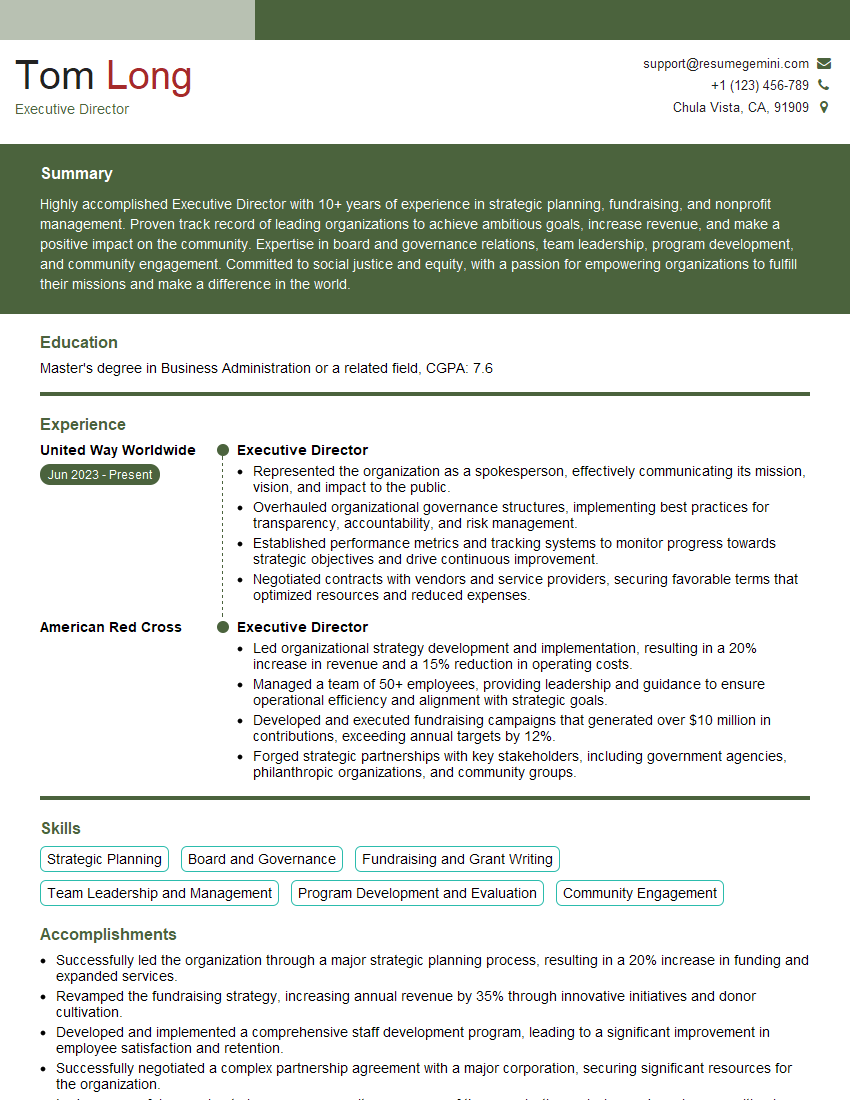
Executive Director Resume Sample
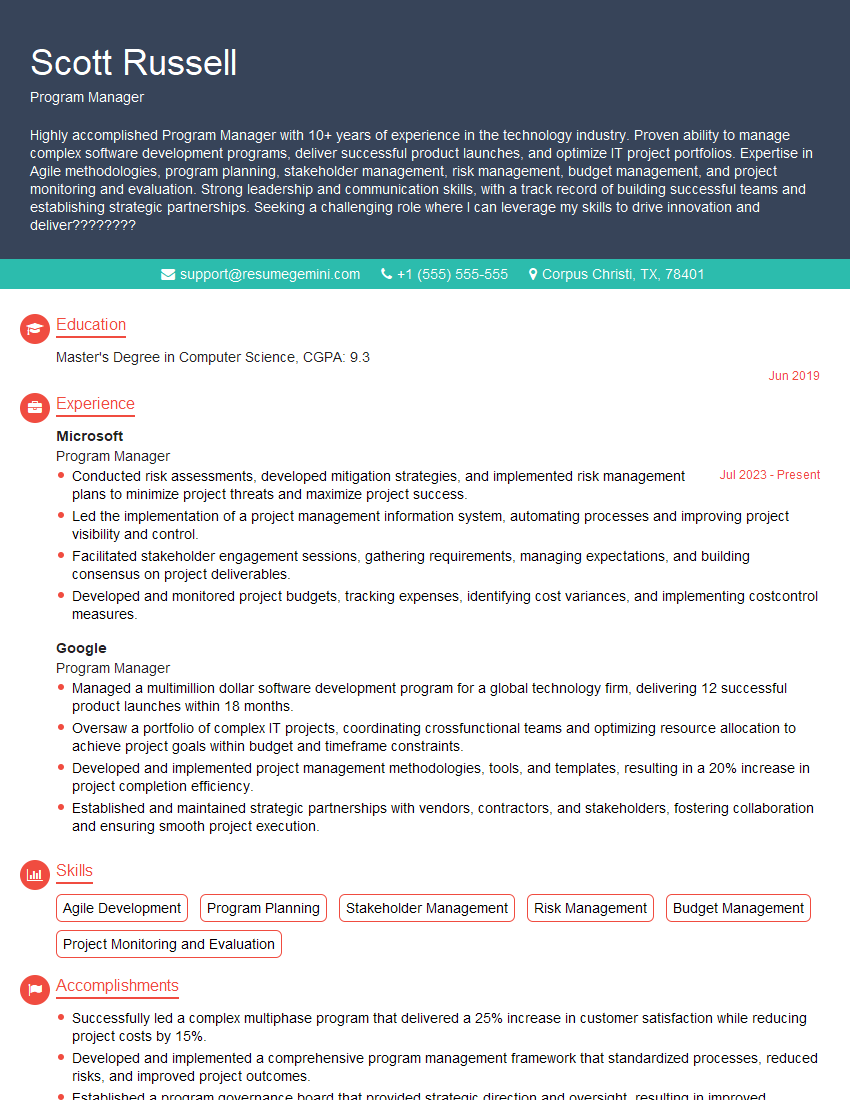
Program Manager Resume Sample

Operations Manager Resume Sample
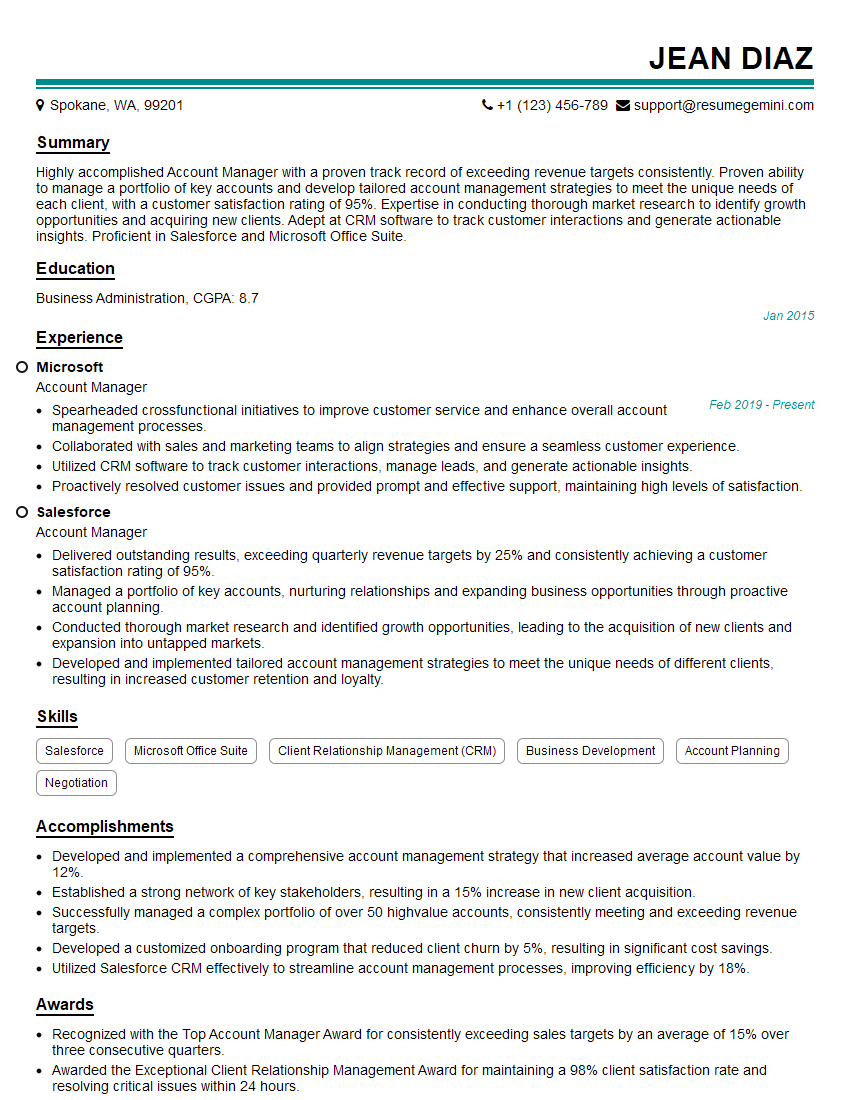
Account Manager Resume Sample
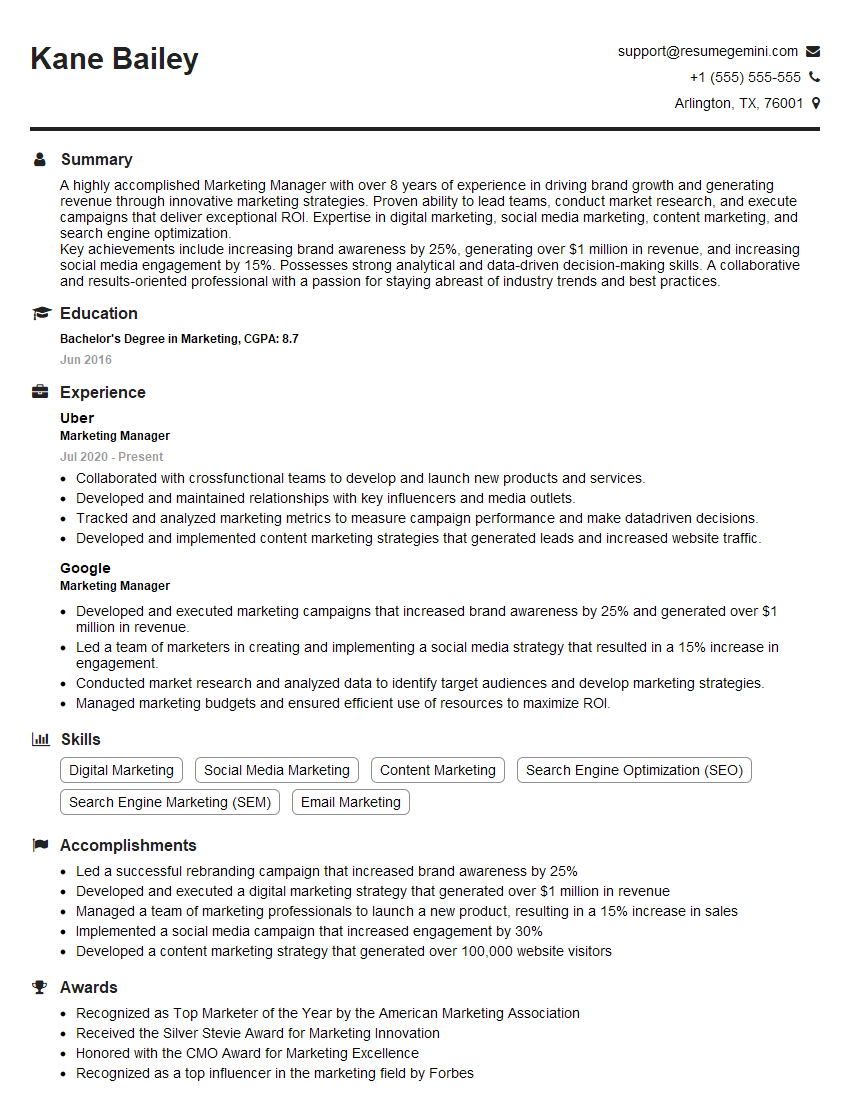
Marketing Manager Resume Sample
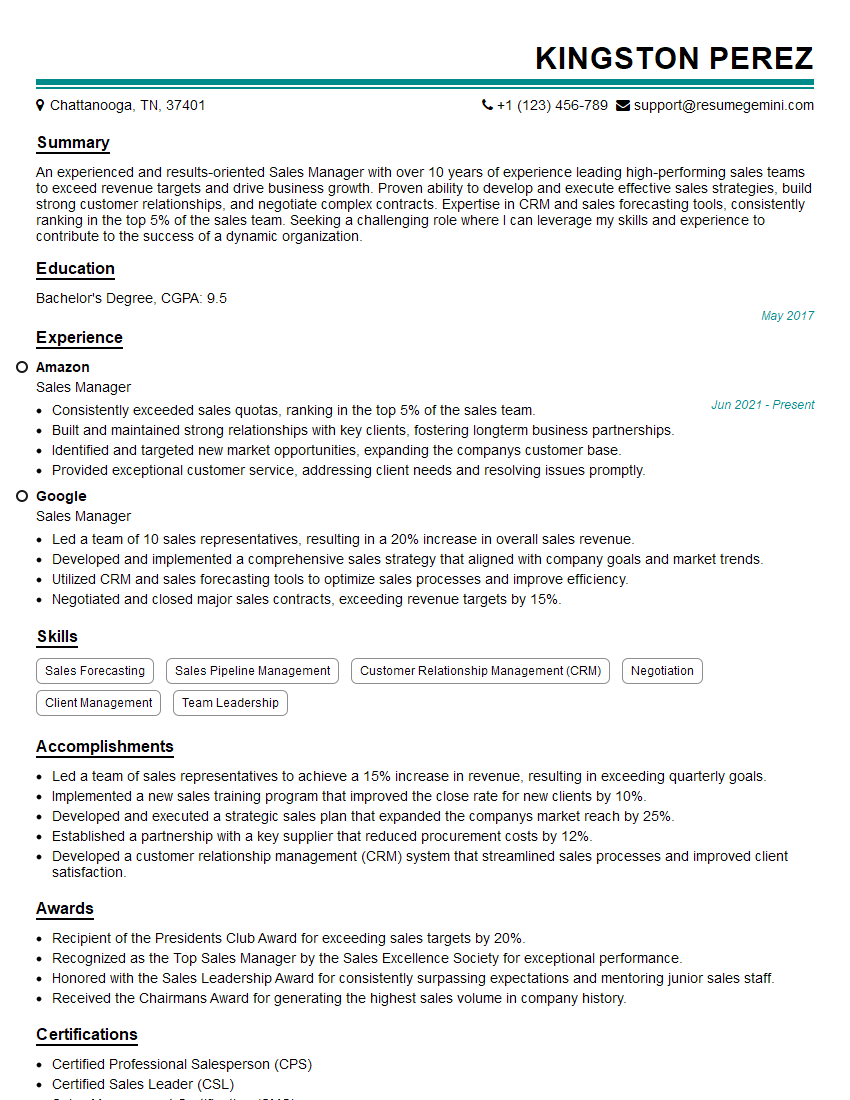
Sales Manager Resume Sample
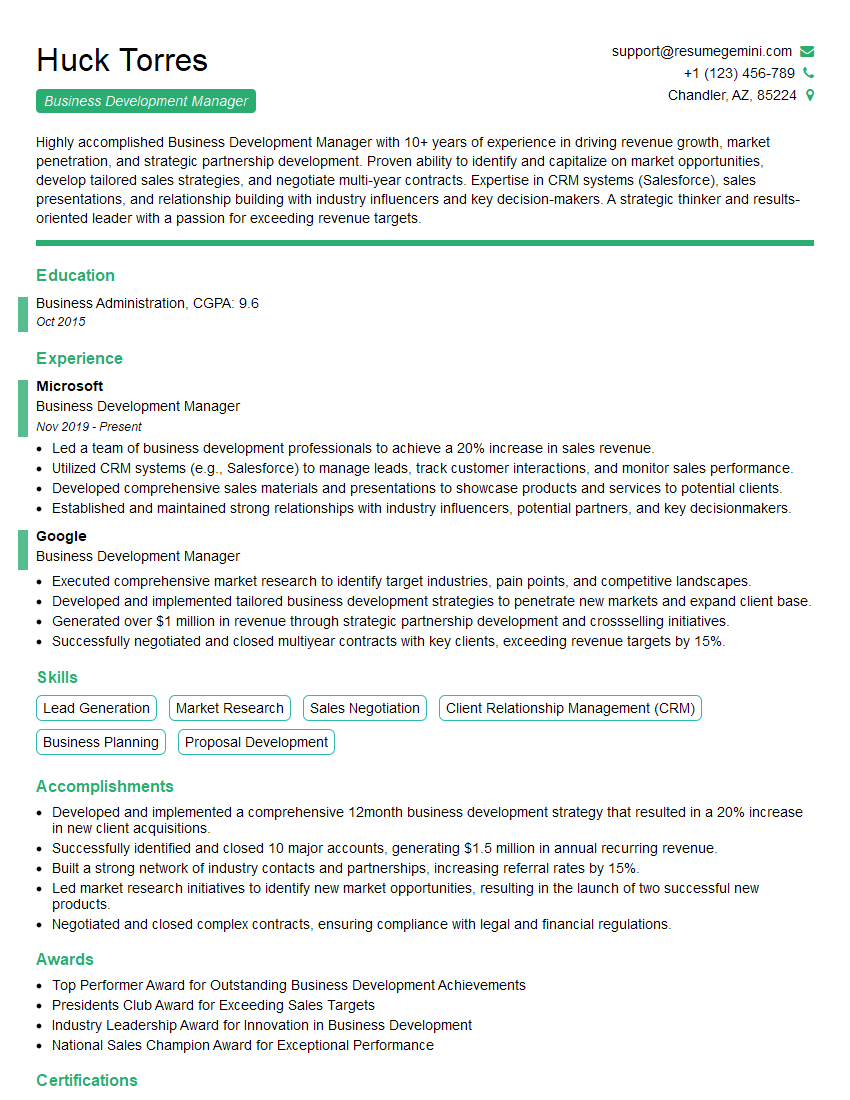
Business Development Manager Resume Sample
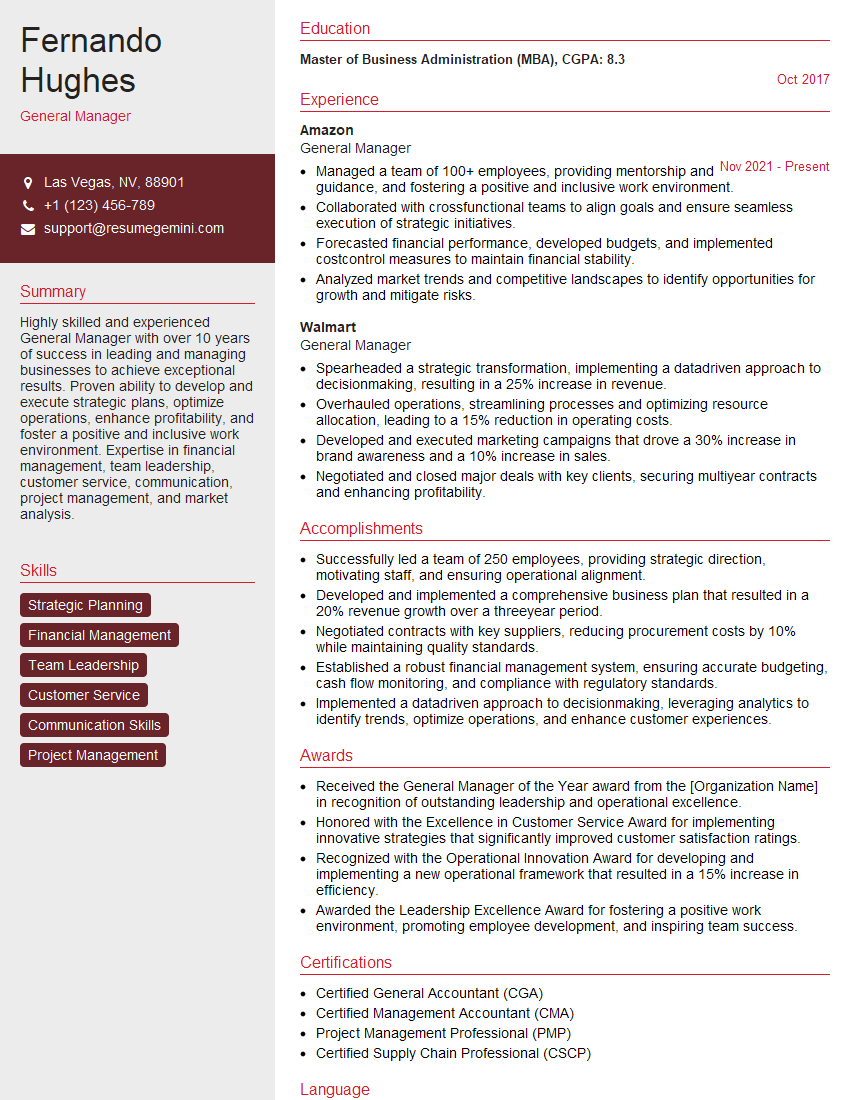
General Manager Resume Sample
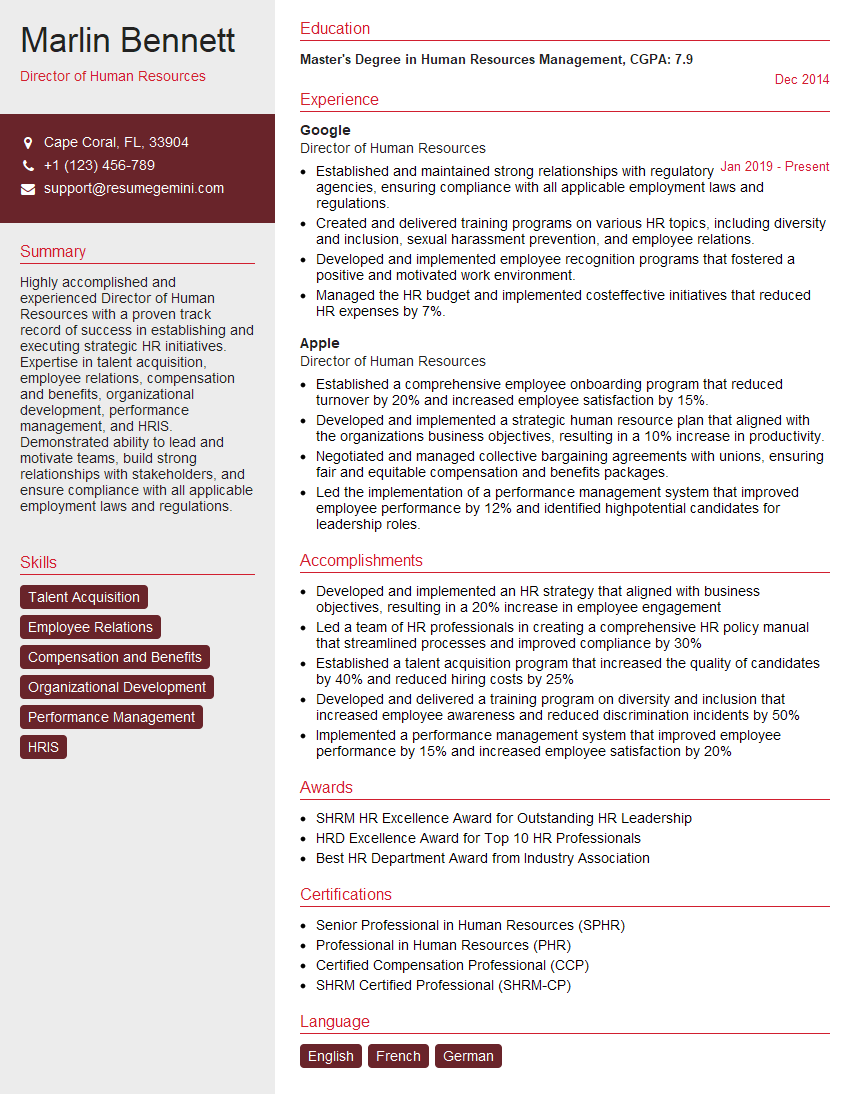
Director of Human Resources Resume Sample
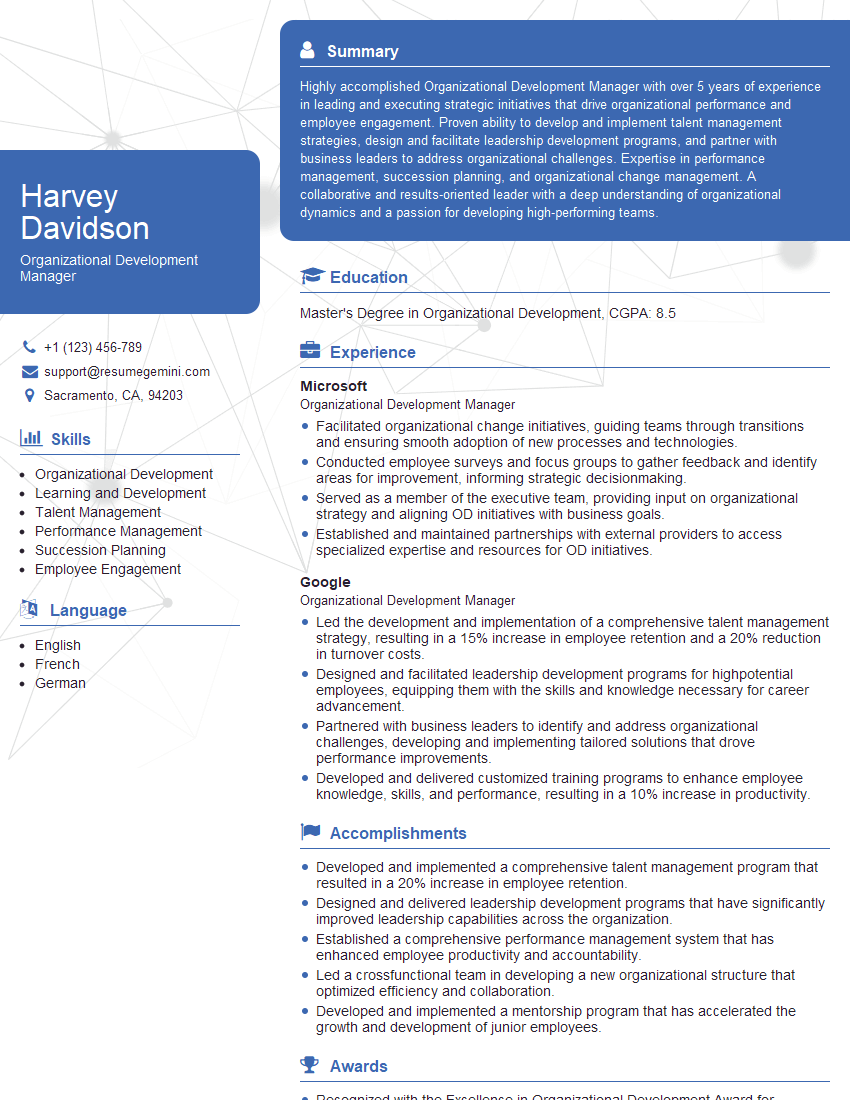
Organizational Development Manager Resume Sample
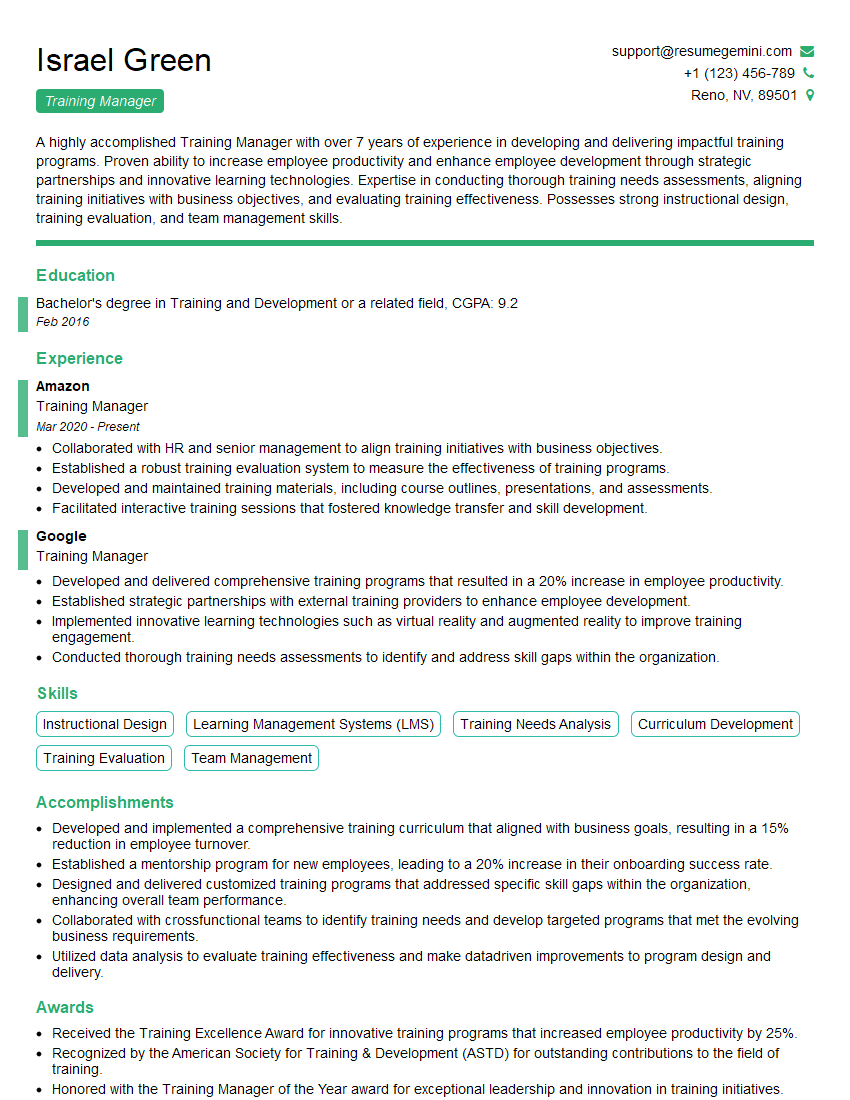
Training Manager Resume Sample
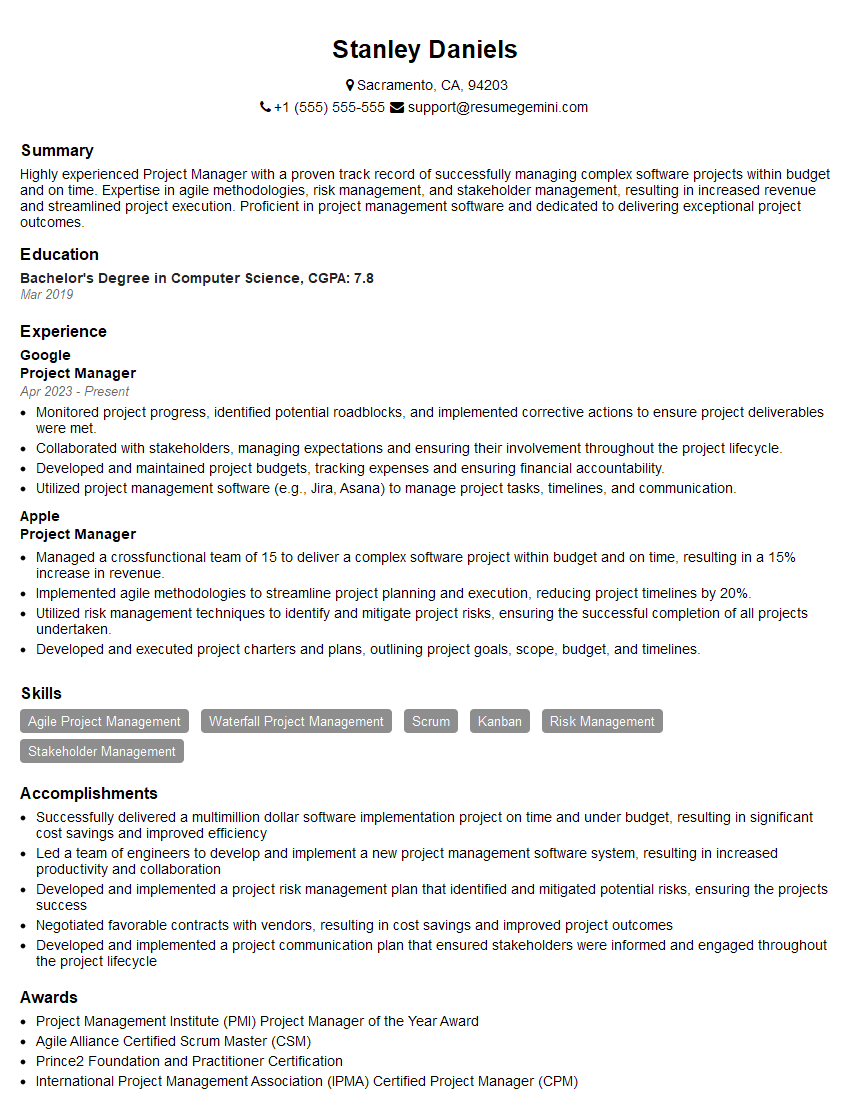
Project Manager Resume Sample
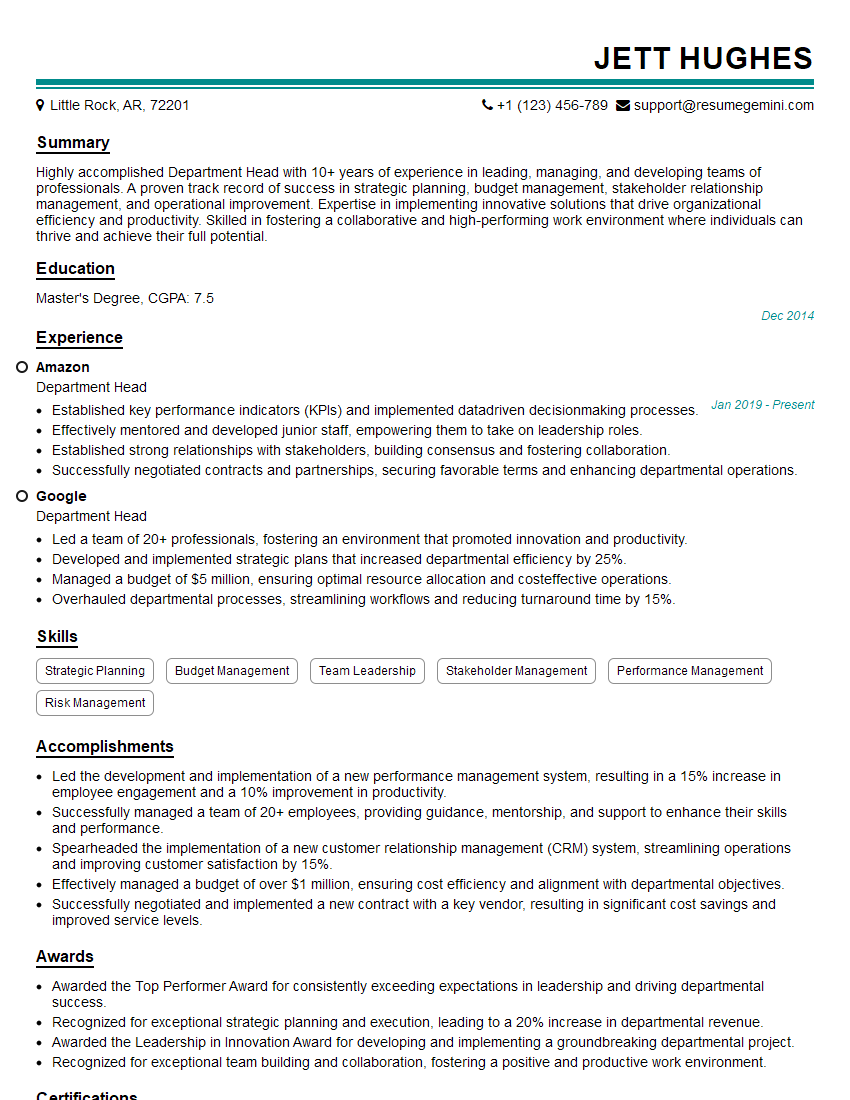
Department Head Resume Sample
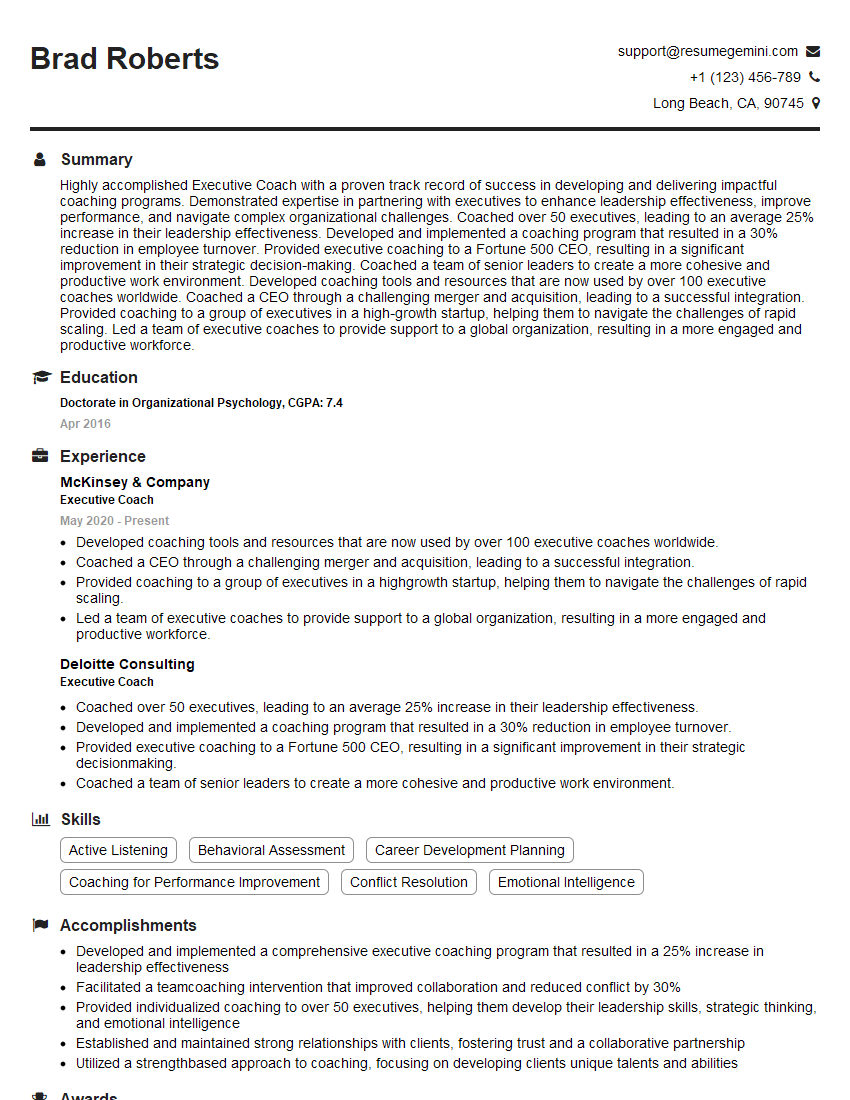
Executive Coach Resume Sample
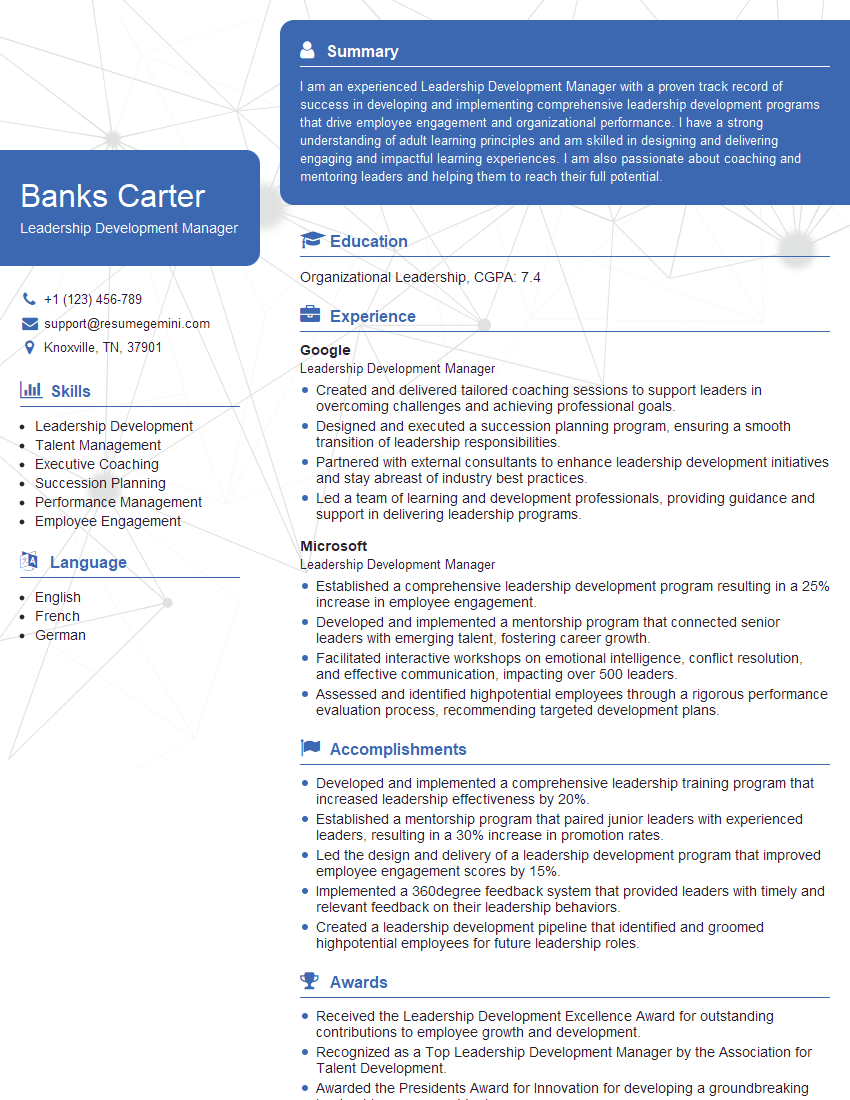
Leadership Development Manager Resume Sample
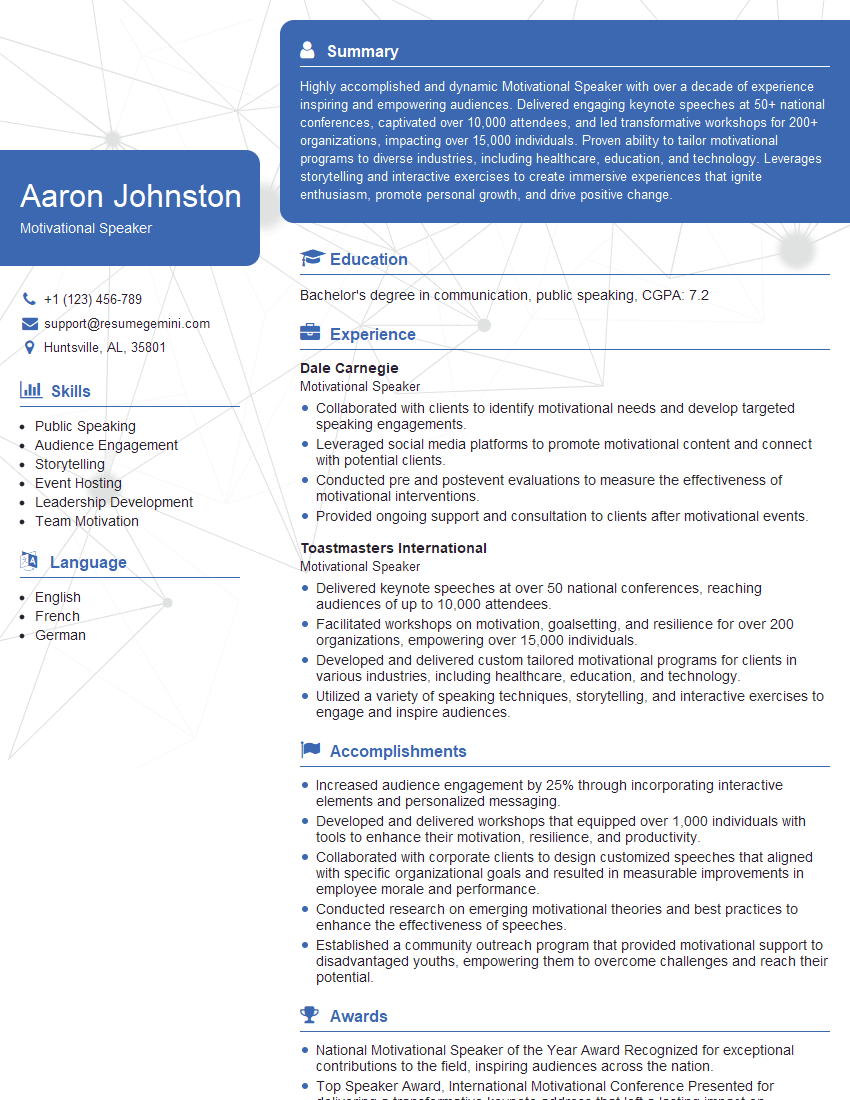
Motivational Speaker Resume Sample
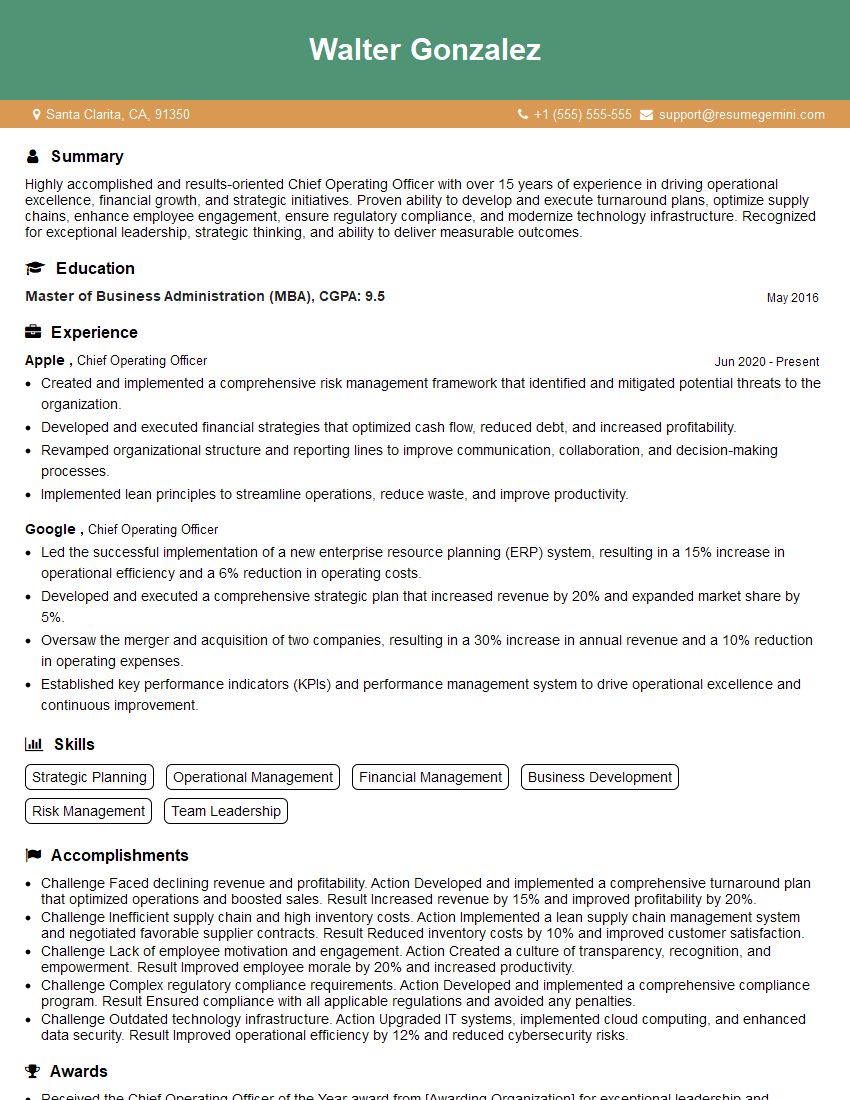
Chief Operating Officer Resume Sample
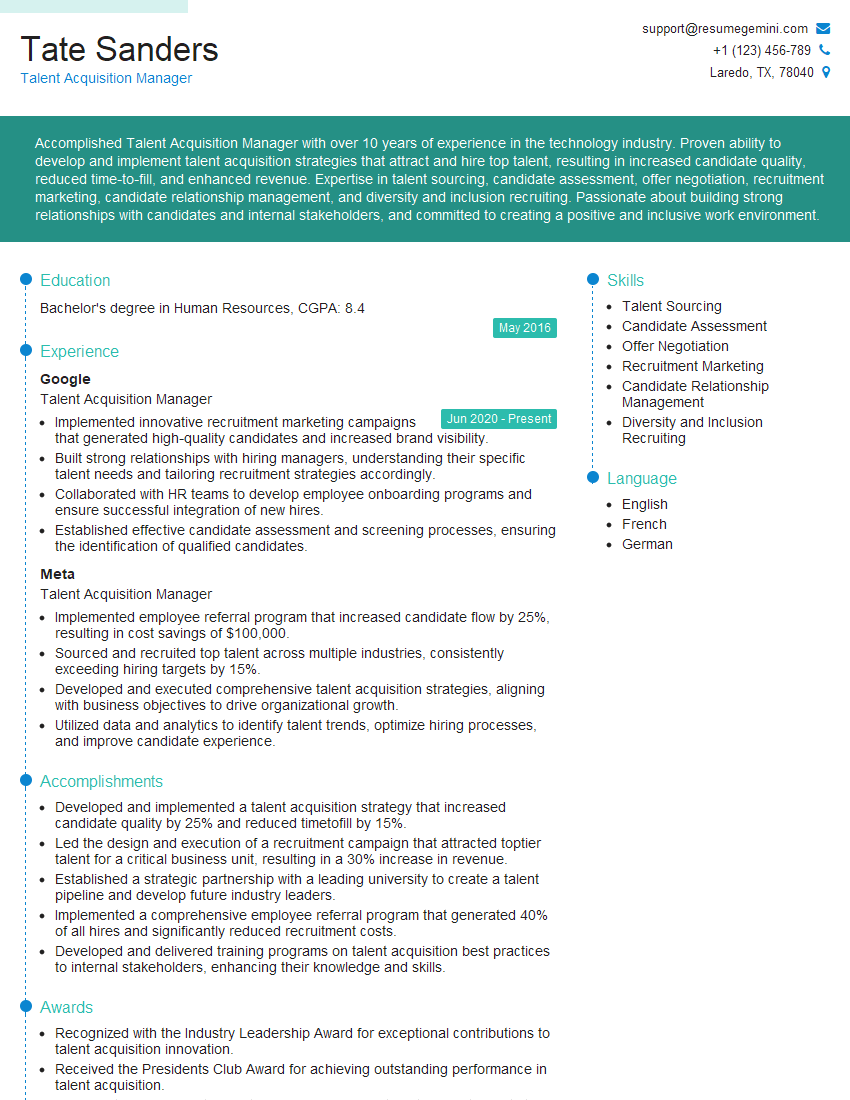
Talent Acquisition Manager Resume Sample
- Executive Director
- Program Manager
- Operations Manager
- Account Manager
- Marketing Manager
- Sales Manager
- Business Development Manager
- General Manager
- Director of Human Resources
- Organizational Development Manager
- Training Manager
- Project Manager
- Department Head
- Executive Coach
- Leadership Development Manager
- Motivational Speaker
- Chief Operating Officer
- Talent Acquisition Manager
Explore more articles
Users Rating of Our Blogs
Share Your Experience
We value your feedback! Please rate our content and share your thoughts (optional).
What Readers Say About Our Blog
Very informative content, great job.
good